Visiteur
What if Central Europe’s best-kept secret became your next destination? Nestled between the Alps and the Adriatic, Slovenia is emerging in 2026 as the global benchmark for regenerative tourism. With 90% of overnight stays in Green Destinations-certified locations, this small country of 2 million proves that ecology and exploration go hand in hand. Ljubljana, Europe’s first capital labeled « Green Destination, » is pioneering a form of tourism where you leave having given more than you took.

1. Ljubljana — The Green Capital Reinventing Urban Travel
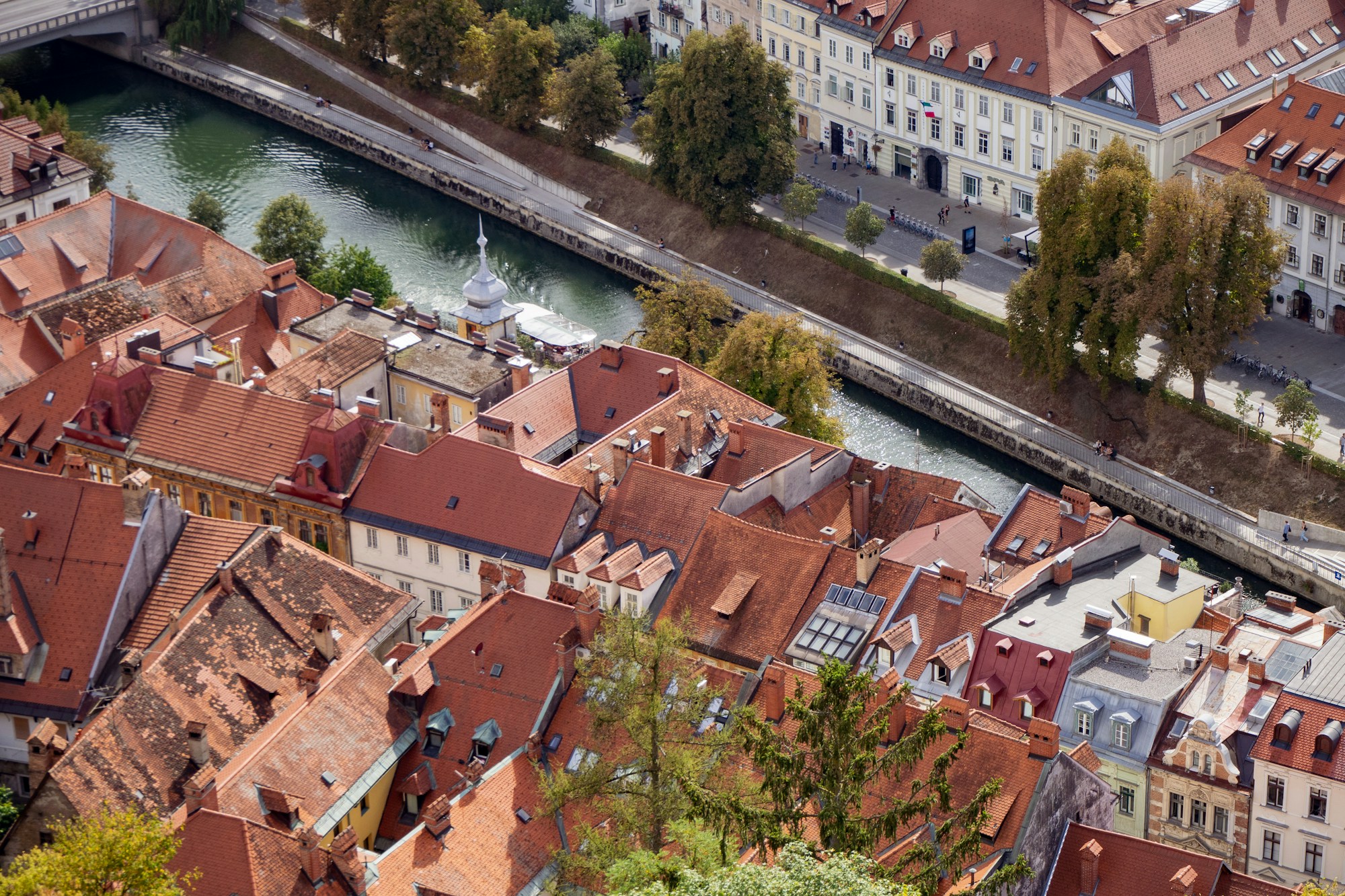
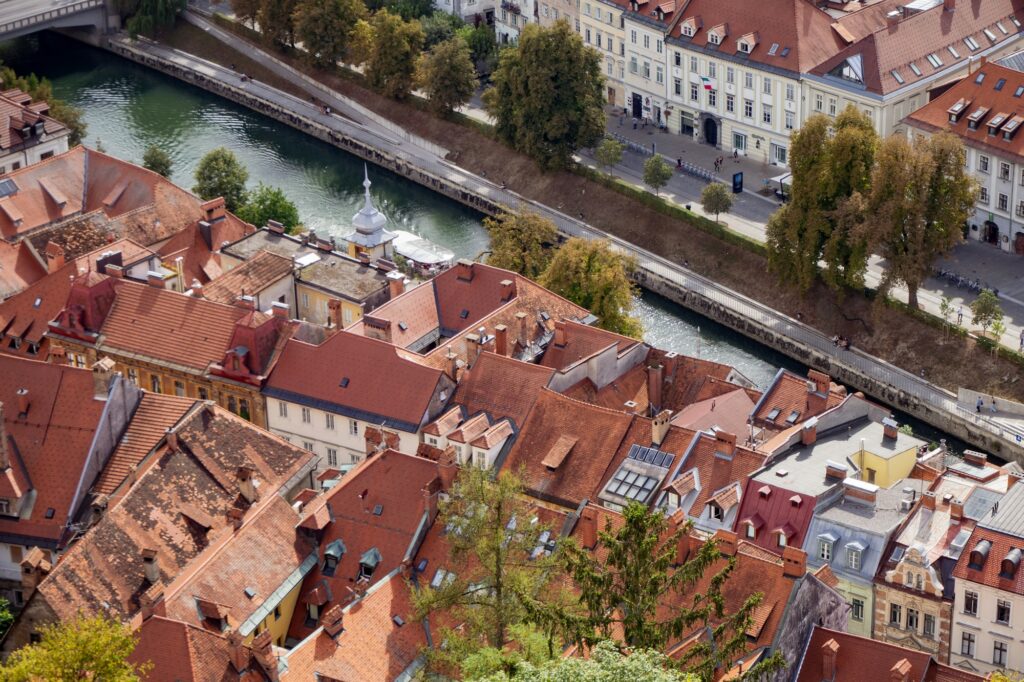
View of the Ljubljanica River and Ljubljana's pedestrian city center
Photo by Robert Katzki on Unsplash

Ljubljana, Slovenia

€90-130/day 2-3 days Mild continental May-June, September
Ljubljana is unlike any other capital. According to Visit Ljubljana, its fully pedestrianized city center ranks among the largest in Europe. The unique architecture of Jože Plečnik, UNESCO-listed, transforms every stroll into an open-air art gallery. In July 2026, a new « 100% green » railway station will open, reinforcing the city’s status as a sustainable mobility hub.

What Makes the Difference

  • Slovenia Green Platinum label — the highest certification level
  • Urban Bee Path — beekeeping in the heart of the city
  • Digital nomad visa available since 2026
  • Advanced Zero Waste management
Pixidia Tip: Skip the castle funicular if you’re fit. The forest trails from the old town are free and you’ll meet locals. On Fridays, don’t miss « Odprta kuhna » (Open Kitchen) at the central market.

2. Lake Bled — The Alpine Icon in Ecological Transition
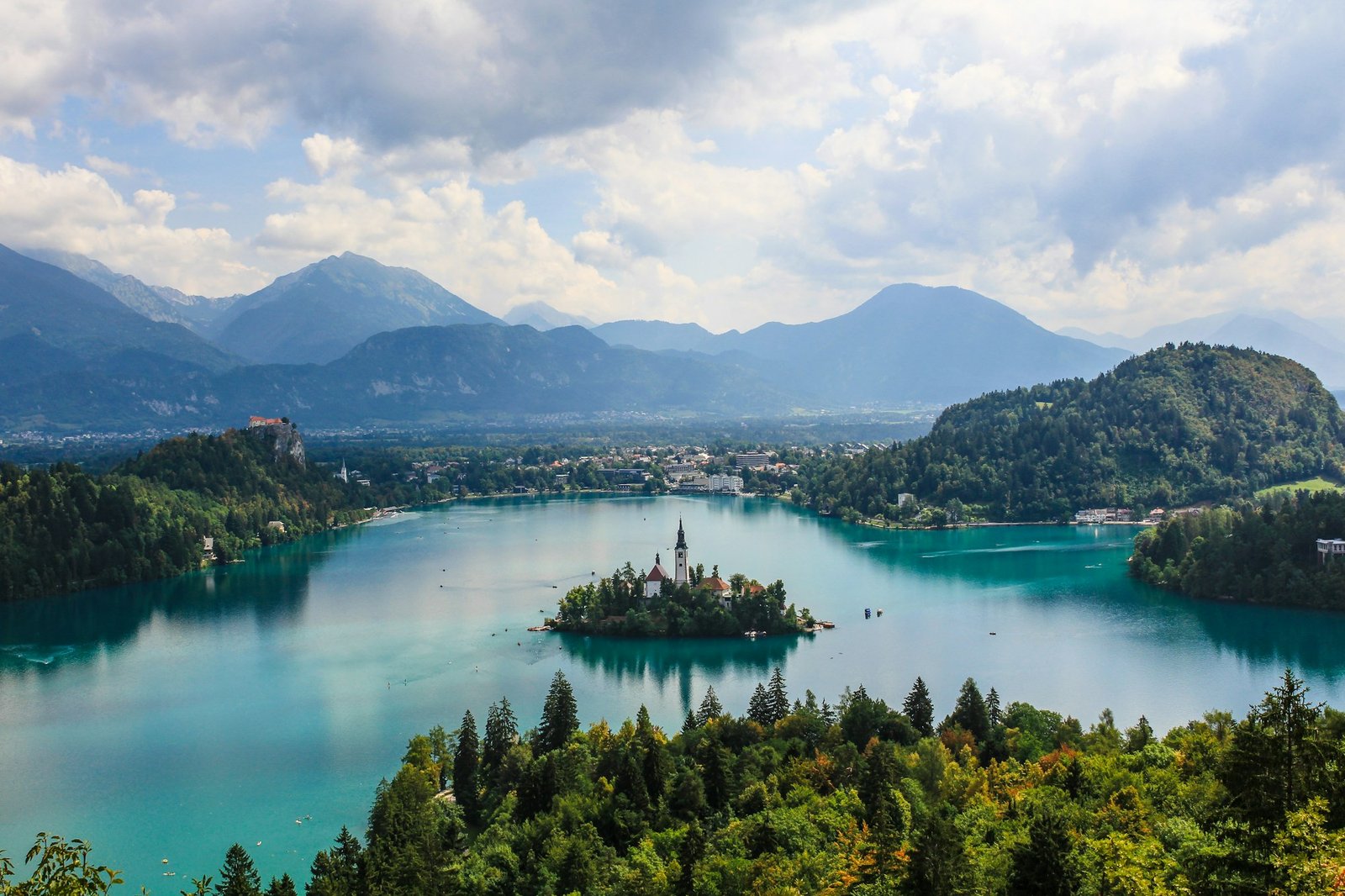
Panoramic view of Lake Bled with its island and castle
Photo by Arnaud STECKLE on Unsplash

Lake Bled, Julian Alps

€100-180/day 2-3 days Temperate alpine April-May, Oct.
The quintessential postcard image. But Bled in 2026 is much more than a pretty photo. According to MisterTravel, the opening of Muzej Lah — a contemporary art museum designed by David Chipperfield Architects built beneath the castle — will transform the destination. Over 800 works by Slovenian and international artists will be on display. Sunrise hot air balloon rides will complement the summer offerings.

What Makes the Difference

  • Muzej Lah — opening summer 2026
  • Progressive car ban around the lake
  • Pletna — traditional wooden boats
  • Kremšnita — the famous local cream cake
Pixidia Tip: For the best free view, hike to the Ojstrica viewpoint (20-minute steep walk). Use the park-and-ride facilities and free shuttles rather than parking near the lake.

3. Lake Bohinj — Slovenia’s Secret in the Heart of Triglav
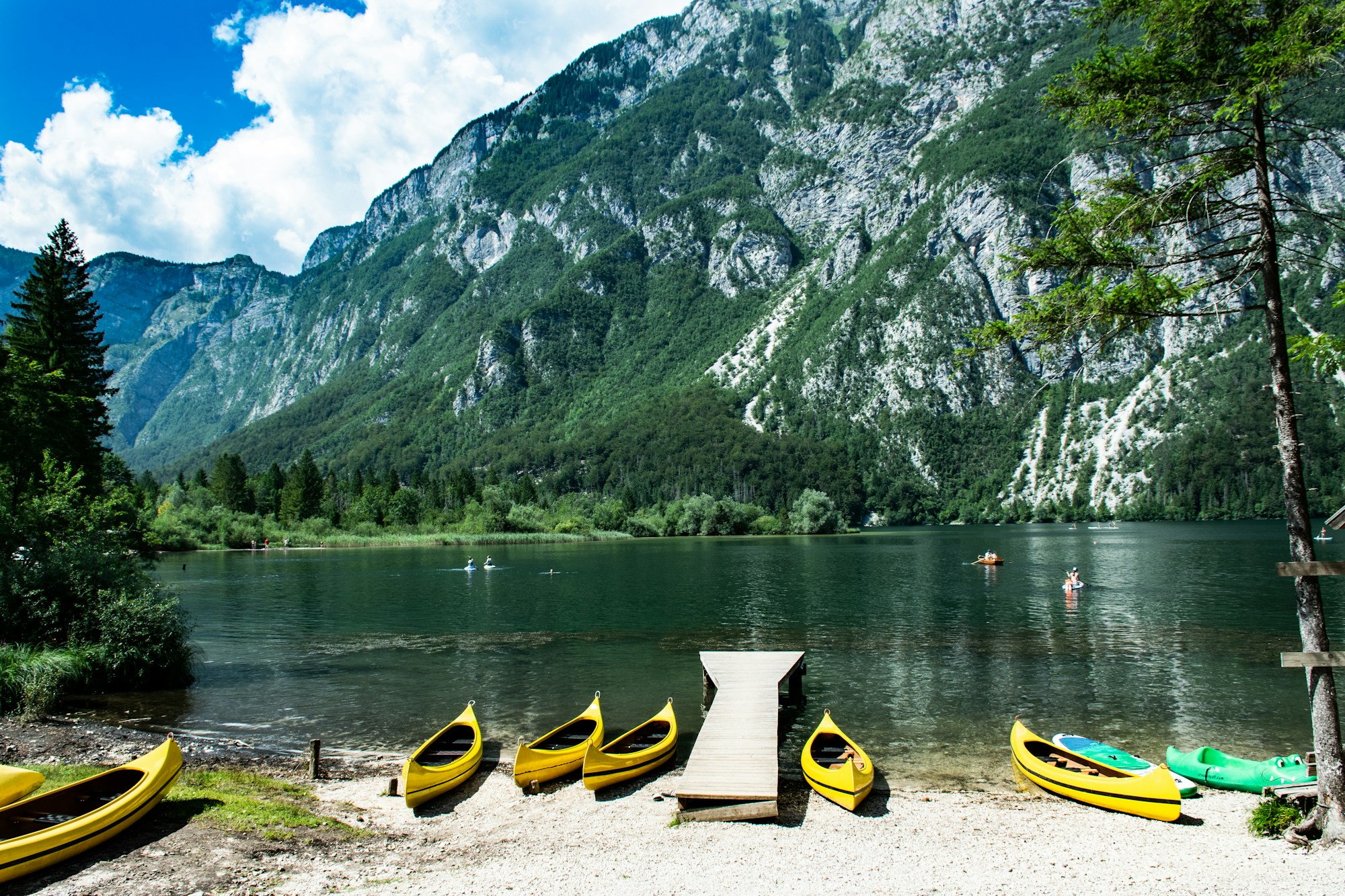
Lake Bohinj surrounded by mountains in Triglav National Park
Photo by Lea Kobal on Unsplash

Lake Bohinj, Triglav National Park

€100-150/day 3-4 days Alpine June, September
Just 25 minutes from Bled, Bohinj offers a radically different experience. Wilder, larger, and decidedly more ecological. According to Bohinj Green Destination, the municipality has strengthened traffic restrictions to preserve tranquility. From May 22 to June 7, 2026, the 20th International Wild Flower Festival will celebrate the exceptional biodiversity of this UNESCO-listed valley.

What Makes the Difference

  • No large hotels by the water
  • Crystal-clear, drinkable water
  • « From Forks to Plates » project — ultra-short supply chains
  • Wild Flower Festival — May-June 2026
Pixidia Tip: Rent a bike and head to Savica Waterfall early morning (before 9am). The « Julian Alps » card included with some accommodations offers free transport and a panoramic electric boat ride.
Discover our 9-day family itinerary in Slovenia

4. Postojna Caves — The Underground World of « Baby Dragons »
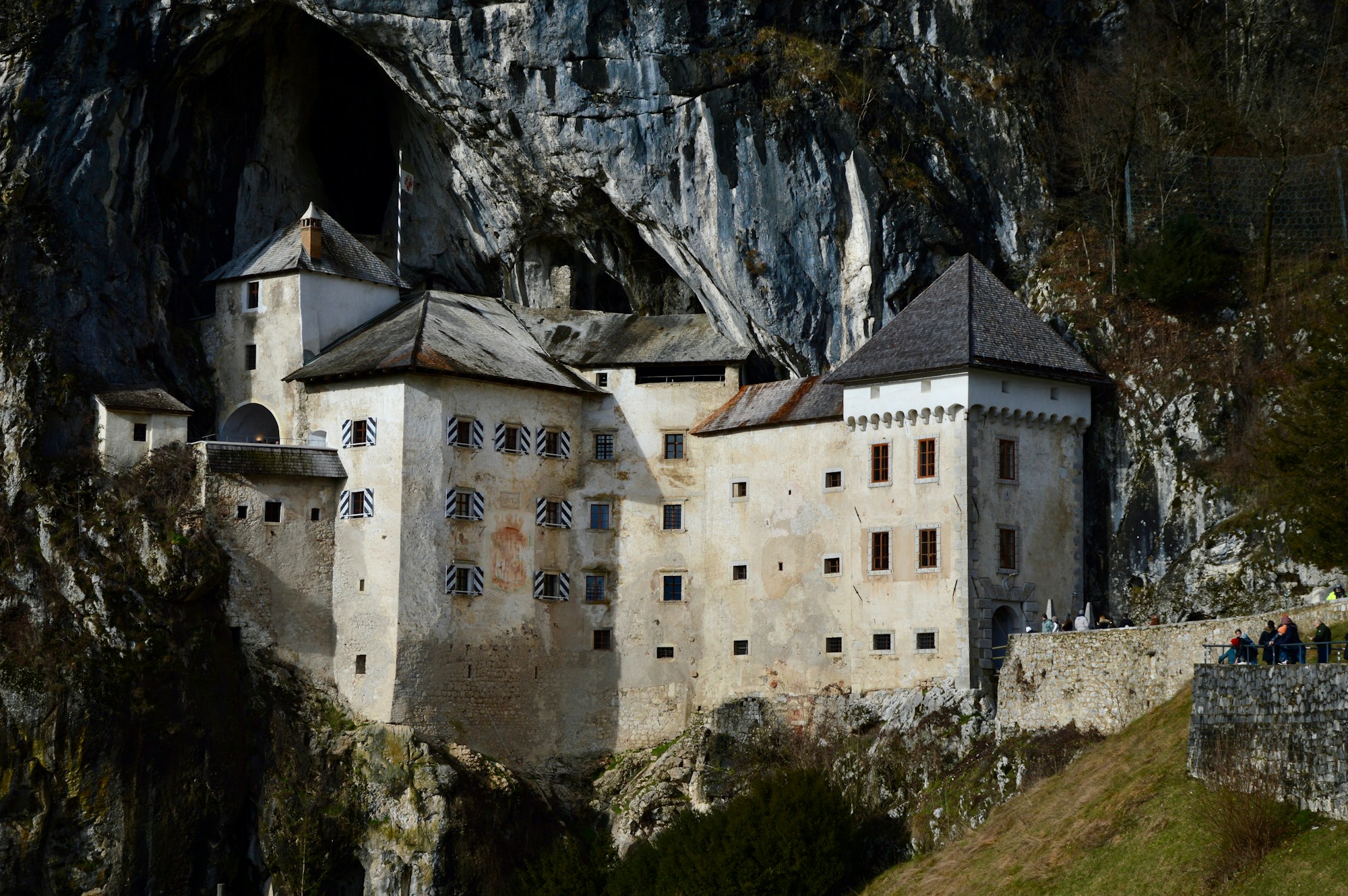
Predjama Castle built into a cliff near Postojna Caves
Photo by Emin Huric on Unsplash

Postojna Caves & Predjama Castle

€45-55 (combo ticket) 1 day Constant 10°C Year-round
With 24 km of galleries, Postojna ranks among Europe’s most spectacular cave systems. According to the official website, an electric train runs through this underground world, while the Vivarium allows visitors to observe « baby dragons » — olms, unique cave-dwelling amphibians. A few kilometers away, Predjama Castle, built into a 123-meter cliff, completes the experience.

What Makes the Difference

  • Underground electric train — exemplary management
  • Proteus anguinus — the endemic « human fish »
  • Predjama Castle — medieval cave fortress
  • Constant temperature — ideal year-round
Pixidia Tip: It’s 10°C in the cave even in summer — bring a sweater! Buy tickets online at least 2 days in advance to guarantee entry. Avoid July-August weekends or book the first morning slot.

5. Soča Valley — The Emerald River

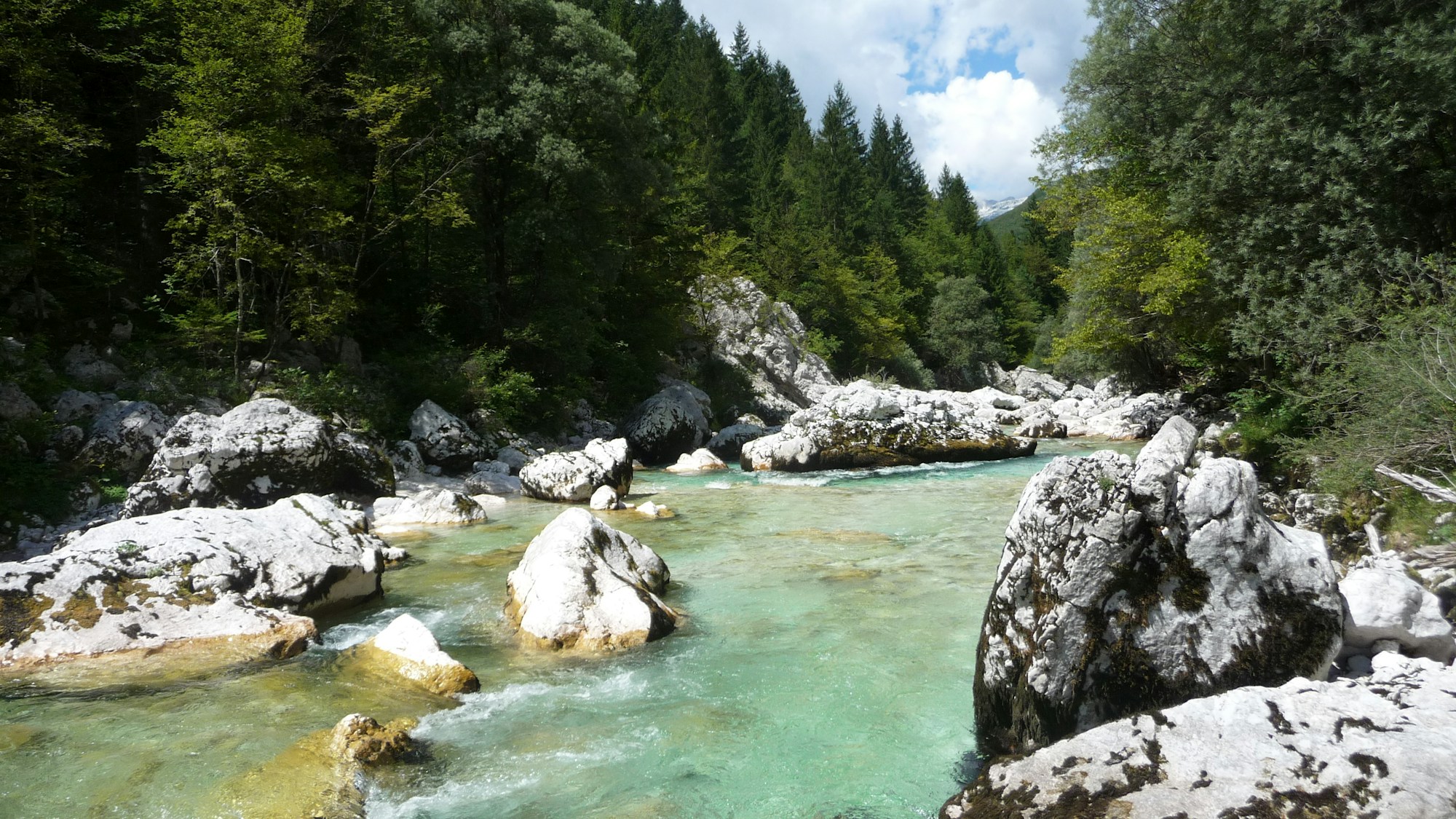
The turquoise waters of the Soča River in the Julian Alps
Photo by Ulrich Knoll on Unsplash

Soča Valley (Bovec, Kobarid, Tolmin)

€120-160/day 2-4 days Moderate alpine May-June, October
This valley is world-famous for the unreal turquoise color of its river. According to Life Hike, the Juliana Trail passes through this area, offering an accessible long-distance hike. It’s also one of the filming locations for The Chronicles of Narnia. For thrill-seekers, rafting (€50-70) and canyoning remain unmissable.

What Makes the Difference

  • Unique water color — looks edited but 100% natural
  • Juliana Trail — long-distance hiking
  • Site of remembrance — Isonzo Front (1914-18)
  • Kozjak Waterfall — hidden in an open-air grotto
Pixidia Tip: Avoid Bovec in August if you’re seeking peace. Prefer Kobarid and visit Kozjak Waterfall. May-June offers optimal water flow for water activities; October brings sublime autumn colors.

6. Ptuj — Best Cultural Heritage City in Europe 2026
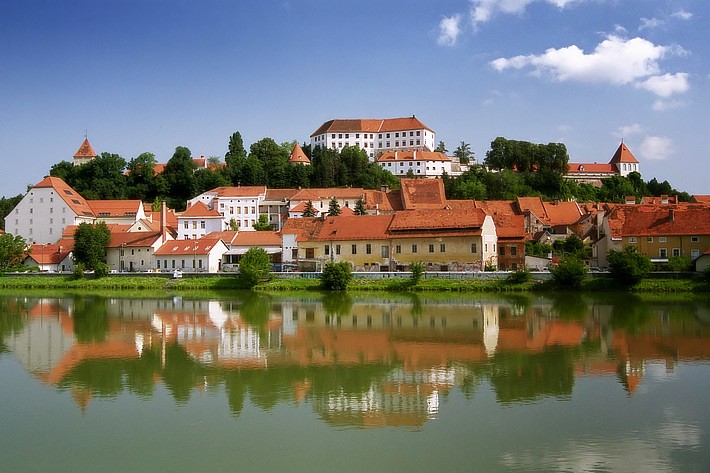
View of Ptuj Castle and the Drava River
Photo via Wikimedia Commons

Ptuj, Drava Valley

€45-75/day 1-2 days Continental February (carnival), May-Oct.
Slovenia’s oldest city has just been crowned by European Best Destinations as the best cultural heritage destination for 2026. With its Roman heritage, its millennium-old castle overlooking the Drava, and centuries-old winemaking traditions, Ptuj embodies authentic Slovenia far from mass tourism.

What Makes the Difference

  • Kurentovanje Carnival — February, living heritage
  • Oldest city in the country
  • Historic wine cellars
  • Very few international tourists
Pixidia Tip: Plan your visit around the Kurentovanje Carnival in February for a spectacular cultural immersion. The Kurenti, masked creatures, chase away winter in a millennia-old tradition.

7. Piran — Authentic Mediterranean the Slovenian Way
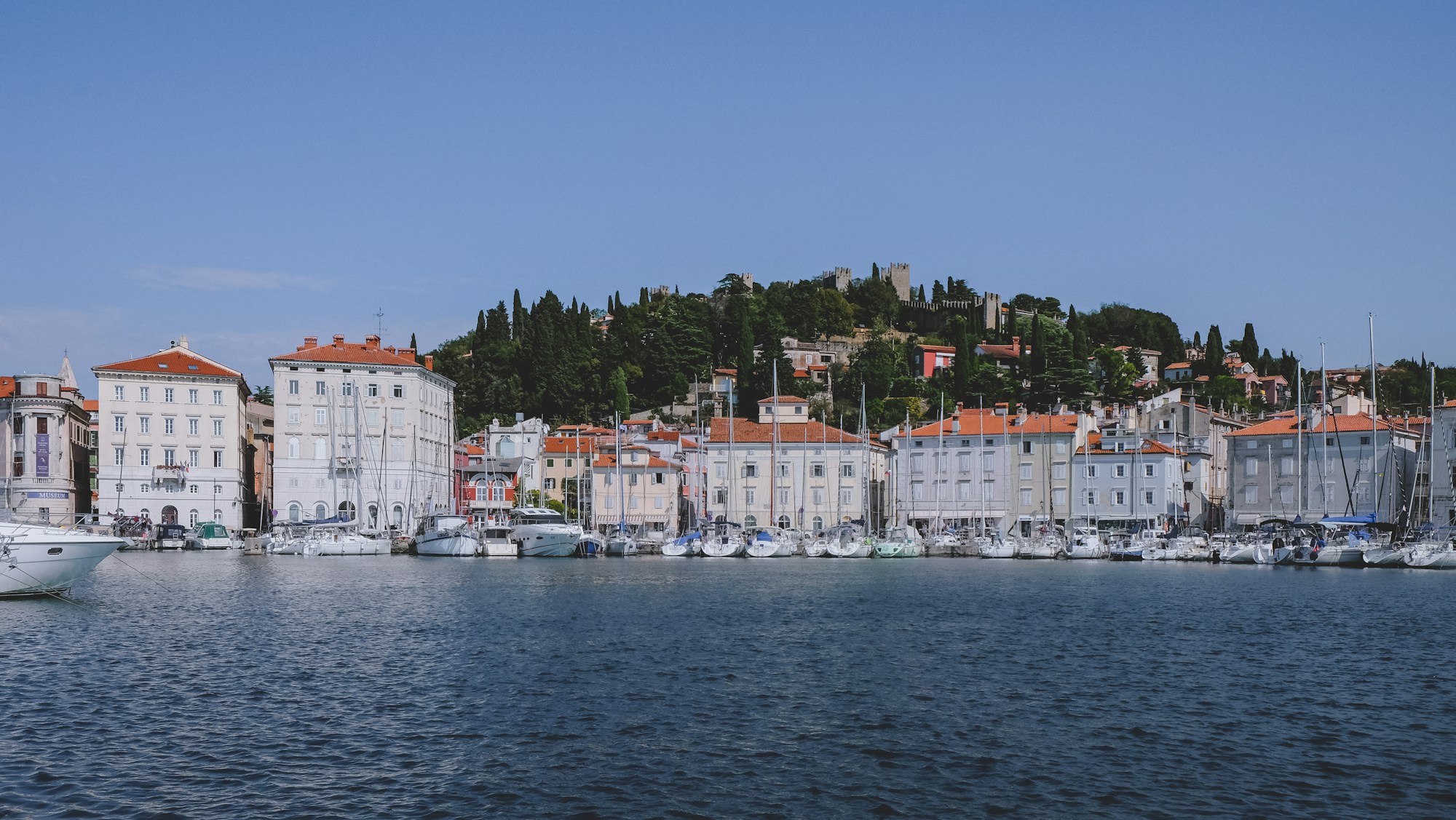
The picturesque harbor of Piran on the Slovenian Adriatic coast
Photo by Elijah G on Unsplash

Piran, Slovenian Adriatic Coast

€80-130/day 1-2 days Mediterranean May-June, September
Along Slovenia’s 47 km of coastline, Piran stands out with its preserved Venetian architecture and authentic Mediterranean atmosphere. This Adriatic pearl, labeled Slovenia Green, offers a calmer and more affordable alternative to its Italian or Croatian neighbors.

What Makes the Difference

  • Intact Venetian architecture
  • Sečovlje Salt Pans — salt harvested by hand
  • Adriatic Sea gastronomy
  • Less touristy than neighboring Croatia
Pixidia Tip: Don’t miss the Sečovlje Salt Pans, a protected natural area. Salt has been harvested here traditionally for 700 years. Climb the bell tower of St. George’s Church for the best view of the town.

8. Regenerative Tourism — Why Slovenia Is Setting the Standard
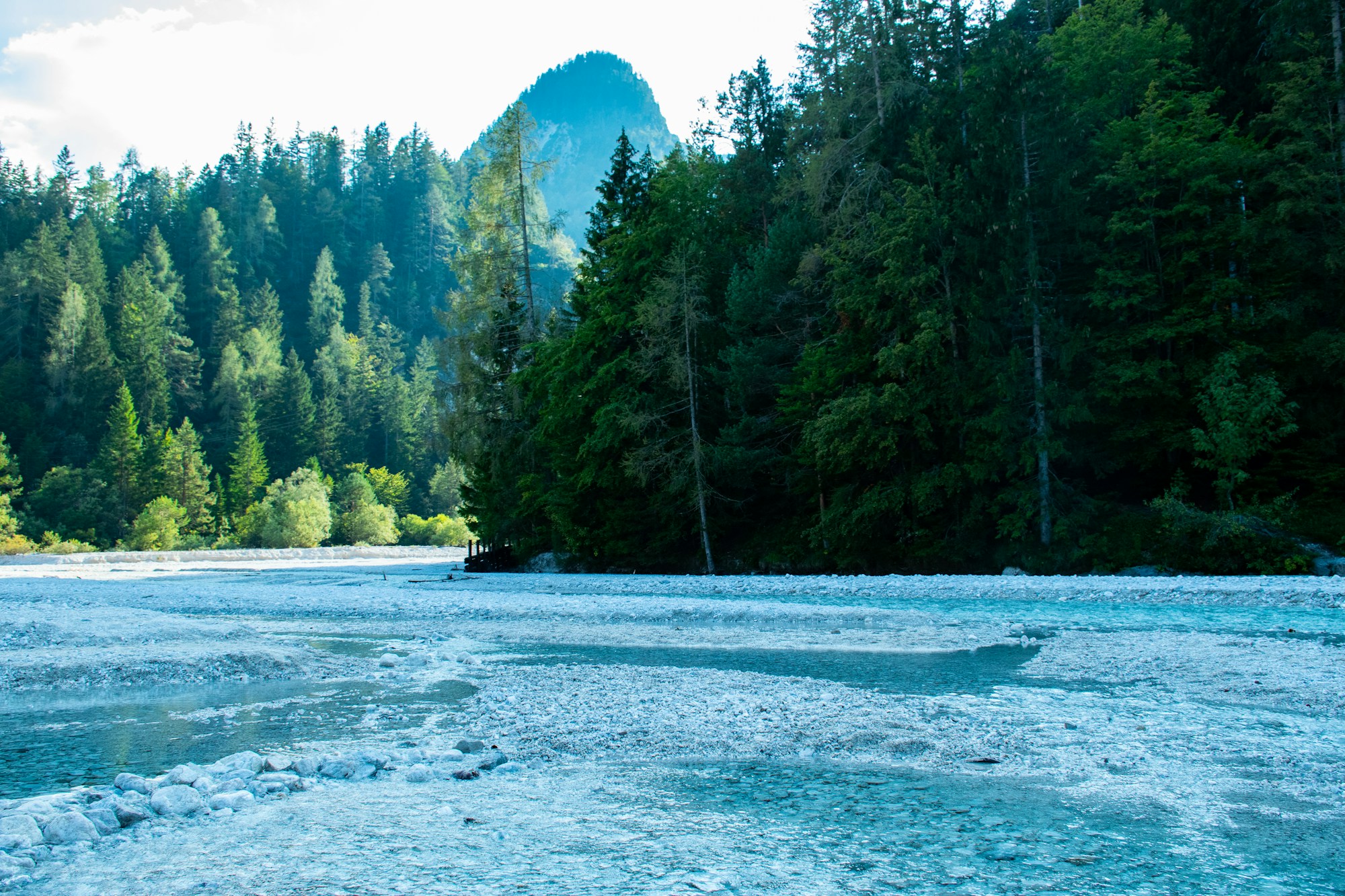
Preserved natural landscape illustrating Slovenia's ecological commitment
Photo by Lea Kobal on Unsplash

The Slovenia Green Model

90% certified stays Top 100 Green Stories UN Tourism Council Rating 8.9/10
In 2026, Slovenia doesn’t just talk sustainability — it measures it. According to the Slovenian Tourist Board, the national NiST system tracks 60 indicators across economic, environmental, and social dimensions. The country has just been elected to the UN Tourism Executive Council for 2025-2029, confirming its leadership role.

Key 2026 Figures

  • 7 million arrivals expected (controlled growth)
  • €278 million invested in 119 sustainable projects
  • Two-thirds of residents view tourism positively
  • Right to drinking water enshrined in the Constitution
Pixidia Tip: To maximize your positive impact: stay in Slovenia Green-certified accommodations, visit outside peak season (May-June or September-October), and use green transport (train, bus, bike). Your water bottle will be your best friend — tap water is excellent everywhere.

Frequently Asked Questions About Slovenia in 2026

What is the best time to visit Slovenia in 2026?

May-June and September-October offer the best balance: pleasant temperatures (18-25°C), fewer crowds, and exceptional landscapes. Summer (July-August) remains popular but can be crowded at Bled and Ljubljana. Winter suits ski and thermal spa enthusiasts. Source: Slovenia.si

What budget should I plan for a week in Slovenia?

Expect €700 to €1,200 per person for 7 days (excluding international flights). Breakdown: accommodation €50-100/night, meals €15-25/day, attractions €30-50/day, transport €30-50/week. Prices rose 15-20% between 2023 and 2025. The motorway vignette costs approximately €16 for 7 days (E-vignette online). Source: Budget Your Trip

Is Slovenia suitable for families with children?

Absolutely. Lakes Bled and Bohinj offer safe swimming, Postojna Caves fascinate young and old alike (the « baby dragons »!), and numerous hiking trails are accessible at all levels. The country is very safe (top 10 in the Global Peace Index) and infrastructure is family-friendly. The Treetop Walk at Rogla-Pohorje is stroller-accessible. Discover our 9-day family itinerary.

How can I travel sustainably in Slovenia?

The IJPP bus and train network serves the Ljubljana-Bled-Bohinj corridor well (fares €1.50-16.50). Destination cards (Julian Alps Card, Ljubljana Card) often include transport. For remote areas (Logar Valley, Bela Krajina), a car remains practical. Ljubljana’s new green station (July 2026) will strengthen rail connections. Cycling is ideal for valleys. Source: Arriva Slovenia

Do I need a visa for Slovenia?

Slovenia is part of the Schengen Area: EU citizens only need a valid ID card. French, Belgian, Swiss, and Canadian nationals can stay up to 90 days without a visa. New in 2026: a digital nomad visa is now available for remote workers wishing to stay longer.

What events not to miss in Slovenia in 2026?

2026 highlights: Škofja Loka Passion Play (March 21 – April 19), first edition since UNESCO inscription; Bohinj Wild Flower Festival (May 22 – June 7); European Cycling Championships in Ljubljana (October 3-7). Openings: Muzej Lah in Bled (summer), NaturHotel Snovik (June), Ljubljana’s green station (July). Source: MisterTravel

Sources

Research conducted on January 31, 2026.

Ready to Discover Slovenia?

This eco gem of Central Europe is waiting for you. Alpine lakes, ancient caves, green capital… Slovenia offers a travel experience where authenticity meets responsibility. Explore our traveler-verified itineraries to plan your Slovenian adventure. Explore all itineraries

Explore our travel magazine

Hundreds of articles, guides and inspiration for your next trips around the world.

Discover the magazine
Vos préférences ont été enregistrées.