

What’s the ideal way to plan a multigenerational trip in 2026? Traveling with three generations, grandparents, parents, and children, works best over 7 to 10 days, with accommodation absorbing about 40% of the budget, transport 30%, and food and activities the remaining 30%. Top-rated picks include the Azores, Slovenia’s Soča Valley, and Puglia in Europe, plus Kerala and Mauritius worldwide, all built around the « split-day » rule that keeps every generation happy. Our recommendation: for groups of 10 or more, a serviced villa with a concierge beats several separate hotel rooms on both comfort and cost.
Traveling with three generations has become the major travel trend of 2026. Grandparents, parents, and children under the same roof, sharing discoveries and memories: this is multigenerational travel. According to Hilton’s 2026 Travel Trends Report, extended family trips are experiencing record growth, with strong demand for experiences where every generation finds satisfaction. This comprehensive guide gives you the keys to a successful adventure: adapted destinations, spacious accommodations, intergenerational activities, and practical tips so everyone can fully enjoy the trip.
1. Planning a Successful Multigenerational Trip
Keys to Stress-Free Organization
The success of a multigenerational trip relies on collaborative planning. According to AARP, the first step is to conduct a mini-questionnaire with each participant: desired pace, personal budget, medical constraints, walking tolerance, and most importantly « what would ruin the trip. »
The golden rule: one major activity per day maximum, then free time. Experts recommend asking everyone three questions: « I absolutely want to… », « I definitely don’t want… », and « My ideal pace. » This approach avoids 80% of family conflicts while traveling.
Key Planning Points
- Pre-trip questionnaire for all participants
- Only one structured activity per day
- Budget discussed and validated before booking
- Mandatory daily free time
If gathering every generation under one roof feels too ambitious this year, a lighter format is trending too: pairing grandparents and grandchildren alone, without the parents. Our skip-gen travel guide covers this fast-growing alternative in detail.
2. Top 5 Destinations in Europe
The Azores, Portugal
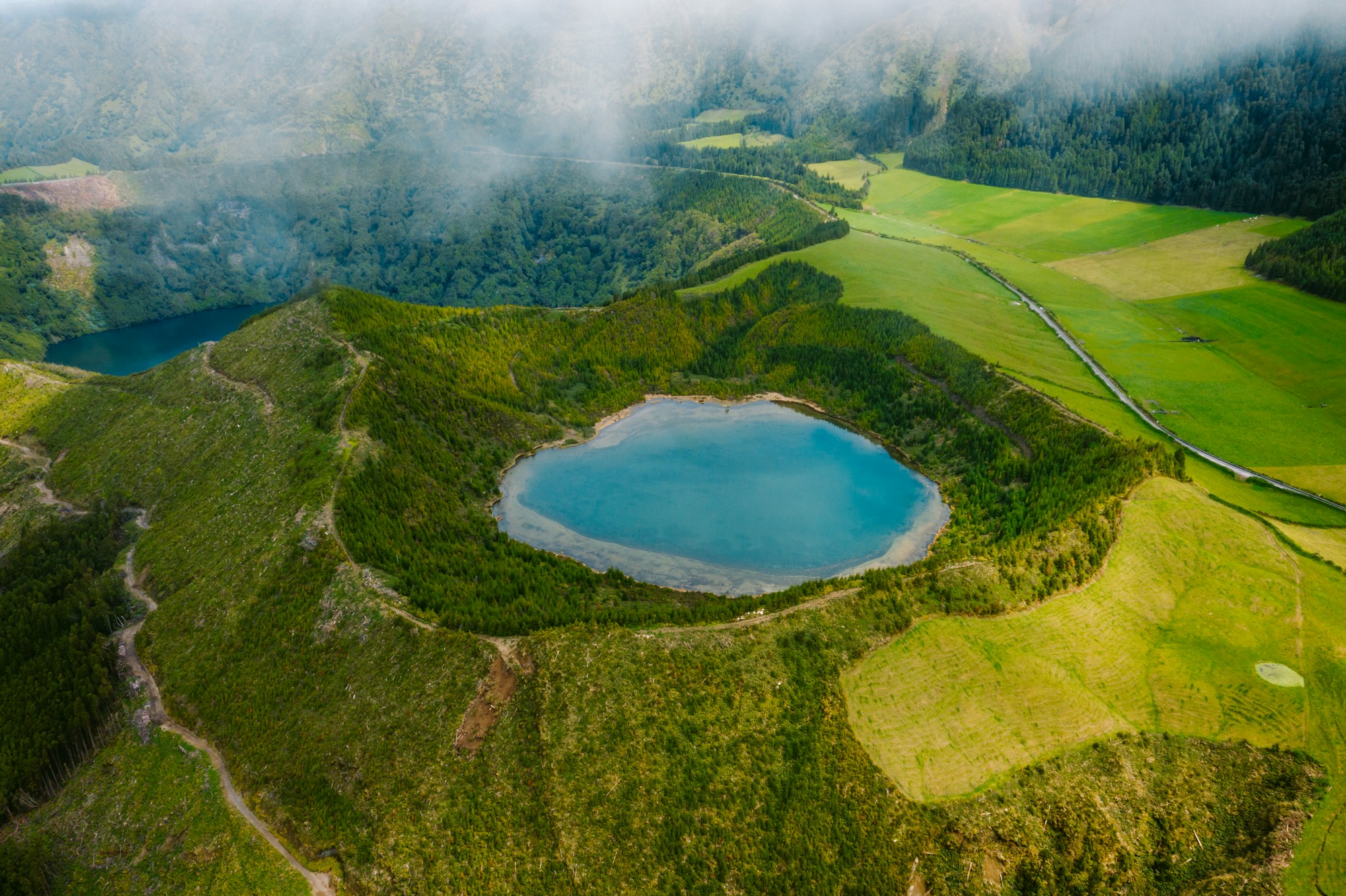
The Azores are nicknamed « Europe’s Hawaii » but remain preserved from mass tourism. For an extended family, it’s ideal: total safety, temperate climate year-round, and breathtaking nature. São Miguel Island offers activities for everyone: whale watching, natural hot springs perfect for grandparents, and gentle hikes around volcanic lakes.
The Terra Nostra Park in Furnas is a perfect example of multigenerational activity: botanical garden + thermal pool where everyone can adjust their intensity. According to BudgetYourTrip, expect about $175/person/day in comfort.
Highlights
- Hot springs accessible to all ages
- Whale and dolphin watching
- Gentle hikes around volcanic lakes
- Accommodation in Quintas (renovated farms)
Soča Valley, Slovenia
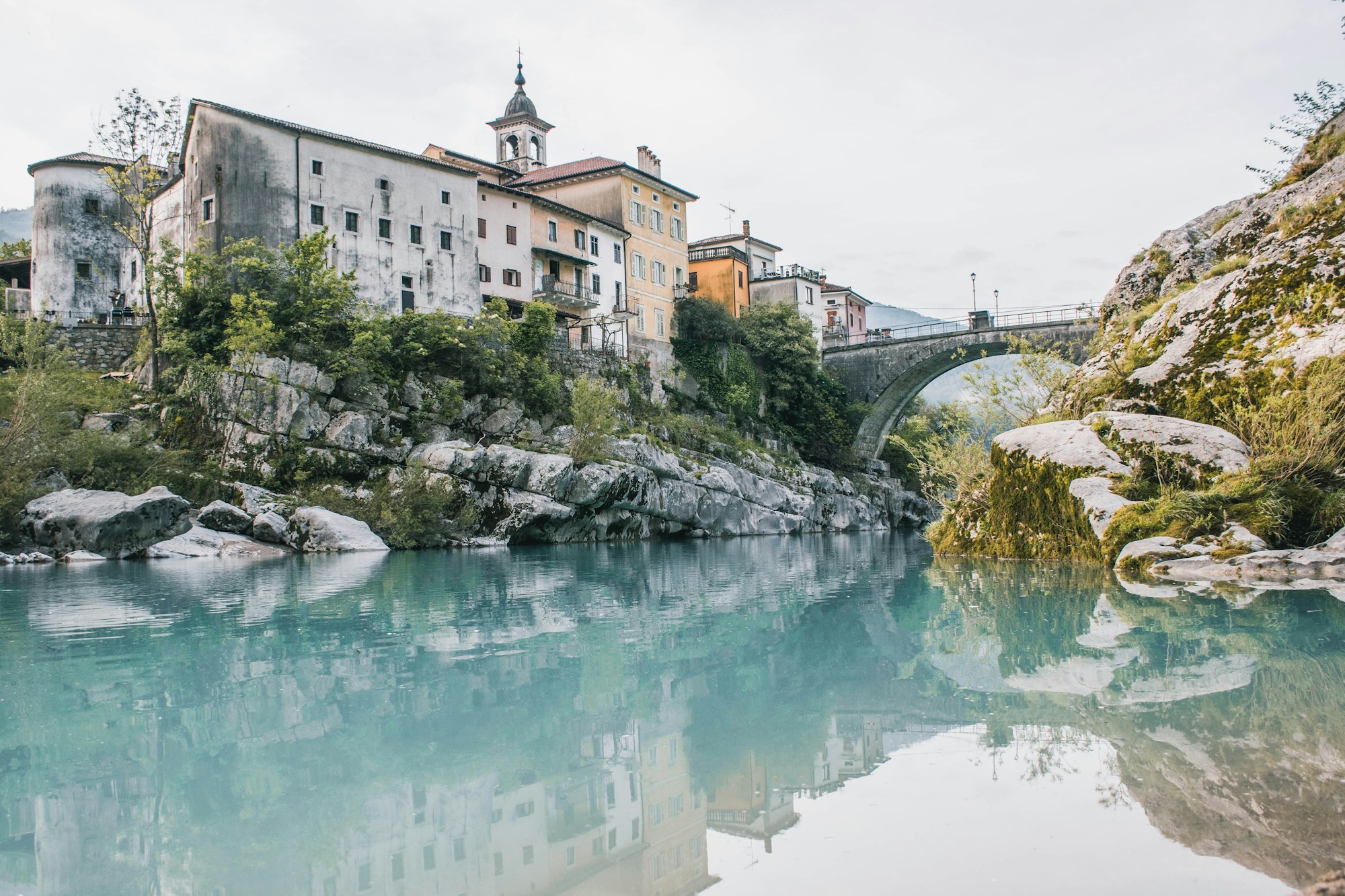
The Soča Valley is a highly adaptable natural playground. The turquoise water, spectacular gorges, and authentic villages allow nature activities and quiet times to coexist. According to BudgetYourTrip, Slovenia remains reasonable at about $115/day/person.
The multigenerational appeal: short distances between sites, variety of activities (water, mountains, history), and simple logistics on the scale of a small country. Grandparents will enjoy the cafés and museums of Kobarid while the younger ones explore the gorges.
Highlights
- Spectacular turquoise water
- Short distances between sites
- Very reasonable budget
- Activities adaptable to energy levels
Puglia, Italy
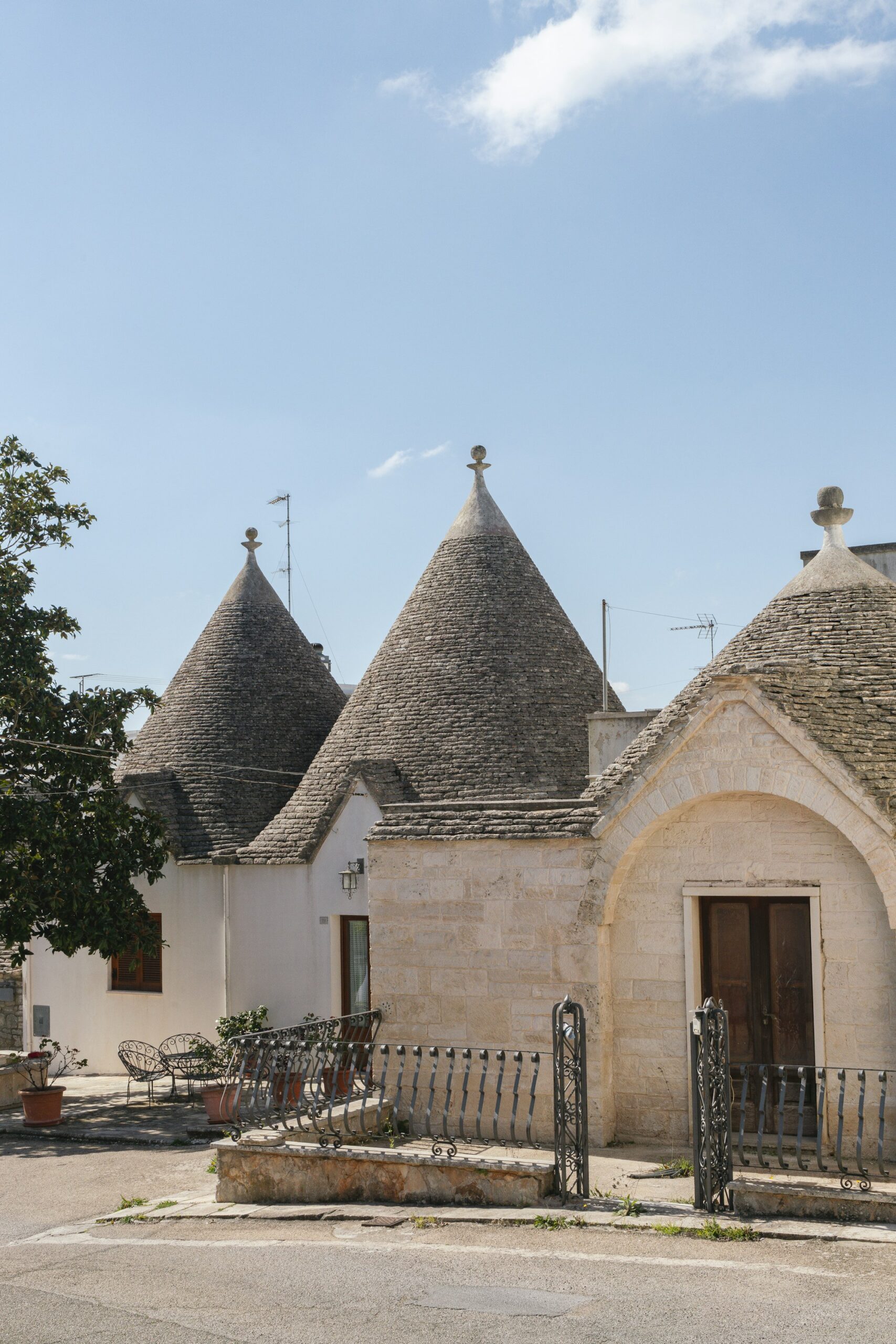
Forget crowded Tuscany! Puglia offers raw authenticity with a « piano piano » pace perfect for multigenerational travel. Ideal accommodation: a « Masseria » (old fortified farm converted to villa) or a Trulli complex (typical conical houses) in Alberobello.
The region is flat (easy for walking), the food simple and adored by children (orecchiette, pizza, burrata), and the beaches magnificent. Sleeping in a Trullo is a magical experience for children, while grandparents enjoy the slow pace and gastronomy.
Highlights
- Unique accommodation in Trulli or Masseria
- Family cuisine loved by children
- Flat terrain, easy for everyone
- Beautiful beaches
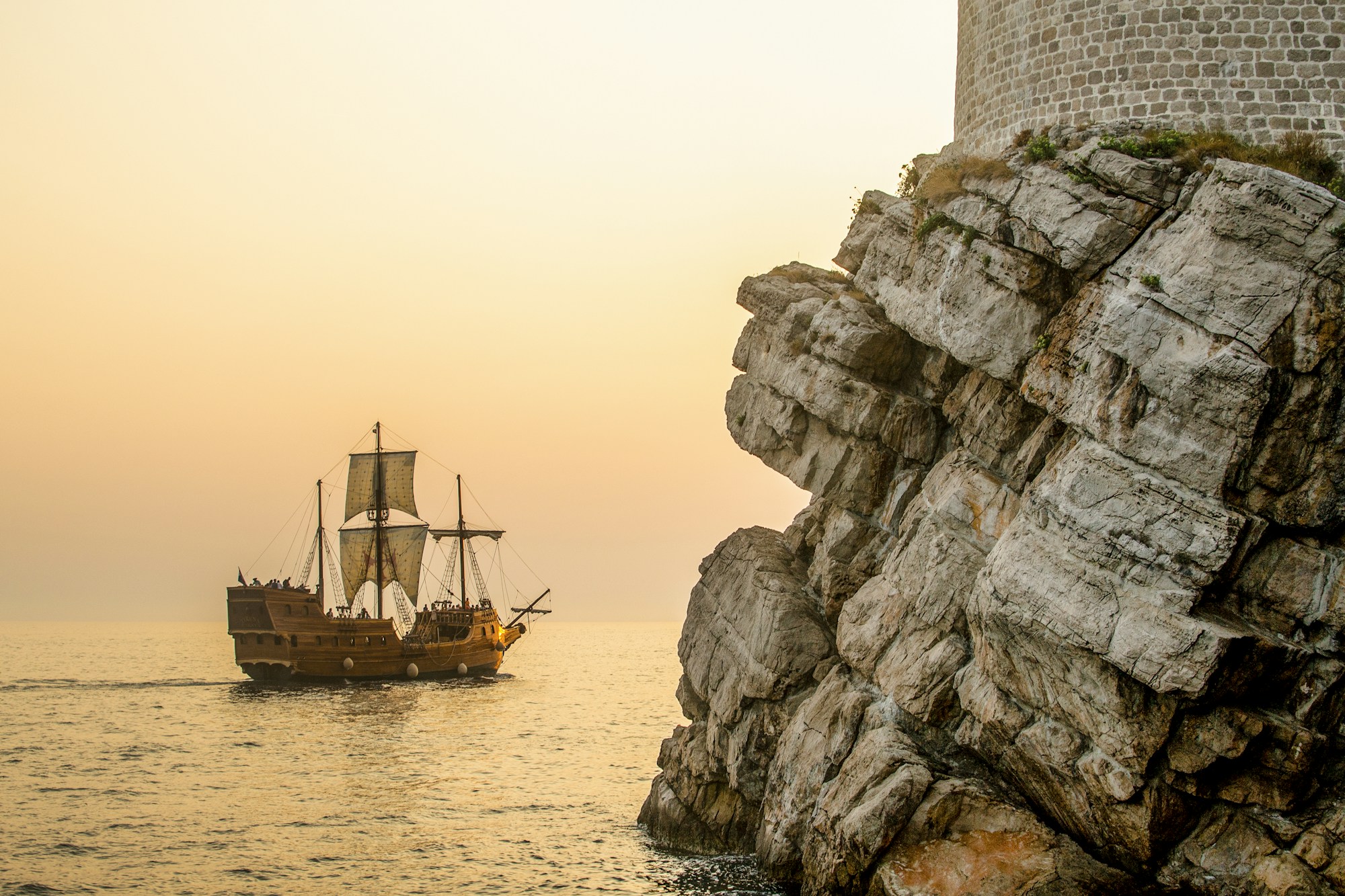
Croatia by Gulet (Schooner)
Renting a « Gulet » (traditional wooden sailboat with crew) on the Dalmatian coast is ideal for extended families. These boats typically have 6 to 8 cabins. You choose your itinerary: teens jump off the boat and snorkel, parents visit Korčula and Hvar, grandparents enjoy the sun on deck.
The crew handles everything (navigation, meals, cleaning). It’s total freedom: no cruise ship schedule constraints, you sleep in a different cove every night. According to Goolets, expect $1,600-2,700/person/week.
Highlights
- Crew handles everything (meals, navigation)
- Total itinerary freedom
- Activities for all ages
- No packing/unpacking luggage
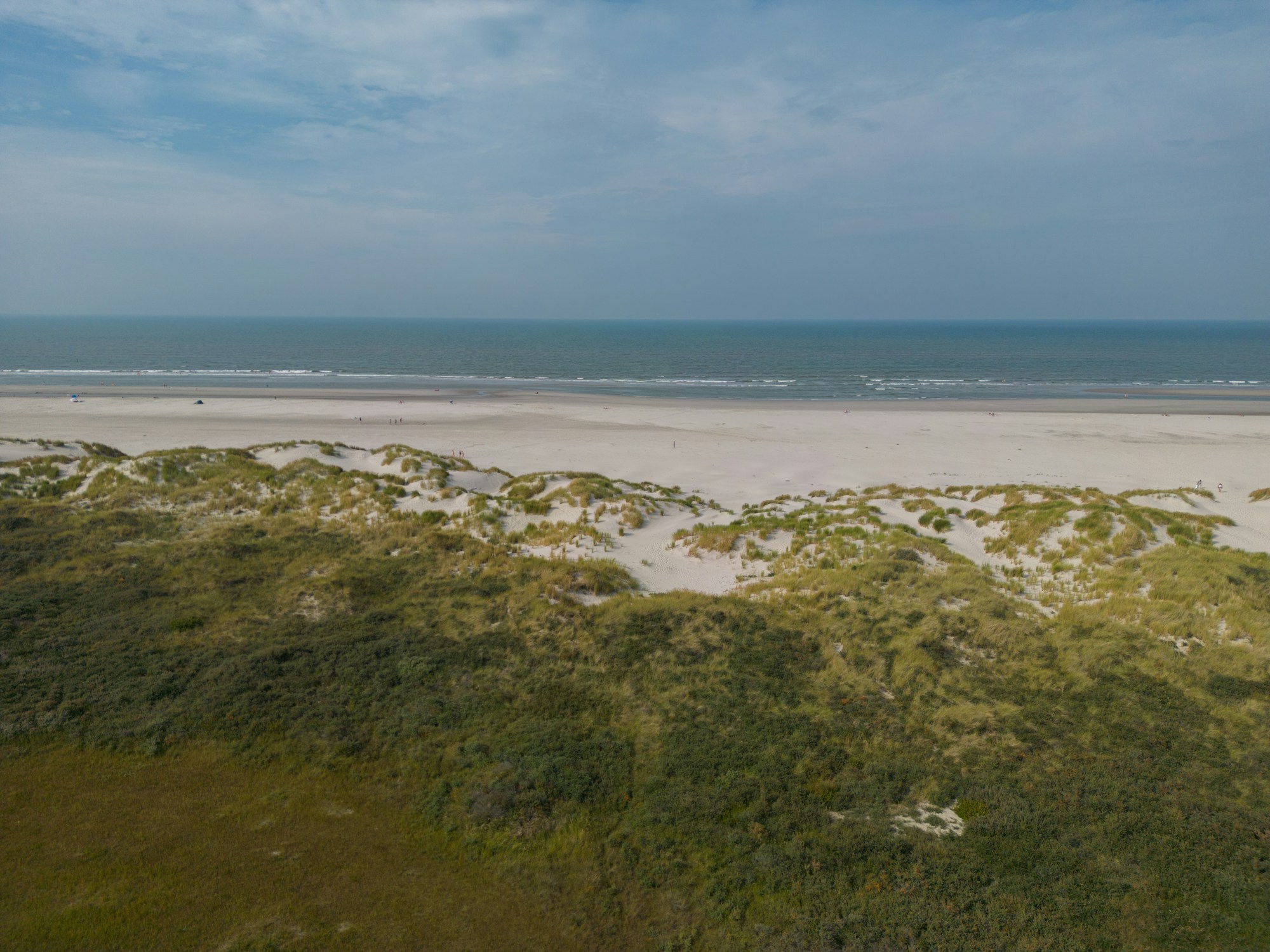
Wadden Sea, Netherlands
The Wadden Sea (UNESCO) is the world’s largest tidal flat system, perfect for multigenerational travel: beaches, wildlife observation, very flat walks, guided tours, and plenty of fresh air. Schiermonnikoog Island offers a calm setting away from Amsterdam.
In 2025-2026, a new World Heritage Center opened in Lauwersoog, combining ecosystem education and seal care. It’s typically an activity that captivates children and adults without being physically demanding.
Highlights
- Flat terrain ideal for cycling
- Seal center (educational)
- Preserved UNESCO nature
- Absolute calm away from crowds
3. Top 5 Destinations Worldwide

Kyoto and Japanese Alps, Japan
Japan is one of the safest and cleanest destinations in the world, which reassures parents and grandparents. The idea: rent a « Machiya » (traditional renovated wooden house) in Kyoto, then stay at a Ryokan with Onsen (hot springs) in the Japanese Alps.
Hot springs are a major intergenerational relaxation activity in Japan. Since respect for elders is cultural, the welcome for grandparents is exceptional. The blend of absolute modernity (punctual trains) and ancient tradition creates total immersion without discomfort.
Highlights
- Exceptional safety and cleanliness
- Onsen (hot springs) for everyone
- Culture of respect for elders
- Ultra-efficient transportation
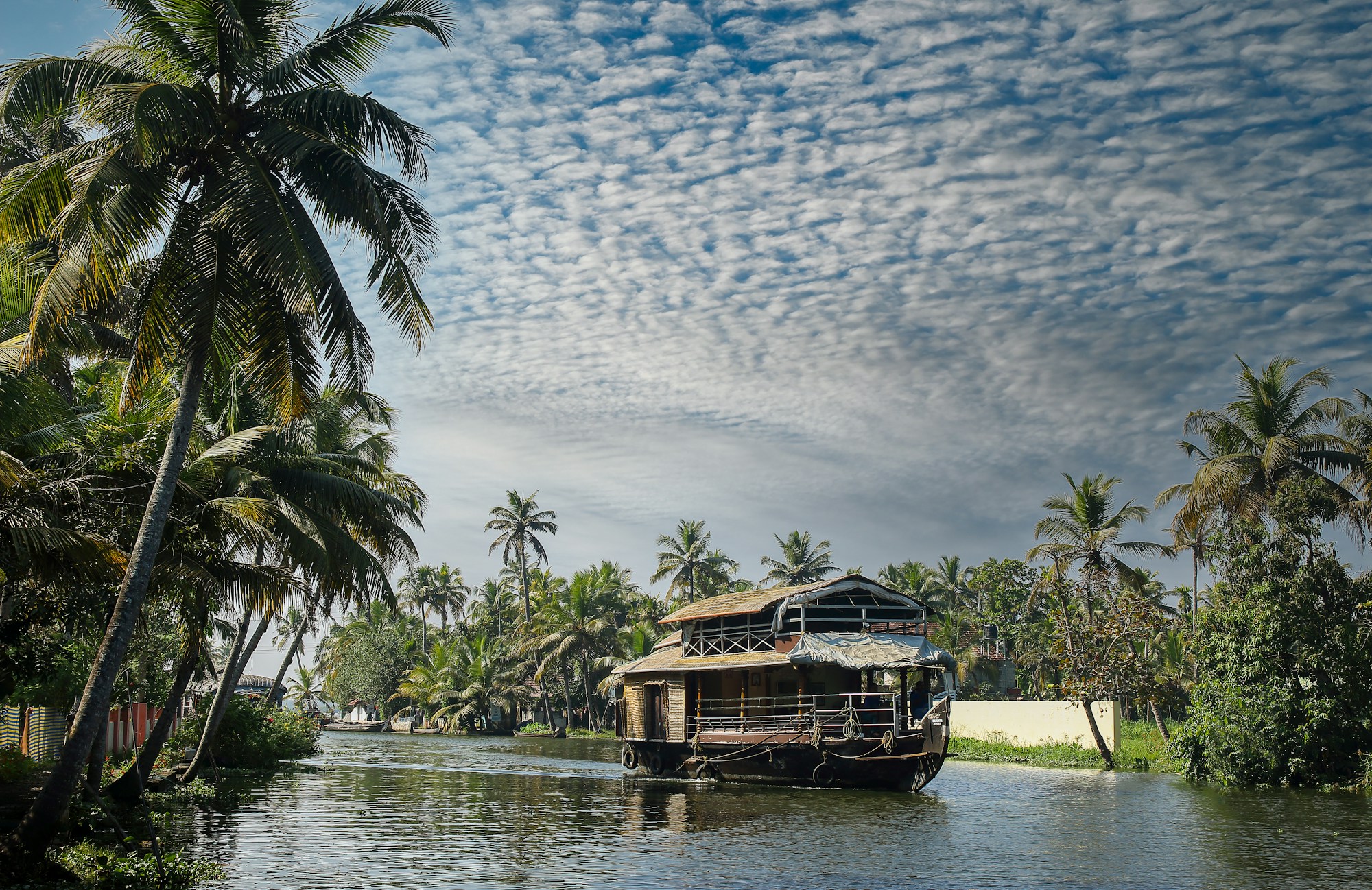
Kerala, India
Far from the chaos of Delhi or Mumbai, Kerala offers a gentle introduction to India. The flagship experience: rent a private « Houseboat » (kettuvallam) on Alleppey’s backwaters. It’s the ultimate « slow travel » experience: the boat moves slowly, staff cook on board, and the landscape comes to you.
This solves the major multigenerational logistics problem: no need to pack and unpack every day. Children are fascinated by river life, grandparents enjoy the scenery while comfortably seated. Kerala also has excellent Ayurvedic treatments, highly valued by seniors.
Highlights
- Private houseboat with onboard chef
- No packing/unpacking
- Ayurvedic treatments for seniors
- Very affordable budget
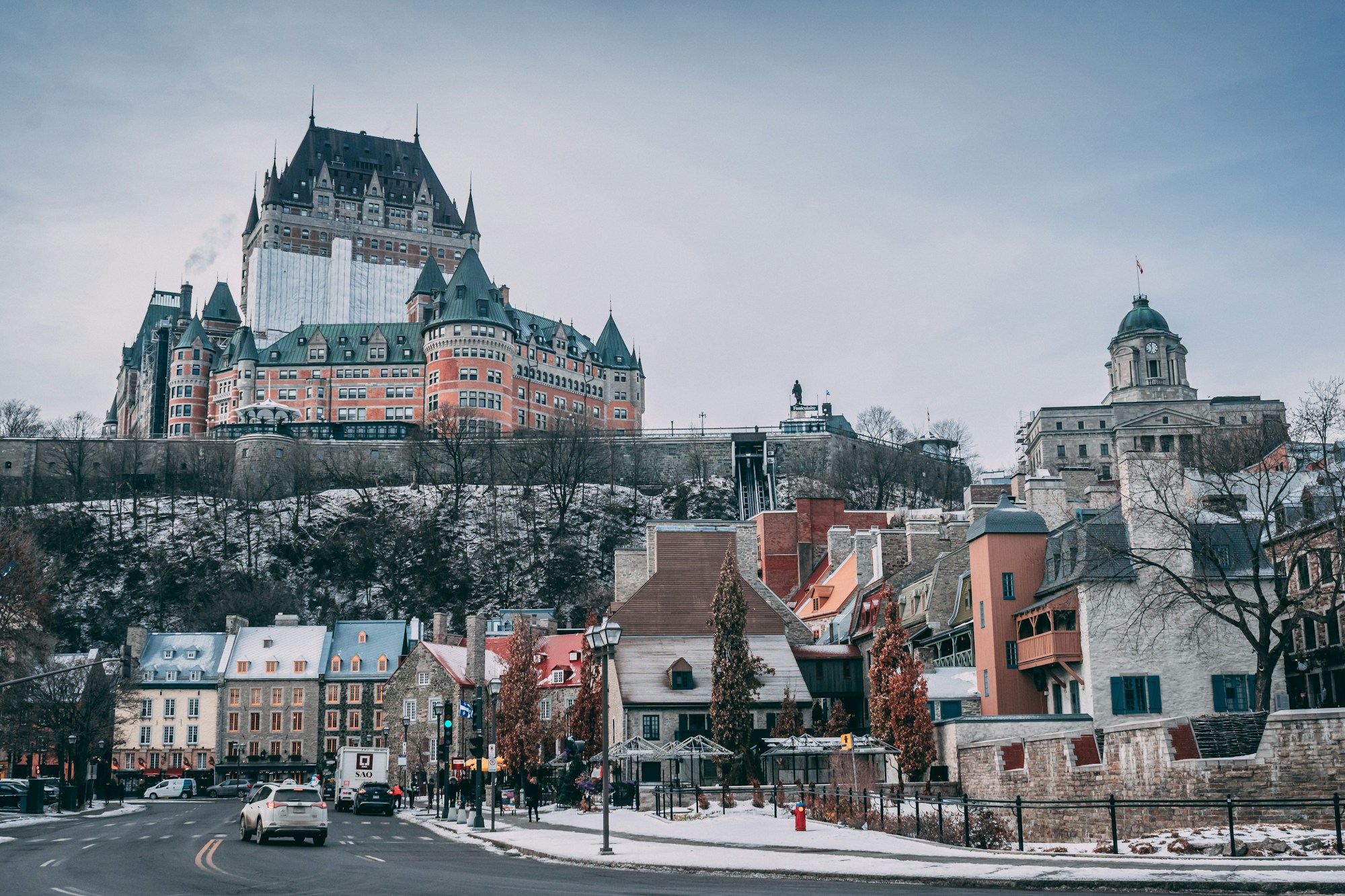
Quebec City and Charlevoix, Canada
Quebec City is an « easy » multigenerational destination in North America: walkable historic center, culture, restaurants, and a real feel of Europe. The Charlevoix region to the north offers the « Charlevoix Train, » a scenic journey that avoids driving fatigue.
On site: whale and black bear watching, river beaches, farm-to-table cuisine. Accommodation ranges from luxury chalets to Club Med Quebec Charlevoix, which handles multigenerational groups very well. It’s a UNESCO biosphere region.
Highlights
- Scenic train (no driving)
- Whale watching
- Francophone (easy communication)
- UNESCO biosphere

Thailand: Bangkok and Koh Samui
Thailand combines culture, beaches, and excellent value for money. The multigenerational trick: alternate a few days in Bangkok (temples, markets, culture) then settle on an island like Koh Samui with its spacious family resorts and accessible beaches.
Grandparents enjoy Thai massages (affordable and quality), children love the beaches and elephants (ethical sanctuaries), and parents enjoy the cuisine and low prices. According to BudgetYourTrip, expect about $107-160/day/person in comfort.
Highlights
- Excellent value for money
- Affordable massages for seniors
- Spacious family resorts
- Fascinating Buddhist culture
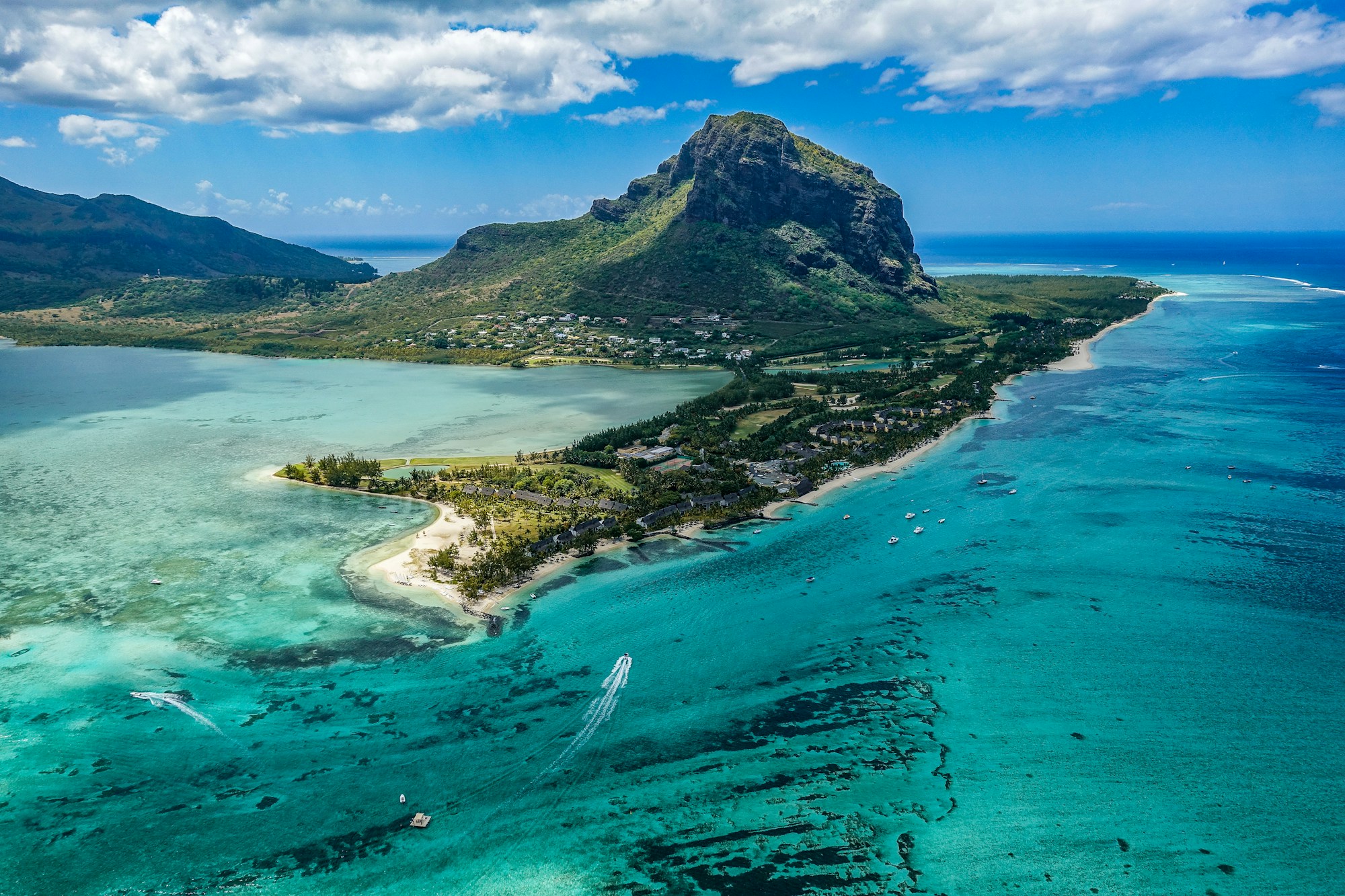
Mauritius
Mauritius is the ultimate multigenerational destination: paradise beaches, calm lagoons (safe for children), quality tourist infrastructure, and English-speaking which makes everything easier. Major resorts offer kids’ clubs and activities for all ages.
Beyond beaches, the island offers varied nature: seven-colored earth, waterfalls, botanical gardens. The time difference from Europe is minimal (+2/3h), which suits seniors and young children perfectly.
Highlights
- Calm and safe lagoons
- English-speaking (easy)
- Minimal time difference
- Resorts with kids’ clubs
4. Accommodations Suited for Extended Families

The 2026 Trend: Serviced Villas
In 2026, a simple Airbnb rental no longer suffices for high-end multigenerational travel. The trend is « Serviced Villas »: private homes with a « Villa Manager » or concierge. Having a chef for breakfast and dinner removes the mental load from parents (who often end up cooking in regular rentals).
The winning formula: grandparents have their suite on the ground floor (no stairs), parents upstairs, children in playful dorms. For a group of 10+, this often costs less per person than 4 or 5 luxury hotel rooms.
Essential Criteria
- Ground floor bedroom for seniors
- Ratio: 1 bathroom per 2-3 people
- Equipped kitchen (or chef available)
- Private pool if possible
5. Budget and Cost Sharing
2026 Economic Analysis
According to tourism sector projections, flight and accommodation prices rose 5 to 8% between 2024 and 2026, with further increases expected into 2027. Useful data for calibration: in 2024, the average spending for an American family on travel was estimated at about $8,052 according to the Family Travel Association.
Typical Multigenerational Budget Breakdown
- Accommodation (40%): The heaviest expense
- Transportation (30%): Flights + private transfers (senior comfort)
- Food & Activities (30%)
Tips to Reduce Costs
- « Shoulder Season »: Easter or fall break rather than July/August = -30 to -40%
- Group effect: For 12 people, negotiate « group » rates
- Weak currency: Vietnam, Turkey, South Africa = multiplied purchasing power
Frequently Asked Questions
What is the ideal duration for a multigenerational trip?
The ideal duration is 7 to 10 days. Less, and it’s too much logistics for too little quality time. More, and family tensions may appear. According to AARP, this duration allows for a balance between discovery and rest.
How do you manage mobility differences between generations?
The golden rule is the « split-day »: in the morning, a calm shared activity (scenic tour, boat ride). In the afternoon: active group (hiking, sports) vs rest group (nap, reading, pool). Reunite at dinner. Never force everyone to do everything together. Don’t assume grandparents belong in the « rest » group by default either: our Senior Adventure 2026 guide covers what active seniors can realistically take on, from hiking to kayaking.
Do you need special travel insurance?
Yes, absolutely. Get « Cancel for Any Reason » insurance. With a group of 10 people (including seniors and children), the probability that someone gets sick before departure is high. Check that the insurance covers medical evacuation for seniors (pre-existing conditions).
How do you manage meals with different tastes?
Avoid restaurants for every meal (too long, too expensive, complicated with tired children). Prioritize accommodations with kitchens or quality buffets. Breakfast should be taken « at home » so everyone can wake up at their own pace.
How do you guarantee some privacy for each family?
Space is the ultimate luxury. Make sure there are enough bathrooms (ideal ratio: 1 bathroom per 2-3 people max). If you rent a villa, check the sound insulation between living areas and grandparents’ bedrooms.
Who should pay for what on a multigenerational trip?
This is the #1 source of conflict! The current trend: grandparents pay for accommodation (often more affluent and wanting to create memories), while each family unit pays for their flights and personal expenses. This needs to be discussed before booking.
Sources
This article was written using official and verified sources:
- Hilton 2026 Travel Trends Report — Multigenerational travel trends
- AARP — Practical tips for extended family travel
- Booking.com 2026 Trends — Travel personalization
- BudgetYourTrip — Budget estimates by destination
- Visit Azores — Azores tourism board
- Slovenia.info — Slovenian tourism board
- Viaggiare in Puglia — Puglia tourism
- Croatia National Tourist Board — Croatian tourism
- Japan National Tourism Organization — Japanese tourism
- Kerala Tourism — Kerala tourism board
- Tourisme Charlevoix — Quebec tourism
- UNESCO Wadden Sea — World Heritage
Research conducted on February 2, 2026, updated in July 2026. Budgets are estimates based on tourism sector inflation projections.
Ready to Plan Your Multigenerational Trip?
Discover our detailed itineraries designed for extended families: adapted accommodations, activities for all ages, and day-by-day practical advice.
Explore all family itineraries