
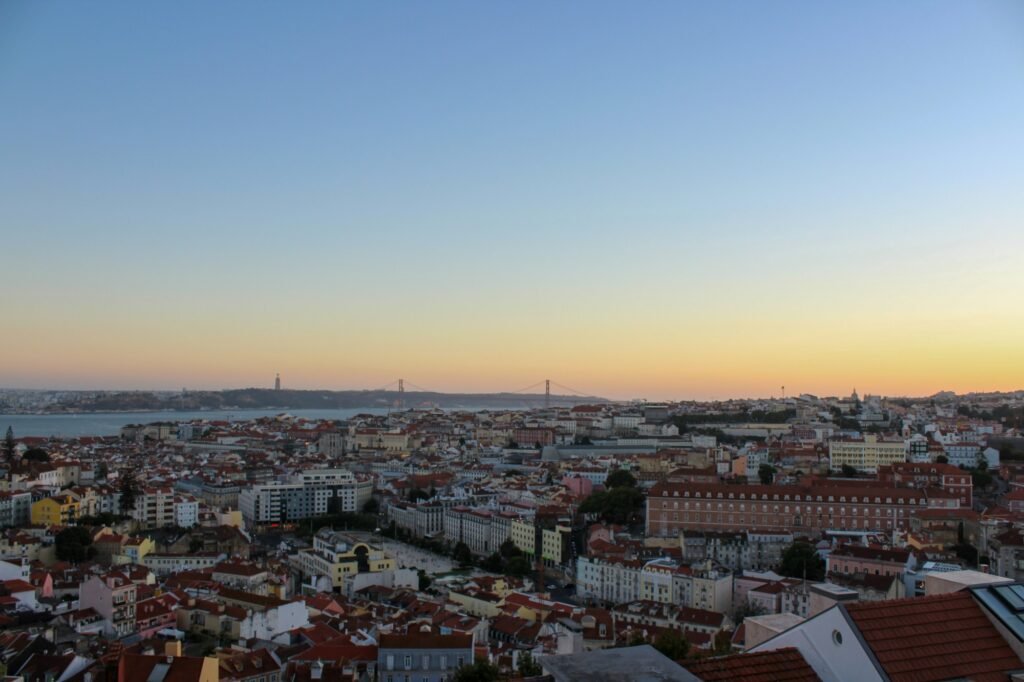
Two countries, one peninsula, thousands of reasons to go. Spain and Portugal share the Iberian Peninsula, but offer radically different experiences. One captivates with its grandeur — 50 UNESCO sites, endless tapas, Mediterranean beaches; the other wins hearts through authenticity — the golden cliffs of the Algarve, Lisbon’s fado, prices 15 to 25% lower. So, where to go in 2026? The answer depends on your traveler profile. This detailed comparison analyzes both destinations across 8 concrete criteria to help you make the right choice — or combine both.
Couples and romantic getaways
Spain: passion at every corner
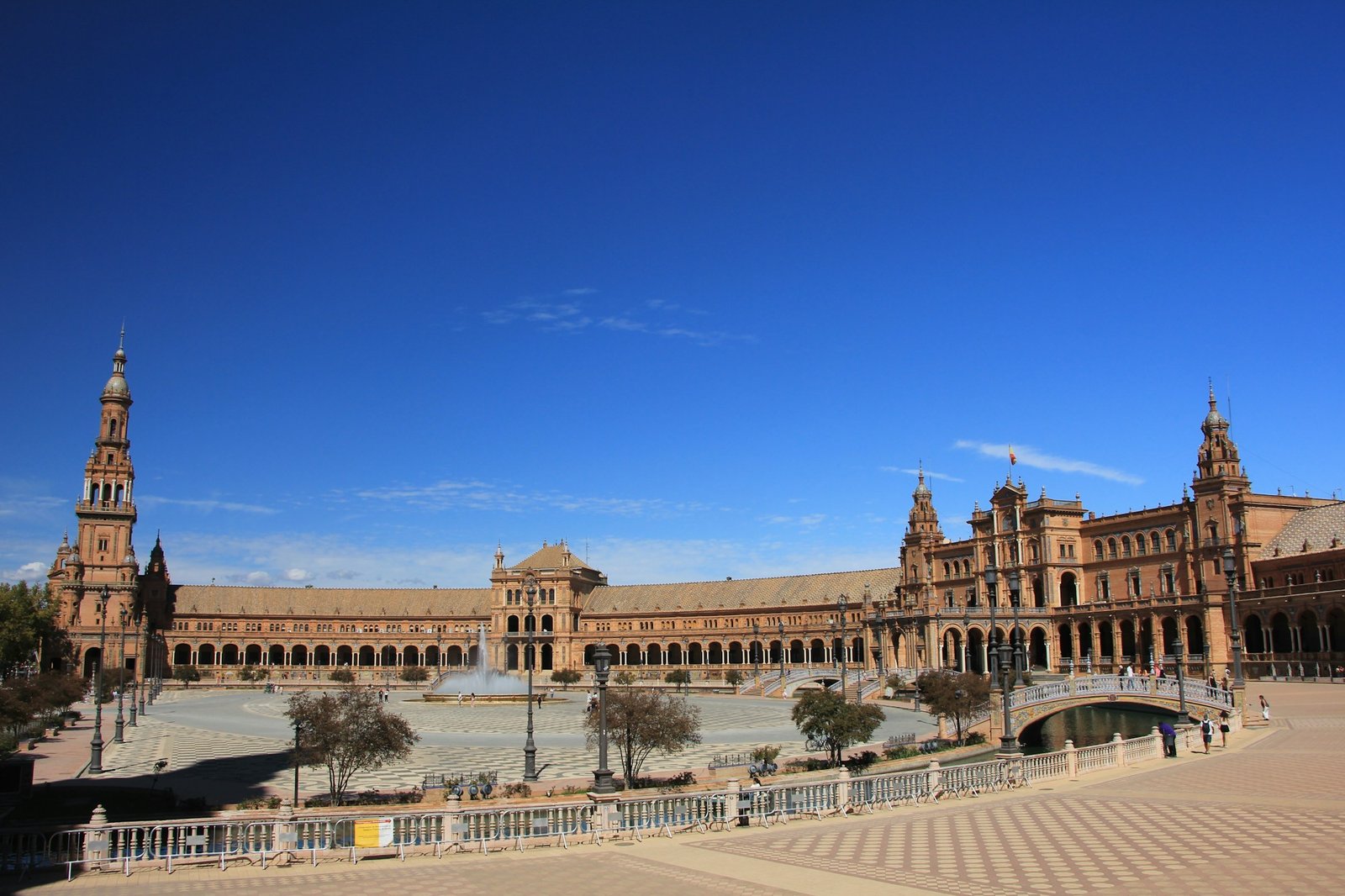
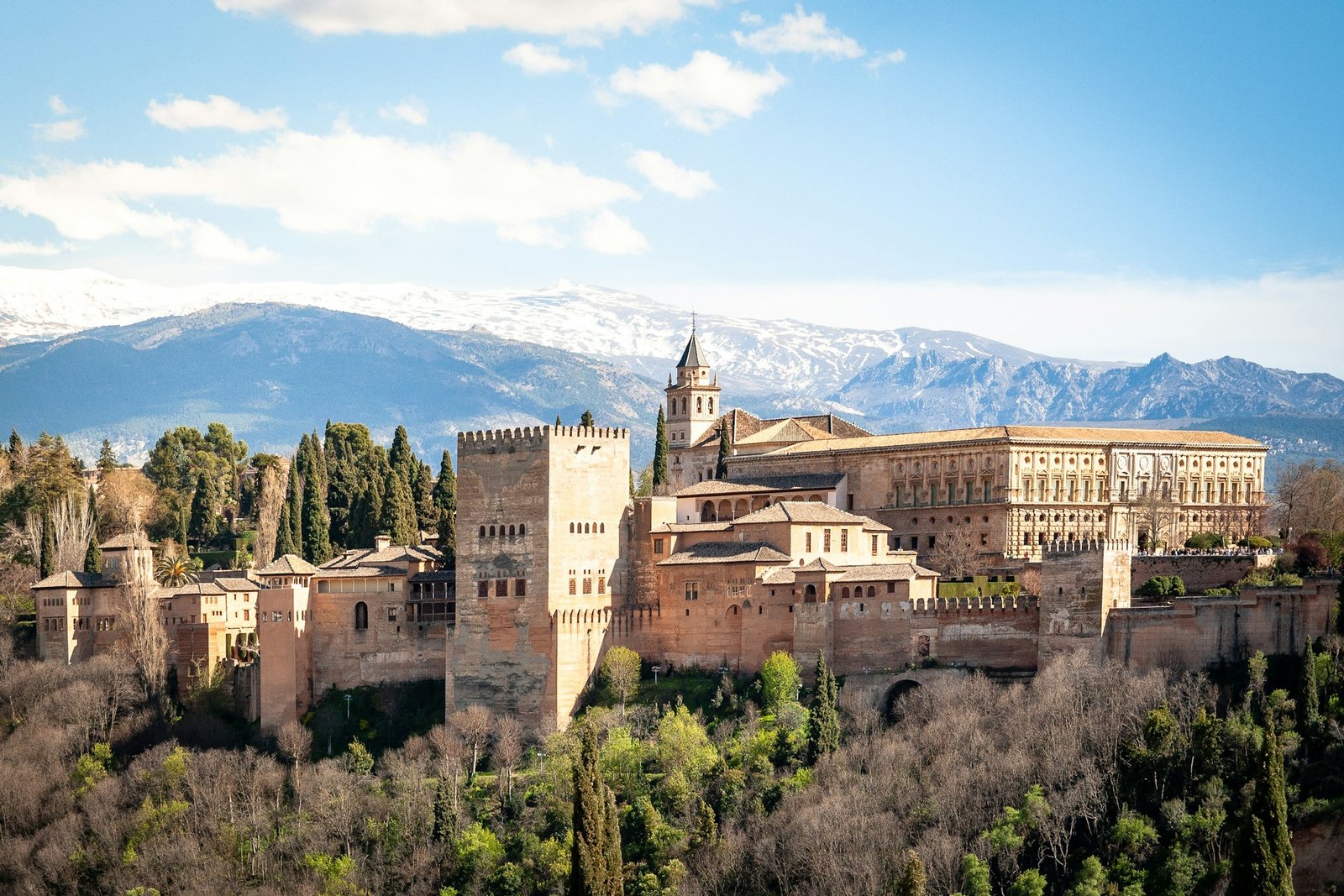
Spain plays the card of grand romance. Seville envelops you in its courtyards with azulejos and orange blossoms — imagine a boat ride on the Guadalquivir at sunset, followed by an intimate flamenco show in the Triana neighborhood. In Granada, the Alhambra at dusk offers a setting that few monuments in the world can match, and the Sacromonte caves host candlelit flamenco performances, according to PlusHolidays.
For beach lovers, Mallorca hides secluded coves accessible only on foot, like Caló des Moro, and mountain villages in the UNESCO-listed Serra de Tramuntana.
Portugal: intimacy and understated charm
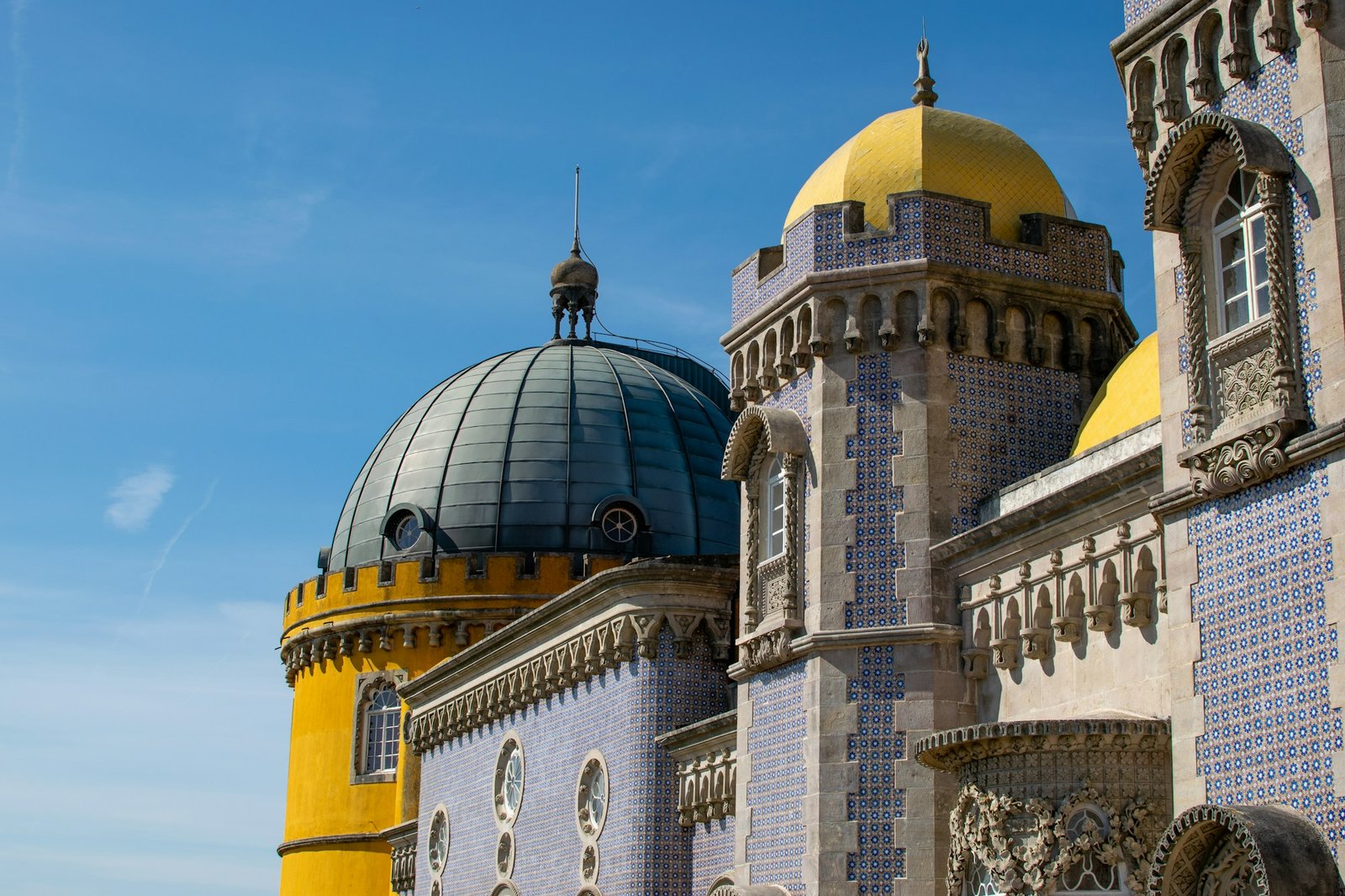
Portugal excels in the art of understated romance. Sintra, 40 minutes from Lisbon, looks like a storybook setting: the Pena Palace with its vibrant colors, the Quinta da Regaleira with its mysterious gardens, the misty streets of the Serra. According to SecretPlaces, Sintra ranks among Europe’s most romantic destinations.
In Porto, watching the sunset from Dom Luís I Bridge with the Ribeira at your feet is a timeless classic. End with a tasting in the cellars of Vila Nova de Gaia. In the Algarve, the golden cliffs of Praia da Marinha and the caves of Benagil can be explored by kayak for two — with 300 days of sunshine per year and prices 20 to 30% lower than France.
Families with children
Spain: the giant playground
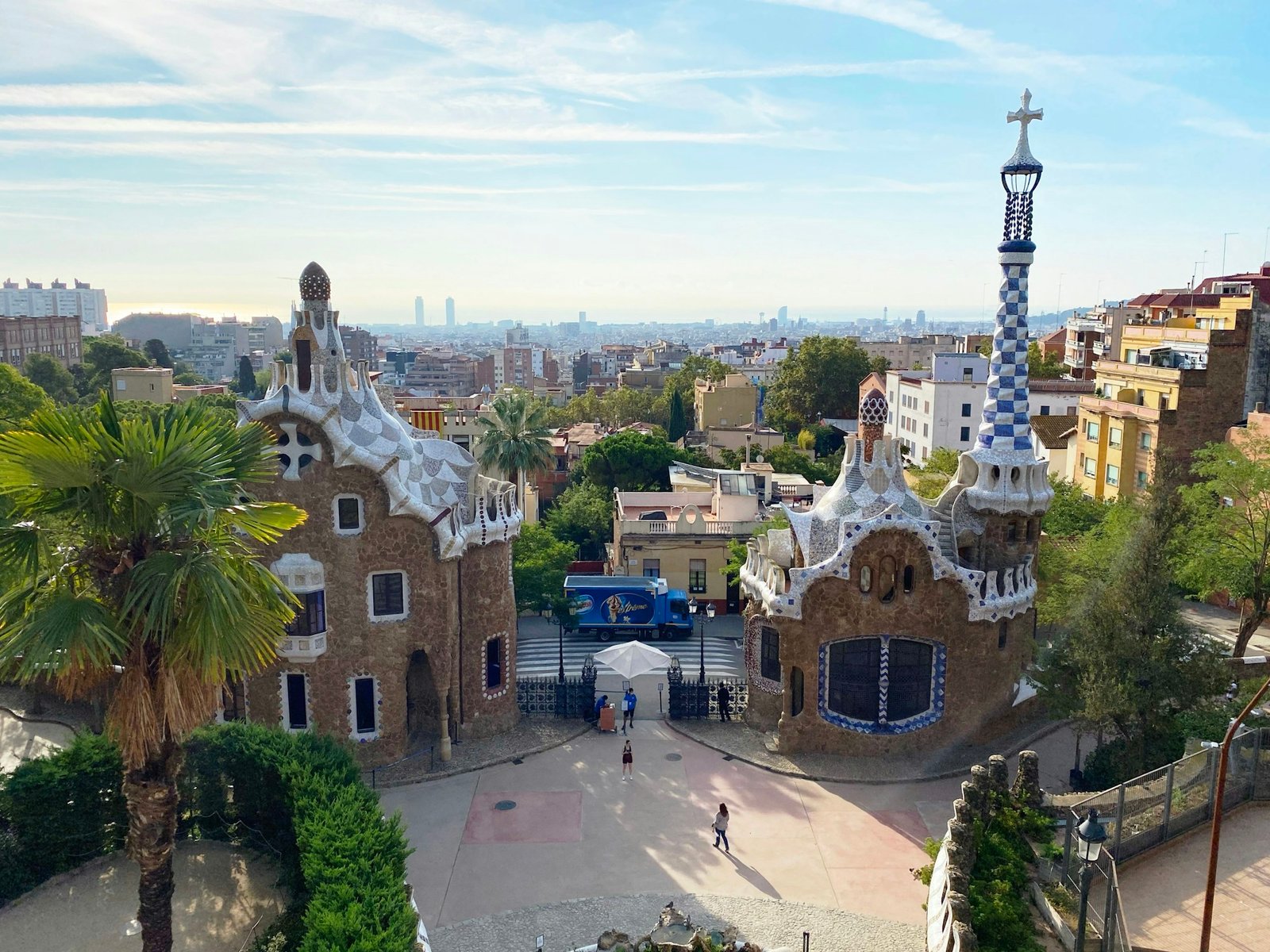
Spain is a paradise for families thanks to its diversity of activities. Barcelona captivates children with Park Güell and its colorful mosaics, Tibidabo (Spain’s oldest amusement park), and the Port Vell Aquarium. According to RunnerBeanTours, the city offers a perfect balance between culture and family entertainment.
The Costa Brava extends the experience with calm beaches in Tossa de Mar (medieval village with castle), Water World in Lloret de Mar — Europe’s largest water park — and picturesque villages like Cadaqués and Begur. Budget to plan: between €3,500 and €5,500/month for a family, according to BudgetYourTrip.
Portugal: the well-kept family secret
National Geographic calls the Algarve « Europe’s best-kept secret for family vacations », and for good reason. Praia da Rocha offers calm waves, suitable infrastructure, and family restaurants. Praia de Falésia stretches kilometers of fine sand at the foot of ochre cliffs.
The fishing village of Carvoeiro enchants with its limestone cliffs and pedestrian streets. Lagos charms with Praia da Batata and its coves explorable by family kayak. The best part? A monthly family budget of €2,500 to €4,000 — up to 30% cheaper than Spain. Best time: June or September, to avoid July-August crowds.
Budget and backpackers
Cost comparison: advantage Portugal
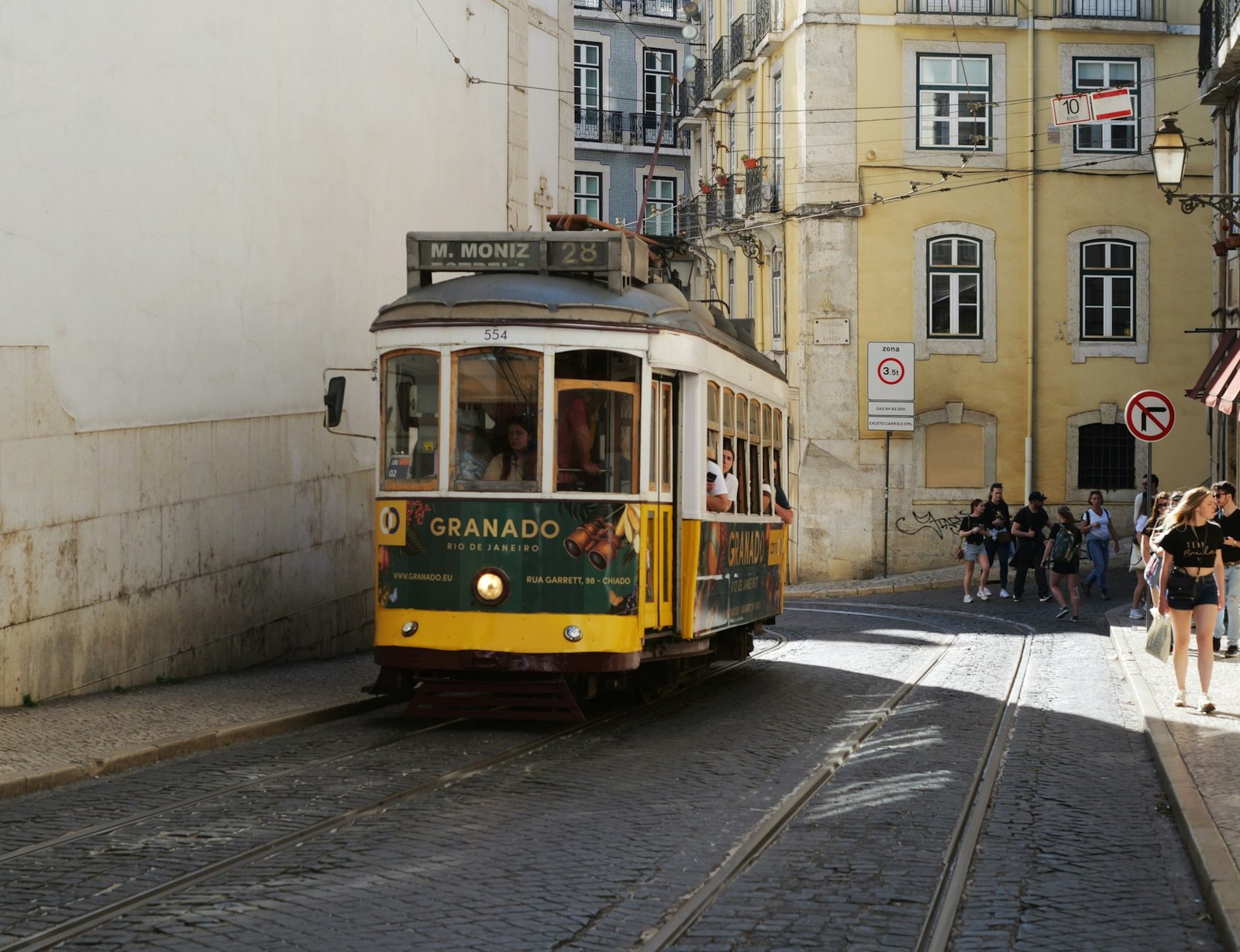
According to BudgetYourTrip and Touchdown.us, Portugal is 15 to 25% cheaper than Spain across all expense categories. Here are the key figures:
For backpackers, Portugal offers a clear advantage: hostels between €15 and €25/night (Lisbon, Porto), versus €20-35 in major Spanish cities. Portuguese intercity transport (Rede Expressos, CP trains) remains very affordable. In Spain, the diversity of low-cost companies (Renfe AVLO, Ouigo) allows Madrid-Barcelona trips from €9.
Culture and history
Spain: 50 UNESCO sites and centuries of splendor
With 50 World Heritage sites, Spain ranks 5th globally after Italy, China, France and Germany. The Alhambra in Granada is Spain’s most visited monument — its Nasrid architecture is an absolute masterpiece. Barcelona’s Sagrada Família will reach a historic milestone in 2026 with the completion of the Tower of Jesus Christ, coinciding with the centenary of Gaudí’s death.
For museums, the Prado (Madrid) houses Spanish masters — Velázquez, Goya, El Greco — while the Reina Sofía displays Picasso’s Guernica. The Guggenheim in Bilbao is a work of art in itself. Flamenco, inscribed on UNESCO’s intangible heritage list, is experienced intensely in Seville and Granada.
Portugal: the art of living as world heritage
Portugal compensates through the emotional depth of its heritage. Fado, inscribed on UNESCO’s intangible heritage list, is experienced in the streets of Alfama in Lisbon or the cellars of Coimbra — an intimate and poignant experience impossible to reproduce elsewhere. Azulejos (painted ceramic tiles) adorn facades throughout the country, transforming every walk into an open-air art gallery.
The Belém Tower and the Jerónimos Monastery testify to the golden age of Portuguese Discoveries. The University of Coimbra, founded in 1290, is the oldest in the Portuguese-speaking world and its Joanina Library is a Baroque jewel. Must-visit: the Igreja de São Francisco in Porto, whose interior is covered with 300 kg of gold powder.
Gastronomy and wines
Spain: the kingdom of tapas and diversity
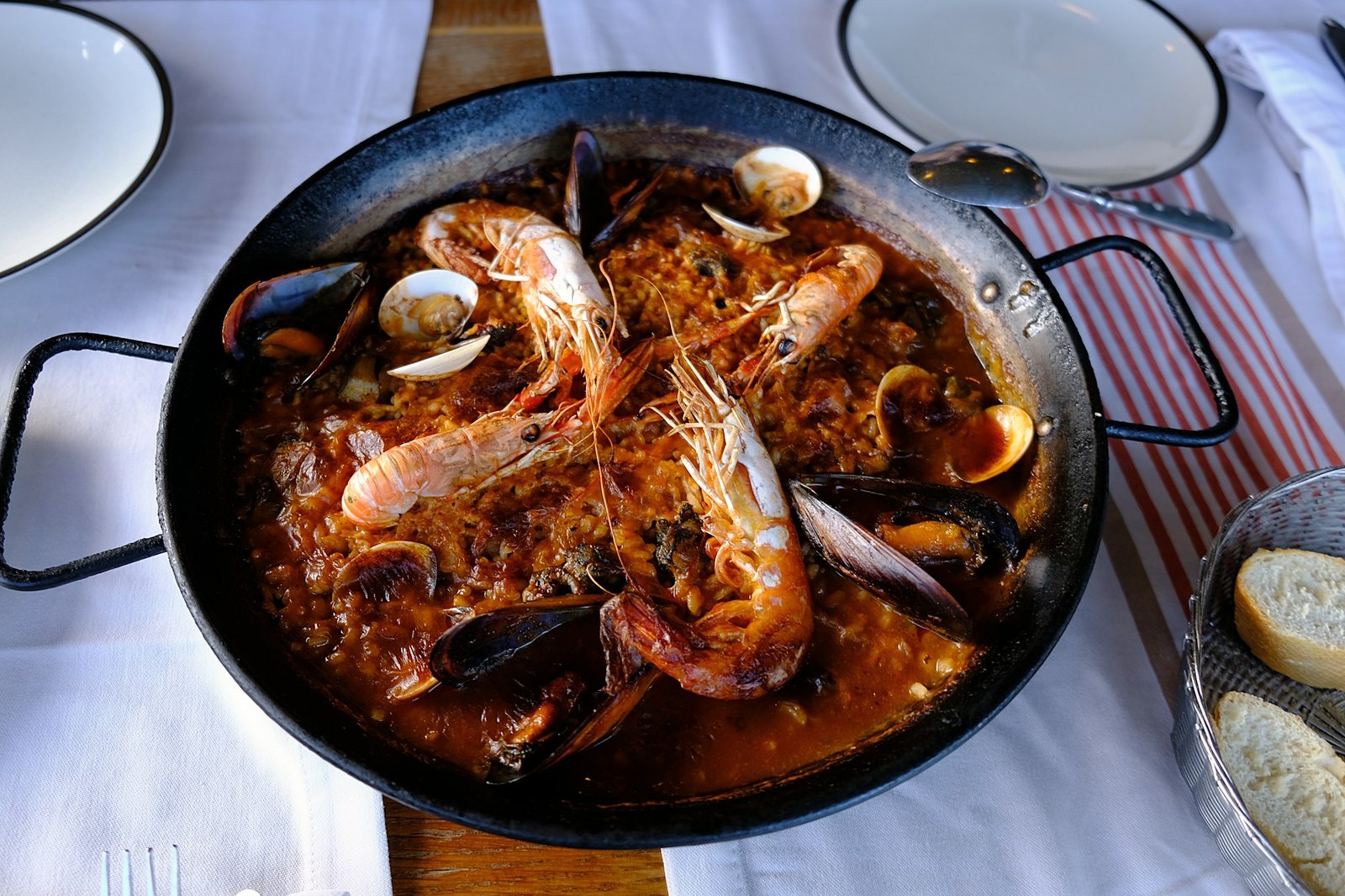
The Spanish gastronomic scene is dizzyingly rich. Tapas come in infinite varieties: jamón ibérico, patatas bravas, gambas al ajillo — and each region has its specialty. In San Sebastián, pintxos (Basque tapas) reach an exceptional gastronomic level: the Basque Country has the world’s highest density of Michelin-starred restaurants, according to Spain.info.
In Valencia, taste authentic paella in the Albufera lagoon with a master paella chef. For wines, Rioja (tempranillo) and Ribera del Duero rival the best French vintages, while sherry from Jerez and Catalan cava are unique treasures. According to HauteRetreats, immersive cooking classes and market tours like La Boquería are the most requested gastronomic experiences in 2026.
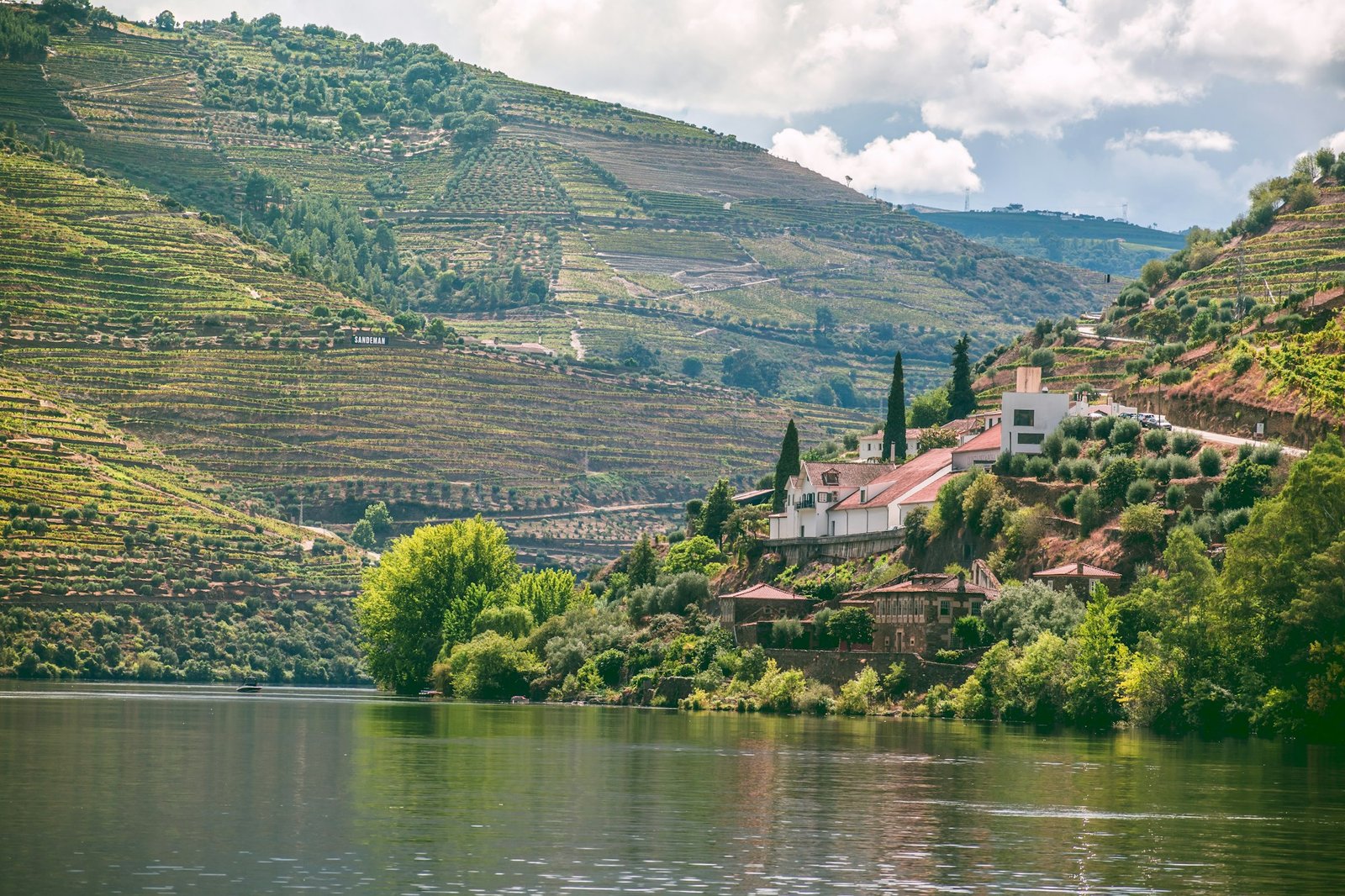
Portugal: the Douro, pastéis, and port wine
The Douro Valley is the world’s first demarcated wine region (1756). Its hillside vineyard terraces are UNESCO-listed, and the quintas (estates) open their doors for unforgettable tastings. In Porto, the cellars of Vila Nova de Gaia — Graham’s, Taylor’s, Sandeman — offer port tastings with river views.
In Lisbon, the pastéis de nata from Pastéis de Belém (founded in 1837) are an institution — workshops allow you to discover the secret recipe. The Alentejo surprises with its artisan cheeses, black pork charcuterie, and powerful red wines. In 2027, don’t miss the Essência do Vinho festival (February 18 to 21, 2027) at the Palácio da Bolsa (UNESCO) in Porto: over 400 producers and 4,000 wines to taste, according to WineTourismPortugal.
Beaches and sunshine
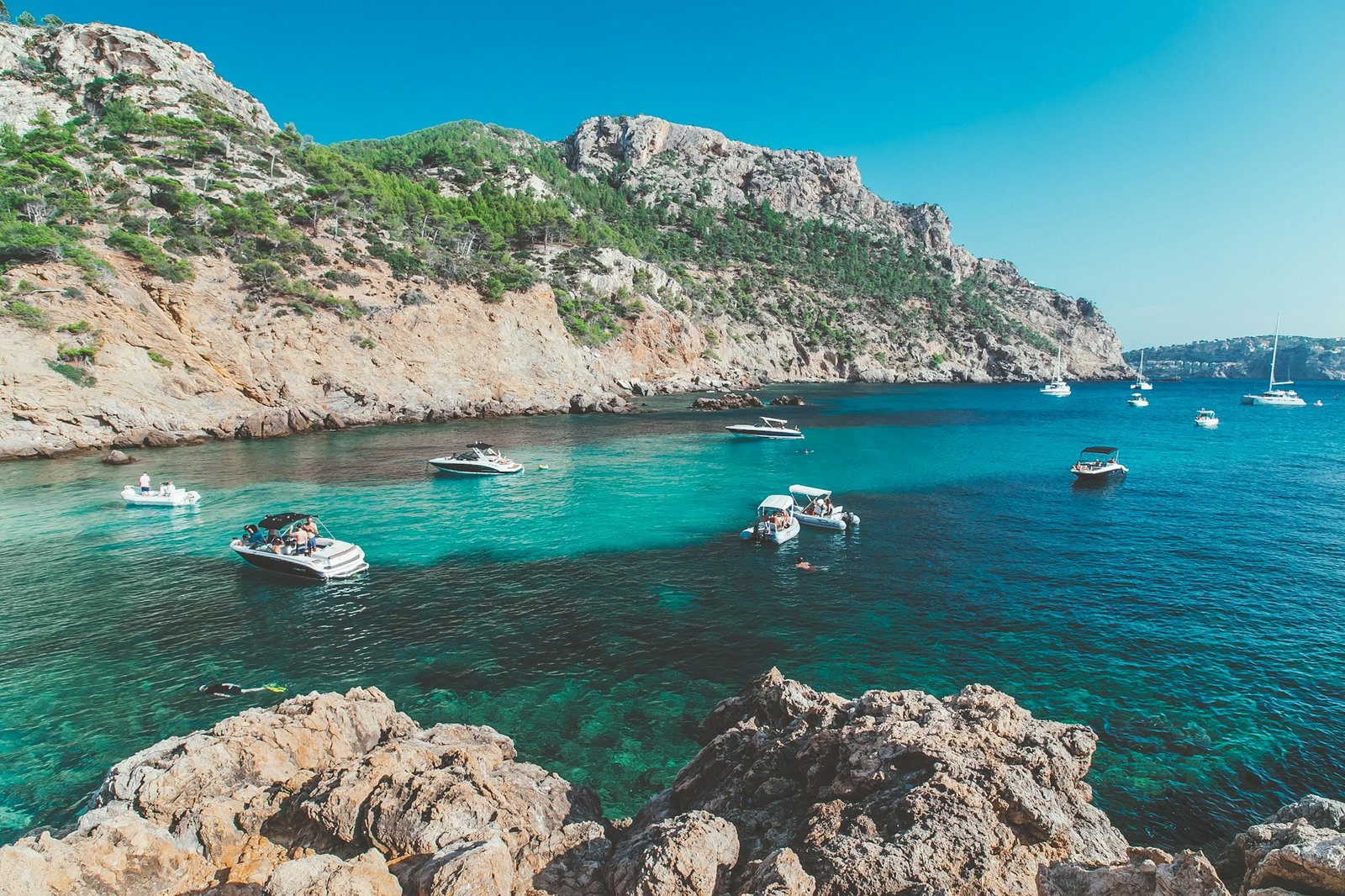
Spain: the Mediterranean and the islands
Spain’s trump card: the Mediterranean. The water is warmer (22-26°C in summer) than the Portuguese Atlantic, and the coastline offers impressive variety. The Costa del Sol (Málaga, Marbella) combines beach and nightlife. The Balearics offer radically different atmospheres: Mallorca for secret coves (Caló des Moro), Ibiza for Cala Comte at sunset, Formentera for turquoise waters worthy of the Caribbean.
The Canaries are Spain’s wild card: year-round swimming thanks to subtropical climate. Fuerteventura for surfing, Tenerife for diversity, Lanzarote for lunar volcanic landscapes.
Portugal: the wild Atlantic coastline
Portugal compensates for cooler water with a spectacular and preserved coastline. The Algarve concentrates Europe’s most beautiful beaches: Praia da Marinha (regularly ranked in the world’s top 10), the caves of Benagil accessible by kayak, and Praia de Falésia with its kilometers of ochre and red cliffs.
Cascais, 30 minutes from Lisbon, offers a mix of surfing and seaside charm. Nazaré attracts surfers from around the world with its giant waves (record: 26.2 m). For an island experience, Porto Santo (Madeira) unfolds 9 km of golden beach in an almost pristine setting.
Adventure and nature
Spain: from peaks to volcanoes
Spain offers remarkable geographical diversity for adventurers. The Camino de Santiago remains one of the world’s most iconic pilgrimages, with several routes: the Camino Francés (classic), the Camino del Norte (coastal, wilder). The Picos de Europa host the Ruta del Cares (12 km), considered one of Europe’s most beautiful hikes according to ResponsibleTravel.
The Sierra Nevada (Andalusia) allows you to ski in the morning and swim in the afternoon at the Costa Tropical — a unique combo in Europe. In the Canaries, Teide (3,718 m) offers striking volcanic hikes, and Lanzarote can be explored between lava fields and underground vineyards.
Portugal: Europe’s last wild coast
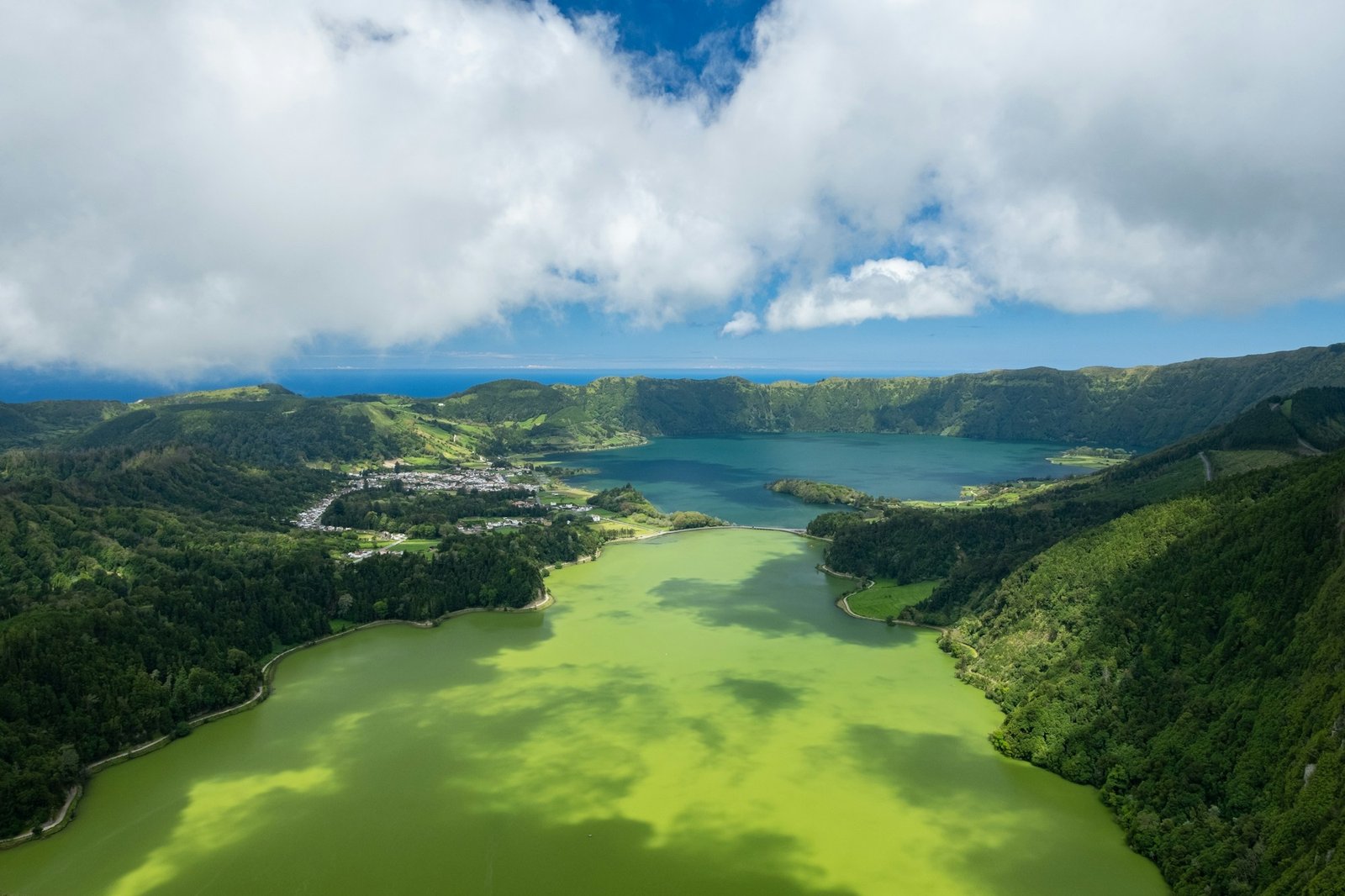
The Rota Vicentina, on the Vicentine coast, follows Europe’s last wild coast — trails between cliffs and deserted beaches, with no construction on the horizon. The Azores are an exceptional volcanic archipelago: turquoise crater lakes, whale watching (over 20 species), and hikes on still-active volcanoes.
Madeira is a hiker’s paradise with its levadas (centuries-old irrigation channels), maintained trails that cross the laurissilva (UNESCO-listed laurel forest) and panoramas from Pico do Arieiro (1,818 m). The Serra da Estrela, mainland Portugal’s highest mountain, offers moorland and glacial lake landscapes.
Digital nomads and long stays
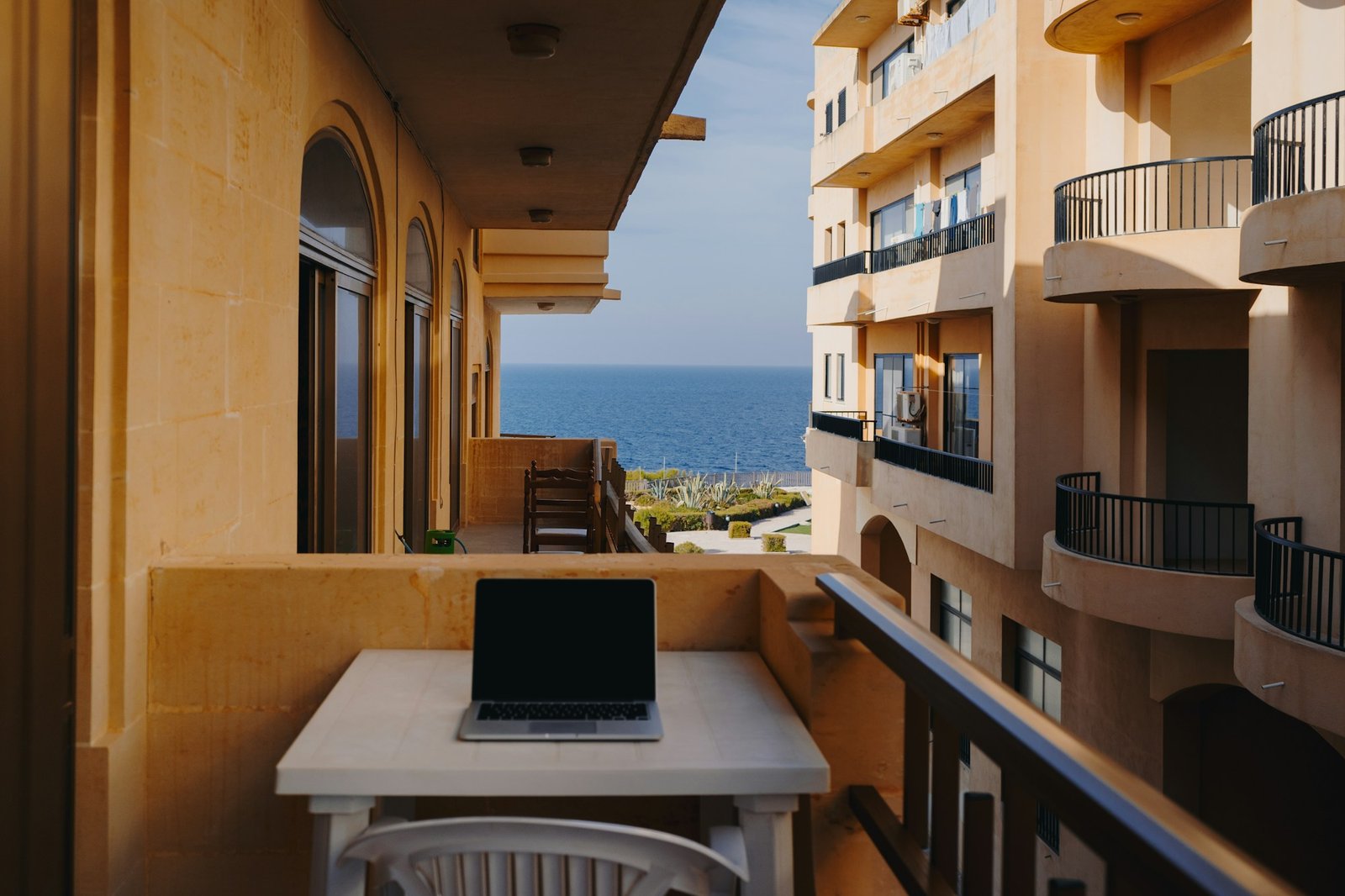
Two visas, two approaches
Portugal — D8 Digital Nomad Visa: minimum income of €3,680/month (4× Portuguese minimum wage), required savings of €11,040. Duration: 1 year, renewable up to 5 years. Lisbon is regularly ranked the world’s most practical city for digital nomads, with a monthly cost of living of €1,000 to €2,500, 30% cheaper than Paris, according to iMin-Portugal.
Spain — Digital Nomad Visa: minimum income of about €2,442 to €2,849/month (200% of the Spanish SMI, €1,221 in 2026), plus a supplement for the 1st dependent. University degree required or 3 years of experience. The tax advantage is significant: a reduced tax rate of 24% (versus 47% under standard regime), according to GetGoldenVisa. Maximum 20% work for Spanish clients. Valencia and Málaga are emerging as Spain’s new digital nomad capitals.
Comparison table: Spain vs Portugal at a glance
Frequently asked questions
Spain or Portugal, which is cheaper in 2026?
Portugal is 15 to 25% cheaper than Spain on most items: accommodation, dining, transport. A restaurant meal costs about €11 in Portugal versus €14 in Spain. Rent for a city-center apartment in Porto (€700-850) is significantly lower than Barcelona (€1,100-1,200). Only Spanish low-cost flights and high-speed trains can sometimes narrow the gap.
Which destination to choose for a first family trip?
For a first family trip, the Algarve (Portugal) is ideal: calm-wave beaches, safe villages, suitable activities, and controlled budget. National Geographic calls it « Europe’s best-kept secret for family vacations. » If your children are older and eager for activities (theme parks, kayaking, cultural visits), the Barcelona + Costa Brava combination is unbeatable.
Can you combine Spain and Portugal in one trip?
Absolutely, and it’s even recommended. Both countries share a long land border. From Seville, Faro (Algarve) is 2.5 hours by car. From Madrid, Lisbon is 1 hour by plane or 6 hours by bus. A classic itinerary: Lisbon → Algarve → Seville → Granada (10-14 days), or Porto → Douro Valley → Salamanca → Madrid. Renfe/CP connections and Rede Expressos/ALSA buses facilitate connections.
What’s the best time to visit Spain and Portugal?
The best time for both countries is spring (March-May) or autumn (September-October): pleasant temperatures (20-28°C), fewer tourists than summer, and gentler prices. Avoid July-August for major cities (extreme heat in Seville/Madrid, crowds in Algarve/Barcelona). Exception: the Canaries and Madeira can be visited year-round thanks to their subtropical climate.
Which visa to choose for remote work: Spain or Portugal?
Both countries offer a digital nomad visa. Portugal (D8 Visa) requires €3,680/month income but offers the best nomad ecosystem (Lisbon, low cost of living). Spain (DN Visa) requires about €2,442 to €2,849/month with a major tax advantage: reduced tax rate of 24% instead of 47%. Choose Portugal for community and cost of living, Spain for taxation and diversity of cities.
Which destination is safer?
Both countries rank among Europe’s safest destinations. Portugal is regularly ranked in the Global Peace Index top 10 (6th in 2024). Spain is slightly more exposed to petty theft in highly touristic areas (Barcelona, Madrid). In both cases, standard precautions suffice: no valuables on display, beware of pickpockets in public transport.
Is the water really colder in Portugal?
Yes. The Portuguese Atlantic shows 17-21°C in summer (west coast), versus 22-26°C in the Spanish Mediterranean. The exception is the Algarve (southern Portugal), where water reaches 21-23°C in summer, protected from cold currents. If swimming temperature is a priority, the Balearics and Costa del Sol are the best choices.
Sources and references
- BudgetYourTrip — Spain vs Portugal cost comparison
- Touchdown.us — Cost of living Spain vs Portugal
- National Geographic — The Algarve, family vacation secret
- Spain.info — Gastronomy and wine tourism
- WineTourismPortugal — Portugal 2026 destinations
- HauteRetreats — Spain 2026 culinary experiences
- PlusHolidays — Romantic getaways Spain 2026
- SecretPlaces — Romantic getaways Portugal
- RunnerBeanTours — Barcelona with children
- ResponsibleTravel — Hiking in Spain
- iMin-Portugal — Portugal digital nomad visa
- GetGoldenVisa — Spain digital nomad visa
- GlobalCitizenSolutions — Portugal Digital Nomad Visa
- Atlas-Guide — Portugal vs Spain 2026
- Oyster — Portugal vs Spain, which to choose
Research conducted on February 5, 2026.
Ready to explore the Iberian Peninsula?
Spain or Portugal, the right choice is the one that matches your travel style. And if you can’t decide — combine both. Discover our detailed itineraries, day by day, with accommodation, transport, and activities already planned.