

Hotel hopping means booking several hotels within the same destination during one trip, to explore different neighborhoods or budgets. Four nights is the minimum for an effective two-hotel stay, and seven to nine nights suit three hotels.
What if the best way to discover a city was to switch hotels within it? According to the Hotels.com Unpack ’26 report, 54% of travelers worldwide now consider booking multiple hotels in the same destination. Welcome to the era of the « Hotel Hop »: a 2026 trend transforming the classic stay into a neighborhood-by-neighborhood exploration. No more single base camp — each hotel switch becomes a new chapter of the journey. Here are 8 cities where this strategy makes perfect sense.
The Hotel Hop: Why Switch Hotels Within the Same City?
Classic stay = one hotel, convenient but limiting. You stay anchored in one neighborhood and waste time commuting to explore others. According to Hotels.com, 50% of travelers want to experience different neighborhoods within the same city.
Hotel Hop = 2 to 3 hotels in the same destination. You switch neighborhoods mid-trip to experience the city from multiple angles. According to a study conducted by OnePoll surveying 24,000 travelers across 18 countries, 52% want to keep their trips varied and exciting.
The concept is simple: instead of spending 7 nights in the same property, split your stay into 2 or 3 stages in radically different neighborhoods. Start in the historic center for the must-sees, then migrate to a more local or creative district for the second half. According to Travel And Tour World, 35% of travelers also see it as a way to optimize their budget by alternating between a luxury night and a more affordable one.
1. Tokyo: From Shibuya’s Neon Lights to Asakusa’s Serenity

A time-travel shock in 30 minutes by metro
Tokyo is the perfect city to kick off a Hotel Hop. According to the Hilton 2025-2026 report, travelers have become « Travel Maximizers » who want to see everything without wasting time. In Tokyo, each neighborhood is a world of its own: the frenetic neon of Shinjuku, the fashion-forward energy of Shibuya, the centuries-old temples of Asakusa, and the vintage bohemian vibe of Shimokitazawa.
Start with 3-4 nights in a modern hotel in Shinjuku or Shibuya for the « Lost in Translation » experience. Then transfer to a traditional ryokan in Asakusa near Senso-ji Temple. As Travel And Tour World points out, this contrast between modernity and tradition is the very essence of hotel hopping in Japan.
Highlights
- Ultra-efficient metro: switch neighborhoods in 20-30 minutes without a taxi
- Takkyubin service: luggage transferred between hotels for ~15 €
- Unique contrast: from the 22nd century to traditional Japan in one station
- Capsule hotel for 1 « experience » night between the two stages
2. Bali: From Ubud’s Rice Terraces to Uluwatu’s Cliffs

Spiritual jungle then clifftop beach clubs
Bali is the textbook example of an island Hotel Hop. The island’s traffic makes daily round trips between areas nearly impossible. According to Hotels.com, recommended Hotel Hop destinations include Bali with an Ubud → Uluwatu route. The idea: 4 nights in the heart of the rice terraces for yoga, temples, and crafts, then 3-4 nights on the southern cliffs for beach clubs and surfing.
It’s like visiting two different islands. Ubud offers an immersion in spiritual Bali (Tegalalang rice terraces, Monkey Forest, cooking classes). Seminyak or Canggu embody the Bali of digital nomads and trendy cafes. Uluwatu commands with its spectacular cliffs and the Pura Luhur temple.
Highlights
- 4 radically different vibes on a single island
- Affordable transfers via Grab or Gojek (fixed price, reliable)
- Highly variable budget: private villa in Ubud from 40 €/night
- Combines « Sleep Tourism » (tranquility in Ubud) and nightlife (Seminyak)
3. London: From Creative Shoreditch to Chic Chelsea
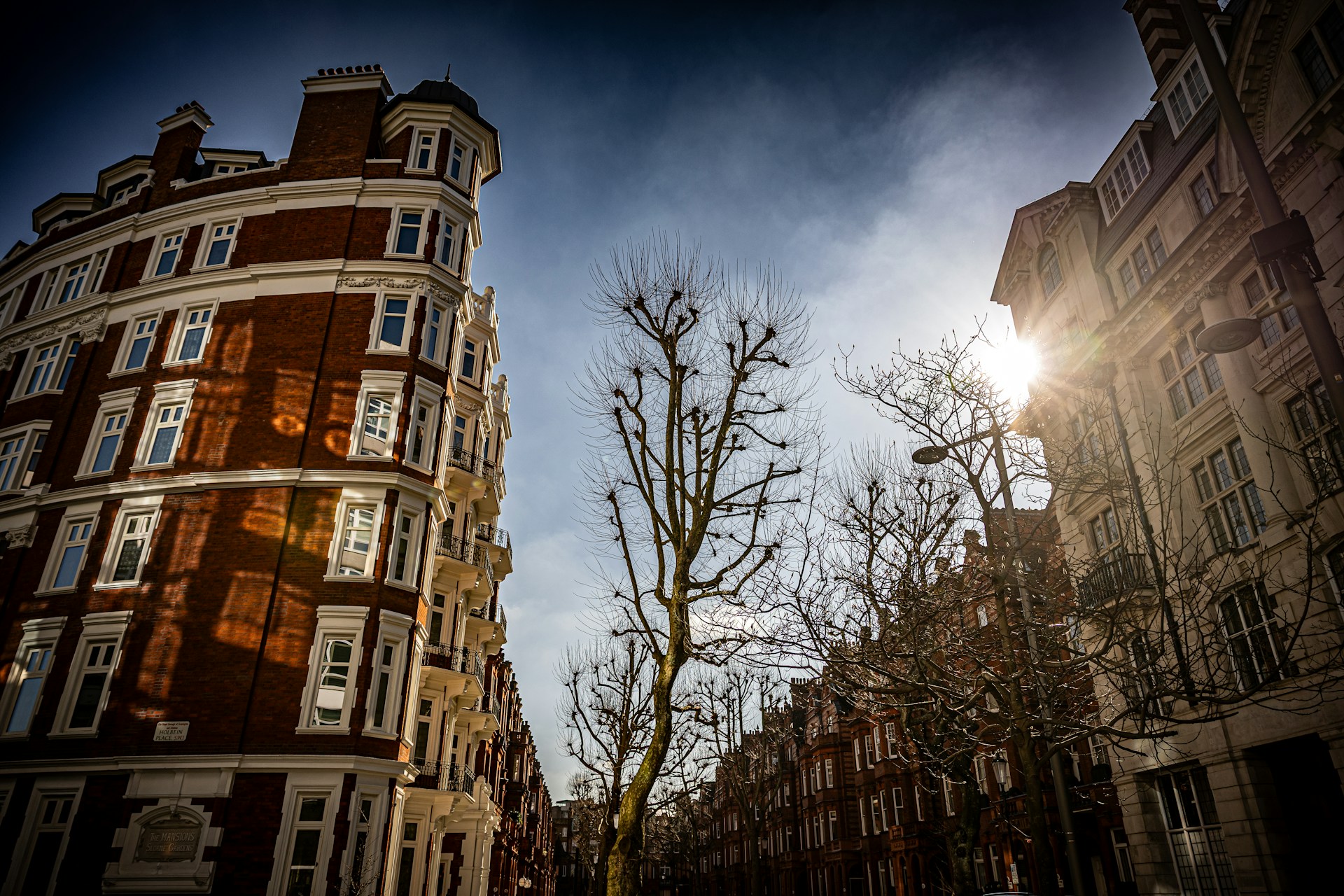
Village-like neighborhoods connected by the Tube
According to the Hotels.com Unpack ’26 report, 59% of British millennials are already embracing the Hotel Hop. And for good reason: London is a patchwork of urban villages, each with its own distinct personality. The report recommends the route from Broadwick Soho to The Petersham on the Thames.
Shoreditch for street art, startups, and vintage markets. Soho for theater and nightlife. Chelsea for galleries and Georgian architecture. South Bank for culture (Tate Modern, National Theatre) and walks along the Thames. London’s Tube makes each transition as simple as a 15-minute ride.
Highlights
- 24-hour Tube (Friday-Saturday): easy transitions even in the evening
- Each neighborhood has its own culinary and cultural scene
- Perfect for bleisure: quiet hotel in Chelsea on weekdays, Soho on the weekend
- Unique boutique hotels in every neighborhood (design in Shoreditch, townhouse in Chelsea)
4. New York: From Iconic Manhattan to Authentic Brooklyn

Crossing the East River to enter a different world
New York is the timeless classic of the Hotel Hop. Hit the must-sees (Broadway, MoMA, Central Park) while staying in Manhattan — SoHo for shopping and galleries, or Midtown for easy access to the major attractions. Then, once « tourist exhaustion » kicks in, cross the East River toward Williamsburg or DUMBO.
Brooklyn has become a destination in its own right. The skyline view from the other shore is magical, the pace is slower, and the shops are more artisanal. As Yahoo confirms, Gen Z travelers now prefer to « collect atmospheres rather than material souvenirs. »
Highlights
- NYC Ferry to cross the East River with luggage at subway ticket price
- 24/7 Subway: a natural Hotel Hop in the city that never sleeps
- Brooklyn deserves 3-4 nights: DUMBO, Williamsburg, Prospect Park
- Potential savings: hotels in Brooklyn are 20-30% cheaper than Manhattan
5. Paris: From Bohemian Le Marais to Artistic Montmartre

Every arrondissement is a city within the city
Paris is a textbook case for the Hotel Hop. According to Hotels.com, the capital features among the recommended cities with a route from Hôtel Regina Louvre to La Planque Hôtel — from classic luxury to a creative neighborhood. Each arrondissement has its own personality: Le Marais (art, galleries, LGBTQ+), Montmartre (bohemian, artists, panoramic views), Saint-Germain-des-Prés (literature, historic cafes), and Belleville (street art, multicultural).
The Paris metro connects all these neighborhoods in just minutes. The trick is to combine a central hotel (1st-4th arrondissements) for museums and landmarks, then a hotel in a more « local » neighborhood like the 18th or 11th to discover the Paris of Parisians.
Highlights
- Dense metro network: no point in Paris is more than 500m from a station
- 20 arrondissements = 20 different personalities
- Character-filled boutique hotels in every neighborhood
- Different gastronomy by neighborhood (bistros vs fusion vs street food)
6. Barcelona: From the Medieval Gòtic to Barceloneta Beach
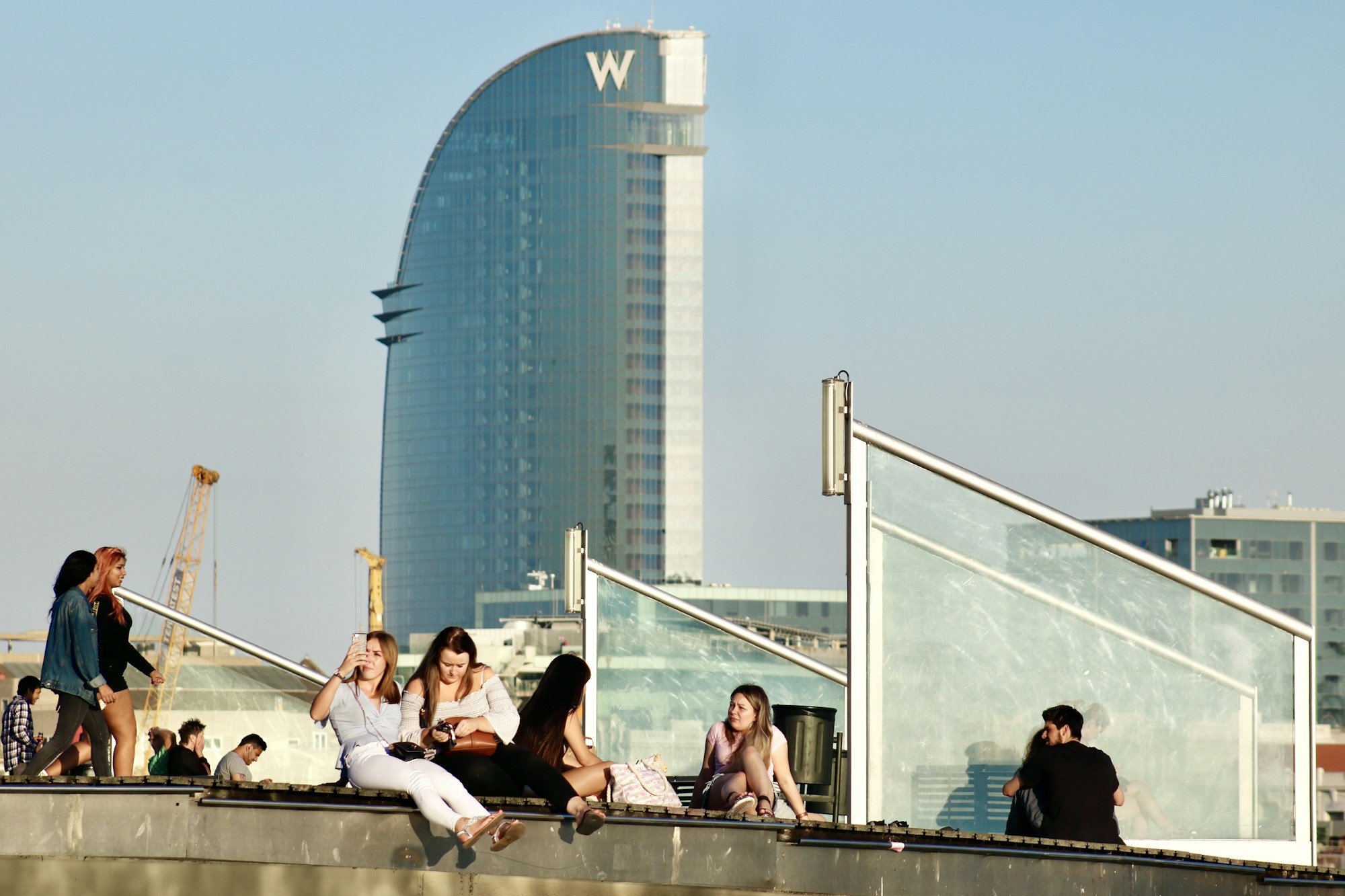
Barrios with radically different atmospheres
Barcelona is a natural fit for the Hotel Hop thanks to its barrios with strongly distinct identities. The Barri Gòtic (Gothic Quarter) is a medieval labyrinth of narrow streets, hidden squares, and an imposing cathedral. Gràcia, a formerly independent village, offers an artisanal, indie atmosphere with its lively squares and designer boutiques. Barceloneta is the beach and seafood neighborhood. El Born combines trendy boutiques and tapas bars.
According to Booking.com, the 2026 « Era of Me » trend is driving travelers to personalize every stage of their stay. In Barcelona, this means alternating between a boutique hotel in the Gòtic for cultural immersion and a beachfront hotel in Barceloneta for relaxation.
Highlights
- Efficient metro + highly walkable city between neighboring neighborhoods
- Gaudí everywhere: each neighborhood reveals a different facet of his work
- Different food scene by barrio (tapas, seafood, fusion)
- Rooftops in every neighborhood for different perspectives on the city
7. Lisbon: From Traditional Alfama to Industrial LX Factory
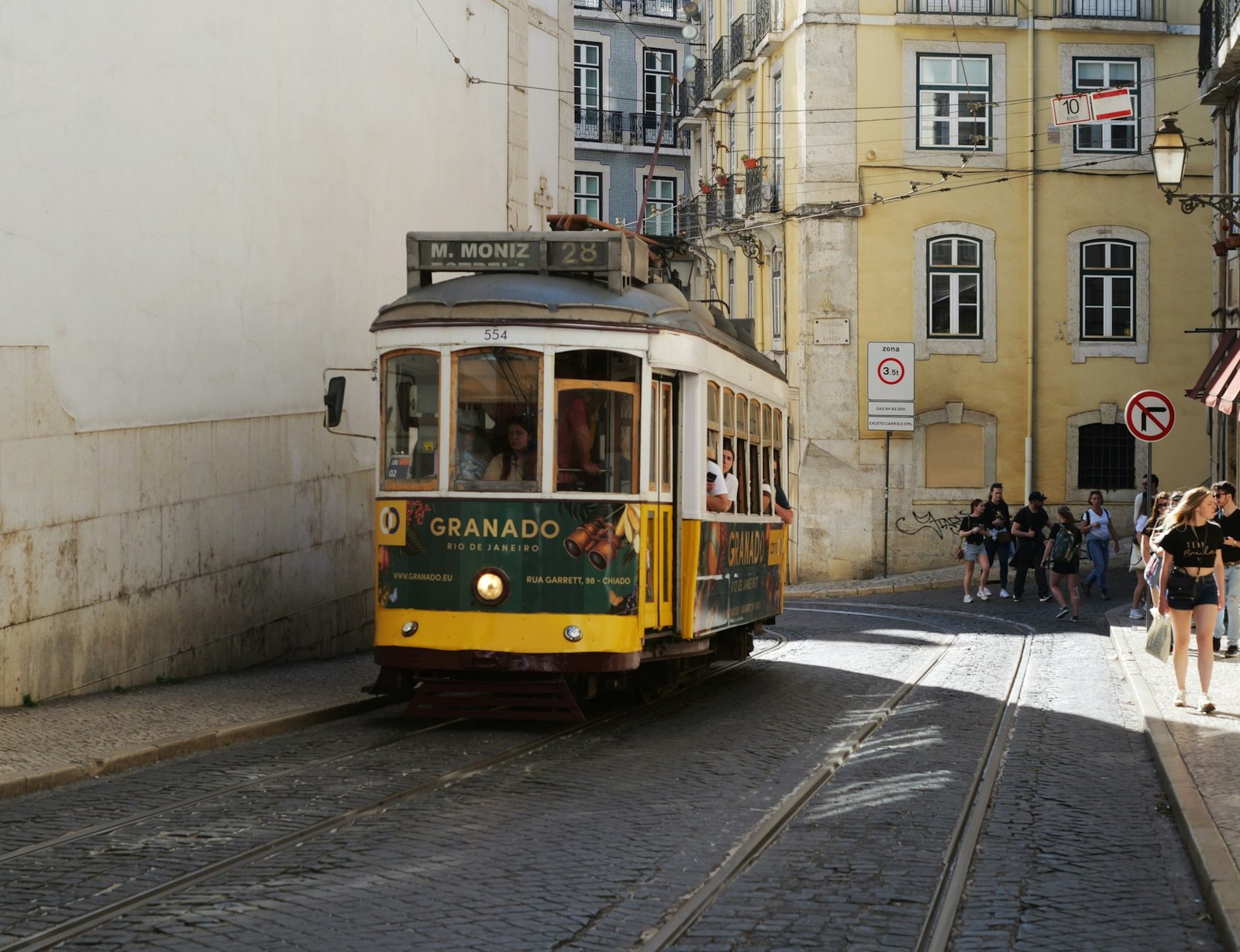
From the hills of Fado to reinvented docks
Lisbon is a city of hills and contrasts. Alfama, the oldest neighborhood, wakes you to the sound of Fado and church bells. The narrow cobblestone streets wind down toward the Tagus with a rare authenticity for a European capital. Then, head west near the 25 de Abril Bridge to Alcântara and the LX Factory.
That’s where you’ll find the rehabilitated docks, coworking spaces, fusion restaurants, and contemporary art galleries. Tram 28, the city’s icon, links these two worlds while passing through the neighborhoods of Bairro Alto (nightlife) and Príncipe Real (upscale, gardens). As Silo 57 notes, the Hotel Hop is the « secret to discovering a destination » in 2026.
Highlights
- Tram 28: the most photogenic public transport in Europe
- Affordable prices for a Western European capital
- Pastéis de nata in Belém, grilled sardines in Alfama: neighborhood gastronomy
- Possible extension: train to Cascais (30 min) as a « 3rd stage » beach hop
8. Bangkok: From Golden Temples to Sukhumvit’s Skyscrapers

From sacred chaos to vertical modernity
Bangkok is a dizzying blend of contrasts that no single neighborhood can sum up. Rattanakosin (Rattanakosin Island) is home to the Grand Palace, Wat Pho, and Wat Arun — a concentrate of royal and spiritual Thailand. Khao San Road is the eternal backpacker gathering spot. Silom and Sukhumvit embody the Bangkok of business, skyscrapers, and rooftop bars.
The BTS Skytrain and MRT make inter-neighborhood travel easy. According to the Hotels.com report, the Hotel Hop pairs especially well with event-driven travel — concerts, festivals, sporting events — which are an increasingly popular trigger for this type of stay. Bangkok, with its constant nightlife and events, is perfectly suited.
Highlights
- Unbeatable value for money: 5-star hotels from 80 €/night
- BTS Skytrain and boats on the Chao Phraya: scenic transfers
- Different street food in each neighborhood (Chinatown Yaowarat vs Sukhumvit)
- Riverside: luxury hotels with river views at accessible prices
| City | Nightly budget | Ideal stay | Hotels | Best months |
|---|---|---|---|---|
| Tokyo | €150–300 | 6–8 nights | 2–3 | March–May, October–December |
| Bali | €50–250 | 7–10 nights | 2–3 | May–June, September |
| London | €150–350 | 5–7 nights | 2 | May–June, September–October |
| New York | €200–500 | 6–8 nights | 2 | May, September–October |
| Paris | €120–350 | 5–7 nights | 2–3 | April–June, September–October |
| Barcelona | €100–280 | 5–7 nights | 2 | April–June, September–October |
| Lisbon | €90–220 | 5–7 nights | 2 | May, October |
| Bangkok | €40–180 | 5–7 nights | 2–3 | November–February |
Practical Guide: How to Nail Your Hotel Hop
The golden rules of a multi-hotel stay
According to Hotels.com, the key to a successful Hotel Hop is planning. Here are the best practices to optimize your experience:
Recommended durations
- 4 nights: 2 hotels (2+2) — minimum for an effective Hotel Hop
- 5-6 nights: 2 hotels (2+3 or 3+3) — the sweet spot
- 7-9 nights: 3 hotels (2+2+3) — for the explorers
Budget: the « contrast » strategy
According to Nomadic Matt, the Hotel Hop can actually be more economical than a classic stay. The trick: a « signature night » in a luxury hotel (rooftop, spa, view) combined with 3-4 nights in a more affordable boutique hotel in a less central neighborhood. You enjoy the best of both worlds without blowing your budget.
For properties with real character, see our selection of 10 destination hotels in Europe 2026.
Logistics: the transfers
- Luggage: favor carry-on bags. Less luggage = more freedom
- Check-out/check-in gap: drop your bags at the new hotel’s reception and explore the neighborhood hands-free
- Hop day: plan a visit (museum, market, lunch) in the transition neighborhood
- Price alerts: use Hotels.com alerts to optimize each booking
Frequently Asked Questions About Hotel Hopping
What exactly is a Hotel Hop?
The Hotel Hop (or « hotel hopping ») involves booking multiple hotels in the same destination to explore different neighborhoods. Instead of staying 7 nights in the same place, you split your stay into 2 or 3 stages in different neighborhoods. According to the Hotels.com Unpack ’26 report, 54% of travelers worldwide are adopting this approach in 2026.
Does a Hotel Hop cost more than a traditional stay?
Not necessarily. The « contrast » strategy can actually save you money: 1-2 nights in a high-end hotel (for a treat) combined with 3-4 nights in an affordable boutique hotel in a less central neighborhood. According to Hotels.com, 35% of hoppers cite budget optimization as a motivation. The key is to compare rates neighborhood by neighborhood.
How do you manage luggage between two hotels?
Several solutions exist: most hotels will store your luggage before check-in or after check-out. In Japan, the Takkyubin service transfers your suitcases between hotels for around 15 €. In other cities, apps like Nannybag or Bounce offer luggage storage everywhere. And the best tip: travel with a carry-on bag to keep your freedom.
How many hotels should you book for a Hotel Hop?
2 hotels is the standard for a first Hotel Hop. It’s the best balance between variety and logistics. For a stay of 7 nights or more, you can go up to 3 hotels (2+2+3 nights pattern). Beyond 3, the fatigue of moving around risks outweighing the joy of discovery.
What are the best cities to start hotel hopping?
The ideal cities have efficient public transportation and neighborhoods with strong identities. Tokyo (metro + Takkyubin), London (Tube + village-like neighborhoods), and Lisbon (tram 28 + hilltop neighborhoods) are the easiest to start with. According to Hotels.com, these three cities are among the most recommended destinations for hotel hopping in 2026.
Is hotel hopping suitable for families?
Yes, as long as you adapt the logistics. With children, stick to 2 hotels maximum with a minimum stay of 3 nights per stage to avoid fatigue. Bali and Bangkok are particularly well-suited for families: transfers are affordable, family-friendly hotels are plentiful, and the change of scenery fascinates kids. The key is to plan the « hop day » as an adventure, not a hassle.
When should you book for a Hotel Hop?
With 2 bookings to secure, plan further ahead than for a standard stay. Aim for 6 to 12 weeks in advance for domestic destinations and 3 to 8 months for international ones. Book the « rare » hotel first (boutique, festival dates, hotel with a view) then adjust the second. Use Hotels.com price alerts to monitor rate drops.
Sources
- Hotels.com / Expedia Group – Hotel Hop Trend Surges: Over Half of Travellers Book Multiple Hotels
- Expedia Newsroom – Unpack ’26: Travel Trends Report
- PR Newswire – Unpack ’26: How Travelers Will Explore the World in 2026
- Travel And Tour World – Hotel Hopping in 2026
- TendanceHôtellerie.fr – 2026 Travel Trends
- Yahoo Creators – Why Gen Z Are Ditching One-Hotel Vacations
- Booking.com – The Era of ME: 2026 Tourism Trends
- Hilton – 2025-2026 Travel Trends: Travel Maximizers
- Silo 57 – The Secret to Discovering a Destination in 2026
- Nomadic Matt – How to Book Cheap Hotels in 2026
- CNBC – 5 Major Trends Shaping Travel in 2026
- Travel Agent Central – Expedia 2026 Travel Trends
Research conducted in February 2026. Indicative budgets based on 2025-2026 data, excluding international flights.
Ready to Try the Hotel Hop?
Explore detailed travel itineraries with accommodations, transportation, and activities for every stage. Filter by destination, budget, and duration to plan your next multi-hotel stay.
Explore all itineraries