
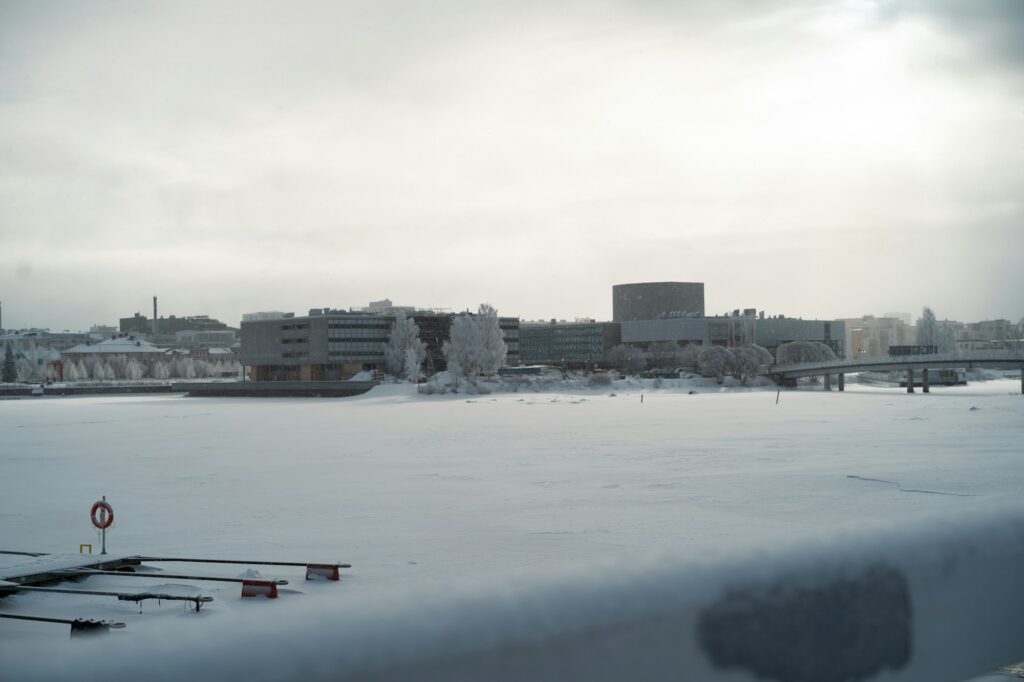
In 2026, two cities still largely unknown to the general public share the prestigious title of European Capitals of Culture. Oulu, in northern Finland, and Trenčín, in western Slovakia, offer a refreshing alternative to oversaturated cultural destinations. Far from the crowds of Barcelona or Amsterdam, these two human-scale cities deliver an ambitious program, spectacular landscapes and a value-for-money ratio that will surprise you. Here is everything you need to know to plan your trip.
1. Oulu 2026: Diving into the Arctic Cultural Capital
Oulu, Finland
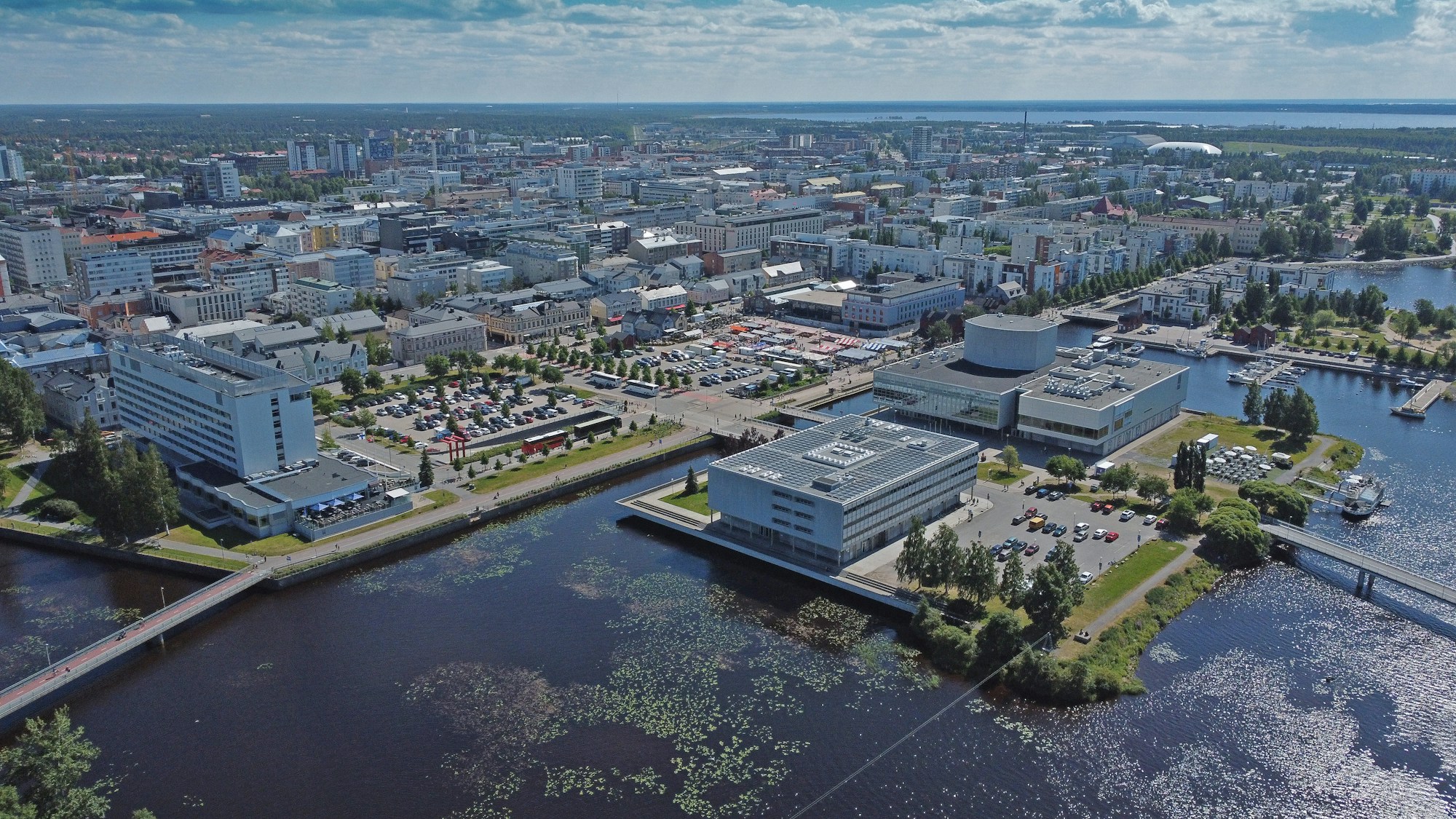
Located on the shores of the Gulf of Bothnia at latitude 65°N, Oulu is a compact city hiding an unexpected creative energy. Long known for its pioneering 6G tech scene, it is the city’s wild nature and deeply rooted culture that will captivate visitors in 2026, according to National Geographic, which ranked it among the world’s best destinations this year.
The cultural program revolves around three themes: « Brave Hinterland », « Cool Contrasts » and « Wild City », with approximately 500 events planned throughout the year according to the European Commission.
The opening festival took place from January 16 to 18, 2026 at Market Square (Kauppatori), transforming the city center into a vibrant festival village with installations, music and performances. The renovated city hall hosts « Layers in the Peace Machine », a free immersive project exploring life in peace, where even an underground parking garage becomes a supernatural sound chamber, reports SUITCASE Magazine.
Must-see highlight events
- January-May: Triennale Sápmi (Sámi art) at Oulu Art Museum
- February 6: National Sámi Day — celebrations and northern lights
- Mid-February: Frozen People — electronic music festival on the frozen sea
- August 15: Summer Night Dinner — one-kilometer communal table
- August 26-29: Air Guitar World Championships
- November: Lumo Art & Tech Festival — digital art in the polar night
2. Sámi Culture, Northern Lights and Wild Nature
The cultural and natural richness of northern Finland
The First Triennale Sápmi
The traditions of the Sámi people, the only indigenous people of the European Union, are at the heart of the Oulu2026 program. The Oulu Art Museum hosts the first Triennale Sápmi, a traveling exhibition showcasing contemporary Sámi art and duodji (traditional craftsmanship), from mid-January to early May 2026. Admission: approximately 12 €.
The highlight is National Sámi Day on February 6, a rare moment of cultural communion. The opera Ovllá, written by Sámi playwright Siri Broch Johansen, addresses the oppressions experienced by the Sámi people through a poignant narrative inspired by real-life stories, reports Ulysse News.
Northern Lights
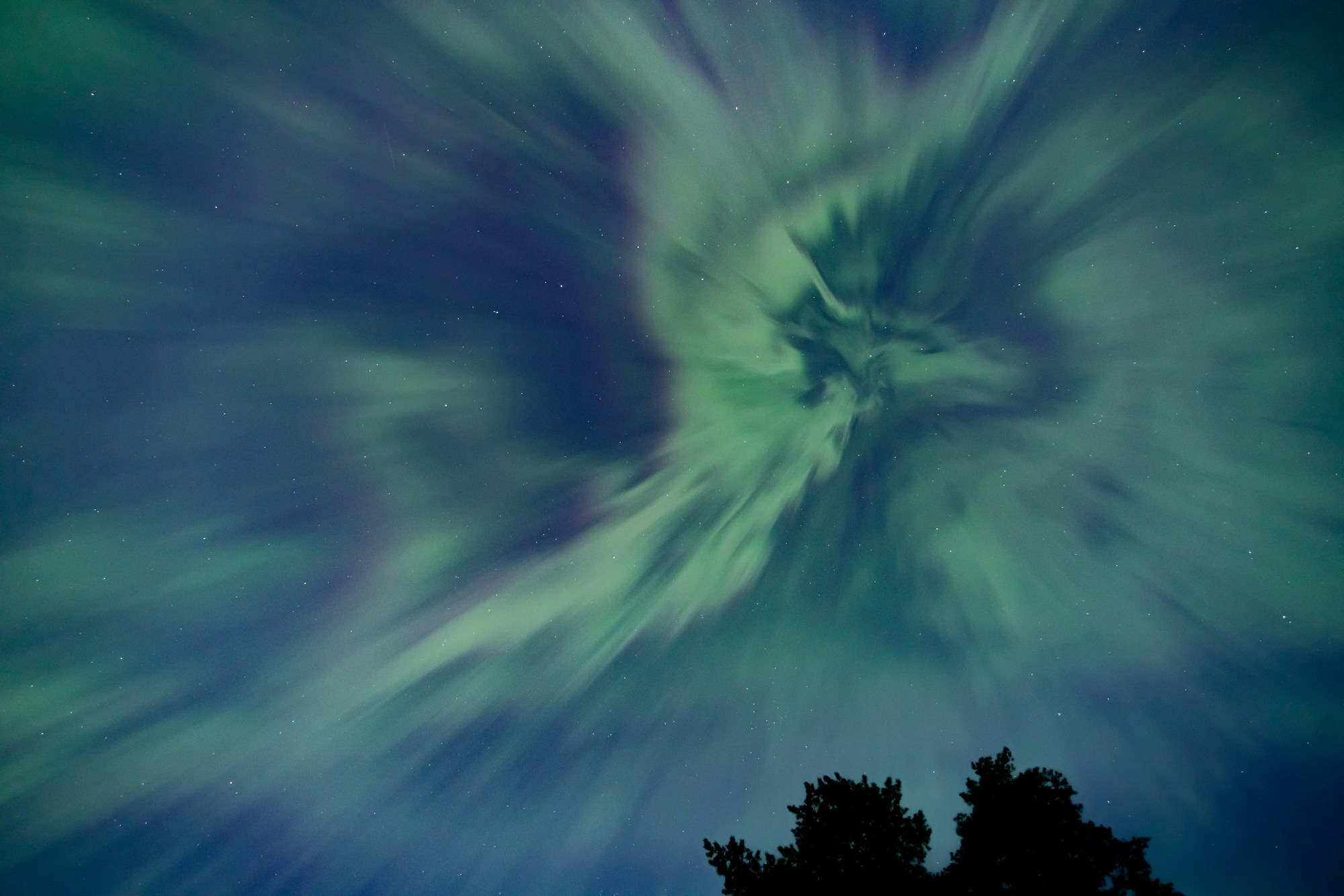
At latitude 65°N, Oulu is ideally positioned for northern lights viewing. According to National Geographic, the best months are September, October, March and early April. Head a few kilometers away from the city center to escape light pollution.
Off-the-beaten-path nature excursions
- Koitelinkoski (25 km) — Spectacular rapids and suspension bridges in the forest. Free, highly photogenic. Ideal from May to October. (ouka.fi)
- Liminka Bay (south of Oulu) — One of Finland’s best birdwatching spots. Well-designed visitor center, accessible to non-experts. (visitliminka.fi)
- Rokua UNESCO Global Geopark (20 km) — Dunes, eskers and crystal-clear lakes bearing witness to the last glaciation. A « subtle relief » landscape still under the radar internationally. (rokuageopark.fi)
3. Arctic Gastronomy, Sauna and the Secret Island of Hailuoto
The Finnish art of living
Arctic Food Lab
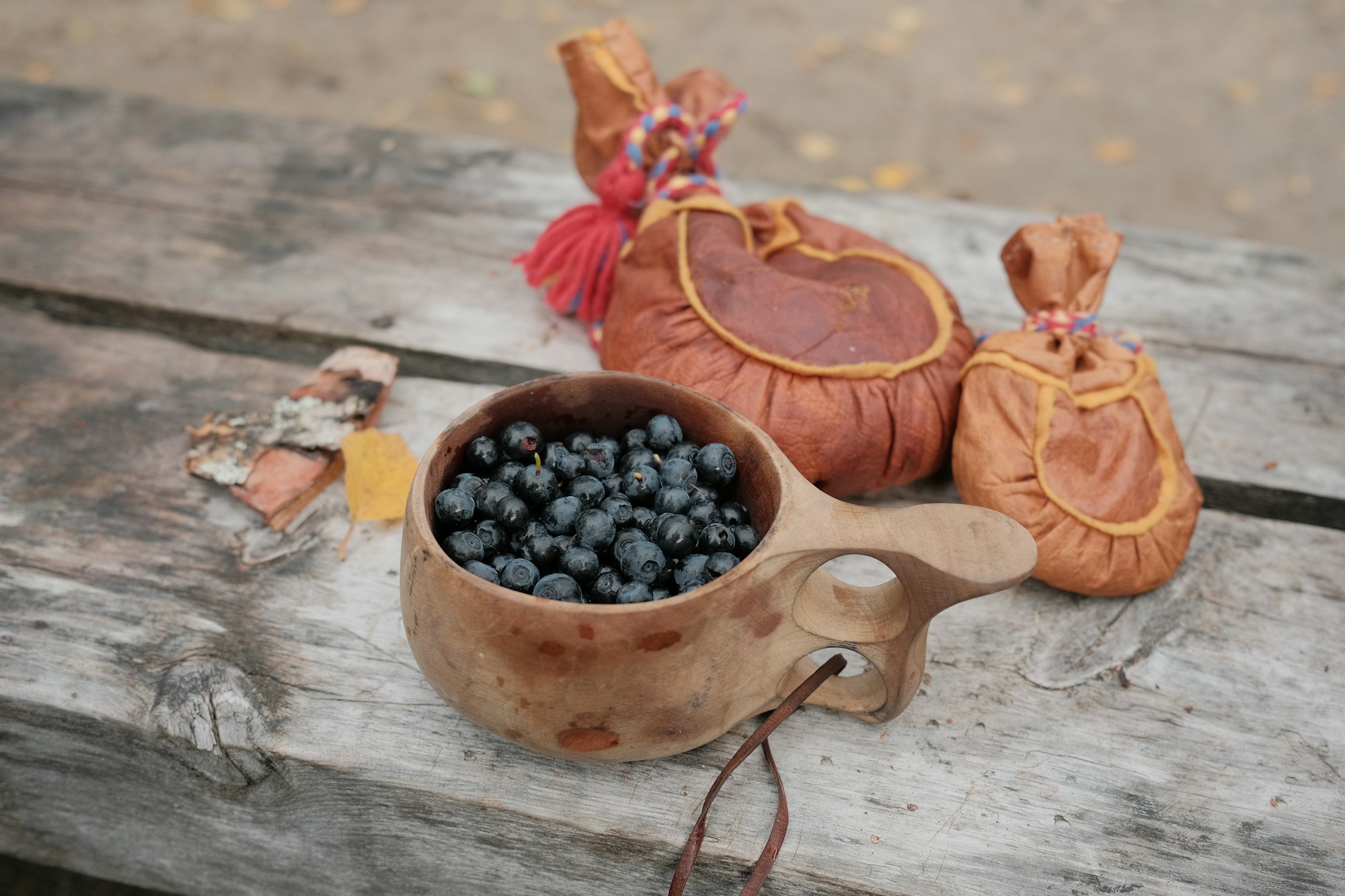
The Arctic Food Lab program showcases ingredients grown under Nordic skies: reindeer stew, wild berry desserts, rye bread and fish from the Gulf of Bothnia. The goal is to offer culinary experiences impossible to have anywhere else, according to Visit Oulu.
The highlight: the Summer Night Dinner on August 15, 2026, where thousands of people gather around a one-kilometer-long communal table in the heart of the city center, reports Life Travel Save.
Sauna, the Finnish art of living
In Oulu, sauna is not just a tradition — it is a way of life. In summer, float down the river on a steaming sauna raft; in winter, alternate between scorching steam and a plunge into a hole cut in the ice (avanto). A new municipal sauna opened for the first time in 35 years, according to SUITCASE Magazine.
Hailuoto: the island to discover before the boom
Hailuoto, the largest island in the Gulf of Bothnia (~50 km from Oulu), is a National Landscape of Finland. Accessible by a free ferry year-round, it is home to a traditional fishing village, windmills, the Marjaniemi lighthouse and sandy beaches, according to Discovering Finland.
The crucial point: a permanent road connection is announced for autumn 2026. Visiting before this change means potentially seeing the island before it becomes an automatic day trip for everyone, notes Visit Hailuoto.
4. Trenčín 2026: Slovakia Awakens Curiosity
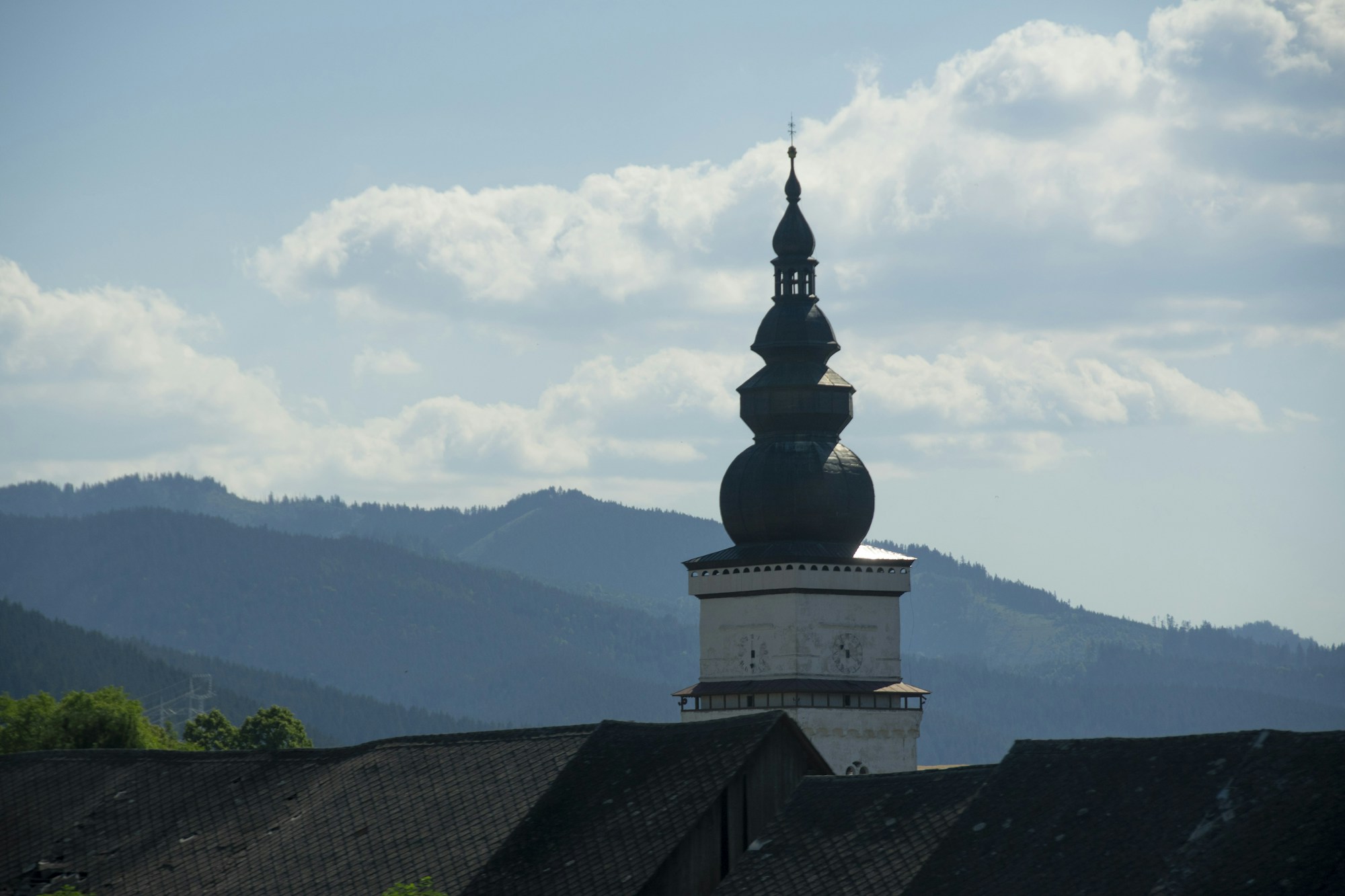
Trenčín, Slovakia
Nestled in the Váh valley, Trenčín is a small town with a rare profile: a cultural intensity amplified by the title of European Capital of Culture 2026. Its theme, « Awakening Curiosity », aims to weave connections between past and future, city and nature, culture and everyday life, according to the European Commission.
Trenčín is not simply a city stacking cultural events: its ambition is to awaken a curiosity that encourages residents and visitors to see culture as a living history of the place, explains The Slovak Spectator.
Trenčín Castle: where medieval meets contemporary art
Towering over the city from a rocky spur, Trenčín Castle has witnessed 1,000 years of history, from the Roman Empire (the « Laugarito » Roman inscription) to medieval kings. In 2026, it transforms into a contemporary art venue: the multimedia exhibition « The Well of Love », created by Turkish artists, revisits the legend of Omar and Fatima through light, sound and holograms, reports Euronews.
The opening weekend: February 13-15, 2026
Over three days, the opening is designed as a city takeover: streets, squares, clubs, schools and cultural institutions transform into open stages. The program fully embraces local participation (communities, volunteers, neighborhoods) alongside more formal gala formats, according to Trenčín 2026.
5. Festivals, Light Art and Reinvented Public Spaces
A bustling cultural calendar
Light Art Festival — April 10-11, 2026 (free)
Light installations, video mappings and digital art take over the public spaces of Trenčín for two evenings. It is an excellent cultural weekend on a budget since admission is free, according to Trenčín 2026. A human-scale digital art festival where you can walk between multiple installations without heavy logistics.
Pohoda Festival — July 9-11, 2026
Slovakia’s largest music festival takes place at Trenčín airport and falls right in the midst of the Capital of Culture year. Three-day tickets (camping included) are priced at 129-189 € depending on the sales wave, and one third of tickets were already sold by early 2026, reports Pohoda Festival. A major European festival in a city that remains liveable.
The Fiesta Bridge — summer/September 2026
The former disused railway bridge over the Váh river is being transformed into a multifunctional bridge with studios and shops. The opening will culminate in September with the Fiesta Bridge Festival, a new symbolic landmark for the city, announces the European Commission.
Altofest — October 2026
The boldest format of the year: artists live and create directly in the apartments of Trenčín residents. Visitors then discover theater and dance in these private homes. A perfect example of the participatory spirit that earned Trenčín its title, according to The Slovak Spectator.
6. Day Trips from Trenčín: Castles, Thermal Spas and the Váh Valley
The density of medieval castles in the Váh valley is remarkable. In one or two days, you can explore a cohesive territory around the Capital of Culture — exactly the spirit of the ECoC: regional outreach.
Beckov Castle
Twenty kilometers from Trenčín, Beckov Castle is a majestic monument perched atop a sheer 60-meter rock massif. It guarded the trade route through the Váh basin and withstood Tartar and Ottoman raids. Admission: 4.50 €. Open from April to November, with its annual reopening announced for February 14, 2026 according to hrad-beckov.sk. Tip: from the train between Nové Mesto and Trenčín, the castle is spectacular viewed from the train window.
Čachtice Castle
Thirty-five kilometers away, the ruins of Čachtice Castle are infamously known for their association with Countess Báthory. The atmosphere is unique, caught between dark legend and panoramic valley views. Admission: approximately 3-5 €.
Trenčianske Teplice: the thermal getaway
Only 15 km from Trenčín, this historic thermal spa town frequented since the 14th century offers natural sulfurous waters at 40°C set among wooded hills. Unlike Budapest or Austrian thermal baths, Trenčianske Teplice remains human-scale, frequented mainly by locals. Bath access: 15-25 €. The local bus connects the two towns in 20 minutes.
Skalka: a place of spiritual significance
The Skalka monastery (Veľká and Malá Skalka), a pilgrimage site nestled in the rock above the Váh, adds a spiritual dimension to your itinerary. Check the seasonal opening hours before heading there.
7. Budget Comparison: Oulu vs Trenčín
Both countries use the euro, which simplifies planning. But the cost of living differences are significant.
| Category | Oulu (Finland) | Trenčín (Slovakia) |
|---|---|---|
| Daily budget (budget traveler) | 90-130 € | 45-75 € |
| Daily budget (comfort) | 140-220 € | 80-120 € |
| Average hotel | 100-180 €/night | 42-80 €/night |
| Budget meal | 10-16 € | 6-10 € |
| Mid-range meal | 20-40 € | 12-25 € |
| Local transport (bus/day) | ~10 € (day pass) | ~2-3 € |
| Local beer | ~6-8 € | ~2 € |
| Recommended duration | 3-6 days | 2-4 days |
Sources: Numbeo, Budget Your Trip, BudgetYourTrip Oulu.
8. How to Plan Your Trip
Getting to Oulu
From Helsinki, several daily flights of approximately one hour connect to Oulu. Alternatively, the train (5-6 hours) offers panoramic views of Finnish forests and lakes. According to Oulu2026, the city is easily accessible year-round.
Getting to Trenčín
From Bratislava, direct trains depart every 30 minutes for a journey of approximately 1h15, according to Authentic Slovakia. From Vienna (Austria), allow approximately 2h30 by train via Bratislava.
Combining both destinations
There is no direct flight between Oulu and Trenčín. The best route: Oulu → Helsinki (flight ~1h) → Bratislava or Vienna (flight ~2h30) → Trenčín (train ~1h15). Allow one transit day and plan for 7 to 10 days on-site for a comfortable trip.
Best time to visit based on your interests
- January-February: Intense ECoC atmosphere (openings, Frozen People, snow) — pack warm clothing
- April: Light Art Festival in Trenčín + early spring — excellent weather/events balance
- June-August: Midnight sun in Oulu, Summer Night Dinner, Pohoda Festival — high season but magical
- September-October: Northern lights in Oulu, Fiesta Bridge and Altofest in Trenčín — ideal season to combine both
- November: Lumo Art & Tech Festival in Oulu during the polar night — for digital art enthusiasts
Frequently Asked Questions
How many days should I plan for Oulu and Trenčín?
For Oulu, plan a minimum of 3 days (1 day for the city center and events, 1 day for culture/museum, 1 day for a nature excursion). If you want to explore off-the-beaten-path sites (Rokua, Liminka Bay, Hailuoto), allow 5-6 days. For Trenčín, 2 to 4 days are enough to cover the city, festivals and an excursion in the Váh valley. To combine both, plan for 7 to 10 days total.
Oulu in January-February: is it too cold?
Yes, it is cold (-10 to -20°C), but it is also the most « ECoC » season with the opening festival, Frozen People on the frozen sea and the best chances of seeing the northern lights. The main challenge is not the cold itself: it is having proper thermal layers, suitable footwear and buffer time in your schedule for weather. Finns live normally in winter — the infrastructure is perfectly adapted, according to Oulu2026.
How to get around Oulu without a car?
The bus system is straightforward with a flat-rate pricing system: single ticket at approximately 2.60 € and day pass at approximately 10 €, according to Oulun Seudun Liikenne. Oulu is also the « World Capital of Winter Cycling » with 900 km of cycling paths maintained year-round. For more distant excursions (Rokua, Kierikki), renting a car for the day may be necessary.
Is Trenčín accessible without a car?
Yes, perfectly. The city center is entirely walkable. From Bratislava, trains run frequently (every 30 minutes) and the journey takes approximately 1h15. For excursions to Beckov, Čachtice or Trenčianske Teplice, local buses provide connections. Slovakia offers a reliable and affordable public transport network.
Can you see the northern lights in Oulu?
Yes, Oulu is ideally located at 65°N for northern lights viewing. According to National Geographic, the best months are September, October, March and early April. Head a few kilometers away from the city center to escape light pollution. February 6 (National Sámi Day) is a particularly beautiful date to combine cultural celebrations with aurora viewing.
Is Slovakia expensive for tourists?
No, Slovakia is a destination with remarkable value for money. Budget travelers can manage on 50-65 € per day (accommodation, meals, transport, activities). Restaurants offer hearty dishes for 6-10 €, and a local beer costs approximately 2 €. This is significantly cheaper than most Western European countries, according to Budget Your Trip.
What are the top 3 events to prioritize if you can only visit once?
In Oulu: the Summer Night Dinner on August 15 (one-kilometer communal table, arctic cuisine and unique conviviality), the Air Guitar World Championships (August 26-29, guaranteed fun), or the Lumo Art & Tech Festival in November (digital art in the polar night). In Trenčín: the Light Art Festival on April 10-11 (free, spectacular), the Pohoda Festival in July (music + art, book early), or Altofest in October (art in residents’ apartments, a bold format unique in Europe).
Is English widely spoken in Oulu and Trenčín?
In Oulu, the level of English is excellent — Finland consistently ranks among the best countries in the world for English proficiency. You will have no difficulty communicating. In Trenčín, younger generations speak English well, but in more traditional shops and outside the center, Slovak predominates. The Google Translate app is a useful complement. During the 2026 ECoC year, multilingual volunteers will be deployed at the main cultural venues.
Sources
- European Commission — Two European Capitals of Culture in 2026
- European Commission — Oulu and Trenčín 2026
- National Geographic — Oulu 2026: When to visit, where to stay, and what to do
- Oulu2026 — Official cultural program
- Visit Oulu — Oulu2026 cultural program
- SUITCASE Magazine — A Mini Guide to Oulu
- Ulysse News — Oulu 2026: the key dates
- Life Travel Save — European Capital of Culture Oulu
- Oulu Art Museum — Triennale Sápmi
- City of Oulu — Koiteli
- Visit Liminka — Liminka Bay
- Rokua UNESCO Global Geopark
- Visit Hailuoto — Getting to Hailuoto
- Discovering Finland — Oulu
- Visit Finland — Oulu
- Trenčín 2026 — Official website
- Trenčín 2026 — Opening Weekend
- Trenčín 2026 — Light Art Festival
- Visit Trenčín — Trenčín Castle
- Visit Trenčín — Beckov Castle
- Euronews — All the reasons to visit Slovakia’s new European Capital of Culture
- The Slovak Spectator — Interview Trenčín 2026 vision
- Pohoda Festival — 2026 tickets
- Trenčianske Teplice — Spa park
- Beckov Castle — Practical information
- Authentic Slovakia — What is Trenčín 2026
- Numbeo — Cost of living in Oulu
- Budget Your Trip — Slovakia
- Air Guitar World Championships — 2026 program
- Oulun Seudun Liikenne — Bus fares
Research conducted on February 7, 2026.
Ready to Discover the 2026 Capitals of Culture?
Whether you choose the northern lights of Oulu, the medieval castles of Trenčín or both, 2026 is the perfect year to discover these destinations before they go mainstream. Start planning your itinerary now.
Explore all itineraries