
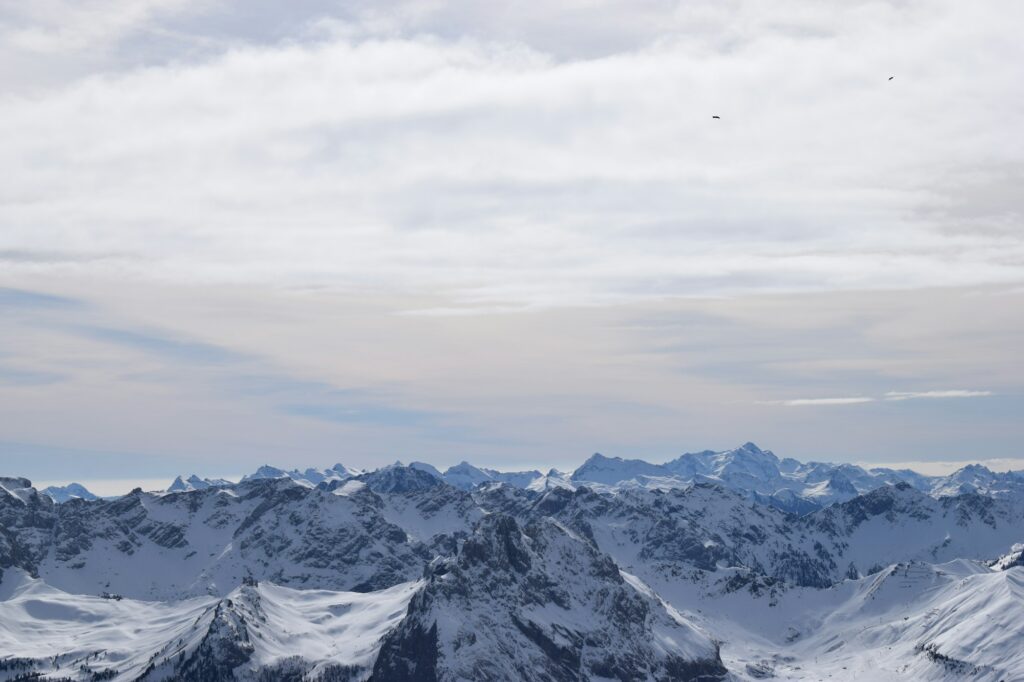
The Milan-Cortina 2026 Winter Olympics officially kicked off on February 6. Spread across seven venues throughout Lombardy, Veneto, and Trentino-Alto Adige, these Games are the most geographically dispersed in Olympic history. Whether you are leaving tomorrow or in a week, this last-minute guide gives you everything you need to experience the Olympic Games in Northern Italy: tickets still available, transport between clusters, smart accommodation tips, and competition venues you should not miss.
1. Overview: Games Spread Across 22,000 km²
116 events, 7 territories, 2,900 athletes
From February 6 to 22, 2026, 2,900 athletes compete in 116 events across 8 sports and 16 disciplines. The Paralympic Games will follow from March 6 to 15. What makes this edition unique in Olympic history: the venues are spread over more than 22,000 km², with two main hubs — Milan and Cortina d’Ampezzo — separated by more than 400 kilometers.
The opening ceremony at Milan’s San Siro stadium featured international artists including Mariah Carey, Laura Pausini, and Andrea Bocelli. The closing ceremony will take place at the Roman amphitheater in Verona on February 22.
The winning strategy: think in clusters
| Cluster | Sports | Budget/day | Main access |
|---|---|---|---|
| Milan | Hockey, figure skating, short track, speed skating | 150 – 400 € | Airports MXP / LIN / BGY |
| Cortina d’Ampezzo | Women’s alpine skiing, curling, sliding | 200 – 500 € | Venice Marco Polo + bus |
| Bormio | Men’s alpine skiing, ski mountaineering | 120 – 300 € | Train to Tirano + shuttle |
| Livigno | Freestyle, snowboard | 100 – 250 € | Train to Tirano + shuttle |
| Anterselva | Biathlon | 80 – 200 € | Train to Valdaora + shuttle |
| Val di Fiemme | Cross-country, ski jumping, Nordic combined | 70 – 180 € | Train to Trento + bus |
| Verona | Ceremonies | 100 – 250 € | Direct train from Milan |
2. Milan: The Urban Heart of the Ice Sports
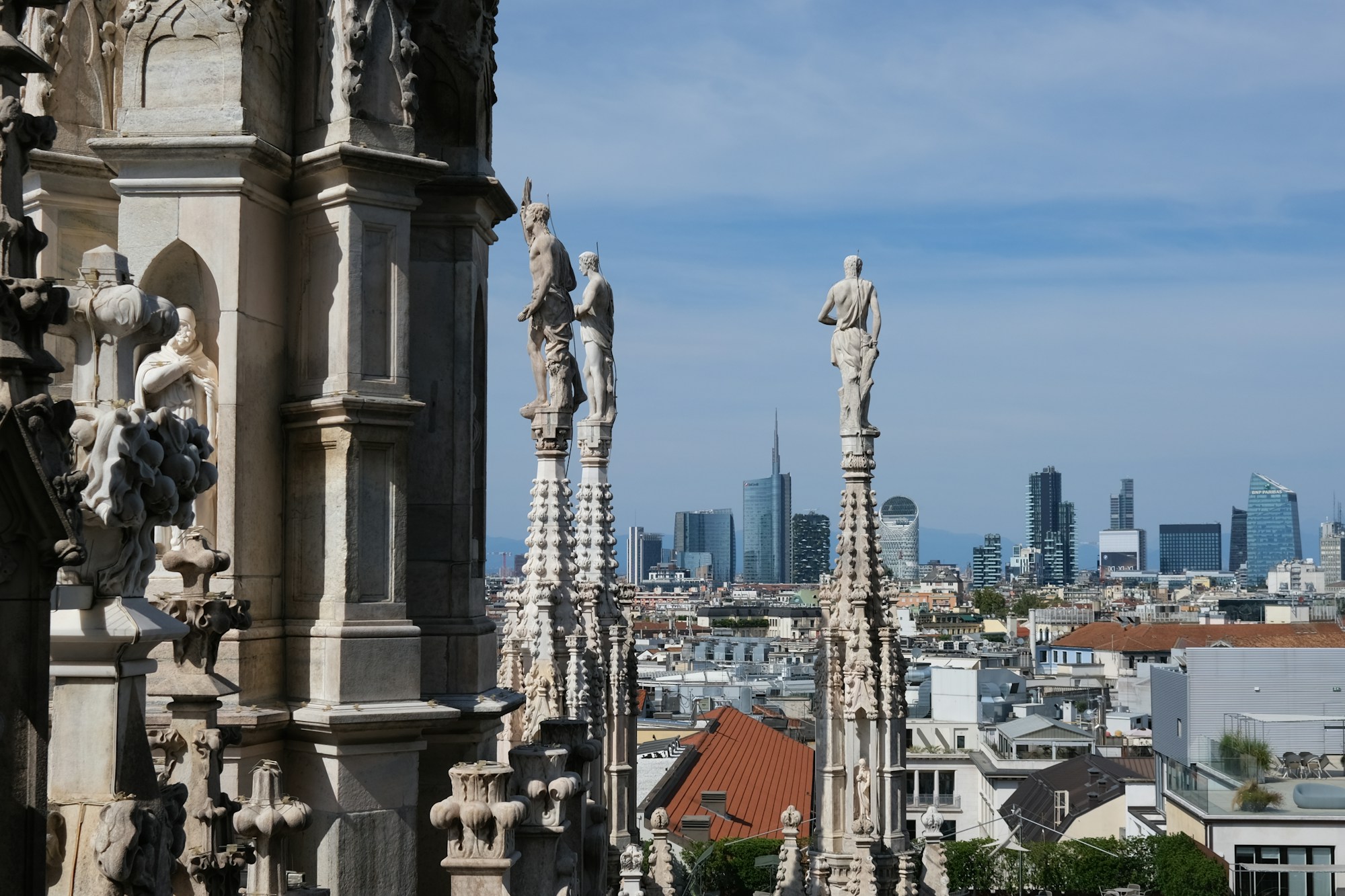
5 Olympic venues accessible by metro
Milan is the most accessible base for a last-minute spectator. The city hosts five Olympic venues: San Siro stadium (opening ceremony), the Milano Ice Skating Arena in Assago (figure skating and short track), the Milano Santa Giulia Ice Hockey Arena (men’s hockey), the Milano Rho Ice Hockey Arena (women’s hockey), and the Milano Speed Skating Stadium (speed skating).
For spectators, Milan offers the best transport connections, the widest hotel selection, and the easiest access to multiple events, without the challenges of winter mountain driving. The city has implemented exceptional mobility measures: metro service extended until 2 AM and reinforced night bus network from February 5 to 21.
Practical tips
- Contactless payment in the metro (bank card, smartphone, smartwatch)
- Olympic Village at Porta Romana, near Milano Rogoredo station
- Explore the Navigli and Brera neighborhoods in the evening, away from the typical tourist circuits
3. Cortina d’Ampezzo: The Queen of the Dolomites
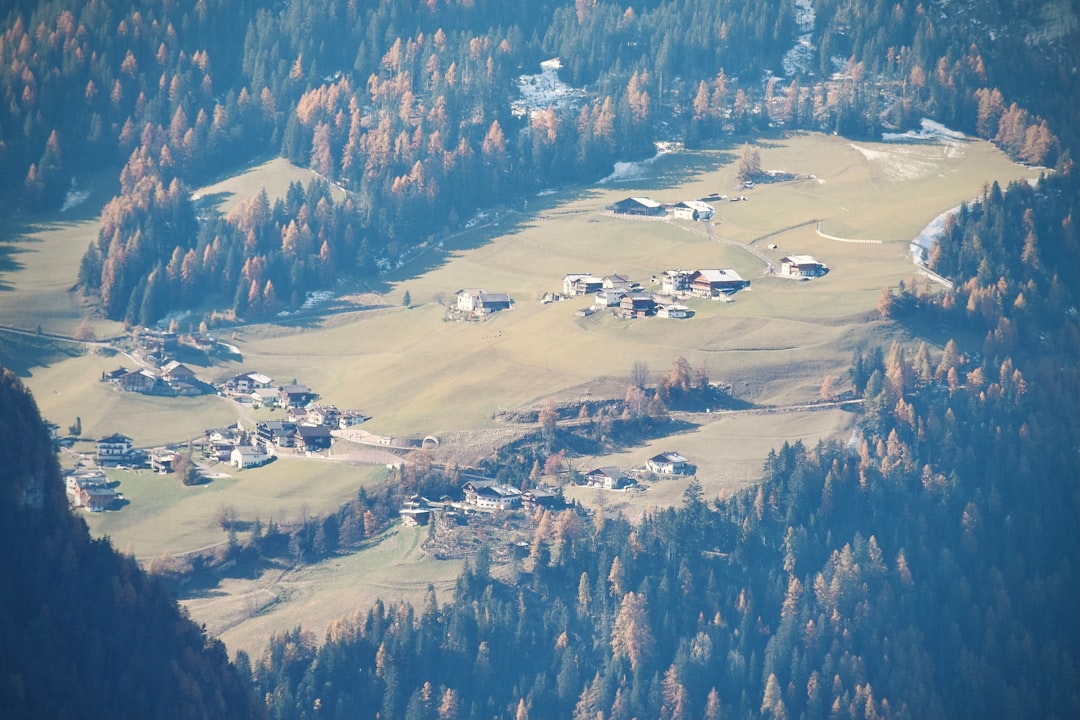
Alpine skiing, curling, and sliding in the heart of the UNESCO Dolomites
In the heart of the UNESCO-listed Dolomites, Cortina d’Ampezzo welcomes the Olympic Games back 70 years after the 1956 edition. The resort hosts women’s alpine skiing at the Tofane Alpine Skiing Centre, curling at the Cortina Curling Olympic Stadium, and sliding events (bobsleigh, luge, skeleton) at the Cortina Sliding Centre.
The setting is spectacular: the vertical walls of the Dolomites tower over every event. However, this cluster requires more careful planning due to the mountain access and limited accommodation. More affordable alternatives can be found in neighboring villages: San Vito di Cadore and Pieve di Cadore (100-200 €/night).
Access and mobility
- No train station: access via « Cortina 2026 Link » bus from Ponte nelle Alpi (7.50 € per trip)
- Limited traffic zones (ZTL) activated on competition days
- The most convenient airport is Venice Marco Polo (4-5 hours by car)
4. Bormio and Livigno: The Valtellina Cluster
Bormio: The Stelvio run and the debut of ski mountaineering
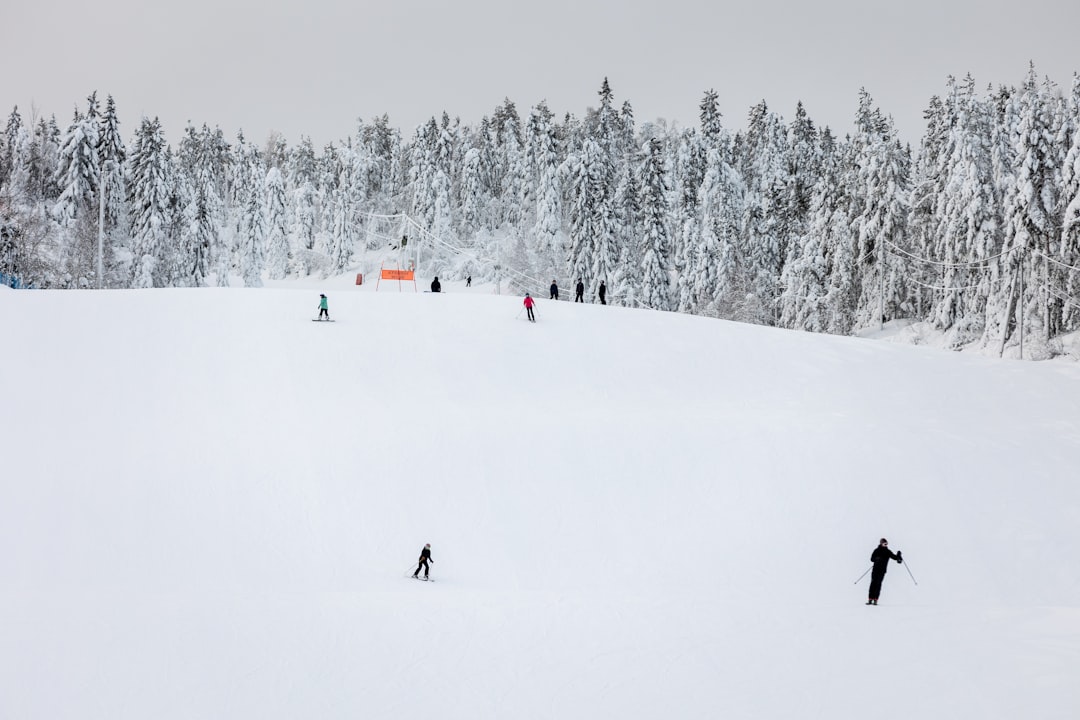
Nicknamed Magnifica Terra for its hot springs, forests, and peaks, Bormio hosts the men’s alpine skiing events and the Olympic debut of ski mountaineering at the Stelvio Ski Centre. The course stretches 3,186 m with a vertical drop of 987 m and a maximum gradient of 63%, comparable to the legendary Streif in Kitzbühel.
Ski mountaineering, a discipline where athletes ascend and descend alternating between skiing and hiking, makes its historic Olympic debut in 2026. Tickets for this new discipline are already sold out — a sign of unprecedented enthusiasm.
Livigno: The freestyle temple at 1,816 m altitude
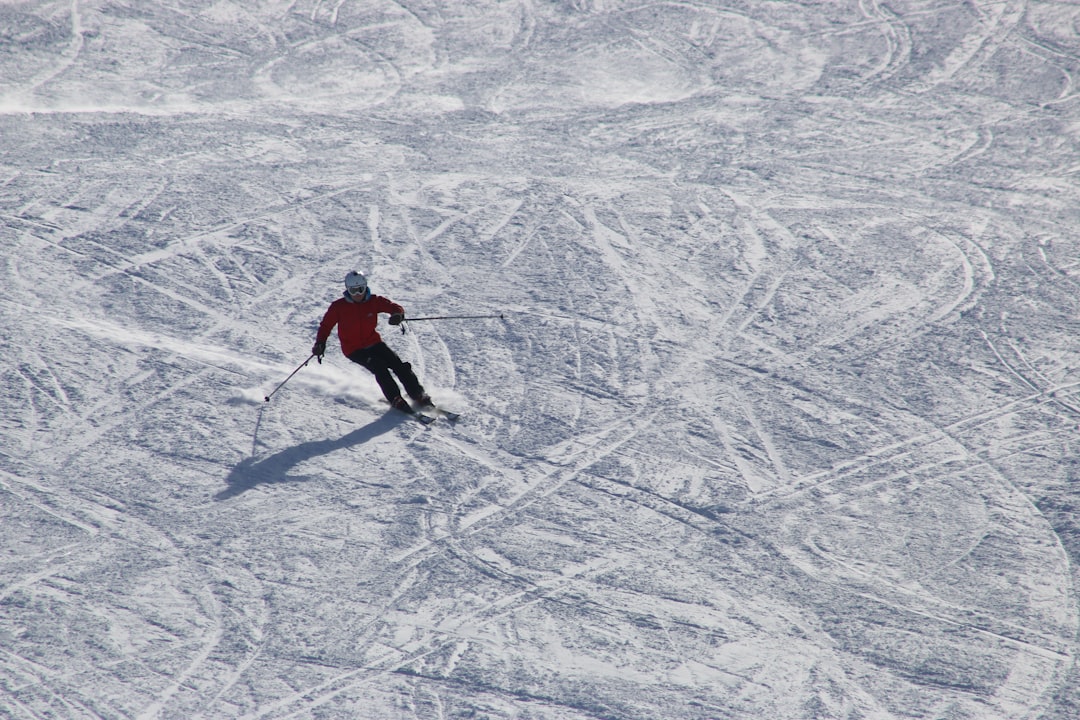
A village of 7,000 residents tucked away in the Rhaetian Alps, Livigno is the freestyle and snowboard temple for these Games, hosting 26 medal events. The most impressive structure in the Snow Park is the big air ramp, standing over 50 meters tall and illuminated for nighttime competitions.
Known as a « landlocked island » due to its difficult access, Livigno makes day trips nearly impossible. Plan accommodation on-site or in Tirano. The hidden perk: its historic status as a duty-free zone makes alcohol, tobacco, and fuel significantly cheaper than elsewhere in Italy.
Access to the Valtellina cluster
- Train from Milan to Tirano (one train every 30 minutes during the Games)
- Dedicated shuttle Tirano → Livigno (Foscagno Pass at 2,291 m — expect delays)
- Train & Ride shuttle Tirano → Bormio
5. Anterselva and Val di Fiemme: The Nordic Treasures of Trentino
Anterselva: The largest spectator venue of the Games
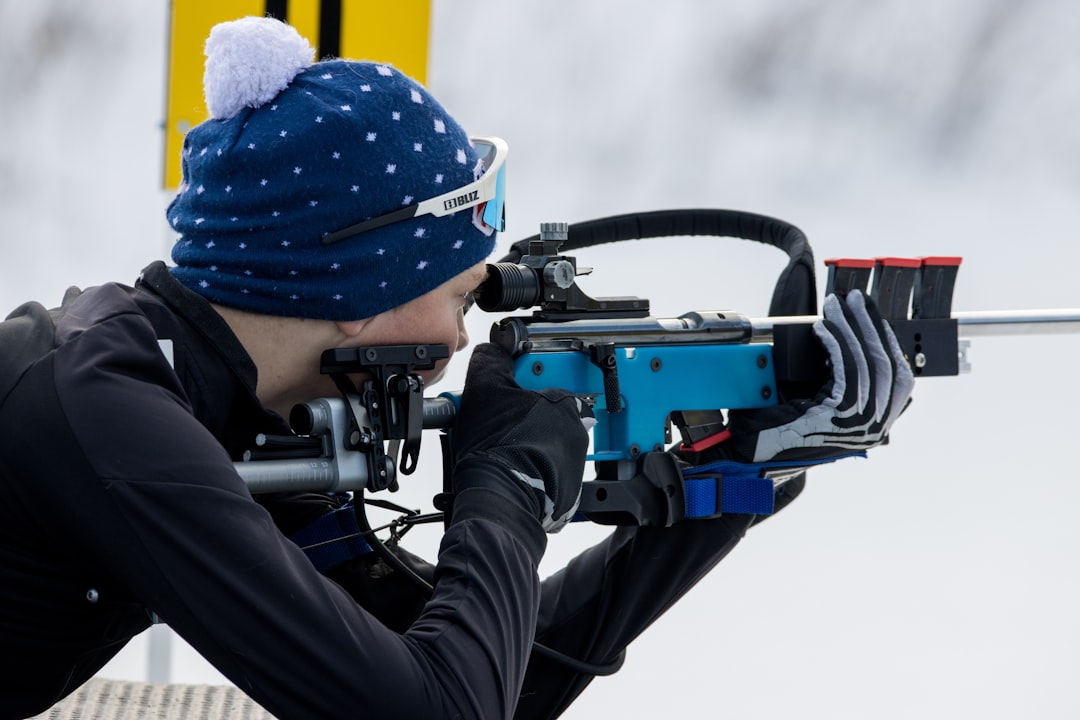
The Anterselva Biathlon Arena, in South Tyrol, is the venue with the largest spectator capacity of the entire Games (19,000 seats). From February 8 to 21, this venue hosts all 11 biathlon events — a historic first for this province on the Austrian border where German is heard as often as Italian.
The venue sits at 1,600 m altitude, with technical loops and a state-of-the-art shooting range recently renovated. The local culture blends Knödel (Tyrolean dumplings), Speck, and mountain wines. The Anterselva valley, overlooked by its glacial lake, remains one of the best-kept secrets of the Alps.
Val di Fiemme: The cradle of Nordic sports
A Dolomite valley classified as a UNESCO World Heritage Site, Val di Fiemme hosts two major venues: the Tesero Cross-Country Skiing Stadium (cross-country skiing) and the Predazzo Ski Jumping Stadium (ski jumping and Nordic combined). It is the most affordable cluster of the Games, with family-friendly accommodation in Cavalese, Tesero, and Predazzo.
The valley is also an under-the-radar paradise for alpine food lovers: cheese dairies producing Puzzone di Moena, mountain huts serving homemade canederli, and the forests of Paneveggio — the « forest of violins » that supplied the spruce wood for Stradivarius instruments.
6. Verona: The Grand Finale in the Roman Amphitheater
« Beauty in Action » closing ceremony
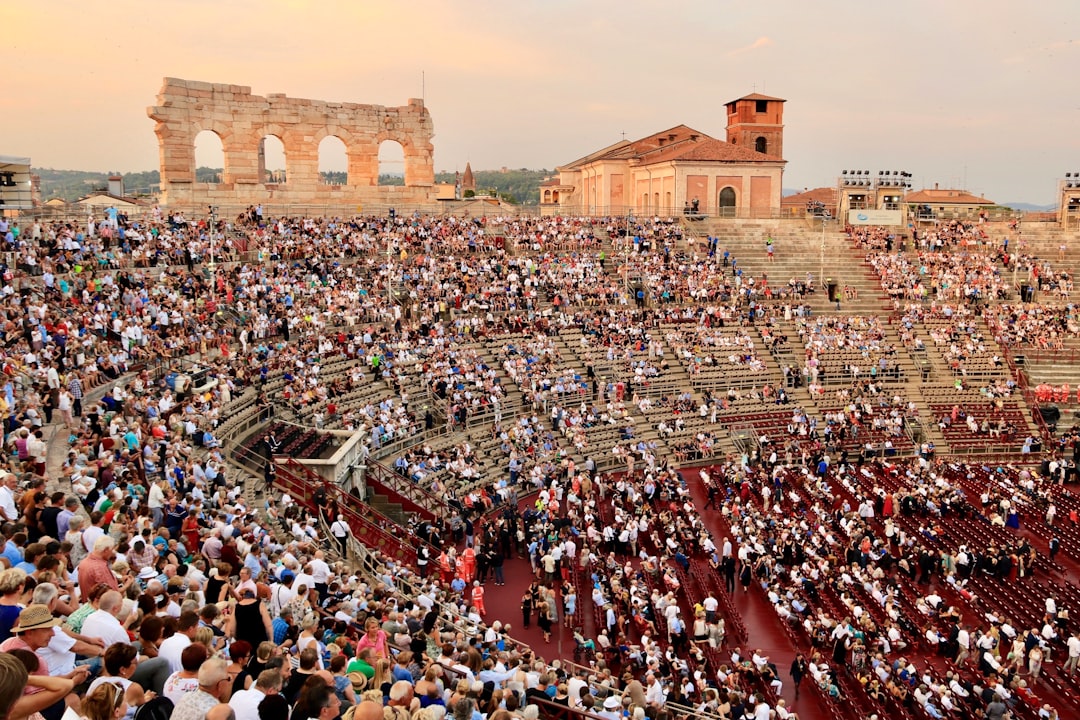
On February 22, the Verona Arena — a Roman amphitheater built in 30 AD for gladiatorial combat — will host the closing ceremony titled « Beauty in Action. » The stage design will draw inspiration from a water droplet, symbolizing a natural cycle connecting mountains, plains, cities, and seas. The venue will subsequently host the Paralympic opening ceremony.
Verona is the anti-Olympic village par excellence: a city of art, wine (Valpolicella, Amarone), and opera. Work it in as a one- or two-day « break » between your competition blocks to reduce fatigue and enjoy authentic Italy.
- Milan to Verona in 1h15 by Frecciarossa
- Verona Porta Nuova station is a 1.5 km walk from the Arena
- Very limited parking — take the train instead
7. Tickets: Last-Minute Strategy
Tickets still available from 30 €
Tickets are sold exclusively through the official platform tickets.milanocortina2026.org. Over 57% of tickets are priced under 100 €, and the ticketing office continues to release new batches during the Games, particularly for freestyle, cross-country skiing, Nordic combined, and snowboard.
Price ranges by category
| Category | Price |
|---|---|
| Outdoor sports (cross-country, biathlon course) | 30 – 100 € |
| Ice sports (hockey, skating) | 130 – 650 € |
| Men’s hockey final | 450 – 1,400 € |
| Opening ceremony | 260 – 2,026 € |
| Closing ceremony (Verona) | 950 – 2,900 € |
Current offers
- 25% discount on group purchases of 4 to 10 tickets
- Snowboard and freestyle: buy 1 get 1 free on selected events
- Paralympics: tickets from 10 € for children under 14
8. Transport: Getting Between Clusters
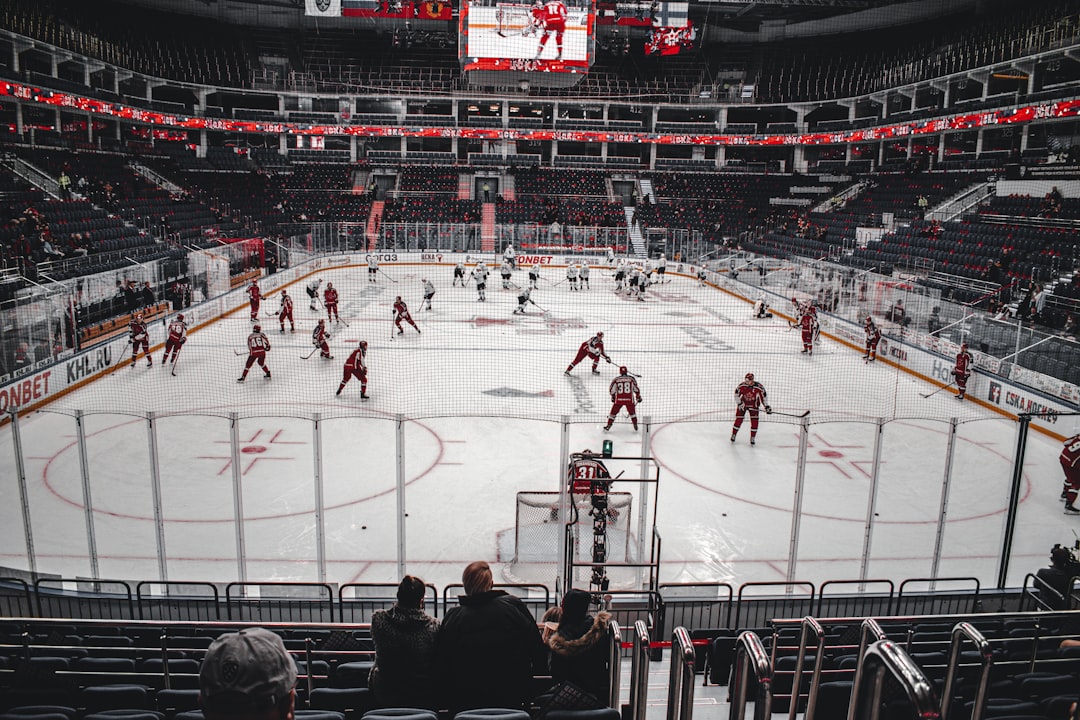
Trains, shuttles, and the official app
The 2026 logistics challenge is the dispersal: Milan to Cortina is 400 km and 4 to 5 hours by road. The organizers are relying on a Train & Ride and Park & Ride system with dedicated shuttles from train stations to competition venues. Parking at venues is extremely limited or outright prohibited.
Main connections
| Route | Mode | Budget |
|---|---|---|
| Milan → urban venues | Metro + shuttles | 5 – 15 €/day |
| Milan → Tirano → Livigno/Bormio | Train + dedicated shuttle | 20 – 45 € |
| Milan/Venice → Cortina | Train + Cortina 2026 Link | 25 – 50 € |
| Bolzano → Anterselva | Train + biathlon shuttle | 15 – 30 € |
| Milan → Verona | Frecciarossa (1h15) | 20 – 60 € |
Must-have apps
- Tickets MilanoCortina2026: your venue entry tickets
- Transport MilanoCortina2026: route planner and real-time shuttle tracking
- Take screenshots of your bookings in case mobile networks become overloaded
9. Accommodation: Smart Alternative Base Cities
Bergamo, Bolzano, Trento, and Como: 30 to 50% cheaper
Accommodation prices in the host cities have skyrocketed during the Games. The solution: stay in well-connected neighboring cities.
| City | Access | Budget/night | Ideal for |
|---|---|---|---|
| Bergamo | 45 min from Milan (train) | 60 – 120 € | Milan cluster (budget airline airport) |
| Bolzano | 1h30 from Anterselva | 80 – 160 € | Biathlon + Nordic sports |
| Trento | 30 min from Predazzo/Tesero | 70 – 150 € | Nordic events |
| Como | 40 min from Milan (train) | 70 – 140 € | Milan cluster (lakeside + tranquility) |
Every evening, after the events, you get to enjoy authentic Italy far from Olympic inflation: pizzoccheri in Bergamo, Aperol spritz overlooking Lake Como, or canederli in a Tyrolean Stube in Bolzano.
10. Fan Villages and Free Experiences
Experience the Games without a ticket
The official Fan Villages are free, open-access spaces in the host cities. Even without a competition ticket, the Olympic experience is everywhere: giant screens, sponsor activations, and a festive atmosphere. In Milan, Piazza del Duomo transforms into an urban Olympic village. In Cortina, Corso Italia pulses with the energy of the Games.
It is also the perfect opportunity to discover local gastronomy, regional products, and Italian craftsmanship in a festive setting, without paying the price of a competition ticket.
Frequently Asked Questions
Can you still buy tickets now that the Games have started?
Yes. The official ticketing office continues to release new batches, particularly for freestyle, cross-country skiing, Nordic combined, and snowboard. Promotional offers are available, such as buy 1 get 1 free for snowboard/freestyle events. Check tickets.milanocortina2026.org daily.
What is the realistic minimum budget to attend the Olympics?
On a budget, staying in Bergamo or Trento: approximately 100 to 150 €/day (hostel or B&B accommodation, public transport, simple meals) + event tickets (starting from 30 €). A 5-day trip is feasible for 700 to 1,200 € all-inclusive, excluding flights. In comfort mode in Milan or Cortina, expect 300 to 500 €/day.
How do you get between Milan and the mountain venues?
Train is recommended for long distances (Milan-Verona: 1h15, Milan-Bolzano: 3h). Olympic shuttles connect train stations to mountain venues. For Cortina, take the « Cortina 2026 Link » from Ponte nelle Alpi (7.50 € per bus trip). For Livigno and Bormio, get off at Tirano. Avoid trying to cover all clusters in a single trip.
Which sports still have tickets available?
Outdoor sports offer the best availability: cross-country skiing and biathlon from 50 €, freestyle and snowboard in Livigno. On the other hand, tickets for luge and ski mountaineering are sold out. Figure skating (280-650 € per session) sells very quickly.
Do I need a visa to enter Italy?
EU citizens only need a valid national ID card. Non-EU nationals should check visa requirements with the Italian consulate in their country. Passports must be valid for at least 6 months beyond the planned date of departure from the country.
Which cluster should I choose for a first Olympic experience?
Milan, without hesitation, if you only have 2 to 3 days. The city offers the best connections, the widest range of accommodation, and the easiest access to several disciplines (figure skating, short track, hockey, speed skating). For a full alpine immersion, go for Cortina or Anterselva.
What payment methods are accepted at Olympic venues?
At Olympic venues, only Visa card payments and cash are accepted. Other cards (Mastercard, Amex) do not work at official venue point-of-sale terminals. Bring some cash as a backup.
Are the Paralympic Games worth the trip?
Absolutely. From March 6 to 15, 2026, the Winter Paralympic Games take place at the same venues. Tickets start at 10 € for children under 14, with approximately 90% of tickets priced under 35 €. The atmosphere is just as thrilling, with accommodation and transport significantly more accessible than during the Olympic period.
Sources
- Olympics.com — Milano Cortina 2026 — Official Games website
- Official Milano Cortina 2026 ticketing — Ticket purchasing platform
- Olympics.com — How to Reach Venues — Spectator transport guide
- Trenitalia — Cortina 2026 Link — Train + bus service to Cortina
- Trenord — Olimpiadi Milano Cortina 2026 — Milan-Tirano rail reinforcements
- Toute l’Europe — 2026 Winter Olympics — Overview in French
- JetPac Global — Travel Guide — Spectator travel guide
- Südtirol.info — Winter Olympics Biathlon — Anterselva biathlon guide
- Visit Verona — Closing Ceremony — Closing ceremony in Verona
- NBC Olympics — Guide to Venues — Detailed venue overview
Research conducted on February 7, 2026. Information changes daily during the Games — consult official sources for real-time updates.
Plan Your Olympic Trip
Discover hundreds of detailed itineraries created by our community of travelers. Whether you are heading to Milan, the Dolomites, or South Tyrol, find inspiration for your next trip to Italy.
Explore all itineraries