
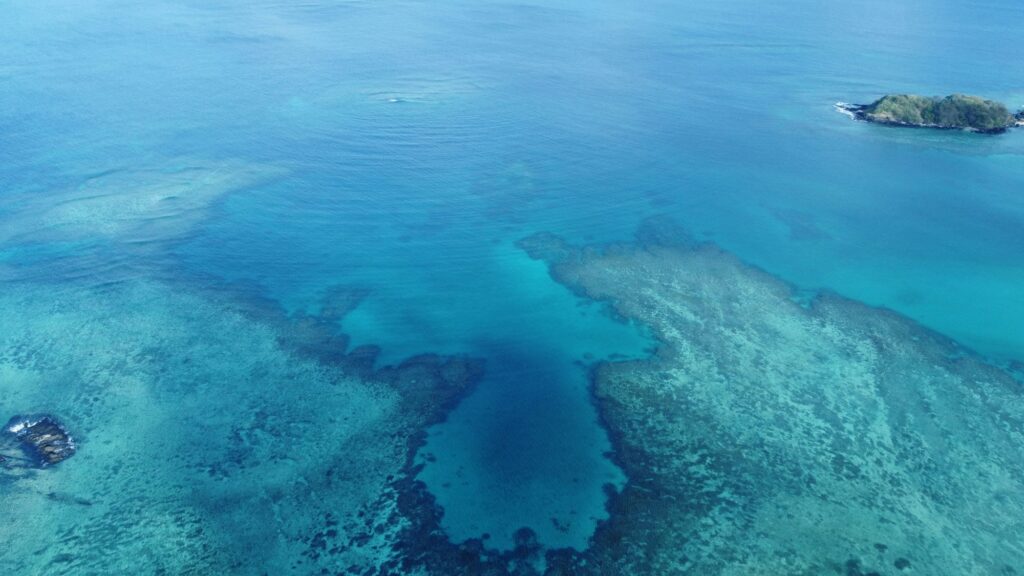
Fiji, named among the 25 best destinations for 2026 by National Geographic, embodies a radical promise: proving that luxury and sustainability are not at odds, but inseparable. With a historic record of 99,737 visitors in August 2025 (+5.2%), the archipelago is no longer banking on volume but on value. Solar-powered eco-resorts, coral reefs restored with heat-resistant « super corals, » villages where kava is shared with travelers: discover a Fiji that cares for its oceans as much as it enchants its visitors.
1. Six Senses Fiji: Solar-Powered Luxury on Malolo Island
The Earth Lab and Sustainability Fund: Beyond Greenwashing
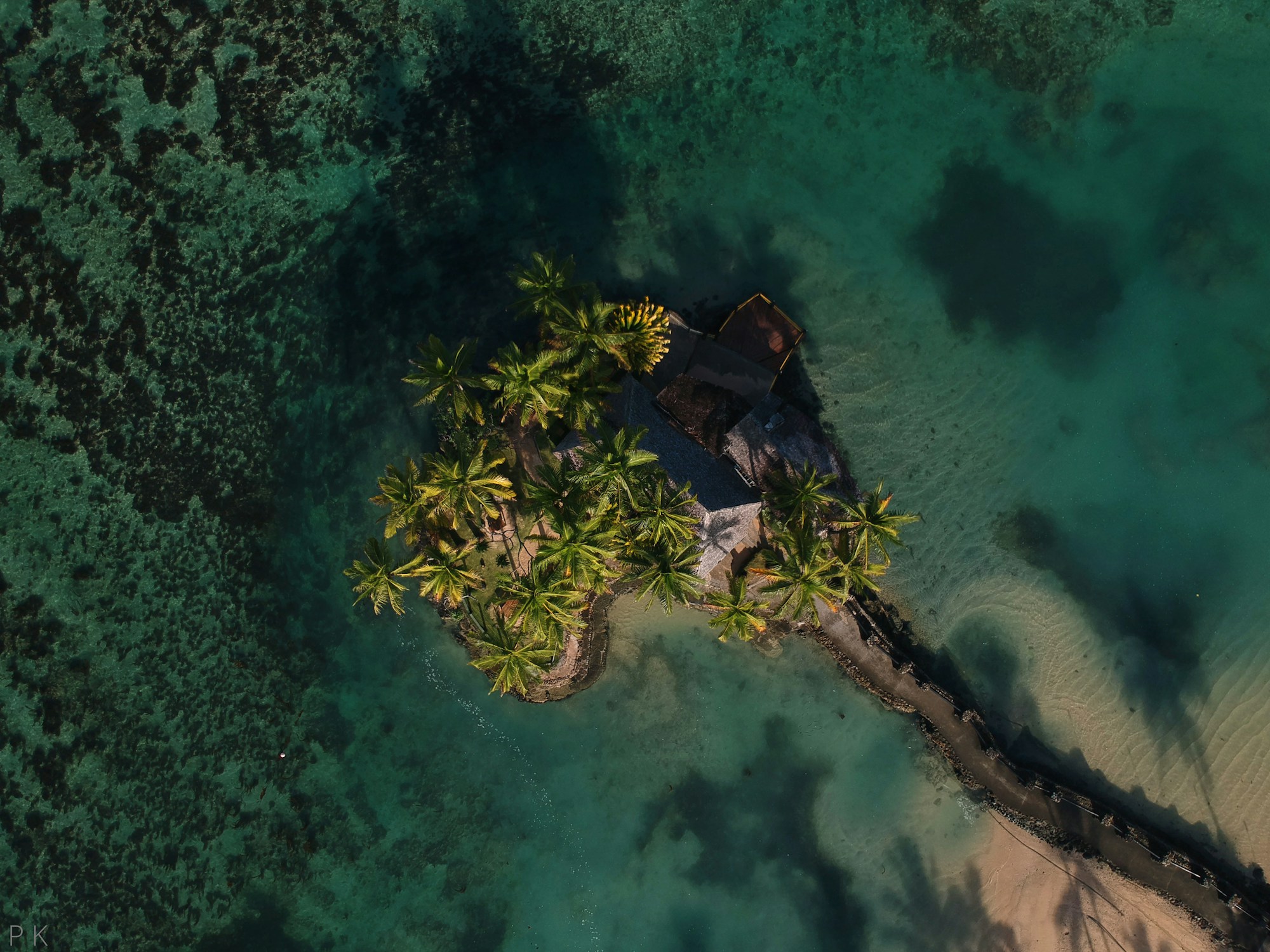
On the western edge of Malolo Island, a 30-minute speedboat ride from Nadi, Six Senses Fiji embodies what eco-luxury should be. The high-ceilinged villas, built using traditional Fijian craftsmanship, each feature a private plunge pool and a personal GEM (Guest Experience Maker). One of the largest off-grid solar installations in the Southern Hemisphere, paired with Tesla batteries, powers the resort.
What truly sets Six Senses apart: a Sustainability Fund fueled by 0.5% of the hotel’s total revenue, directly financing reef restoration, protection of the Fijian crested iguana, and educational projects. The Earth Lab offers hands-on workshops — soap making, fermentation, sourdough baking — and tracks every metric: water, energy, and waste diverted from landfill.
Highlights
- Rainwater harvesting, reverse osmosis, and worm-farm septic tanks
- KaloKalo open-air cinema hidden in an herb garden
- Spa with Ayurvedic consultations and sleep tracking
2. BULA Reef: The Largest Word Ever Written Underwater
Heat-Resistant « Super Corals » in the Mamanuca Islands
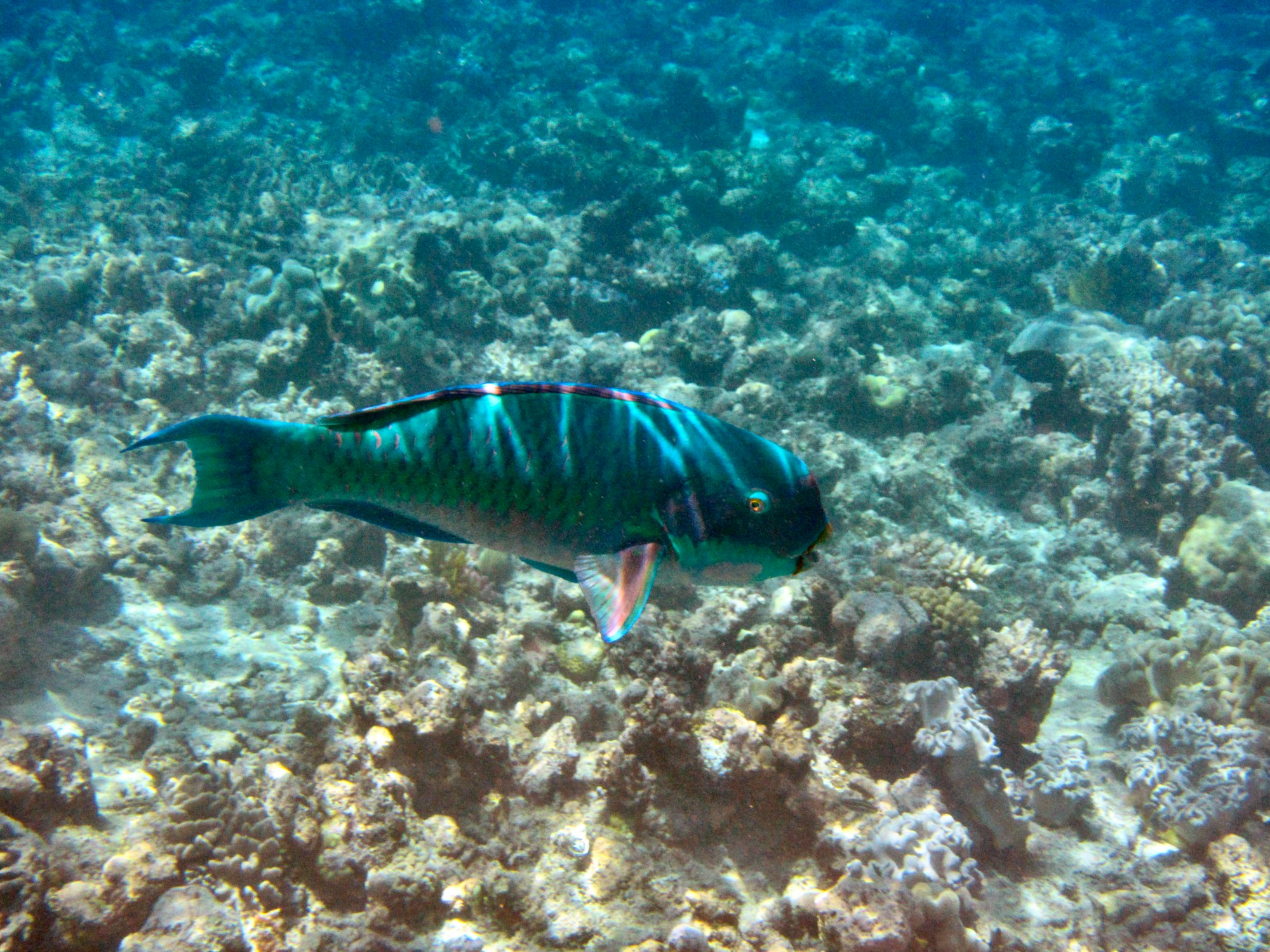
Off the coast of Malolo Lailai, BULA Reef is arguably the most spectacular coral restoration project in the Pacific. On World Oceans Day 2024, the word BULA — a Fijian greeting meaning « life » — was immortalized underwater as part of the UNESCO-recognized Reefs of Hope program. Fijian marine biologists cultivated heat-adapted corals since September 2023 to create this 52-foot-tall sculptural reef — taller than the famous Hollywood sign.
The Plantation Island Resort, which hosts the project, allows only one guided visit per week to protect the corals. In June 2025, the first anniversary revealed thriving coral growth and a flourishing fish ecosystem. The cultivated corals are regularly trimmed and transplanted onto the Great Sea Reef, multiplying the impact far beyond the initial site.
Highlights
- World’s largest rescue reef (heat-resistant super corals)
- UNESCO-recognized Reefs of Hope program
- Limited access (1 guided visit/week) to preserve the ecosystem
3. Kadavu: The Wild Gem of the Great Astrolabe Reef
The World’s 4th Largest Barrier Reef, Without the Crowds
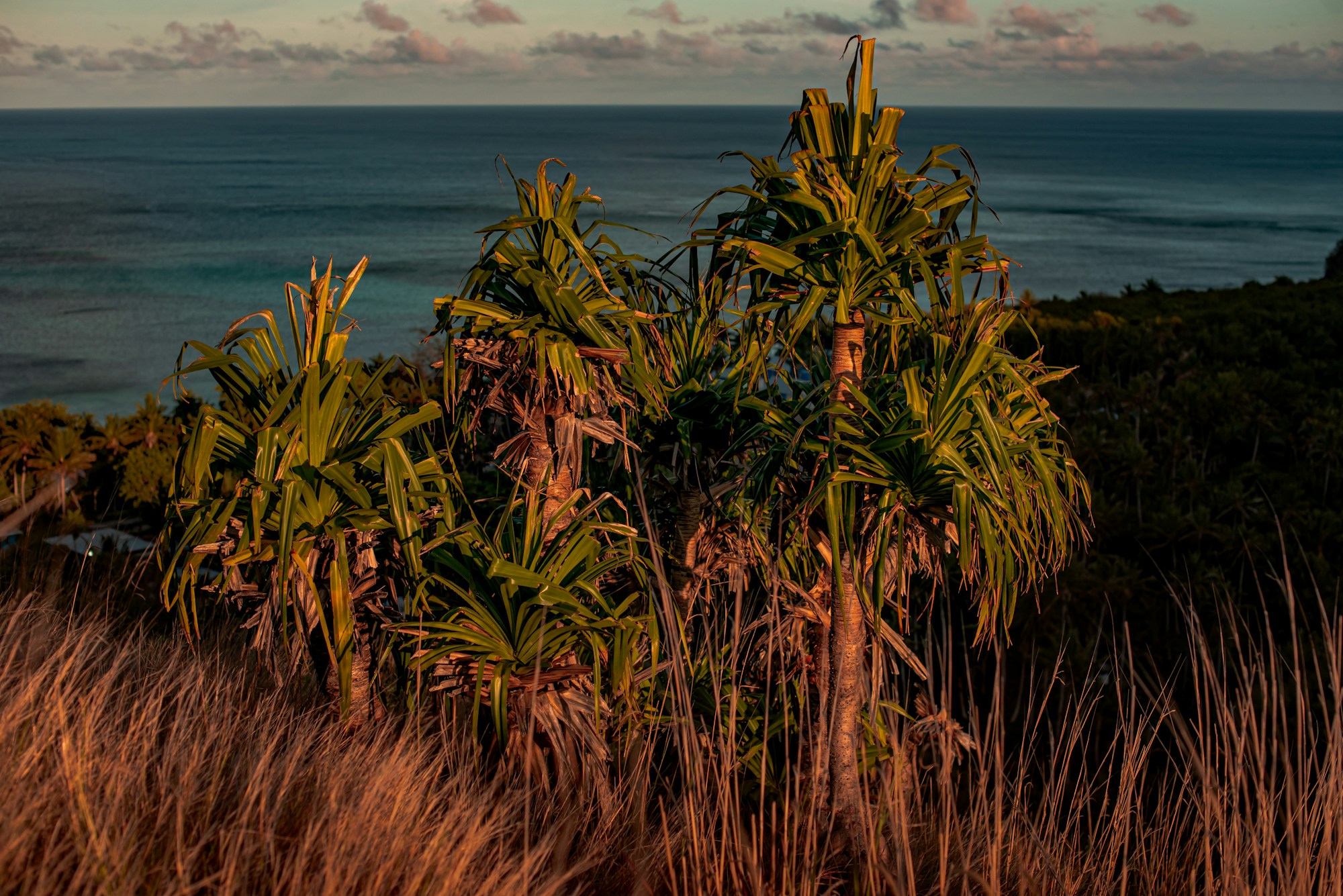
Located 100 km south of Viti Levu (a 45-minute flight from Nadi), Kadavu — pronounced « Kan-daa-vu » — is Fiji’s fourth largest island and the least touristy of its major destinations. When travelers tell locals they’re heading there, the response is often: « Why? Nobody goes there… » That’s precisely what makes it a treasure. There are no roads spanning the island end to end; most transport is by boat or on foot.
The Great Astrolabe Reef, the world’s fourth largest barrier reef, offers encounters with manta rays, dolphins, and sea turtles. The pristine volcanic island promises jungle hikes accompanied by the songs of endemic birds — the Kadavu fantail, the musk parrot, and the velvet dove. The 75 coastal villages still practice turtle calling and produce what many consider the best kava in all of Fiji.
Highlights
- Great Astrolabe Reef: sublime diving and snorkeling, from beginner to expert
- Matava Eco Resort: primarily solar-powered, low-voltage bures
- Authentic coastal villages with kava ceremonies and traditional weaving
4. Jean-Michel Cousteau Resort: The Eco-Luxury Pioneer
A Resident Marine Biologist and the « Soft Coral Capital of the World »
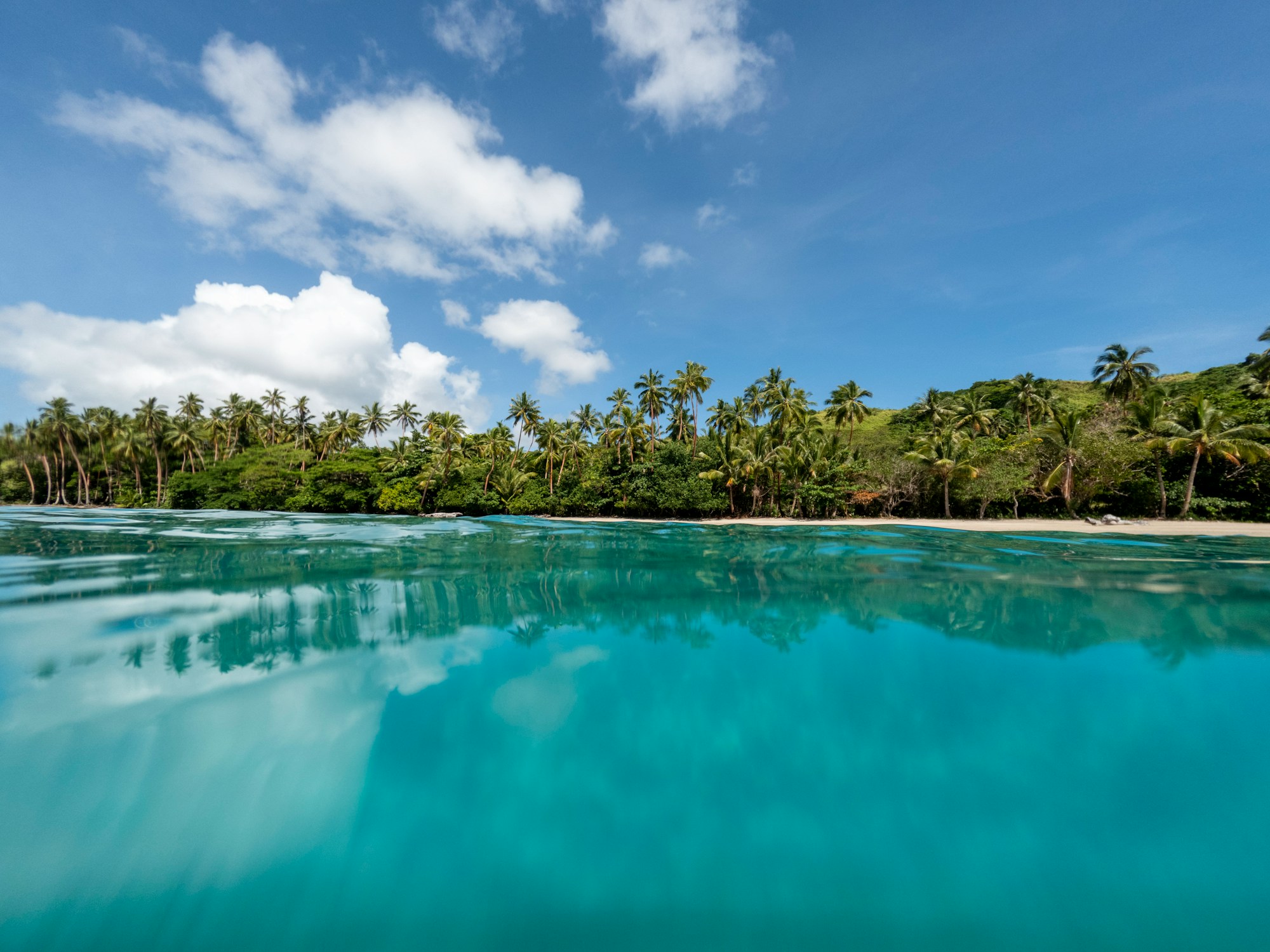
In Savusavu, on the southern coast of Vanua Levu, the Jean-Michel Cousteau Resort is one of the world’s first luxury eco-hotels and the only resort in Fiji with a resident marine biologist. Johnny Singh guides guests to explore the « Soft Coral Capital of the World » — reefs that rank among the richest on the planet. South of the resort, miles of reef remain virtually unexplored.
The resort runs a reef protection program, a giant clam breeding project, and works with Ocean Futures Society to educate Pacific communities. Timber comes from certified local forests, buildings are naturally ventilated with reed roofs, and the organic garden supplies most of the meals. For families, the Bula Club is considered one of the best kids’ clubs in the world, with educational activities centered on the ocean.
Highlights
- Dives guided by a marine biologist in the Namena Marine Reserve
- Organic garden and local cuisine (no farmed fish served)
- Award-winning Bula Club for children — marine education and Fijian culture
5. Castaway Island: Art in Service of Coral
The Sculptural Coral Gene Bank, Magellan Award Winner
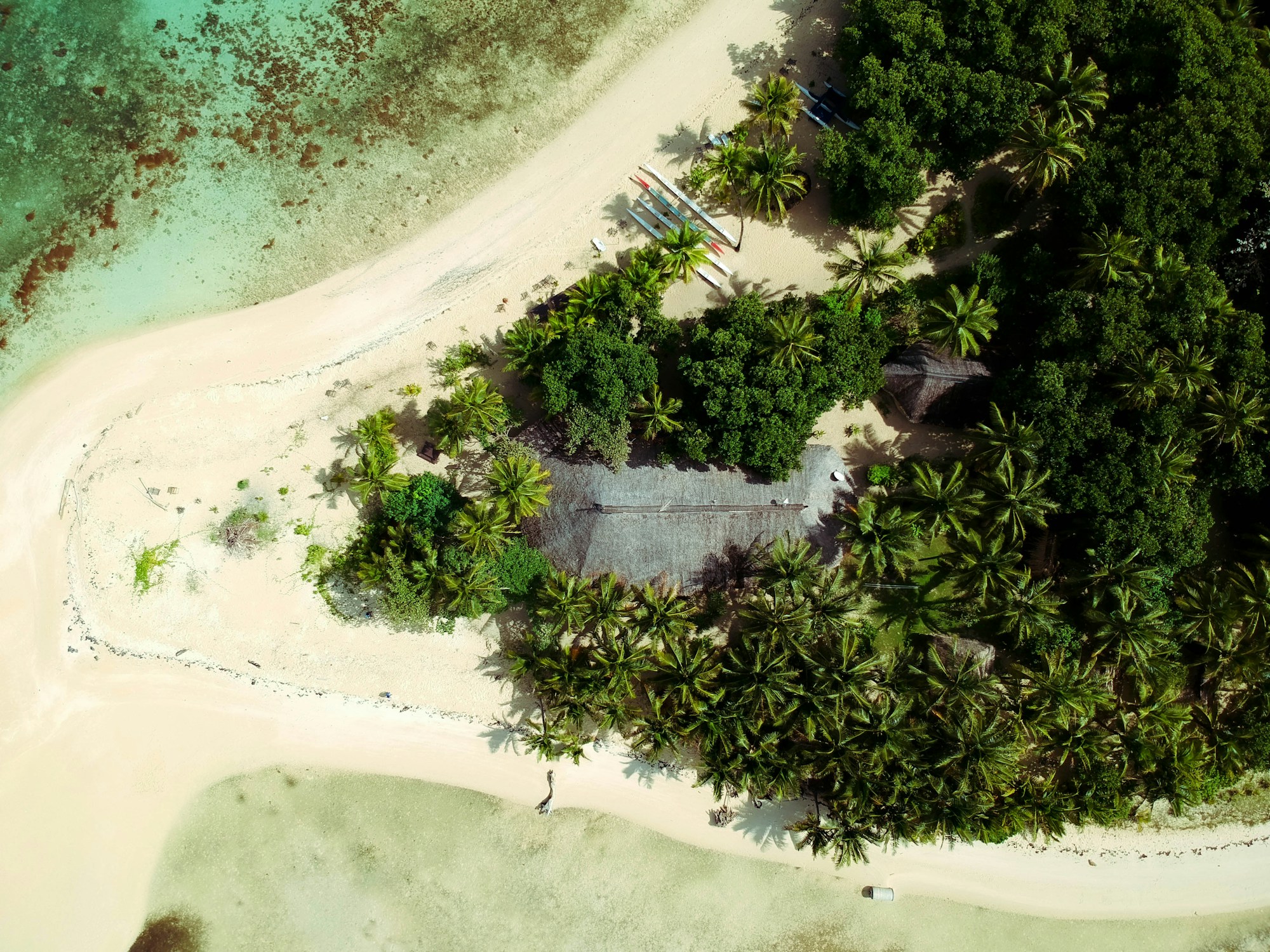
On Qalito Island in the Mamanuca group, Castaway Island won a 2025 Magellan Award from Travel Weekly for an unprecedented initiative: the Sculptural Coral Gene Bank. Designed over six months in California and built from marine-grade stainless steel, this underwater sculpture houses over 500 parent corals selected for their genetic resilience.
Developed in partnership with the NGO Counting Coral, this living seed bank enables the monitoring, protection, and propagation of essential coral species. In 2026 (Phase 2 of the project), smaller nursery structures will be introduced to cultivate and transplant fragments onto the reef. Visitors can snorkel above the sculpture, participate in live coral planting sessions, and join the OUTRIGGER Zone program — mangrove reforestation, snorkeling lessons, and medicinal plant walks.
Highlights
- Fiji’s first « living underwater artwork » — a fusion of art, science, and tourism
- Weekly coral planting sessions and mangrove reforestation
- Conservation activities included in the stay
6. Kokomo Private Island: Ultra-Luxury and Marine Nurseries
Coral Restoration and Giant Clams off the Coast of Kadavu
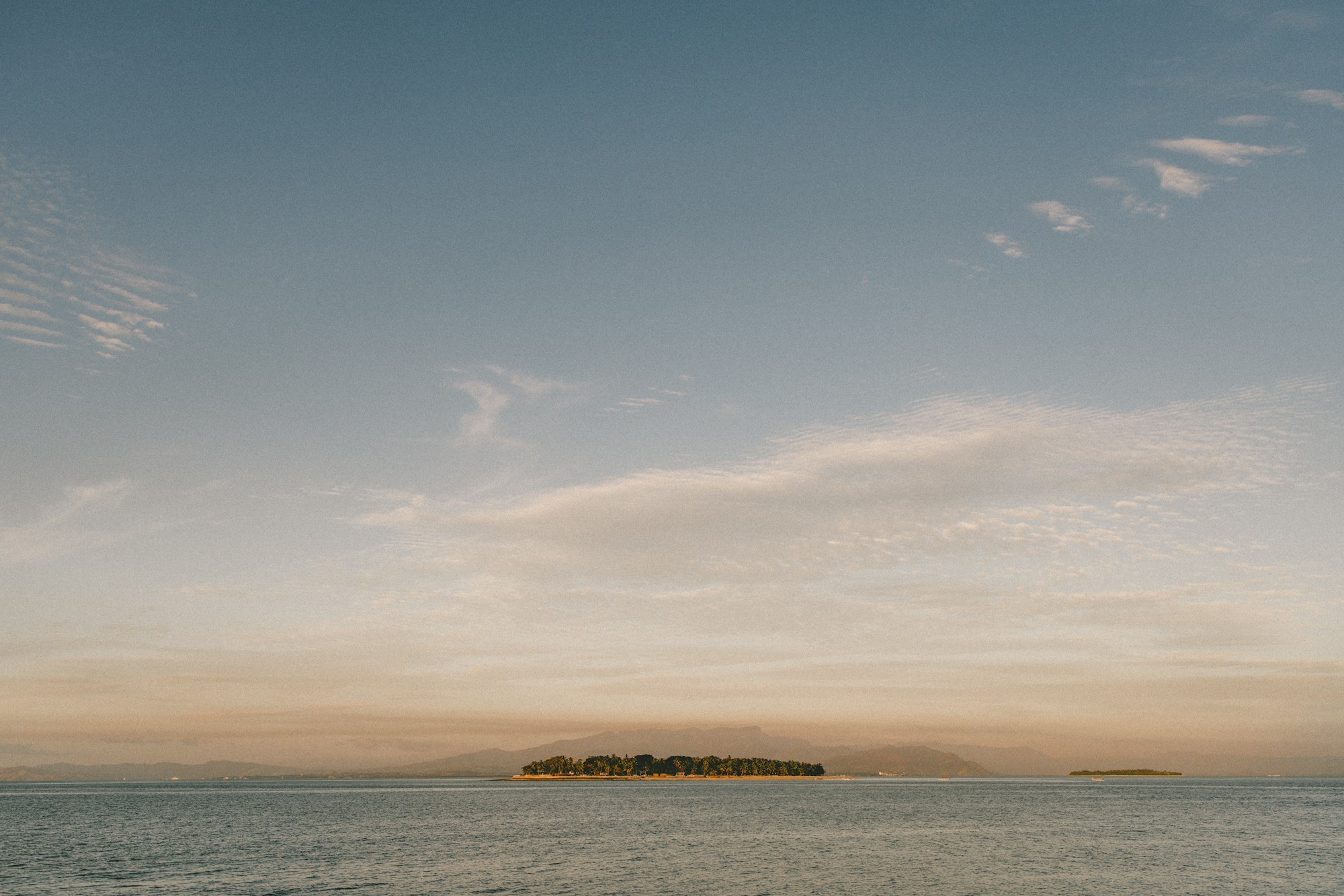
On the island of Yaukuve Levu, off the coast of Kadavu, Kokomo Private Island illustrates the 2026 shift in Fijian luxury: the high price tag comes with tangible restoration programs. Since 2018, a project has aimed to increase the proportion of heat-tolerant corals — a strategy directly linked to the thermal stress events hitting the Pacific. Guests participate in planting, monitoring, and transplanting fragments.
The second major focus is the giant clam nursery, developed in collaboration with the Fiji Ministry of Fisheries. The resort practices cleaning, grouping to encourage reproduction, and transplanting these iconic mollusks. With only a few dozen villas and access by private flight then boat, Kokomo offers absolute seclusion — and the certainty that your stay directly funds marine science.
Highlights
- Coral restoration program with heat-tolerant corals
- Giant clam nursery in partnership with the Ministry of Fisheries
- Access to the Great Astrolabe Reef from the private island
7. Fijian Culture and Loloma Hour: The Soul of Fiji
From Kava to Conservation: When Travel Becomes Exchange
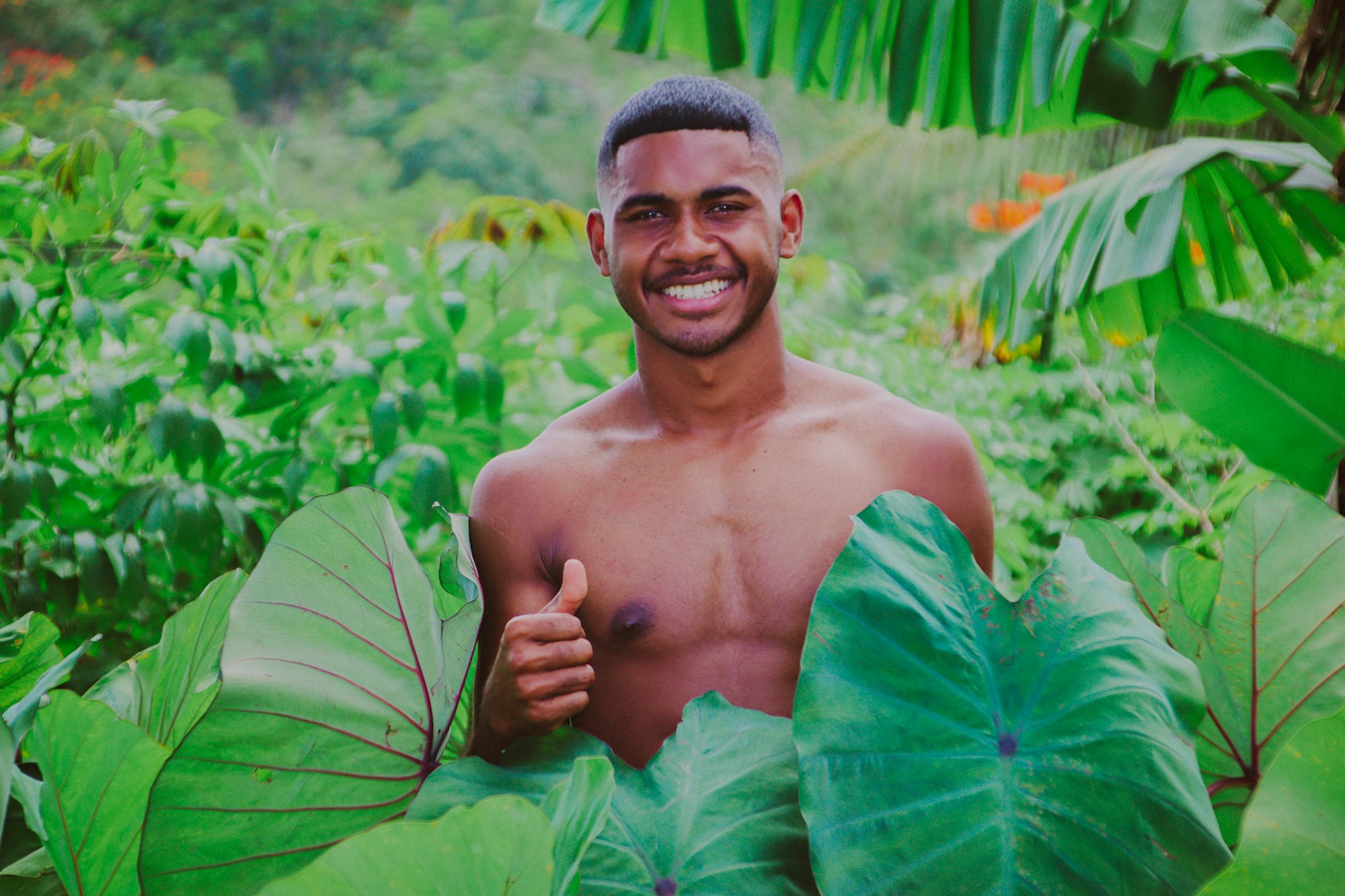
The word « Loloma » means « to act with generosity, driven by love. » It is also the name of the most innovative initiative in Fijian tourism, launched on April 7, 2025: Loloma Hour invites every visitor to dedicate one hour of their vacation to an environmental, cultural, or community project. Over 21 partner resorts offer organized activities built around four pillars: wildlife conservation, community engagement, reef protection, and coastal preservation.
Beyond Loloma Hour, Fijian culture itself serves as a bulwark against mass tourism. Traditional land ownership laws ensure that land remains in Fijian hands: communities lease to resorts rather than sell, providing a stable income. During your village visit, respect the protocol: remove your hat, wear a sulu (sarong) covering your shoulders and knees, and bring a sevusevu (kava gift) for the chief. Once the blessing is received, doors open — traditional dances, storytelling, and the shared kava that seals Fijian hospitality.
Highlights
- Coral planting at Six Senses, shark diving at Kuata, mangroves at Shangri-La
- Village visits with kava ceremonies and traditional crafts
- Yasawa community model: every dollar stays in the local economy
8. Fiji 2026-2034: The Roadmap to Regenerative Tourism
NSTF 2024-2034: From Volume to Value
Tourism accounts for roughly 40% of Fiji’s GDP, making the ecological transition both urgent and existential. The National Sustainable Tourism Framework (NSTF) 2024-2034 lays out a 10-year roadmap: inclusive tourism growth that is culturally anchored and ecologically responsible. The 2024-2027 action plan now evaluates investments by their impact (local jobs, environment, culture) rather than volume alone.
In March 2026, the Fiji Tourism Exchange (FTE) brings together travel professionals, media, and Pacific operators on March 27-28. The message is clear: Fiji wants to redistribute benefits to its outer islands, promote high-quality low-volume experiences, and shift from a consumption model to a regeneration model. The 4th global coral bleaching event (confirmed by NOAA in 2024) makes this ambition not optional, but vital.
Key Figures
- Record: 99,737 visitors in August 2025 (+5.2% vs. 2024)
- NSTF 2024-2034: first 10-year national sustainable tourism strategy
- Fiji in National Geographic’s Top 25 « Best of the World 2026 »
Budget and Practical Tips
How Much Does a Sustainable Luxury Trip to Fiji Cost in 2026?
Fiji offers rare budget flexibility among Pacific island destinations. Here are the essential benchmarks (1 USD ≈ 2.21 FJD as of February 2026):
Getting Around and Inter-Island Transport
- Inter-island flights via Fiji Airways: $100-300 depending on distance
- Seaplanes to remote resorts: $200-400
- Bula Pass (Yasawa catamaran): $274 for 5 days of hop-on/hop-off
- Public buses on the main islands: from 1 FJD/trip
Frequently Asked Questions About Fiji and Sustainable Luxury
When is the best time to visit Fiji in 2026?
The dry season (May to October) offers the most pleasant weather with temperatures ranging from 19 to 29 °C (66 to 84 °F). For diving, June through September provides the best visibility. The wet season (November-April) remains warm and lets you take advantage of reduced rates at quieter resorts. Aim for the shoulder seasons (May and October) for the best value.
Is Fiji exclusively a luxury destination?
No. Compared to Bora Bora or the Maldives, Fiji offers much more flexibility. With the right guidance, you can travel in Fiji for $50 to $150 per day. The Yasawa Islands offer affordable community-based accommodations, the Bula Pass provides budget-friendly maritime transport, and public buses on the main islands cost from just 1 FJD per trip.
How can I actively participate in coral reef protection?
Several options: Six Senses Fiji and Castaway Island offer participatory coral planting programs. The InterContinental Fiji lets you make cement « cookies » to save coral fragments. The Loloma Hour program, available at over 21 resorts, brings these initiatives together. Sponsoring a « fish house » costs about 300 FJD, a coral rope about 150 FJD.
What cultural protocols should I follow when visiting a village?
Remove your hat, dress modestly (covered shoulders, sulu covering the knees), and bring a sevusevu — a gift, usually kava — to present to the village chief. Once the blessing is received, you are free to move about. These gestures of respect open the doors to authentic hospitality: dances, storytelling, and shared kava.
Is Fiji suitable for families with children?
Absolutely. The Jean-Michel Cousteau Resort has one of the best kids’ clubs in the world (Bula Club), with educational activities about the ocean and Fijian culture. Kadavu and the Yasawa Islands offer more rustic but equally enriching family experiences. Many resorts provide dedicated nannies and conservation programs tailored for young travelers.
Is sustainable tourism in Fiji genuine or just greenwashing?
Fiji’s commitment is structural, not cosmetic. The NSTF 2024-2034 is the first 10-year national sustainable tourism strategy. Traditional land ownership laws ensure the land remains Fijian. The Six Senses Sustainability Fund (0.5% of revenue), the Castaway Island Gene Bank (Magellan Award 2025), and the Loloma Hour program are measurable commitments, not marketing slogans.
What can I do in Fiji if I don’t dive?
Fiji is far more than its underwater world. The Namosi Eco Retreat offers a mountain immersion with bamboo rafting and jungle hikes. Matanivusi offers certified eco-friendly surfing. Village visits, whitewater rafting with Rivers Fiji, hiking in Kadavu among endemic birds, and Ayurvedic spa treatments at Six Senses: the land-based alternatives are just as rich as the underwater experiences.
Sources
- National Geographic — Fiji 2026: Best of the World
- UNESCO Ocean Decade — Launching Fiji’s BULA Reef
- Six Senses Fiji — Sustainability
- Jean-Michel Cousteau Resort — Eco Resort
- Kokomo Private Island — Coral Restoration
- The Hotel Conversation — Castaway Island Magellan Award
- Globetrender — Fiji Loloma Hour
- Forbes — Fiji Unveils Loloma Hour
- Fiji Ministry of Tourism — NSTF 2024-2034
- Fiji Pocket Guide — Complete Guide to Kadavu
- International Traveller — Fiji Sustainability
- Adventure Travel News — Fiji’s Sustainable Adventure Travel
- Tourism Fiji — Sustainability
- Budget Your Trip — Fiji Travel Cost
Research conducted in February 2026. Indicative budgets based on 2024-2026 data. Exchange rate: 1 USD ≈ 2.21 FJD.
Ready to discover Fiji differently?
Explore eco-responsible itineraries created by our community of engaged travelers. Filter by destination, budget, and duration to find the trip that cares for the planet as much as it delights you.
Explore all itineraries