
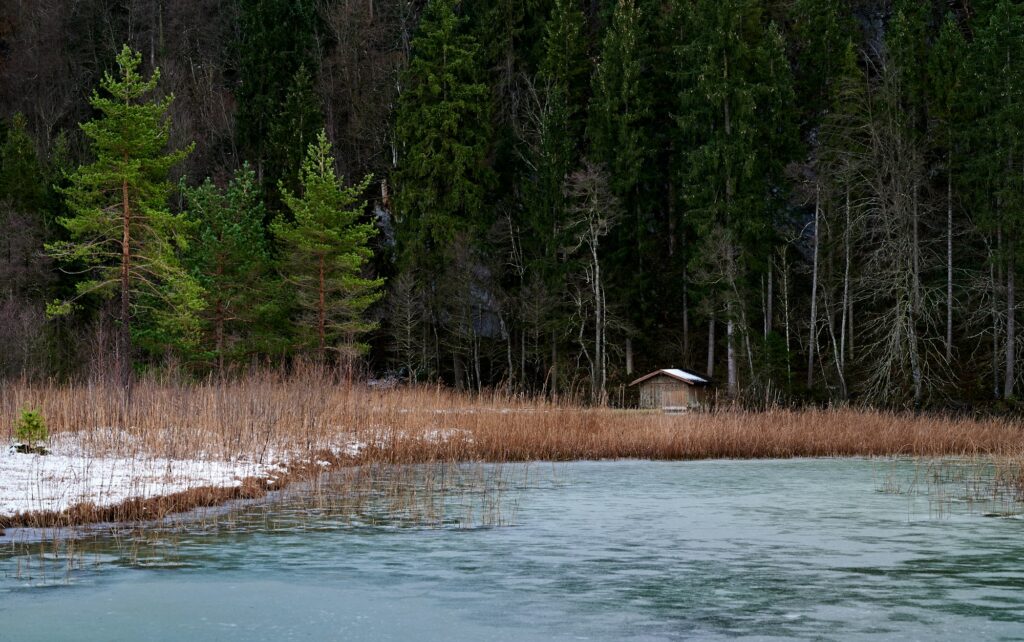
What if the true luxury of 2026 were silence? As ambient noise keeps growing — notifications, open offices, overcrowded cities — a new travel trend is taking hold: the quietcation. More than just a break, it’s a voluntary immersion in silence, far from screens and the daily racket.
Hilton coined this movement « hushpitality » in its 2026 annual report: 57% of travelers say they’re interested in a silent retreat, and the number one motivation for vacationers this year is « to rest and recharge » (56%). From Italian monasteries to Namibian deserts, through Japan’s sacred forests and the frozen lakes of Lapland, here is our selection of the 10 best quietcation destinations for 2026.
Quick comparison: the 10 quietcation destinations for 2026
| Destination | Budget/day | Ideal duration | Type of silence | Spiritual level | Key asset |
|---|---|---|---|---|---|
| Eremito — Italy | €230–270 | 3–8 nights | Monastic | Secular | Off-grid medieval monastery |
| NamibRand — Namibia | $350–800 | 3–5 nights | Desert | Contemplative | Africa’s 1st Quiet Park |
| Kumano Kodo — Japan | €100–180 | 5–7 days | Ambulatory | Shinto/Buddhist | Millennial UNESCO pilgrimage |
| Six Senses Vana — India | $500–900 | 7–21 nights | Medicalized | Ayurveda/Tibetan | Tailored silence at the foot of the Himalayas |
| Hridaya — Mexico | about $100 | 5–10 days | Deep meditative | Non-dual | Best value for money |
| Lapland — Finland | €80–200 | 3–7 days | Natural/cultural | None | Silence as a way of life |
| Monasteries — Spain | €20–120 | 2–7 days | Historic | Christian/secular | Millennial silence on a budget |
| Chem Chem — Tanzania | $700–1,200 | 3–5 nights | Silent safari | Contemplative | Maasai-guided Silent Walks |
| Silent spas — Switzerland | CHF 400–1,000 | 2–5 nights | Luxury wellness | None | No-conversation zones + sound architecture |
| Gaia House — England | £40–90 | 2–10 days | Classic meditative | Buddhist Insight | Donation-based + Dartmoor |
1. Eremito, Umbria — the monastery of absolute silence
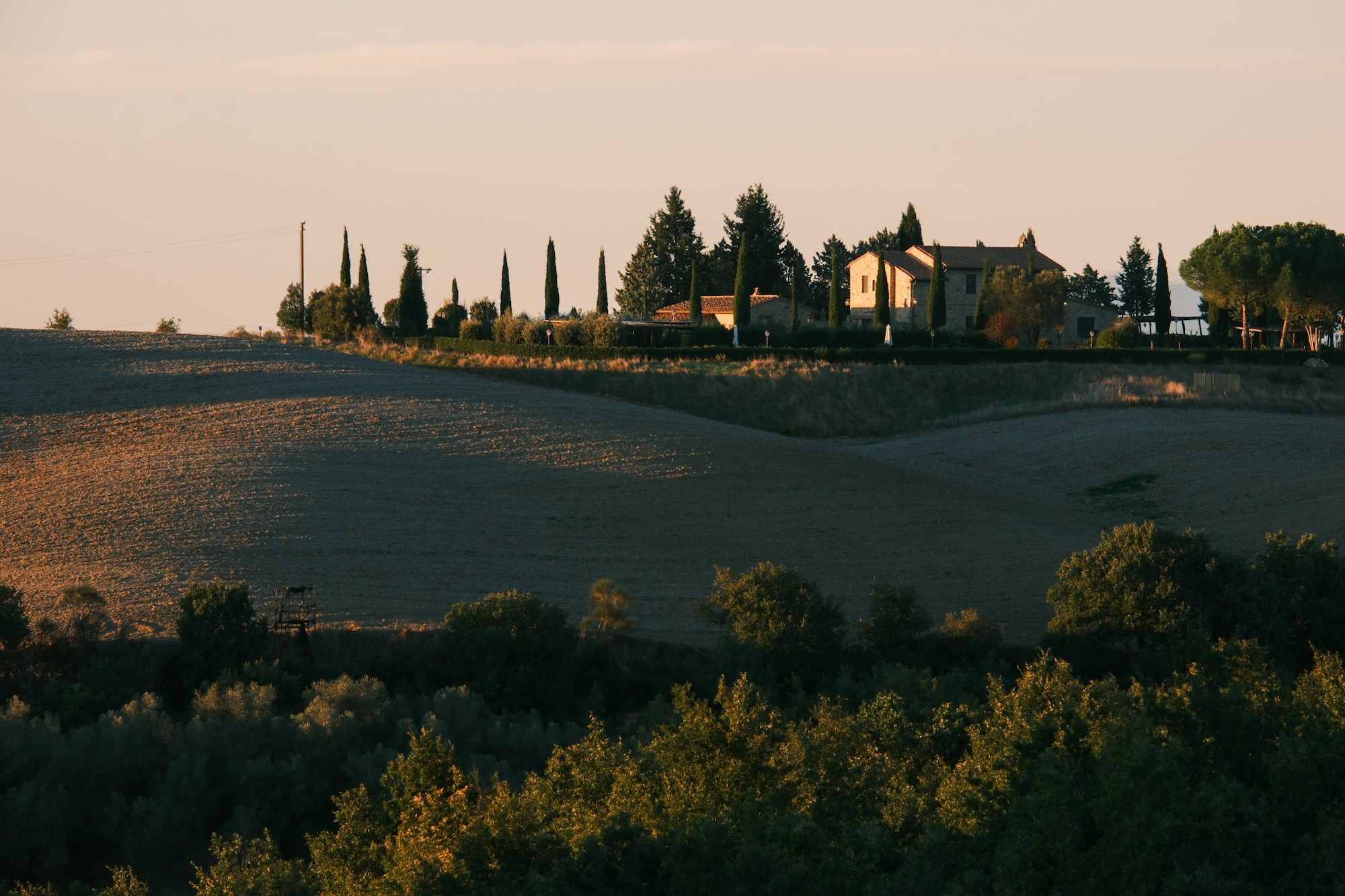
A secular sanctuary in a 14th-century monastery
Nestled deep in Umbria’s forests, this 14th-century monastery has become a secular spiritual sanctuary for those seeking a space for reflection and silence. Completely off-grid — no TV, no Wi-Fi, no mobile signal — Eremito enforces detachment as a condition of entry.
The rooms, called « celluzze, » are just nine square meters and contain no glass, only handcrafted ceramics. The only time silence is strictly mandatory: dinner. Two hundred candles light the dining hall, and the vegetarian food is savored as a near-sacred experience, without a single word exchanged.
Packages range from €376 for 3 nights to €1,064 for a full 8-night « digital detox. » No set program, no guru: just the architecture of silence. The Michelin Guide has rated it as one of Europe’s most unique hotels.
Highlights
- Accessible pricing: welcoming both affluent travelers and adventurous students
- Spa included: steam bath, sauna and rock-hewn treatments
- No set program: complete freedom of pace
2. NamibRand Nature Reserve, Namibia — Africa’s first Quiet Park
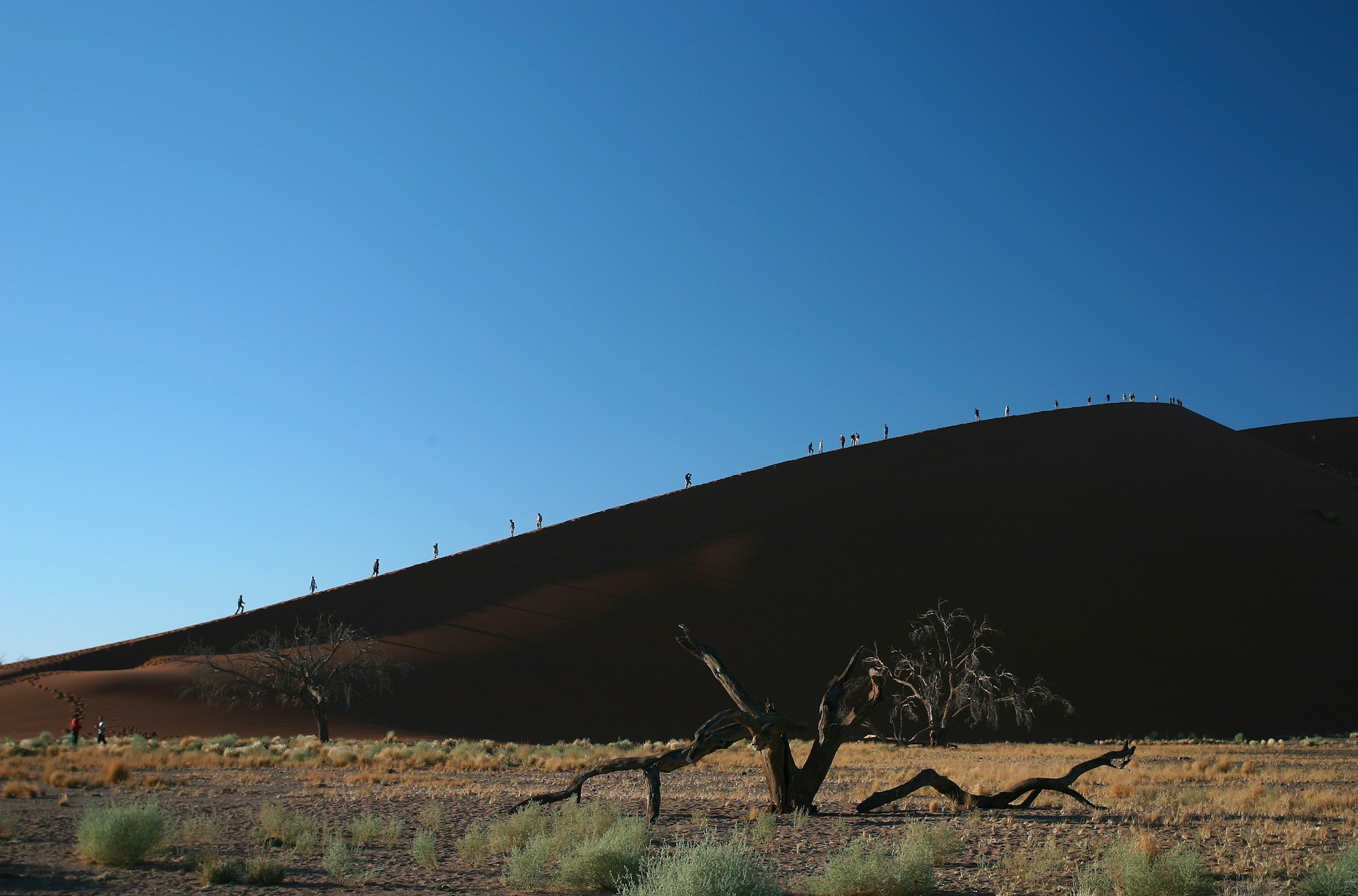
730 square miles of red dunes and absolute silence
In this land of undulating red dunes and golden grasses beneath vast skies, listen closely: you’ll hear something rare — silence. The NamibRand reserve, spanning 730 square miles in southern Namibia, has been designated Africa’s first « Wilderness Quiet Park » by Quiet Parks International.
Luxury operator Micato Safaris offers an unprecedented « Quiet Safari »: e-biking through the dunes, silent hot-air ballooning over the desert, yoga and meditation at dawn. The reserve has also been Africa’s first Dark Sky Reserve since 2012 — it now protects its soundscape as much as its night sky.
The anti-mass tourism rule is radical: just one bed per 1,000 hectares, with a maximum of 25 beds per site. All-inclusive lodges (Wolwedans, Kwessie Dunes) include meals, beverages and guided activities.
Highlights
- Dual certification: Quiet Park + Dark Sky Reserve
- World’s lowest tourist density (1 bed / 1,000 ha)
- Silent activities: e-biking, hot-air ballooning, sunrise yoga
3. Kumano Kodo, Japan — a thousand years of sacred silence
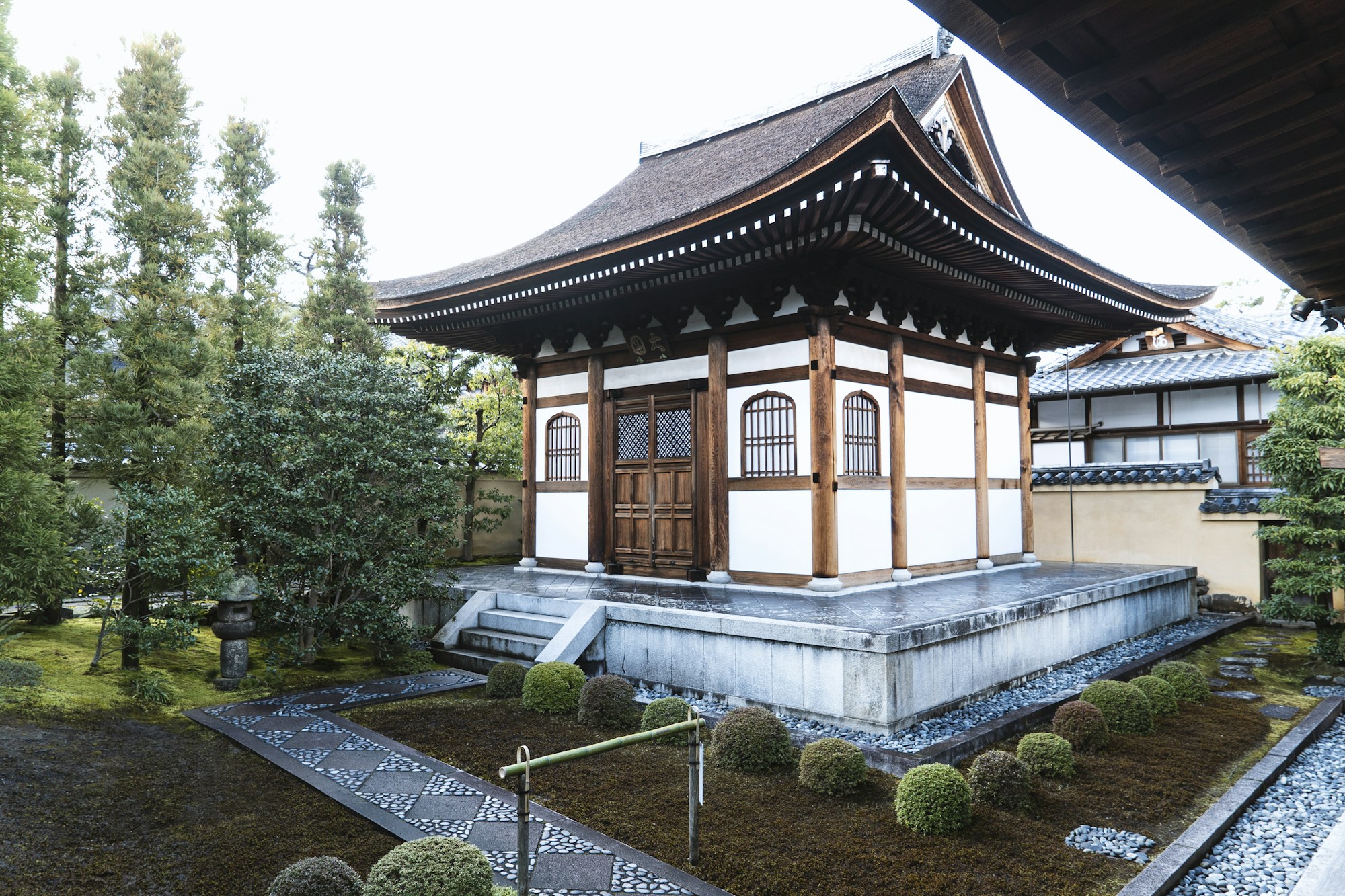
The millennial pilgrimage experienced through walking
For those who find meaning in walking, the Kumano Kodo is a journey that lingers long after the trail ends. Hidden in the forested mountains of the Kii Peninsula, these ancient pilgrimage routes have carried emperors, monks and ordinary seekers for over a thousand years.
There are only two pilgrimages in the world listed as UNESCO World Heritage Sites: the Camino de Santiago and the Kumano Kodo. In 2026, the Tanabe Tourism Bureau offers self-guided tours including an advanced 7-day « Walk and Meditation Tour. » Packages start at around €1,350 for 7 days (minshuku accommodation and luggage transfer included).
This is not a « program-based » silent retreat — it’s a silence you create by walking. The trails allow you to immerse yourself in the silence of the ancient forest, punctuated only by the crunch of footsteps and birdsong.
Highlights
- Dual UNESCO distinction (one of only 2 pilgrimages worldwide)
- Traditional minshuku accommodation with onsen (hot spring baths)
- Self-created silence: no rules imposed, just walking
4. Six Senses Vana, India — medicalized silence at the foot of the Himalayas
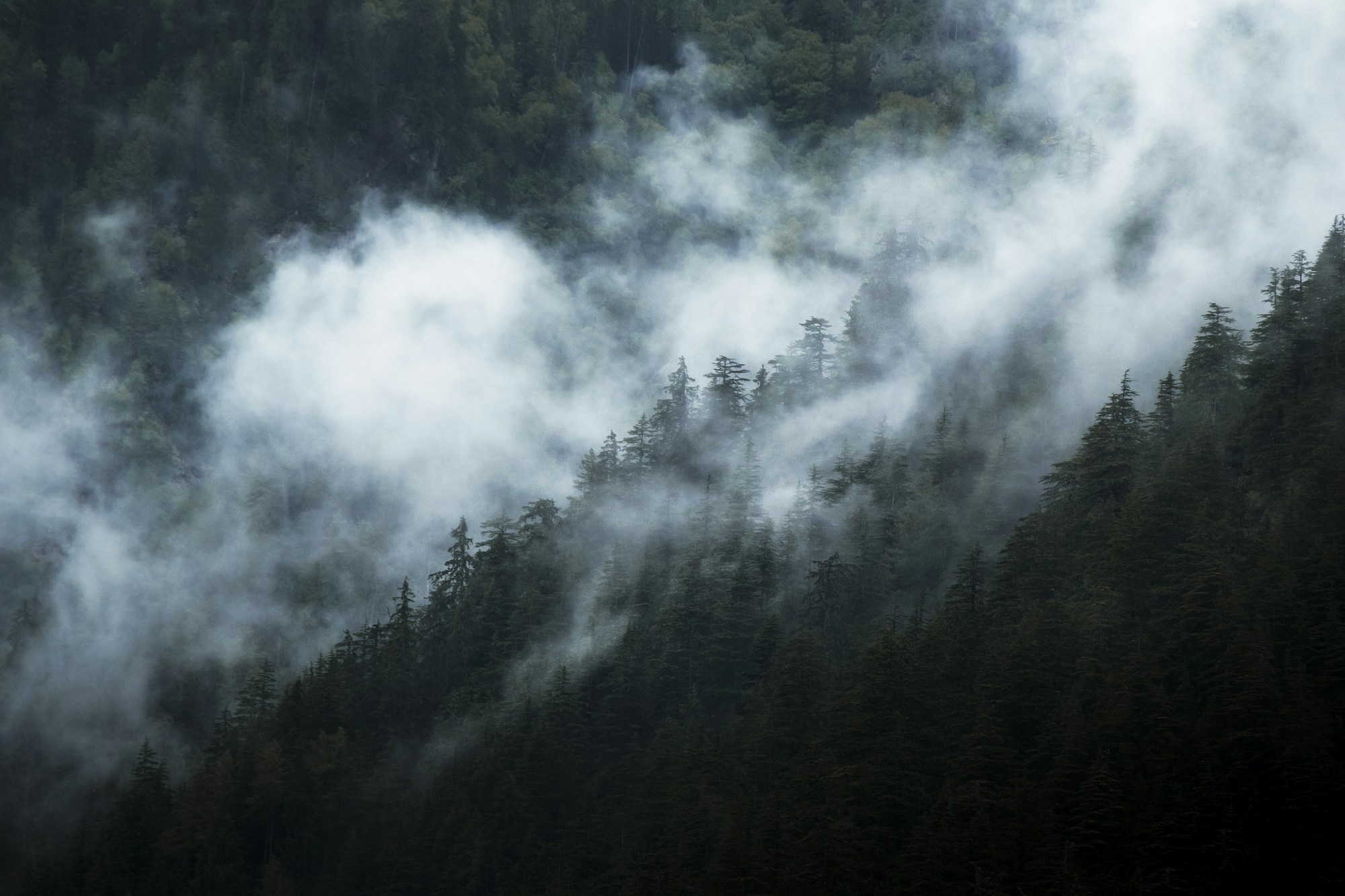
Ayurveda, Tibetan medicine and Himalayan forest
Hidden in the Sal forest on the edge of Dehradun, south of the Himalayan foothills of Mussoorie, Six Senses Vana is a sanctuary dedicated to holistic well-being. Ayurveda, yoga, Tibetan medicine (Sowa Rigpa) and natural healing therapies are combined with personalized medical guidance.
Here, no program is predetermined: your schedule is tailored, designed after an in-depth consultation with a physician. This is medicalized, individualized silence. Rates include meals, wellness consultations, daily treatments, airport transfers and retreat clothing.
Purpose-specific programs are available from 5 nights (sleep, detox, yoga) up to 21 nights for a complete Ayurvedic Panchakarma. This is the most premium option in our selection, but also the most transformative for those seeking a deep reset.
Highlights
- Fully personalized program after medical consultation
- Dual expertise: Indian Ayurveda + Tibetan Sowa Rigpa medicine
- Exceptional natural setting: Sal forest at the foot of the Himalayas
5. Hridaya Family, Mexico — deep meditation at an affordable price
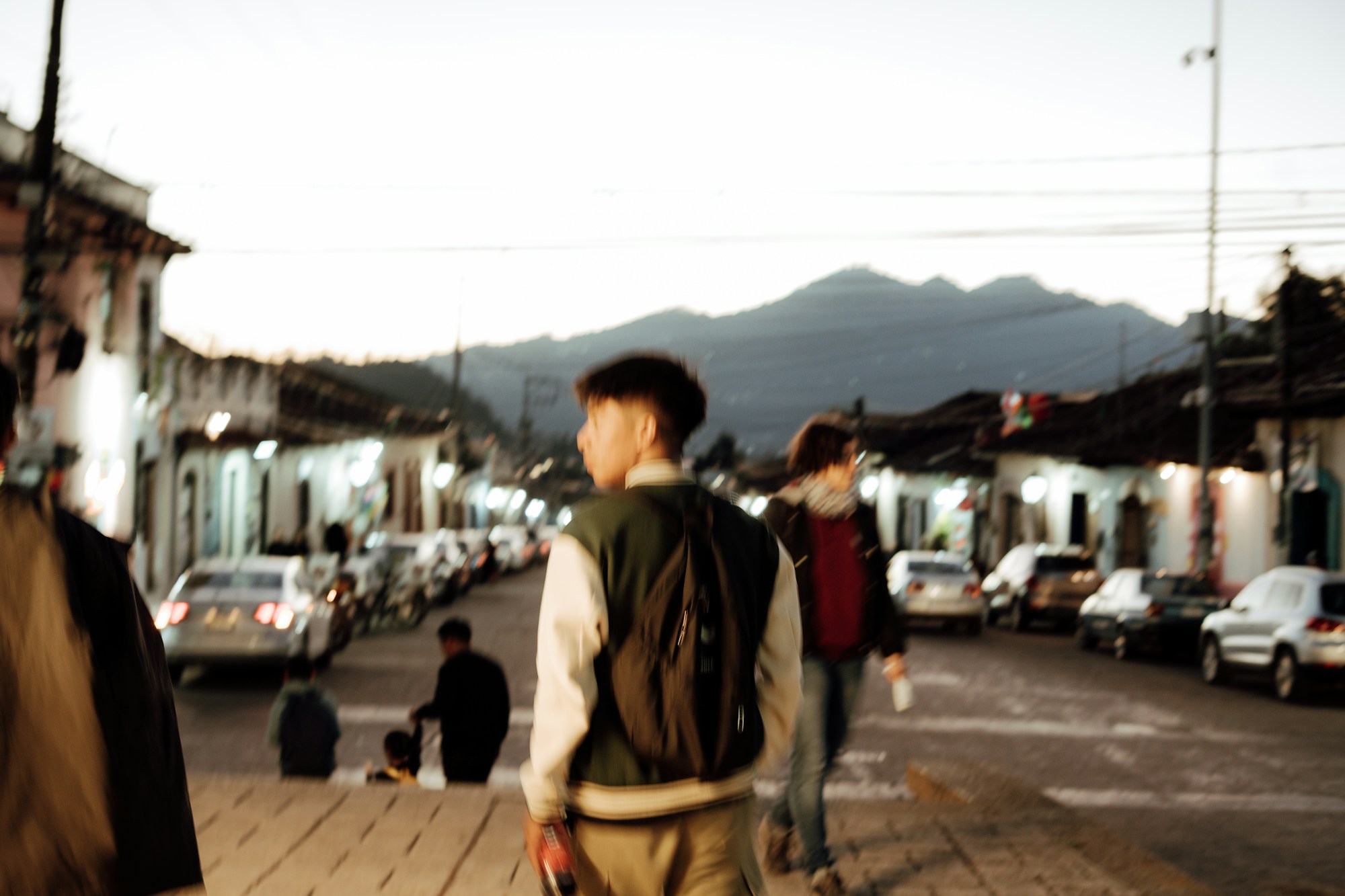
Silence and self-inquiry meditation in the Chiapas mountains
The Hridaya Family center is located in the forests of the Chiapas mountains, just a 10-15 minute drive from the ancient colonial town of San Cristobal de las Casas. At 2,200 meters altitude, in the heart of authentic Mexico and Mayan culture, it offers one of the best value-for-money silent retreats in the world.
The method integrates Advaita Vedanta, Sufism, Tantra and Dzogchen. The retreat guides participants in understanding Self-Enquiry meditation, aiming to reach deep states of consciousness and promote heart opening. The center also offers « dark retreats » — retreats in complete darkness — for a radical immersion.
Participant reviews show that this retreat suits both beginners and experienced practitioners alike. The first days start gently, and the deepening is gradual. Vegan/vegetarian meals are included in the price.
Highlights
- Best value for money in the world for a silent retreat
- Suitable for beginners and experienced practitioners alike
- Unique « dark retreat » option for the most adventurous
6. Finnish Lapland — where silence is a way of life
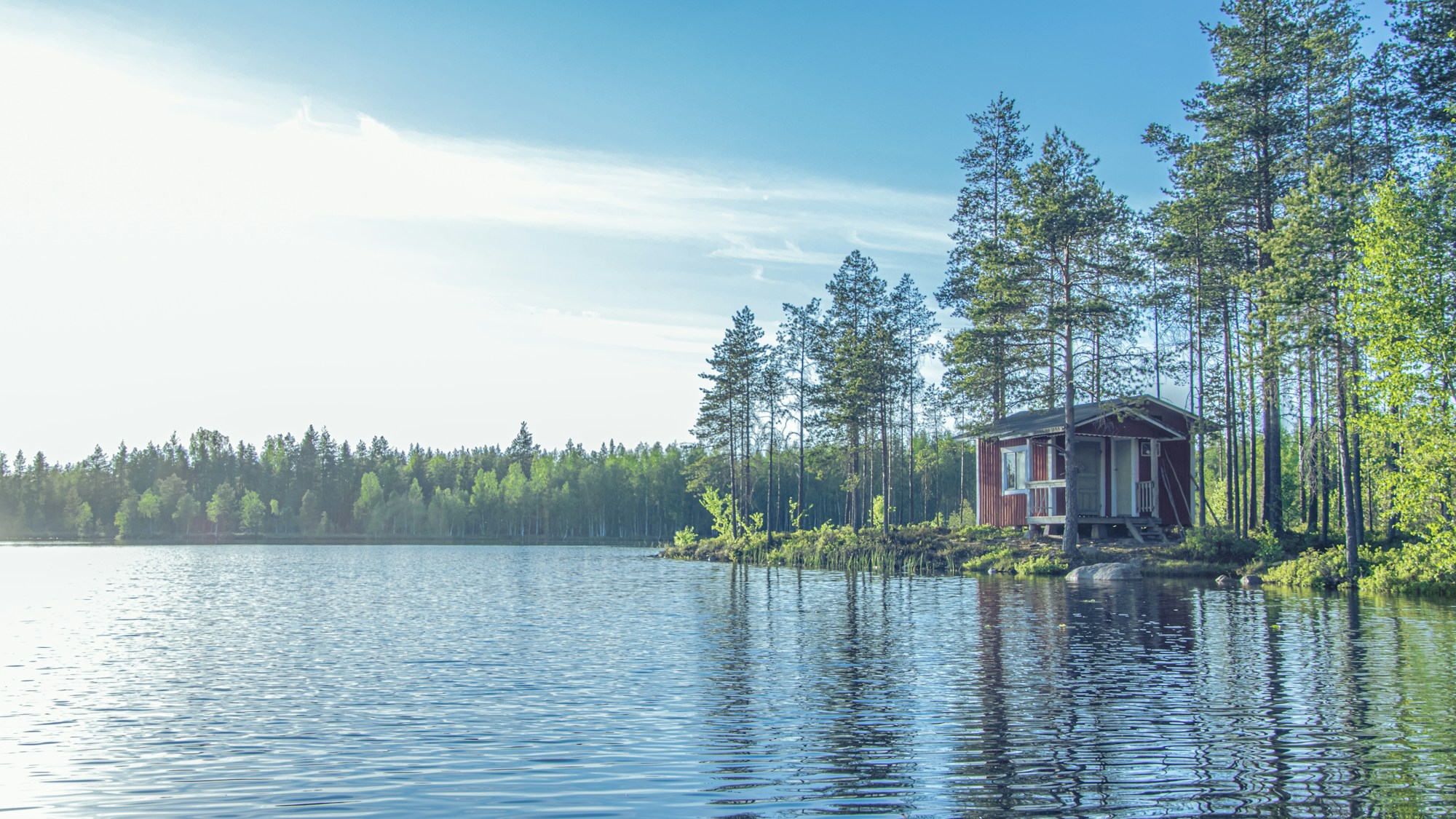
The country where silence is part of the culture
In Finland, silence is not simply the absence of noise — it’s a way of life. Finns cherish moments of calm in nature, and the tourism board even launched the « Silence, Please » campaign, repositioning silence as one of the country’s major tourist assets.
Whether walking through pristine forests, canoeing on mirror-still lakes or simply sitting in a lakeside sauna with no one around, the silence is pure — almost sacred. National park access is free, and wilderness cabins cost between €80 and €200 per night.
Finland has been named the world’s happiest country for seven consecutive years (World Happiness Report 2024). This comfort with silence is an integral part of the culture, not part of an imposed program. In Lapland, the Northern Lights are visible approximately 200 nights per year.
Highlights
- Cultural silence, not artificial: no rules needed
- Free and wild national parks
- Dual season: midnight sun in summer, Northern Lights in winter
7. Monasteries of Catalonia and Aragon — millennial silence
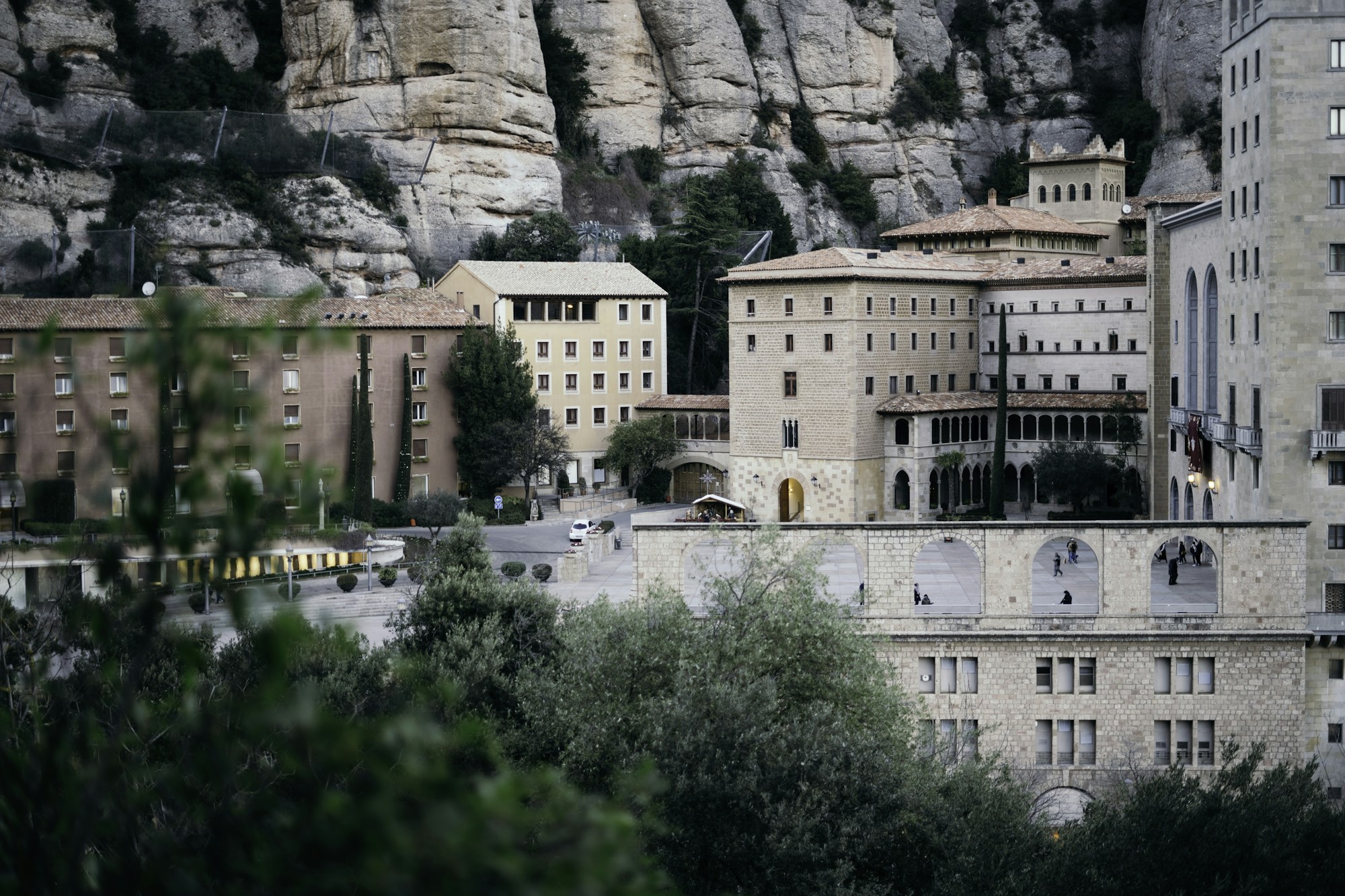
Walls that have echoed the same silence since the Middle Ages
Spanish monasteries offer retreats that are as much about silence as they are about history. From Catalonia’s Montserrat perched among its rocky spires to the hermitages of Aragon and the monasteries of Castile, Spain stands out for the density of its monastic hospitality structures.
Stays are often on a donation basis or at very modest prices (€20-60/night, meals included). More modernized centers like Montserrat offer comfortable accommodation between €60 and €120/night. Europe’s rich monastic history provides a perfect model for modern silence, readapted for the stressed « digital native. »
Unlike « designer » retreats, here silence is part of an unbroken millennial continuity — the same walls have echoed the same silence since the Middle Ages. This is the most affordable option in our selection, and one of the most profound.
Highlights
- Unbeatable budget: from €20/night on donation
- Millennial historical continuity of places of silence
- No mandatory spiritual practice: secular hospitality available
8. Chem Chem Safari, Tanzania — silence as an observation tool
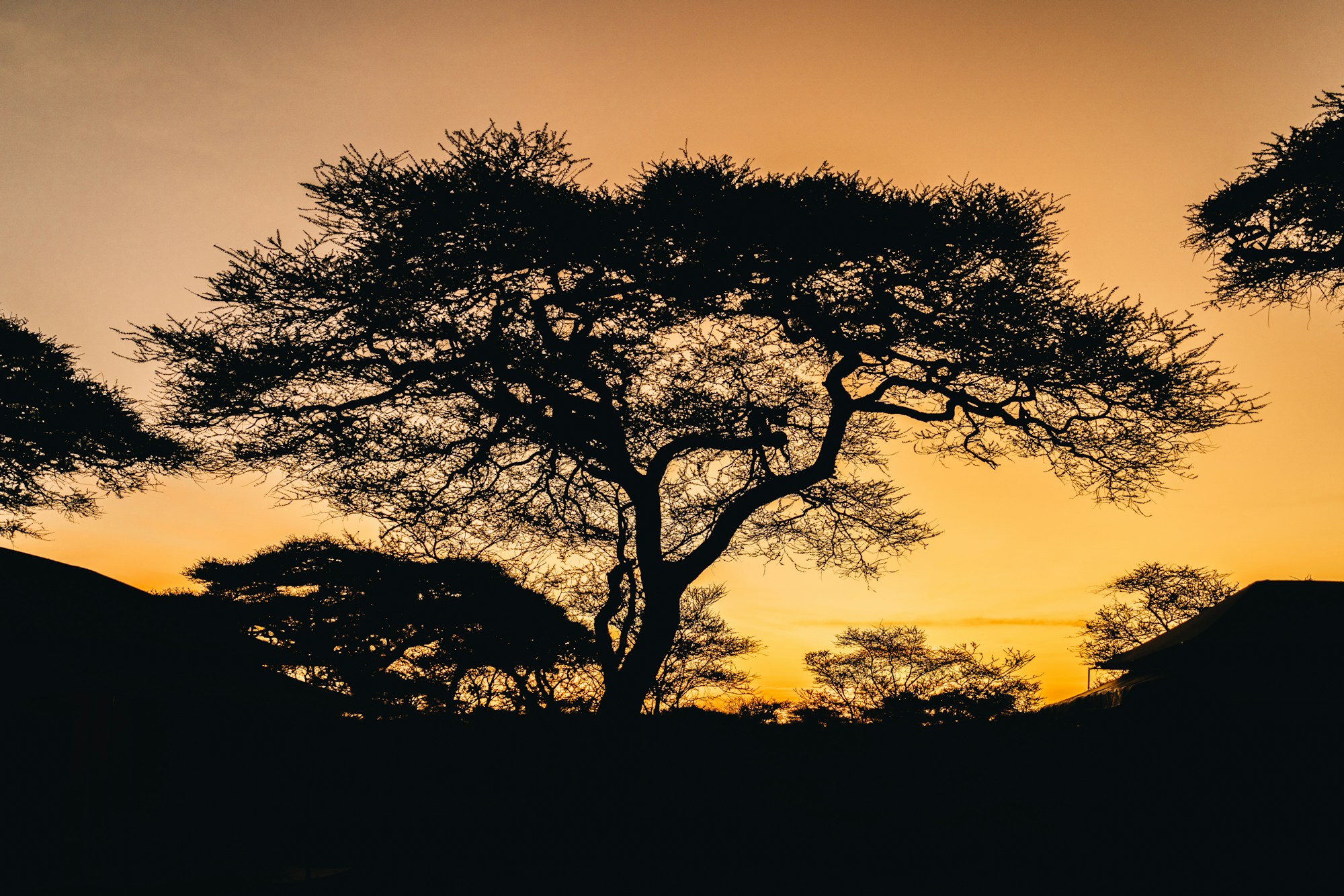
The « Slow Safari » guided by the Maasai
Known as the « Slow Safari, » Chem Chem offers a luxurious immersion in the Tanzanian wilderness between Lake Manyara and Tarangire National Park. Its new 2026 « Silent Walks » are led by Maasai guides and centered on mindfulness and the raw sounds of the African bush.
This is a profoundly different concept from classic 4×4 safaris: here, silence is the primary observation tool, and slowness replaces the frantic quest for the « Big Five. » You disconnect from digital noise to synchronize with the ancient rhythms of wildlife.
The area between Manyara and Tarangire is far less visited than the Serengeti, offering authentic solitude. Rates include accommodation, meals, activities and guides.
Highlights
- « Silent Walks » led by Maasai guides (new in 2026)
- Less crowded area than the Serengeti: guaranteed solitude
- Silence as a tool: enhanced wildlife observation
9. Silent spas of Switzerland — democratized silence at altitude
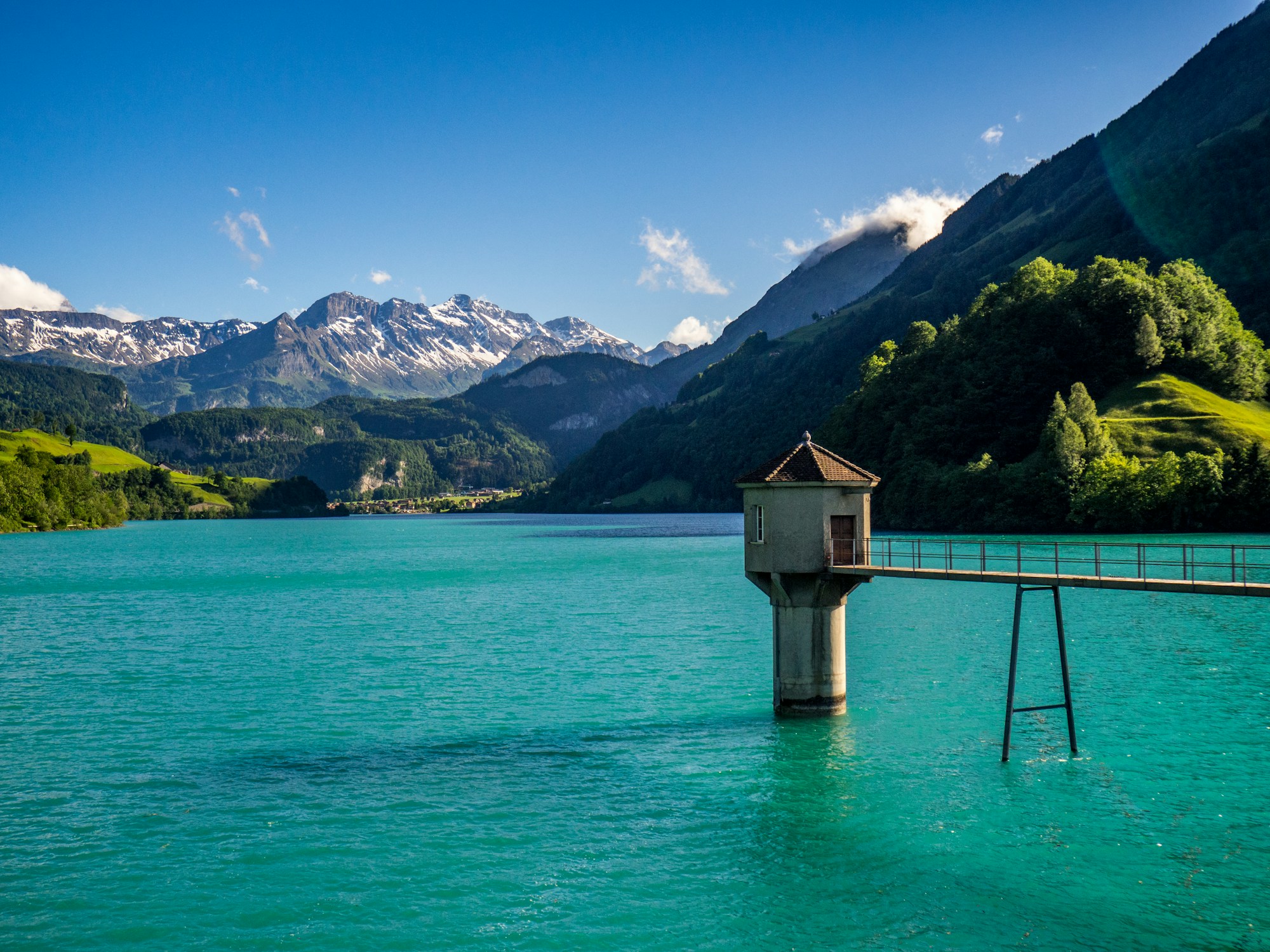
No-conversation zones and alpine sound architecture
Switzerland has taken the lead in institutionalizing silence in its wellness spaces. At the Burgenstock Resort Alpine Spa or the Tschuggen Grand Hotel, silence is part of the luxury: heated pools overlooking snow-capped peaks, clearly designated « no-conversation zones » and sound architecture designed to absorb any residual noise.
The « silent spa » concept is distinct from meditation retreats — it requires no spiritual practice. It’s « democratized » silence for travelers who simply want to stop hearing anyone talk. The approach is pragmatic, design-driven and accessible to all.
The thermal baths of Bad Ragaz offer a slightly more accessible alternative (CHF 300-600/night) for those seeking the Swiss spa experience without the ultra-premium price tag.
Highlights
- No spiritual practice required: « effortless » silence
- World-class sound architecture and design
- Unique combination: spa + alpine mountains
10. Gaia House, Devon — accessible meditation on a donation basis
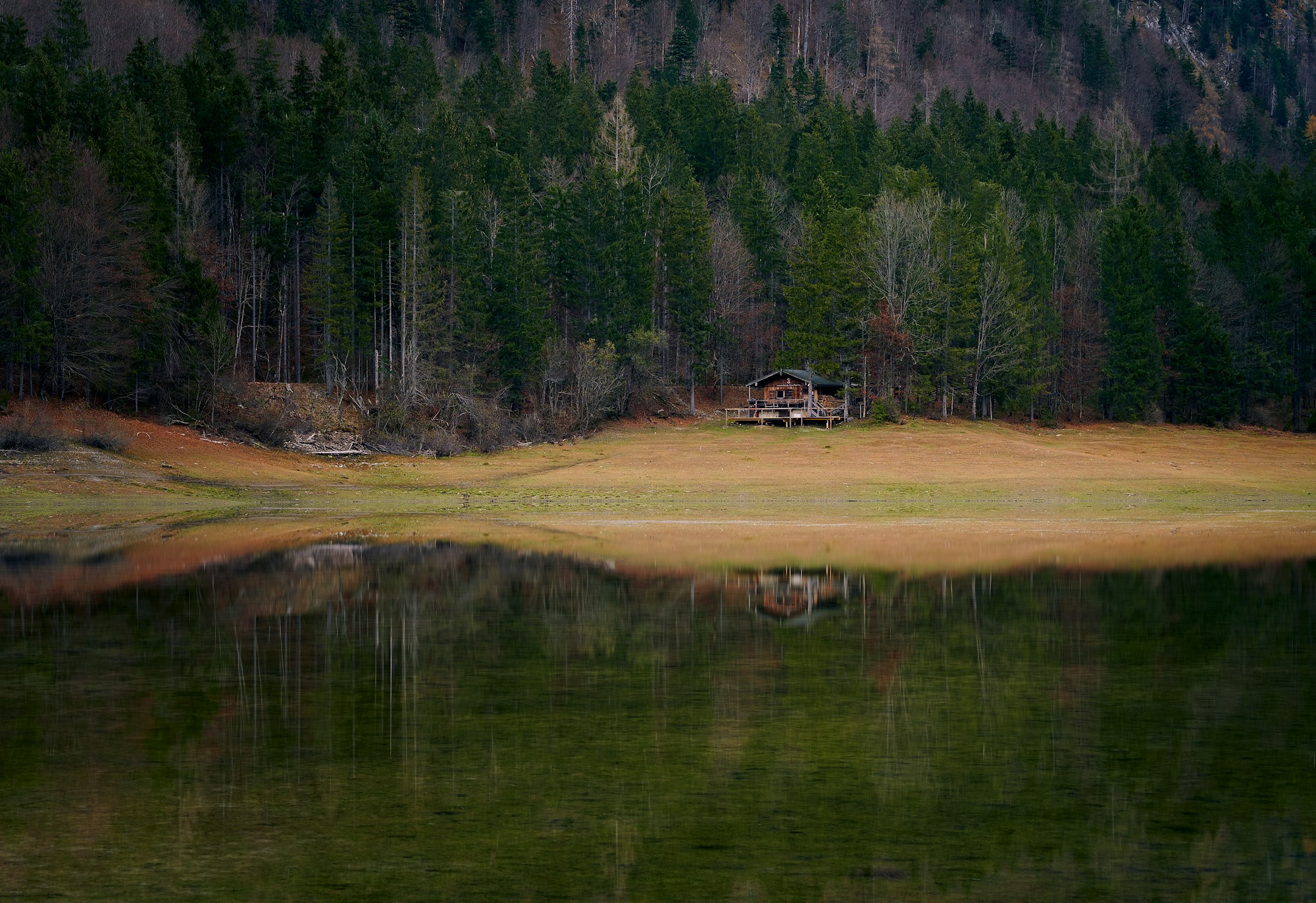
40 years of silent retreats in the Devon countryside
Gaia House is a retreat center nestled in the south Devon countryside that has been offering silent meditation retreats rooted in the Buddhist tradition for over 40 years. The approach is accessible, non-dogmatic, and the teachings draw from the Theravada and Insight Meditation traditions.
The economic model is unique: teachings operate on a donation system (« dana »), with accommodation/food fees of £40 to £90/night depending on room type. It’s one of the most affordable options in Europe for a quality silent retreat.
Retreats range from weekends to several weeks, and the center’s international reputation attracts top-tier teachers. Dartmoor National Park, just minutes away, is one of England’s last « wild » landscapes — perfect for extending the silence after your retreat.
Highlights
- Donation model: accessible regardless of budget
- 40 years of experience and international teachers
- Proximity to Dartmoor National Park to extend the silence
Frequently asked questions about quietcations
I’ve never meditated — is a silent retreat for me?
Absolutely. Silent retreats are no longer reserved for seasoned meditators. Many centers offer options ranging from affordable monastic stays to luxury silent complexes. If you’ve never meditated or think 10 days would be too much, start with a weekend retreat (Gaia House in Devon or a Spanish monastery). Some destinations like Finnish Lapland or Swiss spas require no spiritual practice at all: silence is simply a setting, not a discipline.
What is the ideal duration for a first quietcation?
To get the most benefit, aim for 7 to 10 days to truly calm your mind. Neuroscience points to the « 72-hour reset »: three days away from constant digital stimulation begins to repair the prefrontal cortex. A weekend can suffice for an introduction (2-3 nights), but one week is the recommended minimum for lasting transformation. Hridaya retreats in Mexico offer 5 and 8-day formats, a good compromise for a first stay.
What does a typical day look like at a silent retreat?
Participants generally follow a structured program including meditation periods, mindfulness exercises and silent meals. Yoga and gentle physical activities may be included. Instructions are often given through non-verbal signals or in writing. Some retreats also ask participants to refrain from writing or reading, in order to cultivate total inner presence. The pace varies by location: more relaxed at Eremito (Italy), more structured at Hridaya (Mexico), fully personalized at Six Senses Vana (India).
What is the difference between a quietcation and a classic wellness retreat?
Unlike wellness retreats focused on yoga schedules or spa itineraries, quietcations embrace minimalism and mindfulness. It’s about trading chatter and screens for natural soundscapes — the rustling of leaves, the crashing of waves, birdsong. Silence is the main objective, not a side effect. Swiss spas illustrate the difference well: « no-conversation zones » are at the heart of the experience, not just an add-on to the program.
Can you do a quietcation as a couple or family?
Yes, but it requires clear communication beforehand. Some centers like Eremito separate couples into individual cells — it’s a deliberate architectural choice. For a first experience as a couple, opt for destinations that allow silence without imposing it: Finnish Lapland, Swiss spas or the Kumano Kodo in Japan. For families, NamibRand lodges offer adapted « Family Hideout » options.
How to physically prepare for a silent retreat?
Practice seated meditation for extended periods so your body gets used to sitting cross-legged or kneeling. Gradually reduce your screen time in the weeks leading up to the retreat. If you’re planning a pilgrimage like the Kumano Kodo, train for walking with a backpack. For Six Senses Vana in India, arrive a few days early to adjust to the time difference and climate.
What budget should I plan for a first quietcation?
The range is wide: from €20/night at a Spanish monastery on donation to CHF 1,000/night at a luxury Swiss spa. For an accessible first experience, budget about $100 per day for a stay at Hridaya in Mexico (flights not included) or €40 to €240 for a weekend at a Catalan monastery. Mid-range options (Eremito, Lapland) run between €80 and €270 per day. The Kumano Kodo offers excellent value for a full week (€1,300-1,500 all-inclusive).
What are the emerging trends in silent tourism?
The « Quiet Parks » movement certified by Quiet Parks International is gaining ground worldwide. Guided « Silent Walks » (like those at Chem Chem in Tanzania) combine wildlife observation with mindfulness. « Dark retreats » (retreats in complete darkness) are emerging as a new frontier. On the accommodation side, more and more mainstream hotels are incorporating « no-conversation zones » into their common areas — what Hilton calls « hushpitality. » Finally, neuroscience is increasingly validating the benefits of a « 72-hour reset » without screens.
Sources and resources
- Hilton — Hushpitality: Seeking Sweet Silence (2026 Trends Report)
- Vacayou — Why Silent Tourism Is Making Noise
- TIME — NamibRand Nature Reserve: World’s Greatest Places 2025
- Guide Michelin — Italy’s Eremito Hotel: A Solo Traveler’s Silent Refuge
- Tanabe City Kumano Tourism Bureau — Kumano Kodo
- Six Senses Vana — Wellness Retreat in Dehradun, India
- Hridaya Family — Yoga Meditation Retreat Mexico
- Visit Finland — Nature in Finland
- Euronews — Silent Walking, Quiet Parks and the Hushed Trend
- BookRetreats — The 10 Best Silent Retreats for 2026
- CENTEX — The 10 Quietest Remote Wellness Retreats for 2026
- Mercury News — Find Your Whycation: 4 Travel Trends for 2026