
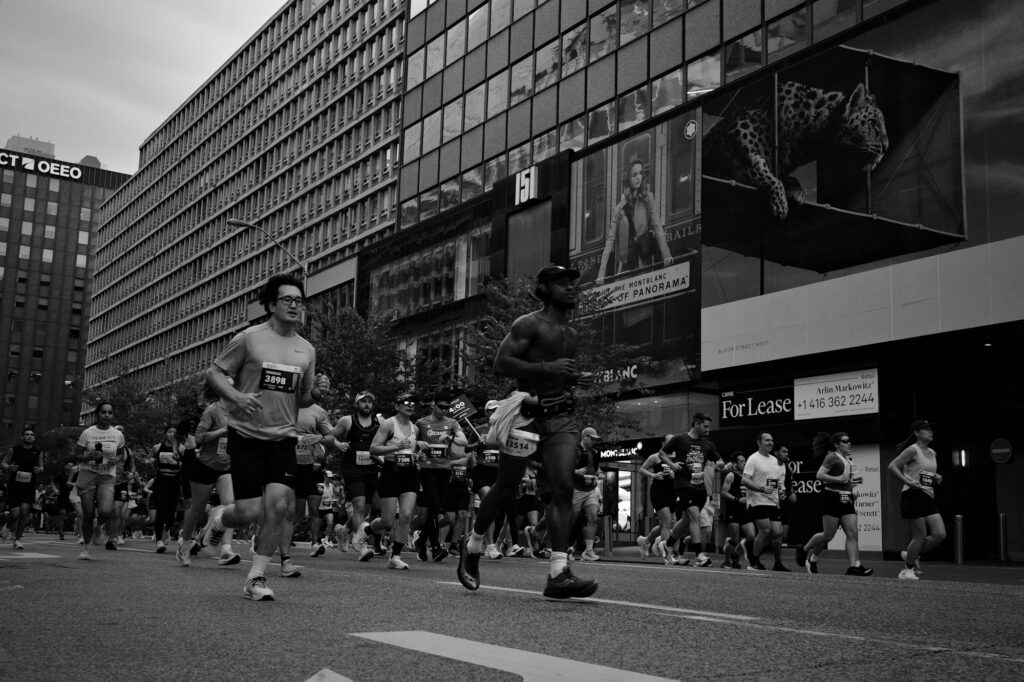
Run to travel, travel to run. Runcations — a portmanteau of running and vacation — are no longer just a trend: they’re redefining how millions of runners discover Europe. According to the Strava Year in Sport 2024 report, running club participation surged by 59% globally, and a growing share of these communities now organize travel around running. Specialized operators like Runcation Travel and RUNHAUS structure this demand by offering trips that combine performance, discovery, and wellness.
Europe, with its historic marathons, alpine trails, and compact cities where you run along canals and monuments, is the perfect playground. We’ve selected ten destinations that embody the diversity of this practice: from Seville’s flat marathon to Madeira’s volcanic trail, from Tromsø’s Arctic midnight sun to Sarajevo’s night running. Each destination was chosen for the quality of its races, its tourism potential, and its value for money.
1. Tromsø, Norway — Running Under the Midnight Sun
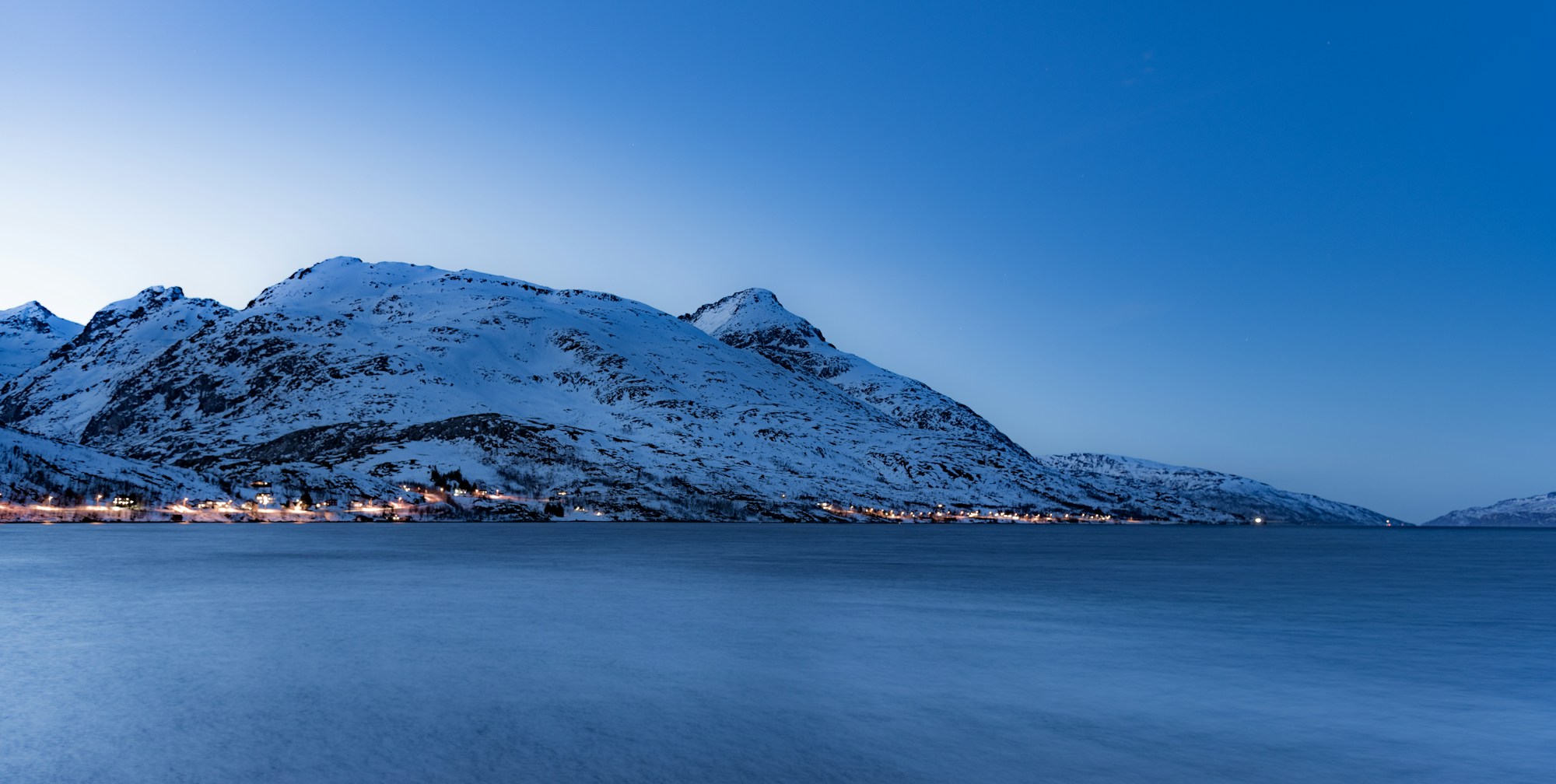
Midnight Sun Marathon
The Midnight Sun Marathon is the world’s northernmost AIMS-certified marathon. The start is at 8:30 PM, and most runners cross the finish line after midnight — sunglasses glued to their faces, bathed in sunlight that refuses to set. In 2025, the event broke a participation record with nearly 9,000 runners from 88 nations, according to the official website.
In 2026, Tromsø will also host the Norwegian Marathon Championships and the 25th AIMS World Congress (June 18-20), adding an extra international dimension to the event. The course runs through the city, crosses a bridge over an Arctic fjord, and offers spectacular views of the surrounding mountains.
Highlights
- Unique experience: running in full sunlight after midnight
- Festive international atmosphere (88 nationalities)
- Fjord excursions and hikes to Tromsdalstinden
- Registration: approximately $90–106 USD depending on distance
2. Seville, Spain — The Personal Record Marathon
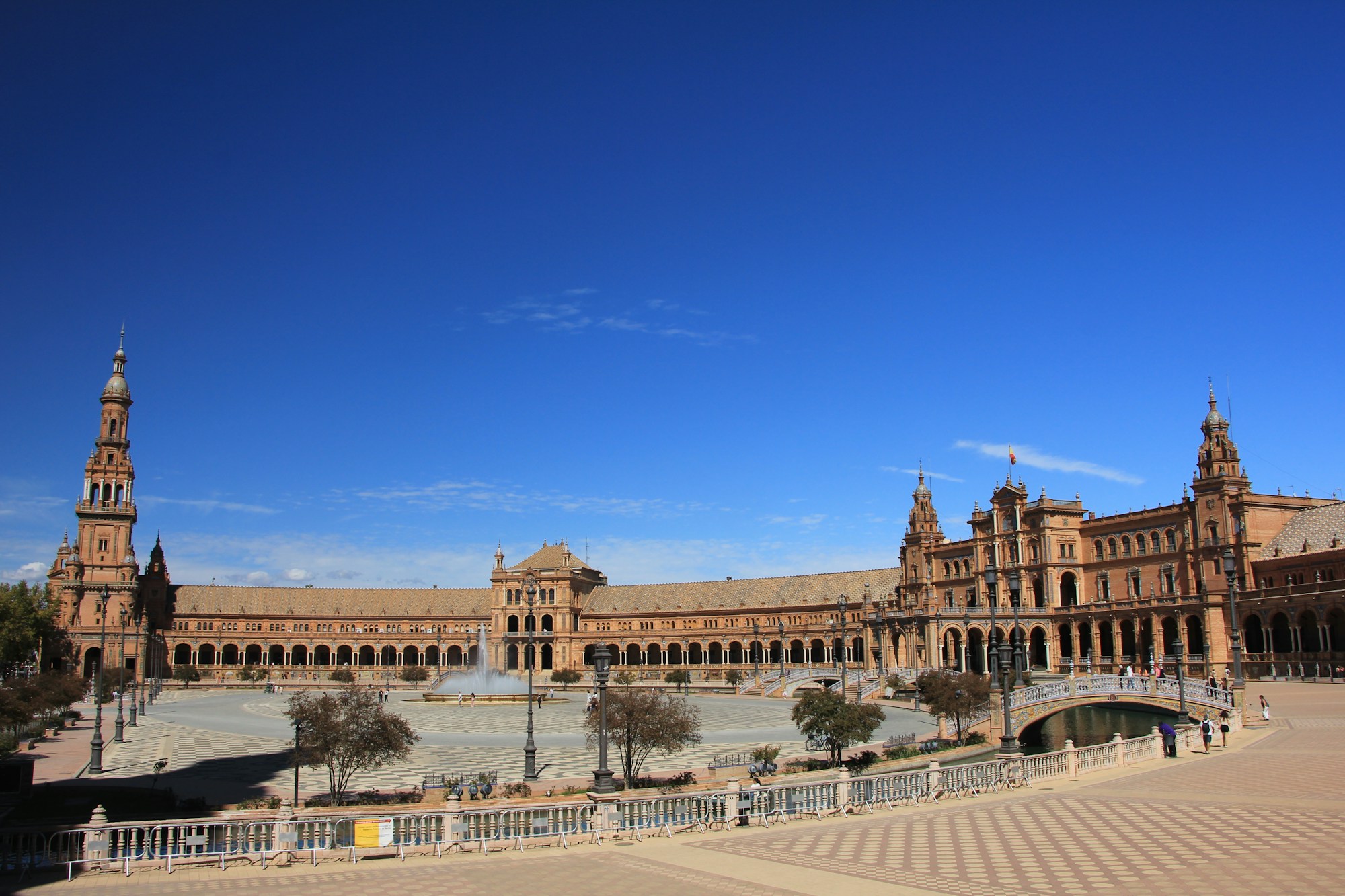
Zurich Maratón de Sevilla
It’s the flattest marathon in Europe, and the number one destination for personal record seekers. The entirely flat course winds through the historic center, along the Guadalquivir, past Plaza de España and the Alcázar gardens, according to Runlovers. February’s weather is ideal: cool and sunny, with temperatures around 10-15°C in the morning — perfect for performance.
Seville offers the perfect combo: a fast course, immense cultural heritage (Alcázar, Gothic cathedral, Triana district), and accessible gastronomy. Registration runs around €50-70, according to Run to the Finish. Choosing races less well-known than the World Marathon Majors means less logistical stress and more authentic experiences.
Highlights
- Europe’s flattest course — ideal for beating your PB
- Perfect climate in February (10-15°C, sunny)
- Very affordable budget for a major European city
- Tapas, flamenco, and UNESCO heritage to explore
3. Médoc, Bordeaux — The World’s Most Festive Marathon
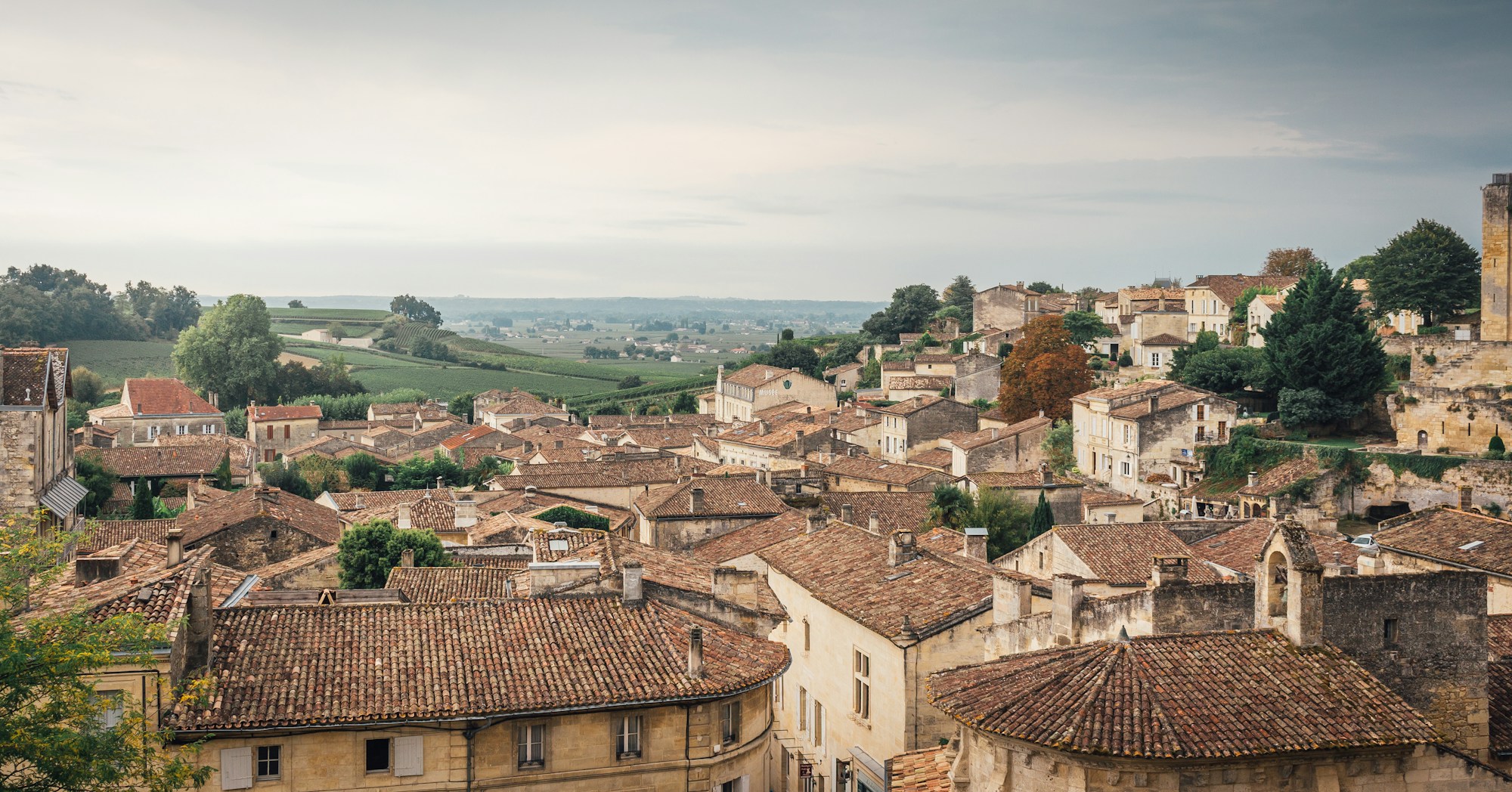
Marathon du Médoc — 40th Anniversary
Created in 1985, the Marathon du Médoc is nicknamed « the world’s longest marathon » — not for its distance, but for its 23 wine tasting stops, 50 orchestras, oysters at the 38th kilometer, and steak at the 39th, according to Wikipedia. The 2026 edition celebrates the 40th anniversary under the theme of the « 80s, » hosted by Château Beychevelle, according to Fitness International Travel.
The 42.195 km course crosses the world’s most prestigious vineyards: Mouton-Rothschild, Latour, Lafite-Rothschild, Lynch-Bages, Cos d’Estournel. Costumes are mandatory, and the 8,500 spots, at €110 per bib according to the official rules, fill up extremely quickly.
Highlights
- 23 grand cru tastings along the course
- 40th anniversary in 2026 — exceptional edition
- Course through the most prestigious wine châteaux
- Unique carnival atmosphere (costumes mandatory)
4. Madeira, Portugal — The Vertical Island for Trail Runners
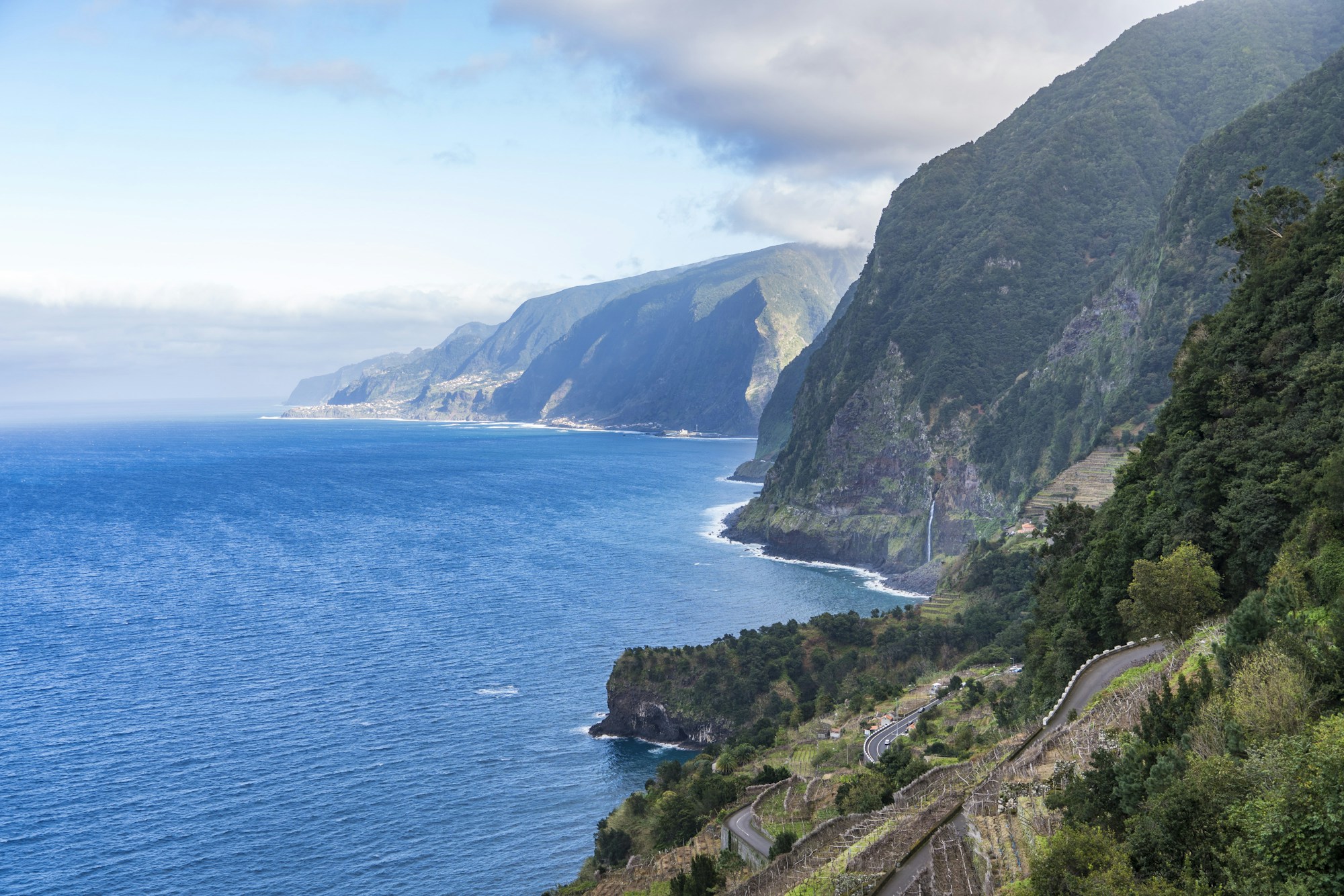
MIUT — Madeira Island Ultra-Trail
Imagine an island planted in the middle of the North Atlantic, 900 km from mainland Portugal. An island where mountains embrace the sea, where waterfalls and laurel forests neighbor nearly 1,500 km of levadas (irrigation channels), according to World’s Marathons. The MIUT attracts around 3,000 runners annually, mostly international, who come to discover volcanic landscapes with vertiginous climbs, according to World Trail Majors.
The ultra crosses the island from Porto Moniz to Machico, passing through Pico Ruivo (1,861 m) and the spectacular village of Curral das Freiras, nestled in the heart of a mountain cirque. But Madeira isn’t just about the MIUT: the levadas offer hundreds of kilometers of relatively flat trails, perfect for daily running in an extraordinary subtropical setting. Trail camps are organized as early as January, according to Trail Running Factory.
Highlights
- Ultra-trail through spectacular volcanic landscapes
- 1,500 km of levadas for year-round running (15-25°C)
- Accessible: 1h30 from Lisbon, less than 4h from European capitals
- Affordable budget for an Atlantic island
5. Dolomites & Slovenia — From Hut to Hut, From Country to Country
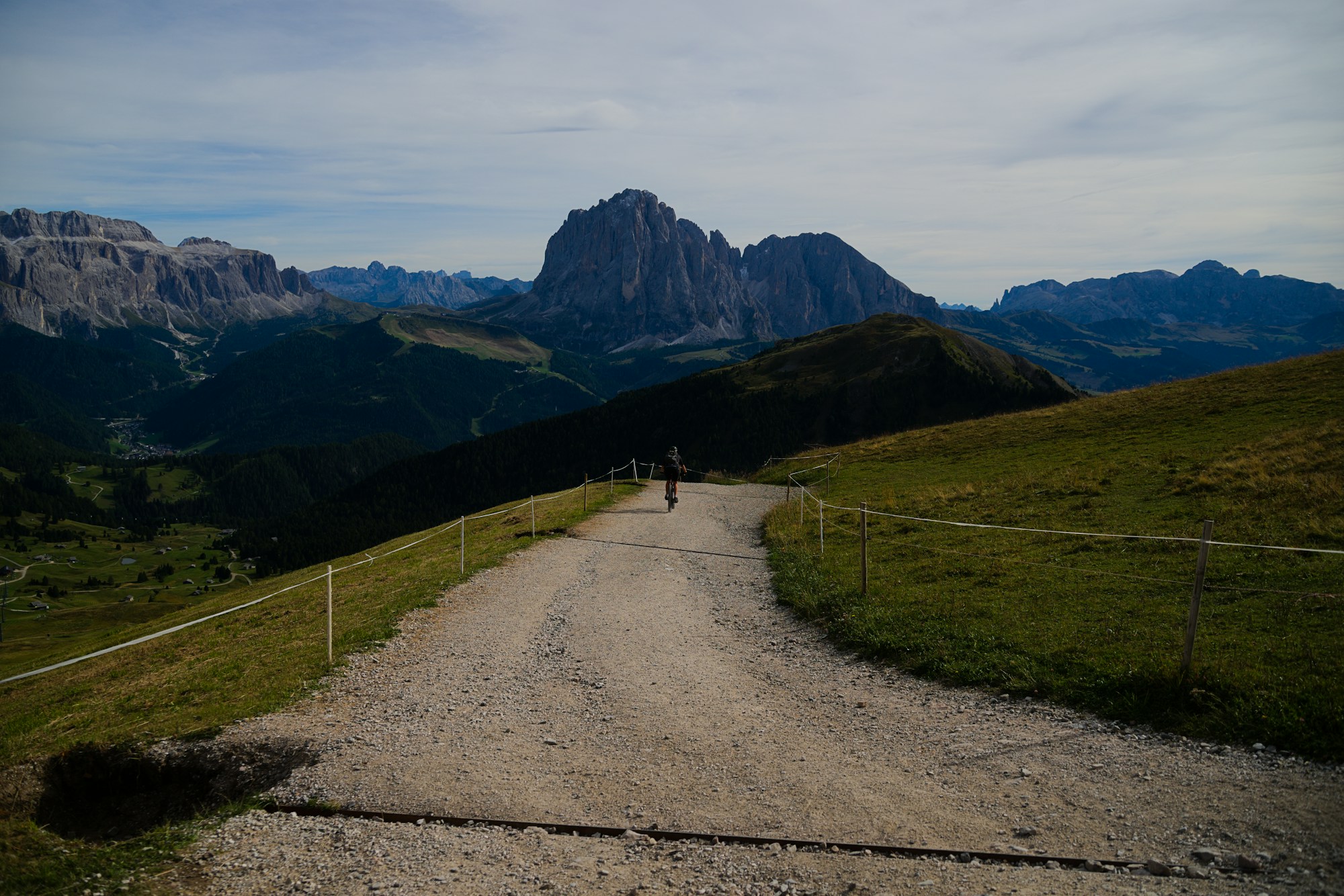
Trail Running Hut-to-Hut
This hut-to-hut route combines the best of two worlds: Italy’s limestone Dolomites and Slovenia’s Julian Alps. Cortina d’Ampezzo, the journey’s starting point and host city of the 2026 Olympic Games, is nestled among spectacular peaks, according to Runcation Travel. The Slovenian section offers green valleys, turquoise lakes, and high mountain forests explored with a local expert.
The format is the very essence of alpine runcation: each day, a new trail, a new landscape, and in the evening, comfortable accommodation with local cuisine. Each night is spent in hotels with wellness options and accommodations inspired by the region’s natural beauty. For an organized guided trip, expect between €2,500 and €4,000 for a week all-inclusive.
Highlights
- Crossing two countries: Italy and Slovenia
- Comfortable accommodation each evening (hotels, spas)
- Cortina d’Ampezzo — 2026 Olympic city
- Exceptional Italian and Slovenian cuisine
6. Ljubljana, Slovenia — Central Europe’s Marathon Gem
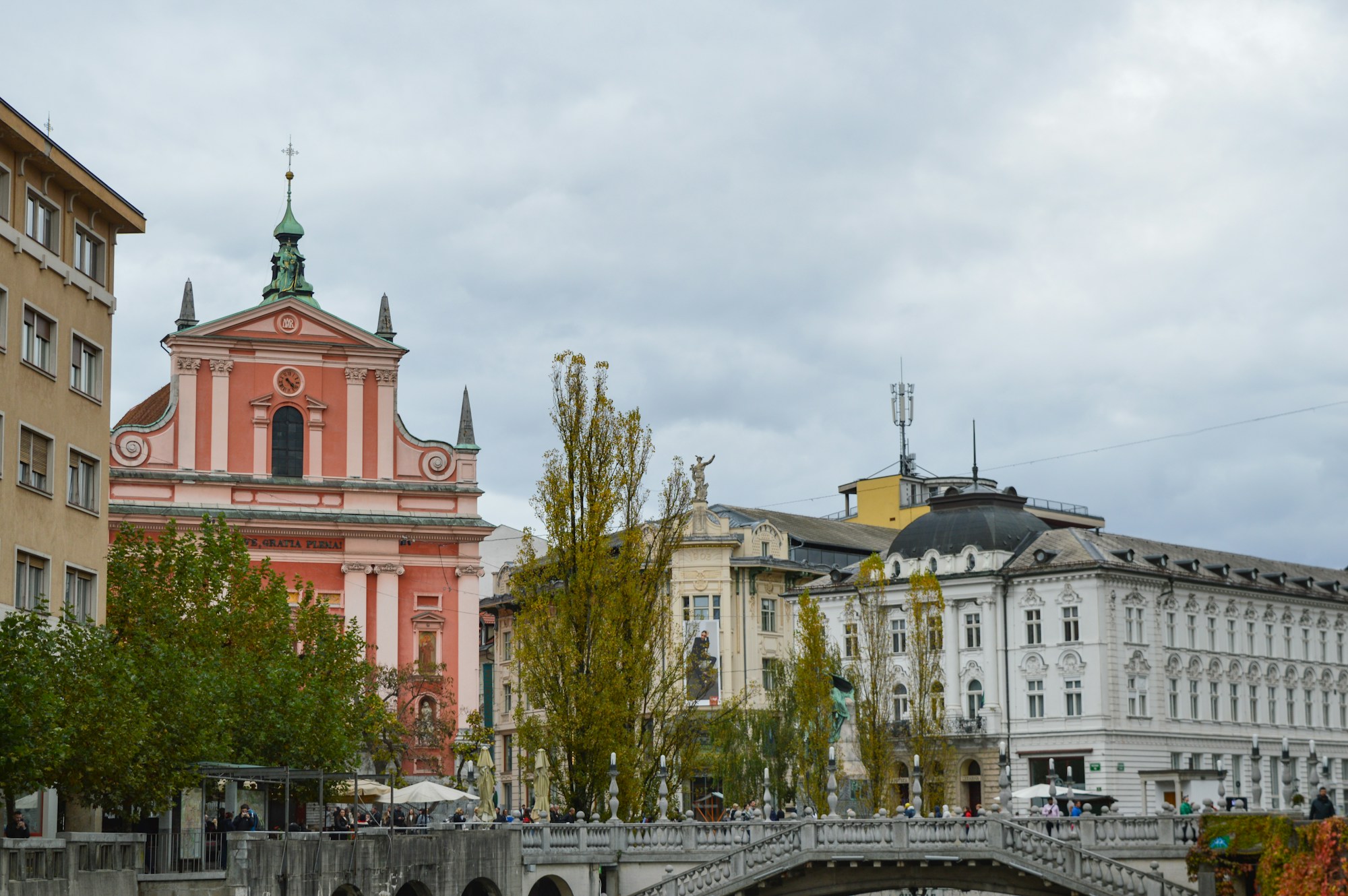
NLB Ljubljana Marathon — 30th Edition
Ljubljana is the boutique choice: small, green, affordable, and impeccably organized, according to Runlovers. The picturesque course winds along the Ljubljanica river, passes the medieval castle, and crosses Tivoli Park. Since its first edition in 1996 with 673 runners, the marathon has grown to host over 20,000 participants, according to Marathons.com.
With a World Athletics Gold Label, the marathon attracts elite runners while remaining accessible, according to Marathons 2025. The 30th Ljubljana Marathon will take place on October 17-18, 2026. Registration costs €60 (early rate). The city itself is a revelation: pedestrian downtown, cafés lining the river, with a thriving gastronomic scene.
Highlights
- 30th edition in 2026 — World Athletics Gold Label
- Very affordable budget for a European capital
- Pedestrian city center, riverside cafés
- Lake Bled and Triglav National Park 30 min away
7. Stockholm, Sweden — Europe’s Most Emotional Finish
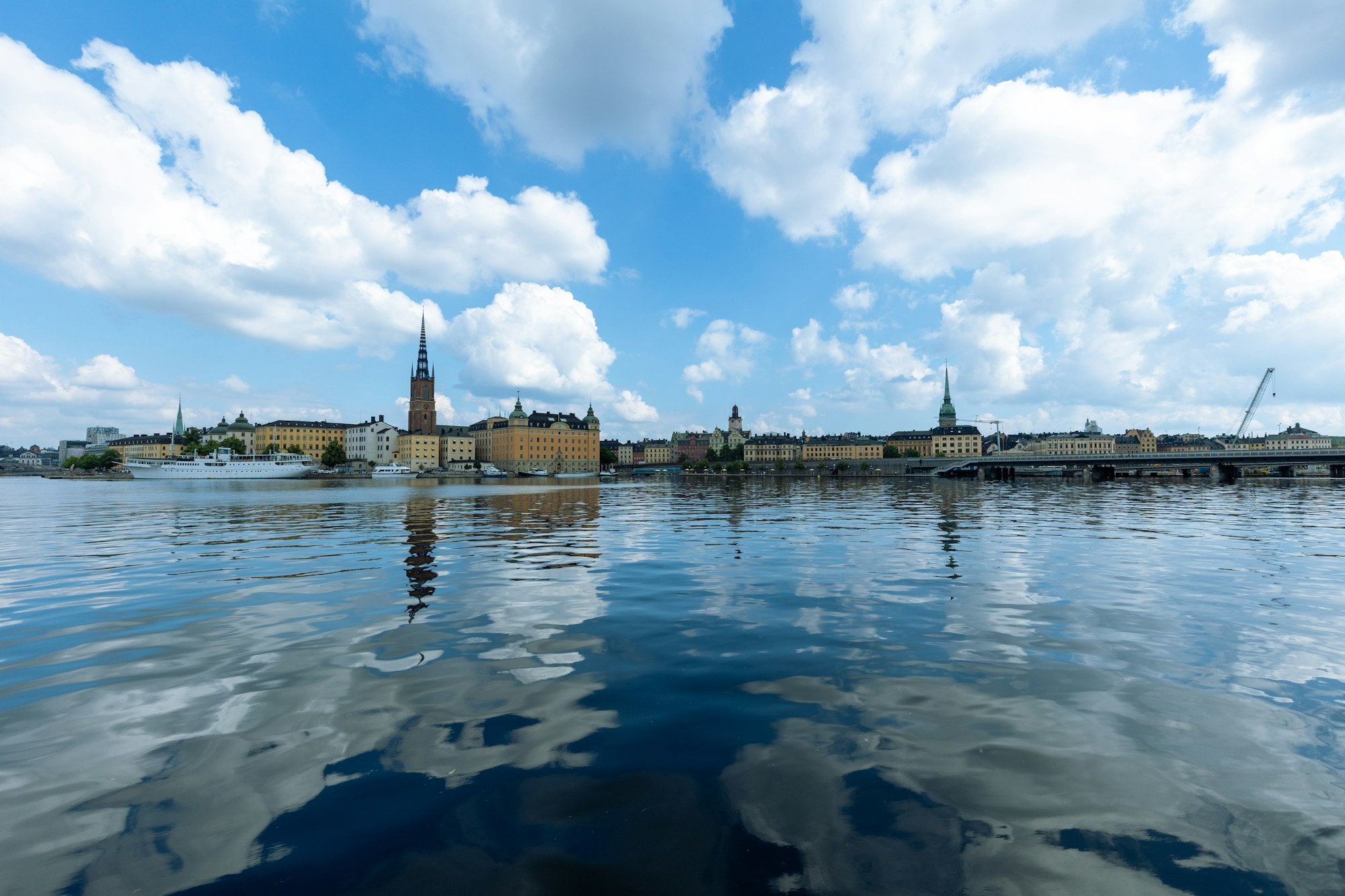
Stockholm Marathon
Stockholm rewards you with Europe’s most emotional finish: inside the 1912 Olympic Stadium, according to Runlovers. Crossing the finish line in the same stadium that hosted the Olympic Games over a century ago delivers a rare emotion. The course crosses Stockholm’s 14 islands, offering constant views of the water, the colorful facades of Gamla Stan, and omnipresent green spaces.
The marathon takes place in late May, when Stockholm enjoys extraordinarily long days (up to 18 hours of daylight), according to Run to the Finish. It’s a human-scale marathon with around 13,000 participants. The city is made for runners: paths along every body of water, the urban national park of Djurgården, and the culture of post-race sauna.
Highlights
- Legendary finish at the 1912 Olympic Stadium
- Course across 14 islands with water views
- 18-hour daylight days in late May
- Sauna culture for post-race recovery
8. Chamonix, France — The World’s Most Legendary Trail
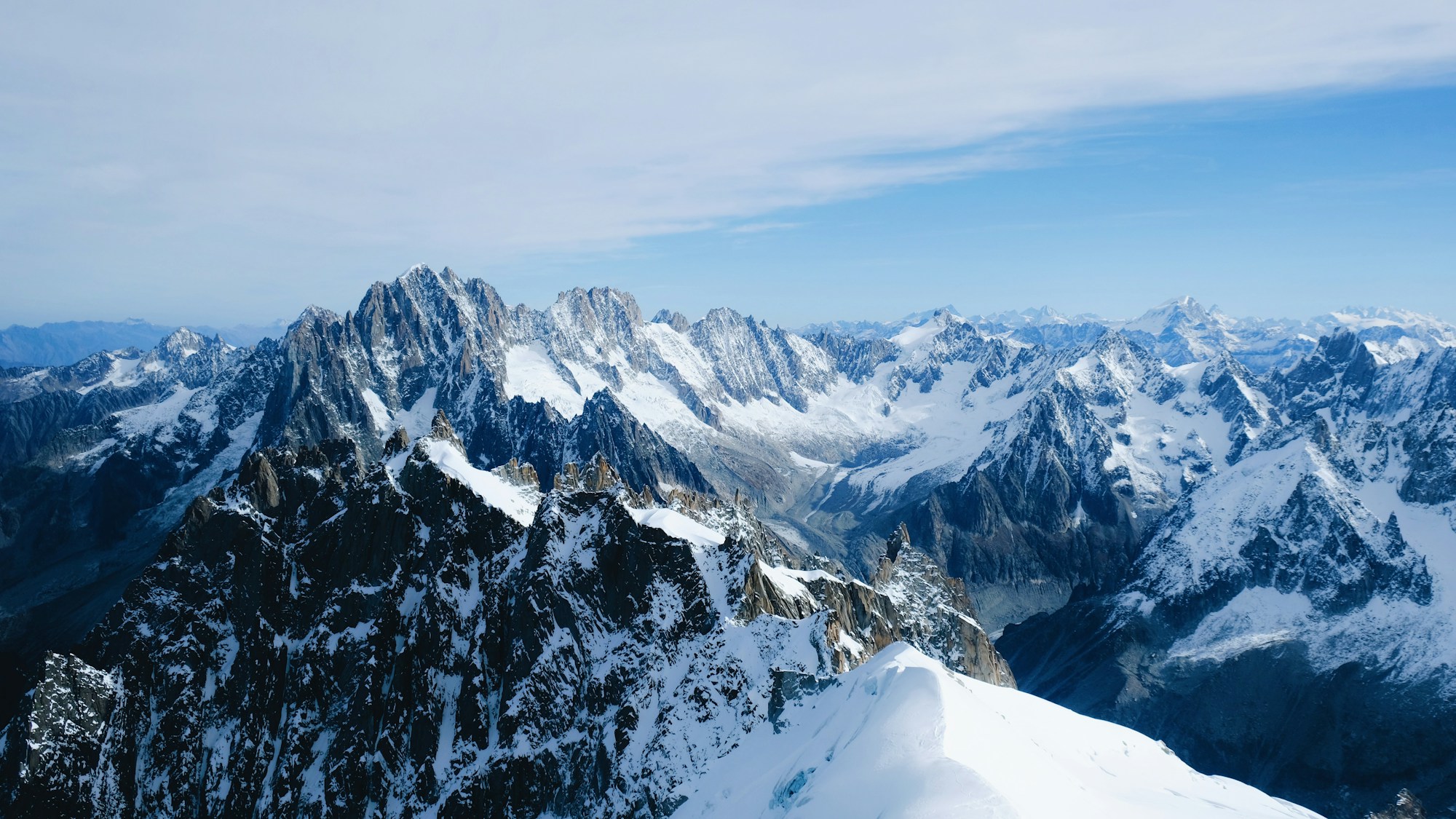
Tour du Mont-Blanc Running
The Tour du Mont-Blanc running is a 9-day journey that begins in the Chamonix valley — the world capital of trail running — and embarks on 170 km around the massif, with 10,000 meters of elevation gain across 3 countries (France, Switzerland, Italy). Runners stay in 3-4 star hotels and picturesque mountain refuges, with a taste of each country’s cuisine along the way.
It’s the UTMB route, but as a multi-day runcation version, without the pressure of competition. Runners must be capable of completing 16 to 32 km per day with 900 to 1,800 m of elevation gain per day. Dates are available for June-July and September 2026.
Highlights
- The world’s most legendary trail route
- 3 countries crossed: France, Switzerland, Italy
- Accommodation in hotels and comfortable refuges
- Self-guided option with luggage transfer
9. Transylvania, Romania — The Ultra at the Foot of the Castle
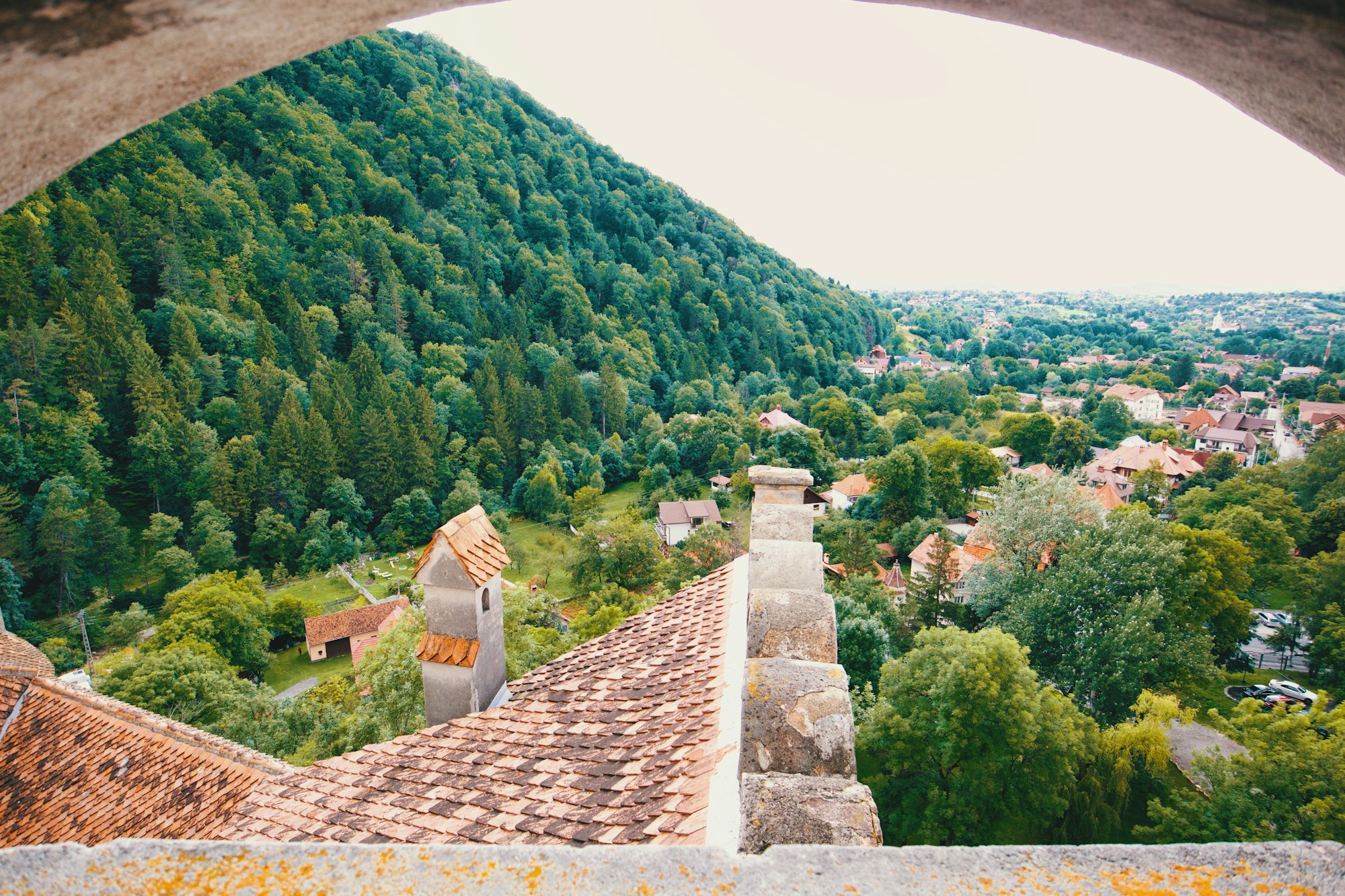
Transylvania 100
The start is beneath Bran Castle, then the route climbs toward the Bucegi massif on trails and high-altitude plateaus, according to the official website. The Transylvania 100 is an ideal compromise for runners who want a « different » destination without going to a remote island. Bibs range from €70 (20k) to €120 (100k), according to the registration page.
Romania is one of Europe’s most affordable destinations, with an average budget of around $121/day, according to Budget Your Trip. The runcation asset: a two-speed trip — race and logistics on one side, then discovering back roads, Saxon villages, and short hikes on the other. The same team also organizes the OMU Marathon on September 19, 2026 for an autumn alternative.
Highlights
- Start beneath the legendary Bran Castle
- Ultra-competitive budget for Europe
- Wild mountains much less crowded than the Alps
- 5 distances available for all levels
10. Sarajevo, Bosnia and Herzegovina — The Balkans’ Most Surprising Runcation
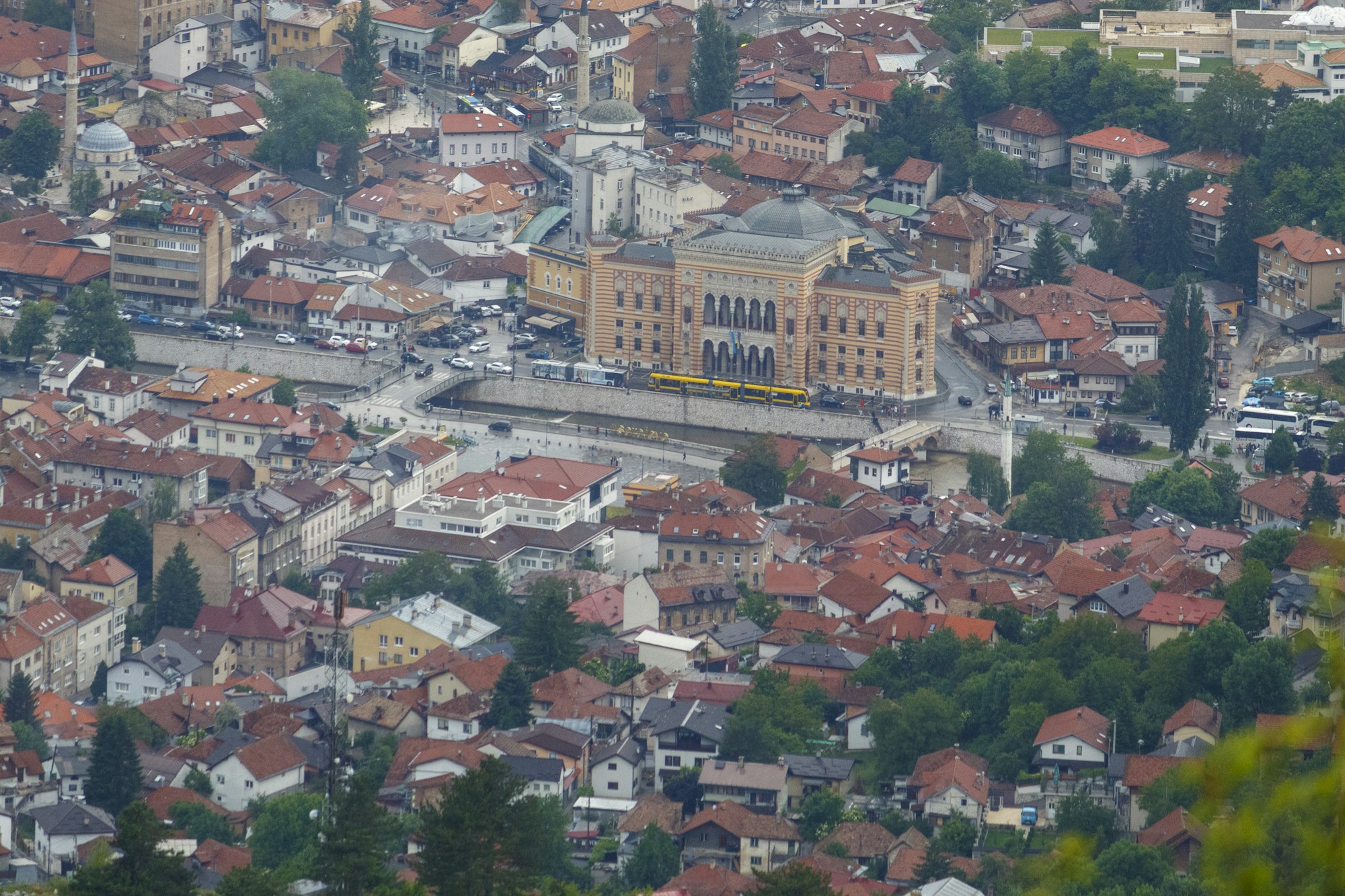
10K Night Run & Sarajevo Half Marathon
Sarajevo checks two rare boxes: a city with very dense cultural mix and immediate natural relief. The 10K Night Run (June 28, 2026) is a smart format: you enjoy the city during the day, then run when the air cools down. The Persil Sarajevo Half Marathon (September 13) is presented as « fast and flat, » with numerous aid stations.
Sarajevo remains a European capital significantly less saturated than the classic circuits, while having a real structured running scene. Registration is very accessible: €18-26 for the 10K, €31-44 for the half, according to the official website. The average on-site budget is around $103/day, according to Budget Your Trip. A runcation here is also discovering a poignant history, Ottoman bazaars, and Olympic mountains within reach.
Highlights
- Unique urban Night Run in June + fast half in September
- One of Europe’s lowest budgets
- Fascinating Ottoman-Austro-Hungarian cultural mix
- Mountains and nature 30 min from downtown
Frequently Asked Questions About Runcations in Europe
What exactly is a runcation?
A runcation is a trip whose central goal is to explore a destination through running. Unlike a simple marathon abroad, a runcation fully integrates the tourist and cultural dimension: you discover a place by running, not just running in a place. According to Climashield, the trend exploded with the 59% increase in running club participation worldwide.
Do you need to be an experienced runner to do a runcation?
No. The destinations in this article cover all levels. The Marathon du Médoc, Ljubljana, or Seville welcome beginners with generous time limits. On the other hand, the Tour du Mont-Blanc or Transylvania 100 in long format require solid physical condition and trail experience. Sarajevo’s 10K Night Run is perfect for casual runners.
What budget should I plan for a week-long runcation in Europe?
It varies considerably depending on the destination. For the Balkans (Sarajevo, Transylvania), expect €400-700 per week excluding flights. For Nordic capitals (Stockholm, Tromsø), plan more like €1,000-1,500. Guided trail trips (TMB, Dolomites) range between €2,500 and €4,500, often all-inclusive. Urban marathons (Seville, Ljubljana) are the most economical at €500-800 per week.
When should you register for European races in 2026?
The most popular races fill up quickly. The Marathon du Médoc sells out within a few hours when registration opens (March), according to Marathon Tours. The MIUT 2026 is already full for certain distances, according to the official website. General rule: register 4-6 months in advance for major marathons, and as soon as registration opens for limited-capacity events.
Are runcations suitable for non-running companions?
Absolutely. Runcation Travel offers, for example, family retreats in the Swiss Alps. Most of the mentioned destinations offer activities for non-runners: thermal baths in Sarajevo, cultural visits in Seville, tastings in Médoc, levada walks in Madeira, or fjord cruises in Tromsø.
How to manage nutrition and recovery on a runcation?
Bring what you usually eat for race day breakfast. Don’t experiment with the local bakery on race morning: a runner’s stomach is fickle and vindictive, according to Runlovers. For multi-day trails, local cuisine becomes an asset: alpine refuges and Balkan guesthouses offer rich, natural food adapted to exertion.
Sources
- Midnight Sun Marathon — Official Website — Tromsø 2026 race information
- AIMS Congress 2026 Tromsø — 25th World Congress
- Runlovers — 5 Underrated European Marathons 2026 — Seville, Ljubljana, Stockholm
- Run to the Finish — 10 Best Marathons in Europe — European marathon guide
- Marathon du Médoc — Official Website — Médoc 2026 race information
- Official Marathon du Médoc Rules — Bib prices and rules
- Fitness International Travel — Médoc Marathon — 40th anniversary 2026
- MIUT — Madeira Island Ultra-Trail — Official Website — Madeira 2026 race
- World Trail Majors — MIUT — Detailed MIUT information
- World’s Marathons — MIUT — Island and race description
- Runcation Travel — Dolomites + Slovenia — Hut-to-hut trail
- NLB Ljubljana Marathon — Official Website — 30th edition 2026
- Marathons.com — Ljubljana Marathon — History and details
- Runcation Travel — Tour du Mont-Blanc — TMB Running 2026
- Transylvania 100 — Official Website — Romania 2026 race
- Sarajevo Marathon — Official Website — Night Run and Half 2026
- Climashield — Runcations are the new travel trend — Runcation trend
- RUNHAUS — 2026 European Running Tour Series — Professionalized trend
- National Geographic — Wellness Travel Trends 2026 — Active travel
- Budget Your Trip — Sarajevo — Sarajevo costs
- Budget Your Trip — Romania — Romania costs
Research conducted on February 15, 2026
Ready to Plan Your Runcation?
Whether you’re a seasoned marathoner or a casual runner seeking adventure, Europe offers an infinite playground for combining running and travel. Start by choosing your race, then build your itinerary around it.
Explore all itineraries