

The Alps have never been more attractive. According to Expedia, Savoie ranks in the global top 5 fastest-growing destinations for 2026, with a 51% increase in searches compared to the previous year. The reason? A massive surge in interest for alpine wellness — that unique combination of high-altitude hiking, natural hot springs, and immersion in spectacular landscapes. Summer and winter alike, Alpine massifs offer experiences that go far beyond conventional ski resorts. We’ve selected 8 off-the-beaten-path destinations across 5 countries — France, Switzerland, Austria, Italy, and Germany — to blend physical effort, thermal recovery, and wonder. Budget, best seasons, insider tips: here’s your complete guide.
1. Clarée Valley & Grands Bains du Monêtier (France)
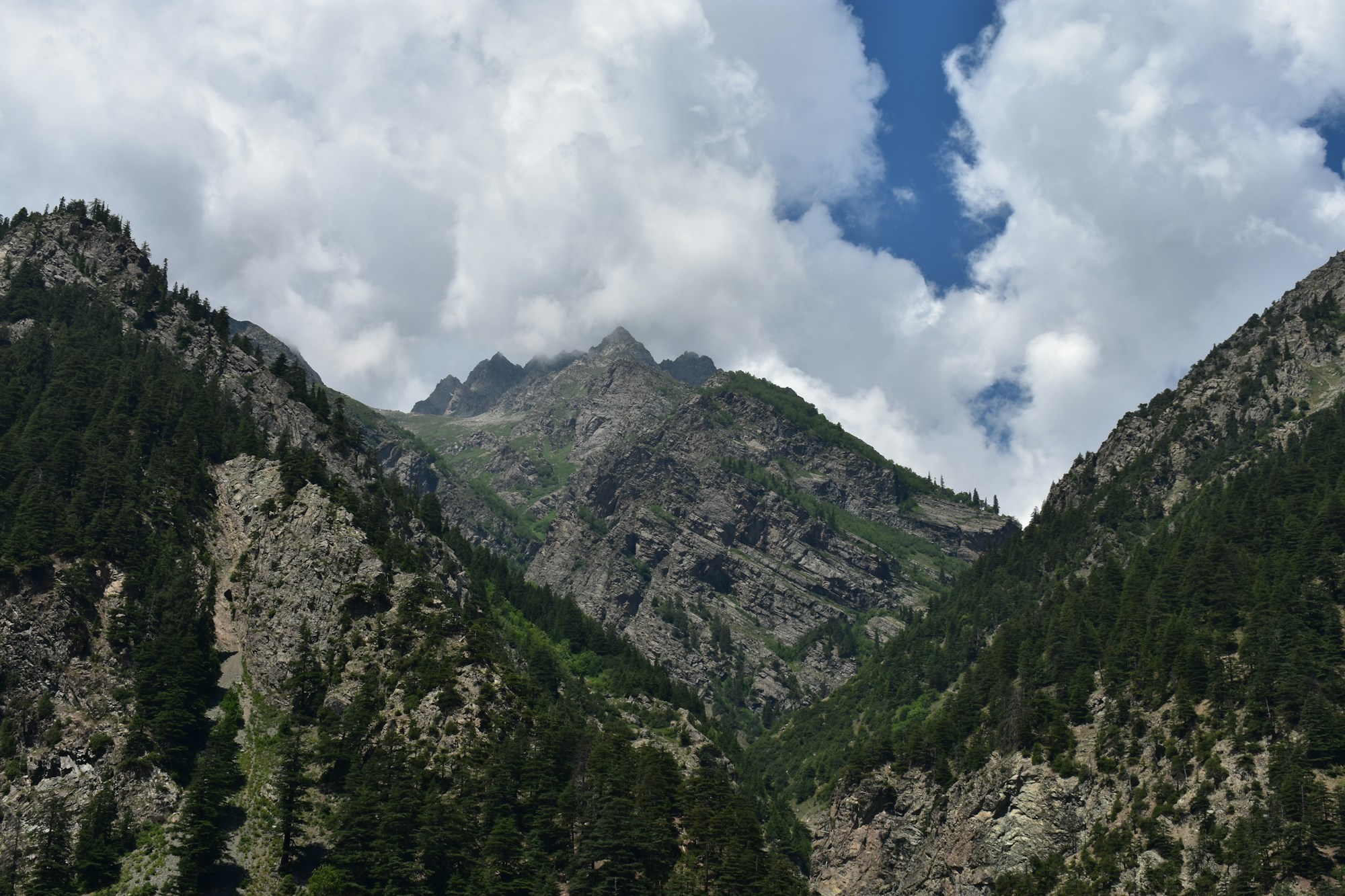
Clarée Valley & Grands Bains du Monêtier
Against the tide of mega-resorts, the Clarée Valley is a protected site since 1992 that prohibits any new construction and vehicle traffic beyond Névache. It’s the anti-Courchevel par excellence: here, no ski lifts, but silent trails along crystalline streams, alpine lakes (Clarée Lake, Muandes Lake), and golden larch forests in autumn. Mountain lodges and gîtes offer authentic stays between €60 and €100 per night on half-board.
Recovery happens 30 minutes away by car, at Grands Bains du Monêtier — a thermal complex fed by a natural geothermal spring at 44 °C. The outdoor pool of 300 m² facing the Serre Chevalier peaks offers a rare sensory experience, especially in winter when steam rises into the frozen air. According to Splendia, it’s one of the best value-for-money thermal spas in the French Alps, with rates between €25 and €35 per session.
Highlights
- Protected classified site — zero new construction, limited traffic
- Natural geothermal spring at 44 °C and 300 m² outdoor pool
- Family-friendly alpine lakes (Clarée Lake, Laramon Lake)
- Marked snowshoe trails in winter with views of the Écrins
2. Queyras Regional Natural Park (France)
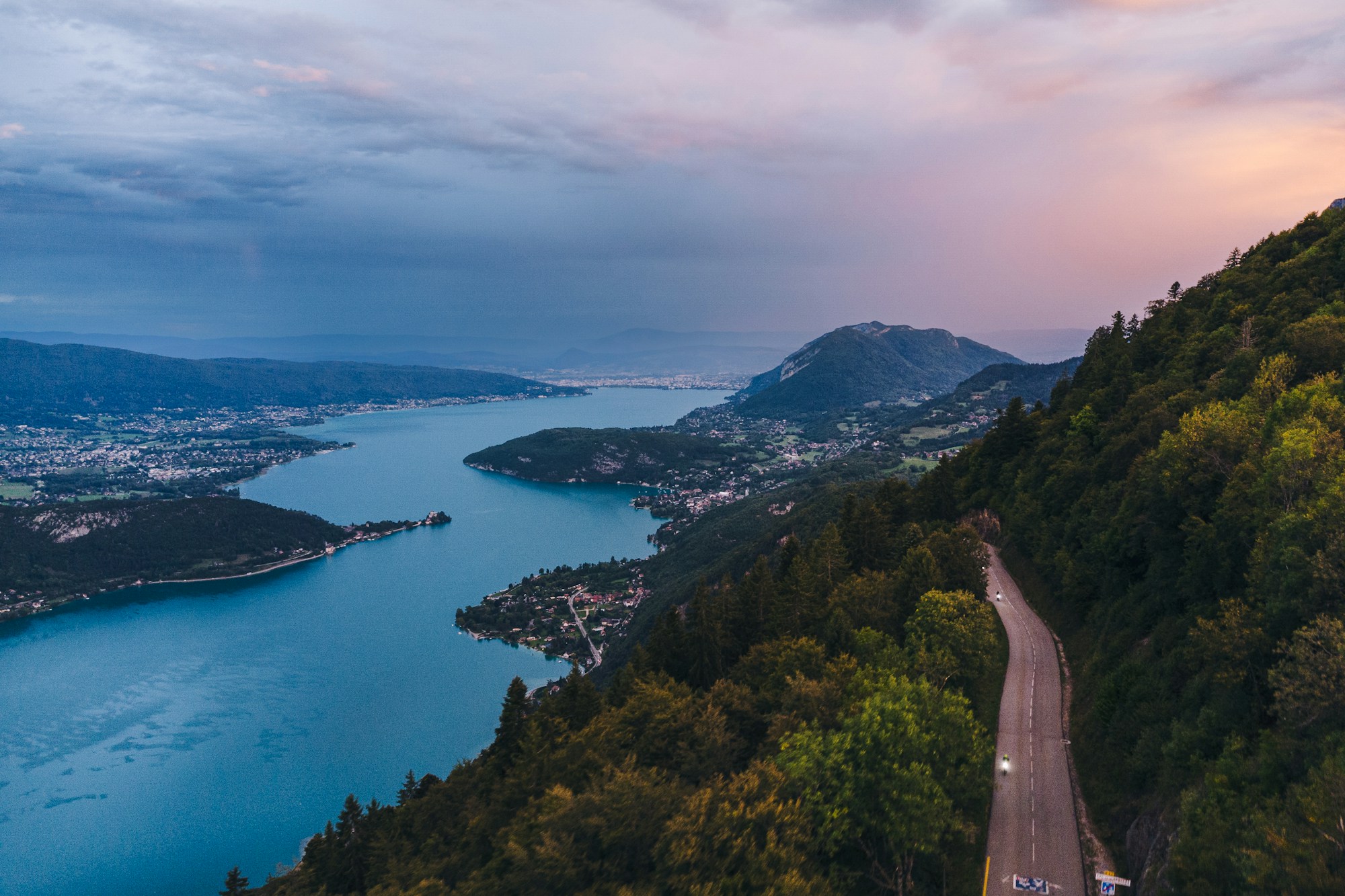
Queyras — the Sunshine Trek
With its 300 days of sunshine per year, Queyras is the sunniest massif in the French Alps — and yet one of the least crowded. The GR58 (Tour du Queyras) loops in 5 to 7 days through flowering alpine meadows, mountain passes above 2,700 m, and dry-stone villages. Unlike the overcrowded Tour du Mont Blanc, you’ll encounter more marmots than hikers here. According to Terdav, a guided 7-day hut-to-hut trek costs between €525 and €770 all-inclusive.
The jewel of Queyras is Saint-Véran — at 2,042 m altitude, the highest year-round inhabited village in Europe. Its fustes (log houses), sundials, and star-filled sky designated as a dark-sky preserve make it a place out of time. In winter, the Nordic ski area offers over 100 km of cross-country trails, far from the hustle of Alpine resorts. The budget for eco-lodging (gîte, refuge, camping) ranges around €60 to €90 per day.
Highlights
- GR58 less crowded than Tour du Mont Blanc, with exceptional sunshine
- Saint-Véran, highest inhabited village in Europe (2,042 m)
- Over 100 km of cross-country skiing and snowshoeing in winter
- Exceptional starry sky — low light pollution zone
3. Leukerbad / Loèche-les-Bains (Switzerland)
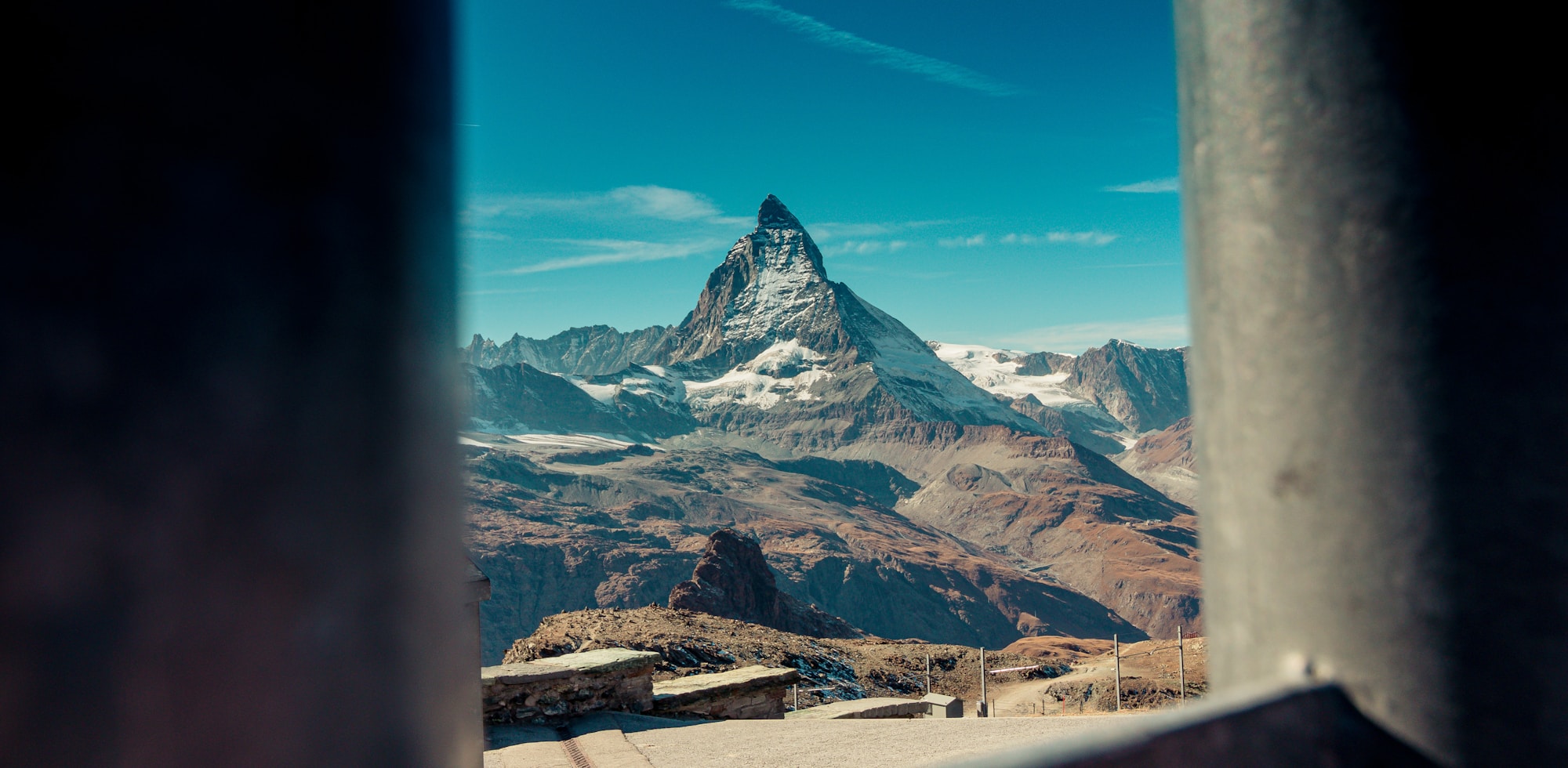
Leukerbad — Alpine thermal capital
Nestled at 1,411 m in Valais, Leukerbad is quite simply the largest thermal center in the Alps. Every day, 3.9 million liters of water naturally spring forth at temperatures up to 51 °C. The village has three major thermal complexes: Leukerbad Therme (family pools), Alpentherme (wellness and Roman-Irish baths), and Therme 51° (adults-only, premium atmosphere). A 3-hour pass at Alpentherme costs only 33 CHF, according to Valais Tourism.
But Leukerbad isn’t just about baths. The village is also the starting point for the thermal trail (Thermalquellen-Steg), a 6 km hike along steaming springs before reaching Gemmi Pass at 2,350 m. In winter, the Winter Card combines ski pass and thermal access at a preferential rate. Accommodation in 3-star hotels ranges between 100 and 200 CHF per night.
Highlights
- 3.9 million liters of thermal water per day — largest alpine thermal bath
- 3 thermal complexes with unique Roman-Irish baths
- 6 km thermal trail to Gemmi Pass (2,350 m)
- Winter Card combining skiing and thermal wellness
4. 7132 Therme Vals (Switzerland)
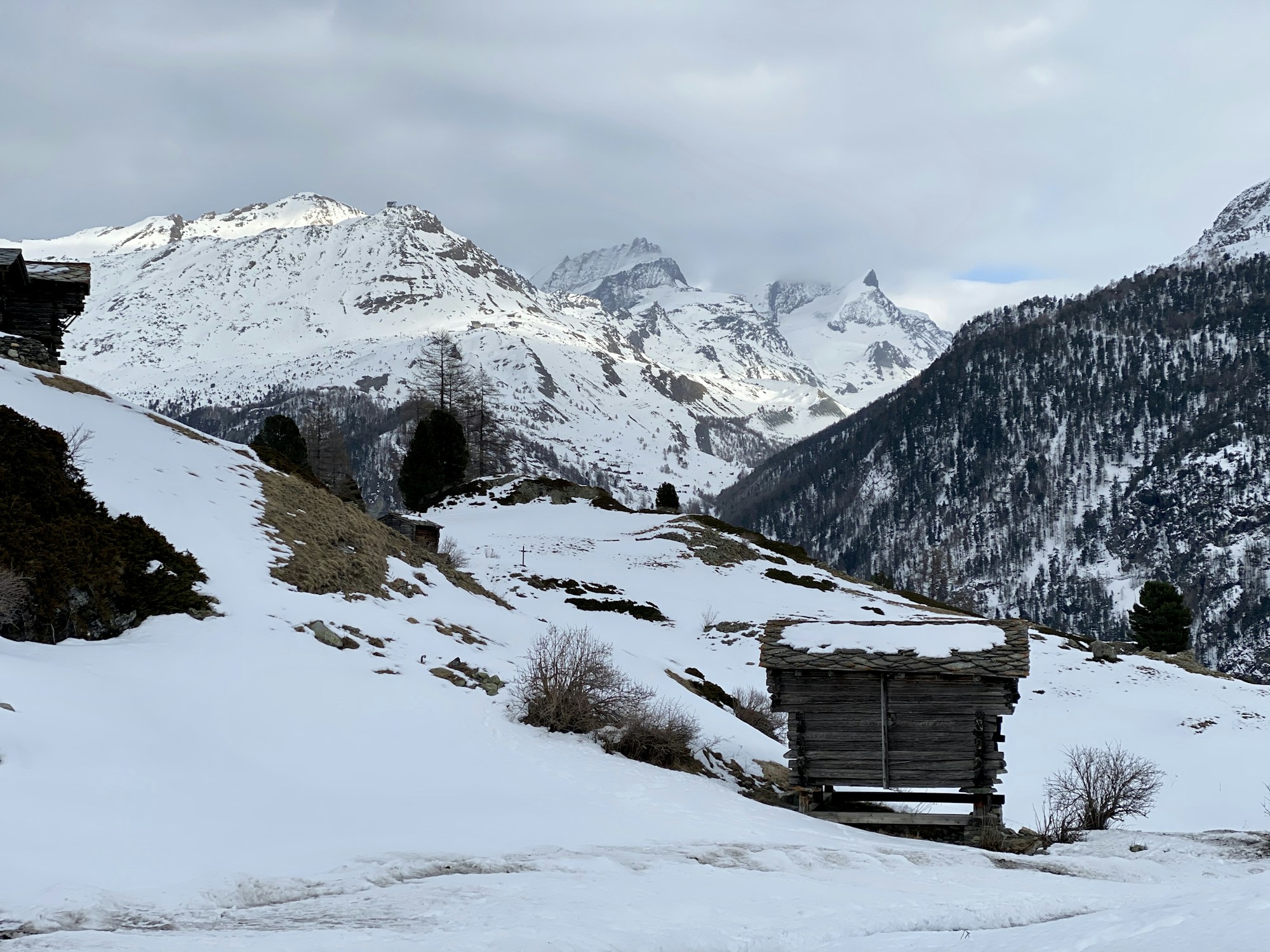
Vals — Peter Zumthor’s masterpiece
Designed by Swiss architect Peter Zumthor, the Therme Vals is a listed monument under heritage protection. The building is constructed with 60,000 quartzite slabs from the very mountain on which it rests — a unique mineral symbiosis in the world. The experience is conceived as a sensory journey: fire bath (42 °C), ice bath (14 °C), sound bath, flower bath. Capacity is deliberately limited, and photography is forbidden in the bathing areas to preserve the meditative atmosphere.
Entry to the spa costs between 70 and 85 CHF depending on timing. The 7132 Hotel, redesigned by renowned architects (Thom Mayne, Kengo Kuma, Tadao Ando), displays rates starting at 350 CHF per night. For a more accessible budget, alternative accommodations in Vals village offer nights between 120 and 180 CHF. Unexpected bonus: Vals’ small ski area offers day passes for only 39 CHF, a remarkable rate for Switzerland.
Highlights
- Monumental architecture by Peter Zumthor — heritage-protected
- 60,000 local quartzite slabs, unique sensory circuit
- Limited capacity and photo ban — total immersion
- Skiing at 39 CHF/day — one of Switzerland’s lowest rates
5. Ötztal & Aqua Dome (Austria)
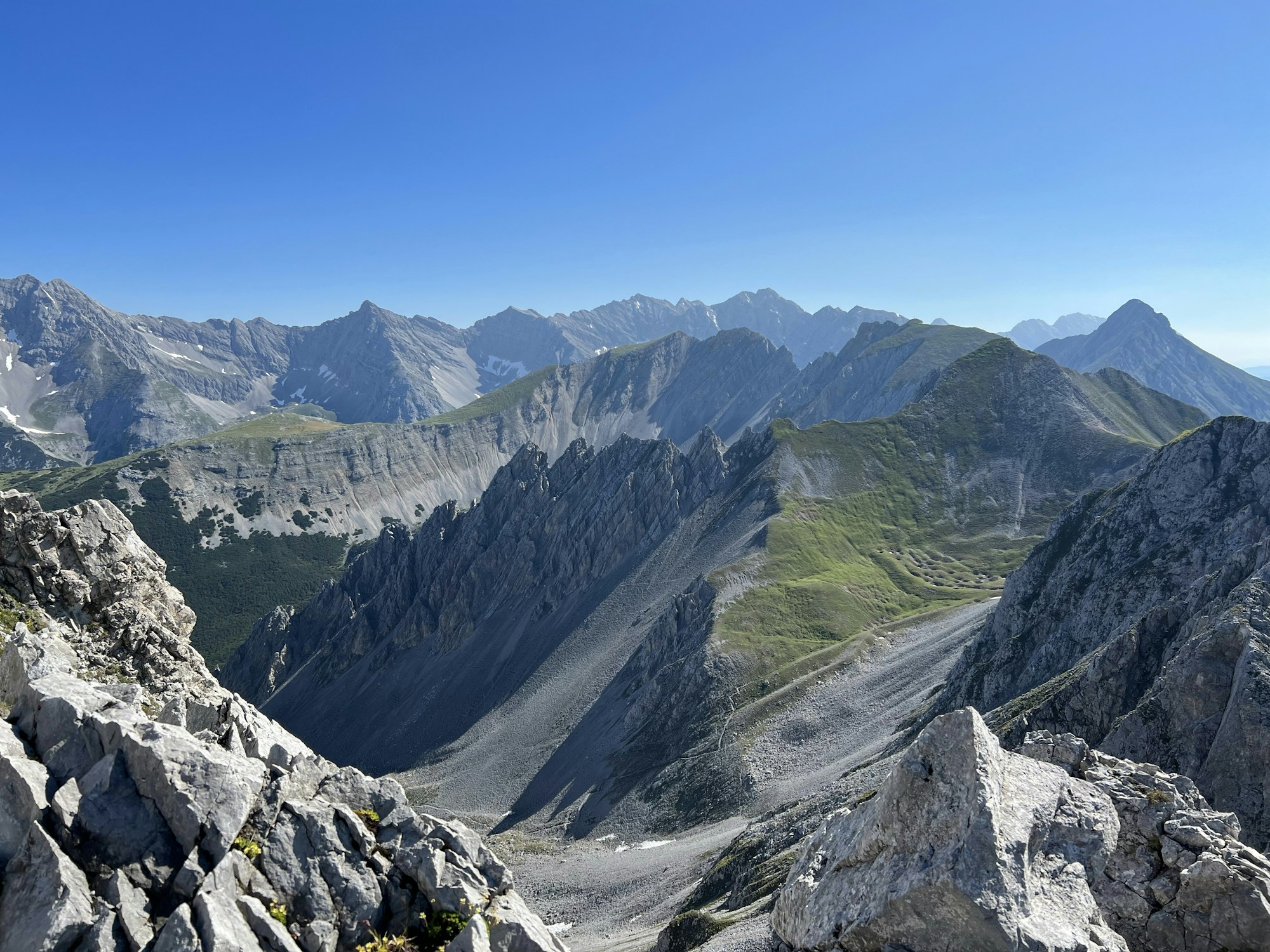
Ötztal — XXL nature and award-winning thermal wellness
The Ötztal Valley in the Austrian Tyrol is an alpine playground of 510 km² protected as a natural park. According to Austria Info, it’s one of the deepest and wildest valleys in the Eastern Alps, with 1,600 km of hiking trails and 860 km of cycling routes. The Stuibenfall, with its 159 m drop, is Tyrol’s highest waterfall — a hypnotic spectacle accessible via a suspended walkway. The Ötztal Summer Card, offered by most accommodations, grants free access to cable cars, buses, and pools.
Recovery happens at Aqua Dome in Längenfeld, voted « World’s Best Mineral & Hot Spring Spa » at the World Spa Awards. The complex features 12 indoor and outdoor pools, including the iconic shell-shaped basins suspended facing the peaks. A 3-hour session costs between €40 and €50. According to Nomad Epicureans, the architectural setting and quality of treatments make it one of the world’s most beautiful mountain spas.
Highlights
- 510 km² natural park — 1,600 km trails, 860 km mountain biking
- Aqua Dome voted world’s best mineral thermal spa
- Stuibenfall: 159 m waterfall with suspended walkway
- Ötztal Summer Card included (cable cars + buses + pools)
6. La Val — Secret Dolomites (Italy)
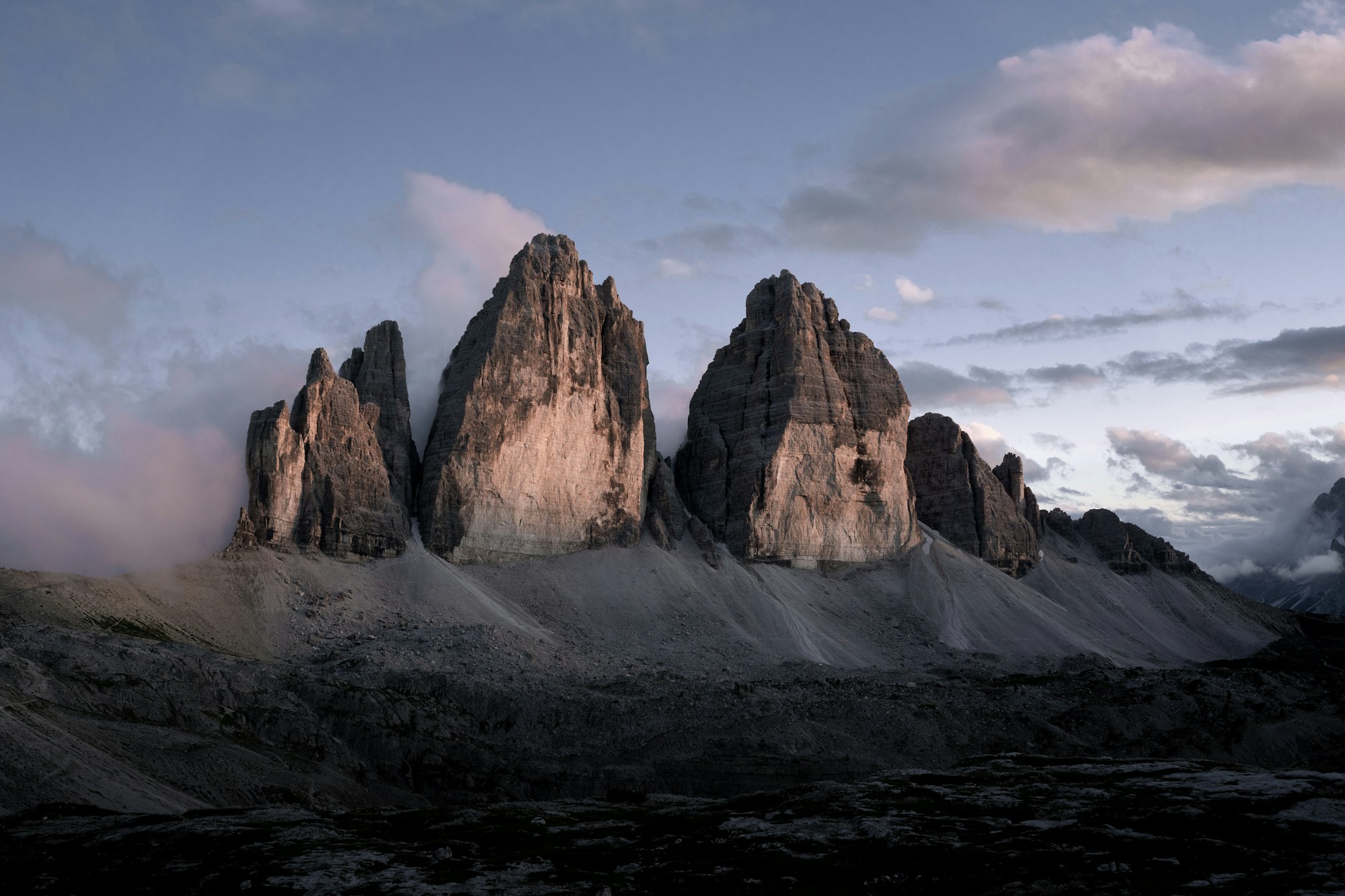
La Val — first European hiking village
While Cortina d’Ampezzo draws crowds for the 2026 Olympics, the small village of La Val (Wengen in German) remains a well-kept secret of Val Badia. According to Throne & Vine, it’s the first certified « European hiking village » — a demanding label guaranteeing marked trail networks, accommodations committed to heritage preservation, and French-speaking hospitality. The Ladin culture, a unique linguistic minority in the Dolomites, is expressed in the architecture of Viles (traditional hamlets with shingle roofs), gastronomy, and local festivals.
The hikes are surreally beautiful: the Armentara meadows, explosions of wildflowers in June, the Tre Cime di Lavaredo, and Lago di Sorapis with its supernatural turquoise. According to Machu Picchu, the Dolomites rank among the world’s most beautiful hiking trails. Agritourismo accommodation (converted farmhouses) costs between €60 and €100 per night, breakfast with farm products included. 3-star hotels range between €80 and €140.
Highlights
- First certified « European hiking village »
- Living Ladin culture — Viles, local gastronomy, crafts
- Armentara meadows, Tre Cime and turquoise Lago di Sorapis
- Authentic agritourismos (Lüch) with farm products
7. Berchtesgaden (Bavaria, Germany)
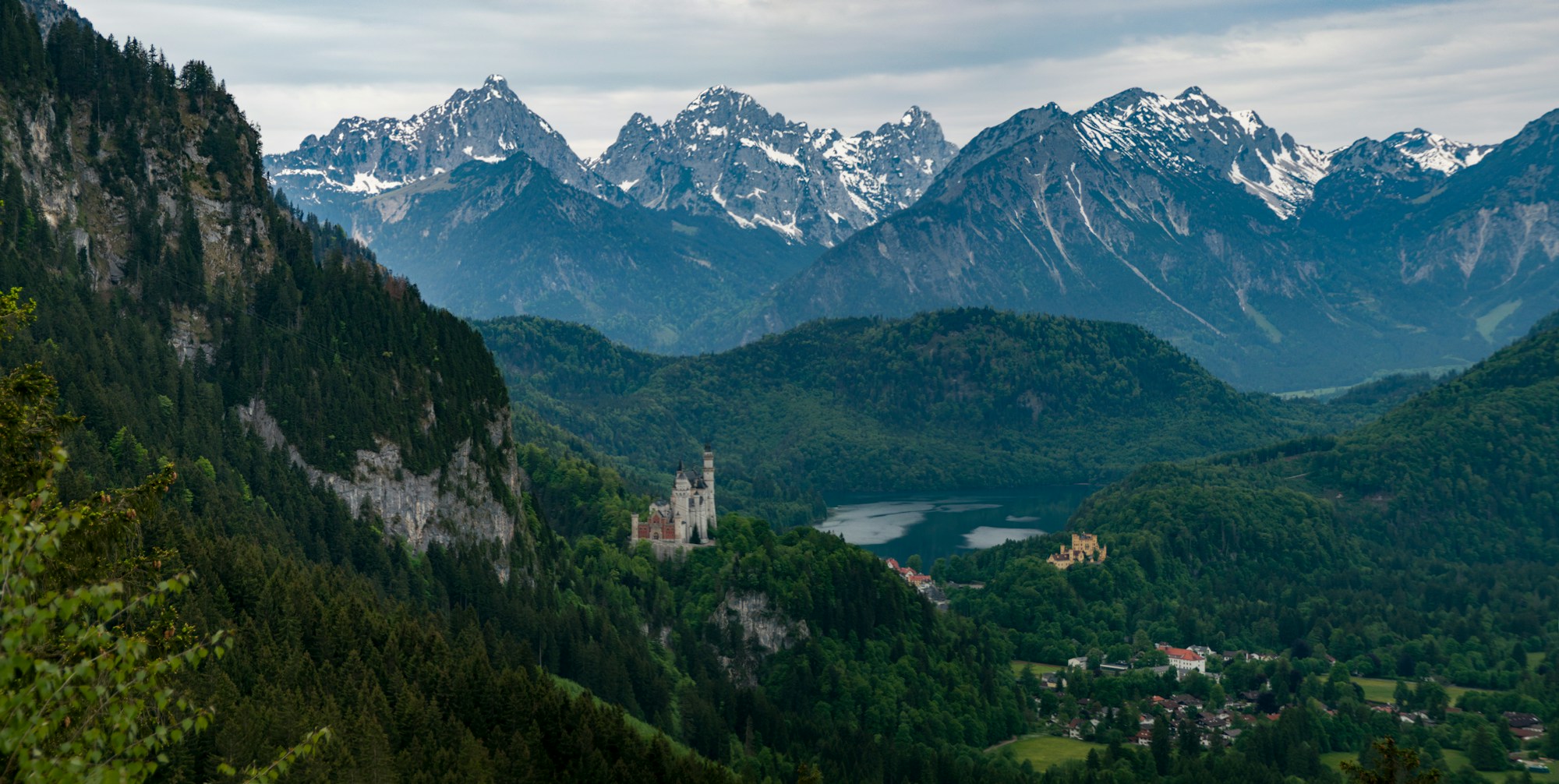
Berchtesgaden — Germany’s wildest alpine national park
Berchtesgaden National Park is Germany’s only alpine national park and a UNESCO listed site. Its jewel, Königssee, is a fjord-like lake with emerald waters framed by dizzying rock walls. A silent electric boat (approximately €20 round-trip) takes you to St. Bartholomä chapel, then to Salet dock where a 15-minute trail leads to Obersee — an even wilder lake, with no roads or dwellings.
Hikers will find exceptional terrain here. According to AllTrails, the park features 99 trails with an average rating of 4.4 stars out of 5. The Eiskapelle (ice chapel), a natural glacier cave accessible in 2 hours of walking, and the Malerweg (painters’ path) offer breathtaking perspectives. The Wimbachklamm gorge can be visited for only €2.50. According to Le Némo Qui Voyage, the daily budget (accommodation, meals, activities) ranges between €70 and €130 — significantly cheaper than neighboring Switzerland or Austria.
Highlights
- Germany’s only alpine national park, UNESCO listed
- Königssee and Obersee — fjord-like lakes with emerald waters
- 99 trails rated 4.4★ average on AllTrails
- 20-40% cheaper than Switzerland and Austria
8. Bregenzerwald (Vorarlberg, Austria)
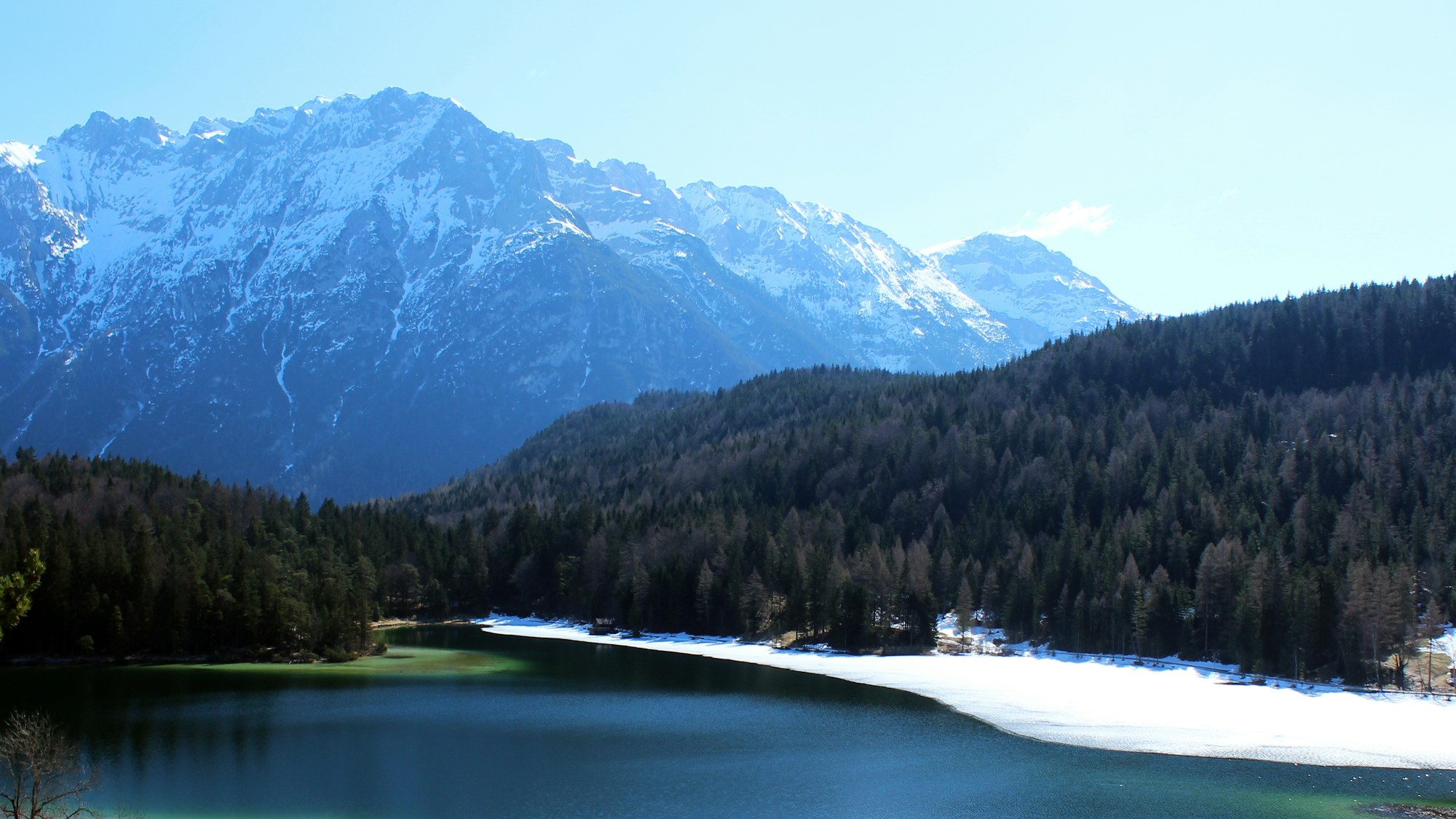
Bregenzerwald — wood architecture and sauna culture
Bregenzerwald in the Austrian Vorarlberg is a world apart. Here, contemporary wood architecture dialogues with tradition: each village boasts buildings designed by renowned architects, in absolute respect for local materials. This region is also the birthplace of a genuine alpine sauna culture. The Hotel Post Bezau and its bathhouse epitomize this: an outdoor saltwater pool at 36 °C surrounded by wooden walls, with views of alpine pastures and peaks. The thermal experience is complemented by sauna circuits, Kneipp baths, and panoramic relaxation rooms.
For hiking, the Damüls region offers trails for all levels through flowering meadows in summer, and one of the Alps’ snowiest domains in winter (day pass at €72.50). The Bregenzerwald Gäste-Card, offered by partner accommodations, grants free access to regional buses, cable cars, and local pools. The comfort budget (4-star wellness hotel, half-board, activities) ranges between €220 and €380 per day — an investment justified by the exceptional quality of services.
Highlights
- Award-winning contemporary wood architecture — tradition meets modernity
- Outdoor saltwater pool at 36 °C at Post Bezau bathhouse
- Damüls — one of the snowiest ski areas in the Alps
- Bregenzerwald Gäste-Card included (buses + lifts + pools)
Frequently Asked Questions about Alpine Escapes
What budget should I plan for a week of hiking in the Alps in 2026?
Budget between €500 and €1,400 per person for a week, depending on country and comfort level. Bavaria (Berchtesgaden) and the French Alps (Queyras, Clarée) are the most affordable: €60-100/day in gîte or refuge. Switzerland is the most expensive: 150-250 CHF/day minimum. Austria (Ötztal) offers excellent value between €80 and €130/day. Guest cards (Ötztal Summer Card, Bregenzerwald Gäste-Card) allow substantial savings on lifts and transport.
What’s the best time to combine hiking and alpine wellness?
September is the golden month. Summer crowds have left, temperatures remain mild (12-20 °C at altitude), autumn colors are beginning to appear, and thermal spas are less crowded. June is ideal for wildflowers (Armentara meadows in the Dolomites). In winter, January-March offers the best combination of snowshoeing/cross-country skiing and thermal wellness, especially in Leukerbad and Ötztal.
How can I avoid crowds in the Alps in summer?
Three strategies: start early (first boat at 8 AM on Königssee, 9 AM slots at thermal spas), choose alternative destinations (Queyras instead of Mont Blanc, La Val instead of Cortina, Clarée instead of Chamonix), and aim for June or September rather than July-August. Starting treks on Sunday also shifts your rhythm from organized groups.
Can you combine skiing and thermal wellness in the Alps?
Absolutely, it’s actually one of the great alpine advantages. Leukerbad offers a Winter Card combining ski pass and thermal access. Serre-Chevalier is 30 minutes from Grands Bains du Monêtier. Ötztal (Sölden) is 20 minutes from Aqua Dome. And Vals offers a local ski pass for only 39 CHF. The ideal is to ski in the morning and plunge into thermal baths in late afternoon for optimal muscle recovery.
Are the Bavarian Alps really cheaper?
Yes, 20 to 40% cheaper than Switzerland or Austria. In Berchtesgaden, comfortable accommodation costs €70-130/day versus 150-250 CHF in Switzerland. Wimbachklamm gorge costs only €2.50 and the Königssee boat around €20. Restaurants offer hearty dishes (Knödel, Schweinebraten) for €12-18. It’s the ideal destination for a first alpine trip on a controlled budget.
Which alpine wellness destinations without intensive hiking?
Three options perfectly suit pure wellness: Therme Vals (architecture, digital detox, sensory baths), Aqua Dome in Ötztal (12 pools, award-winning treatments, spectacular setting), and Brides-les-Bains in Savoie (spa treatment covered by insurance, gentle walks). Bregenzerwald also offers gentle walking routes combined with sauna and Kneipp, without significant elevation gain.
Is a multi-country tour in the Alps feasible?
Absolutely. A 2-week itinerary could follow this route: France (Clarée + Queyras, 4 days) → Italy (Dolomites / La Val, 3 days) → Austria (Ötztal + Bregenzerwald, 4 days) → Bavaria (Berchtesgaden, 2 days) → Switzerland (Leukerbad or Vals, 2 days). Trains and regional buses efficiently connect these regions. Plan for a rental car for isolated valleys (Clarée, Queyras, La Val).
What equipment to pack for hiking + alpine spa?
Essentials in 4 categories: hiking (high-top trekking shoes, telescopic poles, waterproof jacket, technical layers); spa (swimsuit, sandals, microfiber towel); protection (SPF 50+ sunscreen essential at altitude, category 3-4 sunglasses, hat); hydration (1 L insulated water bottle minimum). In winter, add gaiters and snowshoes if you’re not renting on-site.
Sources
- Expedia — Travel Trends 2026
- Hautes Vallées — Clarée Valley
- Les Grands Bains du Monêtier — Official website
- Splendia — Grands Bains du Monêtier
- Queyras — Official park website
- Terdav — Queyras treks
- Leukerbad — Official website
- Valais Tourism — Leukerbad thermal baths
- Loisirs.ch — Leukerbad Therme
- 7132 Therme Vals — Official website
- Austria Info — Ötztal
- Tyrol — Ötztal
- Nomad Epicureans — Ötztal Tyrol
- Throne & Vine — La Val Dolomites Hiking
- Moon Honey Travel — Lago di Sorapis
- Machu Picchu — Dolomites Hiking Trails
- Partir.com — Berchtesgaden
- AllTrails — Berchtesgaden National Park
- Le Némo Qui Voyage — Berchtesgaden Guide
- Hotel Post Bezau — Official website
- Damüls — Official website
Ready to plan your alpine escapes?
Create your custom mountain itinerary with Pixidia. Hiking, wellness, thermal spas: combine your favorite alpine destinations into a personalized journey, with accommodations, transport, and activities organized day by day.
Discover all our alpine itineraries