
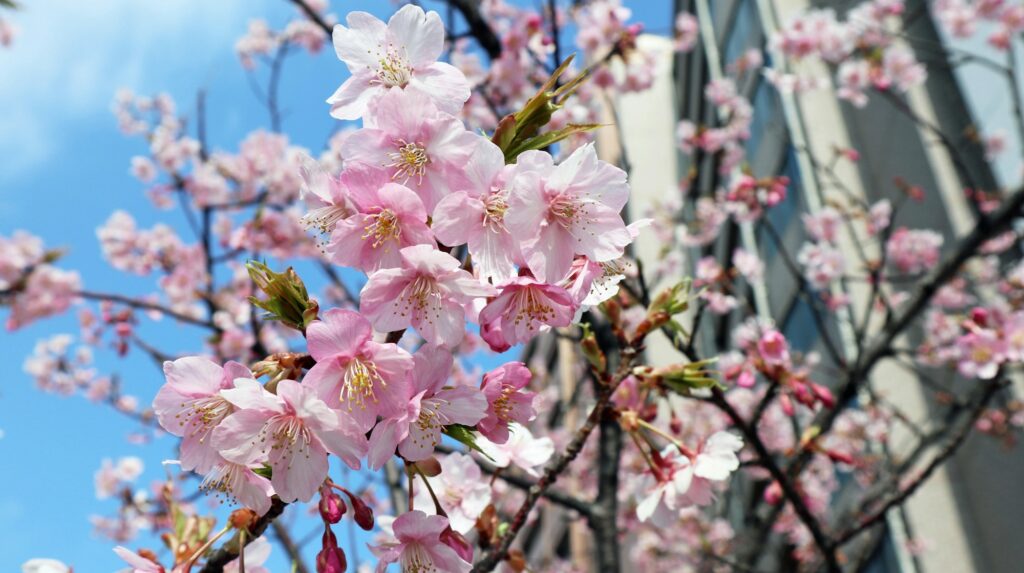
Japan in cherry blossoms: an ephemeral spectacle that lasts only seven days. In 2026, the Japan Meteorological Corporation released its first official forecasts on February 19 — and the news is excellent for sakura-seeking travelers: blooming should be slightly ahead of schedule, with Tokyo lighting up around March 21 and Kyoto around April 2. Here are the precise dates city by city, the most beautiful spots (including some you won’t find in any standard travel guide), and the 10-day itinerary to catch peak bloom in each destination.
1. Sakura Zensen 2026: the blooming front and official forecast dates
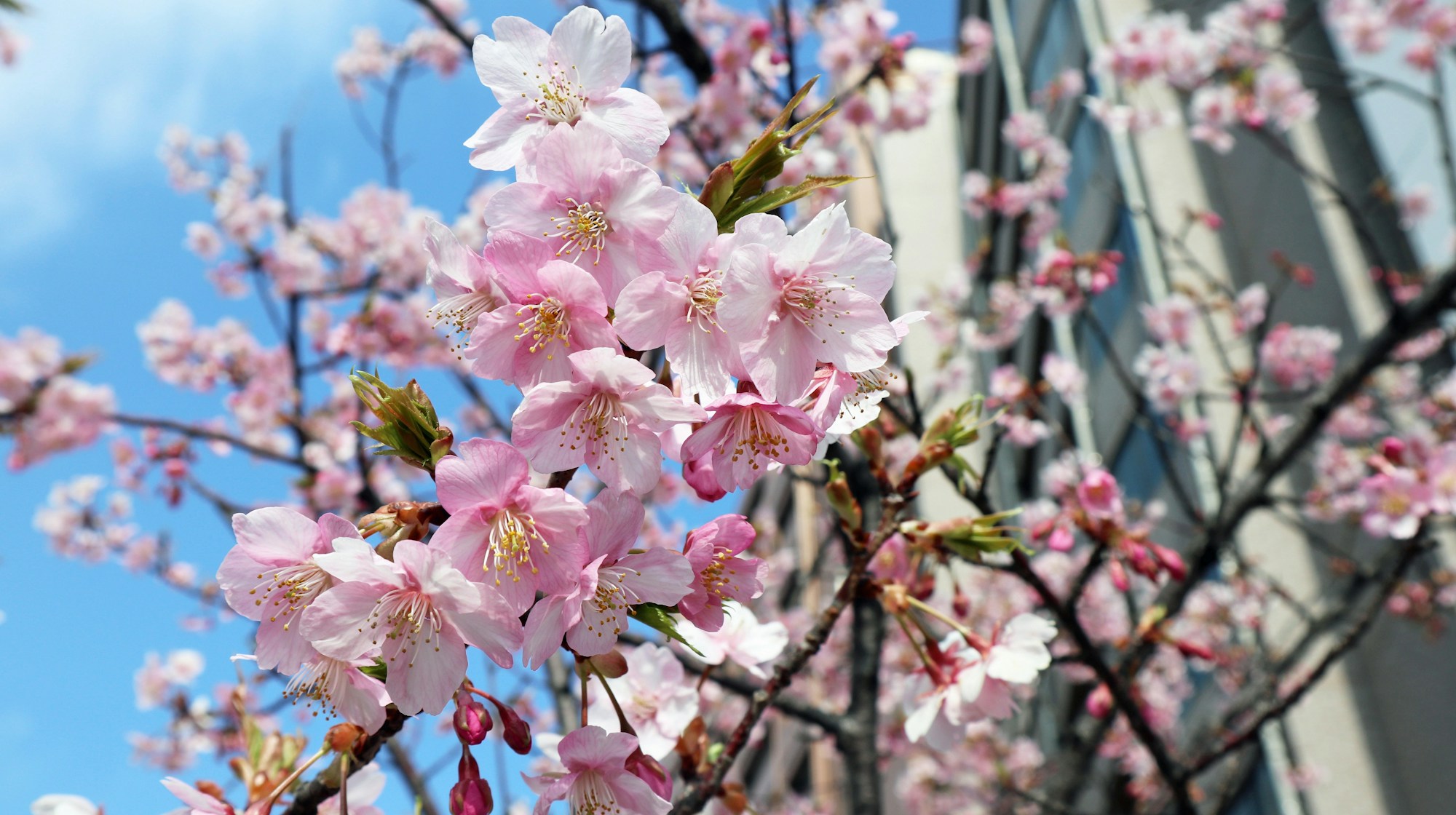
The sakura zensen: understanding the blooming front
The term sakura zensen refers to the blooming front that travels from south to north across Japan over several weeks. The blossoms don’t follow a precise calendar: they first open on the southern islands of Okinawa, then gradually move northward to Hokkaido, with differences of several weeks between south and north. According to Nihonkara, meteorological records show that cherry trees now bloom 4 to 5 days earlier than a century ago — a direct consequence of climate change.
The 5th official forecast from the Japan Meteorological Corporation (JMC), published on February 19, 2026, predicts blooming around or slightly ahead of average in western Japan, and earlier than average in eastern and northern Japan. According to Timeout Tokyo, the JMC now integrates artificial intelligence to refine its forecasts.
2026 calendar by city (JMC forecast of February 19, 2026)
| City | First blooms | Peak bloom (mankai) |
|---|---|---|
| Tokyo | ~March 21 | ~March 28 |
| Nagoya / Fukuoka | ~March 20 | ~March 28-30 |
| Osaka / Kyoto | ~March 25 | ~April 1-2 |
| Kanazawa | ~March 31 | ~April 6 |
| Sendai | ~April 5 | ~April 10 |
| Aomori / Hirosaki | ~April 19 | ~April 22 |
| Sapporo | ~April 26 | ~April 30 |
The ideal window to travel from March 29 to April 7 allows you to catch peak bloom (mankai) in Tokyo, Kyoto, and Osaka in a single trip. According to Japan Insider Secrets, this period is widely recognized as the best for multi-city itineraries.
2. Tokyo: Japan’s hanami capital, day and night
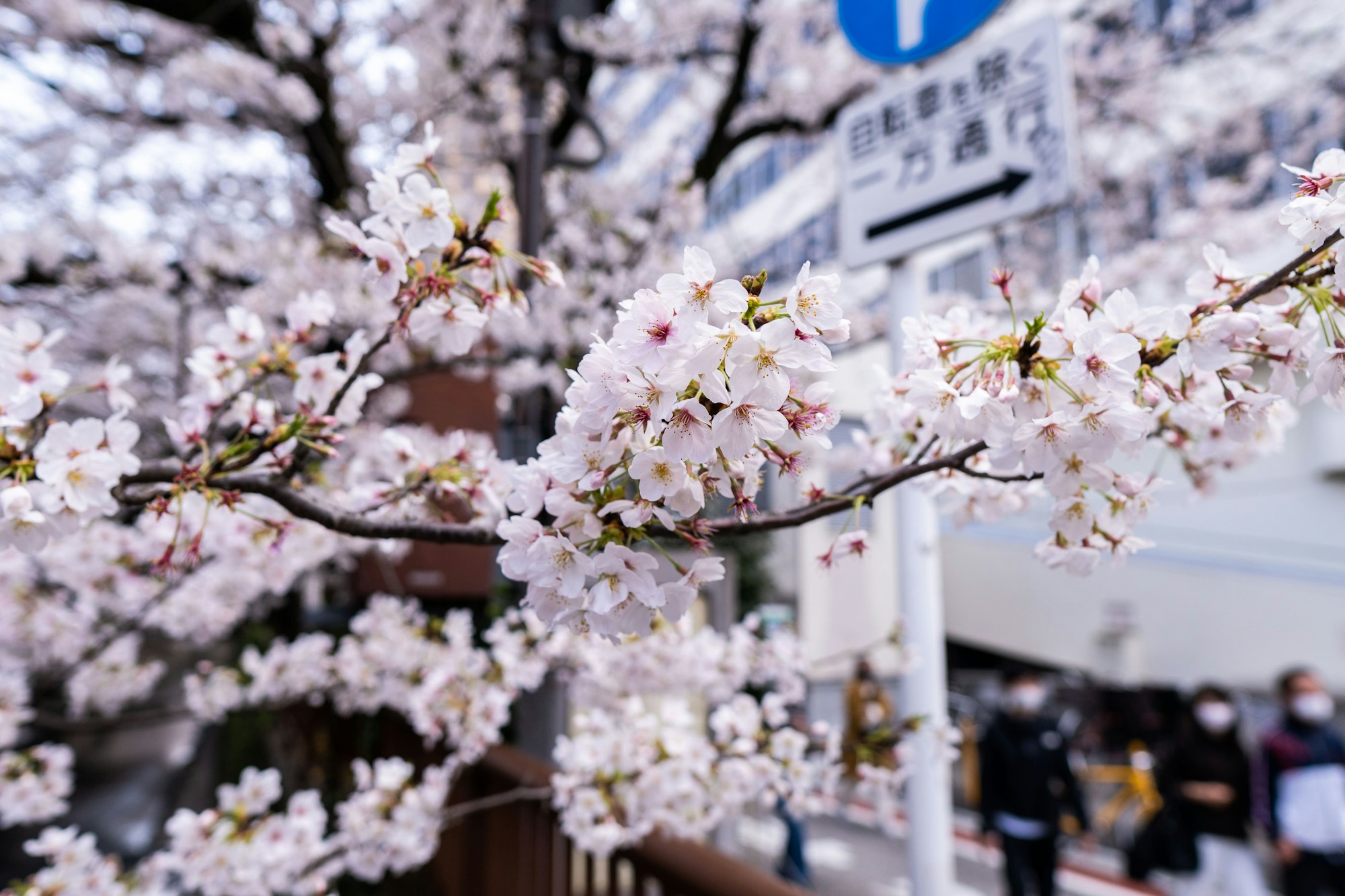
Meguro River, Ueno, Shinjuku Gyoen: three different hanami atmospheres in Tokyo
Tokyo has over 1,000 hanami spots, each with a distinct atmosphere. According to the official GO TOKYO guide, the 2026 season should begin around March 21, with peak bloom expected around March 28. From late March through early April, the city transforms as cherry blossom fever takes hold.
The Meguro River at Nakameguro lines nearly 800 cherry trees along both sides of the canal, forming a pink tunnel above the water. At night, lanterns and their reflections create a magical effect — this is yozakura (night cherry blossoms), a uniquely Tokyo tradition. Ueno Park, with its 1,000 cherry trees along the central promenade, offers a more festive atmosphere with food stalls and performances. Shinjuku Gyoen (¥500 entry) is ideal for a peaceful hanami in an English, French, and Japanese garden setting.
Tokyo’s five best hanami spots
- Nakameguro (Meguro River) — 800 trees, pink canal tunnel, evening lanterns
- Ueno Park — 1,000 cherry trees, festive atmosphere, yatai food stalls
- Shinjuku Gyoen — imperial garden, ¥500 entry, perfect for quiet picnics
- Yoyogi Park — free, family-friendly, relaxed atmosphere
- Sumida River — riverside cherry trees with Tokyo Skytree views
3. Chidorigafuchi: the royal cherry blossom tunnel with its iconic rowboats
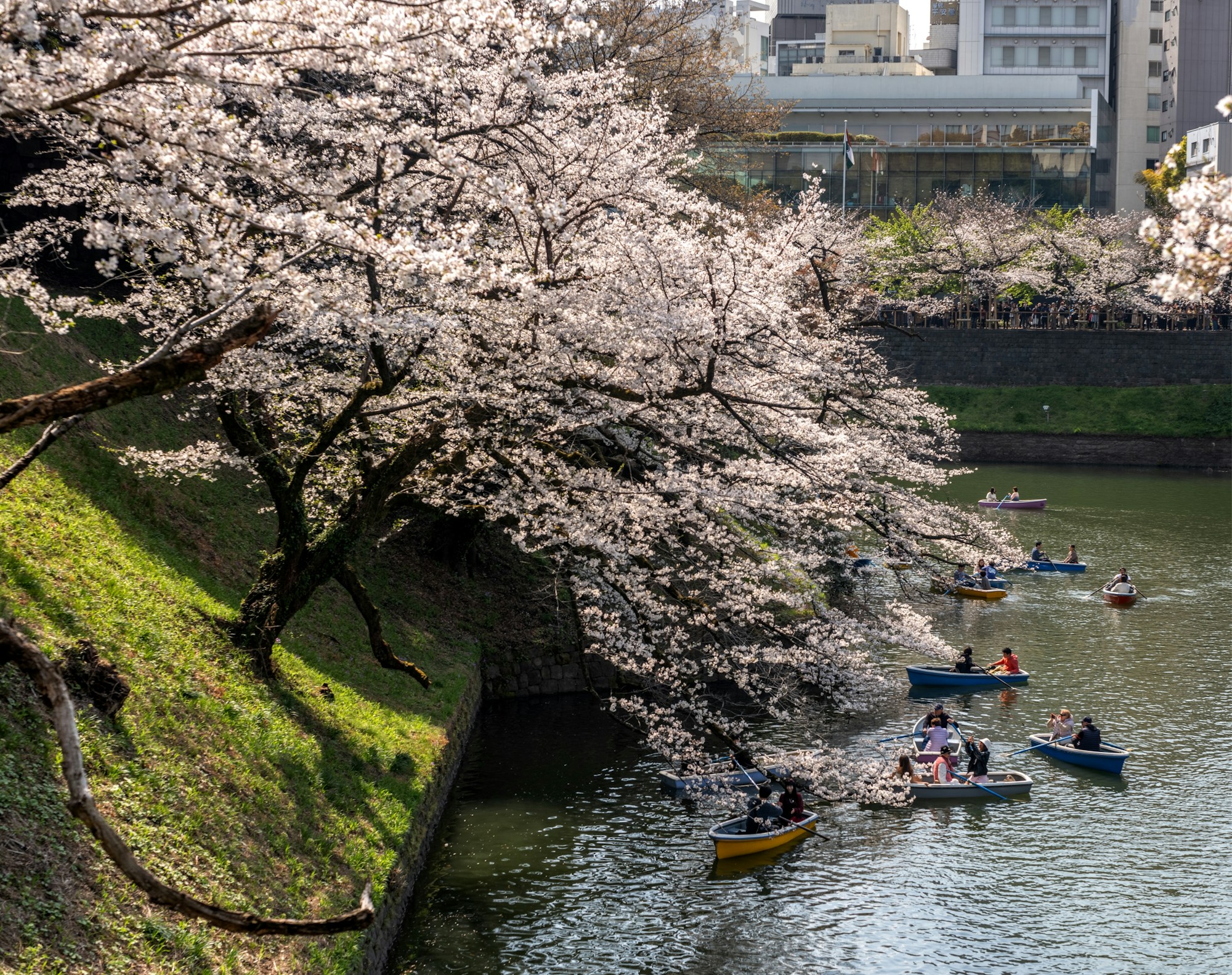
The Imperial Palace surrounded by cherry blossoms
Just north of the Imperial Palace, the Chidorigafuchi Green Way offers a 700-meter path that transforms into a spectacular cherry blossom tunnel in spring. According to the official Go Tokyo guide, it is one of the most photographed spots in the capital, where the palace moat becomes a pink mirror.
The site offers rowboat rentals on the moat — a unique way to admire the cherry blossoms from below. The overhanging trees create a floral dome unlike anything else in Tokyo. Night illuminations run until 10pm during the Chiyoda Sakura Festival. Unlike the noisy picnics at Ueno, Chidorigafuchi retains a quiet, contemplative atmosphere.
Practical information
- Access: Kudanshita metro (Tozai, Shinjuku, or Hanzomon lines) — 3 min walk
- Rowboats: ¥800/30 min — can queue 2+ hours on weekends
- Best time: 5:30–6:00pm for golden sunset reflections on the water
- Yozakura: illuminations until 10pm, magical atmosphere
4. Kyoto: the city of a thousand temples under pink petals
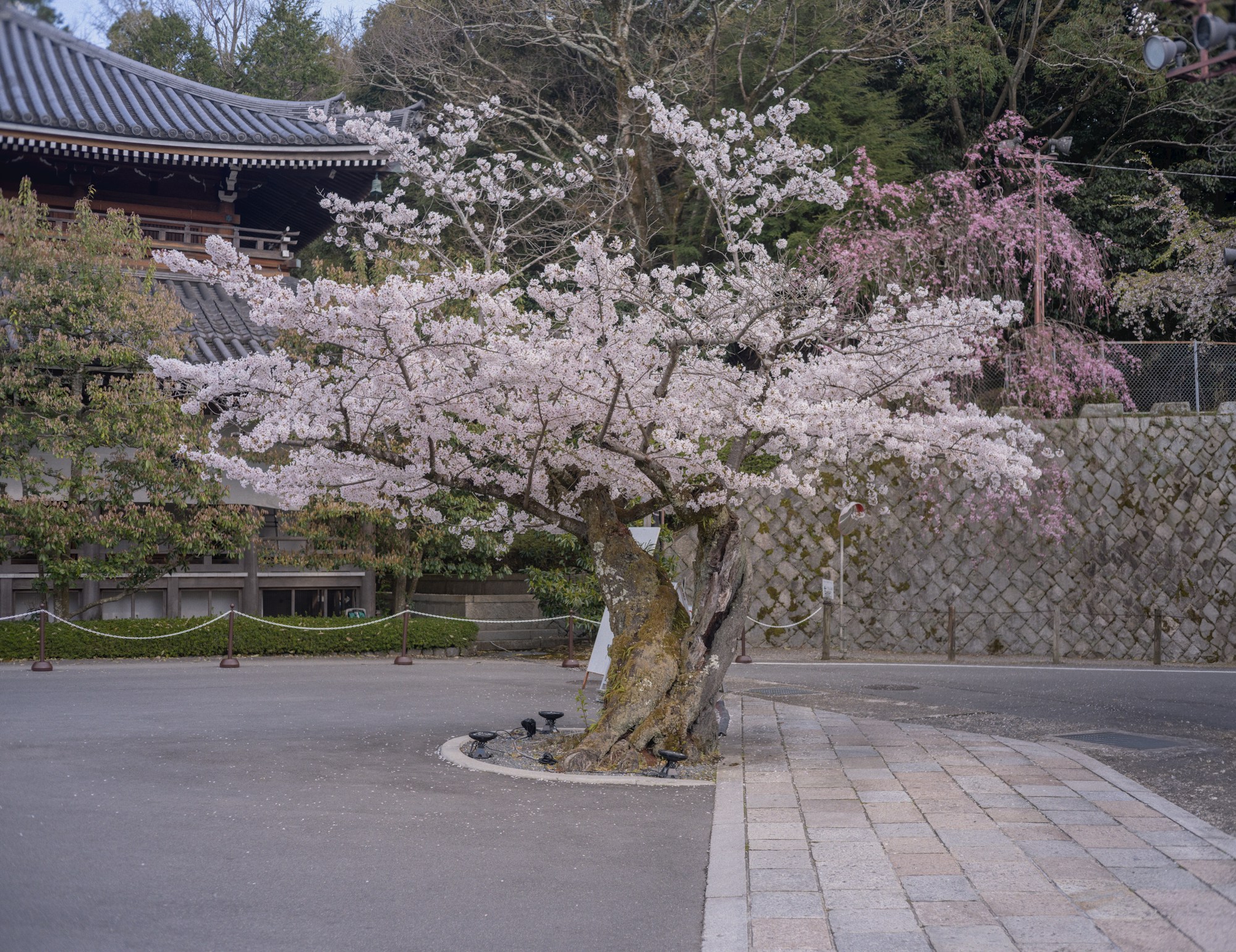
Philosopher’s Path, Kiyomizudera, Gion: the ancient capital in bloom
Kyoto should bloom from March 25, 2026, reaching peak bloom around April 2 — slightly ahead of normal. According to Japan Highlights, the ancient city offers Japan’s most breathtaking combination: ancient temples framed by cherry trees, 17th-century teahouses, and maiko crossing pink-tinged alleyways.
The Philosopher’s Path (Tetsugaku-no-michi) is a 2 km walk along a canal lined with cherry trees — one of Japan’s most romantic hanami spots. Start your day at Kiyomizudera before 8am to beat the crowds. In the afternoon, explore Maruyama Park, Kyoto’s most famous hanami park with its weeping cherry tree lit up at night. For the evening, head to Hirano Shrine for yozakura.
Must-see sakura spots in Kyoto
- Kiyomizudera — hillside temple, panoramic view of the blooming city (¥500)
- Philosopher’s Path — 2 km canal lined with cherry trees, peaceful and romantic
- Maruyama Park — free, century-old weeping cherry tree, evening picnics
- Arashiyama — cherry blossoms + bamboo grove, a few days offset from city center
- Gion — geisha district, cherry blossoms along historic alleyways
5. Osaka: hanami the culinary way along the Okawa River
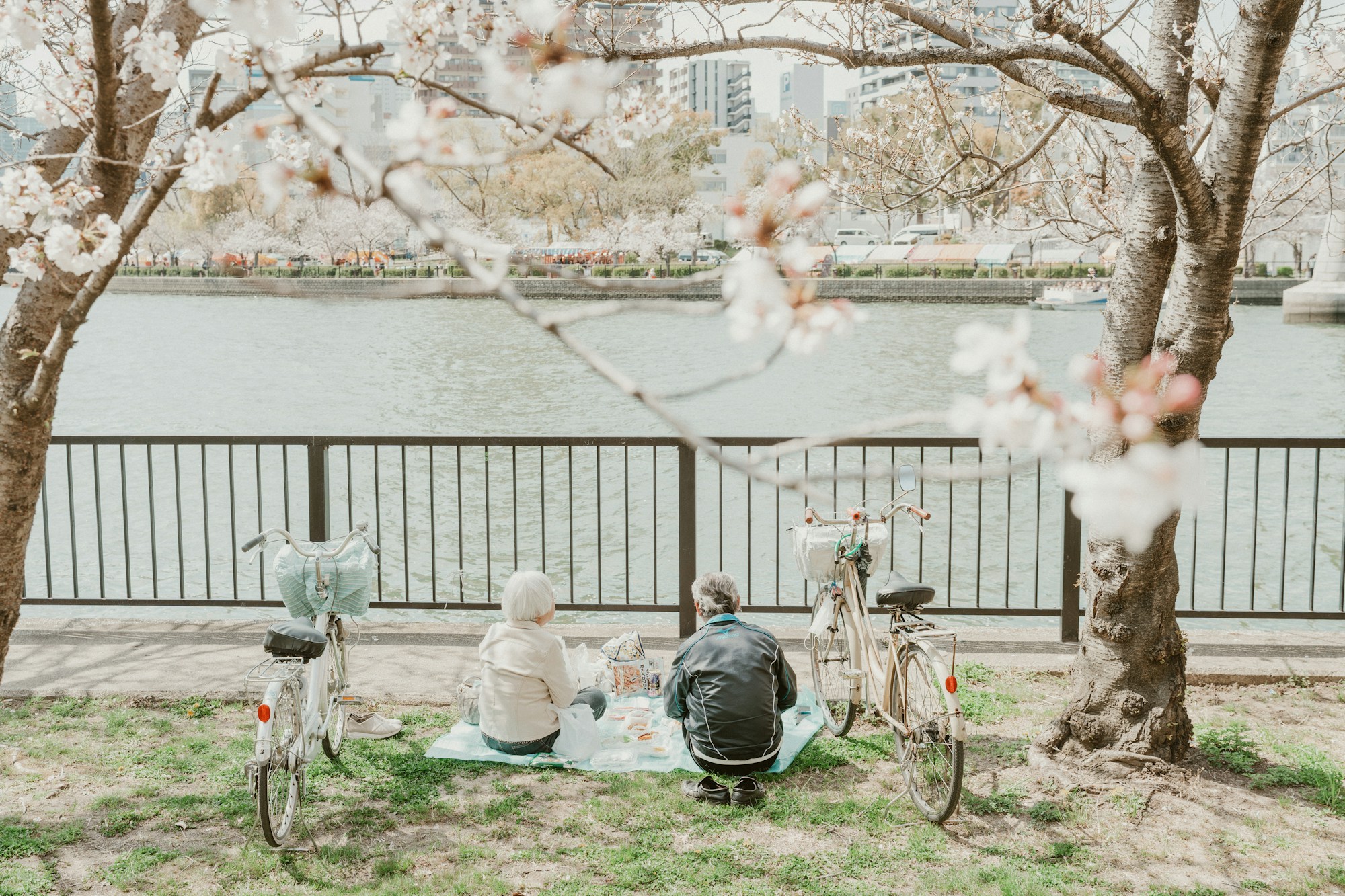
Castle, Okawa River and street food: hanami the Osaka way
Osaka should see its first buds appear around March 24, with peak bloom expected around March 31, 2026. According to TripToJapan, Japan’s culinary capital turns hanami into a food experience: picnics with cherry blossom-shaped wagashi, takoyaki under blooming trees, and river cruises along pink-tinged banks of the Okawa River.
Kema Sakuranomiya Park along the Okawa River lines several kilometers of cherry trees between two metro stations — a spot loved by Osaka locals but still little known to foreign travelers. Osaka Castle Park offers an iconic scene: the golden fortress framed by cherry blossoms. According to Klook, the cherry blossom tunnels at Yodogawa Kasen Park create a unique canopy of delicate petals.
Perfect hanami day in Osaka
- Morning: Osaka Castle Park (castle museum ¥600, park free)
- Noon: Picnic at Kema Sakuranomiya Park along the Okawa River
- Afternoon: Cruise on the Okawa River (view cherry blossoms from the water)
- Evening: Street food at Dotonbori — takoyaki, ramen, okonomiyaki
6. Nara: sacred deer roam freely under the cherry blossoms
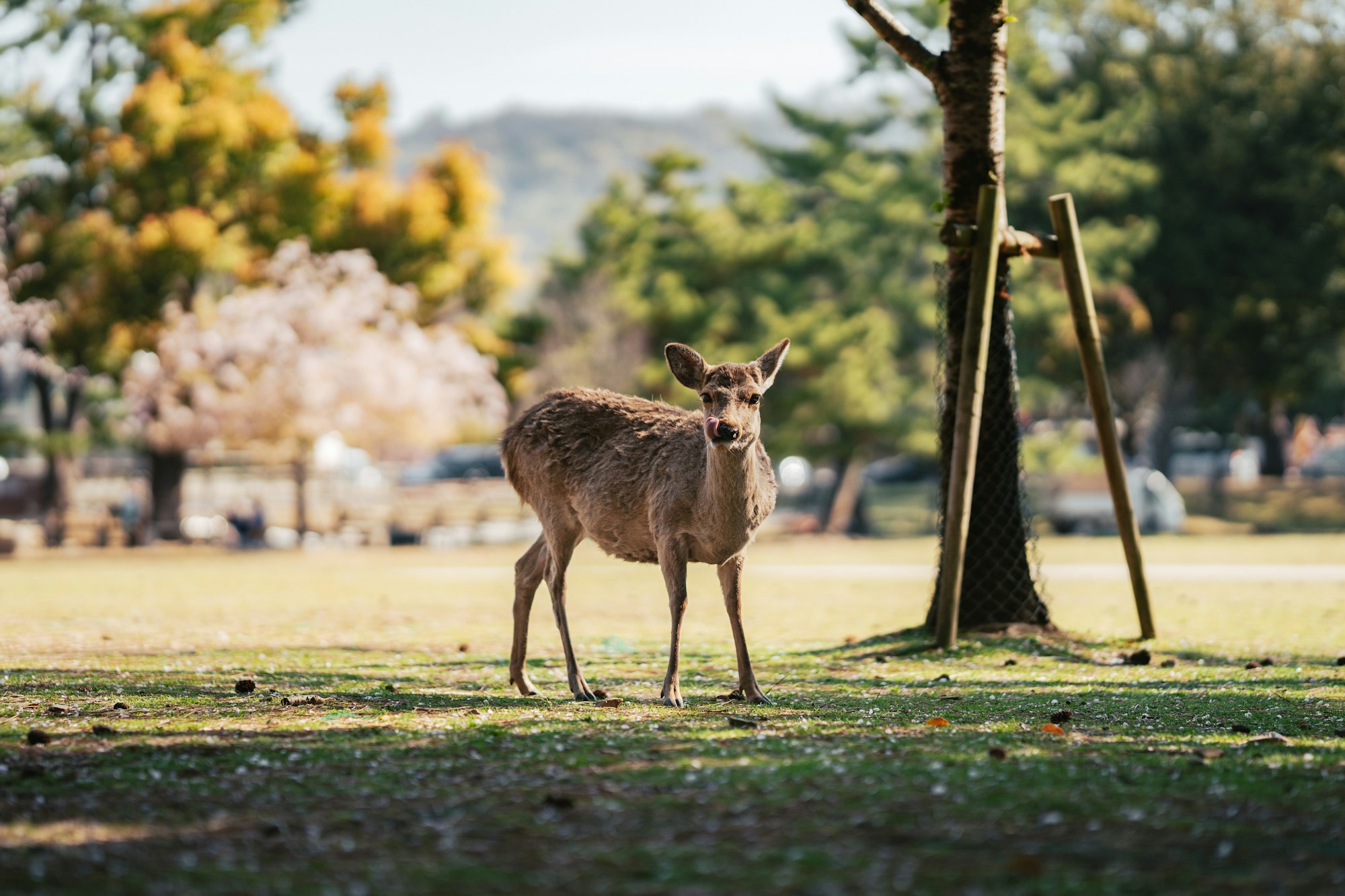
Nara Park: 1,200 sacred deer and thousand-year-old cherry trees
Nara Park offers a surreal spectacle in early April: more than 1,200 semi-wild deer roam freely under cherry trees in full bloom, with the Great Bronze Buddha (Todai-ji) in the background. According to Japan Highlights, some deer come right up to you and bow to receive their traditional shika senbei deer crackers (¥200 per packet).
Nara’s deer have been considered divine messengers of Kasuga Taisha shrine since the 8th century. This unique combination — sacred animals, cherry blossoms, and millennial Buddhist and Shinto architecture — cannot be found anywhere else in the world. Blooming in Nara is slightly later than in Osaka, making it a perfect early-April excursion.
Recommended Nara itinerary
- Early morning: Hike to Kasuga Taisha through ancient forest — moss-covered stone lanterns, perfect silence
- Morning: Todai-ji (Great Buddha, ¥600) and its cherry blossom garden
- Afternoon: Picnic in the park surrounded by deer, shika senbei crackers (¥200)
- Return: Train to Kyoto (45 min) or Osaka (50 min)
7. The perfect 10-day itinerary: Tokyo → Kanazawa → Kyoto → Nara → Osaka
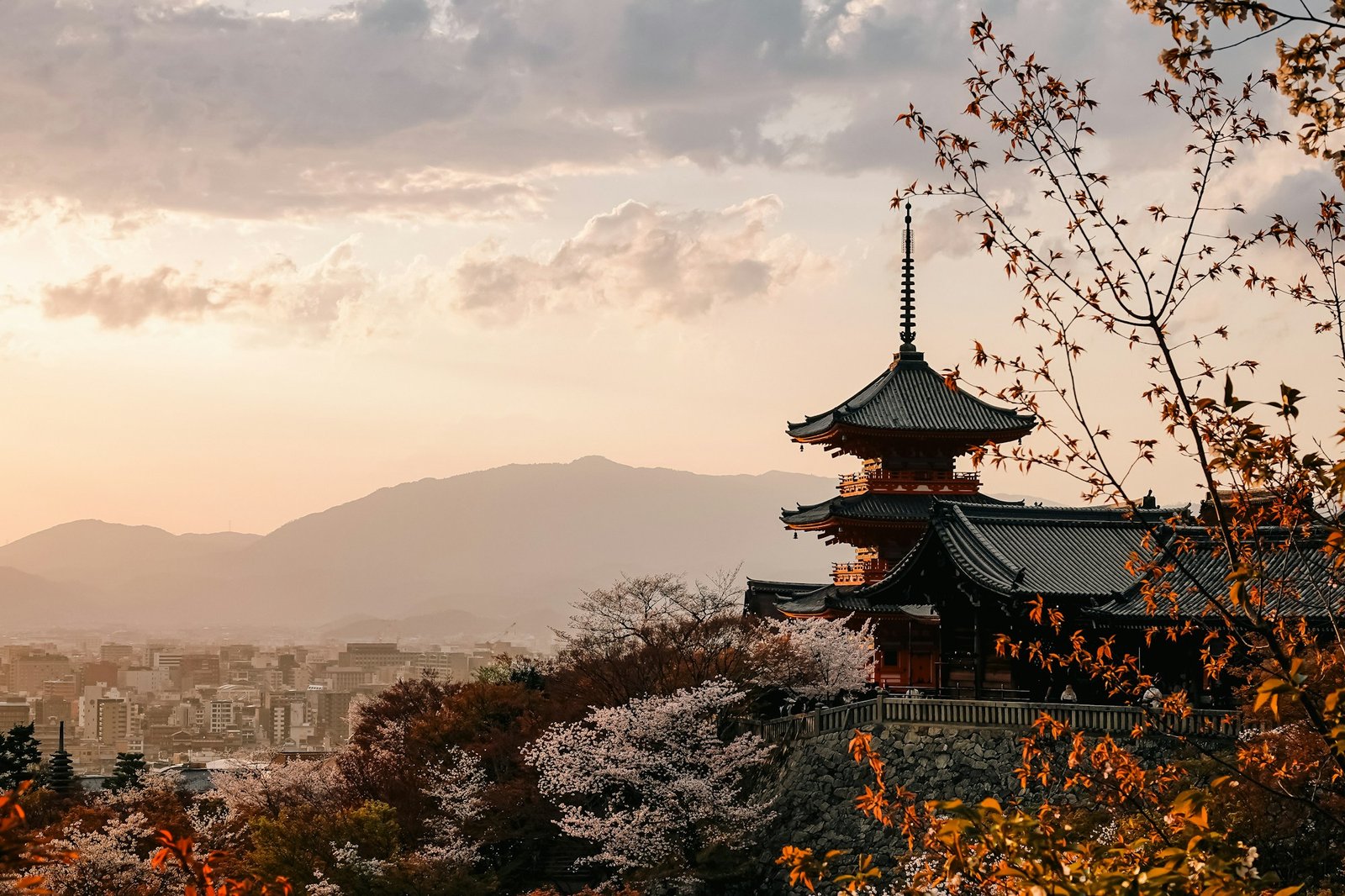
The perfect circuit to follow the sakura front from March 21 to April 7
The ideal window to catch peak bloom in Tokyo, Kyoto, and Osaka in a single trip is March 29 to April 7, 2026. By arriving as early as March 21, you catch the first blossoms in Tokyo and can follow the sakura front westward, city by city. According to Revigorate, a well-rounded itinerary combines Tokyo’s parks, Kyoto’s temples, and a detour to a less-touristy destination like Kanazawa.
Days 1–3: Tokyo (first blossoms)
- Day 1: Arrive at Narita/Haneda. Evening: stroll along Meguro River (first blossoms)
- Day 2: Morning hanami at Shinjuku Gyoen (8am). Afternoon: Ueno Park. Evening: yozakura at Nakameguro
- Day 3: Chidorigafuchi (rowboats + green path). Afternoon: Harajuku/Yoyogi. Evening: Asakusa + Sumida River
Day 4: Hakone excursion (hot springs + Mt. Fuji view)
- Hakone by Romancecar from Shinjuku (1h30). First cherry blossoms around March 28–30. Ryokan with outdoor bath.
Days 5–6: Kanazawa (the Kyoto without crowds)
- Day 5: Hokuriku Shinkansen (2h30 from Tokyo). Kenroku-en garden (¥320) + Higashi Chaya district
- Day 6: Kanazawa Castle (cherry trees in the moat). Omicho Market. Kaiseki dinner
Days 7–8: Kyoto (peak bloom ~April 2)
- Day 7: Kiyomizudera (8am). Philosopher’s Path. Gion lunch. Nijo Castle
- Day 8: Arashiyama (Tenryu-ji + bamboo grove). Afternoon: Fushimi Inari. Evening: Hirano Shrine (yozakura)
Day 9: Nara excursion (deer + cherry blossoms)
- From Kyoto (45 min). Todai-ji + Deer Park + Kasuga Taisha. Night in Kyoto or Osaka
Day 10: Osaka + departure
- Morning: hanami at Osaka Castle Park. Street food at Dotonbori. Departure from Kansai International Airport
Estimated budget for 10 days (flights not included)
| Item | Budget | Comfort |
|---|---|---|
| Accommodation (10 nights) | ¥80,000 (€530) | ¥180,000 (€1,200) |
| JR Pass 14 days | ¥50,000 (€335) | ¥50,000 (€335) |
| Meals (10 days) | ¥50,000 (€335) | ¥120,000 (€800) |
| Entries & activities | ¥15,000 (€100) | ¥35,000 (€235) |
| Total (excl. flights) | ~€1,300 | ~€2,600 |
| Return flights (Europe–Tokyo) | €600–900 | €900–1,500 |
Frequently asked questions about Sakura 2026
When exactly do cherry blossoms bloom in Tokyo in 2026?
According to the 5th official forecast from the Japan Meteorological Corporation (JMC), published on February 19, 2026, the first blooms in Tokyo are expected around March 21, 2026, with peak bloom (mankai) around March 28, 2026. These forecasts are based on expected temperatures and historical data, but the exact date can vary by a few days depending on the weather. Source: Timeout Tokyo.
How long does peak cherry blossom bloom (mankai) last?
From first bud to falling petals, the full cycle takes about two weeks per city. However, mankai (peak bloom) only lasts 5 to 7 days in stable weather conditions. Strong winds, rain, or sudden temperature changes can reduce this window to 2 or 3 days. Plan with some flexibility and consult the Sakura Navi app for real-time tracking. Source: TripToJapan.
What is the best period for a sakura trip combining Tokyo, Kyoto, and Osaka?
The ideal window to catch peak bloom in all three cities is March 29 to April 7, 2026. Tokyo is at peak bloom around March 28, Osaka around March 31, and Kyoto around April 2. Arriving in late March, you can follow the sakura front westward. For a 10-day trip, the itinerary Tokyo (3 days) → Kanazawa (2 days) → Kyoto (2 days) → Nara (1 day) → Osaka (1 day) is optimal. Source: Japan Insider Secrets.
How can I track blooming forecasts in real time?
Download the Sakura Navi app — it allows you to check bloom progress by location using a « Flowering Meter » and sends alerts when you are near a spot in bloom. The website japan-guide.com/sakura also publishes regular field reports with recent photos. The JMC releases updated forecasts every 7 to 10 days. Source: The Points Guy.
Is the JR Pass worth it for a 10-day sakura itinerary?
For the Tokyo → Kanazawa → Kyoto → Osaka route, the 14-day JR Pass (about ¥50,000, or €335) is generally worthwhile. It covers the Hokuriku Shinkansen (Tokyo–Kanazawa), the Tokaido and Sanyo Shinkansen (Kyoto/Osaka), and connections to Nara and Hakone. Buy it before leaving home — it is only available through authorized agencies outside Japan. Source: Simbye.
How can I avoid crowds at the most famous cherry blossom spots?
Several strategies work well: 1. Arrive early — before 8am, most parks are nearly empty (Shinjuku Gyoen was almost deserted at 8:30am in 2025). 2. Avoid weekends at the most visited spots (Nakameguro, Ueno, Maruyama Park in Kyoto). 3. Choose alternative spots like Kinuta Park in Setagaya (Tokyo) or Kema Sakuranomiya Park in Osaka. 4. Visit less-touristy cities like Kanazawa or Hirosaki for an authentic sakura experience with far fewer crowds. Source: Revigorate.
What exactly is hanami?
Hanami (花見, literally « flower viewing ») is the Japanese tradition of admiring cherry blossoms in bloom, generally with a picnic under the trees with friends, family, or colleagues. This custom dates back to the Nara period (8th century), when the imperial court organized celebrations under plum trees, then cherry trees. Today, hanami ranges from a quiet contemplative walk to a festive picnic with blue tarps, drinks, and street food, day or night (yozakura). Source: Assist Me Japan.
What weather should I expect and what should I pack for cherry blossom season?
Spring temperatures typically range between 7°C and 21°C (45–70°F) in March and April in Japan. A layering system works best: a light jacket for the morning, a sweater or light shirt for the afternoon. Evenings can be cool, especially for yozakura. Always bring a compact foldable raincoat — a shower can cause petals to fall within hours, ending the bloom prematurely. Comfortable walking shoes are essential: you’ll be walking 15 to 20 km a day. Source: Japan Deluxe Tours.
Sources
- Timeout Tokyo — 5th JMC official forecast, February 19, 2026
- Japan Meteorological Corporation (JMC) — Official sakura 2026 forecasts
- Nippon.com — 2026 bloom forecast map
- GO TOKYO (official site) — Tokyo hanami guide 2026
- Japan Insider Secrets — Bloom dates by region 2026
- Japan Highlights — Kyoto and Nara sakura guide
- Revigorate — Japan cherry blossom season guide
- Assist Me Japan — Sakura 2026 blooming guide
- TripToJapan — 2026 sakura season forecast
- Simbye — Japan 2026 travel budget
- The Points Guy — Sakura Navi app and forecasts
Research conducted on February 20, 2026
Ready to experience your first hanami in Japan?
The 2026 cherry blossom season is shaping up to be exceptional, with blooming expected slightly earlier than usual. Discover Pixidia itineraries created by travelers who have experienced hanami from the inside — from Tokyo under evening lanterns to the deer of Nara beneath falling petals.
Explore all Japan itineraries