
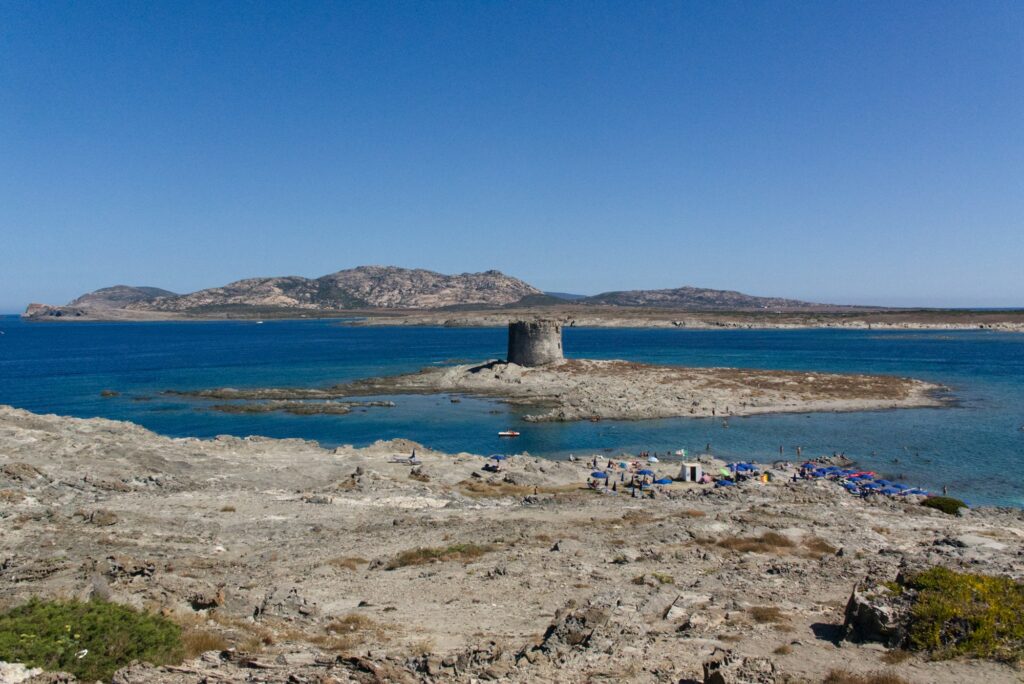
Sardinia in 2026 is the island that will reconcile you with the very idea of a perfect holiday. With 1,849 km of wild coastline, vertiginous limestone mountains and villages where time seems to stand still, it’s far more than a luxury beach destination reserved for Costa Smeralda superyachts. And great news: the Transavia Paris-Alghero route announced for 18 April 2026, from just €39 (opening not confirmed) makes the island more accessible than ever from mainland Europe. This guide takes you to the wildest beaches, most spectacular trails and most authentic villages in the Mediterranean.
1. Cala Goloritzé and the Gulf of Orosei: the beach in the national park
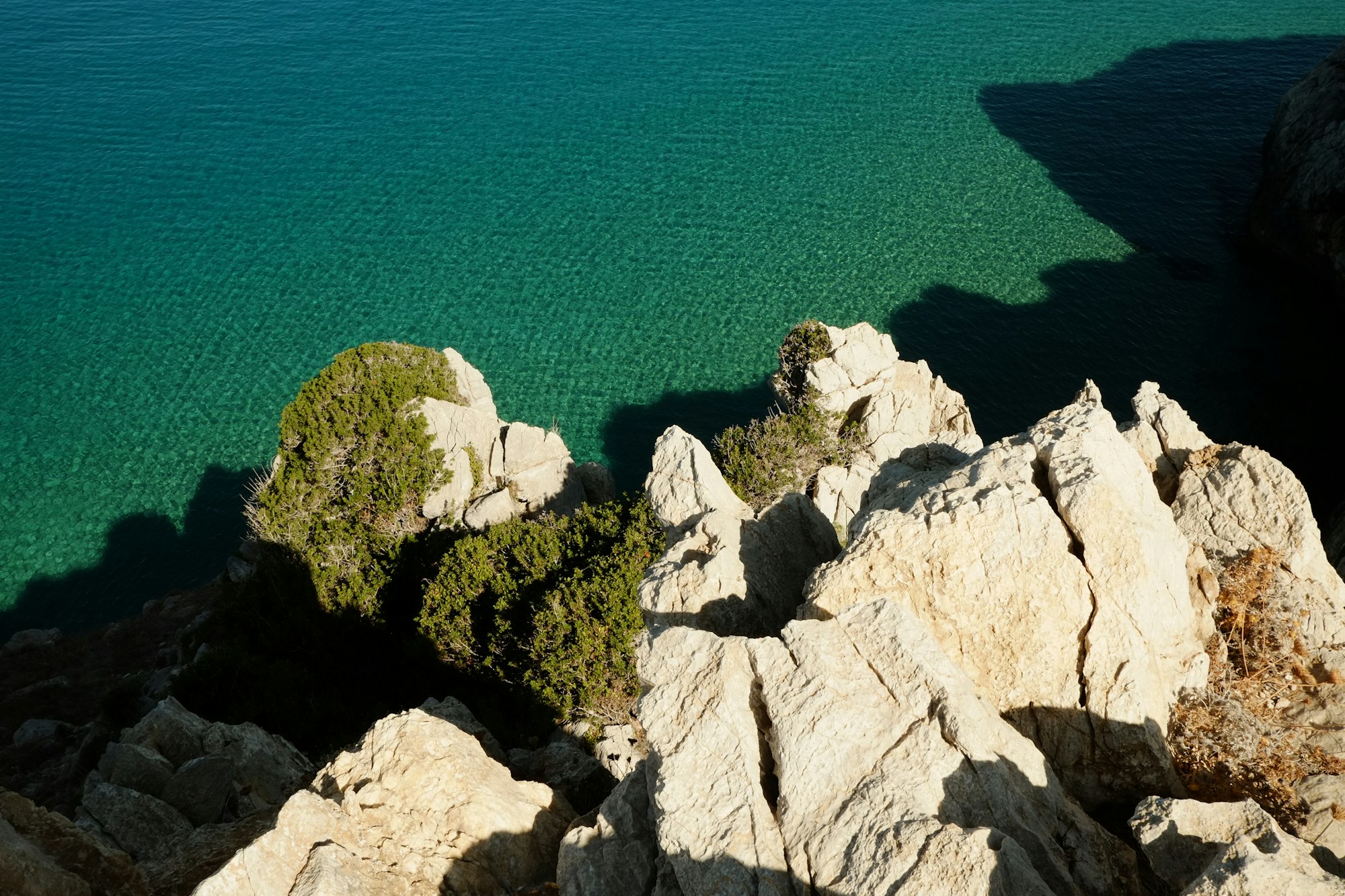
Cala Goloritzé — Baunei, Gulf of Orosei
Accessible only on foot or by boat, Cala Goloritzé has been protected as a natural monument since 1993 and is considered one of the most beautiful beaches in the Mediterranean. The 3.5 km trail from the Su Porteddu car park from Baunei descends through maquis and limestone cliffs to a white pebble shore dominated by the Aguglia peak rising directly from the sea. Allow 1.5 hours of walking and 470 metres of elevation gain to reach this crystal-clear cove — an effort richly rewarded.
Around Cala Goloritzé, the Gulf of Orosei hides further wonders: Cala Biriola, Cala Mariolu and Cala Sisine. Operators offer Zodiac excursions from Cala Gonone to discover these gems while respecting the fragile coastal environment.
Highlights
- beach protected within the national park, accessible only on foot or by boat
- Intense turquoise waters, perfect for snorkelling
- Spectacular hiking trail through Mediterranean maquis
- Combinable with boat excursions to other secret coves
La Maddalena Archipelago: the Mediterranean’s « Tahiti »
At the north-eastern tip of Sardinia, the La Maddalena archipelago is home to one of Europe’s most spectacular coves: Cala Coticcio, nicknamed « Tahiti » for its surreal turquoise hues. Nestled on the island of Caprera, surrounded by pink granite cliffs, this cove is accessible only on foot or by boat. Ferry from Palau: around €15 return. In 2026, guided kayak tours and small electric boat trips allow gentle exploration of waters where dolphins and — if you’re lucky — the discreet Mediterranean monk seal sometimes make an appearance.
2. The Selvaggio Blu: Southern Europe’s Most Beautiful Trek
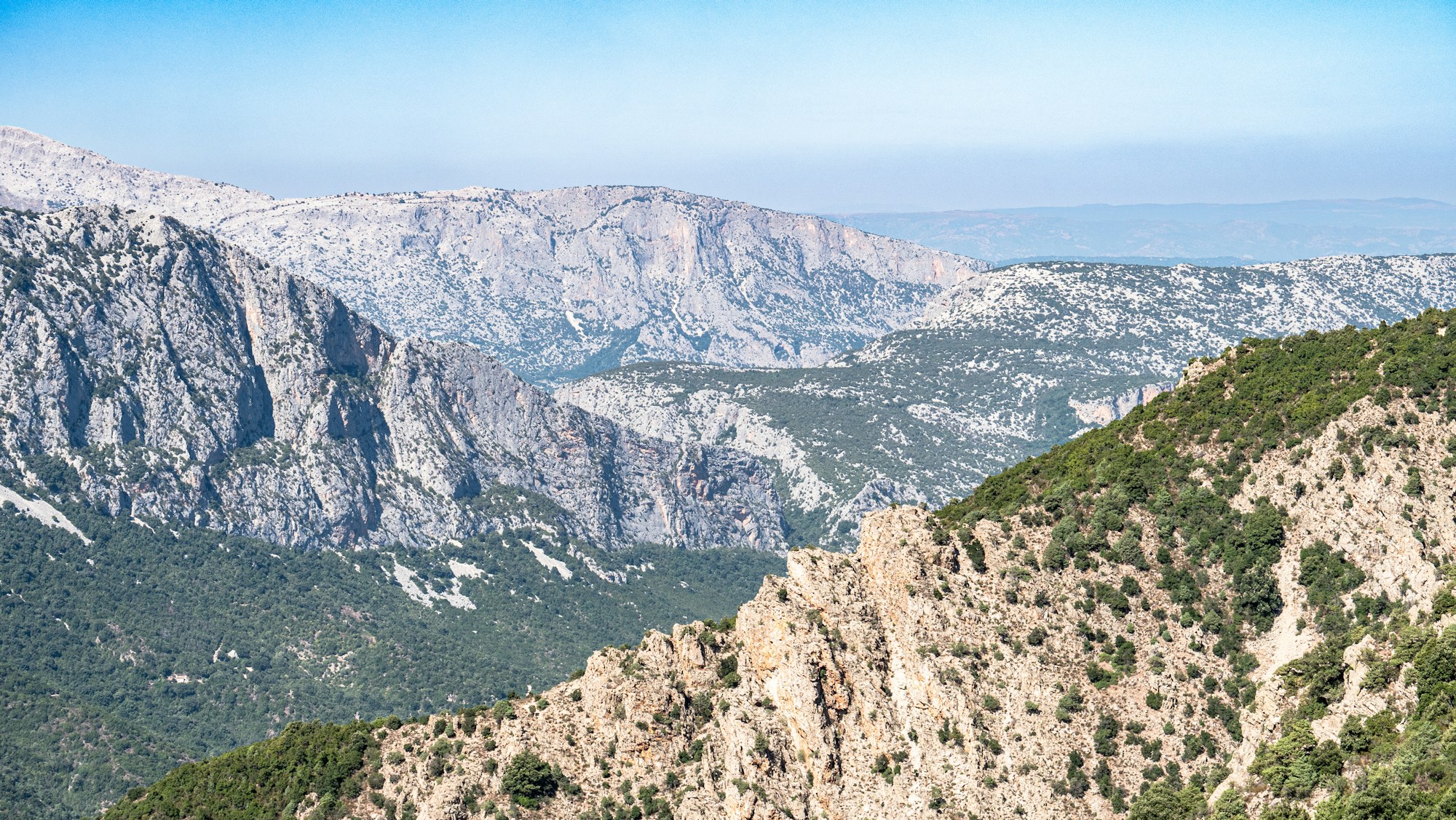
Selvaggio Blu — Santa Maria Navarrese to Cala Gonone
Running along the Gulf of Orosei coast for some fifty kilometres, the Selvaggio Blu is one of the wildest and most beautiful treks in Italy. Conceived by Sardinian shepherds in collaboration with local guides, this unmarked trail combines limestone cliffs, abseils, climbing sections and swims in coves otherwise unreachable. You travel between sky and sea, along one of the finest long-distance hiking routes in all of southern Europe.
The route unfolds between Santa Maria Navarrese and Cala Gonone without crossing a single village — no road, no motorised access. It requires good physical condition and, for technical sections, a local guide. Several operators offer accessible versions for non-specialist hikers, avoiding the most demanding abseil sections.
Highlights
- Unmarked trail through a completely unspoilt environment
- Breathtaking views over the Gulf of Orosei from the clifftops
- Daily swims in coves accessible only on foot
- Accessible version from €625/person for 4 participants (full freedom)
3. Orgosolo, Mamoiada, Bosa: the Deep Soul of Sardinia
Orgosolo — Open-Air Museum in the Barbagia
In the mountainous heart of the Barbagia, Orgosolo boasts over 350 murals — political and social frescoes adorning stone façades since the 1970s. Initiated by artist Francesco Del Casino, these artworks are not mere tourist decoration: they are the authentic expression of a community that chose art as its means of communication. They form a living heritage, regularly maintained and renewed.
A few kilometres away, Mamoiada is inseparable from its mysterious Mamuthones and Issohadores: these masked figures parade during carnival and winter festivals, echoing an immemorial past. The Museo delle Maschere Mediterranee presents over 300 masks from across the Mediterranean. Not to be missed: a tasting of Cannonau, the island’s emblematic red grape variety, at one of the local cellars. Orgosolo is also renowned for its Canto a Tenore, a polyphonic chant inscribed on the UNESCO list of intangible cultural heritage.
Highlights
- 350+ murals in Orgosolo — free entry
- Mamoiada: Mamuthones carnival and mask museum
- Bosa: the only Sardinian town crossed by a river, among Italy’s most beautiful villages
- Authentic agriturismo to sleep in the heart of Sardinian tradition
Bosa: the Medieval Town with Pastel Houses
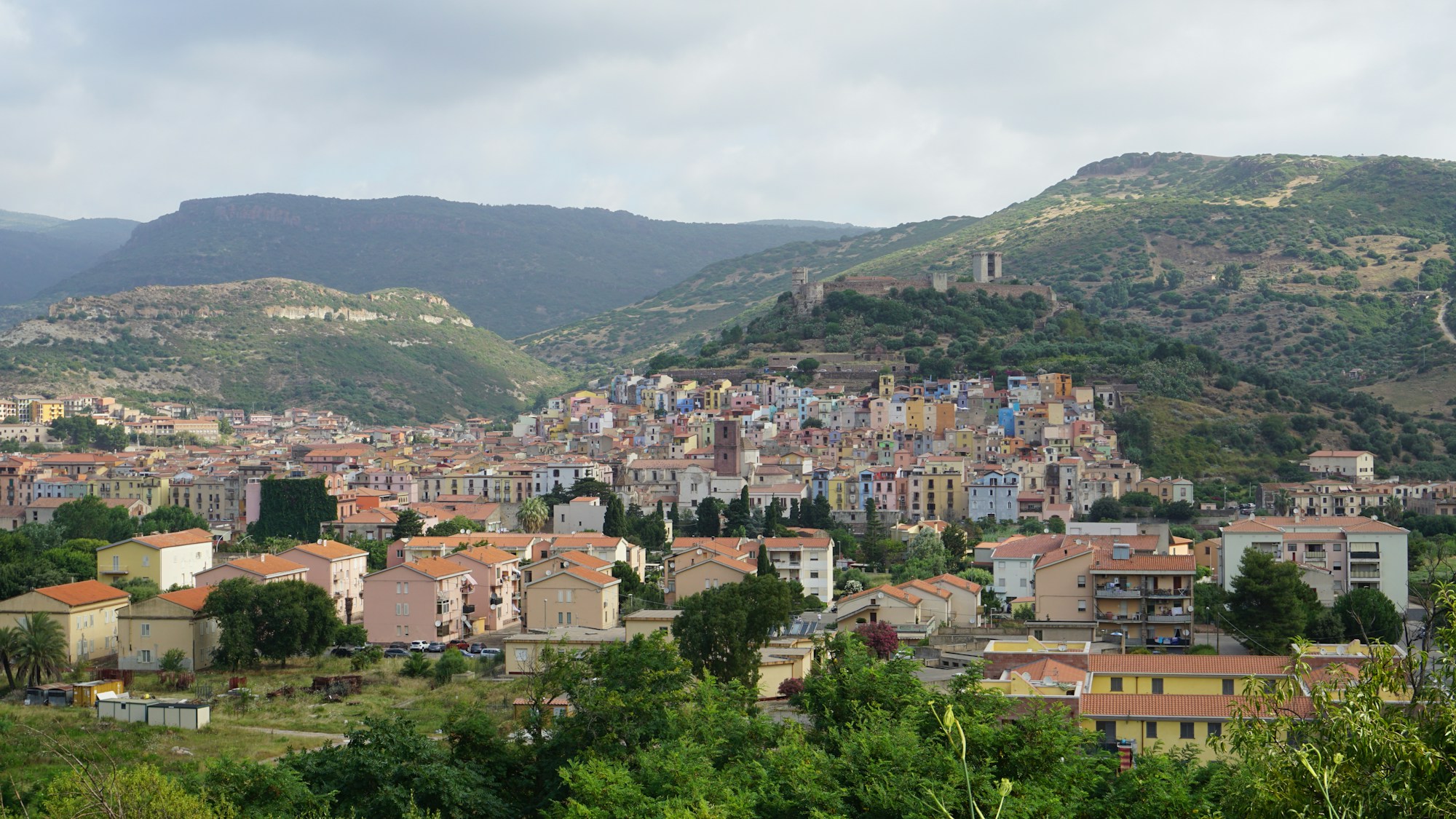
Bosa is unique in Sardinia. Its multicoloured houses — ochre, yellow, terracotta — are perched on a hill dominated by the Serravalle castle and reflected in the waters of the Temo, the island’s only navigable river. The historic district of Sa Costa, with its lanes too narrow for modern cars, invites leisurely wandering. Local craftsmanship is exceptional: the gold filigree tradition (filigrana in oro), passed down through generations, keeps an ancient jewellery-making technique alive. Listed among the Borghi più belli d’Italia (Italy’s most beautiful villages), Bosa lies 1 hour from Alghero along the coastal road, considered one of Europe’s most scenic drives.
4. The Costa Verde and Piscinas Dunes: the Mediterranean Desert
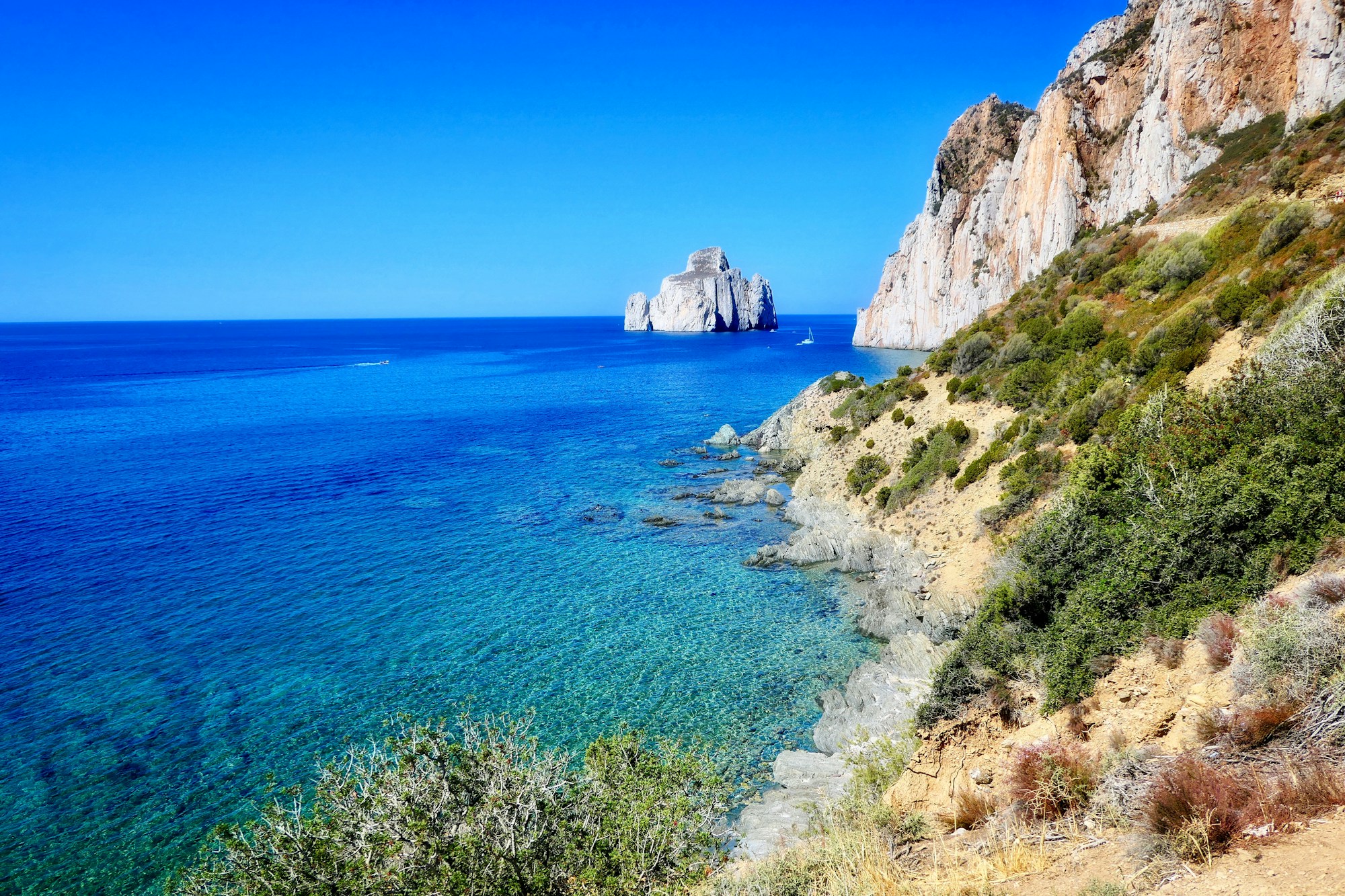
Costa Verde — Piscinas, Arbus, south-west coast
The Costa Verde is one of Sardinia’s least touristy areas despite its absolutely spectacular landscapes. Piscinas beach is a geological rarity in the Mediterranean: fine sand dunes reaching 50 metres in height that stretch more than a kilometre inland. Juniper trees and green scrubland contrast with golden sand for landscapes worthy of an African desert.
Geographic isolation — winding, hard-to-reach roads — makes it an intact natural sanctuary. Ideal combination with Capo Pecora, from which a hike leads to the splendid Scivu beach, framed by rocks and edged with immaculate dunes. The Costa Verde also hosts the ruins of the old Ingortusu mines, witnesses to the island’s industrial history where lead, zinc and silver were once extracted.
Highlights
- Saharan dunes 50 m high — a geological phenomenon unique in the Mediterranean
- Deserted beaches outside high season
- Hikes to Capo Pecora and Scivu beach
- Old mine ruins — fascinating post-industrial atmosphere
5. Cagliari and the Giara di Gesturi: Capital City and Wild Horses
Cagliari: the Underrated Mediterranean Capital
Cagliari is Sardinia’s often-overlooked gateway. Its medieval Castello district, with its ramparts and alleys, dominates the city and the Gulf of Angels. The urban beach of Poetto stretches over 8 km just 15 minutes by bus from the city centre — a rare luxury for a capital. The Molentargius Park shelters flamingos just minutes from the historic centre.
Sardinian gastronomy alone is worth the trip: try porceddu (roasted suckling pig), culurgiones (Sardinian ravioli filled with potato and cheese), and seadas (fried pastries filled with cheese and drizzled with myrtle honey). Pair with a crisp Vermentino or a robust Cannonau. Sardinian cuisine has a very distinctive identity. On 1 May, the Festa di Sant’Efisio (1-4 May) is one of the Mediterranean’s greatest events: an 80 km procession with thousands of participants in traditional costumes, celebrated without interruption since 1657.
The Giara di Gesturi: Europe’s Last Wild Horses
The Giara di Gesturi is home to Europe’s last wild horses — the cavallini della Giara. This 45 km² basalt plateau, born five million years ago from submarine volcanic eruptions, shelters around 550 of these small horses (about 120 cm at the withers) living in groups. In spring, newborn foals graze in flowering meadows — the ideal season to visit, from April to June. A guided walk in the park lasts about 2 hours and costs €10.50 per person. A few kilometres away stands the nuragic site of Su Nuraxi di Barumini, the only one in Sardinia inscribed on the UNESCO World Heritage List.
6. Budget and Practical Information for 2026
On average, the cost of living in Sardinia in 2026 is broadly similar to that of France or the UK. But seasonality plays a crucial role:
Average budget by traveller profile
In high season (July-August), prices can double or triple. A room for €60-70 in June can reach €160 or more in August. Prices only really drop between October and April. Sardinia is large (24,000 km²) — the unanimous advice from experienced travellers: choose one side of the island and explore it thoroughly rather than rushing from end to end.
Essential practical information
- How to get there: Transavia Paris-Alghero from €39 (launch announced for 18 April 2026). easyJet and Volotea serve Cagliari and Olbia. Ferry from Toulon to Porto Torres (about 10h30 at the fastest)
- On the ground: Car hire essential for isolated beaches and inland villages — book well in advance
- 3 airports: Cagliari (Elmas), Olbia (Costa Smeralda), Alghero (Fertilia)
- Ideal duration: 10-14 days to discover 2-3 regions of the island
- Best period overall: May-June and September-October (ideal for beaches and hiking)
- Trenino Verde: A tourist steam train crossing the mountain landscapes — a unique experience
Frequently Asked Questions about Sardinia 2026
When is the best time to visit Sardinia in 2026?
The best periods are May-June or September-October. In spring, temperatures are ideal for hiking in the Gennargentu mountains and nature is in bloom. Summer (June to September) is perfect for beaches and turquoise coves. Autumn through October charms with its mild weather and golden landscapes, perfect for panoramic trails. Avoid July-August if possible: prices and crowds peak, especially in the first ten days of August when all of Italy is on holiday. According to Sardinia travel specialists, September is often the month most prized by seasoned travellers.
How do you get to Sardinia from the UK or mainland Europe in 2026?
Several options: by plane, Transavia announced a new Paris-Alghero route for 18 April 2026, from €39 (opening not confirmed), twice weekly in 1h55. easyJet and Volotea serve Cagliari and Olbia. By ferry, services link Toulon to Porto Torres (about 10h30 at the fastest), and Genoa or Livorno to Cagliari, Olbia or Porto Torres. Ferries allow you to bring your car, practical for exploring the island freely. Sardinia has 3 airports: Cagliari (south), Olbia (north-east) and Alghero (north-west).
Do you absolutely need to hire a car in Sardinia?
To get the most out of Sardinia, a car is strongly recommended, especially if you want to access isolated beaches and inland villages like those in the Barbagia. Public transport remains limited, especially off season. The ARST bus network covers the main towns at competitive fares, but timetables are impractical for remote sites. Practical tip: book your car well in advance for high season — rates can triple in July-August. Creative alternative: the Trenino Verde, a tourist steam train crossing the mountain landscapes.
What budget should you plan for a week in Sardinia in 2026?
For one week in Sardinia excluding flights, budget approximately: Budget traveller: €350-400 (camping, hostels, pizzerias); Mid-range: €700-850 (3-star hotel, restaurants, activities); Comfort: €1,400-2,800 for two people. These estimates apply outside July-August: in high season, accommodation prices can double or triple. The recommended overall budget is €500-800 per person for 7 days including transport. Boat excursions (€30-80), hiking guides (€30-50) and car hire (€40-80/day in high season) are the main costs to anticipate.
What Sardinian food specialities should you absolutely try?
Sardinian gastronomy is a discovery in itself. Don’t miss: porceddu (spit-roasted suckling pig, a festive speciality), culurgiones (Sardinian ravioli filled with potato, pecorino and mint), malloreddus (Sardinian gnocchi with sausage-tomato sauce), and seadas (fried pastries with cheese and myrtle honey). For wines, the Vermentino di Gallura (fresh and aromatic white) and Cannonau (powerful red, rich in polyphenols) complement every meal perfectly. Sardinian cuisine is among the most distinctive in Italy.
Is the Selvaggio Blu accessible to beginner hikers?
The full Selvaggio Blu (50 km, abseil and climbing sections) is reserved for experienced hikers and requires a local guide. However, there are accessible variants without climbing or abseiling, ideal for intermediate hikers. Several operators offer 1-3 day outings on the trail’s most beautiful sections, without technical commitment. For beaches like Cala Goloritzé, the return hike (3h, 470 m elevation gain) is accessible provided you’re in good shape and well equipped. The Giara di Gesturi offers easy 2-hour walks suitable for all levels.
How do you avoid tourist crowds on beaches in summer?
Several strategies to escape the crowds: 1. Choose the right period: June before 20 July or the first fortnight of September are perfect. After 20 August, Italian tourists return to the mainland and prices drop. 2. Explore the interior: the Barbagia, Gennargentu and Costa Verde remain uncrowded even in high season. 3. Focus on the west and south coast: less well-known than the Costa Smeralda, the beaches of Piscinas, Scivu or Su Giudeu attract a more local clientele. 4. Set off early: most tourists arrive after 10am, leaving a few quiet hours on walk-in beaches. According to local guides, a car and knowledge of dirt tracks are the best protection against crowds.
What are the must-see cultural festivals in Sardinia in 2026?
Sardinia is an island of living traditions. In 2026, don’t miss: The Festa di Sant’Efisio (1-4 May in Cagliari): an 80 km procession with thousands of participants in traditional costumes on flower-decorated floats — celebrated without interruption since 1657, it’s one of the Mediterranean’s greatest religious events. Mamoiada Carnival (February): parade of the mysterious Mamuthones and Issohadores in masks and sheepskin. Autumn in Barbagia (September to December): an itinerant project through over twenty inland villages, with open house courtyards and demonstrations of traditional craftsmanship.
Sources
- Ulysse.com — Sardinia Spring 2026 guide: flights, activities and practical tips
- Terdav — Sardinia travel guide and practical information 2026
- Allibert Trekking — Selvaggio Blu trek: complete guide and traveller reviews 2025
- Winalist — Best Sardinia Beaches 2025
- SardegnaTurismo — Official tourism website of the Sardinia Region
- Sardinias.fr — The Giara di Gesturi: complete guide and practical information
- Le Routard — Sardinia travel budget 2026
- Strictly Sardinia — 15 most beautiful secluded beaches in Sardinia
- Discover Your Italy — Sardinia: a beach lover’s paradise
Research conducted on 21 February 2026
Ready to Discover Sardinia?
Sardinia is waiting for you. Secret beaches, wild trails, timeless villages — every corner of the island is worth exploring at your own pace. Create a personalised itinerary and share it with those who matter most.
Explore all itineraries