
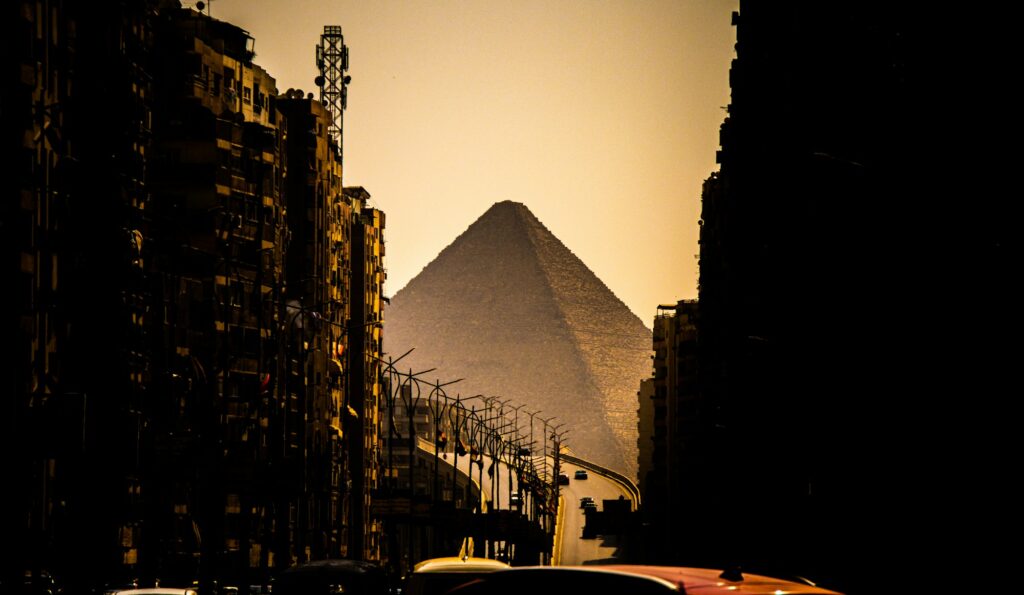
On November 5, 2025, Egypt opened the doors of the most ambitious museum ever built for a single civilization. The Grand Egyptian Museum (GEM), a colossal 500,000 m² structure facing the Pyramids of Giza, now houses 100,000 artifacts — including Tutankhamun’s complete collection, displayed in its entirety for the very first time since its discovery over a century ago. This is a historic moment. And 2026 is the ideal year to witness it: infrastructure has been modernized, flights from Europe are affordable, and Egypt remains far from the tourist saturation of other major global destinations. The window is open. It won’t stay that way forever.
1. The Grand Egyptian Museum — The Museum Revolution of the Century
The world’s largest museum dedicated to a single civilization
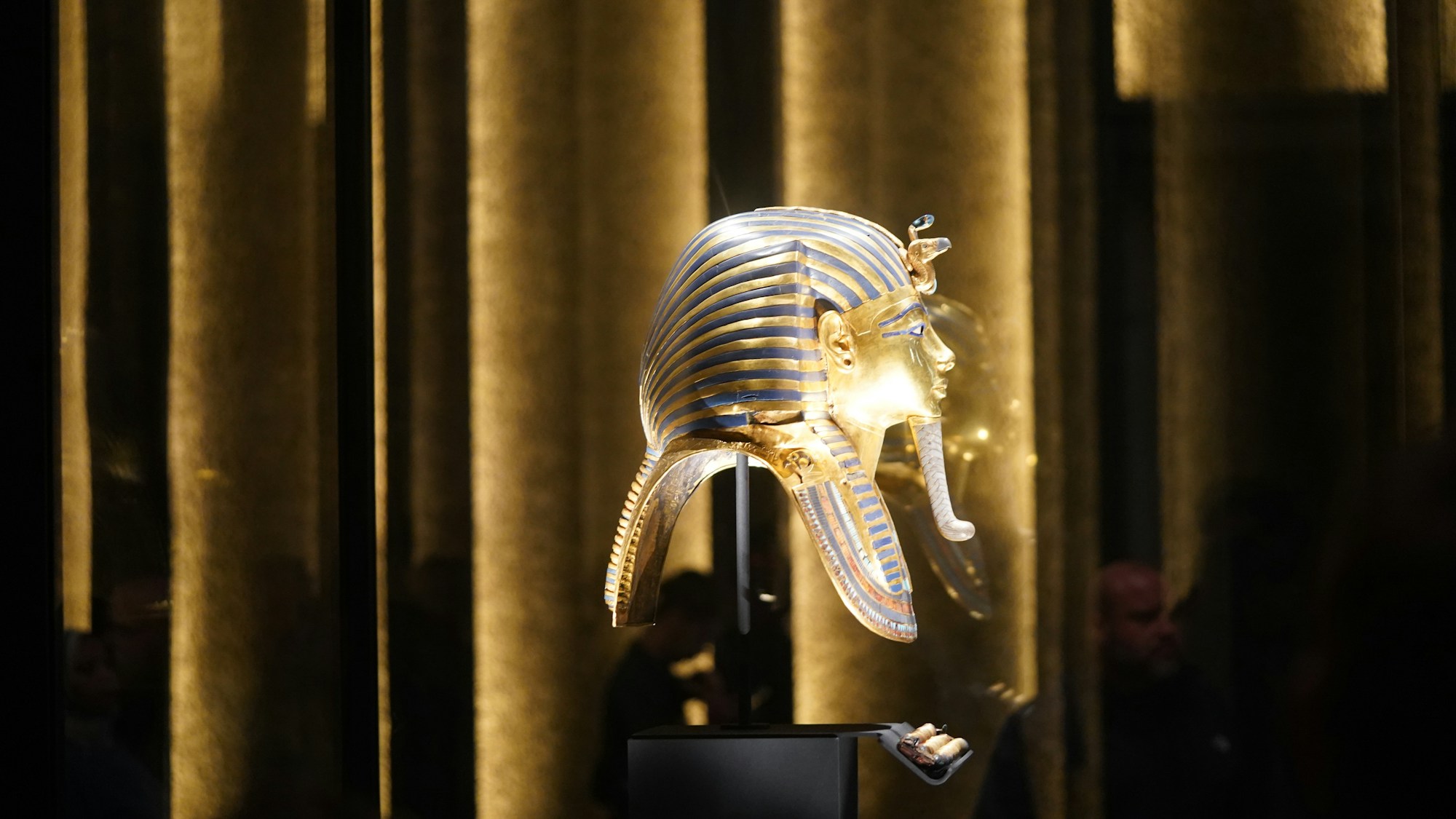
According to UNESCO, the Grand Egyptian Museum is considered the world’s largest archaeological museum dedicated to a single civilization: ancient Egypt. It covers more than 500,000 square metres and brings together some 100,000 artefacts spanning seven millennia of history, from the predynastic era to the Greek and Roman periods.
The centrepiece? Tutankhamun’s complete collection — all 5,398 pieces displayed in a 7,500 m² section. Newly restored pieces are on view for the very first time, including Khufu’s second solar boat and Queen Hetepheres’ collection. In total, according to Wikipedia, at least 20,000 artefacts are being shown here for the very first time ever.
The complex also features libraries, a children’s museum, and an immersive experience allowing visitors to watch technicians restore ancient boats discovered near the Pyramids. As the Minister of Tourism stated, « The Grand Egyptian Museum is not just a museum — it is also a research and development centre. »
Must-know facts
- 100,000 artifacts, 20,000 never exhibited before
- Tutankhamun’s complete collection (5,398 pieces)
- Khufu’s second solar boat visible in mid-restoration
- 1.5 million visitors in 10 months from the partial opening
2. The Pyramids of Giza — The World’s Most Iconic Site, Reinvented
GEM + Pyramids in one day: the dream combination
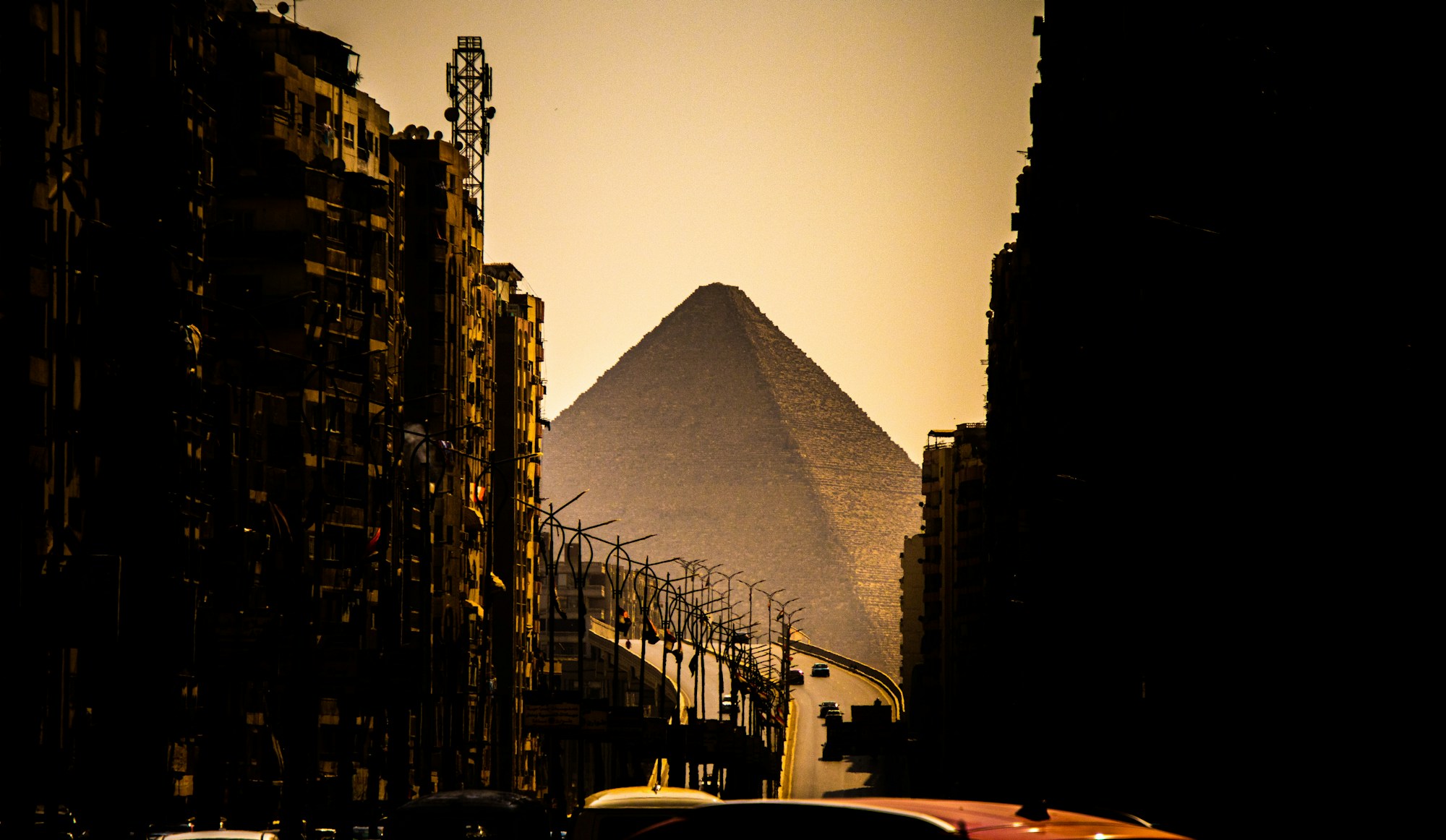
The flagship proposition for 2026 is unprecedented: visit the Grand Egyptian Museum and the Pyramids of Giza in a single day. Located just 2 kilometres from the pyramids, the GEM enables a perfect logistical combination that has never been so well integrated. According to National Geographic, new electric hop-on-hop-off buses now operate across the entire site.
The Giza plateau is in full renaissance. The Tourism Minister confirmed a complete redevelopment plan including 20,000 to 25,000 new hotel rooms and new entertainment zones over the next five years. Travel Market Report notes: « We are restructuring the entire area » — visit now, before the crowds follow.
How to plan this perfect day
- Morning (9am-1pm): Grand Egyptian Museum (book the earliest slot)
- Lunch: panoramic restaurant overlooking the pyramids
- Afternoon (3pm-6pm): Giza Plateau and the Sphinx
- Sunset: optional sound and light show
3. Luxor and the Valley of the Kings — The World’s Largest Open-Air Museum
Luxor: the city that holds a third of the world’s ancient monuments
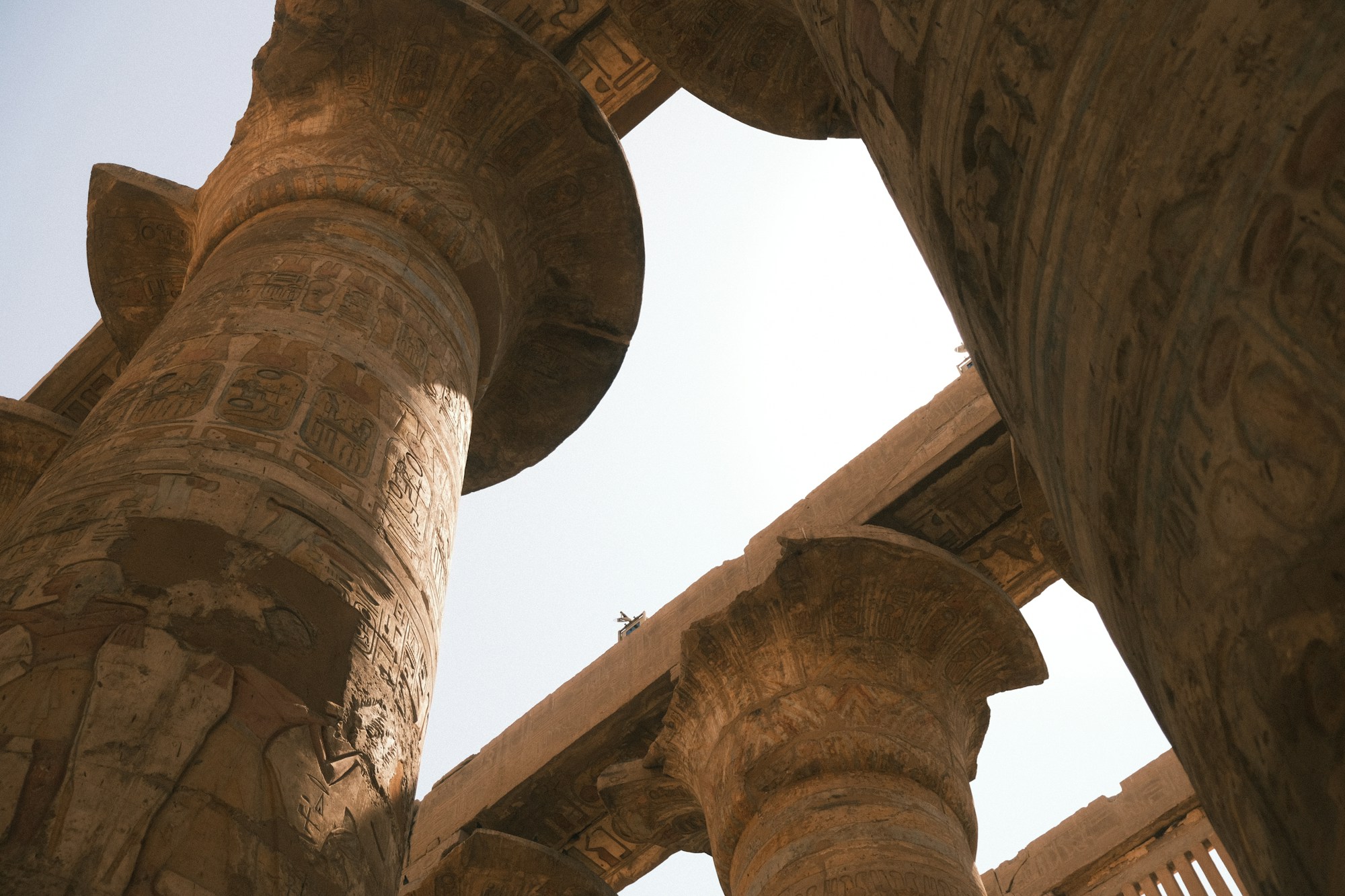
Luxor contains approximately one third of the world’s most precious ancient monuments and antiquities. According to Egyptra, the city is naturally divided by the Nile into the East Bank (Karnak and Luxor Temples, the modern city) and the West Bank (the Land of the Dead: Valley of the Kings, Valley of the Queens, funerary temples).
Archaeological excavations continue to this day. The 2019 discovery of a golden city near the Valley of the Kings and ongoing digs at Karnak Temple show that Luxor still holds many secrets. For enthusiasts, the Luxor Pass ($130 adult, $70 student) is essential, according to Earth Trekkers — it grants access to virtually all sites.
Must-sees in Luxor
- Karnak Temple: the largest religious complex of antiquity
- Valley of the Kings: 65 royal tombs including Tutankhamun’s
- Hatshepsut Temple: architectural masterpiece of the pharaoh queen
- Dawn hot air balloon: the valley seen from above ($100-150 incl. transfers)
4. The Dahabiya Cruise — The Nile as in the 19th Century
The intimate experience of the Pharaohs’ river
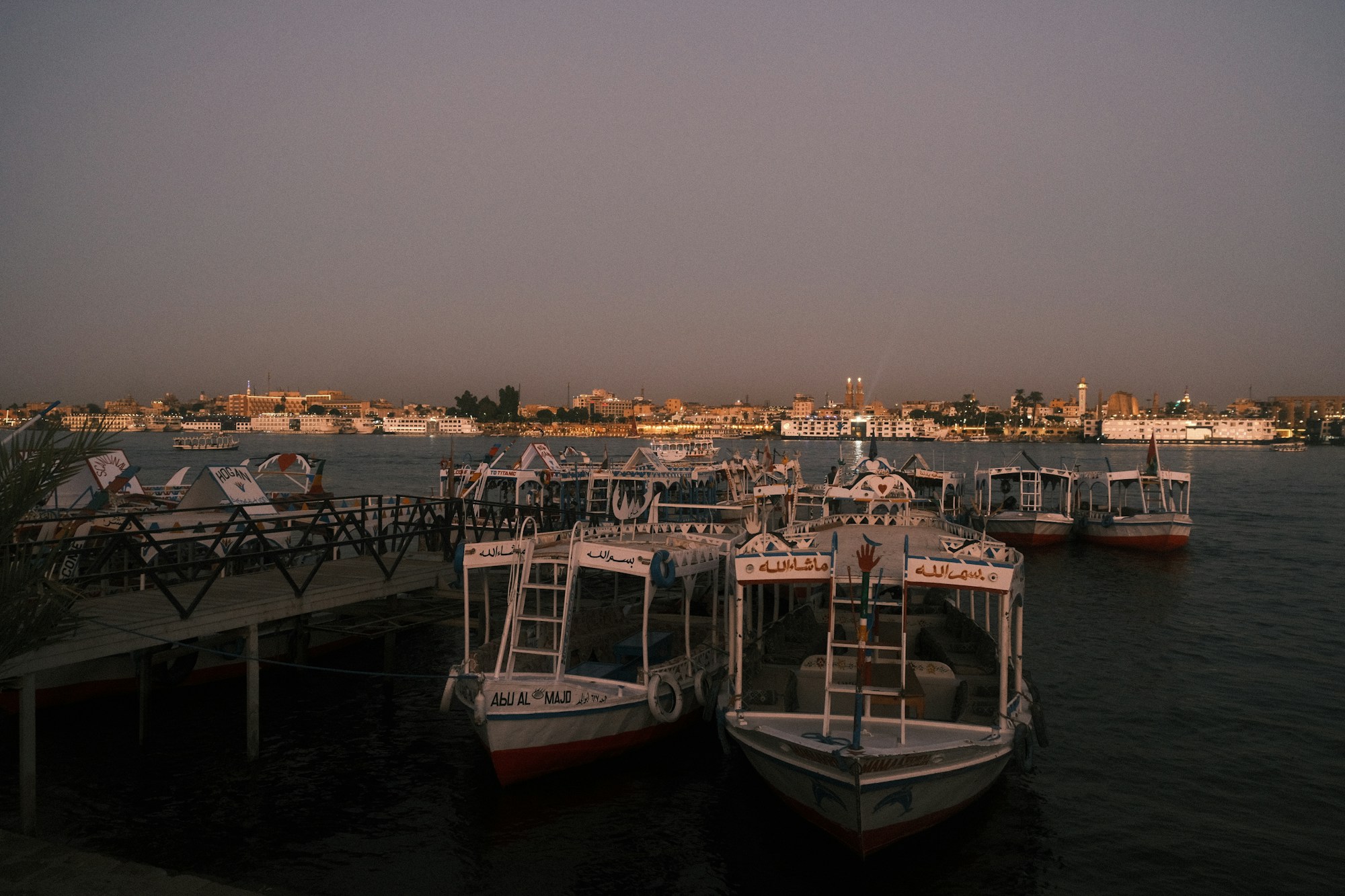
The dahabiya is Egypt’s answer to intimate luxury travel. Unlike crowded large river cruise ships, this traditional flat-bottomed sailboat cruises between Luxor and Aswan with a maximum of 19 passengers. According to Djed Egypt Travel, passengers can stop at quiet spots, kayak, visit small towns, have breakfast with a local family, bake bread and even fish with Nubian locals — a completely impossible experience on large ships.
In 2026, the dahabiya is experiencing a spectacular revival: according to Tourmag, Dahabeya Égypte launched two new vessels to meet growing demand. They stop at unusual spots such as El Kab, Gebel el-Silsila, Kom Ombo and the beautiful island of El Ramady.
Why choose a dahabiya over a classic cruise ship
- Access to secluded riverbanks unreachable by large boats
- Intimate atmosphere: ultra-personalised service
- Stops in authentic Nubian villages
- Silent sailing at sunrise
5. Abu Simbel — The Astronomical Miracle of Ramesses II
The most astonishing solar phenomenon of antiquity
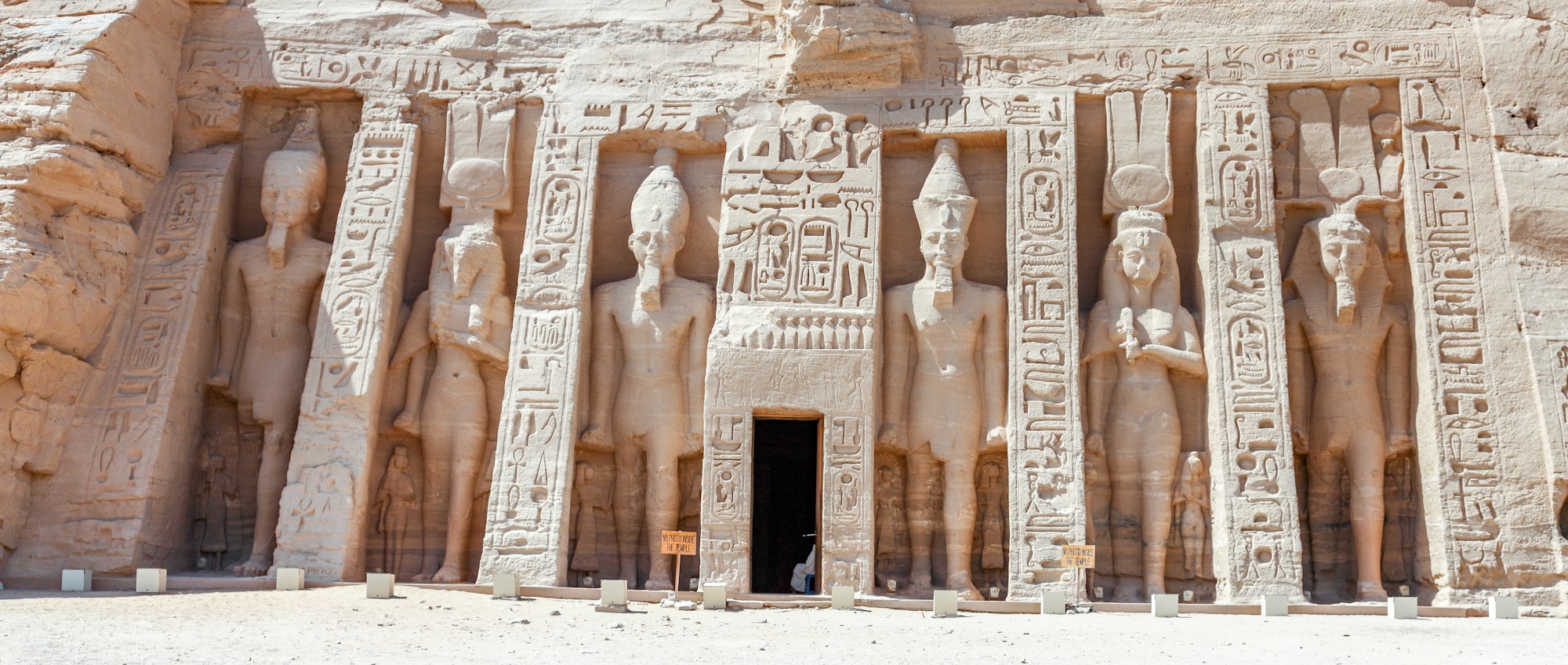
Abu Simbel is one of Egypt’s most remote and spectacular sites, 280 km south of Aswan. But what makes this place truly unique is the solar phenomenon engineered by ancient architects: on 22 February and 22 October each year, the rays of the rising sun penetrate exactly into the sanctuary to illuminate the face of Ramesses II. According to Magic Carpet Egypt, these two dates correspond to the anniversary of his coronation and his birthday.
The relocation of the temples in the 1960s was one of the greatest engineering achievements of the 20th century. Cutting the temples into large blocks and moving them to preserve this solar phenomenon intact — to within a few centimetres — remains a feat that still defies imagination. The night-time sound and light show, with dramatic projections on the giant facades, is even more striking than the daytime visit.
Abu Simbel highlights
- Temple of Ramesses II: 4 colossi of 20 metres guard the entrance
- Temple of Nefertari: dedicated to the queen and the goddess Hathor
- Sound and light show: narration, music and nocturnal lasers
- On-site accommodation: near-empty site at dawn
Practical Information: Egypt 2026
Flights from Europe
Paris-Cairo in economy class: from €60-100 one-way depending on booking platforms, for a flight of 4h30 to 5h30. Since winter 2025/2026, easyJet operates new routes: Hurghada from Bordeaux and Nice, Luxor from Paris-CDG, Sharm El-Sheikh from Lyon, according to Air Journal.
Visa
Most Western nationalities need a visa. Three options: e-Visa online ($25 single entry, $60 multiple entries) at visa2egypt.gov.eg, at least 7 days before departure. Visa on arrival: $25 cash. Since June 2025, an emergency visa on arrival is also available for spontaneous trips.
Budget
In January 2026, 1 EUR ≈ 54 EGP. Budget €40-70/day on a tight budget, €80-120/day for a comfortable trip, €200-500/day for luxury. The GEM costs $24 (adult), a hot air balloon in Luxor $100-150, Paris-Cairo flights from €60.
Safety
Tourist areas (Cairo, Luxor, Aswan, Red Sea) are perfectly safe. Egypt welcomed nearly 19 million visitors in 2025. Avoid only North Sinai and border areas with Libya and Sudan. Security presence at tourist sites is very visible.
Frequently Asked Questions about Egypt 2026
Is the Grand Egyptian Museum really open in 2026?
Yes, the Grand Egyptian Museum (GEM) has been fully open to the public since November 2025. After years of anticipation and a phased opening that began in October 2024, the museum completed its grand inauguration. In 2026, all galleries are accessible, including Tutankhamun’s complete collection (5,398 pieces) and the Royal Mummies Hall. Tickets are booked online at visit-gem.com.
Can you visit the GEM and the Pyramids of Giza in one day?
Yes — that’s precisely the flagship proposition for 2026. The Grand Egyptian Museum is located just 2 kilometres from the Pyramids. By dedicating the morning to the museum (6 hours recommended) and the afternoon to the Pyramids, you can experience both in one memorable day. New electric hop-on-hop-off buses now operate across the entire Giza site to make getting around easier.
What is the best time of year to visit Egypt?
The ideal period runs from October to April. Temperatures range between 20°C and 30°C, perfect for visiting temples and sailing the Nile. Summer (June-August) is very hot with temperatures exceeding 40°C in some regions, but offers fewer crowds and lower prices. For Abu Simbel’s solar phenomenon, the must-see dates are 22 February and 22 October.
Do I need a visa to visit Egypt?
Yes, most nationalities need a visa. Three options are available: e-Visa online at visa2egypt.gov.eg ($25 single entry, $60 multiple entries), applied for at least 7 days before departure; visa on arrival ($25 cash); or since June 2025, an emergency visa on arrival for spontaneous trips. The process is simple and quick.
Is a dahabiya or a classic Nile cruise better?
The dahabiya offers a radically different experience: with only 19 passengers, these traditional sailboats access riverbanks unreachable by large ships, stop in authentic Nubian villages and enable activities like kayaking or meals with local families. Higher budget (from €600/person for 7 nights), but an incomparable immersion in deeper Egypt. Book at least 3 months in advance.
What is the average budget for a trip to Egypt in 2026?
In 2026, the exchange rate is favourable (1 EUR ≈ 54 EGP). Budget on average €80-120/day per person for a comfortable trip (accommodation, meals, transport and visits). The GEM entrance ticket is $24 for adults. Flights from Paris to Cairo start at around €200-300 return depending on the season. A 10-day all-inclusive stay comes to €1,500-2,500 per person.
Sources
- UNESCO — Grand Egyptian Museum — Official UNESCO article on the GEM
- Wikipedia — Grand Egyptian Museum — Detailed description of the museum
- National Geographic — What to Know About the Grand Egyptian Museum — Visitor guide
- Travel Market Report — Egypt: What’s Happening in 2026 — Interview with the Tourism Minister
- Egyptra — Ultimate Luxor Travel Guide 2026 — Complete Luxor guide
- Earth Trekkers — How to Visit the Valley of the Kings — Practical guide
- Djed Egypt Travel — Dahabiya Nile Cruise — Dahabiya cruise guide
- Magic Carpet Egypt — Abu Simbel Tours 2026 — Solar festival and prices
- Egypt Trips Guide — Al Farafra Oasis & White Desert — White Desert and Farafra
- PADI — Diving in Marsa Alam — Red Sea diving
- Semelegant Voyage — Egypt Travel Guide 2026 — Practical info (visa, budget)
Research carried out on 21 February 2026
Ready to Plan Your Egypt Trip?
Egypt 2026 is an exceptional destination: the Grand Egyptian Museum has just opened its doors, the pyramids are being reinvented, and little-known gems like Siwa or the White Desert are waiting to be discovered. The window is open — don’t let it close.
Explore all Egypt itineraries