
2.36 million visitors in 2025, a target of 3 million announced for 2026, visa exemption for citizens of 40 countries, a brand-new digital nomad visa… Sri Lanka is experiencing an unprecedented tourism renaissance. After a decade marked by economic and political crises, the « Pearl of the Indian Ocean » is reclaiming its brilliance — and proves that traveling here in 2026 means choosing the best moment in decades. Two weeks are enough to explore the equivalent of an entire continent’s worth of landscapes and cultures in a space not much larger than a small country. Ancient fortresses perched on rocks, misty tea terraces, iconic trains crossing the highlands, near-virgin beaches on the East coast, crowd-free safaris in secret parks: here is the 2-week itinerary to fall in love with Sri Lanka 2026.
The 14-day itinerary at a glance
Budget: What You Will Actually Spend
According to Guide-Touriste.com, Sri Lanka’s cost of living is 58.58% lower than in France, making it an exceptionally accessible destination for European travelers. For a 15-day stay, budget between €1,540 and €2,310 per person including flights (mid-range/comfort budget with shared driver, 2-3 star guesthouses and local meals).
1. Colombo — The Reinventing Metropolis
Colombo: First Contact with the Island
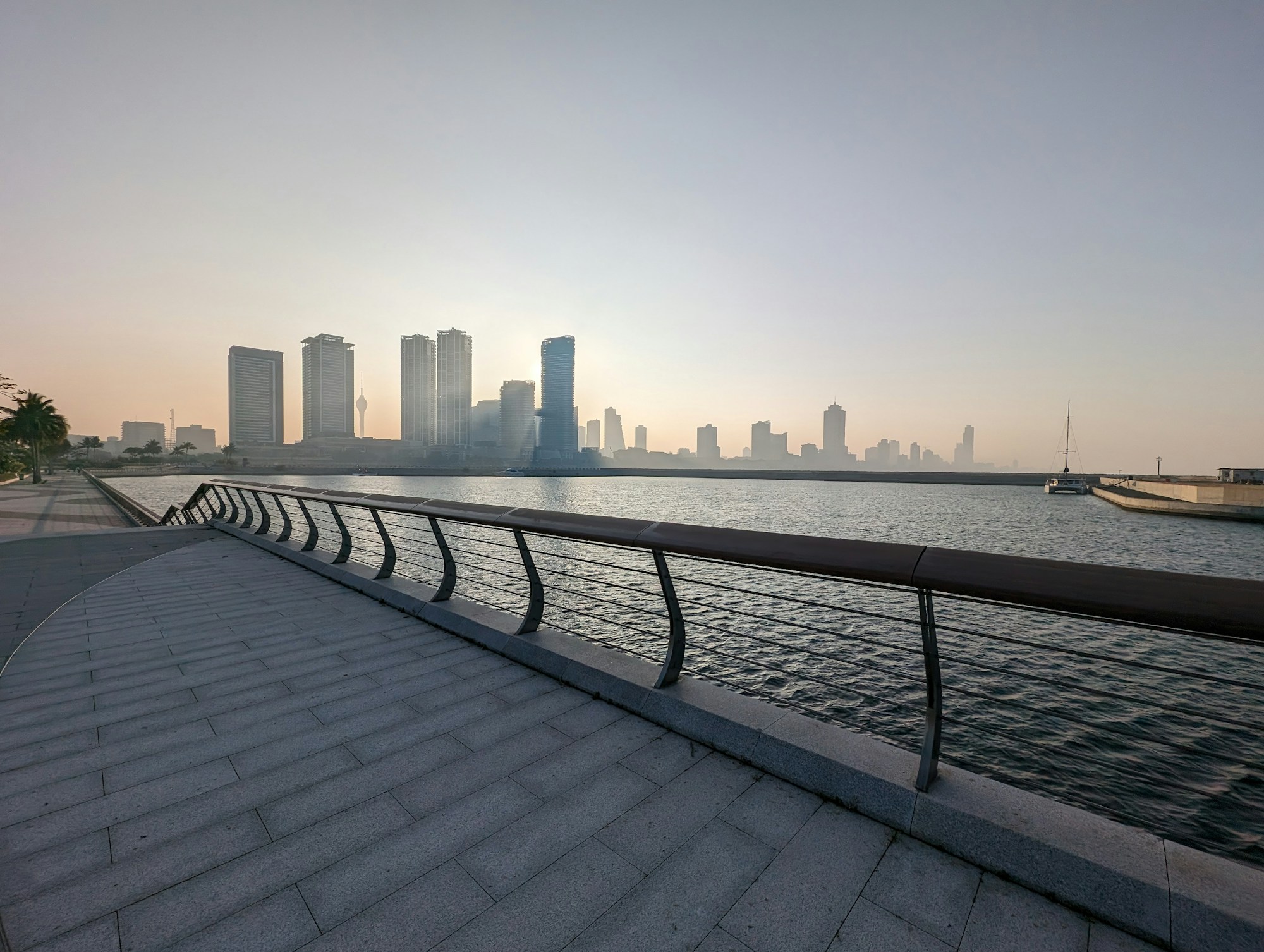
Often overlooked in favor of a quick departure to the interior, Colombo nonetheless deserves half a day. As The Good Life highlights, the capital is betting on tourism recovery and the digital sector, with enthusiasm palpable in the streets. The Pettah district — a labyrinthine market where Tamil and Sinhalese traders coexist — and Galle Face Green (colonial esplanade facing the ocean) offer a striking first contact with Sri Lankan diversity. The Colombo 7 neighborhood (« Cinnamon Gardens ») is home to trendy cafés where tech start-ups and digital nomads mingle, a vibe unlike anything else in South Asia with the arrival of the digital nomad visa in 2026.
Highlights
- Pettah Market: total sensory immersion
- Galle Face Green: sunset over the Indian Ocean
- National Gallery + colonial museums
- Port City: brand new ultra-modern district worth seeing
2. Sigiriya — The Lion’s Fortress, 8th Wonder of the World
Lion Rock: An Unforgettable Climb
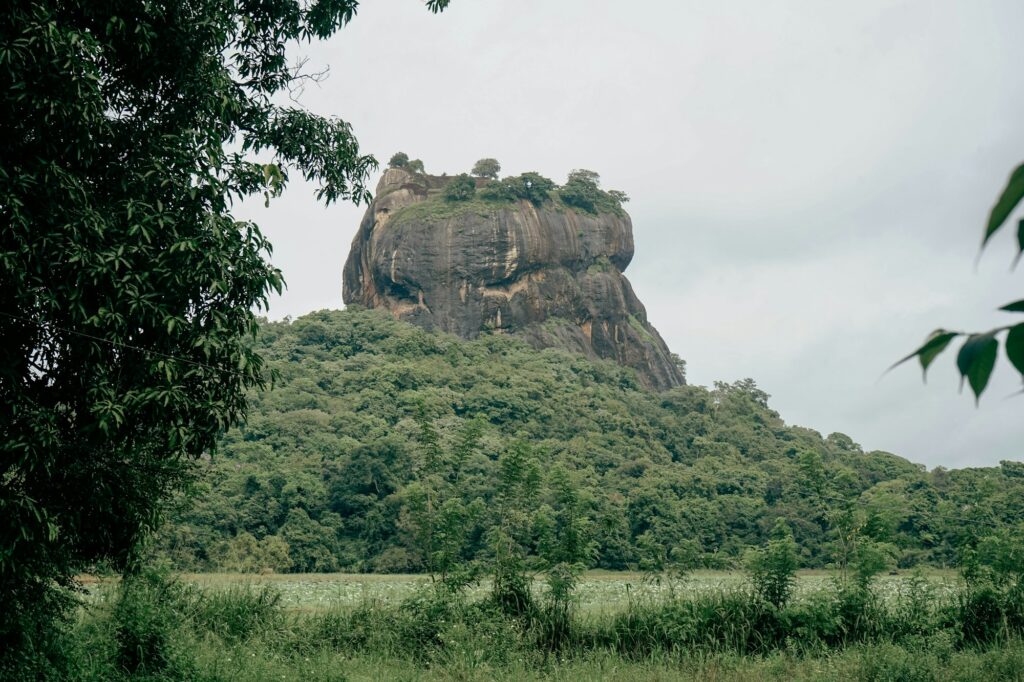
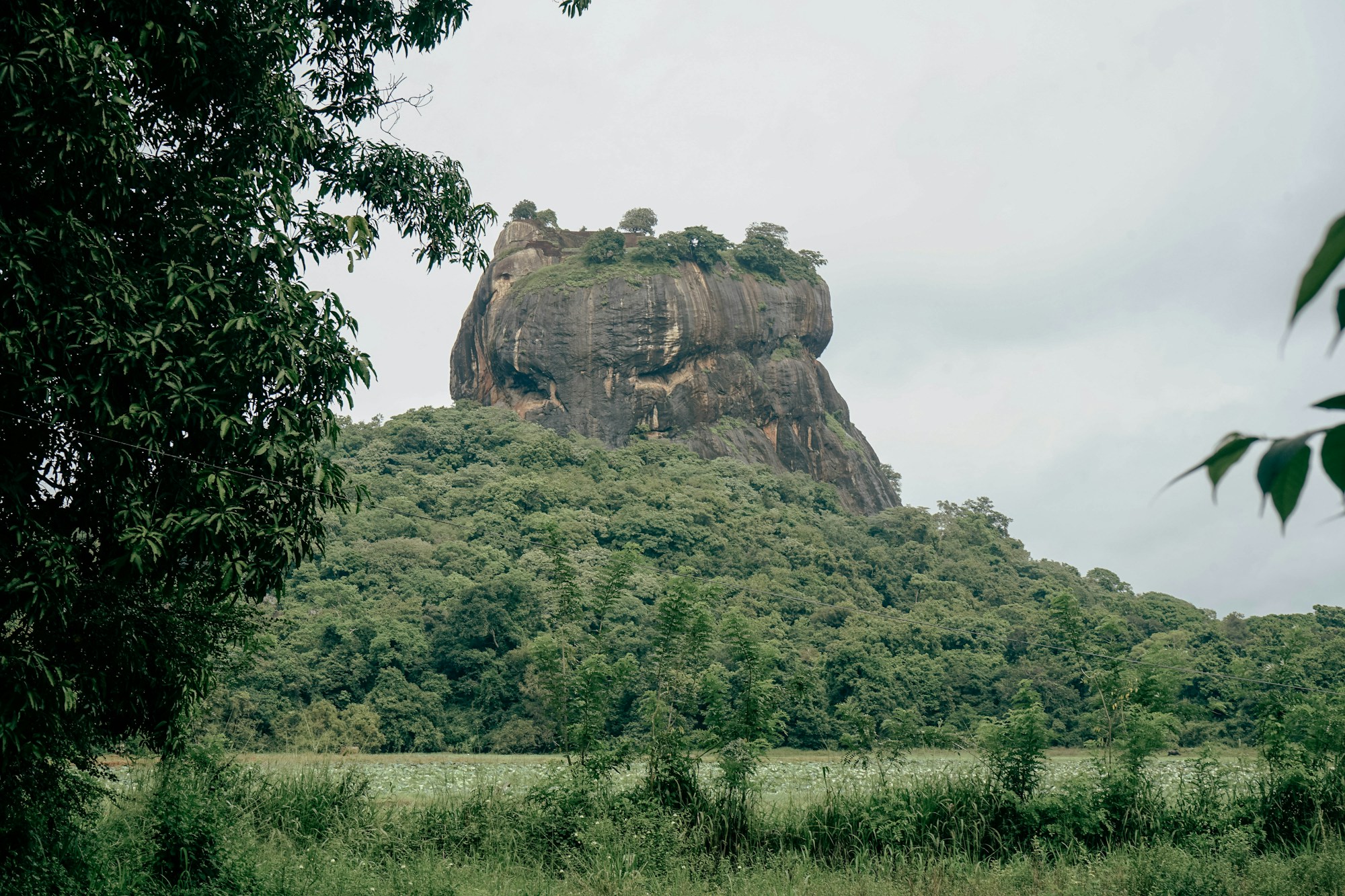
Challenge yourself by climbing this spectacular 5th-century rock fortress rising 200 meters, with its ancient water gardens, enchanting frescoes and panoramic views. Visit Sri Lanka Tours reminds us that the frescoes of celestial women (the « Sigiriya Maidens ») painted on the rock face remain among the best-preserved works of art in South Asia. This UNESCO World Heritage Site bears witness to architectural and artistic brilliance unequalled in the region.
Highlights
- « Sigiriya Maidens » frescoes (5th century)
- Hydraulic gardens, the world’s first example of landscape architecture
- 360° view from the summit over jungle and paddy fields
- Pidurangala Rock nearby: view over Sigiriya for only ~€3
3. Wilpattu — Crowd-Free Safari (The Unknown Jewel)
Wilpattu: Leopards and Sloth Bears Without the Tourist Buses
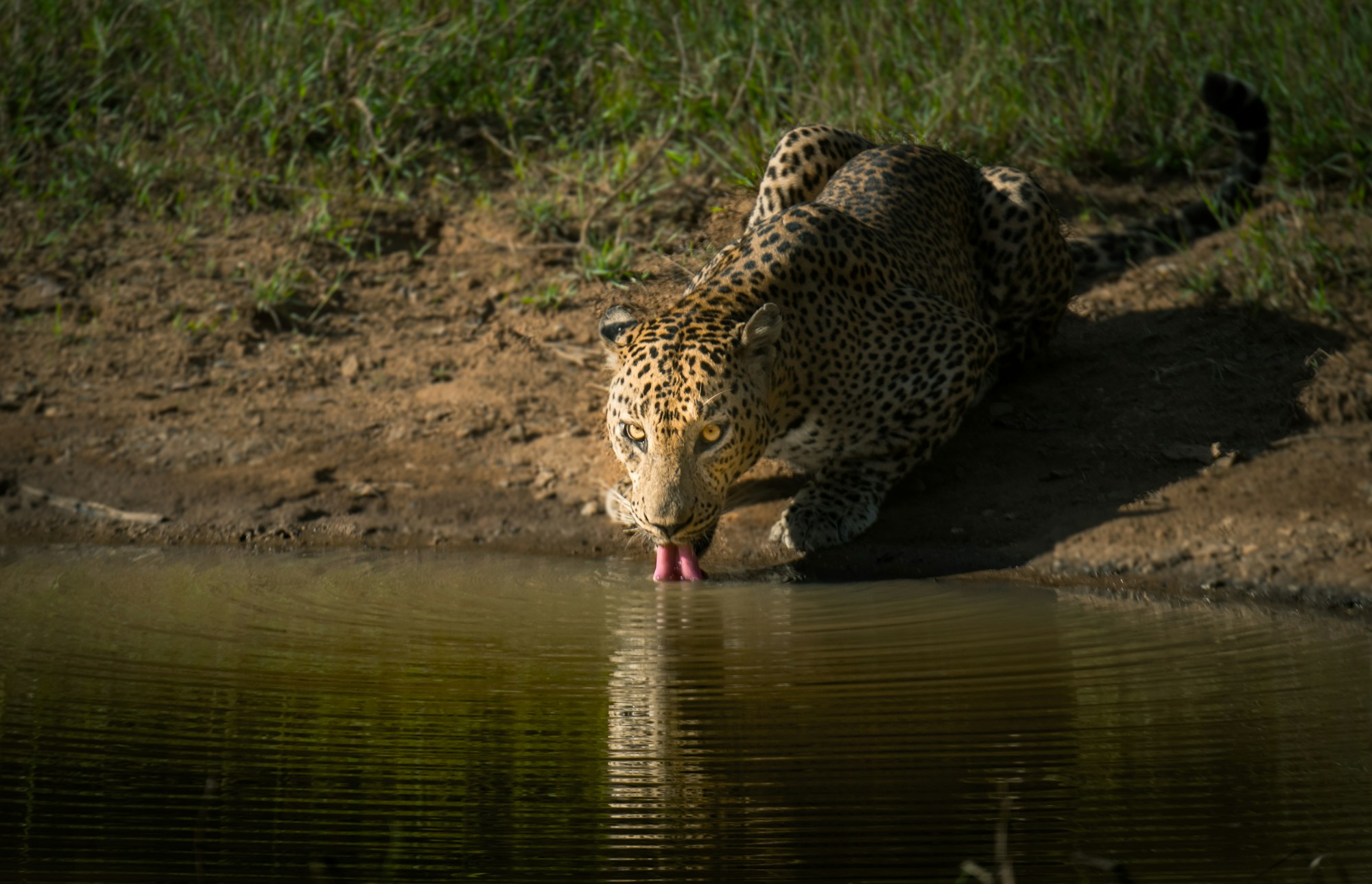
Located in northwestern Sri Lanka, Wilpattu is the country’s largest national park — but also one of the least visited. According to Voyages au Ntéo, it offers a wilder and more pristine safari experience than southern parks like Yala or Udawalawe. Its denser forest cover, characteristic wetlands called « Villu » and the second-largest leopard population in Sri Lanka make it an exceptional spot for wildlife lovers. As The Wildlife Diaries confirms, when you spot a leopard here, your jeep will probably be the only one watching it.
Highlights
- 2nd largest leopard population in Sri Lanka
- Sloth bears (fewer than 1,000 in the wild worldwide)
- Elephants, crocodiles, wild buffalo in a unique forest setting
- Almost no Western tourists: a truly wild experience
4. Kandy — The Royal City and the Temple of the Tooth
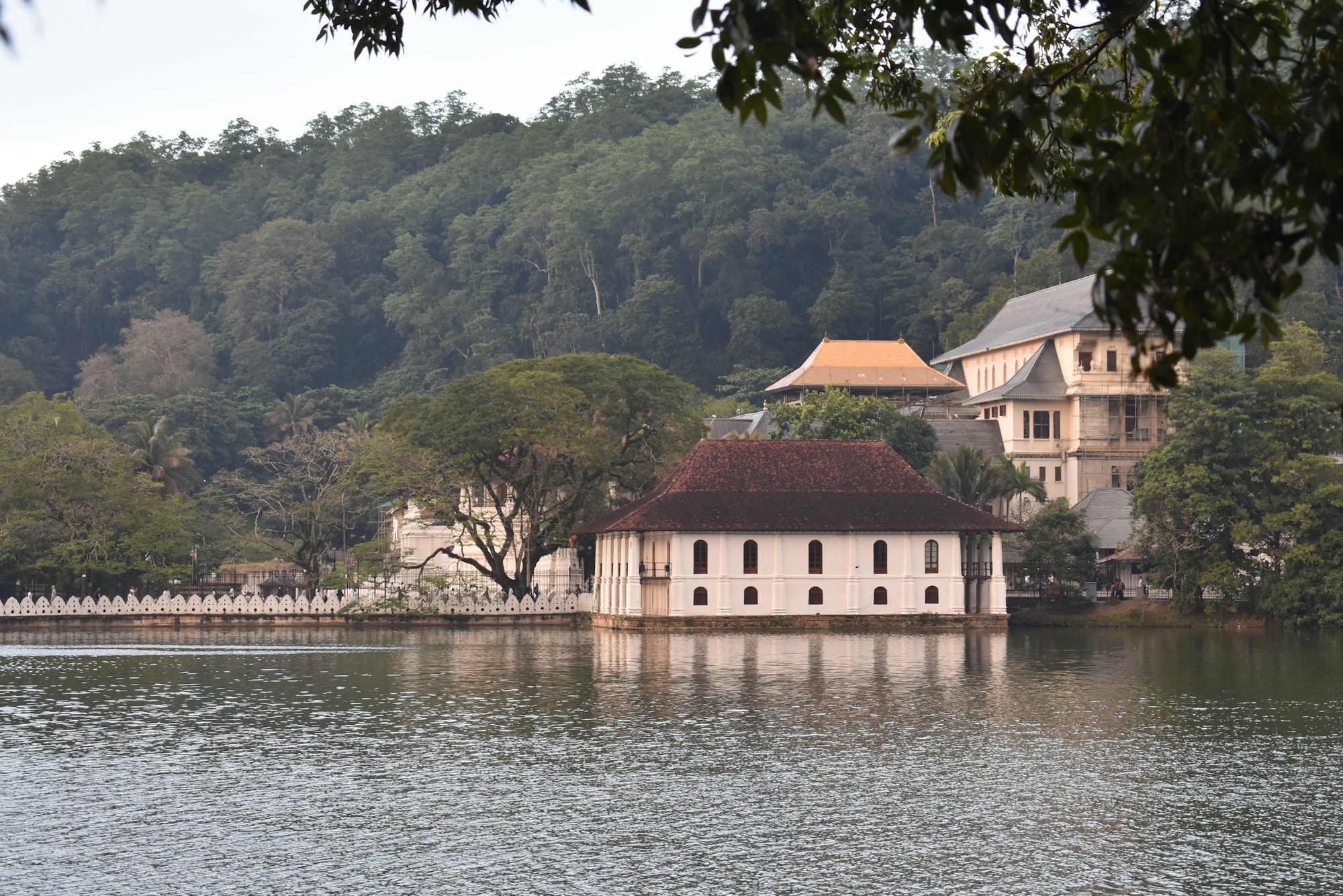
Kandy: Spiritual and Cultural Heart of the Highlands
Kandy, Sri Lanka’s last royal capital, houses the Temple of the Tooth Relic, attracting Buddhist pilgrims from around the world for over a thousand years. The city is built around a magnificent artificial lake and unfolds across the hills. According to Nomadic Matt, its vibrant markets, craft workshops and Kandyan dance performances make it an unmissable cultural hub — and the ideal starting point for the legendary train to Ella. For off-the-beaten-path experiences, the Embekke (ancient wood carvings), Gadaladeniya and Lankathilaka temples are a few kilometers away and remain almost unknown to tourist circuits.
Highlights
- Sri Dalada Maligawa Temple (Tooth Relic) — UNESCO site
- Peradeniya Botanical Garden (the most beautiful in South Asia)
- Traditional Kandyan dance performance in the evening
- Esala Perahera in July–August: Asia’s largest elephant procession
5. The Kandy–Ella Train — The Most Beautiful Rail Experience in the World
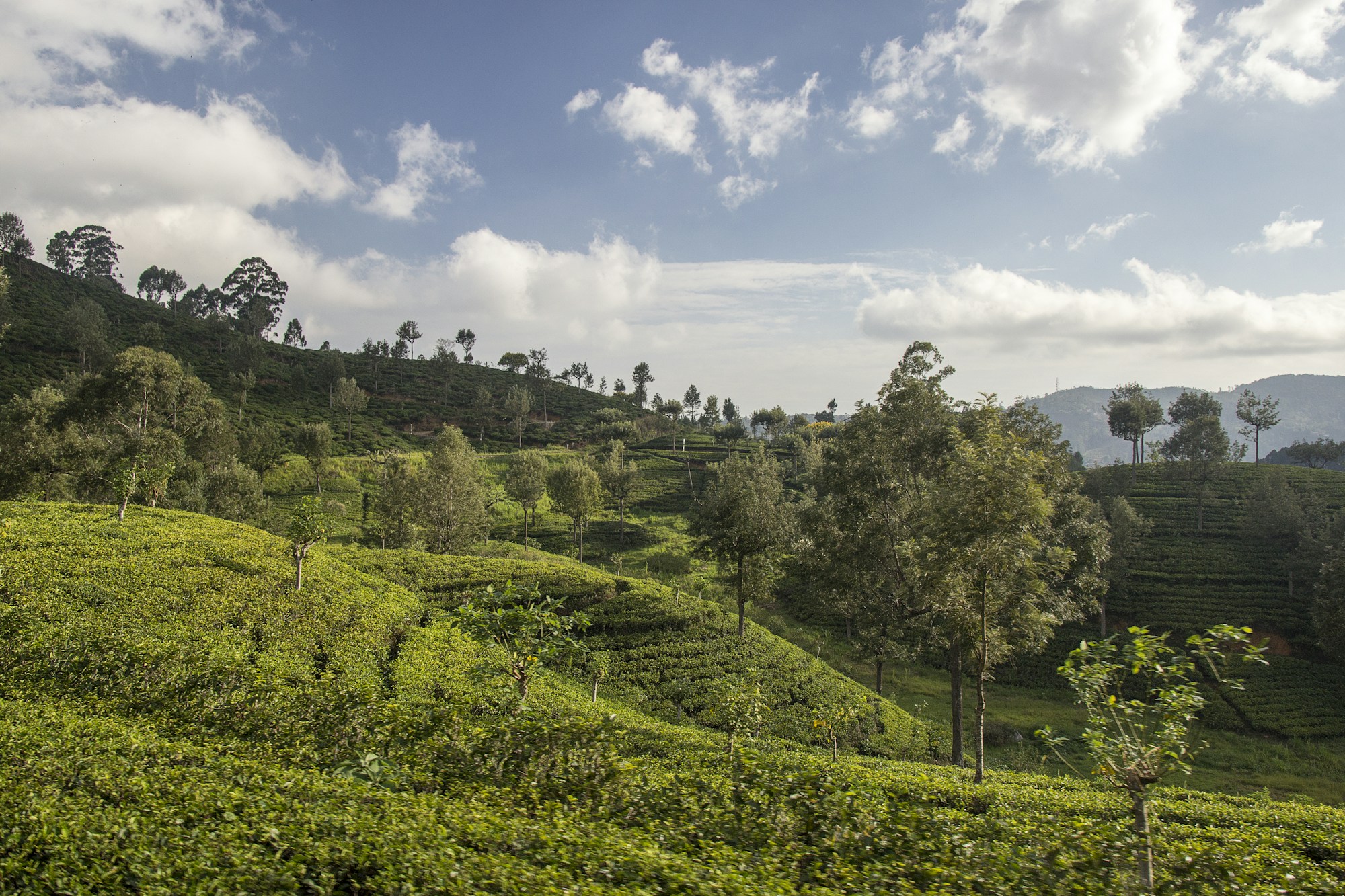
7 Hours of Magic Through the Highlands
This isn’t just a way to get around — it’s a 7-hour visual feast through Sri Lanka’s misty mountains, rolling tea plantations and jungle-covered hills. As The Common Wanderer describes, from Hatton the landscape changes and enters the famous tea plantations: waterfalls, colorful towns, a few tunnels. Between Nanu Oya and Haputale, the train runs along a narrow mountain ridge with extraordinary views over misty forests. The iconic image: sitting in the open train door, feet dangling as wooden sleepers rush past — tea pickers’ saris against a backdrop of emerald fields.
Highlights
- Tea plantation landscapes as far as the eye can see
- Ella → Kandy direction recommended (less crowded carriage)
- Waterfalls, tunnels and colonial viaducts along the way
- Rock-bottom price for one of the world’s most beautiful rail experiences
6. Ella — The Village Suspended in the Clouds
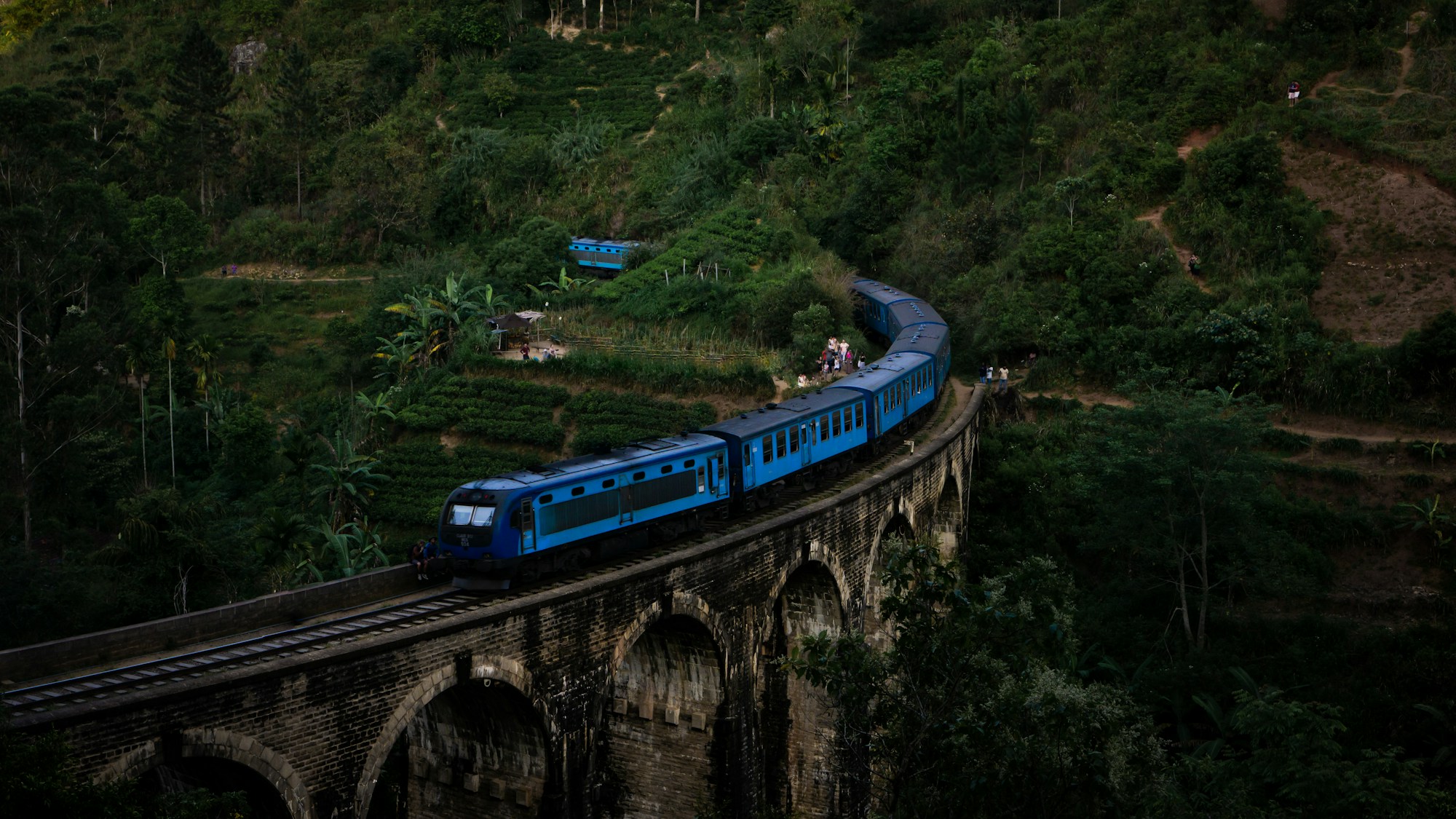
Ella and the Nine Arch Bridge: Sri Lanka’s Icon
Ella is a highland paradise with its misty mountains, tea plantations and the famous Nine Arch Bridge. According to The Daily Packers, this colonial viaduct built in 1921 entirely from stone and cement (not a single piece of steel) symbolizes all of Sri Lanka — and the blue train that slowly crosses it in the morning mist is one of the most evocative scenes in Asia. The climb to Little Adam’s Peak (1h30 round trip) offers a 360° view over the valley. Ella is also the village of trekking, yoga and slow living that wins unconditional fans among travelers worldwide.
Highlights
- Nine Arch Bridge at sunrise (crowds arrive from 10 AM)
- Little Adam’s Peak: accessible hike (free entry)
- Ella Rock: 4-hour trek for the more adventurous
- Yoga village and Ayurvedic spa: perfect for recovery
7. Nuwara Eliya — « Little England » in the Clouds
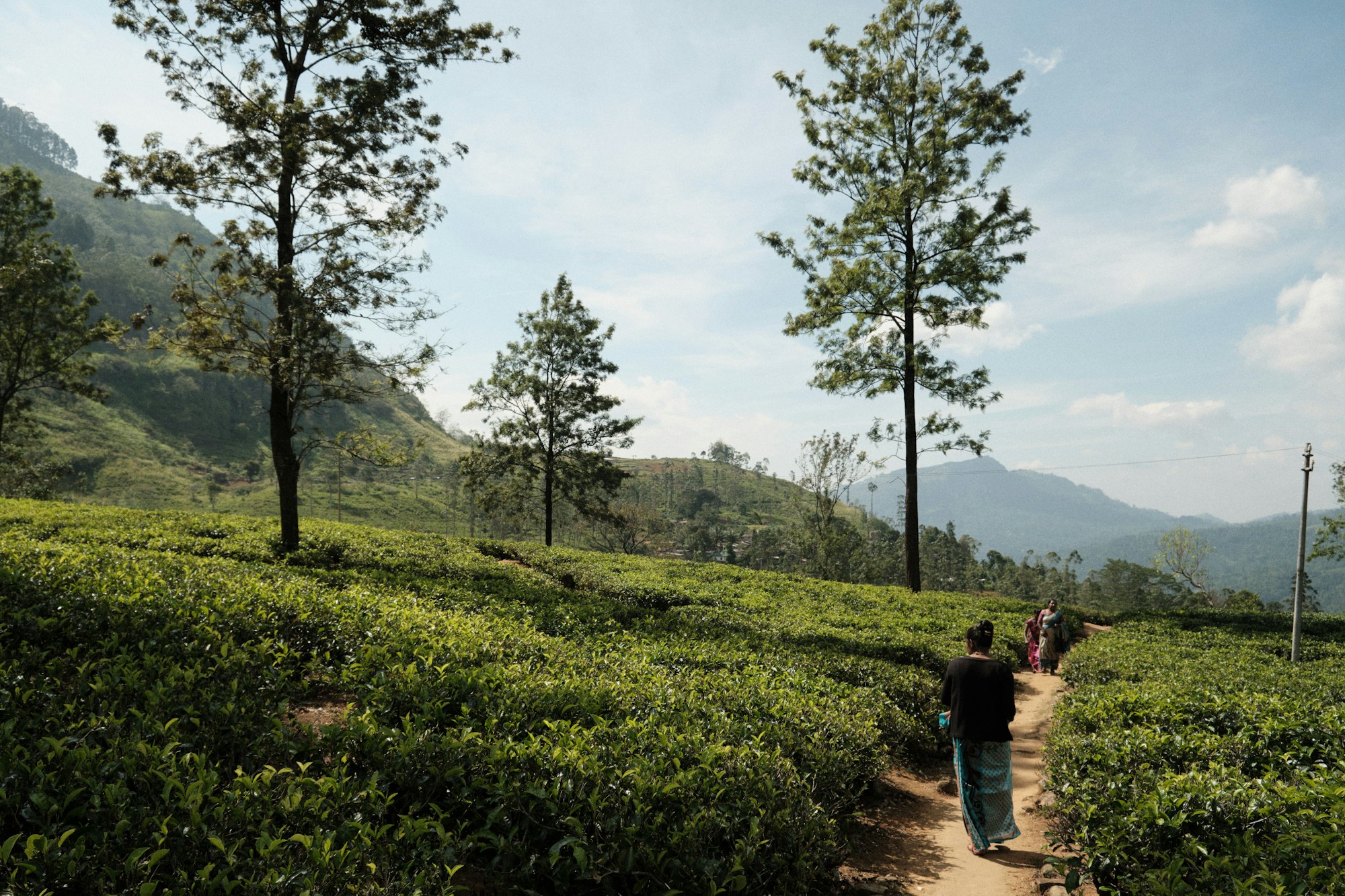
Nuwara Eliya: The Best Ceylon Tea Tasted at the Source
Nicknamed « Little England », Nuwara Eliya is ideal for cooling down and tasting the best Ceylon tea directly in the plantations. According to Blue Lotus Vacations, the town retains a surprising British colonial architecture: Victorian houses, golf clubs, rose parks — a total change of scenery in the heart of Asia. Guided tea factory tours cost only €2.50–5 with tasting included according to Chéri fais tes valises. The surrounding Haputale hills offer top-class treks, notably to the legendary Lipton’s Seat.
Highlights
- Tea factory visit with tasting (Mackwoods Labookellie)
- Lipton’s Seat trek from Haputale: panorama over hundreds of kilometers
- Victorian colonial architecture: British atmosphere in the heart of Asia
- Ceylon white tea unavailable elsewhere: bring some home!
8. Mirissa — World Capital of Blue Whale Watching
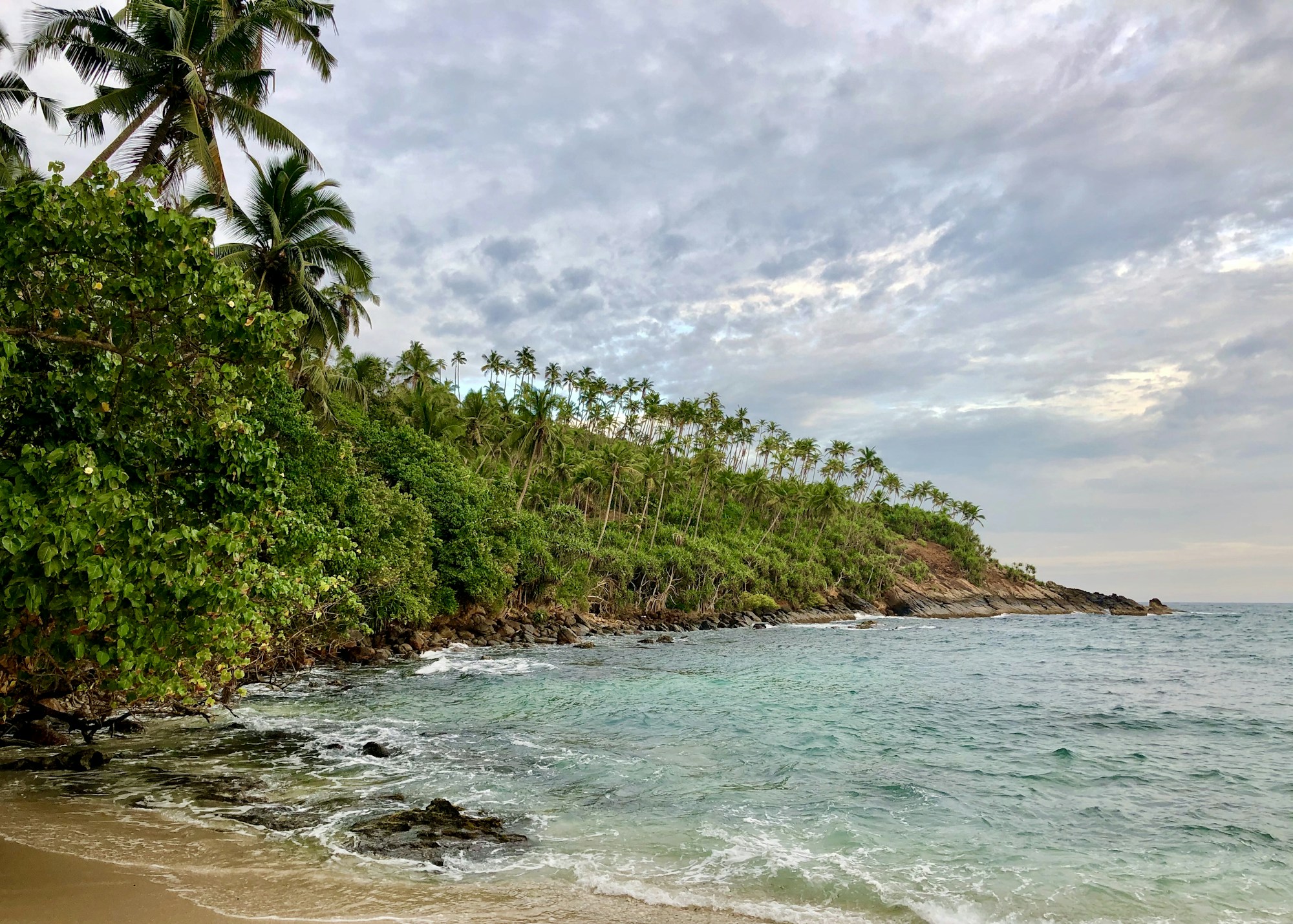
Mirissa: Meet the Blue Whale, the Largest Animal on Earth
Located on the south coast, Mirissa is the best place in the world to see blue whales — the largest animal ever to have lived on Earth. According to The Wildlife Diaries, you can spot up to ten different species: fin whales, Bryde’s whales, sperm whales, dolphins in large numbers, and the majestic blue whales between February and mid-March (peak season). Tours depart early in the morning (around 6:30 AM) and last 3–5 hours. Mirissa also boasts a beautiful beach, a beginner surf spot and the near-deserted Secret Beach — a sea-jungle-cetacean combination unique in the world.
Highlights
- Blue whales (the largest animal on Earth) in the wild
- 10 cetacean species observable in a single outing
- Secret Beach: nearly undiscovered and magnificent
- Beginner surfing on the main beach
9. Galle Fort — The Colonial Jewel of the Indian Ocean
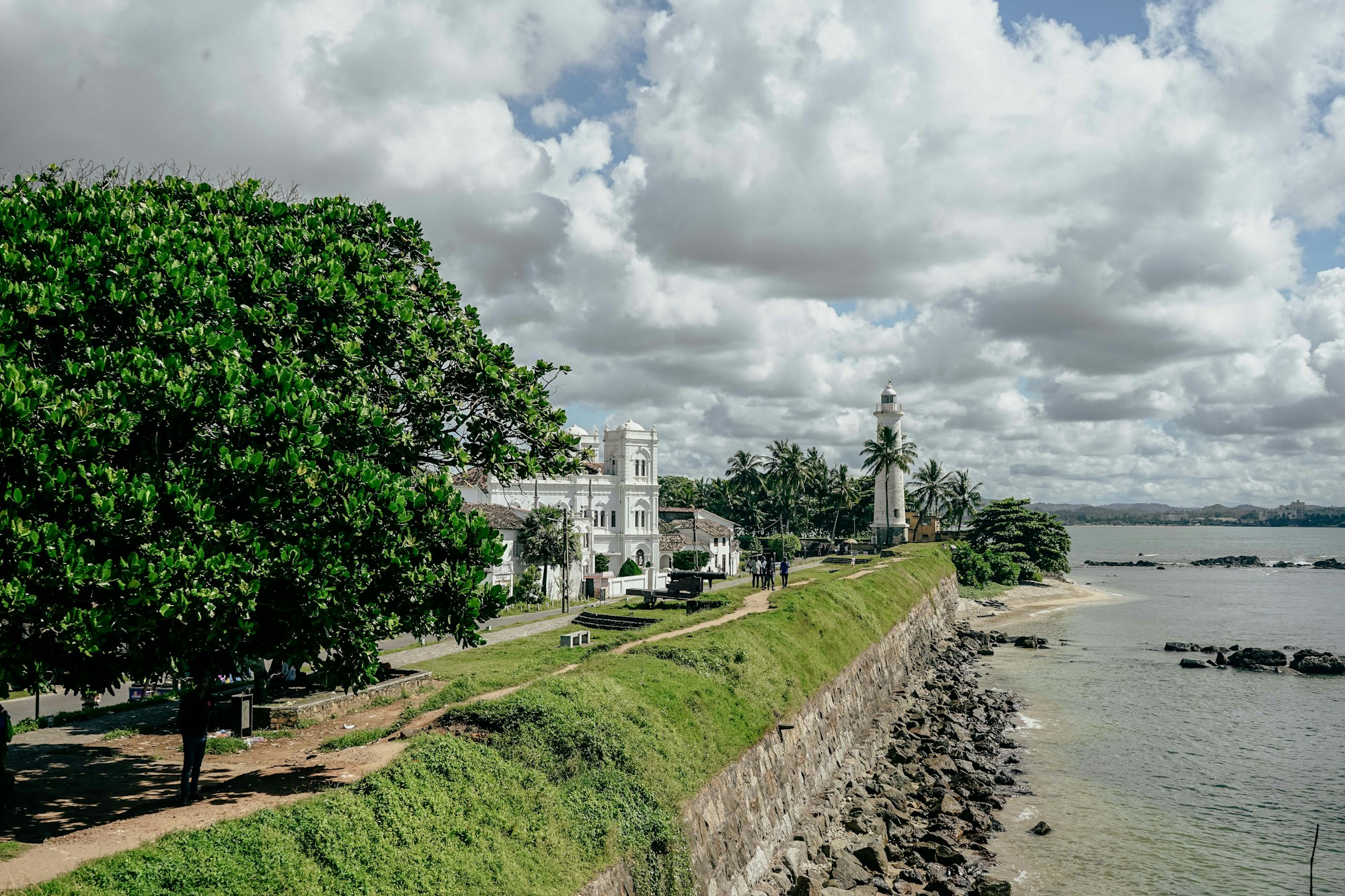
Galle Fort: A Town Within a Town, Alive and Preserved
Explore the colonial charm, trendy cafés and ocean views inside this 17th-century Dutch fortress classified as a UNESCO World Heritage Site. According to Blue Lotus Vacations, Galle Fort is home to craftspeople, art galleries, boutique hotels and fine restaurants — village life within indestructible ramparts. In 2026, authorities are investing in more sustainable tourism development, with particular attention to waste management and heritage preservation according to Air Journal.
Highlights
- 17th-century ramparts facing the Indian Ocean
- Art galleries, boutique hotels and cafés in a colonial setting
- Barefoot Bookshop: a mythical address for travelers
- Friday market in the lower town for local immersion
10. Jaffna — The Forbidden North, Now Open
Jaffna: The Tamil and Hindu Soul of Sri Lanka
Only recently opened to tourism after decades of civil war, Jaffna is far less commercial than the tourist destinations of the south. According to Horizon Guides, culturally distinct from the rest of the country, Jaffna is a bastion of Hindu culture and history. Nicknamed the « City of Temples », almost every street houses a brightly decorated Hindu shrine. The markets, colonial fort, coral islands and the Nallur Festival in August offer deep and immersive experiences. According to Just Go Exploring, the food in Jaffna is the best in all of Sri Lanka — rich, spicy and totally delicious, especially the famous Jaffna crab curry (navaratna curry).
Highlights
- Brightly colored Hindu temples on every street
- Delft Island: wild ponies, coral fences, Portuguese ruins
- Nainativu Island: sacred Hindu temple and ancient Buddhist site
- The best crab curry in Sri Lanka (navaratna curry)
Practical Information 2026
| Aspect | Key info 2026 |
|---|---|
| Visa | Exemption planned for citizens of 40 countries — check the official website before departure |
| Currency | Sri Lankan Rupee (LKR) — bring cash, cards rarely accepted |
| Language | Sinhala, Tamil; English widely spoken in tourist areas |
| Electrical outlet | Type G (UK) — bring a universal adapter |
| Time zone | UTC+5:30 (UK: +5h30 ahead) |
| Flights | SriLankan Airlines (direct flights available), Qatar Airways, Emirates |
| Apps | PickMe (local taxi), Maps.me (offline) |
| Health | Do not drink tap water. Insect repellent essential. Filtered water bottle recommended. |
Frequently Asked Questions About Traveling to Sri Lanka in 2026
Do European citizens need a visa for Sri Lanka in 2026?
The Sri Lankan government plans to grant visa-free entry to citizens of 40 countries, including those from France, Belgium, Switzerland and many other European nations, according to Air Journal. Nevertheless, check the exact status before departure on the official Sri Lanka Tourism website, as policies may change. The standard electronic visa (ETA) remains available online for approximately $30 if in doubt.
What is the best time to visit Sri Lanka?
Sri Lanka has two monsoons depending on the region: when the west is rainy (May–September), the east is sunny, and vice versa. For the classic itinerary (West coast + Highlands), the best period is December to April. For the East coast, prefer May to October. Shoulder seasons (April–May and September–October) offer the best prices with 30 to 40% discounts on accommodation.
What is the average budget for 2 weeks in Sri Lanka?
For a 15-day stay, budget between €1,540 and €2,310 per person including flights (mid-range/comfort budget) according to Guide-Touriste.com. Travelers seeking more comfort should plan €2,800–3,500, while backpackers using local buses and trains can manage with €1,200–1,400 (flights included). On the ground, the cost of living is 58% lower than in France.
Should you book the Kandy–Ella train in advance?
Yes, absolutely. If you want a seat or a 1st/2nd class ticket, book in advance. The best option is to book directly at stations, as third-party sites like 12go or Viator charge up to 4 times the real price according to Beyond Wild Places. Tickets are available 30 days in advance online on the Sri Lankan Railways website.
How to get around Sri Lanka: private driver or local transport?
For a first trip, the private driver option via a local agency (€40–70/day, including car, fuel, driver’s accommodation and insurance) offers the best compromise of safety/comfort/freedom according to Guide-Touriste.com. For those on a tight budget, local buses cover the entire country from €0.10, and trains offer some spectacularly beautiful routes. Mix both for the optimal experience.
Is Sri Lanka safe for tourists in 2026?
Yes, Sri Lanka is generally safe for tourists. Some challenges remain: occasional communal tensions, petty crime in some areas and sporadic shortages. Authorities are continually strengthening security measures according to Air Journal. Pack an insect repellent (dengue and malaria in some rural areas) and check the travel advice from your country’s foreign ministry before departure.
What currency to use in Sri Lanka, and can you pay by card?
The Sri Lankan Rupee (LKR) is what you’ll need for daily purchases. Card payments are rarely accepted outside large hotels and tourist restaurants according to Où et Quand. Change your money outside the airport (better rates in the city). For withdrawals, a no-fee card like Revolut or Wise is strongly recommended by Un Passeport en Cavale.
Can you see blue whales in Sri Lanka outside Mirissa’s season?
Yes! Blue whales can be spotted off Mirissa between November and April (peak in February–March), and off Trincomalee on the East coast between March and July according to the IWC Whale Watching Handbook. If you visit both coasts, you can see whales almost year-round.
Sources
- Air Journal (Feb. 2026) — Sri Lanka tourism: heading for 3 million visitors in 2026
- Air Journal (Aug. 2025) — Sri Lanka tourism: the great return of the Pearl of the Indian Ocean
- Travel and Tour World (Jan. 2026) — Sri Lanka shatters tourism records with 2.36 million visitors in 2025
- Guide-Touriste.com (Dec. 2025) — Budget and prices for a trip to Sri Lanka: complete guide
- Chéri fais tes valises (Aug. 2025) — What budget for 2 weeks in Sri Lanka
- Nomadic Matt (2026) — Sri Lanka Travel Guide (Updated 2026)
- The Common Wanderer (Aug. 2025) — How to Ride the Kandy to Ella Train
- Beyond Wild Places — 18 Tips for the Kandy to Ella Train Ride
- The Wildlife Diaries (Dec. 2025) — Wilpattu National Park Safari Guide
- The Wildlife Diaries — Best Ethical Whale Watching in Mirissa
- Visit Sri Lanka Tours — Discover Sri Lanka in 2025: A Complete Guide
- Horizon Guides (May 2025) — Off The Beaten Track In Sri Lanka
- Just Go Exploring (Nov. 2025) — Hidden Gems in Sri Lanka
- The Daily Packers — Nine Arch Bridge in Ella, Sri Lanka
- Voyages au Ntéo — Wilpattu Park: tips for wildlife spotting
- Responsible Travel — Blue whale watching in Sri Lanka
- IWC Whale Watching Handbook — Sri Lanka country profile
- Blue Lotus Vacations (2025) — Ultimate Sri Lanka Travel Guide
- Où et Quand — Sri Lanka budget: costs and expenses
- Un Passeport en Cavale — 8 tips to define your Sri Lanka travel budget
- Ease India Travel (2026) — Ultimate Sri Lanka Travel Guide 2025–2026
- Shanti Travel — Off-the-Beaten-Path in Sri Lanka
Research conducted on 22 February 2026. Pricing and regulatory information (visa, safety) is subject to change. Check your country’s foreign ministry travel advice before departure.
Ready to Plan Your Trip to Sri Lanka?
Discover our detailed itineraries, created and shared by passionate travelers. Colombo, Ella, Galle, Wilpattu — plan every step of your Sri Lankan adventure on Pixidia.
Explore all itineraries