
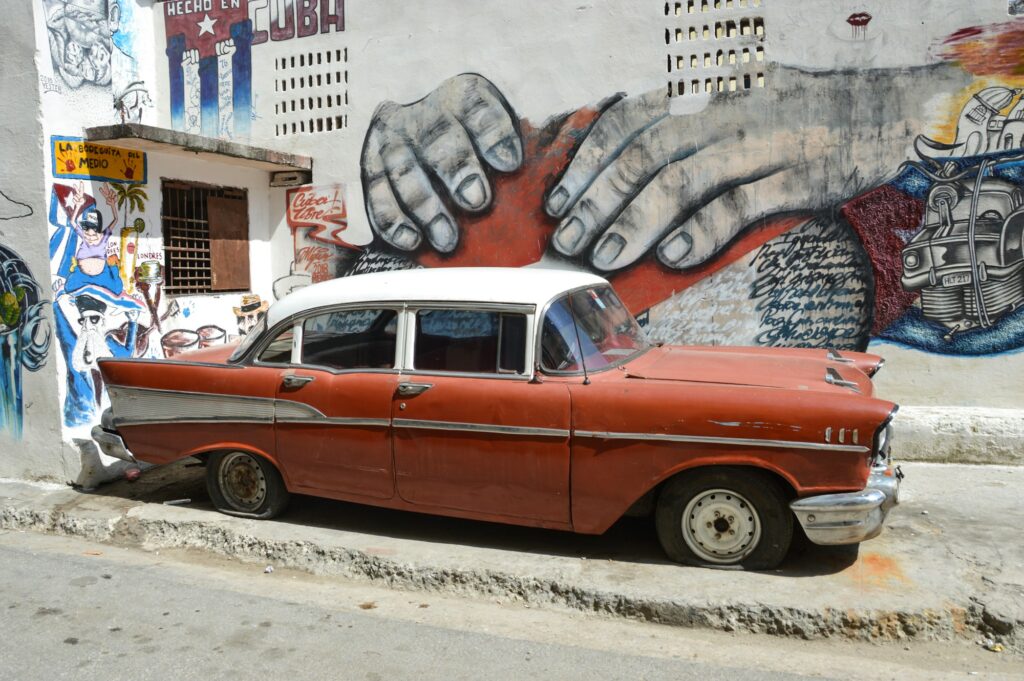
Cuba in 2026 is a gamble — and also one of the finest travel decisions you can make. Yes, the energy crisis is real. Yes, power cuts can last twenty hours a day in some neighbourhoods. But no crisis has yet managed to erase the baroque streets of Old Havana, the limestone mogotes of Viñales, or the spontaneous salsa on the steps of Trinidad. This guide gives you the most up-to-date ground realities — unfiltered — so your trip is planned with full awareness of what awaits.
Cuba in 2026: What You Need to Know Before You Go
Cuba’s tourism sector recorded approximately 1.8 million visitors in 2025, a drop of 17.8% compared to the previous year, according to data published by CP24. The energy crisis has worsened under American pressure on fuel access, but as Ricardo Torres Perez, a researcher at American University in Washington, points out, « the government allowed the electrical grid to age until it became fragile » well before any external pressure was applied.
In many parts of the country, both scheduled and unscheduled blackouts last more than 20 hours a day, according to CBC News. That said, major tourist areas and casas particulares equipped with generators are generally better spared. According to CubasBest, there are no reports of food shortages affecting tourists — food remains available in paladares and casas.
Despite everything, Cuba remains Cuba: its UNESCO-listed baroque architecture, its vibrant music scene, its rum and cigar culture, and above all the warmth of its people continue to attract travellers who know exactly why they are going. Travel informed, flexible, and with cash in your pocket.
Havana: Between World Heritage and Contemporary Cuba
1. Old Havana (Habana Vieja) — UNESCO World Heritage Site
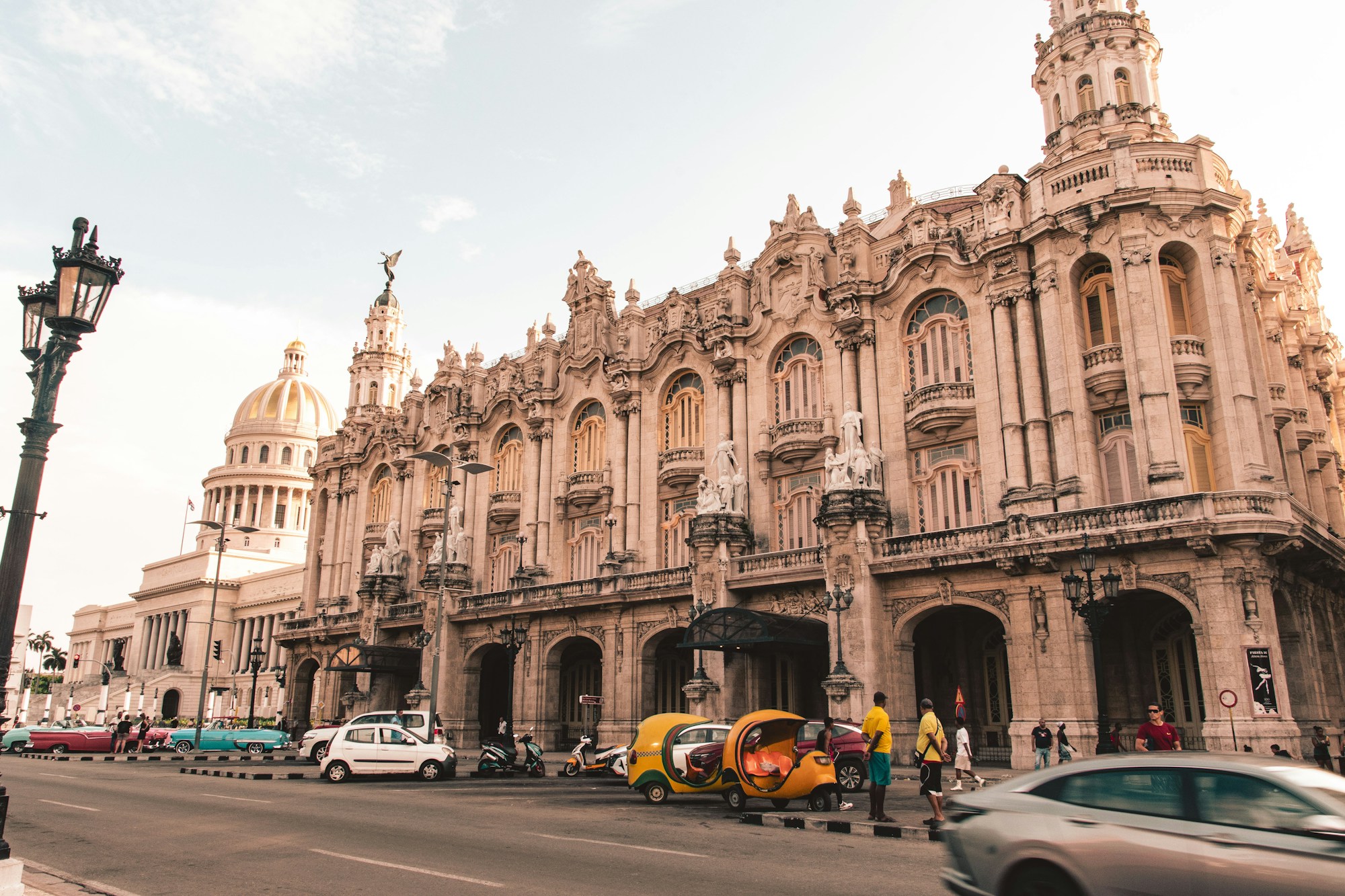
Old Havana, Havana Province
Old Havana is an architectural gem listed as a UNESCO World Heritage Site. Its four great colonial squares — Plaza de Armas, Plaza de San Francisco, Plaza Vieja and Plaza de la Catedral — form a unique urban ensemble in the Caribbean. Five centuries of history can be read on every façade: baroque palaces, Spanish fortifications, neoclassical buildings with peeling paint. According to Havanatour, Cathedral Square is home to one of the finest baroque buildings in the Americas.
What no guidebook tells you: walk around after 7pm, when the tourist groups disperse and residents reclaim their streets. That is when Havana reveals its true face — music filtering through a half-open door, a game of dominoes in the shadow of a portico, the mingled scent of tobacco and salt air.
Must-Sees
- Plaza de la Catedral and its 18th-century baroque building
- Plaza Vieja and its cafés beneath the colonial arcades
- Malecón at sunset (seafront boulevard, 8 km)
- Capitolio Nacional and the Gran Teatro de La Habana
- La Cabaña fortress and El Morro at dusk
2. Fusterlandia — The Gaudí of the Caribbean
Jaimanitas neighbourhood, west of Havana
Walking along Calle 226 in the Jaimanitas neighbourhood, twenty minutes west of Old Havana, a mosaic entitled « Homage to Gaudí » set into the stonework signals what lies ahead. Fusterlandia is the monumental work of Cuban artist José Rodríguez Fuster: he has covered not only his own home but entire streets of the neighbourhood with colourful ceramics and mosaics — bus stops, party walls, fountains, rooftops. According to Cubania, the artist transformed his neighbours’ house fronts to « bring joy and colour to residents and visitors alike ».
Unlike the very touristy Callejón de Hamel, Fusterlandia spills out across the entire neighbourhood — it is a dreamlike open-air world born from reclaimed materials and an absolute faith in community art.
- Free stroll through the mosaic-covered streets (no charge)
- Visit to Fuster’s house-studio (paid entry, a few CUP)
- Seafood lunch at restaurant Santy, popular with locals
3. La Fábrica de Arte Cubano (FAC) — Havana’s Contemporary Night Scene
Vedado neighbourhood, Havana
Inaugurated in 2014 by musician X Alfonso, the Fábrica de Arte Cubano is housed in a former vegetable oil factory. It is where Cuba’s contemporary creative scene reinvents itself every night: experimental art galleries, jazz and fusion concerts, cinema, fashion shows, bars — all coexisting within this converted industrial space. This is not the Cuba of 1950s clichés: it is the Cuba that Cubans under 35 have created for themselves. According to Advised Traveler, it is the only space in Cuba where official and underground artists, foreigners and Havanans meet on equal footing.
Las Terrazas — Cuba’s Pioneer Eco-Resort
Artemisa Province, Sierra del Rosario — between Havana and Viñales
In the heart of the Sierra del Rosario, Las Terrazas is a tourism and ecological complex declared a national monument in 2020, combining history, sustainability and culture within a fully reforested landscape. Founded in 1971, the community of one thousand residents (52% of whom are under 35) was designed to blend harmoniously with the hilly topography. According to Cuba Coopération France, the site was transformed into a reforestation model as early as 1968, after having been completely deforested.
The history of the place is deeply rooted in Cuban migration movements: escaped slaves in the 17th century, French exiles from New Orleans in the 19th century, then ecological renaissance. Visitors discover coffee plantation ruins, rivers, waterfalls and tropical forests less than an hour from Havana. The community keeps alive traditions such as the décima campesina (folk poetry) and serenatas nocturnas.
Things to Do On-Site
- Walk to the San Pedro-Cafetal coffee plantation ruins (19th century)
- Hike to the San Juan waterfall and its natural swimming pools
- Visit painter Lester Campa’s studio (contemporary Cuban art)
- Lunch at El Romero restaurant (vegetarian cuisine using local produce)
Viñales & the Province of Pinar del Río
4. The Viñales Valley & its National Park
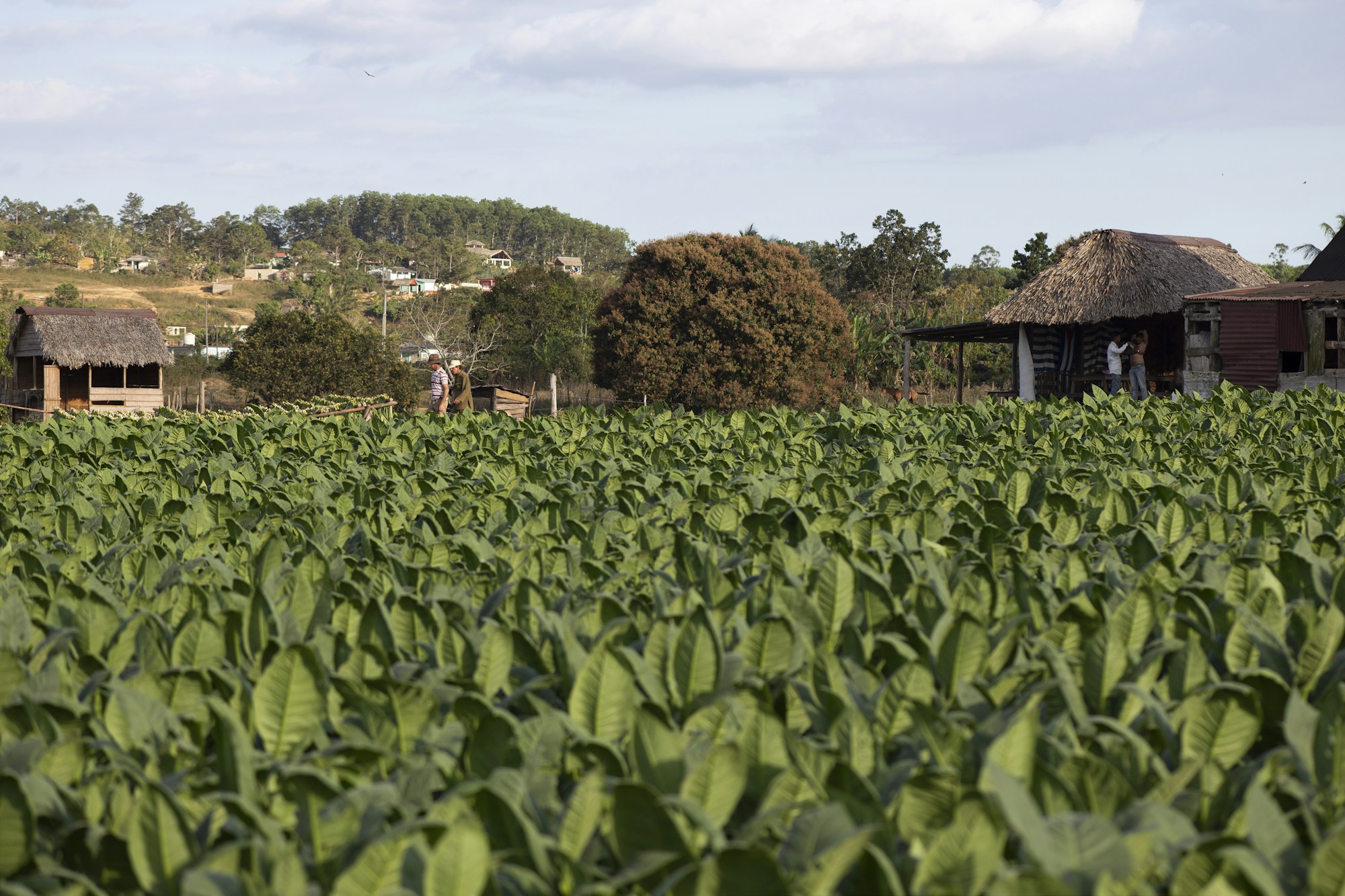
Pinar del Río Province, western Cuba
The Viñales Valley has been listed as a UNESCO World Heritage Site since 1999, celebrated for its lush vegetation, traditional tobacco farming and above all the famous mogotes — those Jurassic limestone hillocks whose rounded summits rise to around 300 metres. According to Visiter Cuba, farming techniques remain entirely traditional: peasant farmers still plough the red clay soil with oxen, without machinery or electricity.
This is a rural, protected Cuba, far from the beach resort circuit. Here, farmers will explain tobacco, rum and coffee production directly from their fincas. Some casas particulares are equipped with solar panels and are unaffected by power cuts — a considerable advantage in 2026.
Essential Activities
- Sunrise over the mogotes from the Mirador Los Jazmines viewpoint
- Visit to a tobacco finca and introduction to cigar rolling
- Guided horse ride through the mogotes (€15–25)
- Climbing the mogotes (with a local guide)
- Exploration of Cueva del Indio and the underground karst system
5. Los Acuáticos — The Secret Community in the Sierra del Infierno
6 km west of Viñales, in the Sierra del Infierno
Located 6 km west of Viñales, Los Acuáticos is a community founded in 1943 by peasant woman Antoñica Izquierdo, who is said to have discovered healing properties in the local waters. The community, born from a divine revelation, has since lived by its own rules: members must bathe an odd number of times per day, apply wet compresses to wounds, and drink abundantly from the crystal-clear local springs. According to Online Tours, one encounters isolated families here who have chosen to live apart from the wider world for more than sixty years.
It is one of the rare rural Cuban communities that is neither a park nor a museum: families living according to their own beliefs, welcoming curious visitors with disarming generosity. The hike to reach them passes through genuine Cuban village life — rice paddies, maize fields, bright red clay paths.
6. Cayo Levisa — The Unspoilt Island off Northern Pinar del Río
Los Colorados Archipelago, north of Pinar del Río Province
From the Palma Rubia jetty, a ferry departs at 10am for Cayo Levisa — a white-sand island where you can explore coral reefs among the best preserved on Cuba’s north coast. The ferry returns at 5pm. No large all-inclusive hotels, no permanent residents apart from staff at a small lodge — just the coral reef, pelicans and a handful of lucky travellers. According to TravelNetCuba, it is one of the most popular excursions from Viñales.
Among the rare cayos accessible without going through the large hotel complexes controlled by GAESA, the Cuban military enterprise — a distinction that matters for travellers seeking authenticity.
Trinidad & Surroundings: the Town Where Time Stands Still
7. Trinidad — UNESCO World Heritage Historic Centre
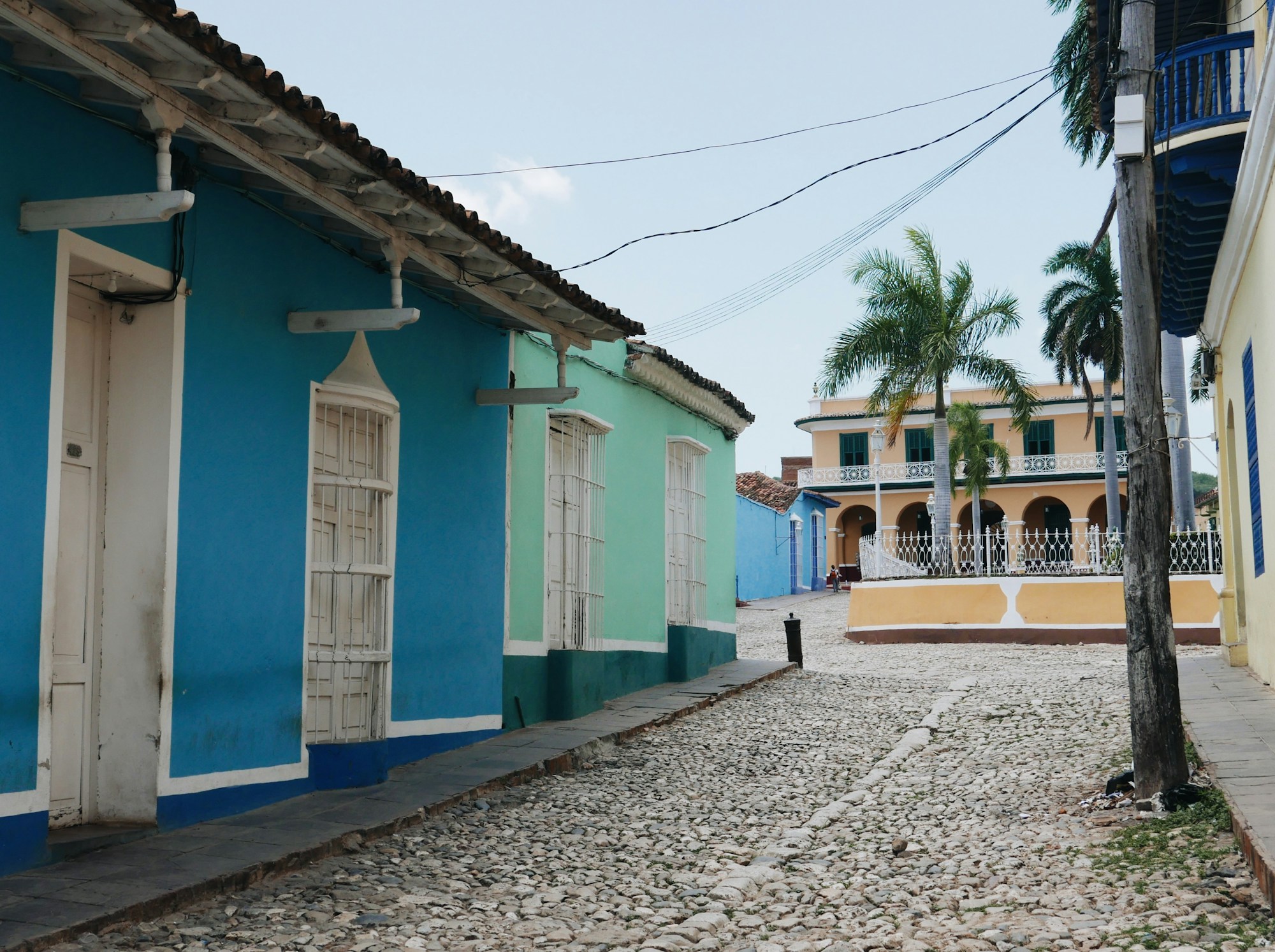
Sancti Spíritus Province, central Cuba
Trinidad is a magnificent town listed as a UNESCO World Heritage Site, founded in 1514 — one of the first towns established by the Spanish in the Americas. Its houses with ochre, blue, green and pink façades, its cobblestone lanes and the Sierra del Escambray as a backdrop form what Tourisme-Cuba describes as « a true history book and a journey through time ». Unlike Havana, where modernity rubs shoulders with the colonial, here everything seems to have stopped in the 19th century.
At night, the streets come alive with spontaneous salsa on the steps of the Casa de la Música — one of the rare places in the world where the party is as organic as the landscape. Trinidad is also an ideal base for exploring the surrounding area: Playa Ancón 11 km away, Valle de los Ingenios and Topes de Collantes are all reachable in a day.
Must-Sees
- Plaza Mayor and its museums (Romantic Museum, Colonial Architecture Museum)
- Salsa evening on the steps of the Casa de la Música
- Playa Ancón (11 km south, white-sand beach)
- Former prison converted into a cultural centre (pottery, painting)
- Craft market on Calle Real del Jigüe
8. Valle de los Ingenios — The Memory of Slavery
15 km from Trinidad, on the road to Sancti Spíritus
The Valle de los Ingenios (Valley of the Sugar Mills), listed as a UNESCO World Heritage Site, bears witness to the sugar era and the slavery that shaped Cuba in the 19th century. This fertile valley once concentrated more than fifty sugar mills. The Torre Manaca Iznaga, standing 44 metres tall, was used to watch over enslaved workers in the fields and to spot fugitives — its bell rang to mark the beginning and end of each working day. According to CubasBest, it is one of the most moving excursions from Trinidad.
At the foot of the tower, women sell remarkably fine lace-embroidered tablecloths — a craft passed down from generation to generation since the colonial era.
9. Topes de Collantes — Waterfalls and Revolutionary History
Sierra del Escambray, 30 km from Trinidad
The Topes de Collantes Park contains Cuba’s second mountain range (after the Sierra Maestra), with giant waterfalls, caves, and exceptional flora and fauna. The flagship hike leads to the Caburni waterfall: 3 km through coffee plantations and farmhouses, ending at this 62-metre cascade that plunges into a series of natural pools ideal for swimming. According to Wikipedia, another hike, La Batata, ends in a cave system traversed by underground rivers.
The history of the place is equally revolutionary: Topes de Collantes served as a refuge for rebel troops under the command of Che Guevara during the struggle against Batista. Tickets (10 USD) can be purchased at the official tourism office in Trinidad before departure.
Practical Guide: Budget, Money & Transport
Budget & Monetary System in 2026
In Cuba, cash remains the dominant means of payment — and in 2026, ATMs breaking down is far from unusual. Bring your entire budget in cash, preferably in euros or Canadian dollars (US dollars may attract a surcharge). According to Voyage-Cuba, a mix of small denominations is ideal: many establishments cannot give change for large notes.
In 2025, the Central Bank’s official rate was approximately €1 = 125 CUP, but the parallel market rate reached 450 to 500 CUP per €1 according to Cuba Découverte. Always check current rates before you leave — they change frequently.
| Traveller profile | Budget/day | Total 14 days |
|---|---|---|
| Backpacker (casas, local paladares) | €35–50 | €490–700 |
| Mid-range traveller | €60–90 | €840–1,260 |
| Comfort (small hotels + excursions) | €100–150 | €1,400–2,100 |
Excluding international flights. Return flights from France/Europe typically range from €600 to €900.
Getting Around from Havana to Viñales and Trinidad
For independent travel between the three destinations, the most effective combination pairs Viazul buses (intercity links) with colectivos — shared taxis that depart once full. According to Two For The World, this is the option preferred by experienced independent travellers.
Note: fuel availability is unpredictable in 2026 and can disrupt road transport — always check the availability of your bus or taxi the day before. According to the Government of Canada, fuel shortages can affect travel at short notice.
- Havana → Viñales: 2h30 by Viazul bus or colectivo (~10–15 USD)
- Viñales → Trinidad: 5–6h (often via Havana or Cienfuegos)
- Colectivo taxis: often faster and more flexible than the bus
- Tip: your casa owner can arrange all your transfers
Frequently Asked Questions About Cuba 2026
Do I need a visa for Cuba in 2026?
From 1 July 2025, Cuba modernised its entry formalities: the traditional physical tourist card has been permanently replaced by a mandatory e-Visa for all international travellers. If you are transiting through a third country, you must obtain this Cuban electronic visa in advance. A 10-character code is provided, which must be included when completing the online customs form. Check with your Cuban embassy or consulate, or with your airline, for the exact procedure based on your nationality. According to the Government of Canada, formalities can change rapidly — consult official advisories before booking.
Will power cuts ruin my trip to Cuba?
Scheduled and unscheduled power cuts continued throughout 2025 and into 2026. That said, casas particulares equipped with generators (an increasingly common feature) and tourist areas are better insulated than residential neighbourhoods. According to Marysol Travel, there are no reports of food shortages specifically affecting tourists — food remains available. The key: choose private accommodation with generators, find out in advance, and pack a head torch and a fully charged power bank.
Is it safe to travel to Cuba in 2026?
Independent analyses report a rise in petty crime (theft, pickpocketing) in certain tourist areas as the economic crisis deepens. The US Embassy has issued a security alert recommending heightened caution. That said, Cuba remains far safer than most Caribbean destinations for travellers. Take the usual precautions: don’t carry too much cash on you, avoid poorly lit alleyways at night, and ask locals about areas to avoid. Always check your government’s travel advisories before departing.
Which airlines still fly to Cuba from Europe?
Direct flights from France are available with Air France and some charter airlines depending on the season. From other European countries, flights via Mexico City or Panama City with AeroMéxico and Copa Airlines often offer the best options. According to Travel And Tour World, several Canadian airlines have suspended services to Cuba. Check availability and cancellation conditions at the time of booking — the situation can change rapidly.
How do you manage money in Cuba in 2026?
Cuba still operates overwhelmingly on cash. Bring your entire budget in cash — euros, Canadian dollars or US dollars (note: a surcharge may apply to USD). ATMs break down regularly. Euros and Canadian dollars are often accepted directly in private establishments (casas, paladares, bars). State-run establishments require payment in CUP. Exchange gradually according to your needs and always keep an emergency reserve separate from your main wallet. The parallel market rate is considerably more favourable than the official rate — ask locally upon arrival.
Are casas particulares better than hotels in Cuba?
Absolutely, and more so than ever in 2026. Staying with locals in casas particulares offers several decisive advantages: owners are often equipped with generators (unlike state-run hotels hit by outages), the price is lower (€20–35/night in Viñales or Trinidad), the welcome is incomparable, and your host can arrange your transfers and excursions with full confidence. According to CubasBest, the private accommodation sector has proved far more resilient in the face of the crisis than state hotels. Only pre-book your first few nights — your host will recommend the rest of your route.
What is the best time to visit Cuba?
The dry season, from November to April, offers comfortable temperatures between 20 and 30 °C and ideal weather conditions. High season (December–February) remains the best for atmosphere and festivals, despite slightly higher prices. Spring (March–May) is ideal for Trinidad: fewer crowds, perfect light for photography. Avoid the rainy season (May–October) for hiking in natural parks such as Topes de Collantes — trails become dangerous. Note that from late December to late January and in July–August, cigar factories are closed.
Can you travel independently in Cuba in 2026?
Yes, but Cuba remains a demanding country for transport and logistics — in 2026, more so than before. If you have limited time and want to make the most of it, seriously consider a semi-organised trip (local guide + private casas) which will spare you the vagaries of transport and last-minute accommodation searches. Experienced travellers manage perfectly well on their own, provided they allow considerably more buffer time than elsewhere and adopt total flexibility as a travel philosophy. The OsmAnd app (offline) and the network of casas particulares are your two best allies on the ground.
Sources
- Havana Times — Energy crisis and tourism in Cuba (2026)
- CBC News — Canada travel warning for Cuba
- Government of Canada — Travel advisories for Cuba
- Marysol Travel — Cuba travel update 2026
- Tourisme-Cuba.fr — Trinidad Cuba guide 2025
- Visiter Cuba — Viñales Valley, complete guide
- Cuba Coopération France — Las Terrazas, the ecological refuge
- Cubania — Fusterlandia, what to see in Cuba
- Voyage-Cuba.com — Money and currency in Cuba
- CubasBest — Day trips from Trinidad
- CP24 — Cuban tourism in crisis (February 2026)
- Two For The World — 2-week Cuba itinerary
- Advised Traveler — Visiting Havana for the first time
- Online Tours — Valle de Viñales, exceptional sites
- Wikipedia — Topes de Collantes, Natural Park
Research conducted on 22 February 2026 from 74 web sources.
Ready to Plan Your Trip to Cuba?
Cuba in 2026 is a country in profound transformation, with everything that implies in terms of the unexpected and the challenging — but also a human and architectural beauty that no crisis has yet managed to erode. Travel with humility, cash in your pocket and total flexibility, and you will come home with stories nobody else will have to tell. Before everything changes.
Explore All Pixidia Itineraries