
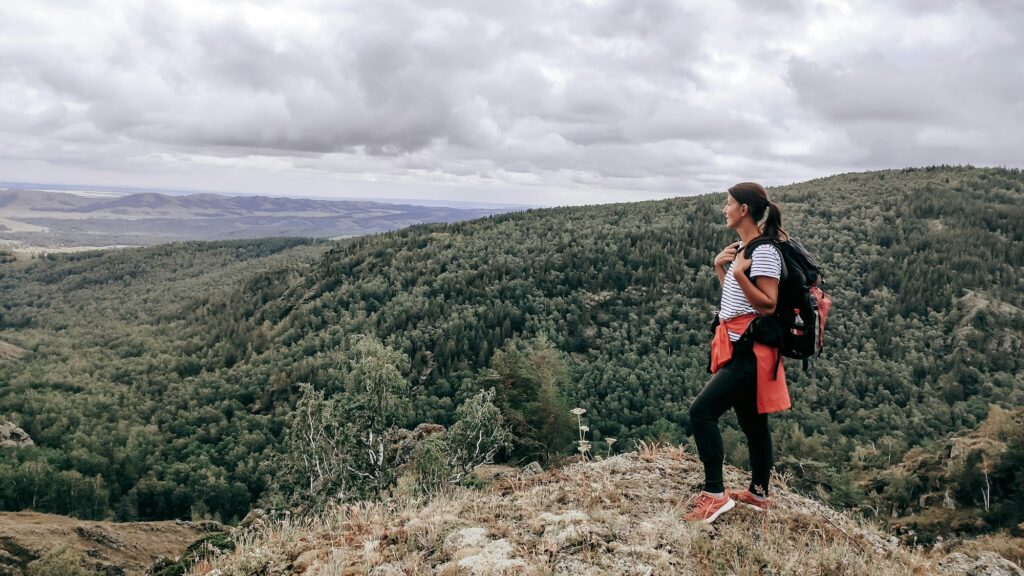
Traveling around the world in 2026 is possible for 12,000 euros. Every year, thousands of travelers turn this dream into reality — and they are neither millionaires nor retirees. According to MoneyBounce, the average budget for a year-long round-the-world trip ranges between 12,000 and 30,000 euros depending on the traveler’s profile. The key? Slow travel — moving slowly, staying longer, spending less. According to Tourdumondiste, travelers who stay more than seven weeks per country spend half as much as those who only spend two or three weeks. In this guide, we have mapped out a 10-to-12-month itinerary across 10 off-the-beaten-path destinations — from the blue medina of Chefchaouen to the cliffside monasteries of Bhutan — with sourced budgets, field-tested tips, and one clear philosophy: fewer countries, more depth.
Round-the-world budget 2026: how much should you plan for?
Before mapping out your itinerary, you need to answer the question that haunts every aspiring world traveler: how much does it cost? The answer depends on three variables: your travel pace, the countries you visit, and your comfort level. According to MoneyBounce, budgets break down into three distinct profiles.
Backpacker profile: 12,000 – 15,000 euros
Hostel dorms, local street food stalls, local buses, and occasional hitchhiking. This is the profile for those who accept discomfort in exchange for total freedom. According to A-Contresens, this budget is entirely feasible over 12 months if you prioritize Southeast Asia, South America, and Africa, while avoiding expensive countries like Australia, Japan, or New Zealand.
Comfort profile: 17,000 – 22,000 euros
Private rooms in guest houses, quality local restaurants, paid activities (diving, guided treks), train or budget airline travel between major stops. This is the most common profile among round-the-world travelers — a balance between discovery and reasonable comfort.
Premium profile: 25,000 – 30,000 euros
3-4 star hotels, fine dining restaurants, private guides, frequent domestic flights. This budget allows you to include expensive destinations like Bhutan (where the sustainable development fee is 100 dollars per night) or exceptional experiences like a cruise in Raja Ampat.
Pre-departure expenses
Beyond the daily budget, according to A-Contresens, don’t forget these pre-departure costs:
- Intercontinental flights: 2,500 to 5,000 euros for a round-the-world (RTW) ticket, or from 1,500 euros by combining deals through agencies like Travel Nation or Zip World
- Visas: 100 to 300 euros depending on the countries visited
- Vaccines and health: approximately 250 euros (yellow fever, hepatitis, boosters)
- Travel insurance: approximately 400 euros per year (essential — SafetyWing, World Nomads, or Allianz Travel)
- Fee-free bank cards: from 150 euros per year (Revolut, Wise, N26)
Sample itinerary: 10-12 months from west to east, slow travel style
The winning strategy, according to MoneyBounce, is to alternate between expensive and budget-friendly countries so you never drain your funds too quickly. Our itinerary follows a west-to-east route in ten stages, designed to match the ideal weather seasons for each destination.
The guiding principle: at least one month per major stop. According to Tourdumondiste, travelers who stay only two to three weeks per country spend more than twice as much as those who stay over seven weeks. Traveling slowly reduces transportation costs, allows you to negotiate better long-term accommodation rates, and above all, opens the door to authentic experiences that simply cannot be squeezed into a few days.
Here is the thread of our itinerary, from March 2026 to February 2027:
| Month | Destination | Duration | Budget/day |
|---|---|---|---|
| March | Chefchaouen (Morocco) | 3-4 weeks | 25-40 euros |
| April-May | Georgia (Caucasus) | 5-6 weeks | 35-60 euros |
| May-June | Uzbekistan (Silk Road) | 3-4 weeks | 27-45 euros |
| July-August | Mongolia (Steppes) | 4-6 weeks | 40-65 euros |
| September | Luang Prabang (Laos) | 3-4 weeks | 25-40 euros |
| October-November | Raja Ampat (Indonesia) | 3-4 weeks | 30-50 euros |
| November-December | Madagascar | 4-5 weeks | 45-70 euros |
| January | Ilha Grande (Brazil) | 2-3 weeks | 50-70 euros |
| January-February | Suriname (Amazon) | 2-3 weeks | 30-45 euros |
| Extension | Bhutan (Himalayas) | 7-10 days | 250-350 USD |
1. Chefchaouen (Morocco) — The blue gateway
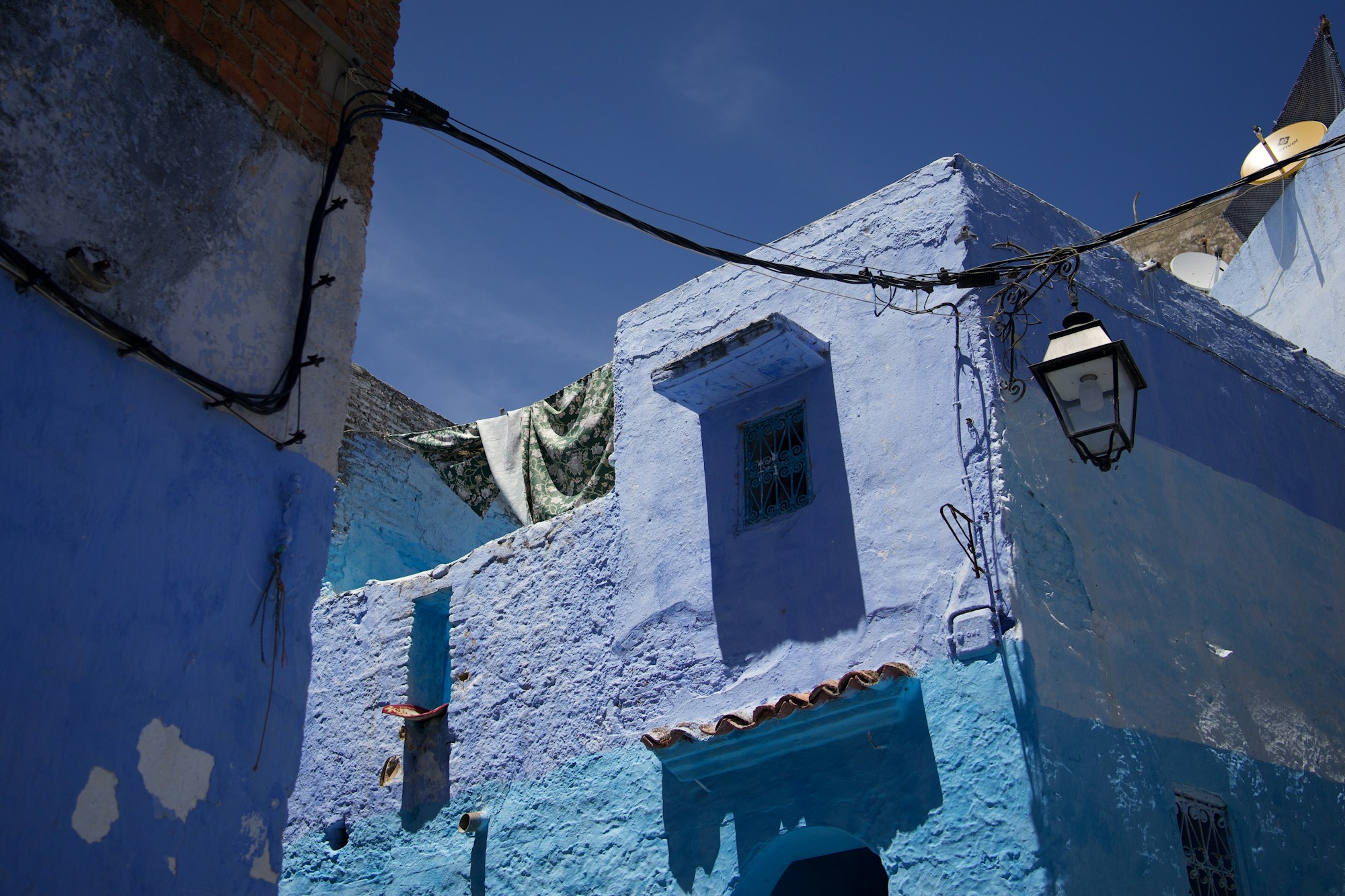
The azure medina of the Rif Mountains
Nestled in the Rif Mountains, Chefchaouen is a Moroccan gem renowned for its buildings painted in vibrant blue. According to Nos Voyages Heureux, it is a peaceful haven ideal for those seeking serenity and cultural immersion. Unlike Marrakech or Fez, overrun with tourists, Chefchaouen retains an authentic atmosphere and a genuinely welcoming local population.
Morocco ranks among the most affordable destinations for a round-the-world trip, according to MoneyBounce, alongside Thailand, Mexico, and the Balkans. It is the ideal first stop on a world tour: direct flights from Paris in 2h30, zero time difference, and total change of scenery at a fraction of the cost of far-flung destinations. Three to four weeks allow you to explore not only the blue medina, but also Fez, the Todra Gorges, and the Merzouga desert.
- Natural gateway to a round-the-world trip from Europe
- Zero jet lag for a smooth acclimatization
- Spectacular hikes in the Rif Mountains
- Ultra-affordable: charming riads from just 15 euros per night
- Unique local craftsmanship: leather, weaving, Rif pottery
2. Georgia (Caucasus) — The wild and generous Caucasus
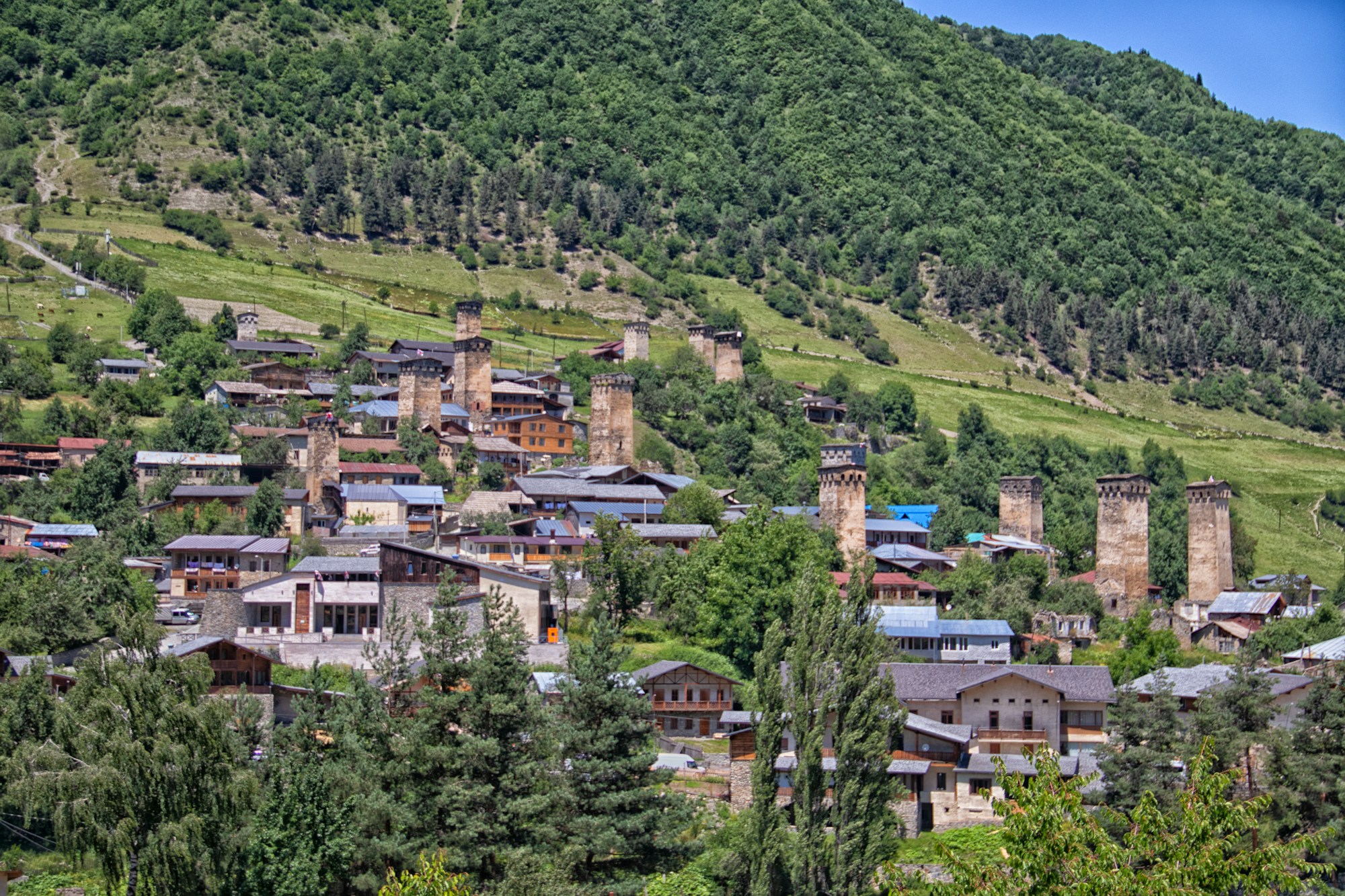
Ancient wines, medieval towers, and legendary hospitality
According to Poik, Georgia is a rapidly emerging destination that remains largely undiscovered. With its majestic mountains, ancestral vineyards, and historically rich cities, it offers impressive diversity. According to Sarah Conte Ses Aventures, Georgia blends elements of many countries in its architecture and cuisine, transporting you from the Orient to the Occident and Russia in turns.
Svaneti is the country’s absolute treasure. Picture stone villages with tall medieval defense towers, set against a backdrop of snow-capped Greater Caucasus peaks. According to Sarah Conte Ses Aventures, the 4-day trek from Mestia to Ushguli is magnificent, crossing fabulous landscapes and numerous traditional villages. In Tbilisi, don’t miss the sulfur baths of Abanotubani, according to Bagratrip, where whitewashed domes shelter traditional hammams with warm, therapeutic waters.
According to Bagratrip, the budget needed to visit Georgia remains low. Although the country has shifted from « very cheap » to « moderately inexpensive » in recent years, it remains perfect for budget-conscious travelers. Spring (April to June) and autumn (September to November) are the ideal periods, according to Cityzeum.
- Mestia-Ushguli trek: one of the finest in the Caucasus
- Kvevri wine tasting (clay jars buried underground) at local homes
- Ancient sulfur baths in Tbilisi
- Outstanding cuisine: khinkali, khachapuri, churchkhela
- Georgian hospitality: the supra (traditional feast) is an institution
3. Uzbekistan — The Silk Road reborn
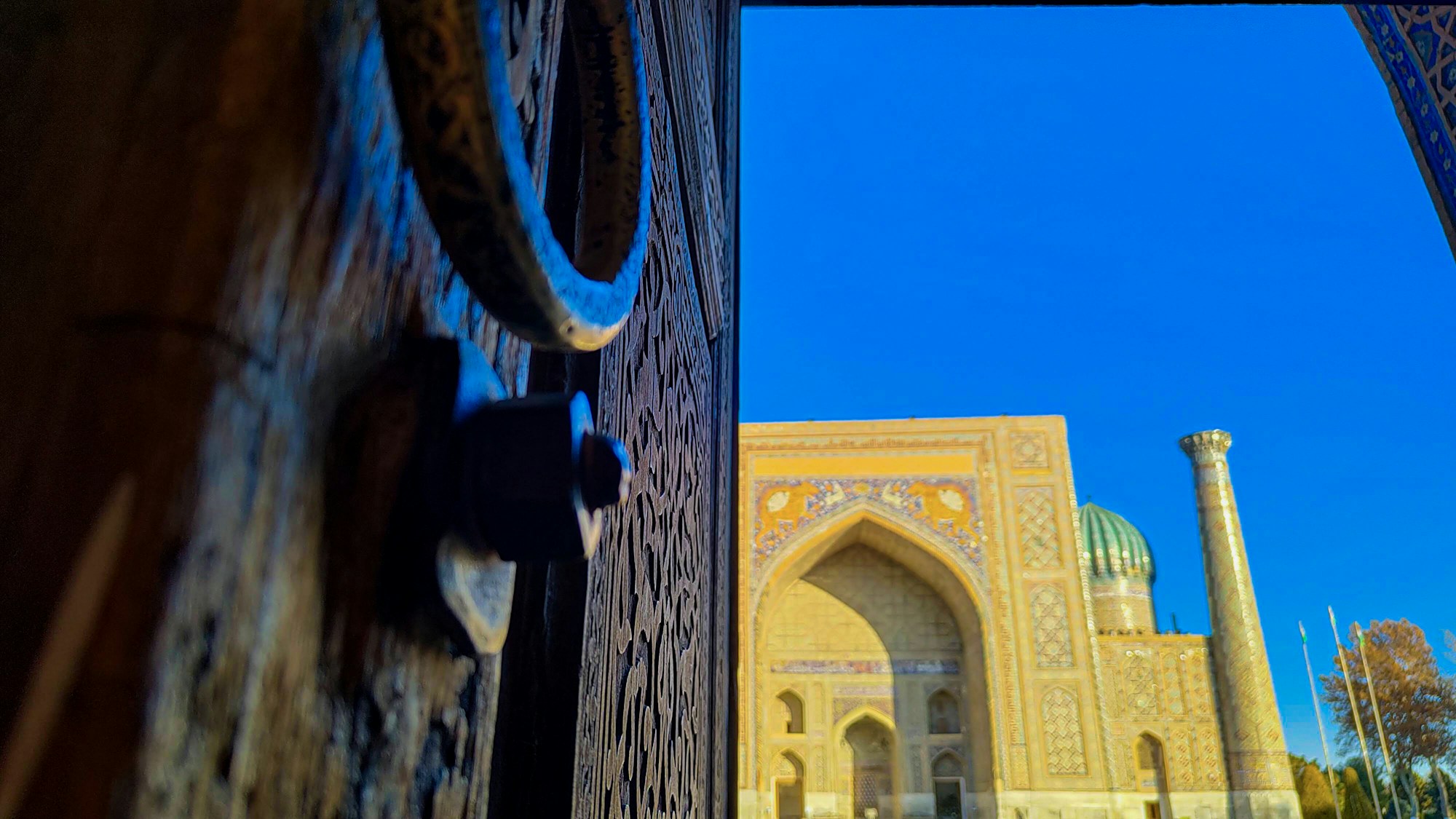
Samarkand, Bukhara, Khiva: jewels of the desert
According to Baage, Uzbekistan is one of the greatest surprises in world tourism in recent years. The country offers a fascinating blend of history, culture, and breathtaking landscapes. The three must-see cities are Samarkand, Bukhara, and Khiva. Samarkand is often called the « Pearl of the Orient »: the Registan square, flanked by three majestic madrasas adorned with blue and gold mosaics, is one of the most impressive monuments in Central Asia.
According to Partir.com, Uzbekistan’s rail network is excellent: the high-speed Afrosiab train connects major cities reliably and comfortably. It is the best way to travel between Samarkand and Bukhara from Tashkent. According to Splendia, Uzbekistan remains 60% cheaper than France. According to Ou et Quand, the cost of living there is 57% lower than in France in 2026, yet its monuments rival those of Italy in richness.
According to OneChai, in less touristy destinations, families spontaneously invite you over for lunch — a kind of hospitality that is impossible to find on overcrowded classic circuits. Western tourists are still extremely rare here, which fundamentally changes the quality of interactions.
- Registan Square in Samarkand: one of the most spectacular monuments in the world
- Afrosiab high-speed train between major cities
- 60% cheaper than France with exceptional heritage
- Legendary Uzbek hospitality: spontaneous invitations into local homes
- Flavorful cuisine: plov, shashlik, samsa in traditional chaikhanas
4. Mongolia — The endless steppes and nomadic life
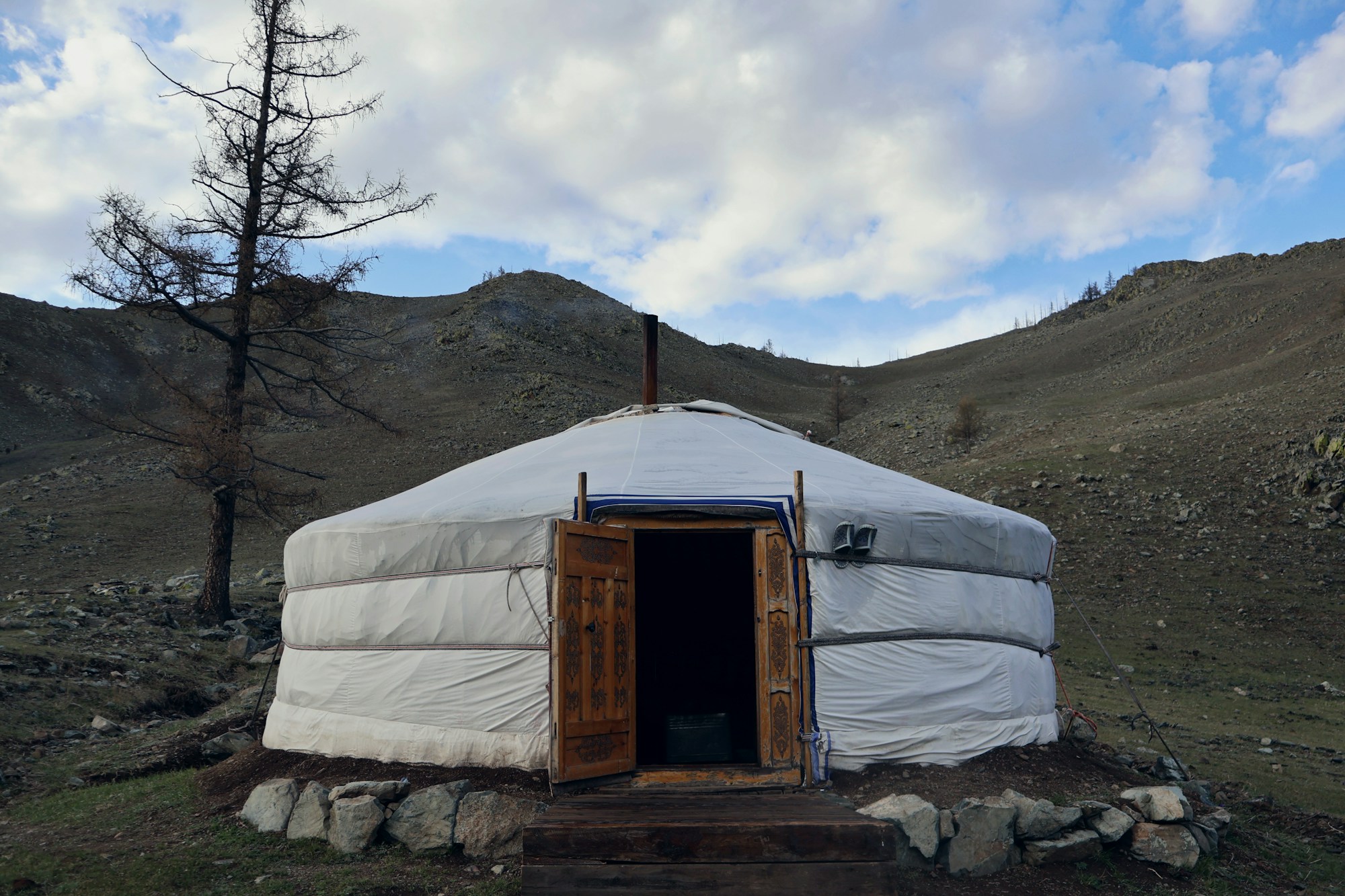
The land of the blue sky, between gers and boundless horizons
According to Globe-Trotting, Mongolia is « the land of the blue sky, » with landscapes of infinite dimensions, steppes and deserts stretching to ever-distant horizons, and remarkably abundant wildlife. It is a destination that lends itself beautifully to road trips, as the distances are vast and the wide-open spaces unfold one after another.
According to EcoVoyage Mongolie, from June to August, Mongolia’s nature fully awakens: verdant steppes, crystalline rivers, majestic mountains, and authentic nomadic life create an unforgettable setting. In July, the Naadam — the great national festival — celebrates three ancestral sports: wrestling, archery, and horse racing. According to Cercle des Voyages, Karakorum, the former capital of the Mongol Empire, is a must-visit site to immerse yourself in the history of Genghis Khan.
According to Uralistan, accommodation prices at tourist ger camps range from 8 to 80 euros. Wild camping is permitted and recommended to truly grasp the immensity of Mongolian territory. You can also knock on a ger door and enjoy the legendary nomadic hospitality. According to Mongolie Authentique, travelers from many Western countries do not need a visa for stays of up to 30 days.
- Naadam Festival in July: wrestling, archery, and horse racing
- Overnight stay in a ger with a nomadic family: a once-in-a-lifetime experience
- Horseback riding across the steppe — Mongolia on horseback
- Karakorum: the ancient capital of Genghis Khan’s empire
- Wild camping permitted across the vast steppes
5. Luang Prabang (Laos) — The sacred stillness of Indochina
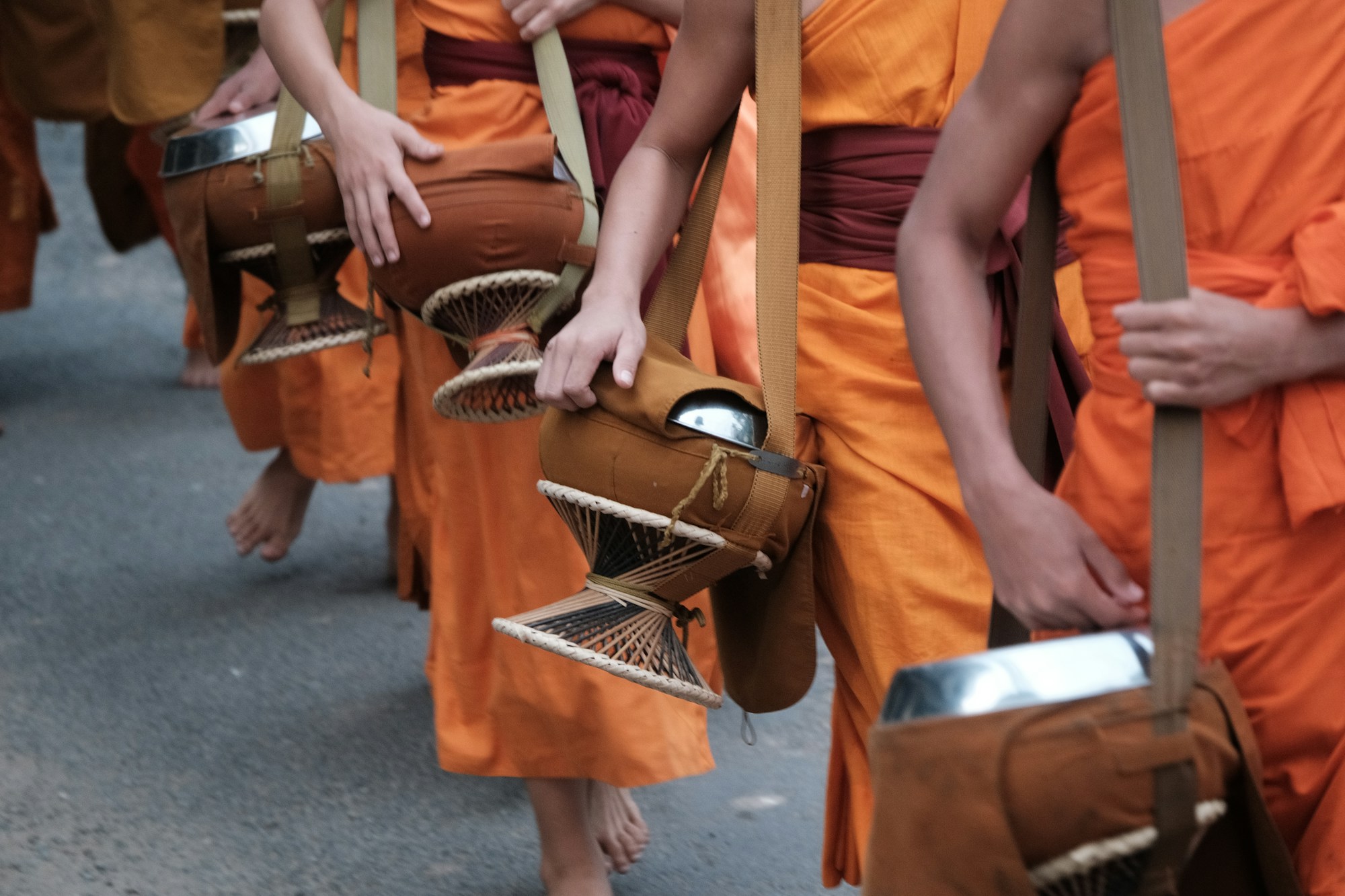
Golden temples, saffron-robed monks, and turquoise waterfalls
According to Nos Voyages Heureux, Luang Prabang, a UNESCO World Heritage Site, captivates visitors with its golden temples and magical waterfalls. It is an ideal destination for lovers of spirituality and natural landscapes. At the confluence of the Mekong and Nam Khan rivers, this former royal capital preserves a pace of life from another era.
The most memorable experience is the Tak Bat, the daily procession of saffron-robed Buddhist monks collecting their morning alms at dawn — an ancient ritual observed in absolute silence. The Kuang Si waterfalls, with their otherworldly turquoise pools, offer a refreshing swim after temple visits. According to OneChai, in less touristy destinations compared to the classic hotspots, you encounter fewer visitors, and that changes everything — the villager who sees few tourists still takes a genuine interest in you.
Laos is one of the most affordable countries in Southeast Asia. A budget of 25 to 40 euros per day is more than enough for a comfortable trip including guest house accommodation, local meals, and activities. Luang Prabang remains at a human scale despite its UNESCO listing.
- Tak Bat: the monks’ dawn alms ceremony, a moment of grace
- Kuang Si Falls: turquoise natural pools in the heart of the jungle
- Night market: Hmong crafts and Laotian street food
- Mekong River cruise to the Pak Ou caves
- Among the lowest budgets in Southeast Asia
6. Raja Ampat (Indonesia) — The Amazon of the oceans
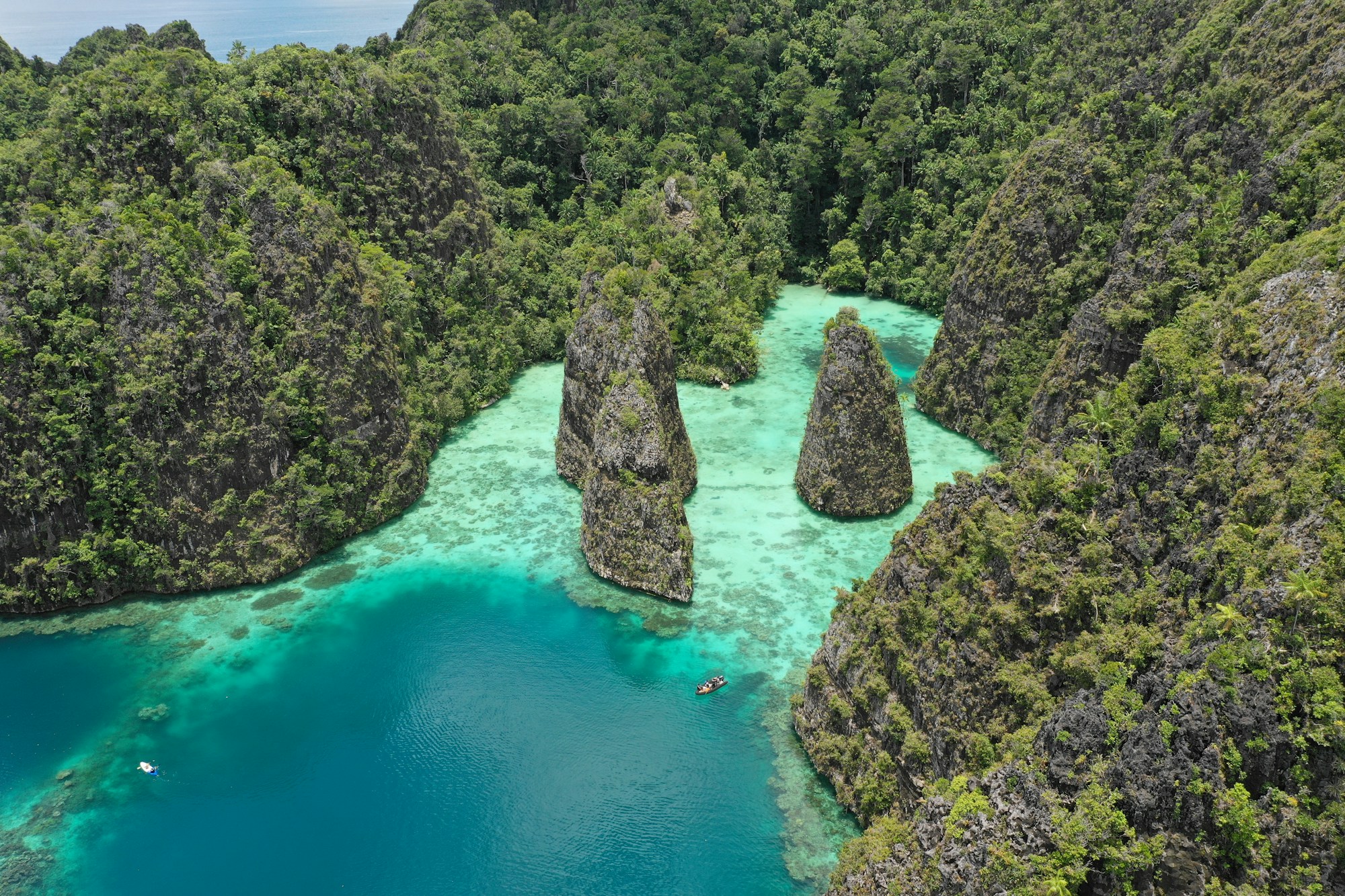
The greatest marine biodiversity on Earth, for 30 euros a day
According to Voyage Indonesie, the Raja Ampat archipelago comprises approximately 1,500 islands located at the eastern tip of Indonesia. Often called « the Amazon of the oceans, » this area harbors the greatest marine biodiversity on the planet, with more than 75% of the world’s coral species and over 2,000 recorded fish species.
According to Lonely Planet, divers from around the globe descend into the crystal-clear waters to observe manta rays, giant clams, iridescent parrotfish, and enormous schools of fusiliers. The archipelago’s pristine reefs harbor ten times more hard coral species than the Caribbean.
Contrary to popular belief, Raja Ampat is not prohibitively expensive. According to Overglobe, travelers have spent 3 weeks in this paradise spending only 30 euros per person per day. For homestay accommodation and full-board meals, expect around 20 euros per day. According to Plein Soleil Paris, all visitors must pay the marine park entry permit of approximately 65 euros per person, valid for one year.
- 75% of the planet’s coral species concentrated here
- Full-board homestays from just 20 euros per day
- Manta rays, reef sharks, and turtles on every dive
- Batanta Island: fishing villages, waterfalls, hiking trails
- Kayaking between limestone karsts at sunrise
7. Madagascar — The Great Island frozen in time
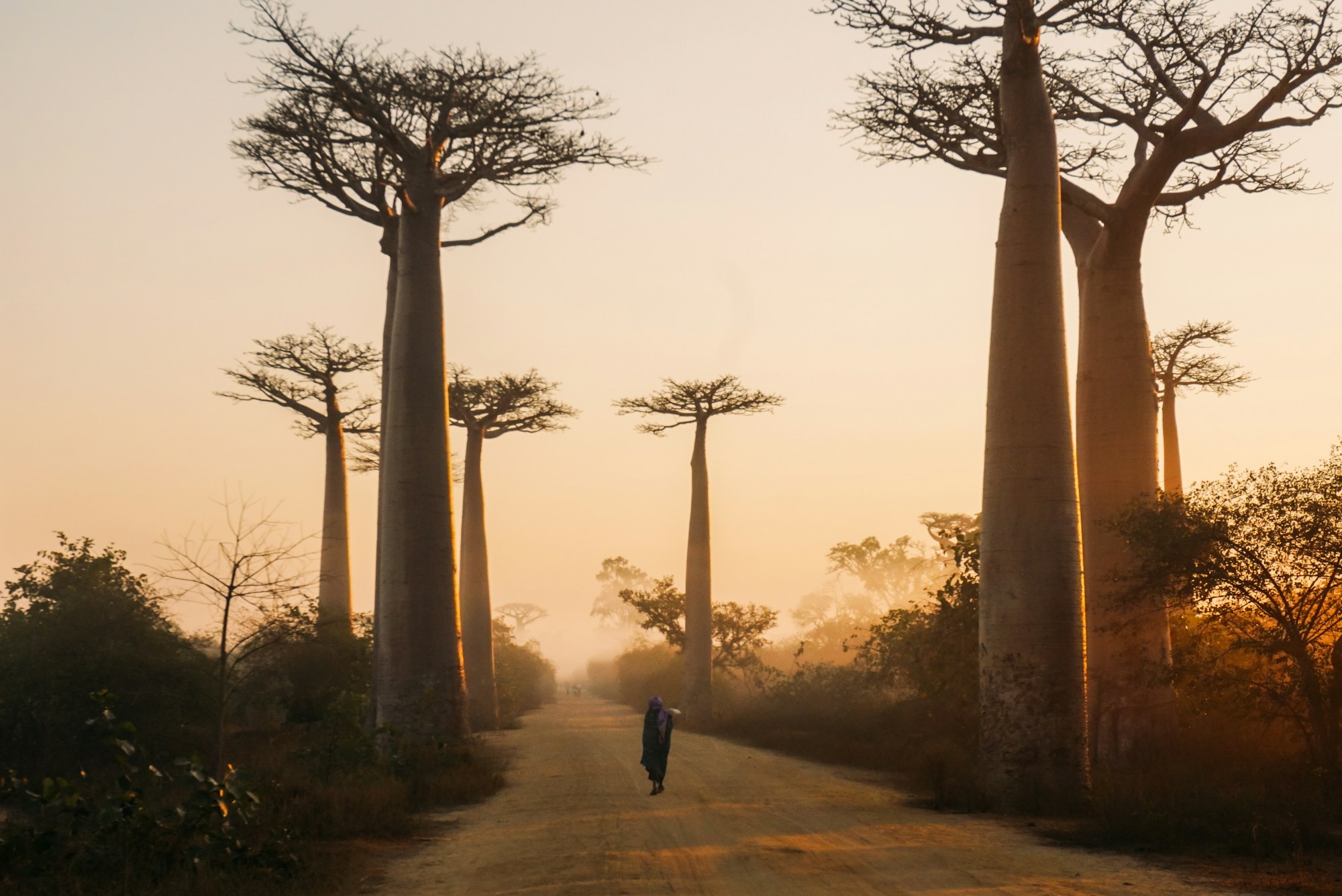
90% endemic wildlife, giant baobabs, and science-fiction landscapes
According to Terres Libres, Madagascar offers a radical experience: 90% endemic wildlife found nowhere else on Earth. Lemurs, giant baobabs, the karst landscapes of the Tsingy, the beaches of Nosy Be: each region is a world unto itself. It is no coincidence that the Great Island is nicknamed the « eighth continent. »
Madagascar is affordable on a daily basis, but internal transportation is expensive due to considerable distances and the often poor condition of roads. Expect 45 to 70 euros per day including local taxi-brousse transfers, food, and accommodation in eco-lodges or boutique hotels. National parks are the highlight of any visit: Isalo National Park features spectacular canyons and natural pools, the Tsingy de Bemaraha (a UNESCO site) is a dizzying labyrinth of limestone pinnacles, and the Avenue of the Baobabs at sunset is one of the most iconic images on the African continent.
According to Terres Libres, these destinations, still preserved from mass tourism, guarantee authentic journeys rich in emotions and discoveries.
- 90% endemic wildlife: lemurs, chameleons, fossa
- Avenue of the Baobabs: one of Africa’s most stunning sunsets
- Tsingy de Bemaraha: a UNESCO-listed limestone cathedral
- Isalo Park: canyons, natural pools, and lemurs
- Paradise beaches of Nosy Be to end the stop in style
8. Ilha Grande (Brazil) — The pristine island at the edge of the world
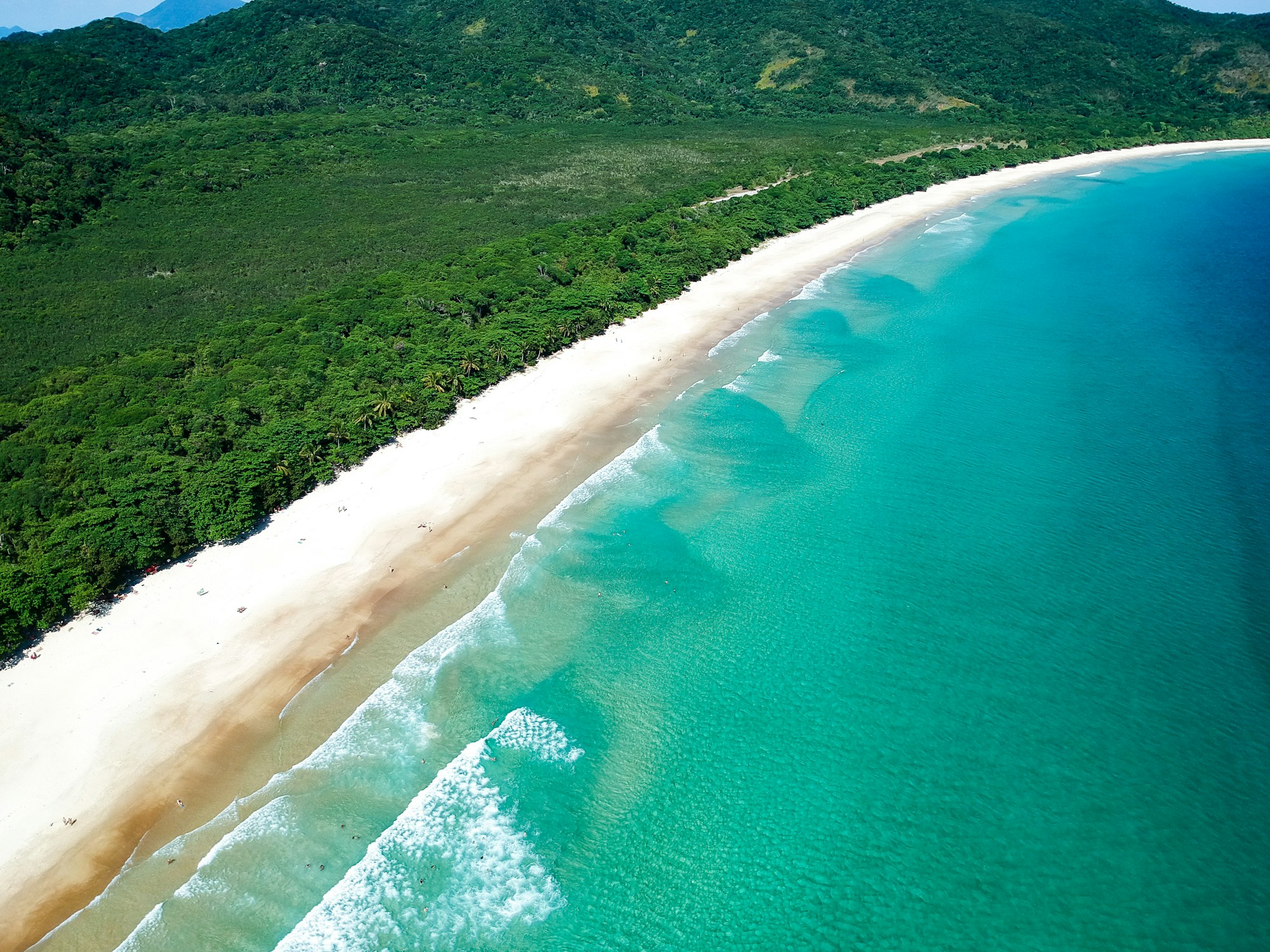
No cars, no roads: a Brazilian island lost in time
According to Nos Voyages Heureux, accessible only by boat, Ilha Grande is a unique blend of pristine beaches, tropical forests, and biodiversity. This Brazilian island is perfect for escaping mass tourism. No cars, no paved roads: everything is done on foot or by boat between dream beaches.
The island offers hikes to reach secluded beaches like Lopes Mendes, considered one of the most beautiful beaches in Brazil, and scuba diving to explore colorful reefs and shipwrecks. The complete absence of paved roads is an absolute rarity in South America — here, nature sets the pace. The village of Abraao, the island’s only settlement, is home to pousadas, seafood restaurants, and trailheads.
The budget is reasonable for Brazil: 50 to 70 euros per day including accommodation in a pousada, meals, and boat excursions. Outside Brazilian peak season (April to June and August to November), prices drop and crowds thin out considerably.
- No paved roads: an island preserved by nature itself
- Lopes Mendes beach: one of the finest in Brazil
- Diving on colorful reefs and underwater shipwrecks
- Preserved Atlantic tropical forest (Mata Atlantica)
- 2h30 from Rio de Janeiro: easily combinable with the megacity
9. Suriname — South America’s hidden Amazon
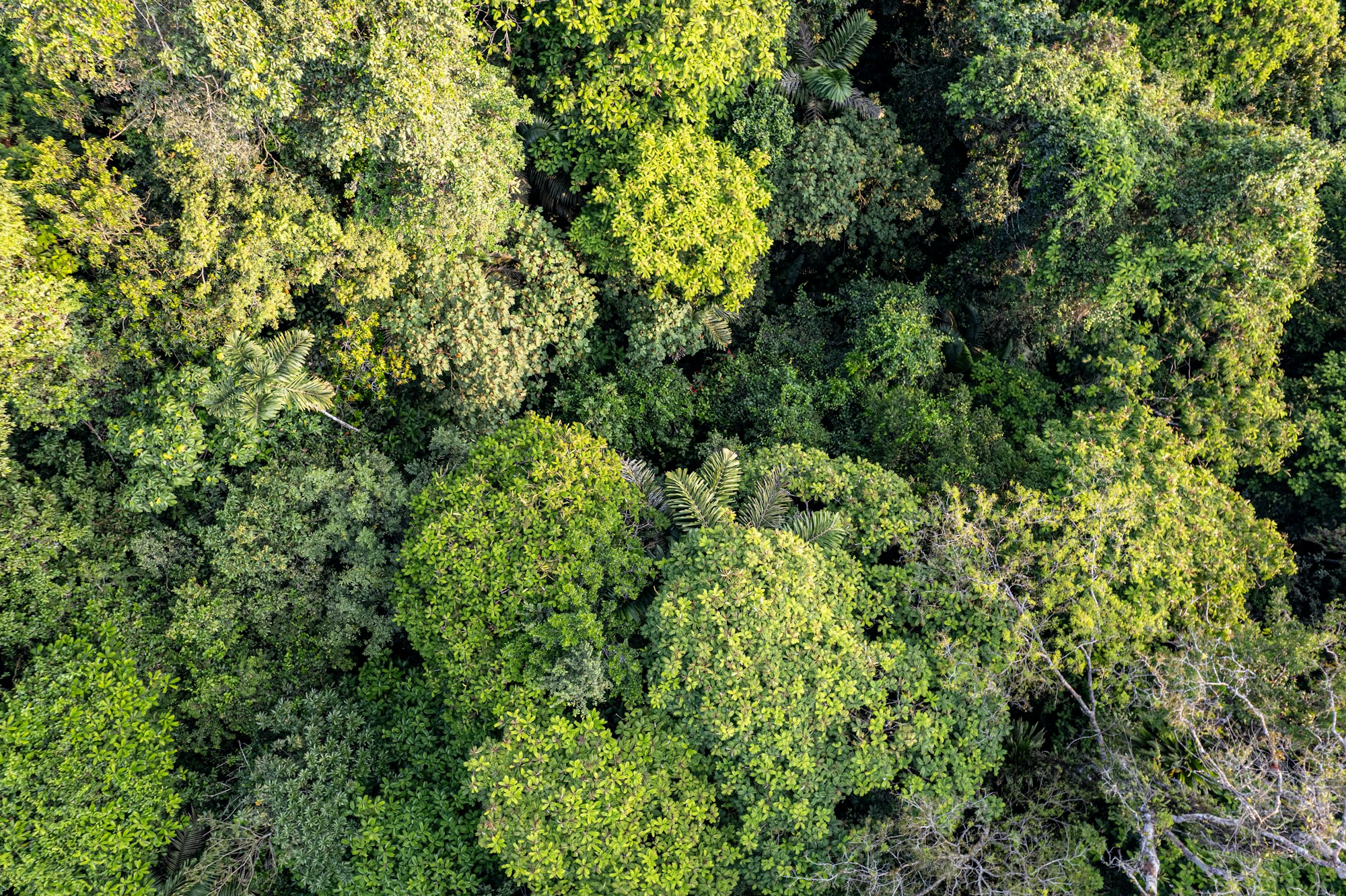
90% tropical rainforest, zero tourists, and a unique melting pot
According to Poik, with more than 90% of its territory covered by tropical rainforest, Suriname is a paradise for nature lovers. The Central Suriname Nature Reserve, a UNESCO World Heritage Site, is home to incredible biodiversity. The capital, Paramaribo, offers a unique blend of Dutch colonial architecture and Caribbean cultures.
According to Wikivoyage, Suriname is proud of its deeply multi-ethnic culture: a colorful mix of indigenous Indian, Dutch, African, Javanese, and Hindustani traditions. It is one of the most culturally diverse countries in the world, and this richness is reflected in the cuisine, architecture, and festivals.
According to A-Contresens, the average budget runs around 30 to 40 euros per person per day. According to Ou et Quand, the cost of living in Suriname is 27% lower than in France. According to Obago, entry to the Brownsberg Nature Reserve costs approximately 10 euros, and the sea turtle watching excursion in Galibi costs approximately 50 euros including transport and guide.
- Central Suriname Nature Reserve: UNESCO-listed Amazonian biodiversity
- Sea turtle watching in Galibi (March-July)
- Paramaribo: unique Dutch colonial architecture in South America
- Cultural melting pot: Javanese, Hindustani, and Creole cuisine
- Brownsberg Reserve: hiking, waterfalls, and wildlife watching
10. Bhutan (Himalayas) — The Kingdom of Gross National Happiness
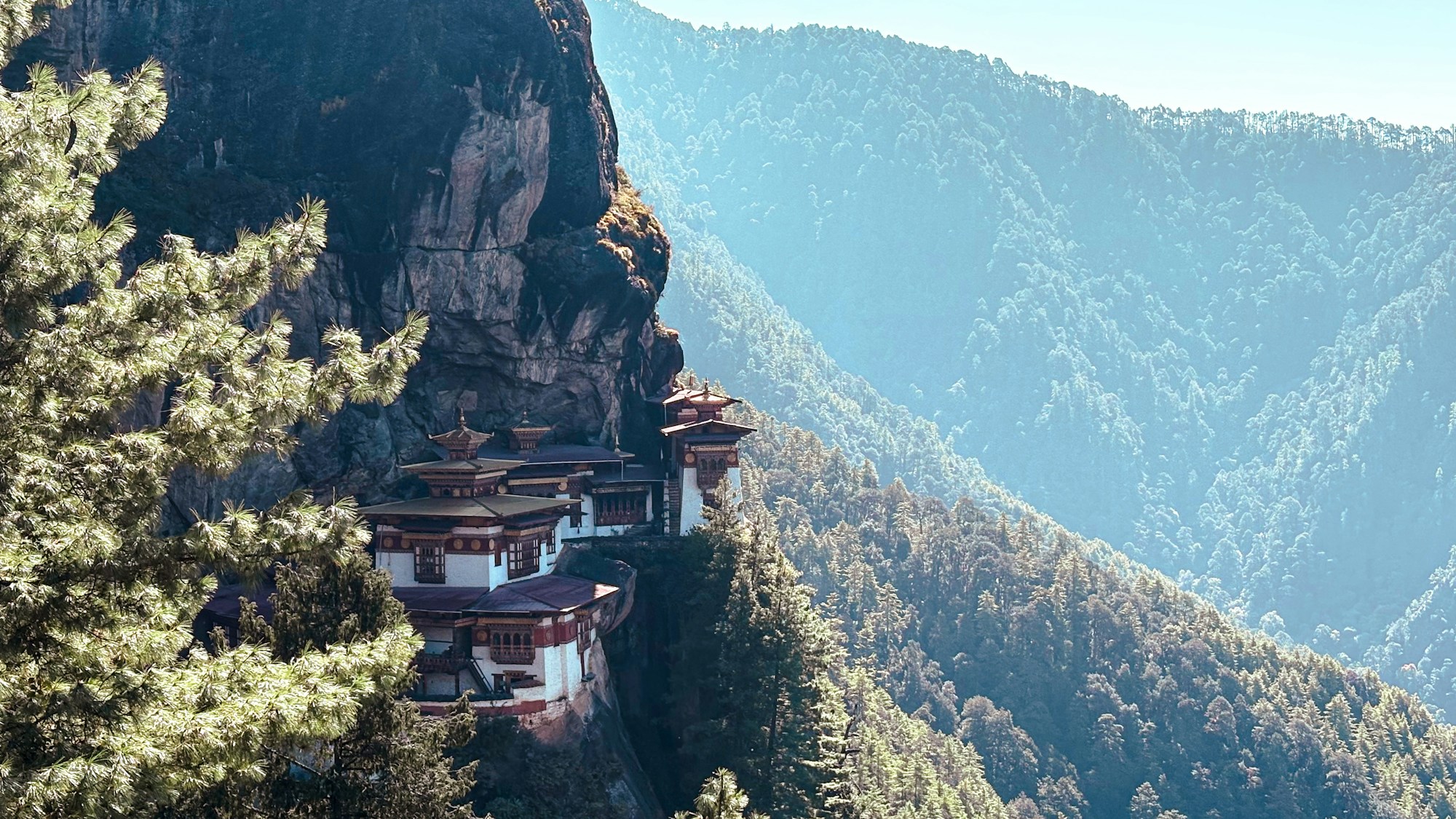
Luxury extension: the carbon-negative country where time stands still
According to Poik, nestled in the Himalayas, Bhutan is often considered one of the most mysterious and pristine countries in the world. With its « high value, low impact » tourism policy, it strictly limits the number of visitors, making it an ideal destination for those seeking to escape the crowds. The breathtaking landscapes, cliffside monasteries, and deeply rooted Buddhist culture offer a truly unique experience.
According to Dooars Bhutan Tours, Bhutan is one of the few countries in the world to be carbon-negative. To preserve its culture and nature, it applies a mandatory Sustainable Development Fee (SDF) that funds free healthcare, education, and environmental conservation. According to Odynovo Tours, the current SDF is 100 dollars per person per night, valid from September 2023 to August 2027. Your all-inclusive daily budget can be estimated at between 250 and 350 dollars per day, according to Hotelin.
According to Follow Alice, the SDF helps keep Bhutan special. By making travel more exclusive, it discourages mass tourism that leads to overcrowding and environmental damage. The SDF has been reduced from 200 to 100 dollars until September 2027. Children under 12 pay 50 dollars, and those under 6 enter free. This is the perfect time to visit before a likely price increase.
- Tiger’s Nest Monastery (Taktsang): perched at 3,120 m altitude
- SDF reduced to 100 USD/night until 2027: a window of opportunity
- The only carbon-negative country in the world
- Traditional Tshechu festivals: masked dances and sacred costumes
- Phobjikha Valley: black-necked crane migration (October-March)
Summary: budget and logistics by destination
Here is the summary table of the 10 stops on our 2026 round-the-world itinerary, with daily budgets, ideal travel periods, and accessibility levels.
| Destination | Budget/day | Recommended duration | Best time to visit | Accessibility |
|---|---|---|---|---|
| Chefchaouen (Morocco) | 25-40 euros | 3-4 weeks | Mar-May, Sep-Nov | Easy |
| Georgia (Caucasus) | 35-60 euros | 5-6 weeks | Apr-Jun, Sep-Nov | Easy |
| Uzbekistan | 27-45 euros | 3-4 weeks | Apr-May, Sep-Oct | Easy |
| Mongolia | 40-65 euros | 4-6 weeks | Jun-Aug | Moderate |
| Luang Prabang (Laos) | 25-40 euros | 3-4 weeks | Nov-Feb | Easy |
| Raja Ampat (Indonesia) | 30-50 euros | 3-4 weeks | Sep-Apr | Moderate |
| Madagascar | 45-70 euros | 4-5 weeks | Apr-Oct | Challenging |
| Ilha Grande (Brazil) | 50-70 euros | 2-3 weeks | Apr-Jun, Aug-Nov | Easy |
| Suriname | 30-45 euros | 2-3 weeks | Feb-Apr, Aug-Nov | Moderate |
| Bhutan (extension) | 250-350 USD | 7-10 days | Mar-May, Sep-Nov | Moderate |
Estimated total budget (excluding Bhutan and intercontinental flights):
- Backpacker profile: 10,000 – 13,000 euros on the ground + 2,500 – 3,500 euros for flights = 12,500 – 16,500 euros
- Comfort profile: 14,000 – 18,000 euros on the ground + 3,000 – 4,500 euros for flights = 17,000 – 22,500 euros
- Premium profile: 18,000 – 24,000 euros on the ground + 4,000 – 5,000 euros for flights = 22,000 – 29,000 euros
- Bhutan extension: add 1,750 – 3,500 USD (7-10 days)
Frequently asked questions
How much should you save before leaving on a year-long round-the-world trip?
According to Pourquoi Pas Nous, the average budget for a year-long round-the-world trip is 15,000 euros. But the ranges vary widely: between 12,000 and 15,000 euros for a backpacker, 17,000 to 22,000 euros for a comfort traveler, and 25,000 to 30,000 euros for a premium traveler, according to MoneyBounce. Always add a 10 to 15% safety margin for unexpected expenses — illness, theft, missed flights. Over 12 months, these setbacks are inevitable.
Is it better to buy a round-the-world ticket or book flights as you go?
Both options have their advantages. According to Novo-Monde, if you leave with a round-the-world ticket but decide to extend your trip, you will automatically lose your last flight, as these tickets are valid for a maximum of 12 months. Booking flights as you go offers total flexibility, but without the safety net of fixed pricing. According to Tourdumondiste, the Ave Mundum agency offers round-the-world tickets without relying on traditional airline alliances, providing more flexibility on itineraries. For a first round-the-world trip, the RTW ticket offers welcome peace of mind.
Is slow travel really more affordable?
Yes, significantly so. According to MoneyBounce, slow travel can reduce your budget by 15 to 25%. According to Tourdumondiste, travelers who stay only two to three weeks per country spend more than twice as much as those who stay over seven weeks. Traveling slowly reduces transportation costs, allows you to negotiate long-term accommodation rates, and lets you cook with ingredients from local markets rather than eating out at every meal.
How can you work while traveling to supplement your budget?
According to A-Contresens, you have the option of working while traveling. WWOOFing (working on organic farms) provides room and board in exchange for a few hours of daily work. Platforms like Workaway and Helpx offer similar opportunities in hostels, schools, or community projects. If you work online, the digital nomad lifestyle is becoming increasingly accessible in many countries. Georgia, Laos, and Indonesia offer adapted visa programs.
What travel insurance should you get for a round-the-world trip?
According to A-Contresens, travel insurance is essential for a long trip (approximately 400 euros per year). The most suitable insurance policies for long-term travel include SafetyWing, World Nomads, or Allianz Travel for international travelers. Verify that your policy covers medical expenses (minimum 300,000 euros), repatriation, cancellations, and adventure sports if you plan on diving or high-altitude trekking.
What bank cards should you bring to avoid foreign transaction fees?
According to A-Contresens, beware of banking fees: over 6 months, a couple can pay up to 600 euros in fees with a standard card. In 2026, the best options for travelers are: Revolut (multi-currency card, free withdrawals up to a certain limit), Wise (international transfers at the real exchange rate), or online accounts like N26 with fee-free Visa Premium cards. Always carry two cards from different networks (Visa + Mastercard) in case one gets blocked.
How do you handle admin and security while you’re away?
Before leaving, suspend or cancel your recurring contracts (internet, gym, subscriptions), set up a power of attorney for your day-to-day affairs, and notify your bank of your destinations. Check the validity of your passport — it must be valid for at least 6 months beyond your planned return date in most countries. Register with your country’s foreign affairs travel advisory service (such as the UK’s FCDO, the US State Department’s STEP, or France’s Ariane) to receive real-time security alerts based on your destinations. Digitize all important documents and store them in a secure cloud service.
Is a round-the-world trip feasible for families with children?
Yes, more and more families are taking the plunge. According to MoneyBounce, many families practice « worldschooling, » an itinerant form of education. For 6 months of family travel (family of 4), budget between 28,000 and 32,000 euros. The most family-friendly destinations on our itinerary are Georgia, Uzbekistan, Laos, and Morocco: high safety, moderate cost, and relatively straightforward logistics. Make sure to get a family travel insurance policy that covers everyone.
Sources
- MoneyBounce — What budget for a round-the-world trip?: budget ranges by profile, slow travel, families
- Tourdumondiste — Round-the-world budget: the ultimate guide: travel pace vs. spending comparison, RTW tickets
- A-Contresens — How much does a round-the-world trip cost?: pre-departure expenses, insurance, bank cards
- Pourquoi Pas Nous — How to plan a round-the-world itinerary in 2026: average budget, travel philosophy
- Novo-Monde — How much does a year around the world cost: RTW tickets, flexibility
- Nos Voyages Heureux — Top 10 off-the-beaten-path destinations: Chefchaouen, Luang Prabang, Ilha Grande
- Poik — Off-the-beaten-path destinations in 2025: Georgia, Suriname, Bhutan
- OneChai — An off-the-beaten-path round-the-world trip: local hospitality, rare travelers
- Baage — Traveling in Uzbekistan: our best tips: budget, cities, hospitality
- Splendia — Uzbekistan travel budget 2025: cost of living comparison with France
- Ou et Quand — Uzbekistan budget: cost of living 2026
- Le Routard — Money and budget Uzbekistan: chaikhanas, meal budget
- Lonely Planet — Money in Uzbekistan: currency exchange, US dollars
- Partir.com — Uzbekistan: Afrosiab train, transportation
- Sarah Conte Ses Aventures — Traveling in Georgia: Svaneti, Mestia-Ushguli trek
- Bagratrip — Georgia guide 2026: Tbilisi, sulfur baths
- Bagratrip — Georgia travel budget: cost estimates
- Cityzeum — Tourism in Georgia: best travel periods
- Le Routard — Georgia: Kvevri wine, GoTrip, Svaneti
- Globe-Trotting — Mongolia: itinerary: road trip, landscapes
- EcoVoyage Mongolie — Summer in Mongolia: season, Naadam
- Cercle des Voyages — Mongolian steppes: Karakorum, Mongol Empire
- Uralistan — Road trip in Mongolia: ger accommodation, camping
- Mongolie Authentique — Practical info: visa, formalities
- Shanti Travel — Before leaving for Mongolia: gear, electricity
- Partir.com — Mongolia: experiences, Naadam
- Voyage Indonesie — Complete guide to Raja Ampat: biodiversity, islands, Batanta
- Lonely Planet — Raja Ampat guide: diving, coral reefs
- Overglobe — Budget travel in Raja Ampat: 30 euros/day budget, homestays
- Plein Soleil Paris — Raja Ampat ultimate guide: marine park permit
- Terres Libres — Off-the-beaten-path travel: Madagascar, endemic wildlife
- A-Contresens — Suriname budget: average daily budget
- Ou et Quand — Suriname budget: cost of living
- Obago — Visiting Suriname: excursions, turtles, KLM flights
- Wikivoyage — Suriname: multi-ethnic culture
- Dooars Bhutan Tours — Bhutan Tourist Tax SDF: carbon-negative, tourism policy
- Odynovo Tours — Bhutan SDF 2026: current SDF rates
- Hotelin — Bhutan Tourist Fee guide: all-inclusive daily budget
- Follow Alice — Cost of traveling to Bhutan: reduced SDF, children
- Visit World — Off-the-Beaten-Path Destinations 2025: Raja Ampat, unique destinations
Research conducted on February 24, 2026. Budgets are indicative and may change based on local inflation and exchange rates.
Ready to plan your round-the-world trip?
Chefchaouen, Samarkand, Raja Ampat, Madagascar — your dream itinerary is waiting for you. Create your custom round-the-world route with Pixidia and organize every step of your journey, from the first research to the final return flight.
Discover all itineraries