
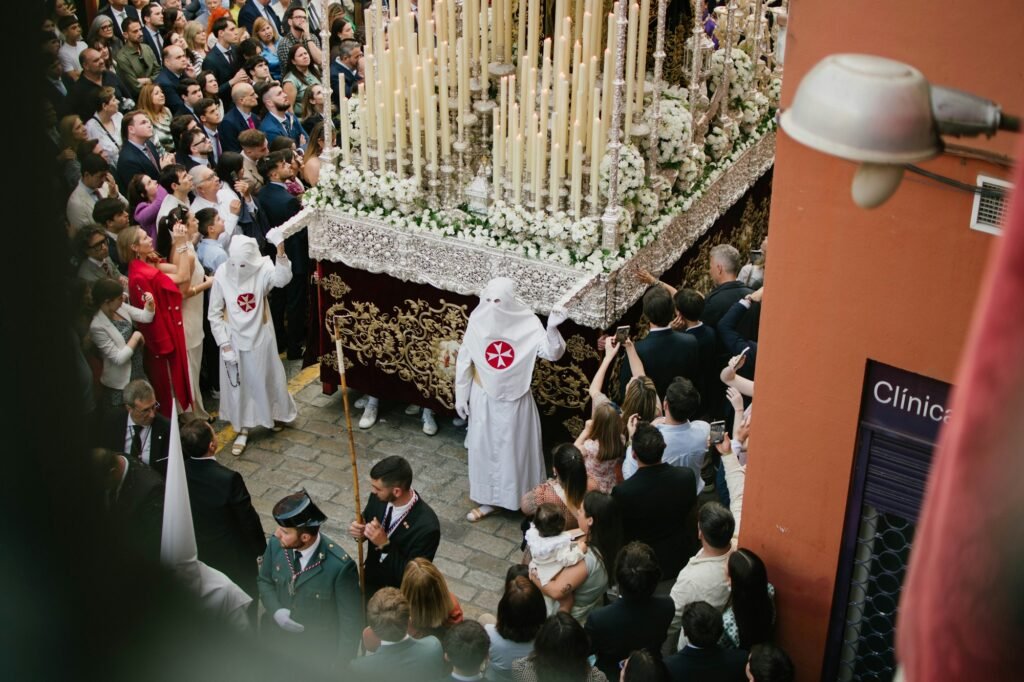
From March 29 to April 5, 2026, Seville is set to host one of Europe’s most magnificent events. Semana Santa (Holy Week) transforms the Andalusian capital into an open-air theatre where 71 brotherhoods parade through the narrow streets of the historic centre, carrying on their shoulders floats (pasos) weighing up to a tonne. Nearly one million visitors flock each year to witness this spectacle where religious devotion, Baroque art and popular tradition intertwine. Here is the complete guide to planning your trip and experiencing Semana Santa like a Sevillian.
1. The Carrera Oficial: Seville’s Sacred Artery
The Official Route of the Brotherhoods
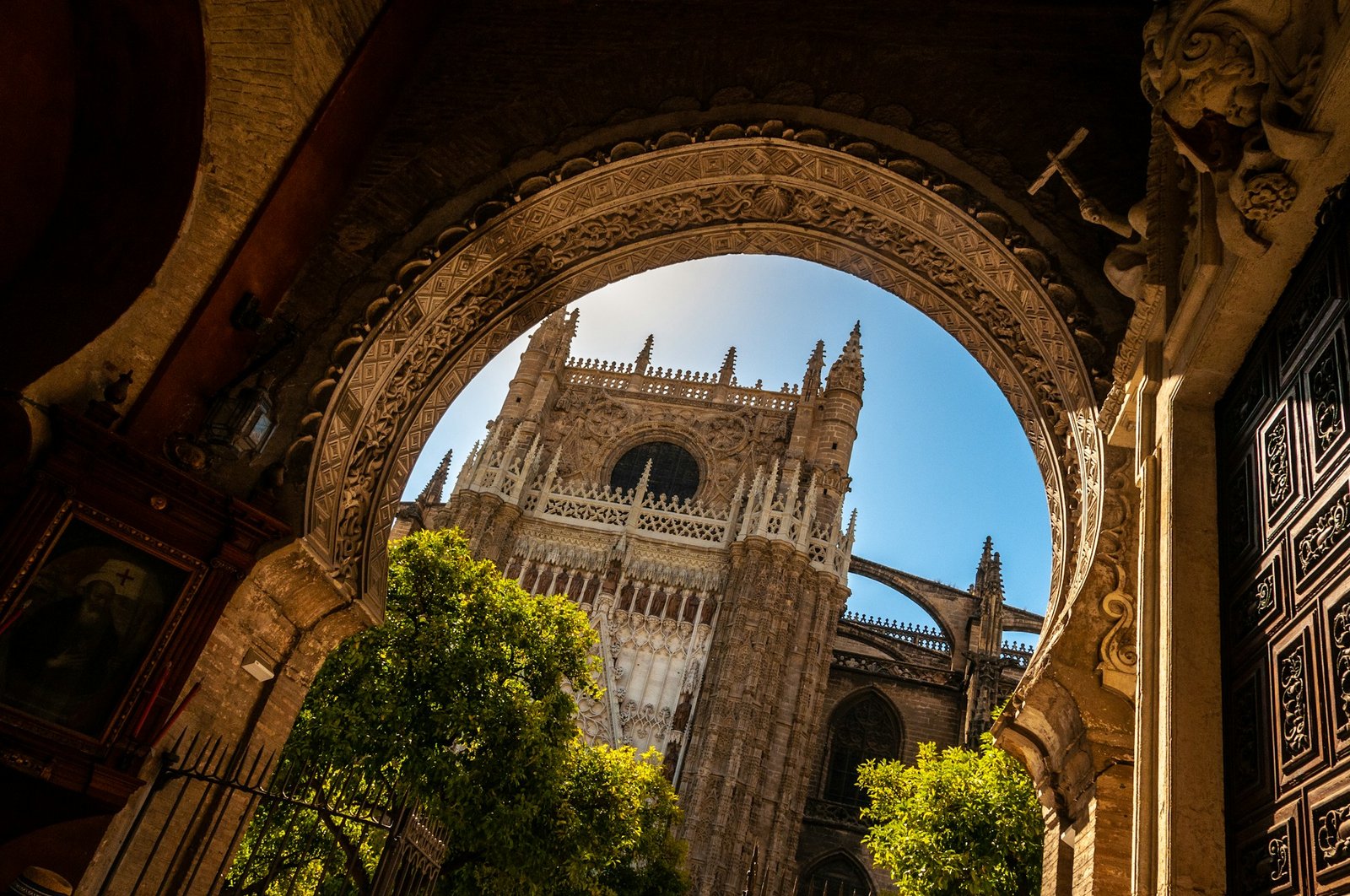
The Carrera Oficial is the shared stretch that every brotherhood walks before reaching the cathedral. Established in 1604 by Cardinal Niño de Guevara, this route begins at Plaza de la Campana, runs along Calle Sierpes, crosses Plaza San Francisco and reaches Avenida de la Constitución before entering the cathedral. Each brotherhood receives the archbishop’s blessing there before returning to its home parish.
This is the only stretch where paid seating is available: seats and balcony boxes are allocated by lottery at the start of the year through the Consejo General de Hermandades. From the street, the spectacle is equally impressive — and free.
Best spots to watch
- Plaza de la Campana — position yourself on the left side for the best view of the nazarenos
- Plaza San Francisco — at the heart of the route, a guaranteed solemn atmosphere
- Avenida de la Constitución — a wide avenue offering more space and an unobstructed view
2. La Madrugá: The Most Intense Night of the Year
The Night of Holy Thursday to Good Friday (April 2–3, 2026)
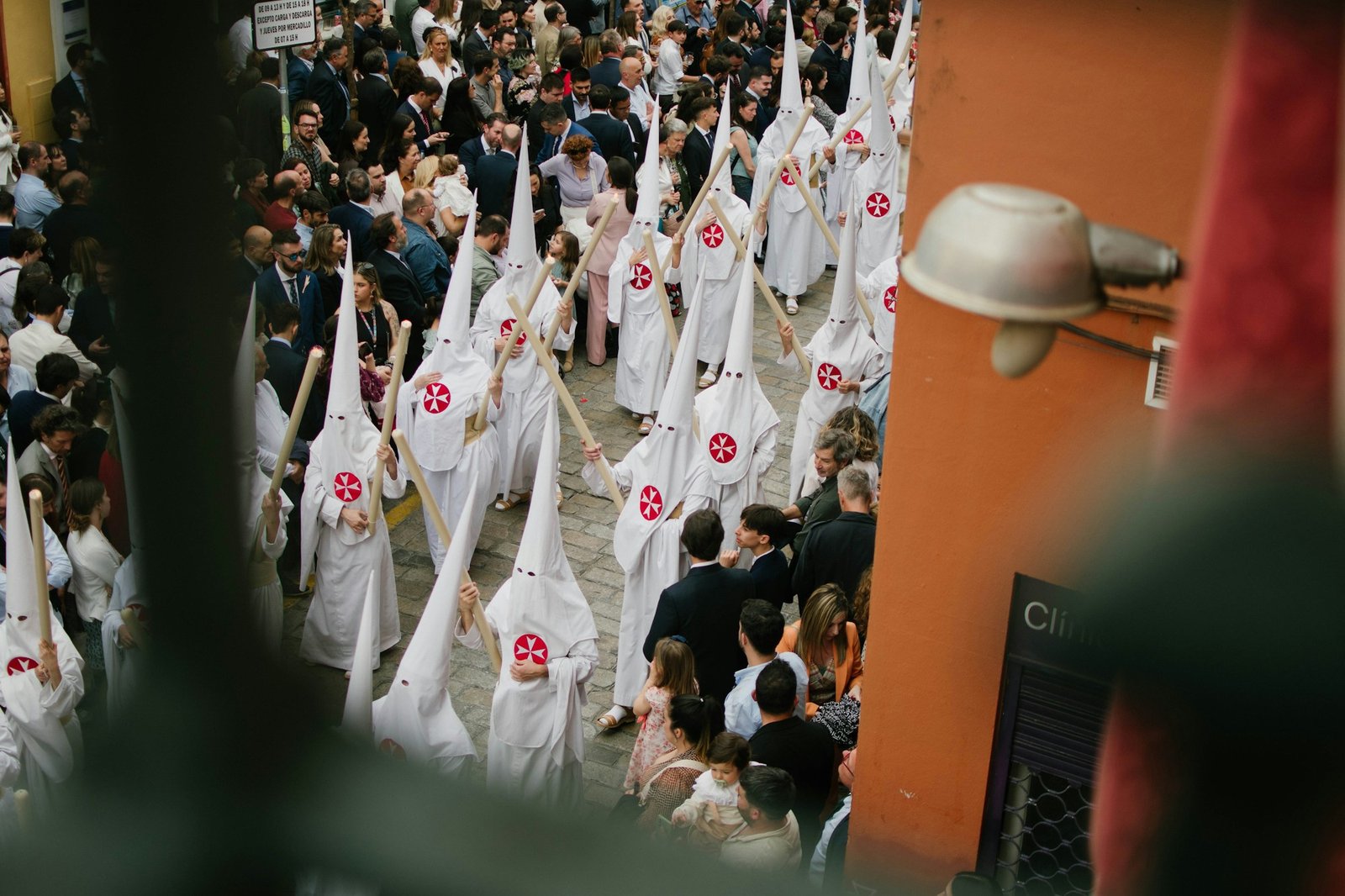
La Madrugá is undoubtedly the pinnacle of the entire Semana Santa. On this night, six major brotherhoods — including La Macarena, Esperanza de Triana and Jesús del Gran Poder — wind through the historic centre with enormous pasos lit only by candlelight. The sound of drums and saetas sung from balconies accompanies the processions in an almost mystical atmosphere.
If you could only attend one moment of Holy Week, this would be it. Some processions last more than 12 hours without interruption. Sevillians prepare weeks in advance: reserving spots, gathering with family on balconies, staying up all night to follow each brotherhood.
The six brotherhoods of La Madrugá
- El Silencio — sets out at midnight from the Iglesia de San Antonio Abad
- Jesús del Gran Poder — procession in absolute silence
- La Macarena — the most applauded, 14 hours of procession
- Esperanza de Triana — spectacular crossing of the Triana Bridge
- Los Gitanos — the Gypsy soul of Seville
- La Calvario — the last to depart, around 4:30 am
3. The Great Brotherhoods: From La Macarena to Los Gitanos
The Brotherhoods That Make Seville Vibrate
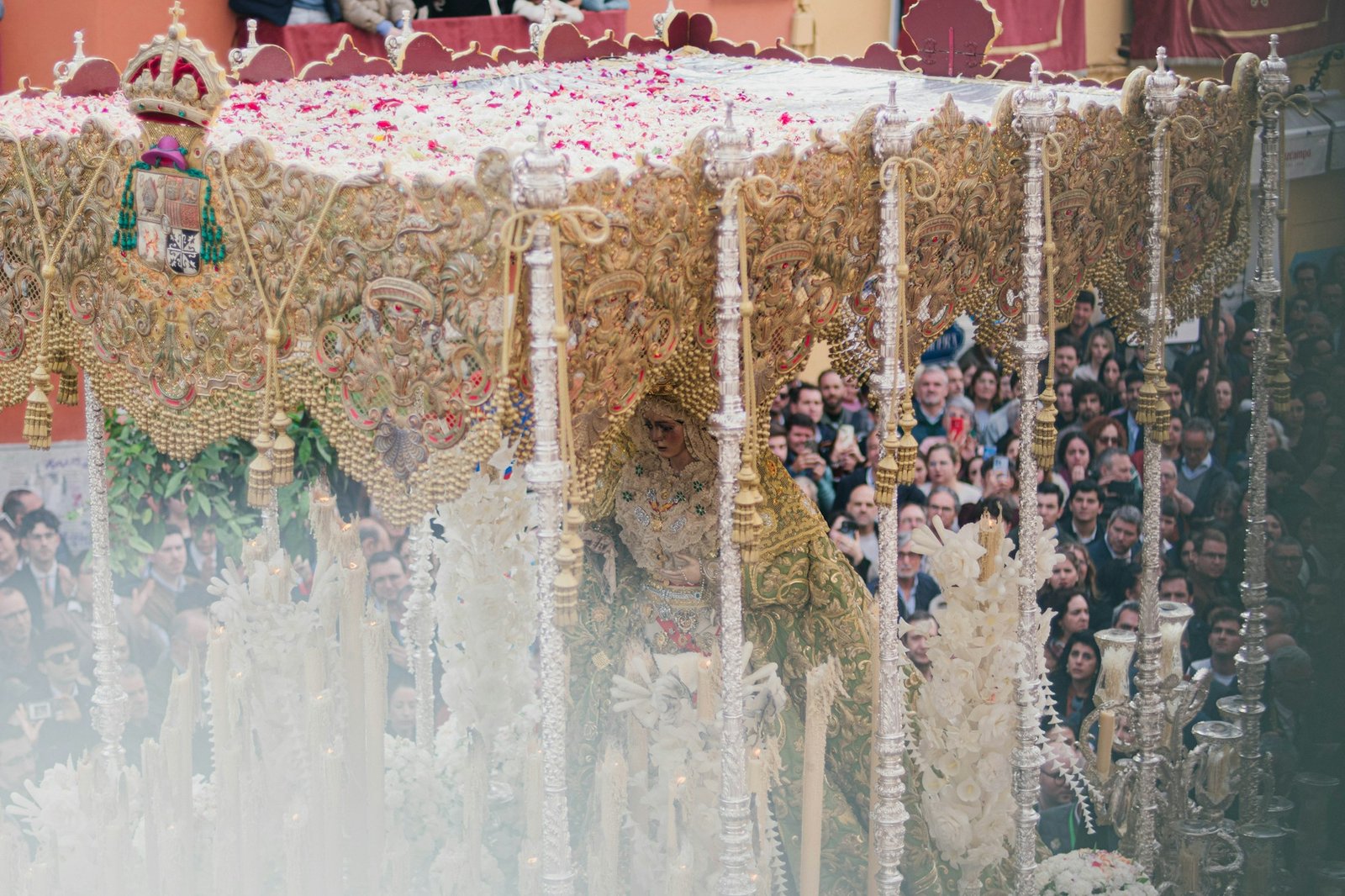
La Macarena is Seville’s most iconic image, nicknamed « La Señora de Sevilla. » With 14 hours of procession, it is one of the longest and most celebrated. The Virgin wears five green lily-shaped gems (the mariquillas), gifted by the bullfighter Joselito el Gallo in 1920. The Basilica of La Macarena houses a treasury of religious art, including embroidered mantles centuries old.
Jesús del Gran Poder is distinguished by the absolute reverence surrounding its procession — no music, only the sound of the costaleros’ footsteps on the cobblestones. This dramatic contrast with more festive processions makes it a moment apart, imbued with a striking solemnity.
Esperanza de Triana, founded in 1418, is the only brotherhood that makes its penitential station in two churches: the Cathedral and Santa Ana. The night-time crossing of the Triana Bridge, with the illuminated Virgin reflected in the Guadalquivir, is one of the great visual highlights of the week.
Los Gitanos, founded in 1753, still requires to this day that the hermano mayor (president of the brotherhood) be a Romani. Departing from an outlying neighbourhood (San Román), this procession offers an intimate and spiritual dimension rarely witnessed by tourists.
4. The Saeta: The Flamenco Song That Stops Time
The A Cappella Lament from the Balconies
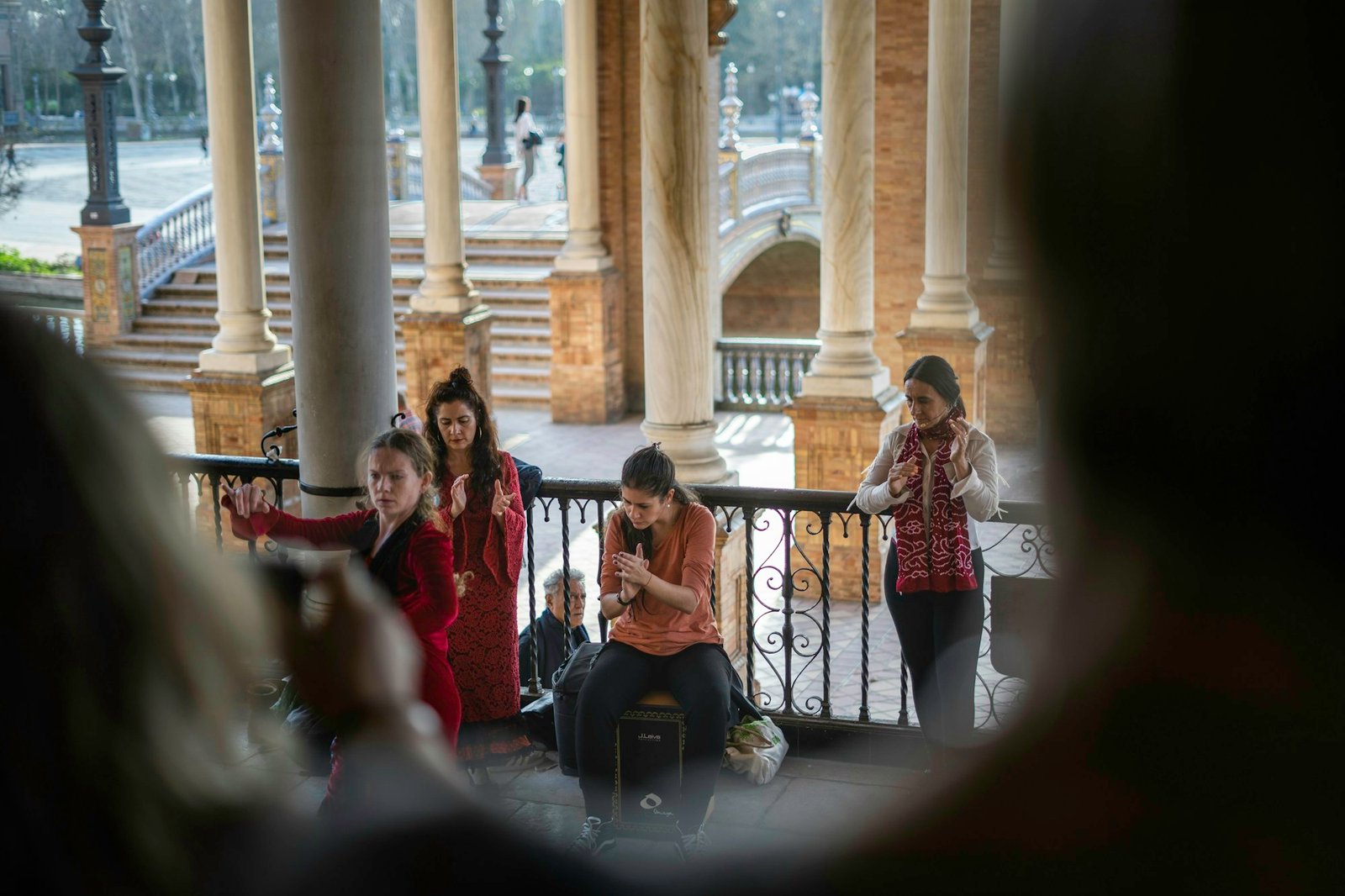
Around a corner, a voice suddenly rises from a balcony. This is the saeta, that heart-rending flamenco song addressed directly to Christ or the Virgin. The procession halts, the crowd falls silent, and this a cappella lament — a blend of flamenco and Sephardic influences — provokes a breathtaking rush of emotion.
The saeta is not a staged performance: it erupts spontaneously, bringing the procession to a complete stop and creating a cathedral-like silence in the middle of the street. It is arguably the most authentic and least « touristy » moment of the entire Semana Santa — a pure expression of the Andalusian soul.
How to experience this moment
- Position yourself at crossroads where processions often pause
- Saetas are more frequent at the departures and returns of the processions
- Observe absolute silence when a saeta is being sung
5. Day-by-Day Programme: What to See Each Day
Full Calendar of Semana Santa 2026
Each day of Semana Santa has its own character. According to Seville-Traveller, you can watch 7 to 8 processions on an ordinary day. Here are the highlights:
Palm Sunday (March 29) — A festive opening: the first processions flood the streets as palm branches and olive shoots are blessed. The atmosphere is still light, ideal for a first immersion.
Holy Monday and Tuesday (March 30–31) — Quieter days, perfect for discovering processions in outlying neighbourhoods with fewer tourists. A great time to explore authentic districts like San Lorenzo or San Julián.
Holy Wednesday (April 1) — The intensity builds. The most iconic brotherhoods begin to emerge. The most spectacular displays take place between 8 pm and 11 pm.
Holy Thursday / La Madrugá (April 2–3) — THE moment. The most intense night of the year (see section 2). Six major brotherhoods parade from midnight until the early morning.
Good Friday (April 3) — The Brotherhood of Silence embodies contemplation and austerity in the early hours of the morning. A day steeped in solemnity.
Holy Saturday (April 4) — Processions focused on the death of Christ, in an atmosphere of deep reflection.
Easter Sunday (April 5) — The Sagrada Resurrección brotherhood, founded in 1969, closes Holy Week in an atmosphere of joy and renewal.
6. Where to Stay: Santa Cruz, the Strategic Choice
The Best Neighbourhoods for Semana Santa
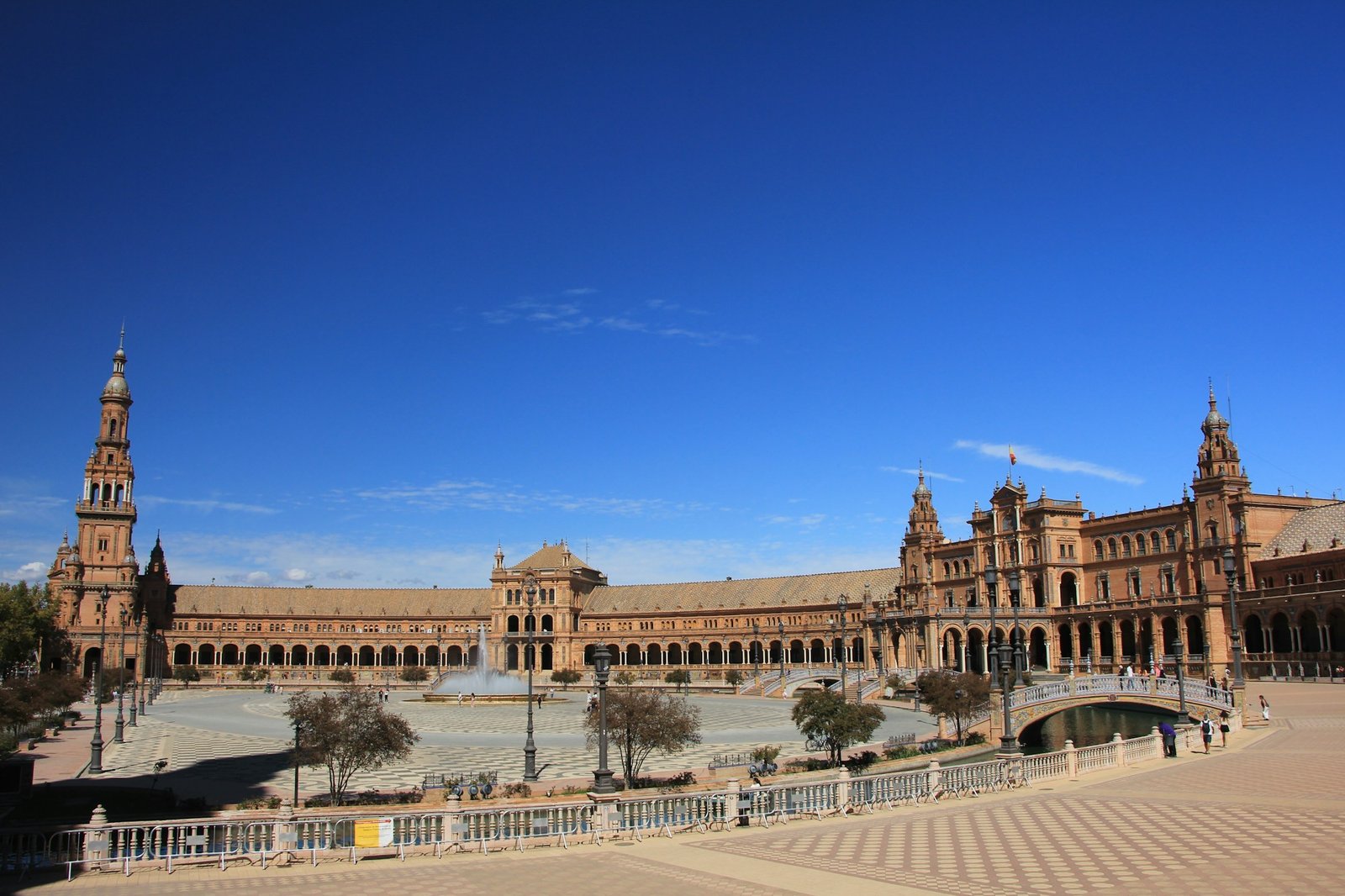
The Santa Cruz neighbourhood is the most recommended for a first stay during Semana Santa. Located at the heart of the historic centre adjacent to the cathedral, it allows easy walking access to the Alcázar and the Giralda. Its narrow, winding alleyways become a breathtaking stage when processions pass through at night.
A few options by price range (according to EuroTravelo):
- Luxury — Hotel Alfonso XIII (5-star, ~€650–1,100/night) or EME Catedral Mercer (Giralda views, ~€500–900/night)
- Mid-range — 3-star hotels in Santa Cruz or El Arenal (~€150–300/night during Semana Santa)
- Budget — Oasis Backpackers’ Palace (hostel with terrace, ~€65–130/night) or TOC Hostel Seville (~€80–160/night)
- Apartment — Rentals between €120 and €200/night for four people, an interesting alternative
7. Triana: The Authentic Alternative by the River
The Working-Class District on the Other Side of the River
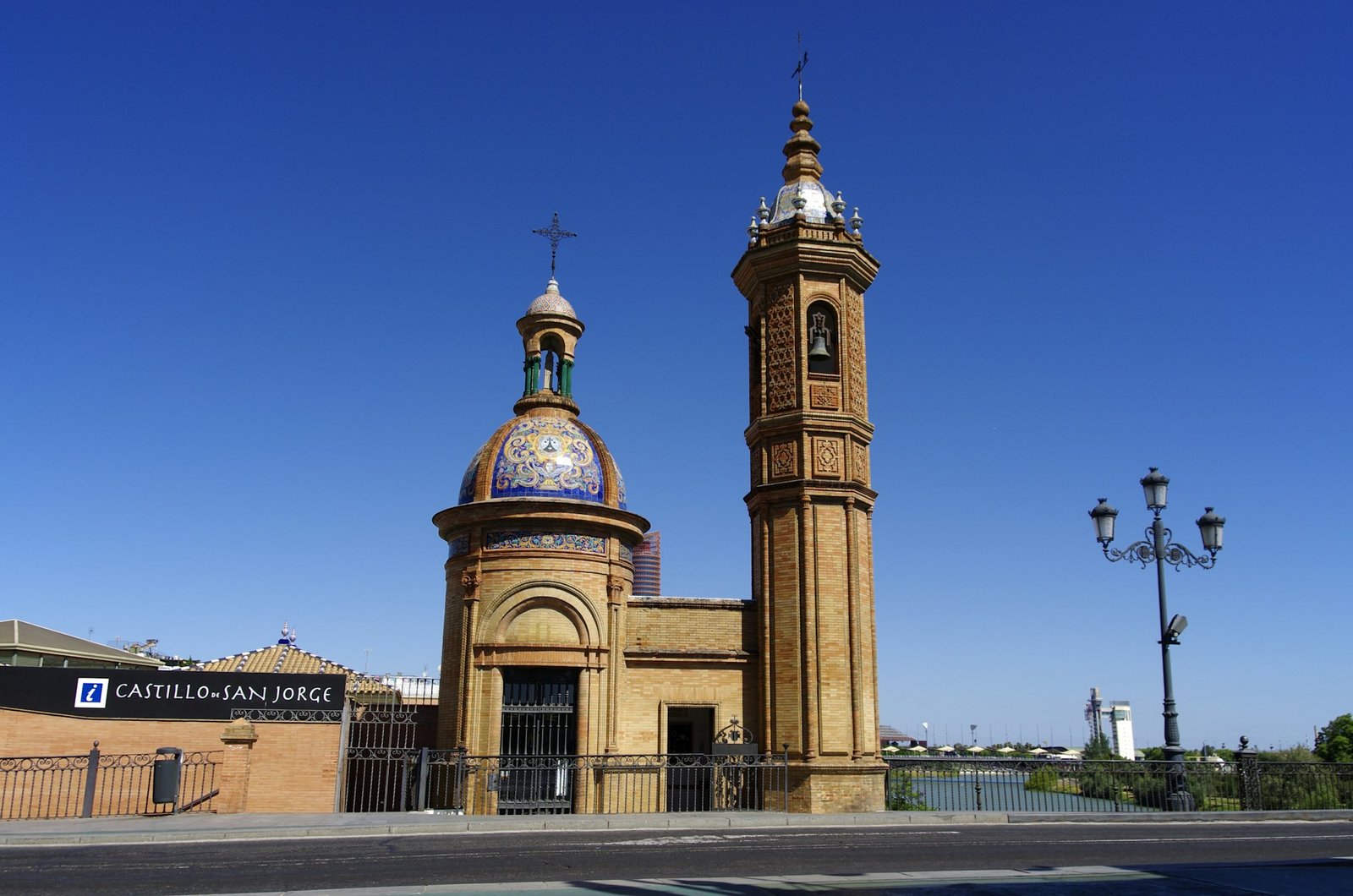
Triana, on the other side of the river, offers a more local atmosphere and is the birthplace of some of the most famous brotherhoods. This popular riverside neighbourhood offers the perfect compromise: lower prices than the historic centre and an unmatched local atmosphere.
It is also home to Seville’s best tapas bars. Local eateries charge €3 to €6 per tapa, far from the tourist inflation of the centre.
Why choose Triana
- Accommodation 20–30% cheaper than Santa Cruz
- Vibrant and authentic neighbourhood atmosphere
- Birthplace of Esperanza de Triana and historic brotherhoods
- 10 minutes’ walk from the centre via the Puente Isabel II
8. Budget Hack: Sleep in Córdoba, Experience Seville
The Ultimate Alternative for Tight Budgets
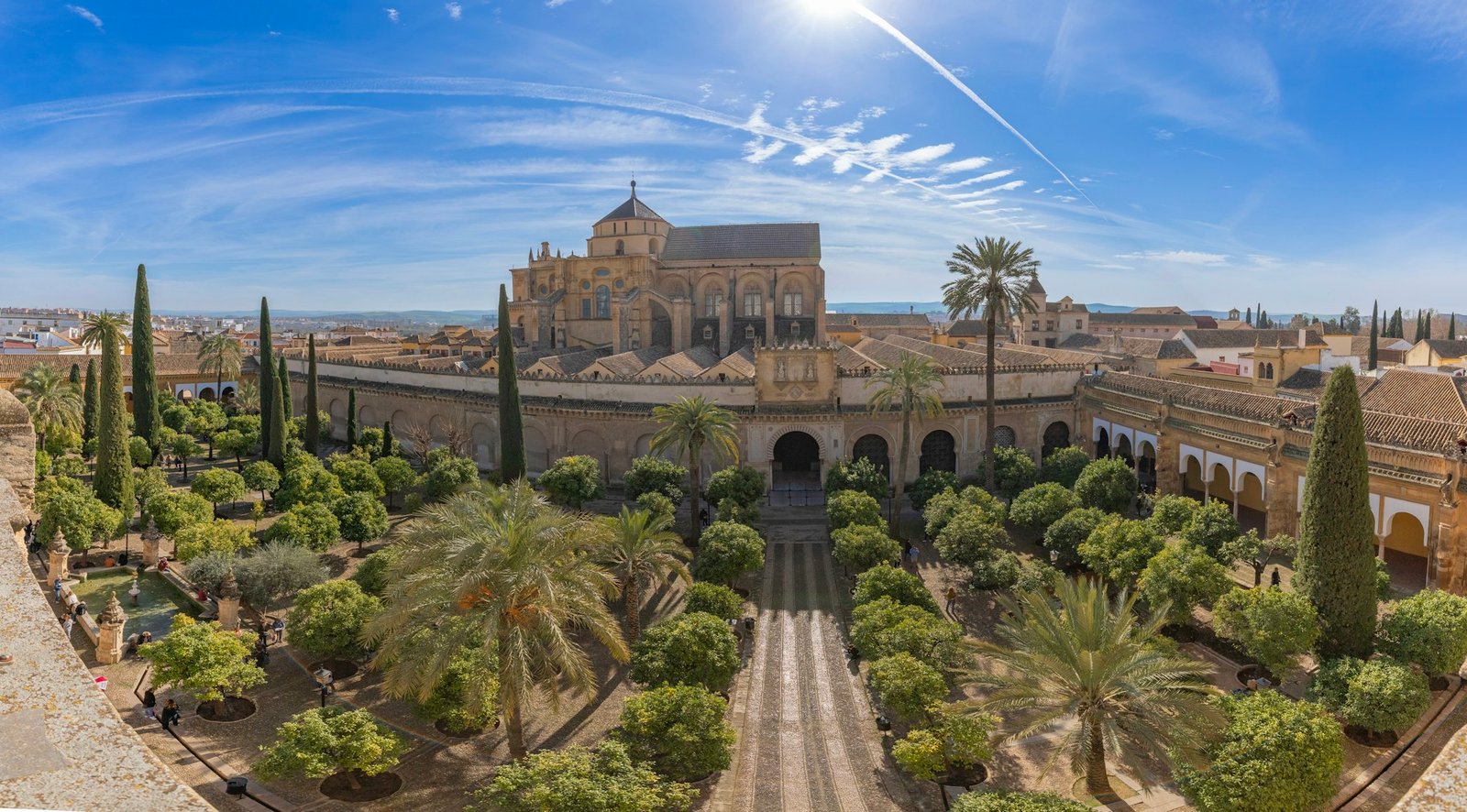
For tight budgets, here is a radical solution: sleep in Córdoba and commute by AVE. With over 40 trains a day and a 42-minute journey, it is perfectly feasible — and hotels there are twice as cheap as in Seville during Semana Santa.
Bonus: Córdoba has its own Semana Santa, on a more intimate scale. Watching a float pass through the Jewish Quarter is a magical experience. You effectively get two Semanas Santas for the price of one.
Transport budget
- AVE Córdoba–Seville: ~€15–25 one way (book in advance)
- Flight Paris–Seville: from €94 return (book in advance)
- Tip: Tuesday flights are statistically the cheapest
9. Food: The Flavours of Semana Santa
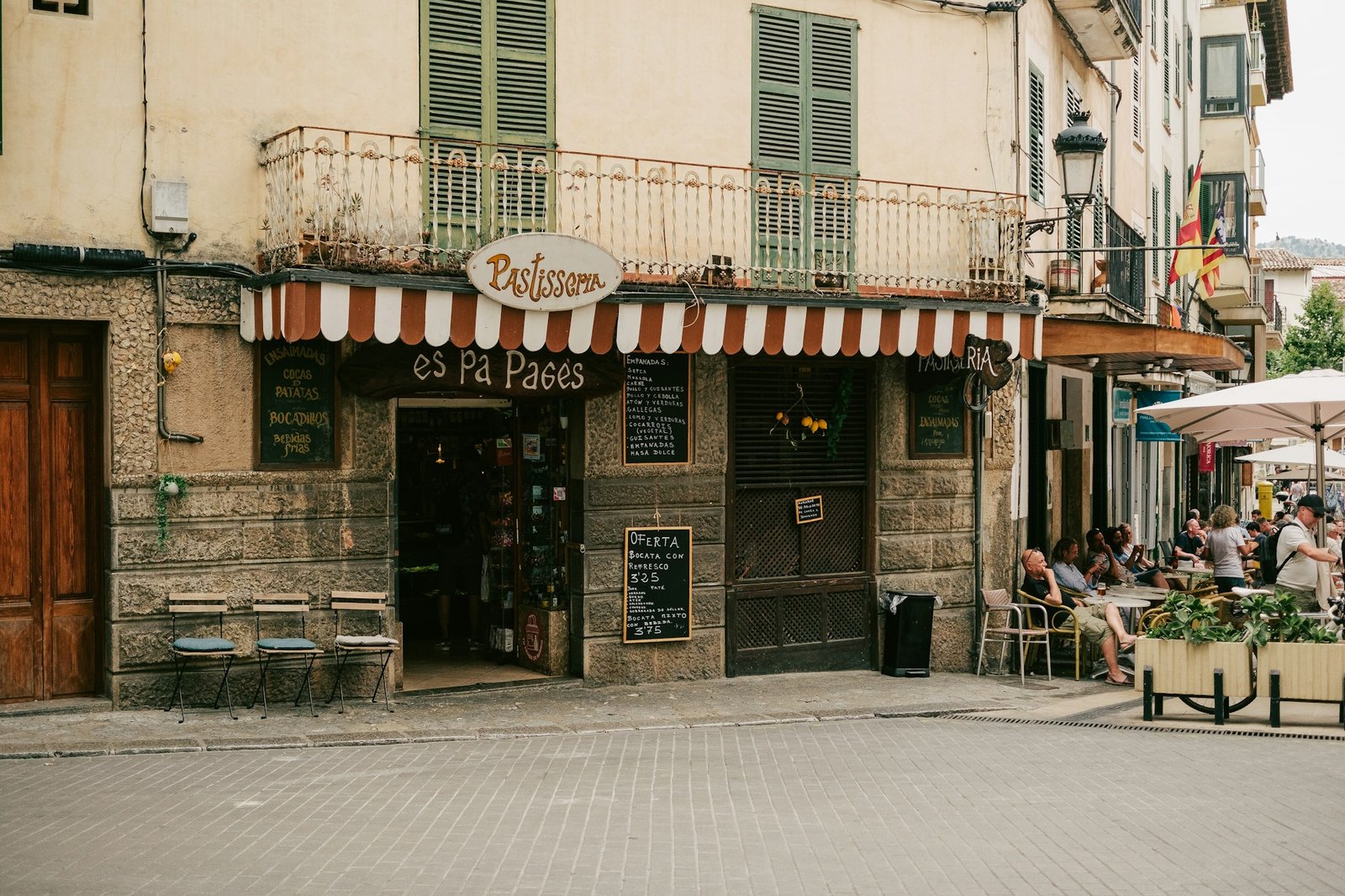
Traditional Dishes of Holy Week
During Semana Santa, meat is absent from the Sevillian table. Traditional, humble dishes take centre stage, telling centuries of Andalusian culinary tradition.
Torrijas are the week’s signature dessert: day-old bread soaked in beaten egg, fried, then coated in sugar syrup, honey or sweetened milk. The most celebrated in Seville are found at La Campana Confectionery and Ochoa Bakery.
Espinacas con Garbanzos (spinach with chickpeas) are the week’s other culinary cornerstone. This dish inherited from the Moorish era, flavoured with garlic, paprika and cumin, has become a Lenten classic. The best in Seville is served at El Rinconcillo, the city’s oldest bar (founded in 1670).
Must-try dishes
- Torrijas — Andalusia’s « French toast, » the symbol of Semana Santa
- Espinacas con Garbanzos — spinach with chickpeas, the quintessential Lenten dish
- Pestiños — crispy honey-and-anise fritters, fragrant and irresistible
- Pavías de bacalao — golden salt-cod fritters, found in bars everywhere
10. Practical Tips and Budget
Everything You Need to Know Before You Go
Getting around: Seville Airport (SVQ) is connected to the city centre by the Express EA bus (~€4). Santa Justa station links Seville to Madrid in 2h30 by AVE. Note: many streets are closed in the afternoon and evening for processions. Walking is your best option.
Mobile app: Download « Paso a Paso » to track floats by GPS in real time. Routes can change at the last minute, making this app indispensable.
Code of conduct: Respect the tone of each procession. During moments of silence, put your phone away, do not eat or drink. Never cross a procession line — it is considered deeply disrespectful. Flash photography is forbidden during evening ceremonies.
What to wear: Dress respectfully, especially when entering churches. Pack layered clothing (evenings are cool) and comfortable shoes for the uneven cobblestones.
Safety: In large crowds, watch your valuables. Pickpockets take advantage of the dense crowds.
Estimated budget per person (7 days)
| Item | Tight budget | Mid-range budget | Comfort budget |
|---|---|---|---|
| Accommodation/night | €30–60 | €80–150 | €250–500 |
| Meals/day | €15–25 | €30–50 | €60–100 |
| Processions | €0 (street) | €0–50 | €80–200 (balcony) |
| Local transport/day | €5 | €15 | €30 |
| Total/day | ~€50–90 | ~€130–215 | ~€300–600 |
Frequently Asked Questions About Seville’s Semana Santa
Do you have to be religious to enjoy Seville’s Semana Santa?
Absolutely not. Whether you are religious or not, the scale of the craftsmanship, the emotional intensity of the crowds and the beauty of the processions offer a powerful window into Spanish identity. Semana Santa is a universal experience, moving even for non-believers, blending art, music, history and collective emotion.
When should you book accommodation for Semana Santa 2026?
As early as possible. Prices can triple during Semana Santa and hotels in the historic centre fill up from January. Book at least 4 to 6 months in advance. If Seville hotels are full, consider Córdoba (42 min by AVE) or Triana for more affordable rates.
What are the hours of the Semana Santa processions?
Processions generally begin in the late afternoon (around 4 pm) and continue into the early hours of the morning. Peak time is between 7 pm and 2 am. Notable exception: La Madrugá begins at midnight on Thursday and lasts until Friday afternoon. Download the « Paso a Paso » app to follow processions in real time.
Can processions be cancelled due to rain?
Yes. Brotherhoods can postpone or cancel their procession if rain threatens their precious pasos (floats adorned with sculptures and gilding). Do not expect Swiss-watch punctuality — delays are common for various reasons. Follow the official app for real-time updates.
Can you visit the Alcázar and the Cathedral during Semana Santa?
Most monuments open in the morning, especially early in the week (Monday–Wednesday). Note: the Real Alcázar is closed on Good Friday (April 3, 2026) and has reduced hours on Holy Thursday and Easter Sunday. Book your visits online in advance to secure your time slot.
Is Semana Santa suitable for families with children?
Yes, as long as you choose the right processions. Opt for afternoon processions, which are less formal, with many young nazarenos. Children can stand in the front row and ask the nazarenos for sweets or stamps — they will love it. Avoid La Madrugá with young children (too crowded, very late hours).
What should you wear for Seville’s Semana Santa?
Dress respectfully, especially when entering churches (shoulders and knees covered). Pack layered clothing as April evenings can be cool (12–15°C / 54–59°F). Comfortable shoes are essential: you will walk more than 15,000 steps a day on uneven cobblestones.
How do you find the processions in the crowd?
Three foolproof signs: if red banners hang from the balconies of a street, a procession is heading that way. If well-dressed groups are walking quickly in the same direction, follow them. Finally, listen for the drums — you can hear them from very far away. The « Paso a Paso » app also lets you track each float by GPS.
Sources
- Spain.info — Official Spanish tourism website, information on Holy Week in Seville
- Bonjour Séville — French-language practical guide to Holy Week
- Wikipédia FR — Holy Week in Seville (French)
- Seville-Traveller — Local guide to the processions
- EuroTravelo — Budget and accommodation for Semana Santa
- Ulysse.com — Seville April 2026, budget and flights
- Spanaly — Complete guide to Semana Santa Spain 2026
- VisitaSevilla — Holy Week in Seville’s neighbourhoods
- VisitarSevilla — Practical tips for Holy Week
- Devour Tours — Typical foods of Seville
- Hidden Hotels — Accommodation with views of the processions
- Wikipedia EN — Holy Week in Seville
- GetYourGuide — Guide to Easter activities in Seville
Research conducted on March 2, 2026
Ready to Experience Seville’s Semana Santa?
Plan your trip to Andalusia with Pixidia and keep your itinerary accessible even offline. Processions, restaurants, accommodation: your entire stay at your fingertips.
Explore our Spain itineraries