

The Easter 2026 long weekend, from Friday April 3 to Monday April 6, gives you four days to escape to Europe without using a single vacation day. Four days may not sound like much, but it is more than enough for unforgettable experiences: a candlelit procession through the streets of Seville, a medieval fireworks display on the steps of Florence’s Duomo, or millions of tulips in bloom just outside Amsterdam. Europe is waking up in spring, prices have not yet hit their summer peaks, and terraces are filling up with the first golden light of the season.
We have selected ten destinations perfectly suited for a short break: reachable in two to three hours by flight from major European hubs, rich in seasonal and cultural events, and compact enough to explore over a long weekend. From Andalusian passion to deserted Croatian coves, here is our selection for an unforgettable Easter 2026.
1. Seville, Spain — Semana Santa in All Its Splendor
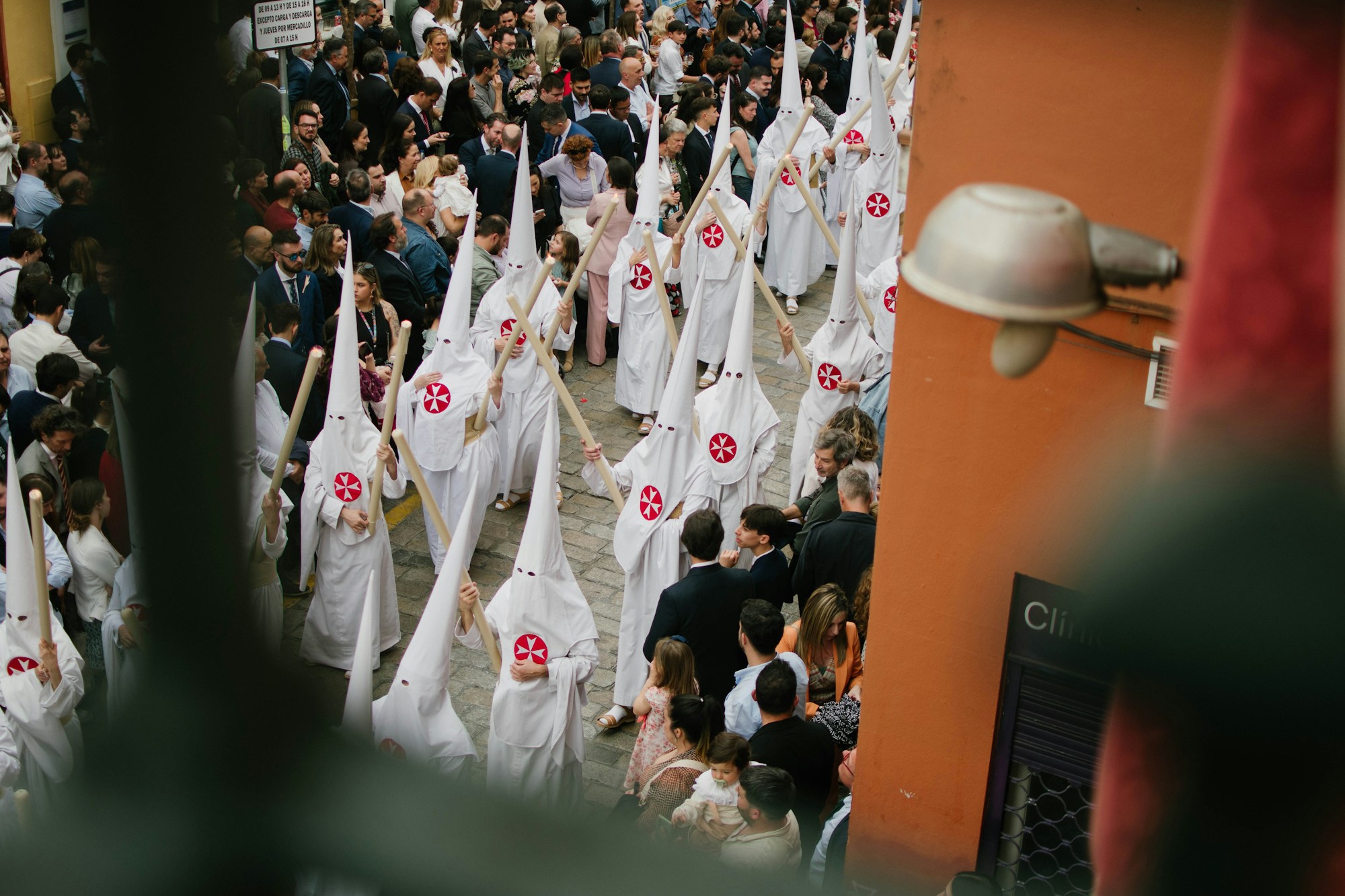
Seville, Spain
Seville does not just celebrate Easter — it lives it, sings it, weeps it, and dances it. The Seville Semana Santa has been classified as a festival of international tourist interest since 1980, and with good reason: for an entire week, 71 brotherhoods and some 50,000 nazarenos in pointed capirotes process through the narrow streets of the historic center, carrying elaborate floats (pasos) weighing up to a ton, lit solely by candlelight. The Easter weekend falls right in the heart of the festivities, between Good Friday and Domingo de Resurreccion.
The climax comes on the night of Holy Thursday to Good Friday: the Madruga, the most intense night of the year, when six major brotherhoods — including La Macarena and Jesus del Gran Poder — wind through the historic center from midnight until dawn. From balconies, voices rise to sing the saeta, a haunting flamenco chant addressed to Christ or the Virgin Mary, which instantly halts the procession and plunges the crowd into an almost mystical silence. On the food side, do not miss the torrijas (honey-soaked French toast) and sesame pestinos, traditional Easter treats enjoyed on the terraces.
Highlights
- The Madruga, night of April 2-3 — up to 600,000 people in the streets
- 71 brotherhoods and 50,000 nazarenos in procession throughout the week
- Perfect temperatures (18-22 °C) and golden Andalusian light
- Easter gastronomy: torrijas, pestinos, and tapas on the terraces of Triana
2. Florence, Italy — Scoppio del Carro, Fireworks on the Duomo Steps
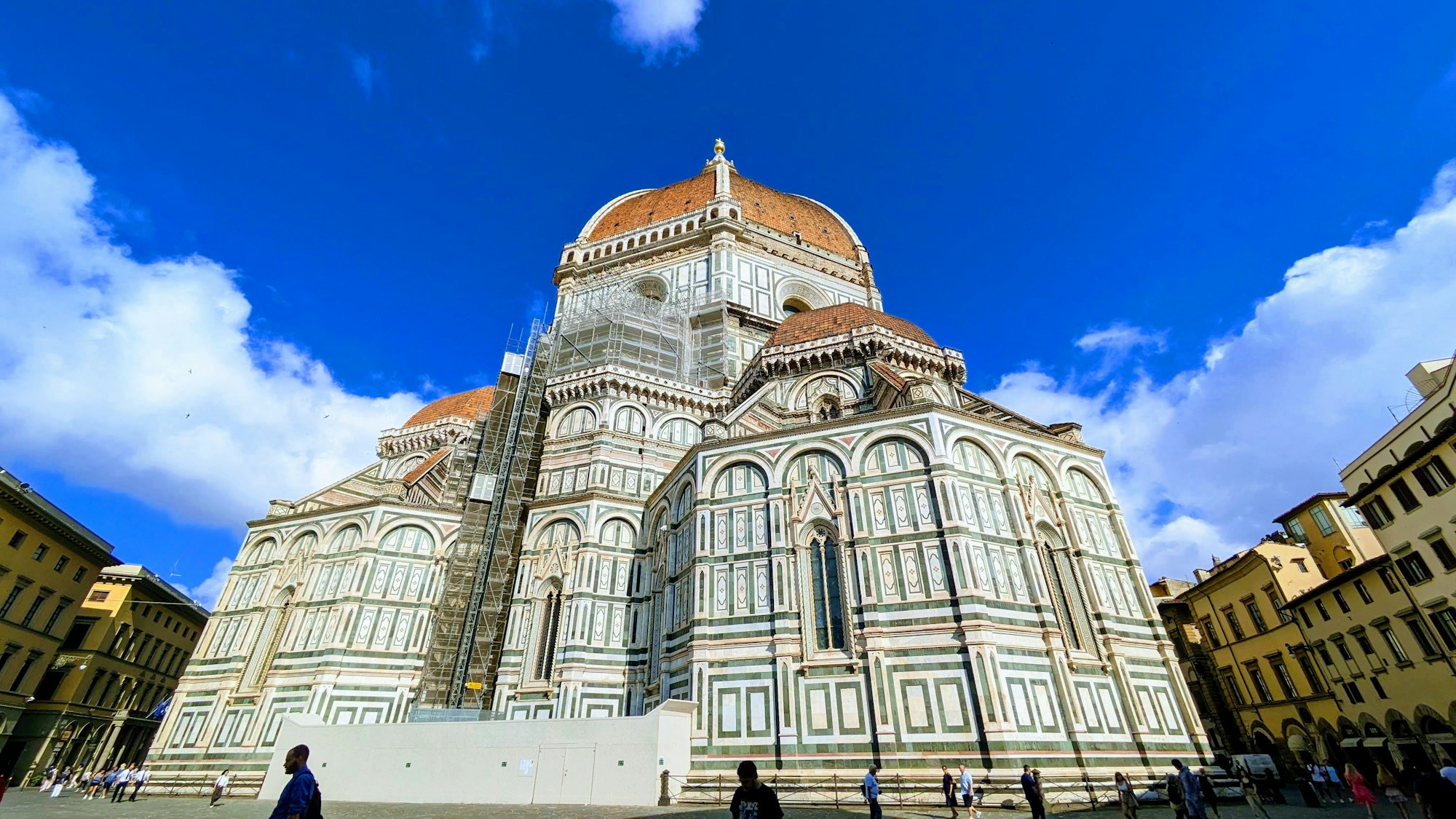
Florence, Italy
Easter Sunday in Florence is a spectacle unlike anything else in Europe. The Scoppio del Carro (« Explosion of the Cart ») is a tradition spanning over 500 years: an imposing wooden cart pulled by caparisoned white oxen is led in procession from the Porta al Prato to the forecourt of the Santa Maria del Fiore cathedral. At the end of the Easter mass, the archbishop lights a dove-shaped rocket (the colombina) that races along a cable from the altar to the cart, triggering a spectacular daytime fireworks display. If the colombina completes its round trip without a hitch, tradition promises a year of good harvests.
Florence in April also means world-class museums without the summer crowds. The Palazzo Strozzi hosts an exceptional Rothko exhibition from March to July 2026, while on Good Friday (April 3), the town of Grassina on the outskirts of Florence stages a full-scale reenactment of the Passion with over 500 costumed performers. Enough to fill a long weekend with art, tradition, and the golden light of a Tuscan spring.
Highlights
- Scoppio del Carro on April 5 — a unique 500-year-old tradition on Piazza del Duomo
- Rothko exhibition at Palazzo Strozzi (March-July 2026)
- Passion reenactment in Grassina on April 3, with 500 performers
- Museums and galleries without the summer queues
3. Amsterdam and Keukenhof, Netherlands — 7 Million Tulips in Bloom
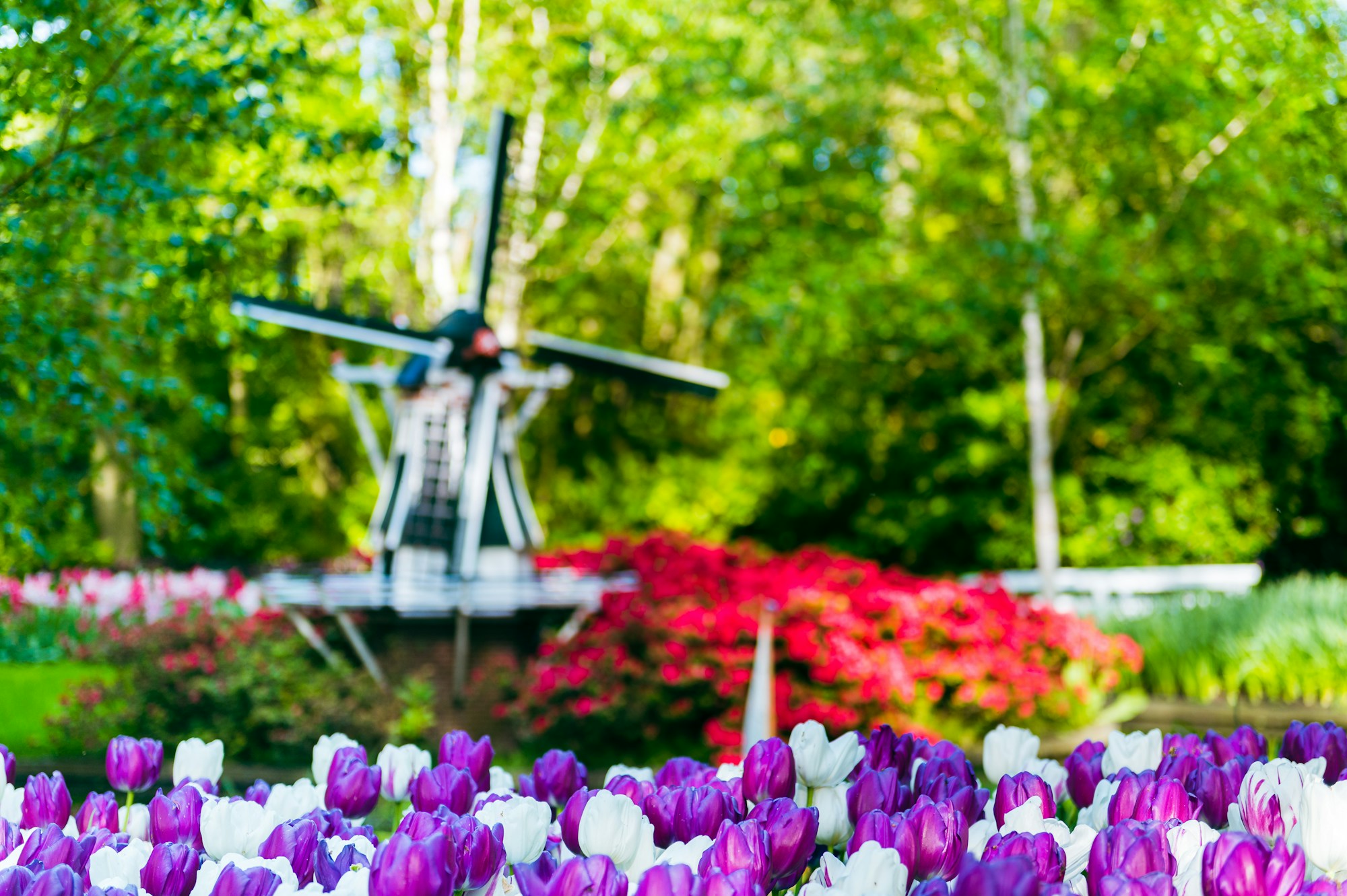
Amsterdam / Keukenhof, Netherlands
The Easter weekend falls right in the middle of tulip season, and it would be a shame not to take advantage. Keukenhof, the world’s largest flower bulb garden, spreads its 32 hectares of colorful beds from March 19 to May 10, 2026: 7 million bulbs, 800 tulip varieties, hyacinths, and daffodils create a living canvas that changes from week to week. Admission is 21.50 € (online booking required), and the park is open from 8am to 7:30pm. In early April, the blooms are at their peak — it is the ideal time to visit.
Meanwhile, the Amsterdam Tulip Festival runs from April 1 to 30, 2026 throughout the city: pop-up gardens in parks, floral arrangements along the canals, and free tulips handed out on Dam Square. Combine a day at Keukenhof (30 minutes by bus from Amsterdam) with an exploration of the canals, the Rijksmuseum, and the Jordaan district, and you have a weekend that is both pastoral and urban. The street markets offer warm stroopwafels and marinated herring to fuel your wanderings.
Highlights
- Keukenhof at peak bloom — 32 hectares, 7 million bulbs, 800 varieties
- Amsterdam Tulip Festival throughout the month of April
- Canals, Rijksmuseum, Jordaan district — Amsterdam in spring
- Just 1h20 flight from Paris, perfect for a short break
4. Porto, Portugal — Portuguese Holy Week and the Douro Riverbanks
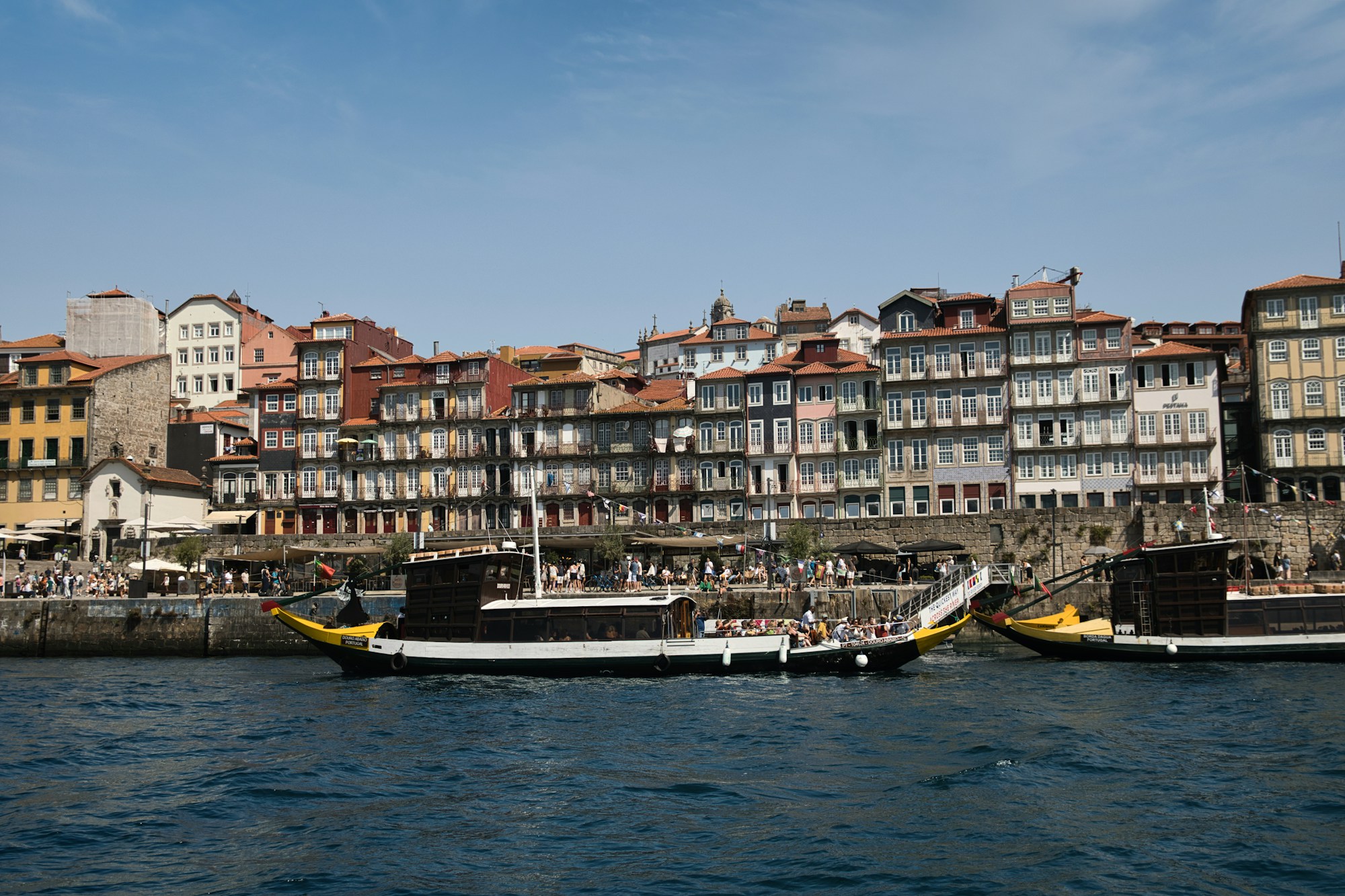
Porto, Portugal
Porto at Easter is a rare combination of religious fervor and Atlantic joie de vivre. The city observes its own Holy Week with solemn processions around the Se do Porto cathedral, but it is in Braga, just 50 kilometers to the north, where the ceremonies reach their peak. Braga is the epicenter of Holy Week in Portugal: the farricocos, barefoot penitents wearing long black hoods, march by torchlight through the medieval lanes. A day trip there is absolutely essential.
Back in Porto, Easter Sunday is marked by the burning of Judas effigies in some popular neighborhoods and by the tasting of folar, a sweet Easter bread with a whole egg baked into the dough. The Ribeira waterfront terraces, the Port wine cellars of Vila Nova de Gaia, and the azulejo tiles of Sao Bento station make for an ideal springtime weekend backdrop. Porto remains one of Europe’s most affordable capital cities, with accommodation and dining prices well below those of Lisbon.
Highlights
- Day trip to Braga (50 km) for Portugal’s most impressive Easter processions
- Budget-friendly: 60-120 €/night, very affordable dining
- Port wine tasting in the Vila Nova de Gaia cellars
- Unique Easter traditions: folar bread, Judas effigies, torchlit processions
5. Malta and Valletta — Baroque Processions and the 2026 Art Biennale
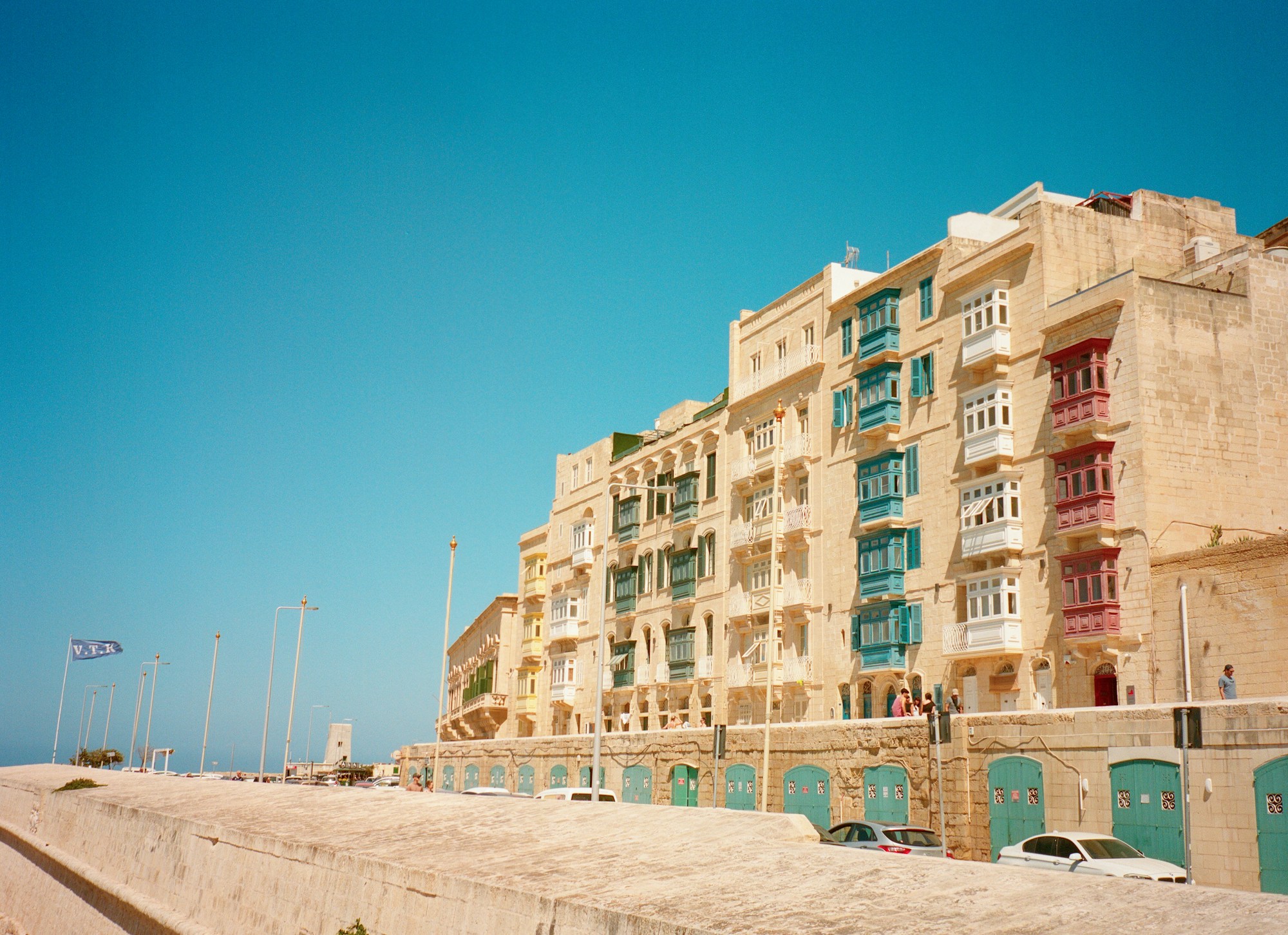
Malta / Valletta
Malta celebrates Easter with an intensity that surprises visitors. Maltese Holy Week unfolds simultaneously in 17 towns and villages across the archipelago, each with its own processions of life-size statues depicting scenes from the Passion. In Valletta, the processions wind between the baroque palaces of the Knights of the Order of Malta. On Easter Sunday, do not miss l-Irxoxt: in several towns, carriers literally run through the streets with the statue of the Risen Christ, triggering euphoria among the crowd. For a sweet treat, the figolli — almond pastries shaped like lambs or rabbits — are everywhere.
In 2026, Malta offers an exceptional cultural bonus: the Malta Biennale of Art runs from March to May with 28 international pavilions spread across the historic spaces of Valletta and the Three Cities. Contemporary art in 16th-century fortresses: the contrast is striking. With already summer-like temperatures (18-22 °C) and 18 °C sea water for the bravest, Malta in April blends heritage, passion, and the first swims of the season. EasyJet offers two flights per week from Nice starting April 2, 2026.
Highlights
- Processions in 17 towns — every village has its own tradition
- Malta Biennale of Art 2026 — 28 pavilions in historic fortresses
- l-Irxoxt: the running with the Risen Christ statue on Sunday
- 18-22 °C and the first chance for a Mediterranean swim
6. Bruges, Belgium — Artisan Chocolate and UNESCO Heritage
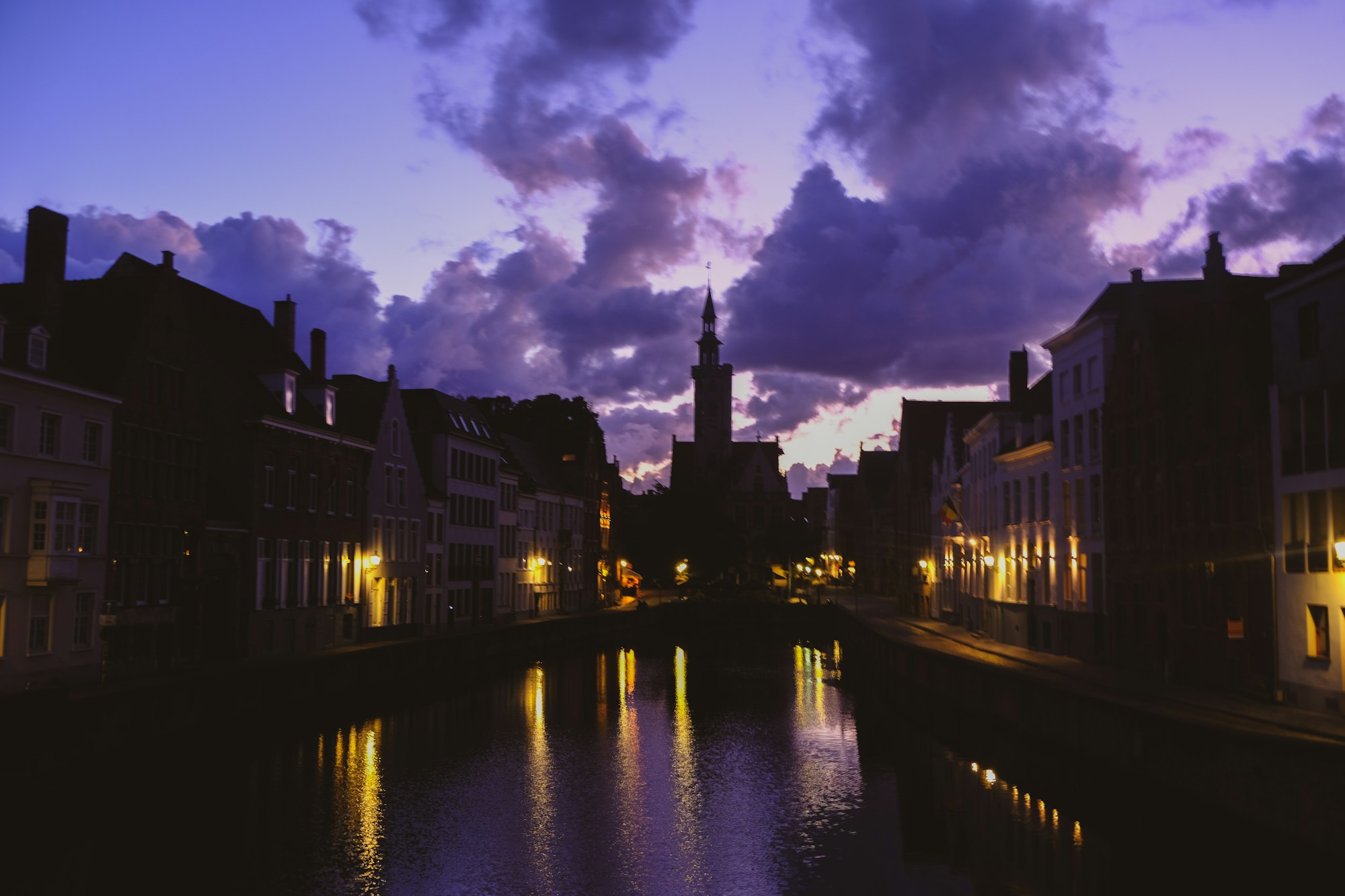
Bruges, Belgium
Easter and Bruges are a match made in heaven. Belgium’s chocolate capital — with over 50 artisan chocolatiers within a one-kilometer radius — takes on a festive air at Easter. Shop windows are brimming with chocolate eggs, rabbits, and bells, and several chocolate houses offer hands-on workshops open to the public (30 to 60 € per person). On Easter Sunday, a giant Easter egg hunt is organized in the city center parks, perfect for families.
But Bruges is far more than chocolate. The historic center, a UNESCO World Heritage Site, is a picture-perfect medieval setting: canals lined with willows, a 13th-century belfry, tranquil beguinages, and the Groeningemuseum housing Flemish Primitive masterpieces (Van Eyck, Memling). In April, the first daffodils border the canals and terraces bring out their chairs. Accessible in two hours by train from Paris-Nord via Eurostar, Bruges is the ideal destination for those who prefer not to fly.
Highlights
- Over 50 artisan chocolatiers — hands-on chocolate workshops available
- UNESCO historic center: canals, belfry, beguinages, Flemish Primitives
- Direct train from Paris in ~2h — no need to fly
- Giant Easter egg hunt on Easter Sunday for families
7. Madeira, Portugal — The Island of Eternal Spring
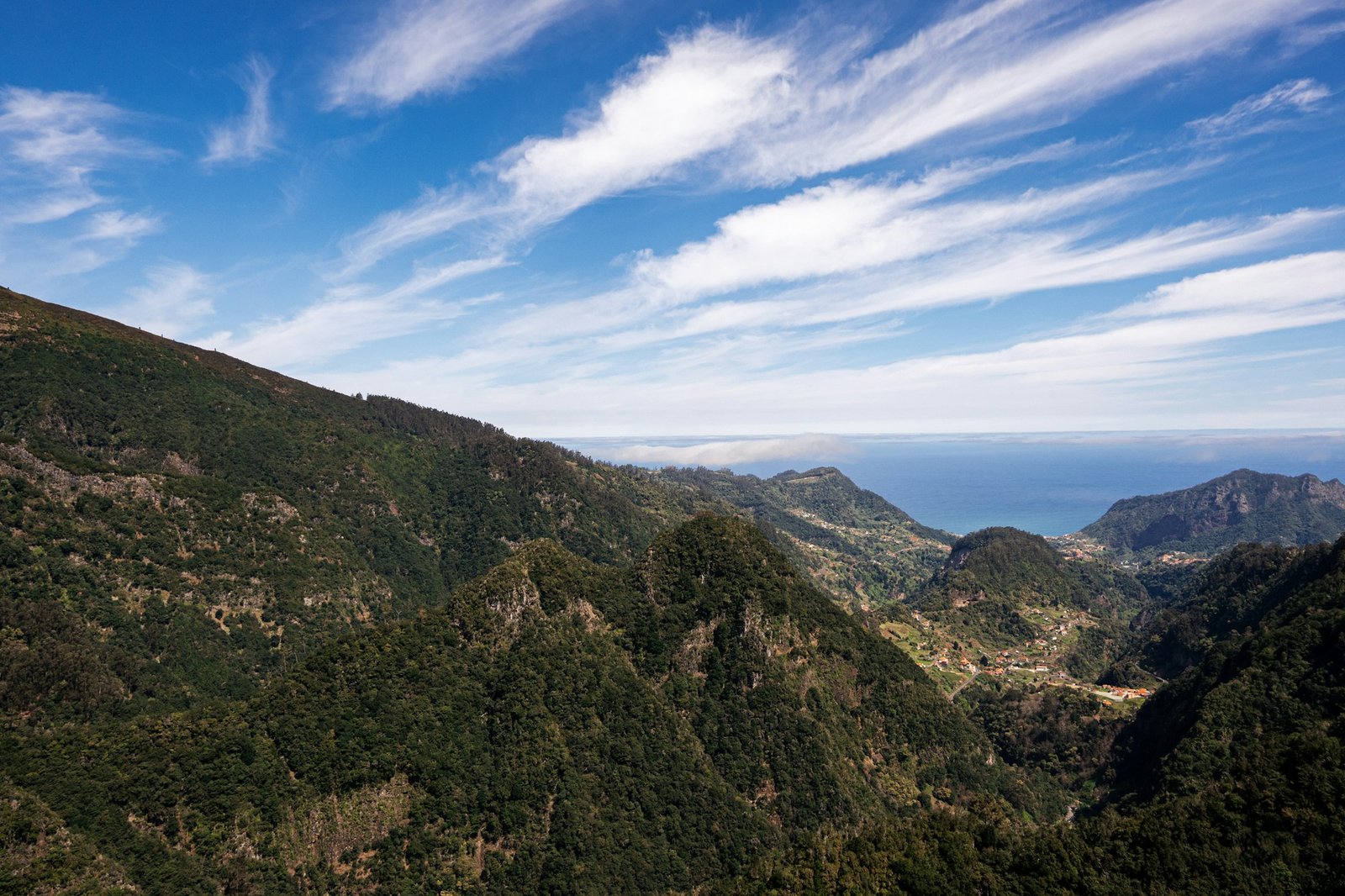
Madeira, Portugal
They call it « the island of eternal spring, » and it is no empty slogan. Madeira, perched in the Atlantic 1,000 km from Lisbon, maintains temperatures between 18 and 22 °C year-round thanks to its subtropical microclimate. In April, the island is an open-air garden: bougainvillea, strelitzias, hydrangeas, and laurels carpet every hillside. The Jardim Botanico de Funchal gathers over 2,500 plant species on a natural amphitheater overlooking the bay, and hikes along the levadas — centuries-old irrigation channels — offer breathtaking panoramas between UNESCO laurel forests and ocean cliffs.
Easter in Madeira is not marked by major festivities (the Festa da Flor starts on April 30), but that is precisely what makes it a smart choice: the island is peaceful, prices are reasonable, and you enjoy nature at its best before the tourist rush. Do not miss the natural swimming pools of Porto Moniz, the Ponta de Sao Lourenco (a spectacular 3-hour hike at the eastern tip of the island), and a wicker toboggan ride down from Monte — a tradition as absurd as it is unforgettable.
Highlights
- Guaranteed ideal climate (18-22 °C) — the island of eternal spring
- Levada hikes through the laurel forest (UNESCO)
- Porto Moniz natural pools, Ponta de Sao Lourenco
- Before peak season — quiet, affordable, nature at its finest
8. Dubrovnik, Croatia — The Pearl of the Adriatic Before the Crowds
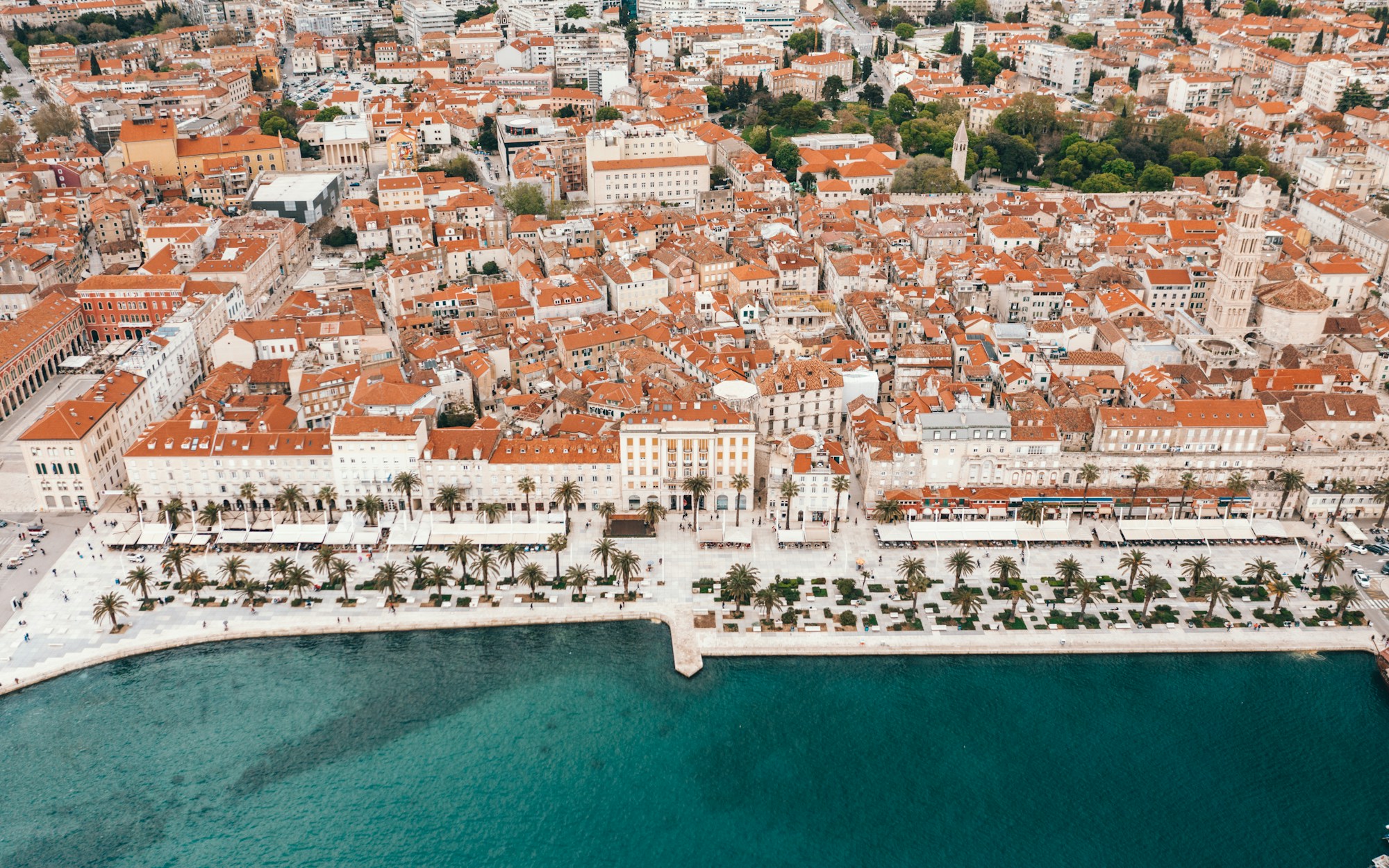
Dubrovnik, Croatia
Dubrovnik welcomes 1.5 million visitors per year, the vast majority crammed between June and September. In April, the « Pearl of the Adriatic » rediscovers its serenity: the marble-paved lanes of the old town are walkable without jostling for space, the city walls (2 km loop) offer panoramic views of turquoise waters without the endless summer queues, and prices drop dramatically — expect 60 to 120 €/night compared to 200 € and up in peak season. The Stradun, the main thoroughfare, can be savored at a cafe pace rather than in a flood of tour groups.
Over the Easter weekend, Dubrovnik observes its own traditions: solemn masses in the Cathedral of the Assumption and processions through the old town. Take the opportunity to catch the ferry to Lokrum Island (a 10-minute crossing), a small green paradise with a Benedictine monastery, a botanical garden, and coves for dipping your toes. Note, however, that some museums have reduced hours in April and not all water activities are operational yet. But that is a small price to pay to discover Dubrovnik at its most authentic.
Highlights
- Prices halved compared to summer (60-120 € vs 200+ €/night)
- City walls and old town without the summer crowds
- Lokrum Island just 10 minutes by ferry — monastery and secret coves
- Shoulder season: the real Dubrovnik, as the locals know it
9. Athens, Greece — The Acropolis Without the Queue
Athens, Greece
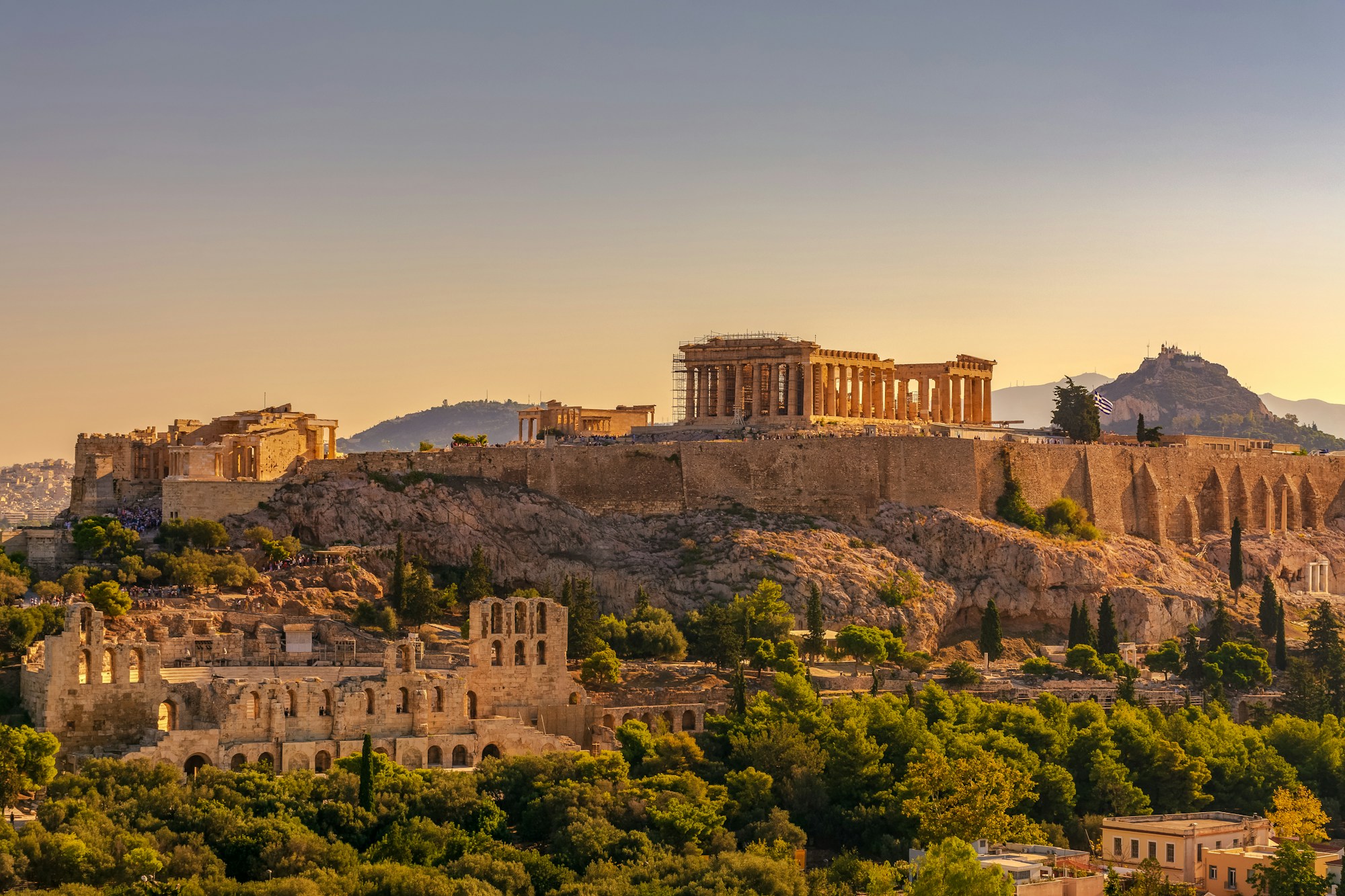
Here is the insider secret of this weekend: Orthodox Easter, celebrated by Greece, falls on April 19, 2026 — two weeks after Catholic Easter on April 5. The result: over the April 3-6 weekend, Athens is not yet in festive mode, prices remain low, and most importantly, the archaeological sites are remarkably uncrowded. The Acropolis, which can require hours of queueing in summer, can be visited with just a 15-20 minute wait at this time of year. The Acropolis Museum, the Ancient Agora, and the Temple of Olympian Zeus can all be explored in rare tranquility.
Athens in April also means 18-22 °C, near-guaranteed blue skies, and a city buzzing with urban energy without the summer torpor. The Monastiraki district and its flea markets, the rooftop bars of Psyrri with views of the illuminated Parthenon, the street food from the central market (loukoumades, souvlaki, spanakopita): Athens is a capital to be lived as much as visited. And if you want to extend your trip, the Saronic Islands (Hydra, Aegina) are just an hour by ferry from Piraeus.
Highlights
- Acropolis with virtually no queue (15-20 min vs hours in summer)
- 2 weeks before Orthodox Easter = a calm, accessible Athens
- 18-22 °C and blue skies — the city at its best
- Rooftop bars, street food, and vibrant nightlife in Psyrri and Monastiraki
10. Kvarner, Croatia — Europe’s 2026 Region of Gastronomy
Kvarner, Croatia
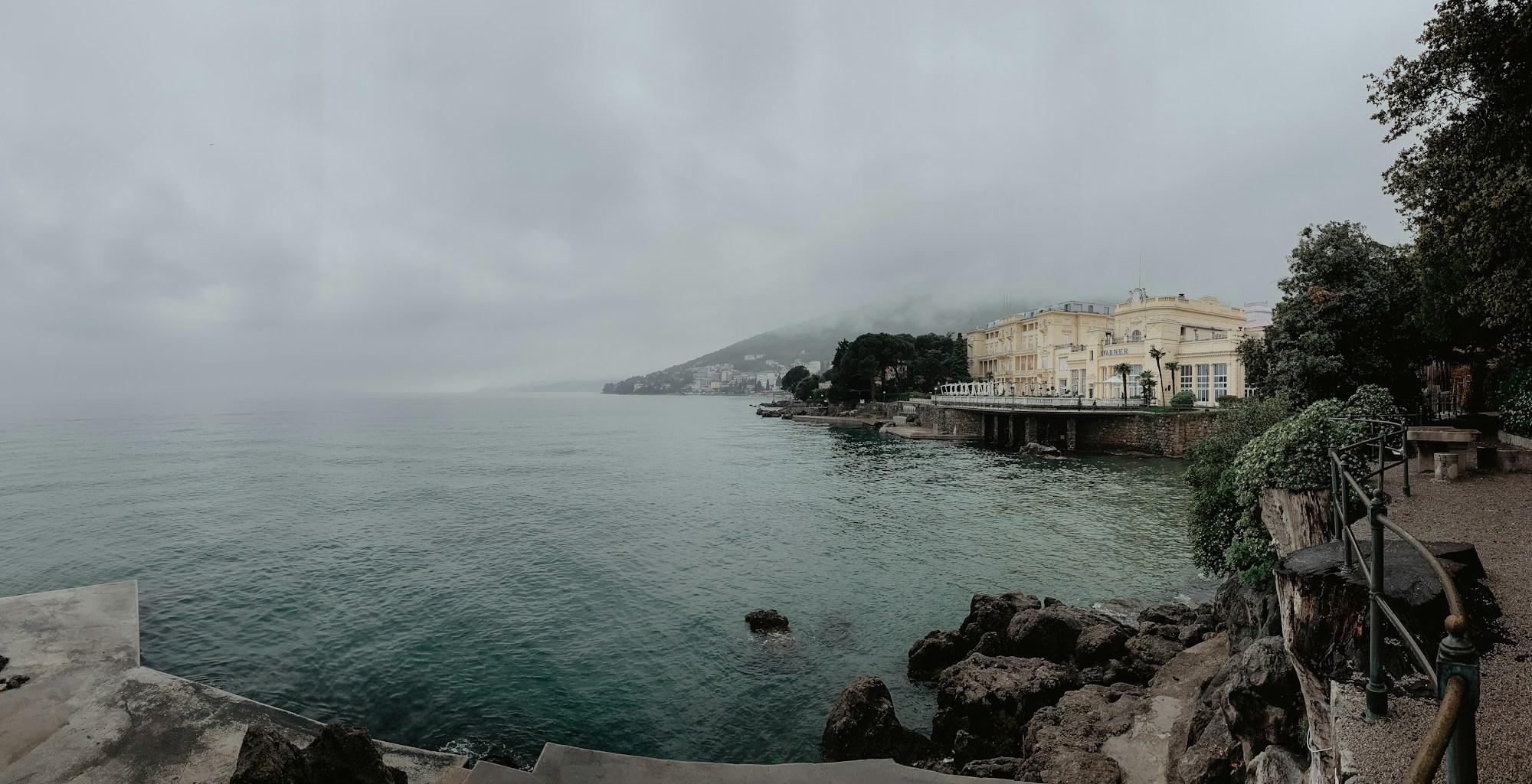
The Kvarner Bay is our top pick — the destination insiders already know and everyone else will discover soon. Named European Region of Gastronomy 2026, this stretch of the Croatian coast between Rijeka and Istria is a concentrated burst of Mediterranean flavors: sheep’s cheese aged in island caves, Zlahtina white wine from the island of Krk, fish grilled the same day it was caught, artisanal olive oil, and Istrian truffles just an excursion away. All at prices that defy competition in Western Europe — expect 50 to 90 €/night for quality accommodation.
Opatija, dubbed the « Austrian Riviera, » is the ideal base: Art Deco villas along the Lungomare promenade, subtropical gardens, and gourmet restaurants at Croatian prices. From there, the islands of Cres, Losinj, and Krk are reachable by ferry or by road (Krk is connected by a bridge). In April, nature is lush, the coastal hiking trails are fully accessible, and the pebble beaches are still empty. Kvarner is Croatia before the era of mass tourism — enjoy it before the rest of the world catches on.
Highlights
- European Region of Gastronomy 2026 — cheese, Zlahtina wine, fresh fish
- Best value for money in our selection: 50-90 €/night
- Opatija: Art Deco villas, Lungomare promenade, subtropical gardens
- Islands of Cres, Losinj, and Krk — wild coves and fishing villages
Frequently Asked Questions
What are the exact dates of the Easter 2026 weekend?
In 2026, Good Friday falls on April 3, Easter Sunday on April 5, and Easter Monday on April 6. This provides a four-day long weekend (Friday to Monday) without taking any vacation days, ideal for a European getaway. Note: Good Friday is a public holiday in many European countries (Germany, UK, Netherlands, etc.), though not in all — check your destination’s schedule in advance.
Should I book early for the Easter weekend?
Yes, it is strongly recommended to book 2 to 3 months in advance, especially for the most popular destinations like Seville (Semana Santa), Amsterdam (Keukenhof), and Bruges (chocolate). Flights and city-center accommodation sell out fast for this long weekend. For lesser-known destinations like Kvarner or Madeira, one month ahead may suffice, but the best deals disappear quickly.
Does Orthodox Easter fall on the same weekend in 2026?
No. In 2026, Orthodox Easter is celebrated on April 19, two weeks after Western Easter (April 5). This directly impacts your trip: predominantly Orthodox countries (Greece, Serbia, Romania, Bulgaria) will not be in festive mode over the April 3-6 weekend, meaning less crowded tourist sites and lower prices. This is a major advantage for visiting Athens during this period.
Which destinations offer the best value for money?
Three destinations stand out for affordability: Kvarner in Croatia (50-90 €/night), Porto in Portugal (60-120 €/night), and Dubrovnik in the off-season (60-120 €/night, compared to 200 €+ in summer). Athens also offers excellent value (60-130 €/night) with very affordable dining. On a tight budget, choose Kvarner, which combines the lowest prices with exceptional gastronomy.
Can you swim in the sea in April in Europe?
The water is still cool in April along most European coasts (14-17 °C in the Adriatic, 15-16 °C in Portugal). Malta offers the best option for swimmers with water around 18 °C and sheltered coves. Madeira is similar (~18 °C) with its natural pools at Porto Moniz. For other destinations, you will have to settle for dipping your toes or packing a short wetsuit. The true European beach season does not begin until May-June.
What are the risks of closures at Easter in Europe?
Good Friday is a public holiday in many European countries (Germany, Netherlands, UK, Croatia, etc.): expect closed shops or reduced hours. In Spain and Portugal, stores may close on Good Friday and Easter Sunday. National museums generally remain open (check schedules online), but small shops, markets, and some restaurants may be closed. Plan your shopping and restaurant bookings in advance.
Is Keukenhof worth visiting at Easter?
Absolutely. Early April is actually one of the best times to visit Keukenhof: early tulips are in full bloom, hyacinths perfume the park, and daffodils are at their peak. The park is open from March 19 to May 10, 2026 (8am-7:30pm). However, Easter is also the busiest weekend: arrive at opening time (8am) to enjoy the park before the crowds descend. Tickets cost 21.50 € and online booking is mandatory — there is no on-site ticket sales.
Can you combine multiple destinations in one long weekend?
Yes, some combinations work perfectly over four days. Porto + Braga is the most natural: a day trip to Braga for the processions (50 km by train) then back to Porto. Amsterdam + Keukenhof combines easily in a day (30 min by bus). Bruges + Ghent are just 25 minutes apart by train. However, avoid trying to chain two distant destinations (e.g., Seville + Malta) — it is better to explore one place in depth over such a short weekend.
Sources
- Spain.info — Seville Holy Week, schedule and traditions
- Bonjour Seville — Complete Semana Santa guide
- Seville Traveller — Carrera Oficial and brotherhoods
- The Florentine — Scoppio del Carro, history and schedule
- David School Florence — Florentine Easter traditions
- Feel Florence — Easter events in Florence
- Vizeo — Tulips and festivals in Amsterdam
- Eating Europe — Amsterdam gastronomy
- Keukenhof — Official website, hours and rates 2026
- Sintra Explorers — Holy Week in Portugal
- Lisbon Explorers — Portuguese Easter traditions
- Infotravel — Easter celebrations in Malta
- Guide Me Malta — Easter in Malta, practical guide
- Malta Biennale — Malta Biennale of Art 2026
- Bruges Tourism — Tourist office, Easter events
- Bravo Discovery — Bruges guide, UNESCO heritage
- Le Routard — Madeira, Jardim Botanico and itineraries
- Beyond Madeira — Festa da Flor and Madeira seasons
- My Little Planet — Porto Moniz and hiking in Madeira
- Ulysse — Dubrovnik guide, visitor numbers and tips
- Ou et Quand — Climate and crowds in Dubrovnik
- Visitons Dubrovnik — Lokrum Island and activities
- Carnets de Voyages — Athens off-season, practical tips
- Le Routard — Kvarner, European Region of Gastronomy 2026
Research conducted in March 2026
Ready to Plan Your Easter Getaway?
From Seville to Kvarner, these ten European destinations each offer a unique way to experience the Easter 2026 long weekend. Candlelit processions, tulips in bloom, artisan chocolate, or deserted coves: all that is left is to choose your adventure and book before the best spots are gone.
Explore all itineraries