
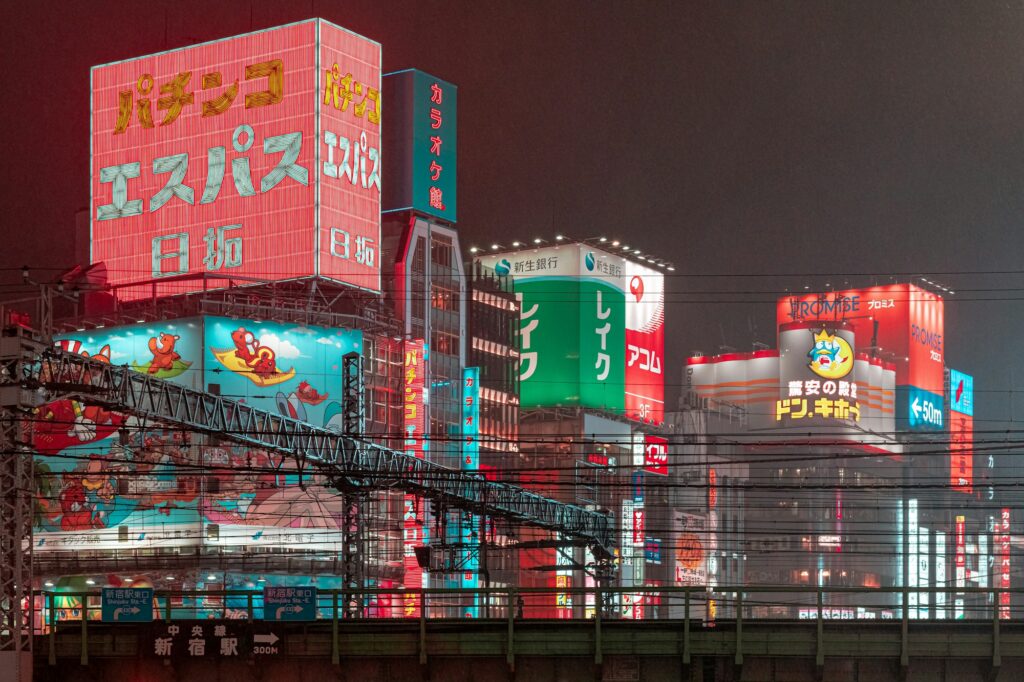
What if your next adventure began at sunset? Night tourism is not just a trend — it’s an invitation to rediscover the world with fresh eyes, different light, an atmosphere that daytime simply cannot offer. In 2026, according to a survey of 27,000 travellers across 33 countries, 62% now consider specific night destinations — and demand for these experiences has surged by 60%. From the underground corridors of the illuminated Colosseum to the never-sleeping night markets of Taipei, here are the ten nocturnal experiences truly worth the journey.
1. Rome, Italy — The Colosseum Night Tour
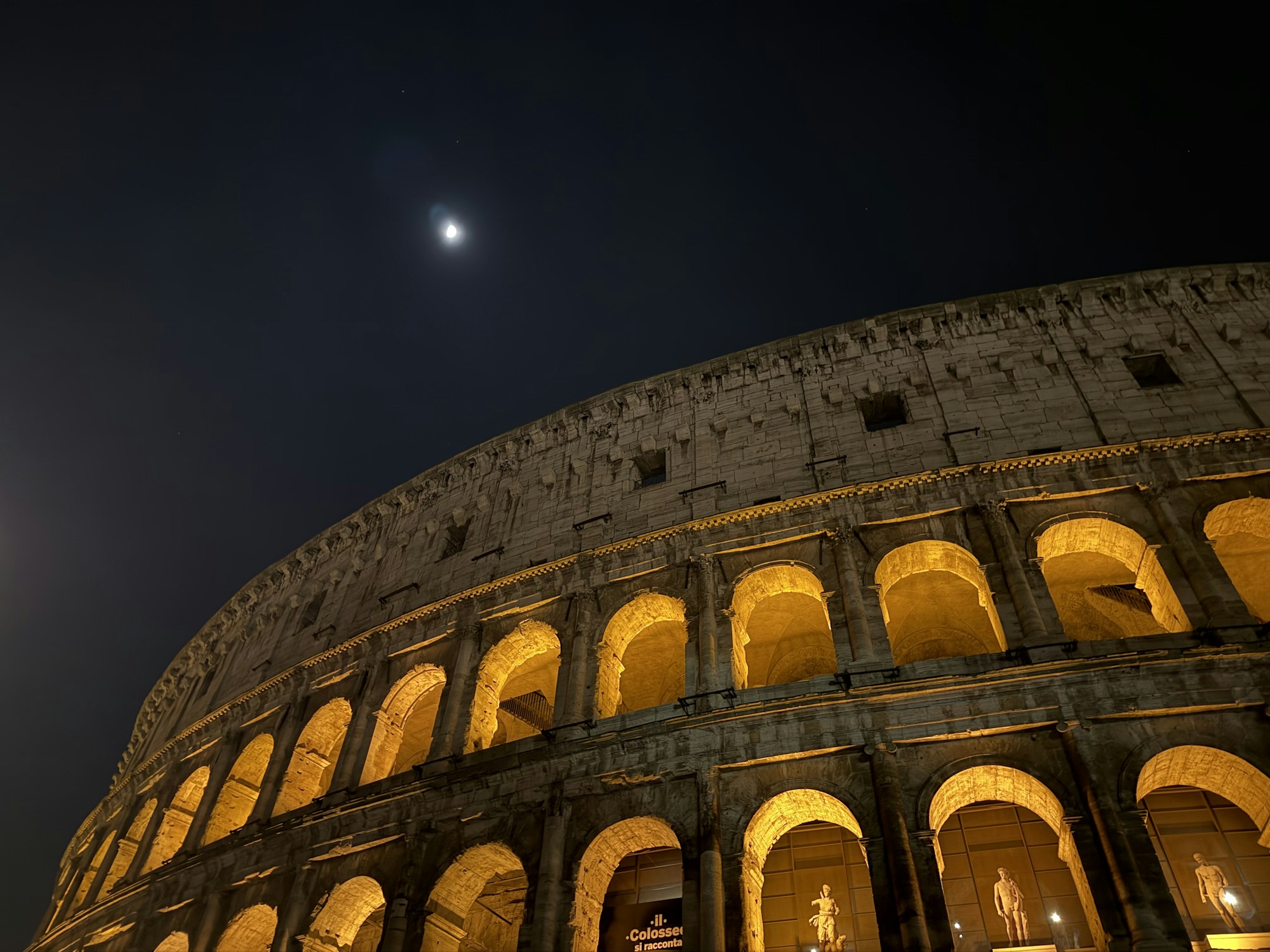
The Colosseum under the stars
Rome scored 6.07/10 in a study ranking 50 global cities for their nocturnal activities, with no fewer than 305 distinct visits offered after sunset. The Colosseum night tour, dubbed Una Notte al Colosseo, is a truly extraordinary experience: the monument is magnificently lit, almost empty, and welcomes you into its depths after closing to the public.
During these exclusive visits, you descend into the underground corridors closed to the public by day — where gladiators and animals once awaited their fate — before ascending to the upper levels for a panoramic view over illuminated Rome. A privilege that even ancient Roman elites never knew.
Highlights
- Access to underground corridors closed during the day
- Panoramic view over Rome at night from the upper levels
- Very limited groups — an intimate atmosphere impossible by day
- Illuminated Colosseum almost deserted, without the daytime crowds
2. Tokyo, Japan — Shinjuku, the City that Never Sleeps
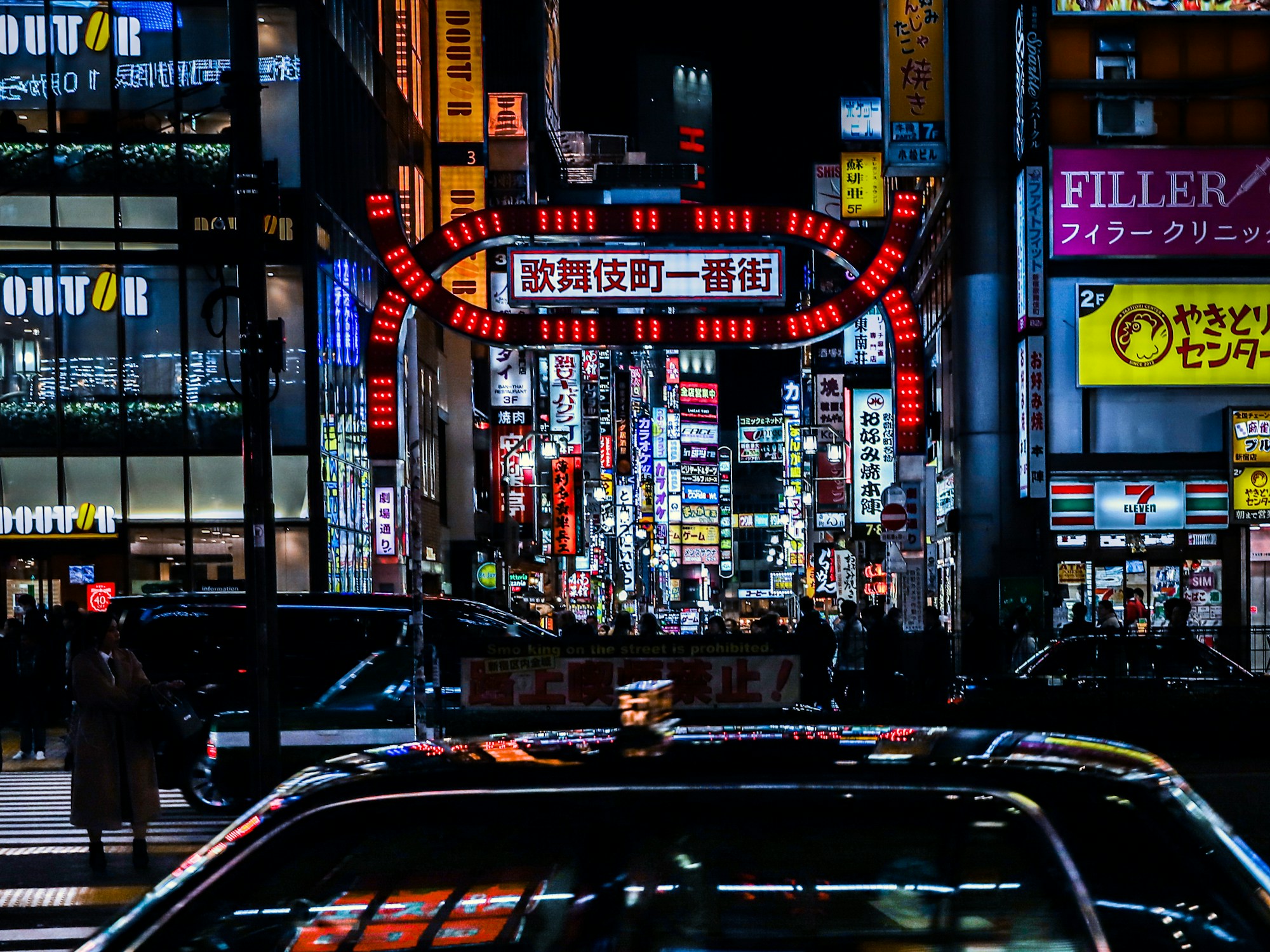
Shinjuku, capital of neon nights
Tokyo ranks second in the global nocturnal tourism index with a score of 6.82/10 and an incredible 3,484 nighttime activities on offer. Shinjuku transforms completely after dark: the famous Kabukicho entertainment district, the legendary Golden Gai with its 200+ tiny bars, and the dazzling neons of Omoide Yokocho (Memory Lane) create an immersive sensory experience found nowhere else on Earth.
Night photography in Tokyo reaches an unmatched level of richness: the city never actually turns off. From the Tokyo Skytree observation deck (634 m) to the Shibuya crossing lit up by a thousand digital screens, Japan’s capital is a feast for the senses after nightfall.
Highlights
- Kabukicho and its neon maze — unique energy in the world
- Golden Gai: over 200 tiny bars, each with its own personality
- Tokyo Skytree: 360° night panorama from 634 metres
- Shibuya crossing: legendary light show at every pedestrian signal
3. Singapore — Night Safari and Marina Bay by Night
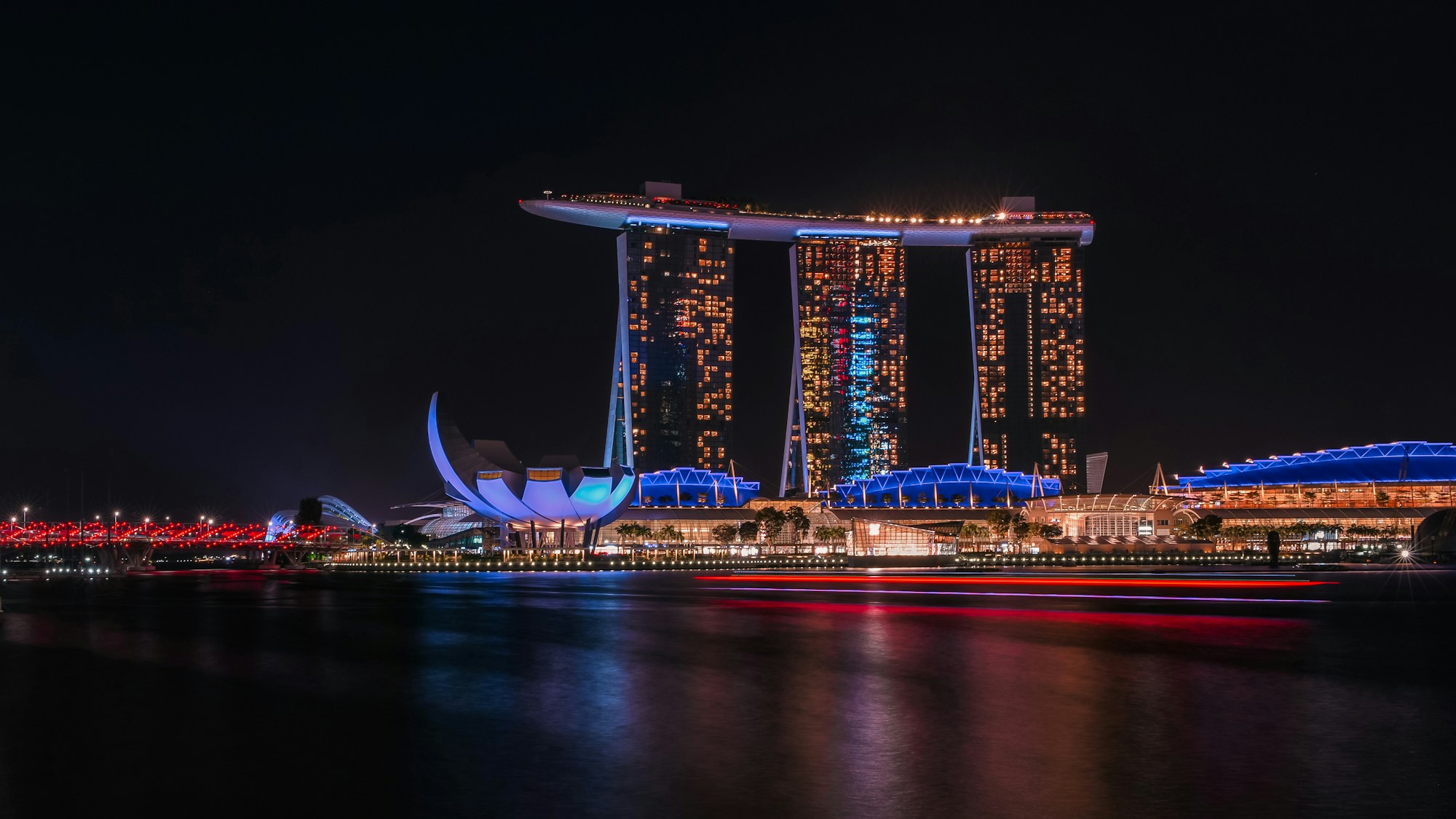
The city-state that reinvented the night
Singapore is one of the very few cities in the world to have built its nocturnal offer from the ground up. The Night Safari — the world’s first nocturnal wildlife park — has welcomed over 15 million visitors since 1994. You explore over 100 hectares of jungle in near-total darkness, encountering more than 900 nocturnal creatures in their natural habitat. A unique experience on the planet.
But Singapore doesn’t stop there. The Gardens by the Bay light show (free nightly) transforms the supertrees into luminous sculptures. Marina Bay Sands illuminates the bay with laser beams. And the Sands SkyPark infinity pool, perched at 200 metres, offers the most spectacular urban view in Asia by night.
Highlights
- Night Safari: world’s first nocturnal zoo, over 900 animals
- Gardens by the Bay: free light show nightly
- Marina Bay Sands SkyPark: infinity pool 200 m above the city
- Clarke Quay: riverside restaurants and bars until dawn
4. Tromsø, Norway — Northern Lights and Arctic Winter Nights
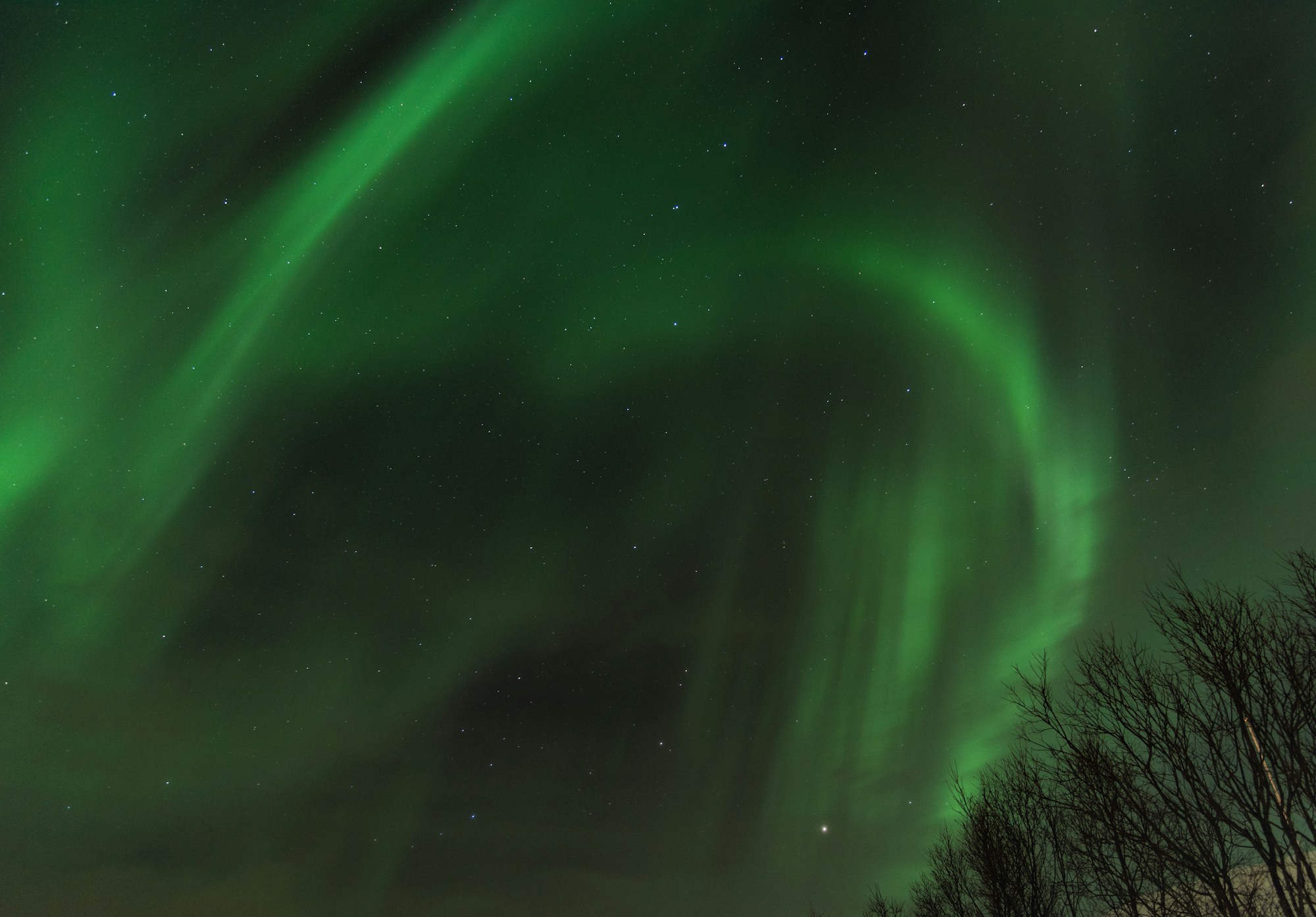
Tromsø, aurora borealis capital
Tromsø is Europe’s premier destination for observing the aurora borealis. Located at 350 km above the Arctic Circle, the Norwegian city benefits from a geomagnetic position ideal for auroras from October to March. The phenomenon is at its most spectacular during solar maximum years — and 2026 coincides with an exceptional solar peak.
But Tromsø offers far more than just auroras. During the polar night (when the sun doesn’t rise for 2 months), the city transforms: dog sledding by moonlight, snowshoeing under the stars, reindeer safaris in complete silence. Night activity bookings have increased by 40% among millennials according to Booking.com data.
Highlights
- Aurora borealis: one of the best observation spots in the world
- Dog sledding and snowshoeing by moonlight
- Reindeer encounters with the Sámi under the stars
- Fjords by night: boat excursions in absolute silence
5. Marrakech, Morocco — Djemaa el-Fna at Nightfall
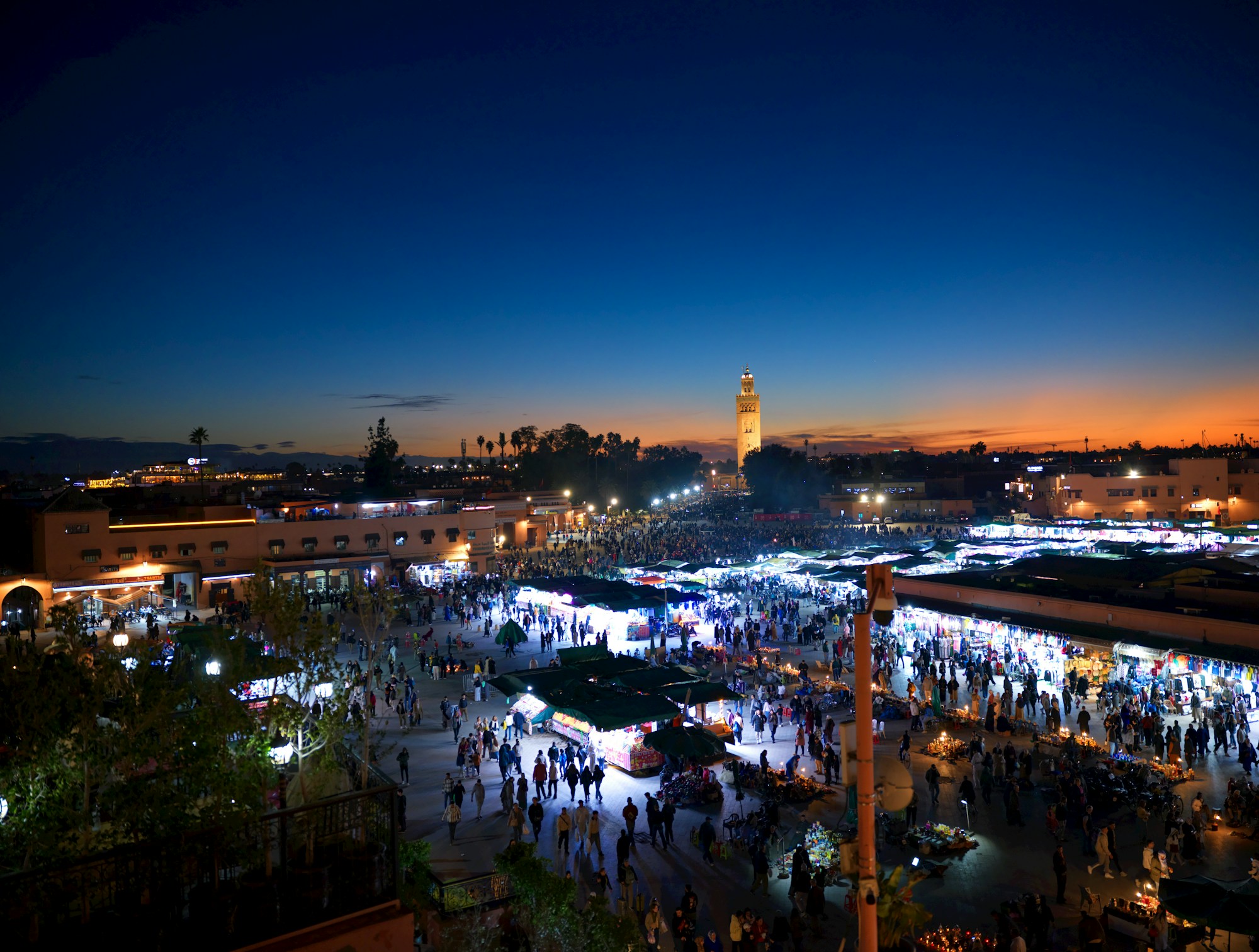
The living theatre of the medina
Listed as a UNESCO Intangible Cultural Heritage site, Djemaa el-Fna square doesn’t simply come alive at night — it transforms into a living spectacle. From 6 pm, the square fills with snake charmers, acrobats, storytellers, gnaoua musicians, henna artists, and dozens of food stalls offering steaming tagines and fresh orange juice. The UNESCO listing explicitly recognises its unique character, which only truly comes alive under the night sky.
Marrakech as a whole changes face after dark: the souks light up, the riads offer moonlit terraces, and the evening hammams invite you to relax after a day of exploration. Night excursions in the medina by lantern light have increased by 25% since 2024.
Highlights
- Djemaa el-Fna: UNESCO-listed living show nightly
- Evening souks: lantern-lit haggling in the labyrinthine medina
- Terrace dinner at a riad: panoramic view over rooftops
- Traditional hammam: authentic nighttime ritual
6. Nicoya Peninsula, Costa Rica — Bioluminescent Bays
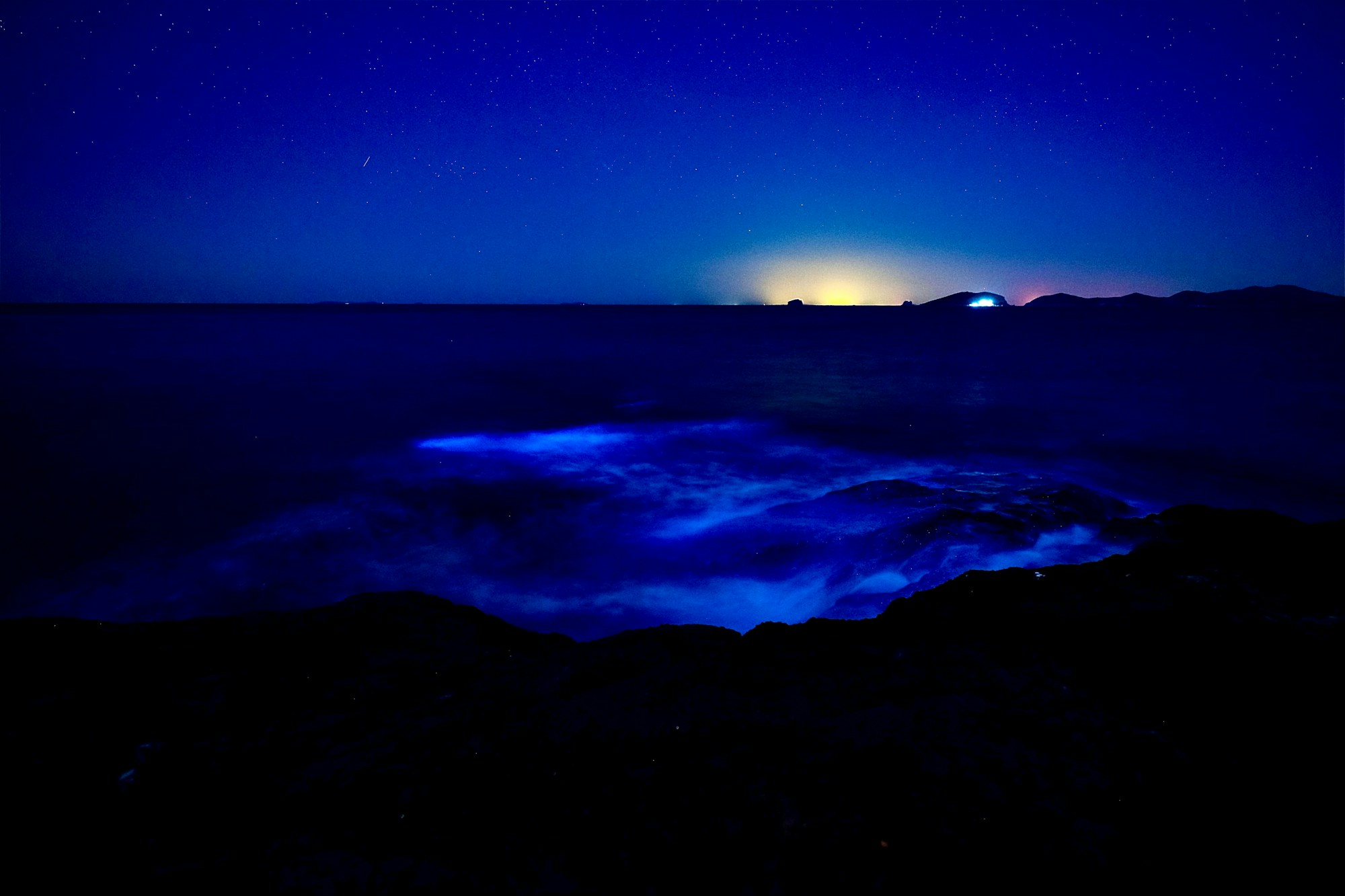
The ocean glows blue at night
Along Costa Rica’s Nicoya Peninsula, bioluminescent bays offer one of the most magical spectacles in nature. Microscopic dinoflagellates emit a blue light when disturbed, turning every wave, every movement of water, into a glittering trail of blue light. Guided kayak tours allow you to row in a sea of stars — an experience that seems straight out of a fantasy film.
Costa Rica has seen a 45% increase in nocturnal ecotourism since 2023. Beyond bioluminescence, the country offers unique night experiences: rainforest night hikes to spot tree frogs, sloths, and nocturnal insects, or turtle nest watching on Ostional beach (olive ridley turtles arriving by the thousands).
Highlights
- Bioluminescent bay kayaking: ocean illuminated blue with each paddle
- Rainforest night hike: frogs, sloths, night insects
- Turtle watching: nesting season on Ostional beach
- Night wildlife photography in protected natural reserves
7. Dubai, UAE — The Desert Under the Stars
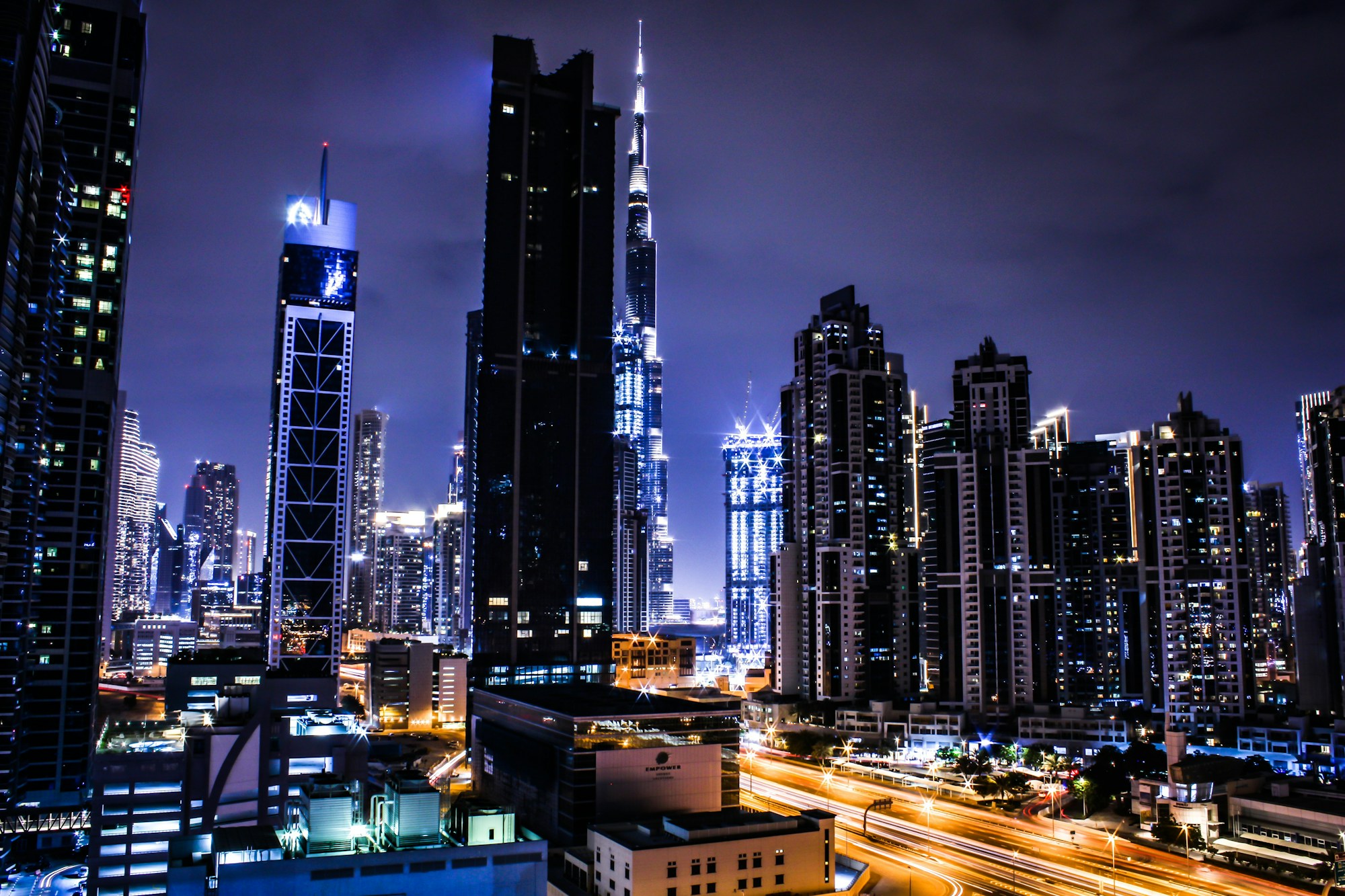
Between urban spectacle and desert silence
Dubai has elevated the concept of nightlife to an architectural scale. The Burj Khalifa observation deck at 555 metres offers an unmatched night panorama: the city stretches for kilometres of light, fading into the dark desert on the horizon. The Dubai Fountain — the world’s largest choreographed fountain — shoots water 150 metres into the air to the sound of classical and Arab music every 30 minutes from 6 pm.
But Dubai’s real nocturnal wonder lies 45 minutes from the city: the Arabian desert at night. Evening desert safaris include sunset dune bashing (optional), traditional Bedouin dinner under the stars, camel rides, belly dancing, and stargazing sessions far from urban light pollution. A magical contrast to the urban excess.
Highlights
- Burj Khalifa: night panorama from 555 m, city of light
- Dubai Fountain: water choreography 150 m high, free every 30 min
- Desert safari: Bedouin dinner under the stars, camel rides
- Dubai Marina by night: waterside restaurants and bars
8. Amsterdam, Netherlands — Amsterdam Light Festival
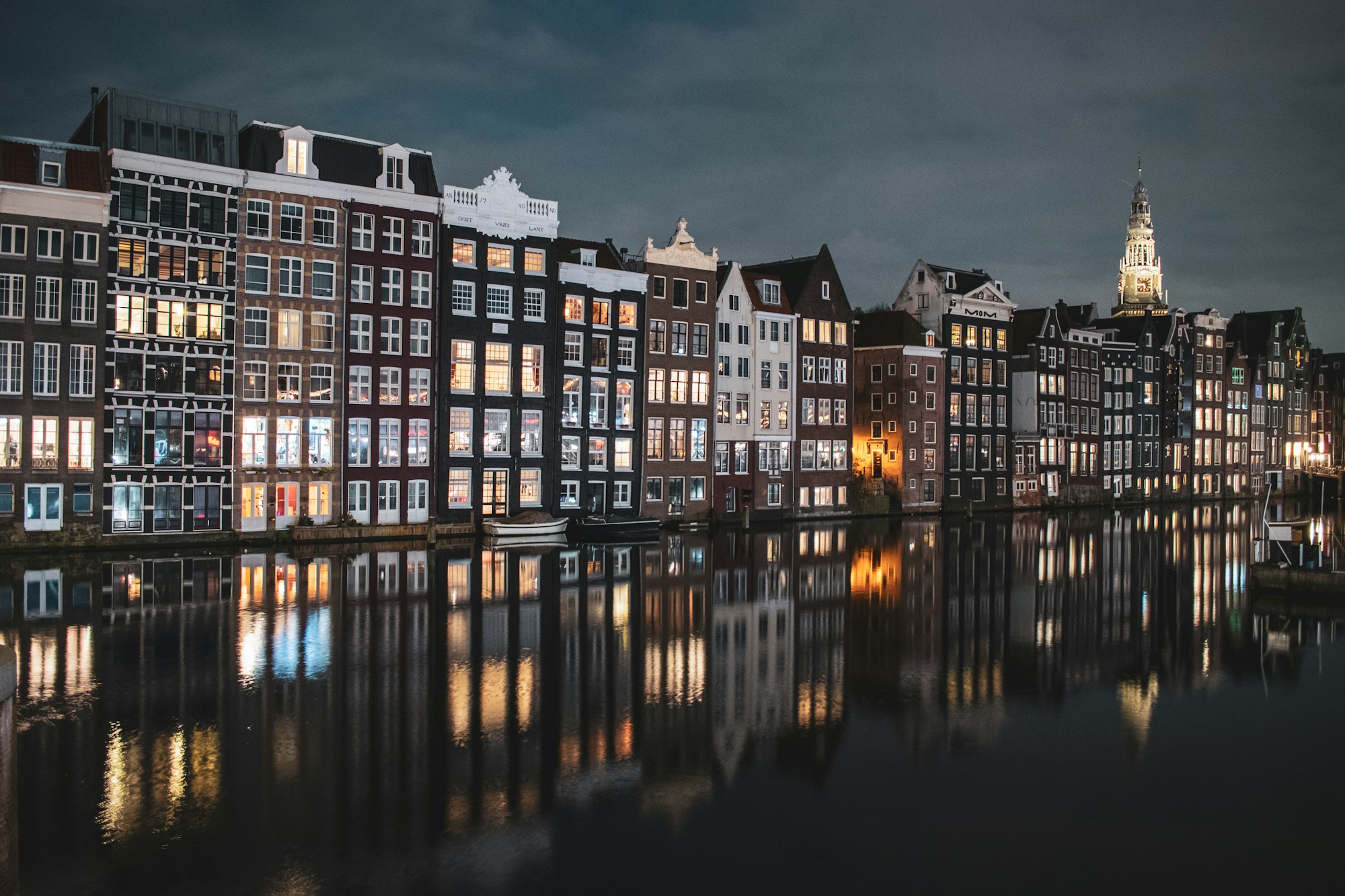
The city of canals transformed by light
The Amsterdam Light Festival, held every winter from November to January, has established itself as one of Europe’s premier nocturnal cultural events. Over 30 light art installations from international artists transform the city’s 100+ km of canals into an open-air museum. A boat ride through the illuminated canals at night — amid historic 17th-century facades reflected in the water — is one of the most poetic experiences in all of Europe.
Outside the festival period, Amsterdam is beautiful by night throughout the year: the canal bridges are lit, the terraces along Leidseplein and Rembrandtplein are lively until midnight, and the Jordaan neighbourhood reveals its most intimate charm in the evening.
Highlights
- Amsterdam Light Festival: 30+ installations on the canals (Nov–Jan)
- Canal boat tour by night: 17th-century facades reflected in illuminated water
- Rijksmuseum Friday evening: late opening with relaxed atmosphere
- Jordaan neighbourhood: cosy evening bistros and outdoor terraces
9. Taipei, Taiwan — The Night Markets that Never Close
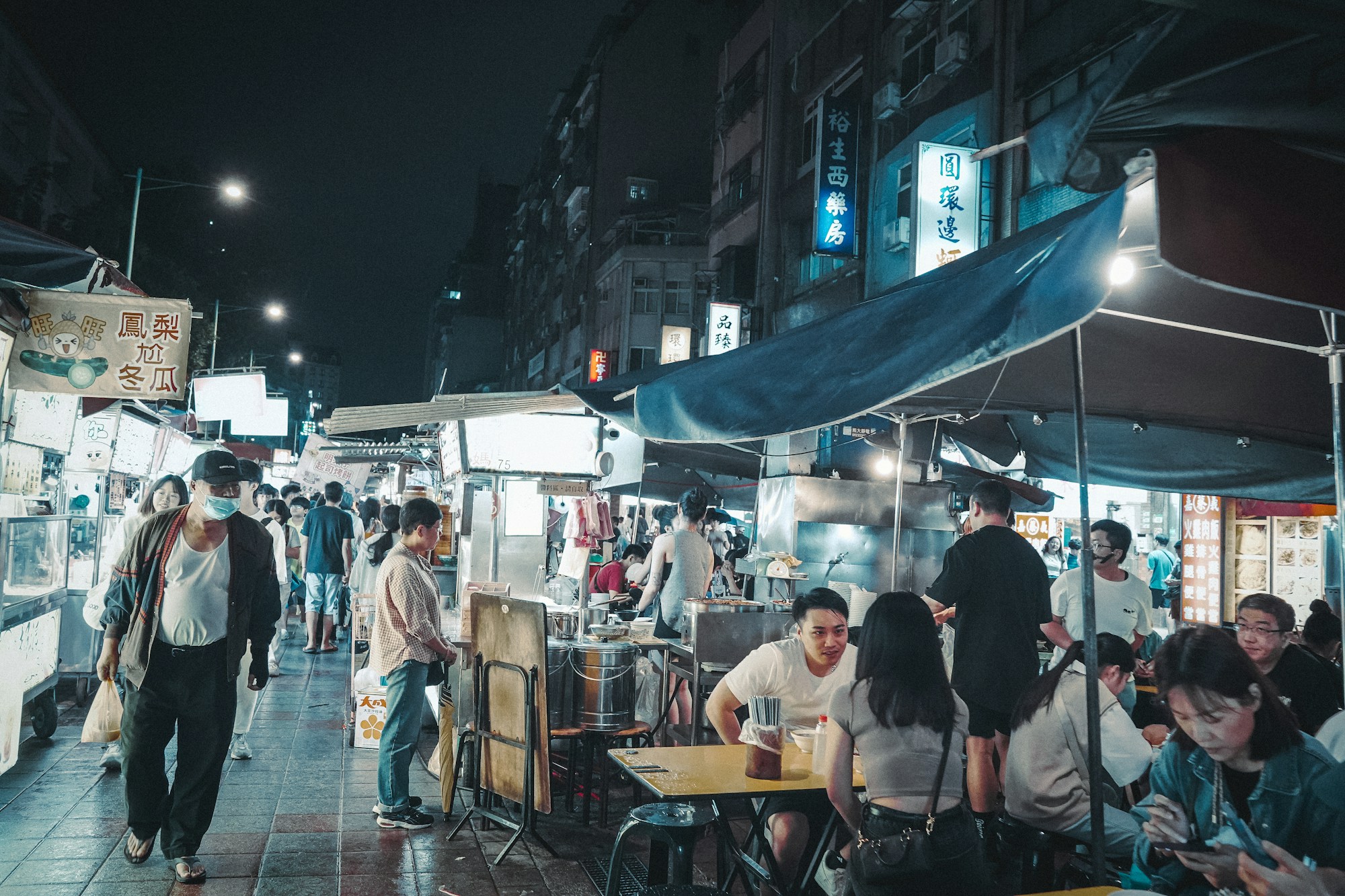
Street food capital of Asia after dark
Taipei’s night markets are a complete institution. Shilin Night Market, the largest in Taiwan, attracts thousands of visitors every evening with its 500+ stalls offering everything from stinky tofu to bubble tea, oyster omelettes and fried chicken cutlets. But Taipei doesn’t limit itself to one market: Raohe, Ningxia, Gongguan, and Jingmei each have their own personality, their own specialities, and their own crowd of loyal locals.
Beyond street food, Taipei offers the Taipei 101 observation deck (508 m) for a night panorama over the city’s grid of lights, and the Jiufen old town (1 hour from Taipei) offers a breathtaking scene of red lanterns reflecting in the misty valleys — said to have inspired the film Spirited Away.
Highlights
- Shilin Night Market: 500+ stalls, street food institution
- Taipei 101 by night: 508 m, night panorama over the city
- Jiufen: red lanterns above misty valleys, dreamlike atmosphere
- Raohe Night Market: more local, more authentic than Shilin
10. Paris, France — Immersive Nocturnal Experiences
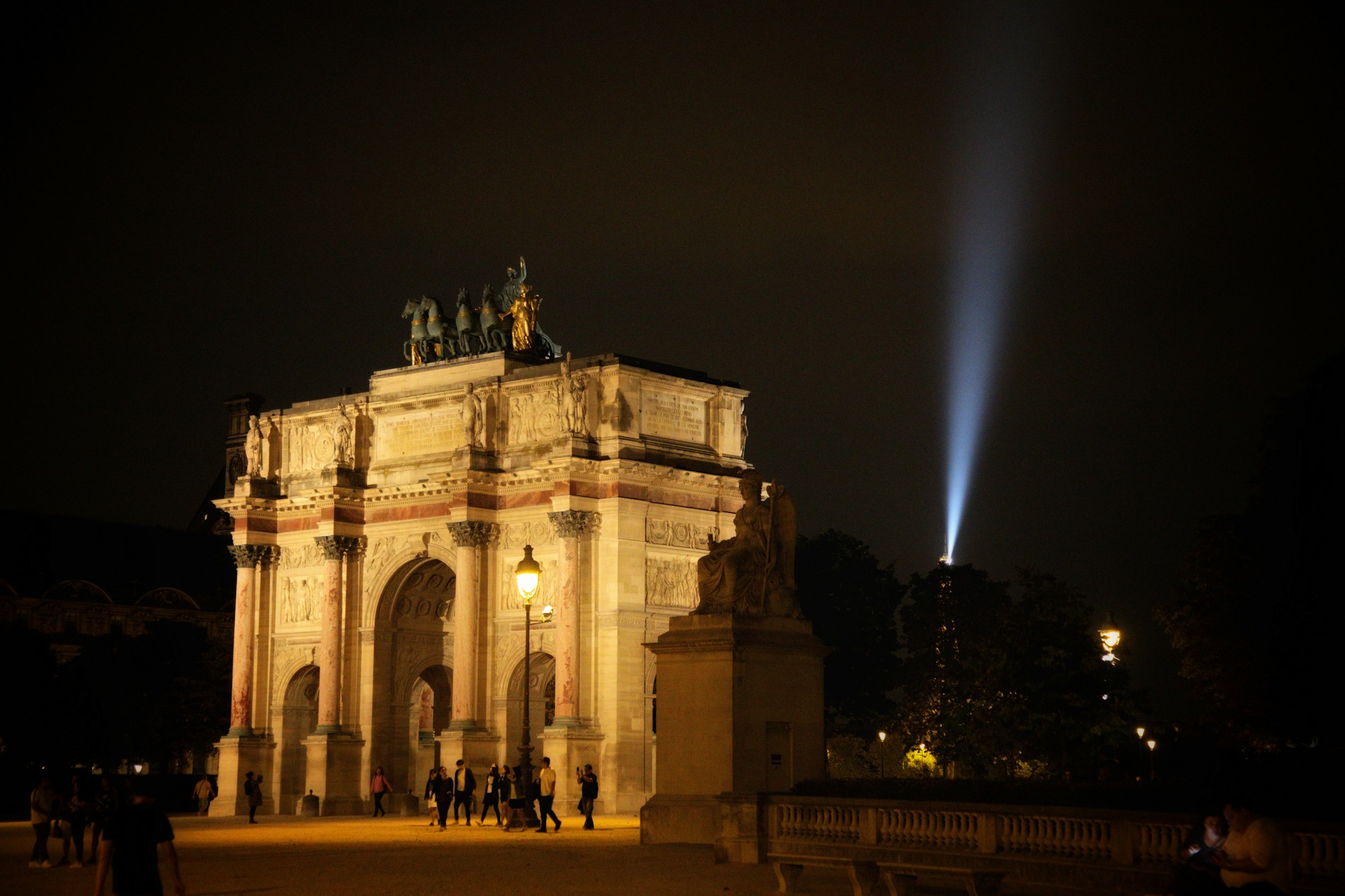
The City of Light in its full splendour
Paris scored 5.92/10 in the nocturnal tourism ranking but stands out for the quality and diversity of its cultural offerings after dark. Nuit Blanche — held annually on the first Saturday of October — transforms the entire city into a free open-air contemporary art museum from dusk to dawn. Museums open at night (Louvre until 9:45 pm on Fridays, Musée d’Orsay until 9:45 pm on Thursdays), rooftop bars with Eiffel Tower views, Seine cruises.
The post-Olympic legacy of Paris 2024 continues to enrich the nocturnal offer: new immersive digital art installations have taken up permanent residence in abandoned spaces, former industrial halls transformed into lightscape universes. The city has invested massively in nocturnal pedestrian trails connecting illuminated neighbourhoods.
Highlights
- Nuit Blanche: free contemporary art all night, 1st Saturday of October
- Louvre and Musée d’Orsay: late openings, nocturnal magic
- Seine cruise: Paris illuminated from the water
- Eiffel Tower sparkle: 5-minute light show every hour until 1 am
Stargazing after dark: the dark sky reserves
Astrotourism is one of the main branches of noctourism. Certified dark sky places limit light pollution so that the stars stay visible. The Aoraki Mackenzie reserve, on New Zealand’s South Island, was designated by the International Dark-Sky Association in June 2012 and covers 4,367 km². At that date it was the largest International Dark Sky Reserve in the world and the only one of its kind in the Southern Hemisphere.
Plan these trips around the moon and the weather, and book a guided session if you are new to stargazing.
Night Tourism: Practical Tips for Your Nocturnal Trips
Prepare your nights like a professional
Night tourism has its own specific codes. Here are the essential tips for making the most of nocturnal experiences around the world:
Safety
- Research the neighbourhoods to avoid before going out at night — each city has its own safety geography
- Keep emergency contacts and the local emergency number easily accessible
- Inform someone of your plans if exploring alone, especially in unfamiliar areas
- Use reliable transport: licensed taxis or verified platforms (Uber, Grab, etc.)
Night photography
- Use a tripod or lean against a stable surface to avoid blur
- Shoot in RAW format for maximum post-processing flexibility
- Golden hour for photography: just after sunset, when artificial light balances natural light
- Increase ISO carefully (1600–3200 maximum on most smartphones) to avoid excessive noise
Responsible tourism
- Respect local noise restrictions — many residential areas impose silence from 10 pm
- Support local establishments rather than large chains on your night outings
- For natural experiences (bioluminescence, auroras), choose certified eco-responsible operators
Frequently Asked Questions about Night Tourism
What exactly is night tourism (noctourism)?
Night tourism (or noctourism) refers to the practice of organising and experiencing travel activities specifically after sunset. Unlike traditional tourism focused on daytime activities, noctourism encompasses night excursions, nocturnal cultural events (light festivals, museum nocturnes), night wildlife safaris, aurora borealis observation, bioluminescent bay kayaking, illuminated city walks, night markets, and any experience specifically designed for — or enhanced by — nighttime. According to a Booking.com study of 27,000 travellers, 62% now actively seek night destinations, with demand up 60% in 2026.
Which destinations offer the best nocturnal experiences in 2026?
According to multiple 2026 rankings, the top nocturnal destinations are: Tokyo (6.82/10, 3,484 night activities), Rome (6.07/10, 305 nocturnal visits), Singapore (Night Safari + Marina Bay), Tromsø (aurora borealis capital), Amsterdam (Light Festival), Paris (Nuit Blanche + museum nocturnes), Marrakech (Djemaa el-Fna), Dubai (desert under stars), Taipei (night markets), and Costa Rica’s Nicoya Peninsula (bioluminescent bays). Each offers a unique nocturnal experience combining culture, nature, gastronomy, or urban spectacle.
How do I photograph the northern lights at Tromsø?
To photograph the northern lights successfully: 1) Use a camera with manual mode (mirrorless or DSLR), 2) Set a wide aperture (f/1.8 to f/2.8), shutter speed 5–25 seconds, ISO 800–3200, 3) Use a tripod — absolutely essential, 4) Focus manually on infinity, 5) Use a remote shutter release or self-timer to avoid camera shake. On a smartphone, download a specific night photo app (NightCap, ProCamera) and use a mini tripod. Most importantly, check the Kp-index and head to a dark spot at least 30 minutes’ drive from Tromsø city centre. Guided tours often include a photography session with a professional guide.
Is night tourism safe for solo travellers?
Night tourism can be very safe for solo travellers, providing a few precautions are taken: 1) Research safe neighbourhoods before going out at night in each city, 2) Opt for guided group tours for natural excursions (deserts, forests, bioluminescence), 3) Use official transport (metro, licensed taxis, verified platforms), 4) Inform a contact person of your plans, 5) Keep your phone charged with emergency numbers saved. Destinations like Tokyo, Singapore, Tromsø, and Taipei are considered very safe for solo night tourism. In Marrakech or Dubai, it’s advisable to stick to well-frequented tourist areas after midnight.
When is the best season for night tourism?
The ideal season depends on the destination: Aurora borealis at Tromsø — October to March, during the polar night; Costa Rica bioluminescence — June to November (new moon nights); Amsterdam Light Festival — November to January; Singapore and Tokyo — year-round, but spring/autumn are most comfortable; Marrakech — October to April (avoid summer heat); Dubai — October to April; Paris Nuit Blanche — first Saturday of October; Colosseum night tour Rome — May to October. In general, shoulder seasons (spring and autumn) offer the best combination of comfortable temperatures, fewer crowds, and more intense natural phenomena.
Sources
- GCC Business News — The Rise of Noctourism (Booking.com study, 27,000 travellers)
- Travel and Tour World — Best Nocturnal Tourism Destinations 2026
- Colosseum at Night — Una Notte al Colosseo
- Wildlife Reserves Singapore — Night Safari
- Visit Norway — Tromsø and Northern Lights
- UNESCO — Djemaa el-Fna, Intangible Cultural Heritage
- Visit Costa Rica — Night Adventures
- Burj Khalifa — At the Top Observatory
- Amsterdam Light Festival — Official website
- Taiwan Tourism — Shilin Night Market
- Nuit Blanche Paris — Official website
- Space Weather Live — Aurora Forecast
Ready to explore the night?
Night tourism opens up a whole new world of travel experiences. Whether you’re drawn to the neon lights of Shinjuku, the magic of the aurora borealis in Tromsø, or the living spectacle of Djemaa el-Fna, each of these destinations promises you an unforgettable night. Plan your nocturnal adventure with Pixidia — and discover the world from a completely different angle.
Explore nocturnal itineraries