

Oleotourism is rapidly becoming one of the most enticing trends in European food travel. Straddling the intersection of cultural heritage, culinary discovery, and immersion in breathtaking landscapes, olive oil routes offer an authentic travel experience far from the beaten tourist path. From Andalusia to Umbria, from Tuscany to Provence, millions of centuries-old olive trees line itineraries where every mill, every tasting, and every encounter with a producer tells a thousand-year-old story. In 2026, these olive-growing destinations are more organized and welcoming to curious travelers than ever: mill tours, tasting workshops, agritourism stays, and festivals dedicated to the green gold of the Mediterranean. Here is our selection of the nine most beautiful olive oil routes across three iconic countries.
1. Jaén, the Andalusian Sea of Olive Trees
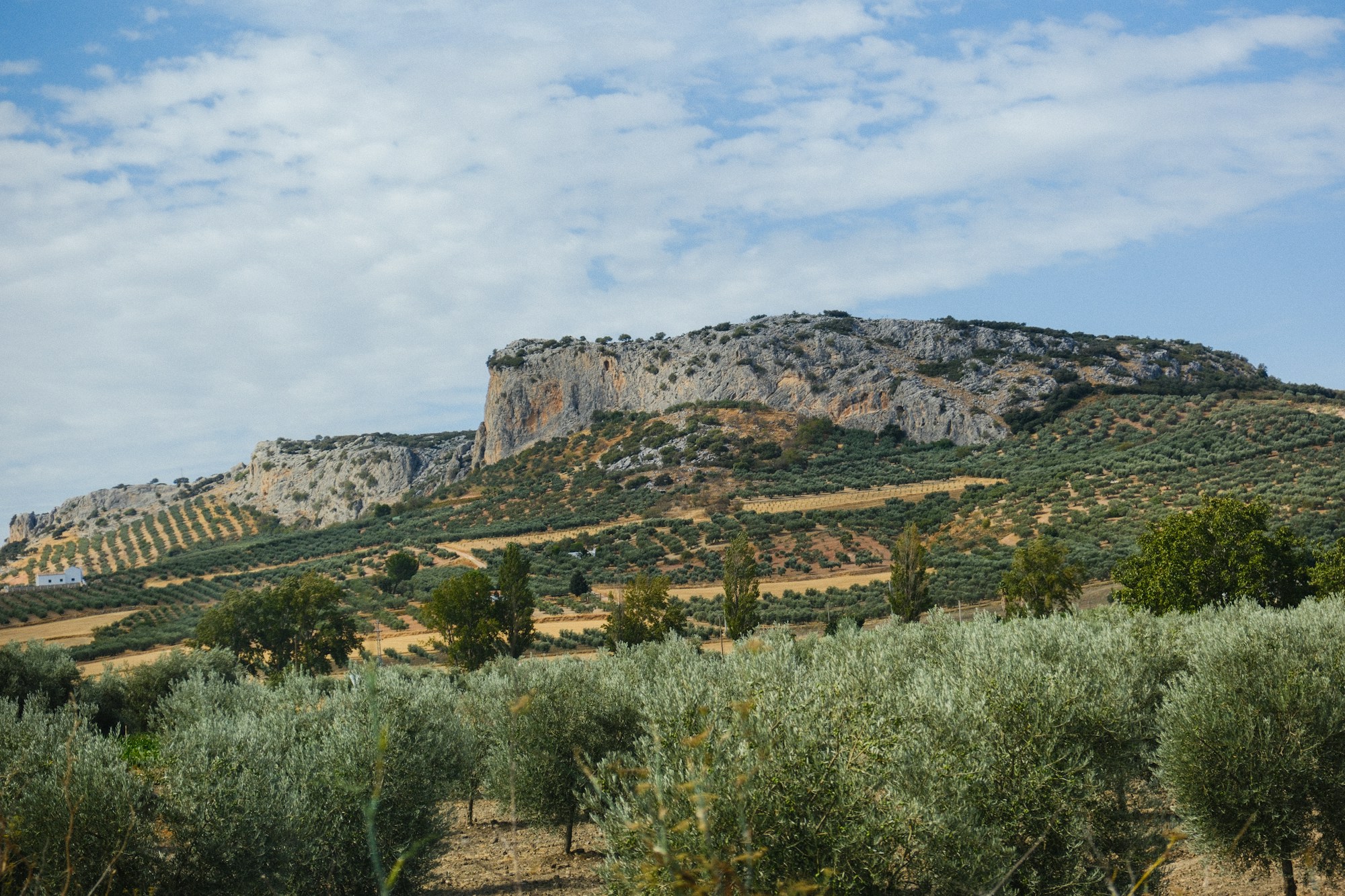
The world capital of olive oil
The province of Jaén is undeniably the beating heart of world olive cultivation. With its 66 million olive trees stretching as far as the eye can see across the Andalusian hills, this territory alone produces roughly 20% of the world’s olive oil. The locals call it mar de olivos — the sea of olive trees — an expression that takes on its full meaning when you gaze from the heights of the Sierra de Cazorla upon those endless rows of silvery trees undulating in the sunlight. According to Andalucia.org, the province boasts the largest area of olive groves in the world, a uniquely remarkable landscape heritage.
The region’s mills open their doors to visitors year-round, but it is during the harvest season, between November and December, that the experience reaches its peak. Among the must-visit addresses, the Nuestra Señora del Pilar mill in Villacarrillo offers comprehensive guided tours including a tasting of freshly pressed oil. Picualia, in Bailén, is a modern interpretation center entirely dedicated to olive culture, while Oro Bailén, regularly awarded at international competitions, offers professional tasting workshops where you learn to distinguish the fruity, bitter, and peppery aromas of a superior-quality extra virgin olive oil.
The local gastronomy beautifully complements this olive oil immersion. The Michelin-starred restaurant Bagá (Michelin star) and Dama Juana (Michelin recommended) in Jaén elevate the local olive oil through creative cuisine that blends Andalusian tradition with contemporary innovation, as highlighted by Equinox Magazine. It is the perfect opportunity to discover that olive oil is not merely a condiment but a true gastronomic ingredient in its own right.
Highlights
- 66 million olive trees: the largest olive grove in the world
- Internationally award-winning mills (Picualia, Oro Bailén)
- Michelin-starred dining with olive oil at the heart of every dish
- Spectacular landscapes of the Sierra de Cazorla and Segura
- Very affordable budget compared to other European destinations
2. Úbeda and Baeza, the Renaissance Amid the Olive Groves
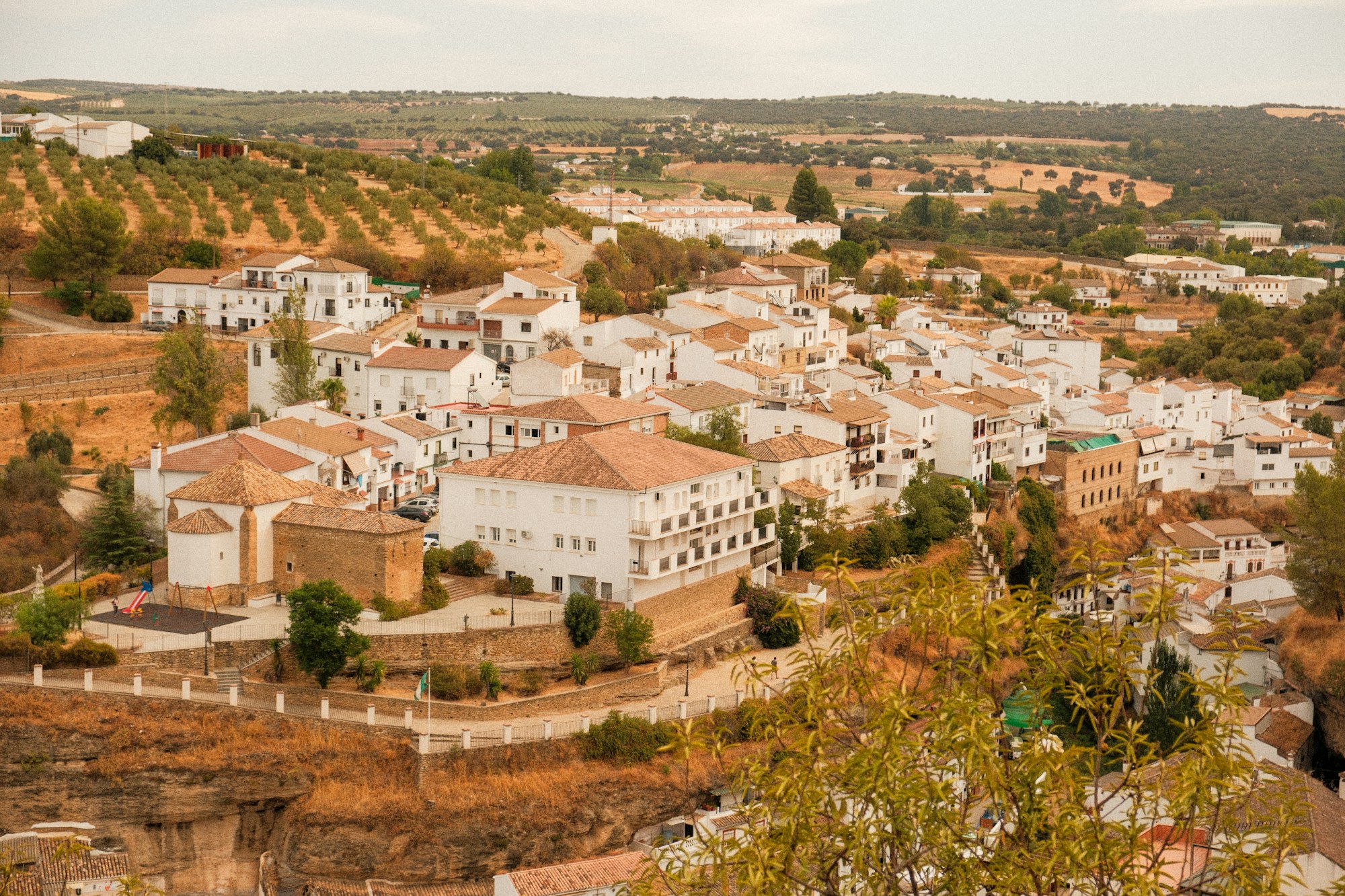
UNESCO heritage and Andalusian green gold
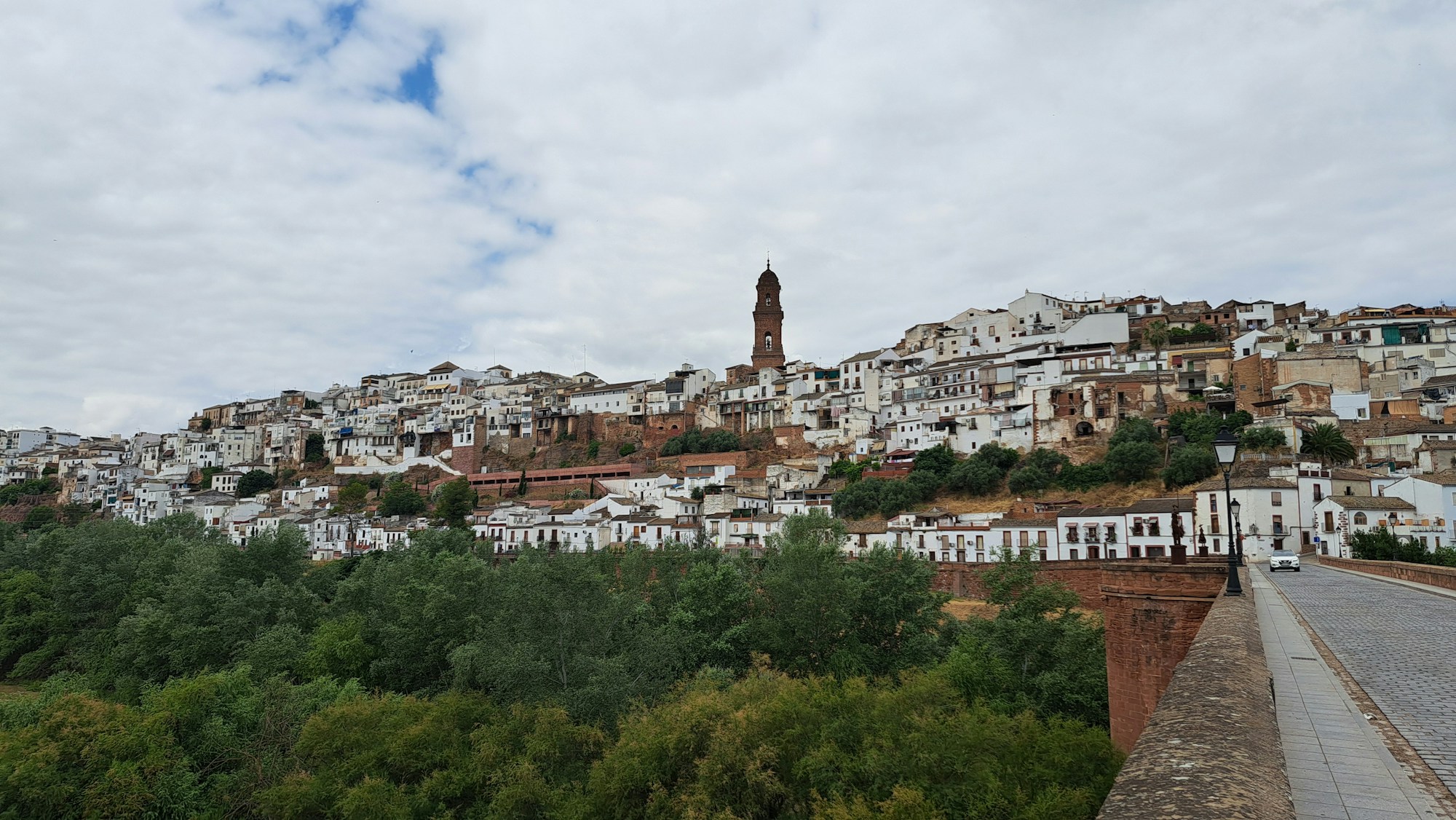
An hour’s drive northeast of Jaén, the twin cities of Úbeda and Baeza, inscribed as a UNESCO World Heritage Site since 2003 for their exceptional Renaissance architectural ensembles, provide a unique cultural setting for discovering oleotourism. Here, intricately carved 16th-century palaces stand alongside olive groves stretching to the horizon, creating a rare harmony between built heritage and agricultural landscape. According to Úbeda Digital, these two cities serve as an ideal starting point for exploring the region’s mills.
The Oleícola San Francisco mill, housed in a former 16th-century convent in Úbeda, perfectly embodies this fusion of history and olive cultivation. Visitors discover modern production techniques within an exceptional architectural setting, complete with guided tastings of the various vintages. A few kilometers away, Cortijo Espíritu Santo offers a complete agritourism experience: a stay in a restored Andalusian farmhouse, strolls through the olive groves, seasonal participation in the harvest, and tastings accompanied by local products. According to Adeoliva, the region has more than 30 mills open to the public, offering a diversity of experiences ranging from artisanal to high-end.
Between mill visits, Úbeda and Baeza are well worth exploring in their own right. Wander through the cobblestone lanes, admire the Sacra Capilla del Salvador in Úbeda or the Cathedral of the Nativity of Our Lady in Baeza, and end the day with dinner at one of the many restaurants that celebrate local olive oil alongside traditional Andalusian cuisine. The combination of cultural and gastronomic heritage makes this stop an essential part of any oleotourism circuit in Spain.
Highlights
- Dual UNESCO inscription for Renaissance architecture
- Oleícola San Francisco mill in a 16th-century convent
- Agritourism at Cortijo Espíritu Santo with hands-on harvesting
- More than 30 mills open to the public in the region
3. The Vía Verde del Aceite, 128 km by Bike Through the Olive Groves
The former « Oil Train » railway line
For active travelers looking to combine sport, nature, and olive culture, the Vía Verde del Aceite (the Olive Oil Greenway) is an absolutely unique experience. This 128-kilometer cycling route follows the path of the former railway nicknamed the « Tren del Aceite » (Oil Train), which transported olive oil from Jaén to the port of Málaga in the 19th century. According to Sazon The Folk Cook, it is one of Spain’s most spectacular greenways, crossing an ocean of olive trees punctuated by remarkable engineering structures.
The fully signposted and paved route passes through 12 former railway stations converted into rest areas, restaurants, or museums, crosses 13 viaducts offering dizzying panoramas over olive-clad valleys, and plunges through 3 illuminated tunnels carved into the rock. The elevation change is very moderate — the gradient never exceeds 2% — making the route accessible to cyclists of all levels, including families. It can be completed in 3 to 5 days at a leisurely pace, stopping in villages to taste the local olive oil and discover the small artisanal mills dotted along the way.
Key stops include Martos, nicknamed the « olive oil capital » for its colossal production, Alcaudete with its medieval castle overlooking the olive groves, and Luque whose century-old mill offers free tastings. The arrival at Puente Genil, in the province of Córdoba, marks the end of an unforgettable journey combining railway heritage, olive landscapes, and local gastronomy. Bike rentals are available at several stations along the route.
Highlights
- 128 km of paved cycling path with gentle elevation
- 12 historic stations, 13 viaducts, and 3 illuminated tunnels
- Very affordable budget with accessible rural accommodations
- Tastings at artisanal mills along the route
- Can be combined with a visit to Córdoba (UNESCO heritage)
4. Umbria, Land of the Frantoi Aperti
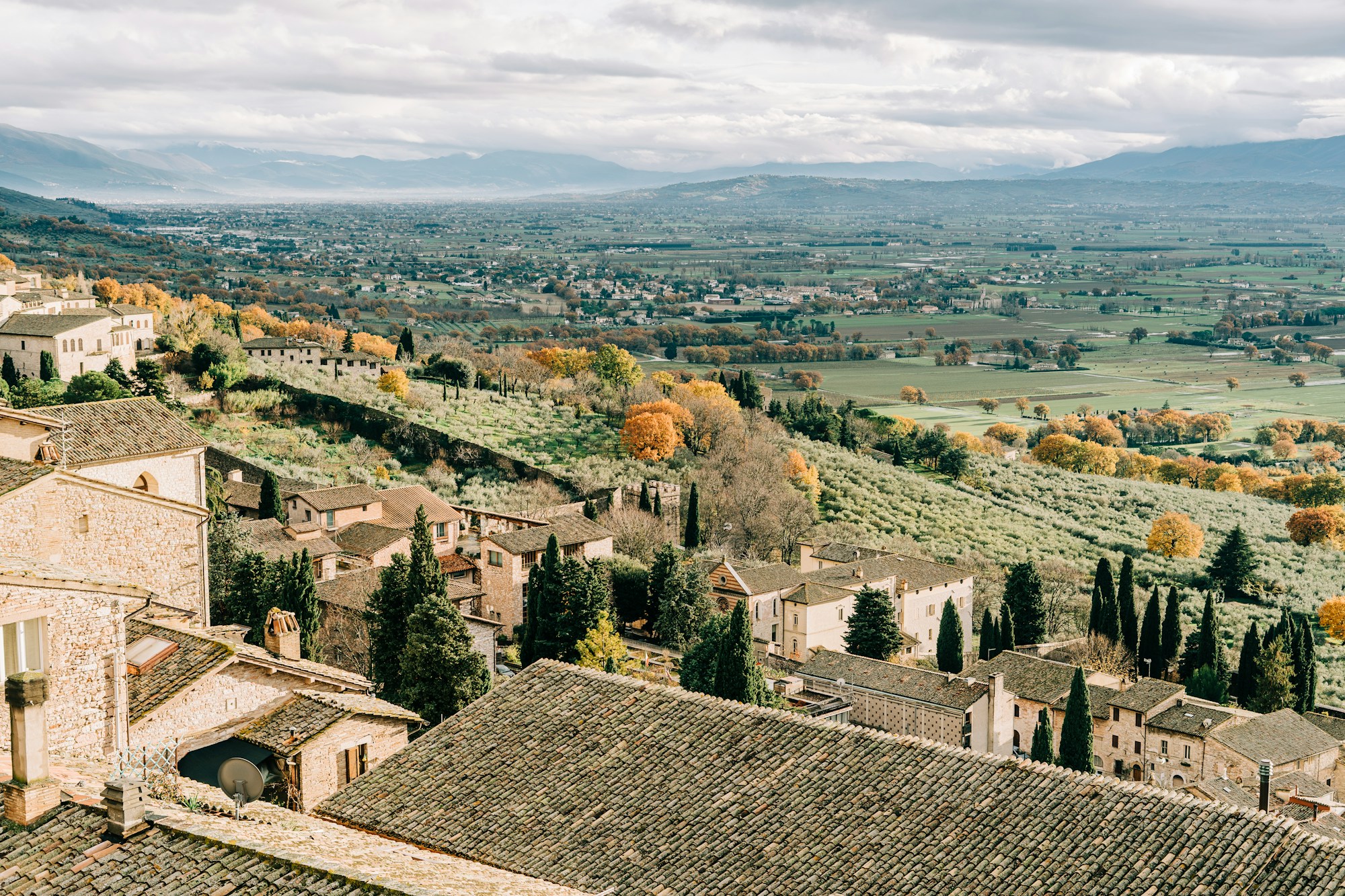
The open mills festival in the heart of Italy
Umbria, affectionately nicknamed by Italians as the « green heart of Italy, » is a land of ancestral olive cultivation that hosts each autumn one of Europe’s largest oleotourism events: the Frantoi Aperti (Open Mills). In 2026, this festival is in its 29th edition (17 October to 15 November 2026) and brings together dozens of mills across the entire region that simultaneously open their doors to visitors. According to Frantoi Aperti, the festival spans several weekends in October and November, with a rich program of tastings, educational workshops, concerts, and farmers’ markets.
The Treno dell’Olio (Oil Train) is one of the festival’s most original experiences: a historic train connecting several olive-growing villages, allowing travelers to discover the mills without worrying about driving. The route winds through hills where the Moraiolo, Frantoio, and Leccino varieties grow, whose blend gives Umbrian olive oil its distinctive character — an intense fruitiness with notes of artichoke and green almond. As noted by Umbria Tourism, the region produces some of Italy’s most awarded oils, with five DOP (Denominazione di Origine Protetta) designations.
The villages of Spello, Trevi, and Assisi are the flagship stops of Umbrian oleotourism. Spello, with its flower-lined alleyways and Pinturicchio frescoes, is home to several family-run mills where you can watch the cold pressing of olives. Trevi, perched on its hilltop, is renowned for its particularly delicate oil. As for Assisi, birthplace of Saint Francis, it combines spiritual and gastronomic heritage with quintessentially Italian grace. Umbria offers a less touristy and more authentic alternative to neighboring Tuscany, with significantly lower prices.
Highlights
- Frantoi Aperti: 29th edition (17 October to 15 November 2026) of Italy’s largest olive oil festival
- Treno dell’Olio: discover mills aboard a historic train
- Charming villages: Spello, Trevi, Assisi
- Five DOP designations for Umbrian olive oil
- An authentic and affordable alternative to Tuscany
5. Tuscany, from Chianti to Maremma
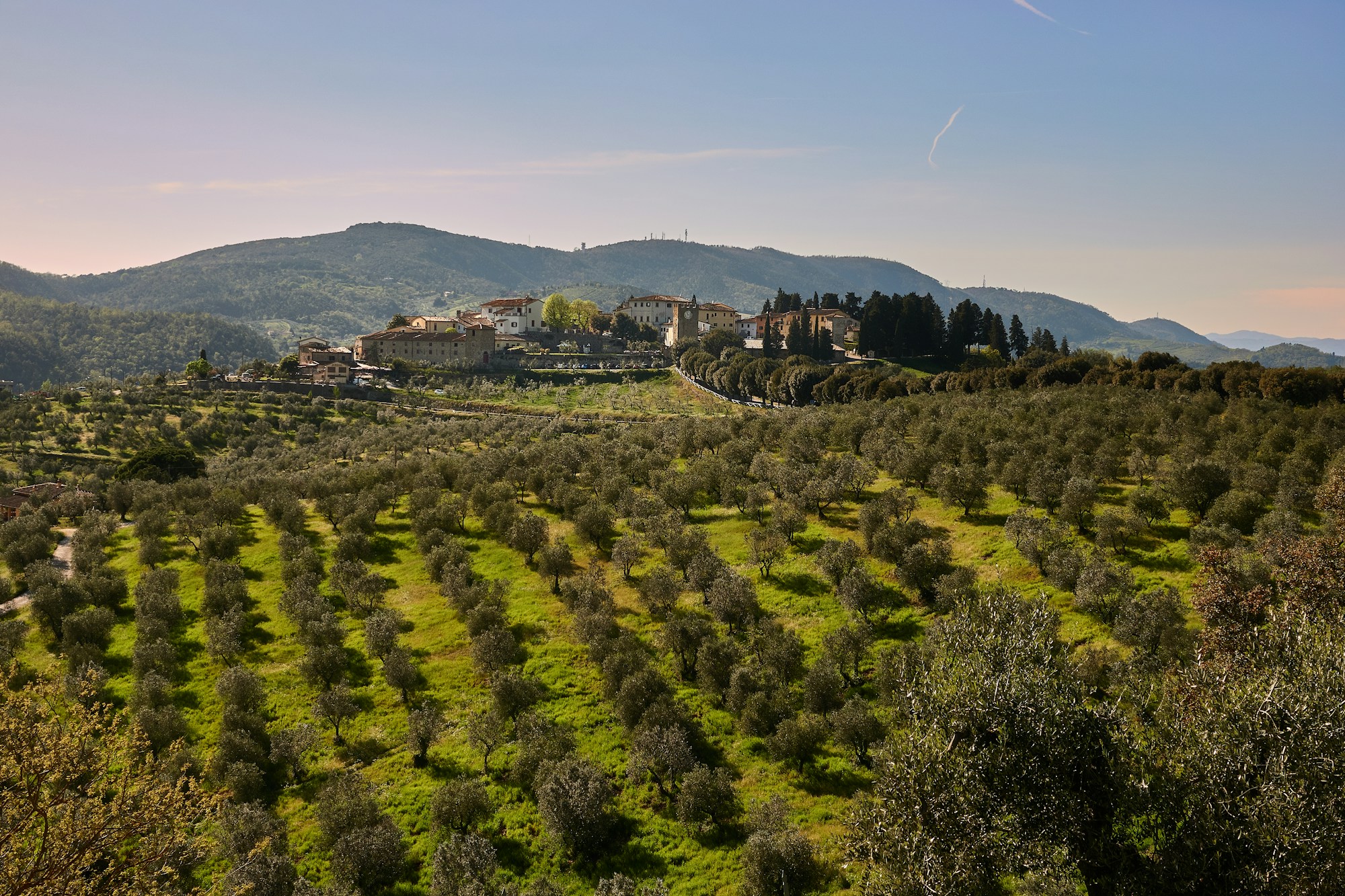
Olive oil agritourism in the iconic rolling hills
Tuscany is arguably the most iconic region when it comes to Italian olive oil. Its rolling hills planted with cypress trees and olive groves, golden stone farmhouses, and winding roads lined with vineyards compose a landscape that seems straight out of a Renaissance painting. But beyond the postcard imagery, Tuscany is also a leading olive-growing land, producing some of the finest quality extra virgin olive oil in the world. According to Play Italy, the region has more than 300 active mills and produces oils renowned for their balance of fruitiness, bitterness, and pungency.
Two areas stand out particularly for oleotourism. Chianti, between Florence and Siena, is famous for its agriturismo stays — restored farmhouses that welcome travelers and offer immersive experiences including mill visits, olive oil cooking classes, and comparative tastings. Maremma, further south, offers a wilder and less crowded experience, with olive groves descending to the Tyrrhenian Sea and artisanal producers proud of their independence. As Oleotourism.it explains, Tuscany was a pioneer in Italy with the creation of the « Oleoturismo autorizzato » label, a legal framework regulating oleotourism activities since 2019 that guarantees visitors a quality standard in hospitality and tastings.
One of the most memorable experiences is participating in the olio nuovo, the new oil celebration, which takes place between late October and late November in mills throughout the region. The first drops of the season’s oil, an intense green with a powerful taste, are savored on a simple slice of toasted bread rubbed with garlic — the famous Tuscan fettunta. This simple and convivial ritual perfectly encapsulates the philosophy of oleotourism: celebrating an exceptional product in its purest expression.
Highlights
- More than 300 active mills and the « Oleoturismo autorizzato » label
- Agriturismo with immersive stays and cooking classes
- Two distinct terroirs: Chianti (classic) and Maremma (wild)
- Olio nuovo celebration and traditional fettunta tasting
6. Puglia, Cathedral of the Millennial Olive Trees
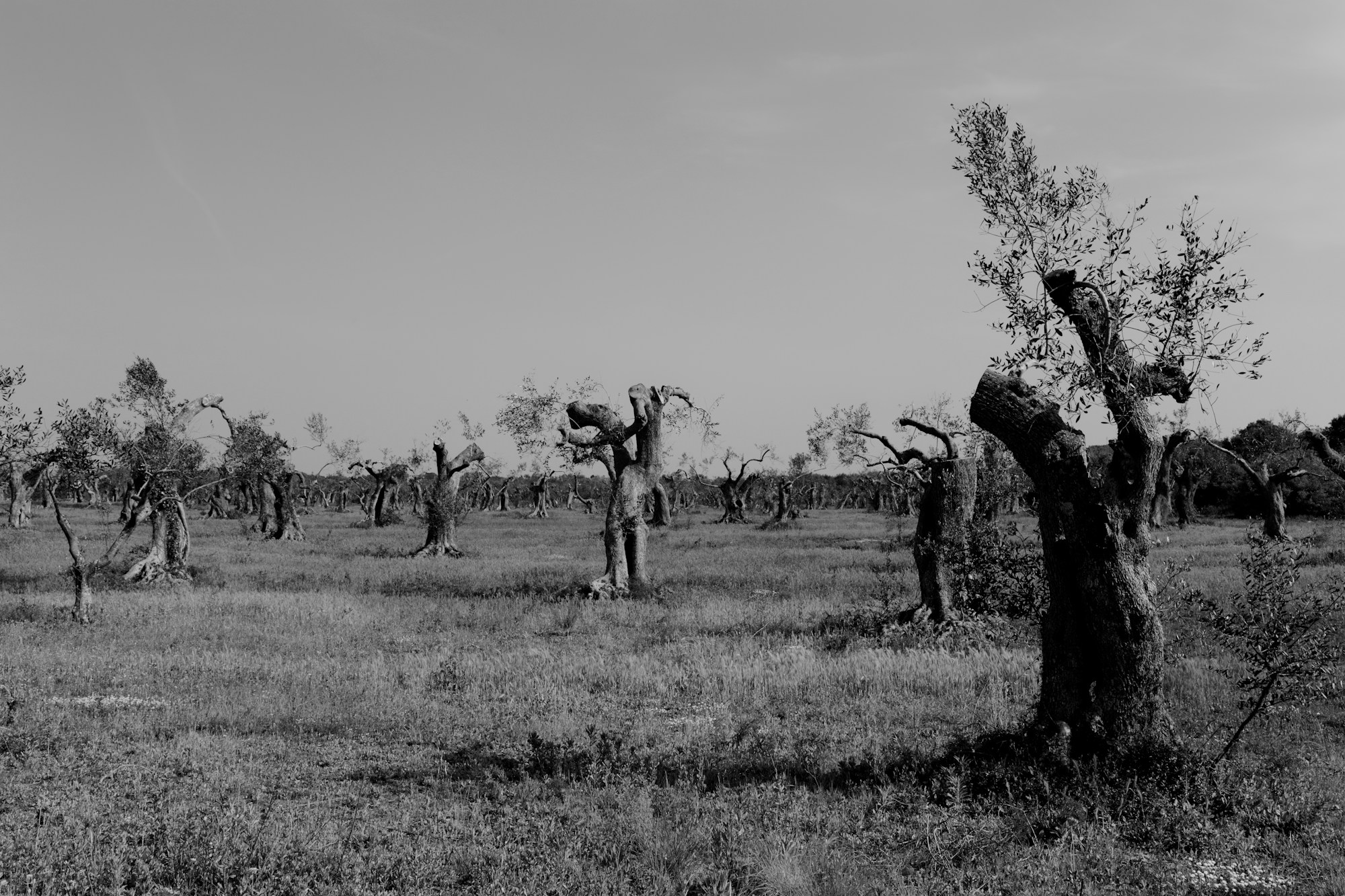
60 million olive trees and specimens over 2,000 years old
Puglia is home to an olive heritage of staggering richness. With 60 million olive trees — as many as the province of Jaén in Spain — this region in the heel of the Italian boot produces about 40% of the country’s olive oil. But what makes Puglia truly unique are its millennial olive trees: some specimens, with their twisted and monumental trunks, are over 2,000 years old. These vegetable giants, silent witnesses to Mediterranean history since Roman times, are now protected and are in themselves a reason to travel. According to Puglia Guys, the Valle d’Itria and Salento regions are home to the most magnificent specimens.
Puglia’s star variety is Coratina, renowned for its exceptionally high content of polyphenols — natural antioxidants that give olive oil its health benefits. Coratina oil, powerful and full of character with notes of bitter almond and green tomato, is considered by experts as one of the most nutritionally beneficial in the world. The masserie, ancient fortified farmhouses converted into charming accommodations, offer complete oleotourism stays including tours of the olive groves, traditional harvest demonstrations, and comparative tasting workshops. As L’Italo-Americano emphasizes, Puglia is experiencing a remarkable rise in oleotourism, driven by a new generation of passionate producers.
Don’t miss the frantoi ipogei, underground mills carved into the limestone of the Salento, some dating back to the Middle Ages, which testify to the ingenuity of olive growers of old. The city of Ostuni, the « White City, » offers an ideal starting point for exploring the surrounding olive groves, while Lecce, the « Florence of the South, » combines dazzling Baroque architecture with refined olive culture. The experience is rounded out by discovering the trulli of Alberobello, the crystal-clear beaches of the Salento, and a generous gastronomy where olive oil is omnipresent.
Highlights
- Millennial olive trees over 2,000 years old, living monuments
- Coratina variety: the olive oil richest in polyphenols
- Masseria stays with full olive oil immersion
- Frantoi ipogei: unique medieval underground mills
- Exceptional architectural heritage (Ostuni, Lecce, Alberobello)
7. Les Baux-de-Provence and the Alpilles, Birthplace of the PDO
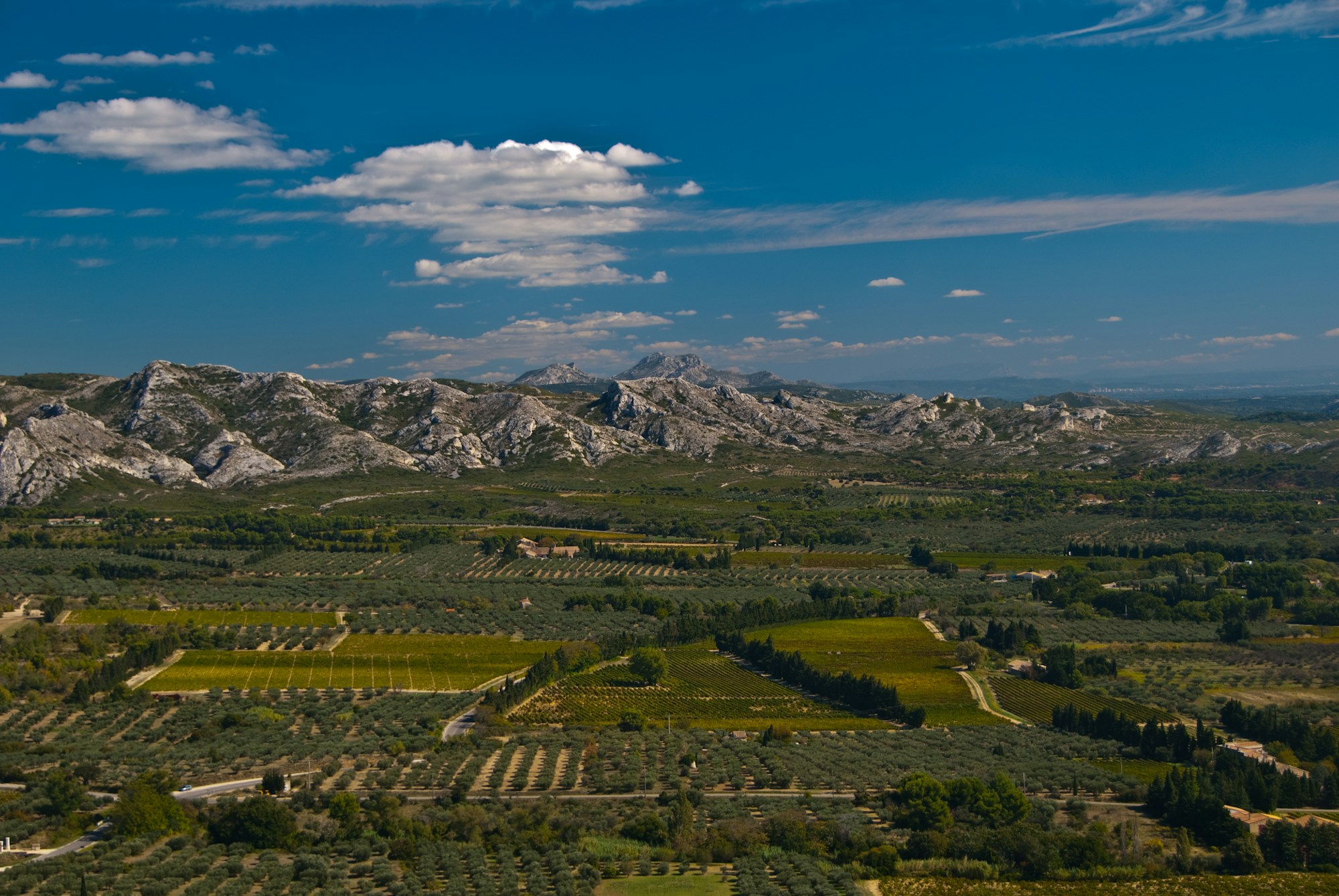
Provençal excellence under the PDO Vallée des Baux designation
At the foot of the hilltop village of Les Baux-de-Provence, ranked among the Most Beautiful Villages of France, the Alpilles unfold a landscape of Mediterranean scrubland where olive trees stand alongside almond trees and vineyards. It is here that one of France’s most prestigious olive oils is born, protected by the PDO Vallée des Baux-de-Provence (AOP in French), the first protected designation of origin awarded to a French olive oil. According to Secrets de Provence, this PDO guarantees an oil produced exclusively from local varieties — Salonenque, Aglandau, Grossane, and Verdale — harvested and pressed within a strictly defined area.
Two mills stand out particularly in the region. The Moulin CastelaS, in Mouriès, is a family estate whose oils are regularly awarded at international competitions. A visit to this mill is a true lesson in oleology: you discover the different stages of production, from harvest to bottling, with a guided tasting that reveals the aromatic subtleties of each vintage. The Moulin Cornille, one of the oldest mills still operating in Provence — crowned with a gold prize in 2025 — offers a more traditional experience in a history-laden setting. According to Alpilles en Provence, the region’s dozen mills collectively welcome over 100,000 visitors per year.
The Alpilles olive oil route combines perfectly with exploring the region’s exceptional heritage: the Carrières de Lumières in Les Baux, the ancient site of Glanum in Saint-Rémy-de-Provence, Provençal farmhouses, and the colorful markets of Maussane-les-Alpilles. The harvest season, from September to December, transforms the Alpilles into a living theater where you encounter olive growers at work, nets stretched beneath the trees, and mills running at full capacity, releasing into the air that green, fruity fragrance so characteristic of fresh oil.
Highlights
- PDO Vallée des Baux-de-Provence, France’s first olive oil PDO
- Moulin CastelaS and Moulin Cornille, internationally awarded
- Les Baux village ranked among the Most Beautiful Villages of France
- Exceptional ancient and cultural heritage (Glanum, Carrières de Lumières)
8. Nyons, the Tanche Olive and the Drôme’s Double PDO
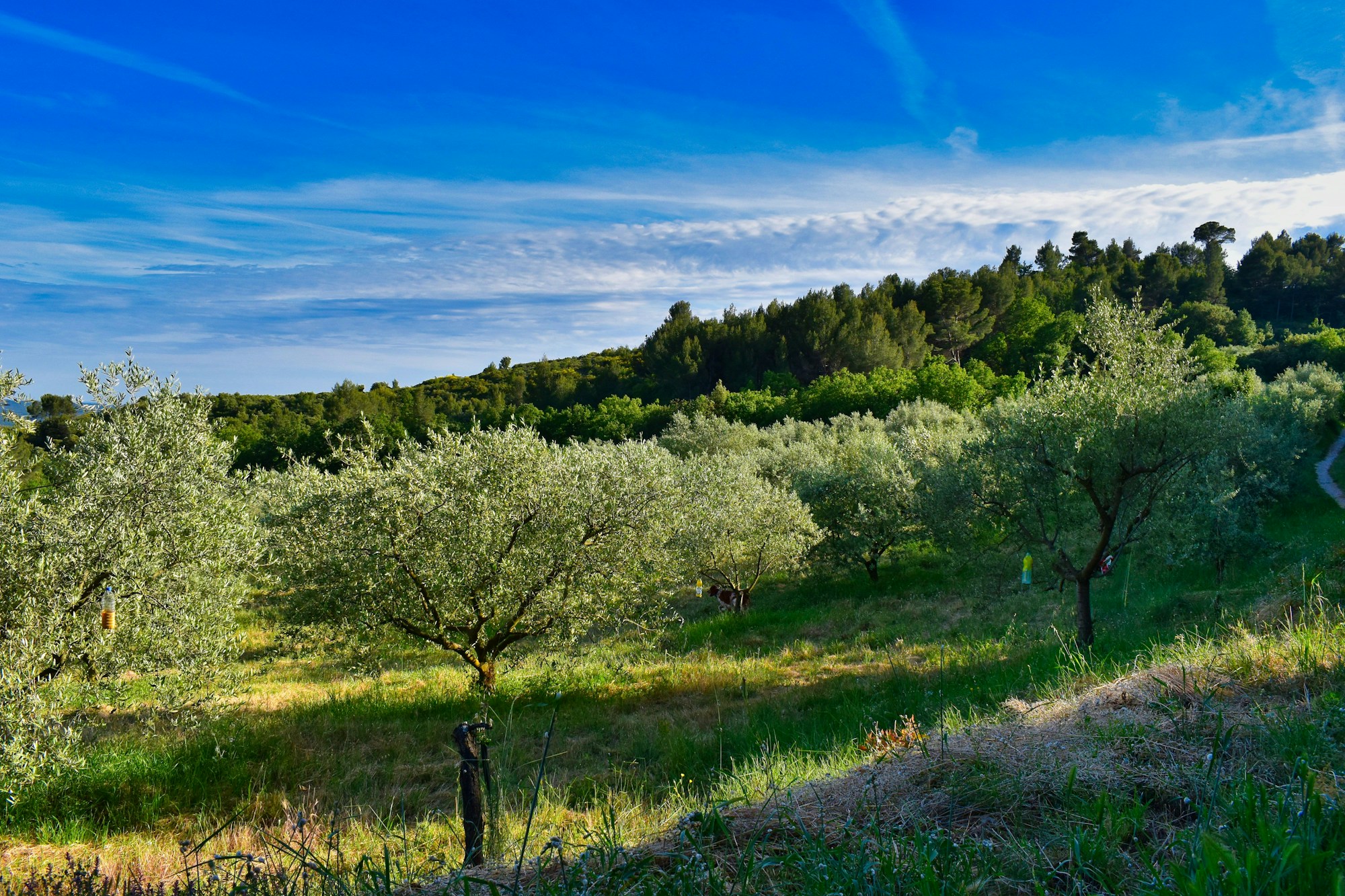
The « Pearl of the Drôme » and its unique black olive
Nestled in the mountains of the Drôme provençale, Nyons is a charming small town that harbors a unique olive treasure in France: the Tanche olive. This local variety, adapted to the valley’s exceptional microclimate, benefits from a double PDO — for both the table olive and the olive oil — a rare distinction that attests to the product’s exceptional quality. According to Vivre à Nyons, the Tanche is France’s most northerly olive, resistant to cold thanks to the natural protection provided by the surrounding mountains.
The olive-centered life of Nyons is punctuated by two major festivals. In February, the Fête de l’Alicoque celebrates the green olive harvest, while in December, the Fête de l’Olive Piquée marks the start of the cured black olive season — an ancestral tradition where Tanche olives, hand-pricked and then brined, become those small, wrinkled black gems with an incomparable taste found on every Provençal table. The Moulin O’live PROD, as mentioned by O’live PROD, is one of the region’s reference mills, combining technological modernity with respect for tradition, offering guided tours and tasting workshops year-round.
The Nyons market, held every Thursday morning under the arcades of the old town, is an institution where local producers sell their olive oil, cured olives, tapenade, and other olive specialties. The town also houses an Olive Museum that traces the thousand-year history of olive cultivation in the region. Beyond olives, Nyons is also renowned for its lavender, truffles, and honey, offering a complete gastronomic palette for food-loving travelers. All of this set against a pristine natural backdrop, ideal for hiking in the surrounding hills.
Highlights
- Tanche olive: the only variety with double PDO (olive + oil) in France
- Fête de l’Olive Piquée in December, an ancestral tradition
- Moulin O’live PROD: tours and workshops year-round
- Thursday market under the arcades, buying directly from producers
- Affordable budget and preserved natural setting of the Drôme provençale
9. The Luberon, Artisanal Mills and Provençal Markets
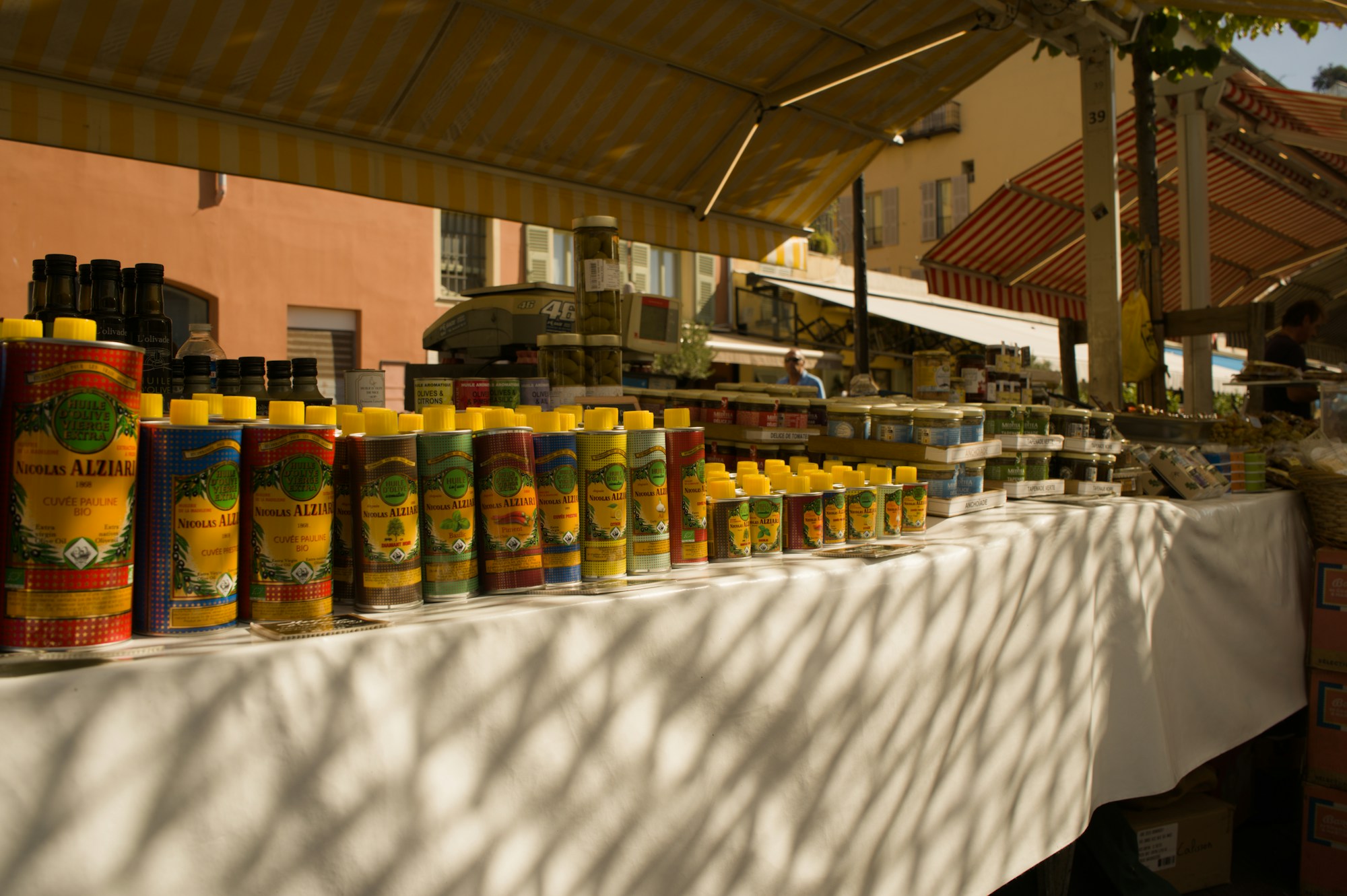
The olive oil art de vivre between hilltop villages and lavender fields
The Luberon, with its hilltop villages of ochre facades, lavender fields, and centuries-old olive groves, embodies the very essence of Provençal art de vivre. This regional natural park, part of the UNESCO Global Geoparks network, is home to a living olive tradition carried on by artisanal mills that perpetuate a know-how passed down through generations. According to Secrets de Provence, the Luberon has about twenty active mills spread between the Petit Luberon, north of Aix-en-Provence, and the Grand Luberon, which extends to Manosque.
Among the reference addresses, Moulin Jullien in Cadenet is a family institution that has been producing remarkable olive oil for several generations. A visit to this traditional mill provides insight into the different stages of production, from leaf removal to kneading and natural decantation. Further north, Moulin de la Coquille in Vaison-la-Romaine (on the edge of the Luberon) takes a more educational approach with guided tasting workshops where you learn to identify the flaws and qualities of an olive oil according to the International Olive Council method. These two mills represent the diversity of the Luberon’s oleotourism offerings: from artisanal tradition to modern educational experience.
The Luberon olive oil experience naturally extends to the Provençal markets, true social and gastronomic institutions. The Apt market on Saturday mornings, the Lourmarin market on Fridays, or the Gordes market on Tuesdays are all opportunities to meet producers, taste their oils, and discover derivative products: tapenades, olive oil soaps, and natural cosmetics. The Luberon is ideally suited for a 3 to 5-day road trip combining mill visits, markets, hilltop villages (Gordes, Roussillon, Bonnieux, Ménerbes), and hikes through the fragrant scrubland.
Highlights
- Moulin Jullien in Cadenet, a multi-generational family institution
- Moulin de la Coquille: tasting workshops following the international method
- Iconic Provençal markets (Apt, Lourmarin, Gordes)
- Hilltop villages ranked among the most beautiful in France
- Regional natural park part of the UNESCO Geoparks network
10. Practical Tips for a Successful Oleotourism Trip
Prepare, taste, bring home: the olive oil traveler’s guide
When to go?
The best time varies by region, but two windows stand out:
- October-December: The harvest season, the most intense time to experience oleotourism. Mills in full operation, festivals, new oil tastings.
- April-June: Olive groves in bloom, mild weather, and lower prices. Ideal for cultural visits and hiking.
How to taste olive oil?
During your mill visits, you will learn the professional tasting technique:
- The glass: Use a cobalt blue glass (to mask the color) or a small tasting glass.
- The nose: Warm the glass in your hands, then breathe in the aromas: fresh-cut grass, almond, tomato, artichoke.
- The palate: Take a small sip while drawing in air (« stripping »). Evaluate the fruitiness, bitterness, and pungency.
- The finish: A quality oil leaves a sensation of freshness and peppery heat in the throat — a sign of polyphenols.
Bringing olive oil home by plane
Olive oil bottles can travel in checked luggage without restriction. In carry-on baggage, regulations limit containers to 100 ml maximum, which is insufficient. Plan to pack them in checked bags or have your purchases shipped by the producers — many offer delivery across Europe.
Frequently Asked Questions About Oleotourism
What exactly is oleotourism?
Oleotourism (or olive oil tourism) is a form of food tourism centered on discovering olive oil and its culture. It encompasses visits to mills and olive groves, extra virgin olive oil tastings, cooking workshops, agritourism stays with producers, and participation in harvest festivals and celebrations. Born in Italy and Spain in the 2000s, oleotourism has seen considerable growth across Mediterranean Europe, with dedicated legal frameworks such as the « Oleoturismo autorizzato » label in Italy.
What is the best time of year for oleotourism?
The ideal period runs from October to December, during the olive harvest season. This is when mills operate at full capacity, new oil (olio nuovo) is available for tasting, and olive festivals are in full swing (Frantoi Aperti in Umbria, Fête de l’Olive Piquée in Nyons). However, spring (April-June) also offers excellent conditions for visiting olive groves in bloom, with pleasant weather and lower prices.
How much does an oleotourism trip in Europe cost?
The budget varies considerably depending on the destination and level of comfort. The most affordable options are found in Spain (50 to 110 euros per day for the Vía Verde del Aceite or Jaén) and in the Drôme provençale (70 to 120 euros per day in Nyons). More upscale destinations like Tuscany (100 to 180 euros per day) or Les Baux-de-Provence (100 to 200 euros per day) offer premium experiences. These budgets include accommodation, dining, visits, and tastings.
Do I need to book mill visits in advance?
During peak season (October-December), it is strongly recommended to book in advance, especially for the most renowned mills such as Picualia in Jaén, CastelaS in Les Baux-de-Provence, or the mills participating in Frantoi Aperti in Umbria. Off-season, many mills welcome visitors without reservations, but it is always wise to check opening hours by phone or on their website. Some experiences like the Treno dell’Olio in Umbria require mandatory pre-registration.
How do you recognize a quality olive oil during a tasting?
A quality extra virgin olive oil is recognized by three main attributes: fruitiness (aromas of fresh grass, tomato, artichoke, or almond), bitterness (a sign of antioxidant presence), and pungency in the throat (an indicator of polyphenols). The absence of defects (rancid, musty, winey, metallic) is essential. Color is not a reliable criterion — which is why professional tasters use blue glasses. A good oil should smell fresh and clean on the nose, with a clean finish and a pleasant peppery sensation.
What is the difference between Spanish, Italian, and French olive oils?
Each terroir has its own varieties and flavor profiles. Spanish oils from Jaén (Picual variety) are powerful, with notes of tomato and fig, rich in antioxidants. Italian oils vary enormously: Coratina from Puglia is intense and very pungent, while Tuscan oils (Frantoio, Moraiolo) are more balanced with herbaceous notes. Provençal oils are generally milder and fruitier: Tanche from Nyons offers a subtle ripe fruitiness, while the Alpilles PDO oils are greener and more bitter. The best way to understand these differences is to taste them on location!
Is oleotourism suitable for families with children?
Absolutely! Many farms offer activities specially designed for families. Children love picking olives (in season), feeding farm animals at Italian agriturismo stays, and discovering how mills work. The Vía Verde del Aceite in Spain is perfectly suited for family cycling thanks to its gentle gradient. In Provence, Moulin O’live PROD in Nyons offers educational workshops for young visitors. Simply plan regular breaks and alternate cultural visits with outdoor activities.
Can oleotourism be combined with other travel activities?
Oleotourism combines wonderfully with other forms of tourism. In Spain, pair it with the UNESCO heritage of Úbeda and Baeza or an Andalusian road trip. In Italy, Tuscany and Umbria offer endless possibilities for combining mills, vineyards, museums, and hiking. In Provence, lavender (in summer), truffles (in winter), markets, and Roman heritage naturally fit into an olive oil circuit. Oleotourism is all the more rewarding when it is part of a broader discovery of the terroir and Mediterranean culture.
Sources
- Andalucia.org — Andalusia tourism board, information on the province of Jaén and its olive groves
- Equinox Magazine — Gastronomic guide to Michelin-starred restaurants in Jaén
- Úbeda Digital — Tourist information portal for Úbeda and Baeza
- Adeoliva — Association for the promotion of Andalusian olive oil
- Sazon The Folk Cook — Guide to the Vía Verde del Aceite
- Frantoi Aperti — Official website of the Umbrian open mills festival
- Umbria Tourism — Umbria regional tourism board
- Play Italy — Oleotourism guide for Tuscany
- Oleotourism.it — Italian oleotourism portal and « Oleoturismo autorizzato » label
- Puglia Guys — Guide to millennial olive trees and Puglia olive oil
- L’Italo-Americano — Olive culture and tradition in Puglia
- Secrets de Provence — Mills and olive oil routes in Provence
- Alpilles en Provence — Alpilles tourism board
- Vivre à Nyons — Tourist guide to Nyons and the Tanche olive
- O’live PROD — Moulin O’live PROD in Nyons, tours and workshops
Research conducted in March 2026
Ready to plan your olive oil journey?
Discover our itineraries in Spain, Italy, and Provence to plan your next gourmet getaway to the heart of the olive groves. From the sea of olive trees in Jaén to the artisanal mills of the Luberon, every olive oil route is an invitation to savor the green gold of the Mediterranean.
Explore all itineraries