
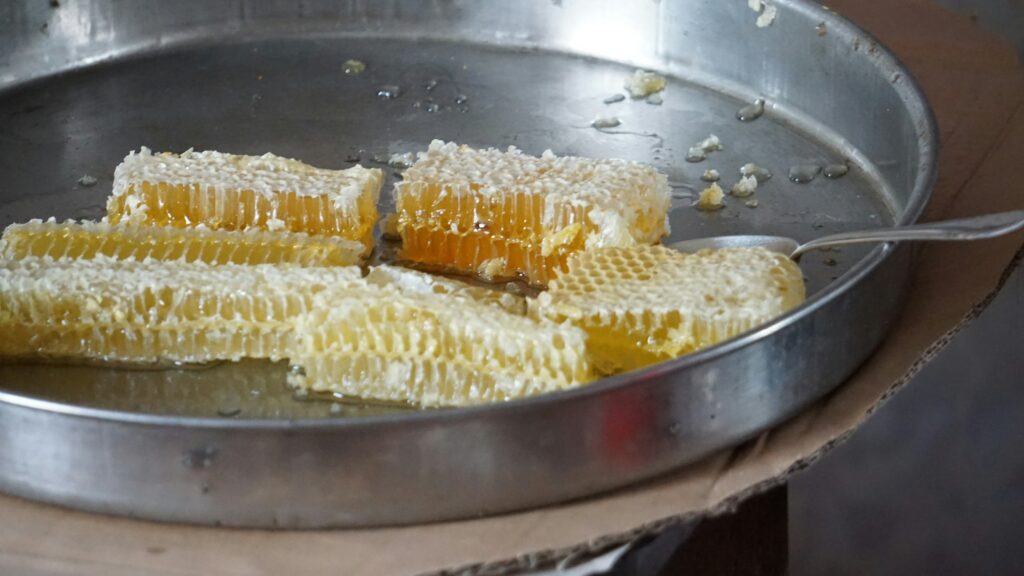
Crete received the title European Region of Gastronomy 2026 from IGCAT on 9 October 2024. The island is known for its olive oil, its tavernas and its markets. This guide covers what to eat, where to buy and which 2026 festivals are still to come.
Verified on
In October 2024, Crete was officially crowned European Region of Gastronomy 2026 by IGCAT (the International Institute of Gastronomy, Culture, Arts and Tourism). This prestigious title, shared with Gozo (Malta) and Kvarner (Croatia), honours an island whose culinary tradition stretches back more than 4,000 years — to the Minoan civilisation, the first organised civilisation in Europe. The Cretan diet, considered the « heart » of the Mediterranean diet, is a proven model of health and longevity backed by international scientific studies. Its strength lies in the simplicity, freshness and authenticity of its local ingredients: extra virgin olive oil consumed at a rate of 35 litres per person per year, wild herbs foraged in the mountains, artisanal cheeses and legumes at every meal.
In 2026, Crete is rolling out an exceptional programme: food festivals, culinary circuits, the reopening of the Chania covered market after renovation, pan-Cretan competitions and traditional cooking workshops. With more than 1,800 plant species, a wine-growing terroir unlike any other in the world, and mountain tavernas where raki still flows freely, the island offers far more than a beach holiday. Here is our comprehensive guide to authentic Cretan markets, tavernas and flavours — off the beaten track.
1. The 1866 Street Market, Heraklion
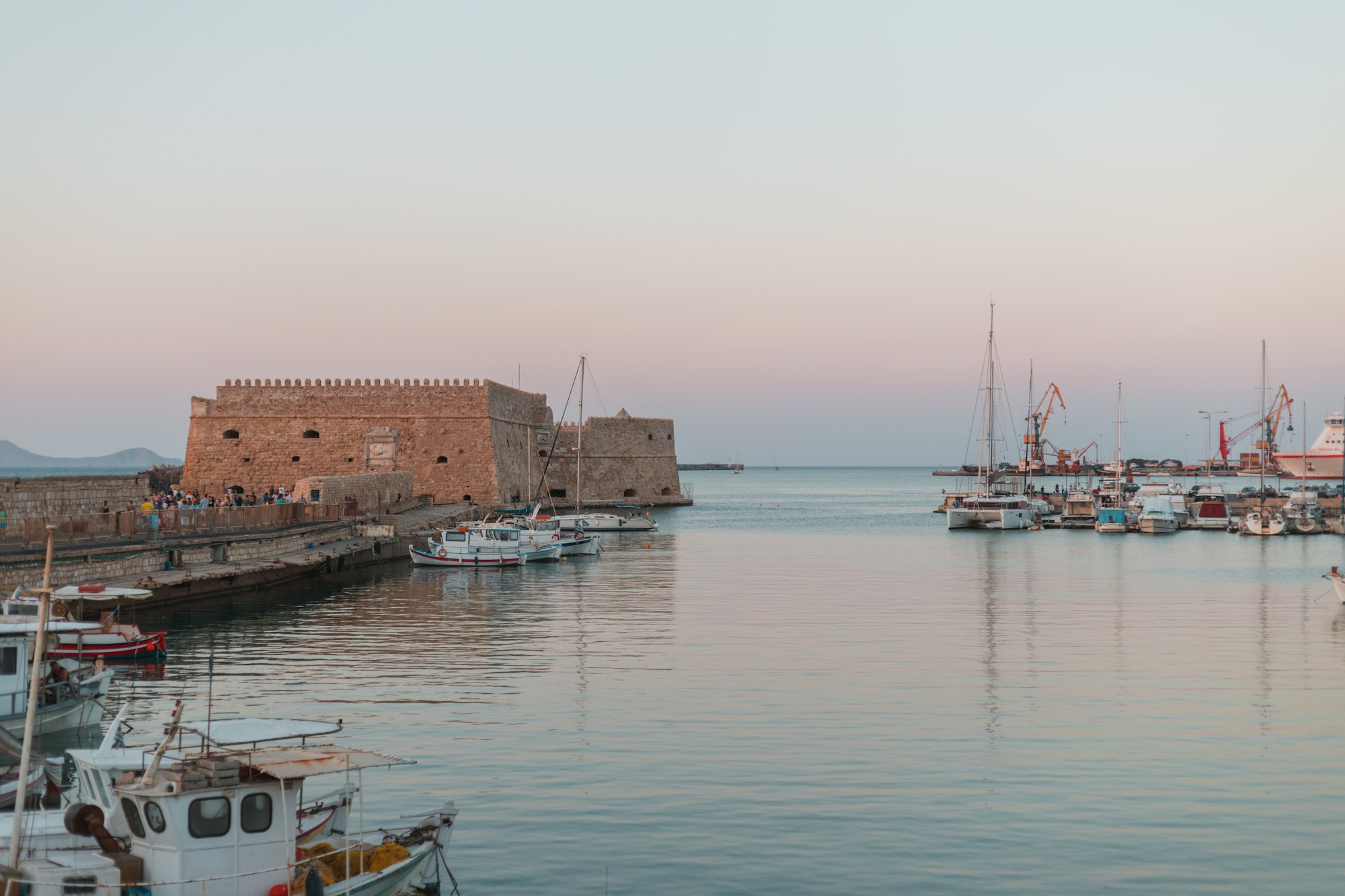
The trading soul of the Cretan capital
The old food market on 1866 Street, in the heart of Heraklion, is no tourist set piece — it is where locals do their daily shopping. The fresh produce — fruits, vegetables, aromatic herbs — reflects the region’s strong agricultural heritage. Stalls selling local cheeses (graviera, mizithra, anthotyros) sit alongside displays of dried wild herbs, bulk olive oil merchants and honey sellers from Mount Ida.
Beyond the permanent market, Heraklion also hosts weekly street markets in several neighbourhoods: Monday mornings in Kaminia, Tuesday in Nea Alikarnassos, Wednesday in Mastabas, Thursday in Patelles, Friday in Delina, and Saturday in Patelles — the largest, 1.5 km south of the ferry port. A meal at the market (starter and dakos) costs 6-10 EUR.
Highlights
- Authentic market frequented by locals, not tourists
- Artisanal Cretan cheeses: graviera, mizithra, anthotyros
- Wild herbs and Mount Ida honey unavailable outside the island
- Weekly markets in 6 different neighbourhoods
2. The Agora of Chania — a monument about to be reborn
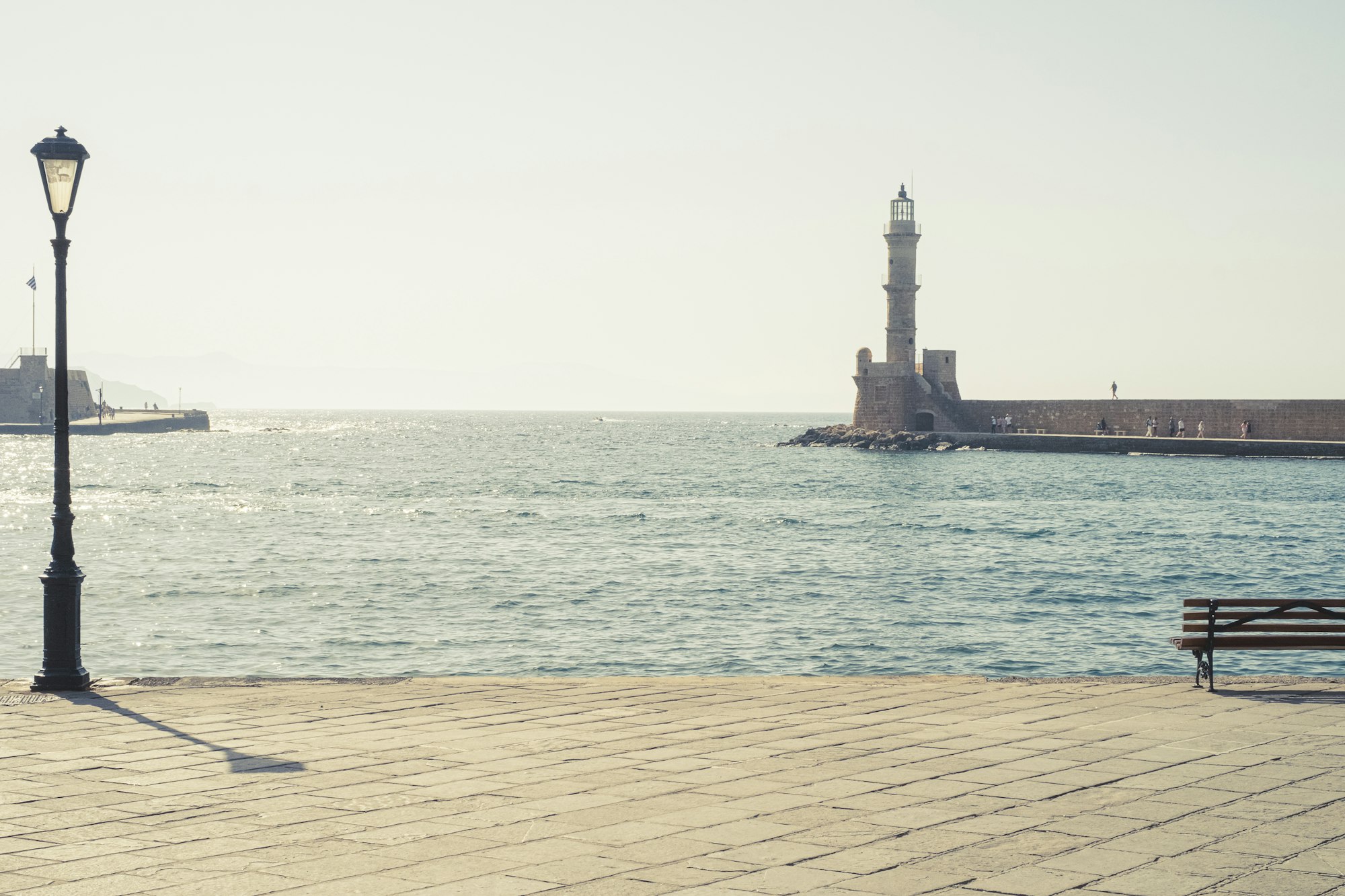
The historic covered market reopens in 2026
Cross-shaped in layout, the Chania Agora was built between 1911 and 1913, modelled on the Marseille market — a unique case in Greece. Inaugurated by Prime Minister Eleftherios Venizelos shortly after the union of Crete with Greece, it stands on the site of a former Venetian bastion and is one of the most impressive markets in the Balkans.
2026 update: the market is currently undergoing renovation. The mayor of Chania announced in mid-November 2025 a reopening around Easter 2026 (early April) that had not happened by 25 July 2026: Argophilia then gave 4 December 2026 as the target date, not officially confirmed. This is an exceptional opportunity: visiting the renovated market right after it reopens, before it fills with tourist shops, and at the very moment Crete holds the title of European Region of Gastronomy. Expect fresh fruit, vegetables, meats, cheeses (graviera, mizithra), olives, herbs, spices, raki and olive oil.
Highlights
- Architecture unique in Greece, inspired by the Marseille market
- Historic reopening coinciding with the 2026 gastronomy title
- Cretan terroir products: oils, cheeses, herbs, raki
- Weekly street markets in 5 neighbourhoods in the meantime
3. Cretan olive oil — liquid gold from the White Mountains
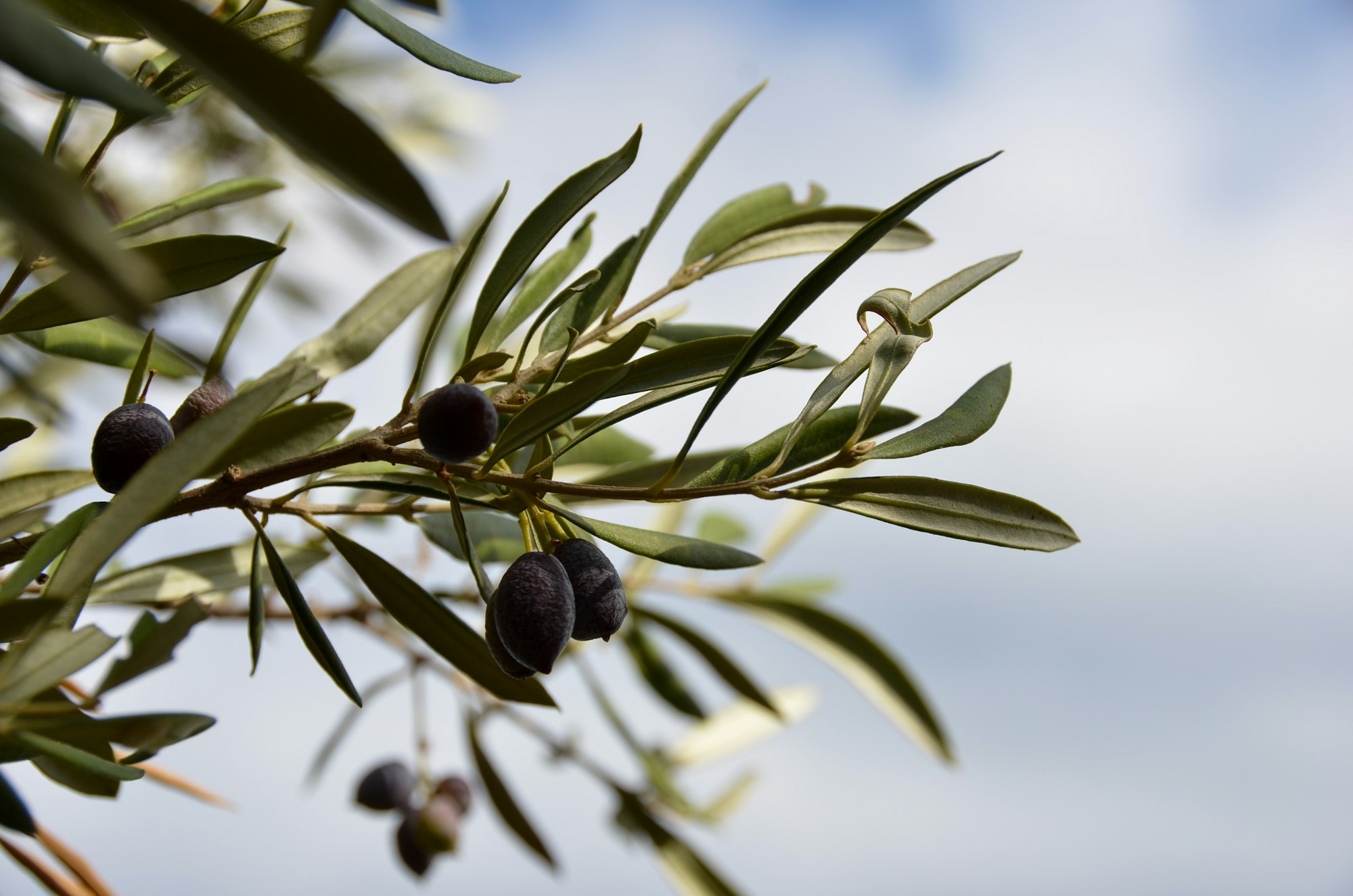
One third of Greek production, 80% extra virgin
Crete accounts for roughly one third of Greece’s olive oil production, with 80,000 to 120,000 tonnes per year, 80% of which is extra virgin. Three olive varieties dominate: Koroneiki (60% of Greek production), Chondrolia and Tsounati. Olive farms are tucked away in picturesque rural areas, surrounded by olive groves and rolling hills — a world that beachgoers never see.
The Spiridi Farm (formerly Cretan Olive Oil Farm) near Agios Nikolaos offers a unique experience: in a traditional mill established in 1882, organic olives are crushed by stone mill and pressed with a 130-year-old press. The Vamos Village estate in the Apokoronas region offers an olive oil trail: a walk through a local farmer’s olive groves, discussions about cultivation methods, and a tasting in his home.
Fun fact: the oldest olive tree in the world stands in Ano Vouves, a village near Chania. Classified as a Natural Monument, this ancient tree is 3,000 years old, with a circumference of 12.5 metres.
Highlights
- 80% of Cretan production is extra virgin olive oil
- Spiridi Farm: stone mill from 1882 and century-old press
- World’s oldest olive tree in Ano Vouves (3,000 years old)
- Olive oil trail at Vamos Village
4. Cretan specialities — dakos, kalitsounia and boureki
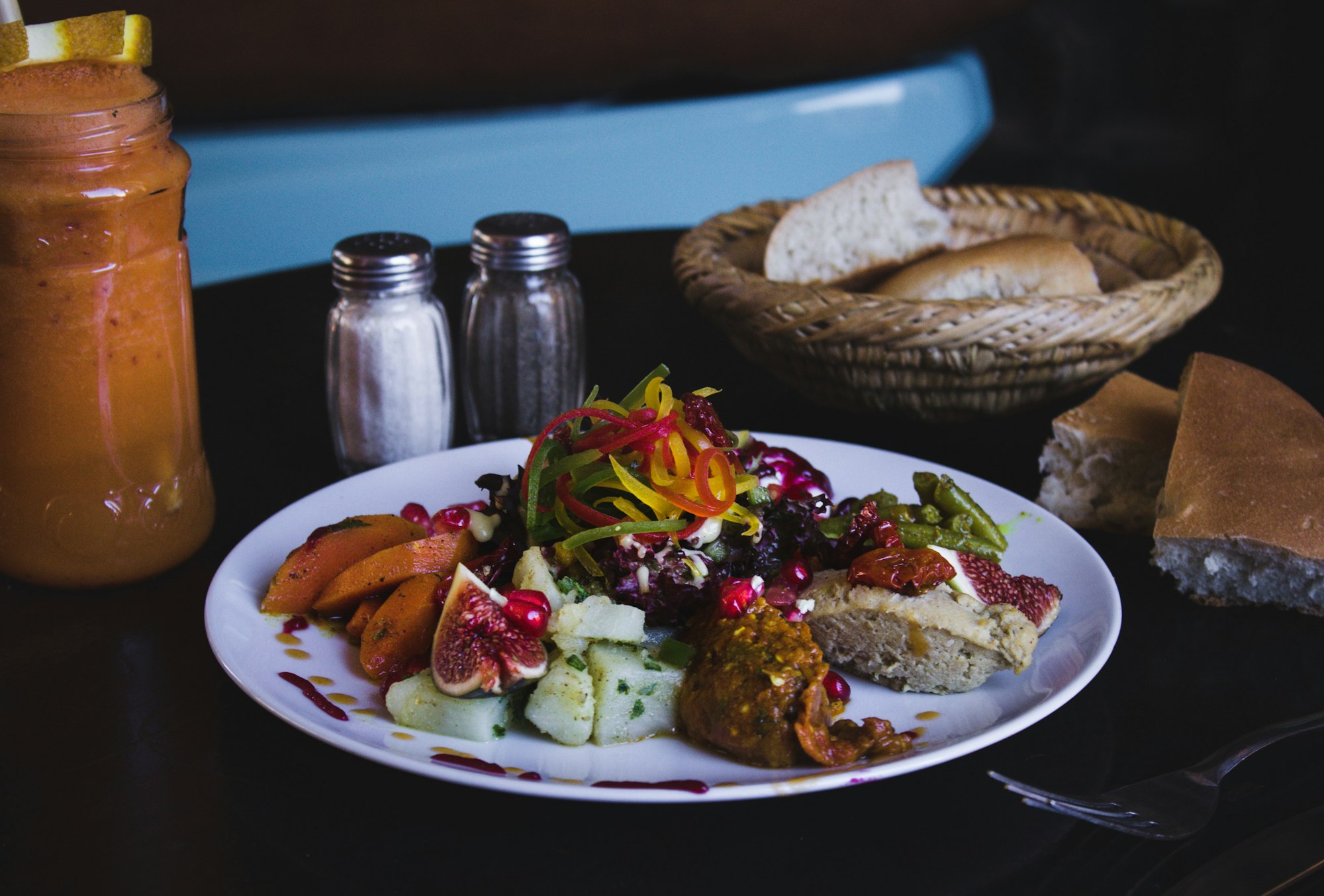
The philosophy of absolute simplicity
Cretan gastronomy rests on a philosophy where ingredient quality takes precedence over technique. Dakos (also called koukouvagia) is its emblem: slices of dried barley bread (paximadi), moistened and topped with fresh tomatoes, crumbled mizithra, extra virgin olive oil and oregano. Each region has its own name for this dish: some call it koukouvagia (« owl »), others kouloukopsomo.
Kalitsounia are small stuffed pastries, often overlooked by tourists. The thin, crispy dough encloses a filling of myzithra, spinach or courgette — in the sweet version, they are drizzled with local honey. Chaniotiko boureki, originating from Chania, is a rich vegetarian gratin with courgettes. Do not miss antikristo (lamb slowly grilled over a wood fire), gamopilafo (pilaf rice in goat broth, the traditional wedding dish) and chochlioi boubouristi (snails fried in olive oil and vinegar).
Highlights
- Dakos: Crete’s signature dish, simple and flavourful
- Kalitsounia: savoury or sweet pastries overlooked by tourists
- Chania boureki: a vegetarian gratin unique to the region
- Antikristo, gamopilafo, snails: unique culinary experiences
5. Mountain tavernas — Therisso and Anogia
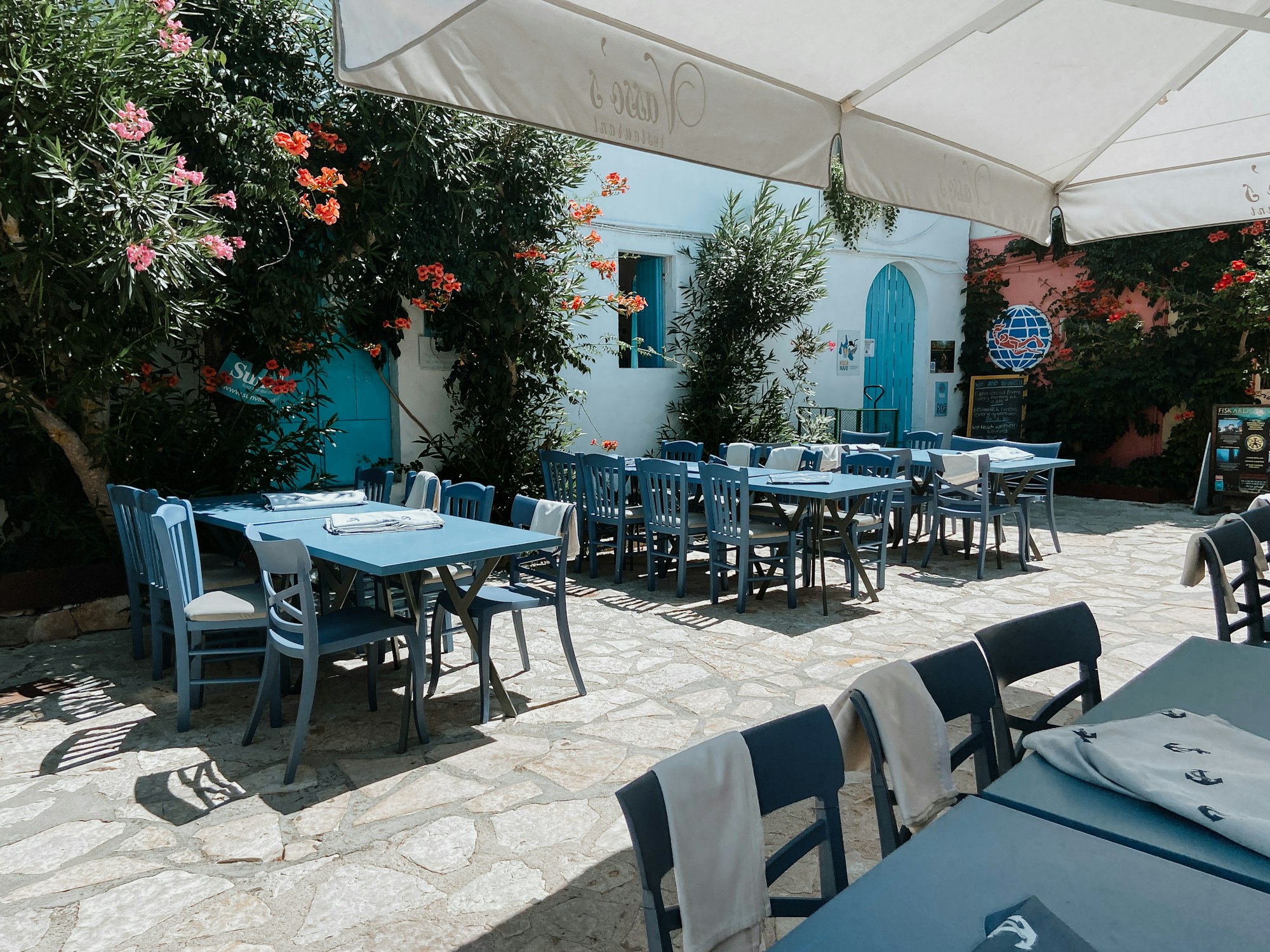
The best meals are found at the end of winding roads
Therisso, a historic village nestled in the gorge of the same name, 17 km south of Chania, is a destination beloved by locals and food enthusiasts, particularly for meat. Its many traditional tavernas serve the famous Cretan lamb, accompanied by fresh local vegetables. The trip from Chania combines hiking, historic sites and gastronomy.
Anogia, perched at 738 metres on Mount Psiloritis, is perhaps the most authentically Cretan village. The air is fresh and fragrant, the local raki deliciously strong, and the food is cooked with exclusively local ingredients. Tavernas in the lower part of the village serve perfectly cooked lamb dishes. As a local food guide puts it: « The best meals in Crete are not found on the big tourist streets — they are found at the end of a winding road, in a village of three houses and one incredible taverna. »
Highlights
- Therisso: spectacular gorge and renowned lamb tavernas
- Anogia: the most authentically Cretan village, at 738 m altitude
- Easter lamb in Anogia: an unforgettable experience (April 2026)
- Entirely local cuisine: garden vegetables, artisanal cheeses
6. Cretan vineyards — the wine routes of Archanes and Dafnes
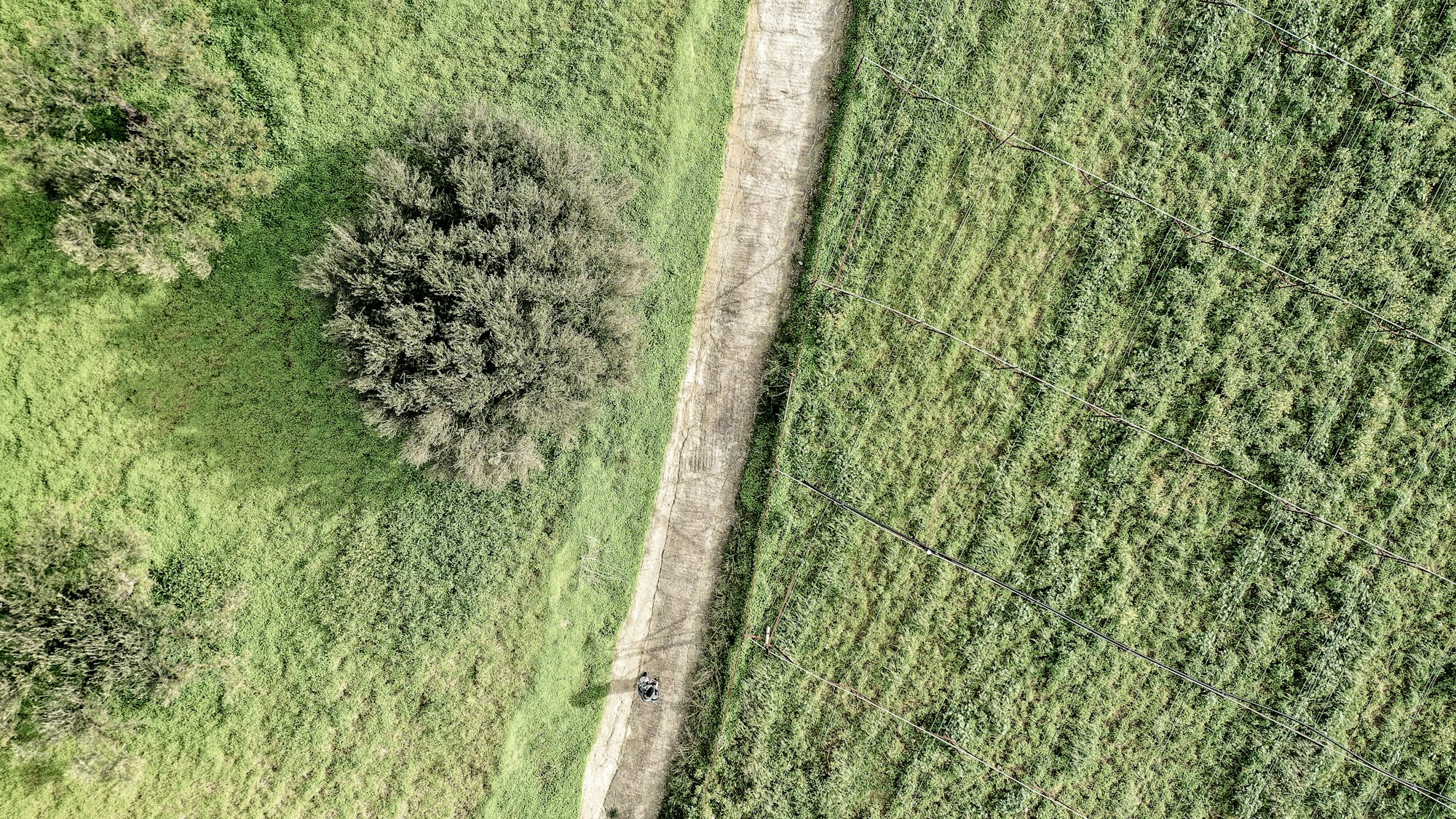
Grape varieties that exist nowhere else on Earth
Cretan winemaking dates back more than 4,000 years, evidenced by Europe’s oldest vineyard discovered at Kato Zakros and a 3,500-year-old wine press at Archanes. Today, Crete accounts for 20% of Greek wine production (over 95,000 tonnes per year), with 70% concentrated in the Heraklion prefecture across three AOVDQS-labelled appellations: Archanes, Peza and Dafnes.
The indigenous grape varieties are the true treasure: Vidiano (white), Kotsifali (red), Liatiko (sweet wines), Vilana, Dafni, Thrapsathiri… varieties you will not find anywhere else on Earth. The Wine Garden of Archanes, 15 minutes from Heraklion and 10 minutes from Knossos, offers breathtaking views over vineyards, olive groves and the Aegean Sea. Several estates around Heraklion open their doors for tastings, some even in English or French.
Highlights
- More than 4,000 years of viticulture — the oldest vineyard in Europe
- Grape varieties unique in the world: Vidiano, Kotsifali, Liatiko
- Heraklion Wine Route to Archanes with tastings
- Grape harvest participation available in September-October
7. Milia Mountain Retreat — the agritourism lodge awarded by National Geographic
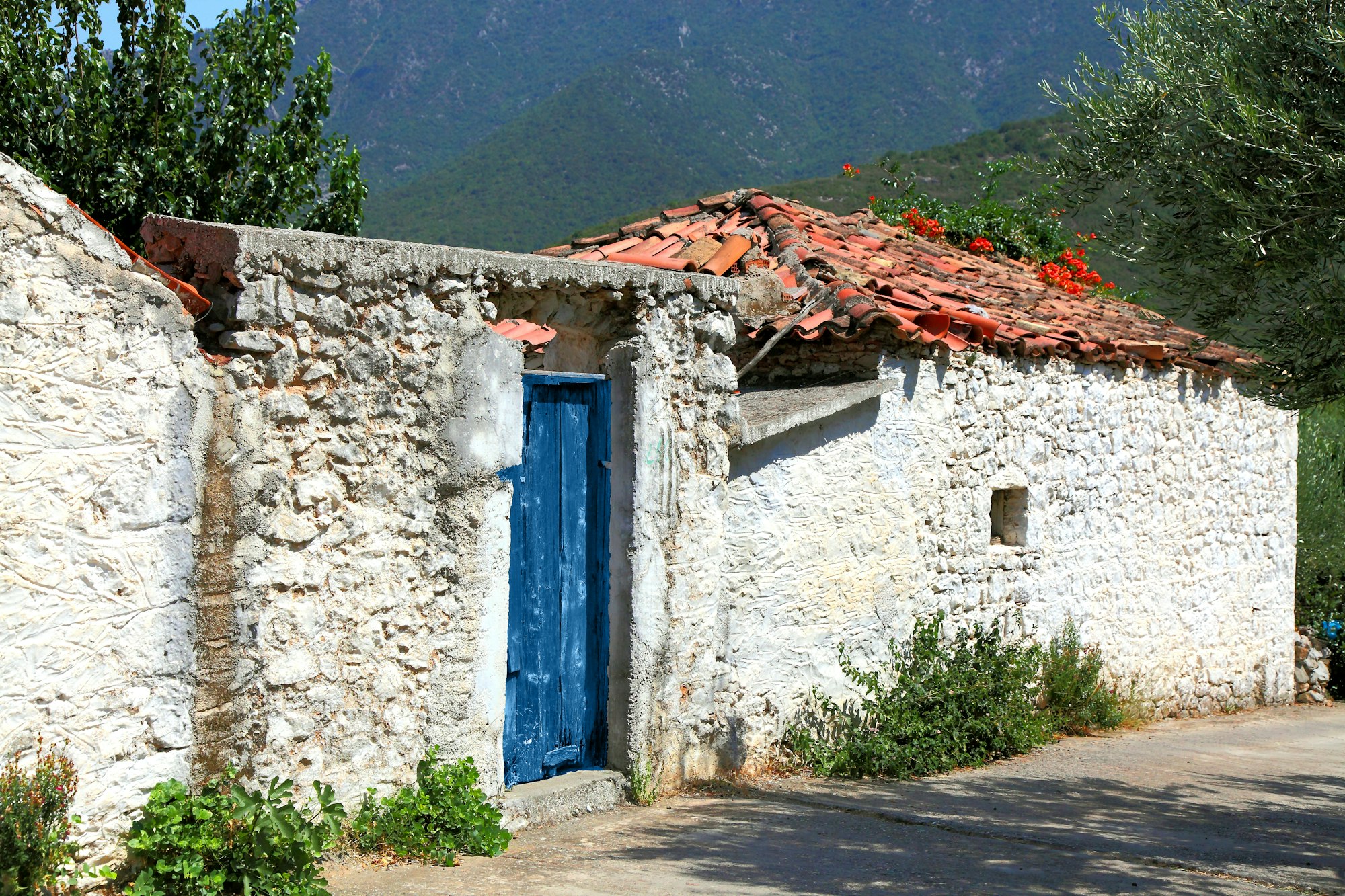
14 shepherd’s cottages in the heart of the White Mountains
In a mountain enclave surrounded by chestnut trees, a cluster of 14 stone shepherd’s cottages has become the symbol of Cretan ecotourism. Recognised by National Geographic as one of the world’s 25 best ecolodges, Milia is also part of the Natura 2000 conservation network. These tiny cottages with their thick walls and dark beams have been carefully rebuilt using entirely local materials.
The restaurant’s cuisine is purely Mediterranean: cabbage from the organic garden, meat from the property’s own flock, homemade wine, all cooked in wood ovens or on wood-fired stoves. Every morning, the large wood-fired oven bakes bread, and the ingredients used in the kitchen come exclusively from short supply chains. Milia is entirely self-sufficient: all electricity is generated by a photovoltaic system.
Highlights
- Ecolodge awarded by National Geographic (world top 25)
- 100% energy self-sufficient (photovoltaic)
- Farm-to-table cuisine: organic garden and own flock
- Natura 2000 network and ecological farming
8. Food festivals 2026 — the events calendar
The January to July 2026 events are over: only the October to December events remain, with dates to be confirmed with the organisers.
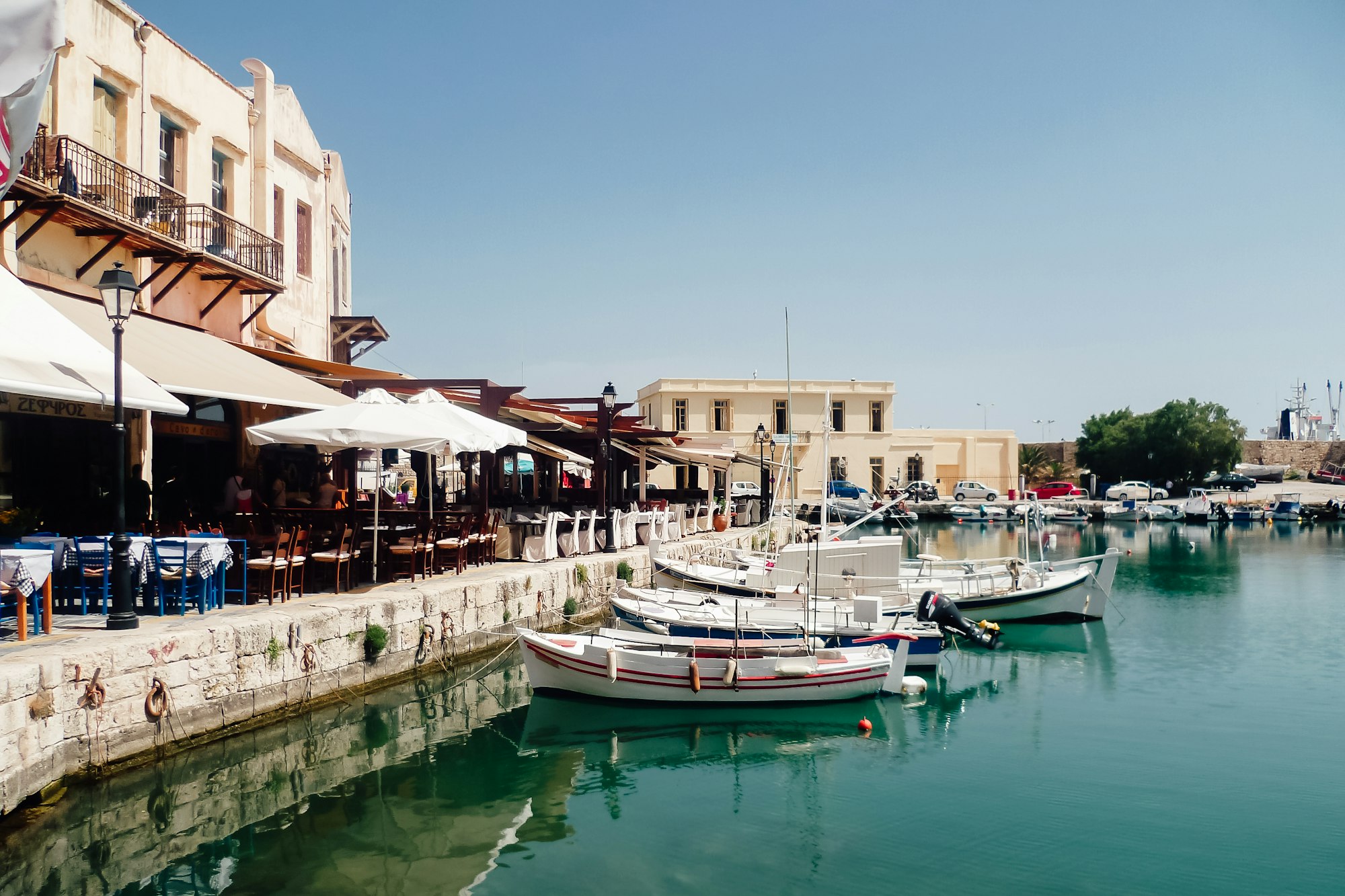
A year of culinary celebrations across the entire island
Cretan food culture comes alive in 2026 through an exceptional programme of events spanning the entire year. Here are the key dates not to be missed:
| Period | Event | Location |
|---|---|---|
| Jan.-April | « Let’s go foraging for wild greens! » — free foraging of edible wild plants | Chania |
| December (targeted) | Opening of the Chania Agora targeted for 4 December 2026 (not confirmed) — renovated covered market | Chania |
| 19 May | Pan-Cretan Gastronomy Competition — winners will represent Crete at the World Food Gift Challenge | Heraklion |
| July | Cretan Diet Festival — cooking demonstrations, tastings, cheesemakers and olive growers | Rethymno |
| July | Hyakinthia — 3-day festival: feasts, music and Cretan heritage | Anogia |
| July | Wine Festivals — local wines, folk music and traditional dances | Rethymno, Kastelli |
| Oct. | Chestnut Festival — music, dances and seasonal gastronomy | Elos (Chania) |
| Oct.-Dec. | Kazani — traditional raki distillation in the villages | All of Crete |
The Cretan Centre of Gastronomy in Rethymno, linked to the Hellenic Mediterranean University, is significantly expanding its programme in 2026: cooking workshops (45-80 EUR), olive oil tasting courses (20-40 EUR) and farm visits. Notably, Ioannis Liapakis, a Cretan chef, received the title of European Young Chef 2025 for his dish Erevinthos — look out for his creations at the year’s food events.
Highlights
- Exceptional year-long programme thanks to the 2026 title
- Cretan Diet Festival in Rethymno in July
- Kazani: watch raki distillation in the villages
- Free wild plant foraging (January-April)
9. Budget: how much does a food trip to Crete cost?
Crete remains one of the most affordable large islands in the Mediterranean. A one-week trip can cost between 600 EUR and 2,500 EUR depending on your travel style. Here is a breakdown by traveller profile:
| Profile | Accommodation/night | Meals/day | Total/day |
|---|---|---|---|
| Budget | 30-50 EUR (family studio) | 12-20 EUR (local taverna) | 50-80 EUR/pers. |
| Comfort | 80-130 EUR (3-star) | 30-50 EUR | 120-190 EUR/pers. |
| Premium | 200-400 EUR (boutique hotel) | 60-100 EUR | 280-500 EUR/pers. |
| Culinary experience | 70-130 EUR (Milia-type) | 40-70 EUR (farms, courses) | 120-210 EUR/pers. |
Frequently asked questions about Cretan gastronomy
Why is 2026 a particularly interesting year to visit Crete?
Crete was officially designated European Region of Gastronomy 2026 by IGCAT. This means a special year-long programme: cooking festivals, producer collaborations, culinary circuits and exclusive events that will not be repeated. Additionally, Chania’s historic covered market is reopening after renovation — a historic coincidence with the gastronomy title.
What is the best time for a food trip to Crete?
The 2026 sweet spot: late April to late May and late September to mid-October. These periods offer the best balance of pleasant weather, reasonable prices and authentic experiences. Avoid July-August for markets and tavernas: the heat is intense and Cretans themselves are sometimes on holiday. For the olive harvest, aim for November-January; for the grape harvest, September-October.
Can you take part in the olive or grape harvest in Crete?
Yes. Crete offers participatory tourism experiences including olive picking (November-January) and grape harvesting (September-October). Farms such as the Spiridi Farm near Agios Nikolaos or the Vamos Village estate in the Apokoronas region welcome visitors for these activities. Book in advance as places are limited.
Is the Cretan diet really different from the Mediterranean diet?
The Cretan diet is the « heart » of the Mediterranean diet and its purest expression. The key difference lies in the abundance of raw (uncooked) olive oil, the daily consumption of wild greens (horta) and the presence of legumes at almost every meal. The average Cretan consumes more than 35 litres of olive oil per year. Scientific studies have demonstrated that this diet significantly reduces the risk of cardiovascular disease and type 2 diabetes.
Is raki served for free in Cretan tavernas?
Yes, in genuine family tavernas. Raki (tsikoudia), obtained by distilling grape pomace, is deeply tied to Cretan hospitality. A glass is systematically offered at the beginning or end of a meal — sometimes accompanied by a piece of fruit or a homemade dessert. It is a gesture of welcome, not an obligation to consume. In tourist restaurants along the seafront, this tradition tends to fade.
Which unique Cretan wines should you bring back as souvenirs?
Focus on indigenous grape varieties unavailable elsewhere: Vidiano (white, fruity and mineral), Kotsifali (red, supple and spicy) and Liatiko (for sweet wines and dessert wines). Several nearly extinct vines have recently been restored thanks to renewed interest in local varieties. Buy directly from family cellars in Archanes, Peza or Dafnes for the best prices and guaranteed authenticity.
Where can you find the best kalitsounia outside the main cities?
The best kalitsounia are found in village bakeries in the hinterland, not in the coastal tourist shops. These small stuffed pastries — filled with myzithra and herbs in the savoury version, with honey in the sweet version — vary in shape from one region to another. Historically associated with Easter celebrations, they can now be enjoyed year-round. Ask the villagers: every family has its own recipe.
Is Crete accessible off-season for food tourism?
Absolutely, and it is even recommended. For 2026, tourism trends forecast more off-peak options, better accessibility and richer gastronomic experiences. Off-season tourism supports local businesses, spreads the economic benefits and offers more authentic experiences. In winter, olive picking (November-January) and raki distillation (October-December) are unique experiences impossible to have in summer.
Sources
- IGCAT — Official award of the European Region of Gastronomy 2026 title to Crete
- Taste Crete — Official website of the Crete 2026 European Region of Gastronomy, events calendar
- European Region of Gastronomy — Official platform, candidacy and Cretan diet
- Greek Reporter — Crete crowned European Region of Gastronomy 2026
- Rental Center Crete — Heraklion markets guide
- K Decouverte — Chania local markets and Agora renovation information
- West Crete — Crete markets, Agora built on the Marseille model
- Balos Travel — Cretan olive oil farms, production and olive varieties
- Cretan Olive Oil Farm (Spiridi Farm) — Traditional mill from 1882, artisanal olive oil
- Vamos Village — Olive oil trail in the Apokoronas region
- Divine Villas — Cretan culinary specialities, dakos and kalitsounia
- Grece.fr — Lesser-known culinary specialities of Crete
- The Offbeat Goat — Milia Mountain Retreat, ecotourism and National Geographic
- Meltem Blue — Agritourism in Crete, Milia and local producers
- Rental Center Crete — Cretan wines and wineries, indigenous grape varieties
- Petit Fute — Cretan wines, production and AOVDQS labels
- Rental Center Crete — Traditional villages of Crete, Anogia and Zaros
- Rental Center Crete — Festivals and events in Crete 2026
- IGCAT — Ioannis Liapakis, European Young Chef 2025
- Radical Storage — Budget and cost of living in Crete
Research conducted in March 2026
Ready to explore the flavours of Crete?
From Heraklion’s markets to the hilltop tavernas of Anogia, through the vineyards of Archanes and the White Mountains ecolodges — Crete offers an authentic and unforgettable culinary journey. With the European Region of Gastronomy 2026 title, this is the ideal year to discover the island through its flavours. Explore itineraries created by our community of travellers and start planning your gastronomic adventure.
Explore all itineraries