
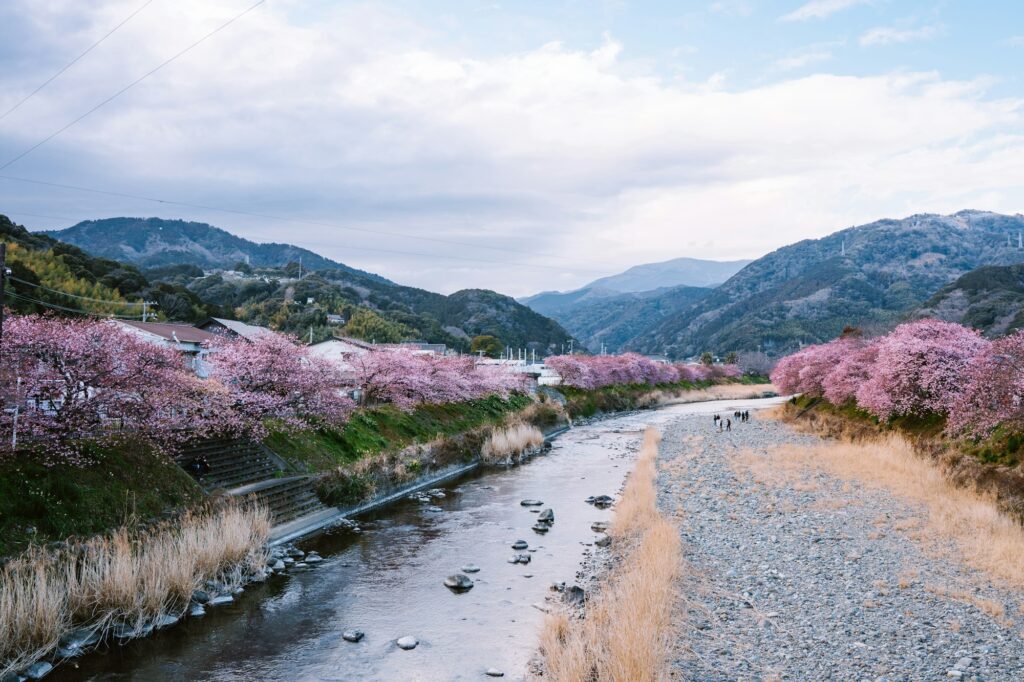
In late March, Japan transforms itself. The sakura — ornamental cherry trees whose name refers to both the flower and the tree — explode into pink clouds over Fushimi’s canals, Nada’s alleys, and the ancient streets of Itami. In these same neighbourhoods, Japan’s finest sake has been brewed for centuries. Spring 2026: the perfect time to experience both at once.
This guide takes you through the three great sake-producing regions of Japan — Fushimi (Kyoto), Nada (Kobe), and the forgotten town of Itami — weaving each stop with the most spectacular sakura spots, open-door breweries, and spring 2026 events. You’ll also find a budget comparison table, a practical FAQ, and all sources to plan your trip.
Cherry Blossom Calendar 2026: When to Go?
Official Dates for Kyoto and Kobe
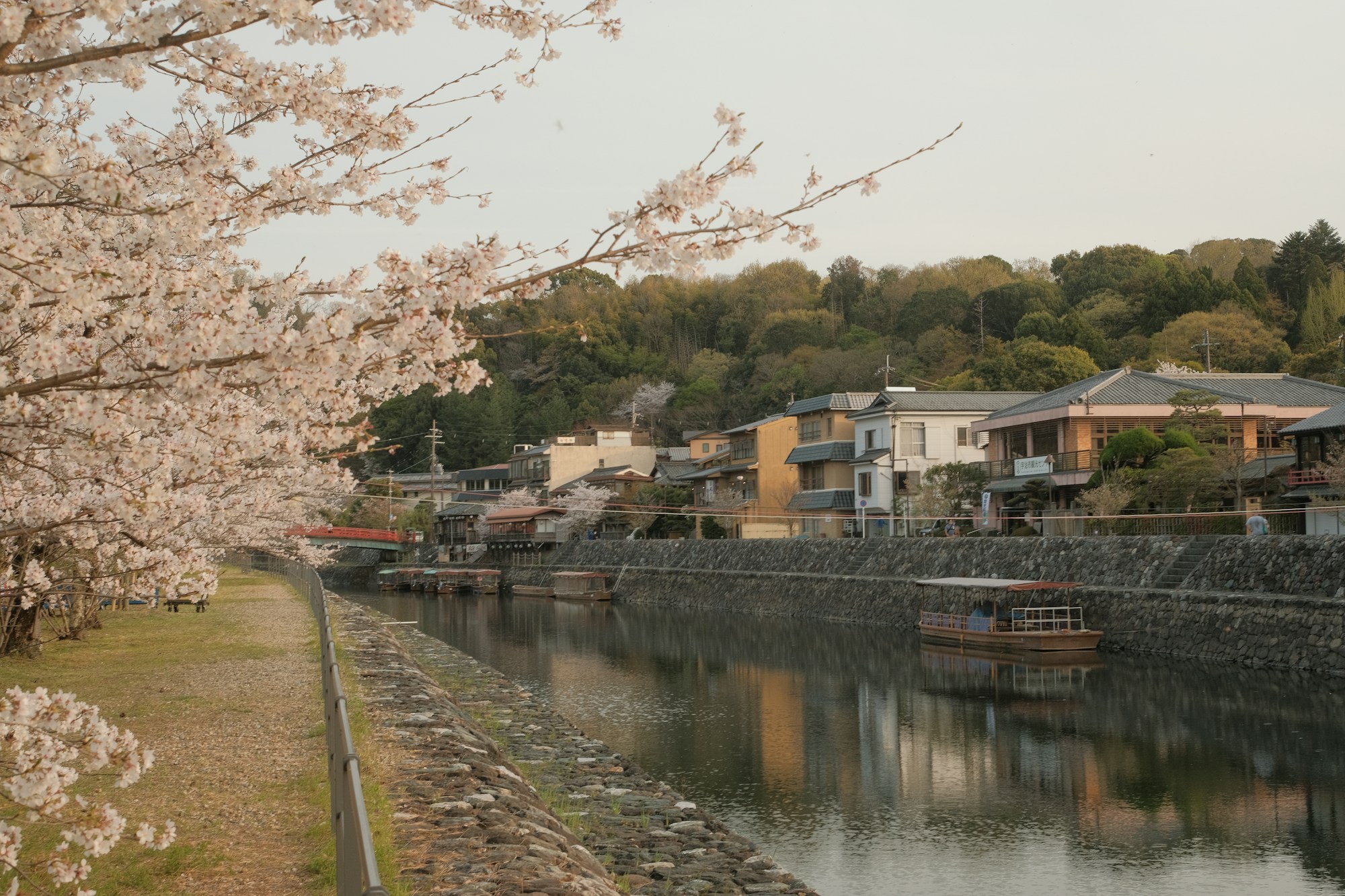
According to the latest Japan Meteorological Corporation (JMC) report published in late February 2026, Kyoto’s first blossoms are expected around March 22, with full bloom around March 31. The peak window is anticipated from March 29 to April 5 — ideal for travellers who want to avoid the crowds of the Golden Week holidays (late April–early May).
These forecasts are indicative: Japan’s spring weather is unpredictable and dates can shift by up to ten days in either direction. For Kobe (Nada), flowering follows a similar schedule to Kyoto. Check Japan Guide’s Sakura Forecast or the Sakura Navi app for real-time tracking.
Practical Tips
- Book ryokan and hotels now: properties near Fushimi or Nada sell out 6–8 weeks before peak bloom.
- A 14-day JR Pass covers Kyoto–Kobe–Osaka by Shinkansen; essential if you’re chaining all three regions.
- Weekday hanami (cherry blossom picnics) are far less crowded. Plan Tuesday or Wednesday visits.
- New in 2026: Japan’s international tourist tax increases from ¥1,000 to ¥3,000 per person. Budget accordingly.
1. Fushimi (Kyoto): Sake and Sakura Along the Canals
Fushimi Sake District
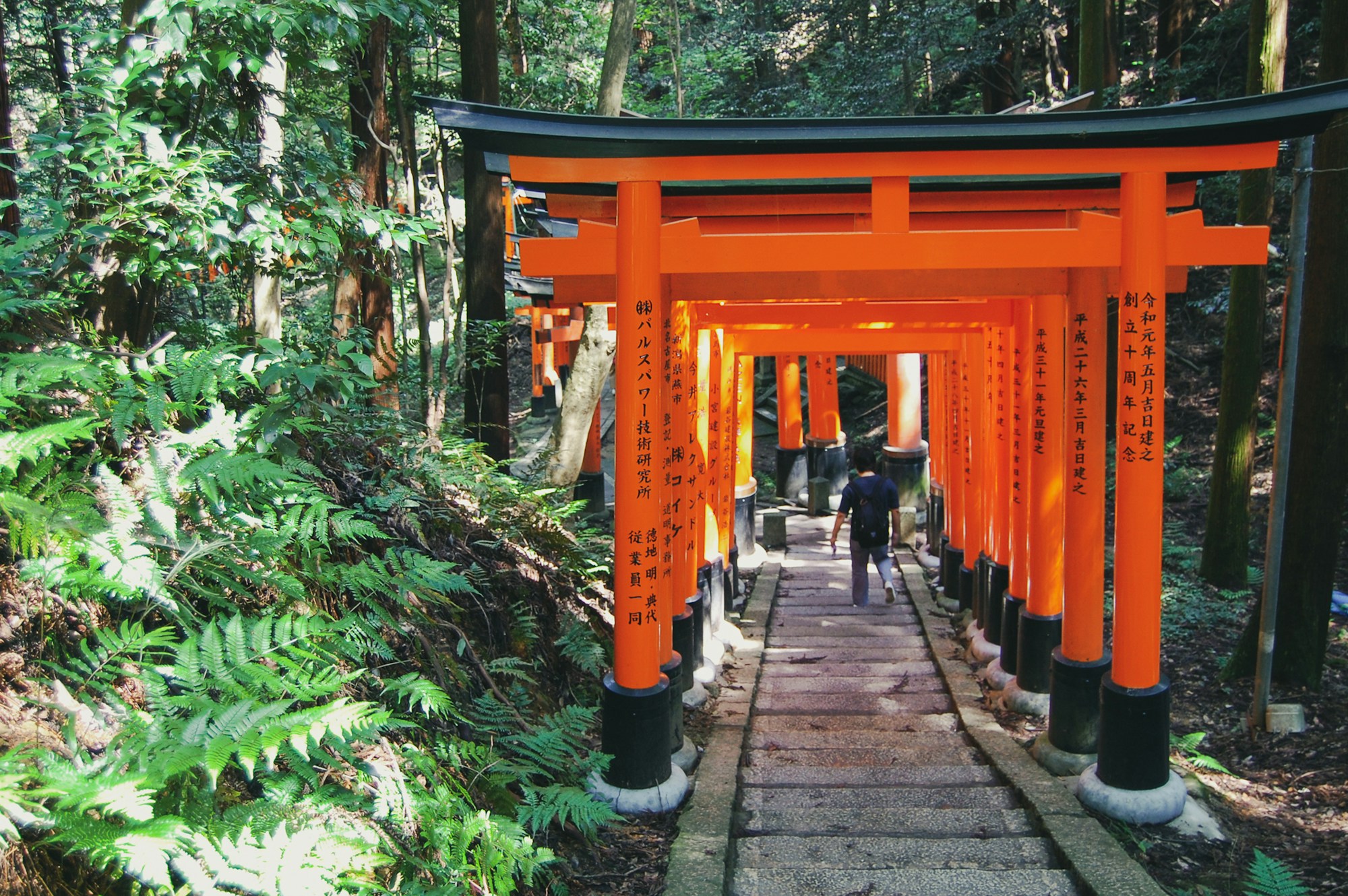
Located in Fushimi-ku, about 20 minutes by train from central Kyoto, the Fushimi Sake District is one of Japan’s two great sake production centres alongside Nada. Along the willow-lined Horikawa river, around 40 breweries draw on the Fushimi no Meisui (Fushimi’s famous spring water), a soft and mineral-rich water that produces an elegant, delicate sake — worlds apart from Nada’s robust style.
In spring, the walk along the Benten-bori canal transforms into a tunnel of pink cherry blossoms. The white timber-framed warehouses, red paper lanterns, and reflections of sakura in the dark canal water create a scene straight from a ukiyo-e woodblock print.
Must-Sees in Fushimi
- Gekkeikan Okura Museum (¥600, souvenir included): brewing tools designated as Kyoto cultural folk properties, traditional brewery atmosphere recreated.
- Fushimi Sake Festival – Gekkeikan (March 15, 2026, ¥1,800): tastings of 30+ varieties including exclusive releases, Kagami Biraki ceremony. Limited to 800 people — book now.
- Kinshi Masamune Brewery (founded 1781): free tour with tasting (except Sundays and holidays, reservation required), contemporary café in a restored warehouse.
- Kyoto Insider Sake Experience (¥5,000–8,000): guided tour by certified sake sommeliers, 18 tastings of Kyoto sake in a hidden bar. Book well in advance.
Jikkokubune Boat Cruise: Sakura from the Canals
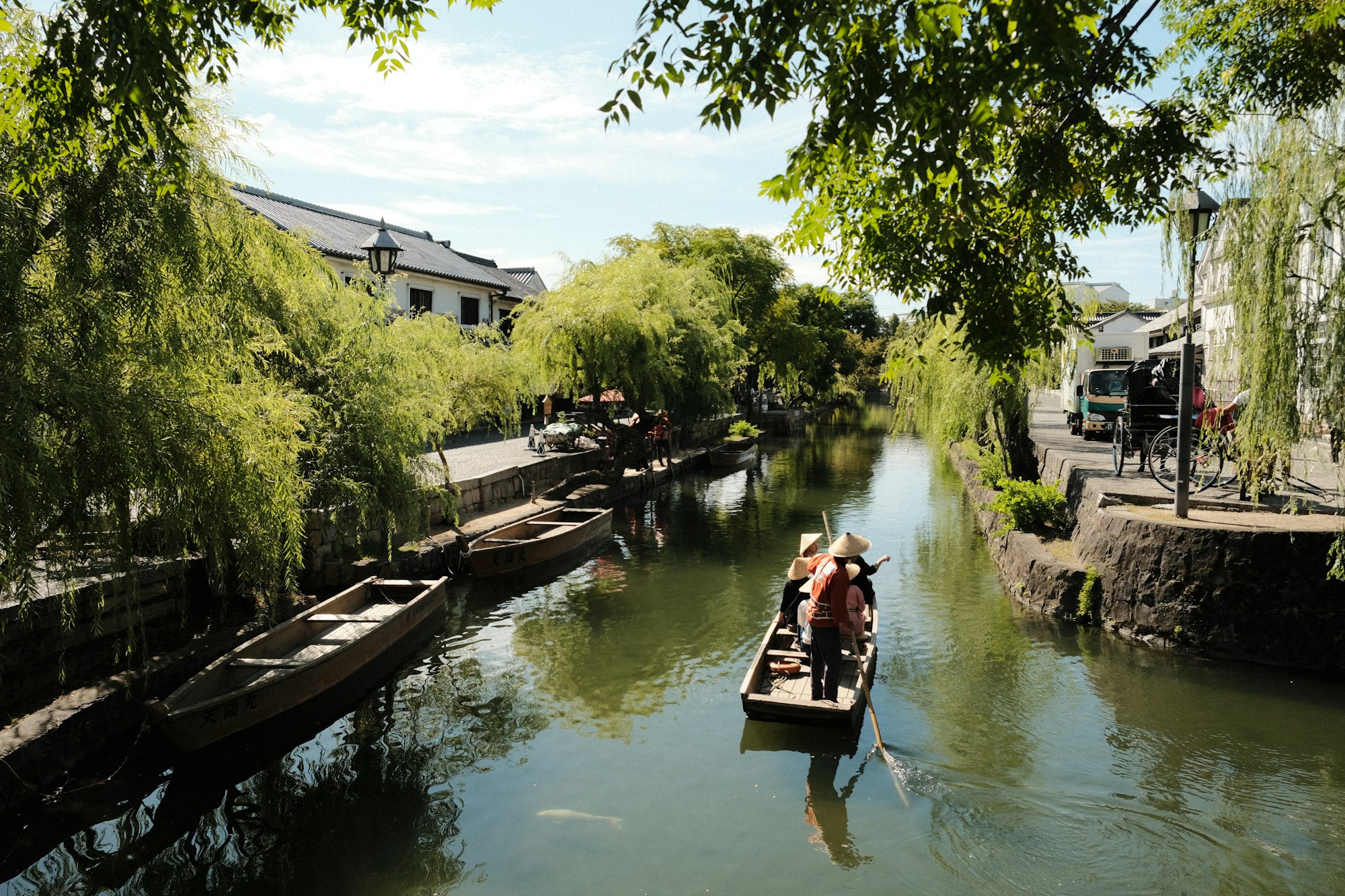
The Jikkokubune cruise follows the Hori River, the outer moat of Fushimi Castle, historically built to transport sake barrels to Osaka and Edo. In late March, fully blooming cherry trees form a pink arch over the flat-bottomed boats — an experience photographers often call « the best sakura view in Japan ».
The 55-minute tour glides past historic breweries and charming residential neighbourhoods, with a 30-minute stop at the Fushimi Museum. On weekdays the wait is manageable; on peak bloom weekends, arrive before 9:30am.
2. Nada (Kobe): The Industrial Heart of Japanese Sake
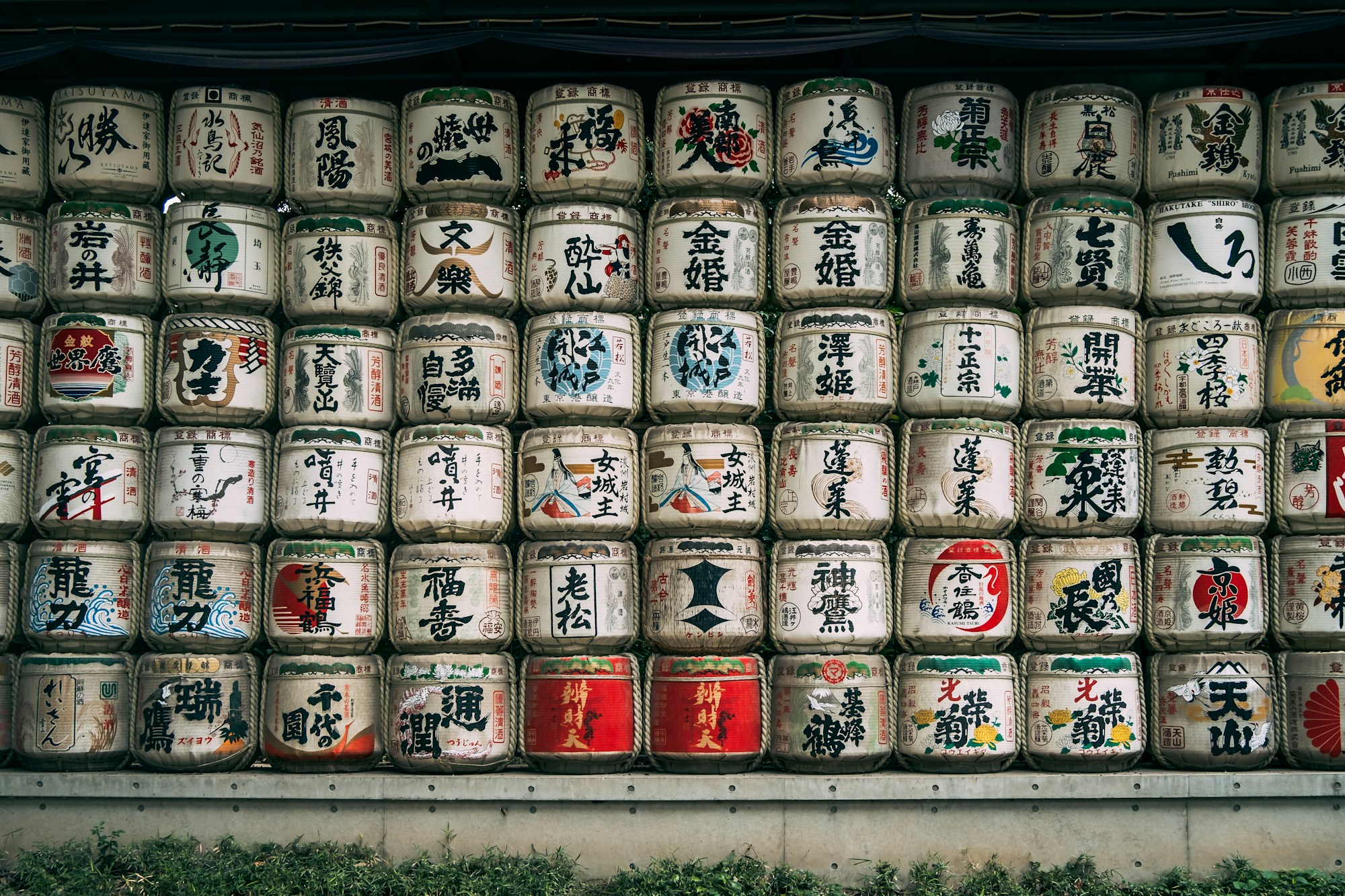
Nada-Gogo: Five Villages, One Incomparable Sake
If Fushimi is the poetic soul of Japanese sake, Nada-Gogo is its industrial backbone and temple of great production. Stretching 12 kilometres east of Kobe, this brewing district is divided into five villages (go): Nishi-Go, Mikage-Go, Uozaki-Go, Nishinomiya-Go, and Imazu-Go. Together, they produce over 30% of Japan’s national sake.
Nada’s secret lies in miyamizu, a locally sourced water rich in calcium and potassium but low in iron, combined with Yamada Nishiki rice grown in the region. This pairing creates a dry, robust, full-bodied sake — the exact opposite of Fushimi’s delicate, floral style. Since 2023, Nada has held an official Geographical Indication (GI), one of only five in Japan.
Must-See Breweries and Museums
- Hakutsuru Museum (free): traditional building with life-size brewing tool replicas, reconstructed old cellars. The most complete museum in the area.
- Sawanotsuru Museum (free, free tastings): closest museum to Sannomiya. Closed Wednesdays. Shop with sake at original prices.
- Kobe Shushinkan / Fukuju: free tour (book online 2 days ahead, except December); premium 90-min tour at ¥4,500. The Fukuju Junmai Ginjo has been served at official Nobel Prize banquets since 2008.
- Sakuraen Restaurant: sake-themed Japanese cuisine — sake-infused soups, sauces, and desserts. A unique tasting experience in the district.
Fukuju: The Nobel Prize Sake
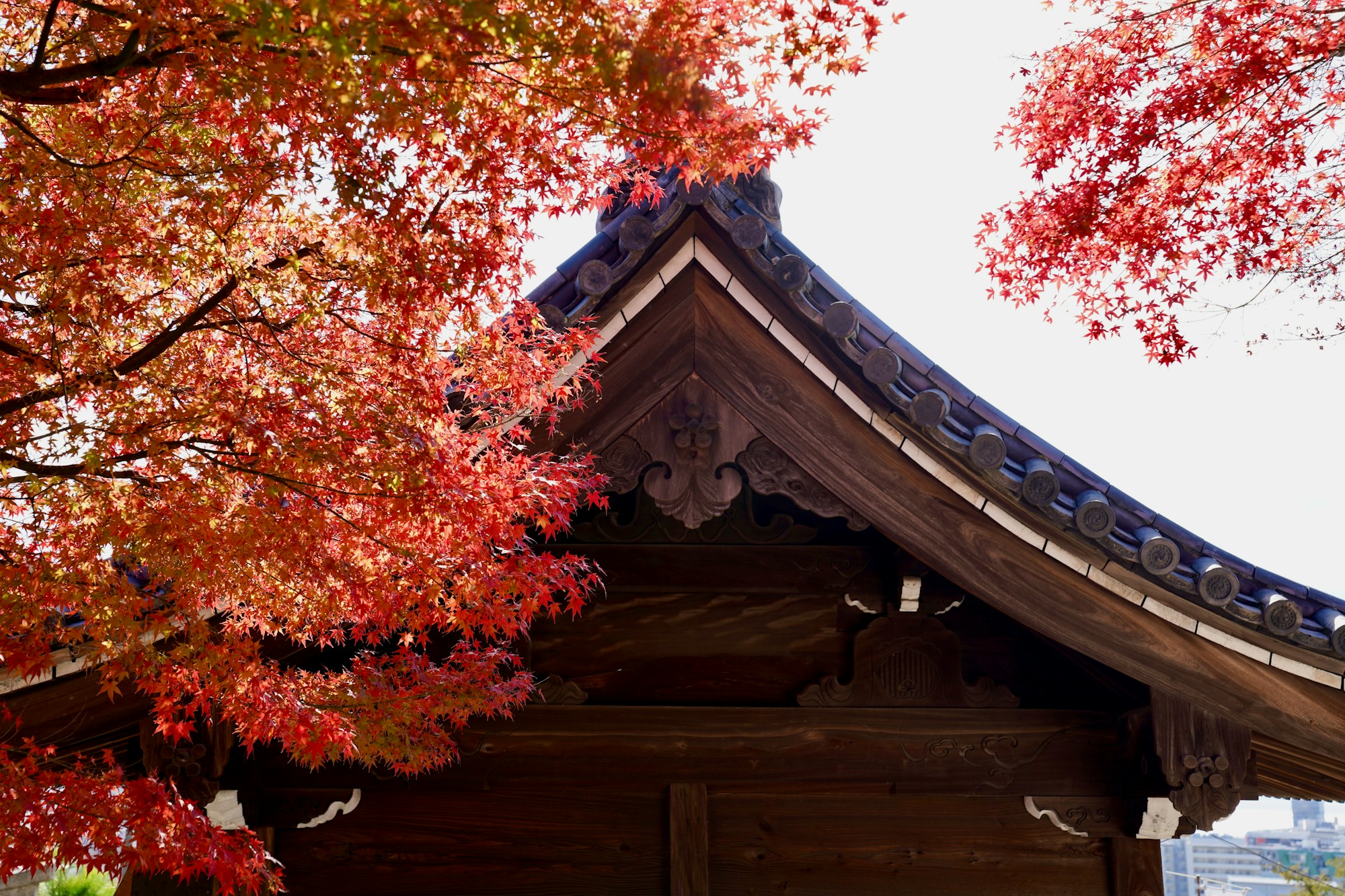
With over 270 years of history, Kobe Shushinkan brewery is the creator of the Fukuju brand, one of the world’s most respected sake labels. Since 2008, Fukuju Junmai Ginjo has been served at official Nobel Prize events in Stockholm.
In May 2025, the brewery launched a premium experience: a guided tour followed by a meticulously crafted kaiseki meal featuring Kobe Beef (¥30,000–60,000 depending on the package). For more modest budgets, the free tour is available with an online reservation 2 days in advance; the premium 90-minute tour with tastings costs ¥4,500.
Kobe Shushinkan is also a sustainability pioneer: it was the first brewery to achieve net zero carbon in sake production. In the shop, look for the Fukuju Junmai EcoZero (¥1,382 / 720ml), labelled « world’s first zero-carbon sake ».
3. Itami: The Forgotten Birthplace of Filtered Sake
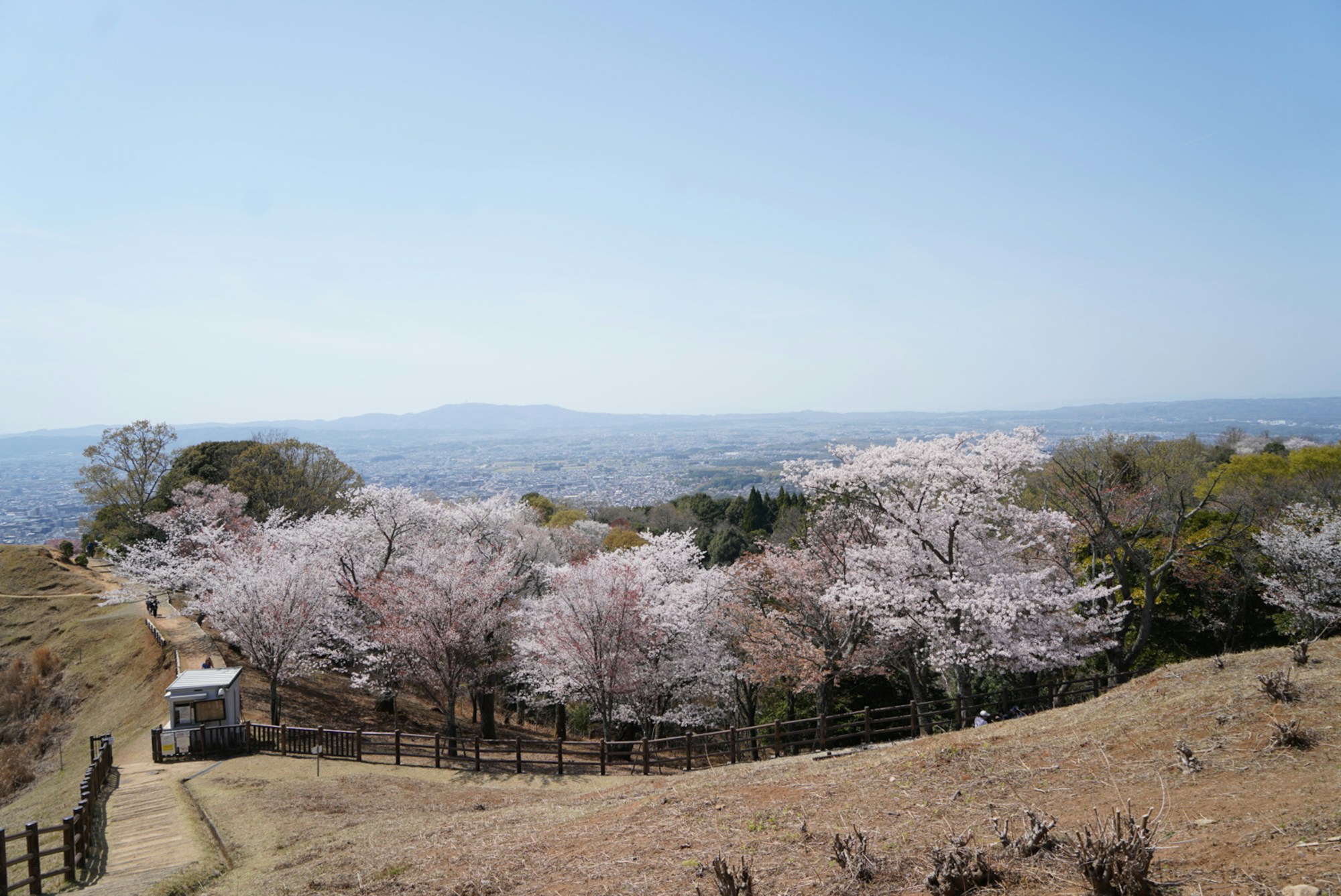
Itami, Hyogo — 15 Minutes from Osaka
Very few foreign visitors make it to Itami — and that’s precisely what makes it a hidden gem. This city in Hyogo Prefecture is considered the birthplace of clear sake (seishu), the transparent sake we all know today. It was here, around the year 1600, that a brewer is said to have developed the filtration technique that created the clear style, replacing the turbid versions of earlier eras.
The Former Okada Residence and Sake Brewery, built in 1674 and designated an Important Cultural Property of Japan, served as a brewery for over 300 years until 1984. Its interior is open to the public free of charge. In 1697, 24 Itami sake houses were granted the right to wear swords and designated to supply sake to the Edo shogunate — the legendary Gomen-shu.
Things to Do in Itami
- Former Okada Residence (free): one of the few surviving 17th-century breweries, with all structures intact.
- Konishi / Choujugura Brewery: artisanal sake tasting for under ¥1,000.
- JR Itami Station Tourist Gallery: local brands Shirayuki and Oimatsu available for ¥100 per tasting — perfect for souvenirs.
- Itami–Nada-Gogo guided tour: agencies offer combined day trips from Osaka (¥8,000–15,000 all-inclusive, reservation required).
Budget Comparison: 4 Destinations, 3 Profiles
| Destination | Budget traveller (¥) | Comfort budget (¥) | Premium budget (¥) |
|---|---|---|---|
| Fushimi (Kyoto) | ¥3,000–5,000 Gekkeikan Museum + 2 tastings + transport | ¥6,000–9,000 + Kyoto Insider Tour + Jikkokubune cruise | ¥10,000–15,000 + canalside ryokan + kaiseki dinner |
| Nada-Gogo (Kobe) | ¥2,000–4,000 Free museums + free tastings + simple lunch | ¥5,000–8,000 + Fukuju premium tour ¥4,500 + Sakuraen | ¥15,000–30,000 + Fukuju Kobe Beef kaiseki |
| Itami | ¥1,500–3,000 Okada Residence (free) + Choujugura tasting | ¥3,000–6,000 + traditional meal + station shop purchases | ¥8,000–15,000 Private guided Itami-Nada day trip |
| Saijo (Hiroshima) — bonus | ¥4,000–7,000 Train from Hiroshima + free Sakagura-dori tastings | ¥7,000–12,000 + 7-brewery guided tour ¥3,000–5,000 | ¥12,000–20,000 + on-site ryokan + brewery meal |
Average daily cost in Japan 2026: ¥46,000–85,000 (approx. €310–570) including accommodation. Sake tasting alone: ¥1,500–3,000 per brewery visit. Tourist tax: ¥3,000/person (from 2026).
Bonus: Saijo (Hiroshima) — Japan’s Third Sake Capital
If your trip takes you to Hiroshima, a 35-minute train detour to Saijo (Higashi-Hiroshima) is well worth it. Listed alongside Fushimi and Nada as one of Japan’s three great sake-producing regions, Saijo is less known to foreign visitors — and that’s its whole charm.
The main street, Sakagura-dori (Brewery Street), became a national historic site in 2024. The 19th-century breweries with their red-brick chimneys and white-walled buildings form a unique streetscape. In March–April, surrounding cherry trees complete the picture. Entry is free and tastings at most breweries are free or symbolic (¥200–500 per glass).
A 2-hour guided tour through 7 major breweries is available for ¥3,000–5,000 and includes interpretation. Saijo sake, brewed with soft spring water using the ginjo-zukuri method, is described by local producers as « onna-zake » (feminine sake) — delicate, refined, and floral, the opposite of Nada’s bold style.
Frequently Asked Questions about Japan Sake and Sakura Travel
When is the best time to visit Fushimi and Nada for spring 2026?
According to the Japan Meteorological Corporation’s February 2026 forecasts, full cherry blossom in Kyoto is expected around March 31, with a peak window from March 29 to April 5. For Kobe (Nada), dates are similar. The ideal window is therefore March 28 to April 6, 2026. Avoid extreme weekends (April 1–2) for less crowded sites; choose weekday mornings for the Jikkokubune cruise at Fushimi.
Do I need to book brewery tours in advance?
Yes, for most structured experiences. The Kyoto Insider Sake Experience at Fushimi (18 tastings, 2.5h) books out weeks in advance — morning slots disappear fast. Fukuju brewery in Nada requires an online reservation 2 days ahead for the free tour (and 2 weeks for the Kobe Beef kaiseki). The Gekkeikan Festival on March 15 is limited to 800 people with advance tickets. Free museums (Hakutsuru, Sawanotsuru, Okada Residence in Itami) require no booking.
What is the difference between Fushimi sake and Nada sake?
The fundamental difference is in the water. Fushimi uses the Fushimi no Meisui, soft spring water that promotes slow fermentation and produces sake described as « nyu-ichi » — soft, delicate, elegant, perfect for newcomers. Nada uses miyamizu, a mineral-rich water that accelerates fermentation and creates a dry, robust, full-bodied sake — prized by connoisseurs and food pairings. The town of Itami, meanwhile, gave birth to the clear filtered sake (seishu) we know today, around the year 1600.
How do I travel between Fushimi, Nada and Itami by public transport?
All three regions are perfectly linked by public transport from Kyoto or Osaka. Fushimi is 15–20 min from Kyoto Station (Kintetsu line, ¥200–320). Nada (Kobe) is 20–30 min from Osaka–Sannomiya by Shinkansen or Hanshin Line (¥280–1,000). Itami is 15 min from Osaka by JR Takarazuka Line (¥240). A 7-day JR Pass (~¥50,000) becomes worthwhile if you also visit Hiroshima (for Saijo) or Tokyo. None of these destinations requires a car.
Is sake tourism accessible to beginners with no prior knowledge?
Absolutely. Fushimi’s breweries and Nada’s museums offer explanations in English and guided tastings designed for newcomers. The Kyoto Insider Sake Experience is particularly beginner-friendly: certified sommeliers start with the basics (sake types, flavour vocabulary) before the tastings. Hakutsuru and Sawanotsuru museums in Nada offer free tastings with multilingual information sheets. If you don’t know where to start, a fruity, soft junmai ginjo from Fushimi is often the crowd-pleaser for first-time visitors.
What is the total budget for a 5-day sake and sakura trip to Japan?
For a 5-day trip (Fushimi + Nada + Itami, flights excluded), budget approximately: accommodation ¥12,000–20,000/night in a decent ryokan or hotel (¥60,000–100,000 total); local transport ¥8,000–15,000; visits and tastings ¥15,000–40,000; meals ¥3,000–8,000/day (¥15,000–40,000). Total excluding flights: ¥100,000–200,000 (approx. €670–1,350) depending on choices. The 2026 tourist tax is ¥3,000/person. A 7-day JR Pass (~¥50,000) becomes worthwhile if combining with other cities (Hiroshima, Tokyo).
Sources
- Japan Guide — Fushimi Sake District — Complete description, breweries and access
- Kyoto Insider Sake Experience — Guided tours by international sake sommeliers
- Japan Cheapo — Gekkeikan Sake Festival 2026 — Festival details March 15, 2026
- Japan Guide — Nada Sake Breweries — Map and description of Nada breweries
- All About Japan — Nada-go-go — Five villages and the miyamizu water
- Fukuju / Kobe Shushinkan — Official Tours — Reservations and official pricing
- att.JAPAN — Itami Sake History — History and sites of filtered sake’s birthplace
- Timeout Tokyo — Japan Cherry Blossom Forecast 2026 — Official JMC forecasts
- Gov-Online Japan — Saijo Sake Region — 2024 national designation and sake profile
Research conducted on March 5, 2026 — 78 sources consulted.
Ready to Plan Your Sake and Sakura Trip to Japan?
Fushimi, Nada, Itami — these three regions form the historic and culinary heart of Japanese sake culture. Combine them with the magic of late March cherry blossoms for an unforgettable spring 2026 journey. Explore our complete itineraries to organise your Japan trip, week by week.
Explore all Pixidia Itineraries