

Her name is Banthat Thong, and the Bangkokians have nicknamed her « Yaowarat 2 ». While tourists queue for hours on Yaowarat Road, the real foodies have migrated to this 2.2-kilometer stretch in the heart of Pathum Wan. But Bangkok still holds plenty of other culinary secrets that even the most up-to-date travel guides struggle to document. Here is the insiders’ circuit for 2026: neighborhoods where you pay in bahts, not euros, and where the menu is sometimes only in Thai.
1. Banthat Thong Road: Bangkok’s New Street Food Capital
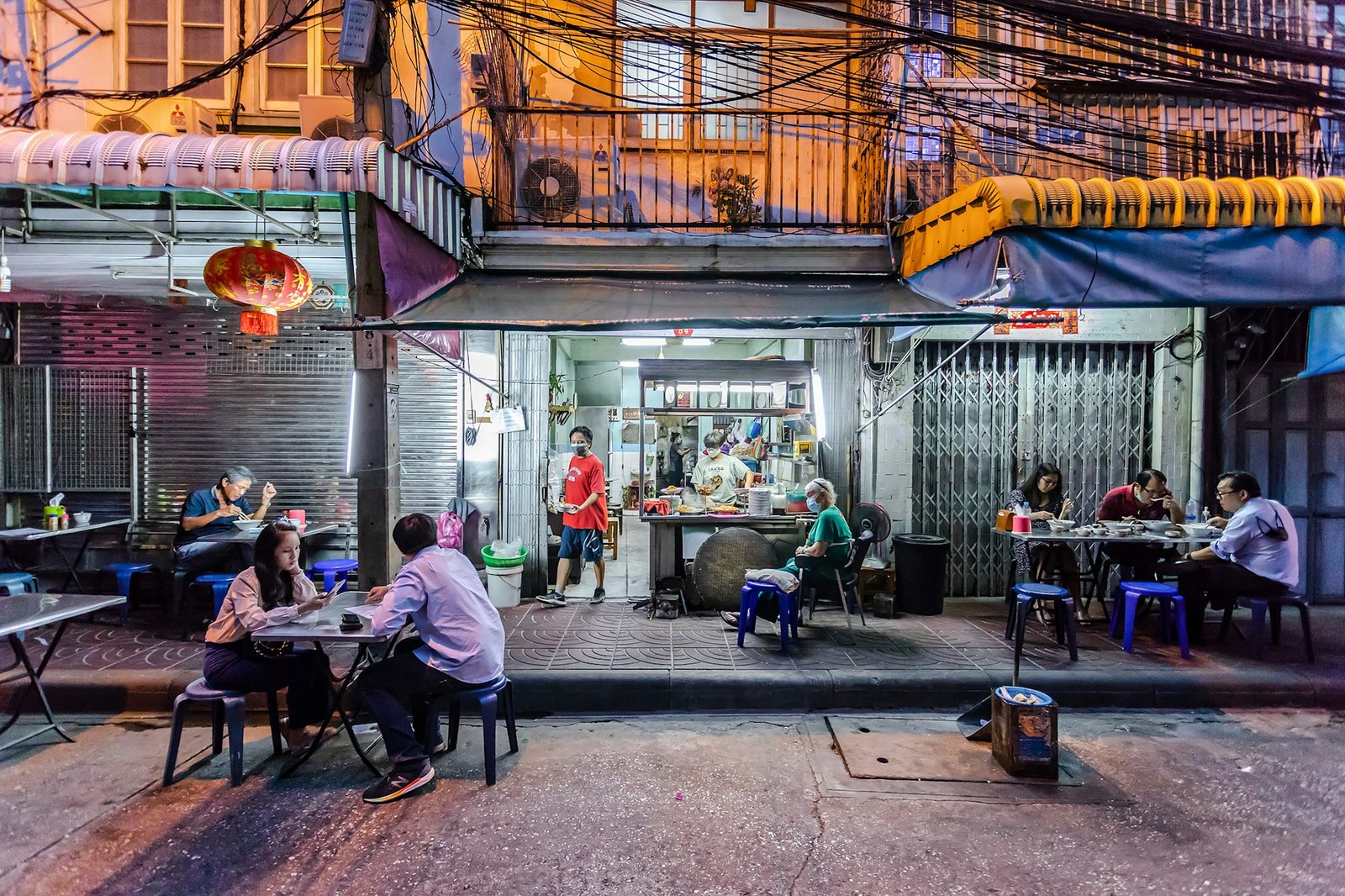
Banthat Thong Road, Pathum Wan
Ranked 14th coolest street in the world by Time Out, Banthat Thong Road stretches 2.2 kilometers from the Rama IV Road intersection through the districts of Pathum Wan and Ratchathewi. Long confined to sportswear shops and auto parts dealers, it underwent a culinary transformation after the Covid-19 pandemic, absorbing the overflow from Chinatown and benefiting from a redevelopment project led by Chulalongkorn University.
The street divides into three distinct atmospheres: around « Stadium One » you encounter a purely local crowd; near the Jeh Oh restaurant, tourists begin to trickle in; and at the Rama IV intersection, it becomes a paradise for office workers flooding in for dinner. According to Khaosod English, the district counts around 378 food establishments, with monthly rents ranging between 50,000 and 70,000 baht depending on location.
Must-Tries on Banthat Thong
- Jeh Wan – the go-to for Thai-Chinese desserts, customizable hot or cold with fruits, beans and tofu pudding
- Sane Larb Koi – an Isaan restaurant with bold Isaan flavors, a favorite among Chula students
- หลุยวาณิชย์ (Louis Vanich) – the neighborhood canteen for a comforting kaotom, beloved by locals for years
- Zapponfai – a hidden gem just off Banthat Thong, frequented exclusively by Bangkokians
Getting there: BTS National Stadium (W1) or BTS Ratchathewi, then 10 minutes on foot. Best hours: 5pm–11pm.
2. Jeh O Chula: The Michelin Bib Gourmand with a Legendary Queue
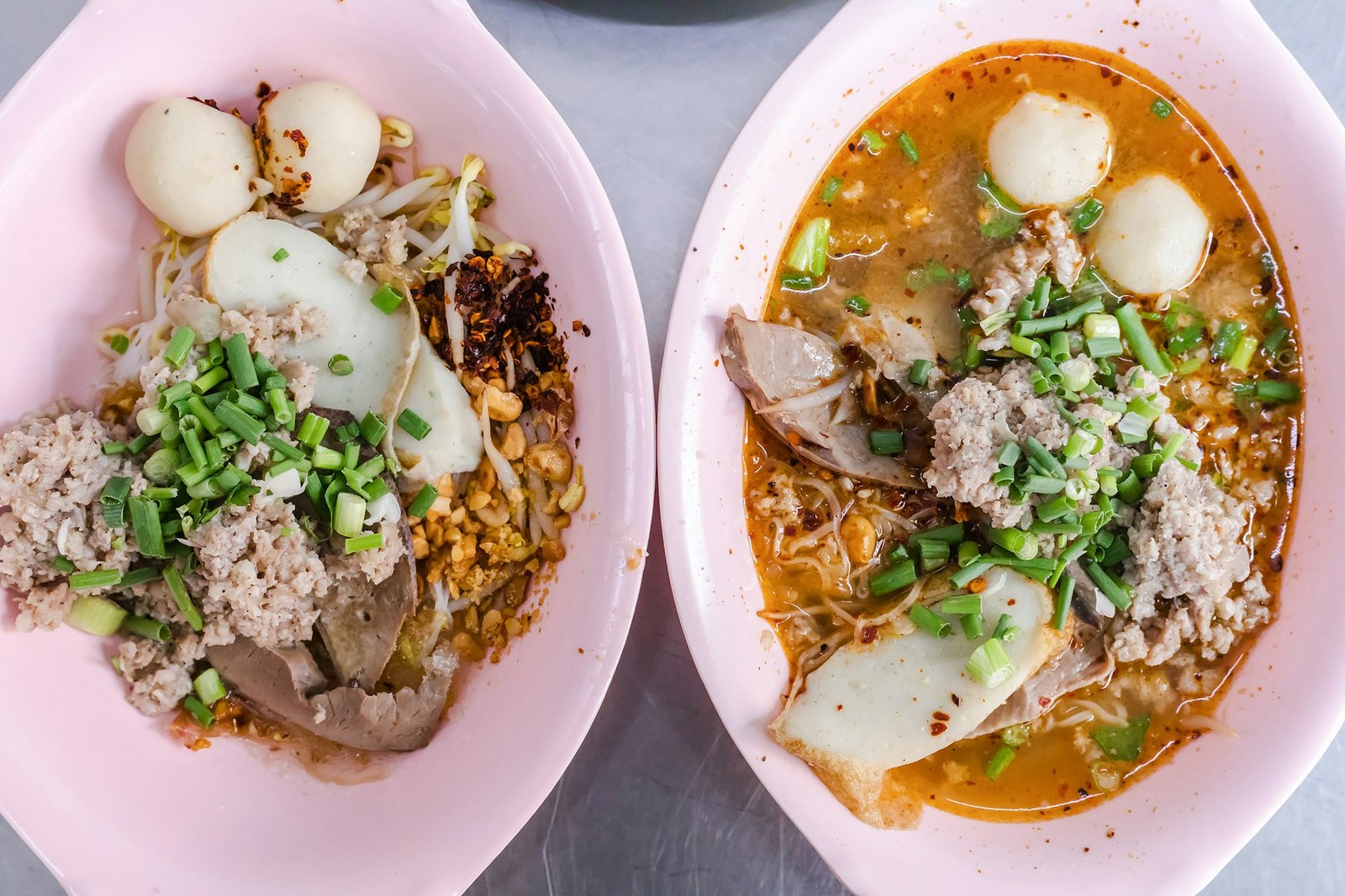
Jeh O Chula, Charat Mueang Alley, Pathum Wan
Awarded the Michelin Bib Gourmand 2025, Jeh O Chula has become a phenomenon of Bangkok street gastronomy. The undisputed star of the menu: the Tom Yum Mama, a large pot of instant noodles in a generous tom yum broth, topped with shrimp, squid, crispy pork belly, meatballs and raw eggs. For the adventurous, the salmon in Thai sauce (~250 baht) adds a spicy and tangy kick to thick slices of fresh salmon.
What makes Jeh O unique is the rare combination of affordable prices and international recognition. According to the Chueon It blog, the queue can stretch to six hours on some evenings. It is only after 11pm that the restaurant begins serving its best-sellers.
Why It’s Unique
- One of the rare street restaurants to combine foodie pricing (220–320 THB) with international Michelin recognition
- Tom Yum Mama has become a viral classic on Asian social media
- Mixed clientele: Chula students, office workers, savvy tourists
3. Sam Yan: Chulalongkorn’s Culinary Playground
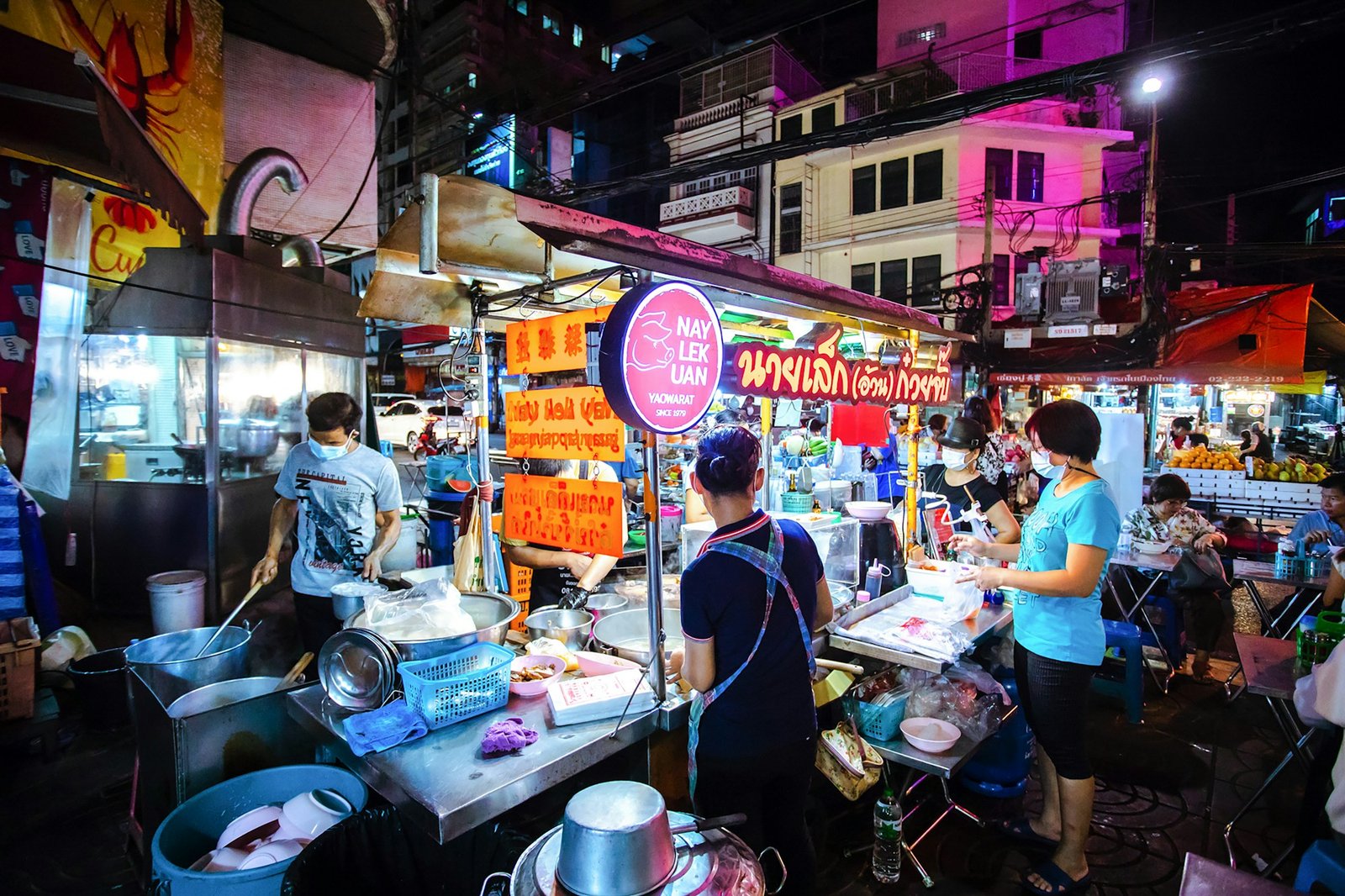
Sam Yan, Pathum Wan — MRT Samyan Station (Exit 2)
Less than a kilometer from Banthat Thong, Sam Yan is a historic community directly connected to the neighborhood’s street food scene. Little known to tourists, this area is frequented by Chulalongkorn students and local residents who know their favorite spots by heart. Samyan Mitrtown, the local shopping center, embodies the « Urban Life Library » concept with a zone open 24/7 — extremely rare in Bangkok.
Among the neighborhood’s stars: Somtam Jay Daeng for Isaan-style papaya salads, Nai Song Moo Satay for perfect pork skewers, and Joke Samyan, the congee specialist that is always packed. The Sam Yan Morning Market (Talat Sam Yan, Soi Chula 9) is worth a visit from 6am for its breakfast circuit.
Iconic Addresses
- Somtam Jay Daeng – papaya salads and grilled meats Isaan-style
- Joke Samyan – legendary congee (rice porridge), packed from opening time
- Samyan Food Legends (4th floor) – iconic street vendors from old Sam Yan gathered in an air-conditioned food court
4. Talat Noi: Street Art and Street Food in the Same Alley
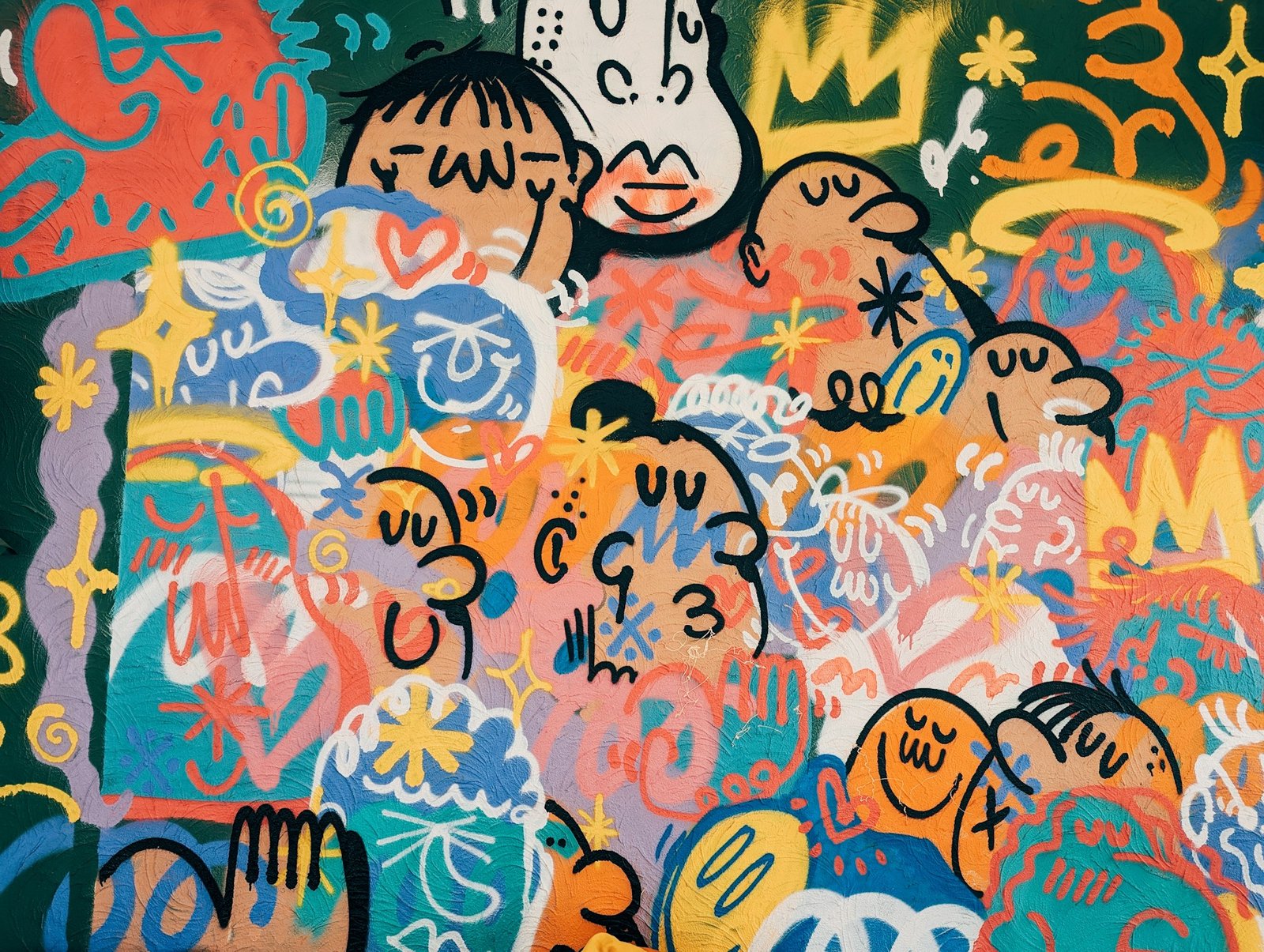
Talat Noi, riverside neighborhood south of Chinatown
Talat Noi is one of Bangkok’s most underrated neighborhoods. According to Passport & Stamps, the former smell of motor oil from auto parts workshops suddenly mingles with the aroma of specialty coffee — that is the neighborhood’s absolute signature. In 2024, a wave of revitalization transformed these historic alleyways into havens for fans of underground culture, street art and indie creativity.
It all began with the Buk Ruk festival in 2016, when local and international artists such as Alex Face, Lolay and Sabek covered the walls of Charoenkrung Soi 32 with monumental murals. On the culinary side, the lively roundabout of Soi Wanit 2 (near the Holy Rosary Church) hosts dozens of street food carts arranged around a dragon sculpted from kitchen utensils.
Not to Be Missed
- Trok San Chao Rong Kueak – hidden artworks that most tourists miss, found by venturing beyond Soi 32
- Mother BKK – fine dining restaurant in a converted garage, creative Thai cuisine (1,000–3,000 THB)
- Soi Wanit 2 street food – local carts serving neighborhood classics from 40 to 120 THB
5. Ari: The Hipster Neighborhood That Keeps Its Local Soul
Ari, north-central Bangkok — BTS Ari Station (N5)
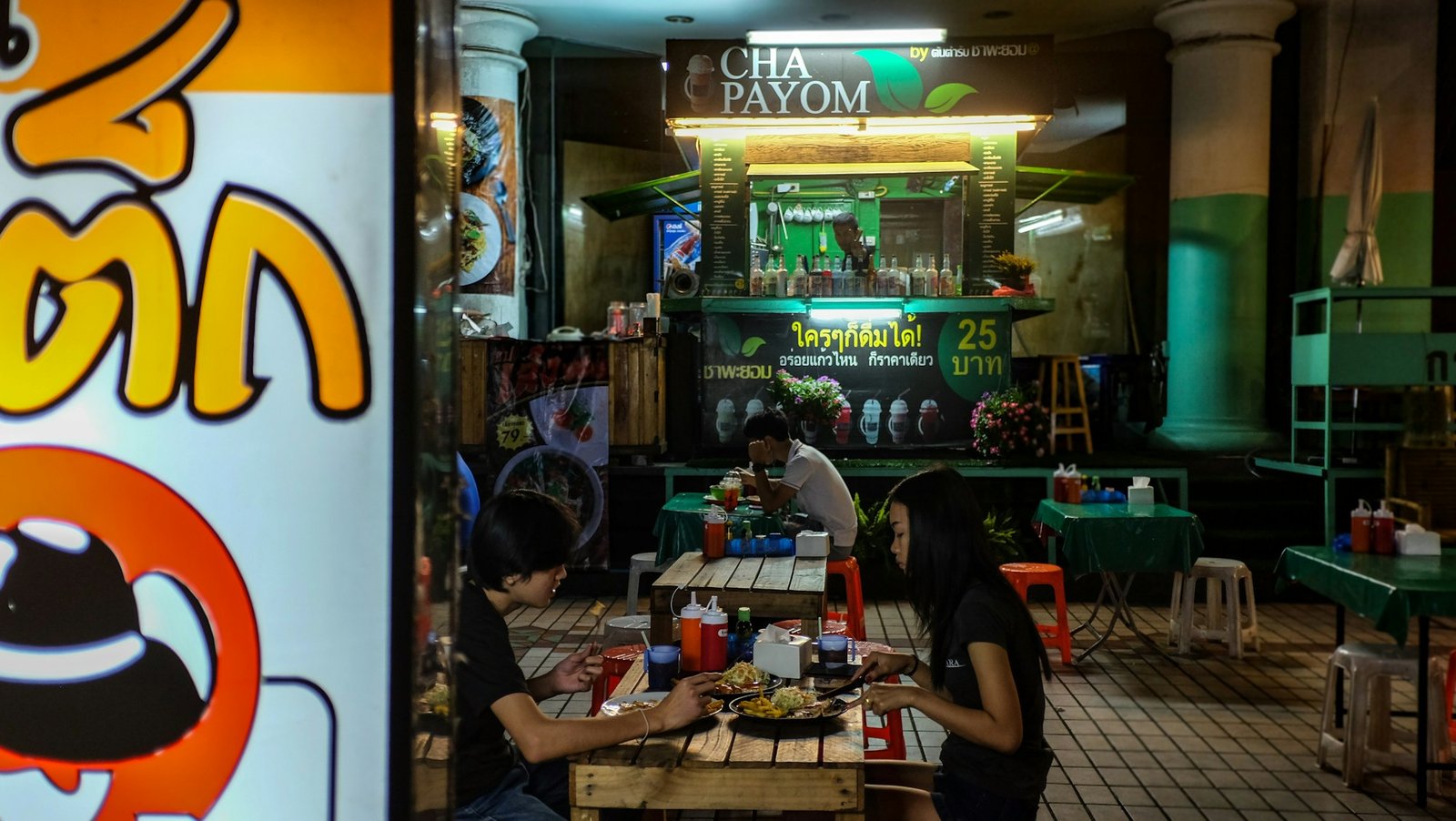
Ari is not just hipster — it is a harmonious coexistence of old and new. Authentic street food stalls thrive in the shadow of aesthetic coffee shops, each serving their own loyal regulars. The neighborhood shifts personality throughout the day like a chameleon: a lively morning market, an express lunch rush, afternoon café-hopping, then a relaxed evening scene.
The neighborhood’s absolute star: Ong Tang Khao Soi, awarded a Michelin Bib Gourmand and renowned for serving one of Bangkok’s best khao soi (coconut curry noodles). A lasting trend is also taking hold here: according to Agent Condo, many establishments source their ingredients from local farms in a genuine farm-to-table approach.
Addresses Worth Trying
- Ong Tang Khao Soi – Michelin Bib Gourmand, best khao soi in Bangkok according to those in the know
- Ari Night Market – street food stalls from 30–60 THB, relaxed atmosphere
- Sois 1 to 7 – café-hopping with specialty coffee shops, 100–200 THB per cup
6. Phra Khanong & On Nut: The Locals’ Hideout on Sukhumvit
Phra Khanong & On Nut (Soi 77) — BTS Phra Khanong & On Nut
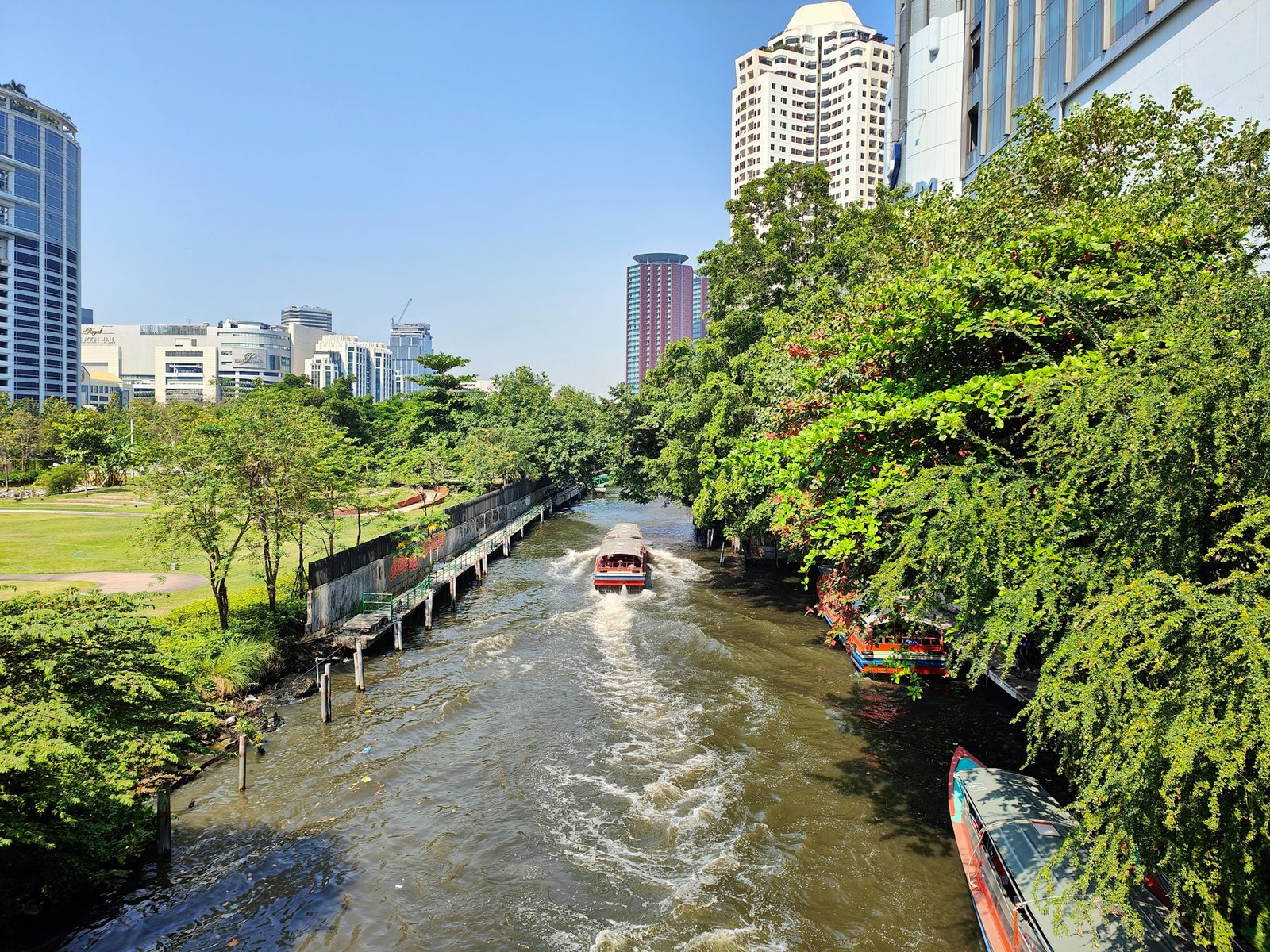
Phra Khanong is one of Bangkok’s most underrated neighborhoods — the perfect balance between local authenticity and urban convenience. According to Bangkok Apartments, what makes Phra Khanong so appealing is the coexistence of old and new: a local market runs alongside the canal near the pier, and that is something Bangkok visitors rarely get to see up close. The W District — beer garden, street food and arts space — is the neighborhood’s social hub.
At On Nut (Soi 77), do not miss the 40-year-old fish ball stall on Sukhumvit 77, whose owner represents the 5th generation of the same family trade. According to Miss Tam Chiak, their pork trotters over rice (35–55 baht) and offal soup are hidden treasures of Bangkok. Compared to central Sukhumvit, Upper Sukhumvit is significantly cheaper and offers genuine Thai authenticity.
Highlights of Both Neighborhoods
- W District (Phra Khanong) – beer garden, street food and outdoor art, the neighborhood’s social heart
- Canal Market (Phra Khanong pier) – local market ignored by tourist circuits, boat ride for 50 THB
- Soi 77/1 (On Nut) – 40-year-old family stall, pork trotters over rice at 35–55 THB
7. Songwat Road & Khlong Ong Ang: Bangkok’s New Nighttime Scenes
Songwat Road (parallel to the Chao Phraya) + Khlong Ong Ang Walking Street
Songwat Road, a former strip of riverside warehouses, has become a creative weekend enclave since 2024. On weekends, the Pink Rabbit Café draws visitors with its retro tea room decor and creamy cheesecake (~150 THB), while creative hubs like « Made in Song Wat » offer artisan workshops. Coffee spots such as Casa Formosa Taiwan Tea House serve top-quality oolong (~200 THB) in an intimate riverside setting.
Khlong Ong Ang Walking Street, fully renovated in 2024 with its canals cleaned and new bridges installed, now hosts bars, restaurants and live music by the waterside. Once a polluted ditch, this canal underwent a spectacular makeover according to Knycx Journeying. Acoustic sets reflect off the calm canal waters — one of the most remarkable urban transformations in Bangkok in recent years.
What to Discover at Both Spots
- Songwat Road – converted warehouses, creative cafés, stroll along the Chao Phraya
- Khlong Ong Ang – renovated canal, live music, street food, waterside murals
- Pink Rabbit Café – retro tea room, creamy cheesecake at ~150 THB
Practical Guide: Which Neighborhood Suits Your Profile?
| Neighborhood | Budget/day | Authenticity | Tourists | Transport | Best hours |
|---|---|---|---|---|---|
| Banthat Thong | 400–700 THB | ⭐⭐⭐⭐⭐ | Moderate | BTS National Stadium | 5pm–11pm |
| Sam Yan | 300–600 THB | ⭐⭐⭐⭐⭐ | Low | MRT Samyan | 6am–10am & 5pm–9pm |
| Talat Noi | 400–800 THB | ⭐⭐⭐⭐⭐ | Moderate | MRT Hua Lamphong | 9am–9pm |
| Ari | 500–900 THB | ⭐⭐⭐⭐ | Low | BTS Ari | 7am–11pm |
| Phra Khanong | 300–600 THB | ⭐⭐⭐⭐⭐ | Very low | BTS Phra Khanong | 4pm–10pm |
| On Nut | 300–600 THB | ⭐⭐⭐⭐⭐ | Very low | BTS On Nut | 6pm–11pm |
| Songwat Road | 400–700 THB | ⭐⭐⭐⭐ | Low | Boat / Taxi | Weekend 10am–8pm |
| Khlong Ong Ang | 250–500 THB | ⭐⭐⭐⭐ | Moderate | MRT Sanam Chai | 5pm–11pm |
Suggested 3-Day Foodie Itinerary
Day 1 — Banthat Thong & Sam Yan
Morning: Sam Yan morning market (6am–9am), breakfast circuit with congee and skewers. Lunch: Joke Samyan or Somtam Jay Daeng for Isaan flavors. Afternoon: Exploration of Banthat Thong Road, discovering under-the-radar stalls (Zapponfai, Louis Vanich). Evening: Jeh O Chula with a Klook reservation. Dessert: Jeh Wan for Thai-Chinese sweets.
Day 2 — Talat Noi & Songwat Road
Morning: Coffee in a converted garage in Talat Noi (Mother BKK or one of the neighborhood’s specialty cafés). Lunch: Street food at the Soi Wanit 2 roundabout. Afternoon: Street art along Charoenkrung Soi 30 and hidden alleyways of Trok San Chao Rong Kueak. Evening: Stroll along Songwat Road, oolong at Casa Formosa, sunset over the Chao Phraya.
Day 3 — Ari & Phra Khanong / On Nut
Morning: Khao Soi at Ong Tang in Ari (Michelin Bib Gourmand). Afternoon: Café-hopping through Ari Sois 1–7. 4pm: BTS to Phra Khanong, canal market and boat ride (50 THB). Evening: W District beer garden + local street food. Bonus: A stop at On Nut Soi 77/1 for the 5th-generation fish balls.
Frequently Asked Questions About Bangkok Street Food
What is the best time to explore Bangkok’s street food scene?
The best period is November to February, the cool and dry season. Temperatures are more pleasant (25–32°C), humidity is manageable and rain is rare. November is particularly enjoyable: tourist crowds have not yet peaked and the Loy Krathong festival lights the canals with floating lanterns. According to GoTrippier, this season offers the best balance between weather comfort and cultural energy for on-foot foodie explorations.
Do you need to speak Thai to order at Banthat Thong stalls?
No, it is not essential. Most vendors understand gestures — pointing at a photo on your phone works perfectly. GEOS Thai Guide recommends learning a few key words: aroy mak (very delicious), pet nit noi (a little spicy) and mai pet (not spicy). No English menus are available at most stalls, but that is precisely what makes the authentic experience so charming.
Is Banthat Thong really less touristy than Chinatown (Yaowarat)?
Yes, significantly. Banthat Thong sees 4 times fewer visitors than Yaowarat at peak times, according to Nation Thailand. At 7pm on a weekday, you mostly encounter Thai office workers, Chulalongkorn students and neighborhood residents. The majority of tourists never venture beyond Yaowarat, which preserves a rare authentic atmosphere in such a popular capital city.
How do you avoid long queues at Jeh O Chula?
Three effective strategies. First: book via Klook or the QueQ app — you wait just 10 minutes instead of 2 to 6 hours. Second: arrive late in the evening, after 11pm, when the queue starts to thin and the best-sellers finally reach the tables. Third, according to Chueon It: wait at a nearby drinks stall after picking up your queue number, rather than standing in line the whole time.
What budget should you plan for a 5-day street food trip to Bangkok?
For a 5-day foodie trip exploring the neighborhoods in this guide: accommodation 600–1,500 THB/night (hostels to budget hotels), street food 500–1,000 THB/day, BTS/MRT transport 100–200 THB/day. Estimated total budget: 6,000–15,000 THB (160–400 €). Neighborhoods like Phra Khanong, On Nut and Sam Yan offer the best value for money — expect to pay 35 to 80 THB for a full dish at local stalls.
Are these neighborhoods easily accessible by public transport?
Yes, almost all of them. Banthat Thong: BTS National Stadium (W1), then 10–15 minutes on foot via Chulalongkorn’s sois. Sam Yan: MRT Samyan, Exit 2. Talat Noi: 15 minutes on foot from MRT Hua Lamphong. Ari: BTS Ari (N5). Phra Khanong: BTS Phra Khanong. On Nut: BTS On Nut. For Songwat Road, opt for a taxi or river boat from Tha Tien pier. According to Your Thai Guide, the BTS/MRT network covers the majority of these spots for 100–200 THB per day.
Is the Banthat Thong scene in decline?
The scene is facing challenges: following various rumors and a difficult tourism environment, footfall dropped from a peak of 15,000–30,000 people per day to 2,000–5,000 according to Nation Thailand. Paradoxically, this makes it an ideal time to visit: the authenticity still holds, queues are shorter, and Thailand has ambitious plans to turn it into a global street food hub with nighttime festivals. Visit in 2026 before commercialization accelerates.
How do you eat responsibly in these neighborhoods?
Eating off the beaten path in Bangkok is naturally sustainable. Small family restaurants and street vendors rely on regular local customers — money stays in the community. In Ari, according to Agent Condo, many establishments source their ingredients from local farms. Practically speaking: bring your own bags, refuse unnecessary plastic packaging, and prefer QR code payments to directly support independent vendors.
Sources
- Nation Thailand — Banthat Thong: Bangkok’s new street food paradise — September 2024
- Khaosod English — Banthat Thong Blazes Fame as Bangkok’s Food and Tourism Hotspot — October 2024
- Bangkok Post — Rising rents threaten the vibrant street food scene of Banthat Thong Road — 2025
- MICHELIN Guide — Jeh O (Bib Gourmand 2025) — 2025
- Chueon It — When in Bangkok: Jeh O Chula, Wildly Popular Mama Tom Yum Noodles — January 2025
- Your Thai Guide — Banthat Thong Road: Street food and local goods – Tourist FAQ — August 2025
- GEOS Thai Guide — Explore Banthat Thong Bangkok: Street Food Near Chula — November 2025
- Samyan Mitrtown — Official Website
- Your Thai Guide — Sam Yan Morning Market: A Breakfast Paradise
- CK Travels — Talat Noi, Bangkok: 39 Things To Do Guide — April 2025
- Passport & Stamps — Talat Noi Guide: Exploring Bangkok’s Most Creative Neighborhood
- Knycx Journeying — New and Trendy Hot Spots on Your Bangkok Itinerary 2026 — December 2025
- Never Ending Footsteps — Why Ari is My Favorite Bangkok Neighborhood — November 2024
- Agent Condo — Is Ari the Best Neighborhood in Bangkok for Foodies in 2025? — August 2025
- Bangkok Apartments — Discover Phra Khanong — September 2025
- Miss Tam Chiak — 7 Delicious Things To Eat In On Nut, Bangkok
- Nation Thailand — Bangkok’s Golden Mile: Street Food Vendors Unite to Weather Economic Storm — June 2025
- Off Path Thailand — Bangkok hidden gems 2026: off-the-beaten-path food — 2026
- The Thaiger — Bangkok’s Banthat Thong to become global street food hub — August 2025
Data collected in March 2026.
Ready to plan your foodie escape to Bangkok?
Banthat Thong, Ari, Talat Noi… each neighborhood deserves a tailor-made itinerary. Discover our routes approved by passionate travelers and plan your culinary adventure in Bangkok step by step.
Explore Thailand Itineraries