
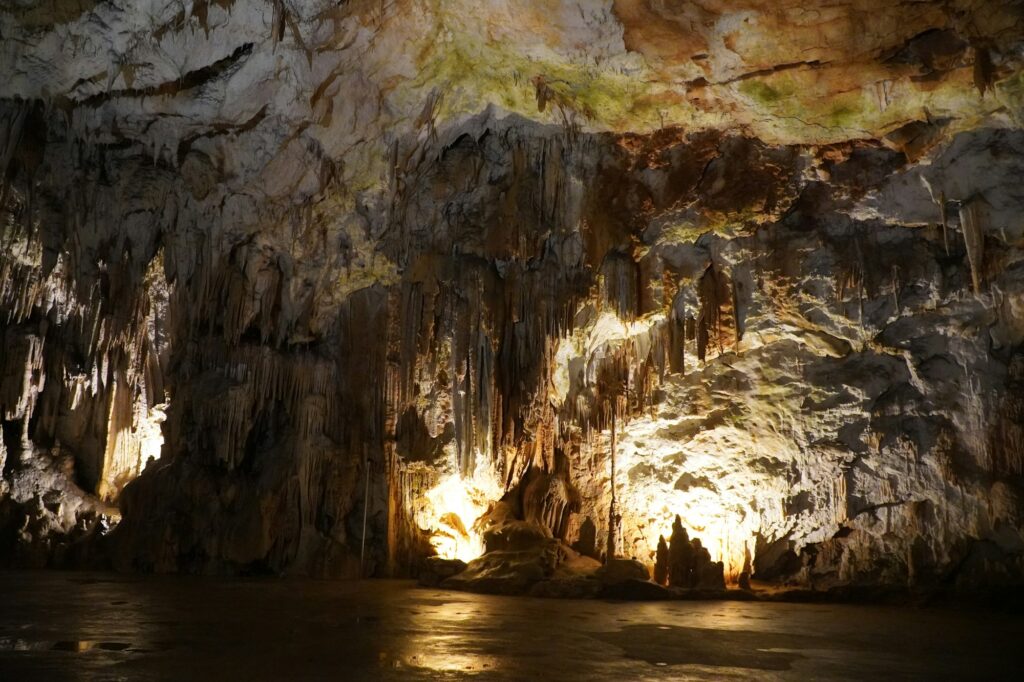
Beneath our feet, Europe hides a fascinating and largely unknown world. With more than 14,000 mapped caves in Slovenia alone, giant lava tubes in the Canary Islands and ice cathedrals suspended in the Austrian Alps, the old continent offers in 2026 one of the richest underground playgrounds on the planet. Whether you are a curious beginner or an experienced caver, this guide takes you to the ten largest and most spectacular caves in Europe — with updated practical data, real prices and insider tips you won’t find anywhere else.
Slovenia — The World Capital of Speleology
According to France Info, more than 14,000 caves have already been mapped in Slovenia, a country of only 20,300 km² whose depths form an exceptional network of galleries. This phenomenal density has no equivalent in Western Europe. The Slovenian karst region gave its name to the geomorphological phenomenon of « karst » (from Slovenian « kras »), a term now used in geology worldwide. The European Space Agency (ESA) even uses these caves as training grounds for astronauts.
1. Škocjan Caves — The only karst cave in the world listed by UNESCO
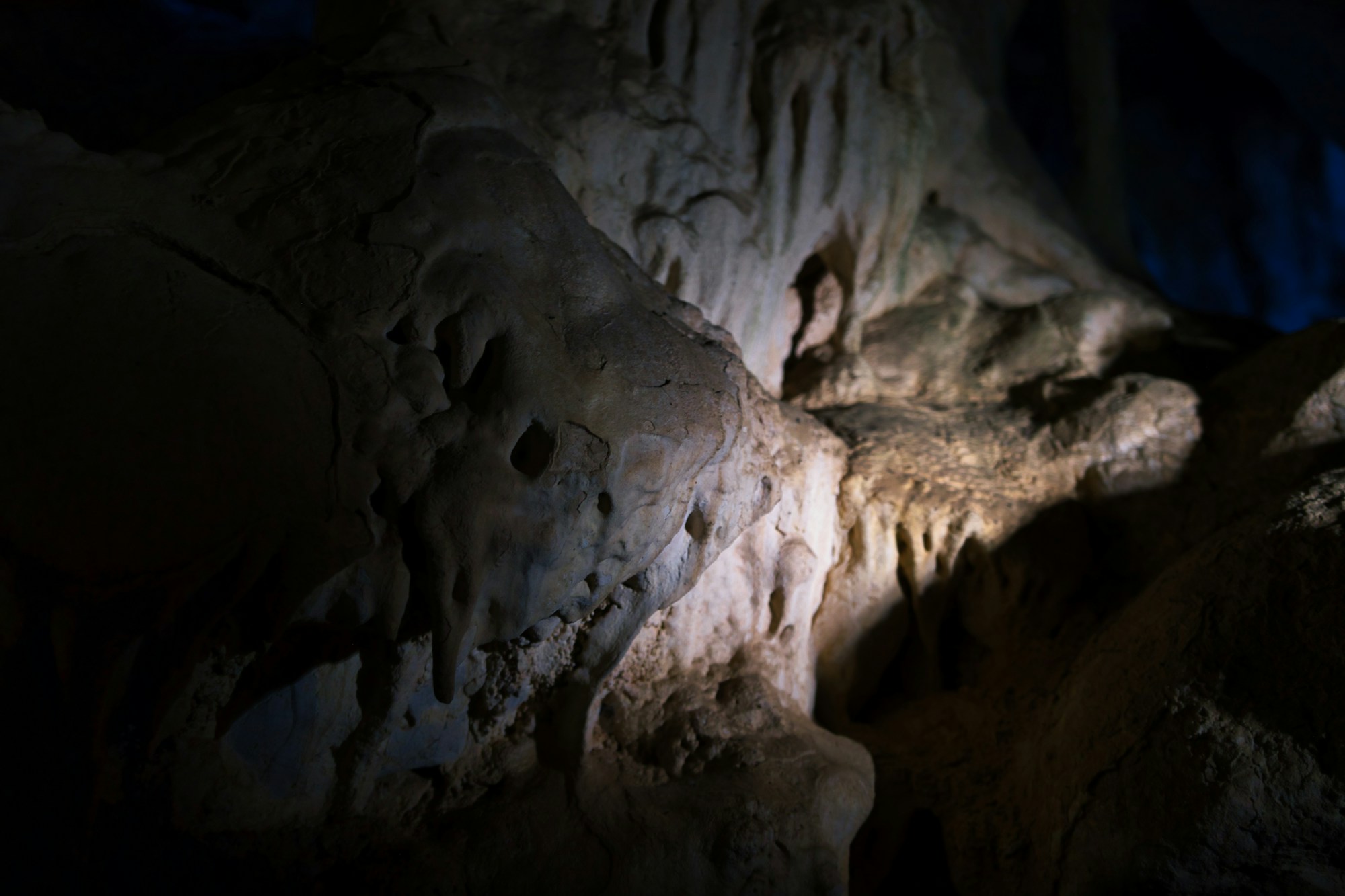
Škocjanske Jame, Divača (Slovenia)
Located 80 km from Ljubljana and only 20 km from Trieste, the Škocjan Caves are the only karst caves in the world listed as a UNESCO World Heritage Site for both their geological and biological value. According to Les Voyages d’Adélaïde, they are less touristy than Postojna and the intimate lighting makes you feel like a Jules Verne adventurer.
The absolute highlight is the Martel Chamber, crossed via a suspension bridge built more than 43 metres above the roaring Reka river. This hall stretches over 300 metres long, 143 metres wide, and up to 150 metres high. The Reka river then flows 34 kilometres underground before emerging in Italy near the Adriatic Sea.
Highlights
- Only UNESCO-listed karst cave in the world (geological AND biological value)
- Martel Chamber: one of the largest underground halls in the world
- Suspension bridge 43 m above the Reka river in full flow
- ESA astronaut training ground
- « Exploration » tour (3h) accessing sections normally closed to the public
2. Postojna & the « In the Footsteps of Luka Čeč » tour
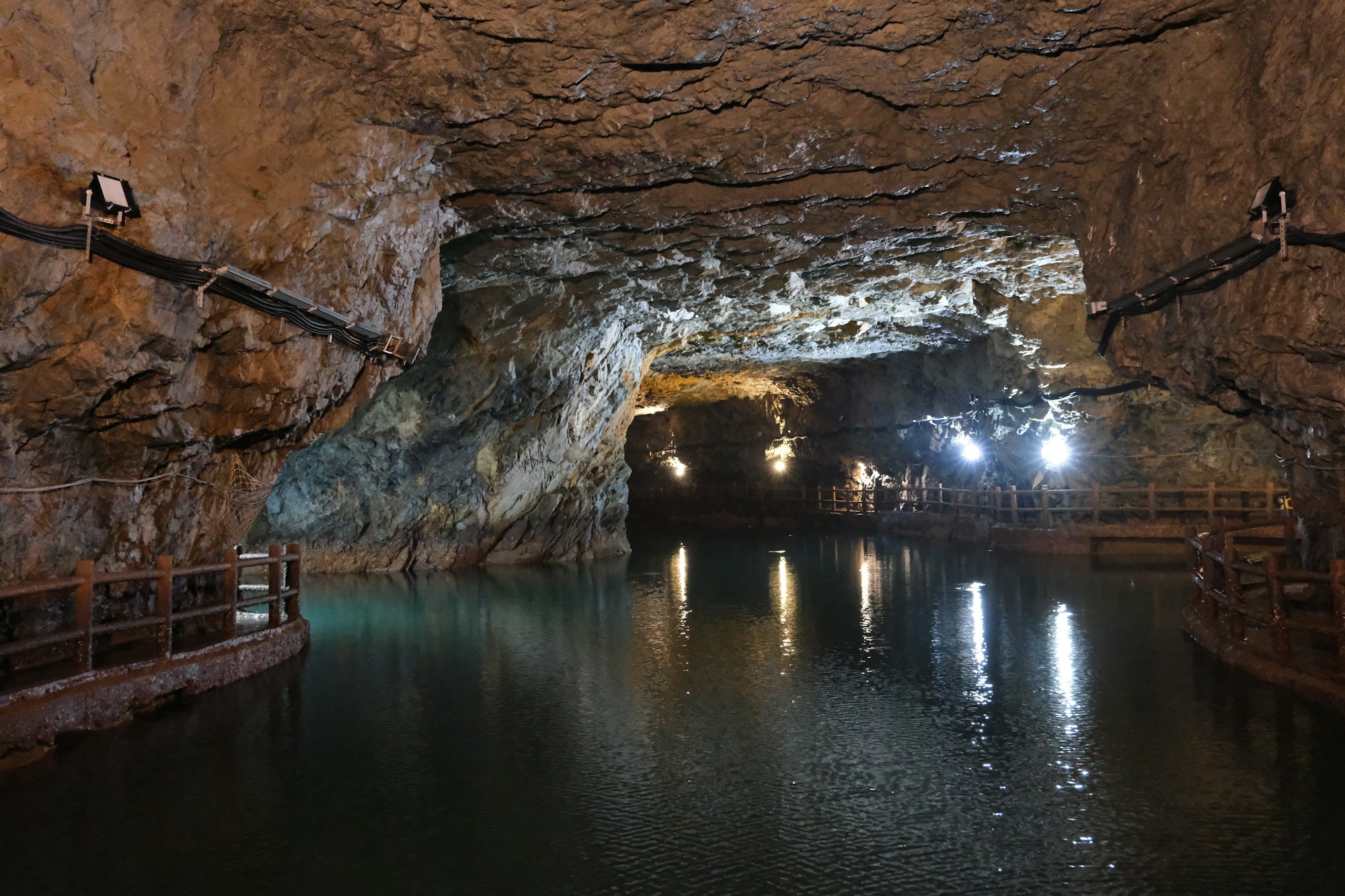
Postojnska Jama, Postojna (Slovenia)
The Postojna network stretches over 24 km. Europe’s most visited cave offers an electric underground train for general visitors. But according to the official Postojna Cave Park website, the real adventure lies elsewhere: in the « In the Footsteps of Luka Čeč » tour (named after the lamplighter who discovered it in 1818 while preparing a visit for Emperor Franz I of Austria).
Wearing caving boots, equipped with a rope, headlamp and helmet, you enter hidden galleries that 99% of tourists never see. The experience includes abseiling, crossing underground lakes and the Pivka river. And upon exiting, you can admire the famous olm (cave salamander), nicknamed « baby dragons »: these pink aquatic creatures can live up to 100 years and go almost 12 years without food.
Highlights
- 24 km of galleries, including sections normally inaccessible to the public
- Abseiling and underground river crossing
- Observation of the famous olm (« baby dragons »)
- 9 km away: Predjama Castle, the world’s largest cave castle
- Groups of 2 to 10 people maximum — guaranteed intimate experience
3. Križna Jama — The Underground Amazon by rubber boat
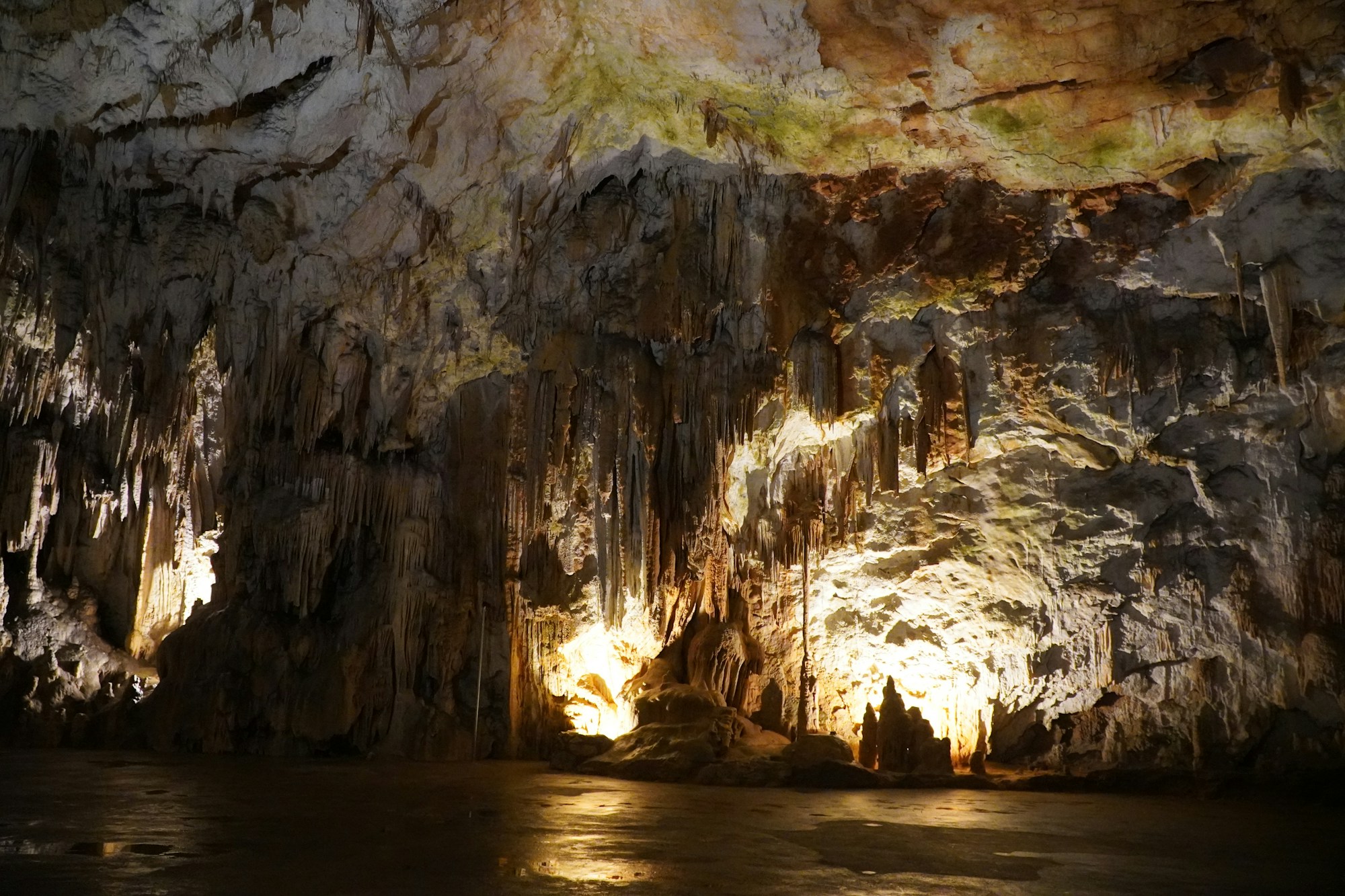
Križna Jama, Bloška Polica (Slovenia)
If you can only visit one truly different cave in Slovenia, choose Križna Jama. According to the official website, this 8 km cave harbours 22 underground lakes crossable only by rubber boat. It is the only tourist cave in Slovenia without electric lighting — visitors receive hand lamps (and rubber boots) for their visit. Lonely Planet describes it as « one of the rare caves where you can take an underground boat ».
The 4-hour tour leads to the Calvary Chamber via 13 lakes. In winter, the 7-hour tour reaches the most spectacular part: the Crystal Mountain, with stalactites soaring 75 metres from water level to ceiling. Only 1,000 people per year are allowed on this long tour, making it one of the most exclusive underground experiences in Europe.
Highlights
- 22 underground lakes crossed by rubber boat — unique in Europe
- No electric lighting — lamp-lit visit like 19th-century explorers
- Fourth most eco-diverse system in the world
- Maximum 1,000 visitors per year for long tours — exclusivity guaranteed
- Crystal Mountain: 75 m from water level to ceiling
4. Babji Zob — Extreme caving with a 40 m abseil near Bled
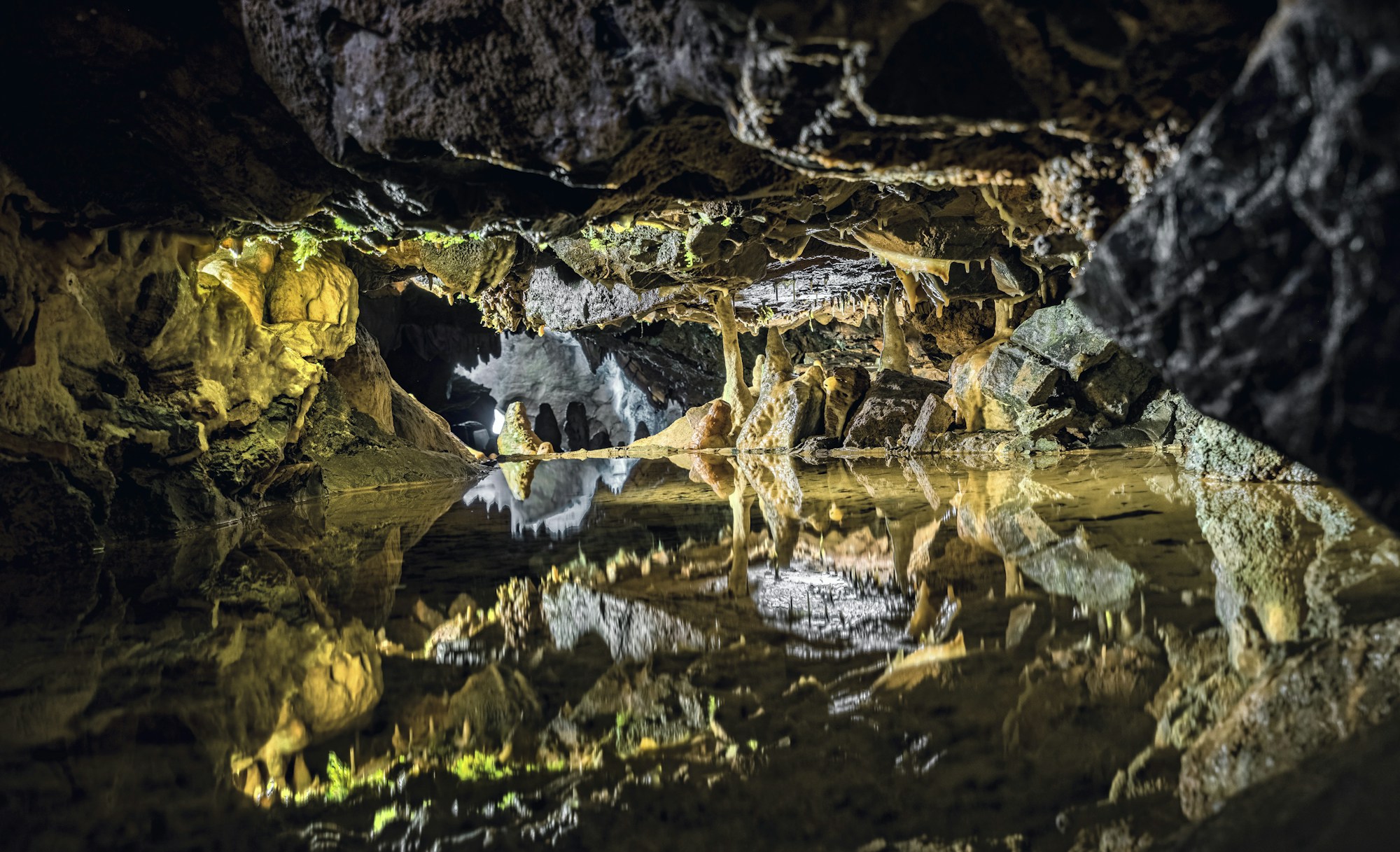
Jama pod Babjem Zobom, Jelovica plateau, near Bled (Slovenia)
For those wanting to push their limits, Altitude Activities offers an extreme caving tour in Jama pod Babjem Zobom (Cave under the « Old Woman’s Tooth »). Located at 1,008 metres altitude on the Jelovica plateau, the cave is reached after an uphill hike of about one hour with spectacular views. The highlight: a 40-metre abseil into a hidden abyss, followed by narrow passages and rare geological formations.
This 300-metre cave features rare spiral helictites and calcite crystals 10 million years old. The interior temperature stays at a cool 8°C. Groups are kept to a maximum of 6-8 participants for a personalised and safe experience.
Highlights
- 40 m abseil accessible without prior training
- Rare spiral helictites and calcite crystals 10 million years old
- Alpine approach hike with panoramic views over the Jelovica plateau
- Maximum 6-8 people — personalised guide follow-up
- Easier alternative version available for less experienced participants
5. Snežna Jama — The Glacial Cavern of the Slovenian Alps (Mt Raduha)
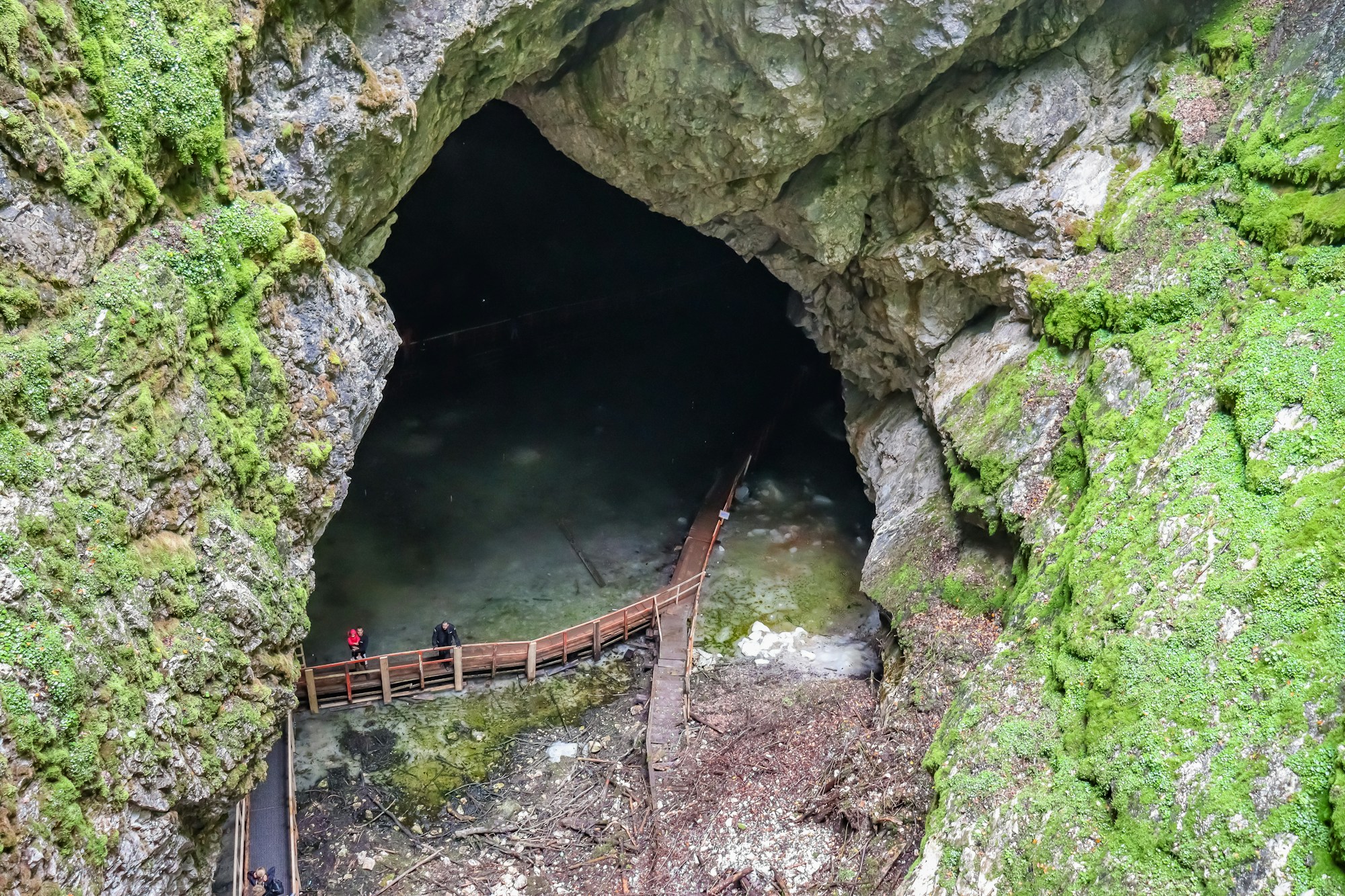
Snežna Jama na Raduhi, Mt Raduha (Slovenia)
The Snow Cave of Raduha is the highest tourist cave in Slovenia — and one of the highest in Europe. According to the official website, it is an underground cave over 1,300 m long, 10-12 million years old, whose special feature is the coexistence of eternal ice and snow above 1,500 m altitude. Inside, you will see stalagmites reaching 21 m high and « moonmilk » (moonmilk), a phenomenon found in only seven tourist caves in Europe.
Highlights
- Eternal ice and ice stalactites coexisting with calcite formations
- Moonmilk: phenomenon found in only 7 tourist caves in Europe
- Carbide lamp visit — total authenticity
- Combinable with ascent of Mt Raduha (2,062 m)
- Cave 10-12 million years old — one of the oldest visitable in Europe
Spain — From Helictites to Lava Tubes
Spain is one of the European countries richest in speleology, with more than 9,000 catalogued caves in Cantabria alone. From Europe’s largest lava tube in the Canaries to the prehistoric caves of the Basque Country, via the unique helictite formations of Cantabria, the Iberian Peninsula offers exceptionally varied underground exploration terrain.
6. Cueva del Viento — Europe’s largest lava tube (Tenerife, Canary Islands)
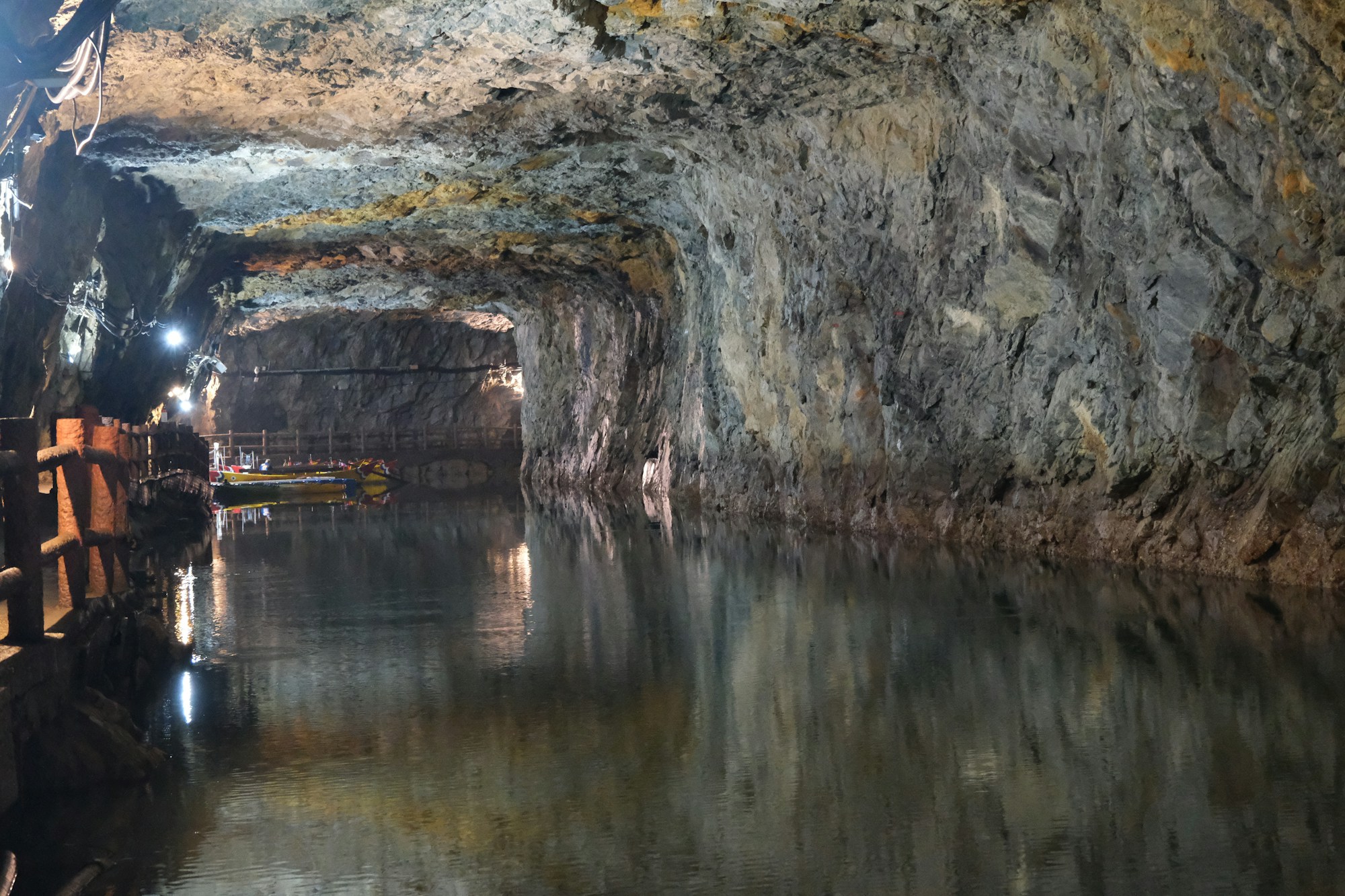
Cueva del Viento, Icod de los Vinos, Tenerife (Spain)
The Cueva del Viento (« Cave of the Wind ») is Europe’s largest lava tube and the fifth longest in the world. According to Wikipedia, the tunnel extends over 17 km and contains three different levels of passages filled with geomorphological phenomena such as lava pits and terraces. This volcanic geology is radically different from all the karst caves in this guide.
The cave is also an exceptional palaeontological site: bones of Gallotia goliath (extinct giant lizard) and Canariomys bravoi (extinct giant rat) have been discovered there, along with archaeological remains of the Guanches, the ancient Berber inhabitants of the Canary Islands. According to TripAdvisor reviews, you sometimes need to book two months in advance and there may be only one place available — only 13 people per group are admitted.
Highlights
- Europe’s largest lava tube (17+ km), 5th worldwide
- Three levels of volcanic tunnels — unique geology among European caves
- Fossils of extinct Canarian megafauna (giant lizard, giant rat)
- Guanche archaeological remains — history and geology combined
- Open year-round (ideal climate in Tenerife)
7. Cueva El Soplao — The Helictite Paradise (Cantabria)
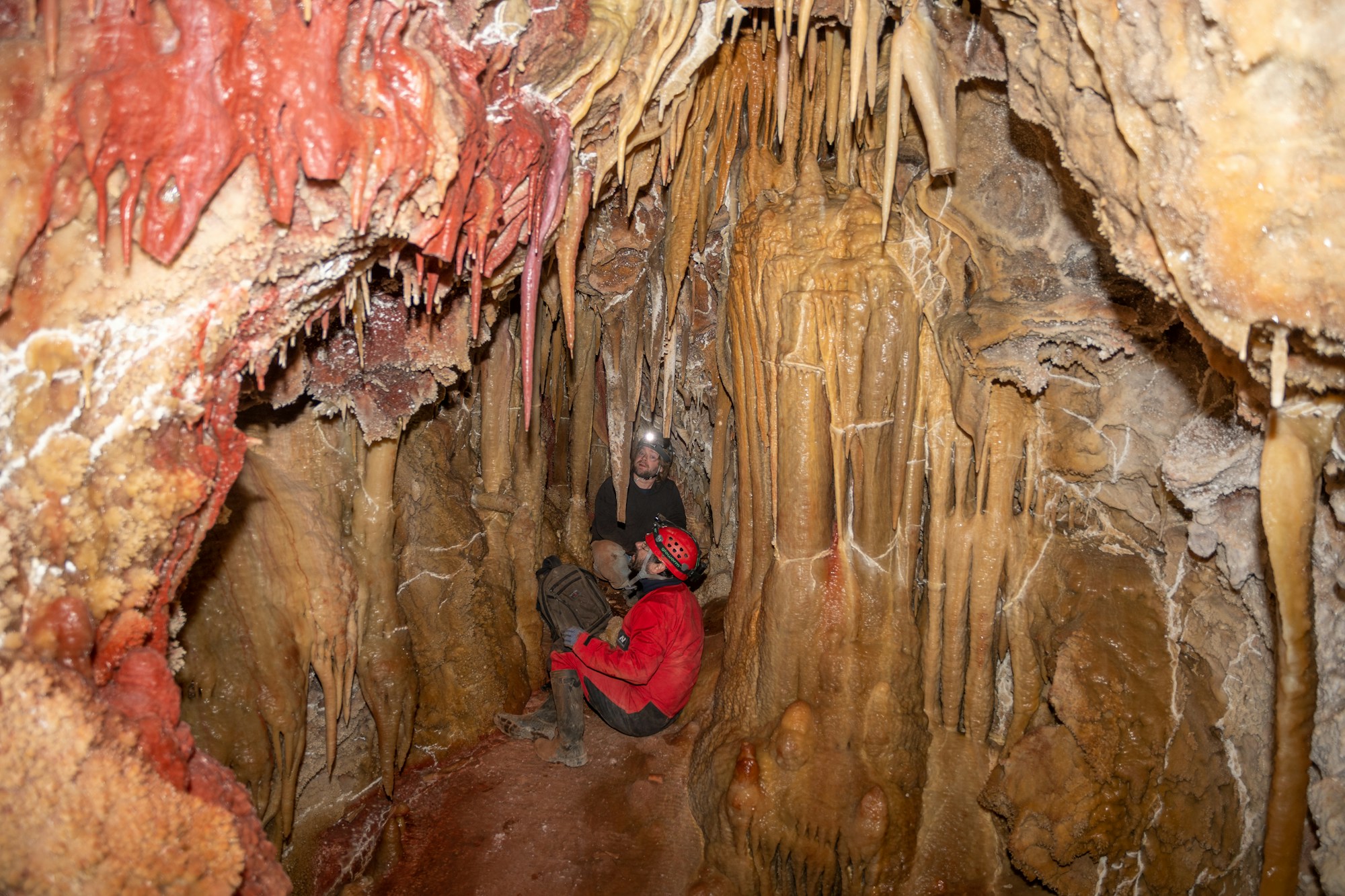
Cueva El Soplao, Sierra de Arnero, Cantabria (Spain)
Discovered in the early 20th century during mining operations, El Soplao is considered one of Spain’s greatest geological wonders. According to the official website, its absolutely unique feature is the abundance and diversity of its helictites — calcite formations that defy gravity by growing in erratic directions thanks to capillary forces. Across its 17 miles of galleries (6 of which are open to the public), El Soplao has an unparalleled concentration of them worldwide.
Highlights
- Concentration of helictites unmatched anywhere in the world
- 3 visit levels: tourist, speleological adventure, mining via ferrata
- Nearby palaeontological site: insect and spider fossils in amber
- Accessible from Santander (70 km) — day trip possible
- Natural caves + amber and mining museum — double cultural experience
8. Cueto-Coventosa System — The Himalaya of European Caving (Cantabria)
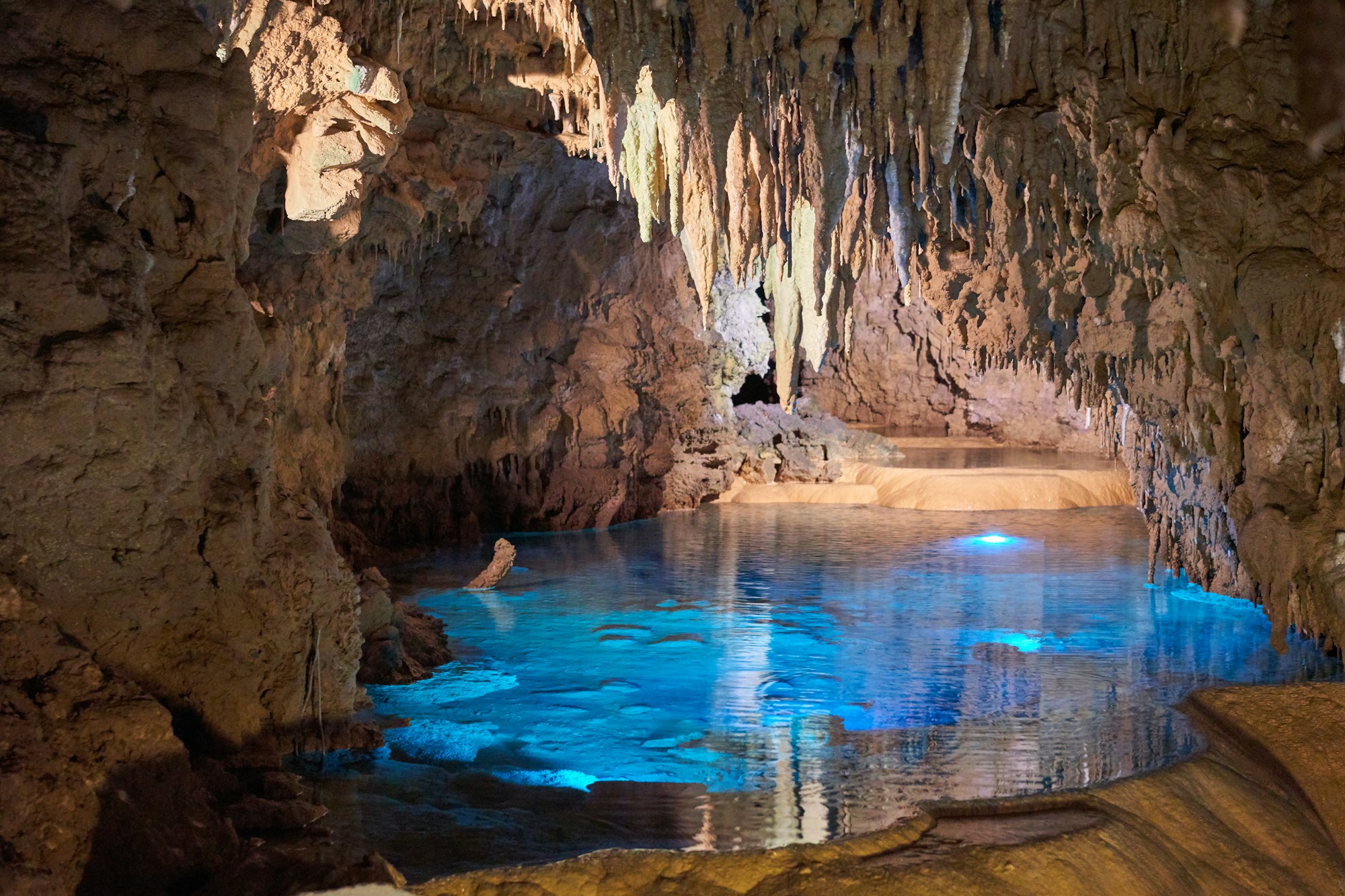
Coventosa Cave, Val d’Asón, Arredondo, Cantabria (Spain)
The Cueto-Coventosa system is one of the most complex and deepest in Europe. According to Wikipedia, its total length is 37,258 m with a depth of 829 m. The legendary Cueto-Coventosa traverse (35 km, -815 m) is a remarkable underground course over more than 800 m of vertical drop, comparable to the Gouffre Berger in France.
For non-specialists, Yumping offers a guided 2h30 beginner session through 35 km of interior galleries. The Alto Asón area has more than 9,000 catalogued caves in Cantabria — a speleologist’s paradise.
Highlights
- 37 km of galleries and 829 m depth — one of Europe’s greatest systems
- Technical Cueto-Coventosa traverse: 800 m of vertical drop, an underground epic
- Access for beginners via local guided tours (minimum 2h30)
- Alto Asón area: 9,000 catalogued caves — XXL caving playground
- Neighbouring Torca del Carlista: one of the world’s largest underground volumes
Austria — The Ice Castles of the Alps
Austria is home to two of the most spectacular and most visited ice caves in the world, both located in the Salzburg and Upper Austrian Alps. These glacial wonders are unfortunately threatened by climate change: according to National Geographic, these caves are melting at an alarming rate. Another reason not to put off your visit.
9. Eisriesenwelt — The « World of the Ice Giants », the world’s largest ice cave
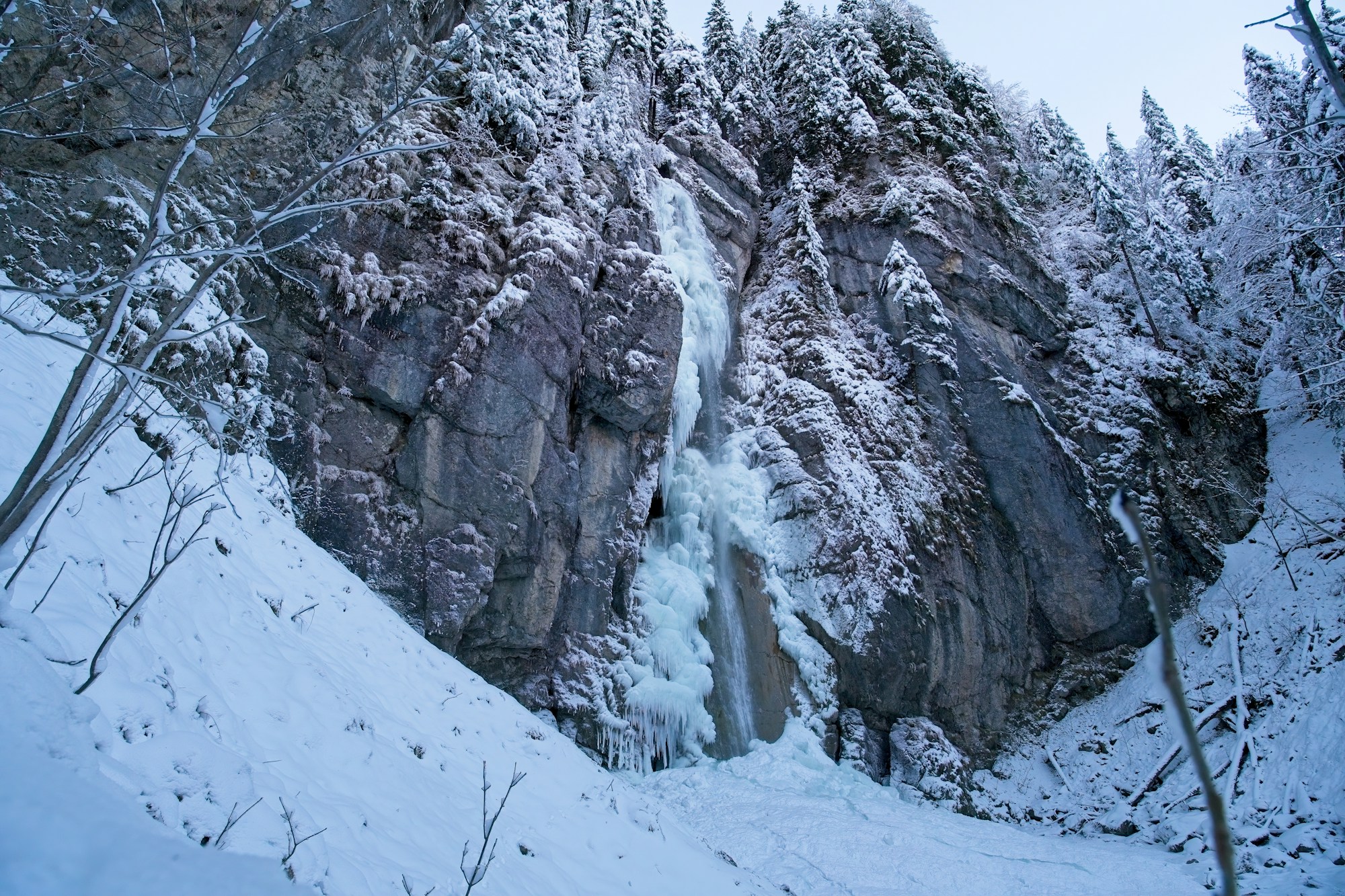
Eisriesenwelt, Werfen, Land Salzburg (Austria)
Nestled inside the Hochkogel mountain at Werfen, 40 km south of Salzburg, Eisriesenwelt (« World of the Ice Giants ») is the world’s largest ice cave. It extends over 42 km but only the first kilometre is covered in ice — and that is where the public is admitted. According to Beautiful World, it offers a plethora of spectacular ice figures and frozen waterfalls of unsurpassed beauty.
The experience is authentic and immersive: the kerosene lamps used by guides are the same as those from the initial explorations in the 1920s. When guides throw open the heavy entrance door, gusts of icy wind up to 90 km/h rush out. According to National Geographic, the cave will reopen daily from 1 May 2026.
Highlights
- World’s largest ice cave (42 km total network)
- Wind gusts up to 90 km/h at the entrance — a unique sensory experience
- Vintage kerosene lamps — total authenticity since the 1920s
- Cable car with panoramic views over the Salzach valley
- Poignant history: the ashes of speleologist Alexander von Mörk rest here
10. Dachstein Rieseneishöhle — The Ice Cathedral of Hallstatt
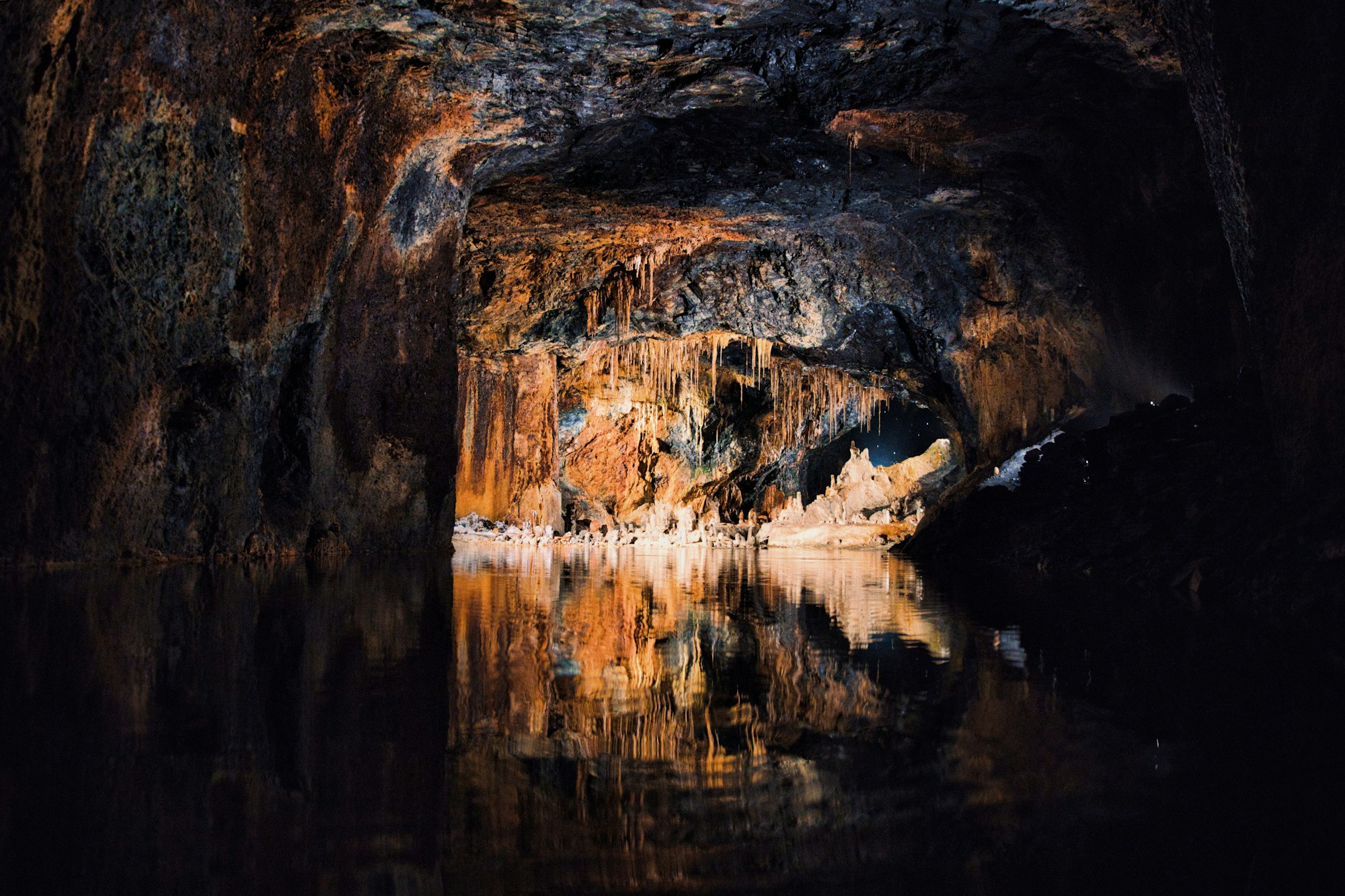
Dachstein Rieseneishöhle, Obertraun, Salzkammergut (Austria)
Above the famous village of Hallstatt (UNESCO listed), the Dachstein ice caves lie in wait. According to the official website, the Giant Ice Cave is one of the largest in the Austrian Alps. Motorised replicas of prehistoric cave bears greet visitors on the way to the Arthur’s Dome, the deepest point of the cave.
According to The Travelers Buddy, Dachstein differs from Eisriesenwelt with its more theatrical, spectacular style: cave bears, rope bridge and light show are all part of the experience. Its location above Hallstatt makes it a destination with double UNESCO heritage value, ideal for combining culture and nature in a single day.
Highlights
- Double UNESCO heritage: ice cave + Hallstatt village below
- Prehistoric cave bear replicas and light show
- « Double cave » package with the nearby Mammut Cave (Mammuthöhle)
- Panoramic cable car over Lake Hallstatt
- Guided tours in French, English and German
Practical tips for your underground adventure in Europe 2026
Summary table: the 10 caves at a glance
| Destination | Country | Level | Adult price | Open 2026 |
|---|---|---|---|---|
| Škocjan | Slovenia | Easy | ~€20 | Year-round |
| Postojna « Luka Čeč » | Slovenia | Moderate | ~€100 | Year-round |
| Križna Jama (4h) | Slovenia | Moderate-hard | €45-65 | Year-round |
| Babji Zob | Slovenia | Hard | €80-100 | May-October |
| Snežna Jama ⚠️ | Slovenia | Easy-moderate | ~€12 | Jul-Aug (check) |
| Cueva del Viento | Spain (Canaries) | Easy | €22-25 | Year-round |
| El Soplao (adventure) | Spain (Cantabria) | Moderate | €25-40 | Year-round |
| Coventosa (beginner) | Spain (Cantabria) | Easy-moderate | €40+ | Year-round |
| Eisriesenwelt | Austria | Easy-moderate | ~€42 | 1 May 2026 |
| Dachstein | Austria | Easy | ~€64 | May-October |
Frequently Asked Questions about Caving in Europe
Do I need prior experience to go cave adventuring in Europe?
No, for the majority of destinations listed in this guide. Slovenia offers a wide range of experiences, from beginner excursions to advanced expeditions. Expert guides with in-depth knowledge of geology, history and cave safety protocols will accompany you for an enriching and safe adventure. Some destinations like Babji Zob (40 m abseil) or the Cueto-Coventosa traverse require good physical fitness, but operators always include on-site training. For tourist caves like Škocjan, Eisriesenwelt or Dachstein, no specific physical fitness is required.
What is the best season to explore caves in Europe?
It depends on the country and type of cave. In Slovenia, karst caves are open year-round and maintain a constant temperature of 10-14°C. For Križna Jama, winter and spring are ideal (high water levels, access to the Crystal Mountain). For Austrian ice caves (Eisriesenwelt, Dachstein), the official season runs from 1 May to 26 October. In Spain, spring and autumn are recommended to avoid summer crowds and outside heat. Generally, avoid July-August for all popular caves.
What minimum equipment should I bring for cave visits?
For commercial guided tours, equipment (boots, helmets, lamps) is generally provided. Always bring layered clothing (karst caves are 10-14°C all year, ice caves are below zero), closed walking shoes, water and snacks. For technical adventure caving, thermal underwear, knee pads and a personal headlamp are essential. The universal rule: dress in layers you can adjust to temperature changes between outside and inside.
Are Slovenian caves really different from other European caves?
Yes, significantly. Slovenia is the birthplace of biospeleology and karst terminology — the word « karst » comes from the Slovenian « kras ». With 14,000 mapped caves over just 20,300 km², it has the highest cave density in Europe. There are endemic species like the olm (up to 100 years old) and the range of experiences is unique: UNESCO-listed cave (Škocjan), boat crossing of 22 underground lakes (Križna Jama), underground electric train (Postojna) and 40 m abseil in extreme caving (Babji Zob).
How can I avoid crowds at popular caves like Postojna or Eisriesenwelt?
Three effective strategies: (1) Opt for adventure tours (like « In the Footsteps of Luka Čeč » at Postojna) rather than classic large-group tourist visits — fewer people, more authenticity; (2) Visit outside high season — September and October are excellent in Slovenia, May and June for Austria; (3) Book the first morning or last afternoon slots. For Eisriesenwelt, avoid the 10am-2pm slot (peak hours). For Postojna, the « Luka Čeč » adventure tour is by definition limited to 10 people maximum.
Are Austrian ice caves threatened by climate change?
Unfortunately yes. Austrian geologist and speleologist Georg Zagler says he has been « truly shocked by how much ice has disappeared » in a cave in the Untersberg — he calls it « a perfect example of climate change ». Eisriesenwelt and Dachstein remain intact wonders for now, but their ice formations are diminishing year by year. According to National Geographic, these caves are melting at an alarming rate. All the more reason to plan your visit in 2026 rather than postponing.
How far in advance should I book cave visits?
It varies greatly by site. For Cueva del Viento in Tenerife, book at least two months in advance — spots are extremely limited (13 people per group). For Križna Jama (long tours), only 1,000 visitors per year are accepted: book months ahead. For the « Luka Čeč » tour at Postojna, booking several weeks in advance is recommended in high season. For Eisriesenwelt and El Soplao, 2 to 4 weeks in advance generally suffices outside July-August. For Škocjan and Dachstein, an online booking a few days ahead suffices off-season.
Can families with children go cave adventuring?
Yes, with age and level conditions. For young children (6+): Postojna (electric train, constant temperature), Dachstein and Eisriesenwelt (with walking but accessible). For children aged 10-12: Križna Jama (1h tour) and El Soplao (standard tour). For teenagers aged 12-14: El Soplao (adventure tour), Cueva del Viento. Babji Zob (40 m abseil) requires at least 12-14 years and good physical fitness. Križna Jama requires a minimum age of 10 for long tours. Always check with local operators for specific age restrictions on each tour.
Sources
- France Info — Slovenia, paradise for cavers with 14,000 mapped caves
- Postojna Cave Park (official) — Adventure Tours
- Križna Jama (official) — World-famous Karst cave
- Altitude Activities — Extreme Caving Slovenia
- Snežna Jama (official) — Snow Cave Raduha
- Wikipedia — Cueva del Viento
- El Soplao (official) — A Unique Cave
- Wikipedia — Coventosa Cave
- Eisriesenwelt (official) — The largest ice cave in the world
- National Geographic — Europe’s ice caves
- Dachstein Salzkammergut (official) — Dachstein Giant Ice Cave
Research conducted on 15 March 2026
Ready to Explore Europe’s Underground World?
Pixidia helps you plan your caving adventure in Europe with personalised itineraries — from Bled to Hallstatt, from Cantabria to Tenerife.
Explore all itineraries