
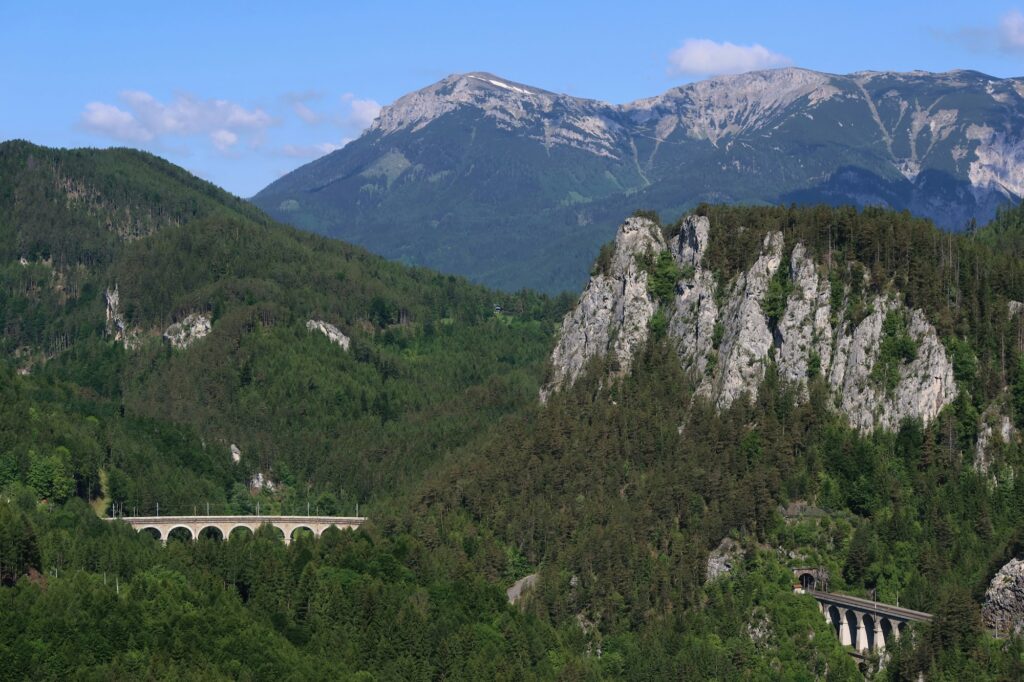
What if your next big trip didn’t involve a single flight? In 2026, overland travel is experiencing a true renaissance. Next-generation night trains with en-suite showers, ferries crossing the Mediterranean under moonlight, the Trans-Siberian reopened to Mongolia, new European Sleeper routes linking Paris to Berlin and Brussels to Milan: alternatives to short and medium-haul flights have never been so practical, comfortable and affordable. This comprehensive guide takes you along the rails, across the water and down the road, from Scotland to the Silk Road, with all the prices, schedules and practical tips you need to plan your flight-free journey in 2026.
1. What is overland travel?
Overland travel: a philosophy and a growing trend
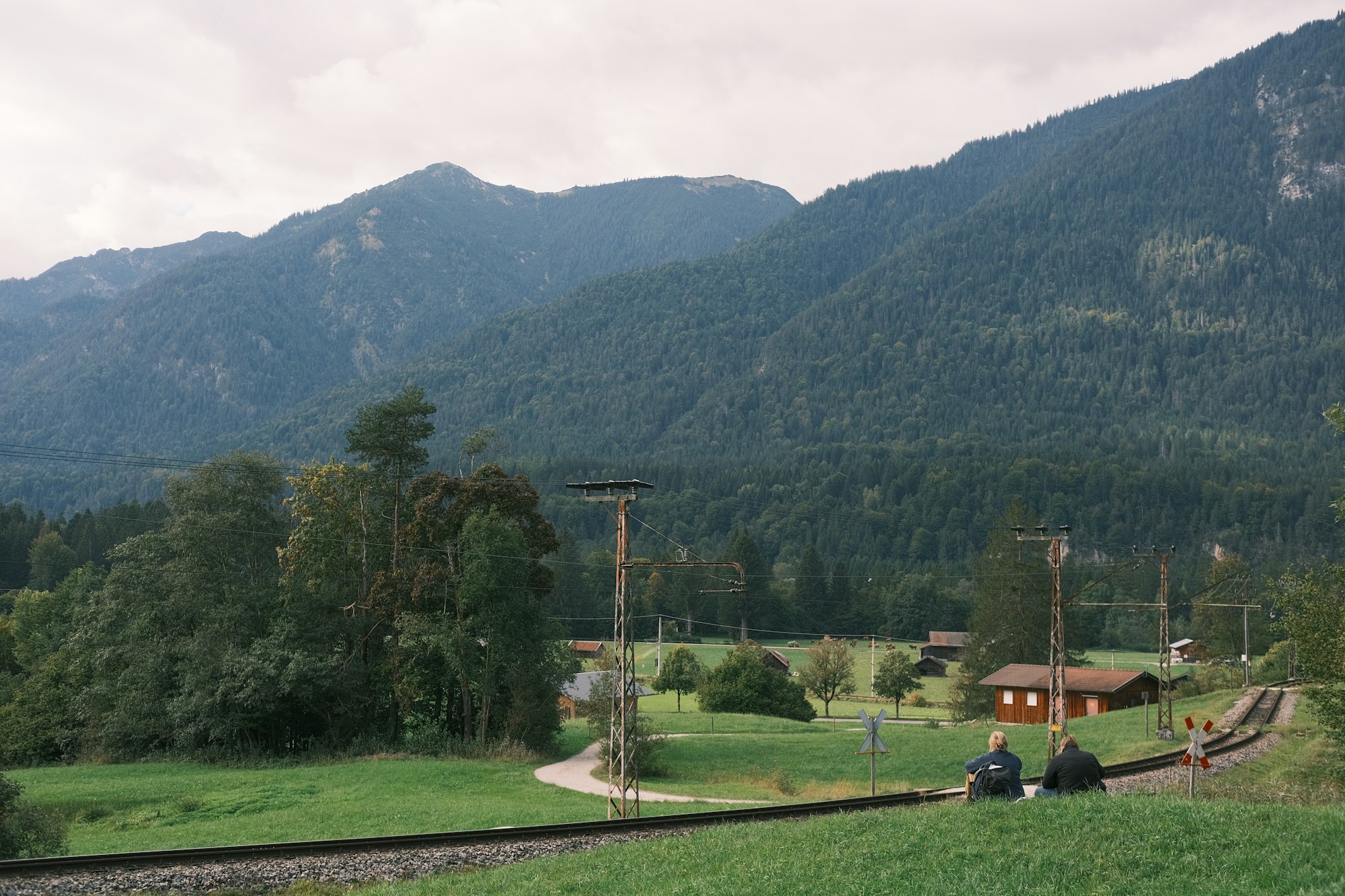
Overland travel means getting from A to B without flying. Train, bus, ferry, bicycle, car: any mode of ground or water transport qualifies. But more than a way of getting around, it’s a travel philosophy that puts the journey back at the heart of the experience, where flying reduces it to a mere logistical constraint.
The numbers speak for themselves. According to Greenly, a train journey emits around 14 grams of CO2 per passenger-kilometre, compared to 255 grams for a flight — that’s 18 times less. On a Paris-Venice route, that’s the difference between 14 kg and 250 kg of CO2. And contrary to popular belief, the environmental benefit doesn’t necessarily come at the expense of your wallet or comfort.
The trend is accelerating in 2026. The reference site The Broke Backpacker now lists overland itineraries covering every continent. Lonely Planet has named slow travel as one of the major trends of the year. Interrail pass sales surged 47% between 2023 and 2025, and new night train operators — European Sleeper, Midnight Trains, Regiojet — are multiplying their routes.
Slow travel is also the art of experiencing the journey as an adventure. Watching the landscape change over hours from a night train, chatting with local travellers on a Mediterranean ferry, feeling the air shift as you cross the Alps: experiences that flying can never offer. And with today’s planning tools — Seat61, Rome2Rio, Direkt.bahn.guru — organising a flight-free trip has never been easier.
2. Night trains in Europe — the network reborn
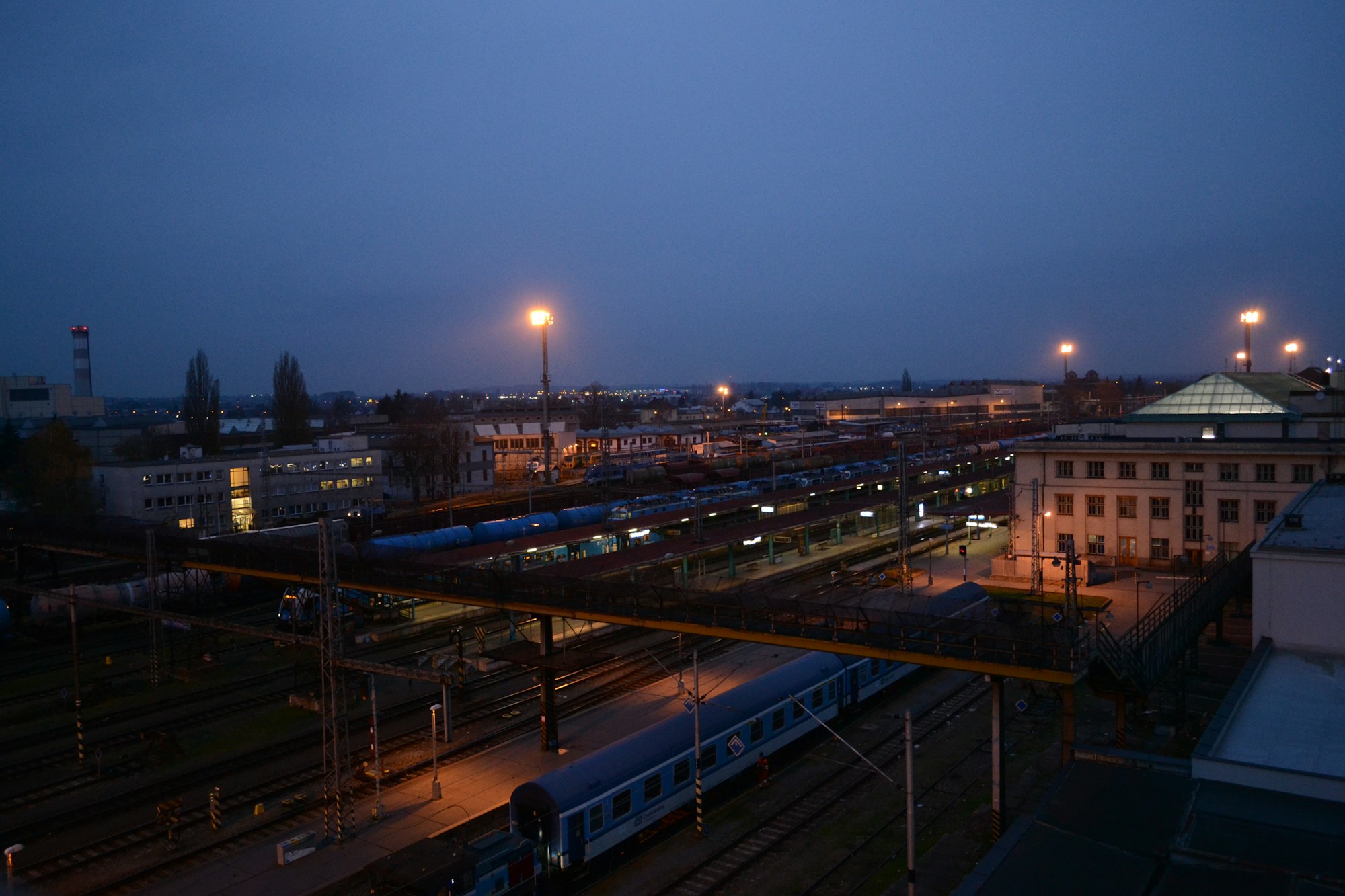
Nightjet, European Sleeper, Intercites de Nuit: the 2026 night train map
Nightjet OBB: the leader reinvents itself
The Nightjet network by OBB remains Europe’s most extensive. The Austrian operator invested 790 million euros in 33 Viaggio Next Level trainsets built by Siemens Mobility. The flagship innovation: mini solo cabins, individual lockable spaces accessed by key card, available at couchette prices (from 55-80 EUR). Comfort Plus compartments feature a private shower with hot water, separate toilet and breakfast served in the cabin. For the full cabin-by-cabin breakdown and route map, see our dedicated Nightjet OBB 2026 guide.
From Vienna, the network radiates to Rome, Venice, Amsterdam, Hamburg and Berlin. In Vienna, Salzburg and Innsbruck, cabin passengers can access the OBB Lounge — WiFi, coffee, beer and free snacks — 1.5 hours before and after their journey. According to Seat61, the Nightjet is now « the best value for money in European overnight travel ». Seat prices start at 29 EUR on the Sparschiene fare, bookable 180 days in advance at nightjet.com.
European Sleeper: the citizen-funded cooperative
Founded in 2021 by two Dutch enthusiasts and backed by more than 60,000 citizen investors, European Sleeper embodies a unique model in the rail industry. Two major developments for 2026, according to Hourrail and Voyager en Train:
| Route | Launch | Frequency | Seat from | Couchette from | Sleeper from |
|---|---|---|---|---|---|
| Paris → Berlin (via Brussels) | March 2026 | 3x/week | 29 EUR | 60-120 EUR | 120-200 EUR |
| Brussels/Amsterdam → Milan (via Cologne, Bern) | September 2026 | 3x/week | 29 EUR | 80-120 EUR | 120-200 EUR |
The Paris-Berlin route passes through Brussels-Midi, enabling Eurostar connections from London. From July 2026, a stop in Hamburg will be added. The Milan route crosses the legendary Simplon Pass and includes a stop at Stresa, on the shores of Lake Maggiore.
The network keeps growing: European Sleeper now also runs a third line, Brussels-Prague, alongside Paris-Berlin and Brussels-Milan — according to the operator’s own route map, bookings are open on all three connections. It’s a useful addition for travellers piecing together a Central European itinerary without flying, linking Prague directly to the Benelux night-train hub.
French Intercites de Nuit: the resilient network
Often overlooked, the SNCF Intercites de Nuit continue to link Paris to major cities in the South and South-West. The Paris-Nice (departure 21:20, arrival 08:57) and the Paris-Toulouse (departure 22:12, arrival 07:15) remain among the most affordable journeys in Europe, with couchettes from just 15 EUR on promotional fares. A modest but reliable network that often serves as the first step towards a more ambitious overland journey.
3. The Caledonian Sleeper — London to the Highlands
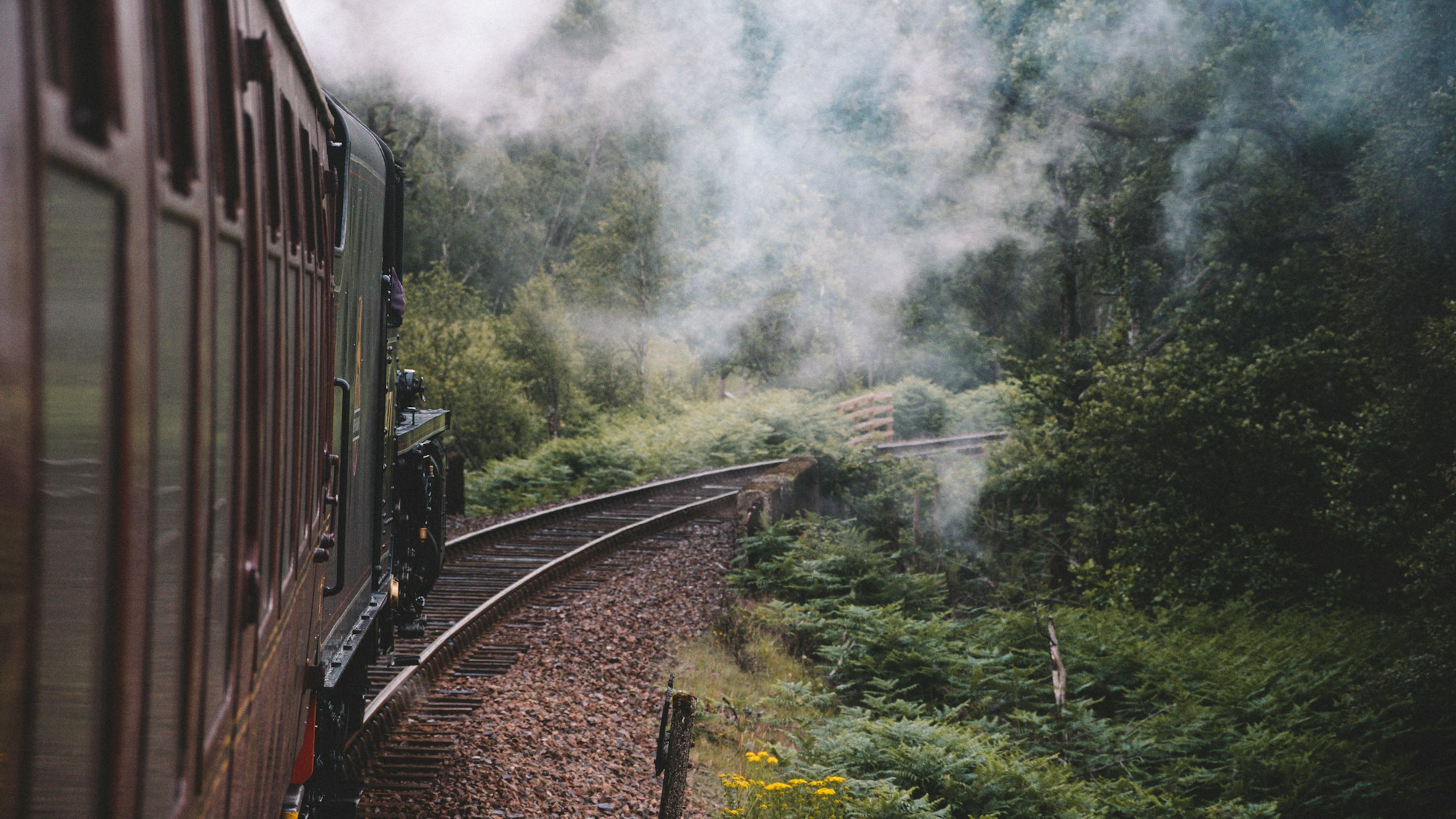
Fall asleep in London, wake up in the Highlands
The Caledonian Sleeper is one of Europe’s most romantic rail journeys. Every evening, a train leaves London Euston and splits into two sections during the night: one heads for Edinburgh and Glasgow (the Lowlander), the other for Fort William, Inverness and Aberdeen (the Highlander). Arriving at Fort William, at the foot of Ben Nevis, with Loch Eil catching the sunrise, is a moment travellers never forget.
According to the official sleeper.scot website, the Caledonian Sleeper offers three comfort categories:
| Category | Description | From |
|---|---|---|
| Comfort Seat | Reclining seat with footrest | GBP 35 |
| Classic Room | Solo or twin cabin, washbasin | GBP 100-180 |
| Club En-suite | Double bed, private bathroom, breakfast | GBP 200-400 |
The carbon footprint tells the story: according to official Caledonian Sleeper data, the night train emits nearly 7 times less CO2 than other modes of transport on the same route. For a Paris-Edinburgh trip without flying, the Eurostar Paris-London + Caledonian Sleeper combination is the most elegant option: leave Paris in the morning, enjoy a London afternoon, and wake up in Scotland.
Regular travellers recommend booking directly on sleeper.scot, where prices are lowest. Tuesday, Wednesday and Thursday offer the best rates. According to Seat61, it’s best to book 2-3 months in advance for Club cabins, as they sell out quickly during peak season (June-September).
4. The Intercity Notte — the train-ferry to Sicily
The only train in the world that boards a ferry
This is one of the most unusual rail journeys in the world, and it’s right here in Europe. The Intercity Notte by Trenitalia connects Milan and Rome to Sicily (Palermo, Syracuse, Catania) with a unique twist: at Villa San Giovanni in Calabria, the train is split into sections that board the ferry one by one to cross the Strait of Messina. Your sleeping car, with you inside, literally drives onto the boat.
According to Voyager en Train, it’s a magical moment: passengers can go up to the ferry’s deck to watch the crossing (about 30 minutes), with the Calabrian coast on one side and Mount Etna on the other. The specialist site Discovery Trains recommends taking the Sicily → Rome direction to catch the sunrise over the Strait of Messina.
Intercity Notte 2026 fares
| Category | Description | From |
|---|---|---|
| Couchette (4-berth) | Shared compartment, bedding provided | 35 EUR |
| Couchette (2-berth) | Semi-private compartment | 65-85 EUR |
| Cabin Superior | Private cabin, shower and WC | 121.90 EUR |
The full Milan-Palermo journey takes around 18 hours, but the experience is well worth it. For those short on time, the Rome-Palermo departs in the evening and arrives late morning — a shorter format that remains spectacular thanks to the sea crossing.
5. Interrail 2026 — the pass that unlocks Europe
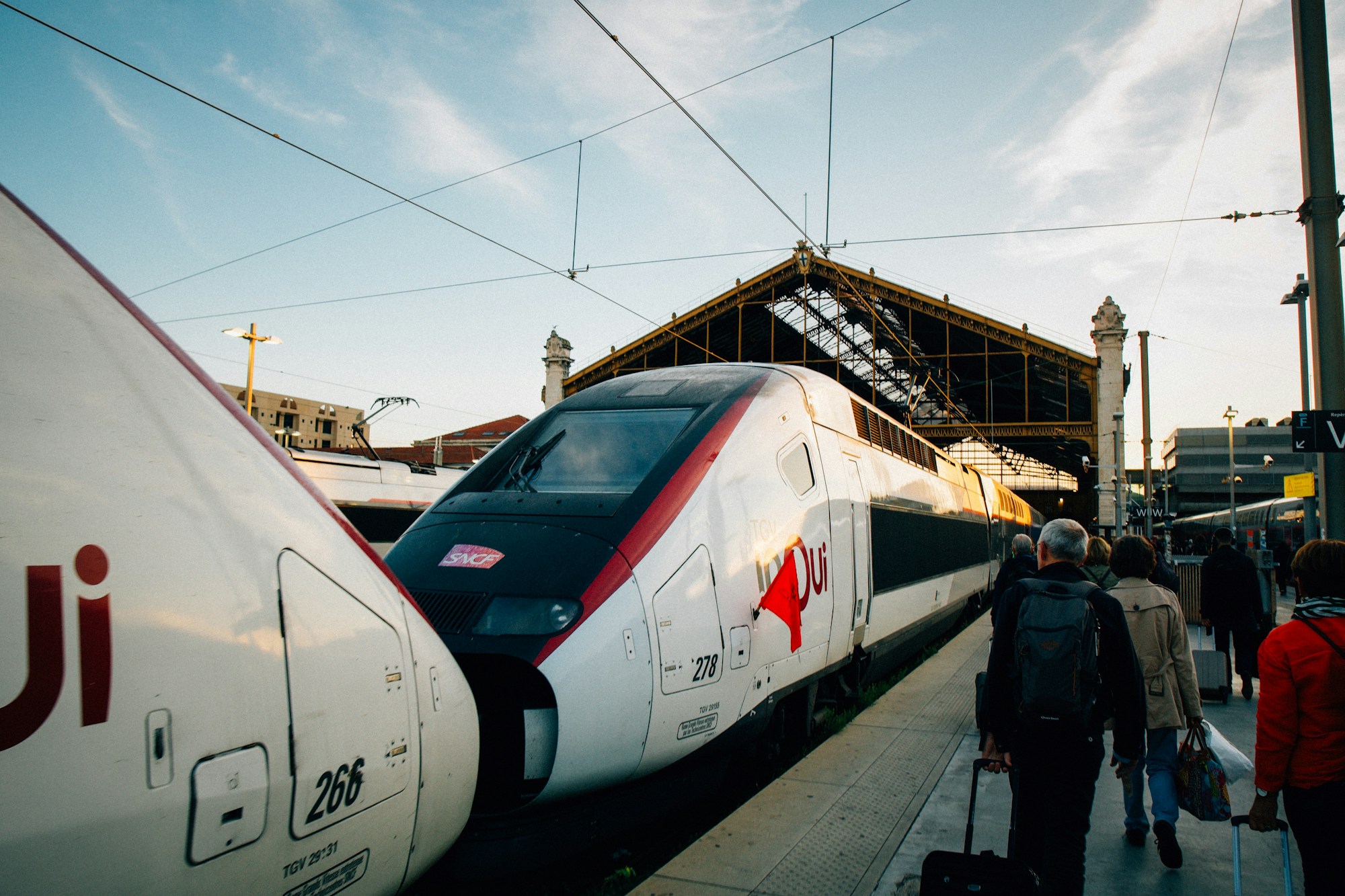
The European rail passport: 2026 user guide
The Interrail Global pass remains the most accessible entry point for flight-free travel in Europe. In 2026, the pass covers 33 countries and adapts to every travel style, from a four-day city break to a three-month European grand tour. For a deeper dive into pass types, reservation rules and sample itineraries, see our complete Interrail 2026 guide.
Interrail Global Pass 2026 fares
| Formula | Adult 2nd class | Youth (under 27) | Senior (60+) |
|---|---|---|---|
| 4 days / 1 month | 258 EUR | 194 EUR | 232 EUR |
| 7 days / 1 month | 325 EUR | 244 EUR | 293 EUR |
| 15 continuous days | 425 EUR | 319 EUR | 383 EUR |
| 1 continuous month | 580 EUR | 435 EUR | 522 EUR |
| 3 continuous months | 780 EUR | 585 EUR | 702 EUR |
Children (4-11 years) travel free with a child pass, up to two children per paying adult. This is a considerable advantage for families: a couple with two children only pays for two adult passes.
DiscoverEU: 35,000 free passes for 18-year-olds
The European programme DiscoverEU offers 35,000 free Interrail passes each year to 18-year-old EU citizens. According to Ulysse, applications open in March and October, with results within 4-6 weeks. It’s often an entire generation’s first overland journey.
The compulsory reservation trap
The Interrail pass grants network access, but not always a seat. In France, Spain, Italy and Sweden, reservations are compulsory on high-speed trains — and they’re not included in the pass. According to Au Bord du Quai and Carnets de Voyages, the average reservation cost for a traveller is 35 EUR per journey — a surcharge that can quickly mount up on a two-week circuit.
The workaround: favour countries where no reservation is required. Germany, Austria, Switzerland, Belgium, the Netherlands, Denmark and the Czech Republic allow Interrail travel with no supplements, on high-quality regional and InterCity trains.
6. The Trans-Siberian — the railway epic of the century
9,300 km from Moscow to Vladivostok, or onward to Mongolia and Beijing
The Trans-Siberian remains the ultimate rail journey. The main line connects Moscow to Vladivostok over 9,288 km, crossing 7 time zones and the Siberian steppe in 6 continuous days. But it’s the Trans-Mongolian variant — Moscow-Ulaanbaatar-Beijing — that captures the attention of overland travellers in 2026.
Good news: according to Vagabondes, the Beijing-Ulaanbaatar train reopened in June 2025 after years of Covid-related closure. The complete Moscow-Beijing route via Mongolia is once again operational. The site Russiable provides a detailed guide on formalities and itineraries.
The geopolitical context in 2026
An important point for European travellers: since the 19th EU sanctions package (October 2025), European travel agencies can no longer market tourist stays in Russia. This means you won’t find a Trans-Siberian package from a European tour operator. However, according to Trains des Tsars, independent travel remains possible: you can obtain a Russian visa, buy your tickets directly on the Russian Railways (RZD) website and travel independently.
For Mongolia, things are simpler: EU citizens are visa-exempt until 31 December 2026 for stays of up to 30 days. This is a major advantage for Trans-Mongolian itineraries.
Trans-Siberian 2026 budget
| Class | Description | Price Moscow-Vladivostok |
|---|---|---|
| 3rd class (platzkart) | Open carriage, bunk beds, local atmosphere | ~150 EUR |
| 2nd class (kupe) | Closed 4-person compartment, more comfortable | ~250-400 EUR |
| 1st class (SV) | 2-person compartment, premium | ~600 EUR |
For a complete Trans-Mongolian itinerary (Moscow-Ulaanbaatar-Beijing), budget between 1,500 and 3,000 EUR all-inclusive depending on stops, class and visas, according to Tourdumondiste. The best period: May-June (Siberian spring, green Mongolian steppe) and September-October (autumn colours, fewer tourists).
7. In the footsteps of the Orient Express
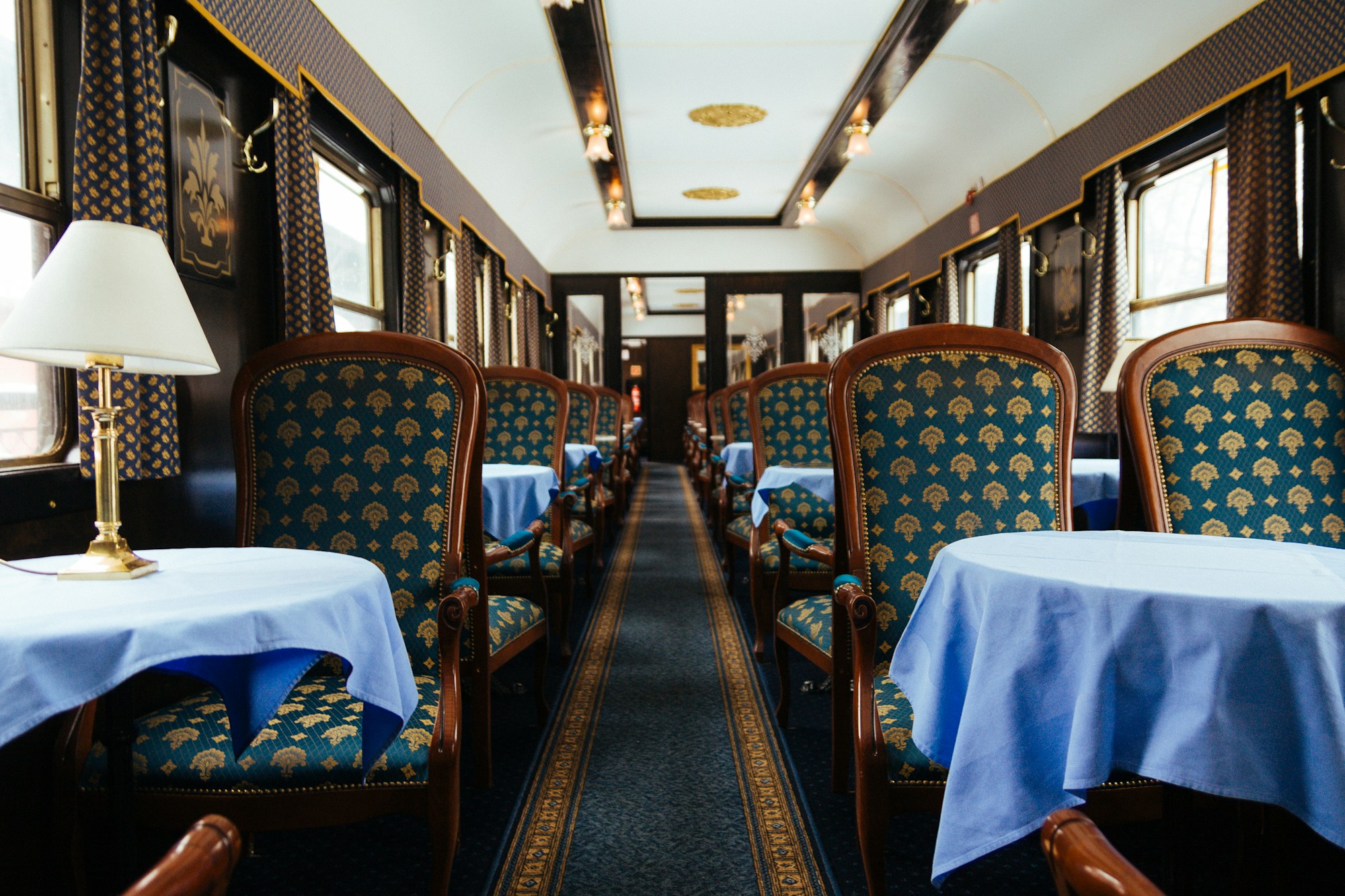
From the VSOE Belmond to La Dolce Vita: the luxury train reinvented
The Orient Express remains the most legendary name in rail travel. In 2026, two trains carry on this legacy — with very different philosophies and price points. We cover both in detail, alongside the Glacier Express and other 2026 launches, in our luxury trains guide.
VSOE Venice Simplon-Orient-Express by Belmond
The VSOE by Belmond (LVMH group) is the benchmark luxury train. Its lovingly restored 1920s carriages run between Paris and Venice (the classic route, one night), Paris and Istanbul (the Grand Route, three nights) and since 2025, Paris and Rome.
The Paris-Istanbul 2026 journey is the ultimate experience: according to Luxury Train Tickets, expect to pay from GBP 18,050 per person. This price includes 3 nights on board, 2 hotel nights (Budapest and Bucharest), guided excursions, all gourmet meals and drinks. It’s an exceptional voyage, booked well in advance, attracting enthusiasts from around the world.
For the classic Paris-Venice (one night), fares start at around GBP 3,300 in a twin cabin, according to Adventure Chest. The five-course dinner in the Art Deco dining car, cocktails at the piano bar and breakfast in the cabin are all included.
La Dolce Vita Orient Express by Accor
Launched in April 2025, the La Dolce Vita Orient Express is Accor’s answer to Belmond. This luxury train traverses Italy on themed 1 to 2-night itineraries: Rome-Venice, Rome-Palermo, Milan-Amalfi Coast. The ambiance is resolutely Italian — gourmet cuisine, natural wines, contemporary design — with fares below the VSOE, though still in the ultra-premium segment.
8. Mediterranean ferries — crossing the sea while you sleep
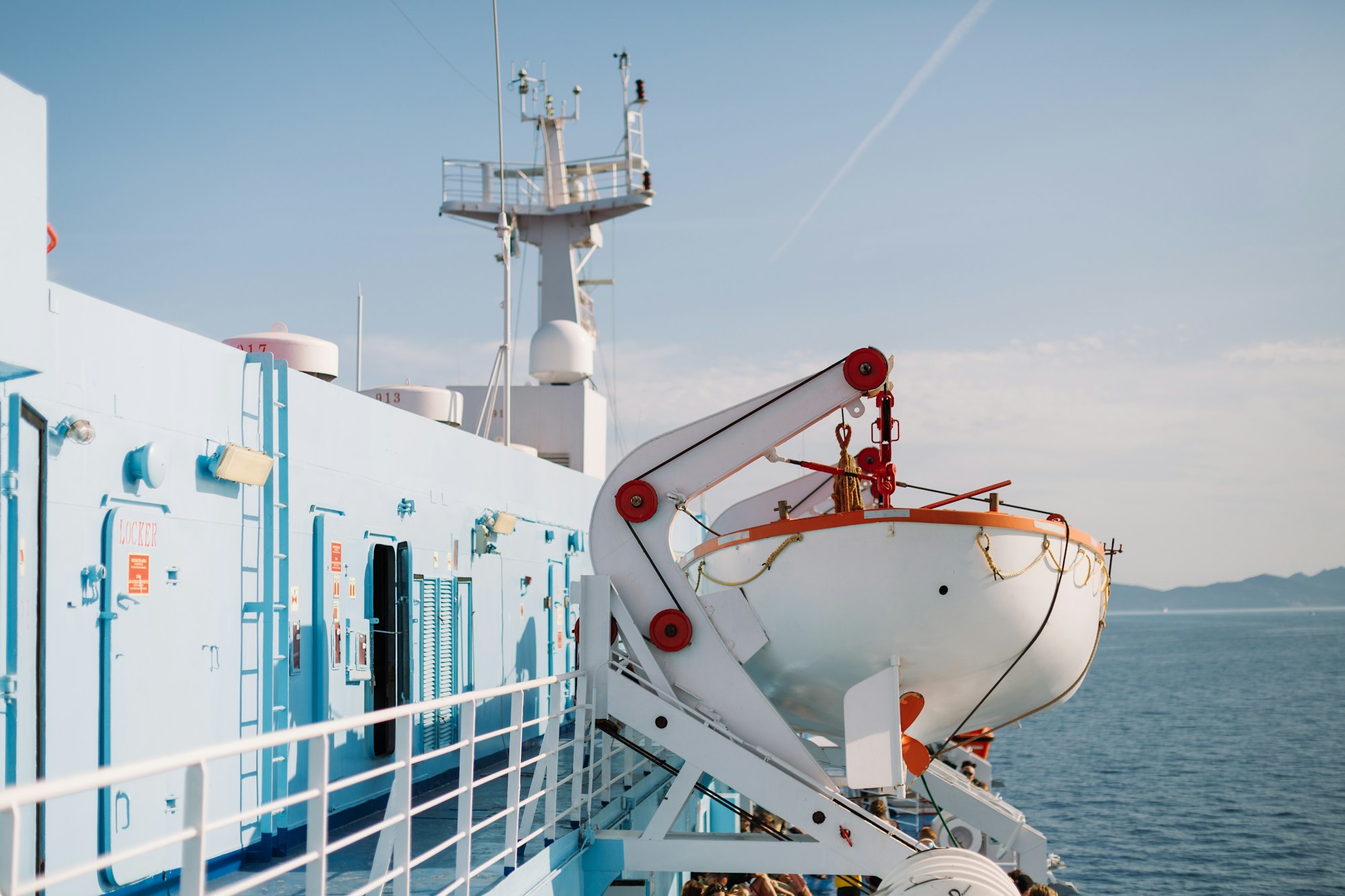
The maritime alternative for flight-free travel to North Africa and the islands
The ferry is the often-forgotten link in overland travel. Yet Mediterranean crossings allow you to reach North Africa, Greece, the Italian islands and the Balearics without leaving the ground (or almost). It’s also one of the few modes of transport that lets you bring your vehicle — a decisive advantage for road-trippers.
Major routes in 2026
| Route | Operator | Duration | Foot passenger from | With vehicle from |
|---|---|---|---|---|
| Marseille → Algeria | Corsica Linea, Algerie Ferries | 18-24h | 180 EUR | ~1,362 EUR |
| Marseille → Tunis | Corsica Linea, CTN | 22-24h | 150 EUR | ~500 EUR |
| Bari → Patras (Greece) | Superfast Ferries, Anek Lines | 16-18h | 50 EUR | ~150 EUR |
| Genoa → Tunis | GNV, CTN | 22-24h | 120 EUR | ~400 EUR |
| Barcelona → Ibiza/Majorca | Balearia, Trasmediterranea | 5-8h | 40 EUR | ~120 EUR |
| Marseille/Nice → Corsica | Corsica Linea, La Meridionale | 6-12h | 30 EUR | ~200 EUR |
The price surge to Algeria
Budget alert: according to Ulysse, fares for Marseille-Algeria ferries have jumped 46% in 2026. A crossing with a vehicle and 4 passengers that cost 932 EUR in 2024 now reaches 1,362 EUR. The reasons: rising maritime fuel prices, tighter environmental regulations and high summer demand. To offset this increase, some travellers opt for departures from Spain (Alicante or Almeria to Oran/Ghazaouet), typically 20-30% cheaper.
The comparison site Direct Ferries remains the best tool for comparing prices and schedules across all operators. Pro tip: book at least 2-3 months before summer dates (July-August), when prices can double.
9. The Silk Road by train — from Europe to Asia overland
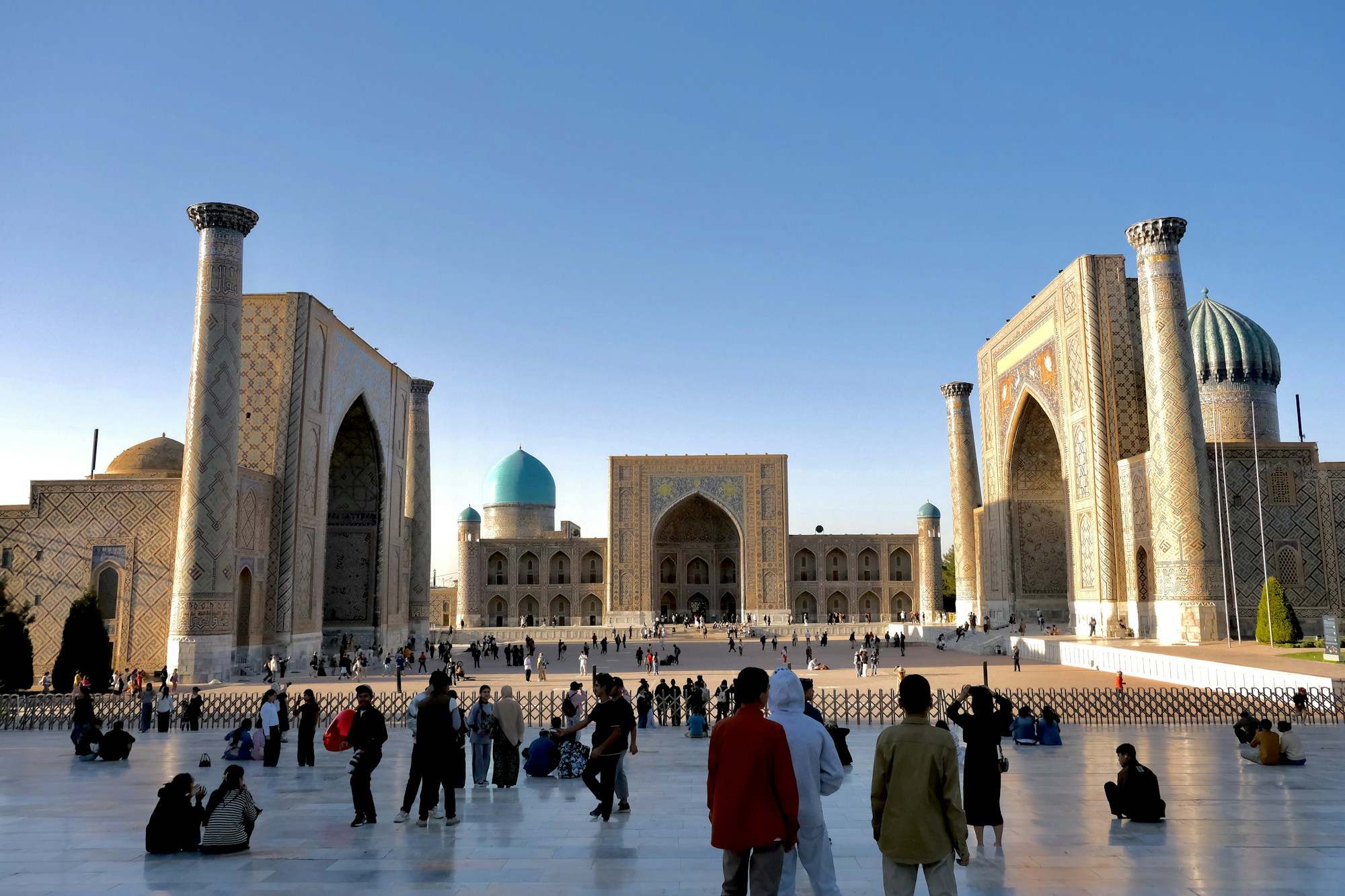
Istanbul, Tehran, Samarkand, Beijing: the ultimate flight-free journey
For the most ambitious travellers, the holy grail of overland travel is the Europe → Asia overland route. The classic Silk Road rail itinerary departs from Paris or Istanbul and crosses Turkey, Iran, Turkmenistan, Uzbekistan and Kazakhstan before reaching China or India. According to Lonely Planet, it’s one of the most transformative journeys a traveller can undertake.
The typical Europe-Asia itinerary
- Paris → Istanbul: Eurostar + European Sleeper, or TGV + ferry via Italy. Allow 2-3 days.
- Istanbul → Tehran: Train to Ankara, then bus via the Turkish-Iranian border. Allow 3-5 days.
- Tehran → Central Asia: Iranian train to Mashhad, then Turkmen border and train to Bukhara/Samarkand. 5-7 days.
- Samarkand → Beijing: Train to Kazakhstan, then connection to China via the Khorgos border crossing. 7-10 days.
- India alternative: from Iran, crossing Pakistan (Quetta → Lahore) and the Wagah border to India. 5-7 days.
In total, a round-the-world trip without flying requires a minimum of 6 to 8 months, depending on pace and stops. It’s a considerable commitment, but travellers who have done it — such as those documented by The Broke Backpacker — unanimously describe an experience that changes their perspective on the world.
Cargo ships: crossing oceans without flying
For ocean crossings, a cargo ship carrying passengers is the only overland option. According to Assur Travel, expect to pay between 1,000 and 2,500 EUR for a 15-day crossing. The cabin and full board are included — you eat at the officers’ table. Main routes: Mediterranean → Asia (via Suez), Europe → Americas (North Atlantic), Asia → Americas (Pacific).
10. Budget — flying vs overland, the real comparison
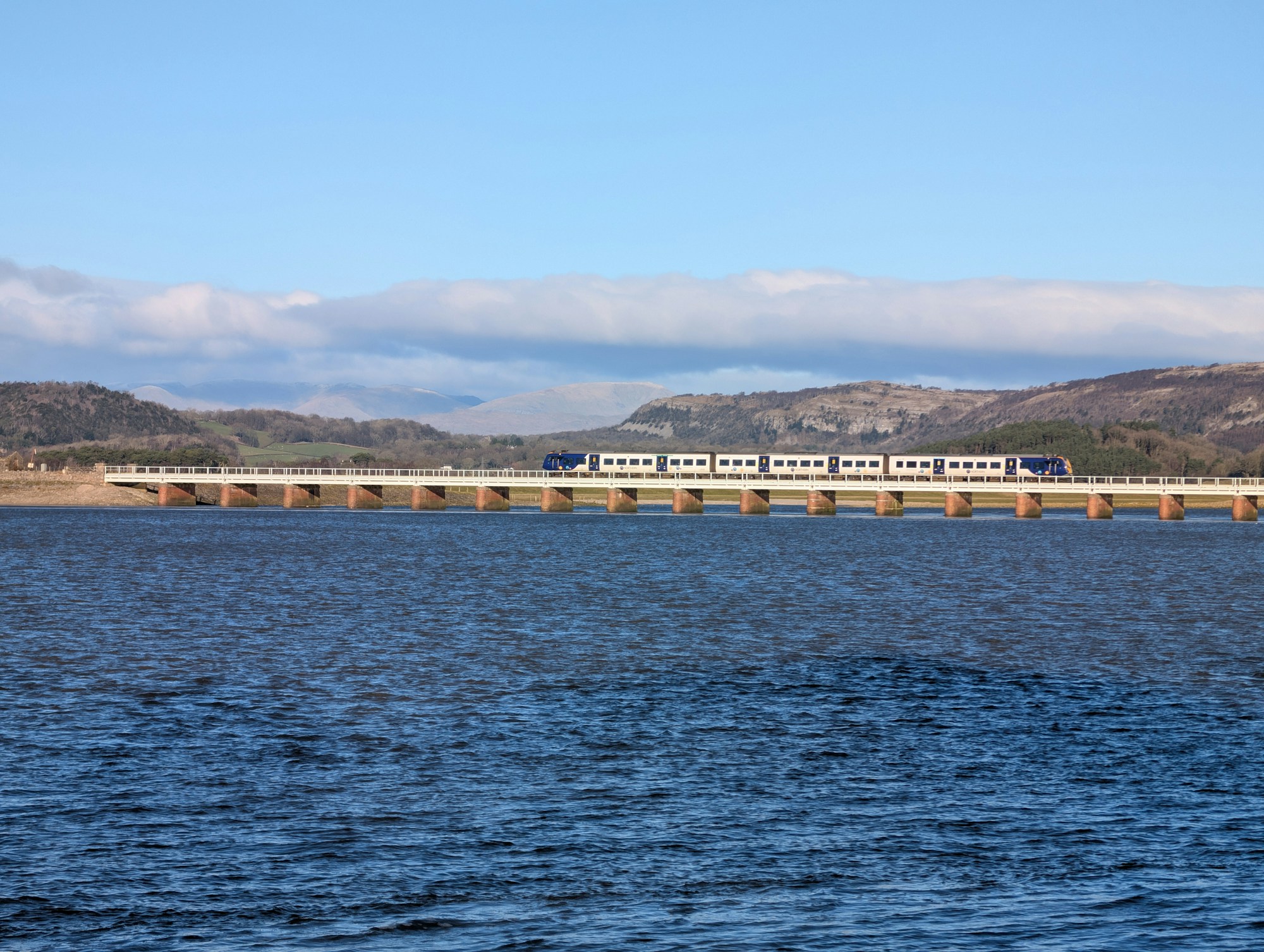
When the train beats the plane — and when it doesn’t
The reflex that « flying is cheaper » deserves to be challenged. On European medium-haul routes, a total cost comparison — including airport transfers, checked luggage, a lost hotel night and stress — often tips the balance in favour of the night train.
Detailed comparison for key routes
| Route | Low-cost flight | Train/overland | Train advantage |
|---|---|---|---|
| Paris → Venice | 40-80 EUR + transfers (~30 EUR) + luggage (~25 EUR) | European Sleeper 29-120 EUR | Arrives at Santa Lucia city centre |
| Paris → Berlin | 40-90 EUR + transfers (~20 EUR) | European Sleeper 29-129 EUR | 1 hotel night saved |
| Paris → Edinburgh | 50-100 EUR + transfers (~30 EUR) | Eurostar + Caledonian 80-200 EUR | 0 airport transfers |
| Munich → Rome | 60-120 EUR + hotel (~90 EUR) + transfers (~30 EUR) | Nightjet 50-280 EUR | Hotel + flight saved |
| Zurich → Amsterdam | 60-100 EUR + transfers (~25 EUR) | Nightjet 29-200 EUR | Arrives at Amsterdam Centraal |
| Marseille → Algiers | 80-200 EUR (direct flight) | Ferry 180-350 EUR (foot passenger) | Vehicle boarding possible |
The hidden costs of flying
The flight ticket price never reflects the true cost of the journey. Here are the expenses that night trains systematically eliminate:
- Airport transfer: 20-40 EUR return depending on the city (taxi, shuttle or public transport). The train arrives in the city centre.
- Checked luggage: 25-45 EUR per journey on low-cost carriers. Night trains have no luggage limits.
- Hotel night: 60-120 EUR depending on the city. On a night train, your « hotel » travels with you.
- Wasted time: 3-4 hours at the airport (early arrival + security + boarding + transfer). The night train uses those hours to transport you while you sleep.
- Airport meals: 15-25 EUR. Night trains in cabin class often include breakfast, and nothing stops you from bringing your own meal on board.
When flying still makes sense
Let’s be honest: overland travel isn’t always the best option. On routes beyond 1,500 km without a direct overnight connection (for example Paris-Athens), flying often remains faster and cheaper. Likewise, when time is the main constraint (a 3-day weekend), a direct flight may be the most rational decision. Overland travel isn’t a dogma — it’s an informed choice, route by route.
Practical information for your overland journey
Frequently asked questions about flight-free travel
Is travelling without flying in Europe really possible in 2026?
Yes, and more easily than ever. In 2026, Europe’s night train network covers much of the continent: Nightjet OBB serves Austria, Germany, Italy, the Netherlands and Switzerland. European Sleeper is launching Paris-Berlin and Brussels-Milan. French Intercites de Nuit link Paris to Nice and Toulouse. Add Mediterranean ferries, the Eurostar and the Interrail network, and you can reach virtually any European city without flying — often for a comparable or lower cost than a flight. Source: Seat61.
Is the Interrail pass really worth it in 2026?
It depends on your itinerary. The Global 4 days/1 month pass at 258 EUR pays for itself with just 3-4 long-distance journeys in a month. The advantage is greatest in countries without compulsory reservations (Germany, Austria, Switzerland, Benelux), where you can hop on any train at no extra cost. However, if your trip focuses on France, Spain or Italy, compulsory reservations (averaging 35 EUR per journey) reduce the pass’s value. Always compare with point-to-point tickets bought on promotional fares. Source: Interrail.eu.
Is the Trans-Siberian accessible to European travellers in 2026?
Yes, but with restrictions. Since the 19th EU sanctions package (October 2025), European travel agencies can no longer sell tourist stays in Russia. Independent travel remains possible, however: you can obtain a Russian visa, buy tickets on the RZD website and travel independently. Alternative: focus on the Ulaanbaatar → Beijing leg via Mongolia, which does not require Russian transit and benefits from the Mongolian visa exemption for EU citizens until 31 December 2026. Source: Trains des Tsars.
What’s the difference between the classic and the new-generation Nightjet?
The new Viaggio Next Level trainsets by Siemens Mobility represent a major quality leap. Key innovations: mini solo cabins lockable by key card (a first in overnight rail travel), Comfort Plus compartments with private showers and separate toilets, free WiFi in all categories, adjustable LED lighting and improved soundproofing. The older carriages, still in service on some routes, offer decent comfort but lack these modern features. The progressive roll-out of new trainsets continues throughout 2026. Source: Nightjet.com.
How can I reach Sicily from Paris without flying?
Several options exist. The most spectacular: take a TGV Paris-Milan (7h), then the Intercity Notte Milan-Palermo (18h), whose carriages board a ferry to cross the Strait of Messina — a one-of-a-kind experience. Faster alternative: TGV Paris-Lyon, then TGV Lyon-Turin-Milan, then Frecciarossa Milan-Rome, and finally Intercity Notte Rome-Palermo (12h overnight). Total budget: 100-250 EUR depending on class and booking date. Source: Voyager en Train.
Which night train should I choose for solo travel?
The Nightjet OBB with its mini solo cabin is the ideal choice for solo travellers: a private, lockable space at a price comparable to a shared couchette (from 49-55 EUR), with USB socket and personal lighting. The Caledonian Sleeper offers solo Classic Rooms from GBP 100. On European Sleeper, the Classic couchette (5 people, from 69.99 EUR) is the most sociable option — you’ll share your compartment with other travellers. For tight budgets, a reclining seat (from 29 EUR) remains a viable option on shorter journeys (under 8 hours). Source: Seat61.
What are the best tools for planning a flight-free trip?
Five essential tools: Seat61.com, the global reference for rail travel — detailed guides by country and route. Rome2Rio to visualise all possible itineraries (train, bus, ferry) between two points. Direkt.bahn.guru to find direct trains from any European station. Direct Ferries to compare ferry crossings. And finally the Interrail planner to build a multi-country itinerary with connections.
Has European Sleeper added new routes since launch?
Yes. Beyond the original Paris-Berlin and Brussels-Milan lines, European Sleeper now also operates a third route, Brussels-Prague, extending the flight-free network deeper into Central Europe. Bookings are open across all three connections, making it easier to combine a Benelux, French, German, Italian or Czech leg into a single overland itinerary. Source: European Sleeper.
Is travelling without flying really less polluting?
The numbers are clear-cut. A train emits around 14 g of CO2 per passenger-kilometre, compared to 255 g for a plane — that’s 18 times less. The Caledonian Sleeper claims 7 times fewer emissions than other modes of transport. The ferry, at around 150 g/pkm, sits between the two but is still clearly preferable to flying on short crossings (where planes are particularly inefficient due to take-off and landing). On a Paris-Rome route, choosing the train over the plane saves around 200 kg of CO2 — the equivalent of driving 1,000 km by car. Sources: Greenly, Caledonian Sleeper.
Sources
- Seat61 — Nightjet Guide — The global reference for rail travel, comprehensive Nightjet guide by Mark Smith
- Seat61 — Caledonian Sleeper — Detailed guide to the London-Scotland night train
- Seat61 — Night Trains in Europe — Comprehensive overview of European night trains
- Nightjet.com (OBB) — Official Nightjet destinations and booking website
- European Sleeper — Official website of the Belgian-Dutch night train cooperative
- Hourrail — News and analysis of the European Sleeper 2026 network
- Voyager en Train — French-language guide to European night trains
- Caledonian Sleeper (sleeper.scot) — Official London-Scotland night train website
- Trenitalia — Intercity Notte — Official information on the Sicily train-ferry
- Discovery Trains — First-hand accounts of the Intercity Notte and the Strait of Messina crossing
- Interrail.eu — Official Interrail pass website, fares and planner
- Ulysse — Interrail 2026 guide and Mediterranean ferry fare updates
- Au Bord du Quai — Analysis of compulsory Interrail reservations
- Carnets de Voyages — Practical Interrail guide and cost estimates
- Russiable — Comprehensive Trans-Siberian and Trans-Mongolian guide
- Vagabondes — Trans-Mongolian reopening and first-hand accounts
- Trains des Tsars — Impact of European sanctions on travel to Russia
- Tourdumondiste — Detailed Trans-Siberian and Trans-Mongolian budget
- Belmond — VSOE — Official Venice Simplon-Orient-Express website
- Luxury Train Tickets — Orient Express Paris-Istanbul fares and booking
- Adventure Chest — Orient Express fare comparison by route
- Direct Ferries — Mediterranean and European ferry comparison
- Corsica Linea — Marseille-Corsica and Marseille-Algeria crossings
- Greenly — CO2 data by mode of transport
- The Broke Backpacker — Overland itineraries and practical guides
- Lonely Planet France — Slow travel trend and flight-free travel
- Assur Travel — Cargo ship travel guide
Research conducted on 17 March 2026, refreshed 16 July 2026
Ready to plan your flight-free journey?
Discover complete and detailed travel itineraries, designed to inspire you and make planning easier.
Explore all itineraries