
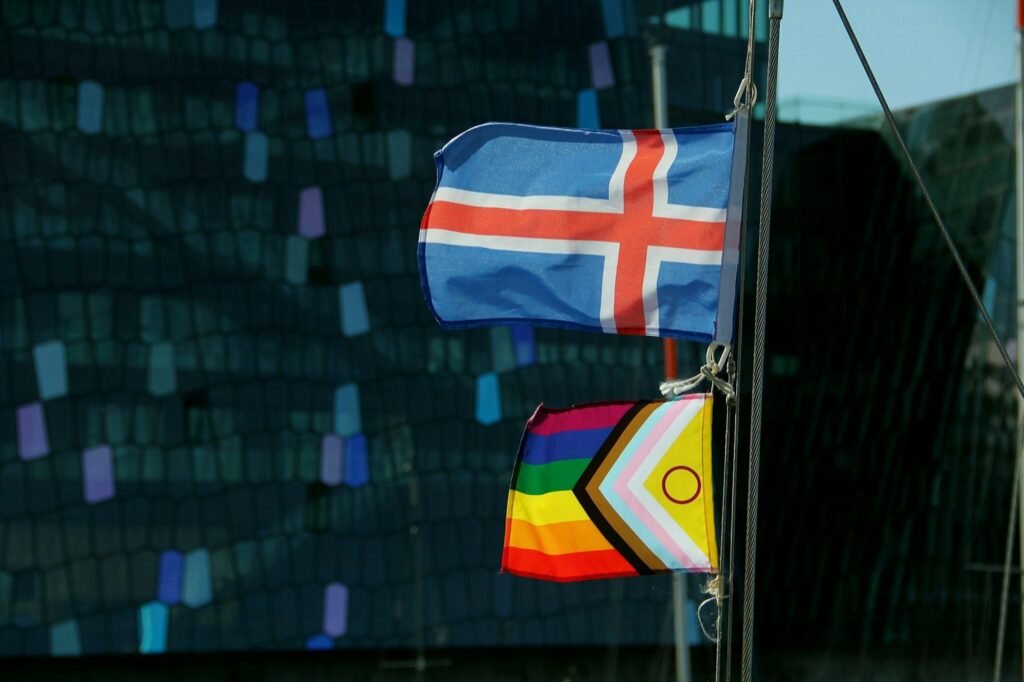
Which destinations are best for LGBTQ+ travelers in 2026? Beyond Amsterdam and Mykonos, Spain tops the ILGA-Europe Rainbow Map 2026, with Malta second, and Portugal shares the top spot of the Spartacus Gay Travel Index 2025; Taiwan (2019), Thailand (January 2025), and Greece (February 2024) all recently legalized marriage equality; and daily budgets range from $30 in Chiang Mai to $270 in Reykjavik. WorldPride Amsterdam wrapped on August 8 after marking 25 years of Dutch marriage equality. Our top pick for first-time LGBTQ+ travelers: Malta, the only European country with no single « gay neighborhood, » because the whole island is inclusive.
Forget the predictable rainbow itineraries and the same gay neighborhoods featured in every guidebook. In 2026, traveling as an LGBTQ+ person is no longer about checking off the same European capitals or planning your holidays around the next Pride parade. From Taipei — Asia’s pioneer of marriage equality — to the ancient alleyways of Matera and the cenotes of the Yucatan, a new geography of welcome is taking shape. These are destinations where inclusivity goes beyond a rainbow flag on a bar front — it permeates the entire social fabric. Here are eleven cities that prove the world, despite its persistent dark spots, opens up a little more each year.
WorldPride Amsterdam 2026: 25 Years of Equality, Celebrated
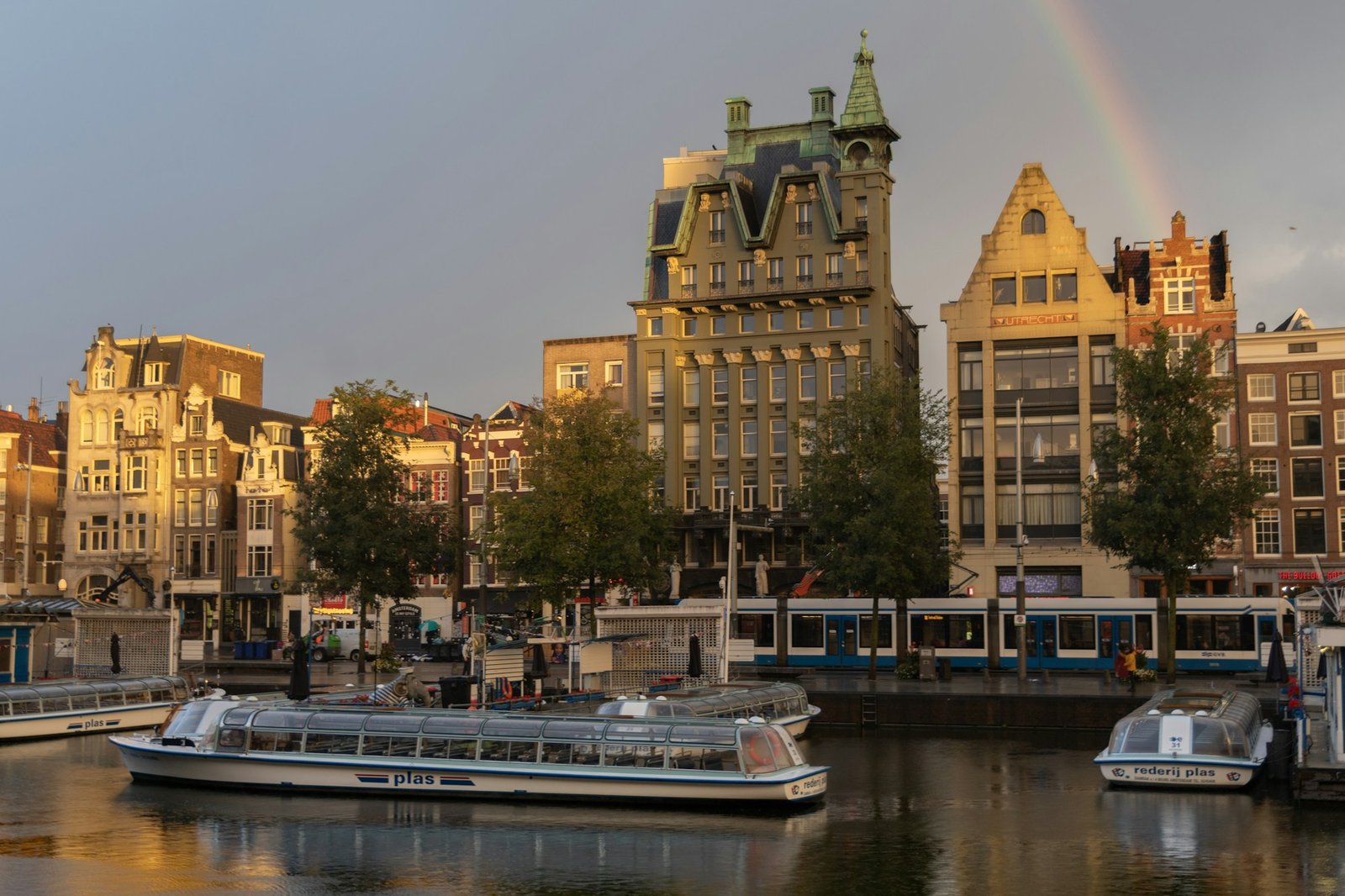
25 Years of Marriage Equality in the Netherlands
WorldPride Amsterdam 2026 wrapped on August 8 after two weeks of festivities marking the quarter-century anniversary of Dutch marriage equality. The Netherlands, the first country in the world to legalize same-sex marriage in 2001, drew large crowds for the legendary Canal Parade, international conferences on LGBTQ+ rights, and cultural programming across the entire city. If you missed it, the good news is the flagship event was never the only reason to travel this year — as the sections below show, the most obvious destinations aren’t the only ones that deserve your attention.
1. Taipei, Taiwan
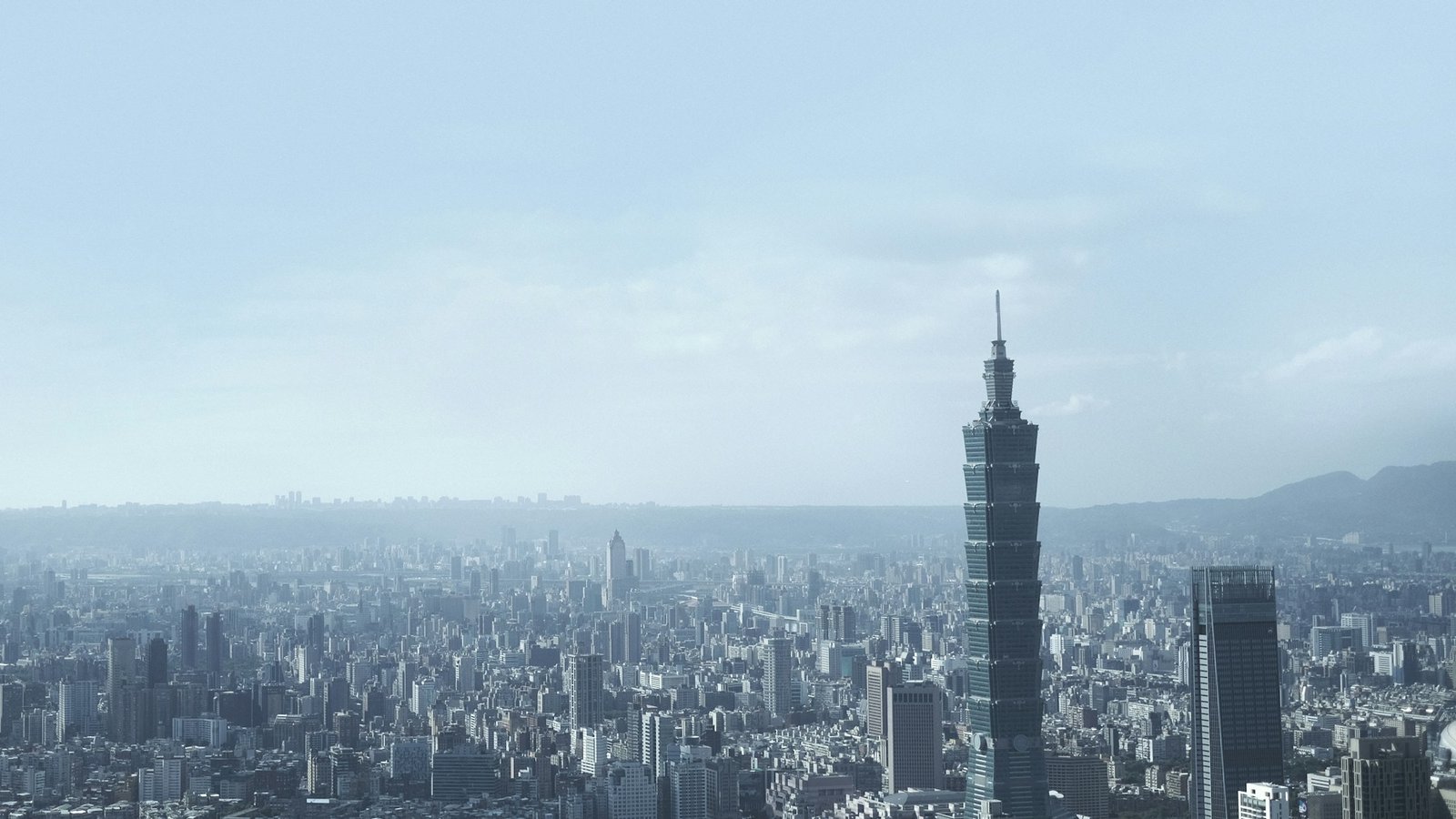
Asia’s Rainbow Beacon
The first territory in Asia to legalize same-sex marriage in 2019, Taiwan remains a unique case on the continent. Taiwan Pride, which draws over 200,000 participants each year, is the largest pride march in Asia. But it’s in everyday life that Taipei truly shines: Red House Plaza, in the Ximending district, is home to a vibrant gay village with terraces, bars, and boutiques, all in a relaxed atmosphere that feels nothing like a party ghetto.
Beyond the nightlife scene, it’s Taiwanese warmth that leaves a lasting impression on travelers. You can walk hand in hand through the Shilin or Raohe night markets without drawing a single stare. Buddhist temples welcome everyone. And the culinary scene — from xiao long bao to original bubble teas — is reason enough to cross the Pacific.
Highlights
- Red House Plaza: the heart of Taiwanese gay life, open and welcoming
- Asia’s largest Pride (October) with over 200,000 participants
- Moderate cost of living for a developed Asian capital
- Exceptional safety: Taipei is one of the safest cities in the world
2. Malta
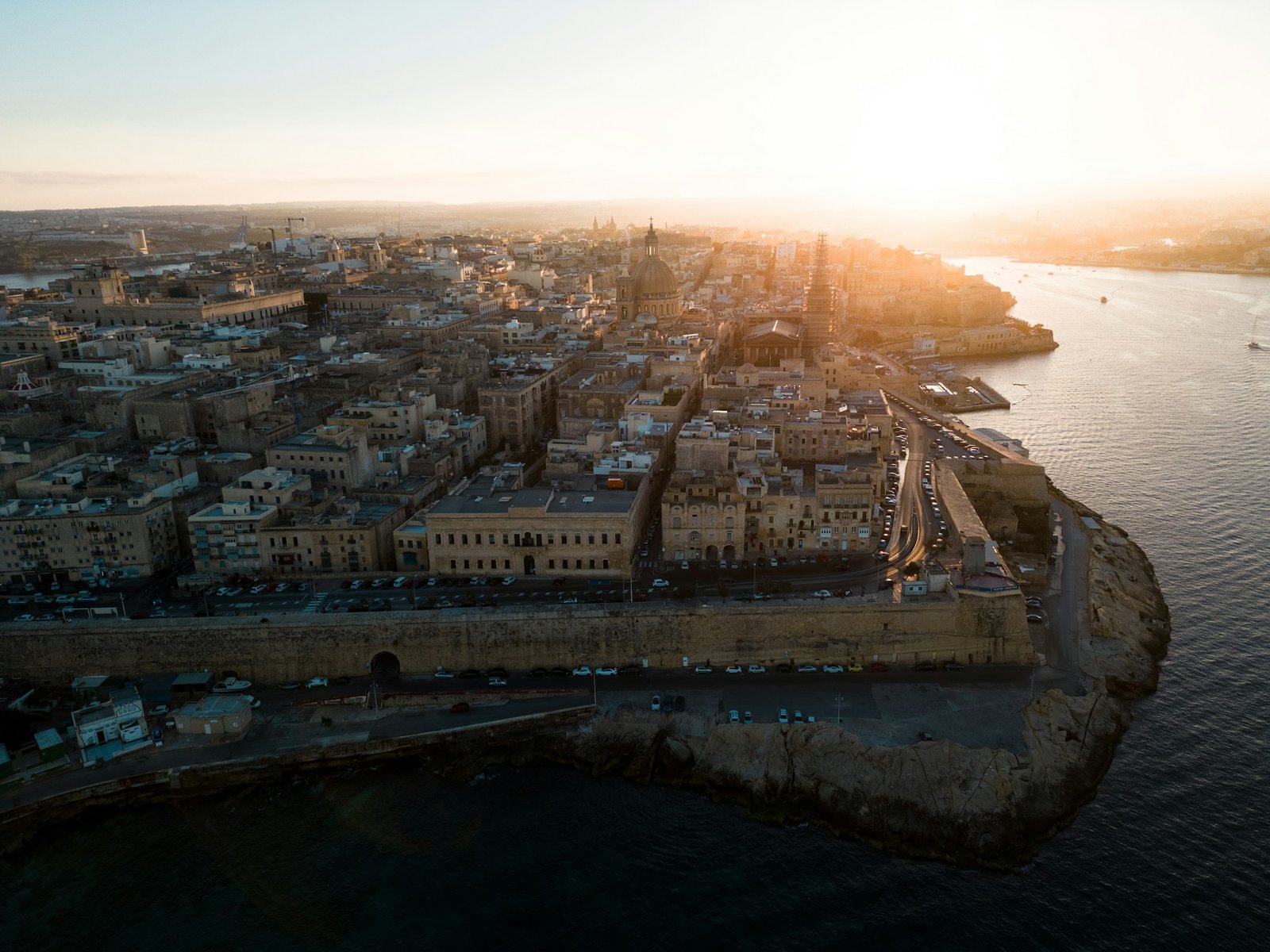
Europe’s Number Two for Inclusivity
For ten years, Malta topped the ILGA-Europe Rainbow Index; in 2026 it ranks second with 88%, behind Spain (89%). Marriage equality has been legal since 2017, and the archipelago boasts some of the world’s most advanced legislation on transgender and intersex rights. The detail that makes all the difference? There’s no « gay neighborhood » in Malta — because the entire island is inclusive.
Valletta, European Capital of Culture in 2018, captivates with its baroque architecture, stairway alleys plunging toward the Mediterranean, and its thriving arts scene. Malta Pride, held every September, transforms the streets into a popular celebration where locals and tourists mingle freely. And for beach lovers, the turquoise waters of Comino (Blue Lagoon) rival the Greek islands — at a fraction of the price.
Highlights
- #2 on the ILGA-Europe Rainbow Map 2026
- Pioneering legislation on trans and intersex rights
- Exceptional UNESCO heritage in Valletta
- Short and affordable flights from major European hubs
3. Chiang Mai, Thailand
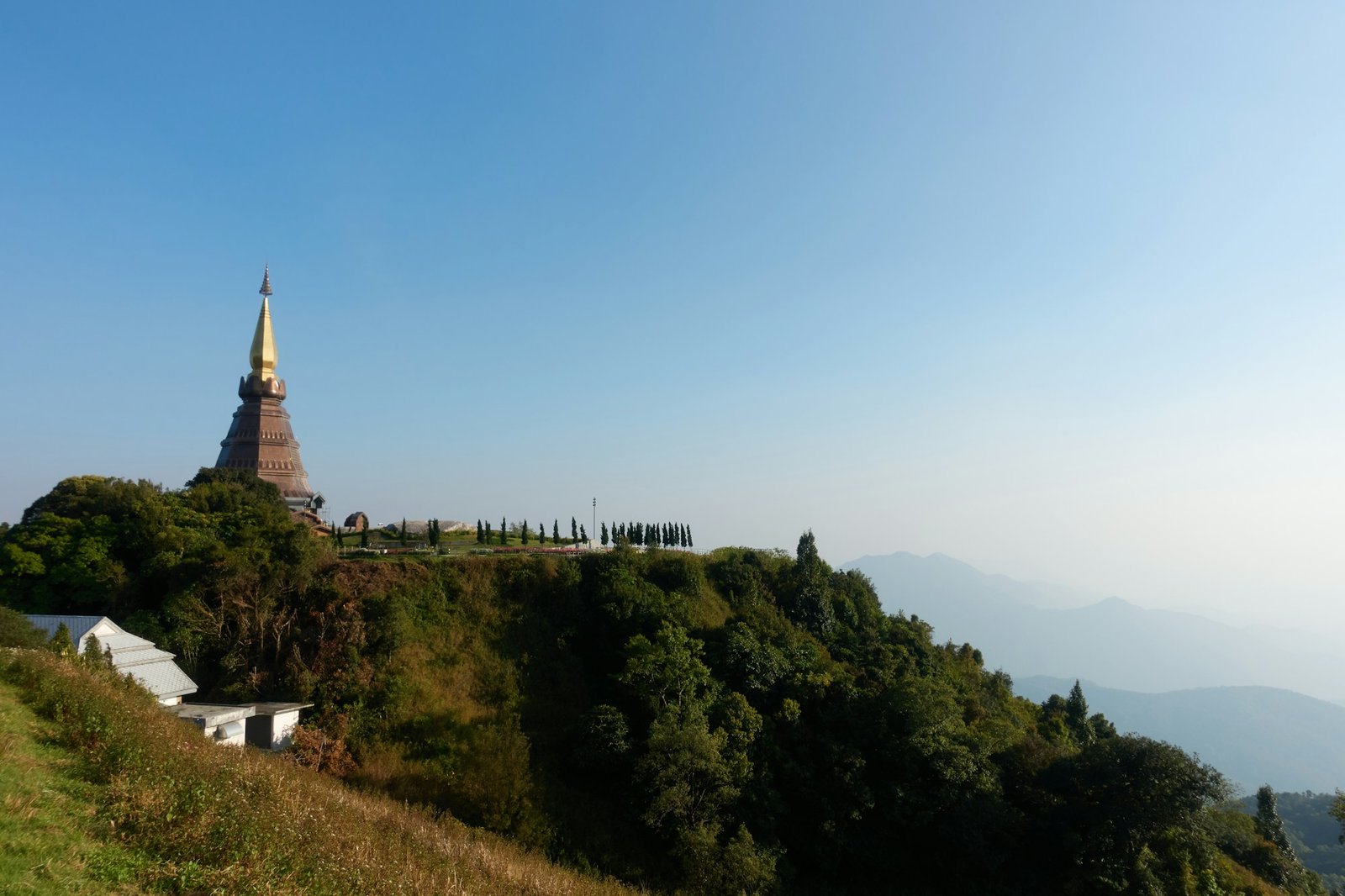
The Zen Alternative to Bangkok
Thailand reached a historic milestone in January 2025 with the legalization of marriage equality, becoming the first Southeast Asian country to recognize same-sex unions. While Bangkok remains the party capital, it’s Chiang Mai that attracts a growing community of LGBTQ+ travelers seeking a different pace. The « Rose of the North » offers an enchanting blend of centuries-old temples, artisan markets, and lush nature — all at unbeatable prices.
The city has established itself as a hub for queer digital nomads, with its trendy cafes in the Nimman district, yoga retreats, and Thai cooking classes. The atmosphere is peaceful, tolerant, and the fundamentally non-confrontational Thai Buddhist culture creates an environment where everyone can be themselves without pressure.
Highlights
- Unbeatable budget: you can live very well on $40/day
- Active LGBTQ+ digital nomad community
- 300+ temples, cooking classes, mountain treks
- Marriage equality legal since January 2025
4. Athens, Greece
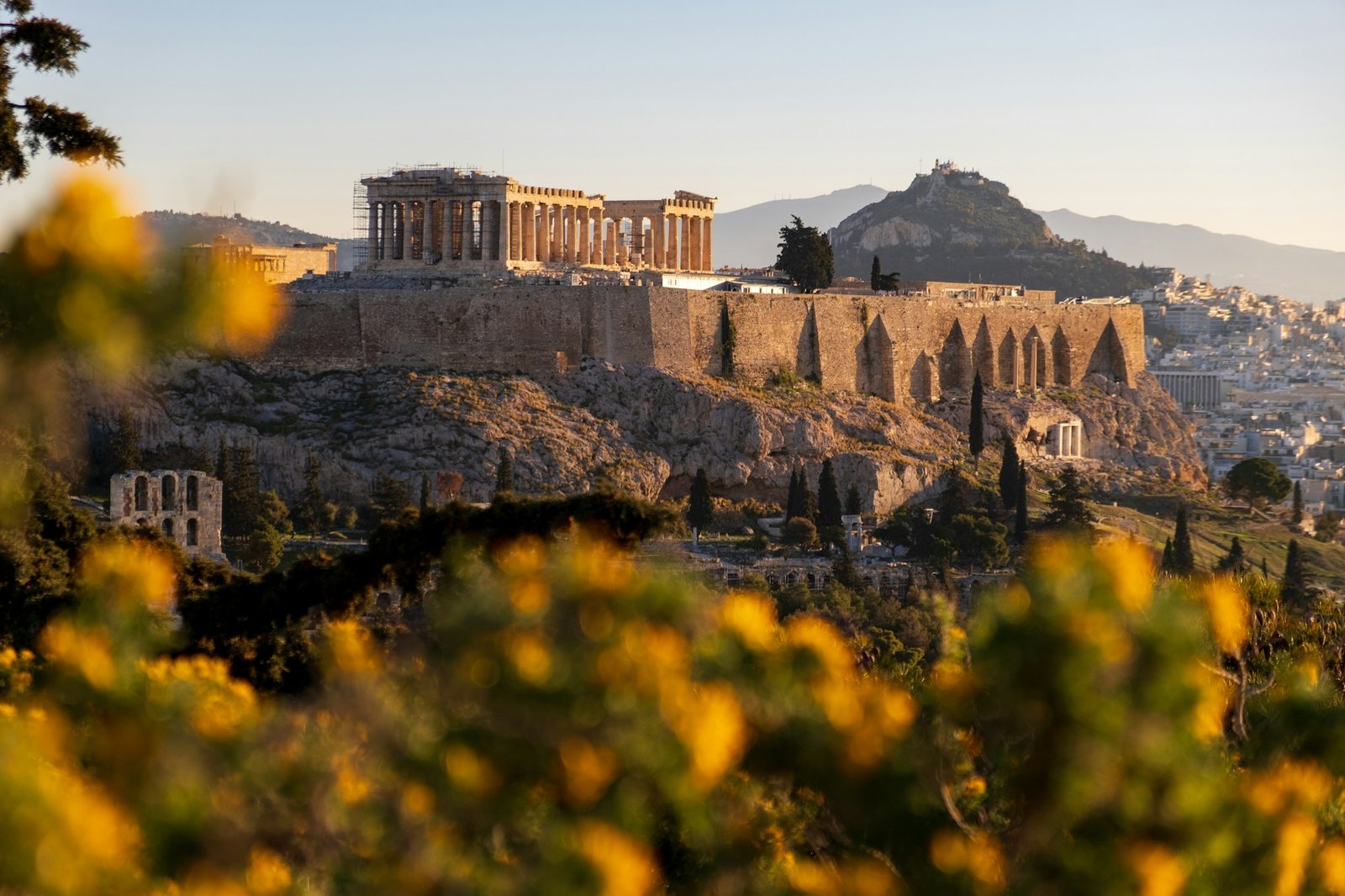
The Underground Antidote to Mykonos
Mykonos remains the quintessential Greek gay destination — and its prices match. Athens offers an infinitely more affordable and culturally richer urban alternative. The Gazi district, a former industrial area turned nightlife hub, clusters LGBTQ+-friendly bars, clubs, and restaurants around the iconic Technopolis smokestack. But it’s the Athenian underground scene that truly sets the city apart: parties in repurposed warehouses, contemporary art galleries, and neighborhood tavernas where you share mezze until dawn.
Greece legalized civil marriage for same-sex couples in February 2024, a major milestone for an Orthodox country. The younger Athenian generation is decidedly open-minded, and Athens Pride, held every June in Syntagma Square, grows larger each year.
Highlights
- Gazi district: the epicenter of LGBTQ+ nightlife
- Budget 3 to 4 times lower than Mykonos
- Exceptional ancient heritage (Acropolis, Agora)
- Culinary scene in full renaissance
5. Merida, Mexico
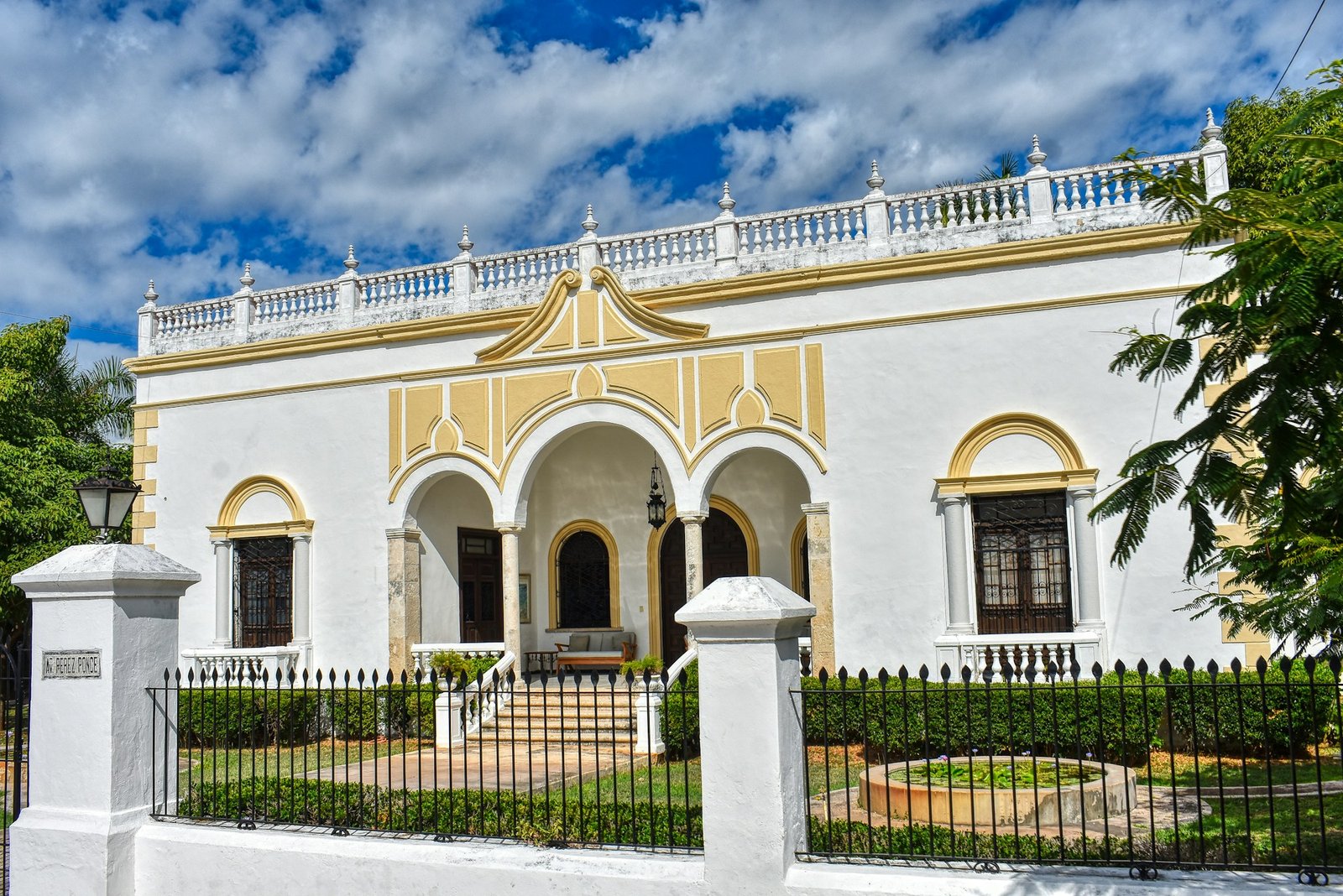
The Colonial Gem of the Yucatan
Far from the frenzy of Cancun and the rapid gentrification of Tulum, Merida stands out as Mexico’s most endearing gay-friendly destination. The cultural capital of the Yucatan, this colonial city of 900,000 combines safety (it consistently ranks among the safest cities in the country), dazzling pastel architecture, and reinvented Mayan cuisine. Marriage equality has been legal across all of Mexico since 2022.
The local LGBTQ+ community, though discreet, is well established, particularly around the Santa Ana neighborhood. But Merida’s true treasure lies in the cenotes — those natural underground pools of crystal-clear water less than an hour’s drive away. Imagine swimming in a cave illuminated by a shaft of light, surrounded by millennia-old stalactites. Pure magic.
Highlights
- Spectacular cenotes within easy reach (Suytun, Ik Kil, Xcajum)
- One of the safest cities in Mexico
- Exceptional Yucatecan cuisine (cochinita pibil, papadzules)
- Highly affordable budget for Latin America
6. Matera, Italy
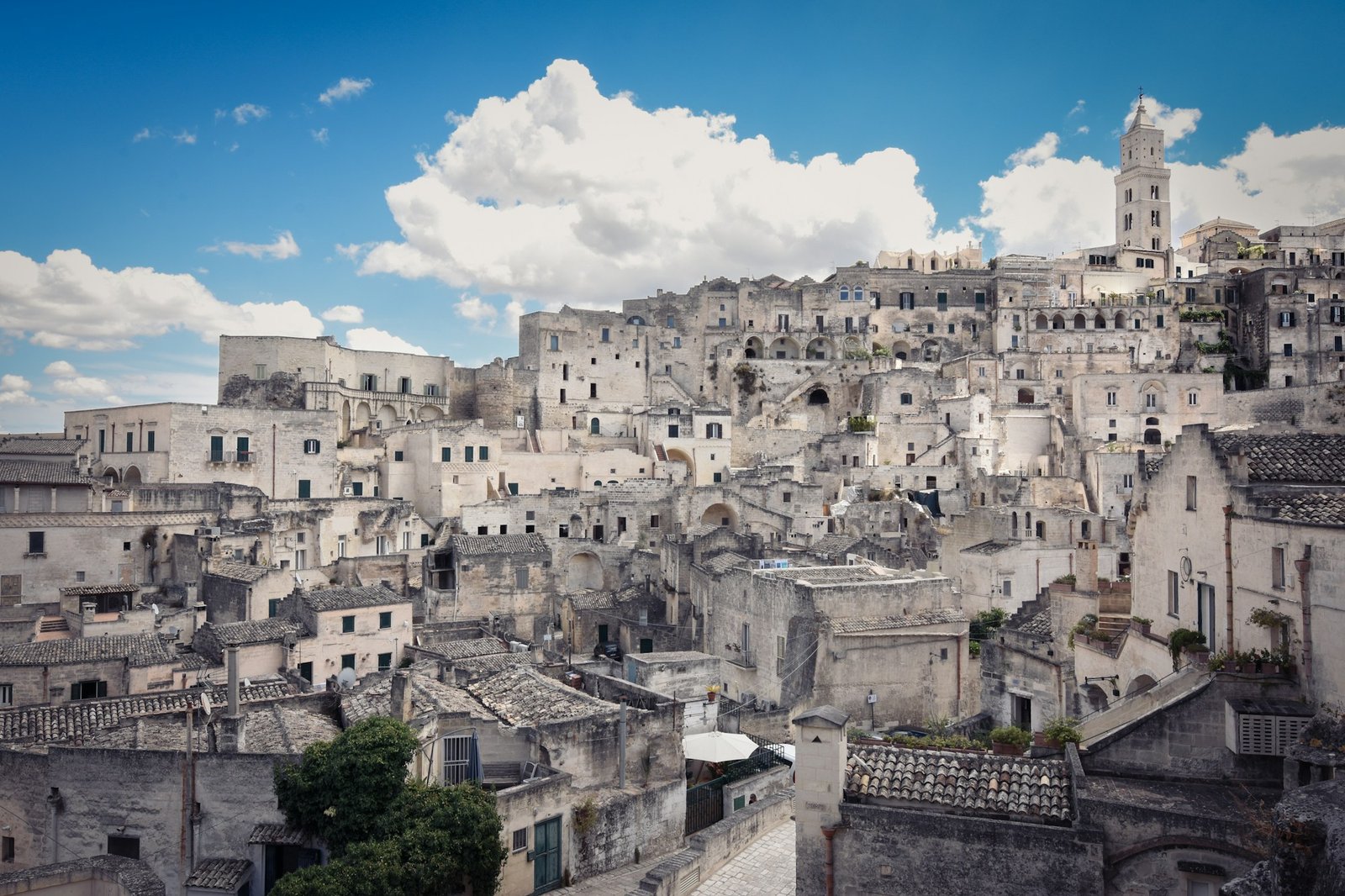
Italy’s Cave-Dwelling Avant-Garde
A UNESCO World Heritage Site, Matera is one of the oldest continuously inhabited cities in the world. Its Sassi — cave dwellings carved into limestone — form a moonscape unique in Europe. Long considered the « shame of Italy » for its poverty, it has become a premier cultural destination since being named European Capital of Culture in 2019.
What interests us here is the Festival Detour Discotheque, scheduled for September 2026, blending electronic music, visual arts, and queer culture against the surreal backdrop of the Sassi. Southern Italy, though more conservative than Milan or Bologna, is undergoing rapid change driven by an engaged younger generation. Matera embodies this transformation: a place where the ancient and the new coexist in spectacular fashion.
Highlights
- One-of-a-kind setting: the Sassi, a UNESCO World Heritage Site
- Festival Detour Discotheque in September 2026
- Exceptional cave hotels (sleep in a renovated grotto)
- Puglia’s gastronomy at your doorstep
7. Porto, Portugal
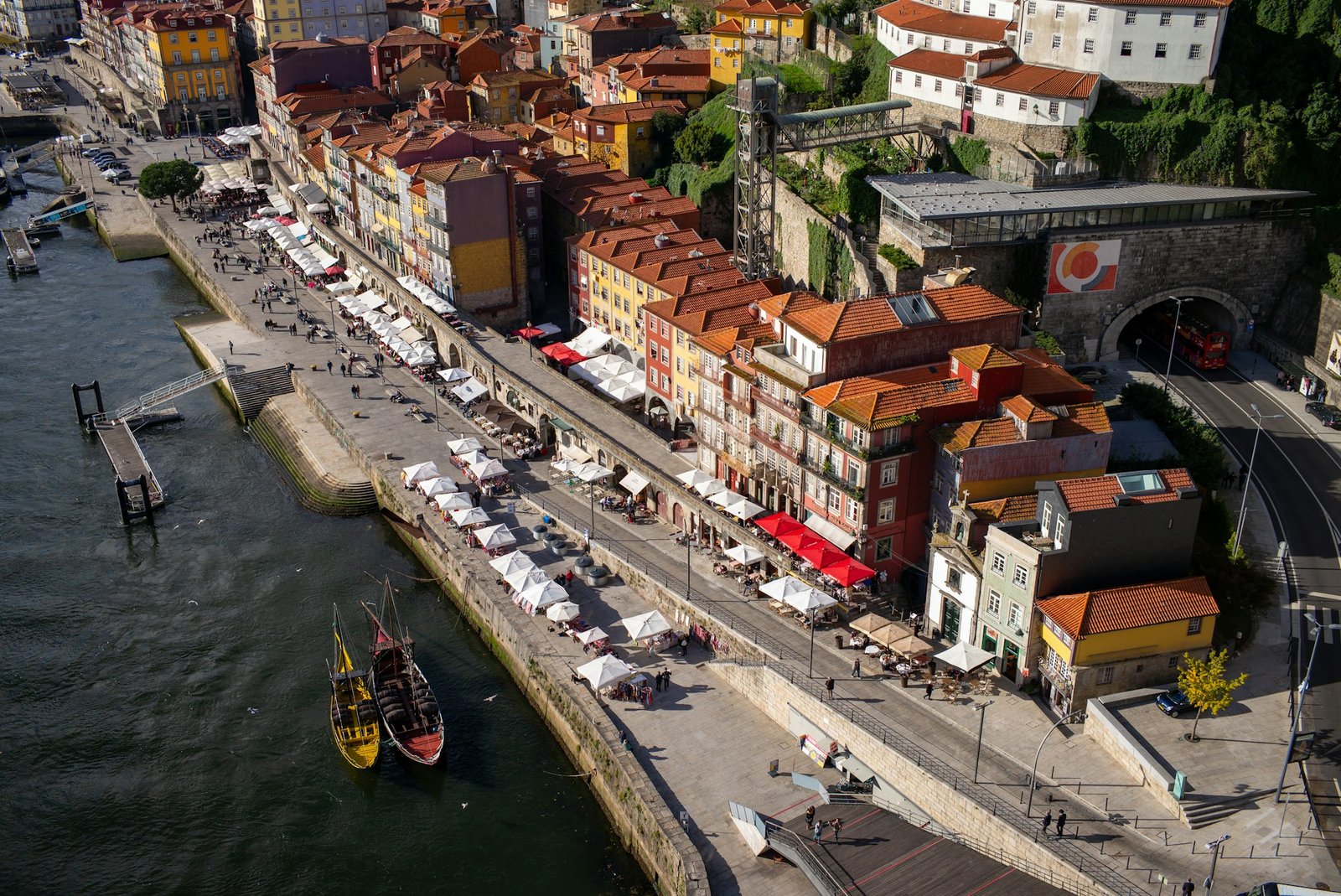
The Portuguese Outsider Dethroning Lisbon
Portugal is tied for the top spot on the Spartacus Gay Travel Index 2025 and ranks among the countries with the highest popular support for LGBTQ+ rights worldwide — over 80% of the population supports equal rights. While Lisbon traditionally captures the spotlight, Porto offers a more authentic, less touristy, and equally welcoming experience.
Portugal’s second city charms with its dramatic verticality (prepare your calves), its port wine cellars in Vila Nova de Gaia, its legendary bookshops (Lello), and its booming creative scene. The Cedofeita neighborhood clusters art galleries, independent boutiques, and progressive cafes. At night, the bars along Rua Galeria de Paris welcome a mixed, uninhibited crowd.
Highlights
- Tied for first on the Spartacus Gay Travel Index 2025
- 80% popular support for LGBTQ+ rights
- Exceptional gastronomy and port wine
- Atlantic beaches accessible by metro (Matosinhos)
8. Antwerp, Belgium
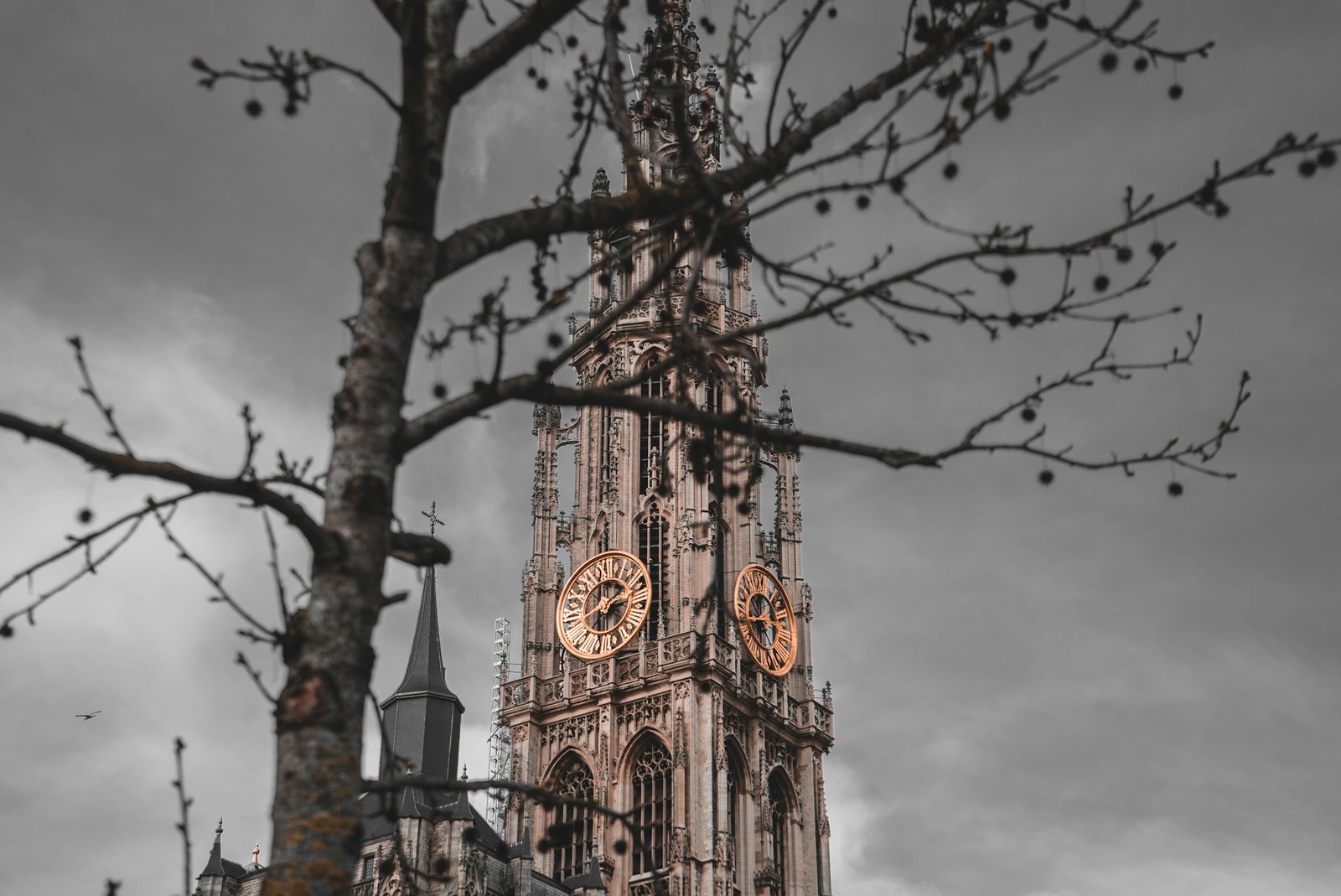
Capital of Fashion and Queer Creativity
Belgium, the second country in the world to legalize same-sex marriage (2003), is home to one of Europe’s most creative queer scenes in Antwerp. The city is world-renowned for its fashion — the « Antwerp Six » (Dries Van Noten, Ann Demeulemeester…) revolutionized haute couture — and that boldness extends to its LGBTQ+ culture. The MoMu (Fashion Museum) is a must-visit, as is the Het Eilandje district, a former port converted into a cultural hub anchored by the MAS (Museum aan de Stroom).
Antwerp’s queer scene is both intimate and vibrant. Around Kloosterstraat, art galleries, antique shops, and alternative bars create a uniquely bohemian atmosphere. Antwerp Pride, held every August, is a festive and political event that brings the whole city together — with a special focus on the arts and performance.
Highlights
- World capital of fashion and design
- Creative and alternative queer scene
- Accessible by train from London (2h Eurostar)
- Flemish gastronomy and craft beers
9. Buenos Aires, Argentina
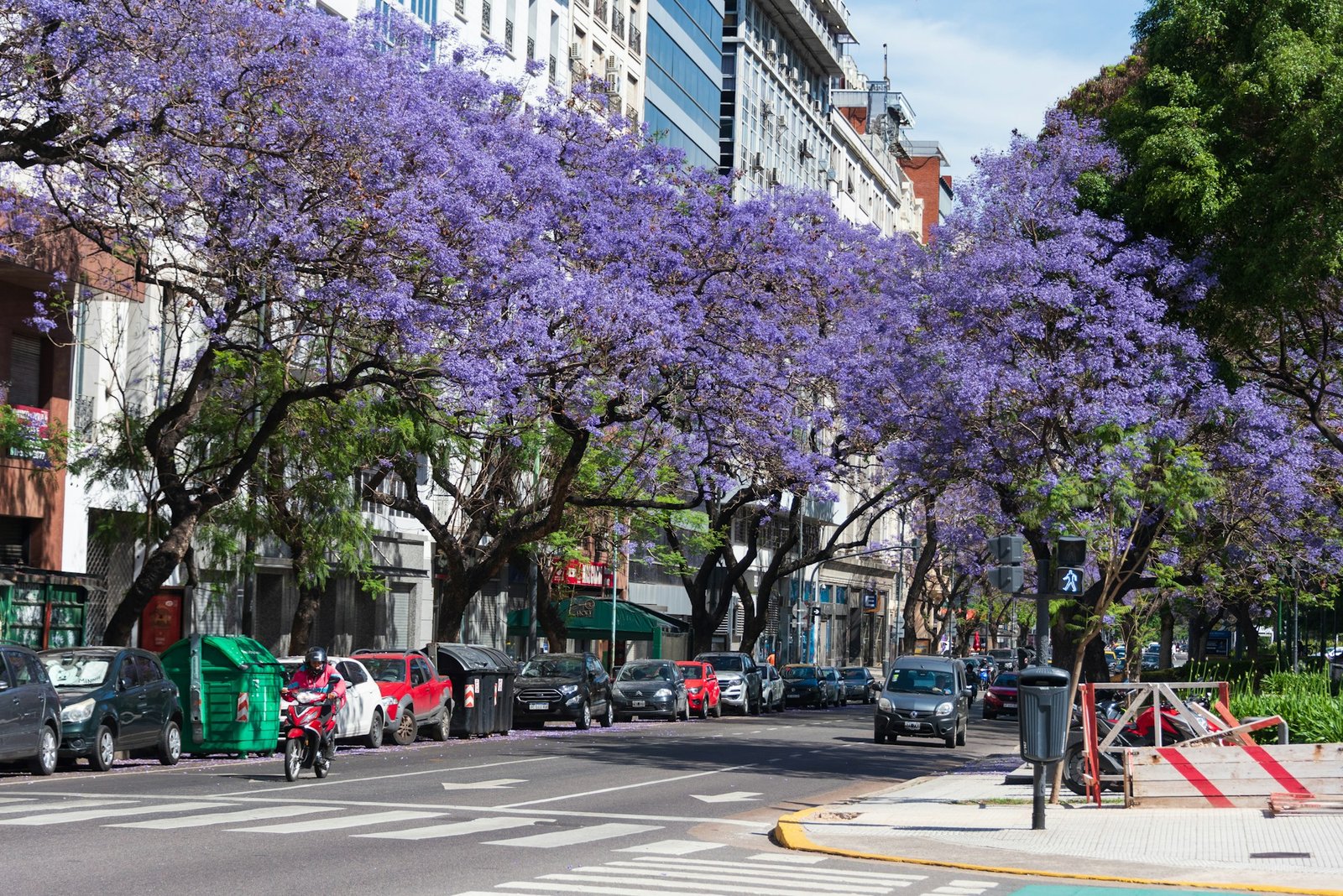
The Gay Capital of Latin America
Argentina was the first Latin American country to legalize marriage equality in 2010, and Buenos Aires is its beating heart. The San Telmo neighborhood, with its antique markets and tango bars, is home to much of the gay portena scene. But it’s in the Palermo district — Soho and Hollywood — where the LGBTQ+ scene is most alive: trendy restaurants, vintage thrift stores, and nightclubs that don’t close until sunrise.
The most unforgettable experience? The queer milongas. La Marshall, the most famous, overturns the codes of traditional tango: here, everyone dances with everyone, and the leader isn’t defined by gender. It’s tango in its purest form — a conversation between two bodies, without labels.
Highlights
- Queer milongas (La Marshall, Tango Queer): a one-of-a-kind experience
- First Latin American country to legalize same-sex marriage (2010)
- Budget-friendly thanks to a favorable exchange rate
- Thriving cultural scene: theater, street art, gastronomy
10. Sitges, Spain
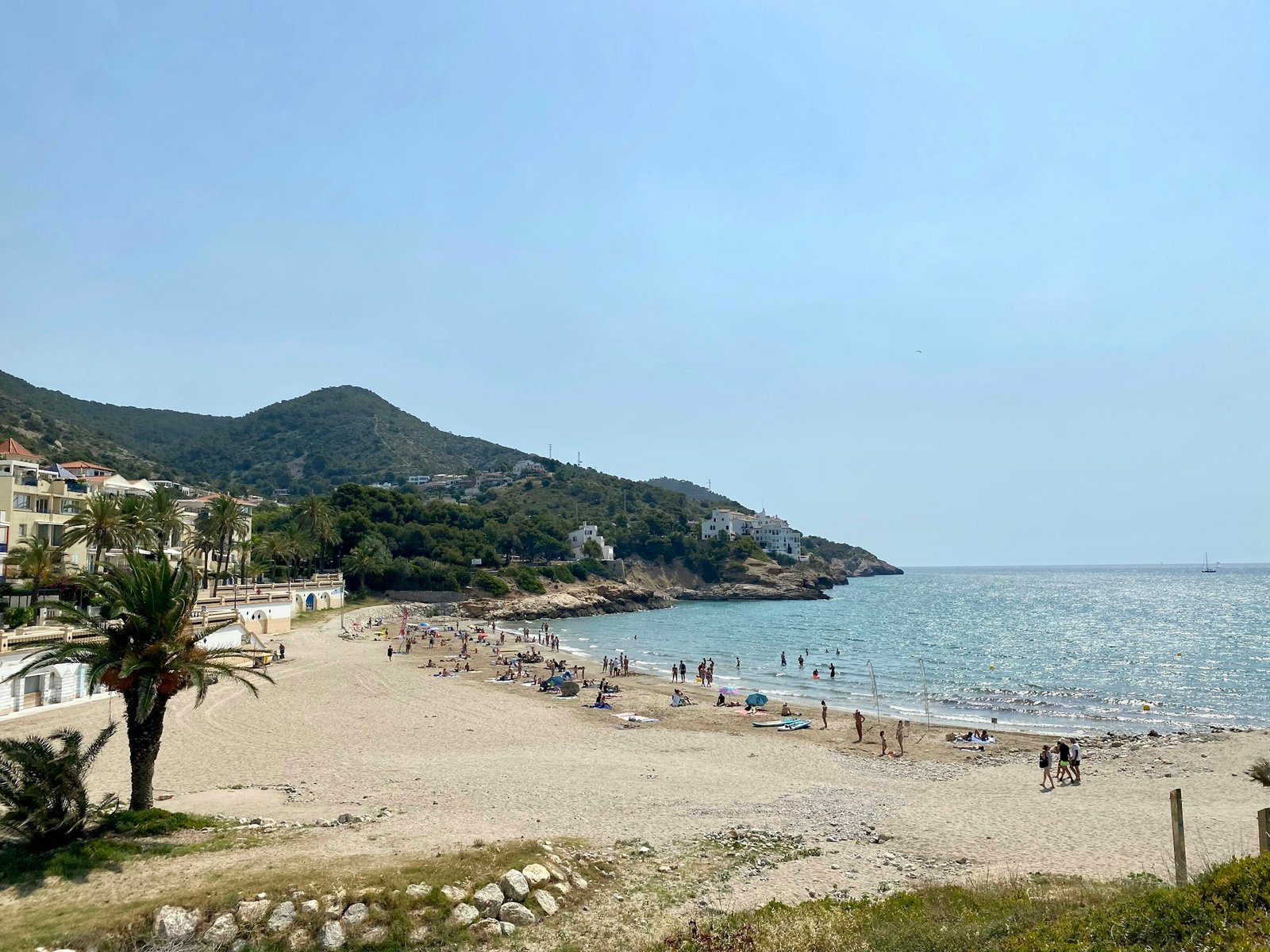
An Entire Town That’s a Gay Village
Just 35 minutes by train from Barcelona, Sitges is a unique case in Europe: an entire town where the LGBTQ+ community isn’t a minority but an integral part of the local identity. Since the 1960s, this Catalan seaside resort has attracted artists, bohemians, and queer travelers from around the world. The Street of Sin (Carrer del Pecat) concentrates bars and clubs, but the gay-friendly vibe permeates every terrace, every beach, every festival.
Sitges’ calendar is punctuated by major events: Carnival (February), one of the most extravagant in Europe, Bear Week (September), and Sitges Pride (June). Outside event season, the town offers beautiful beaches, a modernist heritage (Palau de Maricel), and Catalan gastronomy that’s well worth the trip.
Highlights
- Fully integrated town: the LGBTQ+ community is part of the local DNA
- Official gay beaches (Playa de la Bassa Rodona)
- Legendary Carnival in February
- Close to Barcelona (35 min by Rodalies train)
Bonus: Reykjavik, Iceland
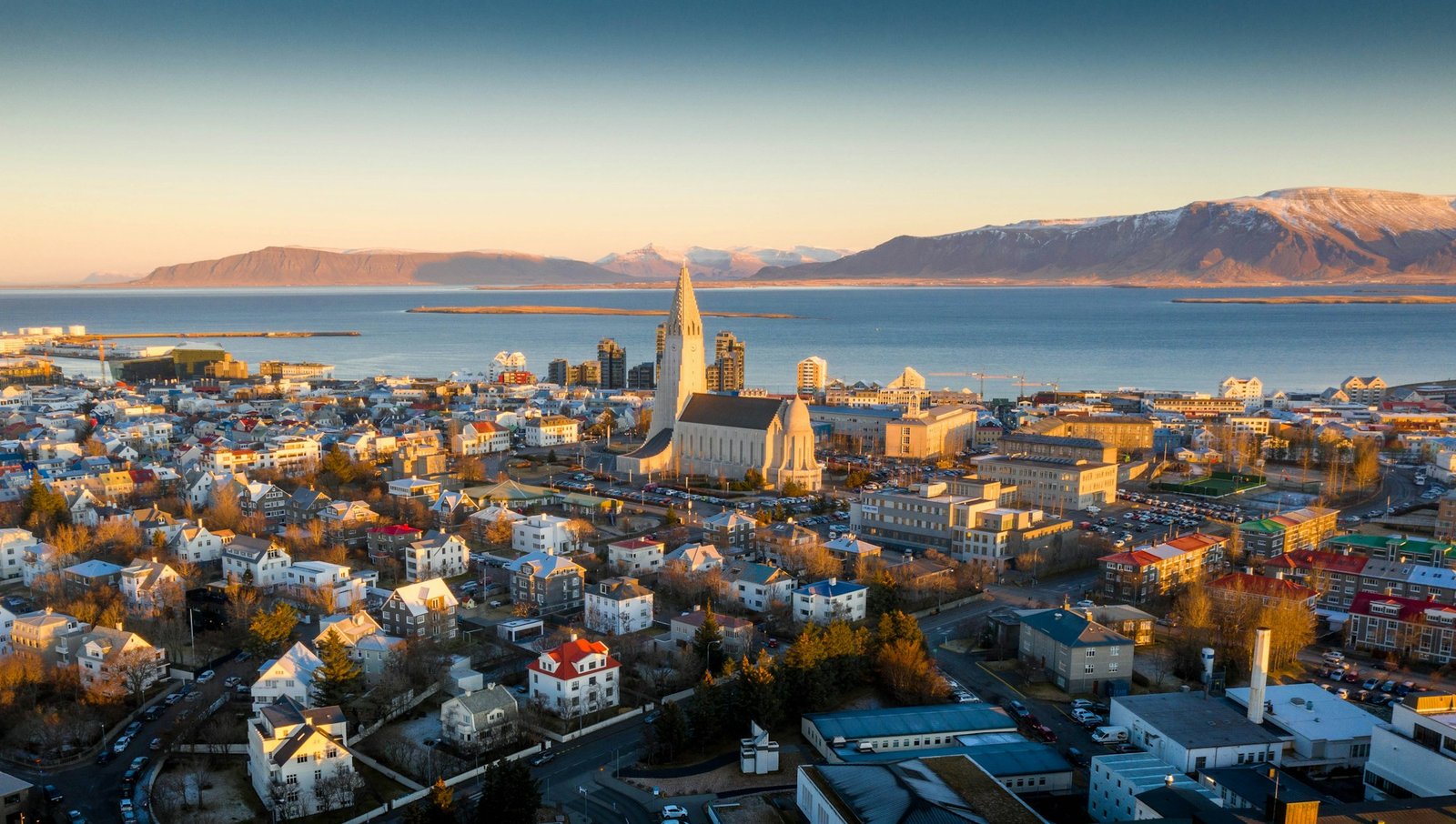
Northern Lights and Absolute Equality
Iceland ranks 3rd on the ILGA-Europe Rainbow Map and embodies a vision of equality that goes far beyond legislation. In 2009, the country elected Johanna Sigurdardottir, the world’s first openly gay head of government. Here, sexual orientation is considered a non-issue — which, for LGBTQ+ travelers, may be the highest compliment of all.
Reykjavik, Europe’s smallest capital, packs a cultural energy wildly disproportionate to its size. Reykjavik Pride (August) draws nearly a third of Iceland’s population each year — roughly 100,000 people in a country of 380,000. But the real luxury here is the nature: northern lights, hot springs, glaciers, waterfalls… A landscape of almost surreal beauty for a trip that stays with you for life.
Highlights
- One of the most egalitarian societies in the world
- Reykjavik Pride: a third of the country takes to the streets
- Spectacular nature: auroras, geysers, glaciers, waterfalls
- Natural hot springs (beyond the Blue Lagoon)
Practical info for your trip
Nomad Insurance: global coverage from $56/4 weeks. 10% off via our link.
From $56 / 4 weeksStay connected worldwide. Unlimited data in 200+ countries, instant activation on your smartphone.
From $4.50Frequently Asked Questions About LGBTQ+ Travel in 2026
How can you assess whether a destination is truly safe for LGBTQ+ travelers?
Cross-reference multiple sources: the ILGA-Europe Rainbow Index for European countries, the Equaldex Equality Index for global coverage, and the Spartacus Gay Travel Index for a traveler-focused ranking. Also check recent forum posts on sites like Nomadic Boys or TravelGay, which reflect on-the-ground experience. Finally, verify local legislation: in 64 countries, same-sex relations remain criminalized. Beyond the laws, observe the social context — a country can be legally tolerant but socially hostile, and vice versa.
What are the best hidden gay-friendly destinations to visit in 2026?
Beyond the usual Pride capitals, Malta, Taipei, Athens, Matera and Merida stand out as welcoming, lesser-known LGBTQ+ destinations in 2026. Spain tops the ILGA-Europe Rainbow Map 2026, with Malta second, Taiwan was the first in Asia to legalize same-sex marriage, and Greece followed in 2024. Daily budgets range from about $30 to $270, so there is a fit for every wallet.
Which countries should be avoided entirely in 2026?
In 2026, 11 countries still carry the death penalty for homosexual relations: Iran, Saudi Arabia, Yemen, Brunei, Mauritania, Nigeria (certain states), Uganda, and several others. Countries like Russia, Chechnya, Egypt, Ghana, and Tanzania also pose very high risks, with regular arrests and a hostile social climate. Always check travel advisories from your government’s foreign affairs department and ILGA World alerts before any trip.
Is same-sex marriage now legal in Thailand?
Yes. Thailand legalized marriage equality on January 22, 2025, becoming the first Southeast Asian country and the third in Asia (after Taiwan and Nepal) to take this step. The law grants same-sex couples the same rights as heterosexual couples regarding inheritance, adoption, and property management. It’s a historic milestone for a country where social tolerance was already strong but the legal framework lagged behind.
Are there specialized platforms for booking LGBTQ+ accommodations?
Several platforms specialize in LGBTQ+-friendly accommodations: misterb&b is the best known, with over 200,000 listings in 135 countries, verified by the community. Purple Roofs has been listing gay-friendly B&Bs and guesthouses since 1996. On Booking.com and Airbnb, filter for recent reviews mentioning positive LGBTQ+ experiences. For luxury hotels, the TAG Approved (Travel Advocates Guild) label certifies properties trained in inclusive hospitality.
What is the average budget for an LGBTQ+ traveler?
According to Community Marketing & Insights studies, LGBTQ+ travelers spend on average 20-30% more than the average traveler, primarily due to higher disposable income (fewer children on average) and a priority placed on experiences. For the destinations in our selection, budgets range from $30/day (Chiang Mai) to $270/day (Reykjavik). A budget of $85-130/day comfortably covers the majority of European and Latin American destinations.
Are trans travelers safe in these destinations?
Safety for transgender travelers varies more than for gay or lesbian travelers, even in inclusive destinations. Malta, the Netherlands, Belgium, and Iceland have the world’s most protective legislation for trans people. Argentina is a pioneer with its 2012 Gender Identity Law, the most progressive in Latin America. In Thailand and Taiwan, trans visibility is high and social acceptance is generally good. We recommend consulting Transgender Europe (TGEU) resources and prioritizing destinations with explicit legal protections.
What are the major LGBTQ+ events not to miss in 2026?
Major events in 2026 include: WorldPride Amsterdam (July 25 – August 8), Sitges Carnival (February), Sydney Mardi Gras (February-March), Athens Pride (June), Reykjavik Pride (August), Antwerp Pride (August), Malta Pride (September), Bear Week Sitges (September), Taiwan Pride in Taipei (October), and the Festival Detour Discotheque in Matera (September). WorldPride Amsterdam, the year’s flagship event celebrating 25 years of marriage equality in the Netherlands, wrapped on August 8 — still ahead this year: Malta Pride, Bear Week Sitges, Taiwan Pride in Taipei, and the Festival Detour Discotheque in Matera.
Does the rise of conservative populism in Europe affect LGBTQ+ travel?
This is a legitimate concern. Some European countries have seen setbacks: Poland established « LGBT-free zones » (since widely contested), Hungary banned the « promotion » of homosexuality to minors, and Italy hardened its stance on adoption by same-sex couples. However, the destinations in our selection (Malta, Portugal, Belgium, Spain, Iceland) benefit from strong social consensus and solid legal protections that withstand populist pressures. Vigilance is still warranted, particularly in rural areas, but major European cities remain safe and welcoming spaces.
Sources and References
Research conducted in March 2026, refreshed in August 2026. Legal information and rankings are subject to change.
- ILGA-Europe Rainbow Map & Index 2026 — Annual ranking of LGBTQ+ rights in Europe
- Equaldex — Global Equality Index — Worldwide database of LGBTQ+ rights by country
- TravelPulse — Top 26 LGBTQ+ Travel Destinations for 2026
- Nomadic Boys — LGBTQ+ travel blog and destination guides
- The Fabryk — LGBTQ+ travel resources and safety rankings
- Prism Premier Travel — LGBTQ+-specialized travel agency
- The Points Guy — Travel guides and LGBTQ+ destinations
- Global Citizen Solutions — Quality of life and inclusivity indexes
- TravelGay — Guide to gay bars, clubs, and hotels by city
- Portugal Buyers Agent — Data on LGBTQ+ acceptance in Portugal
- ILGA World Database — Worldwide legislation on sexual orientation
- Spartacus Gay Travel Index 2025 — Global ranking of gay-friendly destinations
Ready to Plan Your Next Trip?
Explore hundreds of itineraries created by travelers from around the world on Pixidia. Find inspiration, customize your route, and share your discoveries with a welcoming community.
Discover all itineraries on Pixidia