
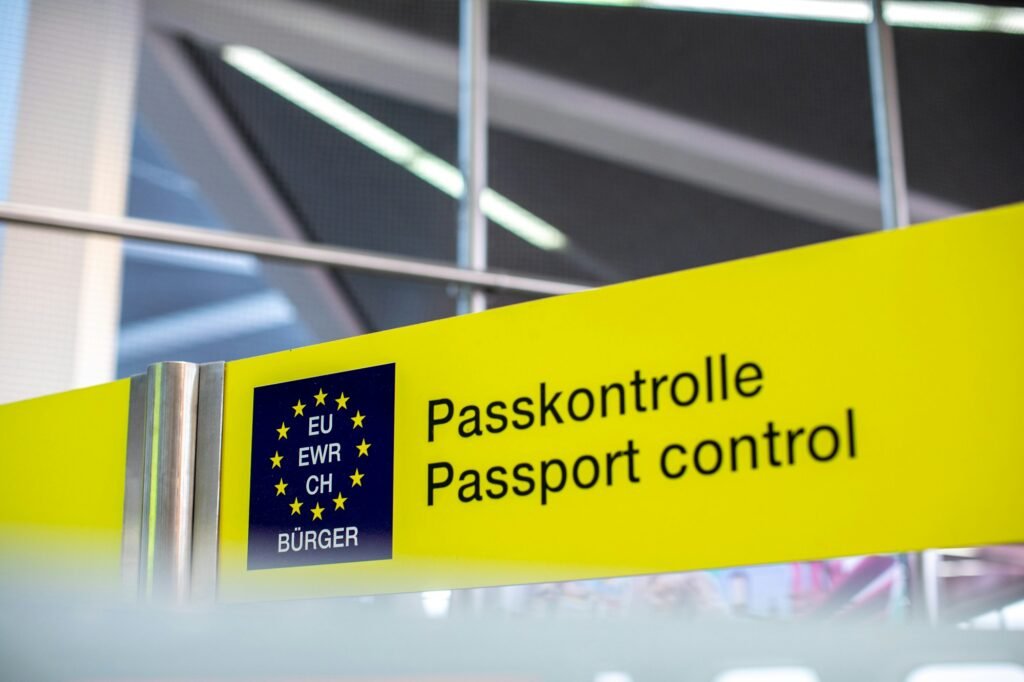
EES, ETIAS, ETA — three acronyms that have been confusing travellers for months. Between the biometric border control system already in place at Schengen borders, the European electronic authorisation scheduled for late 2026, and the UK’s ETA that became mandatory in February 2026, it’s hard to know where to stand. These three systems follow different logics, cover different territories, and have different impacts depending on your nationality. According to the French Ministry of the Interior, millions of non-European travellers are now affected by these new formalities. This comprehensive guide clarifies everything — with a comparison chart, key dates, and step-by-step instructions.
Comparison chart: EES vs ETIAS vs ETA at a glance
| Criterion | 🇪🇺 EES | 🇪🇺 ETIAS | 🇬🇧 UK ETA |
|---|---|---|---|
| Territory | Schengen Area (29 countries) | Schengen + Cyprus (30 countries) | United Kingdom |
| Type | Biometric border check | Online pre-authorisation | Online pre-authorisation |
| Who is affected | All non-EU/Schengen nationals | Travellers from 62 visa-exempt countries | Travellers from 85 visa-exempt countries |
| When to act | At the border (automatic) | Before departure (online) | Before departure (online) |
| Cost | Free | €20 (free for under-18s and over-70s) | £20 |
| Validity | 3 years (biometric data stored) | 3 years or passport expiry | 2 years or passport expiry |
| Processing time | Minutes at the border | Minutes to 30 days | Minutes to 3 working days |
| Launch date | 12 October 2025 (phased) | Q4 2026 (planned) | 25 February 2026 (already mandatory) |
| Full rollout | 10 April 2026 | Late 2026 → mandatory ~2027 | Already active |
| Maximum stay | 90 days / 180 days (Schengen) | 90 days / 180 days (Schengen) | 6 months per trip |
| Official website | travel-europe.europa.eu | travel-europe.europa.eu/etias | gov.uk/eta |
1. The EES — Europe’s Entry/Exit System (active since October 2025)

EES — Entry/Exit System
The EES (Entry/Exit System) is an automated computer system that entered into service progressively on 12 October 2025. It replaces manual passport stamps with electronic recording of biometric data at every external Schengen border crossing. According to the French Ministry of the Interior, it applies to all nationals of non-EU or non-Schengen countries staying for fewer than 90 days.
At each first crossing, the data collected includes: facial photograph, fingerprints of all 4 fingers, travel document details and entry/exit dates. This data is stored for 3 years. On subsequent crossings, only a quick verification — fingerprint or photo — is needed.
Who is exempt from the EES?
- Nationals of EU member states (including Ireland and Cyprus)
- Nationals of Schengen countries (Iceland, Liechtenstein, Norway, Switzerland)
- Nationals of Andorra, San Marino, Monaco and Vatican City
- Holders of a long-stay visa or European residence permit
2. ETIAS — The Electronic Authorisation for Europe (planned late 2026)
ETIAS — European Travel Information and Authorisation System
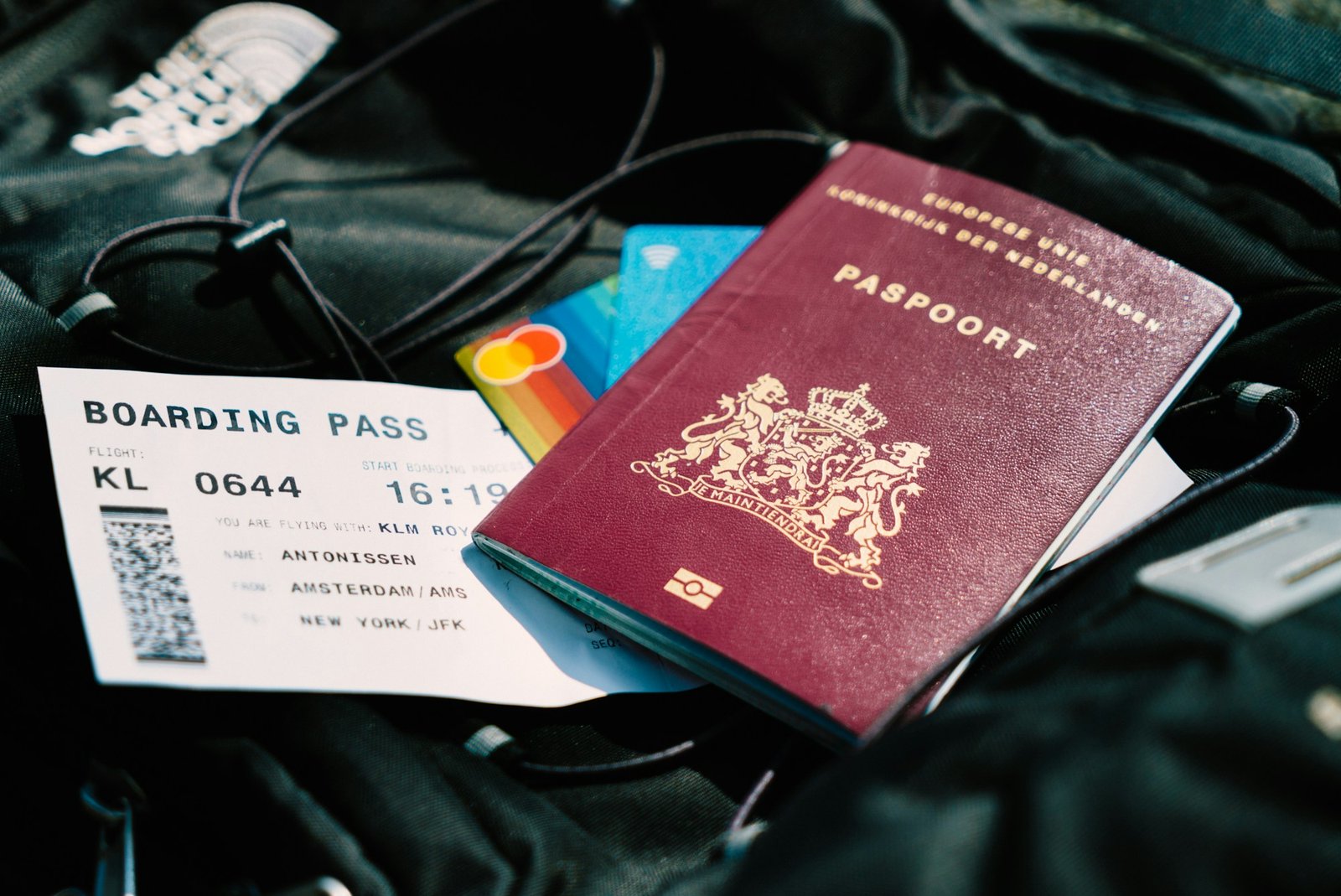
ETIAS is the EU’s upcoming electronic travel authorisation system, similar to the US ESTA or UK ETA. Expected in the last quarter of 2026, it will be mandatory for nationals of 62 countries currently exempt from Schengen visas. According to the EU official portal, ETIAS is not a visa — it does not guarantee entry but is a mandatory pre-authorisation before departure.
The cost has been set at €20. Under-18s and over-70s are exempt from the fee. The authorisation is valid for 3 years (or until passport expiry) and covers multiple entries across the 30 participating countries.
How to apply for ETIAS (from late 2026)
- Apply only on the official site travel-europe.europa.eu/etias
- Have a valid passport (at least 3 months after your return) and a payment card
- Complete the online form: ~10 minutes (identity, passport, travel plans, security questions)
- Most applications are processed in a few minutes, but some may take up to 30 days
3. The UK ETA — Mandatory electronic authorisation for the United Kingdom (already active)

ETA — Electronic Travel Authorisation (United Kingdom)
The UK ETA has been mandatory since 25 February 2026. Nationals of 85 visa-exempt countries — including Americans, French, Canadians and Australians — must obtain this electronic authorisation before travelling to the United Kingdom. Unlike EES and ETIAS, the UK ETA has nothing to do with the Schengen area: the UK left the EU and applies its own border rules since Brexit.
The fee is currently £20. The UK ETA allows multiple entries for 2 years (or until passport expiry), with stays of up to 6 months per visit.
How to apply for the UK ETA
- Download the official UK ETA App (App Store or Google Play) or visit gov.uk/eta
- Have a valid biometric passport and a recent high-quality digital ID photo
- Pay the fee (£20)
- Decision within minutes in most cases, up to 3 working days maximum
4. The 2025–2027 timeline: all key dates to remember
5. Who is affected by each system? A guide by nationality
| Nationality | EES (Schengen) | ETIAS (Schengen) | ETA (UK) |
|---|---|---|---|
| 🇫🇷 French / EU Citizens | ❌ Exempt | ❌ Exempt | ✅ Required |
| 🇺🇸 Americans | ✅ Border registration | ✅ Online application (~late 2026) | ✅ Required since Feb. 2026 |
| 🇨🇦 Canadians | ✅ Border registration | ✅ Online application (~late 2026) | ✅ Required since Feb. 2026 |
| 🇬🇧 British | ✅ Border registration | ✅ Online application (~late 2026) | ❌ Exempt (UK citizens) |
| 🇦🇺 Australians | ✅ Border registration | ✅ Online application (~late 2026) | ✅ Required since Feb. 2026 |
6. What changes at European borders
From 10 April 2026, biometric EES checks replace manual stamps at all external Schengen borders. At your first entry, expect: passport scan, facial photo and all 4 fingerprints collected — stored for 3 years. On subsequent crossings, just a fingerprint or photo check. Allow 1 to 4 extra hours at major airports during the initial rollout period.
8. The 90/180-day rule: what the EES really changes
The EES doesn’t change the 90-day rule in the Schengen area within a 180-day rolling period — but it makes enforcement infallible. Manual stamps were hard to verify; the digital system now calculates remaining days in real time. Any overstay is automatically flagged to border authorities, with potential consequences including refused entry and a Schengen-wide ban.
9. Watch out for fraudulent ETIAS and EES websites
Hundreds of fake websites mimic official portals, using similar domain names and sometimes appearing first in paid search ads. According to Frontex, which has identified over 100 unofficial ETIAS sites, these can charge €50–100 instead of the official fee and steal your personal data.
- Official ETIAS: only at travel-europe.europa.eu/etias
- Official UK ETA: only at gov.uk/eta or the UK ETA app
- Beware of .com, .org or .net URLs that mimic official sites
- Official ETIAS applications are NOT yet open in 2026 — any site claiming otherwise is fraudulent
Practical travel tips
Nomad Insurance: global coverage from $56/4 weeks. 10% off via our link. Perfect for long European trips.
From $56 / 4 weeksStay connected from the moment you land. Instant activation, local data rates.
From €4.50FAQ — Your questions about EES, ETIAS and ETA
As a French citizen, am I affected by EES, ETIAS or the UK ETA?
For EES and ETIAS: no, you are fully exempt as an EU citizen. However, since 25 February 2026, French nationals travelling to the United Kingdom must obtain a mandatory UK ETA (£20). That is the only one of the three systems that applies to EU citizens.
Do I need to apply for ETIAS before travelling to Europe in 2026?
No. In 2026, travellers to Europe do not yet need an ETIAS — the system will not be operational until at least Q4 2026, and it won’t become strictly mandatory until 2027 after a 6-month transitional period. Check the official portal travel-europe.europa.eu/etias for official updates.
Is ETIAS a visa?
No, ETIAS is not a visa. It is a pre-travel screening system, similar to the US ESTA, designed to strengthen border security. ETIAS does not replace visas: travellers who need a Schengen visa will still need one. ETIAS only applies to nationals of countries currently visa-exempt for the Schengen area.
What happens if I refuse to give my fingerprints at a Schengen border?
Biometric data collection under the EES is mandatory with no exceptions. If you refuse to provide your fingerprints or photograph, entry into the Schengen area will be refused, regardless of your travel document.
If I renew my passport, do I need to reapply for ETIAS or ETA?
Yes, in both cases. For ETIAS: the authorisation is linked to the passport used when applying. Renewing your passport requires a new €20 application. For the UK ETA: same logic — the ETA is tied to your passport, and a new passport means a new application.
How do I spot fake ETIAS websites?
The only official ETIAS website is travel-europe.europa.eu/etias (an eu.europa.eu domain). For the UK ETA, the only official site is gov.uk/eta. Beware of .com, .org or .net URLs resembling official sites. Frontex has already flagged over 100 fake ETIAS sites. Remember: official ETIAS applications are not yet open in 2026.
What is the difference between the UK ETA and the European ETIAS?
Both are pre-travel electronic authorisations, but they are completely independent. UK ETA: covers the UK only (outside Schengen), costs £20, valid 2 years, already mandatory. ETIAS: covers 30 Schengen countries and Cyprus, costs €20, valid 3 years, mandatory from late 2026/2027. If you visit both the UK and continental Europe, you will need both authorisations separately.
Does the EES apply to travellers who have a Schengen visa?
Yes. The EES applies to all third-country nationals travelling to the Schengen area for a short stay (max 90 days per 180 days), whether or not they require a visa. However, holders of long-stay visas (type D), residence permits or local border traffic permits are exempt from the EES system.
Official sources
Plan your European adventures with Pixidia
Now that you know the entry requirements, explore our itineraries across Europe and plan your next trip.
Discover itineraries
7. How to apply: step-by-step guide
ETIAS application (from late 2026)
UK ETA application (already active)