
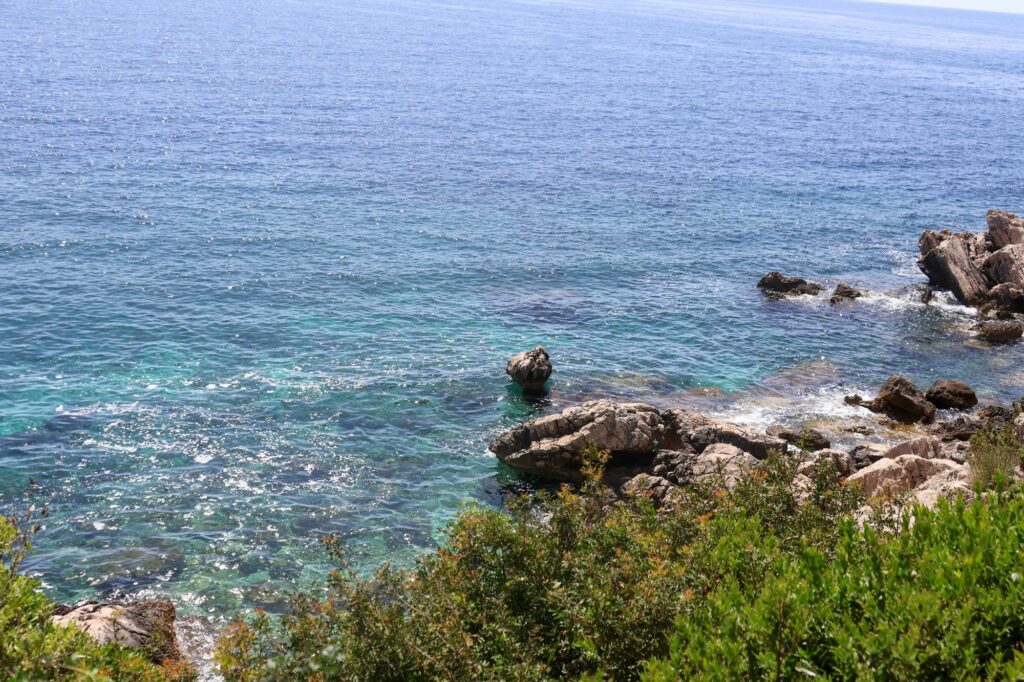
The Adriatic Sea has firmly established itself as the cruise destination of 2026. While classic Greek cruises now face a new sustainable tourism tax on cruise passengers (in force since July 2025) and ever-growing congestion in iconic ports, another Mediterranean coastline has quietly risen to the top of British travellers’ wish lists: the Dalmatian coast, with its UNESCO cities, unspoilt islands and Mediterranean fjords.
Dubrovnik and its medieval walls, Kotor and its bay that looks like it belongs in Scandinavia, Hvar and its lavender fields, Split and its still-inhabited Roman palace — in just a few hundred nautical miles, the Adriatic offers a cultural and scenic density that few itineraries in the world can match. This complete guide gives you all the keys to planning your Adriatic cruise in 2026: destinations, cruise lines, prices, flights from the UK and entry requirements.
1. Dubrovnik: the Adriatic’s Most Iconic Stop
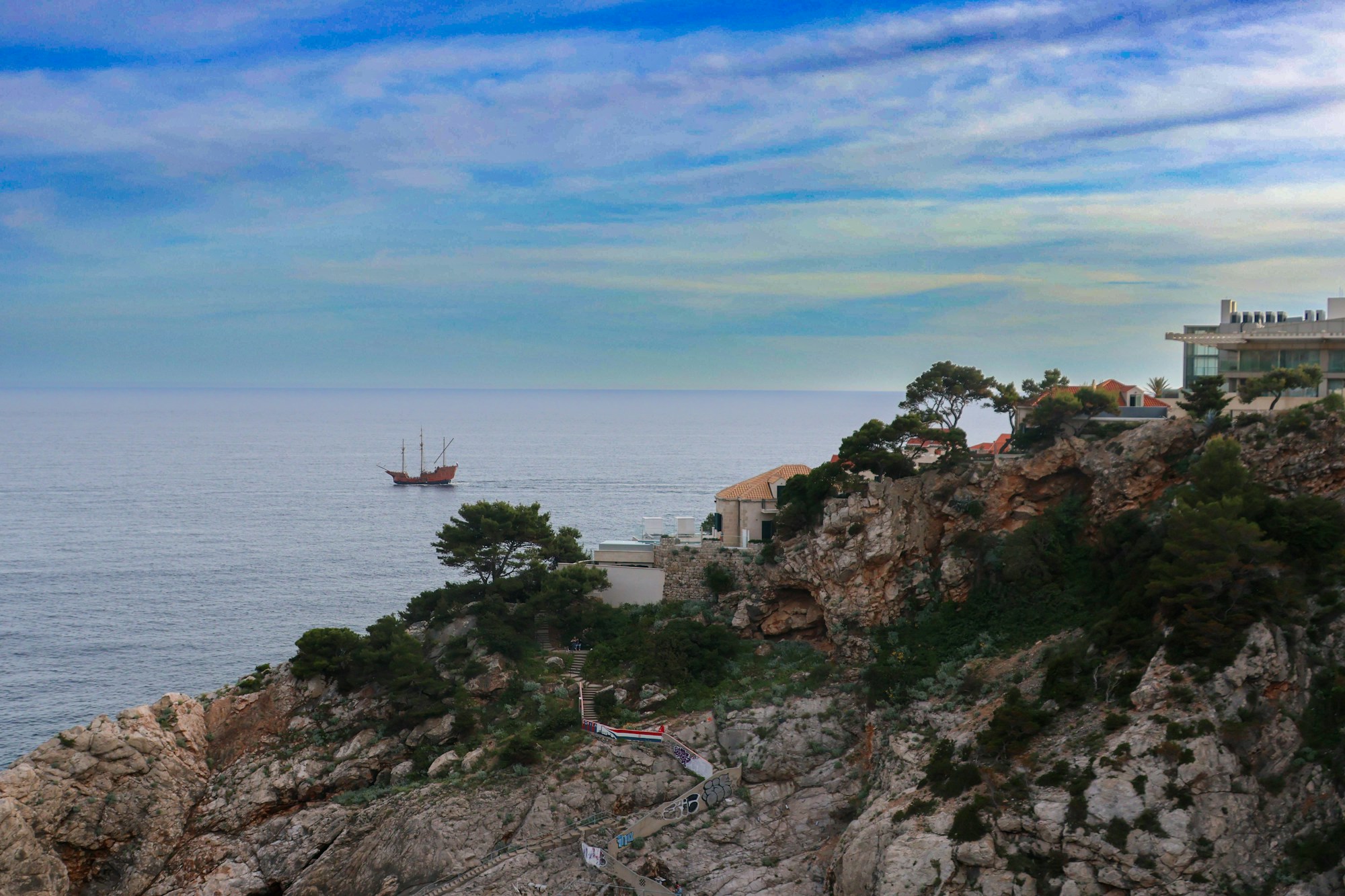
Dubrovnik — 2,000 years of history within medieval walls
Nicknamed the « Pearl of the Adriatic », Dubrovnik owes its charm to its pink-tiled houses, cobbled lanes and walls built between the 13th and 16th centuries. Its UNESCO-listed old town is a car-free labyrinth where every alley opens onto a breathtaking view. According to ABC Croisière, a stop in Dubrovnik ranks among the most unmissable experiences of any Adriatic cruise.
Pop culture has catapulted Dubrovnik onto the world stage: the city walls served as the backdrop for King’s Landing in Game of Thrones, and several scenes of Star Wars Episode VIII were also filmed here. But beyond these references, the walk along the Stradun — the main street linking the two medieval gates — remains the most memorable moment of any visit.
Must-sees in Dubrovnik
- Walk the city walls (approx. £30 ticket) — arrive at opening time to beat the cruise crowds
- Fort St John: maritime museum and rare Adriatic fish aquarium
- Cable car to Mount Srđ: 360° panoramic view — missed by 90% of cruise passengers
- Lokrum island (15-min ferry): botanical gardens, free-roaming peacocks, rocky beaches
2. Kotor (Montenegro): the Mediterranean Fjord
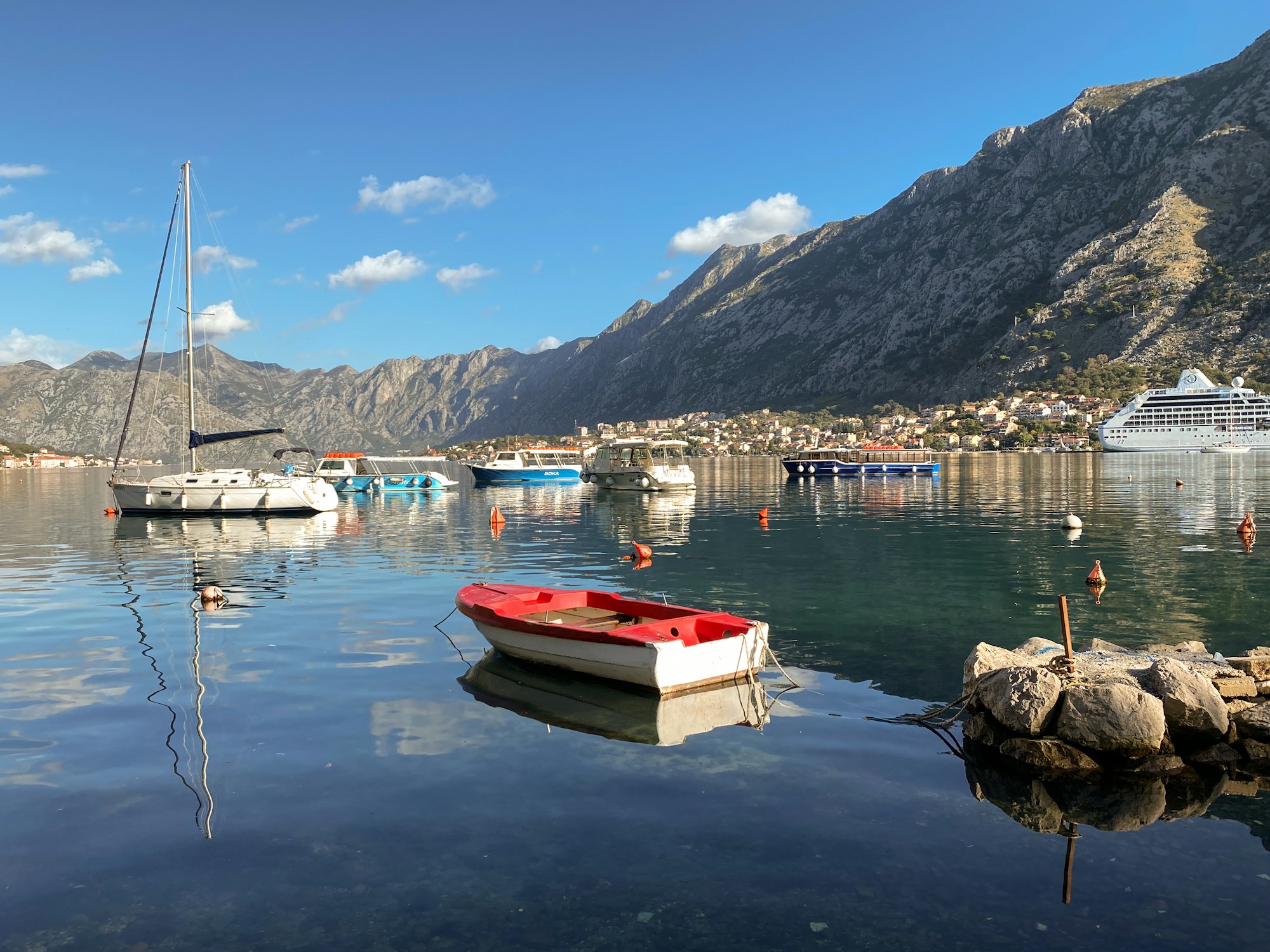
Kotor — a medieval city at the heart of a spectacular bay
The Bay of Kotor is a unique place in the world: its waters bordered by towering mountains give it the feel of a Norwegian fjord, dotted with charming Venetian-influenced villages. Kotor is a medieval city with a 2,000-year history, its old town (Stari Grad) listed as a UNESCO World Heritage Site. According to Vacances.be, luxury cruise lines have made it one of Europe’s most sought-after ports of call in 2026.
Don’t miss Perast, just 30km from Kotor: this timeless, well-preserved village with its Venetian waterfront buildings is home to the island of Our Lady of the Rocks — a baroque church built on an artificial reef, accessible only by boat.
Must-sees in Kotor
- Climb to the Fortress of San Giovanni (1,350 steps): stunning views over the bay — £7 entry (free off-season)
- St Tryphon Cathedral (12th century) and the Venetian-style Ducal Palace
- Boat trip to Perast and Our Lady of the Rocks (approx. £25)
- The new Kotor Cable Car to Mount Lovćen (almost 4km) for an even more dramatic view
3. Hvar: the Island of Lavender and Nightlife
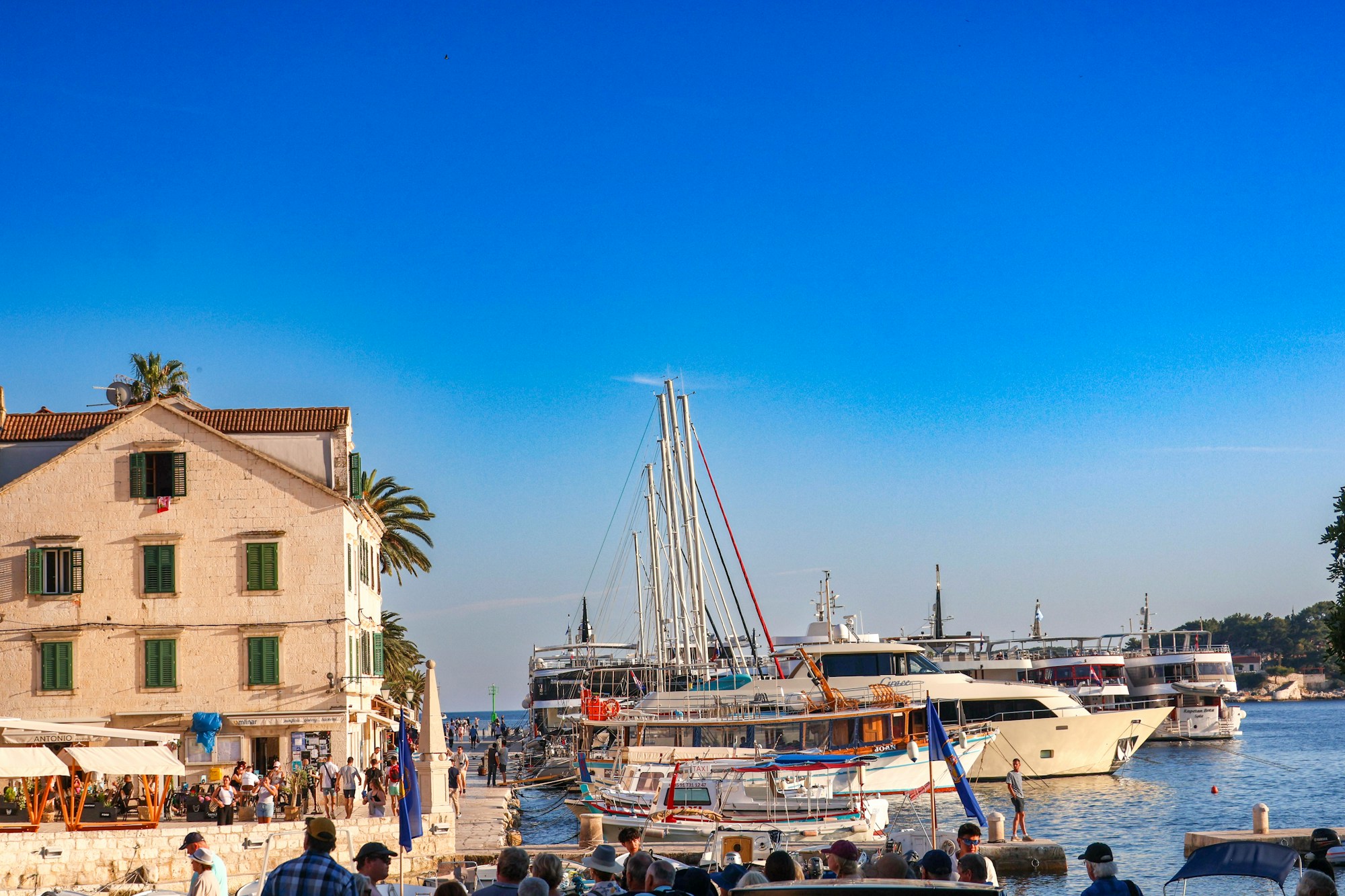
Hvar — two faces of an exceptional island
Hvar is one of the most captivating destinations in the Adriatic because it presents two very different faces. On one side, Hvar Town itself: a marina buzzing with superyachts, a main square lined with cafés, and a nightlife scene renowned across the Mediterranean. On the other, the unspoilt hinterland of the island with its lavender fields, UNESCO-listed dry-stone field systems, and local wine.
At the northwestern tip of the island, Stari Grad is one of Croatia’s oldest towns, founded by the Greeks in the 4th century BC. According to Filovent, its ancient Greek agricultural landscape is one of the best-preserved cultural landscapes in Europe.
Must-sees in Hvar
- Climb to the Fortica (Spanish Fortress): panoramic views over the Pakleni Islands and the town
- Taxi-boats to the Pakleni Islands: near-pristine turquoise coves just 10 minutes from the harbour
- Stari Grad and its medieval lanes — visit early morning before the cruise passengers arrive
- Dried lavender and local wines (plavac mali red, pošip white) from artisan markets
4. Split: Living Inside a Roman Palace

Split — Croatia’s second city, born inside an imperial palace
Split is unique among all Adriatic ports of call: it is a city that lives inside its monument. Diocletian’s Palace, built in the 4th century AD for the Roman Emperor who retired here, today houses apartments, cafés, restaurants and shops. According to Nirva Travel, walking through the palace is a genuine journey back in time.
Since the opening of the Pelješac Bridge in 2022, the coastal drive from Split to Dubrovnik is now entirely within Croatian territory (and the Schengen area), without crossing Bosnia-Herzegovina — a major logistical advantage for coastal itineraries.
Must-sees in Split
- Diocletian’s Palace (free entry, open at all hours) — arrive at sunrise for an unrivalled experience
- Trogir (30 min by bus or boat) — another UNESCO town with an exceptional Romanesque cathedral
- Ferry to Brač island (35 min): Zlatni Rat beach, the most photographed in Croatia
- Pazar market (outside the Golden Gate): fresh produce and local Dalmatian specialities
5. Vis Island: the Adriatic’s Best-Kept Secret
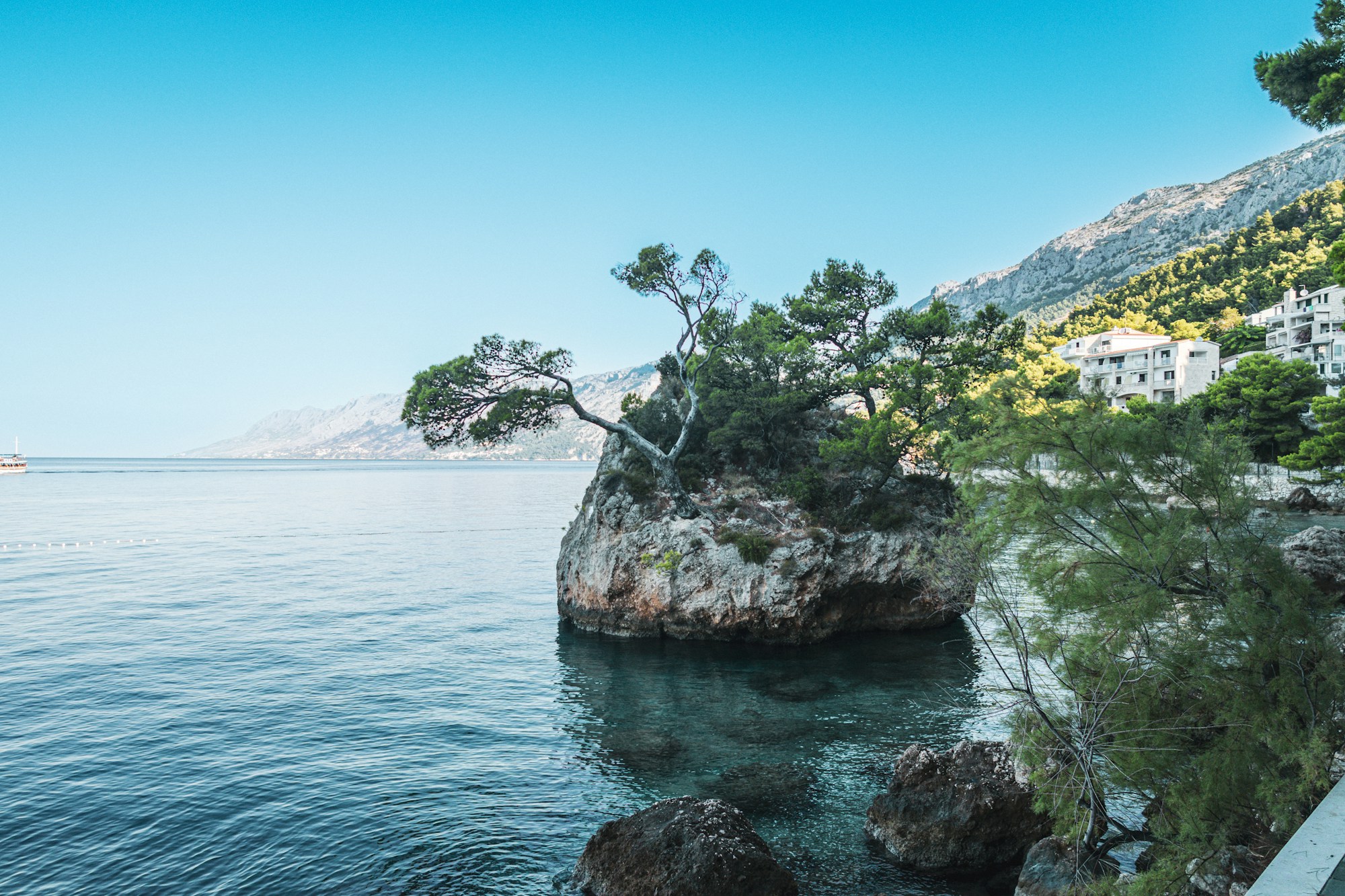
Vis — closed to tourists until 1990, preserved by history
Vis is the great revelation of Adriatic itineraries for travellers seeking authenticity. Closed to tourism until the 1990s due to its Yugoslav military base, the island has retained everything its neighbours have lost: wild beaches with almost no facilities, villages where time seems to have stopped, an artisan wine scene with grape varieties found nowhere else. According to Generation Voyage, Stiniva cove is regularly voted one of Europe’s most beautiful beaches.
Small cruise ships (Sail Croatia, CroisiEurope) now include Vis in their itineraries — something that large cruise ships simply cannot do due to insufficient port infrastructure. This is one of the key selling points of boutique cruises in the Adriatic.
Must-sees in Vis
- Stiniva beach: accessible only on foot or by boat — arrive early or come by sea
- Komiža village on the other side of the island — quintessential Adriatic authenticity
- Yugoslav-era military bunkers and fortifications hidden in the vegetation
- Local wines: plavac mali (red) and vugava (white) — grape varieties unique to the island
6. Cruise Lines in 2026: Which Ship to Choose?
In 2026, the Adriatic welcomes an unprecedented range of cruise lines, from mega-ships to luxury sailing yachts for just 54 passengers. The choice of vessel fundamentally shapes the experience.
Large cruise ships: MSC, Costa, Celebrity Cruises
MSC Cruises has a strong Adriatic presence, having deployed a large part of its fleet along the Dalmatian coast. Celebrity Cruises offers 7–11 night itineraries departing from Barcelona, Rome and Ravenna, calling at Dubrovnik, Trieste, Kotor and Split. Ideal for families and those on a controlled budget. Downside: major ports (Dubrovnik, Split) are often shared with other ships simultaneously.
Boutique ships and sailing yachts: the alternative that stands out
Windstar Cruises runs its « Adriatic Icons & Venetian Treasures » voyage (9 days, departing Venice) between July and September 2026 aboard a five-masted sailing ship that navigates the Grand Canal before heading to Kotor, Hvar and Dubrovnik. According to Yonder.fr, small ships are the standout trend of 2026: fewer passengers, more exclusive ports of call, five-star hotel service.
Sail Croatia offers itineraries for active adventurers, hikers and cyclists — with departures between April and October 2026. Prices from $2,059 per person according to US News Travel.
The luxury newcomer of 2026: Orient Express Corinthian
The Orient Express Corinthian launches its Adriatic itinerary (7 nights) in 2026, including Venice, Dubrovnik, Hvar and Rovinj. Its shallow draught allows it to dock in coves and coastal villages inaccessible to cruise ships. Price: from €11,200 per suite for 5 days all-inclusive, according to Ulysse.com.
7. Prices and Budgets 2026: What You Really Need to Budget
For an Adriatic cruise, budget approximately £700–£1,200 per person for one week, and £1,500–£2,500 for two weeks all-inclusive. Luxury options push prices to £2,000+ per week, according to Cruise1st.
Pricing by type
- Budget/family (MSC, Costa): from £580 for 8 days in an interior cabin
- Premium (Windstar, Celebrity): from £1,000 to £2,800 depending on cabin
- Luxury (Sea Cloud II, SeaDream): from $7,195 per person for 8 nights
- Private yacht charter: from £2,500/week for the whole boat (excluding skipper)
Shore expenses to budget for
Excursions, meals and drinks ashore represent additional costs not to underestimate. According to Cruise1st, expect £10–£30 for a meal and £3–£15 per drink. Our recommendation: budget £35–£70 per person per day for shore expenses, depending on your comfort level.
8. Flights from the UK to the Adriatic in 2026
London → Dubrovnik (DBV)
The London–Dubrovnik flight takes approximately 2 hours 40 minutes. Airlines operating this route include easyJet (Gatwick/Bristol), British Airways, Jet2 and Ryanair. Return fares can be found from around £65–£120 in spring and early autumn. Direct flights also operate from Manchester, Edinburgh and Bristol in peak summer season.
London → Split (SPU)
Split is often the cheaper option. easyJet, Jet2 and Ryanair operate direct routes from several UK airports. Fares in September can be found from as little as £50 return. Split is increasingly popular as an embarkation point for Dalmatian cruises and offers a large range of Adriatic itineraries.
The open-jaw strategy — the ideal itinerary
For a linear cruise itinerary (Venice → Dubrovnik or vice versa), the open-jaw fare is perfect: fly into one airport and out of another. Example: London–Venice (outbound) + Dubrovnik–London (return). This eliminates backtracking and maximises time discovering the coast.
9. Entry Requirements: Croatia and Montenegro
Croatia — Schengen member since January 2023
Good news for EU passport holders: since January 2023, Croatia joined the Schengen Area. British travellers holding a UK passport can enter Croatia for up to 90 days in any 180-day period without a visa. Note: since Brexit, UK passport holders are subject to the standard 90/180-day rule for the Schengen Area as a whole. A valid UK passport is required — ensure at least 6 months’ validity at time of travel.
Montenegro — no visa for UK citizens
British passport holders can enter Montenegro without a visa for stays of up to 90 days. A valid passport is required. According to Voyageurs du Monde, hotel registration (mandatory within 24 hours of arrival) is handled automatically by cruise ships and hotels.
The Pelješac Bridge — no more Bosnian border crossings
Since 2022, the Pelješac Bridge allows the coastal drive from Split to Dubrovnik to remain entirely within Croatian territory (and Schengen), without crossing the Neum corridor (Bosnia-Herzegovina). This is a major logistical advantage for coastal road trips and linear cruise itineraries.
Practical Information for Your Adriatic Cruise
Nomad Insurance: global coverage with medical, emergency evacuation and trip protection. 10% off via our link.
From $56 / 4 weeksStay connected in every port without roaming charges. Instant activation before you leave.
From £4Frequently Asked Questions about Adriatic Cruises 2026
Do British citizens need a visa for Croatia and Montenegro in 2026?
No visa is required. British passport holders can enter Croatia for up to 90 days within any 180-day period without a visa (Schengen 90/180 rule applies post-Brexit). Montenegro also allows visa-free entry for UK citizens for stays under 90 days. A valid UK passport with at least 6 months’ validity is required for both countries. EU citizens simply need a valid passport or national ID card. Since Croatia joined the Schengen Area in January 2023, there are no passport checks at Croatian land borders with EU Schengen members.
What is the best time of year for an Adriatic cruise?
The ideal period runs from May to October. September is the most recommended month: sea temperature 25°C, reduced crowds, prices 20–30% lower than peak and a more authentic local atmosphere. May offers Hvar’s lavender in bloom and attractive off-peak prices. Avoid July–August if you’re escaping the crowds: Dubrovnik can welcome up to 5 cruise ships simultaneously, saturating the old town from 10am onwards. According to Central Cruise, May, June and September are the best months to cruise the Adriatic.
How much does a one-week Adriatic cruise cost in 2026?
For one week on an Adriatic cruise, budget between £700 and £1,200 per person all-inclusive with major lines (MSC, Costa, Celebrity). Premium formulas (Windstar, Viking) start at £1,000–£1,800 per person. Luxury cruises (Sea Cloud II, SeaDream) start at $7,200 per person for 8 nights. Shore expenses (meals, activities, entry fees) add £35–£70 per person per day depending on your comfort level. According to Cruise1st, a complete week including cruise, flights and shore expenses sits between £1,200 and £2,200 for a budget-conscious traveller.
Is a large cruise ship or a small ship better for the Adriatic?
For the Adriatic, small ships often offer the superior experience. Their shallow draught allows access to ports unreachable by cruise ships: Vis island, the Pakleni coves, Istrian coastal villages. Service is also more personalised. That said, large ships (MSC, Costa) are more affordable and offer more onboard entertainment — ideal for families with children. According to Voyages d’Exception, small boats allow you to get close to wonders that large cruise ships simply cannot reach.
Which airport is best to fly into for an Adriatic cruise: Venice, Split or Dubrovnik?
It depends on your itinerary. Venice is the main hub for full Dalmatian cruises (7–14 days) — numerous direct flights from UK airports (under 2 hours). Split suits mid-coast embarkation and offers the cheapest fares from the UK (easyJet, Jet2) — ideal for 4–7 day cruises. Dubrovnik is perfect for southern-focused itineraries or reverse routes (south to north). The open-jaw formula (fly into Venice, out of Dubrovnik) offers the best combination of practicality and discovery for a linear itinerary.
Is Dubrovnik too touristy for a cruise stop in 2026?
In peak season (July–August), yes — several cruise ships can be docked at the same time, and the old town is saturated between 10am and 5pm. But Dubrovnik remains irreplaceable. The solution: choose a stop in May, June, or September–October, and start your visit at opening time. According to easyJet, travelling to Dubrovnik in May–June or September–October offers pleasant temperatures and far fewer crowds.
Is an Adriatic cruise better than a classic Greek cruise in 2026?
Both destinations have their merits, but classic Greek cruises now face a new sustainable tourism tax on cruise passengers (in force since July 2025), adding to already well-known overcrowding in iconic ports. The Adriatic offers remarkable cultural density within just a few nautical miles, with preserved authenticity on islands such as Vis or Korčula, spectacular scenery (Kotor Bay), and more competitive shore prices. According to Central Cruise, Kotor has become in 2026 one of Europe’s most coveted ports of call for luxury travellers. The choice ultimately comes down to preference: Aegean Sea and iconic islands for Greece, medieval heritage and Mediterranean fjord for the Adriatic.
Which cruise line offers Adriatic cruises departing from the UK?
Most Adriatic cruise lines operate from Venice, Ravenna or Trieste, so a short flight is usually required. P&O Cruises and Cunard occasionally offer Adriatic itineraries from Southampton (longer repositioning voyages). For fly-cruise, Celebrity Cruises, MSC Cruises and Windstar are the most popular options departing from Venice and Ravenna. Jet2 Holidays and TUI also offer package fly-cruise deals from UK regional airports. According to Cruise1st UK, the best value fly-cruise packages from the UK to the Adriatic start from around £900 per person for 7 nights.
Sources
- CroisiEurope — Adriatic Cruise Croatia & Montenegro — itineraries and destinations
- US News Travel — Best Adriatic Sea Cruises 2026 — Sail Croatia, Windstar, prices
- Yonder.fr — Luxury cruise trends 2026 — small ship cruising, trends
- Ulysse.com — Orient Express Corinthian 2026 — itinerary and prices
- Prochain Arrêt — Kotor Guide — Bay of Kotor and activities
- Génération Voyage — Vis Island — must-sees and tips
- Le Routard — Secret Croatia — Šibenik, Korčula, off the beaten track
- Croatie Tourisme — Entry requirements — visa and documents
- Cruise1st UK — Adriatic Cruises — complete price guide
- Central Cruise — Adriatic 2026–2027 — offers, reviews and trends
- Filovent — Jewels of the Adriatic — Hvar, Korčula, Rovinj, Šibenik
Research carried out on 24 March 2026 from 76 referenced sources.
Ready to Cruise the Adriatic in 2026?
Dubrovnik, Kotor, Hvar, Split — hundreds of Pixidia itineraries are waiting to help you plan every port of call in detail.
Explore all itineraries