
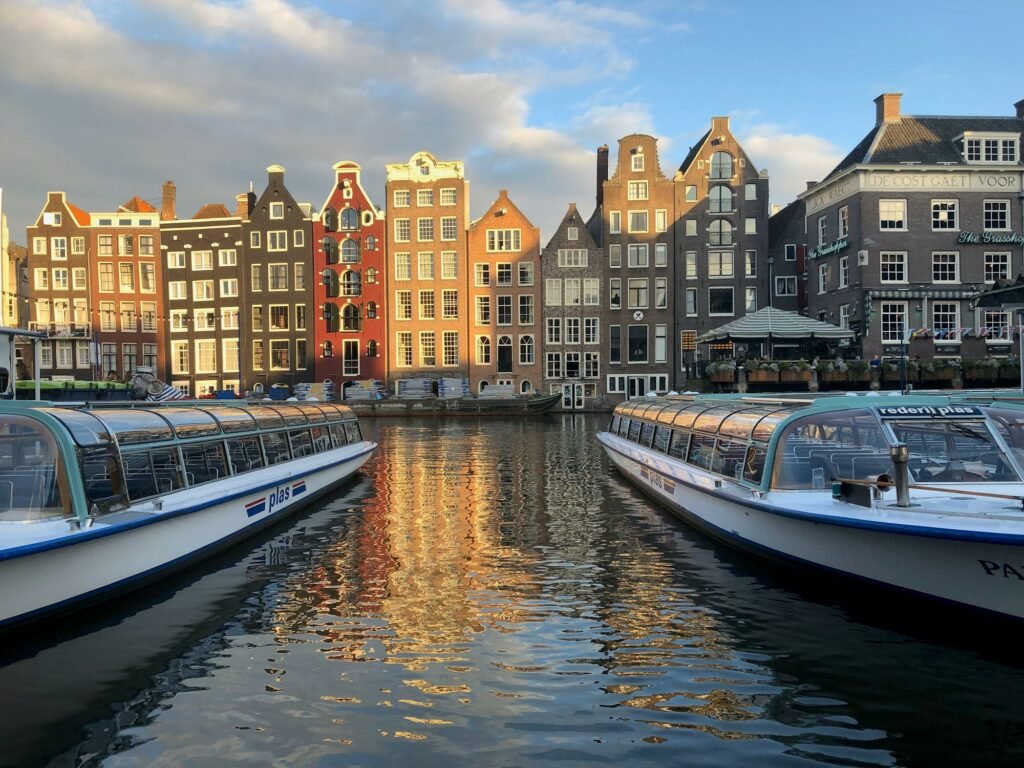
Quick answer: The Netherlands, Spain and Portugal are Europe’s most accessible destinations in 2026. The Netherlands leads on transport (nearly 100% of metro platforms wheelchair accessible); Spain leads on urban inclusion (Barcelona: 100% of buses fitted with ramps, three accessible beaches); Portugal leads on flat, walkable districts (Lisbon’s Baixa-Chiado, Belém, Parque das Nações). Budget 20-30% more than a standard trip for adapted transport and assistance services. For a first accessible city break in Europe, Barcelona is the safest starting point, with dedicated agencies like BCN ACCESTOUR; Amsterdam is the best pick if step-free public transport matters most.
Travel without compromise — it is now possible. Long confined to a handful of hotels with a wheelchair ramp, accessible tourism has been deeply transformed across Europe in recent years. The Netherlands, Spain, and Portugal have taken a considerable lead: public transport designed for everyone, museums with audio description and hearing loops, beaches equipped with amphibious wheelchairs, specialised guides for visually and hearing-impaired travellers… The offer today goes far beyond the legal minimum.
This article does not simply list ramps and elevators. It explores, destination by destination, what each city offers beyond the standards — authentic experiences, insider tips, and concrete tools for travelling independently, whatever your specific needs.
🇳🇱 Netherlands: Europe’s model for systemic accessibility
The Netherlands is a pioneer in Europe. According to Travel & Tour World, Dutch regulations require transport operators to make their websites, apps, and ticketing systems usable by people with visual or hearing impairments — and compliance is monitored by a government inspectorate. As a result, virtually 100% of metro and train station platforms are accessible to people with reduced mobility.
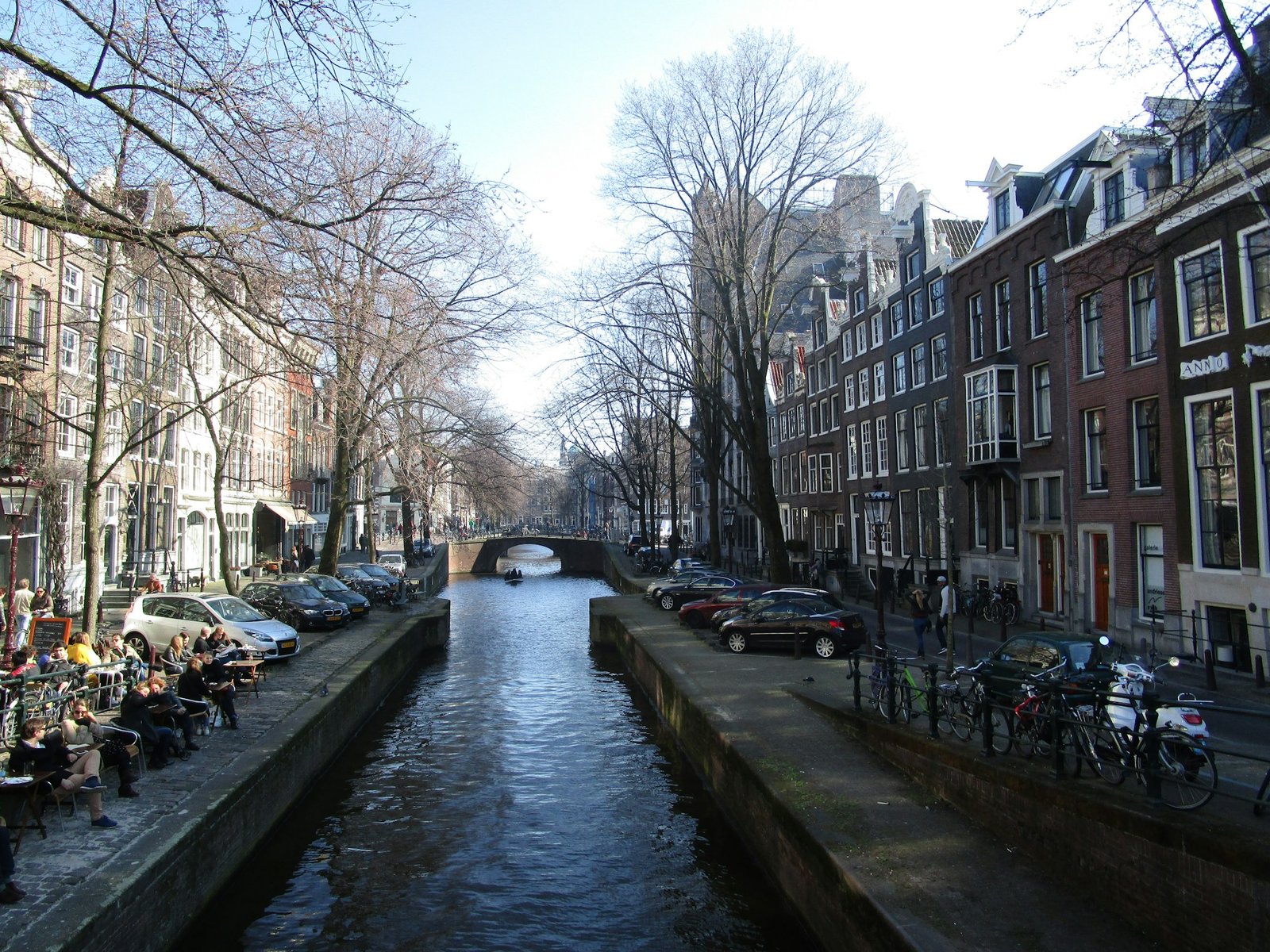
Amsterdam — The Venice of the North Reinvented for Everyone
Amsterdam is a unique model of multi-modal accessibility in Europe. According to Autonomia.org, the national rail company NS offers trains with dedicated wheelchair spaces, boarding ramps and trained staff on all major lines. For urban travel, the Red Crosser tram — specially designed for disabled passengers — can accommodate up to 6 wheelchairs, has a boarding lift, and accessible toilets.
The canals, the city’s symbol, are also accessible: many companies equip their boats with platform lifts for canal cruises. An ideal option for discovering the most beautiful neighbourhoods without physical constraints, according to Holland.com. Adapted bikes are also available to rent for travellers wishing to explore the city differently.
Accessibility highlights
- Red Crosser tram: 6 wheelchair spaces, accessible toilets, boarding lift
- Canal cruises with platform lifts
- Adapted bikes for hire (3-wheel, recumbent)
- 100% of metro platforms wheelchair accessible
- Accessible Travel Netherlands: mobility equipment hire and adapted hotel list
Rotterdam & Giethoorn — Barrier-free architecture and peaceful canals
Rotterdam is a revelation for mobility-impaired travellers. Largely rebuilt after World War II, the city has ultramodern architecture without labyrinthine historic quarters. The must-sees — the Markthal, the Cube Houses, the Erasmus Bridge — are all wheelchair accessible. Nearby, Kinderdijk offers accessible cruises to see the windmills up close, according to Disabled Accessible Travel.
Giethoorn, the famous car-free village in the province of Overijssel, paradoxically offers a very inclusive experience: the tourist canal boats are equipped with integrated lifts and can accommodate up to 44 people including one wheelchair. According to Accessible Travel Netherlands, the village bridges are wide enough for most wheelchairs, and a free multilingual app has been available since 2025 to help plan your visit.
Accessibility highlights
- Rotterdam: rebuilt at ground level, ideal for wheelchairs
- Giethoorn: boats with integrated lift, multilingual app 2025
- Private Accessible Tours Netherlands circuits, flexible duration
Keukenhof — 7 million flowers accessible to all
30 km from Amsterdam, the famous Keukenhof park is among the most accessible gardens in the world. Its main paths are wide and evenly paved, elevation changes are rare, and wheelchairs and mobility scooters can be rented directly on site. In 2025, the entrance fee was €20.50, according to Disabled Holidays. Accessible toilets are available throughout the park.
🇪🇸 Spain: Access City Awards and systematic inclusion
Spain is one of the European countries most decorated by the Access City Awards from the European Commission. Cities like Bilbao, Barcelona, Malaga, Pamplona and Valencia have all been recognised for their accessibility policies. The Tur4All platform, available in 11 languages, provides real-time listings of adapted hotels, restaurants, museums and transport across the country.
Barcelona — Europe’s leading city for inclusive accessibility
An estimated 20% of all visitors to Barcelona have a mental or physical disability, with a large proportion being wheelchair users, according to WheelchairTraveling.com. The city has built a world reputation for accessibility. All Barcelona buses are wheelchair accessible (ramps, alert buttons, reserved spaces, anchor points). The metro is largely accessible, and taxis and private hire vehicles fully so.
La Sagrada Família, Park Güell and the Gothic Quarter all have ramps, lifts and dedicated accessible routes. Three accessible beaches (including Barceloneta) offer beach wheelchairs, trained staff and adapted sanitary facilities.
Accessibility highlights
- 100% of buses with ramps, wheelchair anchors and alert buttons
- Sagrada Família, Park Güell: dedicated accessible routes
- 3 accessible beaches with beach wheelchairs
- BCN ACCESTOUR: specialist agency 10+ years, guaranteed 100% accessible accommodation and transport
Bilbao & the Basque Country — Avant-garde culture in an inclusive city
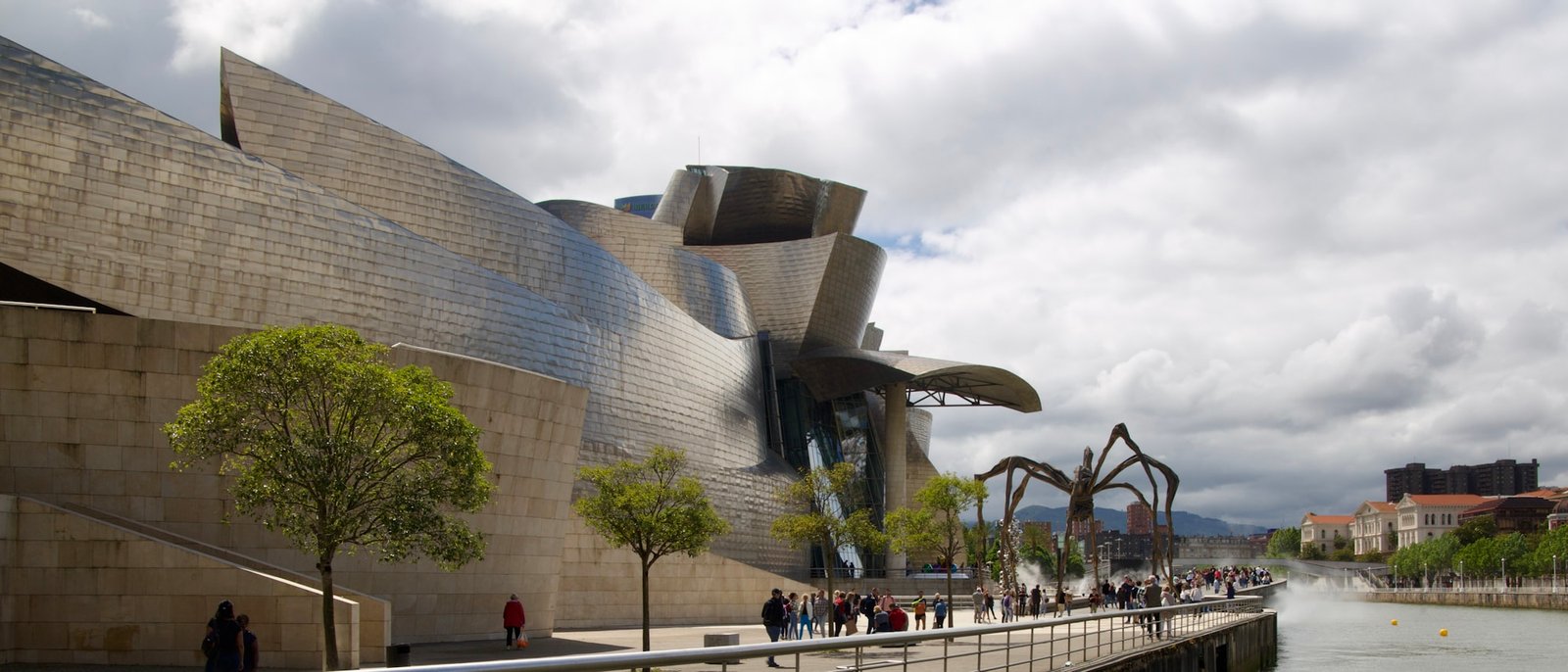
Bilbao combines exceptional contemporary architecture with accessibility built into infrastructure from the outset. The Guggenheim is a model of its kind: although the main entrance has steps, a separate entrance with automatic doors exists on the other side. Inside: widened lifts, flat and smooth floors, adapted toilets on every level. Wheelchairs are provided free of charge, according to Disabled Accessible Travel.
Even better, disabled visitors and their companions benefit from priority access to the Guggenheim without prior booking. Wheelchair users receive a reduced rate (€6–7.50), and the companion’s entrance is free. For deaf and hard-of-hearing visitors, the museum offers sensory maps, sensory bags and designated quiet spaces.
Accessibility highlights
- Guggenheim: reduced rate + free companion ticket for disabled visitors
- Sensory maps and quiet spaces for autistic or hard-of-hearing visitors
- EuskoTren tram: « Guggenheim » stop, 2 wheelchair spaces per carriage
- San Sebastián: adaptive surfing lessons for disabled people
Valencia & Seville — Accessible futurism and inclusive heritage
Valencia was a pioneer in digital accessibility: in 2019, it launched the first accessible tourist guide for visually impaired visitors, enabling audio-guided itineraries to be downloaded on mobile, according to a study published in MDPI. The City of Arts and Sciences — including the Oceanogràfic and the Hemisfèric — is fully wheelchair accessible, with wide entrances and trained staff. An accessible theatre programme offers adapted performances each year for people with hearing, visual or intellectual disabilities.
Seville excels at making its World Heritage sites accessible. The cathedral and the Giralda offer accessible entrances and adapted guided tours. The Real Alcázar, one of Spain’s most visited monuments, has accessible gardens and routes. Note: the Eurotaxi Association in Madrid and its Seville equivalent offer accessible vehicles at no extra charge for disabled passengers.
🇵🇹 Portugal: the first country to win the WTO accessible tourism award
Portugal was the first country to receive the « Accessible Tourist Destination 2019 » award from the World Tourism Organization, according to a comparative study Portugal/Spain. The Tur4All platform also covers Portugal (in 11 languages), and agencies like Mobee Travel offer specialist services for Lisbon and Barcelona.
Lisbon — Belém, Baixa and Parque das Nações: the three key districts
Lisbon, with its 7 hills and cobblestones, can seem daunting for mobility-impaired travellers. But the « right districts » strategy changes everything. According to Bonjour Lisbonne, three zones are particularly recommended: Baixa-Chiado (the flat city centre with its large squares), the Parque das Nações (landscaped riverside promenade along the Tagus, ultra-accessible Oceanarium) and Belém (riverside monuments, free wheelchair access to the Belém Tower ramparts).
The Jerónimos Monastery and its cloister are fully accessible. The MAAT (Museum of Art, Architecture and Technology) and the electricity museum are fully equipped: lifts, ramps, two wheelchairs available at reception on request. For transport, most buses have ramps, and tram line 15E (serving Belém) is modern and fully accessible, according to Yanous.com.
Accessibility highlights
- Three flat, accessible districts: Baixa, Parque das Nações, Belém
- MAAT and electricity museum: lifts, ramps, wheelchairs available
- Modern tram 15E with low floor for Belém
- UNESCO Accessible Tourism Award 2019

Algarve — The Atlantic for everyone, from cliffs to accessible beaches
The Algarve region offers an exceptional setting for accessible tourism. At Ponta da Piedade (Lagos), a wheelchair-accessible boardwalk winds above the cliffs with panoramic views towards Dona Ana beach. Praia da Luz is a fishing village with an accessible promenade and boardwalk leading directly to its white sand beach. During the high season (May–October), amphibious chairs and fully adapted sanitary facilities are available, according to WheelchairTraveling.com.
For an unusual detour, in Parchal: the Conserveira do Arade sardine cannery (the last in the region) offers wheelchair-accessible guided tours with tasting. Faro airport offers accessible services, and adapted transfer companies operate from the airport (ALGARVEWHEELER, Yellowfish Transfers, Faro Taxi).
Accessibility highlights
- Ponta da Piedade: wheelchair-accessible wooden boardwalk above the cliffs
- Praia da Luz: beach with amphibious chairs and adapted facilities (May–Oct)
- Faro airport transfers with adapted vehicles available
- Accessible cannery tour with tasting
Porto — Accessible metro and wine cellars on the Douro riverbanks
Porto goes even further than Lisbon on transport: its metro is almost entirely accessible, with lifts and spacious platforms at most stations, according to Portugal Residency Advisors. Its fleet of modern buses facilitates travel. If you use public transport frequently, an Andante Tour card valid for 24 hours (€7) or 72 hours (€15) is an excellent option.
The Ribeira quarter, the wine cellars of Vila Nova de Gaia (accessible by cable car) and the wine museum offer a rich cultural experience within a compact area. For travel by car, a European parking card is required for disabled parking spaces — the Go It Accessible cooperative offers comprehensive resources for planning your stay in Porto.
📱 Essential apps and tools in 2026
Technology has transformed accessible travel. Here are the must-have apps for planning and enjoying your stay independently:
According to InfoTravel, the MyEasy Access app brings together all accessible tourist sites with personalised itineraries based on the user’s profile. It enables people with disabilities — residents and tourists alike — to plan their visits and travel more serenely.
Practical info for your inclusive trip
Stay connected to use TUR4All, Wheelmap and the NS App from the moment you land. Instant activation, no physical SIM card needed.
From €4.50Nomad Insurance: global coverage from $56/4 weeks. Includes coverage for mobility equipment (wheelchairs, scooters).
From $56 / 4 weeksFrequently asked questions about accessible travel in Europe
Do I need a European parking card to travel in the Netherlands, Spain and Portugal?
Yes. To park in disabled bays in all three countries, you must hold a parking card in European format, according to Autonomia.org. This card is recognised throughout the European Union and is free of charge. Ask your national disability authority for details on how to obtain one in your country.
Is rail travel genuinely accessible in these three countries?
Netherlands: The national operator NS has special services for disabled passengers, with dedicated wheelchair boarding and accessible toilets on most intercity trains. Spain: Renfe provides an assistance service on medium and long-distance trains, and many stations have been adapted (ramps, visual and auditory reinforcements, lifts). Portugal: CP – Comboios de Portugal – provides accessible carriages on many lines, with wheelchair spaces and adapted toilets on long-distance trains, according to Portugal Residency Advisors. In all three countries, contact the railway operator 48 hours in advance to book assistance.
How do I contact my airline about specific assistance?
EU Regulation 1107/2006 requires all airlines to provide assistance to disabled passengers: wheelchairs, boarding ramps, sign language interpreters on request. The universal rule: contact your airline at least 48 hours in advance to specify your needs. On the ground, Amsterdam Schiphol, Barcelona El Prat, Madrid Barajas and Faro (Algarve) airports all have dedicated services for disabled travellers.
What official certifications should I look for in accessible accommodation and tourist sites?
In Spain, the Tur4All platform and the Access City Awards from the European Commission are the main references. Cities like Bilbao, Barcelona, Malaga, Valencia and Pamplona have all been recognised. For accommodation, the NH Hotels chain (present in all 3 countries) and Paradores (Spain) offer certified accessible rooms.
Are beaches genuinely wheelchair accessible?
Yes, in all three countries. Spain: Playa Las Vistas (Tenerife) is one of the most accessible beaches in the world (adapted beach wheelchairs, trained lifeguards, ramps). In Barcelona, three beaches offer beach wheelchairs in high season. Portugal: Praia da Luz in the Algarve has an accessible boardwalk and amphibious chairs from May to October, according to WheelchairTraveling.com. Netherlands: On the Wadden Islands (Ameland, Texel), beaches are wheelchair accessible thanks to specific equipment.
Are there specialist agencies for inclusive travel to these destinations?
Yes, several agencies are recommended. For Spain: Accessible Spain Travel (small group tours) and BCN ACCESTOUR (Barcelona, 10+ years’ experience, guaranteed accessible accommodation and transport). For Portugal: Adapted Tours Portugal (Lisbon, Sintra, Algarve) and Go It Accessible (social cooperative). For the Netherlands: Accessible Travel Netherlands (equipment hire, hotels, circuits).
How do I manage the cobblestones throughout Lisbon and Porto?
The recommended strategy is simple: target the right districts. In Lisbon, Belém, Baixa-Chiado and Parque das Nações are relatively flat and accessible, according to Handilol. In Porto, the Ribeira quarter and the Douro quays offer manageable promenades. Recommended equipment: a portable folding ramp for shops, a lightweight electric wheelchair or scooter with good suspension (preferable to a standard manual chair on cobblestones). Accessible vans are available for hire from Siesta Campers for greater independence.
Is the overall budget for an inclusive trip higher than a standard trip?
Generally, budget +20 to +30% compared to a standard trip, mainly for adapted transport and any assistance services. However, many advantages offset this: in Spain, companions are often admitted free to museums (e.g. Guggenheim Bilbao), and transport offers discounted fares. Worth noting: 87% of disabled people travel with a companion, according to CoAxSoft, meaning accessible destinations effectively attract two customers for the price of one.
Which single destination is best for a first accessible trip to Europe?
For a first accessible city break, Barcelona is the safest starting point among the three countries: 100% of buses are fitted with ramps and wheelchair anchors, the Sagrada Família and Park Güell have dedicated accessible routes, three beaches offer beach wheelchairs, and specialist agencies such as BCN ACCESTOUR guarantee fully accessible accommodation and transport. Travellers wanting flatter terrain and quieter crowds can look at Rotterdam in the Netherlands, whose post-war rebuild left it almost entirely step-free.
Is Amsterdam a good choice for wheelchair users in 2026?
Yes, Amsterdam is one of Europe’s easiest accessible destinations in 2026, mainly thanks to its transport network: nearly 100% of metro platforms are wheelchair accessible. Cobbled canal streets and narrow historic houses remain the main constraints, so check step-free access with each venue before booking and plan routes along the flatter main streets.
Sources
- Holland.com — Travellers with reduced mobility — Official Netherlands accessibility guide
- Autonomia.org — The Netherlands for all — Transport and accessible services
- Accessible Travel Netherlands — Equipment hire, circuits, hotels
- Accessible Travel Netherlands — Giethoorn — Village accessibility guide
- WheelchairTraveling.com — Spain — Top 7 accessible destinations
- Spain.info — Accessible tourism — Official Spanish guide
- TuriSpanish — Accessible Bilbao — Practical Basque Country guide
- Disabled Accessible Travel — Guggenheim Bilbao — Museum accessibility
- Bonjour Lisbonne — Lisbon by wheelchair — 2026 guide
- Handilol — Accessible Lisbon — Practical tips for wheelchair users
- WheelchairTraveling.com — Algarve — Wheelchair travel guide
- WheelchairTraveling.com — West Algarve — Ponta da Piedade, Praia da Luz
- MDPI — Accessibility apps Portugal/Spain — Comparative academic study
- InfoTravel — World Tourism Fair 2026 — Tourism and disabilities
- Travel & Tour World — Accessibility in Europe — Netherlands pioneers
- CoAxSoft — Accessibility in tourism — Market data 2025–2026
Research conducted on 24 March 2026. Practical information (prices, timetables, availability) may change — always verify directly with providers before you travel.
Ready to plan your inclusive trip to Europe?
Discover Pixidia’s tailor-made itineraries — adapted to your needs, your interests and your pace. From Giethoorn to the Algarve via Bilbao, every destination deserves to be experienced to the full.
Explore all itineraries