
1. Why Small Ships Transform the Galápagos Experience
Small Ships vs. Large Ships: The Decisive Comparison
The National Park’s regulations are clear: expedition ships can carry between 16 and 100 passengers, but small yachts (12–32 people) offer a radically different experience. According to Quasar Expeditions, small ships allow faster Zodiac access, lower guide-to-passenger ratios, and itinerary flexibility that’s impossible on larger vessels.
In 2012, the Galápagos National Park introduced a key rule: all companies must wait two weeks before revisiting the same landing site. This measure distributes boats more evenly and reduces pressure on the 80+ protected visitor sites — directly benefiting smaller, more agile ships.
5 Decisive Advantages of Small Ships
- Access to restricted sites — some anchorages only accept yachts with fewer than 16 passengers
- Optimal guide/passenger ratio — groups of 8 maximum versus 16 on large ships
- Weather flexibility — a small yacht captain can change the itinerary within hours
- Reduced environmental impact — Zodiac anchors replaced by dynamic positioning systems
- Intimate atmosphere — you get to know your naturalist guide and fellow travelers from day one
2. Genovesa — The Bird Island, the North’s Forgotten Caldera
Genovesa (Tower Island) — Northern Archipelago
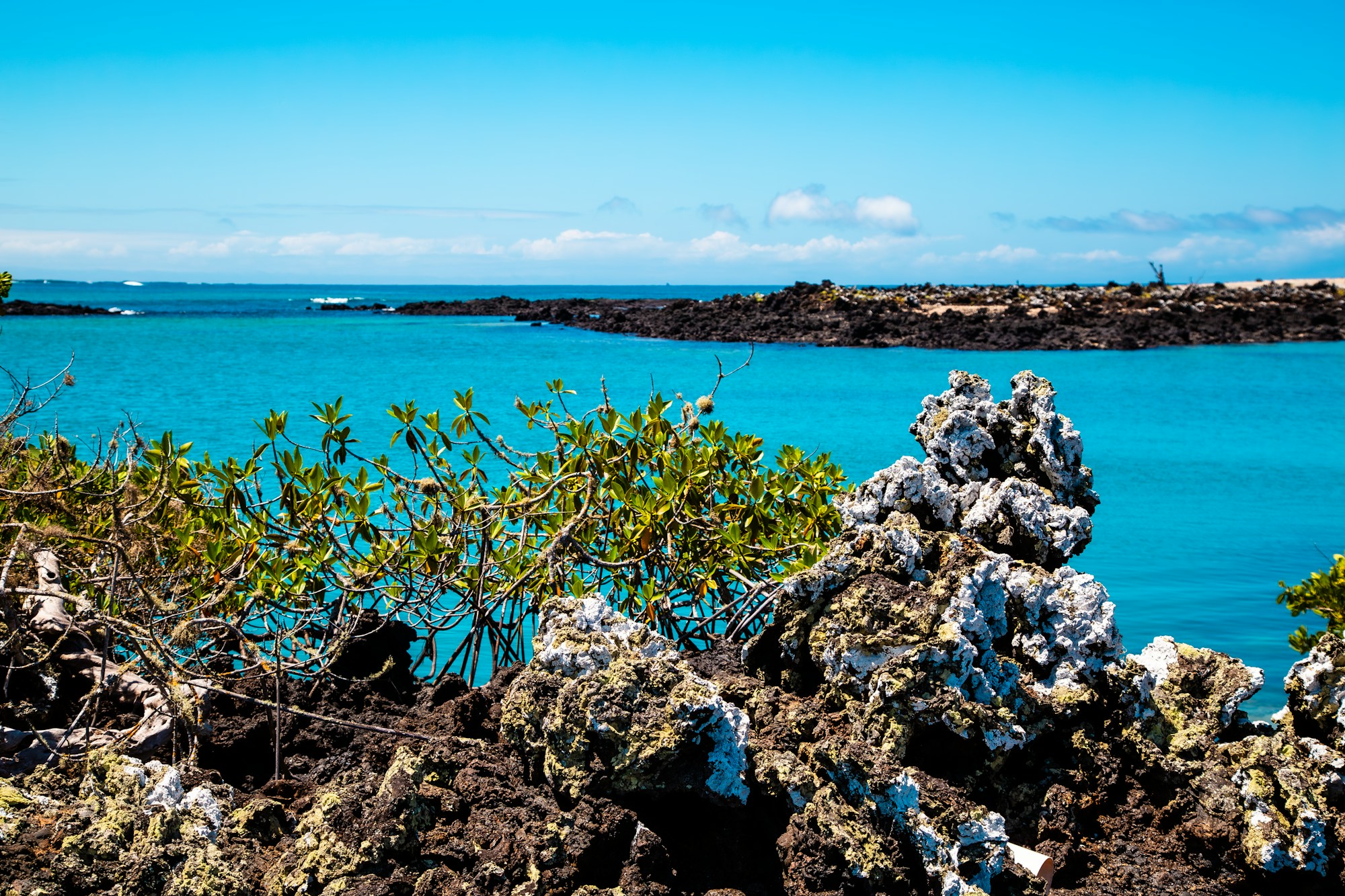
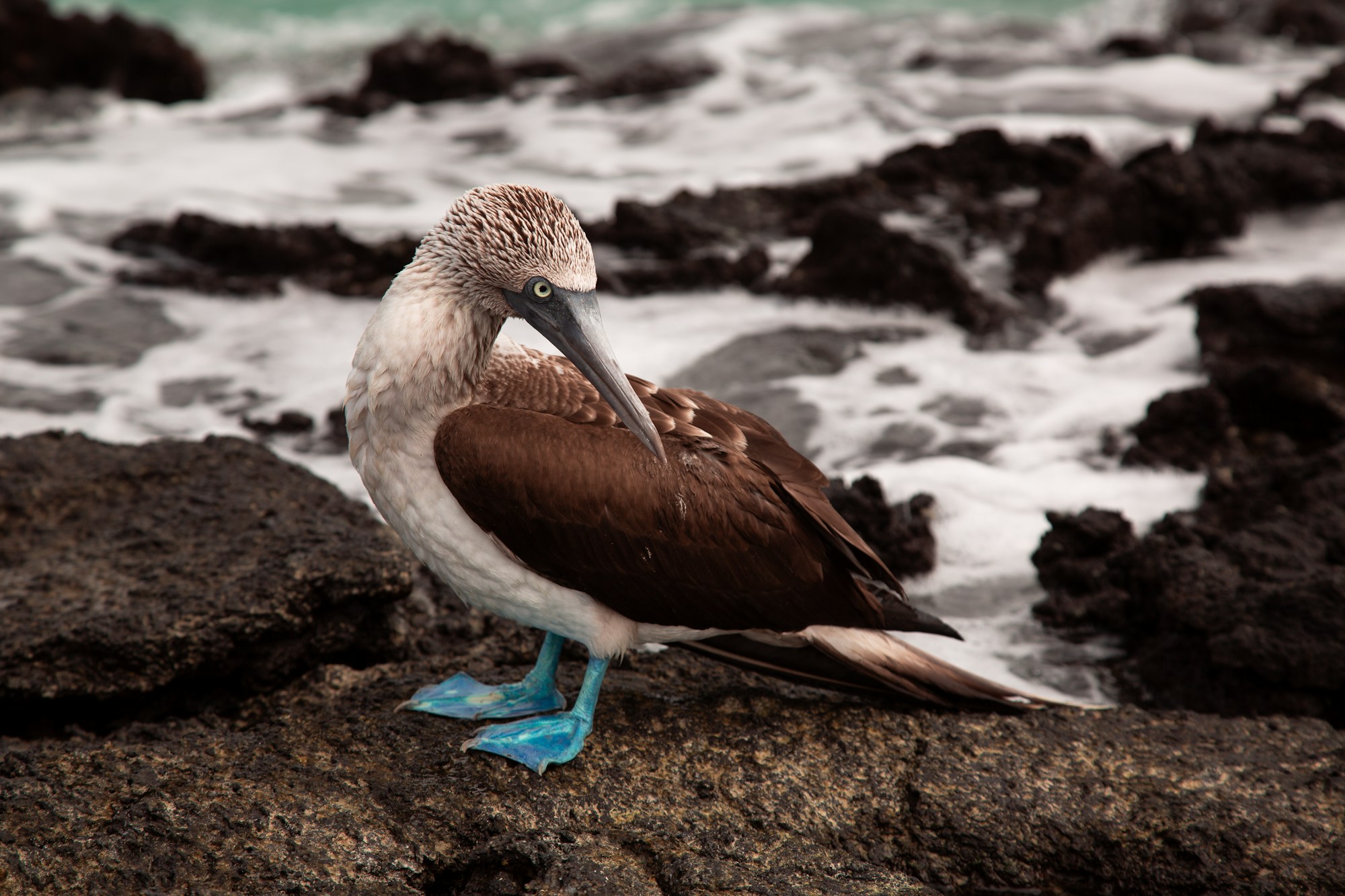
Sail beyond the equator to the remote northern realm of the Galápagos, entering a flooded caldera of breathtaking beauty. Genovesa hosts one of the archipelago’s largest seabird colonies: red-footed boobies, Nazca boobies, magnificent frigatebirds, swallow-tailed gulls, and Galápagos short-eared owls coexist on just a few hectares. According to Lindblad Expeditions, Prince Philip’s Steps — a 27-meter climb — lead to a plateau where you literally walk among nesting birds.
Genovesa’s defining feature: it is the only easily accessible Galápagos island with a large colony of red-footed boobies. These birds, which exist in two variants (brown morph and white morph), nest in cliff-edge bushes.
What Makes Genovesa Unique
- Only accessible colony of red-footed boobies in the archipelago
- Darwin Bay — one of the most beautiful protected bays in South America
- Mangrove finch endemic only to Genovesa
- Snorkeling with whitetip reef sharks and stingrays
3. Fernandina & Isabela — The Western Route and Its 6 Active Volcanoes
Fernandina & Isabela — Western Route
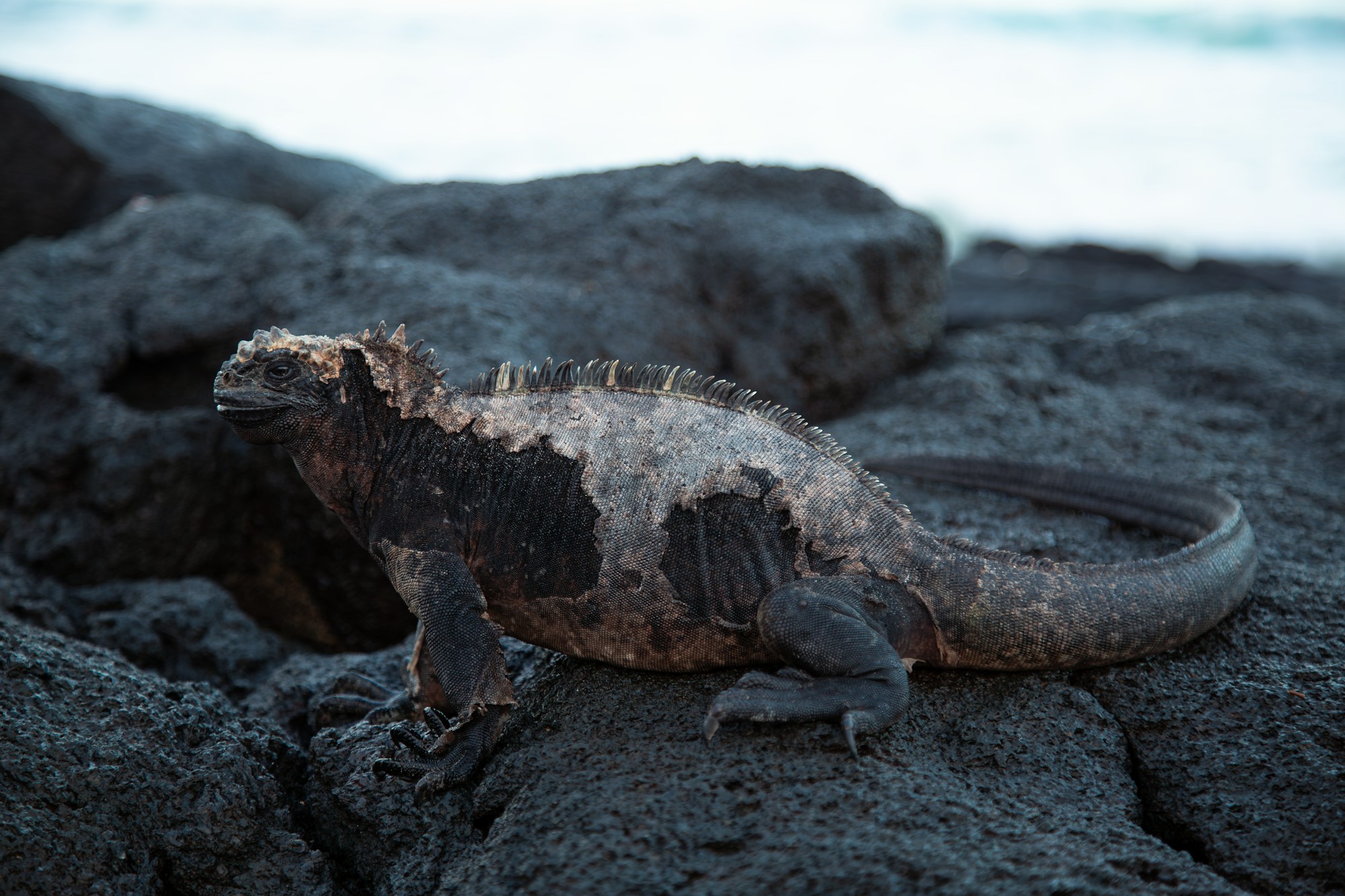
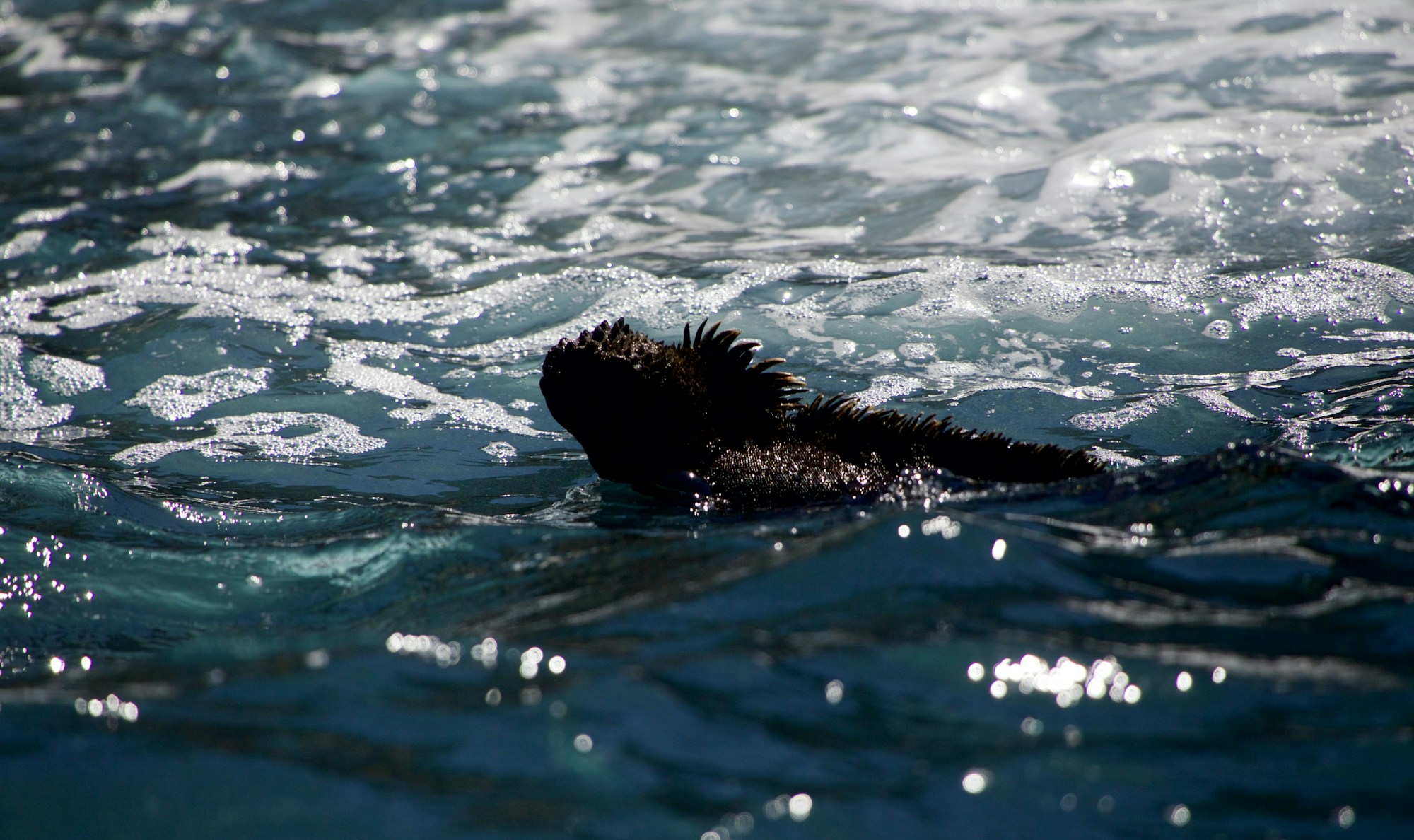
Fernandina is the youngest, most isolated, and most pristine island in the Galápagos — and the only major island in the archipelago to have never been invaded by species introduced by humans. At Punta Espinoza, the largest gatherings of marine iguanas on the planet coexist with flightless cormorants (birds that have lost the use of their wings) and Galápagos penguins. According to Lindblad Expeditions, it’s one of the rare places on Earth where you can observe free-roaming swimming marine iguanas just meters from your snorkel.
Isabela, the largest island in the archipelago (60% of total area), is home to five distinct volcanoes including Sierra Negra (11-km-diameter crater). The Los Tintoreras islet, facing Puerto Villamil, concentrates the greatest density of penguins and whitetip reef sharks in the region. According to WebCroisières, the western route is less traveled than central circuits — making it the choice for travelers seeking absolute authenticity.
Highlights of the Western Route
- Flightless cormorant — endemic to Fernandina and Isabela, the only cormorant that cannot fly
- Galápagos penguins — the only penguins living in the Northern Hemisphere
- Hike up Sierra Negra volcano — panoramic view of the largest active crater
- Giant manta rays and whales — the western currents make it a marine life crossroads
4. Darwin & Wolf — The World’s Holy Grail of Scuba Diving
Darwin & Wolf Islands — Far Northwest (320 km from main islands)
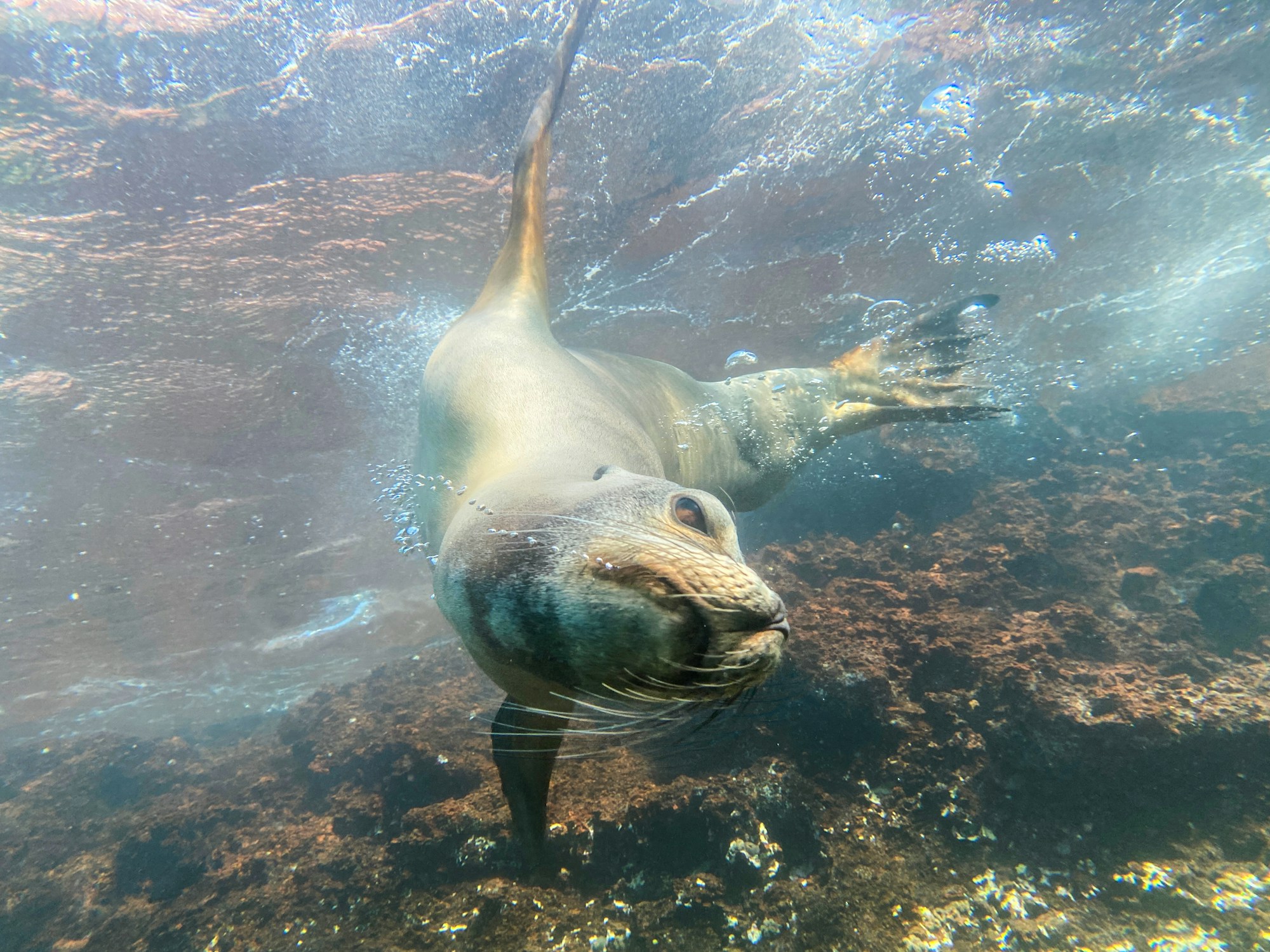
Located approximately 320 kilometers northwest of the main Galápagos Islands, Darwin and Wolf rise from deep Pacific waters to offer what divers worldwide consider the best dive sites on the planet. Scalloped hammerhead sharks in schools of hundreds, Galápagos sharks, dolphins, manta rays, and an overwhelming abundance of tropical fish reign in waters that hold the largest shark biomass on Earth. According to Galapagos Shark Diving, female whale sharks — often pregnant and exceeding 12 meters in length — regularly migrate through these waters.
Important note: these islands are accessible only by diving liveaboard. Specialized yachts like the Aggressor III, Galapagos Sky, Humboldt Explorer, and Aqua offer dedicated 8-to-10-day itineraries. According to Divebooker, prices start from $4,598 and spots go fast.
What You’ll See Underwater
- Scalloped hammerhead sharks in schools of hundreds
- Female whale sharks often pregnant at Darwin Arch
- Vampire finch — Wolf Island endemic that drinks booby blood
- Manta rays, mobula rays, playful sea lions
5. Española & Floreana — Albatrosses, Flamingos, and Historical Mysteries
Española & Floreana — South/East Itinerary
Española is the oldest island geologically in the Galápagos and hosts at Punta Suárez the only breeding colony of waved albatrosses outside the Galápagos. These majestic birds, with wingspans exceeding 2.4 meters, take off from a cliff that serves as their natural runway — a sight wildlife photographers dream of capturing their entire lives. Española’s marine iguanas display unique red and green breeding colors, found nowhere else.
Floreana, visited by Darwin himself, offers a wealth of attractions: the post barrel installed in the 18th century by whalers (still in use today), flamingos in the olivine lagoons of Cormorant Point, and Baroness Cove — scene of unsolved murders in the 1930s. According to Rebecca Adventure Travel, the island is also host to a reintroduction project for Floreana’s giant tortoise, thought extinct since the 1840s and revived through the discovery of ancestral DNA in 2017.
Why You Can’t Miss These Islands
- Waved albatross — the only nesting site on Earth (Española, April–November)
- Floreana tortoise — species resurrected from extinction
- Post Office Bay barrel — a whaling tradition since 1793
- American flamingos in olivine lagoons
6. Bartolomé & Santa Cruz — Iconic Landscapes and the Darwin Research Station
Bartolomé & Santa Cruz — Central Islands
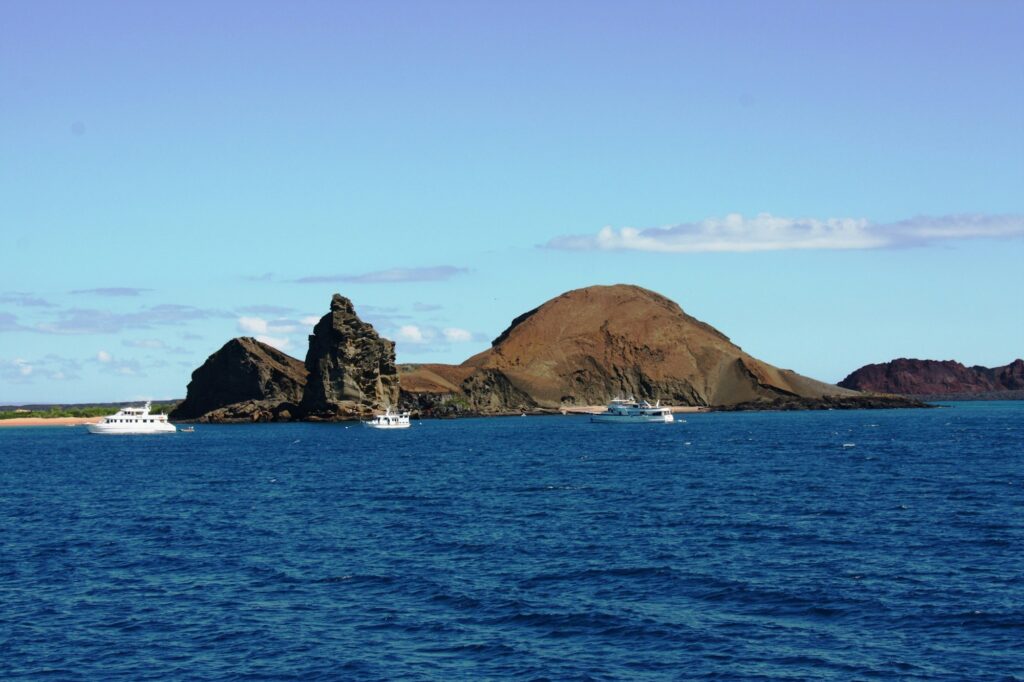
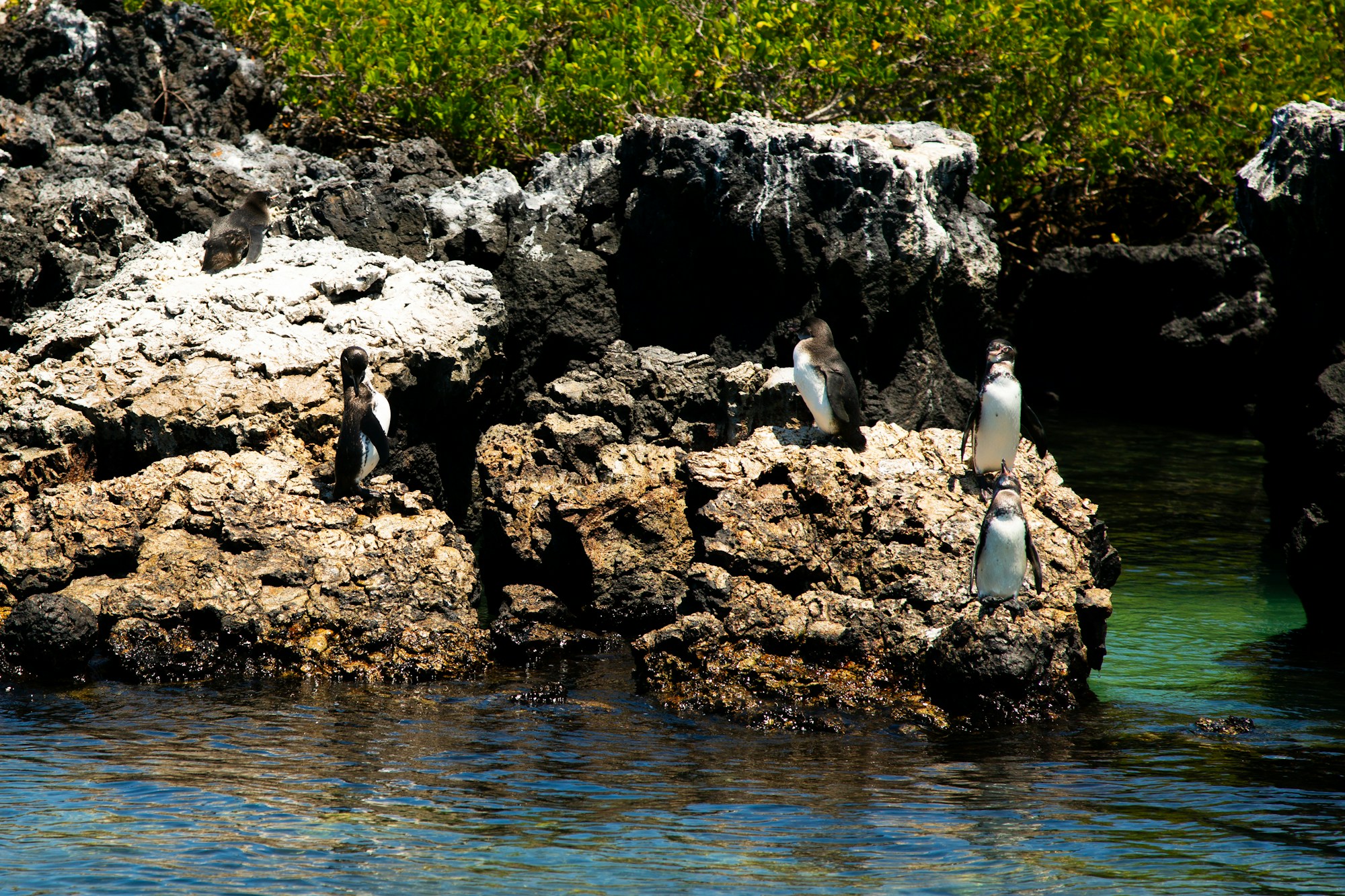
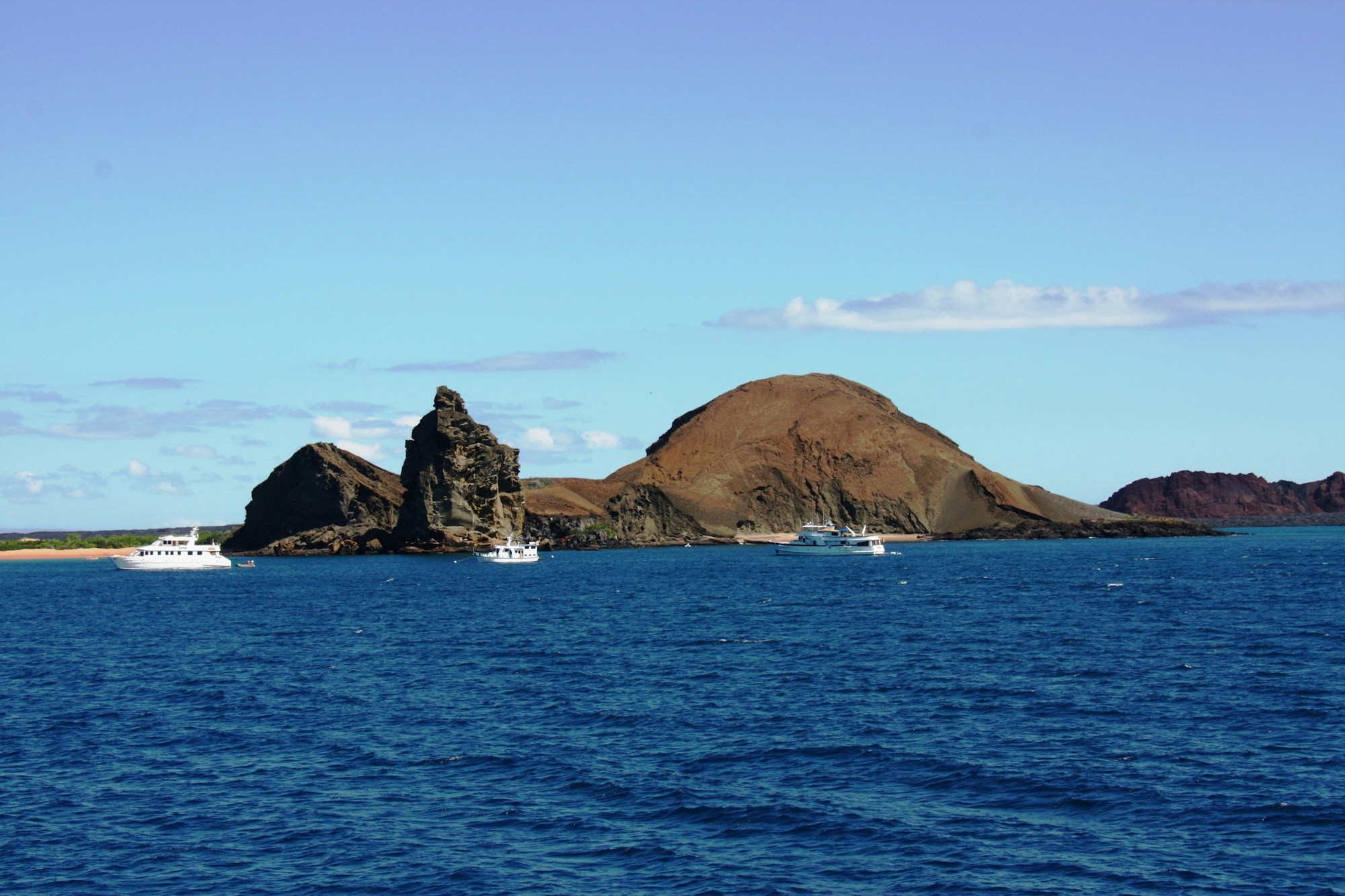
Bartolomé is one of the most photographed islands in the Galápagos. Its iconic Pinnacle Rock — a finger of lava rising from turquoise waters — has become the visual symbol of the archipelago. The beach at the foot of this spire is one of the few places on Earth where you can swim with Galápagos penguins just centimeters away. According to Croisierenet, the panoramic view from the top of Pinnacle Rock reveals a strikingly lunar landscape.
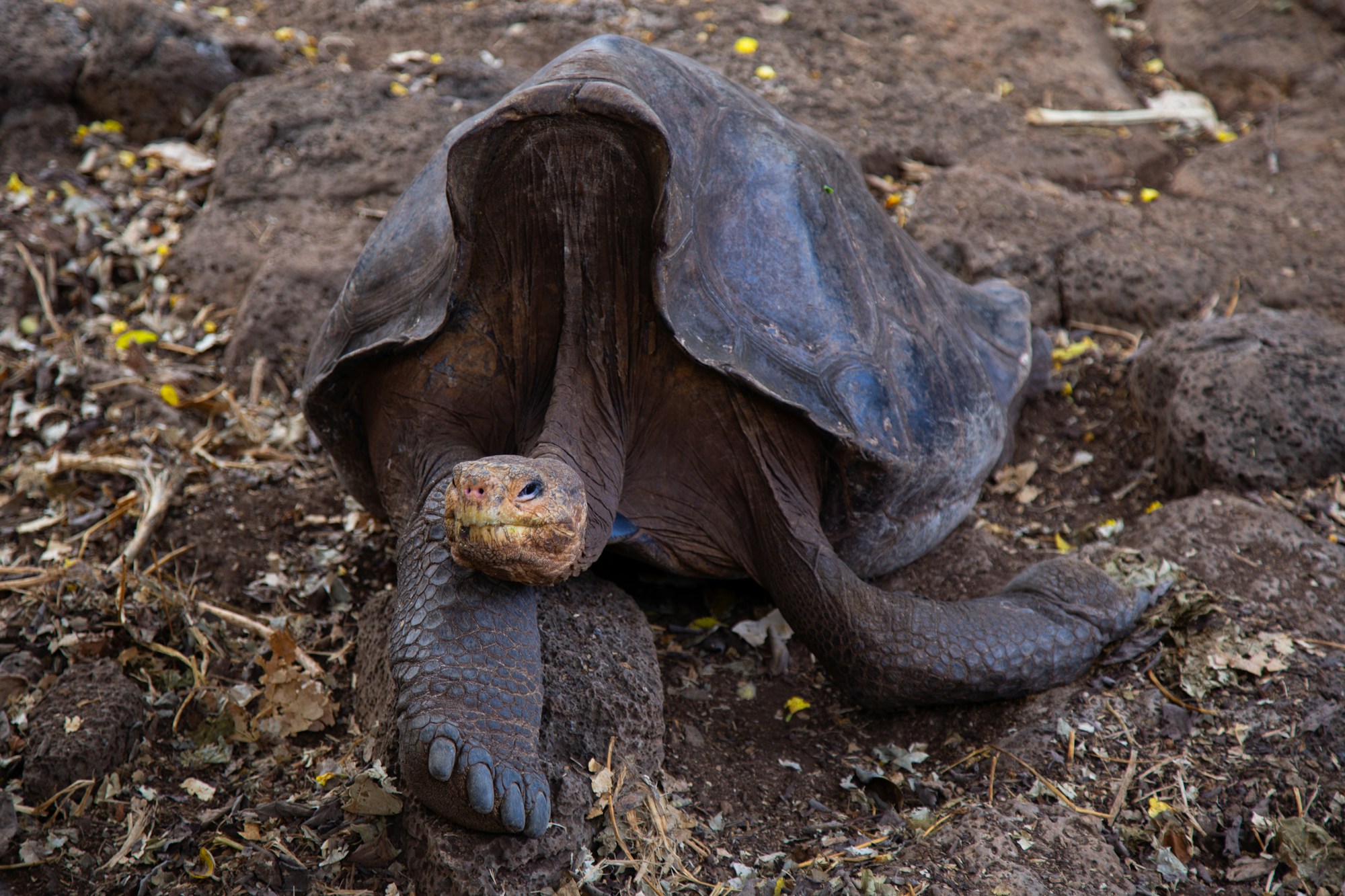
Santa Cruz is the archipelago’s logistical hub and home to the Charles Darwin Research Station, established in 1960. Since launching its captive breeding program, the Station has reintroduced between 7,000 and 10,000 giant Galápagos tortoises into the wild. According to My-Wildlife, it is here that Lonesome George’s legacy lives on — the last of his subspecies, who died in 2012. In the highlands of Santa Cruz, giant tortoises roam freely through prehistoric-looking meadows.
Not to Be Missed
- Darwin Station — giant tortoise breeding center, open access
- Pinnacle Rock (Bartolomé) — unique volcanic landscape
- Santa Cruz Highlands — free-roaming giant tortoises in pastures
- Snorkeling at Bartolomé — penguins, sharks, and sea turtles
7. Marine Conservation — What Your Cruise Concretely Funds
The Galápagos Marine Reserve — 133,000 km² of Biodiversity
The Galápagos Marine Reserve, established in 1998, covers 133,000 km² — one of the world’s largest marine reserves. The convergence of three major ocean currents (Humboldt, Panama, Cromwell) creates extraordinarily nutrient-rich waters supporting more than 2,900 identified species, 25% of which are endemic to the reserve. According to LAC Geo, these waters are home to hammerhead sharks, whale sharks, giant manta rays, and an unparalleled diversity of reef fish.
The Charles Darwin Foundation oversees critical programs: deep ocean exploration, mangrove ecology, seabird conservation, ocean governance, and marine turtle conservation. Every ticket sold by certified companies directly contributes to these programs. The National Park Service has limited tourism to fewer than 50,000 annual visitors in certain sensitive areas.
Park Rules Every Visitor Must Follow
- Certified naturalist guide required — systematic guided presence ashore
- Minimum 2-meter distance — from all wildlife (even if they approach you)
- Stay on marked trails — protection of vegetation and wildlife
- No organic material (seeds, insects) transported between islands
8. 2026 Expedition Companies: The Comparison Guide
The 5 Leading Certified Galápagos Companies
To operate in the Galápagos, a company must be officially accredited by the National Park — and navigate with Park-certified naturalist guides. Here are the five most recommended operators in 2026, ranked by segment:
🥇 Silversea — Silver Origin (Ultra-Luxury, 100 pax)
Purpose-built for the Galápagos, the Silver Origin offers 100 passengers in all-suite accommodations, the highest crew-to-passenger ratio in the archipelago, and innovative features like an outdoor fireplace. According to Galapagos Boat Cruises, it redefines ultra-luxury exploration. Prices: from $14,000 per person.
🥈 Celebrity Cruises — Celebrity Flora (Modern Luxury, 100 pax)
The first ship of its kind purpose-built for the Galápagos, the Celebrity Flora incorporates anchorless technology to protect the seabed. According to The Cruise Web, its 11 certified naturalists and zero-emission design make it the sustainable luxury reference. 12–18 months advance booking recommended. Prices: from $8,000 per person.
🥉 Lindblad/National Geographic (Scientific Expedition, 48–100 pax)
Lindblad invented the modern expedition cruise in the Galápagos in the 1960s. According to Lindblad Expeditions, all guides are Galápagueños or Ecuadorians, offering authentic cultural connection. As an official National Geographic partner, the company also runs active research programs.
🏅 Ecoventura — Origin, Theory & Evolve (Sustainable Luxury, 20 pax)
A proud member of Relais & Châteaux, Ecoventura is the benchmark sustainable travel operator in the Galápagos. According to Ecoventura, the company donates a portion of every sale to local conservation programs. Maximum 20 passengers on purpose-designed expedition yachts.
🌿 Quasar Expeditions — MV Evolution & Grace (Premium, 16–32 pax)
The oldest and most experienced small-ship cruise company in the Galápagos. According to Quasar Expeditions, their philosophy is to inspire travel, not tourism. Groups of 16 to 32 passengers, all-inclusive luxury, itineraries of 8 to 15 days.
9. Budgets and Best Seasons for 2026
Price Ranges and Wildlife Calendar
According to Planète Croisière, a Galápagos cruise averages between $6,500 and $17,000 per person all-inclusive. Budgets vary by comfort level and duration. Here are the 2026 price ranges:
- Tourist Class (5–6 days): $2,800–$4,500 — Bonita Catamaran, Nemo II
- First Class (7–8 days): $4,500–$8,000 — MS Santa Cruz II, La Pinta
- Luxury (7–8 days): $8,000–$13,500 — Celebrity Flora, Evolution (Quasar)
- Ultra-Luxury (7–14 days): $13,500–$22,000 — Silver Origin, Ecoventura
- Diving Liveaboard (8 days): from $4,598 — Galapagos Sky, Humboldt Explorer
Mandatory additional costs: international flights to Quito or Guayaquil, domestic flight Quito/Guayaquil → Baltra or San Cristóbal (~$150–300), Transit Control Card ($20), National Park entry fees ($100–200). The optimal duration for most travelers is 8 days, offering the best balance between depth and variety according to Go Galapagos.
Wildlife Calendar by Season
- December–May: warm waters (77–82°F), ideal snorkeling, nesting sea turtles, breeding marine iguanas
- June–November: Humboldt Current, whale sharks, hammerhead shark schools, manta rays — peak diving season
- April–November: waved albatrosses courting on Española
- Year-round: giant tortoises, sea lions, marine iguanas, boobies, frigatebirds
Practical Information for Your Galápagos Cruise
Nomad Insurance: global coverage from $56/4 weeks. Includes diving and water activities. 10% off via our link.
From $56 / 4 weeksStay connected from the moment you land in Quito or Guayaquil. Instant activation, data available from the plane.
From $5FAQ — Your Questions About Galápagos Expedition Cruises
What’s the difference between an expedition cruise and a regular Galápagos cruise?
A Galápagos expedition cruise focuses on destinations and wildlife encounters rather than onboard entertainment. Aboard small ships (12–32 passengers), you spend more time ashore with certified naturalist guides, access restricted sites unavailable to large vessels, and enjoy complete immersion in nature. Standard cruises offer more onboard activities but less wildlife contact time and limited access to the most remote areas.
Is a naturalist guide mandatory for shore excursions in the Galápagos?
Yes, it is a legal requirement imposed by the Galápagos National Park. All visitors in protected zones must be accompanied by a Park-accredited naturalist guide. Groups are limited to a maximum of 16 people. This strictly enforced rule is one of the cornerstones of the archipelago’s conservation for over 50 years.
What ship size provides the best wildlife experience in the Galápagos?
Small luxury yachts (12–20 passengers) consistently offer the best wildlife experience: lower guide/passenger ratios, access to restricted sites, faster Zodiac landings, and an intimate atmosphere. Large ships (50–100 passengers) offer more onboard amenities and often more affordable rates, but with less time ashore and limited access to the most pristine areas.
What is the best time to visit the Galápagos in 2026?
The Galápagos is a year-round destination. Choose based on your priorities: June through November for divers (whale sharks, hammerhead schools, manta rays), December through May for warm, calm waters ideal for snorkeling and families. April through November for waved albatrosses on Española. Giant tortoises, sea lions, and marine iguanas are visible year-round.
How much does a Galápagos cruise cost in 2026?
In 2026, a Galápagos expedition cruise ranges from $2,800 (tourist class, 5 days) to $22,000 (ultra-luxury, 14 days) per person. Add international flights, domestic connecting flight (~$150–300), Transit Control Card ($20), and National Park entry fees ($100–200). The optimal 8-day duration starts from around $5,000 in first class.
Is diving at Darwin and Wolf accessible to intermediate divers?
No. Darwin and Wolf are reserved for experienced divers with a minimum Advanced Open Water (AOWD) certification and experience in strong currents. Most liveaboard operators require a minimum of 50 logged dives. Beginner and intermediate divers will however find excellent dive sites throughout the rest of the archipelago.
How far in advance should you book a Galápagos cruise?
For luxury and ultra-luxury ships with fewer than 20 cabins (Ecoventura, Quasar Expeditions, Silver Origin), booking 12 to 18 months in advance is essential — 2026 departures are often fully booked in early 2025. For larger ships like HX Hurtigruten’s MS Santa Cruz II or Celebrity Flora, 6 to 9 months is generally sufficient. For Darwin/Wolf diving liveaboards, plan 9 to 12 months ahead.
How do Galápagos cruises directly contribute to conservation?
National Park entrance fees ($100–200 per visitor) directly fund conservation programs and invasive species eradication. Certified companies like Ecoventura, Lindblad/National Geographic, and HX Hurtigruten additionally donate a portion of their revenues to local foundations. The Charles Darwin Foundation runs active programs: marine turtle conservation, shark protection, and Floreana ecological restoration. Your visit is direct participation in the preservation of the archipelago.
Sources
- HX Hurtigruten Expeditions — Galápagos Islands Cruise 2026
- Go Galapagos (KleinTours) — Best Galapagos Cruises 2026
- Metropolitan Touring — Galapagos Cruises
- Lindblad Expeditions — Galápagos Islands
- Quasar Expeditions — Small Ship Cruises
- Ecoventura — Luxury Sustainable Cruises
- Galapagos Shark Diving — Why Wolf & Darwin Offer the Best Diving
- Happy Gringo — Darwin & Wolf Islands Guide
- Charles Darwin Foundation — Galapagos Tourism Management Report 2025
- Galápagos Conservancy — National Park Rules
- Planète Croisière — Galápagos 2026
- LiveAboard.com — Galápagos Diving Cruises
- Divebooker — Darwin & Wolf Liveaboard
Ready to Plan Your Galápagos Expedition Cruise?
Explore our personalized Ecuador itineraries and start planning your dream voyage to the Pacific’s most pristine archipelago.
Discover Pixidia Itineraries