
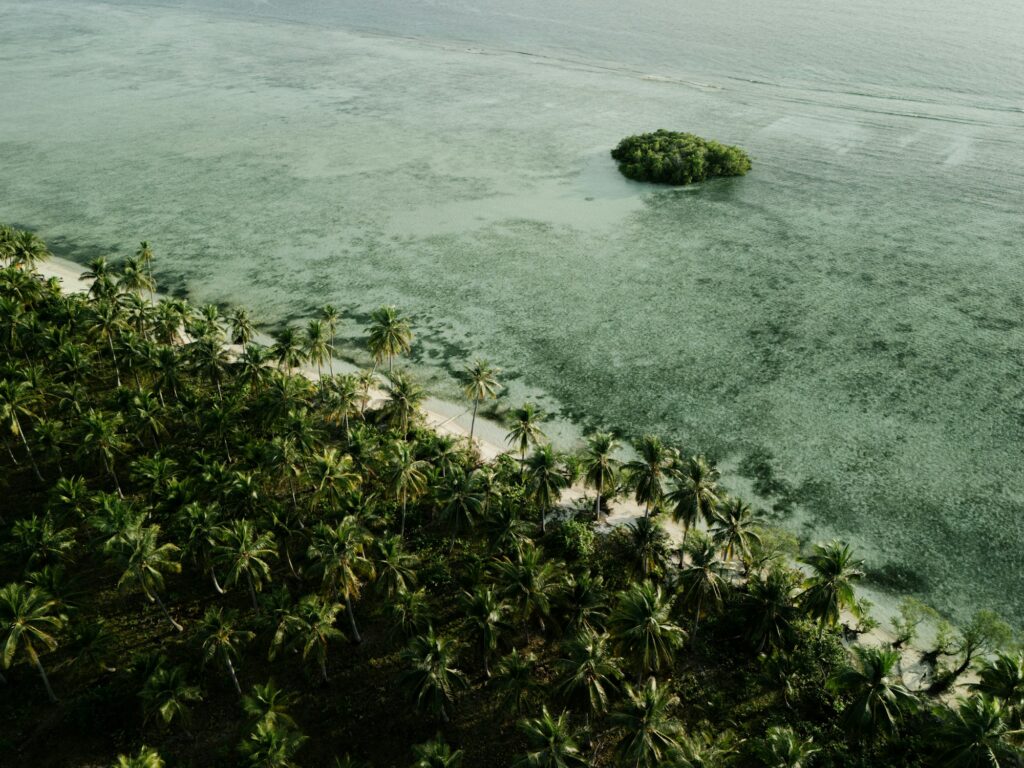
What if the most authentic islands in the Pacific were not the ones you imagine? While Bora Bora and Tahiti absorb the mass tourist flows, three archipelagos hold them at bay through a remarkable balance: visitors are welcome, but on the residents’ own terms. Samoa, Tonga and Vanuatu form what specialists call the « authentic Pacific » — destinations where living culture is not staged for tourists, but lived daily. In Tonga, 87% of visitors experience a « real South Pacific », with traditions and customs alive across all islands — not merely tourist shows. In Vanuatu, sustainability is not a marketing argument: single-use plastic has been banned by law for years. And in Samoa, every dollar spent at a beach fale goes directly to the village family welcoming you. This 2026 guide covers 10 authentic destinations and experiences across these three archipelagos — with real budgets, best travel periods and sourced insider tips.
1. Savai’i (Samoa) — The Big Island Where Time Stood Still
Savai’i: the « real Samoa » off the beaten track
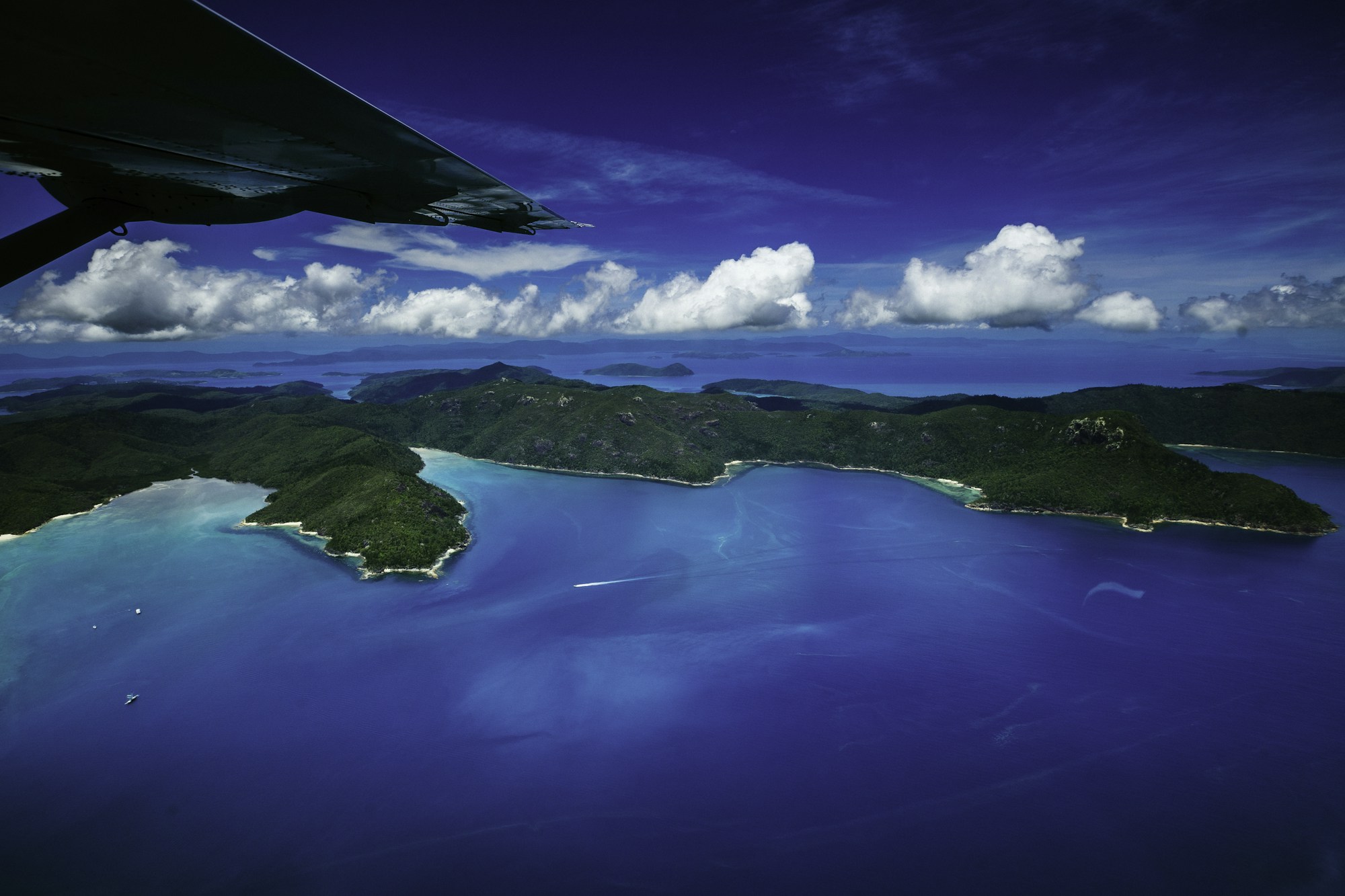
Wrapped in pristine rainforest teeming with endemic birds, Savai’i is often nicknamed the « real Samoa », where residents enjoy a traditional and relaxed way of life. According to the Samoa Tourism Authority, its size and low population density make it the ideal place to escape and immerse yourself in genuine Polynesian culture. Attractions include spectacular waterfalls, sea caves and the Saleaula lava fields, remnants of Mt Matavanu’s eruption in the early 20th century.
The island harbours thriving community ecotourism projects. The FAO and Samoa Tourism Authority established three community conservation zones — Taga, Gatavai and Matautu — developed in direct partnership with local villages. Tourism revenue goes entirely to the communities.
Must-do experiences
- Falealupo Canopy Walk: suspension bridge 40m up in giant banyan trees, managed by villagers
- Mt Silisili Trek: multi-day hike with homestay, total cultural immersion
- Saleaula Lava Fields: unique volcanic landscape, village swallowed by lava still visible under vegetation
- North coast beaches: access via direct contribution to the landowning families
Insider tip: For hikers after a multi-day trek, the Mt Silisili trail offers the chance to stay with a Samoan family and immerse yourself in the rich local culture. Book directly through a local operator — most of the revenue stays in the community.
2. Beach Fales and the Fa’a Samoa (Upolu)
Sleeping in a fale: the ultimate cultural experience
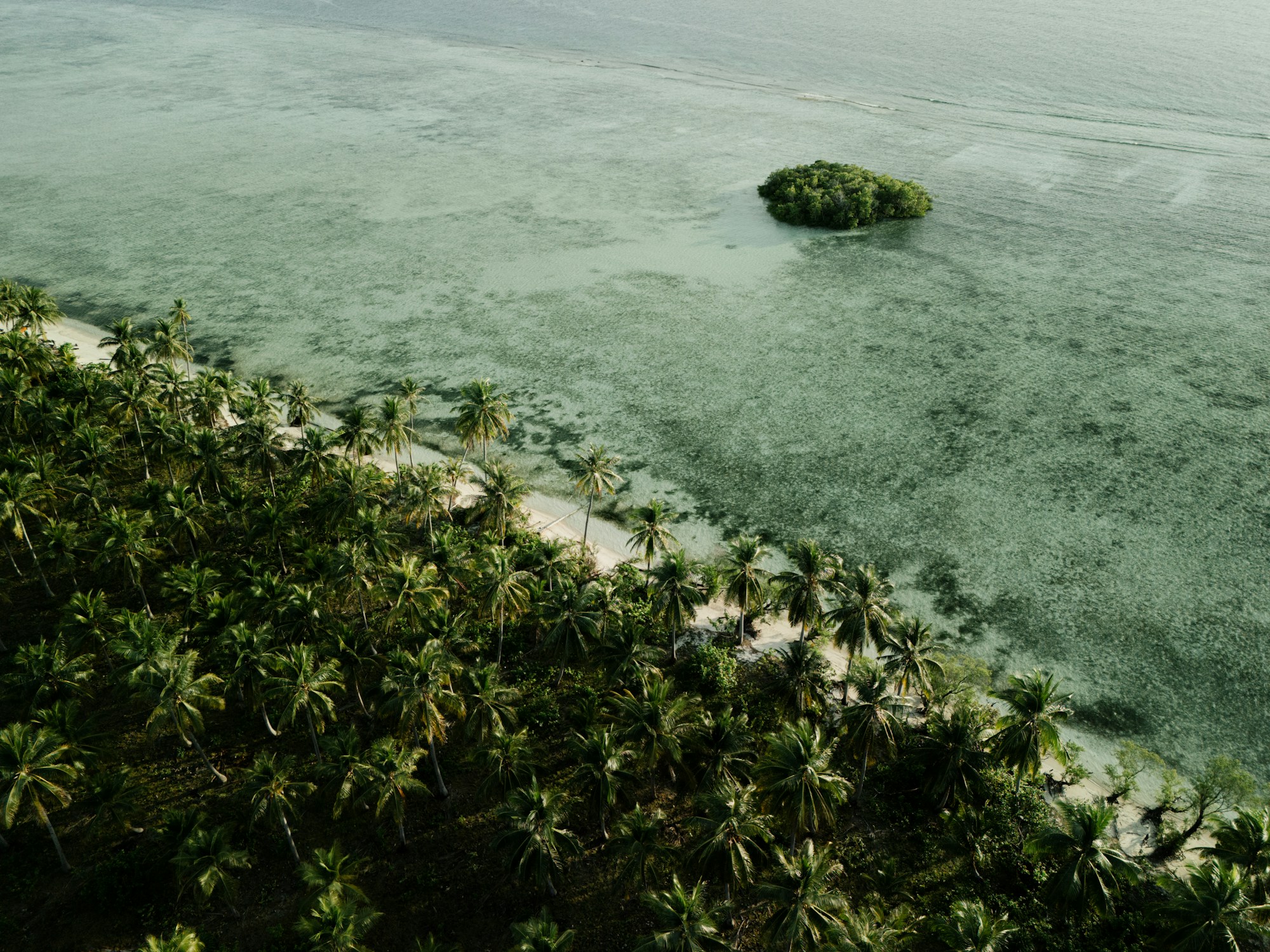
Staying in a fale is the ideal way to experience the Fa’a Samoa — the Samoan way of life — as Samoans have done for millennia. According to the Samoa Tourism Authority, this relaxed accommodation style brings you as close as possible to the ocean, with nothing but the murmur of waves as your soundtrack. These open bamboo and palm-leaf structures embody a hospitality philosophy where the traveller temporarily becomes part of the village family.
One of the great advantages of exploring Samoa is that by visiting their waterfalls, natural pools or beaches, you directly support local families. These hidden gems are often on private land, and for a modest entrance fee, travellers can discover them — every cent goes directly to the individual or family who owns the land.
Realistic weekly budget in Samoa
- Budget travel: ST$1,960 (~USD 720) for 7 days (fales, local food, buses)
- Street food: USD 3–8 — taro, coconut, grilled fish at markets
- Entry fees: USD 2–8 per attraction (waterfalls, beaches, caves)
- Apia Cultural Village: free, with tattoo demos, umu cooking and crafts
3. Manono (Samoa) — The Island with No Cars and No Dogs
Manono: the island where modernity has no foothold
Manono is a peaceful island with no cars and no dogs — two realities found nowhere else in the Pacific. Visitors have a unique opportunity to learn how coconut cream is made, swim in the sea and eat lunch from a hand-woven basket prepared by their guide. This few-kilometre-round island perfectly embodies the ideal of respectful village tourism: no heavy tourist infrastructure, just families welcoming visitors into their traditional fales.
Tourism revenues go entirely to villagers with no intermediaries — a model that guarantees every visit contributes directly to the local economy. The complete absence of motorised vehicles ensures a silence and way of life unchanged for decades.
4. Ha’apai (Tonga) — The Pacific’s Best-Kept Secret
Ha’apai: 62 islands for (almost) no tourists
Ha’apai is still considered one of Tonga’s hidden gems. Despite its central position in the archipelago, many visitors bypass this dream island group, perhaps due to the limited number of tourist facilities available here. Ha’apai comprises 62 islands, only 17 of which are inhabited and just a handful explored by tourists.
Well off the beaten track, these 62 islands, atolls, reefs and shallows represent an authentically Polynesian slice of life. Imposing volcanic islands, warming trade winds and pristine atolls bathed in calm waters provide a superb tropical setting for adventurous travellers. You can experience the relaxed Tongan conviviality in remote eco-lodges or village guesthouses.
Recommended local accommodation
- Lindsay Guesthouse: 12 comfortable rooms, TOP$60/night (~USD 25), breakfast included, free airport transfers
- Velonika Guesthouse: homestay experience with home-cooked Tongan meals
- Pangai Market: Saturday mornings from 5am, the most vibrant market — fresh fruits, vegetables, fish at village prices
5. Vava’u (Tonga) — Swimming with Whales the Ethical Way
Vava’u: the world’s most ethical whale-watching ecotourism
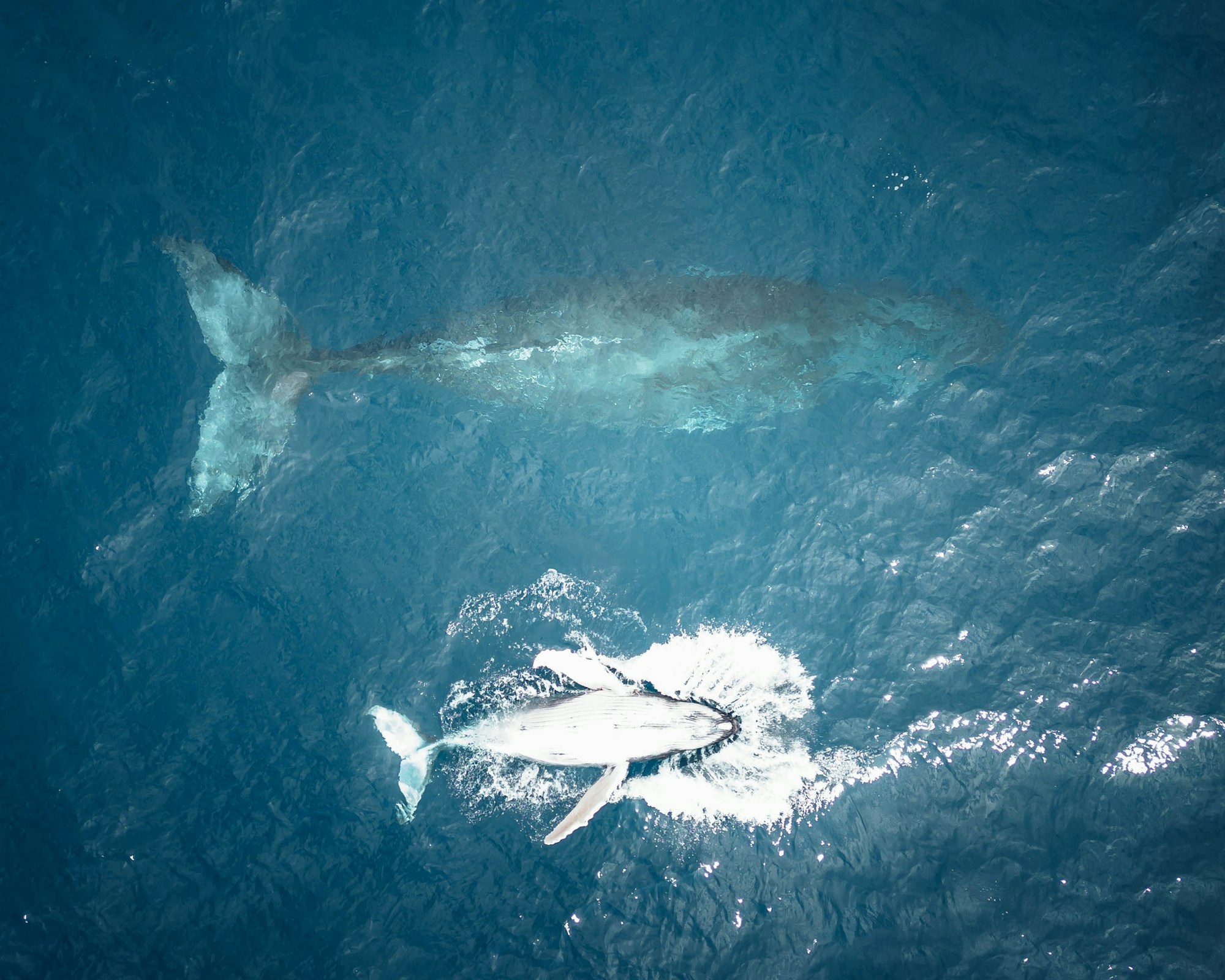
From mid-July to mid-October, the Vava’u archipelago in northern Tonga may be the most famous place in the world to swim with humpback whales — and for good reason. Tonga is one of the rare places on Earth where you can swim with humpback whales, thanks to strict low-impact ecotourism regulations that protect both the cetaceans and the swimmers.
Each austral Pacific winter, these Southern Hemisphere humpback whales make their incredible migration from Antarctic feeding grounds to the warm waters of Vava’u to mate, give birth and nurse their calves. Vava’u is recognised for its regulated and eco-conscious whale tourism, setting it apart from more crowded sites like Moorea in French Polynesia.
How to choose your operator ethically
- Official Tongan licence: only government-authorised operators can offer these tours
- Aufono Havea: Tonga’s only female captain, operating Vaka & Moana Co. since 1993, meals served in reusable containers
- Basic rules: no noise, no flash, respect minimum distance — whales approach on their own
- Average budget: USD 148/day per person on the ground, USD 1,009 per trip total (2025 data)
6. Tongatapu (Tonga) — The Pacific’s Only Uncolonised Kingdom
Tongatapu: royal history and living ancestral cultures
History lovers will delight in the tales of vanished islands, revered monarchs and the nation’s unique status as the only Pacific kingdom that was never colonised. Court rituals remain a family affair, while oral storytelling, dance and communal feasting keep ancestral customs alive for generations.
On Tongatapu, you’ll learn to prepare lu for the traditional stone-heated umu oven, from grating coconut to wrapping ingredients in banana leaves. You’ll also discover ancient relics, including Lapita pottery over 1,000 years old, and mat-weaving techniques passed down as family heirlooms.
Must-see sites on Tongatapu
- Ha’amonga ‘a Maui: megalithic trilithon often compared to Stonehenge, ancestral astronomical site
- Mapu’a ‘a Vaea Blowholes: spectacular water jets propelled by coral reefs
- Ene’io Botanical Garden and Royal Palace (exterior view)
- Kava ceremony: sacred drink, traditional welcome ritual to share with locals
7. Tanna (Vanuatu) — Volcanoes and Living Kastom Villages
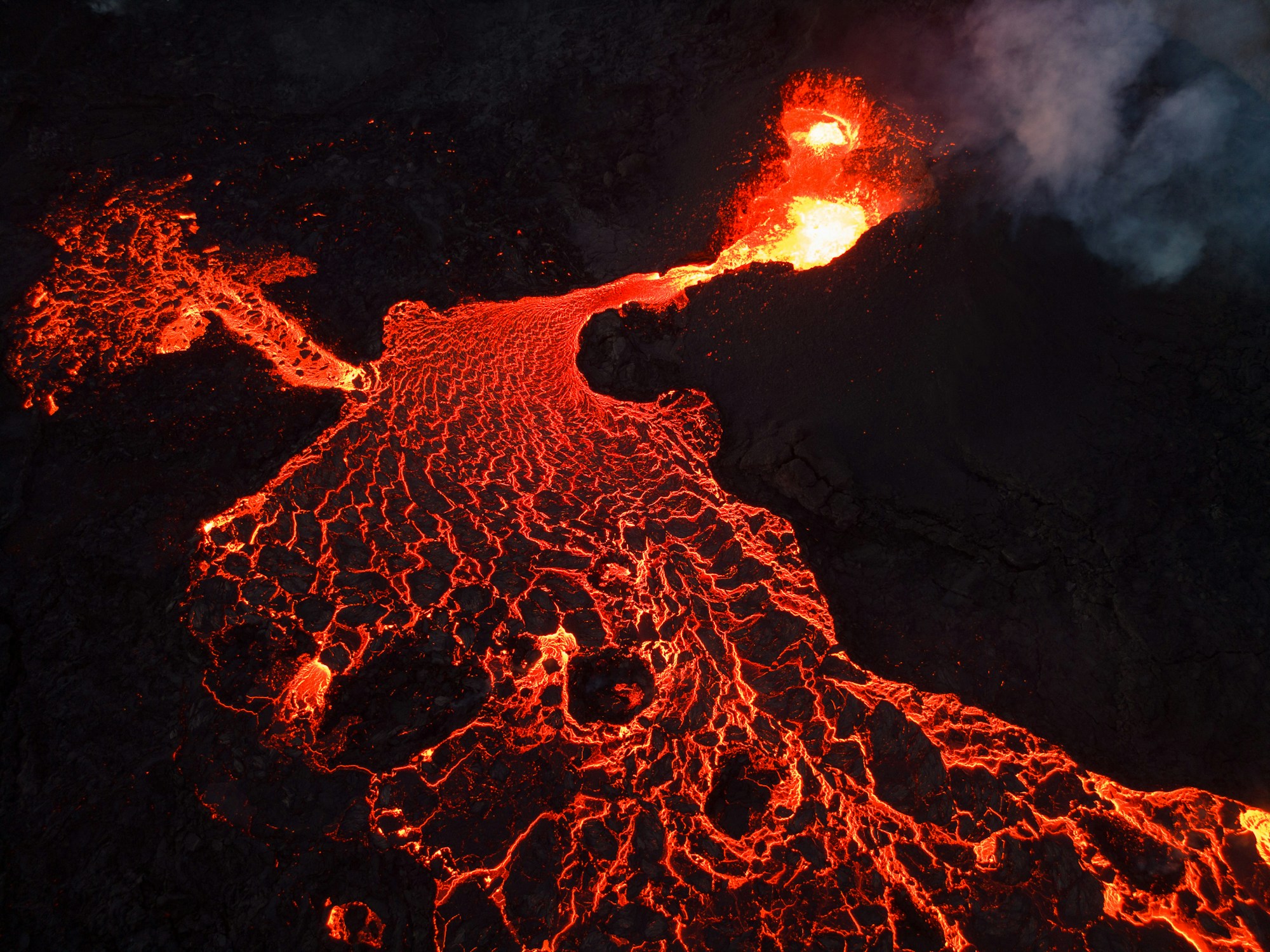
Tanna: intact kastom culture and the world’s most accessible volcano
While most of the South Pacific has modernised, Tanna in Vanuatu is a rare place where Kastom tribes still live largely as they always have. In villages like Yakel, Ikunala and Imaio, there are no modern schools, shops, television or internet — just an unbroken culture stretching back millennia. Visitors can observe daily village life: women in leaf skirts, men wearing Nambas, children playing freely under coconut palms.
« Kastom » is a pidgin word encompassing traditional Melanesian religion, art and mysticism, passed down through oral tradition and local legend. These villages are not tourist reconstructions — they are real, living, and the residents perform kastom dances and demonstrations to earn supplementary income.
Mt Yasur: the most accessible volcanic experience in the world
Vanuatu’s Mt Yasur is the world’s most accessible active volcano. The 10-minute hike to the crater rim is Tanna’s most iconic experience, especially at sunset when the lava glows red and illuminates the surrounding sky. The Tannese cannot remember a time when it was not rumbling.
8. Espiritu Santo (Vanuatu) — Blue Holes and WWII Wrecks
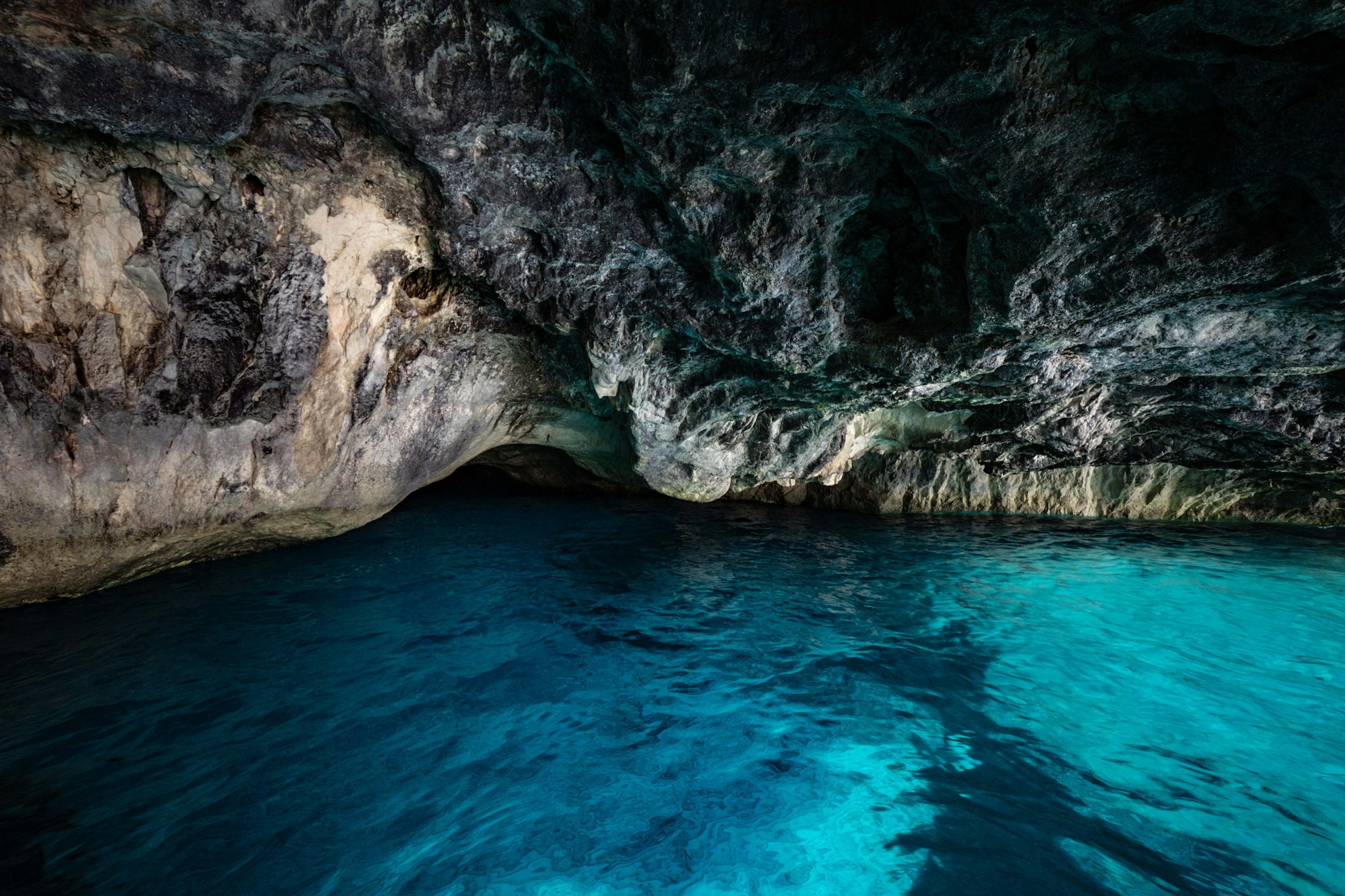
Espiritu Santo: Vanuatu’s largest island, almost tourist-free
Espiritu Santo, known simply as Santo by locals, is the largest island of Vanuatu and the place where you can truly disconnect from the world. It is famous for its white sandy beaches, blue holes, coconut palms, world-class diving and wild jungles.
Vanuatu has more freshwater blue holes than anywhere else on earth. Hidden in the middle of the rainforest, these iridescent blue holes result from Vanuatu’s unique geology: rainwater from volcanic mountains seeps through limestone caves, creating freshwater springs of a striking blue hue. Entry costs around AUD 5 per person (~USD 3), with a complimentary coconut.
Wreck diving from World War II
The waters of Espiritu Santo hold the secrets of the past. The island served as an American military base during World War II, and today divers can explore sunken warships and aircraft. These underwater museums offer a unique diving experience, blending history with exceptional marine biodiversity.
- Nanda Blue Hole: accessible in 40 minutes from Luganville, or by kayak on a 2h tidal river
- Riri River canoe cruise: with local guide, stories about the blue holes and the village
- SS President Coolidge: one of the world’s greatest wreck dives, accessible from the beach
- Accommodation: community bungalows from USD 40/night
9. Port Vila and Ni-Vanuatu Culture
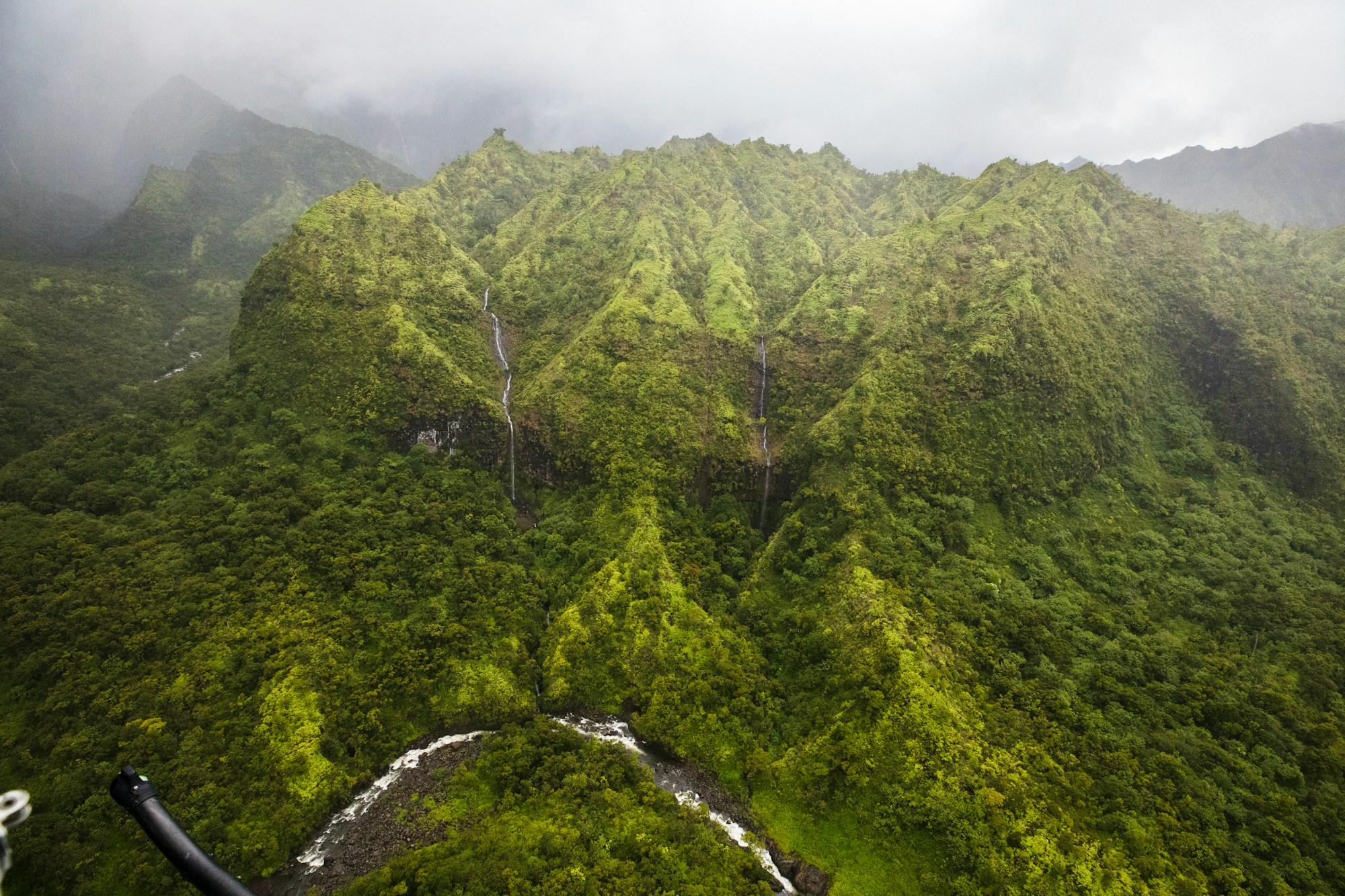
Port Vila: the gateway to a preserved world
Halfway between dream and reality, Vanuatu is emerging as the next traveller favourite for those seeking authenticity. An archipelago of 83 volcanic islands set in the South Pacific, this unspoilt gem combines wild nature, living traditions and a relaxed way of life. Here, no vast impersonal resorts: intimate lodges, virgin beaches and a millennial culture passed on with pride.
95% populated by Melanesians and Polynesians, Vanuatu has the world’s highest linguistic density, with 113 distinct vernacular languages for 255,000 inhabitants. Vanuatu is a pioneer in sustainability, having banned single-use plastics well ahead of major nations.
Cultural experiences in Port Vila and Efate
- Kava bars: rituals around the sacred Ni-Vanuatu drink, shared with locals
- Port Vila Central Market: local crafts, wood carvings, basketwork, agricultural produce
- Efate Blue Lagoon: avoid cruise ship days for an authentic experience
- Peripheral kastom villages: a day trip from Port Vila reaches communities living by ancestral traditions
10. Sustainable Tourism: Samoa, Tonga and Vanuatu Leading the Way
Why these three archipelagos are the model to follow
The Vanuatu Sustainable Tourism Strategy 2021–2025 addresses real challenges: ensuring the wellbeing of local hosts through high-value, low-impact tourism, building resilience, diversifying agriculture through agritourism, and focusing on sustainability through certification and ni-Vanuatu entrepreneurship.
In Samoa, a Gastronomy Tourism Workshop held in November 2025 marks the beginning of a pioneering initiative to integrate culinary tourism with sustainable practices. This initiative, led by the Pacific Tourism Organisation (SPTO), highlights the potential of gastronomy to stimulate local economies while preserving the region’s rich culinary heritage.
- Tourism revenues distributed directly to local communities
- Active restrictions on mass tourism (no large international hotel complexes)
- Living cultures not staged — visitors adapt to local rhythms
- Ecosystems protected by indigenous communities themselves
Practical Information for Your Trip
Nomad Insurance: global coverage for the Pacific islands. Medical evacuation, trip cancellation, lost luggage. Essential for remote destinations.
From $56 / 4 weeksStay connected from the moment you land in Samoa, Tonga or Vanuatu. Instant activation, data plans for the Pacific.
From €4.50FAQ — Frequently Asked Questions about Samoa, Tonga and Vanuatu
Do you need a visa to visit Samoa, Tonga and Vanuatu?
For citizens of most Western countries, no prior visa is required in these three destinations. In Vanuatu, a visitor visa is granted at the airport or port, valid for 1 month. In Samoa, a visitor permit is issued on arrival for up to 90 days. In Tonga, citizens of most Western countries receive a visa on arrival for 31 days. Always check the latest requirements before you travel, as rules can change.
What is the best time to visit all three destinations together?
The ideal period to combine all three is June to September. Samoa shines from May to October (dry season, calm seas). These months coincide with the whale season in Tonga (July–October) and dry weather in Vanuatu (May–October). In practice: plan Vava’u/Tonga in July–August for the whales, Tanna/Vanuatu in June–October for Yasur volcano, and Samoa year-round except December–April (cyclone season).
How do you respect local culture in these destinations?
Cultural codes are strict but easy to follow. In practice: wear modest clothing (pareo or lavalavas) away from the beach, always ask permission before photographing people or villages, bring a gift (kava, money) when visiting communities, and respect Sunday rest in Tonga and Samoa. In Vanuatu, always visit kastom villages with a licensed local guide — this ensures communities control their own image and revenues go directly to them.
What is a realistic budget for these destinations?
These destinations are more affordable than you might think. Budget mode: Samoa is the cheapest of the trio, with fales at USD 25–37/night (meals included) and a weekly budget around USD 720. Tonga averages USD 148/day including whale tours. Vanuatu ranges from USD 60/day (rural islands) to USD 150/day (Port Vila). The real value is access to cultural experiences impossible in mass tourism destinations.
Is cash essential?
Absolutely. Credit cards are rarely accepted outside main towns in Tonga — and the situation is the same in Samoa and rural areas of Vanuatu. In villages, markets and fales, only cash is accepted. Withdraw enough money on arrival in the capital cities (Nuku’alofa, Apia, Port Vila) before heading to remote islands. Also bring small notes for entry fees (waterfalls, beaches, kastom villages).
How do you get to Samoa, Tonga and Vanuatu from London or New York?
These destinations take time to reach from the Northern Hemisphere, but options exist. For Vanuatu: stopover in Sydney or Brisbane, then direct flight to Port Vila (Air Vanuatu or Qantas, ~24–28h total). For Samoa: stopover in Los Angeles or Auckland, then flight to Apia (~28–32h). For Tonga: stopover in Sydney or Auckland, then flight to Nuku’alofa (~26–30h). Plan a circuit combining all three archipelagos to offset long-haul flight costs — expect $1,800–2,500 return from London/NYC in low season.
What is the impact of climate change on these destinations?
These archipelagos are among the world’s most vulnerable. Samoa faces rising sea levels threatening its coastlines — the government has implemented reforestation and sustainable development awareness programmes. Vanuatu was classified as the world’s most vulnerable country to natural hazards in 2019, located in the Pacific « Ring of Fire ». Travelling to these destinations responsibly — supporting community ecotourism rather than large hotel groups — directly contributes to the economic resilience of these communities in the face of these challenges.
Can you combine all three destinations in one trip?
Yes, but plan a minimum of 3 to 4 weeks. A logical circuit: start with Samoa (4–5 days: Apia, Upolu, Savai’i), then Tonga (5–7 days: Tongatapu and Vava’u in whale season), then Vanuatu (5–7 days: Port Vila, Tanna, Espiritu Santo). Air connections between islands go via Auckland, Sydney or Fiji. Factor in transport time: inter-island flights are infrequent and ferries even more so. Allow buffer days for weather delays — tropical currents oblige.
Sources and References
- Samoa Tourism Authority — Savai’i Island
- FAO Asia-Pacific — Savai’i Ecotourism (community conservation zones)
- Samoa Pocket Guide — Accommodation budget and fales
- Samoa Pocket Guide — Complete travel budget for Samoa
- South Pacific Islands Travel — Sustainable tourism in Samoa
- Tonga Pocket Guide — Complete guide to Ha’apai
- Tonga Pocket Guide — Best whale swim tours in Vava’u 2025
- Oceanic Society — Swimming with humpback whales in Tonga
- South Pacific Islands Travel — Tonga visitor survey 2025
- Tonga Pocket Guide — Best Tongan cultural experiences
- Vanuatu Tourism Office — Guide to Tanna Island
- Vanuatu Tourism Office — Espiritu Santo
- My Vanuatu — Complete guide to blue holes
- ITC — Smart tourism in Vanuatu (indigenous people’s pride)
- Travel and Tour World — Vanuatu, tourism revival 2025
- Travel and Tour World — Gastronomy and agritourism Samoa 2026
- MisterTravel — Vanuatu, raw emotion of the Pacific (2025)
- Goway Travel — Tonga 2026
- TripAdvisor — Yakel Village, Tanna (Vanuatu)
Ready to Travel Differently in the Pacific?
Samoa, Tonga and Vanuatu await you with an authenticity that major tourist destinations can no longer offer. Discover our personalised itineraries to plan your South Pacific adventure.
Explore Pixidia Itineraries