
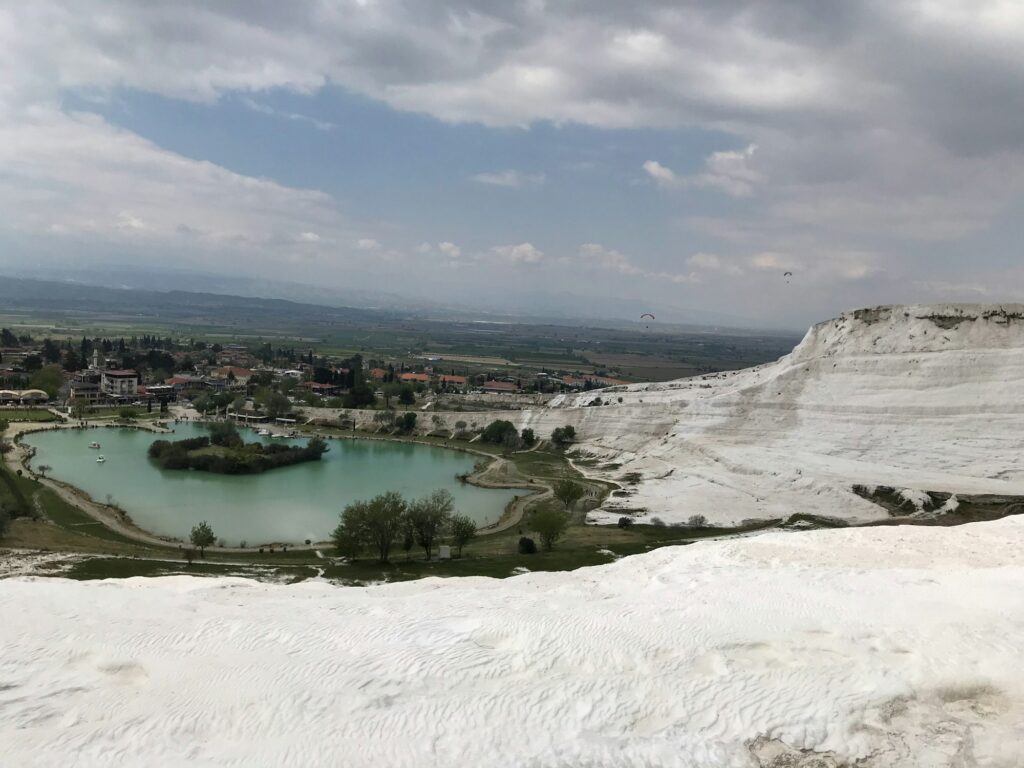
For millennia, humanity has returned to the source. From the Roman thermal baths of Tuscany to the Ottoman pools of Budapest, from Japan’s steaming onsen to the white terraces of Turkey — natural hot springs fascinate as much as they heal. In 2026, these destinations blend geological heritage, authentic wellness and unforgettable experiences. This comprehensive guide takes you to the eleven most extraordinary thermal sites in the world: verified practical data, updated prices, hidden gems and insider tips to make the most of each one.
1. Saturnia, Italy — Tuscany’s Free Thermal Cascade
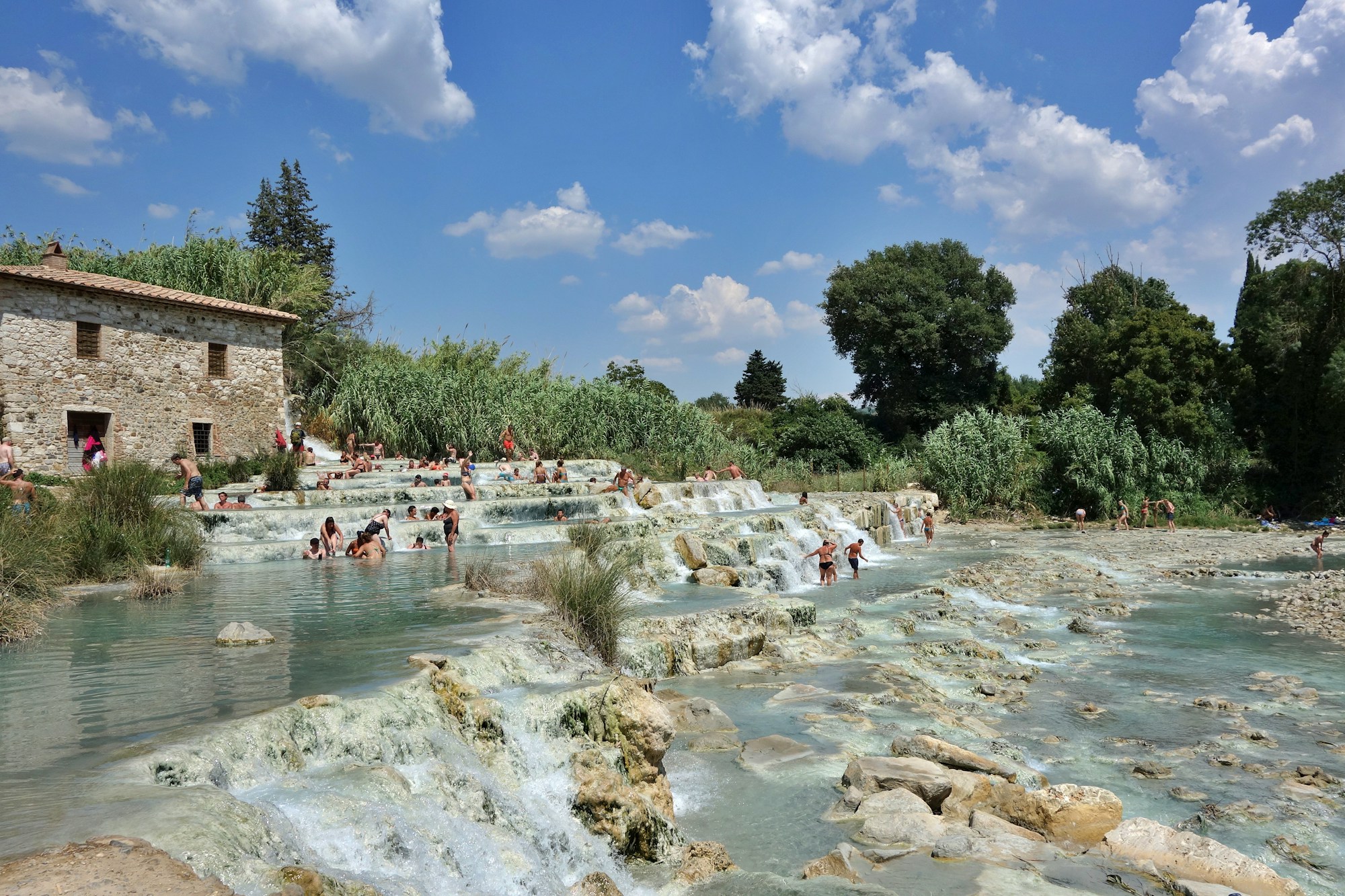
Cascate del Mulino — The legendary free access
Saturnia’s thermal springs are nestled in the province of Grosseto, in southern Tuscany, about two hours from Rome. The sulphurous water — rich in calcium, magnesium and sulphur — has been flowing for over 3,000 years at a constant temperature of 37.5°C, regardless of season. According to Northabroad, 800 litres of water per second cascade into the Cascate del Mulino — striking turquoise limestone pools that are completely free and accessible at any hour.
What makes Saturnia unique
- Entirely free, permanent access — no tickets, no opening hours
- Therapeutic water recognised since antiquity (even Dante praised its properties)
- Landscape of white limestone terraces with exceptional photographic beauty
- Close to Montemerano and the Val d’Orcia (UNESCO World Heritage)
Terme di Saturnia Spa — The luxury alternative
Five minutes from the Cascate del Mulino, the Terme di Saturnia Spa & Golf Resort offers a managed version of the same ancient thermal water: changing rooms, indoor pools, spa treatments and massages. The adult weekday ticket is €29, €39 at weekends. According to Paul Marina, online booking is strongly recommended for spring weekends when availability runs out fast.
Total day budget: Free (Cascate del Mulino) or €29–100 (Spa) + €10 parking + meals.
Bagni San Filippo — The Secret White Whale
Sixty kilometres south of Siena, in the UNESCO-listed Val d’Orcia, the thermal springs of Bagni San Filippo lie hidden. In a Tuscan forest, the Fosso Bianco stream winds between trees, depositing its minerals on the rocks and creating immaculate white limestone formations. The most famous is the Balena Bianca — the White Whale — a brilliant white travertine formation that rises from the forest floor like a breaching cetacean. According to Northabroad, access is free and the forest atmosphere is entirely wild, far from mass tourism.
2. Beppu, Japan — The Archipelago’s Hells
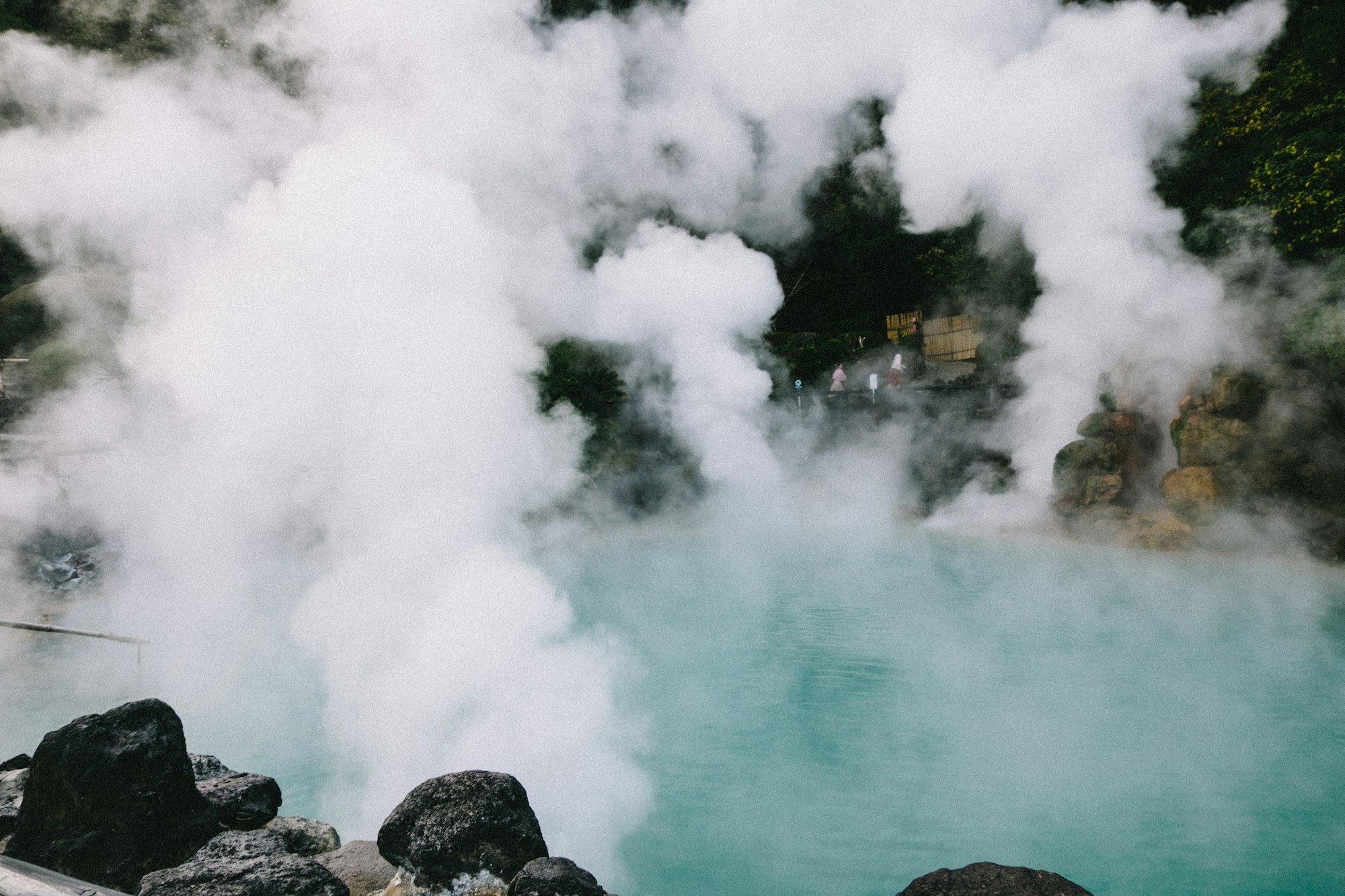
Jigoku Meguri — The Pilgrimage of the Seven Hells
Beppu, the geothermal city on Kyushu island, is the world capital of thermal water: Japan’s highest volume, Japan’s most onsen sources. Its star attraction? The Jigoku Meguri — the Hell Pilgrimage — seven spectacular thermal springs that must be contemplated (not bathed in). According to Enjoy Onsen Beppu, each hell has its own personality: Umi Jigoku (cobalt blood lake at 98°C), Chinoike (blood-red mud, Japan’s oldest), Tatsumaki (swirling geyser).
Beppu must-sees
- Umi Jigoku (Sea Hell) — supernatural cobalt water at 98°C
- Chinoike Jigoku (Blood Pond Hell) — Japan’s oldest hell
- Jigokumushi — traditional geothermal steam cooking (eggs, vegetables, puddings)
- Hot sand baths (suna-yu) and mud baths in the neighbourhood’s onsen
For accommodation in Beppu, stay in a ryokan in the Kannawa district — the atmosphere is unparalleled with plumes of steam rising from the streets at all hours. According to Where and Wander, ryokans in this district often have private onsen available 24/7.
3. Budapest, Hungary — The World Capital of Thermal Baths
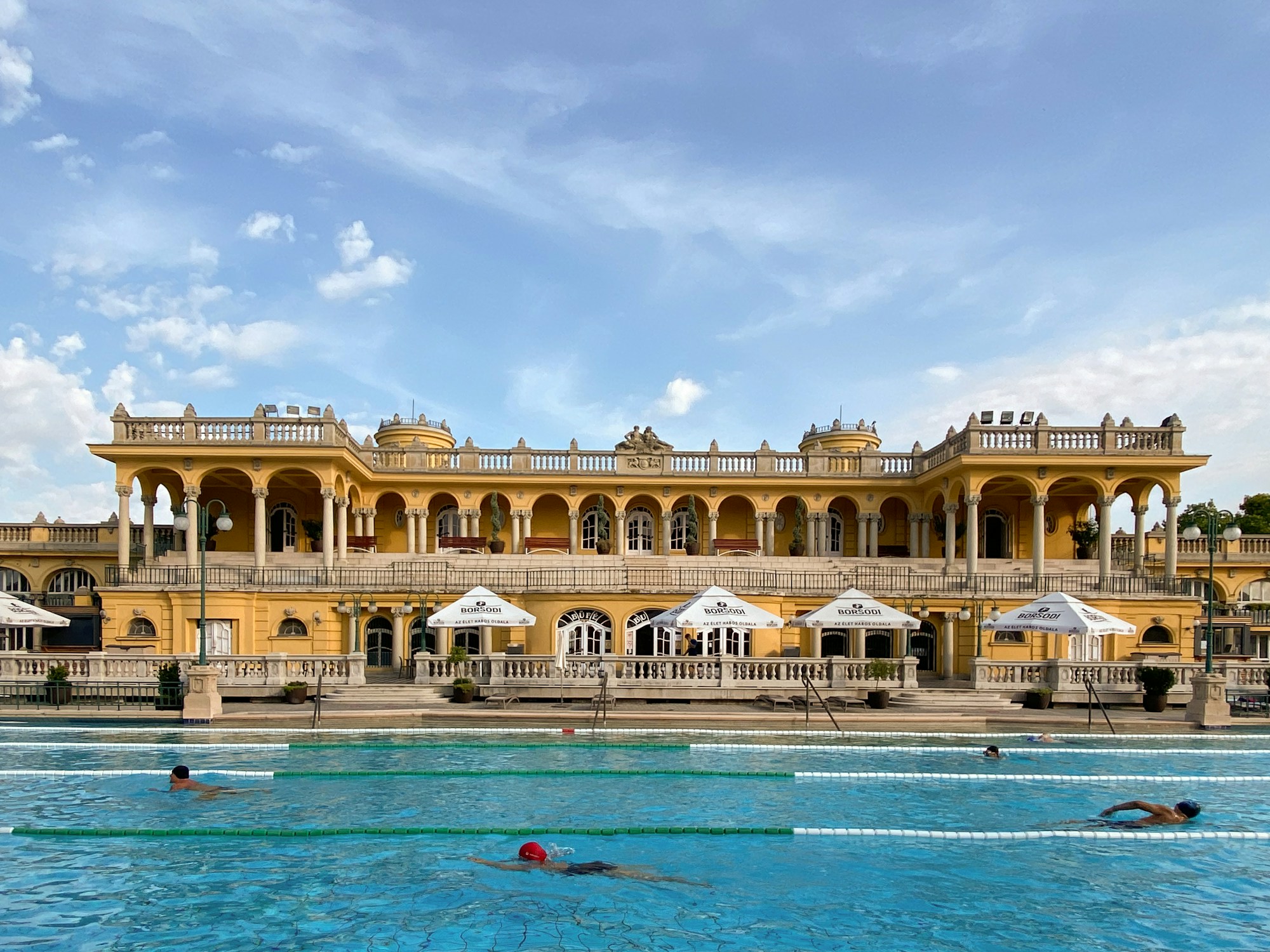
Széchenyi — The Baroque Temple of Bathing (1913)
Budapest is the only capital in the world built on natural thermal springs — over 120 springs flow beneath the city. Széchenyi, built in 1913, is the crown jewel: Europe’s largest medicinal thermal complex, with its gilded neo-Baroque architecture and steaming outdoor pools open even in snow. According to Qeepl, 2026 prices start at HUF 13,200 (~€30–33) on weekdays. Every Saturday evening, Széchenyi hosts the Sparty — a laser party in the pools, a 100% Budapest experience.
5. Reykjadalur, Iceland — The Thermal River You Must Earn
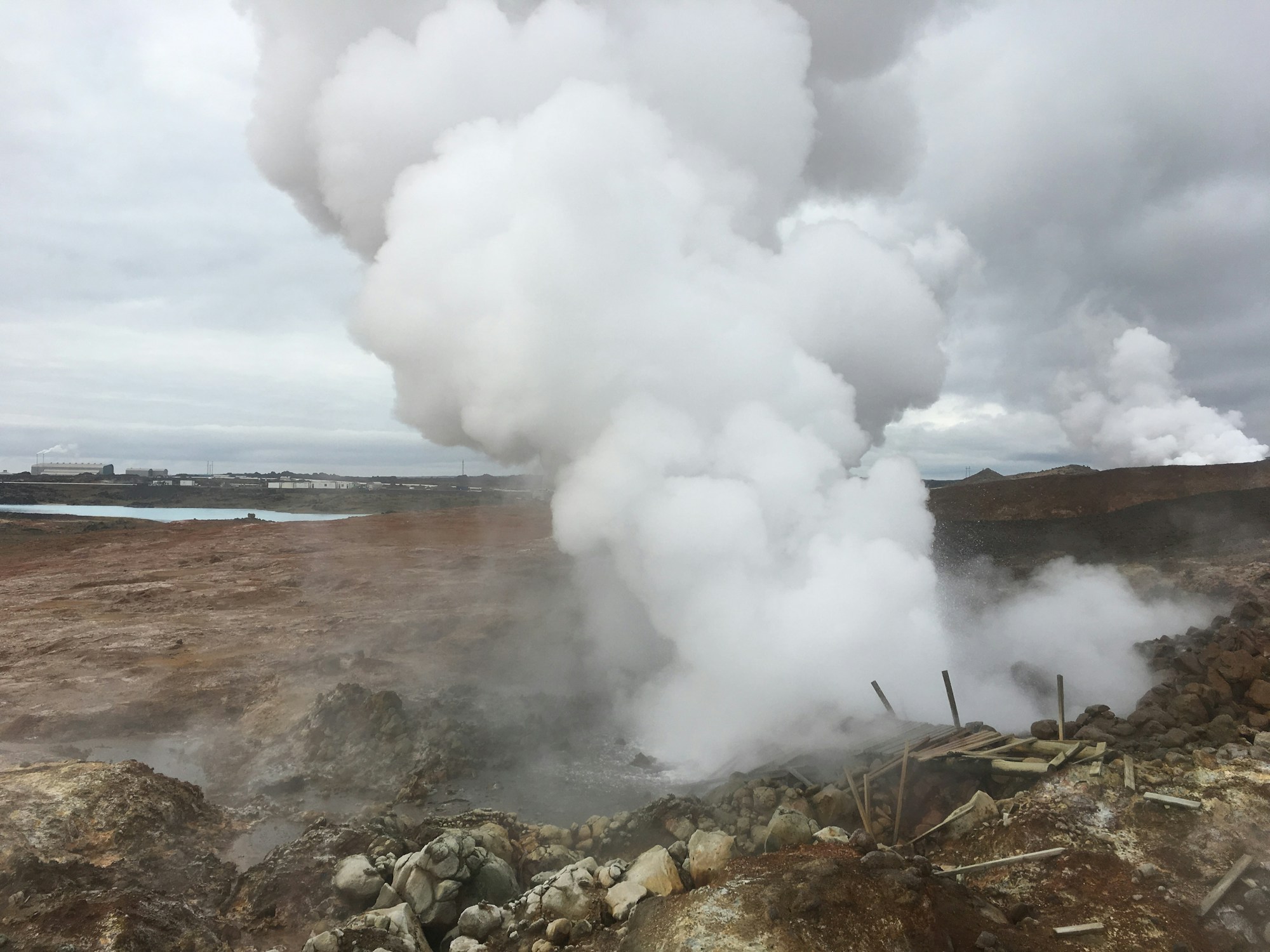
Reykjadalur — The Steam Valley where you swim in a river
45 minutes from Reykjavík, in the geothermal valley of Hveragerði, a unique experience awaits adventurous travellers: a 45–60 minute hike through steaming volcanic landscapes to reach a naturally heated river where you can bathe in the wild. Reykjadalur (Steam Valley) is one of Iceland’s most authentic free attractions. According to Iceland Highlights, water temperature varies between 36°C and 40°C — the further upstream you go, the hotter it gets.
Comparison Table: 11 Hot Springs at a Glance
| Destination | Country | Temperature | Entry price | Best season |
|---|---|---|---|---|
| Cascate del Mulino | 🇮🇹 Italy | 37.5°C | Free | Spring / Autumn |
| Terme di Saturnia Spa | 🇮🇹 Italy | 37–40°C | €29–39 | Autumn / Winter |
| Bagni San Filippo | 🇮🇹 Italy | 48°C (source) | Free | Winter / Early spring |
| Beppu Jigoku (7 Hells) | 🇯🇵 Japan | up to 98°C | ~€15 (pass) | Autumn |
| Kannawa Onsen, Beppu | 🇯🇵 Japan | 38–42°C | Ryokan (varies) | Autumn / Winter |
| Széchenyi, Budapest | 🇭🇺 Hungary | 28–40°C | €30–35 | Winter (and Sparty) |
| Rudas, Budapest | 🇭🇺 Hungary | up to 42°C | ~€28 | Winter |
| Veli Bej, Budapest | 🇭🇺 Hungary | 30–36°C | ~€17 | Year-round |
| Pamukkale | 🇹🇷 Turkey | 35–37°C | €30 (+ $6 Cleopatra) | April–May / October |
| Karahayıt (Red Springs) | 🇹🇷 Turkey | 35–40°C | ~€5 | Year-round |
| Reykjadalur | 🇮🇸 Iceland | 36–40°C | Free | Apr–May, Sept–Oct |
Practical Info for Your Thermal Journey
Stay connected from the moment you land in Italy, Japan, Hungary or Turkey. Instant activation, no physical SIM to hunt for.
From €4.50Medical coverage and emergency evacuation for peace of mind at any hot spring destination around the world.
From $1.99/dayFrequently Asked Questions about Natural Hot Springs
Are natural hot springs really free?
Yes, several natural hot springs are entirely free. Saturnia’s Cascate del Mulino in Tuscany are accessible 24/7, 365 days a year, with no ticket required. Bagni San Filippo (Tuscany) and Reykjadalur in Iceland are also free. However, managed sites like Budapest’s thermal baths (€30–35), Beppu’s Hells (~€15 combined pass) and Pamukkale (€30) charge entry fees. According to Roads and Rivers, at Saturnia only parking is chargeable (maximum €10 per day).
How much time should I allow for each destination?
Recommended durations: Saturnia — half a day for the Cascate del Mulino, a full day with the spa and a visit to Montemerano. Beppu — 2 to 3 days according to KKday, to enjoy the Hells, onsen and local cuisine. Budapest — 3 to 4 hours per bath, multiple visits possible over a 3–4-day stay. Pamukkale — at minimum 3–4 hours for the terraces and Hierapolis. Reykjadalur — 3–4 hours in total (hike + bathing + return).
Do thermal springs really have therapeutic properties?
Yes, scientific research confirms the therapeutic properties of many thermal waters. Saturnia’s water is rich in calcium, magnesium, sulphur, iodine and bromine — minerals beneficial for skin, joints and conditions such as rheumatism and arthritis. Budapest’s waters, officially classified as « medicinal » by Hungarian authorities, are prescribed by doctors for certain rheumatic conditions. Pamukkale’s bicarbonate-rich water is reputed to benefit circulation and skin health.
What are the important restrictions in Budapest in 2026?
Two major changes to know for 2026. First, Gellért Baths closed on 1 October 2025 for full renovation, with a planned reopening in 2028. Visitors seeking Gellért’s Art Nouveau aesthetic can choose Széchenyi (Pest side) or Rudas (Buda side). Second, since 1 August 2025, children under 14 are banned from the Széchenyi and Rudas baths under new health regulations. All confirmed by Qeepl.
How can I avoid crowds at these thermal destinations?
Each site has its anti-crowd strategies: at Saturnia, arrive between 6 and 7am — according to Salt in Our Hair, you may have the pools to yourself for about ten minutes. At Pamukkale, use the north entrance from opening at 6:30am and avoid 11am–4pm. In Budapest, weekday mornings before 10am have the shortest queues according to Qeepl. In Beppu, avoid Japan’s Golden Week (late April–early May) and mid-August. For Reykjadalur, summer night hikes (midnight sun) guarantee minimal crowds.
Is barefoot walking at Pamukkale really mandatory?
Yes, barefoot walking is strictly mandatory on Pamukkale’s travertine terraces. According to Pamukkale Turkey, shoes can damage the fragile white calcium deposits that take centuries to form. Changing rooms and shoe storage are provided at each entrance. Bring a bag to carry your shoes during the visit. The terraces can be slippery, so walk carefully and avoid areas marked as fragile.
What equipment should I bring to natural hot springs?
For free wild sites (Saturnia, Bagni San Filippo, Reykjadalur), the basic kit is minimal: swimsuit, towel, drinking water (hot water immersion dehydrates), water shoes if you have sensitive feet. There are usually no changing rooms — plan to change at your car. For Reykjadalur in winter, add crampons for the trail and a waterproof jacket. For paid thermal baths (Budapest, Széchenyi, Rudas), a towel and swimsuit are sufficient — robe/towel hire kits are available on site. According to Salt in Our Hair, post-sun lotion is useful at Saturnia as the white water can intensify sunburn.
Which is the best first choice for discovering thermal bathing?
For an accessible and memorable first experience, Saturnia’s Cascate del Mulino are ideal: completely free, spectacular, easily reached from Rome, open 24/7 with no booking needed. For an exceptional cultural experience combining architecture and thermal bathing, Budapest Széchenyi is the standout choice. For a once-in-a-lifetime experience, Beppu’s Hells in Japan are unmatched. For a blend of archaeological heritage and natural bathing, Pamukkale remains unbeatable. Travellers seeking earned wild adventure will prefer the thermal river at Reykjadalur in Iceland.
Sources
- Terme di Saturnia — Official prices — Day rates and packages
- Northabroad — Saturnia hot springs guide — Practical data and access
- Roads and Rivers — Saturnia hot springs Italy — Geology and features
- Northabroad — Bagni San Filippo guide — Complete guide
- Discover Tuscany — Bagni San Filippo — Hidden zones
- Enjoy Onsen Beppu — The 7 Hells — Official guide
- Oita Tourism — Jigoku Meguri — Routes and tips
- Where and Wander — First-timer’s guide to Beppu — Accommodation and practicalities
- Széchenyi Bath — Official website — Prices and events
- Qeepl — Budapest thermal baths 2026 — Compared prices and restrictions
- Hungary Unlocked — Budapest baths comparison — Rudas, Veli Bej, Széchenyi
- Baths Budapest — Veli Bej — History and hours
- Pamukkale Turkey — Thermal pools — Full UNESCO guide
- Pamukkale Turkey — 2025 prices — Tickets and opening hours
- Iceland Highlights — Reykjadalur — Complete trail guide
- Wandering the Gap — Reykjadalur 2025 — Recent practical tips
Research conducted on 25 March 2026. Prices are subject to change — always check official sites before travelling.
Ready to Dive into the World’s Hot Springs?
Natural hot springs offer far more than a simple soak — they are portals to the geological, cultural and human history of each destination. Whether you prefer the wild freedom of Saturnia, the baroque refinement of Budapest or the grandeur of Pamukkale, a thermal immersion awaits you. Plan your journey with Pixidia.
Explore Pixidia Itineraries