
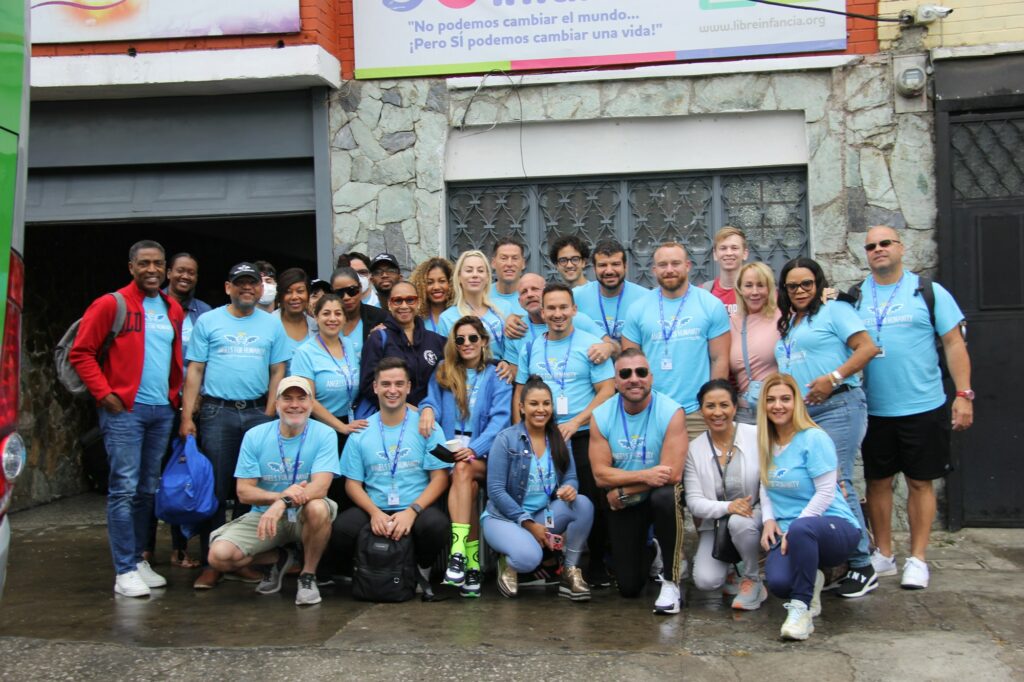
In 2026, the United Nations officially proclaimed the International Year of Volunteers for Sustainable Development (IVY 2026), recognizing for the first time on a global scale the transformative role of volunteering. One billion volunteers are active on every continent today. But in this momentum, a crucial distinction must be made: between superficial voluntourism — those two-week stays that feed the ego more than communities — and ethical slow volunteering, a 3- to 6-month commitment, grounded in real needs and coordinated by serious NGOs.
This guide presents a rigorous selection protocol, the 8 most impactful destinations for 2026, and the reference NGOs that make the difference between a beautiful Instagram photo and an authentic contribution to sustainable development.
Ethical slow volunteering: definition and core principles
What distinguishes slow volunteering from conventional voluntourism?
Slow volunteering refers to a commitment of at least 3 to 6 months within a host organization abroad — an NGO, foundation, school, or shelter — to contribute to the public interest, without profit motives, in an organized framework with an identified project, a local partner, and an on-site coordination team. According to Globalong, it is the duration and depth of commitment that distinguish this type of stay from simple « solidarity tourism. »
Research by Earth Changers suggests that nearly 95% of current voluntourism is neither ethical nor sustainable — designed to satisfy Western desires rather than local needs. Slow volunteering responds to this reality with three essential principles: long-term engagement (to build lasting skills and relationships), responding to needs identified by the community (not by the volunteer), and the presence of a permanent local partner who supervises activities.
In 2026, demand for qualified, long-term committed profiles is growing strongly, particularly in conservation, specialized education, and human rights projects.
United Nations General Assembly resolution 78/127 proclaimed 2026 the « International Year of Volunteers for Sustainable Development, » officially launched on December 5, 2025 during the International Volunteer Day. This strong diplomatic signal promotes NGO-government partnerships and opens new funding for international volunteer programs. Source: UNV.
Red flags: how to identify fake volunteering
Before committing, here are the red flags you absolutely need to know. Uncertified orphanages are the number one trap of voluntourism: according to Hostelworld, fake orphanages emerge to serve the volunteer tourism industry, sometimes separating children from their families. Another major red flag: the complete absence of permanent local presence within the project.
- No criminal background check required for projects involving children
- Program with vague outcomes: no impact data or quantifiable indicators
- Very rapid volunteer rotation (less than 2 weeks) as the standard model
- No identifiable local NGO or partner in the presentation documents
- Opaque program fees: impossible to know where the paid money goes
- Projects that « can » be done by anyone without prior skills
According to Global Brigades, a truly ethical organization will welcome the concerns of prospective volunteers and will be happy to connect you with former participants for their testimony.
🇹🇿 Tanzania — Marine conservation and community empowerment
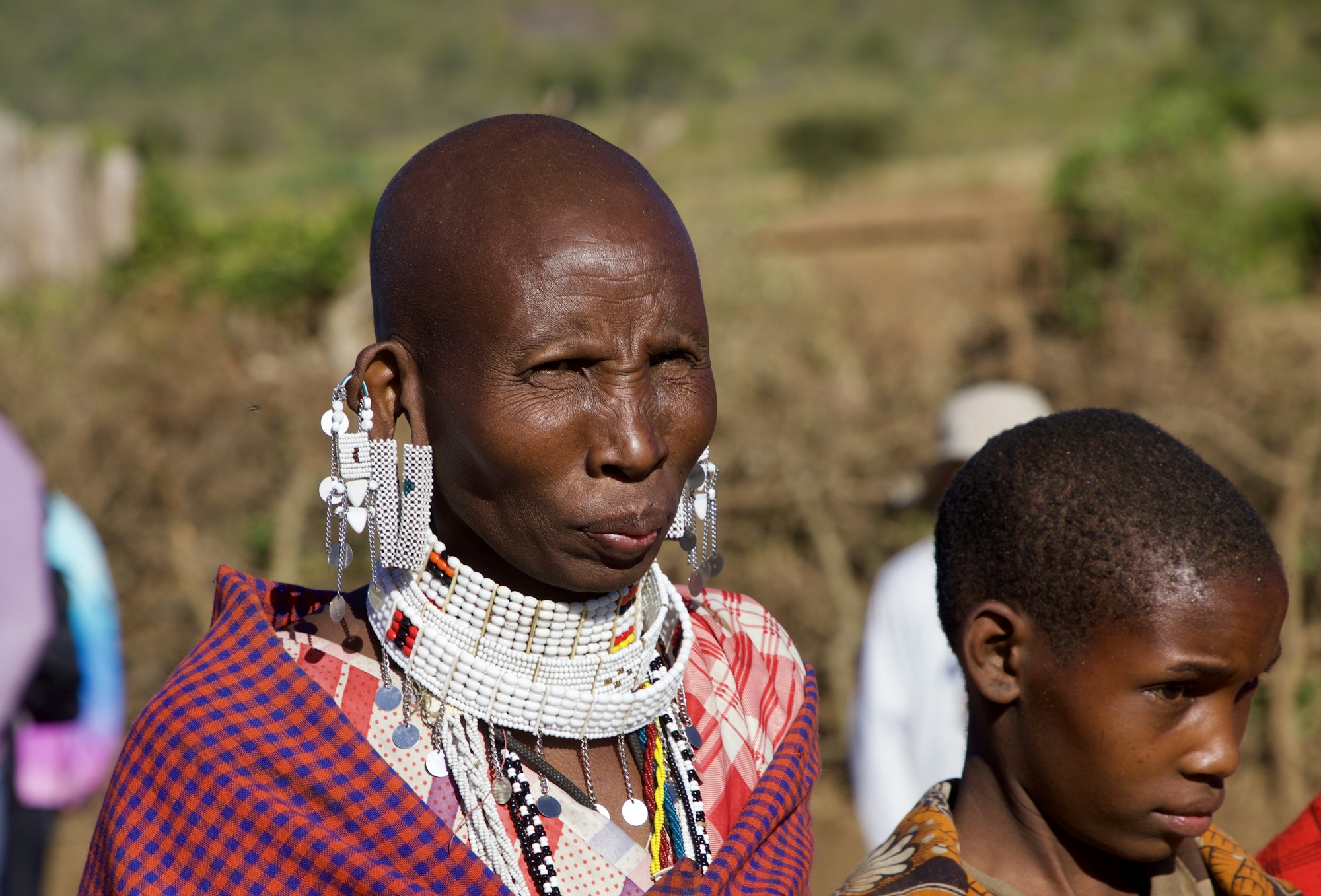
Tanzania is a continent-country that combines exceptional biodiversity with local communities genuinely in need of skilled volunteers. On the Mtwara coast, far from tourist circuits, rare-intensity marine projects await. According to Volunteering Solutions, volunteers participate in coral reef restoration, marine data collection, and beach cleanups — activities aligned with UN Sustainable Development Goals.
The Tanzanian coast offers spectacular dive sites with dolphins, seasonal whale sharks around Mafia Island, and sea turtles whose populations are declining under fishing pressure. Your 6-month presence allows the collection of scientifically usable data series, whereas a 2-week volunteer can only participate in a few dives.
Without a diving license, snorkeling surveys, beach cleanups, and data management are accessible. The OWD certification can be obtained locally at the start of the program. Mafia Island hosts whale sharks from October to February — plan your arrival accordingly.
🇲🇬 Madagascar — Lemur conservation and tropical forests

Madagascar may be the most urgent environmental volunteering destination on the planet. According to Volunteer World, much of the country’s wildlife is threatened by deforestation: less than 3% of the island is protected from human impact, while 80 to 90% of the species living there are endemic — found nowhere else on Earth.
On Nosy Komba island, volunteers participate in tropical forest regeneration and natural habitat protection: species identification, seedling nursery maintenance, biodiversity inventories, and support for turtle and bird monitoring. Field training is provided to develop real ecological research skills.
🇷🇼 Rwanda — Mountain gorilla conservation and sustainable development
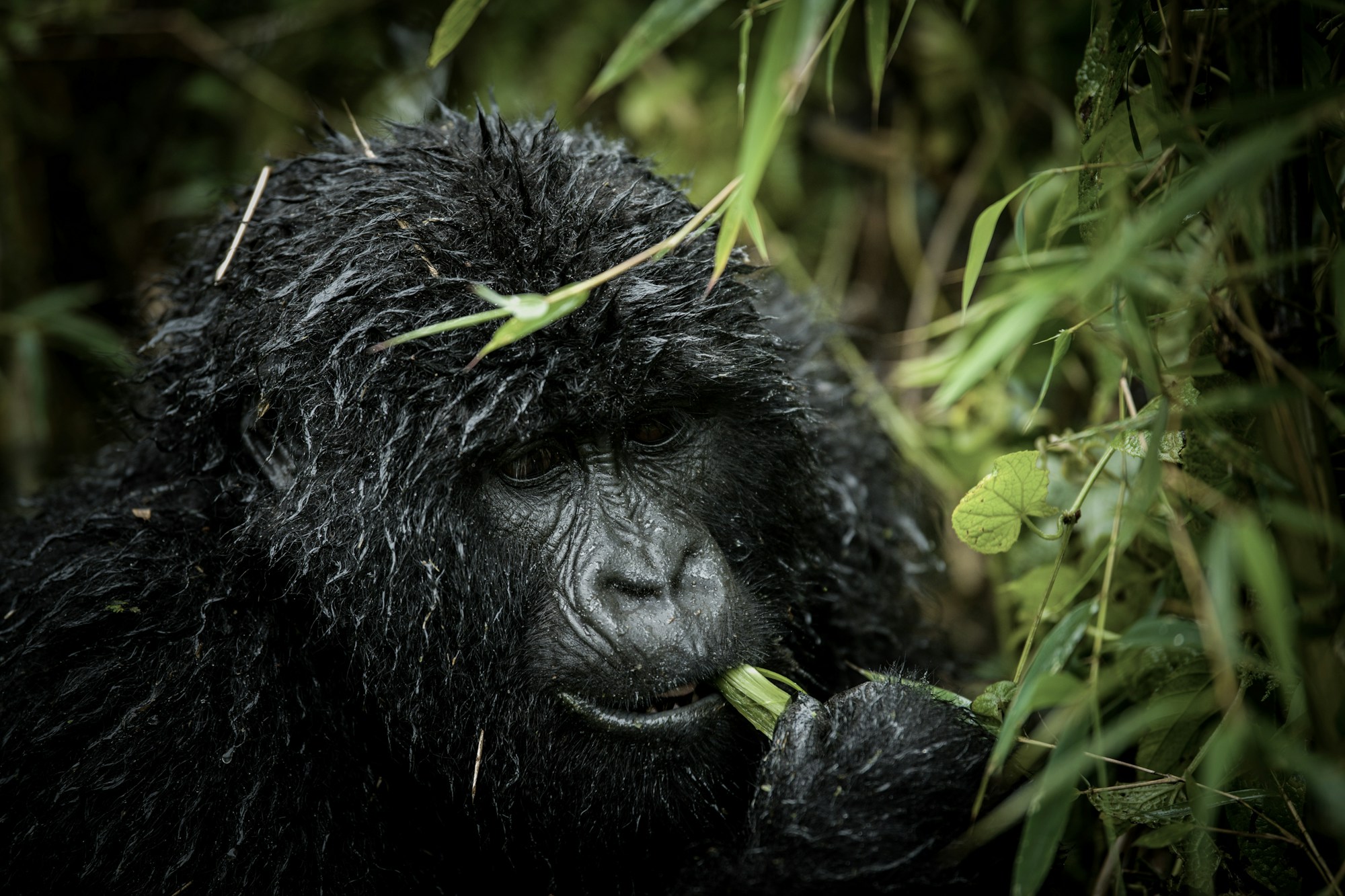
Rwanda has become a model of post-conflict reconstruction and sustainable development in Africa — nicknamed « the Singapore of Africa » for its clean capital Kigali and quality institutions. Projects near Musanze, gateway to Volcanoes National Park, include educating local communities on coexistence with large wildlife, agro-ecology on volcano slopes, and supporting women’s cooperatives producing tea and coffee.
Rwanda is one of only three countries in the world where mountain gorillas can be observed in their natural habitat. The proximity to these critically endangered primates gives a unique dimension to the commitment — and motivates long-term involvement that transient volunteers never experience.
🇳🇵 Nepal — Education, children with disabilities and community development
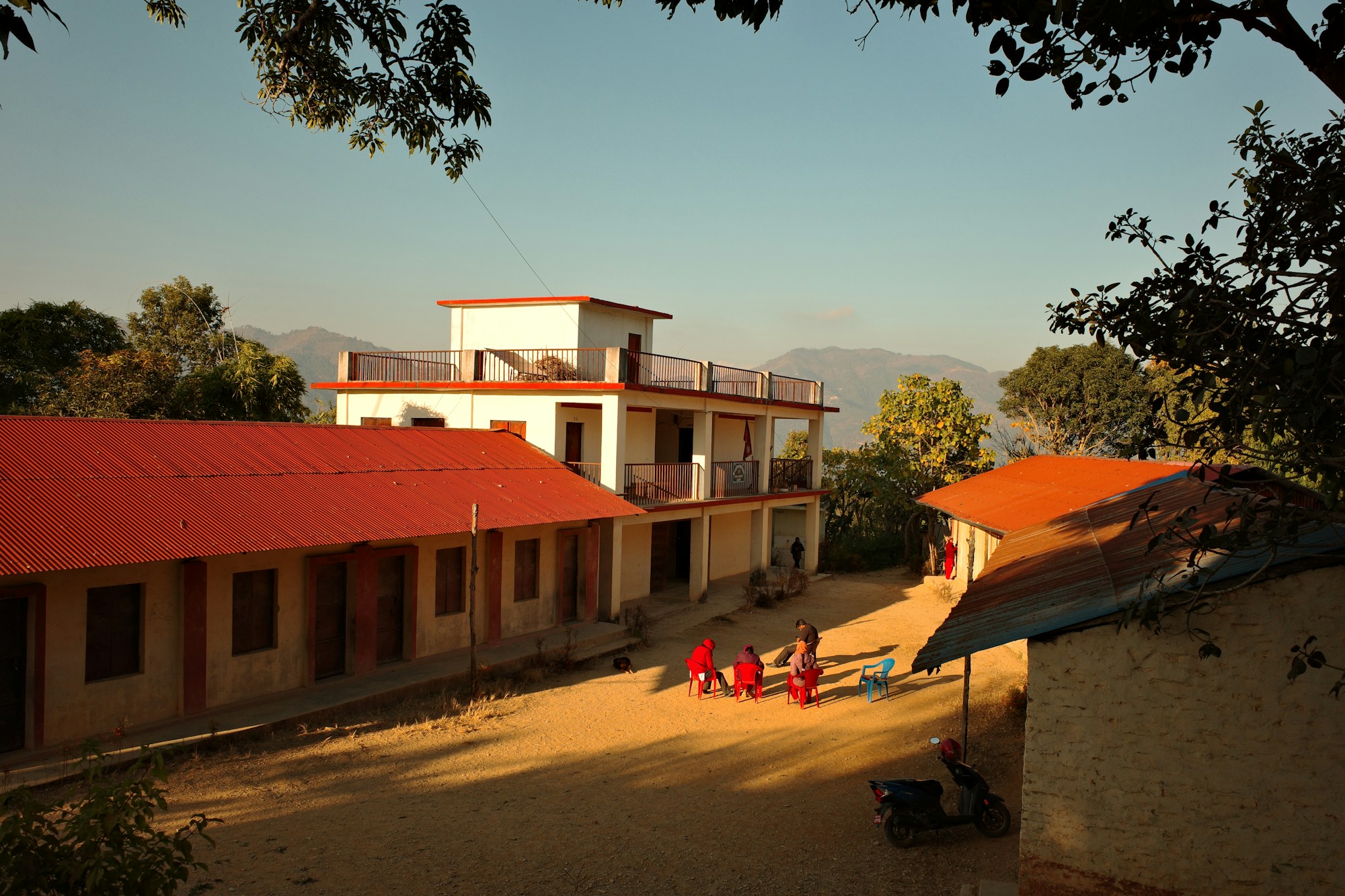
Nepal remains an essential slow volunteering destination — provided you choose the right projects, far from the « tourist orphanages » still proliferating in Kathmandu. According to Volunteering Journeys, serious programs offer missions in teaching English to monk children, women’s empowerment, care for people with disabilities, and medical and dental internships in rural areas.
Nepal is also one of the most affordable countries in Asia: at €15–25/day, it’s accessible to a broad range of volunteer profiles. Weekends can be spent on treks accessible from Kathmandu without special preparation.
🇰🇭 Cambodia — NGOs, human rights and teaching in Phnom Penh
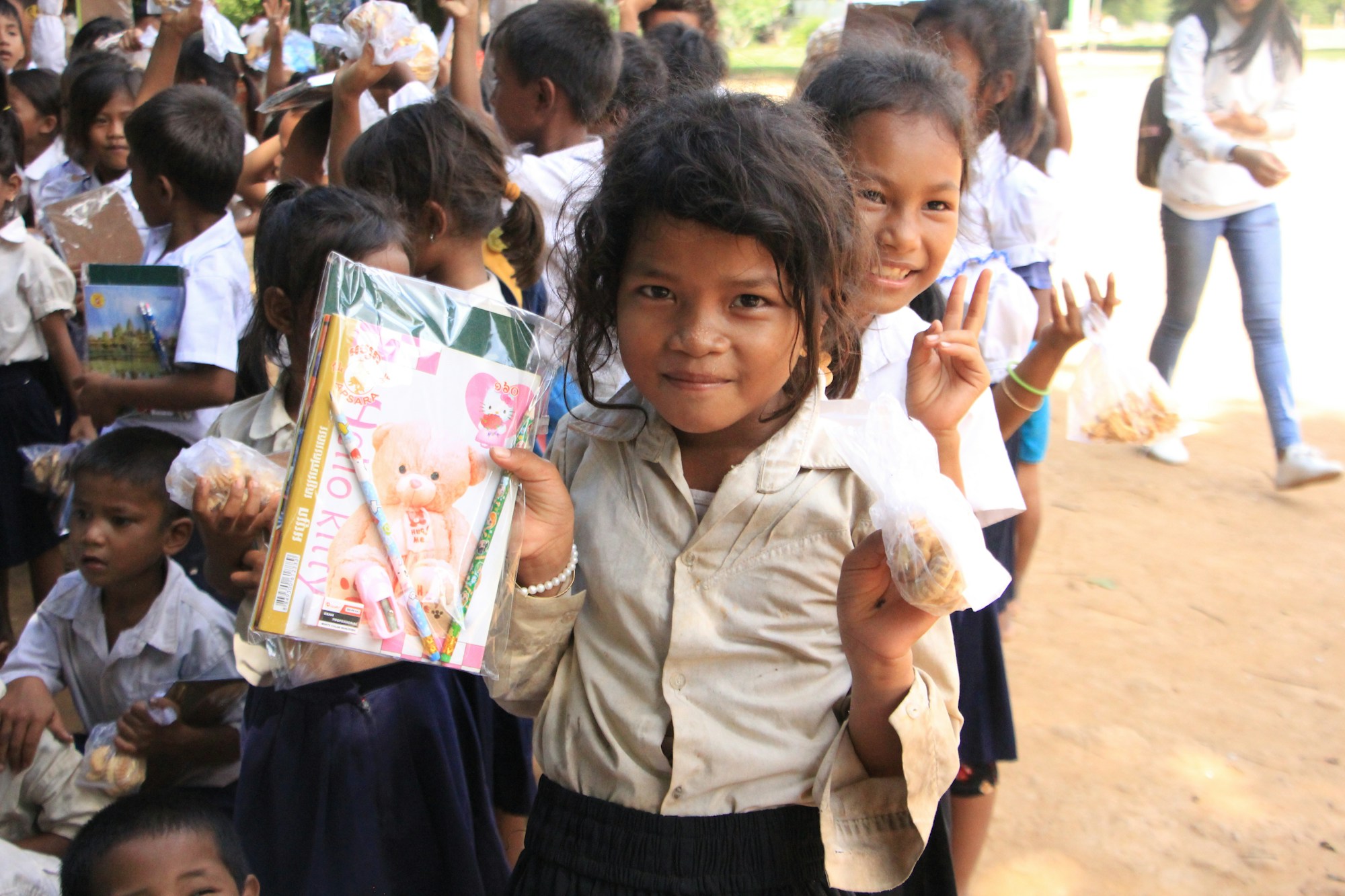
Cambodia is a particularly relevant slow volunteering destination for profiles oriented toward NGO work and human rights. Organizations like Pour un Sourire d’Enfant (PSE) — founded by French nationals and internationally recognized — or the Cambodian Children’s Fund offer long-term placements with measurable impact and rigorous monitoring.
Projects include English teaching, human rights advocacy, support for people with special needs, and internships in social development NGOs. The Tuol Tom Poung neighborhood (Russian Market) in Phnom Penh is ideal for finding a long-term volunteer community.
🇫🇯 Fiji — Reef mapping and island environmental education
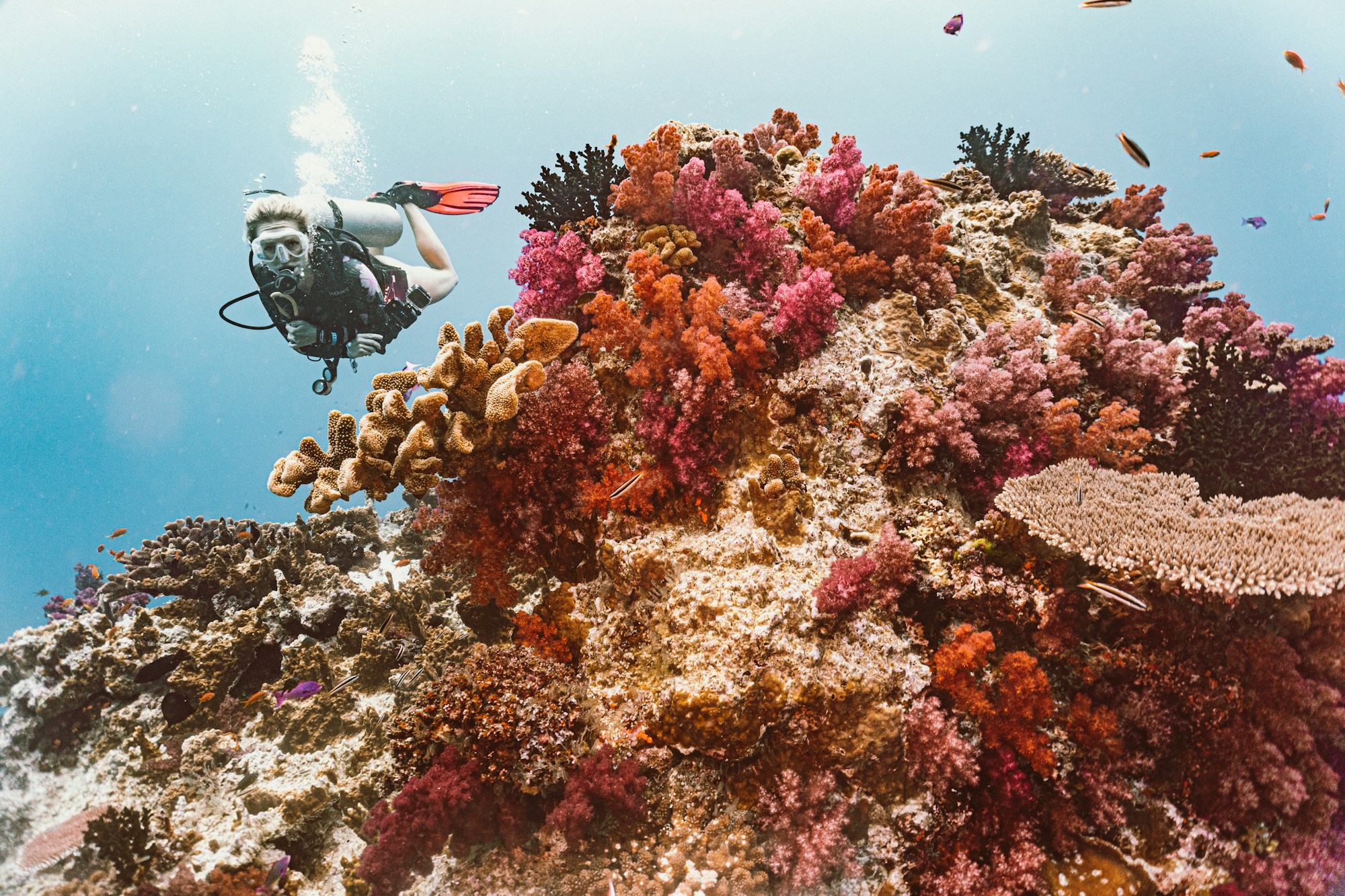
Caqalai Island in Fiji is one of the most unique destinations for environmental slow volunteering. Volunteers collect fish species data, map coral reefs and mangroves, develop environmental education programs for local schools, and contribute to conservation best practices. According to Volunteer Forever, this project is among the most sought-after of 2026.
The project is co-managed with traditional ITaukei island communities, ensuring deep cultural grounding and genuine local governance. The « Sevusevu » is a mandatory traditional welcome ceremony — your organization will prepare you for it. Never skip it: it is the key to community acceptance.
🇲🇦 Morocco — Human rights and NGO support in Rabat
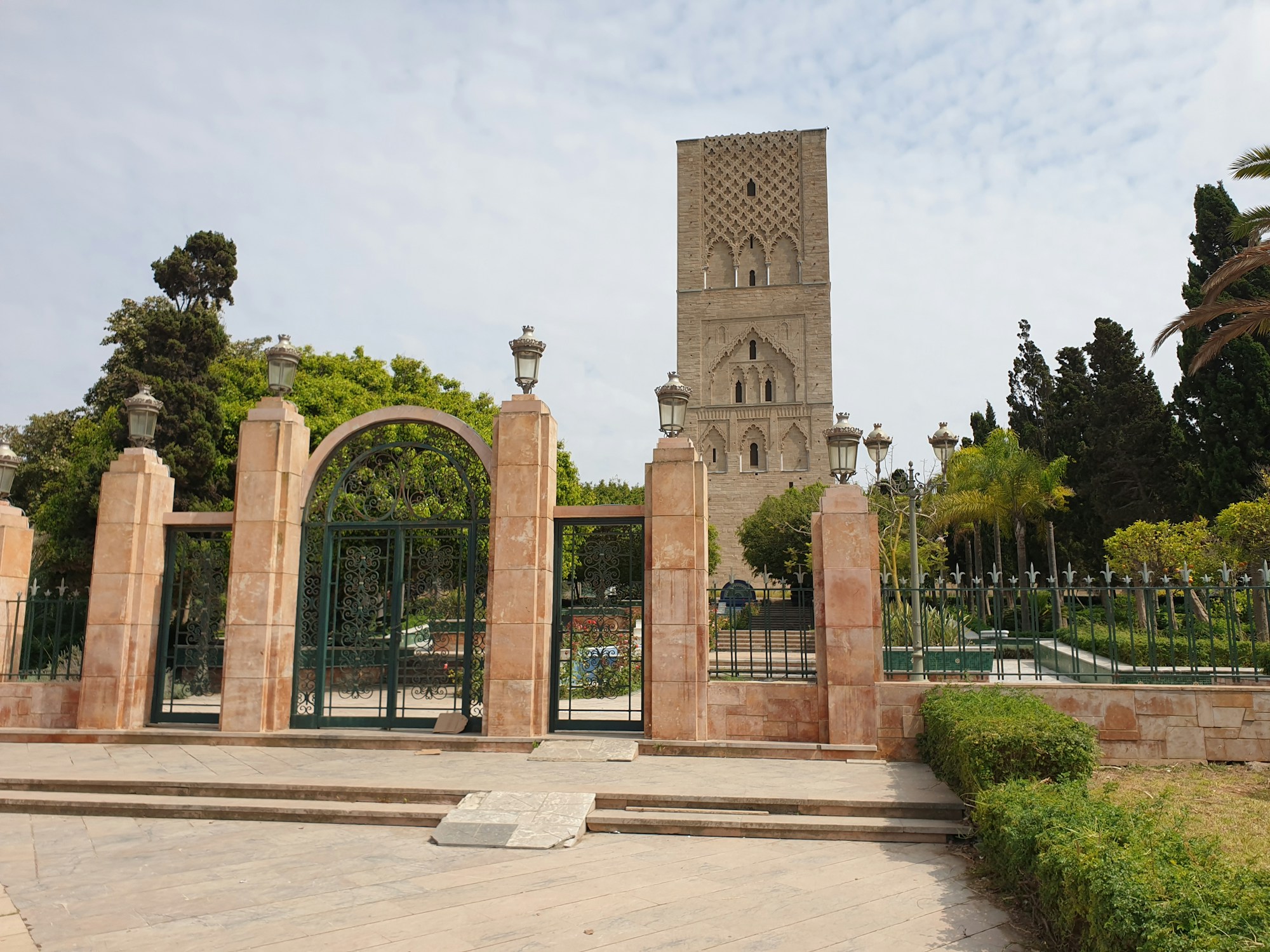
Morocco is an underestimated destination for long-term NGO volunteering — and one of the most accessible from Europe (3-hour flight, same time zone as the UK). Rabat, the political capital, hosts a concentration of leading NGOs working on migration, women’s rights, access to justice, and education for underprivileged children. According to Volunteer Forever, volunteers can contribute to marketing, community event planning, documentation, and development activities.
🇨🇷 Costa Rica — Sea turtle conservation and tropical ecology
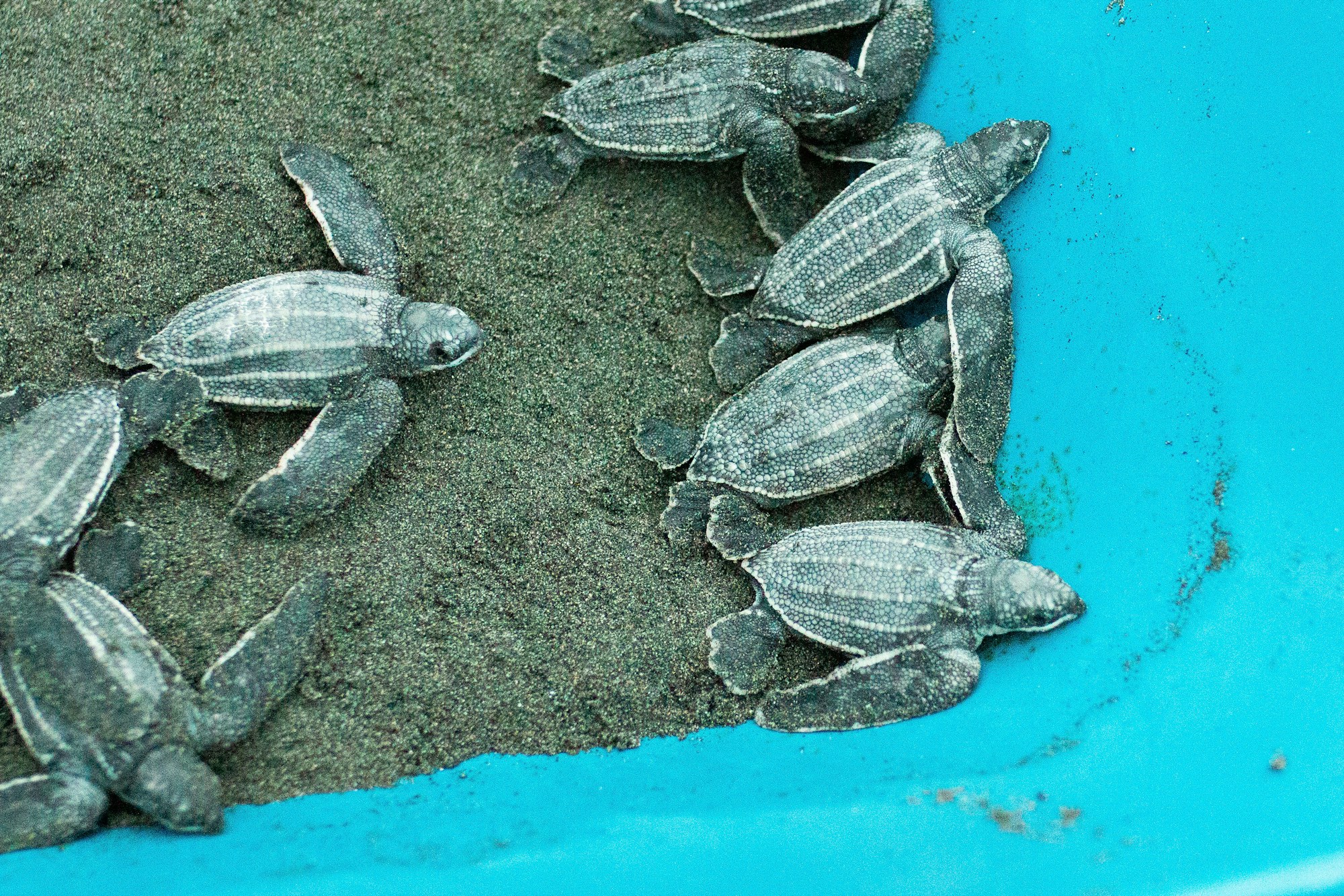
Costa Rica holds one of the world’s most concentrated biodiversities: 6% of terrestrial biodiversity on 0.03% of the globe’s surface. The Osa Peninsula, according to National Geographic, concentrates 2.5% of world biodiversity — this is where sea turtle conservation projects have the greatest impact. Long-term volunteers participate in rigorous scientific protocols: measuring and tagging females, protecting nests from predators, monitoring hatching, and rehabilitating hatchlings.
5-step protocol for choosing an ethical NGO
- Verify financial transparency: a serious program can tell you precisely where your participation fees go.
- Look for an identifiable local partner: the local NGO partner must be named, have its own website, and be reachable independently.
- Check accreditations and read third-party reviews: seek feedback on independent platforms like TrustPilot, GoOverseas, or Volunteer World.
- Require a defined role and required skills: ethical programs match opportunities to volunteer skills.
- Ask to speak with former volunteers: any truly ethical organization will happily connect you with past participants. If it refuses, move on.
Realistic budget by region: what 3 to 6 months actually costs
| Region | Cost/day | 3-month budget | 6-month budget |
|---|---|---|---|
| Indian Subcontinent (Nepal, India) | €15–25/day | €1,350–2,250 | €2,700–4,500 |
| Southeast Asia (Vietnam, Cambodia) | €18–30/day | €1,620–2,700 | €3,240–5,400 |
| Sub-Saharan Africa | €20–35/day | €1,800–3,150 | €3,600–6,300 |
| North Africa (Morocco) | €20–35/day | €1,800–3,150 | €3,600–6,300 |
| Central America (Costa Rica) | €35–55/day | €3,150–4,950 | €6,300–9,900 |
| Pacific (Fiji) | €40–60/day | €3,600–5,400 | €7,200–10,800 |
Practical information for your volunteering mission
Nomad Insurance: global coverage from $56/4 weeks. 10% off via our link. Perfect for 3-6 month volunteer stays.
From $56 / 4 weeksStay connected in 200+ countries from the moment you land. Instant activation, no physical SIM needed.
From €4.50FAQ — Frequently asked questions about ethical slow volunteering
Do you need specific skills for slow volunteering?
Ethical programs match opportunities to volunteer skills. Healthcare projects suit pre-med students; farm work suits food science students. However, projects accessible without prior training also exist — reforestation, basic school support, or environmental data collection. Most importantly: be honest about your skills during the application process. Source: Global Brigades.
How can you ensure a project isn’t disguised voluntourism?
Verify the existence of a serious local partner (with its own name and website), the project’s track record (how many years has it existed?), the actual role of volunteers (precisely defined?), and the concrete impact for beneficiaries (with quantifiable indicators). Prioritize long-term partnerships, serious pre-departure preparation, and mission follow-up with impact reporting. Source: Globalong.
Are there volunteer programs with financial stipends?
Yes! The UN Young Volunteers program (ages 18–29) offers 3 to 24-month assignments within UN agencies with stipends. Scholarships also exist through the Rotary Foundation, National Geographic, and Volunteers for Prosperity — some reaching $85,000. The French Service Civique offers 6–12 month missions with ~€620/month stipend (for French citizens). Source: Associations.gouv.fr.
Is long-term volunteering professionally recognized?
Studies on international mobility show that people with foreign experience have higher employability rates and develop highly sought-after skills: adaptability, autonomy, intercultural project management, communication under adversity. A 5-month volunteer stay also demonstrates a capacity for commitment and initiative that few corporate internships can match. Source: Globalong.
What does IVY 2026 concretely change for volunteers?
The UN’s IVY 2026 declaration has concrete effects: governments and international organizations are intensifying dedicated volunteering funding, new public-NGO partnerships are emerging, and the official recognition of volunteer missions in CVs is being strengthened in several countries. For individual volunteers, it’s also an opportunity to join expanded networks and international volunteering events. Source: United Planet.
What are the most common ethical risks in voluntourism?
Poorly planned programs can displace local workers, harm vulnerable children (especially in uncertified orphanages), reinforce paternalistic stereotypes, or leave communities with unfinished or useless projects. Another common drift: construction projects (houses, schools) carried out by unskilled volunteers creating structures that don’t meet local standards. Source: Rustic Pathways.
How do you mentally prepare for a 3 to 6-month stay?
Three essential principles: (1) Adopt genuine open-mindedness — accept the local culture, hierarchy, and different work pace; (2) Maintain active communication with your coordinators, regularly question yourself; (3) Shift from a « savior » mindset to a mindset of listening, learning, and supporting. A 6-month stay involves difficult adaptation phases — the 2nd month is often the hardest. Prepare to work through these phases without leaving prematurely.
Which destination is best for a first slow volunteering experience?
For a first stay, Nepal or Morocco are the best entry-level options: affordable, safe, linguistically accessible, and with structured NGO networks. For a more adventurous profile or second stay, Tanzania (marine conservation) or Rwanda (gorillas, development) offer unique experiential richness. The ideal destination is the one that matches your actual skills and the needs identified by the NGO — not simply the one you want to travel to.
Sources
- UN Volunteers — International Volunteer Year 2026 (IVY 2026)
- Globalong — Guide to volunteering abroad
- Earth Changers — 7 tips for ethical voluntourism
- IVHQ — Ethical and responsible volunteering
- Volunteer World — Tanzania (top 10 programs 2026)
- Volunteer World — Madagascar (lemur conservation)
- Volunteering Journeys — Nepal, Cambodia, Costa Rica programs
- Volunteer Forever — Best programs 2026 (Fiji, Morocco)
- Grassroots Volunteering — Ethics of international volunteering
- Rustic Pathways — Ethics of voluntourism
- United Planet — IVY 2026: why this global moment matters
Ready to commit for 3 to 6 months?
Discover our travel itineraries designed for long-term volunteers — preparation, transport, accommodation and cultural context for each destination.
Explore Pixidia Itineraries