
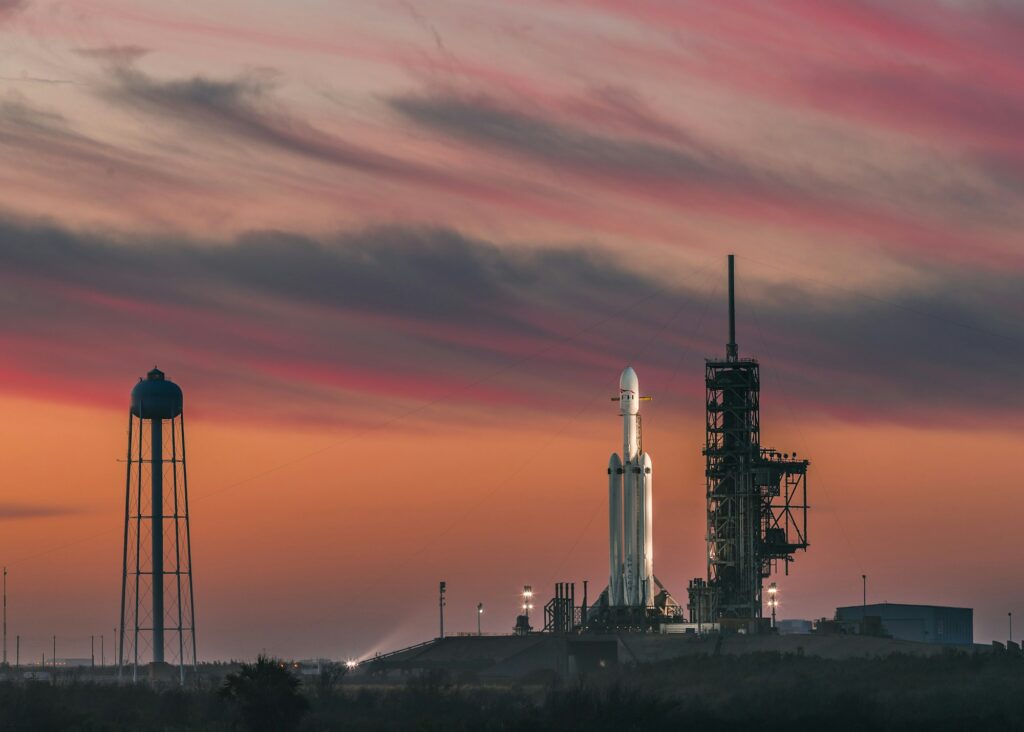
What your travel guide doesn’t tell you is that some of the world’s most beautiful destinations are also missile debris and space debris fallout zones. From Caribbean beaches to the Kazakh steppes, from Red Sea cruises to transatlantic flights, the risks from military and space debris were quietly redrawing the global travel map in 2025–2026. This guide provides, for the first time, a comprehensive overview of these little-known risk zones — and gives you the tools to travel informed.
1. Starbase / Boca Chica Beach, Texas — The Beach That Shares Its Dunes With a Rocket
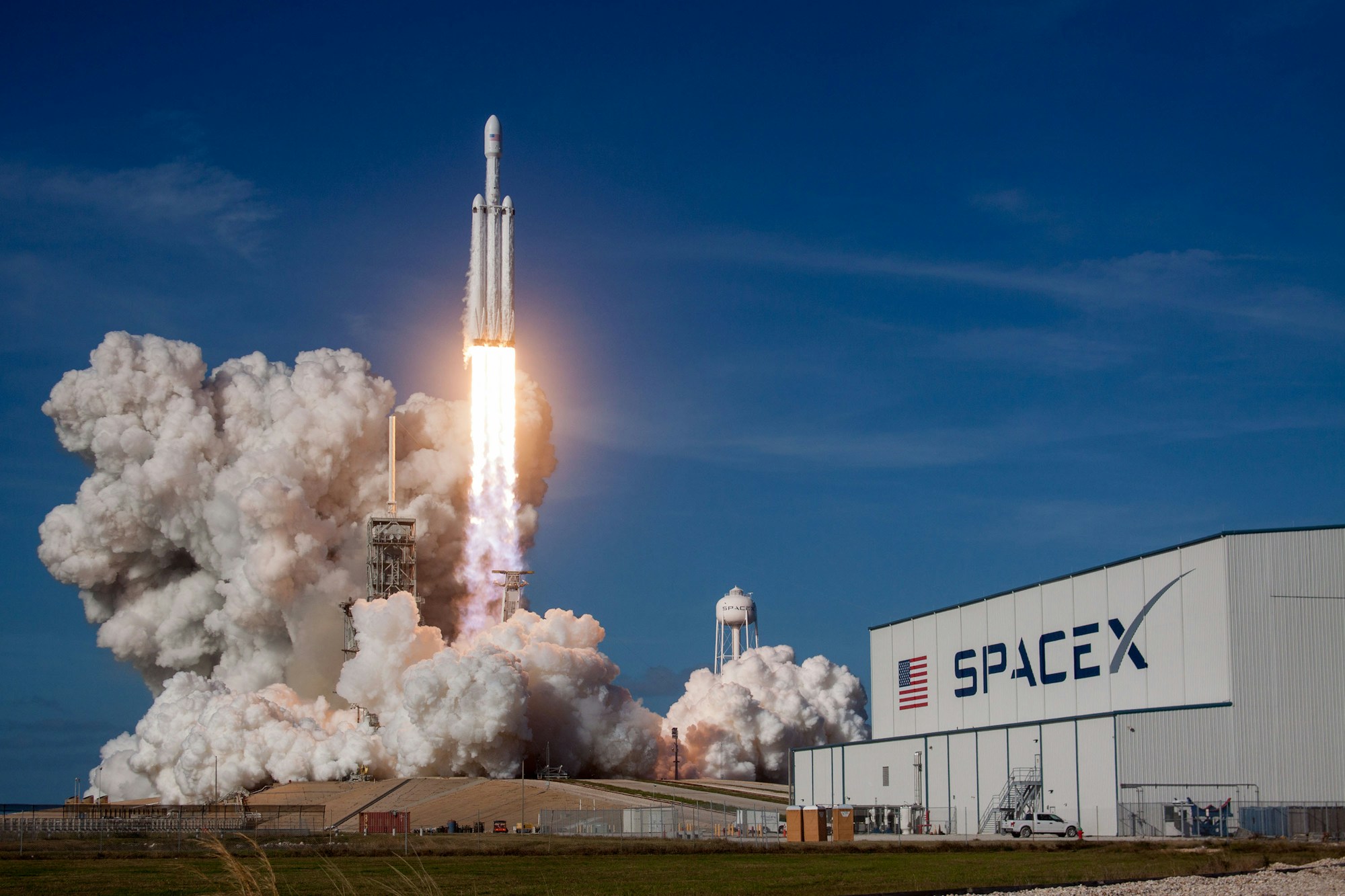
Starbase, Texas (United States)
This is one of the most striking paradoxes of contemporary travel: a public beach on the Texas coast, once a natural sanctuary for migratory birds, now sharing its dunes with the most powerful rocket ever built. According to CNN, Starbase has become the primary development and launch site for SpaceX’s Starship system, featuring a 146-meter launch and catch tower — the tallest in the world.
What travel brochures omit: during a failed launch, debris and dust spread far beyond the planned 700-acre containment zone, reaching Port Isabel — about 10 kilometers from the launch site. In response, the FAA significantly widened the danger zone along the flight trajectory, expanding it from 885 to 1,600 nautical miles.
What you need to know before visiting
- Highway 4 closes without notice during Starship tests and launches
- Cameron County offers SMS alerts for road closures
- 25 launches authorized by the FAA in 2025 (up from 5 in previous years)
- Recommended stay at South Padre Island: $80–$200/night
2. Turks and Caicos Islands — The Caribbean Paradise Hit by SpaceX Debris Twice
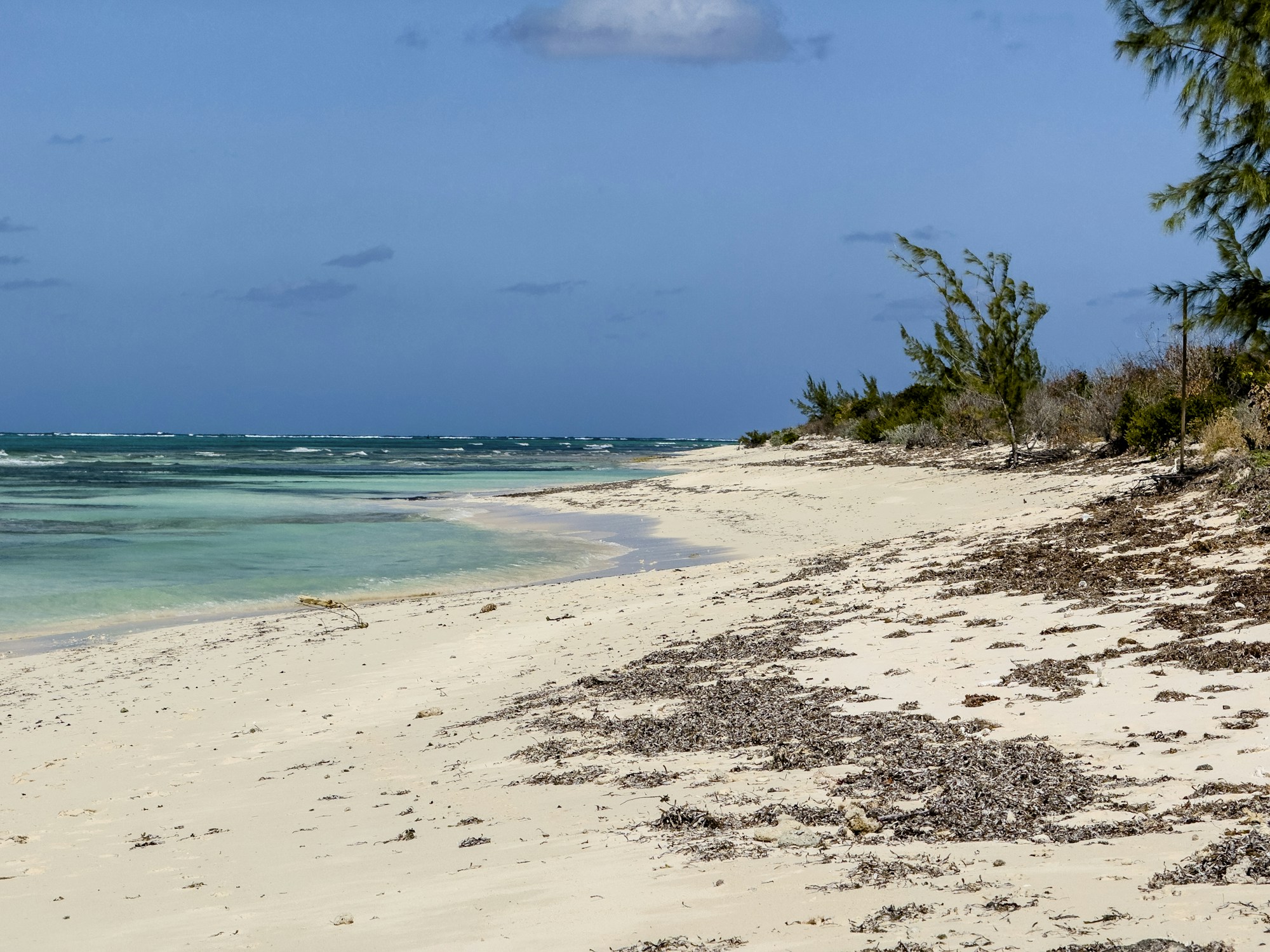
Providenciales, Turks and Caicos (British Overseas Territory)
This is the perfect example of what travel guides will never tell you. On January 16, 2025, during a typical tropical afternoon, SpaceX’s Starship upper stage disintegrated in a fireball above the North Atlantic, directly over this archipelago visited by tens of thousands of tourists. A few weeks later, on March 6, 2025, the Turks and Caicos government had to issue a second urgent advisory: Starship had exploded again.
Debris washed up on every beach of Providenciales, from South Caicos to West Caicos. At least one vehicle was damaged in South Caicos. According to ProPublica, the British government officially raised concerns with the US — especially since the FAA had just authorized 25 Starship launches in 2025, up from 5 in previous years.
Steps to take if you’re staying there
- Follow Turks and Caicos government alerts via visittci.com
- If you find debris: do not touch, contact SpaceX at 1-866-623-0234
- Check the SpaceX launch schedule before booking
3. Lviv and the Carpathians, Ukraine — Responsible War Tourism

Lviv, Western Ukraine
Ukraine remains the most intense armed conflict in Europe since World War II, yet travelers continue to arrive. According to Tourism Reporter, with missile and drone strikes averaging 5,200 per month between September and December 2025, international arrivals have fallen by 85–90% since the invasion began. Yet Lviv and the Carpathians still draw visitors.
What travel guides downplay: even Kyiv, equipped with a defense network including American Patriots, German IRIS-T and Norwegian NASAMS, is not immune. According to United24 Media, debris from intercepted missiles also falls in populated areas, causing additional damage. Air defense is a partial solution, not a total guarantee.
If you travel to western Ukraine
- The front line is over 1,000 km from Lviv — but missiles can strike anywhere
- Install the Air Alert Ukraine app for real-time alerts
- Strictly observe local curfews (vary by region)
- Confirm your travel insurance covers armed conflict zones
4. Baikonur Cosmodrome, Kazakhstan — The World’s Largest Spaceport Opens to Tourists
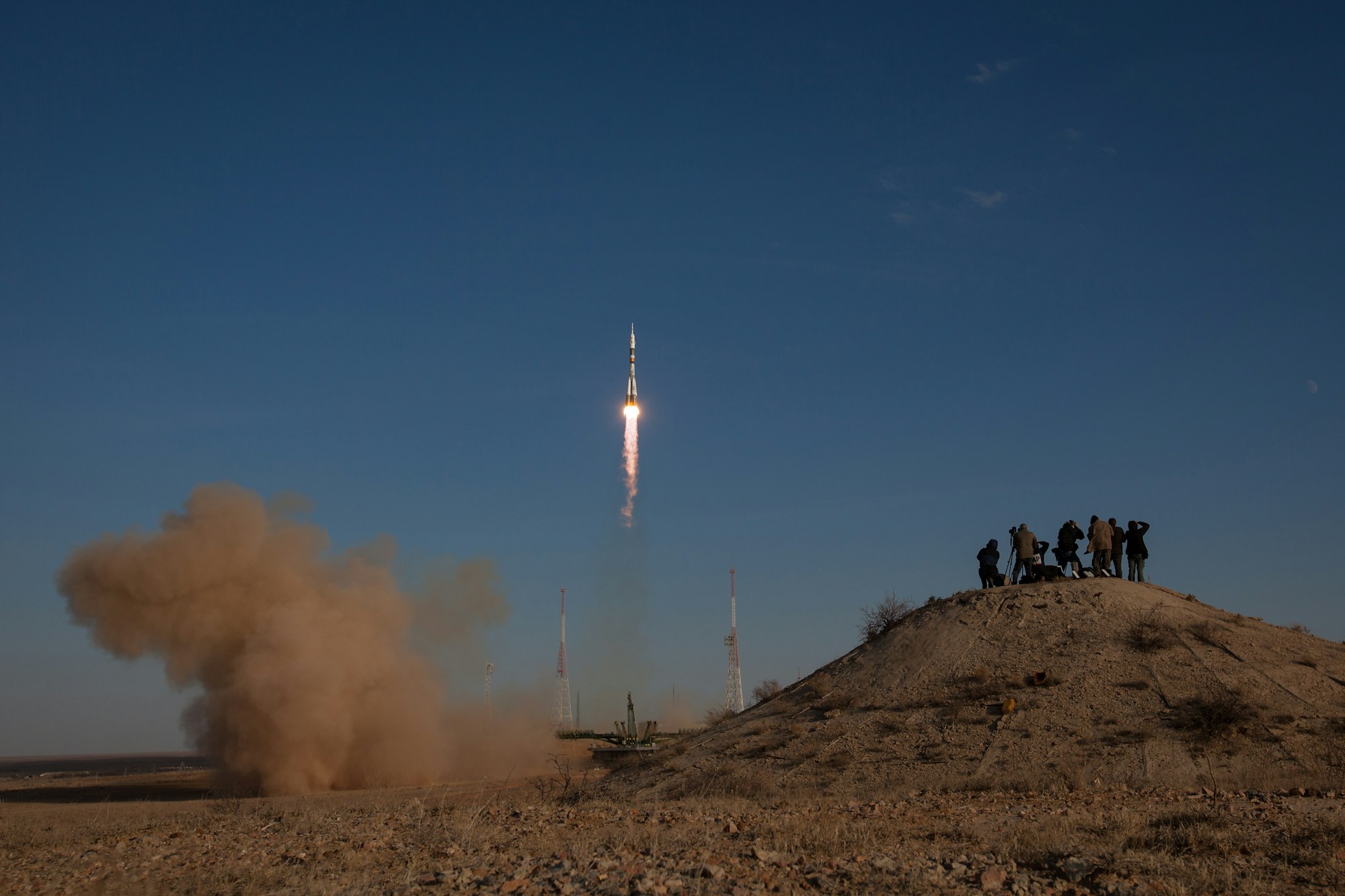
Baikonur Cosmodrome, Kazakh Steppe
The Baikonur Cosmodrome is the world’s first and largest spaceport, covering 6,717 km² in southern Kazakhstan. This is where Gagarin said « Poyekhali! » (« Let’s go! ») in 1961. According to Euronews, Kazakhstan plans to convert decommissioned facilities into a year-round tourist site, with hotels, glamping, and immersive experiences.
What brochures omit: the UDMH fuel used in Soviet rocket engines is extremely toxic, and over 11,000 tonnes of contaminated scrap metal are still scattered across the debris zones around the cosmodrome. Collecting this scrap is actually an important part of the local economy.
Highlights of the visit (with authorized guide)
- Gagarin’s launch pad — the first human launch pad, operational since 1961
- Observation zone 1.4 km from the launch pad during launches
- Fun fact: the site is named after a village 320 km away to deceive Western intelligence services
5. Red Sea and Bab-el-Mandeb — The World’s Shipping Route Under Missiles
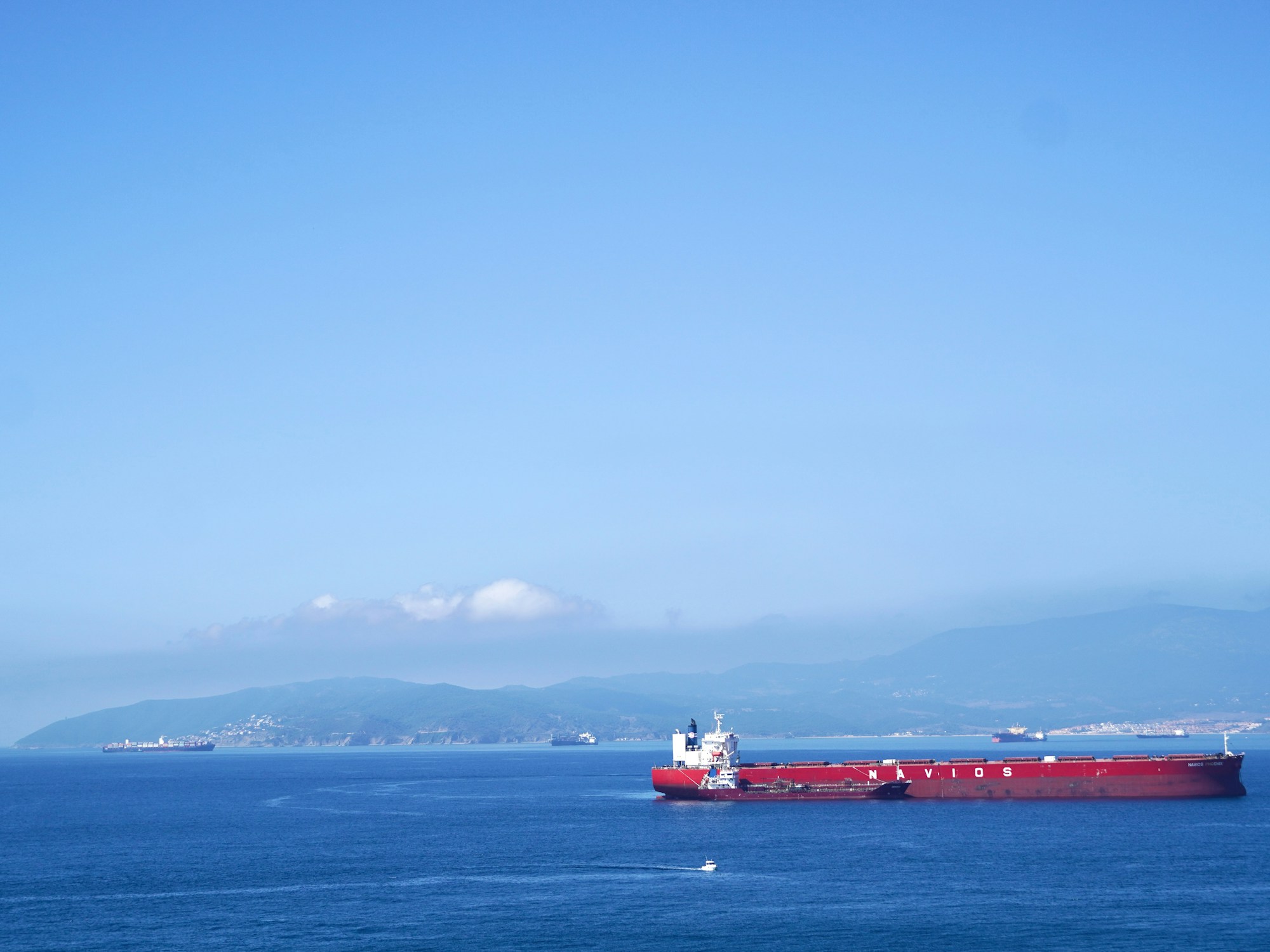
Bab-el-Mandeb Strait and Southern Red Sea
Since November 2023, the Bab-el-Mandeb Strait has become the epicenter of a maritime crisis that mainstream media underestimates. Houthi rebels based in Yemen systematically target commercial vessels transiting this strategic route. According to Géoconfluences (ENS Lyon), the Houthis target both civilian and military vessels, deeply disrupting maritime routes through the Suez Canal.
What cruisers often don’t know: missiles and drones launched from Yemen toward Israel regularly transit Saudi airspace. Most are intercepted — but the debris from those intercepts falls into the Red Sea and the Persian Gulf, posing a risk to aircraft and vessels.
Impact for travelers
- Eastern Mediterranean cruises may be impacted by regional airspace closures
- The Cape of Good Hope detour adds 10–14 days to Europe–Asia crossings
- Marine insurance has tripled for vessels transiting the red zone
6. Saudi Arabia — Vision 2030 Tourists Under Intercept Debris
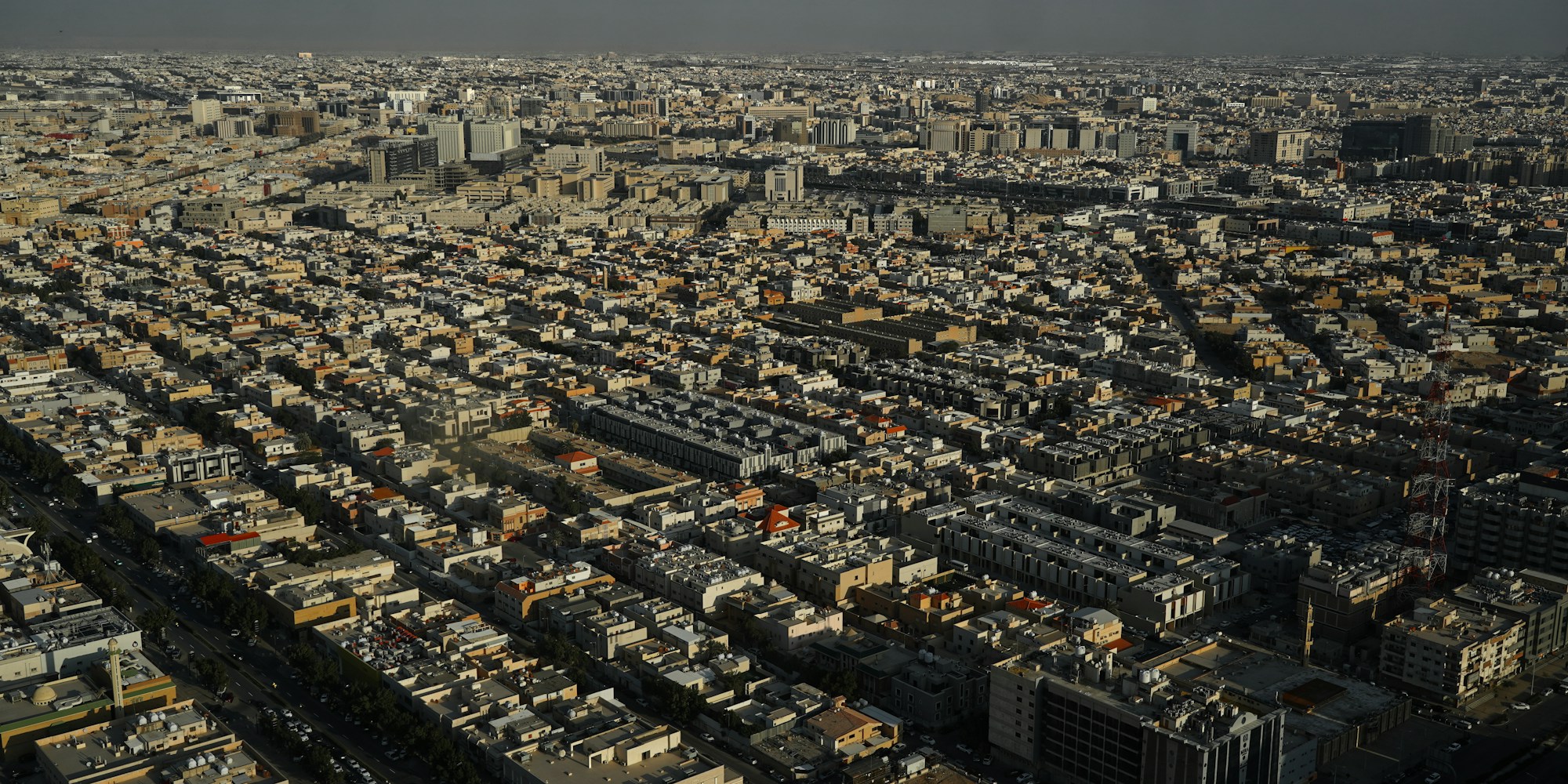
Riyadh, Abha and Eastern Province, Saudi Arabia
Saudi Arabia is one of the world’s fastest-growing tourist destinations thanks to Vision 2030 — yet the Canadian government formally advises against non-essential travel due to « the risk of military debris falling from intercepted projectiles. » Between 2015 and 2022, missiles, drones and other projectiles targeted Saudi cities, airports, military bases, and energy facilities. Debris from Patriot interceptions itself posed a documented safety risk.
Essential precautions
- Memorize the location of your hotel and nearest shelters
- If an alert sounds: shelter in a reinforced structure, away from windows
- Avoid the Jizan border province and areas near Yemen
- Get insurance covering « political risk » and war-related events
7. Israel and Tel Aviv — Living Under the Iron Dome: What Tourists Don’t Know
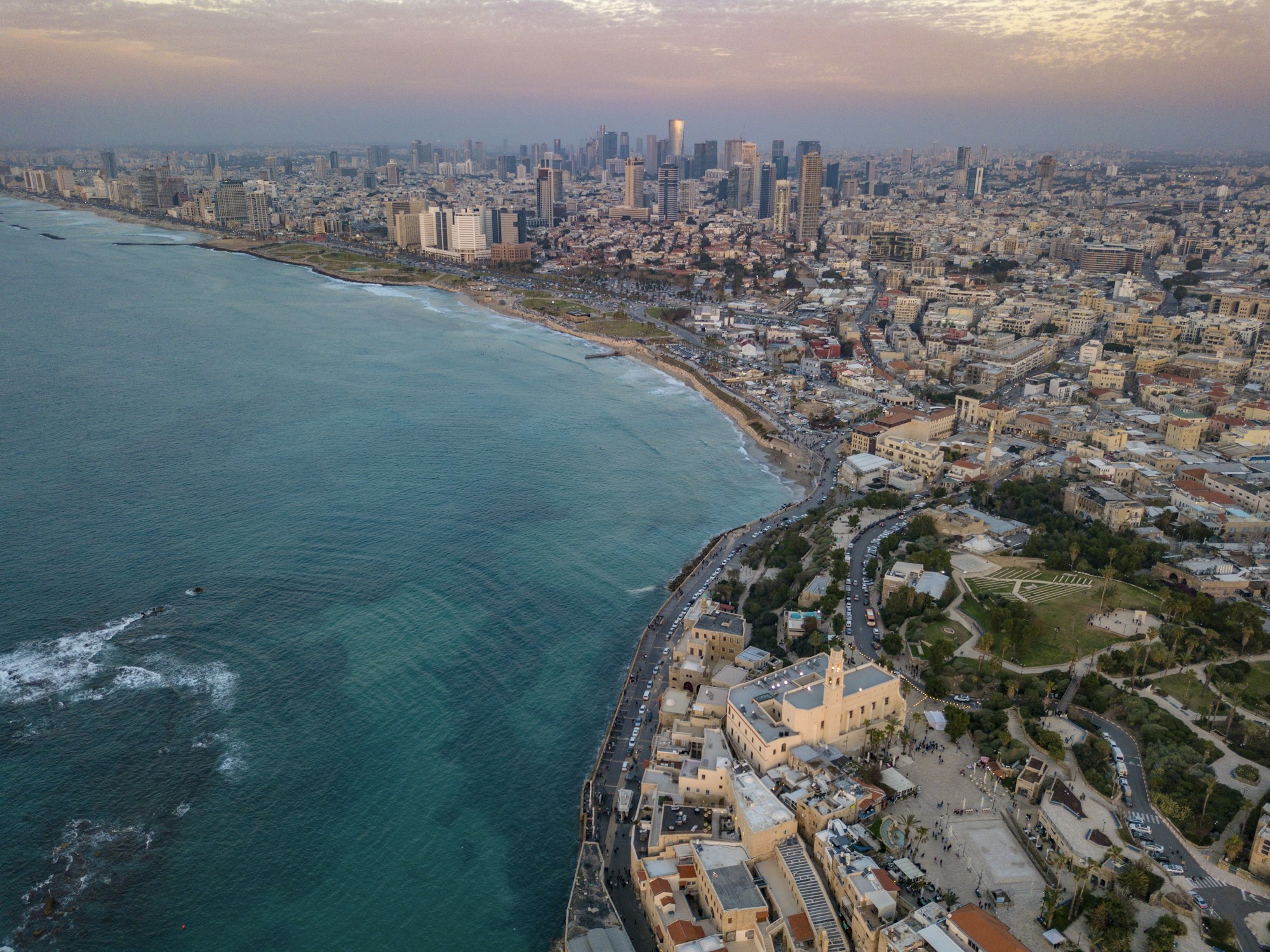
Tel Aviv and Jerusalem, Israel
Israel offers a unique tourism experience: visiting Jerusalem or Tel Aviv while living under the world’s largest operational missile defense system. What travel guides never explain: Iron Dome interceptors are not designed to directly hit a projectile, but to explode near it. Debris from successful interceptions therefore still falls in populated areas and can cause significant damage.
Little-known risks for tourists
- Even a successful interception generates debris falling within a radius of several kilometers
- Photographing or filming military damage is subject to heavy local penalties
- Israeli airspace can close without notice (as in March 2026 during Iranian reprisals)
- Find the shelters (« mamad ») in your accommodation upon arrival — warning time: 15–90 seconds
8. Istanbul and Closed Airspaces — The Modern Traveler’s Invisible Risk
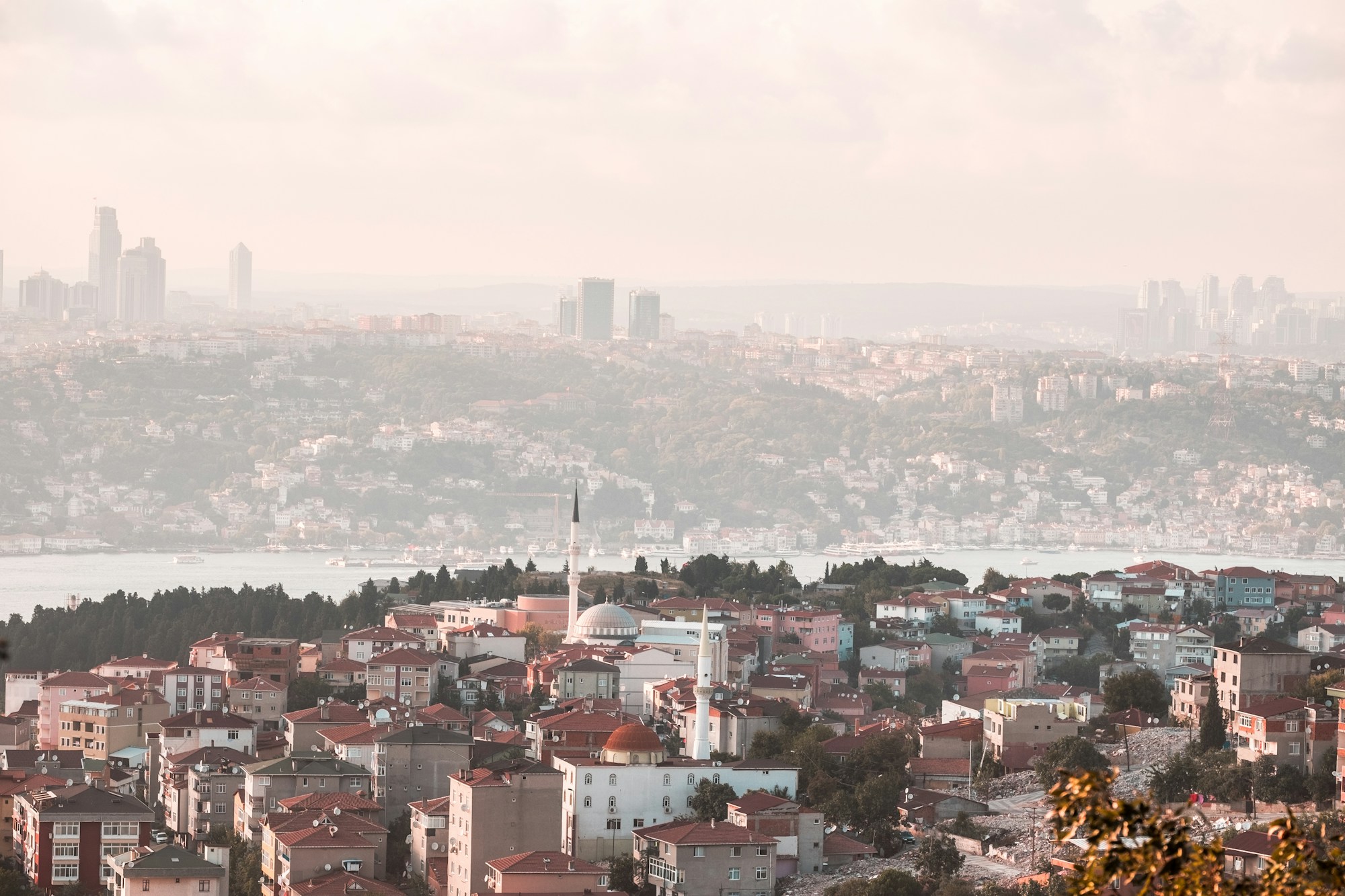
Istanbul, Turkey — Transit Hub Between All Tensions
Istanbul is classified as safe, but it is a critical air hub in an unprecedented geopolitical context. According to Safe Airspace, since the Iran–Israel rocket exchanges of 2024–2025, most airlines avoid Iranian and Israeli airspace. Middle East transits now take place almost exclusively via Egypt or Saudi Arabia to the south, or via the Caucasus to the north.
What travelers don’t know: what you think is a « direct » Paris–Delhi flight may now be circumventing Russian airspace (closed to Western carriers), Iranian airspace (dangerous) and Israeli airspace (periodically closed). According to Global Rescue, a Europe–Asia flight can add 4–6 hours due to these cumulative detours.
Practical tips for transit
- Check NOTAMs before any flight through sensitive zones at Safe Airspace
- If Middle East airspace closes, Istanbul hotels fill up within hours: book with free cancellation
- Route detours increase your ticket price by 10–30% on certain routes
Practical Travel Information
Stay connected from the moment you land, even in tension zones. Local alerts, offline maps and emergency contacts — an eSIM is essential for travel to risk areas.
From €4.50Make sure you have coverage that includes political risks and emergency evacuation. Essential for the destinations in this guide. 10% off via our link.
From $56 / 4 weeksFrequently Asked Questions About Missile Debris and Safety Zones
What is a « debris hazard zone » and how does it affect travelers?
A debris hazard zone is the geographic footprint on land and sea where falling material — from special heat-shield tiles to enormous engine bells — could pose a risk to people or property in the event of a rocket or missile failure. For travelers, this translates to beach, road and airspace closures without notice. After the Starship incidents of 2025, the FAA expanded the danger zone from 885 to 1,600 nautical miles along the flight trajectory.
Can my flight be canceled or rerouted because of military or space debris?
Yes, and it has already happened. After the Starship explosion in January 2025, the FAA forced commercial airliners to divert. For military conflicts, an airspace can be closed within minutes following a missile strike or drone attack. In March 2026, Tel Aviv airspace was closed following American and Israeli strikes on Iran. Route detours increase your flight duration and cost by 10–30%.
If I find missile or rocket debris on the beach, what should I do?
Never touch the debris and move away immediately. Some military debris may contain explosive or toxic materials. For SpaceX debris specifically, the Turks and Caicos government recommends contacting SpaceX at 1-866-623-0234 or by email at [email protected]. For any military debris, immediately notify local authorities and maintain a safe distance.
Does the Israeli Iron Dome really protect tourists?
Partially. The Iron Dome showed a declared effectiveness of 97% in 2022. However, what guides don’t mention: interceptors are not designed to directly strike an incoming projectile, but to explode near it. Debris from successful interceptions still falls in populated areas and can cause significant damage. During the summer 2025 Iranian attacks, the Iron Dome showed its limits and low-altitude interceptions caused collateral damage.
Does my travel insurance cover missile or space debris incidents?
Generally no, or very partially. Most standard travel insurance explicitly excludes armed conflict zones and « war risks. » For the destinations in this guide, look for insurance that includes a « war risk » or « political violence » clause, as well as emergency evacuation coverage. For high-risk zones, specialized operators like Global Rescue offer medical and security evacuations even in active conflict areas.
How can I stay informed in real time about risk zones before and during my trip?
The best official resources are: for aviation, Safe Airspace (real-time database of conflict airspaces); for space debris, the ESA Space Environment Report; for travel safety by country, your government’s official travel advisory portal (US: travel.state.gov; UK: gov.uk/foreign-travel-advice). During your trip, enable alerts from your country’s embassy and install the official local civil alert app.
Sources
- CNN (May 2025) — SpaceX Starbase and Boca Chica Beach
- ApplyingAI (May 2025) — FAA and Starship debris hazard zone expansion
- CNN (January 2025) — Starship debris in Turks and Caicos
- ProPublica (May 2025) — British concerns and FAA: 25 Starship launches authorized in 2025
- United24 Media — Ukraine 2025: safety and war tourism
- Euronews (Sept. 2025) — Kazakhstan: Baikonur cosmodrome as tourist destination
- Géoconfluences ENS Lyon — Red Sea crisis and Houthi attacks
- Government of Canada — Saudi Arabia official warnings: military debris and airspace closures
- GlobalSecurity.org — Iron Dome operation and intercept debris risks
- Safe Airspace — Real-time database of conflict airspaces
- ESA Space Environment Report 2025 — Uncontrolled atmospheric reentry statistics
Research completed on April 1, 2026. Security data changes daily — always verify before departure.
Plan a Safe Trip with Pixidia
Plan your itineraries with integrated security information. Our travel notebooks include caution zones, local emergency contacts, and real-time updated travel advisories.
Explore safe itineraries