
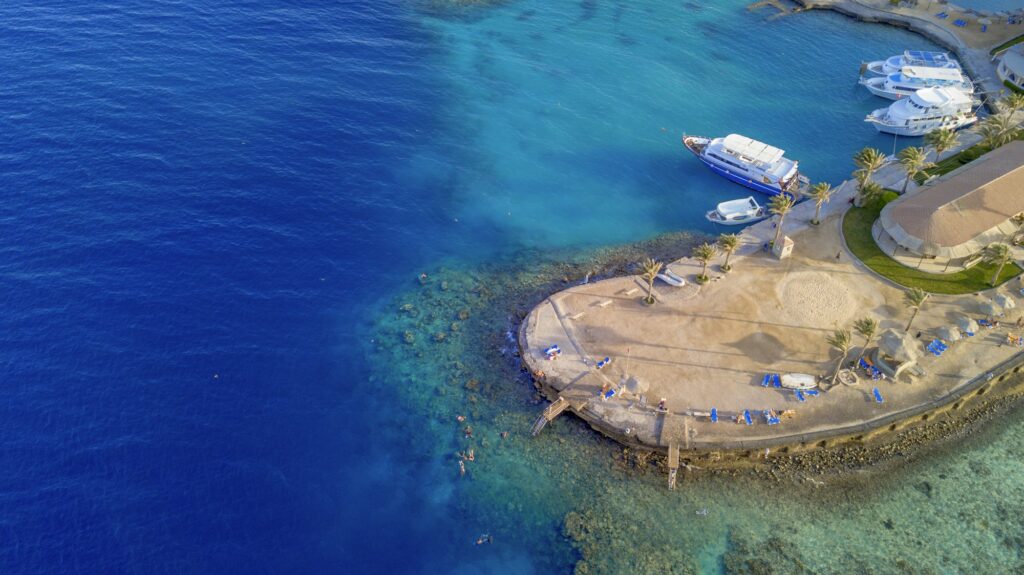
The Red Sea remains one of the most extraordinary diving destinations on the planet — but in April 2026, the safety question is more pressing than ever. Between the ongoing regional conflict, official warnings from foreign ministries across Europe, and a local industry fighting to maintain its image, diving in Hurghada, Sharm el-Sheikh or Dahab is no longer a casual decision. Yet thousands of divers continue to descend there every week, reporting exceptional visibility, pristine reefs and unbeatable prices. Here is what you need to know before making your decision — without filter or spin.
Safety Check — Can You Still Dive in the Red Sea in 2026?
The geopolitical context of April 2026
As of April 2026, the French Foreign Ministry maintains several alert levels for Egypt. The Red Sea coast (Hurghada, Marsa Alam, El Quseir) and South Sinai (Sharm el-Sheikh, Dahab, Nuweiba) are classified as « heightened vigilance » (yellow zone) — meaning tourism is officially permitted, with increased caution advised. According to official travel advisories, these established tourist zones benefit from a strong security presence driven by their economic dependence on tourism.
North Sinai remains formally not recommended: no diving circuit operates there and dive centres do not run operations in this area. Dahab and Sharm el-Sheikh are located in South Sinai, far from the northern conflict zones.
On the maritime front, the ongoing Red Sea conflict (drone attacks on commercial vessels) primarily concerns shipping lanes off the Yemeni coast and in the Bab el-Mandeb strait — several hundred kilometres south of Egyptian diving zones. Diving sites around Hurghada, Sharm and Dahab are not affected by these incidents.
The three golden rules for diving safely in 2026
- Book with written confirmation through a recognised platform (Viator, Liveaboard.com, certified agency). Avoid cash payments without receipts.
- Verify your operator’s certification: PADI 5-Star, SSI or equivalent. A certified operator has verifiable safety obligations.
- Take out travel insurance with dive coverage including hyperbaric chamber costs (decompression chamber fees).
1. Hurghada — The historic base for all levels
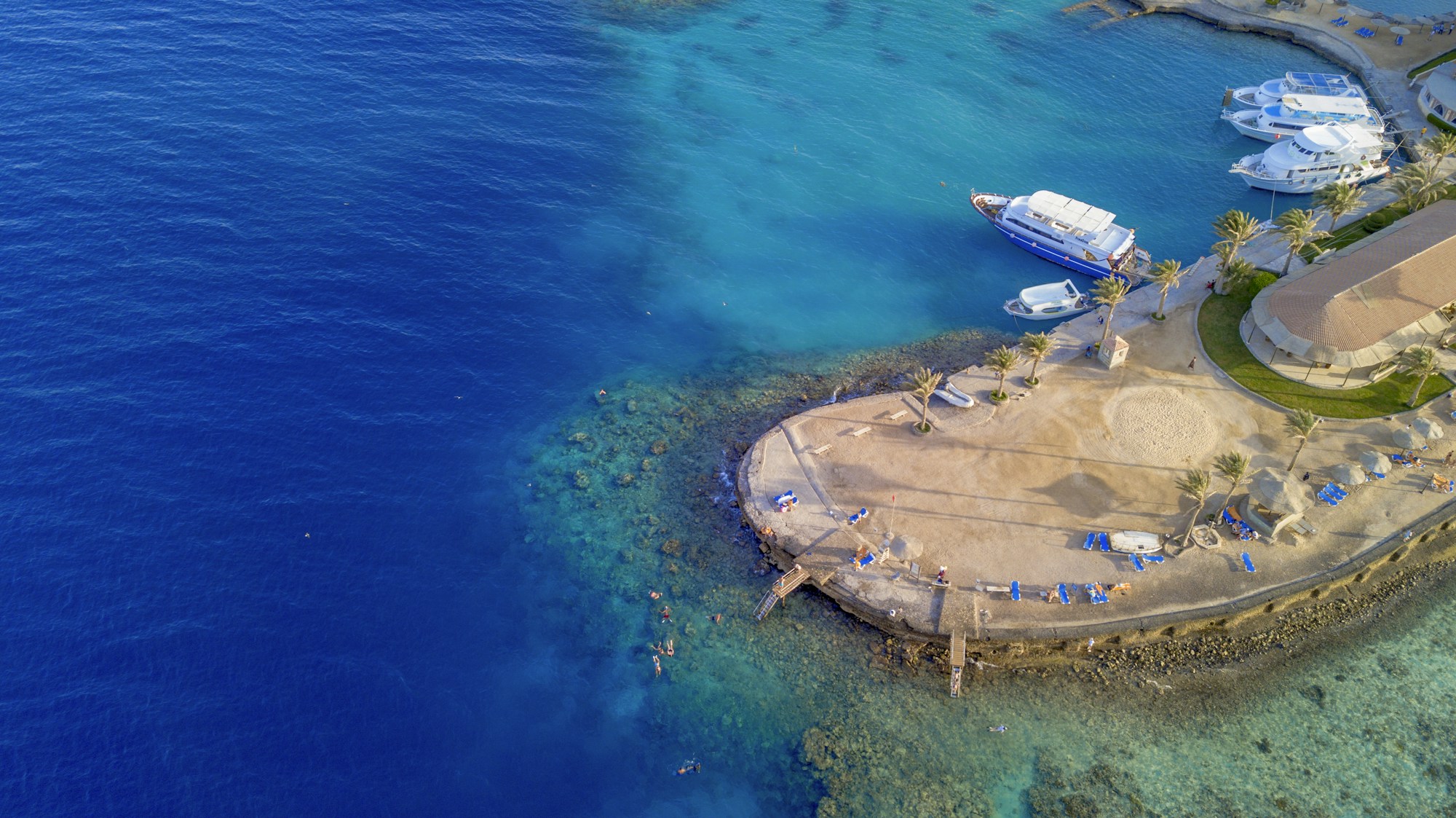
Hurghada: gateway to the continental Red Sea
Hurghada is one of Egypt’s oldest diving bases and remains highly popular with divers of all levels. Its coral reefs host colourful plateaus teeming with anthias and parrotfish, moray eels, eagle rays and exceptional marine life. The city is also the main departure point for liveaboard cruises heading north (wrecks) or south (pelagic sharks).
The Giftun Islands are ideal for all levels, while the Sha’ab Abu Nuhas wreck complex (four wrecks on a single reef) delights wreck diving enthusiasts. Visibility can reach 20 to 30 metres in optimal conditions.
Top dive sites around Hurghada
- Giftun Islands — shallow reefs perfect for beginners and snorkellers
- Sha’ab Abu Nuhas — 4 WWII-era wrecks on a single reef
- Careless Reef — torrents of colourful fish and intact hard corals
- El Gouna (north) — upscale resort town with access to less-frequented reefs
2. Sharm el-Sheikh — The world capital of scuba diving
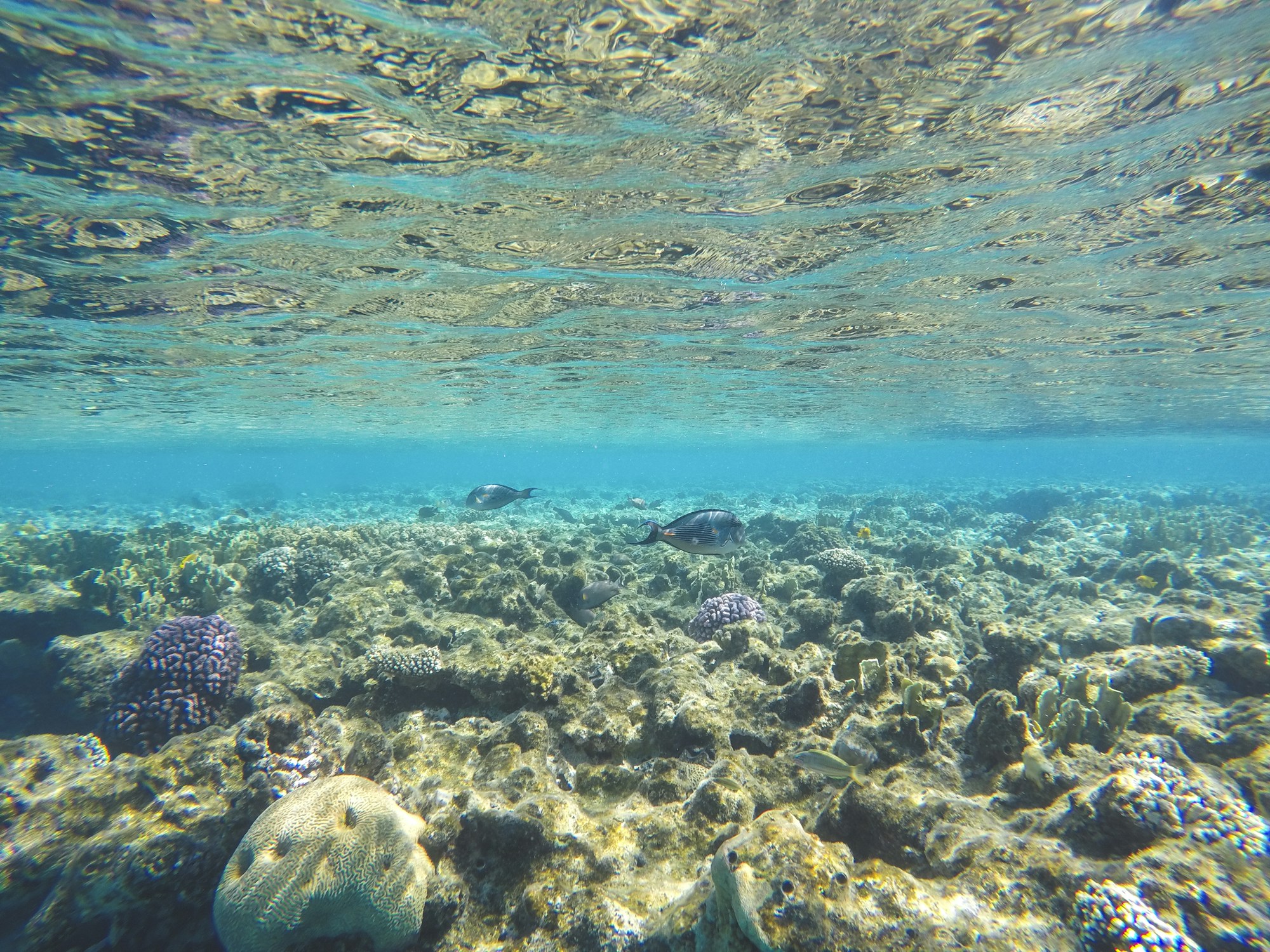
Sharm el-Sheikh: the most iconic Red Sea dive sites
Sharm el-Sheikh has been the favourite Egyptian destination for European divers for decades. It has « probably contributed more to the European scuba diving industry than any other destination in the world. » Despite the geopolitical context, Sharm — enclosed in South Sinai — remains classified as heightened vigilance (tourism permitted) and not formally discouraged.
Underwater visibility regularly exceeds 20 metres year-round, reaching over 30 metres in autumn (September–November). The reefs have regenerated thanks to marine park protection measures, and large schools of fish have returned to the area.
Must-dive sites around Sharm
- Ras Mohammed National Park — among the world’s top 10 dive sites, reef sharks and dense fish schools
- Tiran Straits — Jackson Reef and Gordon Reef, strong currents, spectacular pelagics
- SS Thistlegorm — the world’s most famous wreck, accessible from Sharm or Hurghada on a day trip (€80–120)
- Shark Bay — easy snorkelling with blacktip reef sharks from the shore
3. Dahab — The budget diver’s paradise
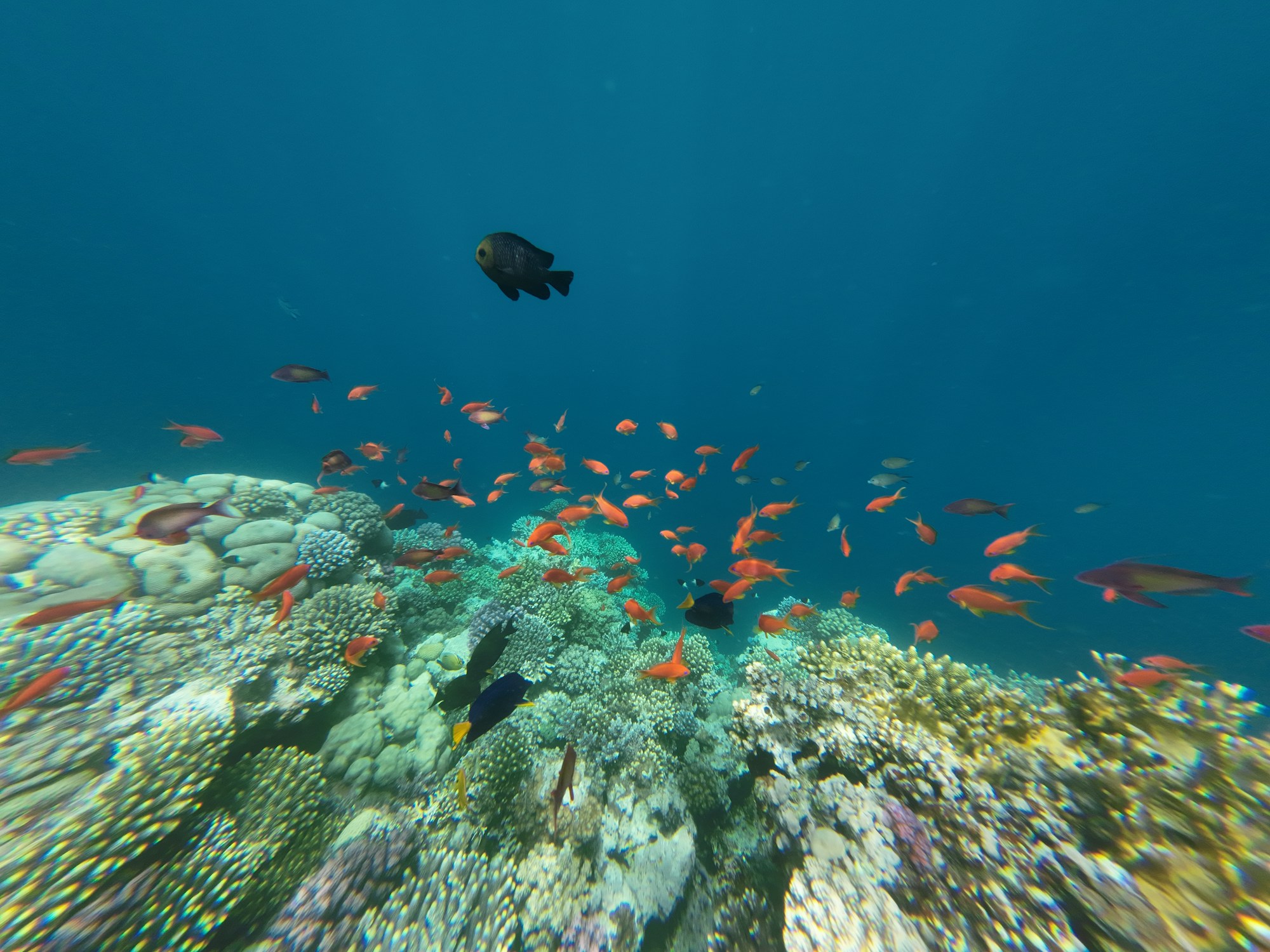
Dahab: shore diving from €29 per dive
Dahab, a former hippy hangout turned world-class dive destination, stands out with a unique Red Sea feature: you dive from the shore, with no boat fees. Total daily costs (accommodation + meals + diving) can drop to €20 for budget-minded travellers.
Over 20 dive sites accessible on foot or by minibus include some of the most famous in the world. The Gulf of Aqaba, a narrow and deep branch of the Red Sea, offers marine life slightly different from the continental sites: frequent dolphins, and dugong sightings at southern sites.
Dahab’s iconic dive sites
- Blue Hole — 130m-deep circular sinkhole; snorkelling accessible to all, scuba diving reserved for advanced divers. The 55m arch is for technical divers only (nitrox/trimix).
- The Canyon — spectacular underwater corridor accessible from Open Water level
- The Islands — shallow reef perfect for beginners and underwater photography
- Eel Garden — garden of garden eels, magical atmosphere at 15m
4. Marsa Alam and the Brothers Islands — Where the real magic happens
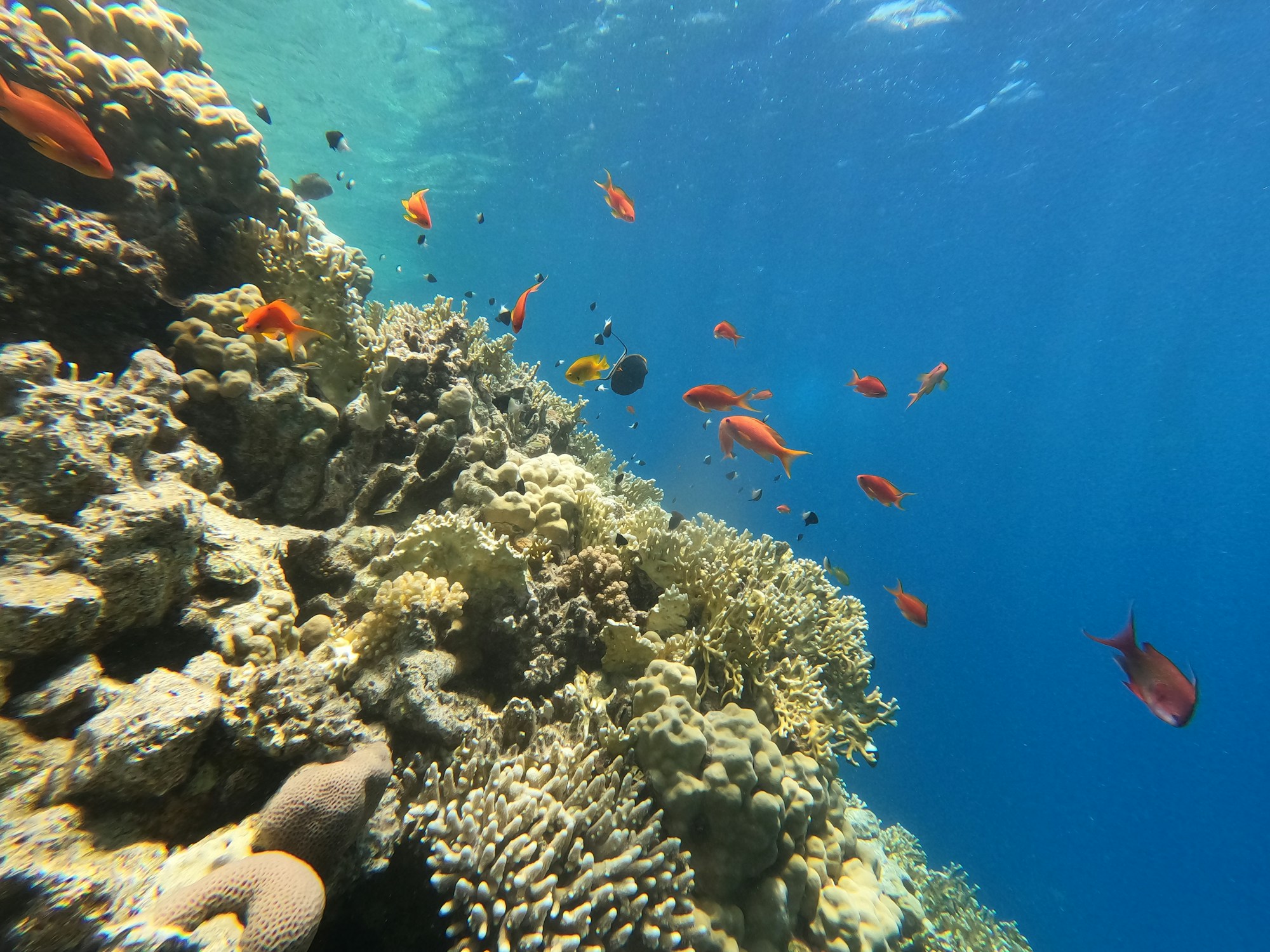
The preserved south: dugongs, oceanic sharks and pristine reefs
Marsa Alam represents the hidden face of the Red Sea — less developed, less crowded, and wilder. According to Euro Divers, the southern Red Sea remains one of the most pristine diving regions in the world, with remarkably healthy hard and soft corals.
Highlights include Elphinstone Reef (ranked among the world’s top 10 sites, with oceanic whitetip sharks and hammerheads), Abu Dabbab (resident dugongs and sea turtles in waters under 15m), and Sha’ab Samadai « Dolphin House », where spinner dolphins rest daily in a horseshoe-shaped bay.
What you can only see in the south
- Dugongs (Abu Dabbab) — one of the few places in the world where sightings are almost guaranteed
- Oceanic whitetip sharks (Elphinstone) — rare species, November–March
- Hammerhead shark schools (Brothers/Elphinstone) — June–August
- Spinner dolphins (Sha’ab Samadai) — present year-round, always wild and free
5. Liveaboards — The optimal way to explore the Red Sea
Dive cruises: from €435 to €2,600 per week
A liveaboard (live-aboard dive cruise) is the most efficient way to access isolated sites — Brothers Islands, Daedalus, Rocky Island — otherwise unreachable. According to Liveaboard.com, prices range from €435 to €2,605 depending on the vessel’s standard, with a total weekly cost of around €1,100–1,400 per person (flights excluded).
With 4–5 dives per day, a one-week liveaboard offers 25–30 dives — giving one of the lowest cost-per-dive anywhere in the Red Sea. It is also the best way to dive the Thistlegorm at dawn, before dozens of day boats arrive.
Comparative table: budgets and best seasons
Choosing your destination by profile and budget
| Destination | Budget/day | Single dive | Profile |
|---|---|---|---|
| Dahab | €20–50 | €35–60 | Backpacker, freediver |
| Hurghada | €60–100 | €50–70 | Family, beginner |
| Sharm el-Sheikh | €80–130 | $50–100 | All levels, resort |
| Marsa Alam | €60–120 | €55–80 | Experienced diver |
| Liveaboard | ~€150–200/day (all-in) | ~€25–40 (included) | Advanced, enthusiast |
When to go? The ideal calendar
- Spring (March–May) — Optimal conditions: water 23–27°C, maximum visibility, few crowds. Ideal for Dahab and the south.
- Summer (June–August) — Very warm water (29–31°C), low tourist season in Sharm. Best chances of hammerheads at the Brothers. Intense heat on land.
- Autumn (Sept–Nov) — The best overall season: warm water, record visibility (30m+), oceanic whitetip sharks at Elphinstone from November.
- Winter (Dec–Feb) — Cool water (20–22°C, 7mm wetsuit recommended). Fewer tourists, good prices. Avoid if you feel the cold.
Practical information for your Red Sea dive trip
Nomad Insurance: global coverage from $56/4 weeks. Includes diving coverage. 10% off via our link.
From $56 / 4 weeksStay connected from the moment you land in Cairo, Hurghada or Sharm. Instant activation, no physical SIM required.
From €4.50Frequently asked questions about diving in the Red Sea in 2026
Can you still visit Egypt and dive in the Red Sea in 2026 despite the regional conflict?
As of April 2026, the French Foreign Ministry classifies the Red Sea coast (Hurghada, Marsa Alam) and South Sinai (Sharm el-Sheikh, Dahab) as « heightened vigilance » — meaning tourism is permitted with increased caution. North Sinai remains formally not recommended, but diving zones are not affected there. Red Sea drone attacks concentrate in the Bab el-Mandeb strait (Yemeni coast), hundreds of kilometres south of Egyptian diving stations. Thousands of European divers continue visiting these destinations in 2026, with tourist activity remaining strong.
What wetsuit thickness should I bring to the Red Sea?
In summer (June–September), a 3mm wetsuit is sufficient — some divers use just a lycra skin. In autumn and spring (October–May), a 5mm wetsuit is recommended. In winter (December–March), opt for 7mm with a hood if you feel the cold, as water temperatures can drop to 20–22°C at the surface. Note that deep sites like Elphinstone can be significantly colder at depth regardless of season.
Do you need a diving certification to dive in Egypt?
Certification is not legally required in Egypt, but the vast majority of reputable dive centres (PADI 5-Star, SSI) will not allow uncertified divers on dive boats. If you are not certified, « Discovery Dives » (introductory dives) are offered in a pool then in the sea with a dedicated instructor. For sites like the Blue Hole (Dahab) or Elphinstone (Marsa Alam), a minimum Advanced Open Water level is often required. PADI Open Water certification costs $450–$600 in Sharm el-Sheikh (3–4 days).
What is Dahab’s Blue Hole — is it dangerous?
The Blue Hole is a circular sinkhole approximately 70m in diameter and over 130m deep, directly accessible from Dahab’s shoreline. It is considered one of the most beautiful shore dive sites in the world. For snorkelling or diving to 30m, it is relatively safe with a certified guide. However, the 55m arch connecting the Blue Hole to the open sea has been responsible for numerous fatal accidents (nitrogen narcosis, disorientation, impossible return) and is strictly reserved for technical divers equipped with nitrox or trimix. Never attempt the arch without full technical dive training and appropriate equipment.
Can you see sharks in the Red Sea — is it dangerous?
The Red Sea hosts a wide variety of sharks: blacktip reef sharks (very common, harmless), reef sharks, hammerheads (in schools at the Brothers Islands in summer), oceanic whitetip sharks (Elphinstone, November–March) and occasionally tiger sharks. Serious incidents are extremely rare and usually involve inappropriate behaviour (feeding fish, night diving in unauthorised areas). With a certified operator and by following safety briefings, diving with these animals is an unforgettable and genuinely safe experience.
What is the 2026 environmental tax and how does it affect me?
From 13 June 2026, Egypt applies new environmental taxes on diving: €10 per day for resort day diving, €150 per week for liveaboard cruises (up from €50 previously), and €250 for 10-day cruises. If you are planning a dive trip before this date, you will make a significant saving. After 13 June, factor these costs into your budget. The tax is intended to fund coral reef protection.
Which is the best destination to learn scuba diving?
Hurghada is ideal for beginners: calm waters, shallow reefs, well-developed infrastructure with many PADI-certified centres, and affordable prices (Open Water training €300–450). Dahab is also excellent for beginners thanks to its accessible shore dives and relaxed atmosphere. Sharm el-Sheikh offers the greatest number of centres and best infrastructure, but at slightly higher prices. Avoid advanced sites (deep Blue Hole, Elphinstone, Brothers) for your first experience.
How do you avoid scams at dive centres in Egypt?
Book through recognised platforms (Viator, GetYourGuide, Liveaboard.com) that provide written confirmation, clear cancellation terms and support if something goes wrong. Look for recent reviews (under 6 months) on TripAdvisor or Google. Be wary of abnormally low prices — a « deal » at €10 for a dive may hide faulty equipment or inadequate supervision. Verify the PADI or SSI certification displayed at the centre. The « cash payment on arrival with no receipt » model is a red flag — always prefer operators offering a booking confirmation.
Sources
- Routri — Ultimate Red Sea Diving Guide 2026 (Sharm, Hurghada & Beyond) — Feb. 2026
- Destination Égypte — 31 diving spots in Egypt — 2026
- Ulysse — Dahab: Red Sea diving at €20/day — Feb. 2026
- RedSeaScubaDiving — Sharm el-Sheikh diving prices 2026 — Jan. 2026
- Dune Liveaboard — Red Sea diving safety 2025 (MAIB report) — Apr. 2025
- Euro Divers — Southern Red Sea diving guide — Aug. 2025
- Liveaboard.com — Red Sea Egypt liveaboard cruises — 2026
Ready to dive into the Red Sea?
Explore our Egypt travel itineraries and plan your dive trip.
Explore Egypt itineraries