

NEOM, The Line, Red Sea Global. Three names that once resonated as promises of a tourism revolution. Hundreds of billions of dollars in investment. 3D renderings that mesmerized the world’s press. And then: the regional conflict, suspended construction sites, cancelled Winter Games, terminated contracts. In April 2026, as the Middle East endures one of its worst geopolitical crises in decades, the reality check is staggering. Here is the true status of each project — and what it means for travelers who once dreamed of these destinations.
1. What Is Really Happening in the Middle East in April 2026
An Unprecedented Escalation Since 2024
The cascade of shocks began on October 7, 2023. But February 28, 2026 marks the point of no return: Israeli forces launch Operation « Roaring Lion » on Iranian territory, simultaneously with the American Operation « Epic Fury. » According to Wikipedia, this fourth confrontation is the most violent in the recent history of the Iran-Israel conflict — it would result in the death of Ayatollah Khamenei.
The impact on aviation is immediate. According to CNBC, more than one million people find themselves stranded worldwide due to airspace closures that ground more than 20,000 flights. A large air corridor remains closed over Iran, Qatar, and Israel, with partial or intermittent closures over the UAE, Saudi Arabia, and Jordan.
Economically, the World Travel & Tourism Council (WTTC) estimates the conflict reduces tourism spending by at least $600 million per day in the region. Before the conflict, the Middle East was projected to generate around $207 billion in international visitor spending for the full year.
2. NEOM & The Line: The Utopia Meets Reality
What the 3D Renderings Didn’t Show
What was meant to be the global showcase of Vision 2030 is today the most-discussed symbol of ambition confronted by physics, finance, and geopolitics. Announced in 2021 as a 170-kilometer linear city destined to house nine million people, The Line has been reduced, by early 2026, to a series of construction interruptions and strategic reassessments.
The timeline is precise. On September 16, 2025, Saudi sovereign wealth fund PIF suspends construction until further notice. According to House of Saud, by March 2026, approximately 2.4 kilometers of foundation work have been completed — but no above-ground superstructure has been built. The original plan called for 170 kilometers; the first phase had already been revised down to 2.4km by 2030.
The coup de grâce comes from Trojena, the mountain ski complex. On January 24, 2026, the Olympic Council of Asia jointly announces with the Saudi Olympic Committee that the 2029 Asian Winter Games are postponed indefinitely — they will instead be hosted by Almaty, Kazakhstan. In the wake of this, in March 2026, NEOM terminates three major contracts at Trojena worth more than $6 billion: Webuild’s dam and lake project ($4.7B), Eversendai’s structural steel contract for the ski village, and Hyundai’s $1 billion tunnel contract for The Line.
The Financial Abyss Behind the Renderings
Internal assessments reveal dizzying figures. According to Unteachable Courses, the final cost of The Line alone could approach $9 trillion — nine times Saudi Arabia’s annual GDP. The Financial Times reported that Crown Prince Mohammed bin Salman has privately admitted that the original vision will be realized in a « far smaller » form.
ArchDaily confirms this reorientation: PIF has written down its position in NEOM by $8 billion. The project is now considering pivoting its focus toward data centers and artificial intelligence. The green hydrogen plant at Oxagon is 80% complete — and a $5 billion data center partnership with DataVolt signals a clear strategic pivot.
What Travelers Can Do in the Tabuk Region
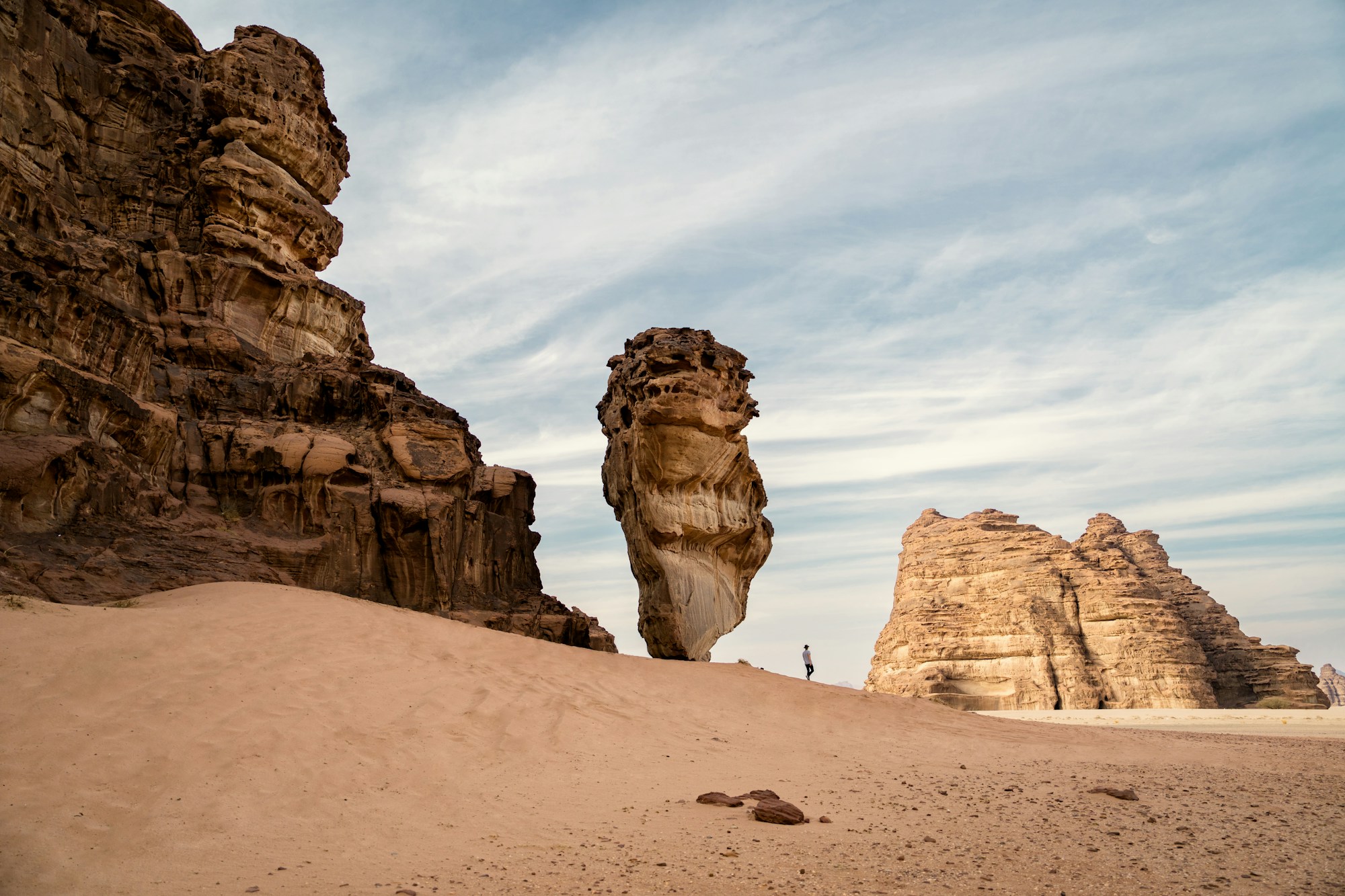
NEOM/The Line remains completely inaccessible to tourists. But the Tabuk region itself holds spectacular desert and Red Sea coastal landscapes accessible independently of the construction site. The Hisma Desert — these plains of red sand surrounded by sandstone rock formations — is one of Saudi Arabia’s most spectacular geological landscapes, and it existed long before MBS’s plans.
3. Red Sea Global: The Only Real Success Story (Partial)
10 Resorts Open, Pristine Reefs, but Expansion Slowdown Announced
Unlike NEOM, Red Sea Global (RSG) has a tangible operational record. Announced in 2017, the project welcomed its first guests in November 2023. In 2026, it is a living reality: according to Raghdan, nine to ten world-class resorts are open on Shura Island, including the iconic properties Shebara and Desert Rock.
Desert Rock Resort — opened in February 2025 and designed by Oppenheim Architecture — deserves special mention. Its villas appear literally suspended from rocky pinnacles or carved into the mountain. It is a unique architectural experience in the world, and one of the few things Saudi Arabia delivers in tourism that matches the promise.
The gateway — the Red Sea International Airport, designed by Foster + Partners, powered 100% by solar energy — has been operational since September 2023. It serves the islands directly via nautical transfers.
The Announced Slowdown
The cloud appears in December 2025. According to Daily Sabah, Saudi Arabia is scaling back plans to build 81 luxury resorts by 2030. Stubbornly low oil prices and fragmented demand are forcing a rethink of « giga-projects. » Sources indicate construction will halt by end of 2026, affecting dozens of RSG jobs and hundreds in subcontracting firms.
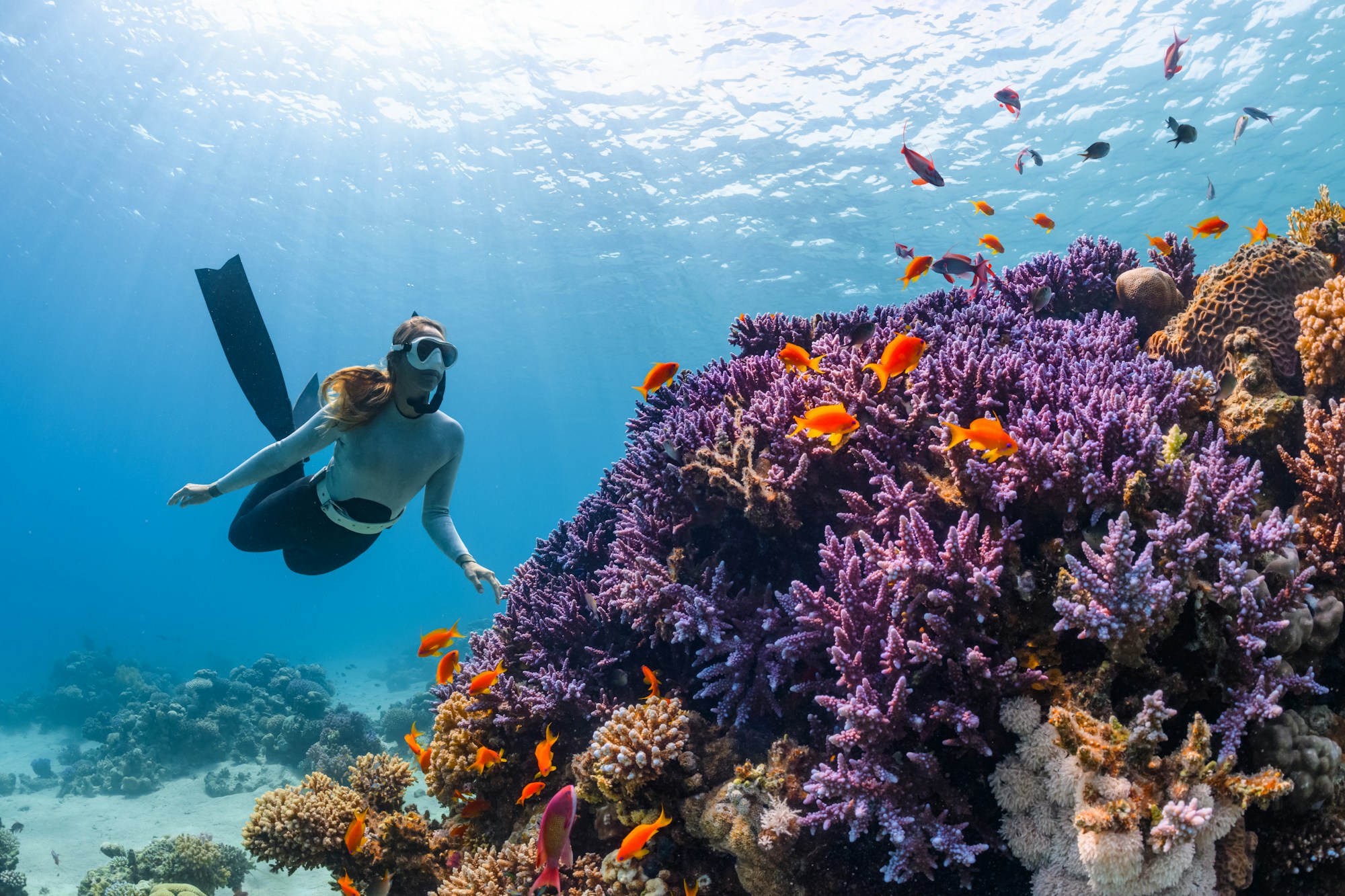
But the core project remains intact: the 28,000 km² zone between Umluj and Al-Wajh, with 200 kilometers of coastline, 90+ pristine islands, and some of the planet’s least disturbed coral reefs. The Nujuma, a Ritz-Carlton Reserve, opened in May 2024, remains the most expensive hotel in the Middle East at approximately $3,431 per night.
4. Lebanon: An Aborted Renaissance, Persistent Uncertainty
The Riviera of the Middle East: Between Hope and Threat
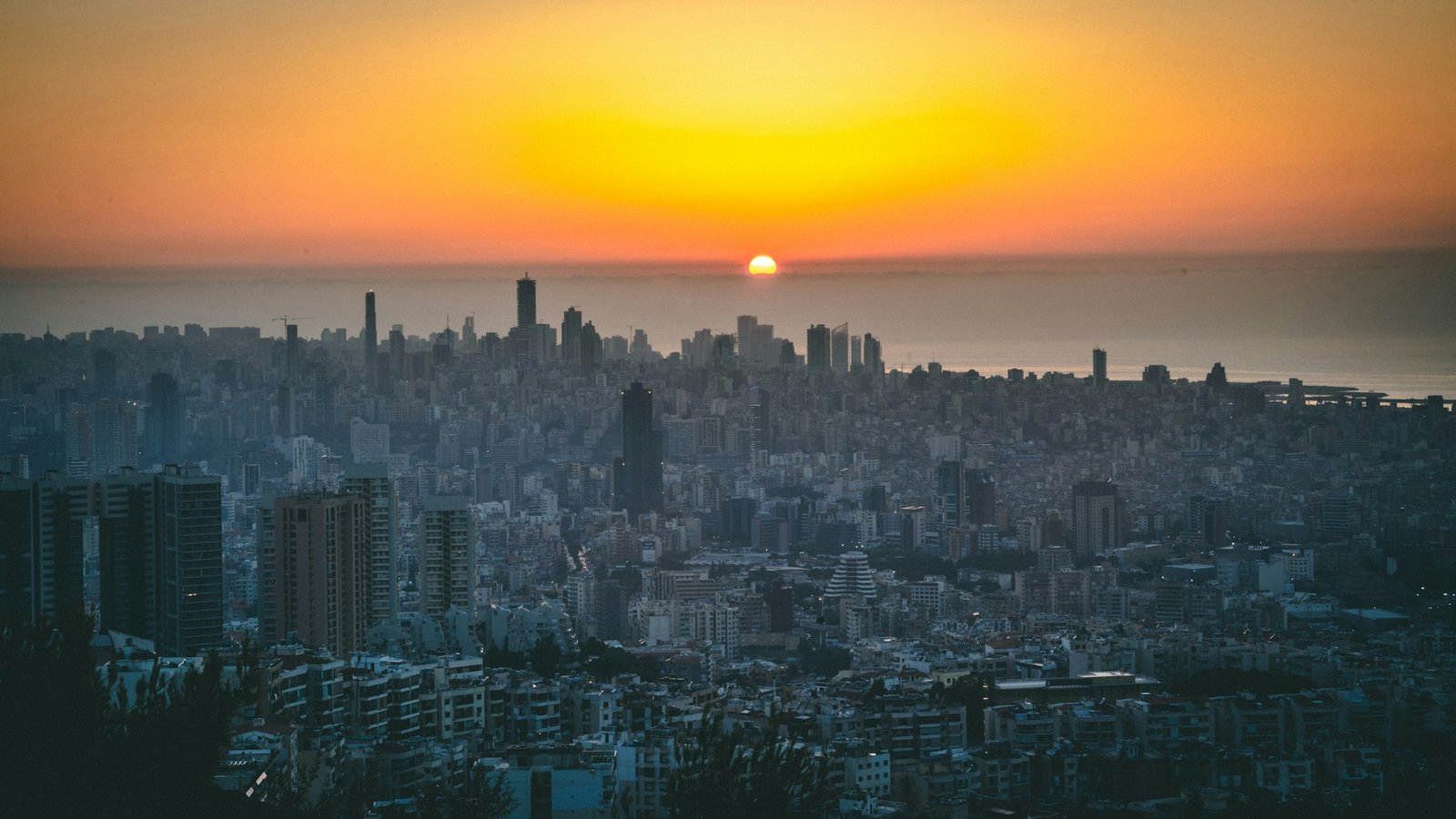
Lebanon embodies, more than any other country, the tragedy of tourism potential stifled by geopolitics. Once the « Riviera of the Middle East, » it showed encouraging signs of renaissance during summer 2025. Travel Mole reports that Beirut hotels displayed occupancy rates of 80 to 90%, with regional destinations exceeding 60%. Beirut’s international airport recorded 3.87 million passengers in the first 7 months of 2025, up 3.23%.
The positive turning point came from a political reality: after the devastating war with Israel, with Hezbollah weakened, Lebanon’s new political leaders were seeking to disarm militias and reconnect with Saudi Arabia and Gulf states, which had banned their citizens from visiting the country. The UAE and Kuwait had lifted their travel bans. The Saudi decision — the most valuable market — had not yet been finalized.
But 2026 abruptly halted this rebound. The escalation of the Iran-Israel confrontation in February 2026, European and American government warnings against travel to the region, and persistent tensions have plunged Lebanon back into a gray zone for international visitors.
What Remains Unique About Lebanon
Lebanon’s geography is extraordinarily rare. Within a few hours’ drive from Beirut, you can move from Mediterranean beaches to vineyards in the Bekaa Valley, from the Roman ruins of Baalbek — among the most imposing in the world — to the ski slopes of Faraya. The Qadisha Valley (UNESCO heritage), site of monastic refuges carved into cliffs, remains one of the Near East’s hidden wonders.
5. Alternatives That Actually Work in 2026
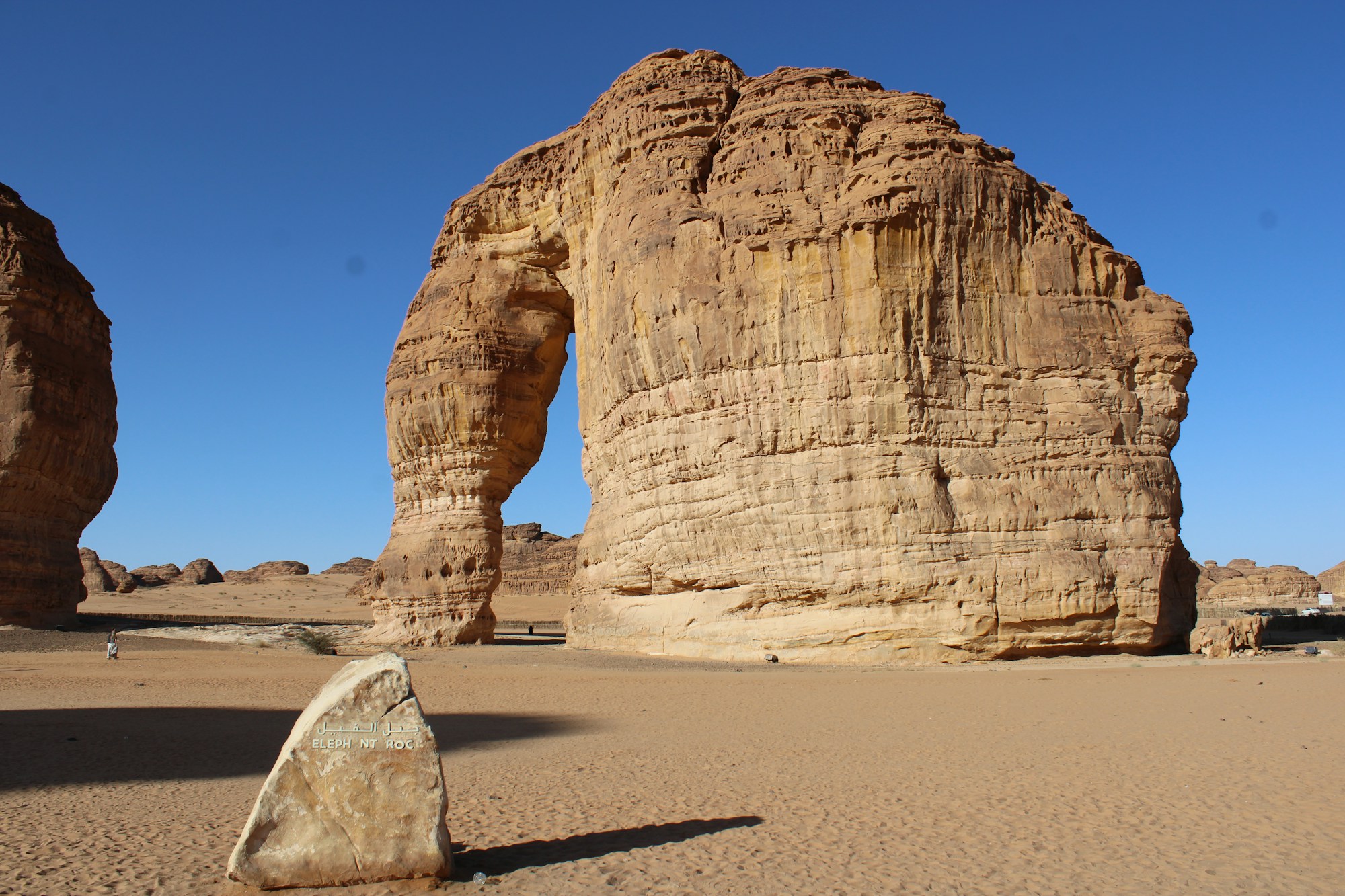
AlUla, Jordan, Diriyah: Three Destinations Resisting Regional Chaos
AlUla: The Global Cultural Revelation
In a context where NEOM collapses and Dubai wavers, AlUla emerges as the region’s most remarkable tourism success story. Named the World’s Leading Cultural Tourism Project 2025 at the World Travel Awards, according to Travel and Tour World, the destination is projecting a record year of visits in 2026 following an international marketing campaign targeting high-end travelers.
At the heart of AlUla: Hegra (Mada’in Salih), Saudi Arabia’s first UNESCO World Heritage Site, with 100 Nabataean tombs carved into pink sandstone. Add Maraya — the spectacular mirror pavilion lost in the desert —, the AlJadidah arts district, and the Desert X AlUla 2026 exhibition that transforms canyons into open-air art galleries.
Jordan: The Oasis of Stability
Jordan offers what the entire region has lost: predictability. Travel and Tour World notes that in a Middle East on fire, Jordan has become a primary destination rather than a secondary one. Petra, Wadi Rum, and Amman remain accessible and secure.
The drop in Petra visitors — from 1.17 million in 2023 to 457,000 in 2024 — paradoxically creates a unique opportunity: seeing the Treasury without the usual tourist hordes. Jordan’s tourism revenues rose 7.5% in 2025, with arrivals up nearly 15%. The Jordanian government extended tourist visas from 30 to 90 days in early 2026.
Diriyah: The Arab Versailles, 15 Minutes from Riyadh
Unlike AlUla (which requires a specific flight), Diriyah is accessible from downtown Riyadh in 15 minutes. Birthplace of the Saudi state, inscribed on the UNESCO World Heritage List, this mudbrick site (At-Turaif) is advancing steadily: 40 hotels, 300 branded residences, 150 restaurants, and 26 cultural centers planned. The Traveler presents AlUla and Diriyah as the twin jewels of Saudi Arabia’s cultural tourism push that is holding up far better than the technology mega-projects.
6. Oman and Regional Alternatives for Cautious Travelers
The Sultanate of Oman: Haven of Stability in a Gulf in Crisis
Oman is playing in 2026 a role nobody anticipated: that of an operational haven in a region in flames. According to Argos Assistance, the Sultanate is considered one of the safest countries in the Middle East, with a stable political environment and a more open society than its Gulf neighbors.
Oman’s tourism infrastructure holds up thanks to its exceptional geographical diversity: Wadi Shab and its natural pools, the Daymaniyat Islands (diving in pristine reefs), the Wahiba Sands desert with orange dunes, and the Musandam Peninsula with its fjords (khors) accessible by traditional dhow. Jebel Akhdar — the « green mountain » perched at over 2,000 meters — surprises with its terraced rose gardens that defy all Arabian clichés.
The major news for 2026: the Unified GCC Tourist Visa. Like the Schengen area, this single permit allows free movement between Oman, the UAE, Saudi Arabia, Qatar, Bahrain, and Kuwait.
For Those Wanting an « Oriental » Atmosphere Without Gulf Risks
- Morocco — Marrakech, the desert-Sahara circuit, imperial cities: Islamic architecture and atmosphere with zero geopolitical risk.
- Turkey — Cappadocia, Istanbul, Ephesus: two hours from London, incomparably stable.
- Egypt outside Sinai — Luxor, Aswan, Alexandria: the Nile remains one of the world’s great tourist routes, little impacted by the conflict.
- Jordan — Petra and Wadi Rum less crowded than at any point in decades: a rare discovery window.
7. When Can Middle East Tourism Really Recover?
Factors for a Post-Conflict Recovery
History provides an analytical framework. Countries like Rwanda, Vietnam, and Croatia transformed their global image and built multi-billion-dollar tourism economies — despite wars, genocides, and economic catastrophes. According to Brand Lebanon, the post-conflict recovery model is well-documented and applicable to the region.
Economists cited by Hospitality Investor estimate that even if the war ends quickly, the impact won’t dissipate instantly: inbound arrivals to the Middle East could decline by 11 to 27% for all of 2026. But Gulf hubs have very strong structural advantages as global connectors: traffic will likely recover within 2 to 4 years.
Destinations That Will Rebound Fastest
- AlUla and Diriyah (Saudi Arabia): their tourism is still young and their international reputation is not based on decades of consolidated flows — disillusionment is lesser and growth margin is immense.
- Jordan: its resilience has been proven repeatedly. Petra and Wadi Rum are irreplaceable heritage assets that always draw visitors.
- Dubai and the UAE: global connection hubs whose tourism dependence is structural. They will invest massively to win back their clientele once stability returns.
- Lebanon: exceptional potential, but dependent on deep political reform that nothing guarantees in the short term.
Practical Information for Your Middle East Trip
Nomad Insurance: global coverage from $56/4 weeks. 10% off via our link. Essential for the region in 2026.
From $56 / 4 weeksStay connected from the moment you land in Saudi Arabia, Jordan, or the UAE. Instant activation, no physical SIM.
From €4.50Frequently Asked Questions about Saudi Mega-Projects and 2026 Tourism
Is NEOM / The Line visitable or scheduled for a public opening soon?
No. The mirror cladding — the project’s visual signature — exists only in computer renderings. Construction was suspended in September 2025. As of March 2026, only 2.4 kilometers of foundation work have been completed out of the 170-kilometer plan. No above-ground superstructure has been built. No public opening date is conceivable before the late 2030s at the earliest. If you see a « visit NEOM » offer in 2026, it is either a supervised construction site tour or an excursion into the natural Tabuk region — not the mirror-city from the advertisements.
Is the Red Sea Project (Saudi Arabia) really open in 2026?
Yes, partially. Red Sea Global has accelerated resort openings: ten world-class establishments are now operational on Shura Island, including Shebara, Desert Rock, and the Nujuma Ritz-Carlton Reserve. The Red Sea International Airport (designed by Foster + Partners) has been open since 2023. AMAALA Triple Bay officially inaugurated its first resorts in November 2025. Positioning is exclusively ultra-luxury (minimum ~$500/night), and expansion has been slowed since late 2025. But the destination exists and operates.
Are flights to Saudi Arabia disrupted by the conflict in April 2026?
Less than the UAE or Dubai, but Saudi Arabia is not completely unaffected. Saudi airspace has been intermittent since March 2026. Flights to Riyadh, Jeddah, and AlUla are operating, but with potential disruptions. Check your airline in real time and your government’s travel advisory before any trip. Dubai Airport (DXB), which was the main connection hub to the region, has suffered major disruptions with more than 20,000 flights grounded since late February 2026.
Is AlUla accessible despite regional tensions?
Yes. AlUla is located in northwestern Saudi Arabia, far from the direct tension zones. The destination is accessible via flights from Riyadh, Jeddah, Doha, or Dubai. In 2026, it is projecting a record year of visits. Hegra (Mada’in Salih), Maraya, and the Desert X AlUla exhibition are all operational. Saudi Arabia has reinforced its domestic security since the regional conflict began. AlUla remains one of the most recommended destinations in the region for 2026.
Can you visit Jordan despite the proximity of the conflict?
Yes. Jordan maintains its stability and remains accessible to international travelers. Petra, Wadi Rum, Amman, and Aqaba are open. The Jordanian government extended tourist visas to 90 days in early 2026. The drop in tourism creates a paradoxical opportunity: Petra is less crowded than at any point in decades. Check your government’s travel advisory, avoid the border areas with Israel and Gaza, and stay informed of the evolving situation.
Why were Saudi mega-projects slowed down — the conflict, or other factors?
Both. The Line and NEOM encountered obstacles that predate the 2026 conflict: astronomical costs (internal estimates up to $9 trillion for The Line alone), colossal technical challenges, uncertain market demand, and oil prices too low to finance Vision 2030 ambitions in their original scope. The death of Ayatollah Khamenei and regional destabilization worsened the investment environment, but the strategic revision of mega-projects was already well underway before February 2026.
What is the best travel insurance for the Middle East in 2026?
You absolutely need insurance covering « cancellations due to security reasons / government advisory » and « armed conflicts. » Standard insurance generally does not cover these risks. Explicitly verify that your policy includes: cancellation if your government issues a Level 3 or 4 travel warning, emergency medical evacuation, and medical expenses without too low a ceiling. SafetyWing’s Nomad Insurance is designed for global coverage with no home country exclusions.
When can Middle East tourism really return to normal?
Recovery will depend on conflict resolution and the time needed to restore traveler confidence. Historically, post-conflict destinations like Croatia or Rwanda took 3 to 5 years to recover pre-war levels — then often exceeded them. AlUla and Diriyah, whose tourism is still emerging, could rebound faster than Dubai or Beirut, whose reputations are more exposed. WTTC experts anticipate a decline in arrivals of 11 to 27% in 2026, followed by gradual recovery from 2027.
Sources
- Wikipedia — Iran–Israel Conflict 2024–2026
- House of Saud — NEOM & The Line 2026 Update
- ArchDaily — The Line at a Crossroads
- Unteachable Courses — NEOM 2026 Update
- Raghdan — Red Sea Project Complete Guide 2026
- Red Sea Global — AMAALA Opening (Nov. 2025)
- Daily Sabah — Saudi Arabia Scales Back Red Sea Plans
- Travel Mole — Lebanon Tourism Rebounds Summer 2025
- Travel and Tour World — AlUla World Leading Cultural Tourism Project 2025
- AGBI — AlUla Expects Record Tourism in 2026
- Travel and Tour World — Is Jordan Safe in 2026?
- CNBC — Iran War: Travel, Flights, Hotels Impact (March 2026)
- Hospitality Investor — Long-Term Impact of Conflict on Tourism
- The Traveler — Saudi Arabia Accelerates Cultural Tourism 2026
- Argos Assistance — Oman: New Luxury Destination
Travel to the Right Place at the Right Time
The Middle East is not a monolithic destination. While NEOM sleeps on its construction sites and Dubai counts empty hotel rooms, AlUla shines, Jordan awaits visitors at half-empty Petra, and Diriyah reconstructs the cradle of Arabia. Stay informed, travel with discernment — and explore our itineraries to plan your next journey to the region.
Discover our Middle East itineraries