

Since February 28, 2026, a gaping hole has opened in the sky. American-Israeli strikes on Iran triggered the worst aviation crisis since 9/11: eleven airspaces closed or restricted across the Middle East, 40,000 flights cancelled, Paris-Bangkok tickets jumping from €500 to €5,000, and flight times stretched by 90 minutes to 3 hours to bypass the forbidden zone. Here is the complete guide to understanding what’s happening, which alternative routes exist, and how to protect your trip.
The Crisis by the Numbers: An Unprecedented Aviation Catastrophe
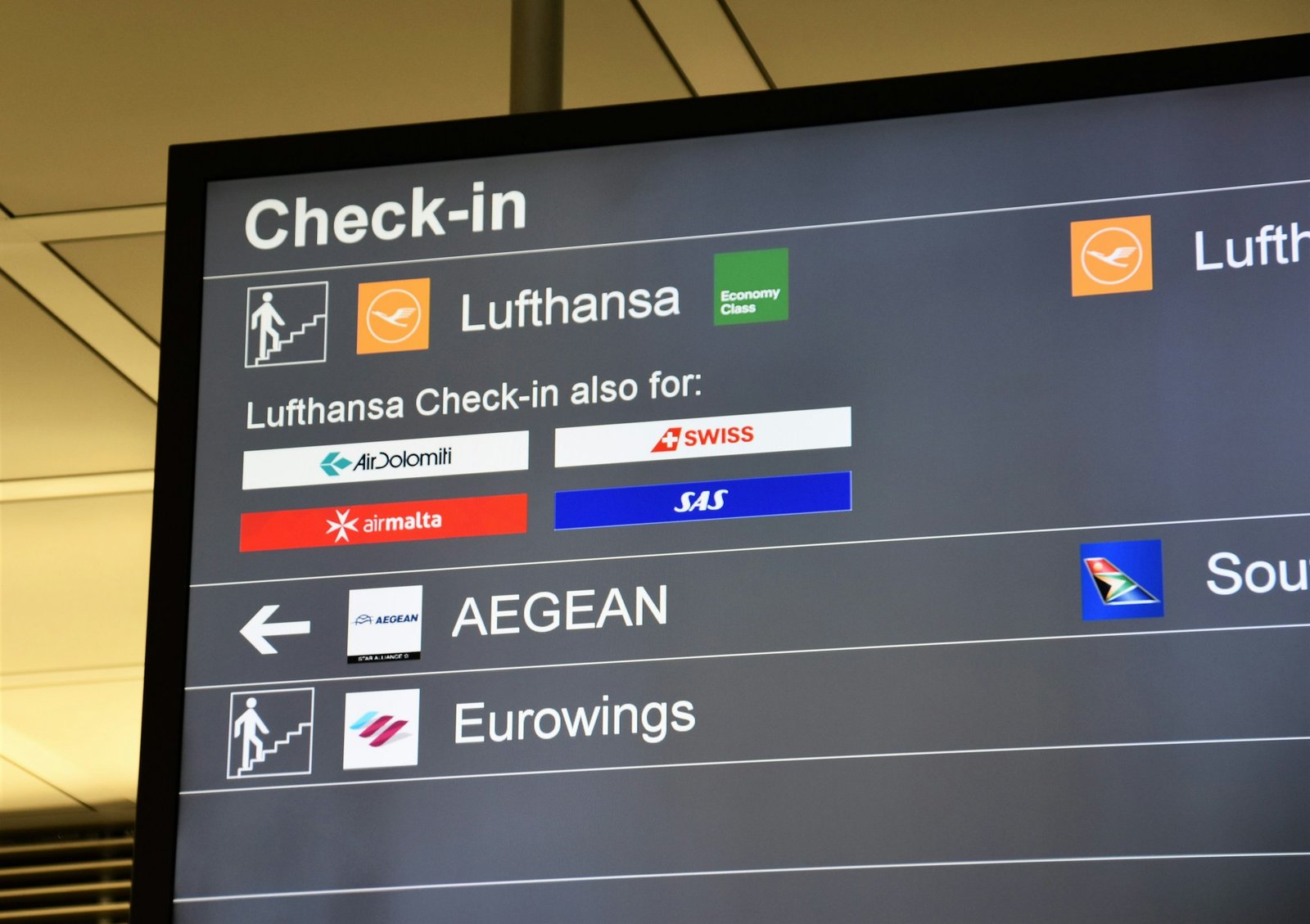
40,000 Flights Cancelled Since February 28, 2026
According to aviation data firm Cirium, 40,000 flights have been cancelled since the Middle East conflict began on February 28, 2026. Of 51,000 scheduled regional flights, 29,000 — or 56% of regional traffic — were cancelled. According to France 24, the Dubai, Doha and Abu Dhabi hubs, which normally transit 90,000 passengers per day, recorded over 12,300 cancellations across seven major airports.
What makes this 2026 crisis fundamentally different from previous ones is the Middle East’s dual role in the global economy: both a continental air corridor and the world’s energy heartland. As CNN Travel reports, when both collapse simultaneously, the consequences are immediate and particularly harsh for all countries dependent on international air traffic.
What to Expect Concretely
- Paris-Bangkok: from ~€500 to €900–5,000 depending on airline and date
- Paris-Tokyo: from ~€700 to €1,200–4,000, journey time up by 90 min to 2h
- Paris-Sydney: from ~€1,200 to €2,000–4,500, +3h to 4h flight time
- Paris-Delhi: from ~€450 to €800–2,500, +1h to 2h extra
The Closed Airspace Map: Eleven Countries, One Massive Void
Which Countries Are Closed and Which Corridors Remain Open?
According to the operational bulletin from Ops.group, the airspaces of Iran, Iraq, Kuwait and Syria are closed by NOTAM. Israel’s airspace (Tel Aviv FIR) is closed to most traffic, with only limited PPR arrivals and departures permitted. The UAE (Emirates FIR) is partially open with strictly controlled entry/exit points — but the UAE already closed its airspace entirely on March 16–17 as an « exceptional precautionary measure », causing two hours of total chaos.
The direct consequence: Europe-Asia traffic is being rerouted onto two alternative corridors. The northern route passes through Turkey and the Caucasus — a corridor sometimes only 160 km wide, creating unprecedented bottlenecks. The southern route skirts around via Egypt, the Arabian Sea and East Africa, but adds 90 minutes to 3 hours of flight time depending on the final destination.
What EASA Says
- European airlines must avoid Iran, Israel and most of the Gulf until at least April 10, 2026
- Only a few exceptions at very high altitude over southern Saudi Arabia and Oman
- Iran is threatening restrictions or closure of the Strait of Hormuz — risk of sudden changes
- Oman reports GNSS interference affecting aircraft navigation
Dubai, Doha, Abu Dhabi: Gulf Mega-Hubs Brought to a Standstill
Emirates at 38.5% Cancellations, Qatar Airways at 41%
The Gulf mega-hubs are the heart of the problem. Emirates, Qatar Airways and Etihad Airways built their entire model on East-West connectivity: « These airlines funnel all passengers through their hub before transporting them to their final destinations. With airspace closures, they can neither bring passengers in nor send them out, » explains France 24.
According to Cirium, Emirates currently operates 136 flights per day, down from 319 in normal times — a recovery rate of only 42.6%. According to L’Écho Touristique, Qatar Airways plans to serve over 90 destinations until April 15, 2026, but Doha remains far below normal capacity. Dubai International Airport (DXB) reported over 700 cancellations just after the UAE partially closed its airspace.
What This Means for You
- A ticket via Dubai or Doha can be cancelled without notice or diverted with several hours’ delay
- Rerouting to avoid missile and drone fire can cost ~AUD 10,000 ($7,000 USD) extra per family
- British Airways has cancelled all flights to Dubai and Doha until April 30–May 31, 2026
- Lufthansa Group (Swiss, Austrian, Brussels Airlines) will not resume Gulf services before April 30
Northern Alternative Route — Istanbul and Turkish Airlines: The Emergency Hub

Istanbul (IST) — Istanbul Airport: The Natural Alternative
Istanbul is the primary alternative candidate, with Turkish Airlines as its main beneficiary. With 84 million passengers in 2025 and over 340 destinations, the Turkish hub is the most comprehensive available today. According to Ulysse News, Turkish Airlines has suspended flights to Lebanon, Syria, Iraq, Iran and Jordan, but the rest of the network — Southeast Asia, Africa, Central Asia — remains fully operational.
Istanbul’s geographical position makes it the natural connection hub for diverted traffic. The airline benefits doubly from airspace restrictions: it can still overfly Turkey and use Caucasus corridors that competitors cannot access. Result: fares that are still competitive despite the 30–50% general surge, according to The Flying Engineer.
Practical Tips for a Transit via Istanbul
- Turkish e-visa: available online in 5 minutes (not required for transit under 24h in international zone)
- Take advantage of a 6–10h stopover to explore the city at no significant extra cost
- Availability fills up fast — book as early as possible
- Turkish Airlines is a Star Alliance member: your Lufthansa/United miles are compatible
Polar Route — Helsinki and Finnair: The Nordic Shortcut to Asia
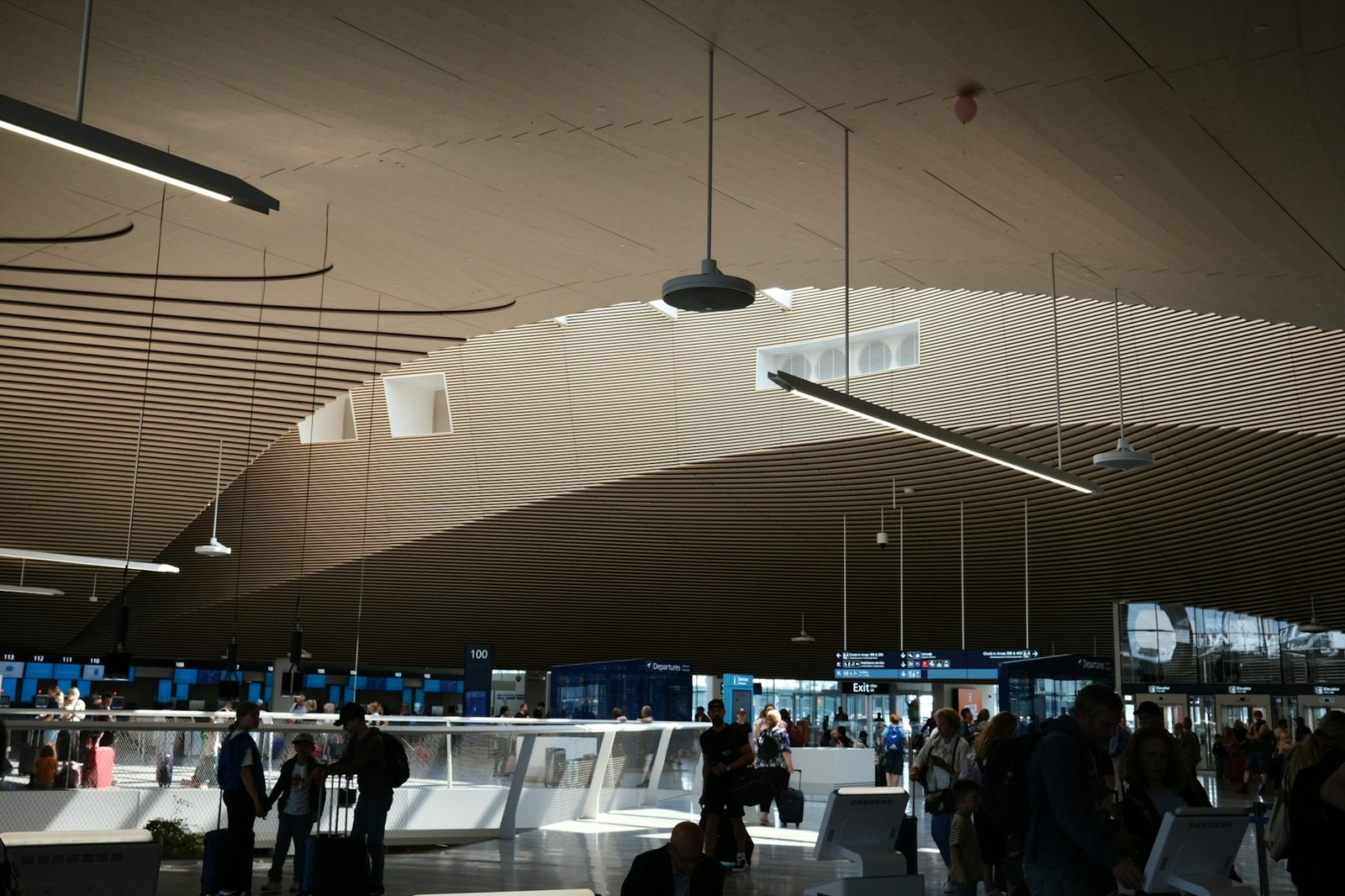
Helsinki-Vantaa (HEL) — Finnair’s Polar Route to Asia
Since the strikes on Iran, one Nordic airline has been spectacularly thriving. According to Ulysse News, Finnair posted 904,400 passengers in February 2026, up 6.9%, and most impressively +11.3% on its Asian routes. Helsinki has become, almost by default, Europe’s gateway to Asia.
The Finnish carrier serves 11 Asian destinations from Helsinki: Tokyo (Haneda and Narita), Osaka, Nagoya, Seoul, Shanghai, Guangzhou, Hong Kong, Bangkok, Phuket, Singapore, Delhi and Mumbai. All these routes use the polar route, an air corridor that flies over Norway, Svalbard and the North Pole — entirely outside the conflict zone. Note: Finnair will launch Melbourne service from October 2026.
How to Use This from France
- Combine a low-cost Paris-Helsinki flight with Finnair to Asia: Paris-Bangkok from ~€350
- Warning with two separate tickets: bags don’t transfer automatically
- Prefer a single codeshare ticket via Finnair from your departure city
- Helsinki-Vantaa is compact: fast connections, far less stressful than Dubai
Southern Route — Addis Ababa and Ethiopian Airlines: The Underrated African Alternative
Addis Ababa (ADD) — Ethiopian Airlines: Bridging Three Continents
Addis Ababa is an underestimated African alternative. Ethiopian Airlines, in the global top 50, offers an ideal geographical position between Europe, Asia and Southern Africa. The airline connects Europe to Bangkok, Beijing, Seoul and Tokyo via East Africa — a southern corridor entirely outside the conflict zone, according to Ulysse. Prices range from €700 to €900 return Paris-Bangkok.
Good news: Ethiopian Airlines has launched a new Lyon-Addis Ababa route from July 2026 (3 flights per week via Geneva, on an A350-900), opening direct access from France without transiting through Paris. A new $12.7 billion airport is also under construction in Addis Ababa, signalling long-term growth ambitions.
Practical Points
- Ethiopian visa available on arrival in Addis Ababa for $82 — bring USD cash
- Limited capacity on this corridor: book early, seats go fast
- Ideal for reaching India, Southeast Asia, Oceania and Southern Africa
- Check Ethiopian entry health requirements if planning a stopover
The Big Winners: Chinese Airlines and the Siberian Route
Air China, China Eastern, China Southern: 2,900 Extra Flights to Europe
While Western carriers are adding two to three hours to their journeys, Air China, China Southern and China Eastern fly freely through Siberia — a route closed to Western airlines since Ukraine war sanctions. According to Ulysse, Chinese airlines are adding 2,900 flights to Europe for summer 2026, pushing their market share to 83% on the China-Europe axis.
Result: Paris-Beijing direct with Air China in about 10 hours, with tickets found from €308 return. To reach Southeast Asia, a connection through Beijing, Shanghai or Guangzhou gives access to Bangkok, Bali or Tokyo — often under €500 return. Bonus: China is visa-free for French nationals for 30 days, allowing a transit layover to become a real tourist stopover.
Impact on Flights to India: Mumbai, Delhi and Bangalore on Alert
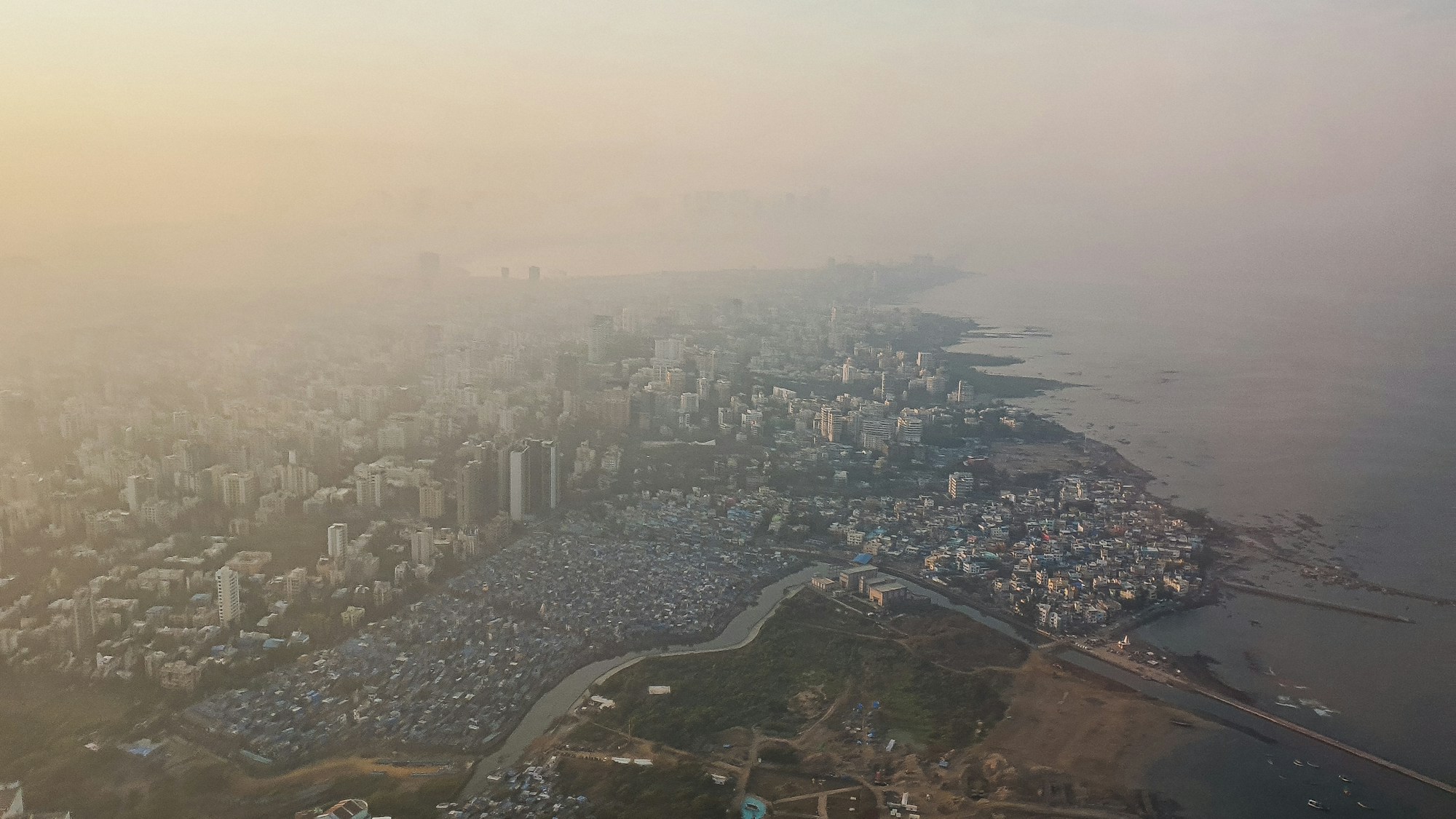
175 Flights Cancelled in a Single Day at Mumbai, Delhi and Bangalore
On March 6, 2026, India’s three largest international airports were plunged into chaos. According to VisaHQ, Mumbai alone lost 105 movements (40 departures and 65 arrivals), while Delhi and Bangalore each recorded over 30 cancellations following sudden Gulf airspace closures. Indian carriers are continuing to avoid the most restricted airspace, adding up to 90 minutes extra to European routes.
This episode highlights India’s dependence on Gulf hubs for passenger and cargo connectivity. According to Air India’s April 6, 2026 press release, the group is operating 30 scheduled and charter flights to and from the West Asia region — the situation is gradually stabilising but remains well below normal.
What You Need to Know When Travelling to India
- Air India uses Russian airspace for Delhi-New York and Delhi-London: these remain efficient routes
- IndiGo and SpiceJet operate unaffected domestic flights — useful if arriving at a secondary airport
- Connections via Singapore or Istanbul are most reliable from Europe
- Fares on affected routes tripled in the days following the conflict: book early or wait for stabilisation
Impact on Southeast Asia: Bangkok, Singapore, Kuala Lumpur
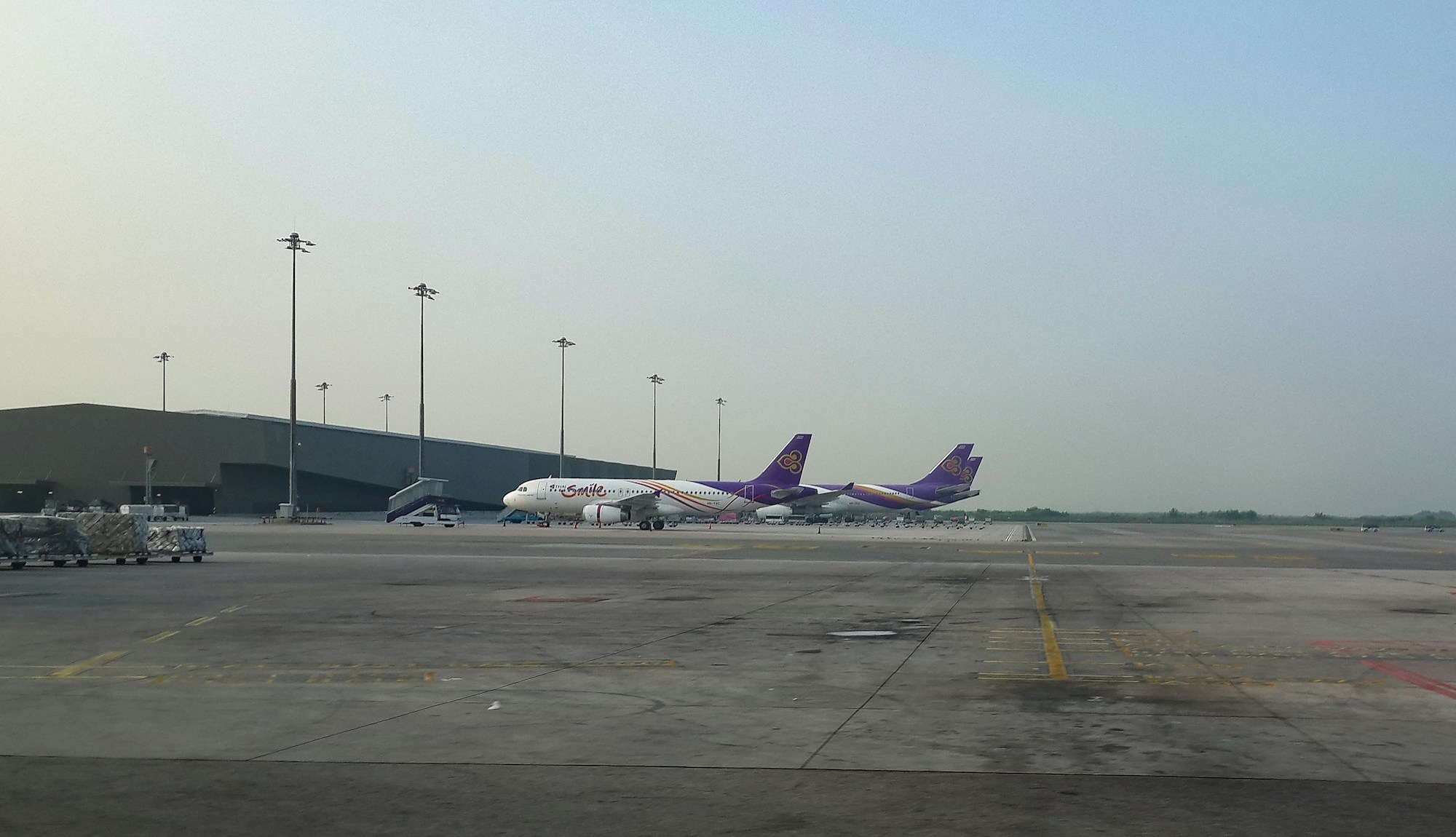
Bangkok: 1,200 Flights Cancelled at Suvarnabhumi and Phuket
At Suvarnabhumi, Bangkok’s main international airport, over 600 rotations (1,200 flights) were cancelled. Phuket recorded over 400 rotation cancellations (800 flights). From Krabi to Chiang Mai, no Thai airport has been spared, according to Le Petit Journal Thailand. On Asia-Europe routes, the price surge has been brutal: Bangkok-Paris tickets normally sold for around €500 have been reaching €5,000.
Singapore is emerging as the most strategically important hub in the region. Singapore Changi Airport — voted Airport of the Year 2026 for the 14th time, according to Euronews — reported 32 departure cancellations on Gulf routes, but continues to operate all its European flights. Singapore Airlines runs direct flights from several European capitals and remains one of the most reliable options for Southeast Asia.
Routes Still Operational from France
- Finnair via Helsinki: Paris-Bangkok from €350 combining a low-cost + Finnair flight
- Air France still operates direct flights to Bangkok, Singapore and Phuket (increased capacity)
- Chinese airlines via Beijing/Shanghai: Bangkok and Bali often under €500 RT
- Kuala Lumpur has 26 cancelled flights — Malaysia Airlines is seeking reliable alternative itineraries
Australia and Oceania: Qantas Axing the Non-Stop Perth-Paris Flight
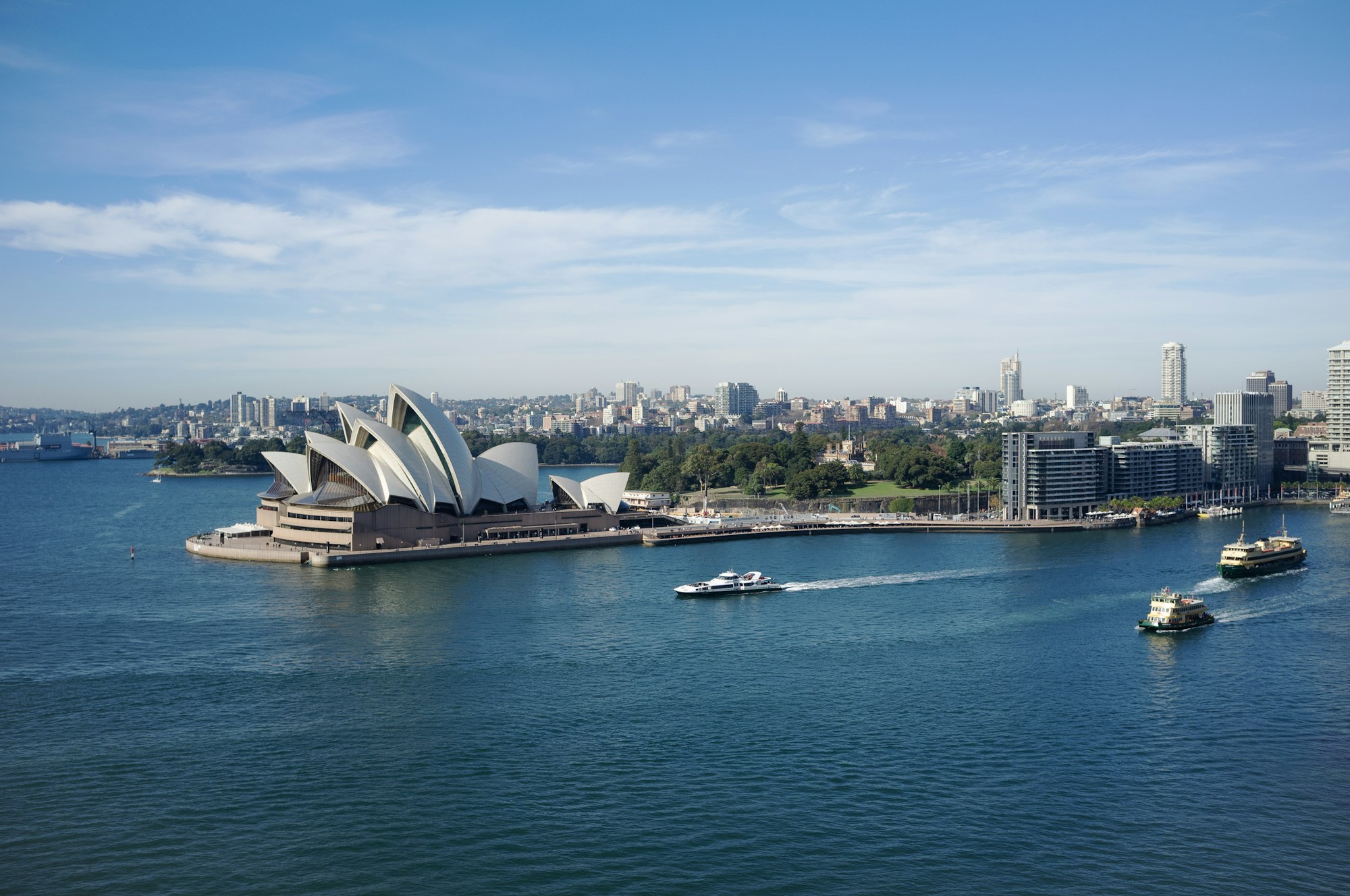
Sydney, Melbourne, Perth — Europe-Australia Route Up 30% Longer
The impact on Australia is particularly severe. According to Cirium cited by Zonebourse/Reuters, Emirates, Qatar Airways and Etihad Airways normally carry over half of passengers between Europe and Australia, New Zealand and Pacific islands. Their paralysis has immediate consequences: the Europe-Australia route has lengthened by 30% on average, and rerouting costs around AUD 10,000 extra per family.
Qantas has had to completely rethink its European network. According to Air Journal, the Australian airline has temporarily ended the non-stop Perth-Paris service, boosted Rome flights and made Singapore its new pivot for France and UK connections. The Perth-Singapore route is increasing from 7 to 10 weekly frequencies to support the new European connections.
How to Reach Australia from Europe in 2026
- Qantas via Sydney-Singapore-Paris: main route maintained, frequencies increased from 3 to 5/week until mid-July
- Cathay Pacific via Hong Kong: reliable option, outside conflict zone
- Air Seychelles launches long-haul to Paris (Boeing 787) and Rome — original alternative via Indian Ocean
- Finnair will launch Helsinki-Melbourne in October 2026 — first polar option to Oceania
Your Passenger Rights: What Airlines Won’t Tell You Upfront
EC 261/2004 and the « War Risk » Exclusion: What You Really Need to Know
The vast majority of standard insurance contracts explicitly exclude war risk. Only « all-cause » coverage taken out before the conflict began provides genuine protection, according to Ulysse. In practice: if your flight is cancelled due to airspace closure from an armed conflict, you will not receive the fixed compensation.
However, under European regulation EC 261/2004, these cancellations fall under « extraordinary circumstances » but the duty of care remains obligatory: accommodation, meals and communication for stranded passengers. The airline must offer you the choice of a full refund or rerouting to your final destination as soon as possible. The strongest trigger for getting a refund remains an official government travel advisory classifying your destination as « formally advised against ».
Your Rights in Practice
- Demand rerouting via an alternative route (Istanbul, Helsinki, Singapore) if your Gulf connection is cancelled
- Keep all expense receipts (emergency hotel, meals, communications) for reimbursement
- If your connection is missed due to a diversion delay, the airline must provide accommodation
- Specialist « hostile zone » policies (AIG, Battleface) cover these cases but cost hundreds of euros
Summary Table: Prices, Flight Times and Best Alternatives
| Destination | Pre-crisis price | Current price | Extra flight time | Best alternative |
|---|---|---|---|---|
| Paris → Bangkok | ~€500 | €900 – 5,000 | +90min to 3h | Finnair / Ethiopian Airlines |
| Paris → Tokyo | ~€700 | €1,200 – 4,000 | +90min to 2h | Finnair / Air China |
| Paris → Singapore | ~€600 | €1,000 – 3,000 | +90min to 2h | Turkish Airlines / Singapore Airlines |
| Paris → Delhi | ~€450 | €800 – 2,500 | +1h to 2h | Air India / Turkish Airlines |
| Paris → Sydney | ~€1,200 | €2,000 – 4,500 | +3h to 4h | Qantas via Singapore / Cathay Pacific |
| Paris → Seoul | ~€650 | €1,100 – 3,500 | +90min to 2.5h | Finnair / Air China |
Source: Cirium, Ulysse News, Air Journal — data as of April 7, 2026. Prices change rapidly; check a real-time price comparison tool before booking.
Practical Info for Travelling Despite the Crisis
Stay connected from the moment you land in Istanbul, Helsinki or Singapore. Instant activation, no physical SIM needed.
From €4.50Global coverage from $56/4 weeks. Check the war clause in your policy before subscribing — not all plans cover conflict-zone disruptions. 10% off via our link.
From $56 / 4 weeksFAQ: Frequently Asked Questions About Middle East Airspace Closures
Which countries have closed their airspace since February 28, 2026?
Since the armed conflict began on February 28, 2026, many countries have closed or severely restricted their airspace: Iran, Iraq, Israel, Jordan, Kuwait, Lebanon, Qatar, United Arab Emirates, Oman and much of Saudi Arabia. The airspaces of Iran, Iraq, Kuwait and Syria are closed by NOTAM. EASA has extended its safety advisory to at least April 10, 2026 and continues to monitor the situation around the clock.
How much longer will my flight to Asia take?
Passengers on flights between Southeast Asia (Bangkok, Singapore, Kuala Lumpur) and Europe should expect 90 minutes to 3 hours of additional flight time depending on the route. The average extension is 90 minutes to 2 hours for northern routes (via Turkey/Caucasus). For flights to Australia, journey time can increase by 3 to 4 hours. This extra fuel burn generates surcharges that are directly passed on to your ticket price.
Does my travel insurance cover cancellations due to the Middle East war?
Most standard insurance contracts explicitly exclude war-related risks. If your flight is cancelled due to airspace closure from an armed conflict, you will not receive fixed compensation. Only « all-cause » coverage taken out before the conflict started provides real protection. Always check for the words « war exclusion » or « force majeure clause » in your terms and conditions.
Which airlines are still operating reliable flights to Asia?
The big winners of the crisis are: Finnair (polar route via Helsinki to 11 Asian destinations), Turkish Airlines (Istanbul hub, 340 destinations), Ethiopian Airlines (via Addis Ababa, African route) and Singapore Airlines (southern route). Chinese carriers (Air China, China Eastern, China Southern) also benefit from the Siberian route. Air France has reinforced direct capacity to Bangkok, Singapore, Delhi and Tokyo with larger aircraft.
How do I get to Australia from Europe despite the closures?
Qantas has suspended its non-stop Perth-Paris flight. The Paris service now operates as Sydney-Singapore-Paris, with frequencies increased to 5 flights per week until mid-July 2026. Reliable alternatives: Cathay Pacific via Hong Kong, Singapore Airlines from Singapore, or Chinese carriers via Beijing/Shanghai. Finnair plans to launch Helsinki-Melbourne from October 2026 on the polar route — a first for Oceania.
Is my airline obligated to refund or reroute me?
Under European regulation EC 261/2004, these cancellations constitute « extraordinary circumstances » but the duty of care remains mandatory: accommodation, meals and communication for stranded passengers. The airline must offer you a choice of full refund or rerouting to your final destination. The fixed compensation (€250–600), however, does not apply in this force majeure context. If your connection is missed due to a diversion delay, insist the airline provides accommodation.
Is summer 2026 travel to Asia ruined for European travellers?
Gulf-routed Asia travel for summer holidays is severely disrupted, but Asia remains accessible for flexible travellers. The recommendation: book with flexible cancellation policies, favour carriers with safe routing (Finnair, Turkish Airlines, Ethiopian Airlines, Air France direct), and monitor the situation week by week. Avoid panic-buying — prices could partially correct if the situation stabilises by May–June 2026.
Will Emirates and Qatar Airways return to normal operations?
Recovery is very gradual and uneven. Emirates is operating 136 flights per day vs 319 in normal times (42.6% recovery rate). Qatar Airways plans to reach 90 destinations until April 15, then 120 destinations by mid-May 2026 — Doha is slowly becoming a credible hub again. However, any new spike in Middle East tensions can trigger immediate closures, as the 2-hour total UAE closure on March 16–17 showed. Stay informed via your airline’s official alerts.
Sources
- France 24 — War in Middle East Paralyses Global Airspace (2026)
- Air Journal — EASA Alerts on Narrowing Corridors Europe-Asia (April 2026)
- Ulysse News — Summer 2026: Alternative Routes to Asia
- Ulysse News — Finnair Polar Route to Asia (2026)
- Ops.group — Middle East Airspace: Current Operational Picture
- Le Petit Journal Thailand — Thai Airspace Paralysed by Middle East Tensions
- Air Journal — Qantas Axes Perth-Paris Non-Stop and Boosts Europe Air Bridge
- VisaHQ — Middle-East Crisis Grounds 175 Flights at India’s Busiest Hubs
- Air India Newsroom — Important Update: 6 April 2026
- SkyySonar — Middle East Airspace Closures 2026: What Travelers Need to Know
- Zonebourse/Reuters — Travellers Diverted Count the Cost of the War
Plan Your Trip with Pixidia
Find detailed itineraries and up-to-date travel advice for Asia, India and Oceania, adapted to the current geopolitical situation.
Explore Pixidia Itineraries