
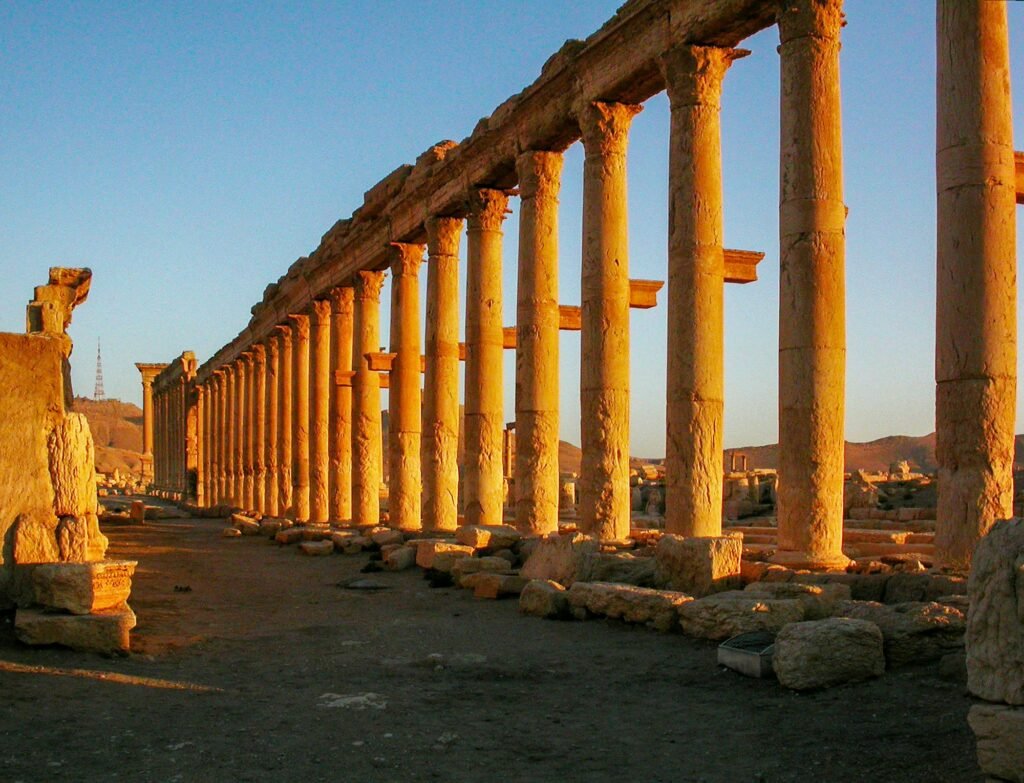
In April 2026, the Middle East is experiencing one of its gravest crises in decades. Since the outbreak of armed conflict involving the United States, Israel, and Iran in March 2026, a new threat looms over some of humanity’s oldest and most precious archaeological sites. Palmyra in Syria, Baalbek and Tyre in Lebanon, Ur in Iraq, and the Persian palaces of Iran — irreplaceable witnesses to ten millennia of civilization — find themselves in the crossfire of a conflict that knows no cultural boundaries.
UNESCO sounded the alarm in March 2026: four Iranian UNESCO World Heritage sites have already suffered direct damage, 56 Iranian museums and historic sites have been hit, and Lebanon — a country that concentrates an exceptional density of Phoenician, Roman, and Crusader ruins across fewer than 10,500 km² — sees its millennial treasures teeter on the brink of destruction every day. This report assesses the situation site by site, evaluates actual access conditions for travelers, and explores alternatives for those who still wish to immerse themselves in this endangered history.
Palmyra (Syria) — The Martyr City Between Renaissance and Peril
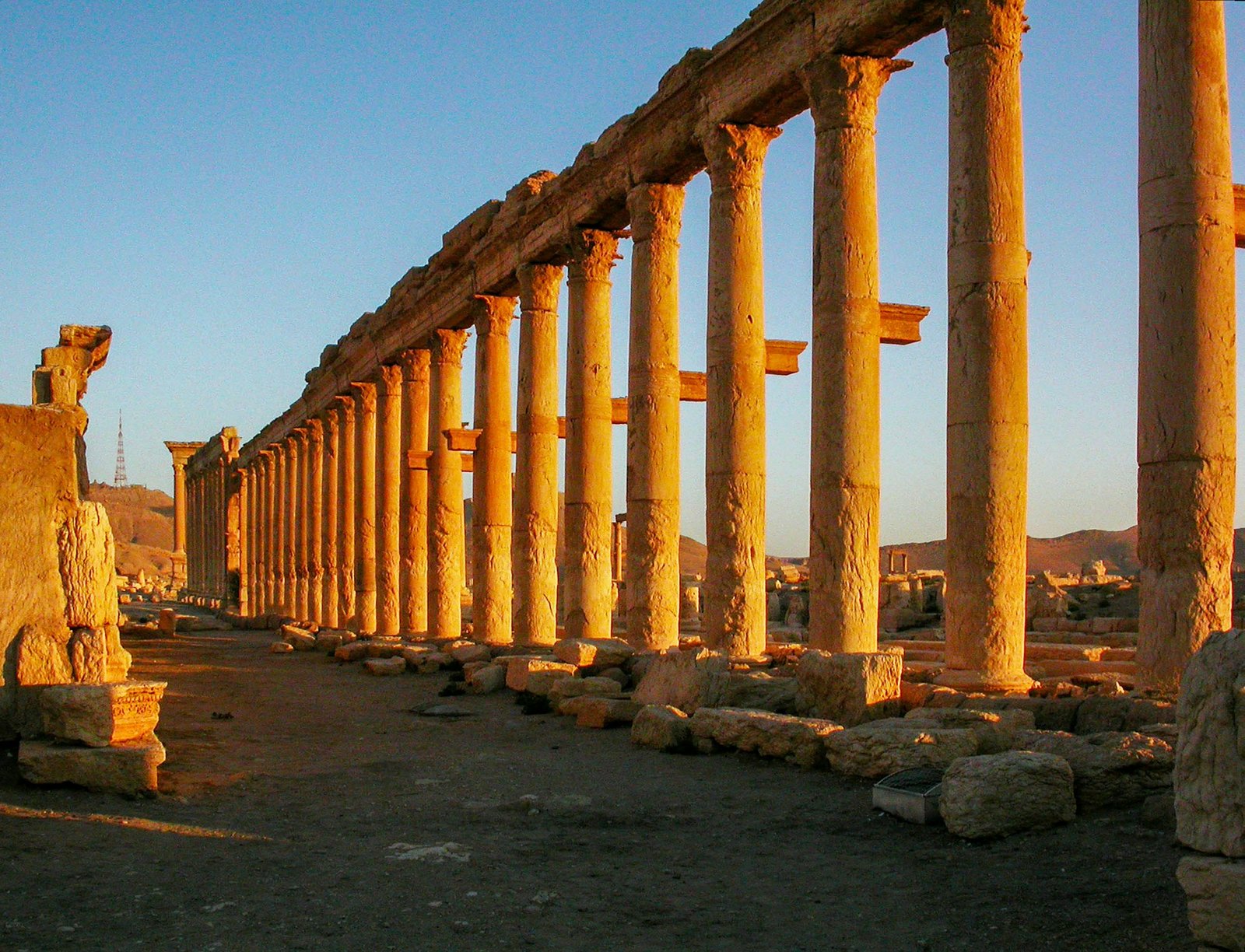
For centuries, Palmyra was one of the ancient world’s most prosperous caravan cities. At the crossroads of trade routes between Persia, India, and Rome, it blended Corinthian columns with Parthian artistic traditions and Persian Sassanid influences. The UNESCO considers its 1st and 2nd-century monuments among the finest artistic achievements of late Antiquity.
Palmyra’s tragedy is twofold: first ravaged by ISIS between 2015 and 2016 — which blew up the Temple of Baalshamin, beheaded archaeologist Khaled al-Asaad, and partly destroyed the Roman theatre — the ancient city then suffered Assad’s regime bombs and pro-Iranian Shia militias until Assad’s fall in December 2024. Researchers from Spain’s CSIC documented damages to the Tetrapylon, Roman theatre, Camp of Diocletian, and Valley of Tombs in February 2025. The site officially reopened two months after Assad’s fall, but remains formally off-limits for most Western travelers.
Baalbek (Lebanon) — The Roman Colossus Under Fire
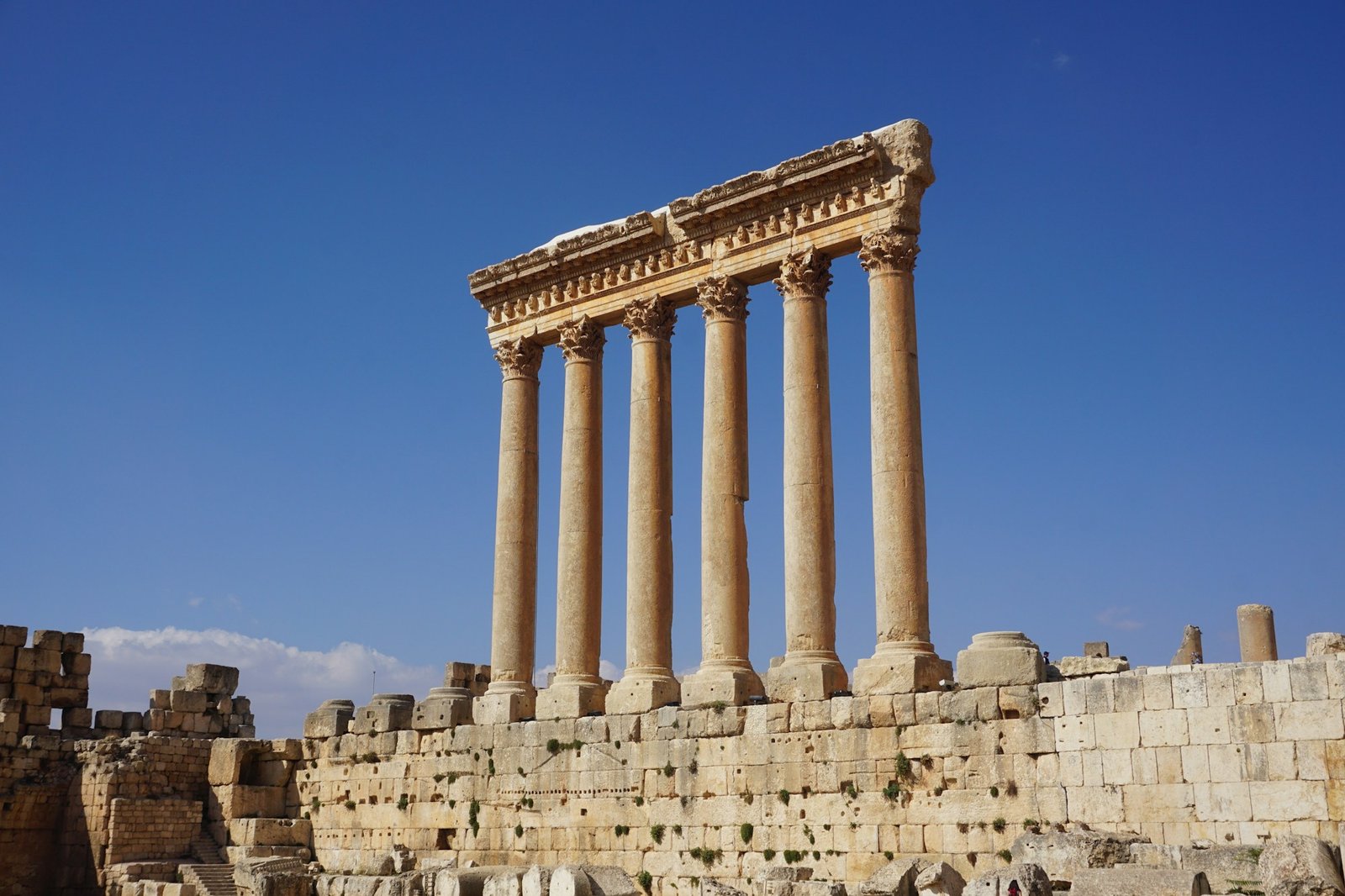
No one ever built on a grander scale than the Romans at Baalbek. The Temple of Jupiter Heliopolitan, whose six surviving 22-meter columns have defied the sky for twenty centuries, represents one of the most imposing achievements of Imperial Roman architecture at its peak. Baalbek has been a UNESCO World Heritage Site since 1984 for its « colossal constructions » that rank among the world’s best-preserved ancient monuments.
In 2026, the site faces an existential threat. During Israel’s invasion of Lebanon in 2024, an Israeli strike destroyed an Ottoman-era building just meters from the classified temples. In November 2024, UNESCO granted Baalbek enhanced provisional protection. Since the conflict’s escalation on March 2, 2026, and the U.S. entering the war directly, all Western governments advise against travel to Lebanon. No physical damage to the ancient monuments themselves has been officially confirmed — yet.
Tyre (Lebanon) — The Ancient Hippodrome Under Missiles
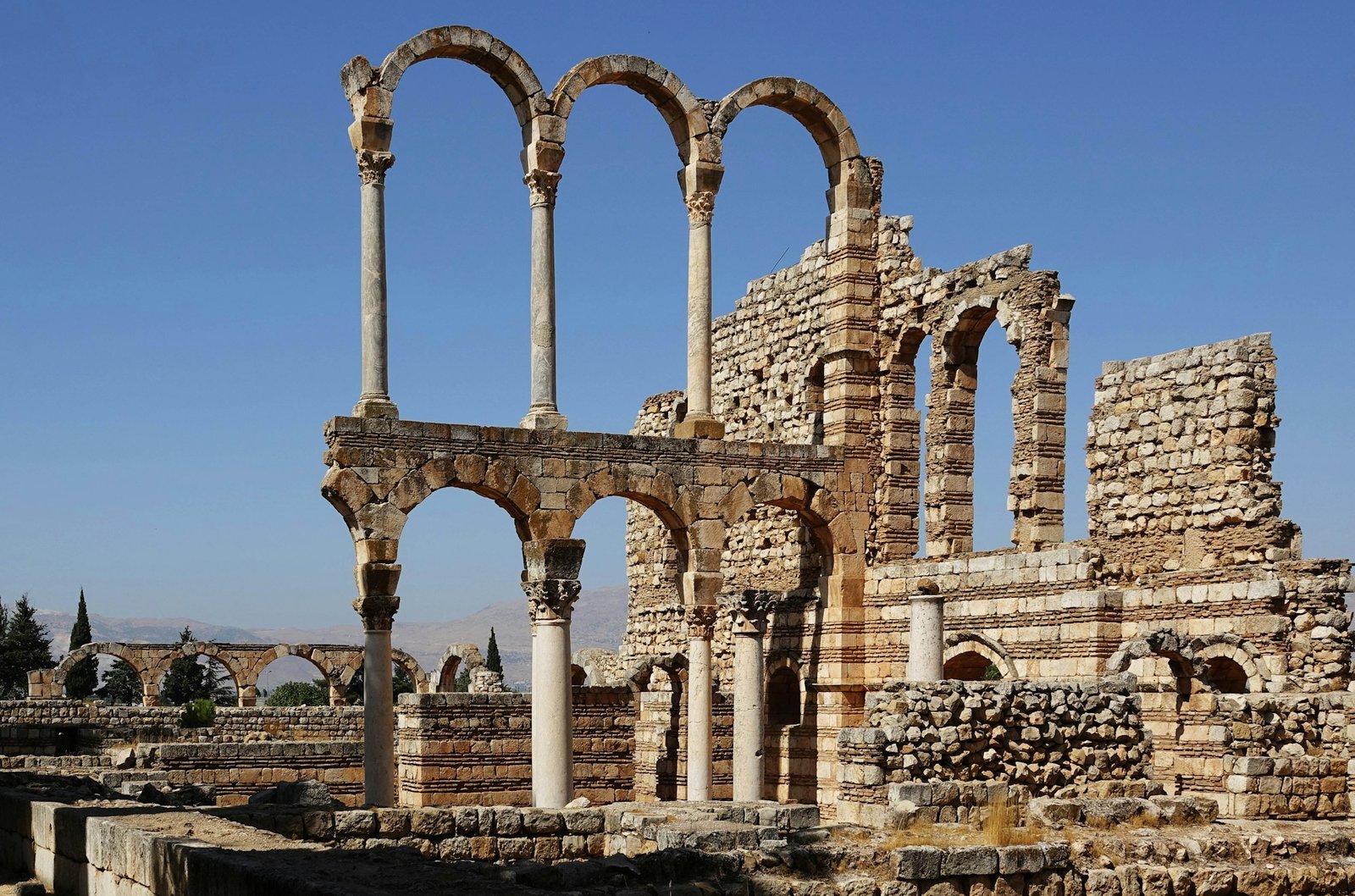
Founded over 3,000 years ago by the Phoenicians, Tyre (Sur in Arabic) was one of the Mediterranean’s most powerful ancient cities. Its Roman hippodrome — one of the largest in the world at 480 meters long — hosted chariot races that defined the glory of Rome. Its necropolises, paved roads, and remarkably preserved colonnades earned it UNESCO World Heritage status in 1984.
On March 6, 2026, the unthinkable almost happened. A missile strike hit the ancient city of Tyre, damaging the perimeter of the Al-Bass archaeological site. According to The Art Newspaper, material damage was confirmed inside the protected perimeter, particularly around the famous Roman hippodrome. At least one person was killed. A UNESCO « Blue Shield » — the symbol of cultural property protection under the laws of war — was installed at the Al-Bass site on March 23, 2026.
On April 1, 2026, an emergency UNESCO session inscribed 39 additional Lebanese sites under enhanced provisional protection, bringing the total to 73 — a world record — opening the door to potential war crimes prosecutions.
Ur (Iraq) — Abraham’s Birthplace Reinvents Itself
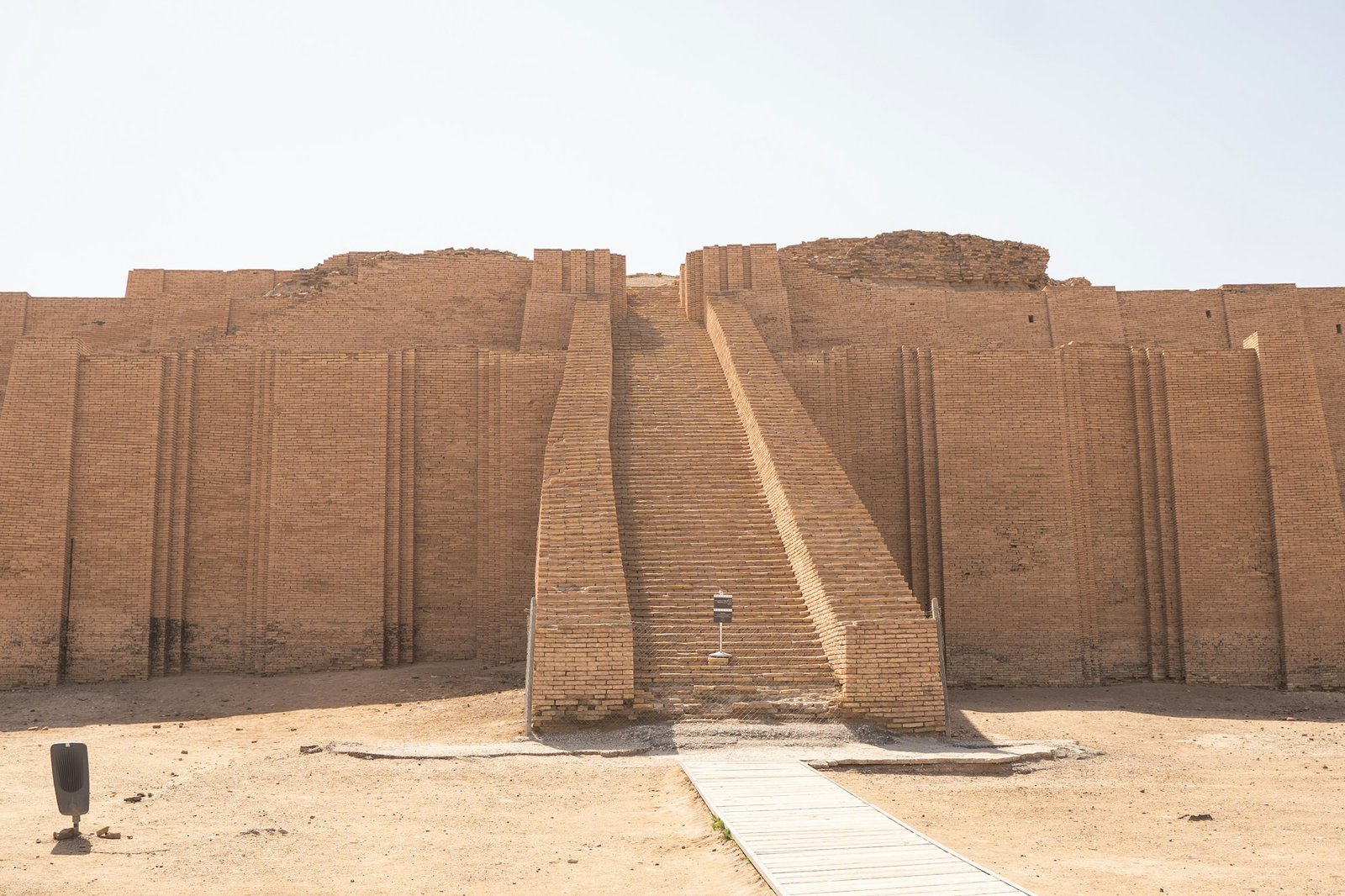
Over 4,000 years ago, Ur was the capital of a civilization whose influence would shape universal history. This Sumerian city at the heart of Mesopotamia — the « land between two rivers » that gave humanity writing, the first laws, and the first epic poems — is venerated by all three Abrahamic faiths as the birthplace of the patriarch Abraham. Its Great Ziggurat, built under the Third Dynasty of Ur around 2100 BC, still rises 30 meters above the Mesopotamian plain.
In 2026, Ur offers the best access prospects on this list. The « Ur Tourist City » project was approximately 90% complete by late 2025, featuring the 5,000 m² Museum of the World of Ur (28 exhibition halls, 650 excavated artifacts), an open-air Sumerian theatre, Iraq’s first opera house, and visitor accommodation. Independent travel is strongly discouraged; organized tours from Baghdad or Basra are the only sensible option. Warning: two foreign tourists were sentenced to death in 2022 for smuggling pottery fragments from nearby Eridu. Never take any artifact, however small.
Iran — Persepolis, Golestan and 56 Sites Under Bombs
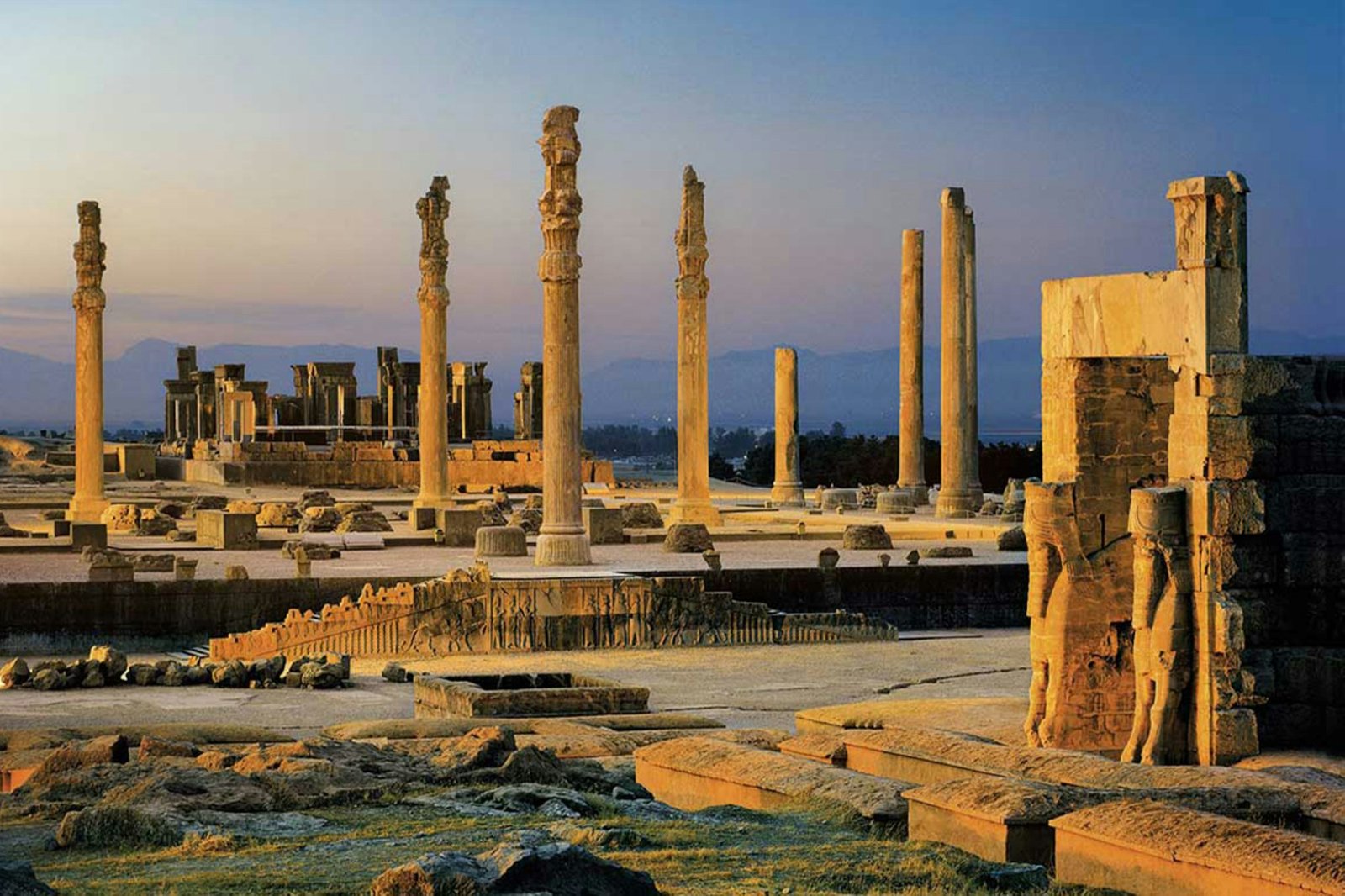
Ancient Persia, which gave the world Persepolis — one of history’s grandest ceremonial capitals —, the Persian garden inscribed on UNESCO’s list, and an architectural tradition spanning from the Achaemenid Empire to the Safavid Sultanate, is sustaining damage in 2026 that will take generations to fully assess. Iran’s Ministry of Cultural Heritage reported damage to at least 56 museums and historic sites across the country. Of the 29 Iranian UNESCO World Heritage Sites, four have been confirmed damaged.
The Golestan Palace in Tehran — a jewel of the Qajar era, with its mirrored halls and exceptional chandeliers where much of Iranian history unfolded between the 16th and 19th centuries — was damaged in the first strikes. A week later, the Chehel Sotoun Palace in Isfahan — a 17th-century pavilion whose Persian gardens represent one of the finest examples of the Islamic paradise concept — was hit during strikes on nearby government buildings. Persepolis, in Fars Province, has not yet reported direct damage, but proximity of strikes in several regions generates growing concern.
Memorial Tourism: When Heritage Becomes an Act of Resistance
The concept of « memorial tourism » — visiting places charged with tragic history to bear witness, understand, and remember — takes on particular significance when the sites themselves are inaccessible or at risk of disappearing. The International Alliance for the Protection of Heritage in Conflict Areas (ALIPH) has mobilized $2 million USD for emergency safeguarding in the Middle East. These funds represent the most direct way to support threatened heritage from afar.
Jordan — The Accessible Archaeological Alternative
Jordan represents the best alternative in 2026 for travelers fascinated by Middle Eastern archaeology. Rated at enhanced vigilance (level 2) — but not « do not travel » — it offers direct access to archaeological sites of comparable quality to the region’s threatened landmarks. Jerash, the ancient Roman Gerasa often called the « Pompeii of the East, » provides a vivid impression of what Palmyra looked like before the destruction: Corinthian columns, a hippodrome, triumphal arches, and temples to Zeus and Artemis.
Petra — the legendary Nabataean city carved from rose-colored rock, a UNESCO World Heritage Site since 1985 — and Wadi Rum, the vast sandstone desert that hosted Lawrence of Arabia, complete an exceptional archaeological triangle accessible within a few days from Amman.
Byblos (Lebanon) — 9,000 Years of History Holding On
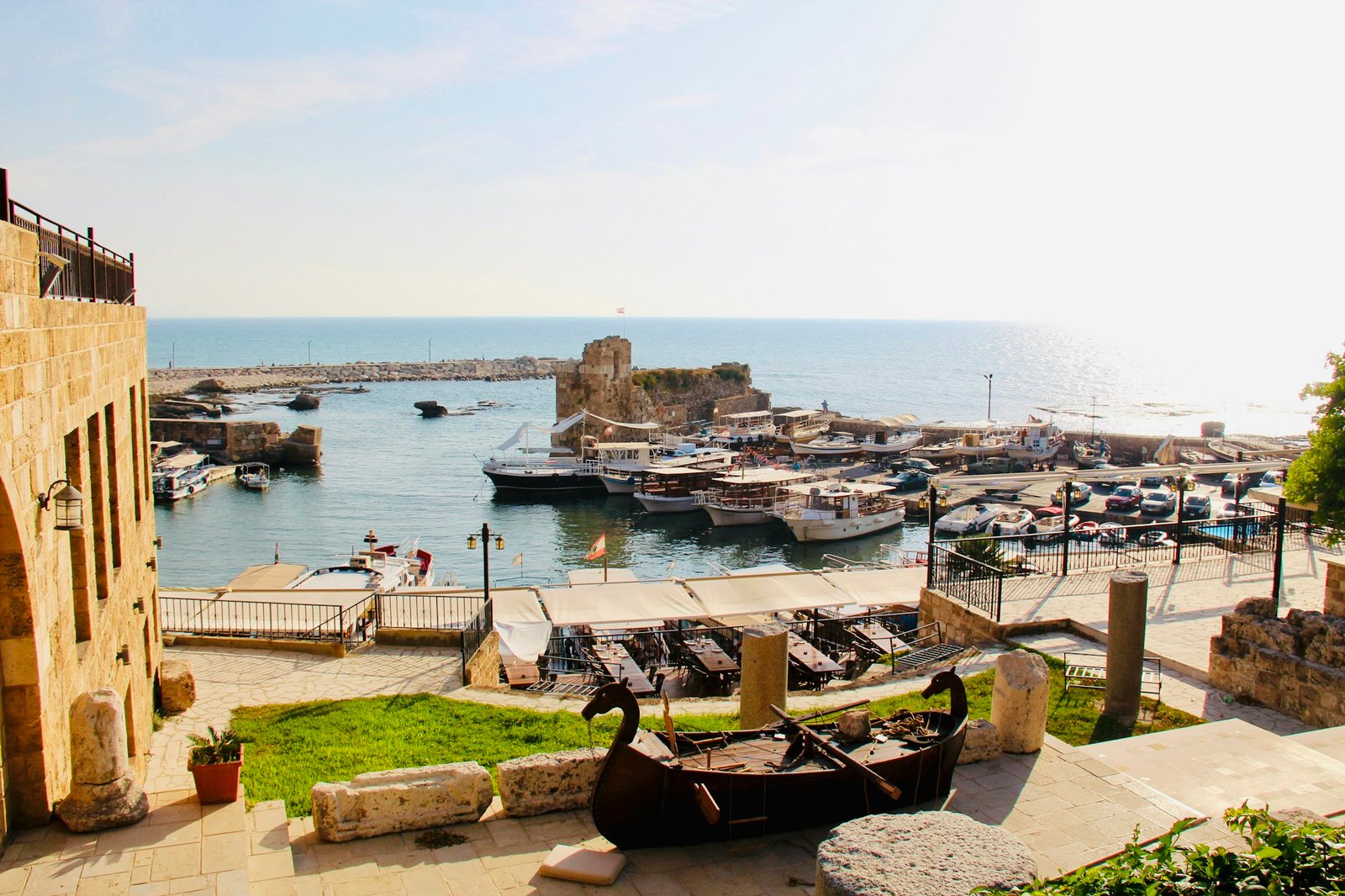
Byblos (Jbeil) is one of the oldest continuously inhabited cities in the world, with origins stretching back over 7,000 years. The very word « Bible » derives from its name (via the Greek biblos for papyrus imported from the Phoenician city), and it was here that the Phoenician alphabet — the direct ancestor of all Western alphabets — was developed. The Institute of the Arab World (IMA) in Paris has mobilized €50,000 for the preservation of the Byblos site and presents, until September 2026, the exhibition « Byblos, a Millennial City of Lebanon » — 400 exceptional pieces from 9,000 years of Lebanese history, in partnership with the Louvre.
Practical Information for Your Trip
Nomad Insurance: global coverage from $56/4 weeks. 10% discount via our link. Medical evacuation, trip cancellation, 24/7 assistance.
From $56 / 4 weeksStay connected from the moment you land in Jordan or Iraq. Instant activation, no physical SIM needed.
From €4.50FAQ — Frequently Asked Questions About Middle East Archaeological Sites in 2026
Can you visit Palmyra in 2026?
Technically, Palmyra’s archaeological site reopened two months after Assad’s fall in December 2024. New York Times journalists visited in early 2025. However, most Western governments formally advise against all travel to Syria. ISIS elements remain active in the surrounding desert. Some adventurous travelers do visit via specialist agencies that provide security clearance, but standard travel insurance won’t cover trips to formally prohibited zones. Restoration is estimated at 6–7 years and enormous cost.
Have the temples of Baalbek been physically damaged by Israeli strikes?
As of the latest available information (March 2026), no direct physical damage to the ancient monuments of Baalbek themselves has been reported. However, several Ottoman-era buildings have been destroyed by Israeli strikes nearby: the legendary Palmyra Hotel (which hosted Brigitte Bardot and Jean-Paul Sartre) and the Gouroud Barracks were damaged. UNESCO granted Baalbek enhanced provisional protection in November 2024 and transmitted the site’s GPS coordinates to all parties. The risk of damage remains very high as long as the conflict continues in the Bekaa Valley.
Was the Hippodrome of Tyre damaged in the Israeli missile strikes?
Yes. On March 6, 2026, a missile strike hit the perimeter of the Al-Bass archaeological site in Tyre. According to The Art Newspaper and Lebanese authorities, material damage was confirmed inside the protected perimeter, particularly around the famous Roman hippodrome — one of the largest in the world at 480 meters. A UNESCO Blue Shield was installed at the site on March 23, 2026. A full damage assessment will only be possible once the conflict ends.
How can you visit the Ziggurat of Ur in Iraq in 2026?
Visiting Ur is possible in 2026 via organized tours only. You must fly to Baghdad or Basra, then drive to Nasiriyah (3–4 hours). Dhi Qar Province is considered safer than other parts of Iraq, but independent travel is strongly discouraged. The « Ur Tourist City » project — with its new 5,000 m² museum, opera house, and outdoor theatre — was nearly complete at end-2025. Entry fees range from $50–100 for the Great Ziggurat. Best period: October to March (summers exceed 50°C).
What is the best safe alternative for Middle Eastern archaeological tourism in 2026?
Jordan is the best alternative in 2026. Rated at enhanced vigilance (level 2) — but not « Do Not Travel » — it offers Jerash (often called the « Pompeii of the East »), Petra (the legendary Nabataean city carved in rose-colored rock, UNESCO since 1985), and Wadi Rum. Egypt (enhanced vigilance, not « Do Not Travel ») also offers major archaeological alternatives including Luxor and the Valley of the Kings. Those interested in Persian heritage can turn to Turkey (Ephesus, Pergamon) or Morocco.
How does UNESCO protect sites in conflict zones?
UNESCO uses several mechanisms: enhanced provisional protection (inscribed under the 1954 Hague Convention), the Blue Shield symbol affixed to sites to signal their universal cultural value to combatants, and transmission of GPS coordinates to belligerent parties. On April 1, 2026, UNESCO inscribed 39 additional Lebanese sites under enhanced provisional protection, bringing the total to 73 — a world record — opening the door to war crimes prosecutions for deliberate attacks. However, UNESCO has neither the mandate nor the means to physically intervene on the ground.
Sources
- UNESCO — World Heritage List: Palmyra
- UNESCO — World Heritage List: Baalbek
- NBC News — Israel strikes Lebanon: ancient monuments at Baalbek (Nov. 2024)
- The Art Newspaper — Missile strike hits Tyre archaeological perimeter (March 2026)
- Euronews — Save our sites: UNESCO raises fresh concerns (April 2026)
- Wikipedia — Ur Tourist City
- Visit Iraq — Ur Ancient Site
- France Diplomacy — Travel Advisories
Plan Your Next Archaeological Journey
Jordan, Egypt, and Turkey offer exceptional alternatives for ancient heritage enthusiasts. Discover our curated itineraries to explore the region’s history safely.
Explore itineraries