
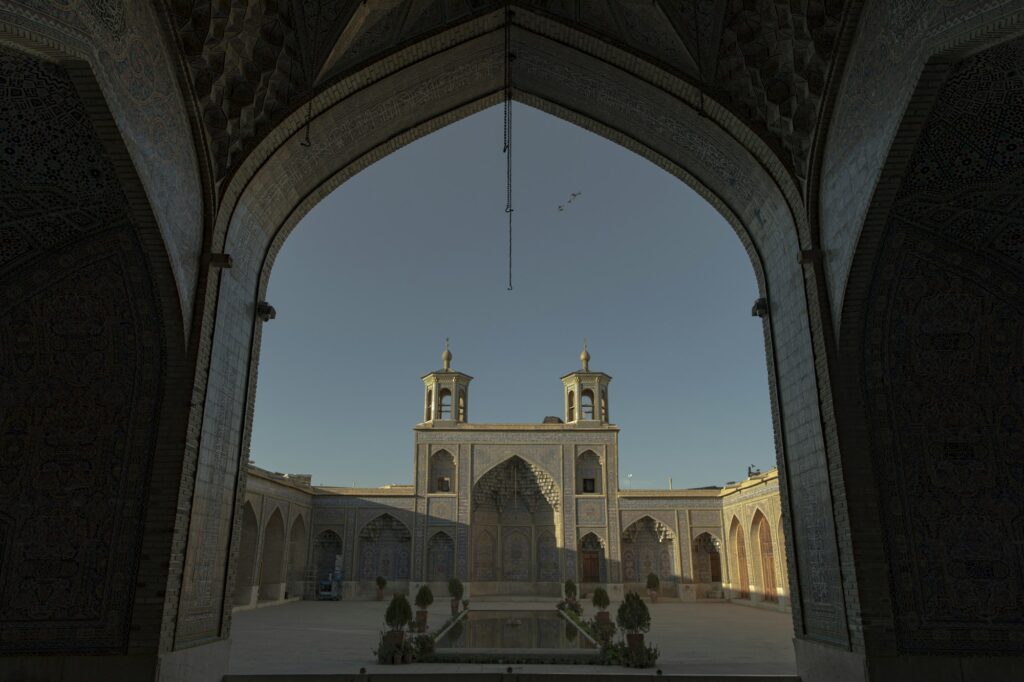
Quick answer: Iran is off-limits for tourism in 2026. Since 28 February 2026, an active US-Israel-Iran conflict has closed the country’s airspace and triggered a Level 4 « Do Not Travel » alert from the French Foreign Ministry, unchanged as of this update. The provisional 7–8 April 2026 ceasefire remains fragile, and no commercial flights have resumed. Iran’s 29 UNESCO World Heritage sites (10th-ranked worldwide) stay inaccessible for now. Our recommendation: wait for a lasting ceasefire and resumed air links before planning any trip — and discover Persian heritage safely today via Oman, Armenia or Eastern Turkey.
Iran has always fascinated travellers seeking civilisation: 29 UNESCO sites, turquoise-domed mosques, the grandeur of the Achaemenids at Persepolis, the Persian gardens of Shiraz. But in April 2026, the question of travelling to Iran is no longer logistical or financial. It is one of absolute security. Since 28 February 2026, an armed conflict opposing the United States and Israel against Iran has closed the country’s airspace, ended all commercial flights and placed the entire Iranian territory on the highest travel alert by the French Foreign Ministry. This guide tells you the truth about the current situation, documents the risks you face, and suggests alternatives to discover Persia today — while waiting for better times. Update, mid-2026: months after the fragile 7–8 April 2026 ceasefire, the red zone classification and closed airspace remain unchanged, and no commercial air service to Iran has resumed.
The French Ministry of Foreign Affairs formally advises against all travel to Iran, regardless of purpose. Airspace is almost completely closed. The active armed conflict since 28 February 2026 makes travel impossible and potentially fatal. Check France Diplomatie before making any plans.
1. The 2026 Iran War: What Happened
An unprecedented military escalation since 1979
The 2026 Iran War began on 28 February 2026 with a joint US-Israeli military operation of targeted airstrikes on Iran. The Israeli side named it Operation Roaring Lion; the American side, Operation Epic Fury. According to Wikipedia, this fourth escalation of the Iran-Israel conflict is the most intense since the 1979 Islamic Revolution, and led to the death of Ayatollah Khamenei.
After more than five weeks of fighting, the United States and Iran concluded an agreement on 7–8 April 2026 for a provisional two-week ceasefire including Israel. As of this writing, this fragile ceasefire is still being negotiated, and no commercial air service to Iran has resumed. According to Britannica, Russia and China vetoed the UN resolution on the unblocking of the Strait of Hormuz. Reviewed mid-July 2026: more than three months on, the ceasefire has not been formalised into a lasting peace agreement, and travellers should treat the situation as still unresolved rather than assume normalisation.
Practical consequences for travellers
- Iranian airspace almost completely closed, no commercial flights
- Foreign embassies in Iran closed or operating at minimum
- Major security instability across the entire territory
- Oil prices surging, Iranian economy under severe pressure
2. What Embassies Say: Maximum Alert
France, UK, Germany, Belgium — All say the same: Do Not Travel
The French Foreign Ministry is categorical: it formally advises against all travel to Iran, regardless of purpose. The entire territory is classified as a red zone — the highest alert level in the French system. French nationals currently in Iran are urged to leave the country immediately. Any French visitor, including dual nationals, faces a high risk of arbitrary arrest, detention and unfair trial — even for a simple tourist visit or visit to Iranian family.
According to France Diplomatie (updated 19 March 2026), the French Embassy will not necessarily be informed of the arrest or detention of a French citizen, particularly if the person is a dual French-Iranian national, as Iran does not recognise dual nationality.
The warning is not limited to France. The UK Foreign, Commonwealth & Development Office (FCDO) advises against all travel to Iran for British nationals. The US State Department maintains Iran at Level 4 — Do Not Travel, its highest advisory tier, alongside Afghanistan, Syria and North Korea, and warns that US citizens, current and former US government employees, and their family members have been arbitrarily arrested and detained for months or years. Germany’s Auswärtiges Amt and Belgium’s Foreign Affairs Ministry issue near-identical guidance. In practice, every major Western government now converges on the same message: no foreign national is exempt from the risk of arbitrary detention in Iran, regardless of the passport they hold.
3. « Hostage Diplomacy »: Documented Cases of French Detainees
A deliberate strategy, real victims
Detentions of Westerners in Iran are not isolated diplomatic accidents. Since the US withdrawal from the nuclear deal in May 2018, there has been a documented intensification of arrests of Western nationals in a well-documented strategy known as « hostage diplomacy »: detainees are used as bargaining chips to extract diplomatic concessions, particularly on the nuclear file. This practice accelerated after 2018 and 2022, according to the Alliance Solidaire des Français de l’Étranger.
Four emblematic French cases
- Cécile Kohler & Jacques Paris — Trade union members arrested in May 2021 during an ordinary tourist trip. Tehran broadcast « confessions » in 2022 described as « staged » by the French Foreign Ministry.
- Benjamin Brière — Arrested in May 2020 while on a tourist stay. Accused of photographing « prohibited areas » with a leisure drone in a nature park. Sentenced to 8 years for « espionage » + 8 months for « propaganda ».
- Olivier Grandeau — Arrested in October 2022 in southern Iran while on a round-the-world trip on a tourist visa. Sentenced to 5 years for « espionage » in February 2024. Held at Evin prison.
- Lennart Monterlos — An 18-year-old Franco-German youth, arrested in June 2025 while cycling across Iran. His detention was officially acknowledged by the Iranian regime.
4. Iranian Visa — Documentary Information (Pre-Conflict)
What the procedure will be when the country eventually reopens
This information has documentary value. It describes the procedure in place before the conflict and will become relevant again if and when the destination reopens.
French nationals required a visa to enter Iran. Two procedures existed: an application at the Iranian Embassy in Paris (several weeks) or a Visa on Arrival at the international airports of Tehran-IKA, Shiraz and Isfahan, for approximately €75 for 30 days. According to France Diplomatie, Iranian consular services fingerprint all French applicants.
Practical pitfalls to know (for the future)
- Israeli stamp in passport = systematic entry refusal
- International bank cards unusable in Iran (SWIFT sanctions). Only cash euros or dollars work
- Travel insurance mandatory — must be presented at the border
5. Isfahan — « Half the World »
The Safavid capital — an absolute jewel of Islamic architecture
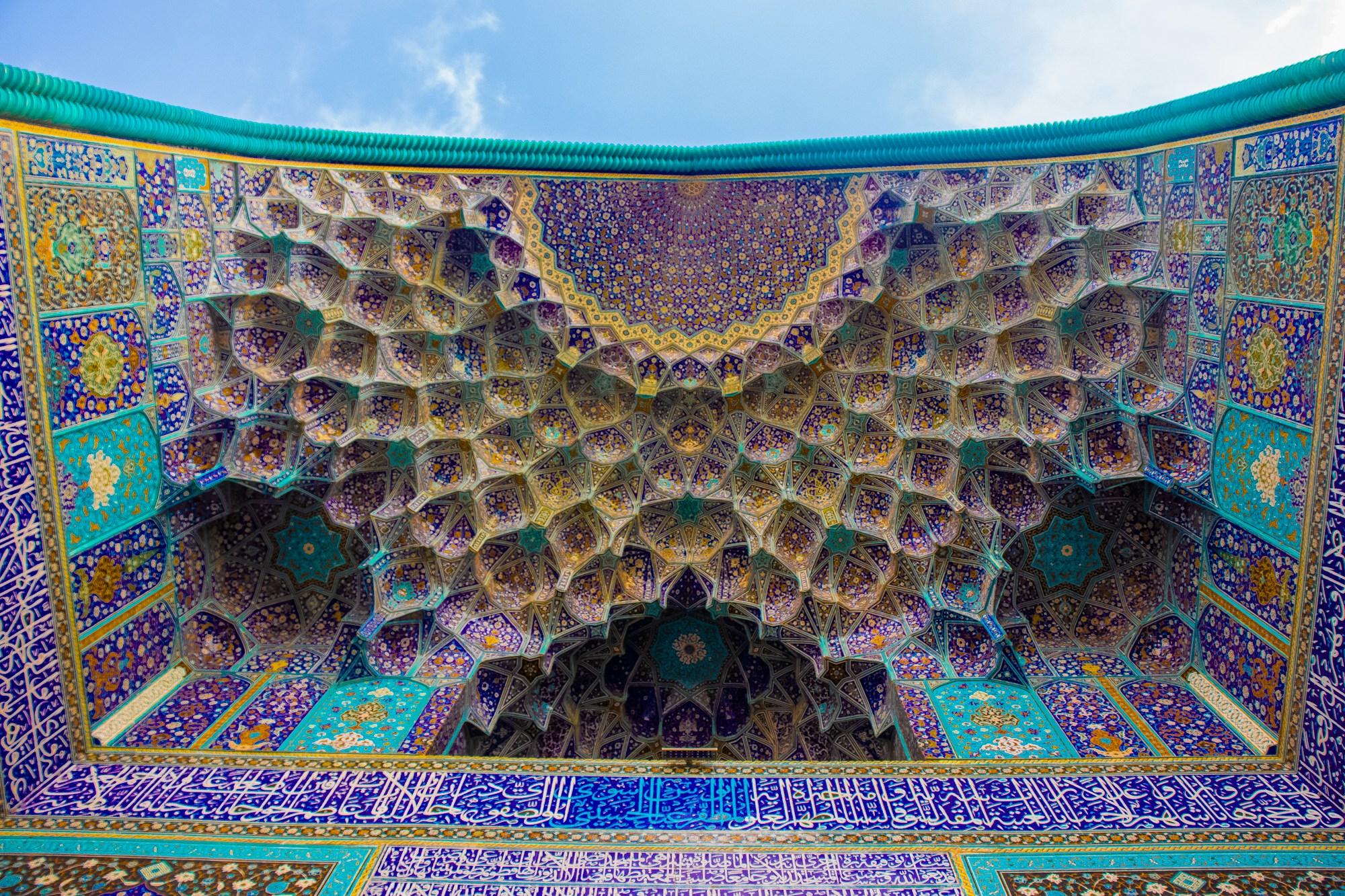
Isfahan literally means « half the world » — and this is not boasting. The capital of Persia under the Safavid dynasty from 1598 to 1722, this city concentrates an architectural density that is genuinely unique. Its centrepiece, Naghsh-e Jahan Square, is one of the world’s largest squares, entirely ordered according to a Persian aesthetic logic, inscribed on the UNESCO World Heritage List since 1979.
Not to miss on a future visit
- Sheikh Lotfollah Mosque — Its dome changes from cream to pink depending on the light, a deliberate optical masterpiece of Safavid architects
- Ali Qapu Palace — Six floors dominating the square, with its plasterwork music-themed friezes
- Khaju and Si-o-Se Pol bridges on the Zayanderud River — vibrant social hubs in the evening
- Armenian Quarter of Jolfa — Saint Savior Cathedral, Vank Monastery — an often-overlooked gem
6. Shiraz & Persepolis — The Persia of Poets and Emperors
From the Pink Mosque to the stone lions of the Achaemenids
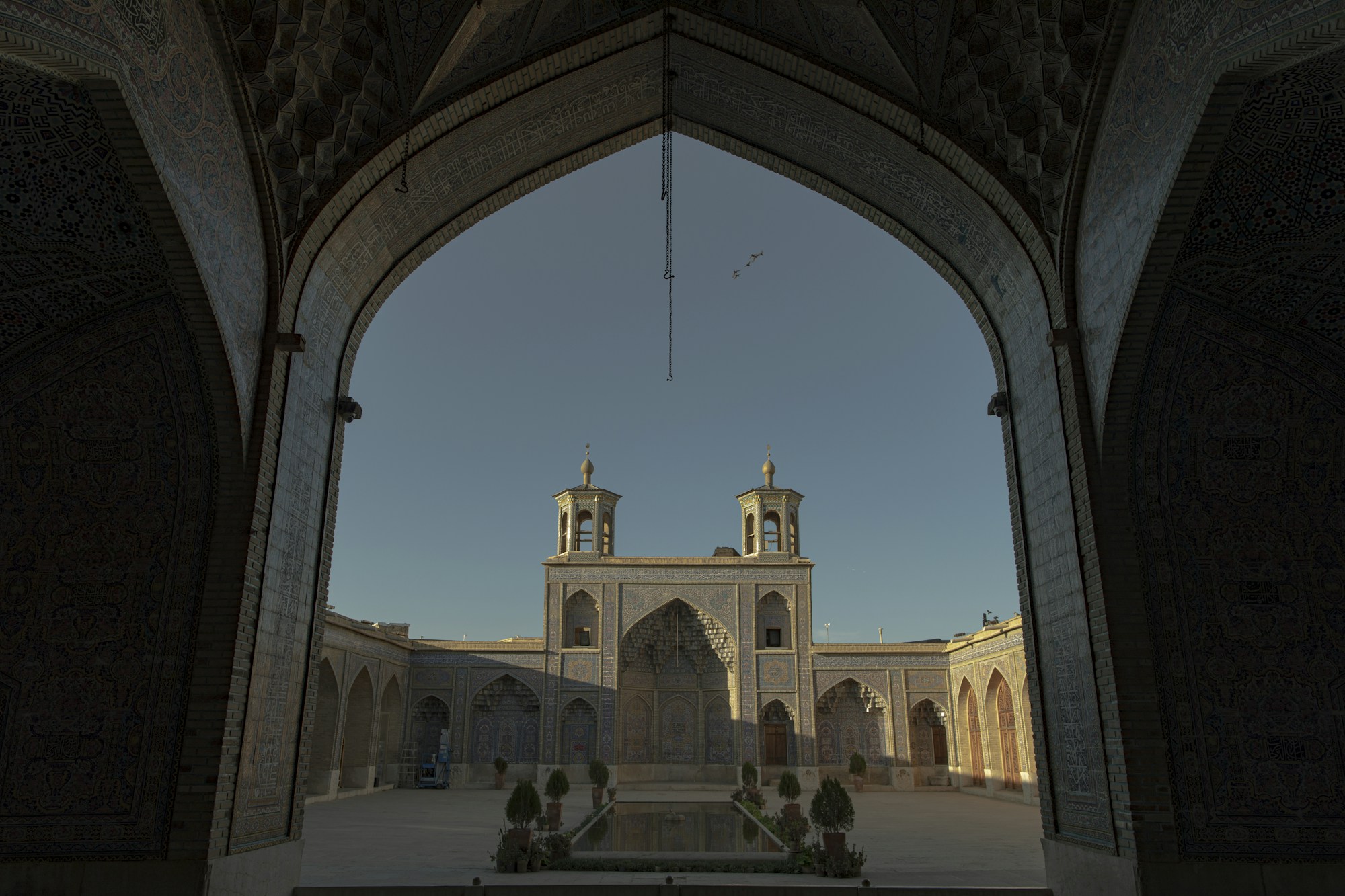
Shiraz, Iran’s cultural and artistic capital, is the city of poets Saadi and Hafez. The Hafez Mausoleum is a secular pilgrimage site of rare intensity: Iranians of all backgrounds come to recite verses and seek answers by « fal » (poetic divination). The Nasir-ol-Molk Mosque (the « Pink Mosque »), whose stained glass projects kaleidoscopic patterns on the floor at sunrise, is one of the most photographed images from Iran.
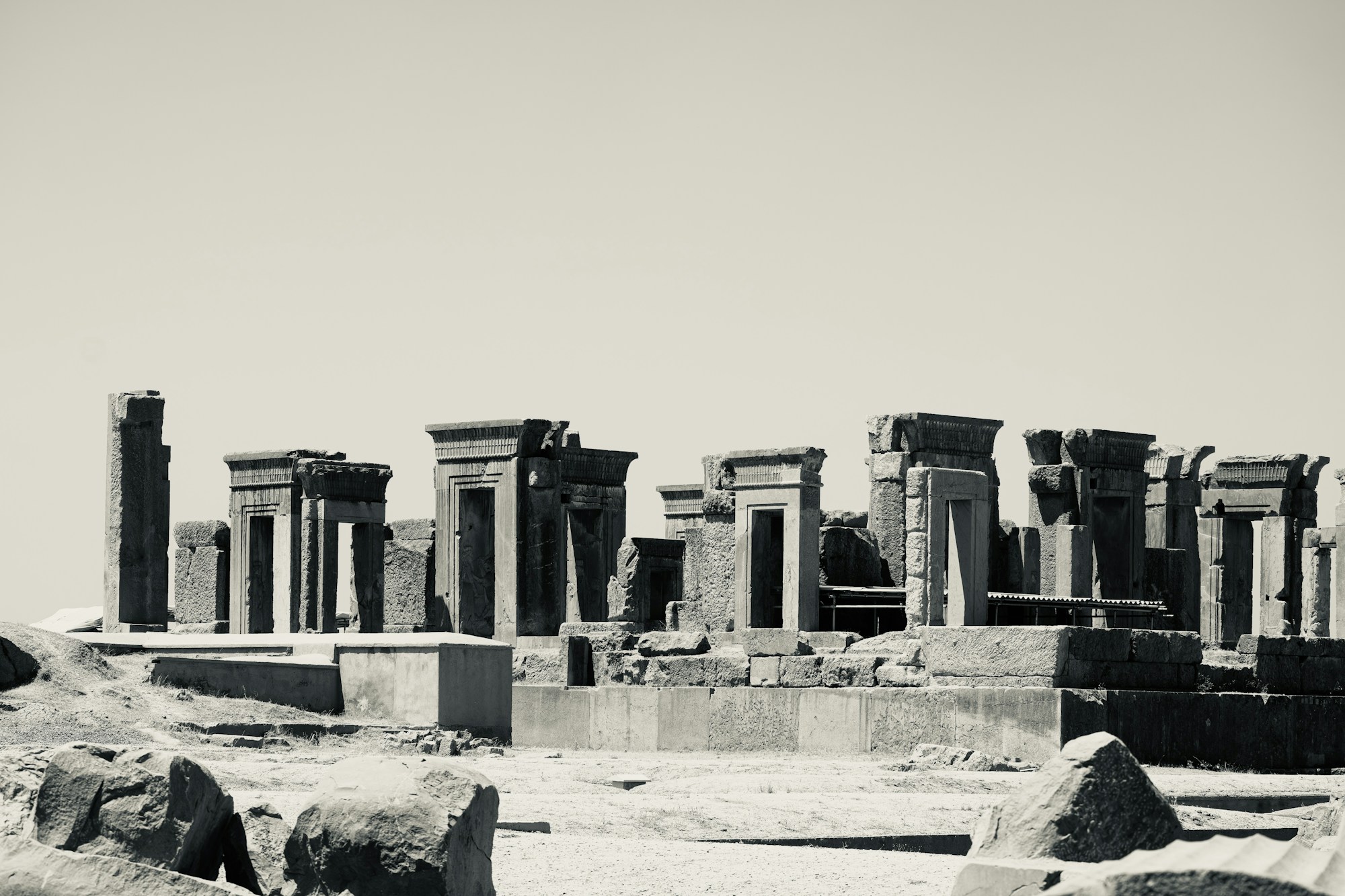
Just 70 km northeast of Shiraz, Persepolis is the great ceremonial capital of the Achaemenid Empire, founded by Darius the Great around 518 BC. Its monumental staircases, reliefs of nobles in procession, tribute-bearers from across the empire — all speak to the power of a civilisation that historians compare to Rome. The nearby Naqsh-e Rostam necropolis, with the tombs of Darius and his successors carved into the cliff, and Sassanid bas-reliefs at its base, form a two-thousand-year palimpsest of imperial history.
7. Yazd — The Zoroastrian Desert City
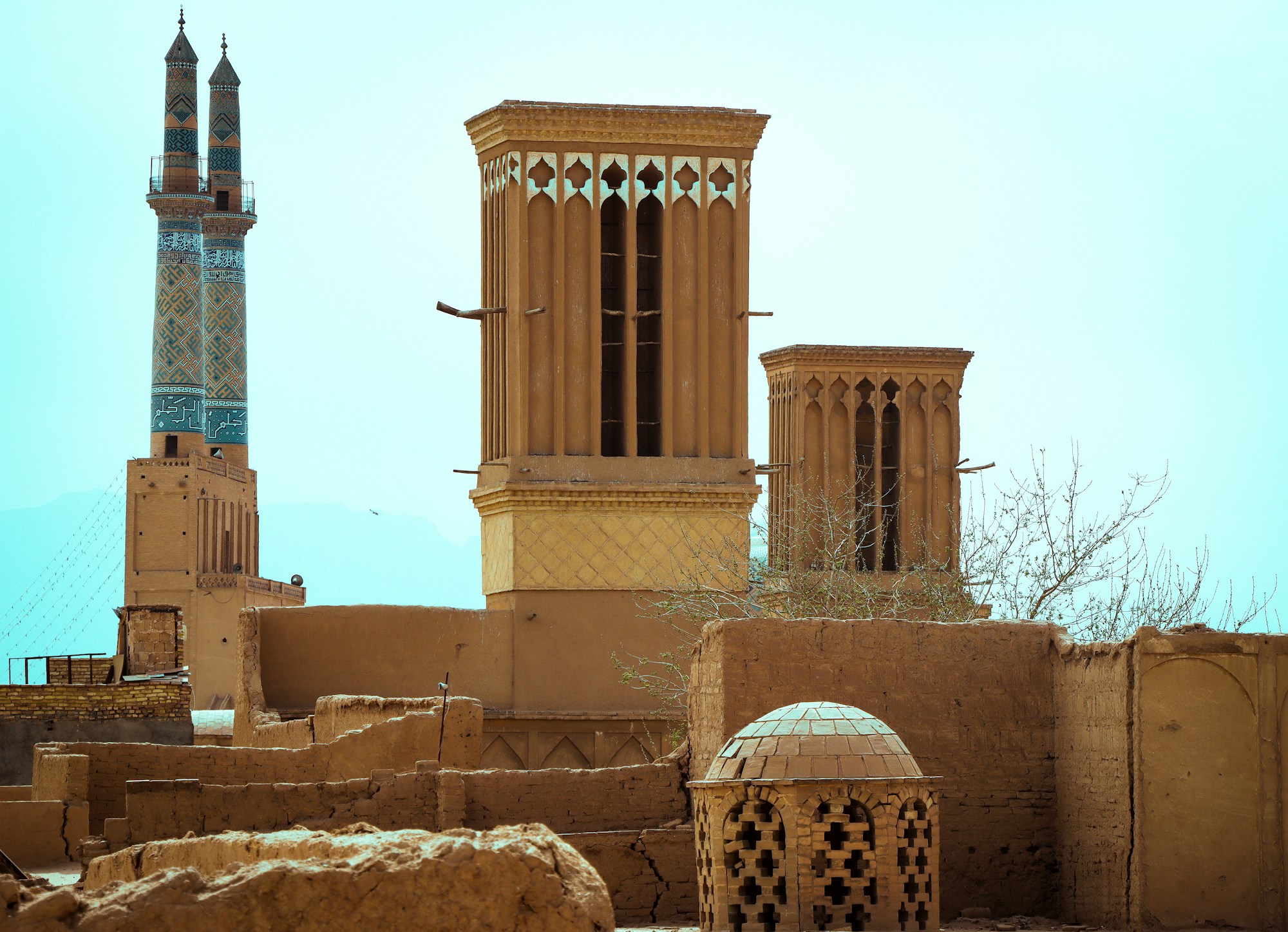
5,000 years of history, a Zoroastrian flame burning for 1,500 years
Yazd is one of the oldest continuously inhabited cities on Earth. Built of adobe brick and clay, its dense network of lanes, courtyards and badgirs (wind catchers) — brick chimneys that draw cool air from above to naturally air-condition homes — is an architectural response to centuries of adaptation to heat and drought. Underground aqueducts (qanats) carry water from distant springs to underground cisterns in every household.
Yazd is also the global centre of Zoroastrian heritage: its fire temples, including one housing a flame burning continuously for more than 1,500 years, coexist with medieval Islamic mosques in a religious dialogue unique in the world. The Towers of Silence (dakhma), rocky summits where Zoroastrians traditionally exposed their dead, dominate the city from the desert.
8. Tehran — The Paradoxical Megacity
14 million inhabitants, hidden Picassos, and a rebellious youth
Tehran is often overlooked in favour of southern cities, but it deserves attention. The Iranian capital conceals a modern city whose riches hide behind officially Islamic-Republic-compliant facades. The Tehran Museum of Contemporary Art holds one of the largest Western art collections outside the United States: Picassos, Warhols, Francis Bacons, purchased before the 1979 Revolution and since inaccessible to the outside world.
What to see
- Golestan Palace (UNESCO) — Royal Qajar residence, mosaics and mirror halls
- Crown Jewels Museum — The world’s largest collection of royal jewels, including the Peacock Throne
- Tehran Grand Bazaar — One of the world’s largest covered bazaars
- Tochal Mountain — Cable car to 3,000 m, skiing in winter, hiking in summer
9. Iran’s 29 UNESCO Sites: the Hidden Gems
Iran ranks 10th in the world for UNESCO World Heritage
Iran has 29 entries on the UNESCO World Heritage List — 26 cultural and 3 natural — placing it 10th globally. Beyond the famous sites (Isfahan, Persepolis, Yazd), here are the lesser-known treasures worth seeking out:
- Shushtar (Sassanid hydraulic heritage) — A millennia-old canal and lock network, UNESCO calls it a « masterpiece of human genius »
- Lut Desert — 166,000 km², world record land surface temperature: 70.7°C, with monumental sand formations called « kaluts »
- Maymand — A cave village continuously inhabited for 12,000 years, one of the oldest living examples of cave-dwelling human habitation
- Hawraman/Uramanat (Iranian Kurdistan) — Inscribed in 2021; cascading terraces, dry-stone houses, the Maqam musical tradition classified as intangible heritage
10. The Future of Iranian Tourism: Counting the Damage
€515 million in losses per day for the region
The regional conflict is costing the travel and tourism industry in the Middle East €515 million per day, according to World Travel & Tourism Council (WTTC) forecasts for 2026. The region could record between 23 and 38 million fewer international visitors this year, with total losses of $34 to $56 billion, according to Invezz.
For Iran specifically, tourism accounted for about 3% of GDP before the conflict, with more than 7 million visitors in 2024. The post-war reconstruction of infrastructure (airports, hotels, roads), the restoration of air links and the restoration of traveller confidence will take at least 1 to 3 years after lasting stabilisation — as shown by the post-war examples of Iraq, Libya and Afghanistan.
11. Alternatives: Discovering Persia Another Way, Right Now
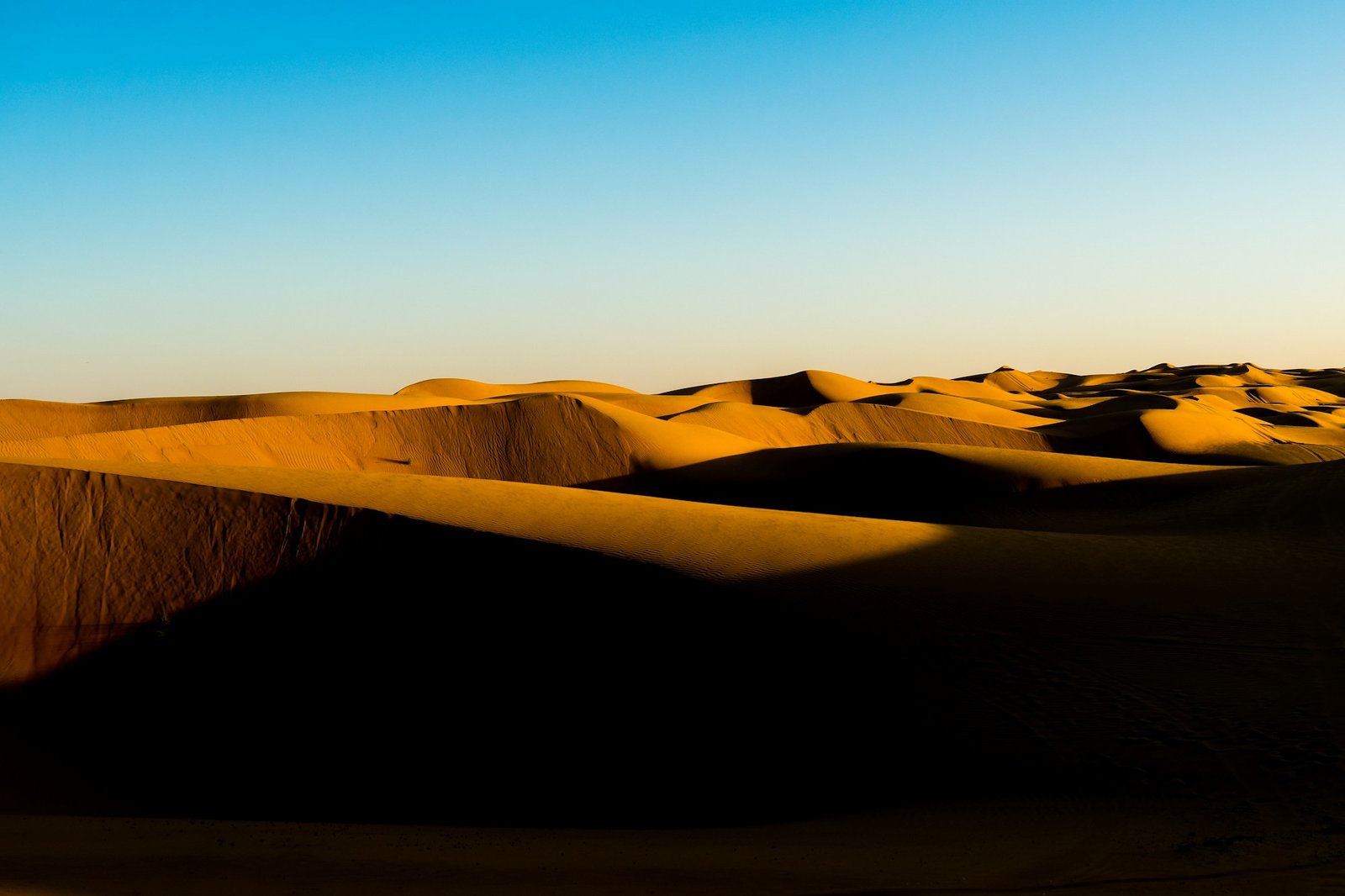
Four safe destinations that speak Persian without a war-zone visa
Oman — The gateway to the Persian Gulf
A stable, open sultanate, Oman shared a common maritime civilisation with Persia since Antiquity. Muscat and its souks, Nizwa and its medieval fort, the wild cliffs of Dhofar, and the Wahiba Desert with its copper-red dunes — Persian echoes in a safe country, accessible without a visa for Europeans, climatically pleasant from October to April.
Armenia — Monasteries with Sassanid influence
The monasteries of Tatev, Geghard and Khor Virap (with views of Mount Ararat) are steeped in Achaemenid Persian culture. No travel restrictions for European nationals. Budget: €50–80/day.
Eastern Turkey — Van, Kars, Doğubayazıt
The city of Van, an ancient Urartian capital in direct contact with Persia, overlooks a turquoise lake. Ishak Pasha Palace in Doğubayazıt looks like something out of a Persian miniature.
Azerbaijan — Northern Persian Iran
Baku retains Persian influences in its Old City architecture (Icheri Sheher, UNESCO listed). Its national museum holds exceptional Sassanid collections.
Practical information for your alternative trip
Nomad Insurance: global coverage from $56/4 weeks. Essential for any trip near an unstable region. 10% off via our link.
From $56 / 4 weeksStay connected as soon as you land in your alternative destination. Instant activation, no physical SIM card needed.
From €4.50Frequently Asked Questions About Iran in 2026
Can you travel to Iran right now (April 2026)?
No. The French Ministry of Foreign Affairs formally advises against all travel to Iran since 28 February 2026. The entire territory is classified as a red zone — the highest alert level. An active armed conflict has resulted in airstrikes on Iranian soil, the near-total closure of airspace, and major security instability. A fragile ceasefire was announced on 7–8 April 2026, but no commercial air service has yet resumed. Check France Diplomatie for real-time updates.
Was Iran dangerous for tourists even before the war?
To some extent, yes. Even in peacetime, any French visitor — including dual nationals — faced a documented risk of arbitrary arrest. This risk applied to people on simple tourist trips (the cases of Benjamin Brière, Olivier Grandeau) or visiting family in Iran. The practice of « hostage diplomacy » is informally acknowledged by many international relations experts.
Why are dual French-Iranian nationals particularly at risk?
Iran does not recognise dual nationality. A French-Iranian national is treated exclusively as an Iranian citizen on Iranian soil. If detained, the French Embassy cannot legally demand access to you. Consular visits are granted « rarely, randomly, and with very short notice », leaving dual nationals completely defenceless before Iranian authorities.
How many UNESCO World Heritage Sites does Iran have?
Iran has 29 entries on the UNESCO World Heritage List: 26 cultural and 3 natural, placing it 10th globally. The most famous include: Meidan Emam in Isfahan (1979), Persepolis (1979), Pasargadae (2004), the Historic City of Yazd (2017), the Golestan Palace (2013), the Lut Desert (2016) and the Hyrcanian Forests (2019).
What visa is required for Iran (for a future visit)?
European nationals require a visa to enter Iran. Before the conflict, a 30-day tourist visa was available on arrival at the international airports of Tehran, Shiraz and Isfahan for approximately €75. Note: any Israeli stamp in your passport results in a systematic refusal of entry. International bank cards do not work in Iran (SWIFT sanctions) — only cash euros or dollars are accepted.
What exactly is the 2026 Iran-USA-Israel war?
On 28 February 2026, the United States and Israel launched a joint military operation with airstrikes on Iran. The Israeli side named it « Operation Roaring Lion »; the American side, « Operation Epic Fury ». After more than 5 weeks of fighting, which led to the death of Ayatollah Khamenei, a provisional two-week ceasefire was announced on 7–8 April 2026. Russia and China vetoed UN resolutions on the conflict.
Is Iran worth visiting for its cultural heritage?
In purely cultural terms, Iran is an exceptional destination: the beauty of Isfahan’s mosques, the grandeur of Persepolis, the unique character of Yazd and its living Zoroastrianism, the legendary hospitality of the Iranian people — all make it one of the world’s richest travel destinations. But in 2026, this cannot translate into practical action. Real security conditions must first be established before any visit can be considered.
When could Iran reopen for tourism?
It is impossible to predict with certainty. The provisional ceasefire of 7–8 April 2026 is a first sign, but reconstruction of infrastructure (airports, hotels, roads), the restoration of air links and the restoration of traveller confidence will take at least 1 to 3 years after lasting stabilisation. The post-war examples of Iraq (2003), Libya (2011) and Kosovo (1999) show that tourism takes several years to recover after an armed conflict of this scale.
Does this warning only apply to French citizens, or to all foreign travellers?
It applies to virtually all foreign nationals, not just French citizens. The US State Department keeps Iran at Level 4 — Do Not Travel, its highest tier, citing the arbitrary arrest and detention of US citizens, current and former government employees, and their family members. The UK’s FCDO, Germany’s Auswärtiges Amt and Belgium’s Foreign Affairs Ministry issue equivalent advisories. Regardless of nationality, the closed airspace during the active conflict makes physical entry impossible in any case, and any dual national of Iran faces the added risk of being treated exclusively as an Iranian citizen once on Iranian soil.
Sources
- France Diplomatie – Iran Security — Official travel advice, updated 19 March 2026
- Britannica – 2026 Iran War — Conflict summary as of 7–8 April 2026
- ASFE – French detainees in Iran — Documentation on state hostages
- UNESCO – World Heritage: Iran — 29 listed sites
- Euronews Travel – Iran war tourism impact — WTTC: €515M/day losses
- Invezz – Iran war tourism impact — $34–56 billion estimated losses
Research conducted on 8 April 2026, last reviewed 16 July 2026: the red zone classification, closed airspace and absence of commercial flights are unchanged since the fragile ceasefire of 7–8 April 2026. Practical information on visas, budgets and itineraries reflects the pre-conflict situation and will become relevant again when the destination eventually reopens.
Ready to plan a safe journey?
While waiting for Iran to reopen, explore our itineraries in Oman, Armenia and Eastern Turkey — safe destinations where Persian civilisation still leaves its mark.
Explore all itineraries