
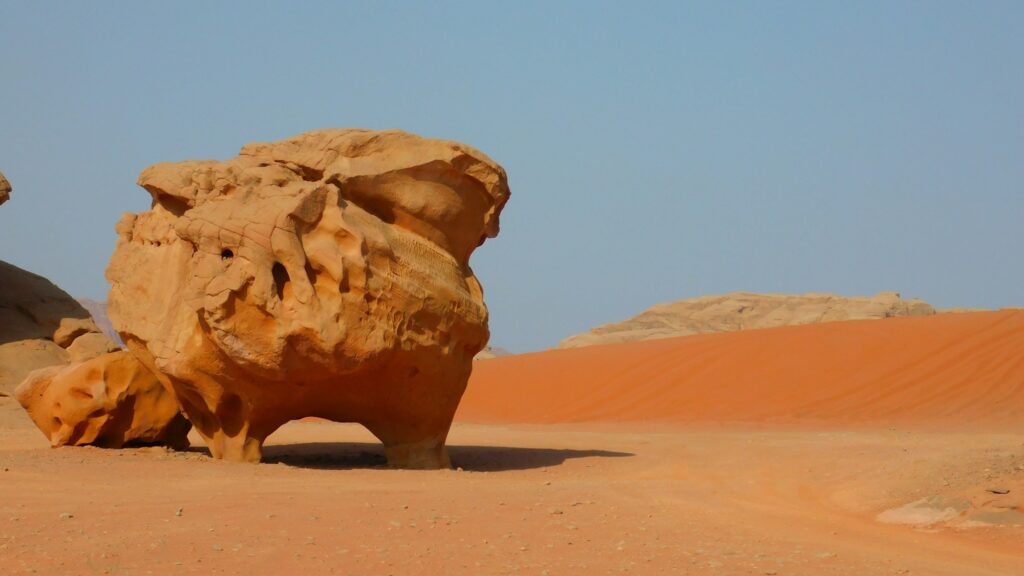
In the first half of 2026, international arrivals to the Middle East fell 22%, according to UN Tourism’s review published on 17 September 2026. Recovery depends on an end to hostilities, traveler confidence and the return of flights. Croatia, Rwanda and Sri Lanka offer reference points, but no universal timeline.
Verified on
As of April 8, 2026, the Middle East is experiencing its most severe tourism crisis since the pandemic. The war between US-Israeli forces and Iran could cost the region’s travel and tourism industry an estimated €515 million per day, according to the World Travel & Tourism Council (WTTC). Oxford Economics projects losses of up to 38 million international visitors and $56 billion in tourism spending in 2026. This shock is all the more brutal because the Middle East had become, post-pandemic, the only region in the world to have exceeded its pre-Covid visitor levels as early as 2023.
Yet the history of global tourism offers a response to this crisis: countries have already survived comparable devastation — and rebuilt. Croatia survived the 1991–1995 war. Rwanda bounced back after the 1994 genocide. Sri Lanka reconstructed its tourism after a 30-year civil war. Their trajectories contain concrete, transferable, and urgent lessons for Jordan, Lebanon, Oman, and Saudi Arabia. A deep dive into the post-conflict tourism resilience playbook.
The 2026 Shock: When Perception Devastates as Much as Bombs
The scale of the shock is precisely documented. Over 5,000 flights were cancelled in the first two days of the conflict. According to Oxford Economics, in a rapid-resolution scenario (1–3 weeks), incoming arrivals to the Middle East could fall 11% in 2026, a loss of 23 million international visitors. In the worst case, losses would reach 38 million visitors — a 27% drop.
The Jordanian case illustrates a devastating phenomenon that appears in all our case studies: the perception of danger is as destructive as the danger itself. Booking cancellations in Jordan reached 60–90%, even though the country is not directly at war. In March 2026, only 2,000 people visited Petra during the post-Ramadan holiday period — compared to 1.17 million visitors in 2023.
April 8, 2026 may mark a turning point: Iran agreed to reopen the Strait of Hormuz for 14 days, through Omani mediation. The regional tourism industry is holding its breath.
Academic research and Oxford Economics agree: countries neighboring conflict zones generally need 5 to 7 years to fully recover their pre-geopolitical-crisis tourism levels.
Croatia: From Bombed Dubrovnik to Overtourism in 7 Years
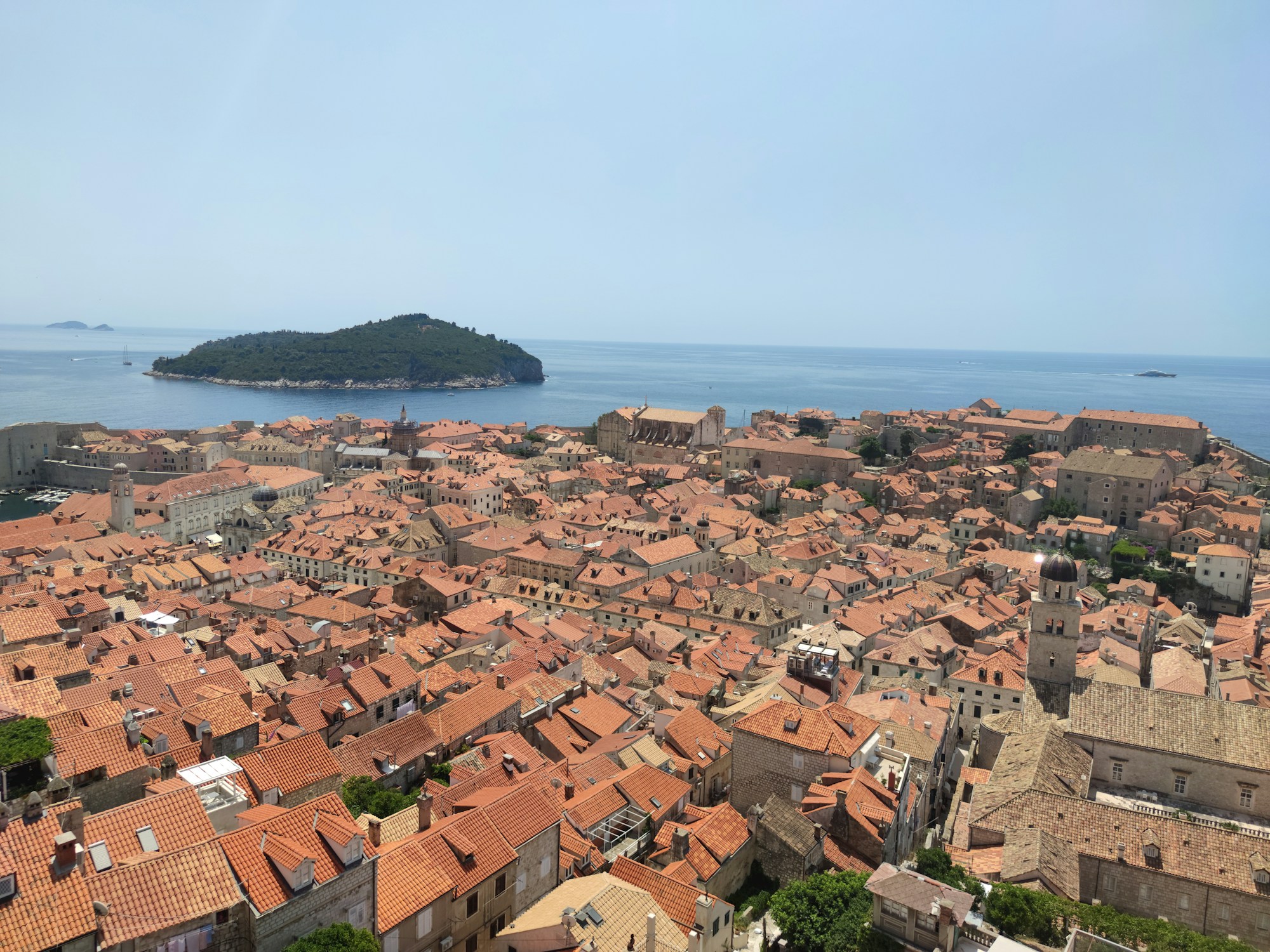
During the Yugoslav war (1991–1995), Dubrovnik was heavily bombarded during the 1991 siege. Croatian tourism was virtually non-existent. According to Murat Esmer (2026), Croatia had to reposition its image, change its promotional methods, and develop new services to create a positive image as a safe country. Dubrovnik’s reconstruction benefited from £6 million in emergency UNESCO funds.
The comeback was spectacular. By 2000, 5.6 million visitors were arriving annually, and overnight stays had returned to pre-war levels by 2002 — just 7 years after the end of the conflict. Thirty years later, the country welcomes 21.8 million arrivals and a record 110 million overnight stays in 2025.
But Croatia’s success carries a warning for the Middle East. By 2017, Dubrovnik was swamped by negative publicity linked to overtourism. The city had to launch the « Respect the City » project, reducing souvenir stands by 80% and restaurant seating by 30%.
Reconstruction is a quality opportunity, not merely a quantitative emergency. Lebanon and Jordan must design a managed capacity model from the outset to avoid replicating Croatia’s overtourism problem.

Rwanda: From Genocide to #1 Foreign Currency Earner in 13 Years

The 1994 Rwandan genocide, in which over 800,000 people were killed in 100 days, brought tourism to a complete halt. What Rwanda accomplished next constitutes one of the most extraordinary post-conflict tourism recovery stories ever documented. By 2007, just 13 years after the genocide, tourism had become the country’s top foreign currency earner.
The strategy is clear, deliberate, and entirely transferable. The government’s tourism authority restructured the sector around high-value niches: ecotourism, gorilla watching, community-based tourism, and memorial tourism, according to the World Economic Forum (Oct. 2024). The philosophy: « Rwanda is ecologically fragile, so we can’t do mass tourism — our strategy is low volume, high returns. »
This « high value, low impact » model translates concretely: gorilla trekking permits cost $1,500 per person, 10% of all national park revenue is reinvested in local communities, and former poachers have been converted into wildlife guardians through the « Gorilla Guardians Village. » Tourism now represents 11% of Rwanda’s GDP.
Saudi Arabia (Vision 2030) and Oman should apply this « high value, low impact » philosophy to their new destinations (AlUla, Dhofar, Wahiba Sands). Volume cannot be the immediate priority — value per visitor must be.
Sri Lanka: Reintegrating Conflict Zones into the Tourism Map
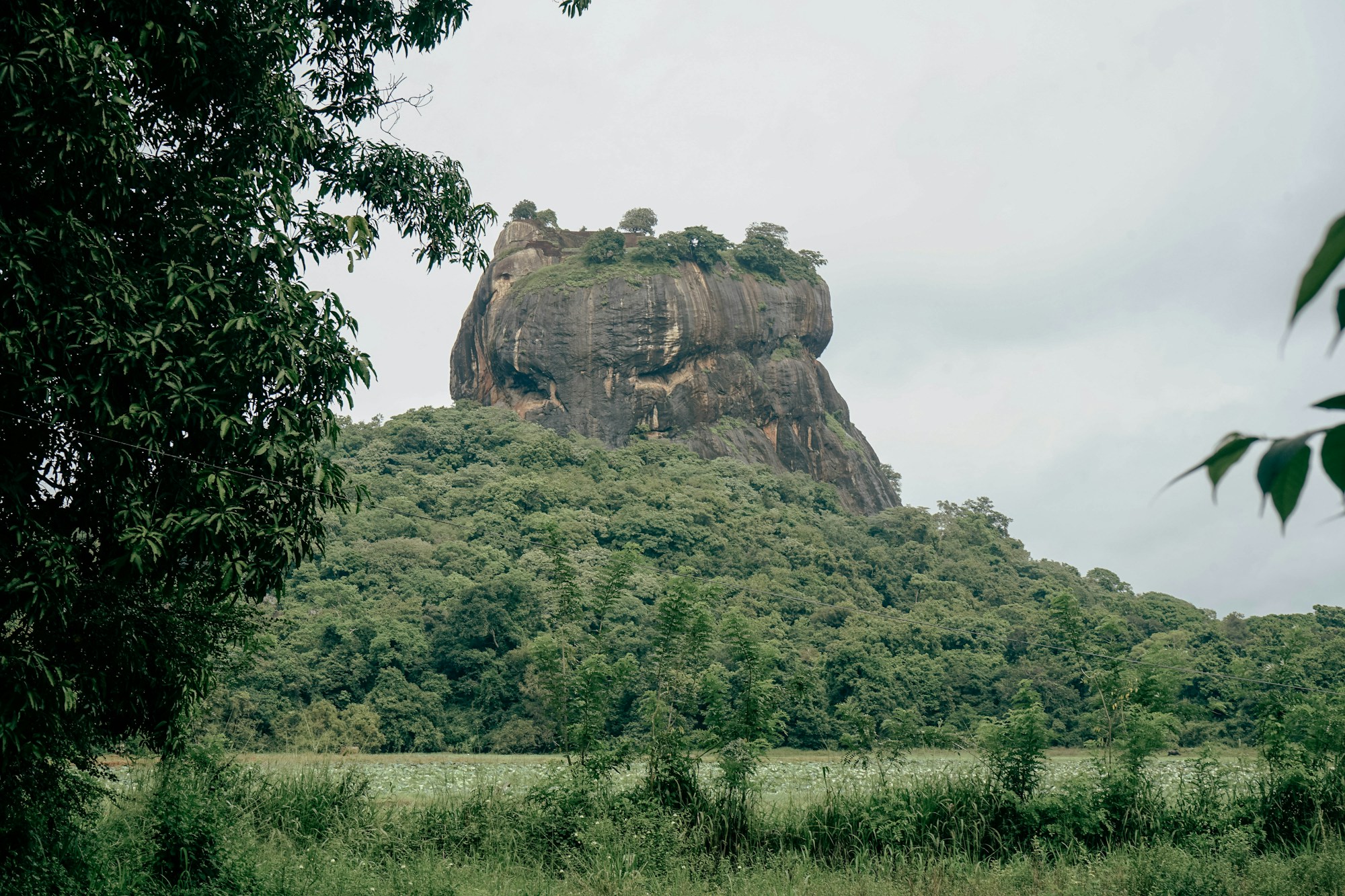
The 30-year war between the Sri Lankan government and the Tamil Tigers (LTTE) profoundly marked the island’s tourism. The post-2009 recovery was gradual but spectacular: with over 2 million tourists in 2024 (+38% on 2023), the country seemed to have successfully transformed its tourism sector.
Sri Lanka’s most valuable lesson is the touristic reintegration of conflict zones. The island’s northern provinces, cut off from the world for 26 years of war, have rejoined the tourism map: Jaffna Fort, war memorials, and the colorful Hindu temples of the peninsula now attract visitors fascinated by Tamil culture and recent history, according to the MEIG Programme (April 2025).
But Sri Lanka also illustrates a crucially important phenomenon: the impact of the Iranian conflict on third countries. Over 60% of high-spending tourists reach Sri Lanka via Gulf hubs (Dubai, Doha, Abu Dhabi). Result: in March 2026, arrivals fell to 183,979 versus 229,298 in March 2025 — a 19.7% drop. A war in the Middle East affects a boutique hotel in Ella or a surf shop in Weligama. The interconnectedness of global tourism has never been clearer.
Jordan: Near-Empty Petra — A Paradox to Turn Into Opportunity
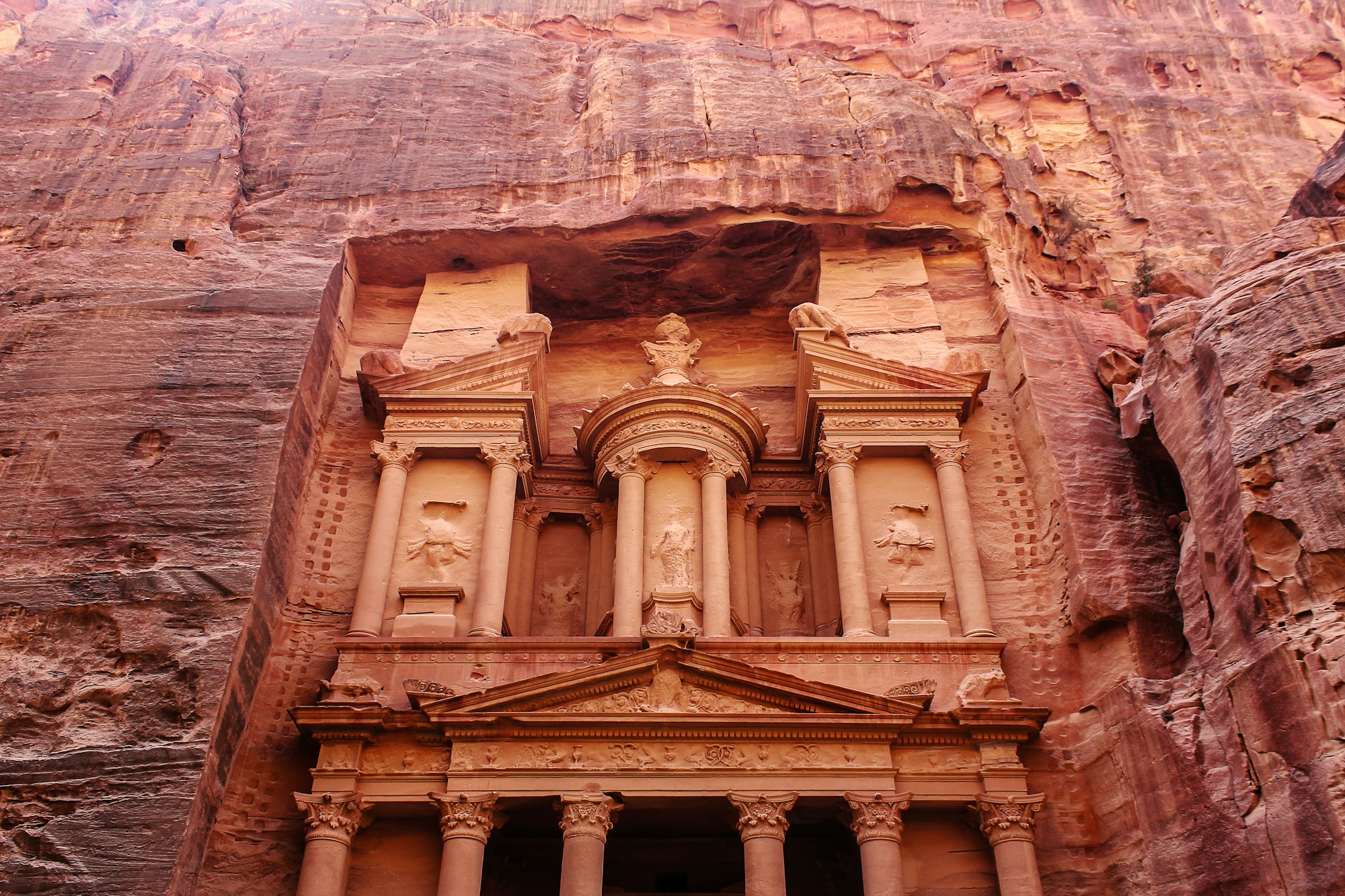
Jordan embodies the cruellest paradox of neighboring-country tourism: a geographically stable, politically neutral country, yet touristically devastated by conflicts that don’t directly involve it. Petra’s visitor numbers crashed from 1.17 million in 2023 to just 457,000 in 2024 — six out of ten visitors vanishing in twelve months. The situation deteriorated further in 2026, according to Tourism Review (March 2026).
In March 2026, only 2,000 people visited Petra during the post-Ramadan holidays. Paradoxically, this is the dream moment to explore it without crowds. The empty pathways wind through the Siq gorge to the pink Treasury — an experience few travellers will ever have the chance to live this way.
Lebanon: Beirut Between Ruins and Renaissance — The Most Complex Case
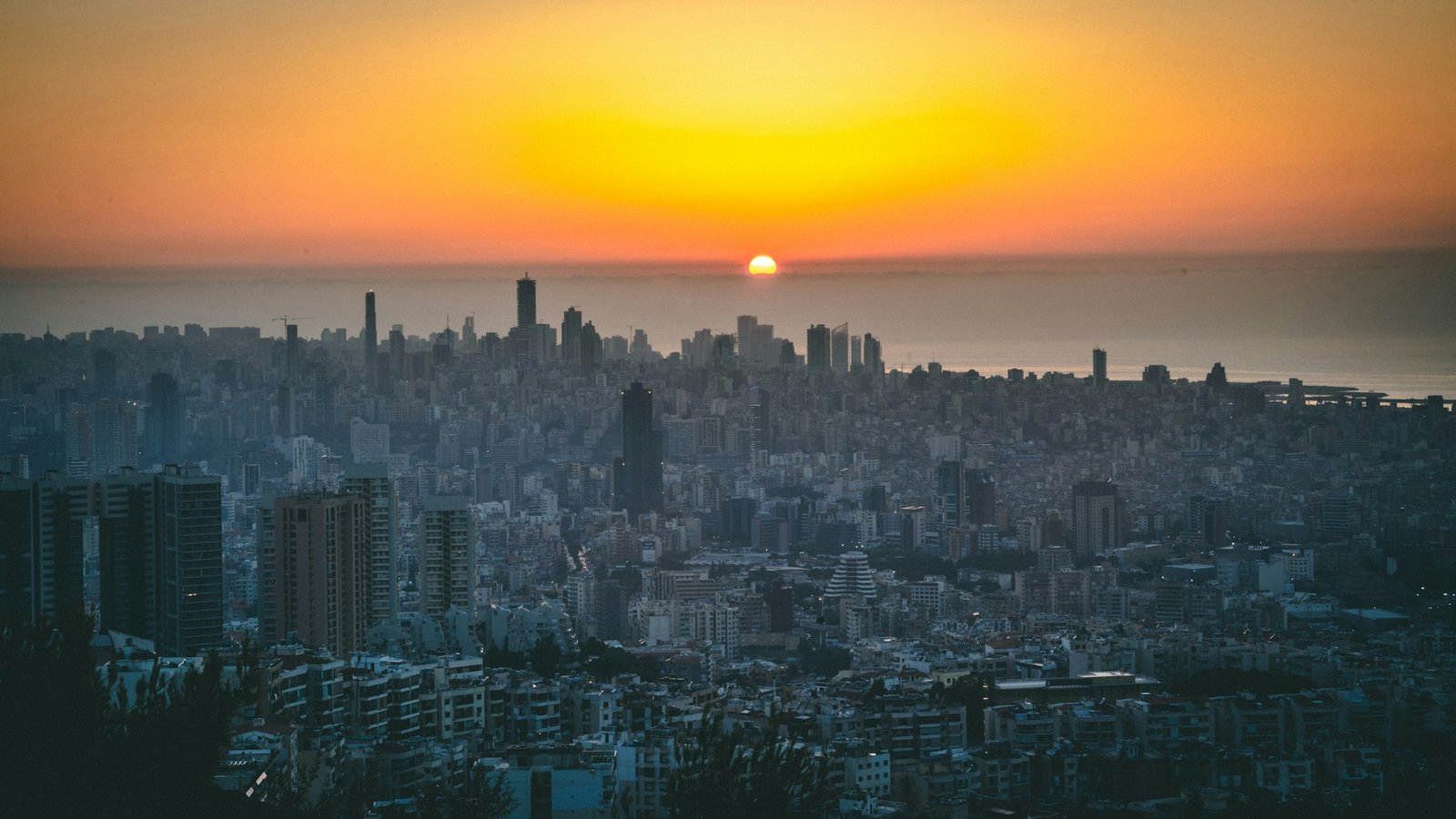
Lebanon represents the most complex case in this analysis: a country that has already gone through multiple conflict-reconstruction cycles, that knows the post-conflict recovery formula in theory, but struggles to implement it due to an unprecedented accumulation of crises. Reconstruction needs estimated at $11 billion by the World Bank (March 2025) confirm the scale of the challenge.
Yet positive signals exist. The repositioning strategy toward Gulf luxury tourism is showing its first fruits. The Lebanon Mountain Trail — a 470km trail crossing the country from north to south — attracts a wealthy hiking clientele seeking authenticity. The Lebanese diaspora of 15 million people represents a particularly resilient « captive tourism » segment, returning despite war for family reunions and cultural connection.
Oman: Diplomatic Neutrality as a Unique Tourism Advantage
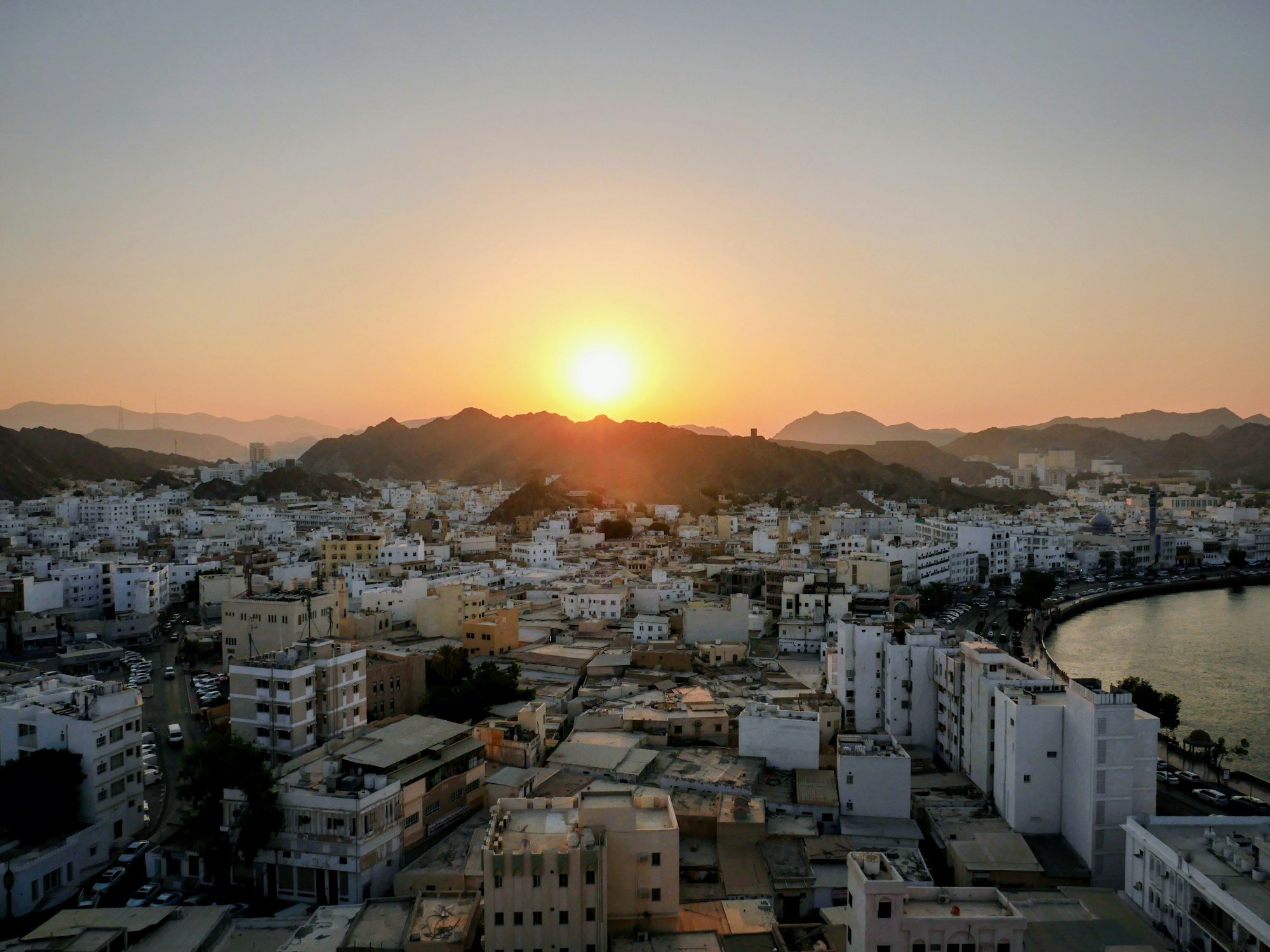
In 2026, Oman presents a fascinating case study: a country whose unique diplomatic positioning gives it a real differentiating advantage amid regional chaos. This « friend of all, enemy of none » stance is deeply embedded in Omani foreign policy. Unlike some of its Gulf neighbors, Oman has no troops deployed against Iran and no strategic facilities used as active launch points in this conflict, according to Pinkstone Travel (March 2026).
This neutrality translates diplomatically: Oman has acted as an intermediary between Iran and the US, with the 14-day Strait of Hormuz truce on April 8, 2026 negotiated through Omani mediation. Muscat International Airport has remained operational and is handling significant diverted traffic volumes as one of the few functional regional hubs.

Saudi Arabia: Vision 2030 Under Fire — and 116 Million Visitors in the Bank
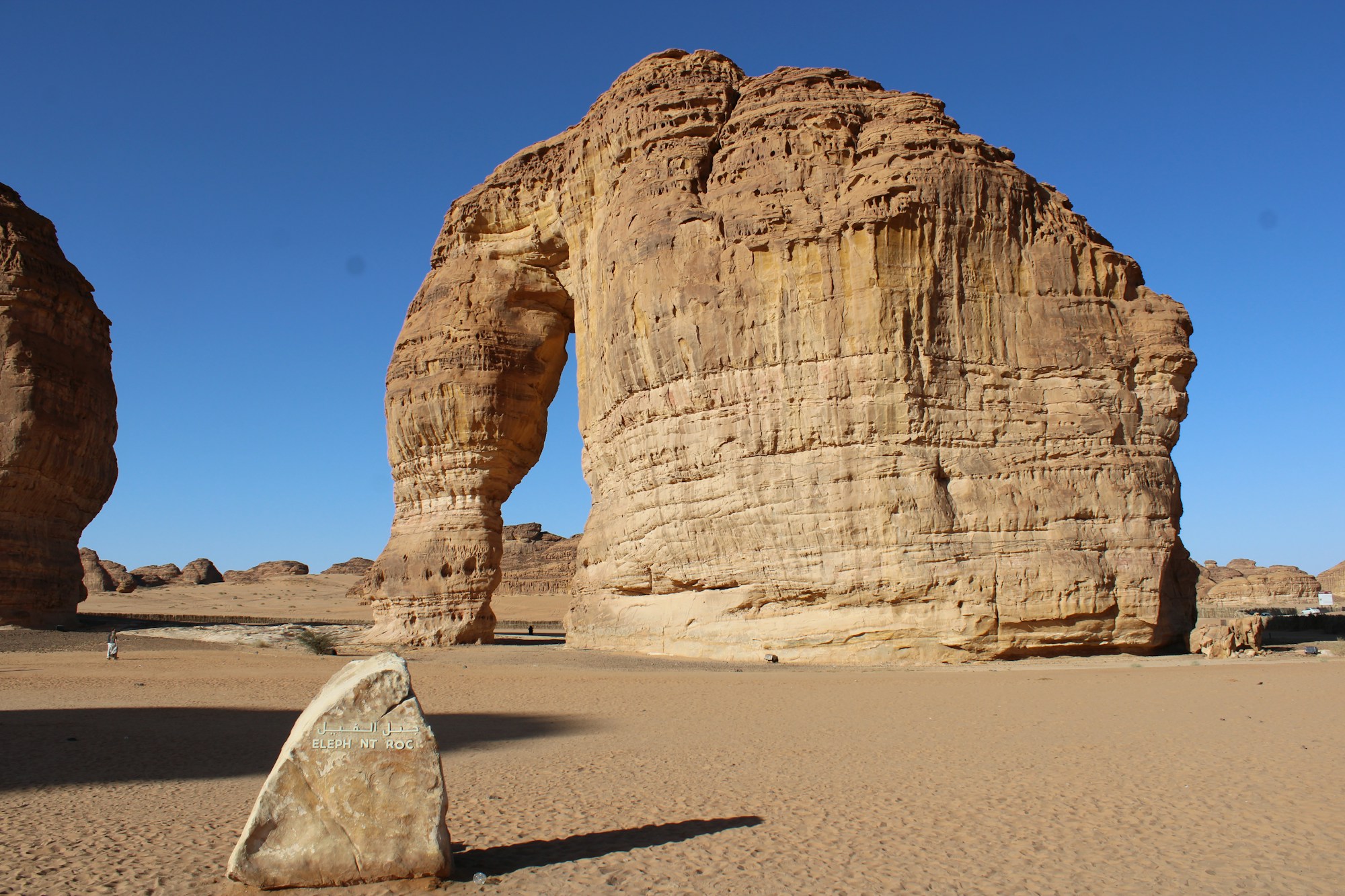
Saudi Arabia constitutes the most strategically interesting case: a country in full tourism transformation that achieved spectacular progress before 2026. The Kingdom entered the year from a position of extraordinary strength with 116 million visitors in 2025 and $73 billion in tourism revenues. For a country that only opened its doors to international leisure tourism in 2019, this growth is remarkable.
AlUla — Saudi Arabia’s equivalent of Petra — is arguably one of the decade’s greatest archaeological revelations. The UNESCO-listed Nabataean tombs of Hegra (Madain Saleh) are as impressive as those at Petra, yet virtually crowd-free. In April 2026, cascading cancellations paradoxically create an exceptional access window to these sites.
7 Lessons for the Middle East: The Tourism Resilience Playbook
Rwanda and Croatia both repositioned themselves not as places of tragedy but as destinations of resilience, nature, and culture, enabling them to surpass pre-war tourism benchmarks in under a decade.
Risk perception is as influential as actual risk. Proactive communication on real safety — via embassies, travel influencers, certified bloggers — is non-negotiable.
Volume cannot be the immediate priority. Value per visitor must be. Oman and Saudi Arabia should apply this principle to their new destinations.
The « dark tourism » market is estimated at $530 million in 2025, projected to reach $927 million by 2035. Conflict memorial sites are tourism assets, not liabilities.
Jordan, heavily dependent on Europeans via Gulf hubs, must target Asian markets (India, China, South Korea) accessible via alternative routes.
Gulf countries can leverage their large expatriate resident populations (38% of Saudi population) as « captive tourists » during the crisis.
Lebanon, with $11 billion to rebuild, must integrate a managed capacity model from the design stage to avoid replicating Croatia’s overtourism problem.
For a broader view of post-conflict tourism, see Georgia, Armenia and Azerbaijan after conflict.
Where Recovery Stands in October 2026
This guide is dated 8 April 2026. Since then, UN Tourism has published its first-half 2026 review: international arrivals to the Middle East fell 22% over the period, and air traffic disruptions gradually eased in May and June after a ceasefire was announced. Worldwide, arrivals are now expected to grow 1% to 2% in 2026, against 3% to 4% in January’s forecast.
The €515M a day cited above remains a WTTC estimate built on pre-war forecasts, not a measured loss.
Realistic Recovery Timeline: From Immediate Crisis to Surpassing Pre-War Levels
| Phase | Timeline | Priority Actions | Reference Model |
|---|---|---|---|
| Immediate Crisis | 0–3 months | Emergency support for tourism businesses, domestic tourism, retaining skilled staff | Sri Lanka (2009) |
| Stabilization | 3–12 months | Airspace reopening, visa liberalization, pro-safety communication campaigns | Croatia (1995–1996) |
| Repositioning | 1–3 years | Narrative rebranding, source market diversification, niche development (dark tourism, ecotourism) | Rwanda (1995–2000) |
| Expansion | 3–7 years | Return to pre-conflict levels, sustainable development, overtourism prevention | Croatia (2000–2002) |
| Surpassing | 7–15 years | Exceed pre-conflict levels with a superior value model | Rwanda (2007+) |
FAQ: Post-Conflict Tourism Recovery
Can the Middle East recover as quickly as Croatia?
The « Croatia scenario » (return to pre-war levels in 5–7 years) is realistic for Jordan and Saudi Arabia, which have solid infrastructure, stable governments, and significant national reserves. Lebanon, with its accumulated debt of 40% of GDP since 2019 and $11 billion in reconstruction needs, will need a longer timeline. Recovery chronology varies enormously, from Croatia’s rapid 7-year return to Lebanon’s multidecade challenges, according to Oxford Economics research.
Why does Jordan suffer so much if it’s not directly at war?
This is the central phenomenon of neighbouring-country tourism: the perception of danger is as destructive as the danger itself. Even though fighting hasn’t spilled into Jordan, the sense of danger became strong enough to keep the vast majority of global tourism away. In the era of instant media coverage and social amplification, perception spreads rapidly across markets, often outpacing factual distinctions between countries. What travellers feel about their safety matters more than actual nearby fighting.
Which travellers should still visit Jordan or Oman right now?
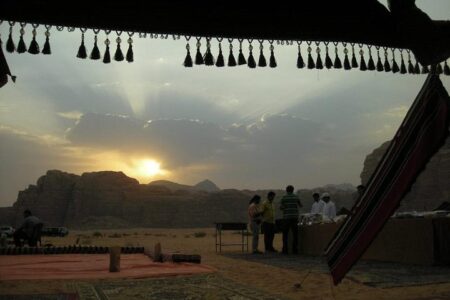
Experienced, flexible travellers with good travel insurance (covering evacuation and geopolitical cancellations), capable of modifying plans within 24 hours. Small group tours with local guides offer enhanced safety and reactivity. Oman, thanks to its diplomatic neutrality and operational airport, currently presents the lowest risk profile in the region. For Jordan: the north (Amman, Jordan Valley) is considered safe; Petra and Wadi Rum in the south remain accessible. Always check your embassy’s latest travel advisories before departure.
Is « dark tourism » truly an economic recovery tool?
Absolutely. The broader war and memorial tourism market is estimated at $530 million in 2025, projected to reach $927 million by 2035 (5.7% CAGR). The Kigali Genocide Memorial (Rwanda), Dubrovnik War Museum, and Jaffna Fort (Sri Lanka) are concrete, economically viable examples. For the Middle East, Lebanon’s archaeological sites (Byblos, Baalbek) and Jordan’s historic routes (Via Nova Traiana, Nabataean Trail) can fit into this dynamic — provided they’re framed within a narrative of resilience, not victimization.
What alternatives exist for travellers cancelling their Middle East plans?
Several alternatives offer similar experiences: Matera (Italy) or Cappadocia (Turkey) for a Petra-equivalent experience; Spain, Italy or Greece for Mediterranean cultural destinations (Mabrian already signals early demand transfer from the Middle East to Southern Europe); Georgia, Armenia and Azerbaijan as major beneficiaries of diverted tourism flows from the Gulf. Turkey, maintaining its flight connections and neutrality, is also capturing a significant share of displaced demand.
Sources
- Euronews — Iran War Risks €40 Billion Loss in Middle East Tourism (March 2026)
- Oxford Economics — Tourism Impacts in Middle East from Iran War (March 2026)
- Murat Esmer — Impact of War on Tourism (March 2026)
- World Economic Forum — Sustainable Tourism and Mountain Gorillas in Rwanda (Oct. 2024)
- MEIG Programme — Can Tourism Be a Pathway to Peace? Sri Lanka (April 2025)
- Tourism Review — Jordan Tourism Faces Critical Times (March 2026)
- Pinkstone Travel — Is Oman Still Safe to Visit? (March 2026)
- Al Jazeera — Oman/Iran Discuss Smooth Transit in the Strait of Hormuz (5 April 2026)
- World Bank — Lebanon Recovery and Reconstruction Needs: $11 Billion (March 2025)
- Brand Lebanon — From Conflict to Comeback (Feb. 2025)
Ready to discover the Middle East differently?
Explore our tailor-made itineraries for Jordan and Oman — journeys designed for curious explorers who know the best destinations are visited before the crowds return.
Explore itineraries