

Travel to the Gulf is still possible in October 2026, but advice differs by country. France advises against travel to Kuwait except for compelling reasons (updated 10 September 2026). The UK no longer advises against all but essential travel to Kuwait (updated 20 August 2026). Flight cancellations and airspace closures remain possible in the region.
Verified on against the official advisories of the French Foreign Ministry and the UK Foreign Office.
Kuwait, Bahrain, Qatar, Oman — these Gulf micro-states were on their way to becoming the new stars of global tourism. Then, on February 28, 2026, the first strikes of the joint US-Israeli operation against Iran changed everything. Within hours, Iranian missiles were reaching Manama, Kuwait City and Doha. Airports closed. Cruises were cancelled. And tens of thousands of travelers found themselves stranded or rushing home.
On April 8, 2026, a two-week ceasefire was announced — Iran has agreed to reopen the Strait of Hormuz. The situation is evolving hour by hour. This guide gives you an honest, sourced picture of these destinations: what they’re really worth, what risks you face by going now, and how to approach them wisely for autumn-winter 2026 if stabilization holds.
⚠️ Editorial note: the security information in this guide was verified on 17 October 2026. Always check your government’s official travel advisories before traveling to the region.
1. The Gulf at War: What Has Happened Since February 2026
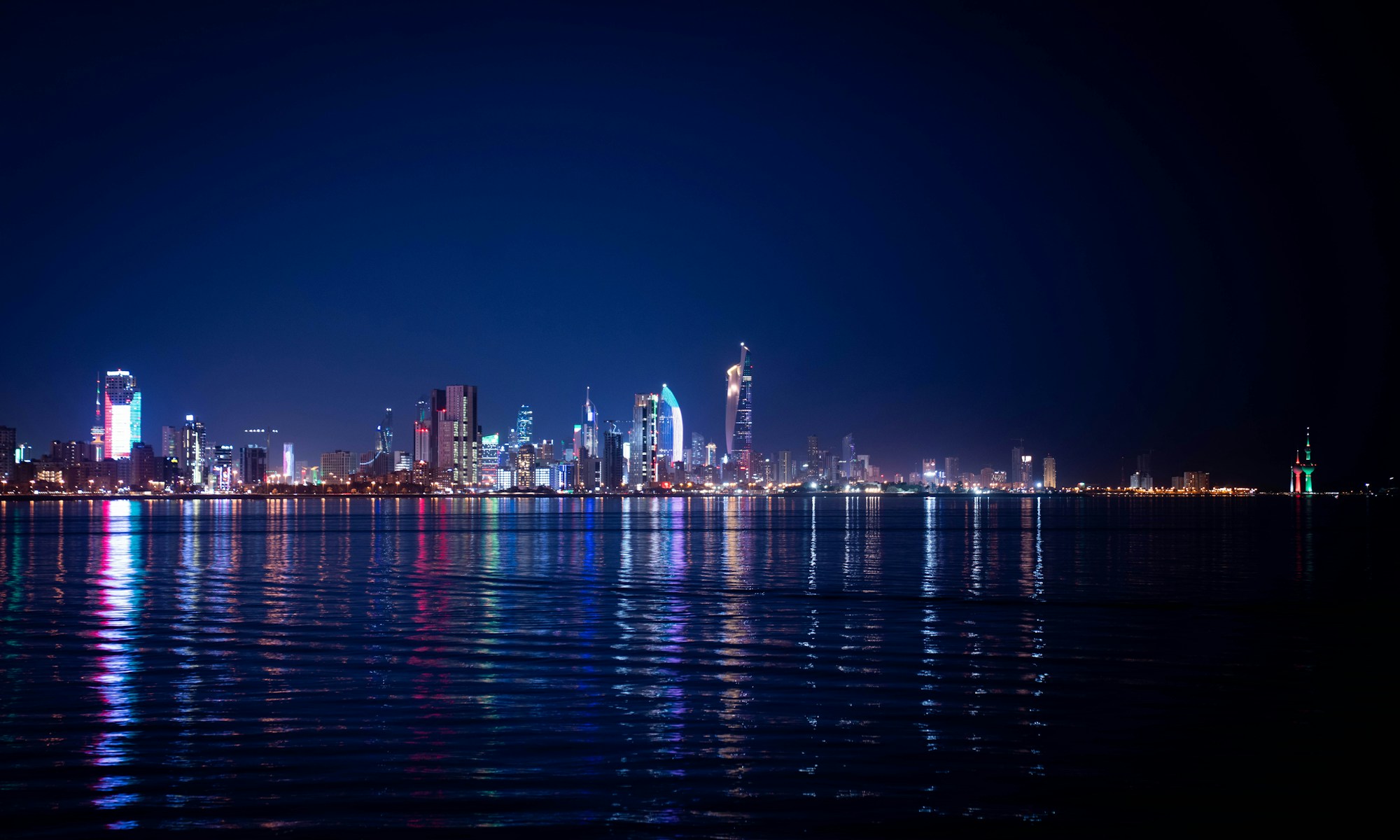
The « Third Gulf War » and Its Impact on Tourism
On February 28, 2026, a joint US-Israeli military operation — codenamed « Epic Fury » on the American side and « Roaring Lion » on the Israeli side — triggered a cascade of Iranian retaliatory strikes across the Arabian Peninsula. According to Wikipedia, Iran simultaneously targeted Al Udeid Air Base in Qatar, Ali Al Salem Air Base in Kuwait, Al Dhafra Base in the UAE, and the US Fifth Fleet headquarters in Bahrain.
The six GCC (Gulf Cooperation Council) member states authorized the United States and Israel to use their airspace and military installations, which made them legitimate targets in Tehran’s eyes. Gulf economies were losing more than $2.3 billion per day, while oil exports fell by nearly 60%.
For tourism, Euronews reports that economists estimate a drop in arrivals of 11 to 27% across 2026 — that’s 23 to 38 million fewer visitors and a loss of $34 to $56 billion.
What Changed on April 8, 2026
- Two-week ceasefire announced between the United States and Iran
- Strait of Hormuz reopened — first vessels passed through at 08:44 UTC
- Partial resumption of commercial flights possible in the coming days
- The situation remains fragile — monitor official alerts
2. Kuwait — The Authentic Anti-Tourist Destination
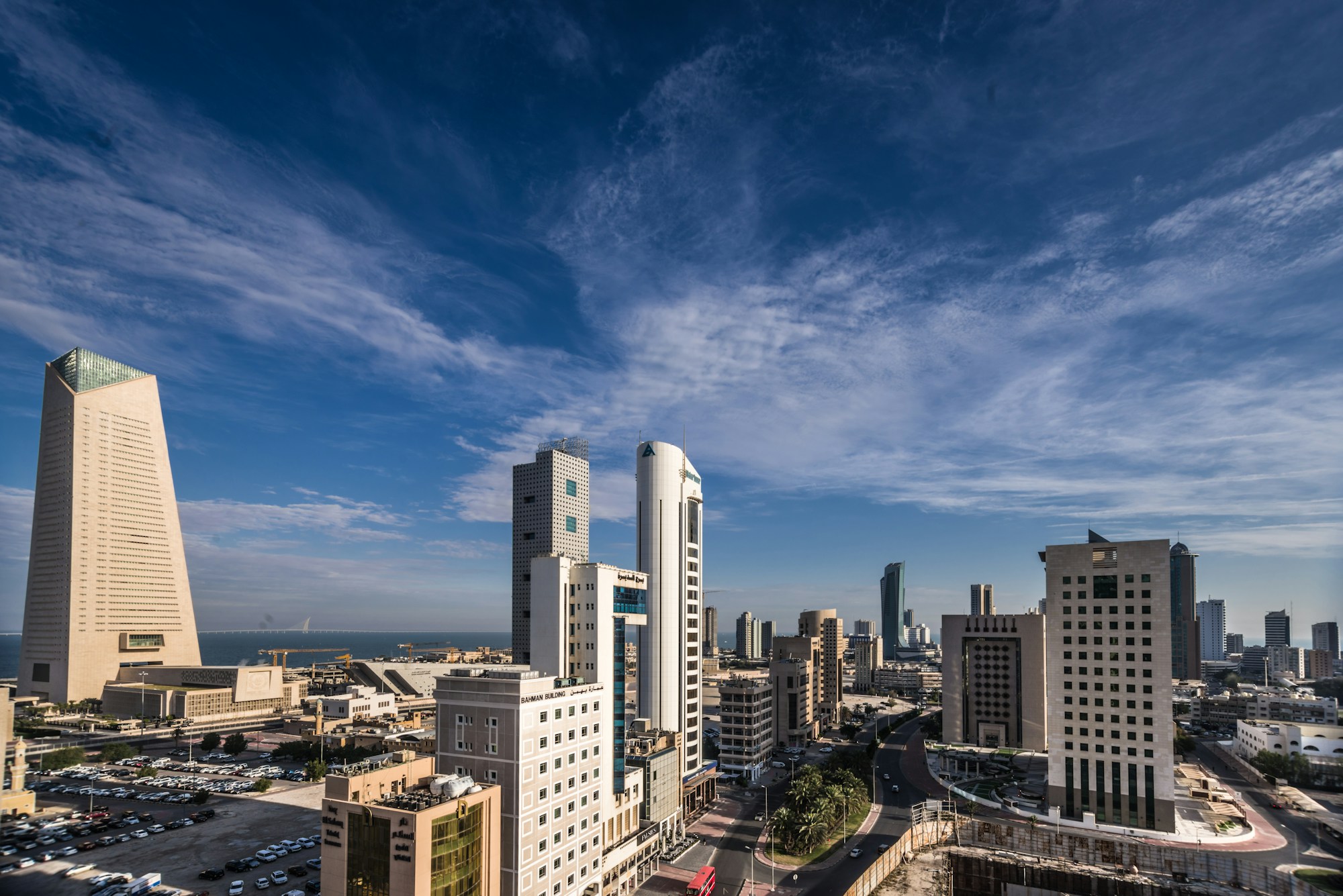
🇰🇼 Kuwait City — The Destination That Doesn’t Need You
Kuwait is an absolute paradox in the world of tourism. According to NeverEndingFootsteps, the country is « not particularly interested in developing a tourism industry — which is such a rarity in itself that it almost makes it interesting to explore. » This complete absence of tourist packaging makes it one of the most authentic experiences in the Gulf: the real Kuwait, unfiltered and unpackaged.
The Kuwaiti dinar (KWD) is one of the world’s strongest currencies (1 KWD ≈ $3.25 USD). Yet a 3-star hotel starts at $60/night, and you can eat extremely well for 5 KWD at local restaurants.
What’s Genuinely Worth the Trip
- Al-Mubarakiya — one of the country’s oldest souks (200 years), Persian rugs, costumes, perfumes, antiques
- The Grand Mosque — the country’s most beautiful landmark, completed in the 1980s, capacity of 10,000 worshippers
- Tareq Rajab Museum — Islamic arts, gold and silver jewelry, manuscripts, world-class private collection
- The desert and Bedouin camps — quad biking, sleeping under the stars, tea with locals
- Southern desert areas: possible presence of leftover mines from the Gulf War — stay on marked tracks
3. Bahrain — The Pearl of the Gulf That Holds On
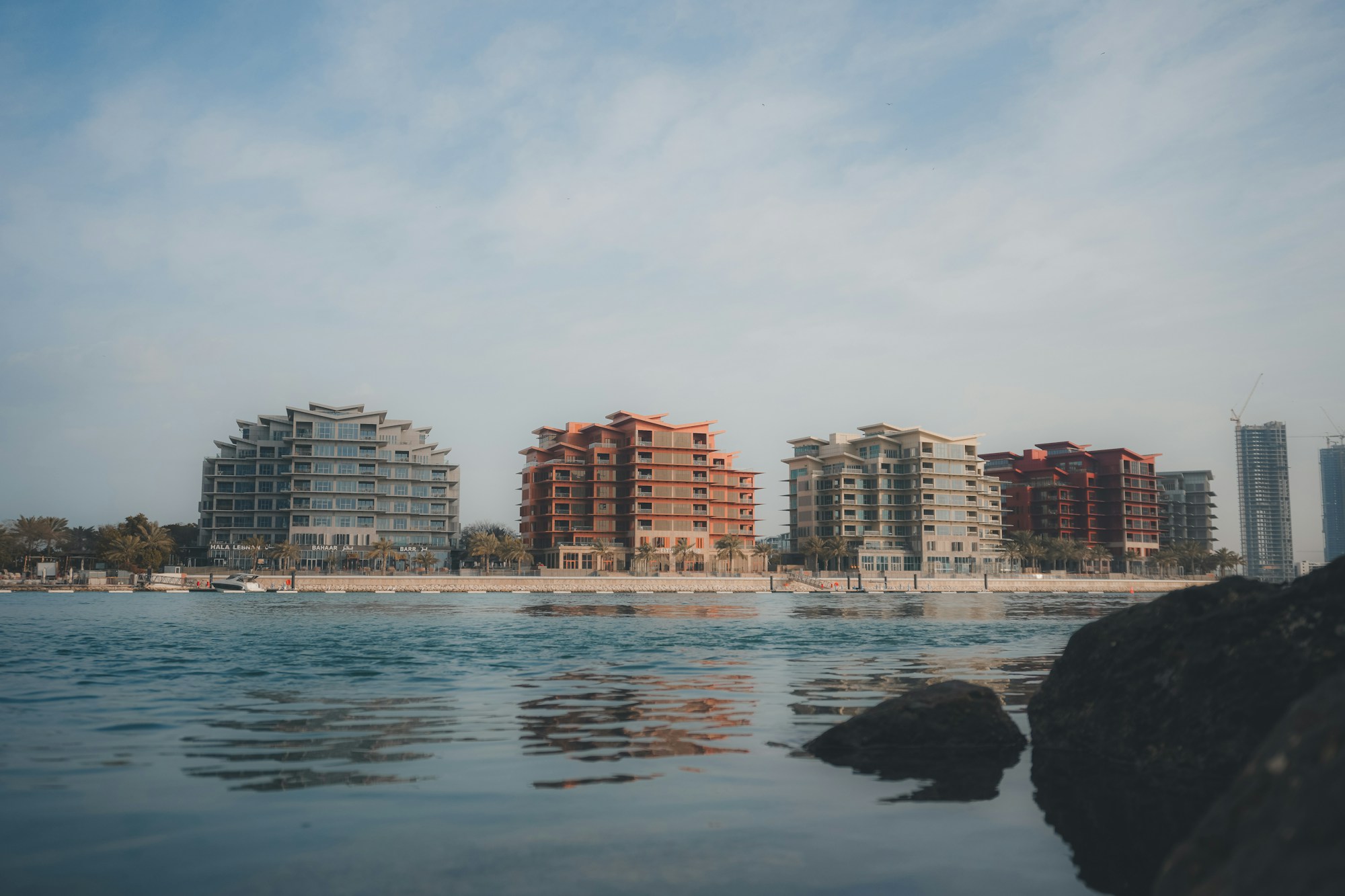
🇧🇭 Manama and Muharraq — Two Capitals for the Price of One
Often called the « Pearl of the Arabian Gulf, » Bahrain is an archipelago of 33 islands offering a fascinating blend of antiquity and modernity. MIR Corp describes Bahrain as « a place where skyscrapers stand alongside majestic mosques, rich in history since the Dilmun civilization 5,000 years ago. »
Bahrain’s unique feature in the Gulf: alcohol is legal. Bars, clubs, concerts — Manama has a real nightlife that thousands of Saudi nationals cross the King Fahd Causeway to enjoy every weekend. And this is its major geographic advantage in this crisis context: 74% of arrivals in Bahrain come by land — meaning the country remains accessible even when airports close.
Must-Sees
- Bahrain Fort (UNESCO) — Dilmun Empire archaeological site, 4,000 years of history
- Tree of Life (Shajarat-al-Hayat) — 400 years old, in the middle of the desert, no known water source, an absolute mystery
- Muharraq — the ancient capital with coral stone merchant houses and dhow shipyards
- Dilmun Burial Mounds (UNESCO) — world’s largest prehistoric cemetery, 100,000 mounds dating to 2200 BC
- Bahrain Surf Park (2026) — brand new controlled-environment surf park with artificial perfect waves
- Jarada Island — ephemeral island appearing only at low tide, white sand beach surrounded by turquoise waters
4. Qatar (Doha) — The Diplomatic Hub Under Pressure
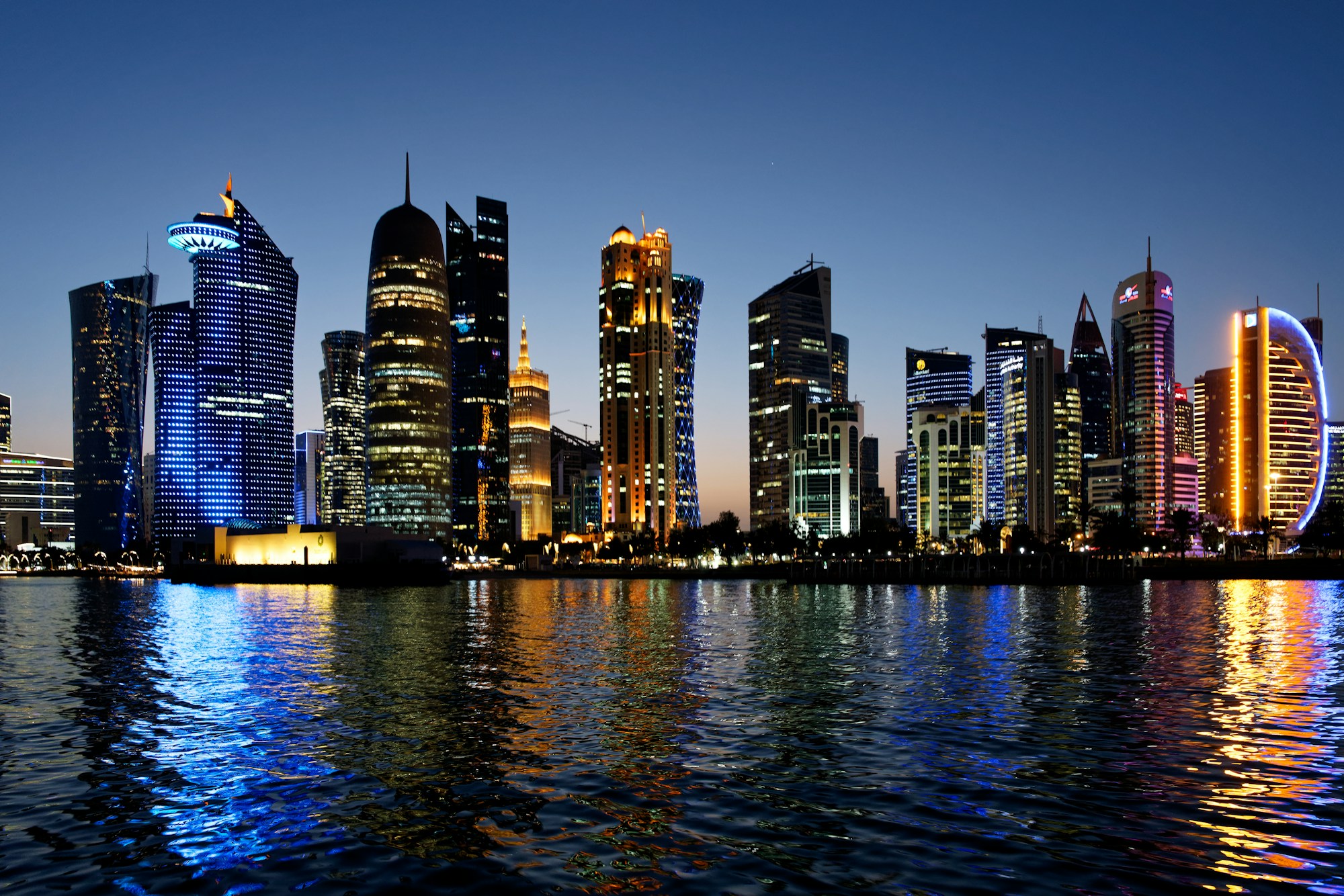
🇶🇦 Doha — The City Playing Its Diplomatic Card
Qatar perfectly illustrates the geopolitical complexity of the Gulf in 2026. MIR Corp notes that « Qatar’s small geographic size in no way reflects its outsized geopolitical role and the deeply independent path it charts for itself. » Since the 2022 World Cup, Doha has invested massively in tourism — and continues to do so despite the turbulence.
What partially protects Qatar: its role as an active diplomatic mediator in the conflict. Qatari officials shuttle between Tehran and Washington, relaying messages and calling for restraint. This diplomatic neutrality gives it relative protection — relative only, as Al Udeid Base was still targeted in February.
What Doha Has to Offer
- National Museum of Qatar — spectacular desert rose-shaped architecture
- Souq Waqif — one of the best-preserved souks in the Arabian Peninsula
- Doha Corniche — 7 km promenade facing the West Bay towers
- Katara Cultural Village — cultural complex dedicated to Gulf arts and traditions
- Regional aviation hubs were handling 526,000 passengers/day before the crisis — capacity is heavily reduced at present
5. Oman — The Gulf’s Most Resilient Sultanate
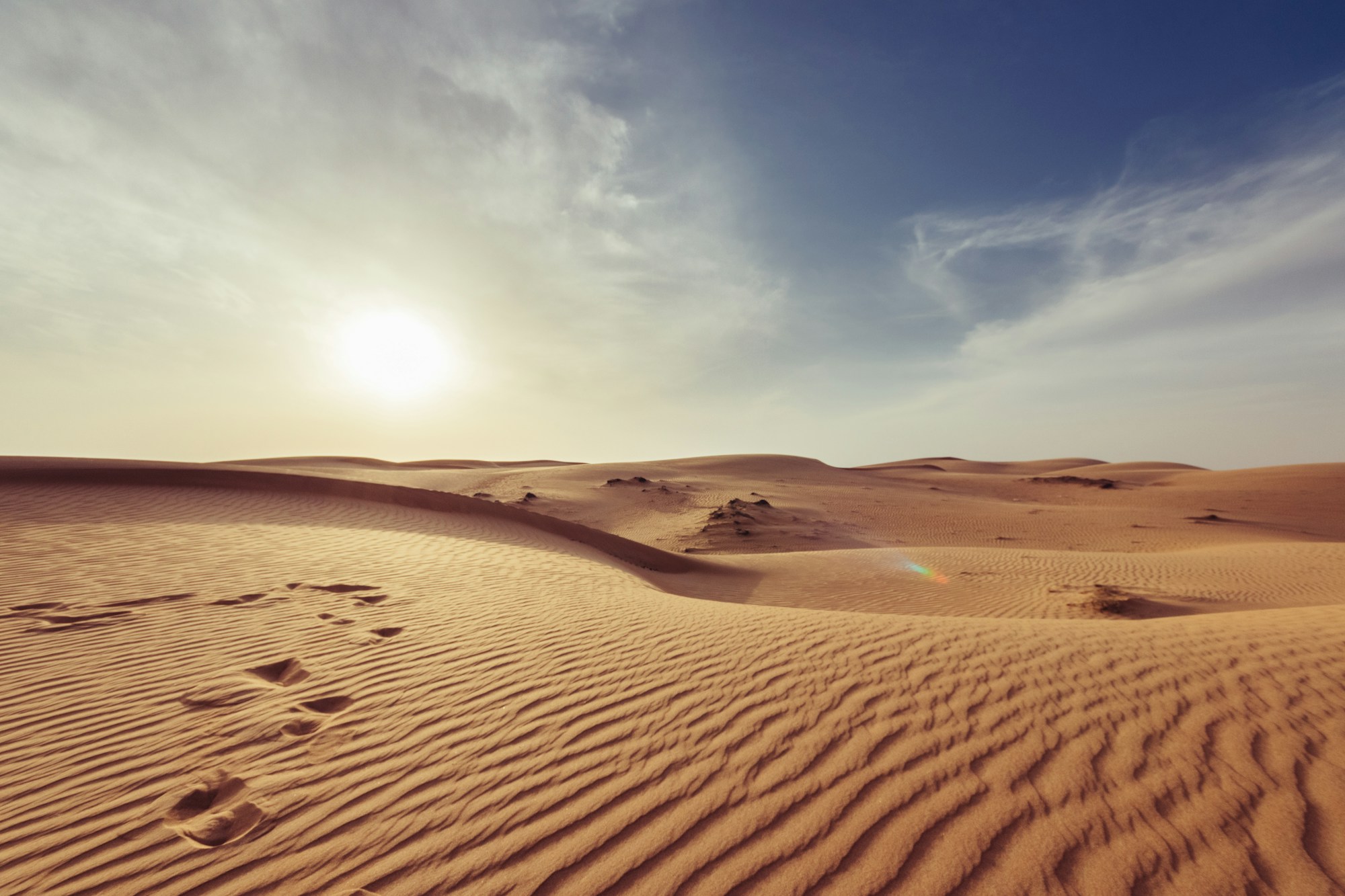
🇴🇲 Muscat, Jebel Akhdar and Salalah — The Gulf Differently
Few countries in the Middle East seem as removed from conflict as Oman. Pink Stone Travel describes its « golden dunes, incense-scented souks and UNESCO-listed forts » as an invitation to discover « the Arabian Peninsula at its most peaceful and authentic. »
Its strength in this tense context: Oman is the only Gulf state maintaining open diplomatic channels simultaneously with Iran, the United States and Israel. Omani officials have offered Muscat as a neutral venue for negotiations. This active neutrality — inherited from Sultan Qaboos’s foreign policy — makes Oman the Gulf country most likely to remain stable.
Destinations That Make Oman a Revelation
- Jebel Akhdar (2,000m) — « Arabia’s Grand Canyon » accessible by 4WD from Muscat, unique coolness in the region
- Wahiba Sands — endless dunes for desert adventures, nights under the stars in Bedouin camps
- Salalah (Dhofar) — the khareef (monsoon) season from June to September turns the region into lush green hills, a phenomenon unique in the entire Arabian Peninsula
- Nizwa and its forts — cultural hub with goat market on Friday morning, immaculately restored historic fort
- Sultan Qaboos Grand Mosque (Muscat) — one of the most beautiful mosques in Arabia, accessible to non-Muslims in the morning
6. The GCC Unified Visa — The Gulf’s Multi-Destination Travel Revolution (On Hold)
GCC Grand Tours Visa — What It Means for Travelers
More than 40 years after the formation of the Gulf Cooperation Council, its six member states are finally launching a unified tourist visa dubbed « GCC Grand Tours. » Monocle describes this project as « something akin to freedom of movement across the Arabian Peninsula » — a revolution for a region where each border previously required separate paperwork.
The expected impact: the Gulf welcomed over 68 million visitors in 2023, but intra-GCC tourism represented only a quarter of that figure. Authorities expect at least a 20% increase in regional travel, with stays extending from an average of 3.5 nights to nearly a week.
Why It’s an Opportunity to Plan Now
- One visa for UAE, Saudi Arabia, Qatar, Bahrain, Kuwait and Oman
- Digital processing in a few days (no more weeks of waiting)
- Automatic visa extensions and penalty waivers for travelers stranded by the current conflict
- Bahrain has already introduced exceptional visitor protection measures
Practical Information for Your Gulf Trip
Stay connected from the moment you land in any Gulf state. Instant activation, no physical SIM card needed.
From €4.50Nomad Insurance: global coverage from $56/4 weeks. 10% off via our link.
From $56 / 4 weeksFrequently Asked Questions About Gulf Micro-States in 2026
Is Qatar at war right now?
The UK Foreign Office advice for Qatar, updated 19 August 2026, warns of possible flight cancellations and periodic airspace closures, and says no travel can be guaranteed safe. It reports Iranian strikes and retaliatory attacks in a number of locations across the region since 8 July 2026, Qatar included. Check your government’s advice before travelling.
Which Gulf country is safest right now?
Official advice does not rank the Gulf states by safety. The UK warns of Iranian strikes since 8 July 2026, including in Kuwait and Oman, and France still advises against travel to Kuwait except for compelling reasons (updated 10 September 2026). Check your government’s advice before booking.
Does my travel insurance cover war-related damage?
Most travel insurance policies exclude war-related damage. Look for « armed conflict exclusion » or « force majeure clause » in your terms and conditions. According to Ulysse, if the war clause is listed as an exclusion — which is the case in most contracts — coverage is void for ongoing events. Some insurers offer specific « risk zone » extensions — check before purchasing.
Is Bahrain accessible by land?
Yes. Bahrain is connected to Saudi Arabia by the King Fahd Causeway (27 km). According to Euronews, 74% of arrivals in Bahrain come by land — making it proportionally less affected by airspace closures. This option only applies if you’re already in the region, however, as reaching Saudi Arabia from Europe also requires flying.
What are the visa requirements for Kuwait, Bahrain and Oman?
For EU nationals: Kuwait — visa on arrival possible, but better to apply for an e-visa in advance; Bahrain — online e-visa or visa on arrival; Oman — visa not required for stays up to 14 days (nationality-dependent), or e-visa available online via Oman’s Integrated Services Portal. According to Nomad Lawyer, all six Gulf countries launched synchronized visa reforms in 2026 — reduced processing times, real-time digital verification.
When will normal travel to the Gulf resume?
Tourism Economics forecasts that tourist arrivals will recover to pre-crisis levels as soon as geopolitical tensions ease. The drop could be 11% if the situation stabilizes within 1–3 weeks, or 27% if the conflict drags on for months. With the ceasefire announced on April 8, 2026, a gradual recovery is possible if the truce holds. Autumn-winter 2026 could be the first window with very attractive prices.
Is the GCC unified visa already operational in 2026?
No, not yet. The GCC unified tourist visa has no launch date. According to Khaleej Times (8 September 2026), the GCC Secretary General said on 6 September that it should ‘see the light soon’, with no date, fee or validity period given. Check official government sites before planning a trip that depends on it.
What are Gulf countries doing to maintain tourism despite the conflict?
Bahrain has taken « Exceptional Measures » including automatic visa extensions and penalty waivers for visitors stranded by the crisis. Bahrain also unveiled for 2026 a new Bahrain Surf Park, pearl diving adventures, and the ephemeral Jarada Island. Oman keeps its airports operating and continues to welcome visitors. Forecasts show UAE GDP growth projected at 6.8% for 2027 — a sign that recovery is expected.
Sources
- Wikipedia — 2026 Iran War — Detailed conflict timeline and regional impacts
- Franceinfo — War between the United States, Israel and Iran — Live coverage
- Euronews Travel — $40 billion tourism loss — Economic analysis of the conflict
- L’Écho Touristique — French Foreign Ministry recommendations — Official French travel advice
- Pink Stone Travel — Is Oman still safe to visit? — Independent security analysis
- Rada Tourism — Oman travel warning 2026 — On-the-ground situation in Muscat
- NeverEndingFootsteps — Kuwait Guide 2026 — Field experience, authentic activities
- Travel Turtle — Bahrain Top 10 Attractions 2026 — New tourism developments in the archipelago
- Monocle — The GCC Unified Visa — Geopolitical and tourism analysis
- Travel and Tour World — Gulf Tourism Rapid Recovery Forecasts — Post-conflict projections
- WSWS — Arab regimes’ support for the war — Geopolitical analysis
- Ulysse — Middle East Aviation Crisis 2026 — Impact on travelers
- PurPurPurPur — Manama and Muharraq — Complete practical guide to Bahrain
- Belgian FPS Foreign Affairs — Kuwait Travel Advice — Official recommendations
Data verified October 17, 2026. As the geopolitical situation evolves rapidly, consult official government sources before any travel.
Plan Your Next Middle East Trip
When stability returns to the Gulf — and it will — it will be one of the best value-for-money regions in the world. Plan your itinerary now on Pixidia: save your stages, share your travel wishes and book at the right time.
Explore all itineraries