
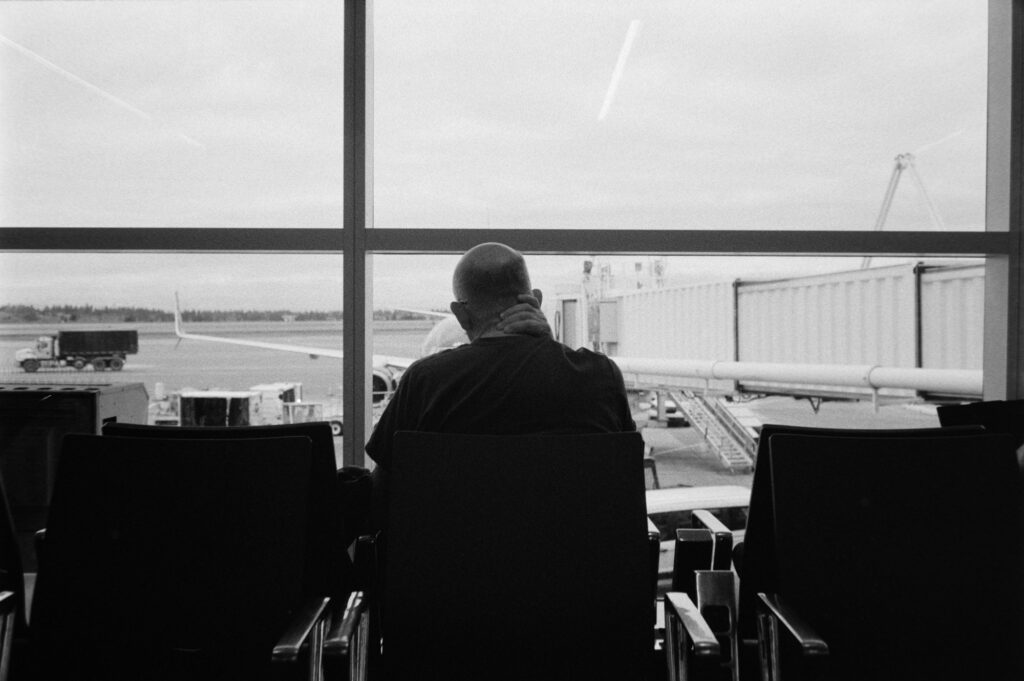
Walking through an airport in April 2026 is a peculiar experience. Eyes drift toward the departure screens, silence hangs heavy at the gates, and newspaper headlines scroll past: US-Israeli strikes on Iran, closed airspace, jet fuel at $1,900 per tonne. You are not alone in feeling that knot in your stomach. Since the strikes of February 28, 2026, travel anxiety has skyrocketed worldwide — yet the desire to travel has not vanished.
This article brings together advice from clinical psychologists, factual geopolitical data, and a selection of safe, lesser-known destinations to help you reclaim your freedom to travel — lucidly and serenely.
The 2026 geopolitical shock: what has really changed
On February 28, 2026, the United States and Israel launched a broad series of strikes against Iranian nuclear and military installations. Tehran retaliated with volleys of missiles and drones targeting Israel, as well as American military bases in Gulf countries. According to France Info, more than a thousand flights to the Middle East were cancelled in the following days, sending shockwaves through the global aviation sector.
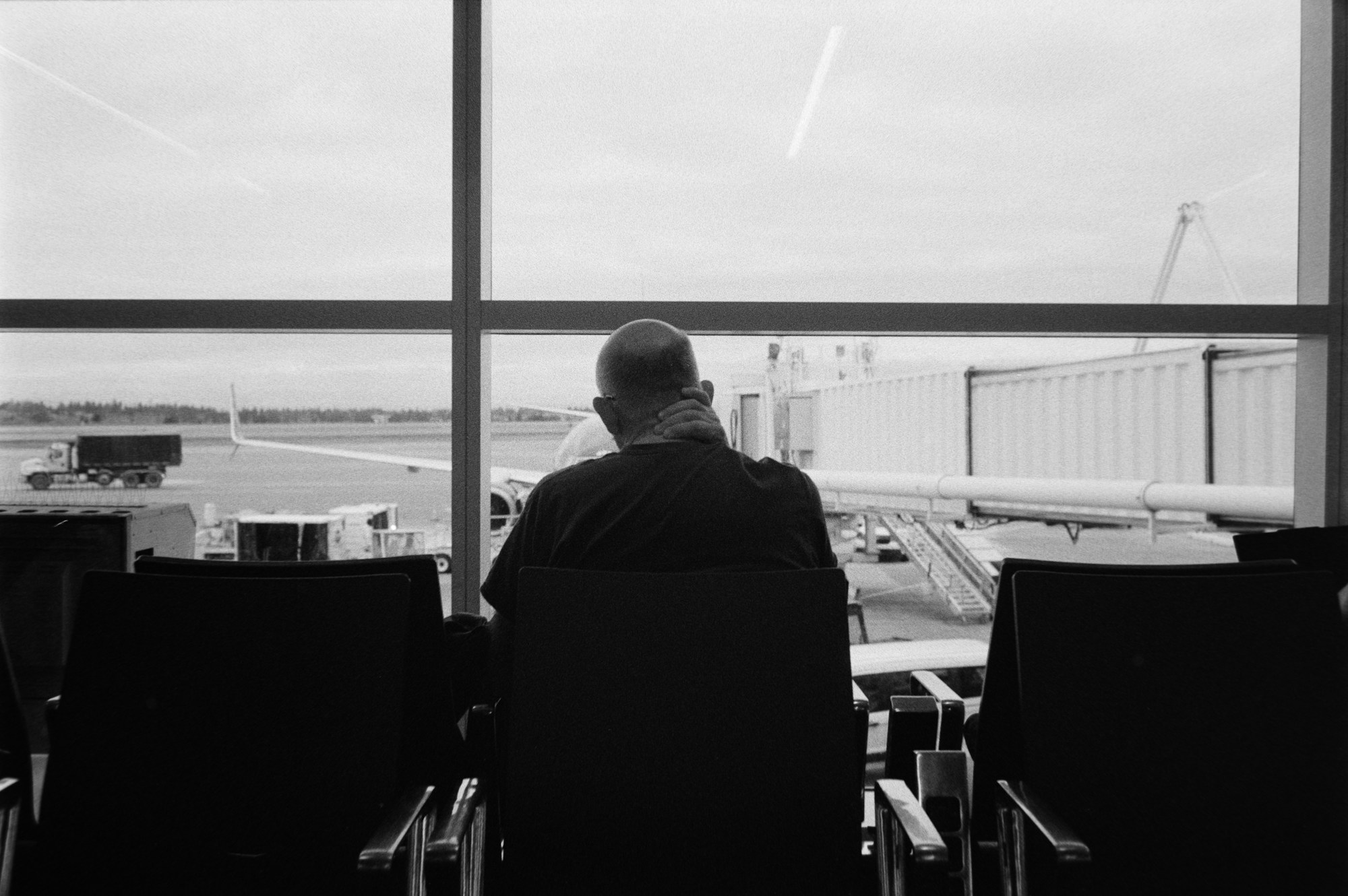
- Airspace: Iran, Iraq, Yemen, and parts of the Gulf countries remain disrupted or closed
- Impacted hubs: Emirates is currently operating 351 daily flights versus 517 before the conflict (L’Écho Touristique)
- Ticket prices: Jet fuel has risen from $750 to $1,900 per tonne — a €50 hike in economy, up to €200 in business (Air France, KLM)
- Collateral effects: Booking declines in Egypt, Cyprus, and Turkey due to anxiety contagion
The good news? The vast majority of global destinations remain accessible and safe. As Safeture/Riskline notes in its 2026 analysis: « threats describe the external situation, but risk depends on the traveler, their location and exposure. » In practice, the disruption has mainly redirected tourism flows toward new destinations — an opportunity as much as a constraint.
Understanding travel anxiety: what psychologists say

Hodophobia and aviophobia
The intense fear of traveling has a name: hodophobia. It generates anxiety, sometimes panic attacks and intense physical reactions. According to Eki-Vie, it impacts the traveler’s personal, social, and emotional life.
According to clinical psychologist Jonathan Bricker from the University of Washington, aviophobia is actually « a convergence of phobias that come together on an airplane »: fear of dying in a crash, claustrophobia, fear of having a panic attack with no way out. « It is very common to have more than one disorder at once, » he explains.
When to see a professional?
Clinical psychologist Dr Charlotte Russell, founder of The Travel Psychologist, recommends « considering therapy if you have already tried strategies such as relaxation and thought challenging, without result. » The most effective therapeutic approaches include:
- CBT (Cognitive Behavioral Therapy) — recognized as the gold standard for specific phobias
- EMDR — particularly effective for anxieties linked to traumatic events
- Gradual exposure — start by visualizing a plane, then visit an airport, then take a short flight
- Sophrology and hypnosis — effective complements for working on the physiological response
Seven anti-anxiety techniques validated by experts
Neuroscientist Dr Brian Ramos, trained at Yale, reminds us that « we have much more control over our chemistry than we realize. » Here are the most effective tools according to the latest research (National Geographic, Boston University):
The 4-7-8 breathing technique
Inhale for 4 seconds, hold for 7 seconds, exhale for 8 seconds. This technique quickly calms the nervous system by activating the vagus nerve. Practice it at the first signs of anxiety at the airport or on the plane.
FlightRadar24 & SkyGuru
Understanding exactly how your plane is routing around risk zones via FlightRadar24 (satellite tracking) significantly reduces anxiety. SkyGuru explains in real time why turbulence is normal and harmless.
The in-flight comfort kit
Prepare an « anti-anxiety kit »: soothing music (playlist prepared in advance), lavender essential oils, familiar snacks. Creating a routine around flying reduces emotional volatility.
Choose your seat strategically
Anxiety often comes from a feeling of powerlessness. A window seat for visual distraction, an aisle seat for freedom of movement. Seats over the wings experience less turbulence.
Check official advisories
Consult the official sources for your country’s travel recommendations by destination. Distinguish between zones that are genuinely at risk from those merely perceived as risky in the media.
Progressive exposure
Start with a train or car journey, then a short flight (2 hours). Each success recalibrates your brain. Psychologists call this « fear rewiring » — a process requiring between 3 and 10 graded exposures.
Zen meditation while traveling
Meditation sessions of 20 to 30 minutes before and during travel significantly reduce cortisol. Several studies show that mindfulness-practicing travelers report 40% less flight anxiety.
Safe destinations in 2026: six alternatives away from tension zones
The Global Peace Index 2025 identifies dozens of destinations offering maximum safety while providing deep travel experiences. Here is our 2026 selection, built from security data, traveler testimonials, and an anti-anxiety lens.
Albania: Europe’s last frontier
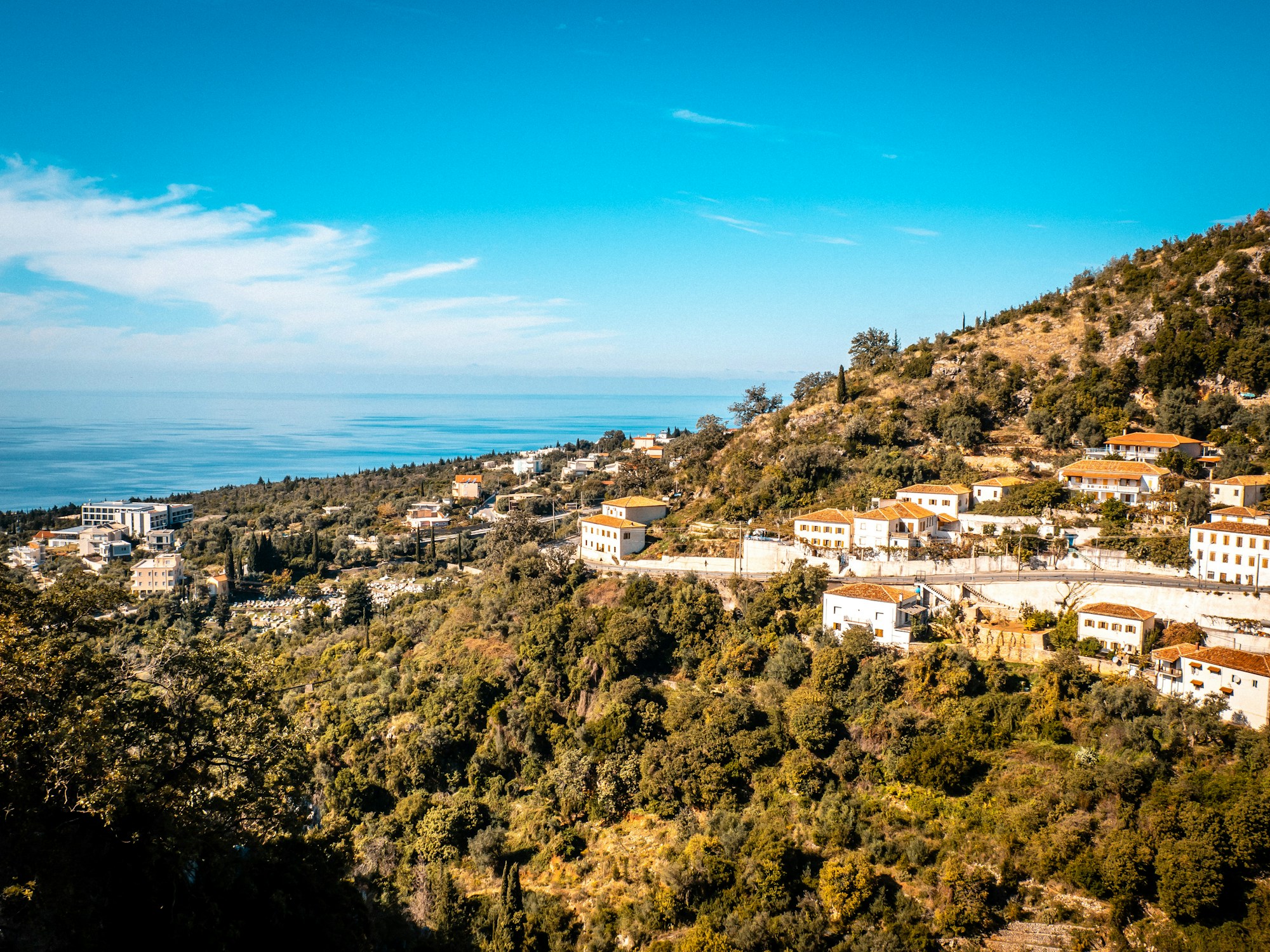
Twelve million tourists last year, a 95% increase over seven years — Albania is undeniably on the rise. This small Balkan country, long closed to the outside world until the fall of the dictatorship in 1991, is among the trendiest destinations of 2026 according to Le Routard. Bordered to the north by Montenegro and to the south by Greece, it offers 400 km of coastline on the Adriatic and Ionian Seas.
On the Albanian Riviera — between Ksamil, Dhërmi, and Himarë — turquoise waters rival the neighboring Greek islands, at 40–60% lower prices. The UNESCO-listed cities of Berat and Gjirokastër combine Ottoman architecture with Mediterranean light.
Georgia: the enchanting Caucasus
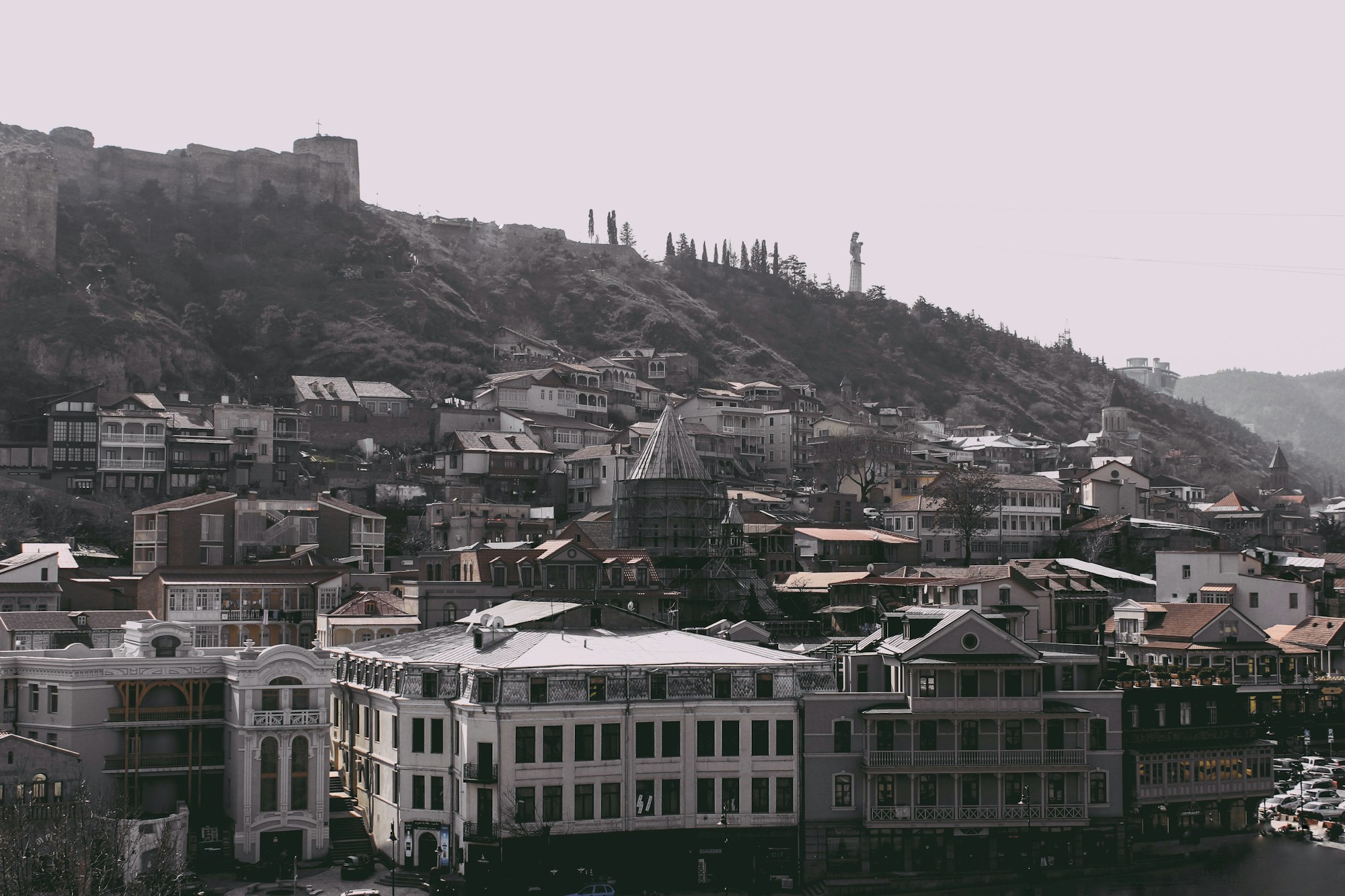
Georgia is establishing itself in 2026 as one of the most fascinating alternative destinations in greater Europe. Still largely undiscovered, this Caucasian nation captivates with spectacular landscapes, legendary hospitality, and an ancient culture. The capital Tbilisi, with its houses adorned with carved wooden balconies, is an architectural gem still largely spared from tourist crowds.
The Kakheti region, the world’s cradle of wine (Georgia has been fermenting wine for 8,000 years in clay jars — the qvevri), offers immersive stays in family wineries, often including accommodation and hearty breakfasts for €20–35. According to Nos Voyages Heureux, Georgia is particularly popular with solo travelers for its safety and hospitality.
Slovenia: slow travel at its finest
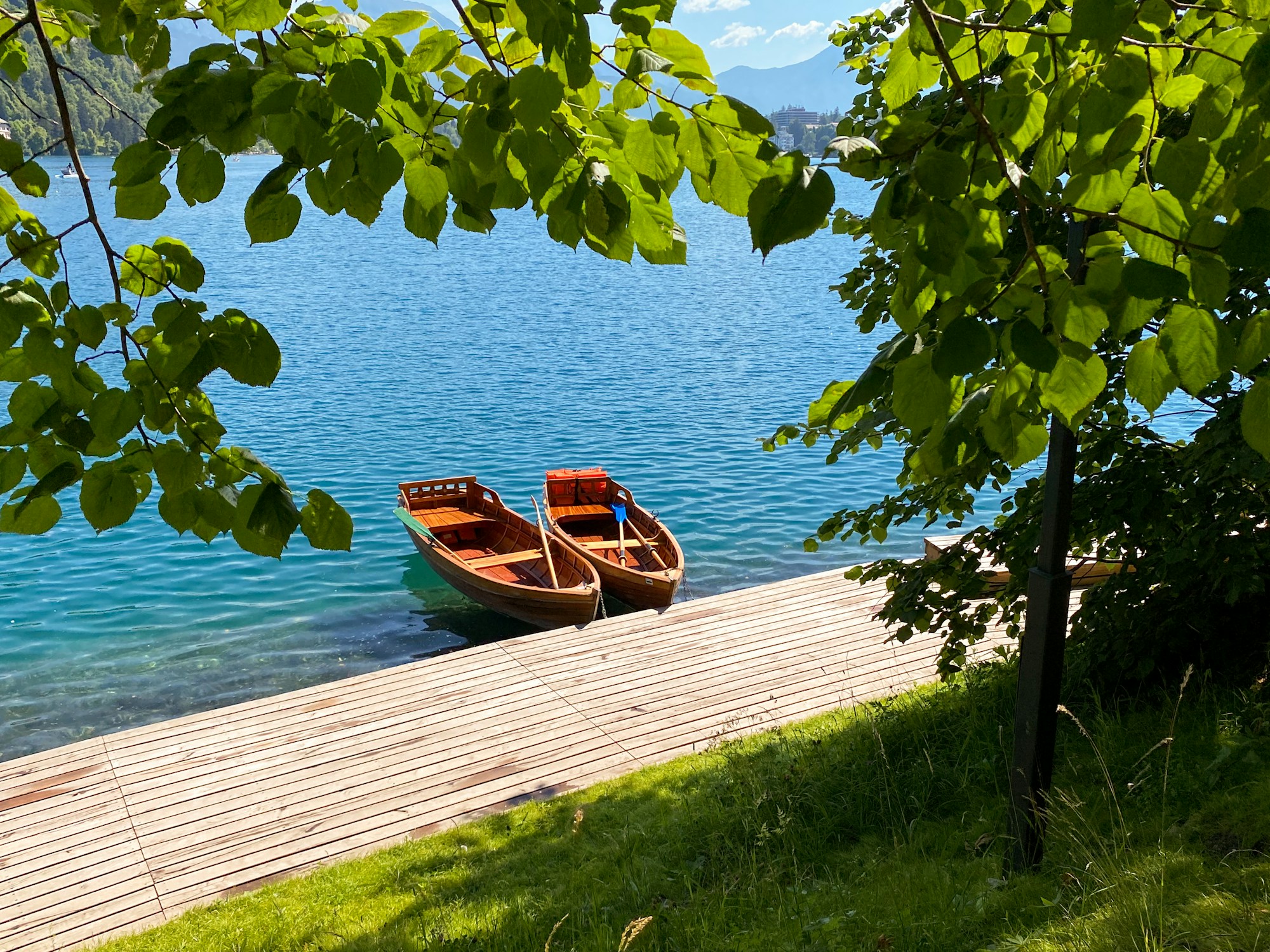
Slovenia stands out as one of Europe’s most appealing destinations for travelers seeking nature, authenticity, and responsible tourism. Within just a few hours, you move from Alpine mountains to emerald lakes, from impressive caves to charming historic towns. Heymondo ranks it among the 15 best destinations to visit in 2026.
Beyond Lake Bled — iconic but now crowded — the Gorenjska region reveals deep valleys, villages with white bell towers, and a network of hiking trails and mountain huts for total immersion. Lake Bohinj, equally beautiful to Bled, receives four times fewer visitors. Ljubljana, a pioneer in completely pedestrianizing its city center, was named Green Capital of Europe.
Iceland: absolute peace at the edge of the world
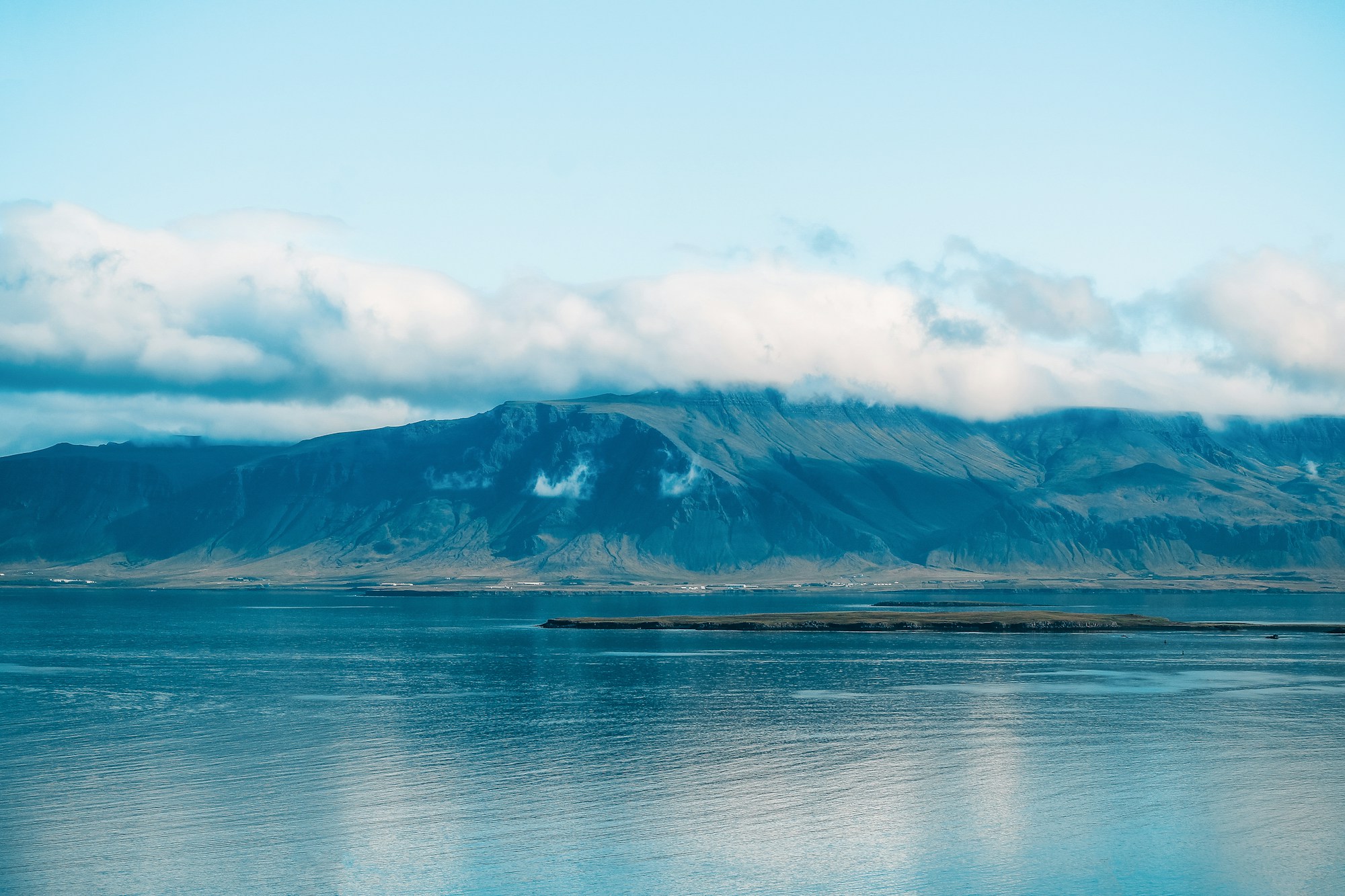
Iceland remains the most peaceful country in the world according to the Global Peace Index 2025. No army, near-zero crime, exemplary governance, and a nature that commands universal respect. In 2026, in a world at war, Iceland literally represents peace in all its dimensions.
Beyond the Northern Lights and the famous Blue Lagoon, Iceland holds undiscovered treasures for adventurous travelers: the Eastern Fjords (Austurland), almost free of tourists; the Westfjords, accessible by ferry from Stykkishólmur, where fishing villages seem frozen in time; the wild hot springs of Landmannalaugar, accessible only by 4WD in summer.
Japan: safety, culture, and serenity
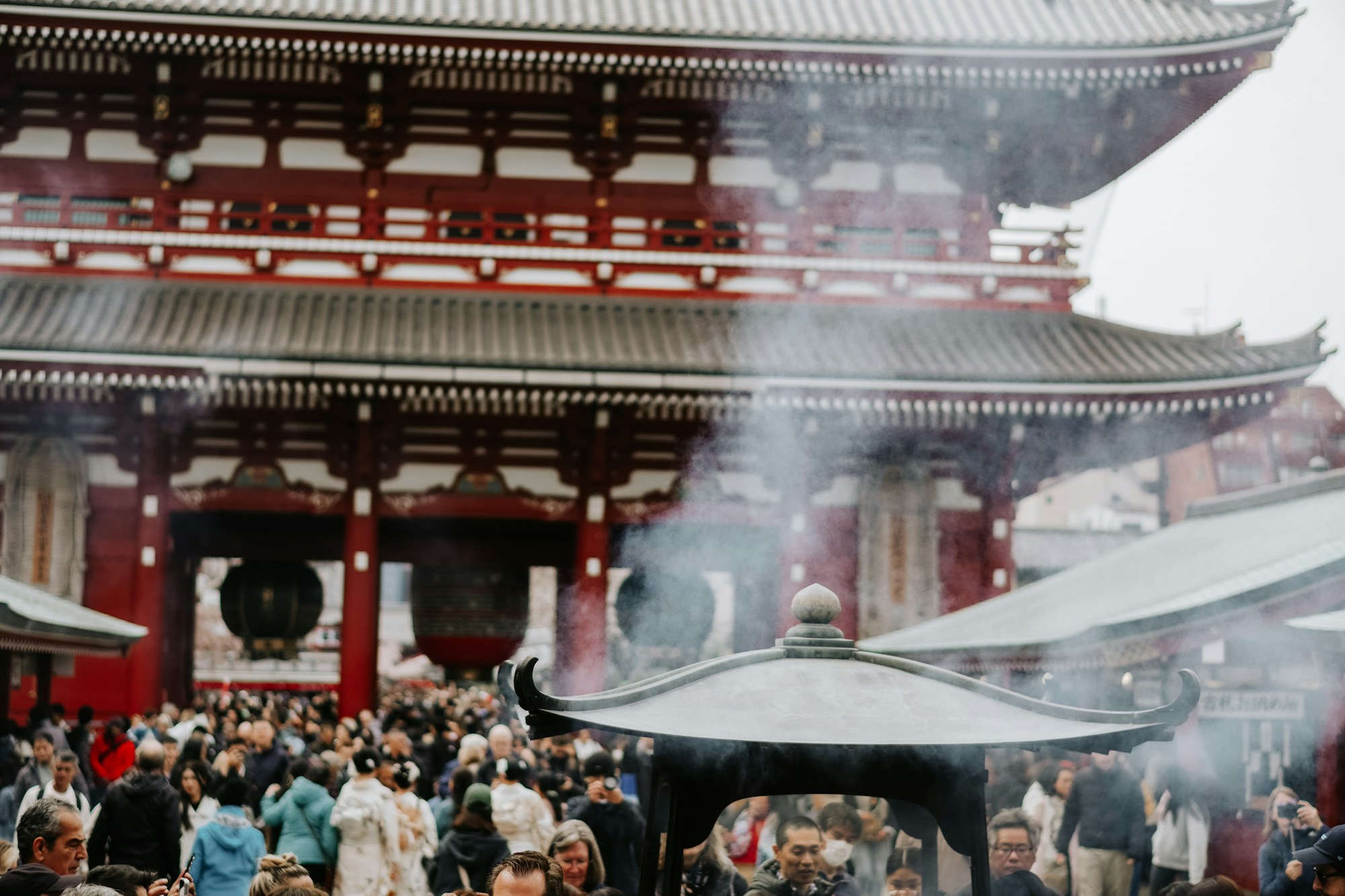
Japan ranks 12th in the 2025 global peace ranking and features in the top 10 safest destinations according to Le Petit Journal. The Middle East conflict has a minimal impact on travel to Japan — only connections via Dubai or Doha are slightly disrupted (easily bypassed via Istanbul or Helsinki).
In 2026, Japan is in the spotlight with the new Nagoya-Osaka Shinkansen lines and the Osaka World Expo. But it is in lesser-known regions that travel becomes a cure for anxiety: Shikoku island and its 88-temple pilgrimage, the Tohoku region after post-earthquake reconstruction, the rural Japan of the Noto Peninsula.
More safe destinations to explore
Beyond the five destinations detailed above, the world is full of safe alternatives for anxious travelers. A few gems to consider:
Oman
The only Middle Eastern country maintaining a policy of strict neutrality. Muscat, the Duqm coast, and Wadi Bani Awf offer an authentic Arabian experience with zero geopolitical risk. Budget: €80–120/day.
Uruguay
The « Switzerland of Latin America »: robust democracy, low crime, Montevideo with its 22 km of Art Deco waterfront. The beach resort of Cabo Polonio (accessible only by 4WD) offers total disconnection. Budget: €70–100/day.
Uzbekistan
The Silk Road revived: Samarkand, Bukhara, Khiva — three open-air museum cities. Budget of €40/day, very few Western tourists. Turkish Airlines serves Tashkent via Istanbul at competitive prices.
Cape Verde
Atlantic archipelago off West Africa: nine inhabited islands, each with its own identity. Santo Antão and its deep ribeiras for hikers, Sal and Boa Vista for beaches. Flight from Paris: ≈ €300 outside school holidays.
Testimonials: traveling despite fear
« I had my first anxiety attack at the airport, on my way to Sri Lanka. My body started shaking, hot flashes overwhelmed me, and I was unable to move my legs. I missed that flight. But six months later, after gradual exposure therapy, I took that same flight. »
« After a panic attack in Guadeloupe, I decided to keep traveling, because I didn’t want fear to run my life. Today, I’m in Tbilisi. I never would have imagined it was possible. »
« At the Fear of Flying Clinic in San Francisco, I realized my fear of flying wasn’t irrational — it was my way of trying to control the uncontrollable. Mindfulness techniques taught me to be with uncertainty, not against it. »
As The Bridge Chronicle writes: « The goal is not to become fearless — it’s to become resilient in the face of travel. »
Practical tips for traveling peacefully in 2026
Stay connected to FlightRadar24 and travel advisories from the moment you land. Instant activation before departure, no queues.
From €4.50In 2026, check that your insurance covers cancellations due to unforeseen geopolitical events. SafetyWing’s Nomad Insurance provides global coverage from just $56/4 weeks. 10% off via our link.
From $56 / 4 weeksFAQ — Your questions about travel anxiety in 2026
Is it still safe to travel in 2026 with the war in the Middle East?
Yes, for the vast majority of global destinations. The war involving Iran, the United States, and Israel is geographically confined to the Middle East. According to Safeture/Riskline, « threats describe the external situation, but the real risk for an individual may be low if no assets or personnel are present on site. » European, Asian, African, and American destinations remain accessible and safe. Always check your government’s official travel advisories before departure.
Are flights connecting through Dubai or Doha reliable in 2026?
The situation remains disrupted but has stabilized compared to the March 2026 peak. According to the Flightradar24 GARI index as of April 6, Emirates is operating 351 daily flights versus 517 before the conflict — a 32% reduction. L’Écho Touristique recommends checking your flight status 48 hours before departure and opting for an alternative route (Istanbul, Helsinki, Frankfurt) if your itinerary passes through Gulf hubs.
Can I get a refund if my flight is cancelled due to geopolitical tensions?
Yes. European regulation EC 261/2004 covers your rights in case of cancellation, even geopolitical ones: full refund of the ticket or rerouting to your final destination. If you booked through a travel agency, it is obligated to provide a full refund. Take out « cancellation for any reason » insurance to also cover scenarios not covered by EC 261 (voluntary cancellation due to fear, for example).
How do you distinguish normal anxiety from a phobia requiring professional help?
Psychologists at Boston University indicate the threshold is crossed « when anxiety prevents you from doing what you need to do. » If you experience true panic attacks (shortness of breath, racing heart, sweating, trembling) before or during travel, that is the signal to consult a professional. CBT (Cognitive Behavioral Therapy) is effective in 85% of travel anxiety cases according to clinical studies.
Is stopping travel altogether a good solution for managing anxiety?
No, specialists unanimously say. Avoidance behaviors reduce anxiety in the short term but reinforce fear in the long term by confirming to your brain that the situation is dangerous. According to therapist Gilles Hingleoh, « it is by progressively confronting what frightens us that we ultimately manage to overcome it. » The key: start with very short, low-stress trips (a weekend by train), then gradually increase distance and duration.
Which destinations have gained popularity due to Middle East tensions?
According to Invezz and Cluster TIL, the big winners are: the Canary and Balearic Islands (Spain), Sicily and Sardinia (Italy), Greece (particularly the Cyclades and Crete), Albania, and — notably — Japan and Morocco. Airfare prices to these destinations have fallen compared to 2025, creating excellent opportunities.
Have plane ticket prices really increased because of the tensions?
Yes, for long-haul flights. Jet fuel prices have risen from $750 to $1,900 per tonne between January and April 2026, according to L’Écho Touristique. Concretely: a €50 hike in economy class and up to €200 in business class on Air France and KLM. On the other hand, flights to European alternative destinations (Albania, Slovenia, Georgia) have barely changed, or even decreased.
Should you take out specific travel insurance in 2026?
Absolutely. In a context of geopolitical tensions, always check that your insurance covers cancellations related to « unforeseen geopolitical events » — many standard contracts exclude this clause. Read the exclusion clauses related to armed conflicts carefully. « Cancellation for any reason » insurance is the most comprehensive coverage: it covers even voluntary cancellation out of fear, without medical justification. For travel to moderate-risk zones, emergency medical repatriation coverage is essential.
Sources and references
- France Info — War between the United States, Israel, and Iran
- L’Écho Touristique — Update on Middle East air traffic
- Invezz — Iran war impact on global travel plans (April 2026)
- Eki-Vie — Hodophobia: understanding and easing the fear of travel
- National Geographic — Fear of flying and travel anxiety
- Boston University — Tips for flight anxiety (2025)
- Budget and the Bees — Fear of flying surges in 2026
- NPR — Fear of Flying Clinic (February 2026)
- Kanpai — Middle East conflict impact on Japan (2026)
- Le Routard — Why Albania will be trendy in 2026
- Le Petit Journal — 10 safest destinations in 2026
- Voyager Luxe — At-risk destinations for travel (2026)
- Gilles Hingleoh, psychologist — Reducing travel anxiety
- Cluster TIL — Tourism 2026: safe destinations away from the war
- Europ Assistance — Safest countries to visit in 2026
Ready to plan your next trip with confidence?
Discover personalized itineraries for the safest destinations in 2026, crafted by our community of experienced travelers.
Explore itineraries