
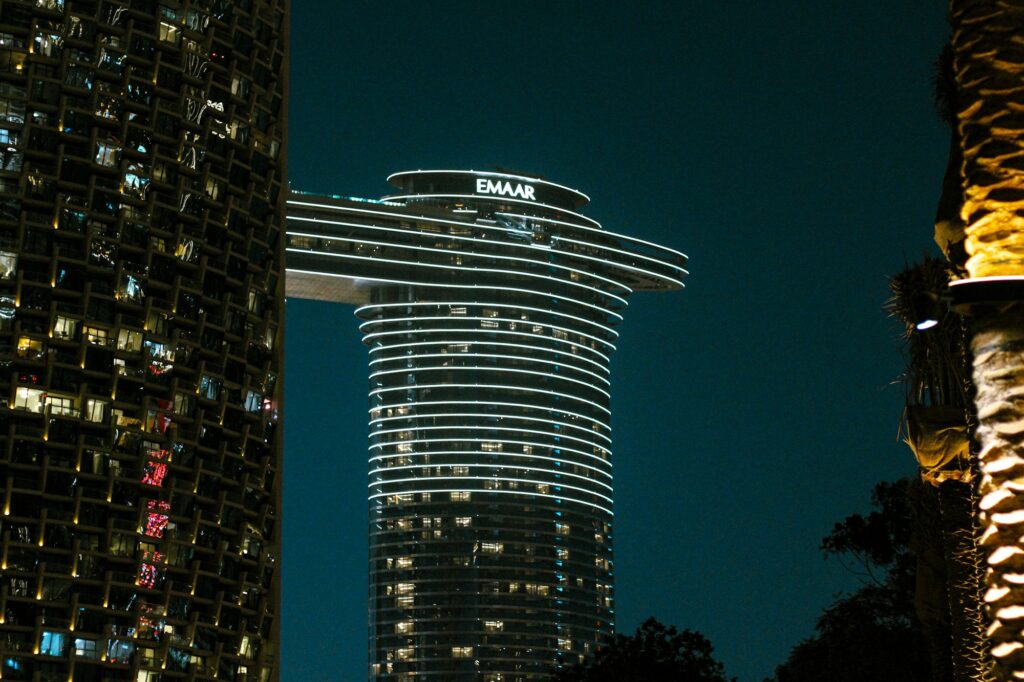
Palace hotels at €99 a night in Dubai, Petra empty of tourists, the Red Sea at rock-bottom prices. Since the outbreak of the US-Israel-Iran military conflict at the end of February 2026, hotel rates in the region have plunged by up to 72% at certain properties. But this pricing windfall comes with an unprecedented geopolitical backdrop, airspace closures, travel insurance policies riddled with exclusion clauses, and security advisories that change by the day. A genuine opportunity or a tourist trap? We have analysed destination by destination what travelling to the Middle East in April 2026 really means.
The geopolitical context that changed everything
On 28 February 2026, the United States and Israel launched the joint operation « Epic Fury » against Iranian nuclear and military installations. Iran responded with a wave of missile and drone strikes targeting Israeli positions and US military bases in the Gulf — including the US Navy’s Fifth Fleet base in Bahrain and the al-Udeid base in Qatar. Iran also closed the Strait of Hormuz, a passage through which approximately 21% of the world’s oil flows.
The consequences for tourism were immediate and massive. According to the WTTC (World Travel & Tourism Council), the conflict is costing the regional tourism industry approximately $515 million per day. Tourism Economics projects an 11–27% fall in tourist arrivals to the area in 2026. At the same time, airfare prices to alternative hubs have jumped by an average of 30%, and Air France is applying a fuel surcharge of up to €319 on its long-haul flights.
1. Dubai — The paradoxical opportunity of luxury at slashed prices
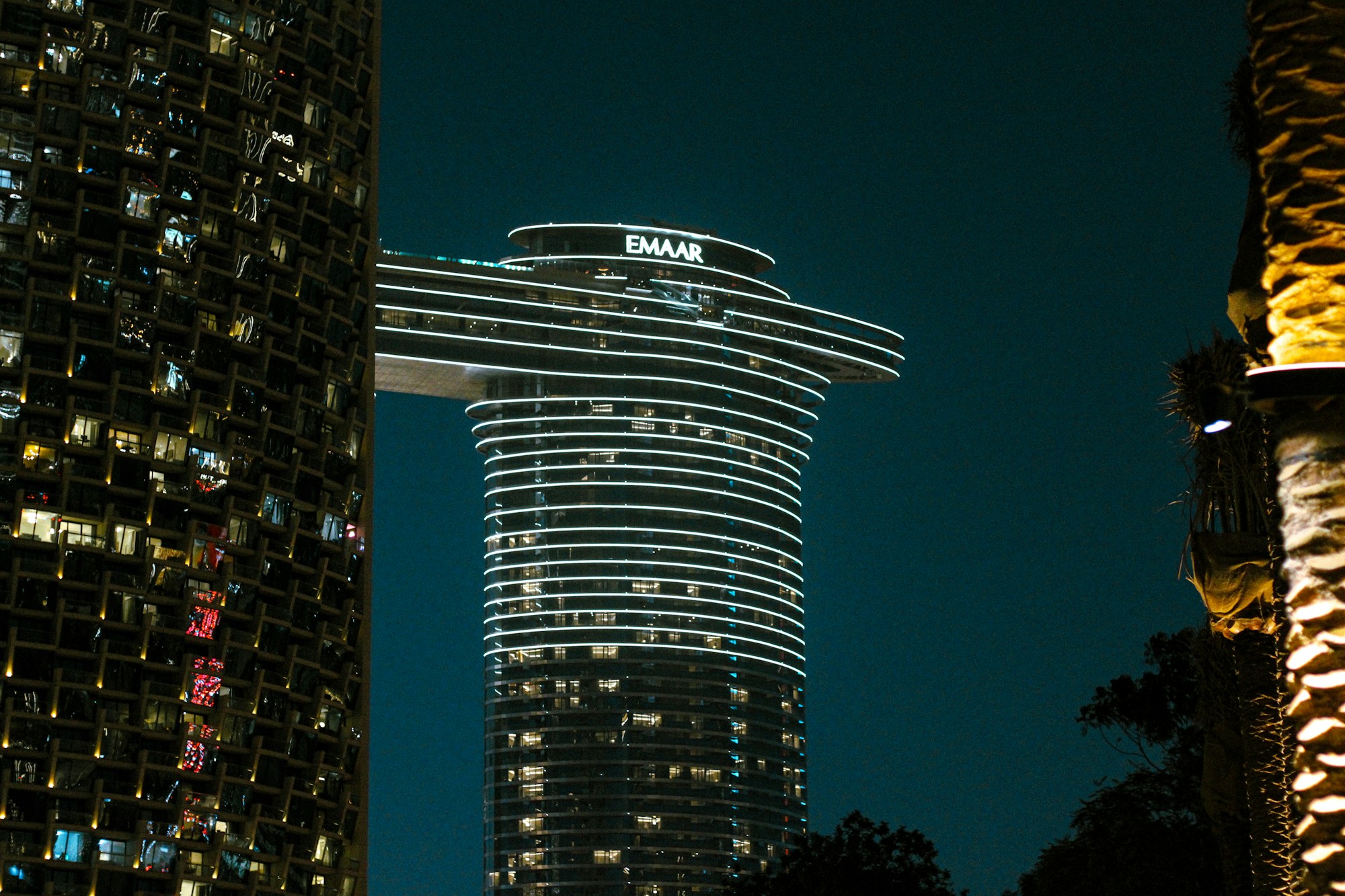
Dubai (United Arab Emirates)
Dubai embodies the absolute paradox of this crisis. This metropolis, accustomed to stratospheric rates, now offers discounts of up to 80% at its five-star properties. According to Ulysse.com, the Park Hyatt Dubai is listing three nights for under €480 (−72%), including access to the lagoon beach club. At the Mandarin Oriental, the nightly rate has fallen from 4,549 AED to 2,096 AED (−54%). Even the Burj Al Arab maintains a floor rate of €840 in March.
The security situation has improved since the ceasefire of 7–8 April. The airports of Abu Dhabi and Dubai are partially open, and airlines such as Emirates and Etihad are gradually resuming their flights. However, as France 24 reports, « a wait-and-see attitude still predominates » in this emirate renowned for its stability.
Highlights if you go
- 5-star palaces at never-before-seen rates (Park Hyatt, Mandarin Oriental, Address)
- Ultra-low tourist numbers — near-private experiences
- Desert safari accessible from the hotel, without the usual crowds
- Prices fluctuating daily — set up price alerts
2. Jordan & Petra — The great underrated opportunity
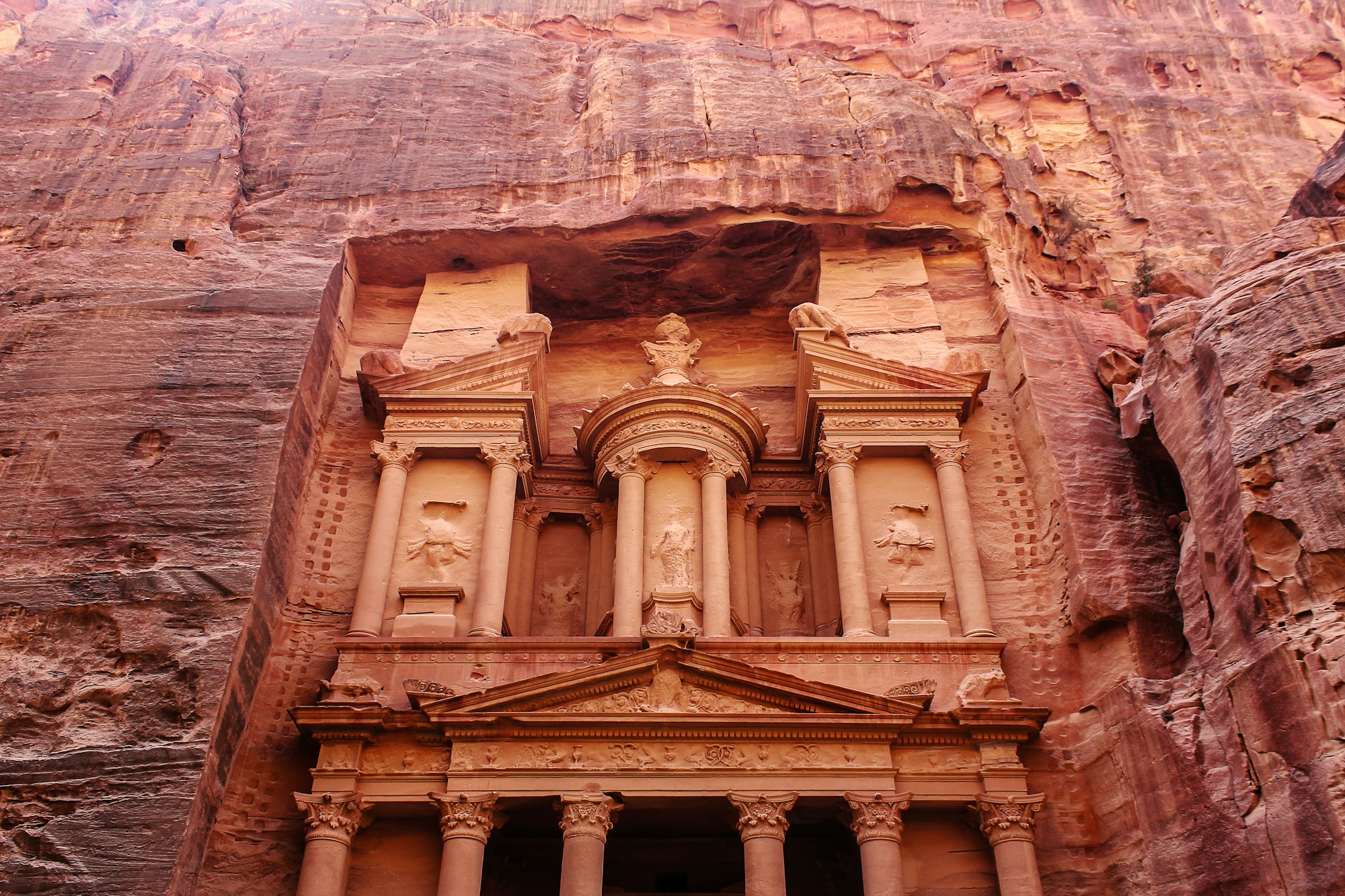
Jordan (Petra, Wadi Rum, Dead Sea)
Jordan represents the most fascinating case of this crisis: a destination not in a direct war zone, yet suffering from an epidemic of negative perception. Hotel prices in Amman and Petra have fallen 40–60%, while the archaeological sites — Petra, Wadi Rum, the Dead Sea — are perfectly accessible and fully operational. According to Ulysse.com, the Jordanian government is even offering subsidies of up to $80 per passenger to tour operators programming the destination.
The Jordan Pass (70 JOD, approximately €90) remains one of the best deals in world tourism: visa exemption + access to more than 40 sites including Petra and Wadi Rum. Since January 2026, the visa-on-arrival duration has increased from 30 to 90 days. To reach Jordan, prioritise Royal Jordanian with its direct Paris CDG–Amman flight, less disrupted than Gulf carriers.
What you will experience
- Walking the Siq in silence and beholding the Treasury of Petra almost alone
- A night in a luxury tent in Wadi Rum (€150–300/night all-inclusive)
- Floating on the Dead Sea — therapeutic and just 1 hour from Amman
- Hotels in Amman/Wadi Musa: €40–120/night (vs. €80–200 in normal times)
3. Oman — The relative exception of the Gulf
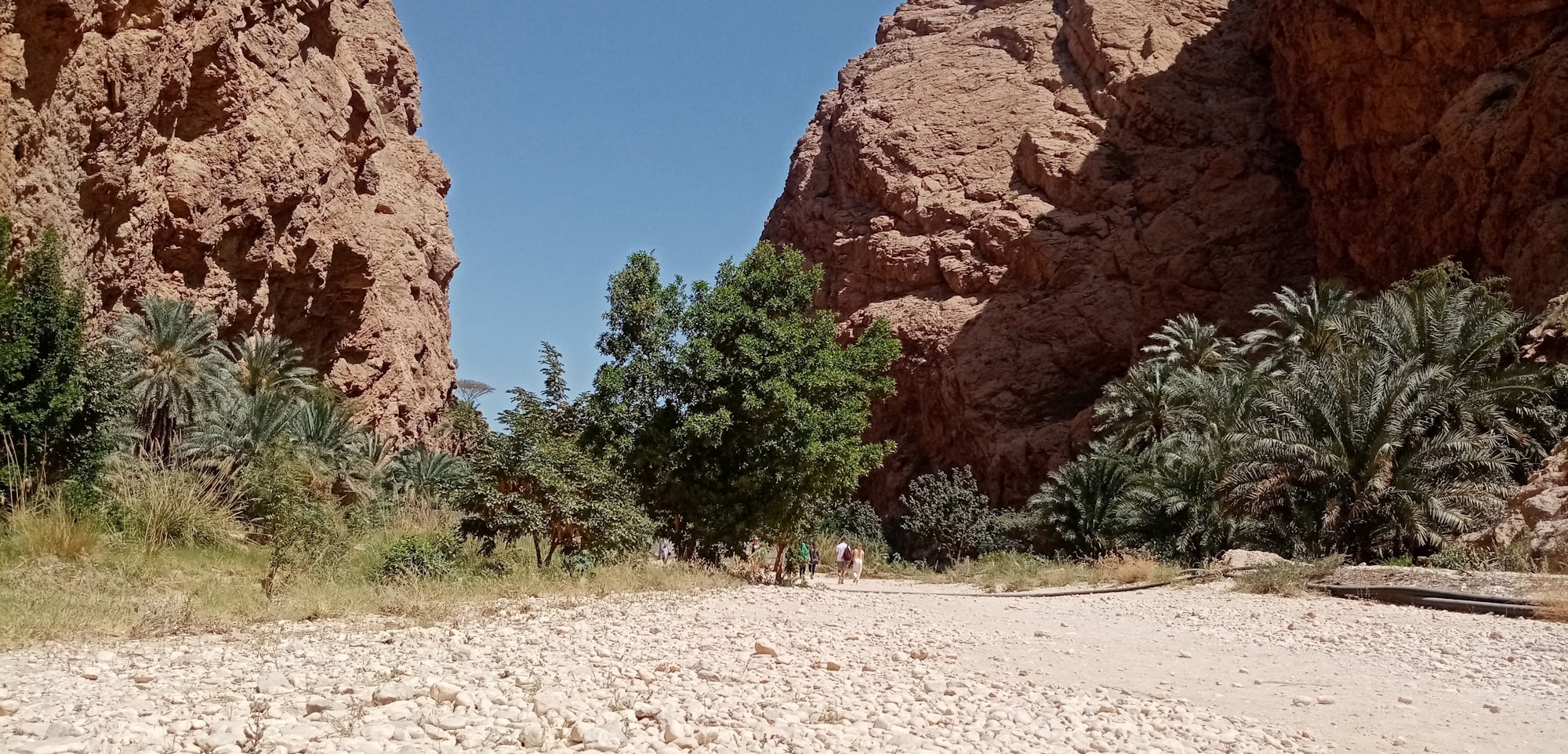
Oman (Muscat, Salalah, Wadi Shab)
Oman enjoys a unique geopolitical position: the Sultanate hosted indirect nuclear negotiations between Iran and the United States in Muscat in February 2026. Its active neutrality diplomacy paradoxically signals relative stability. Price drops are real (30–45%), but less spectacular than in the Emirates.
The country remains one of the most authentic on the Arabian Peninsula. You can hike into the canyon of Wadi Shab, swim in turquoise natural pools, watch loggerhead turtles nest on Ras al-Jinz beach, or explore hilltop villages by rental car with no mandatory guide and no crowds. According to Euronews Travel, Oman’s safety perception index has nonetheless fallen by 56.7 points.
Highlights
- Wadi Shab and Wadi Bani Khalid: trekking through lunar landscapes with natural swimming pools
- Nizwa and its silver souks — authentic craftsmanship without aggressive haggling
- Salalah in summer: the cool Khareef mist, a climatic phenomenon unique in the world
- Musandam fjords: cruises through breathtaking scenery
4. Egypt (Red Sea) — Coastlines at gentle prices
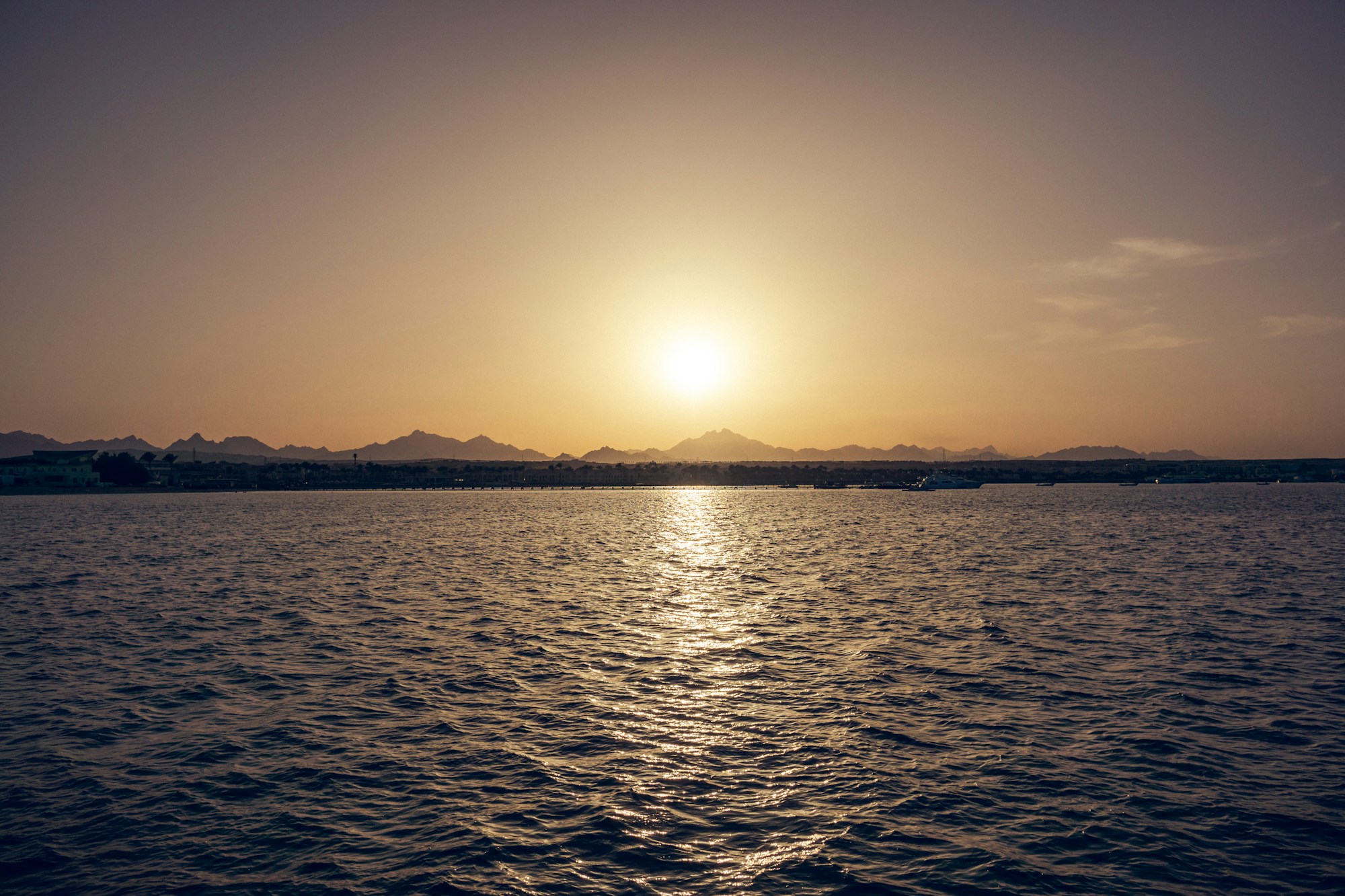
Hurghada, Sharm el-Sheikh, Siwa
Egypt presents one of the most stable situations in the region for travellers. Its airports at Sharm el-Sheikh, Hurghada and Cairo maintained full operations throughout the conflict. The Red Sea resort towns remain relatively accessible, with price drops of 20–35% on all-inclusive packages. According to Travel and Tour World, EasyJet and TUI continue to serve Hurghada and Sharm from several international airports.
For the adventurous, the Siwa Oasis (near the Libyan border) remains one of Egypt’s most secretive corners. In 2026, with tourist flows having dropped, it is possible to stay in dried-mud eco-lodges and swim in Cleopatra’s natural springs almost alone. Daily budget in Siwa: €30–60/day.
What you won’t miss
- Diving in Hurghada: among the richest coral reefs on the planet, without the crowds
- Nile cruise from Luxor: €150–250/day all-inclusive
- Siwa Oasis: Cleopatra’s natural springs, a timeless experience
- 5-star hotels in Cairo from €80/night
5. Turkey — The safe alternative at stable prices
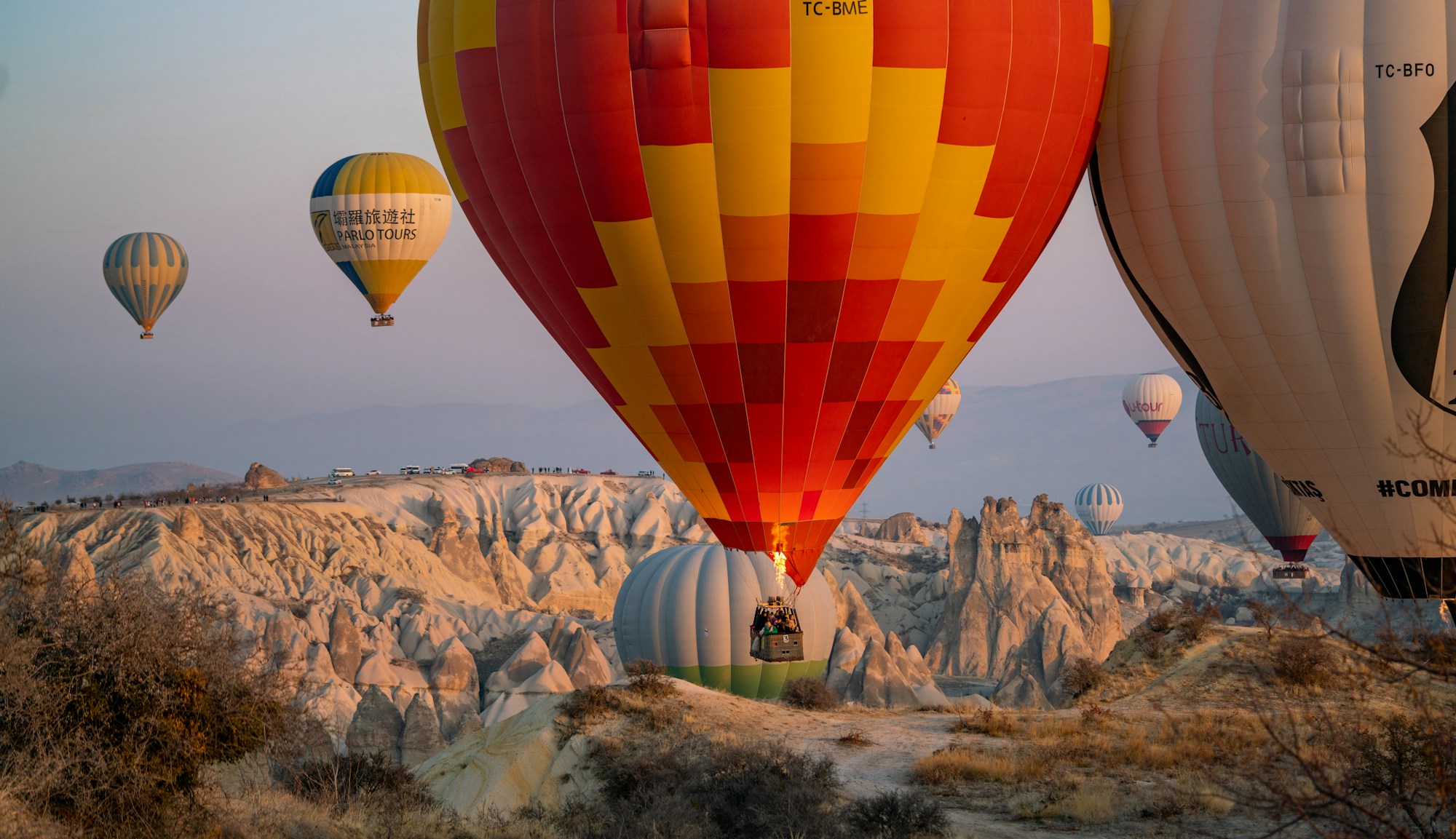
Istanbul, Antalya, Bodrum, Cappadocia
Turkey finds itself in an ambiguous but broadly favourable position. While its geographical proximity to the conflict and the suspension of air links to ten neighbouring countries have slightly dampened the tourist overflow, its tourist infrastructure remains intact. Hotel prices have neither fallen nor exploded — aside from a moderate 5–10% rise linked to local inflation, according to Travel and Tour World.
Cappadocia is benefiting indirectly from the crisis: its prices have not risen and the sunrise hot-air balloon flights have availability — a rarity in normal times. The Lycian coast between Kaş and Ölüdeniz remains one of the most spectacular stretches of Mediterranean coastline, even less crowded than usual.
Why Turkey in 2026
- Cappadocia: sunrise balloon flights — an unprecedented window to visit without queues
- Lycian coast (Kaş, Ölüdeniz): top-tier Mediterranean scenery, lightly visited
- Istanbul: Hagia Sophia, Grand Bazaar, Topkapi Palace without the usual queues
- All-inclusive Antalya among the best value-for-money options in the Mediterranean
6. Zones to avoid entirely in April 2026
Some destinations in the region present no dilemma: they should be categorically avoided until a lasting normalisation is in place.
Iran directly targeted the US Navy’s Fifth Fleet base in Manama. The safety perception index has collapsed by 81 points to just 9.6/100 according to Euronews Travel. The Bahrain F1 Grand Prix has been cancelled. Do not plan any travel here.
Qatar hosts the al-Udeid air base, the largest US military base in the Middle East. Travellers are formally advised against visiting. Qatar Airways has been operating limited flights since 18 March, with changes and refunds available until 15 June. Safety index: 18.4/100.
Despite the partial reopening of airports, Abu Dhabi is home to the US Al Dhafra military base. The French Embassy advises against « making your own way spontaneously to the airports ». Safety index: 51.9/100 (−48 pts).
7. Travel insurance — The widespread misunderstanding that can cost you dearly
8 in 10 travellers believe they are covered in the event of war or armed conflict. The contractual reality is quite different. Standard policies almost systematically exclude events linked to armed conflict. Most general terms and conditions contain an explicit clause: « excluded from coverage are damages resulting directly or indirectly from a civil or foreign war, insurrection or political unrest ». According to insurance regulations, war risks cannot be covered by a standard policy.
What may work in your favour
- An official Foreign Office travel advisory classifying the destination as « advised against except for essential travel » can trigger a refund under certain premium policies
- If you are already on-site when the conflict breaks out, certain coverages remain active for events not directly linked to the conflict (illness, road accident)
- Airlines (Air France, Emirates) offer refunds or free rebooking on cancelled flights
Practical tips before booking
- Register with your country’s official travel registration system to receive real-time security alerts
- Only book tickets that are fully refundable or changeable at no charge up to 24 hours before departure
- Avoid Gulf hubs for transit: even for flights not going to the region, connections via Dubai, Doha or Abu Dhabi carry a risk of disruption
- For Jordan: Royal Jordanian direct flight Paris CDG–Amman, with no connection in the Gulf region
8. Summary table: destinations vs. risks (April 2026)
| Destination | Safety SPI | Hotel prices | Recommendation |
|---|---|---|---|
| 🇹🇷 Turkey | Stable | +5 to +10% | ✅ Recommended |
| 🇯🇴 Jordan (Petra) | Heightened vigilance | −40 to −60% | ✅ Feasible with preparation |
| 🇪🇬 Egypt (coasts) | Moderate | −20 to −35% | ✅ Feasible (coastal areas) |
| 🇸🇦 Saudi Arabia | 85.3/100 (−14 pts) | −25 to −40% | ⚠️ Increased vigilance |
| 🇦🇪 Dubai | 51.9/100 (−48 pts) | −50 to −72% | ⚠️ Residual risk |
| 🇴🇲 Oman | 24.8/100 (−57 pts) | −30 to −45% | ⚠️ Advised against for now |
| 🇶🇦 Qatar | 18.4/100 (−55 pts) | −50 to −65% | 🔴 Advised against |
| 🇧🇭 Bahrain | 9.6/100 (−81 pts) | −60 to −75% | 🔴 Formally advised against |
Sources: Euronews Travel (SPI Safety Perception Index) — Data as of April 8, 2026
Practical information for your trip
Stay connected from the moment you land. eSIM cards for the UAE, Jordan, Egypt and Turkey. Instant activation.
From €4.50Medical cover and repatriation for travelling in vigilance zones. Essential in 2026 for the Middle East.
From €0.99/dayFrequently asked questions about Middle East hotels in 2026
Have hotel prices really dropped 40% or more across the Middle East?
Yes, and the figures are often well beyond that. In Dubai, the Park Hyatt shows drops of 72%, the Mandarin Oriental 54%. Some palace hotels are offering rooms at €99 a night in March 2026 versus €400–600 normally. In Jordan and Egypt, the drops are more moderate: 20–60%. These reductions are real, but they reflect a very real geopolitical risk. Source: Ulysse.com.
Can I travel to Petra in Jordan right now (April 2026)?
Petra and Wadi Rum are not in a red zone according to the Foreign Office travel advisory. Jordan is classified under « heightened vigilance », not as a formally advised-against destination. The site is open and accessible. However, check daily updates on your government’s travel advisory for Jordan, as the situation can evolve. Prioritise direct flights with Royal Jordanian from Paris CDG.
Does my travel insurance cover me in the event of armed conflict in the Middle East?
In the vast majority of cases, no. Standard travel insurance policies explicitly exclude damages linked to armed conflict (civil or foreign war, insurrection). Moreover, any policy taken out after 28 February 2026 cannot cover this conflict since it is no longer « unforeseeable ». Specialist policies (Battleface, AIG) exist but cost several hundred euros for 15 days. Source: Generation Voyage.
Is the airline required to refund me if my flight to the Middle East is cancelled?
Yes. If your flight has been cancelled by the airline (and not by you), you are entitled to a full refund or rebooking, regardless of the cause. Air France, Emirates and Etihad are offering refunds or free changes on affected flights. However, if you cancel voluntarily out of « fear » of travelling, without a flight cancellation, your standard policy will most likely not cover you. Source: Ulysse.com.
Is there a ceasefire? Could the situation improve by summer 2026?
A two-week ceasefire was accepted on 7–8 April 2026 between the United States, Israel and Iran. This truce enabled the partial reopening of the airports in Dubai, Abu Dhabi and Doha. Some tourism industry professionals are optimistic about the summer: « If the war stops tomorrow, in a month everything is forgotten, » says Laurent Abitbol, president of Selectour (source: CNews). But the situation remains volatile.
How many foreign nationals are currently stranded in the region?
Approximately 400,000 French nationals are present in the countries directly affected by the war in the Middle East, according to Foreign Minister Jean-Noël Barrot, who announced at a press conference in early March 2026 that « no French casualties have been reported at this stage ». The French Embassy in the UAE recommended against making your own way spontaneously to the airports, with airlines contacting their customers directly. Source: France Info.
Which Middle East destination offers the best opportunity-to-safety ratio in 2026?
Jordan (Petra, Wadi Rum, Dead Sea) is probably the best opportunity in 2026: it is not in a direct war zone, its sites are open, prices have fallen 40–60%, and the Jordanian government is actively subsidising tour operators to revive tourism. The Jordan Pass (approximately €90) grants access to more than 40 sites including Petra. Egypt (Red Sea coasts) is the second most stable option with drops of 20–35%.
Where are tourists who cancel their Middle East trips going instead?
These flows do not simply disappear: they are redirecting massively towards Southern Europe. According to Ulysse.com, prices are soaring at the usual Mediterranean destinations (Greece, Spain, Southern Italy). The real bargains remain the secondary destinations not yet on the radar of this mass diversion: lesser-known Greek islands (Epirus, Lefkada), southern Italy (Calabria, Basilicata), or the French Mediterranean hinterland.
Sources
- Ulysse.com — Luxury hotels in Dubai: slashed prices 2026 — Price data on Dubai palace hotels
- Wikipedia — 2026 Iran War — Conflict timeline
- Britannica — 2026 Iran War — Data on the 7–8 April ceasefire
- Euronews Travel — Safety Perception Index (SPI)
- France Info — Country-by-country security guidelines
- Ulysse.com — Petra and tourism in crisis 2026
- Generation Voyage — Travel insurance and war
- Protégez-Vous.ca — Flight cancellations in the Middle East
- Travel and Tour World — Global tourism crisis 2026
- Skål International — Impact on global tourism
- Carnets de Voyages — 800,000 French travellers give up on summer 2026
- Flytrippers — A trip to Jordan, between Iran and Israel
Research conducted on April 8, 2026 — The situation is changing daily; always check official sources before purchasing.
Ready to plan your next trip?
Despite the geopolitical context, there are incredible opportunities for well-prepared travellers. Discover our detailed itineraries for Jordan, Egypt and Turkey.
Explore all itineraries