
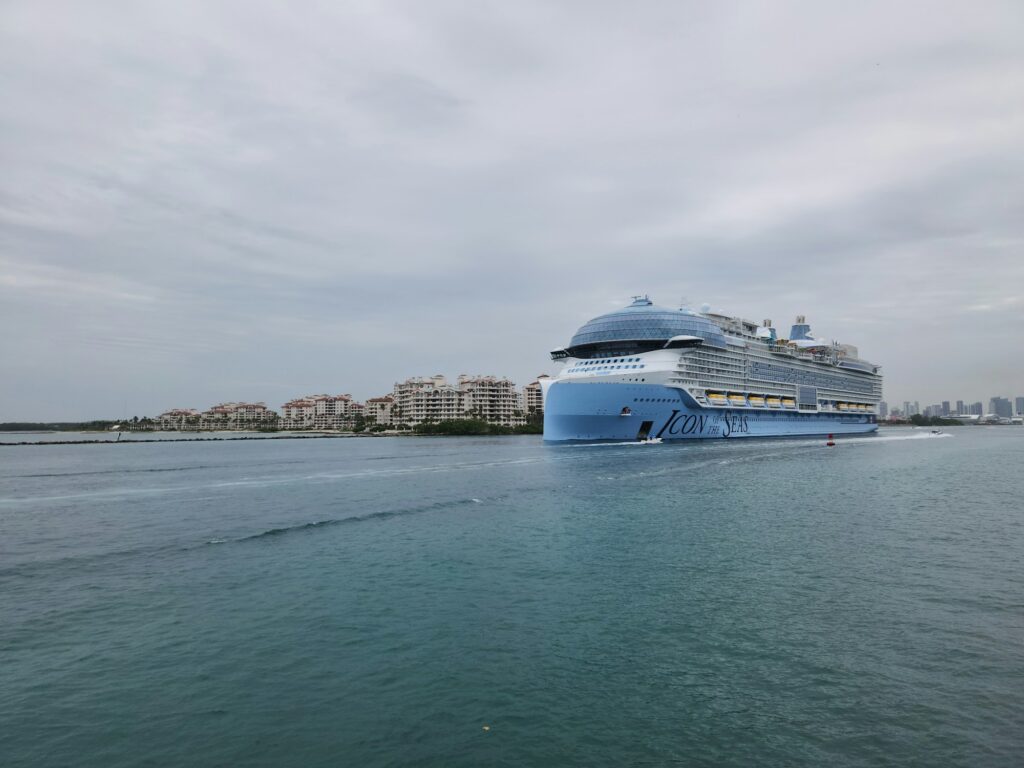
Since late February 2026, the Mediterranean cruise industry has been going through its worst crisis since the Covid-19 pandemic. The joint US-Israeli strikes against Iran, followed by Tehran’s closure of the Strait of Hormuz, triggered a brutal oil shock, trapped six cruise ships in the Gulf, and reshuffled the entire summer season. Unexpected price drops in some regions, steep increases elsewhere — here is what you really need to know before booking your 2026 cruise.
1. The USA-Israel-Iran War and the Closure of the Strait of Hormuz
The trigger: Operation « Roaring Lion »
On February 28, 2026, the United States and Israel launched the joint operation « Roaring Lion / Epic Fury » against Iranian nuclear and military infrastructure. Tehran retaliated by closing the Strait of Hormuz — the strategic chokepoint through which 20% of the world’s oil production passes — and by striking Gulf oil infrastructure. Within days, around 670 vessels found themselves stranded at the entrance to the strait.
In less than two weeks, Brent crude jumped from $70 to over $118 per barrel — a historic surge of nearly 70%. On April 8, 2026, a first fragile ceasefire was signed: Iran agreed to reopen the strait for two weeks in exchange for a suspension of American bombing, according to franceinfo. However, Iran’s Supreme National Security Council clarified that « this does not mean the end of the war. »
Direct consequences for the cruise industry
- 6 cruise ships stranded in the Gulf (Dubai, Abu Dhabi, Doha)
- 15,000 to 18,000 passengers and 6,300 crew members stranded
- Mediterranean summer 2026 fleet reduced by 4 to 5 ships
- Fuel surcharges passed on to existing customers
- 800,000 French travellers considering cancelling their summer trips abroad
2. Fuel Surcharges: What You Could Really End Up Paying Extra
Oil at $115/barrel and its contractual repercussions
The oil shock stemming from tensions around the Strait of Hormuz pushed Brent crude beyond $100 per barrel as early as March 2026, according to Figaro Nautisme. For context, the barrel stood at $73.76 on March 31, 2025, versus $115.04 on March 31, 2026 — a 56% increase year over year.
The contractual clauses buried in cruise line terms and conditions are at the heart of the problem for already-booked cruises. MSC Cruises reserves the right to apply any fuel surcharge without prior notice. Costa can adjust prices up to 20 days before embarkation if fuel costs vary significantly. The Compagnie Française de Croisières may revise the price in the event of an energy price increase, provided the client is notified at least 20 days before departure.
In 2011, during a previous oil price spike, Costa applied this mechanism: €10 per adult for a week-long cruise, €15 beyond that. In 2026, with an oil price increase three times as large, surcharges are expected to be substantially higher.
How to protect yourself from last-minute surcharges
- Read the fuel clause in your terms and conditions before signing
- Ask for a surcharge cap during negotiations
- If Brent drops back below $90/barrel before your departure, claim the downward revision — contracts provide for it
- Premium cruise lines (Explora Journeys, Silversea) typically absorb surcharges without passing them on
3. The 6 Cruise Ships Stranded in the Persian Gulf
An unprecedented situation for the industry
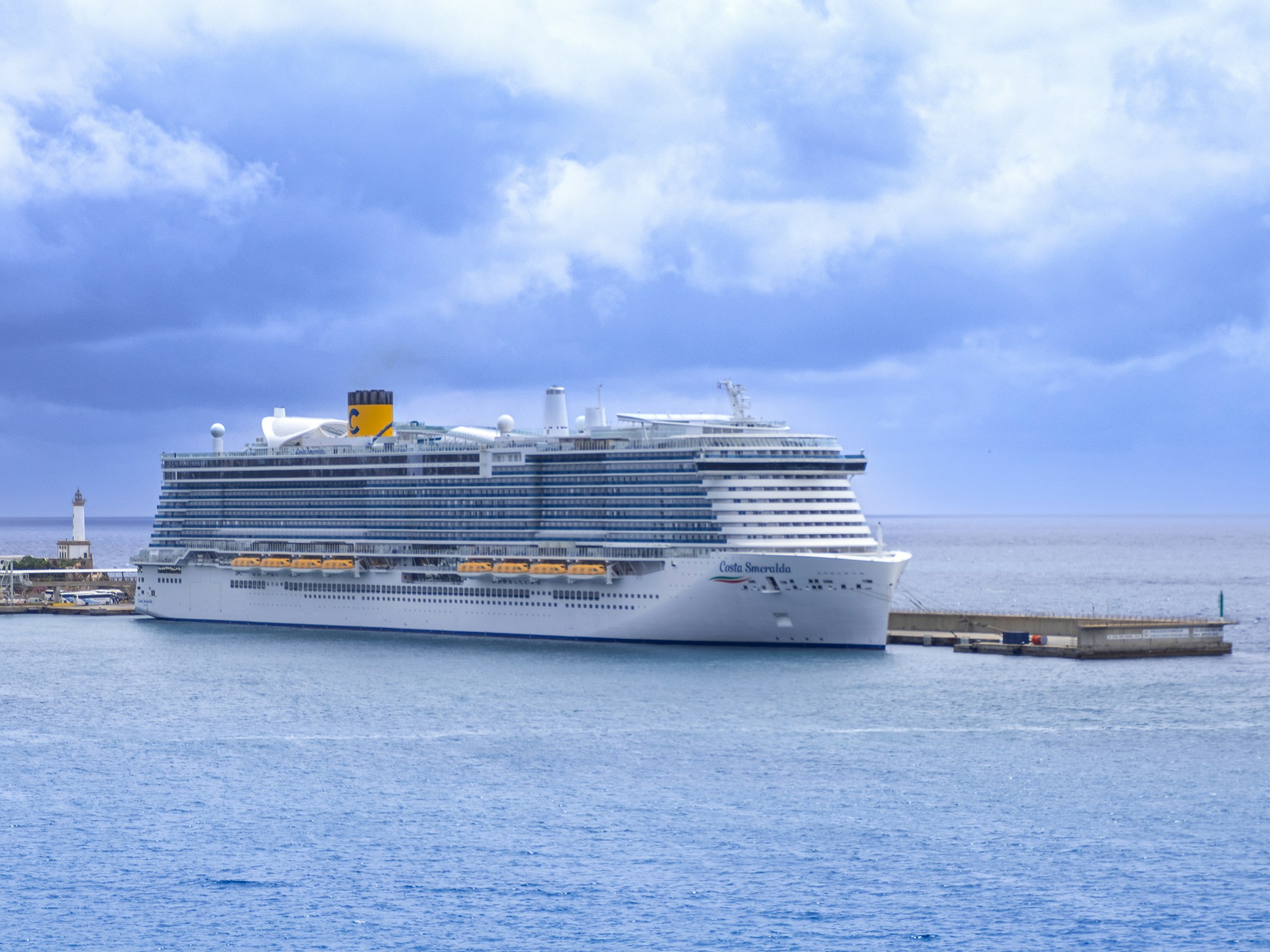
Six cruise ships are currently stranded in the Gulf, according to Ulysse.com: the MSC Euribia in Dubai, the Costa Smeralda in Abu Dhabi, as well as vessels from Celestyal and other cruise lines in Doha. These ships, due to sail to the Mediterranean for the European summer season, have been unable to transit through the Strait of Hormuz since late February.
The cruise lines responded with considerable agility: the MSC World Europa was redeployed to the Caribbean (Martinique, Guadeloupe, Barbados), creating an unprecedented offering — one of the world’s largest ships sailing the French Antilles. The Costa Smeralda was redirected to the Canary Islands and Madeira. Explora Journeys cancelled its entire Middle East season and is repositioning a ship to the Mediterranean. The net result remains unfavourable, however: the Mediterranean summer 2026 fleet will be down by 4 to 5 vessels compared to initial projections, according to Ulysse.com.
What to do if you were aboard a stranded ship
- Cruise lines are offering full refunds or cruise credit vouchers
- Charter repatriation flights were arranged for passengers stranded on board
- Stranded ships will not be able to reach the Mediterranean until several weeks after the reopening, due to the backlog of 670 vessels
- Contact your cruise line directly to find out the exact terms of your refund
4. Eastern Mediterranean: The Biggest Loser
Greece, Turkey, Croatia: supply drastically reduced
The Eastern Mediterranean is the biggest casualty of this crisis, even though it is not directly in the conflict zone. Celestyal Cruises, the only cruise line specialising in the Greek islands, has no operational ships before May 1st. The Discovery is set to resume a three-night Cyclades cruise in early May, while the Journey is scheduled for a seven-night itinerary to Greece, Italy, and Croatia from May 2nd, according to Ulysse.com.
The good news: cruises in Greece, Croatia, and Turkey operated by MSC, Royal Caribbean, and Norwegian Cruise Line continue as normal from their usual home ports (Civitavecchia, Barcelona, Venice). These companies have no ships stranded in the Gulf and are maintaining their programmes. However, the overall reduction in supply is pushing up prices for remaining cabins.
What continues as normal
- MSC cruises from Civitavecchia to Greece and Turkey
- Royal Caribbean Adriatic and Aegean itineraries from Venice
- Norwegian Cruise Line Eastern Mediterranean circuits from Barcelona
- Celestyal mini-cruises from early May (3–7 nights in the Cyclades)
5. Western Mediterranean: The Big Winner of the Crisis
Barcelona, Marseille, Genoa: the rush to the West
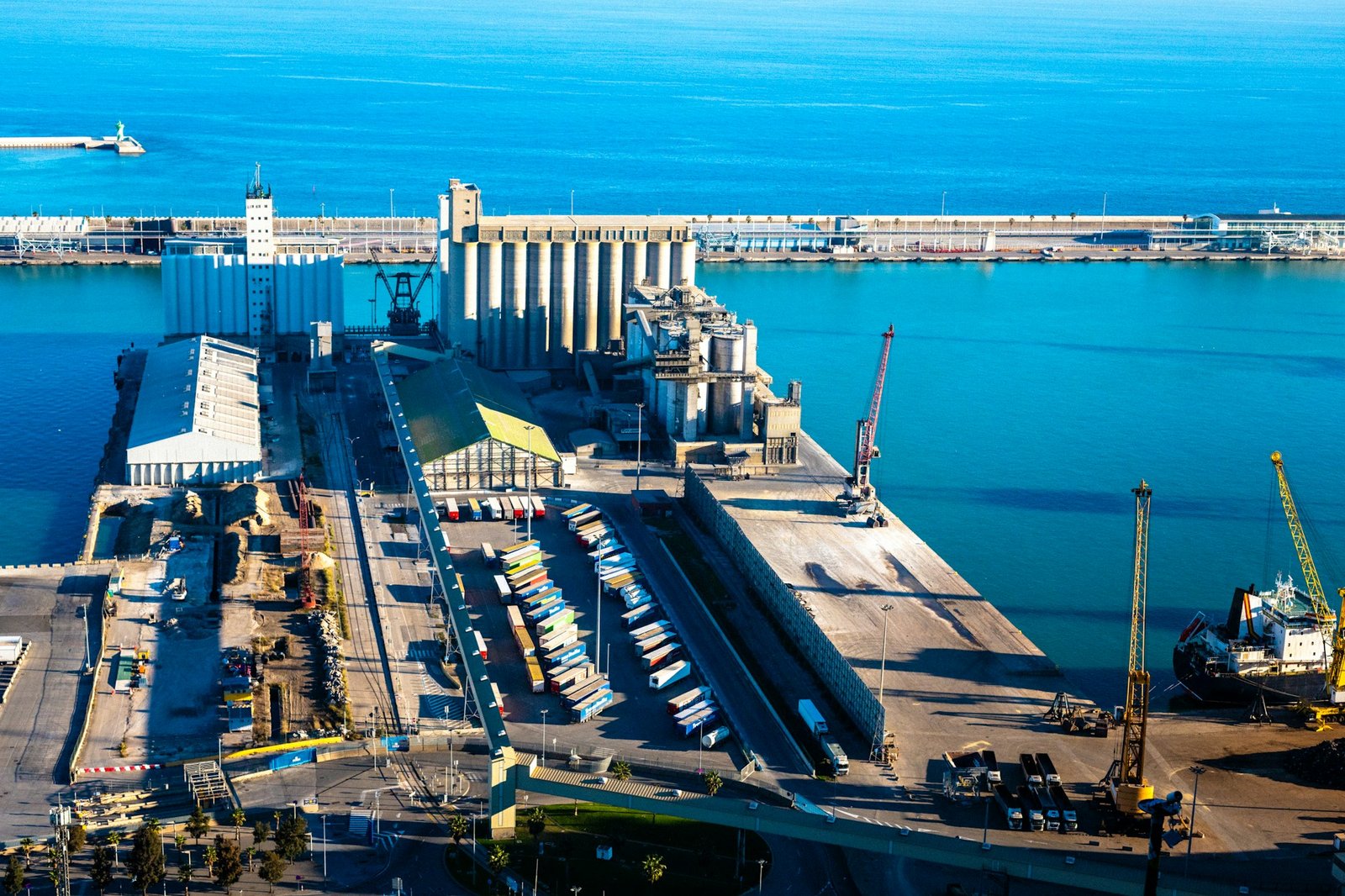
The Western Mediterranean is paradoxically profiting from the geopolitical chaos. The mass shift of tourists away from the Middle East directly benefits Spain, which is posting +3.7% arrivals in the first quarter of 2026. The ports of Barcelona, Marseille, Civitavecchia, and Savona are seeing increased cruise activity driven by higher demand for available cabins, according to Ulysse.com.
The economic logic is clear: reduced supply + increased demand + rising energy costs = upward pressure on prices for remaining cruises. History, food, and climate itineraries continue to fill ships, with a pronounced preference in 2026 for the Western Mediterranean. Passengers find a straightforward compromise: few hours of flying, plenty of port stops, and cultural diversity without changing time zones, according to Safaria.net.
Most popular itineraries
- 7 nights Barcelona → Marseille → Genoa → Rome → Naples → Palma
- 10 nights adding Sicily, Cagliari (Sardinia), or Malaga
- 14-night itineraries including Greece or Croatia, according to AB Croisière
- MSC is offering free parking in Marseille this summer — a real perk for families
6. Canary Islands and Madeira: The Atlantic Eldorado

Tenerife, Gran Canaria, Madeira: the go-to refuge destination
The Canary Islands and Madeira have emerged as the standout Atlantic alternative for summer 2026. Typically reserved for the winter season, these routes are now in demand year-round thanks to the redeployment of the Costa Smeralda — one of Costa’s flagship vessels — sailing directly from Barcelona and Marseille. This is a rare opportunity: access to a top-tier ship on a route that usually only comes at winter prices.
The Canaries’ great advantage lies in their climatic stability (22–26°C year-round), their accessibility from French and Spanish ports, and their complete absence of geopolitical risk. According to Déstockage Croisières, prices for a 7-night cruise to the Canaries start at €299 per person in an interior cabin.
Why choose the Canaries this summer
- Zero geopolitical risk: no tension whatsoever in this region
- Boosted supply thanks to the redeployment of the Costa Smeralda
- Spectacular volcanic scenery: Teide (3,718 m), Las Cañadas, Caldera de Taburiente
- Madeira included in most itineraries: tropical gardens, levadas, Funchal
- Direct access from Le Havre, Bordeaux, Marseille, Barcelona
7. Morocco: The Unexpected Beneficiary of the Cruise Crisis
Casablanca, Tangier, Agadir: the rising port of call
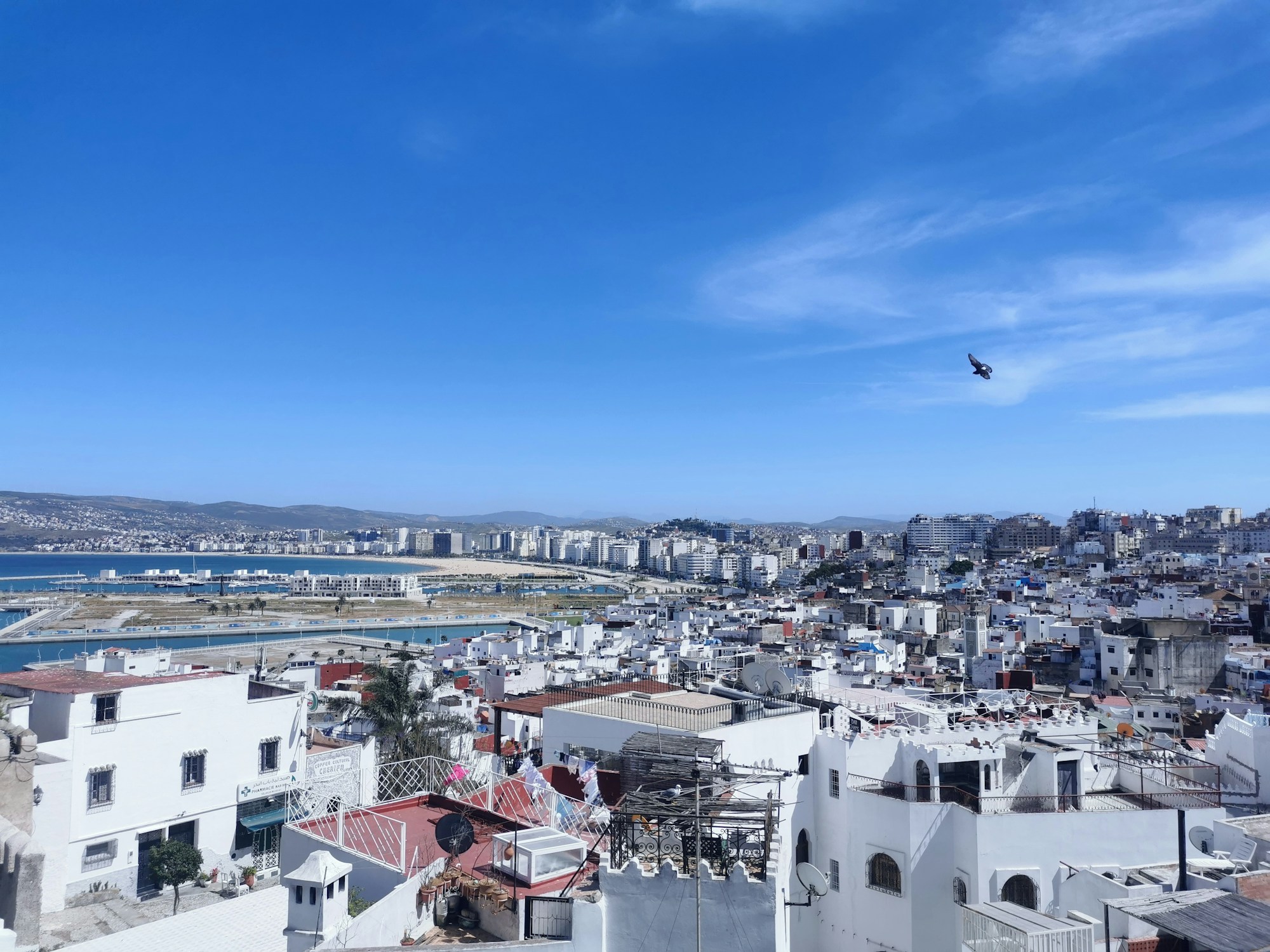
While the Middle East conflict is devastating cruise tourism in Egypt (-34% in bookings), Jordan (-50%), and the UAE (-85%), Morocco is paradoxically coming out ahead. Cruise lines are redeploying their ships with alternative itineraries that include Morocco, which benefits directly, according to Médias24.
Morocco holds a unique tax advantage in the region: it is the first port zone outside the Schengen Area to offer shipowners the ability to recover VAT. And since Gibraltar is no longer in the European Union, many port calls have shifted to Morocco. Cruise activity in Morocco had already grown by 41.7% by the end of 2025, with 383,231 cruise passengers welcomed.
Morocco’s strategic advantage
- Dual coastline on the Atlantic and Mediterranean, unique in the region
- Tax advantage: VAT recovery for shipowners (unlike post-Brexit Gibraltar)
- Bookings to Morocco up +11.7% compared to 2025
- Tangier, Casablanca, Agadir: three very distinct port stop profiles (urban, historic, coastal)
- 2026 set to be a record year for Moroccan cruise port calls
8. Norwegian Fjords and Baltic Sea: The Nordic Alternative
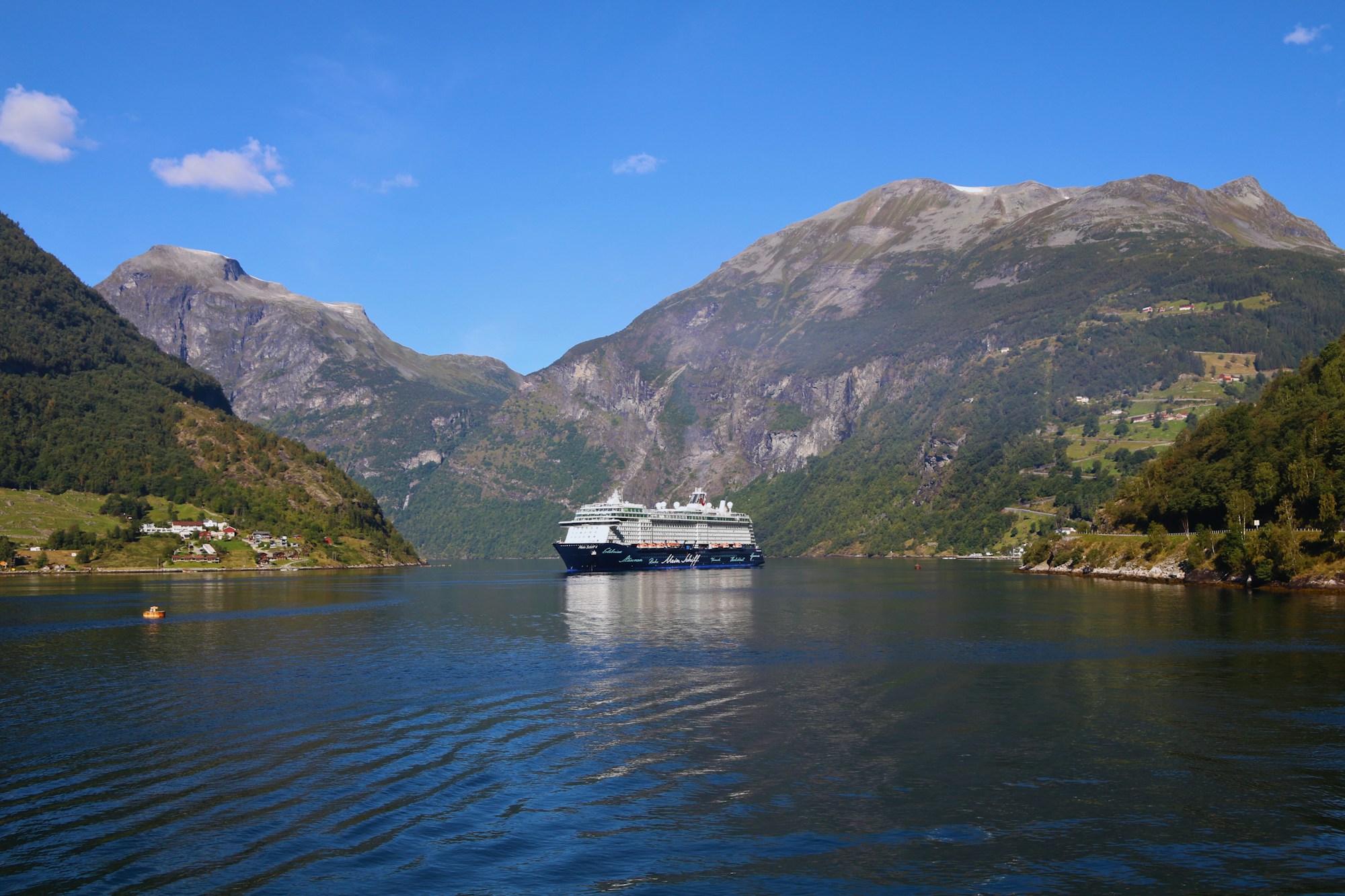
Bergen, Geirangerfjord, Sognefjord: another world entirely
Northern European cruises are the ideal alternative for travellers looking to escape both geopolitical turmoil and Mediterranean overtourism. Cruise bookings for 2026 are concentrating on three major classics: the Caribbean, the Mediterranean, and Northern Europe, with a clear trend towards nature-focused itineraries, according to Safaria.net.
The Geirangerfjord (UNESCO-listed), the Sognefjord (the world’s longest at 204 km), and the towns of Bergen and Ålesund offer a wild nature experience with no equivalent in the Mediterranean. MSC, Costa, and Norwegian Cruise Line offer departures from Le Havre, Copenhagen, and Kiel for itineraries of 7 to 14 nights. The Baltic Sea adds Tallinn, Riga, Gdańsk, and Helsinki — perfectly preserved medieval and Hanseatic architecture, all at prices lower than the summer Mediterranean.
Why choose the North this summer 2026
- Geopolitical risk: zero — completely outside the conflict zone
- Unique landscapes: fjords, northern lights, icebergs, whales
- Baltic: Nordic capitals (Stockholm, Copenhagen, Helsinki) on a single itinerary
- Mild temperatures and the extraordinary Nordic summer light (midnight sun)
- MSC also offers cruises to Iceland and Svalbard in summer
9. Cruise Line Analysis: Who is Most Exposed?
MSC, Costa, Royal Caribbean, NCL, Celestyal: the full picture
MSC Cruises is the hardest-hit cruise line. Two ships are affected: the MSC Euribia stranded in Dubai (its summer season from Kiel now in jeopardy) and the MSC World Europa redeployed to the Caribbean. As compensation, MSC is offering free parking in Marseille this summer and maintaining competitive prices from €119/person in the Mediterranean. MSC can apply fuel surcharges without prior notice — check your terms and conditions.
Costa Cruises has redeployed the Costa Smeralda to the Canary Islands, leaving a gap in the Western Mediterranean itinerary schedule. Costa can adjust fares up to 20 days before embarkation if fuel costs vary significantly. The company remains very well positioned for budget-conscious travellers, with departures from Marseille and Savona.
Royal Caribbean and Celebrity Cruises: these companies, whose fleets were already positioned in the Mediterranean, are not directly impacted by the blockage. Royal Caribbean stands out for its large ships and extensive onboard activities, with a full Mediterranean cruise offering starting at €319 according to AB Croisière.
Norwegian Cruise Line (NCL) benefits from a scarcity advantage: its ships were already positioned in the Mediterranean before the crisis. NCL is maintaining all its programmes and could attract an influx of passengers seeking reliability.
Celestyal Cruises is the hardest-hit company overall: all of its April cruises have been cancelled, with a return to the Mediterranean expected at the earliest in early May. Affected Celestyal customers are being offered full refunds or credit vouchers.
Explora Journeys (MSC’s luxury brand) has cancelled its entire Middle East season and is repositioning a ship to the Mediterranean — a rare chance to access this ultra-premium product on more favourable terms.
Cruise line comparison table
| Cruise Line | Impact | Fuel surcharge | Status |
|---|---|---|---|
| MSC | High (2 ships) | Without notice | ⚠️ Disrupted |
| Costa | Moderate (1 ship) | 20 days before departure | ⚠️ Partial |
| Royal Caribbean | Low | Variable | ✅ Normal |
| NCL | Very low | Variable | ✅ Normal |
| Celestyal | Very high | N/A (refund) | ❌ Suspended April |
Practical information for your cruise
Stay connected the moment you land in each port country. Instant activation, no physical SIM required.
From €4.50Complete coverage including geopolitical cancellation. Essential in times of crisis.
From €0.99/dayFrequently Asked Questions About Mediterranean Cruises 2026
Is my already-booked Mediterranean cruise at risk of a fuel surcharge?
Yes, if you booked before the oil price spike. Cruise ships from Costa, MSC, or Royal Caribbean consume enormous volumes of marine fuel. Having paid in full does not protect you from a last-minute price surprise if your contract includes a fuel clause. You absolutely must check your general terms and conditions. Some cruise lines (MSC, Costa) have historically absorbed part of the increase, but nothing in the 2026 contracts legally obliges them to do so. According to Figaro Nautisme, surcharges of between €10 and €30 per person per week are plausible.
Is there a risk that my cruise will be cancelled or its itinerary changed?
The risk is real but has now been partially reduced. Iran agreed to reopen the Strait of Hormuz for two weeks (April 8, 2026) in exchange for a suspension of American bombing, according to franceinfo. However, Iran’s Supreme Council clarified that « this does not mean the end of the war. » Stranded ships will not be able to reach the Mediterranean for several weeks even if the strait reopens. If your cruise departs from a Mediterranean port (Barcelona, Marseille, Genoa) and the ship was already positioned there, the cancellation risk is low.
Is the Eastern Mediterranean (Greece, Turkey) still accessible?
Yes, the Eastern Mediterranean is not directly in the conflict zone. Cruises to Greece, Croatia, and Turkey operated by MSC, Royal Caribbean, and NCL continue as normal from their usual home ports (Civitavecchia, Barcelona, Venice). However, all Celestyal April cruises are cancelled, with a return to the Mediterranean expected at the earliest in early May. For cruises to Greece from late April/May, supply remains broad and prices are relatively stable with the cruise lines unaffected by the Gulf blockage.
How long will the cruise crisis last?
The Mediterranean summer 2026 fleet will in all likelihood be down by 4 to 5 vessels compared to initial projections, whatever happens in the coming weeks. The evolution of the Middle East conflict will determine marine fuel prices for the entire 2026 season. In the optimistic scenario (ceasefire holds and is renewed), prices could normalise by July–August 2026. Ships stranded in the Gulf would still need 3 to 5 weeks to reach the Mediterranean after the strait reopens, due to the backlog of 670 ships waiting to transit.
What are the best alternatives to cancelled Middle East cruises?
For ocean cruises, the Canary Islands, the Baltic, and the Norwegian fjords are the three best alternatives with absolutely no geopolitical risk. The Canaries are even benefiting from an increase in supply with the redeployment of the Costa Smeralda. For those who prefer to stay in Europe, river cruises on the Danube, Rhine, or Seine (from €239) are a risk-free option. Ferry crossings with cabin to Corsica and Sardinia are an interesting budget-friendly alternative. The Caribbean is also seeing boosted supply thanks to the redeployment of the MSC World Europa.
Will cruise prices fall if the conflict is resolved?
The April 8, 2026 ceasefire announcement immediately caused oil prices to drop by more than 15%, pushing them back below $100 per barrel. A lasting détente would allow cruise lines to reduce surcharges. In practice, however, cruise lines rarely spontaneously apply the downward revision clause, according to Figaro Nautisme. You will need to negotiate it actively or wait for last-minute deals if peace holds. The reduction in supply (4–5 fewer ships in the Mediterranean) will keep upward pressure on prices even if oil prices fall.
Are some destinations genuinely benefiting from the crisis?
Yes, clearly. While Egypt is losing 34% of its bookings, Jordan 50%, and the UAE 85%, the Western Mediterranean is gaining: bookings for Morocco are up +11.7% and for Tunisia +22%. Spain is posting +3.7% arrivals in the first quarter of 2026. According to Ulysse.com, 800,000 French travellers say they are giving up on travelling abroad this summer due to the geopolitical situation — which paradoxically benefits nearby destinations perceived as stable and accessible.
What is the single most important practical tip for booking a cruise right now?
Book before the end of April 2026 to get the best deals — pressure on available cabins is increasing every week. Absolutely check the fuel clause in the terms and conditions of your chosen cruise line. Prefer a company whose ships were already positioned in the Mediterranean (NCL, Royal Caribbean, MSC from Marseille or Barcelona) over one that was due to reposition a ship from the Gulf. Take out travel insurance covering geopolitical risks — trips cancelled due to acts of war can be excluded from standard policies.
Sources
- Ulysse.com — Mediterranean cruise summer 2026: prices, shortage, and tips
- Carnets de Voyages — 6 ships stranded, prices rising
- Franceinfo — USA-Israel-Iran war, daily updates
- Franceinfo — Ceasefire and reopening of the Strait of Hormuz
- Wikipedia — 2026 Strait of Hormuz crisis
- Wikipedia — 2026 American-Israeli-Iranian conflict
- Figaro Nautisme — Fuel surcharges on 2026 cruises
- Médias24 — Morocco gains cruise port calls during the war
- Ulysse.com — Cruise ships stranded in the Gulf of Hormuz
- Boatcible.com — Marine fuel prices 2026: war and rising marine diesel
- Safaria.net — 2026 cruises: the itineraries exploding in popularity
- Atlasinfo — Tourism in Morocco: 1.3 million arrivals in January 2026
- Trading Economics — Brent crude oil prices
- AB Croisière — Mediterranean cruises 2026: prices and deals
- Les Clés du Moyen-Orient — Situation update as of April 1, 2026
Research conducted on April 8, 2026.
Ready to Plan Your Next Cruise?
Discover our personalised itineraries for the Mediterranean, the Canary Islands, and the Norwegian fjords — tailored to the geopolitical context of 2026.
Explore Pixidia itineraries