
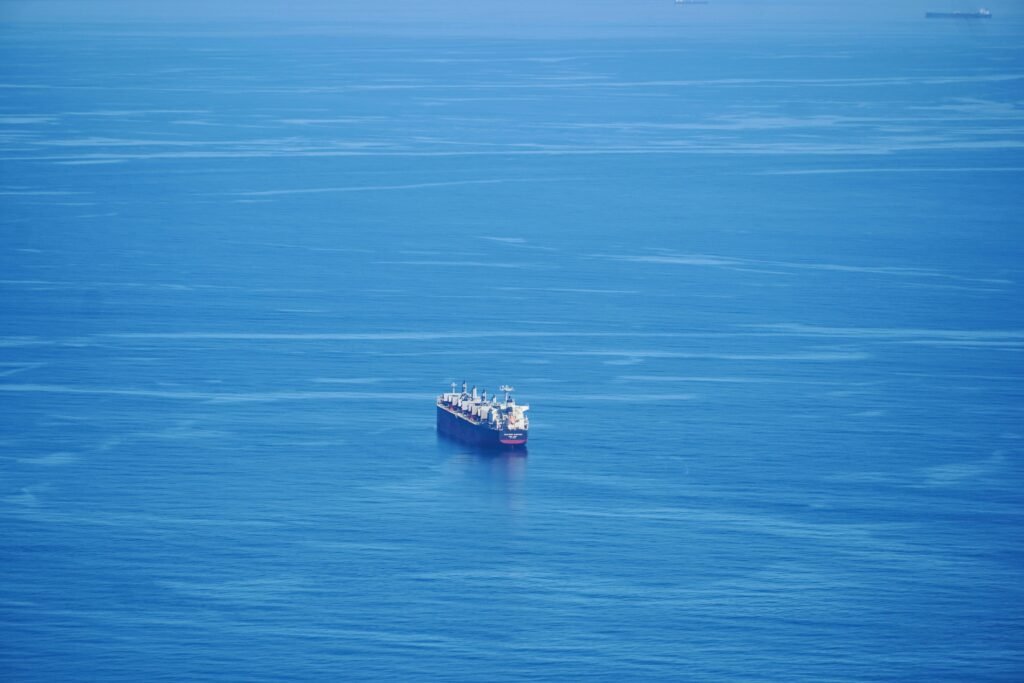
A 34-kilometer-wide strait is shaking the global economy. Since February 28, 2026, the Strait of Hormuz crisis has triggered the largest energy supply shock since the 1970s. The concrete impact for you: flight prices have surged 20 to 40%, food prices are threatening to spike this autumn, and hundreds of thousands of travelers have already cancelled their holidays. But good news exists: alternative destinations reachable by train or ferry are waiting for those who know how to adapt. This guide explains everything, with sourced figures.
The Strait of Hormuz crisis has pushed summer 2026 flight prices up 20 to 40%. Jet fuel rose from $750 to $1,900 a tonne by early April 2026, and Brent peaked near $118 on April 5. Food prices are expected to follow 3 to 6 months later. Book early, favor train and ferry destinations, and keep a flexible fare.
Figures as of April 2026, from the sources listed at the end of this guide.
1. The Strait of Hormuz: Anatomy of a Global Chokepoint
A 34km corridor that governs global energy
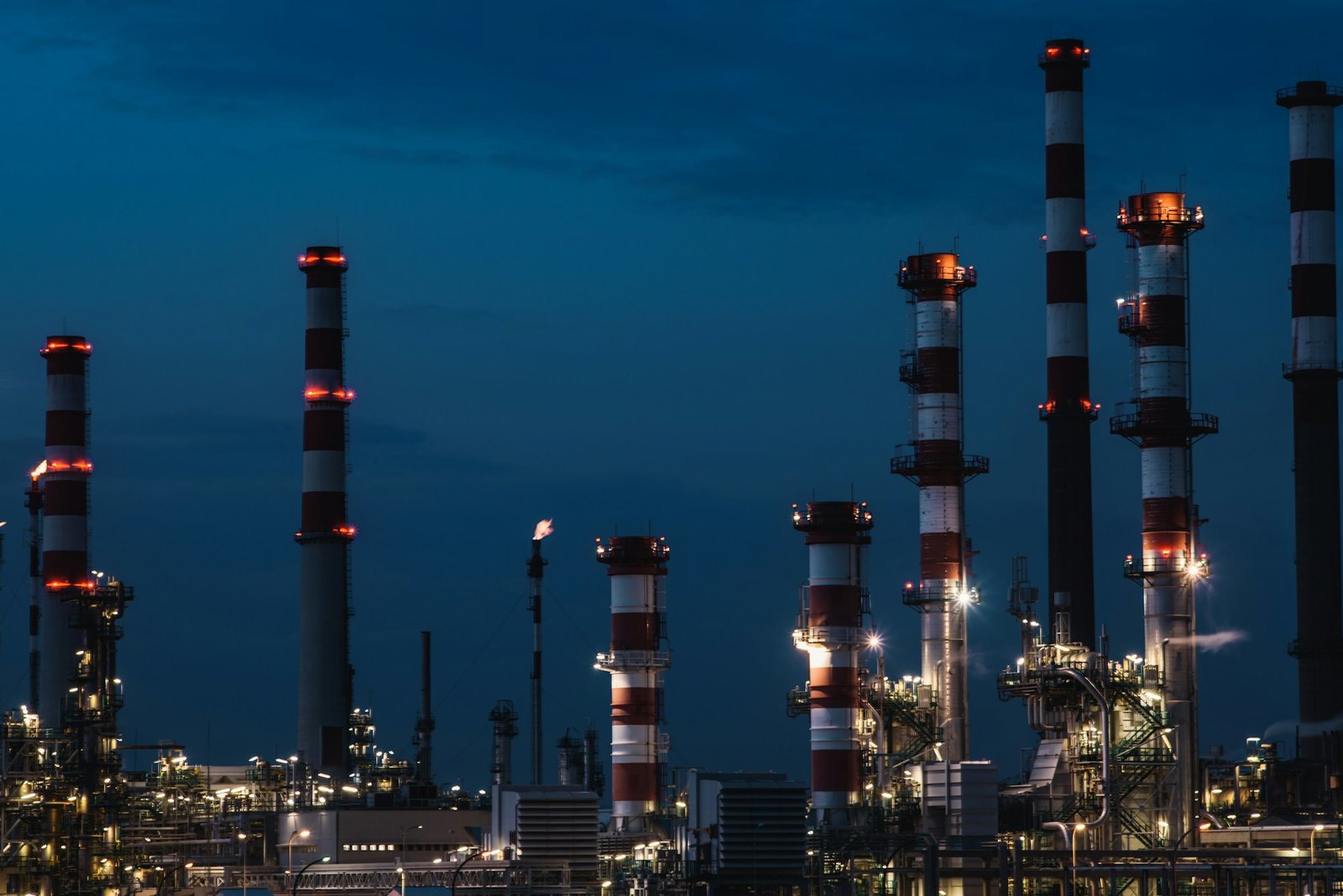
The Strait of Hormuz is a maritime corridor squeezed between Iran to the north and Oman to the south. It connects the Persian Gulf to the Indian Ocean, and from there to the rest of the world. It’s the exit point for virtually all oil and gas from the Middle East — Saudi Arabia, Qatar, the UAE. According to the US EIA, around 27% of global oil exports and 20% of global LNG exports pass through this passage.
Following joint US-Israeli military strikes against Iran on February 28, 2026, maritime traffic in the strait nearly ceased. Ship transits fell from approximately 130 per day in February to just 6 in March — a 95% collapse, according to UNCTAD.
Why there is no simple alternative
- The IPSA pipeline (Saudi Arabia to Red Sea) is saturated at 40% of maximum capacity
- The Habshan-Fujairah pipeline (UAE) can only handle 2 million barrels/day out of the 20 that normally transited
- For LNG, there is no alternative: tankers cannot bypass the strait overland
2. The Oil Shock: From $70 to a $120 Peak
Brent surpasses $100 for the first time in 4 years
When the strait closed, Brent crude (the global oil benchmark) crossed $100 per barrel for the first time in four years, peaking near $118 on April 5, 2026. US officials and Wall Street analysts mentioned the prospect of $200 per barrel in a prolonged scenario, according to Bloomberg.
The Dallas Fed estimated that a closure removing 20% of global supply in Q2 2026 should reduce global growth by 2.9 percentage points on an annualized basis. On April 8, the announcement of a two-week ceasefire sent Brent falling 15% in a single session, breaking below $100.
What this means for you concretely
- Fuel at the pump: +15 to +30 cents per litre in France and Europe
- Household energy bills: +8 to +15% estimated for winter 2026
- Overall inflation: +1 to +2% additional on the European CPI according to the ECB
3. Jet Fuel: Your Airline Ticket Set on Fire
A tonne of jet fuel more than doubled in six weeks
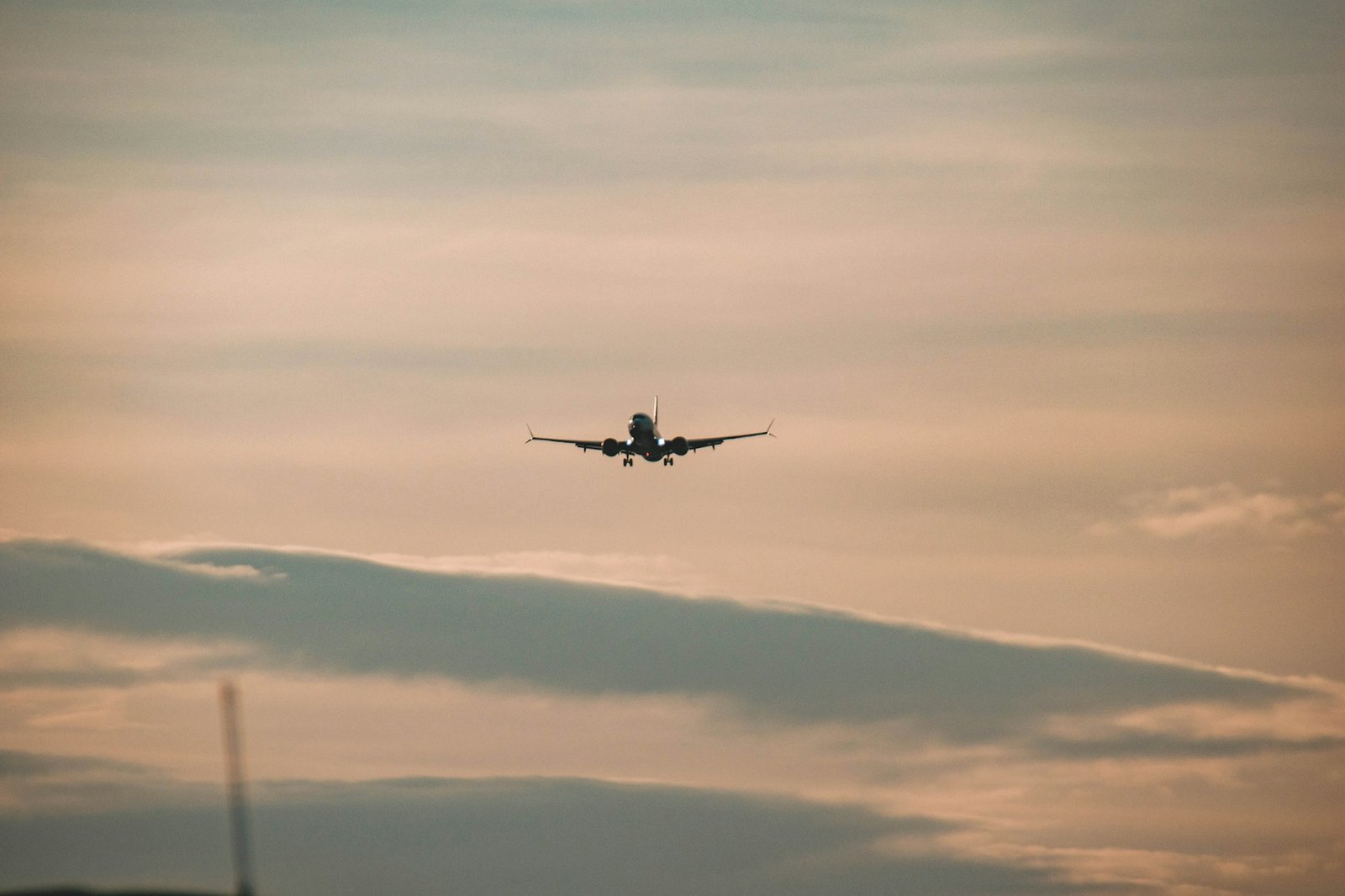
A tonne of jet fuel rose from $750 before the crisis to $1,900 in early April 2026, according to data compiled by France Info. Fuel previously represented 25% of an airline’s costs — it now oscillates between 40 and 45%. About 40% of the world’s aviation fuel supply passes through the Strait of Hormuz, according to the Financial Times.
Airports Council International (ACI) Europe warned that the strategic jet fuel reserves of some European states only cover 8 to 10 days. Italy has already implemented rationing measures at four airports: Milan Linate, Venice Marco Polo, Treviso and Bologna, according to Ulysse.
Which airlines are holding up better?
- Air France-KLM: 87% hedged for H1 — better positioned but surcharges up to €319 per long-haul trip
- easyJet: 84% covered for H1 ($715/tonne), only 62% for H2
- Ryanair: 80% hedged, probably the least exposed to sudden cancellations
- SAS: cancelled over 1,000 flights since early March — avoid
4. The Food Crisis: The Hidden Danger Behind the Oil Shock

One third of the world’s fertilizers transited through Hormuz
The Hormuz crisis is not merely an energy crisis. In addition to oil and LNG, the strait transported about one third of internationally traded fertilizers, essential to global harvests. Natural gas determines 70 to 90% of the production cost of nitrogen fertilizers — with a 20% output drop and price hikes of up to 70%, according to Fortune.
In the United States, some fertilizers rose by more than 40% in a single month. Russia suspended its ammonium nitrate exports; China blocked its phosphate exports (25% of world supply). According to the IFPRI, food price increases in Europe are estimated at between +8% and +15% by autumn 2026.
What will cost more at your grocery store
- Bread, pasta, flour: expected 10–20% rise linked to wheat and nitrogen costs
- Meat and dairy: direct increase in animal feed costs
- Imported fruits and vegetables: significantly higher maritime shipping costs
- Hygiene products and plastic packaging (petrochemical derivatives): +15 to +25%
5. Destinations to Avoid: The Middle East Under Tension
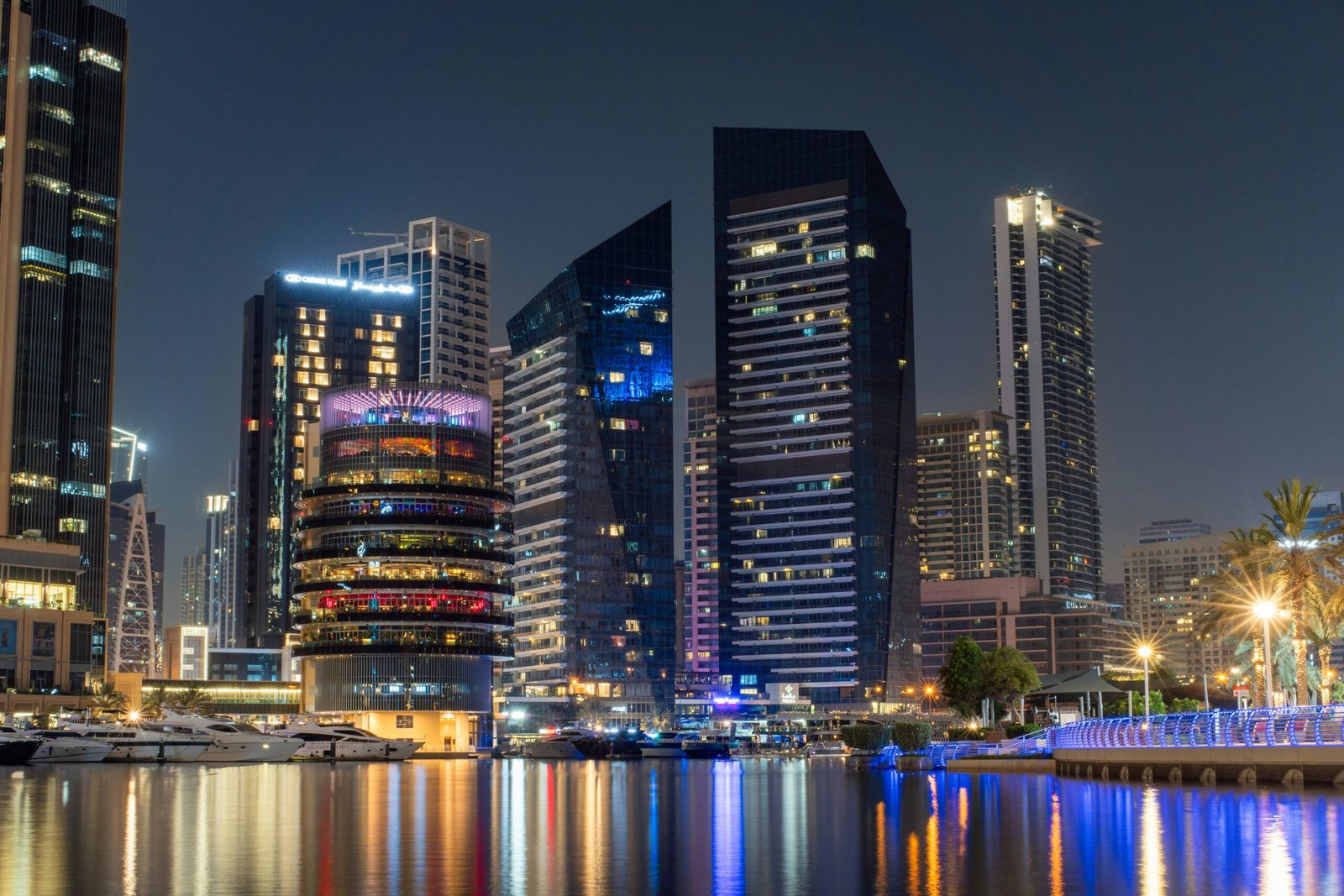
Dubai, Egypt, Jordan: 800,000 French travelers have already cancelled
According to an Ifop/Alliance France Tourisme survey of March 18, 2026, 41% of French travelers say they want to change their summer plans because of the crisis. Bookings show steep declines: UAE -85%, Jordan -50%, Egypt -34% in the latest reference week, according to Ulysse.
Gulf hubs (Dubai, Doha, Abu Dhabi) should be avoided for connections: unstable airspace, uncertain local jet fuel supply. Finland (Finnair), Turkey (Turkish Airlines) and Ethiopia (Ethiopian Airlines) are emerging as new alternative hubs for Asian access.
High-risk regions in 2026
- UAE (Dubai, Abu Dhabi): geopolitical risk + jet fuel surcharges + logistical uncertainty
- Egypt: flights to Sharm el-Sheikh and Hurghada severely disrupted
- Jordan: 50% traffic decline, persistent regional instability
- Turkey via Gulf hubs: prefer direct flights or via Istanbul directly
6. Anti-Crisis Destination #1: Corsica by Ferry + Train
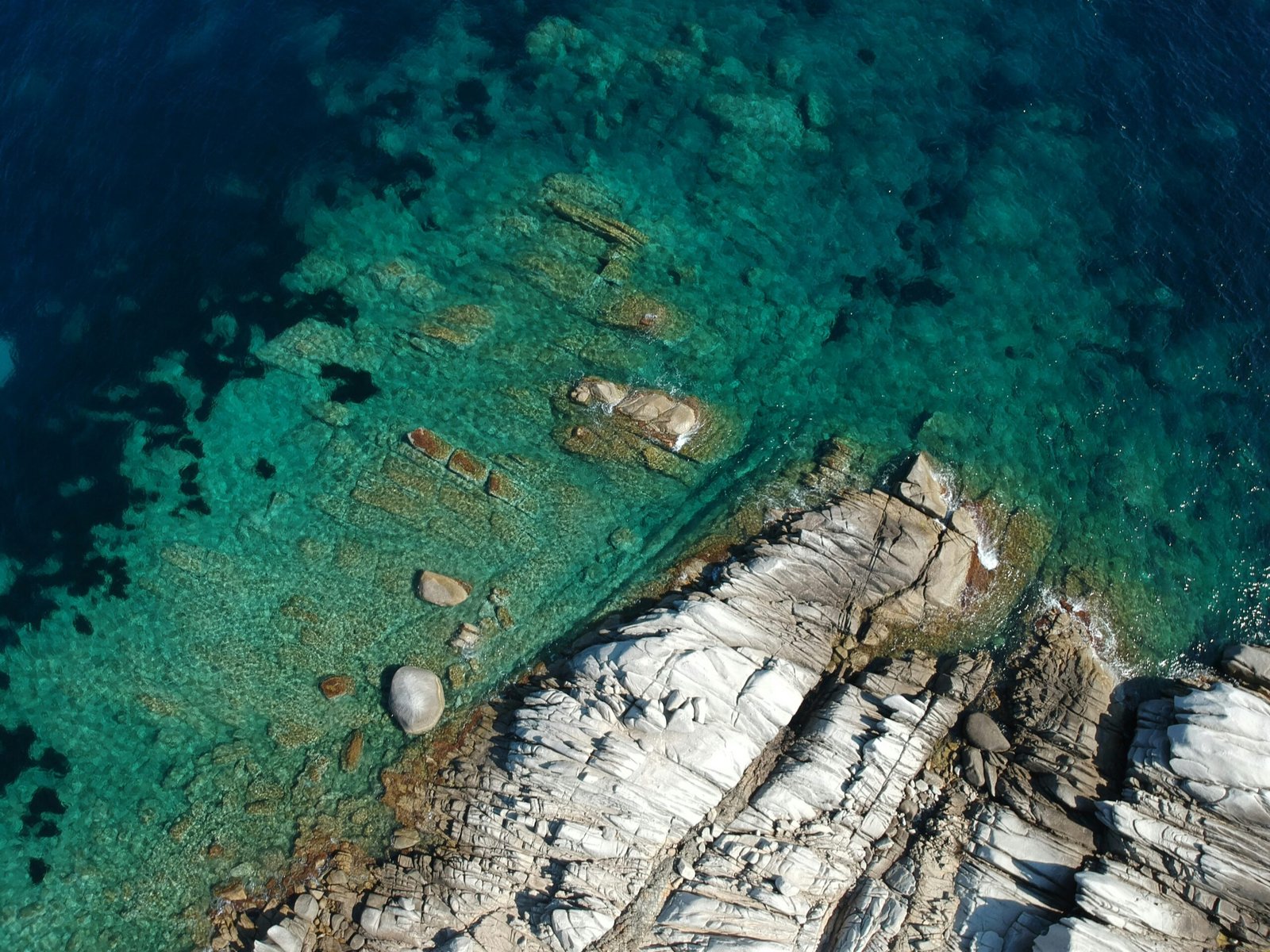
Corsica: top of France’s Booking ranking for 2026
In the context of the jet fuel crisis, Corsica has become the Mediterranean refuge par excellence. It has taken first place in Booking’s ranking of France’s most booked regions in 2026, with +15% for campsites and +49% for car rentals. Accessible without a plane via train Paris → Marseille/Nice/Toulon + ferry (14h, from €95), it offers a credible alternative to Turkey or Greece, without fuel surcharges.
The Corsican interior — Alta Rocca, Niolu — remains almost deserted even in high season. The GR20, ranked among Europe’s most beautiful trails, is accessible to experienced hikers. Turquoise sea guaranteed, unique gastronomy (AOC charcuterie, cheeses, chestnuts), and an authentic island culture that resists mass tourism.
Why Corsica is perfect in 2026
- No passport needed, euro in your pocket, zero fuel surcharge
- Corsica Ferries: departures from Toulon, Nice, Marseille (up to 14 crossings/week)
- Mountains 2km from the sea: unmatched landscape diversity
- May–June: sea already warm, without the July–August crowds
7. Anti-Crisis Destination #2: Barcelona by Direct TGV
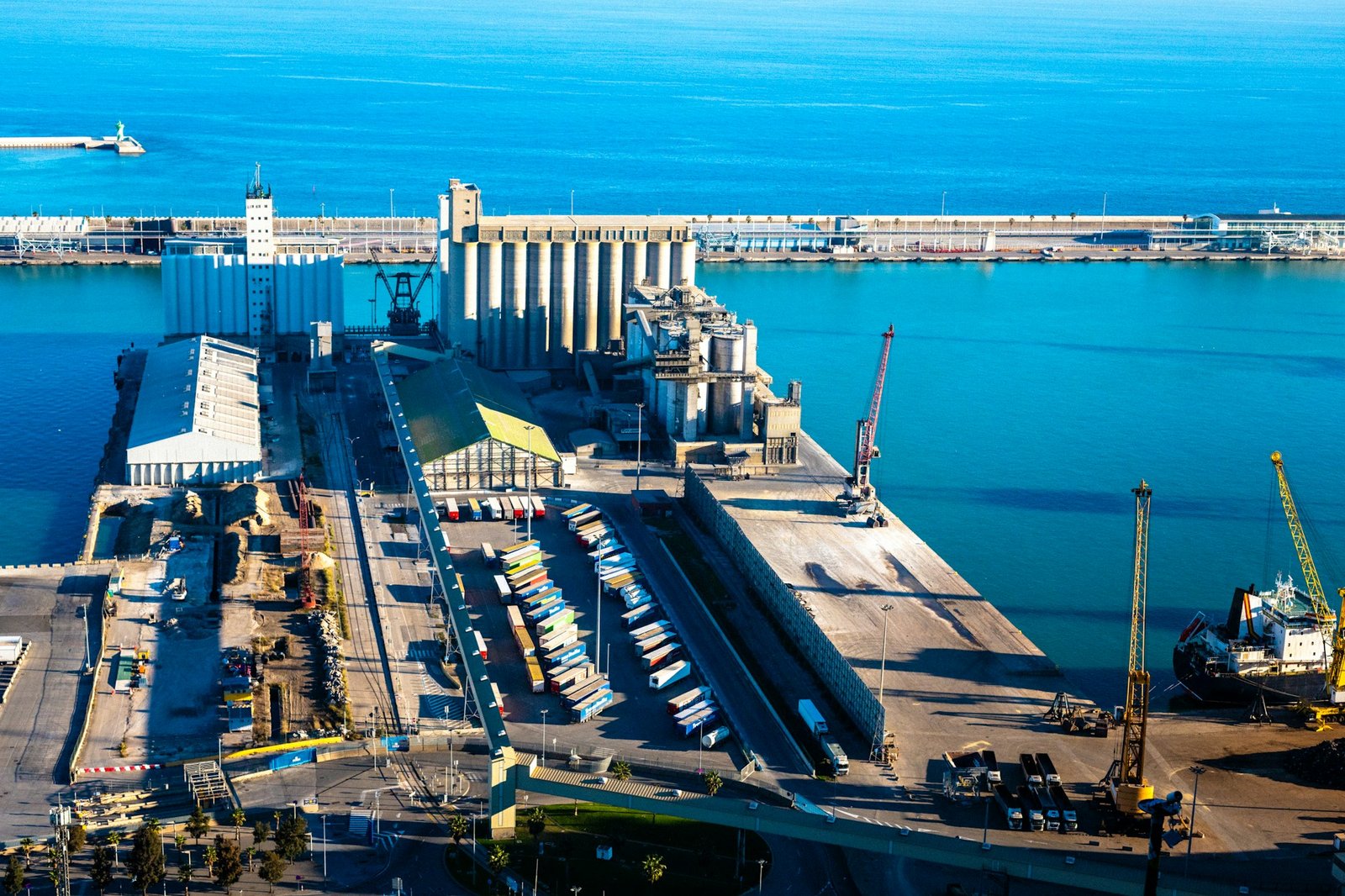
Direct TGV Paris-Barcelona: from €39 vs €120-220 by plane
In 2026, the TGV beats flying on price for Paris-Barcelona: from €39 compared to €120–220 by plane with jet fuel surcharges. The Catalan capital has become one of the most sought-after destinations by travelers ditching long-haul flights. Modernist architecture (Gaudí), urban beaches, world-class Iberian gastronomy, legendary nightlife — all just 6.5 hours away by train.
The Gràcia, Poblenou and Sant Pere neighborhoods offer an authentic Barcelona experience, far from the crowded Rambla. Tip: combine TGV Paris-Barcelona + ferry Barcelona-Mallorca for an island escape with no plane, all without a drop of jet fuel.
Barcelona highlights in 2026
- La Sagrada Família: absolutely unmissable — book tickets well in advance
- Park Güell, Casa Batlló, Casa Milà — Gaudí’s work like nowhere else
- La Boqueria market and El Born restaurants — world-class food scene
- Barcelona + Mallorca ferry: a full week with no plane for €200-300 in transport
8. Anti-Crisis Destination #3: The Paris-Berlin Night Train

European Sleeper: Paris → Berlin from €29.99, one hotel night saved
The jet fuel crisis has accelerated the spectacular renaissance of night trains in Europe. The European Sleeper line, launched on March 26, 2026, connects Paris to Berlin via Brussels and Amsterdam, from €29.99 in a seat, with an extension to Hamburg from July 13. Sleeping in a couchette = saving one hotel night AND the airfare.
Berlin in 2026: world capital of electronic music, world-class museums (Pergamon, Jewish Museum), omnipresent street art, a culinary scene rivaling Paris, and a still-reasonable cost of living. Some of the world’s best clubs cost less than €15. The Interrail Global Pass starts at €212 for under-28s (€283 for adults) — worth it after just 2–3 trips this summer.
Berlin without jet fuel: the itinerary
- Museuminsel (Museum Island): 5 UNESCO museums on a single site, €12 combined entry
- Holocaust Memorial, Checkpoint Charlie, fall of the Berlin Wall — essential European history
- Mauerpark flea market (Sunday): legendary street market, free entry
- Continue to Prague or Vienna by night train from Berlin — without jet fuel surcharges
9. Anti-Crisis Destination #4: Albania, the Pearl of the Balkans
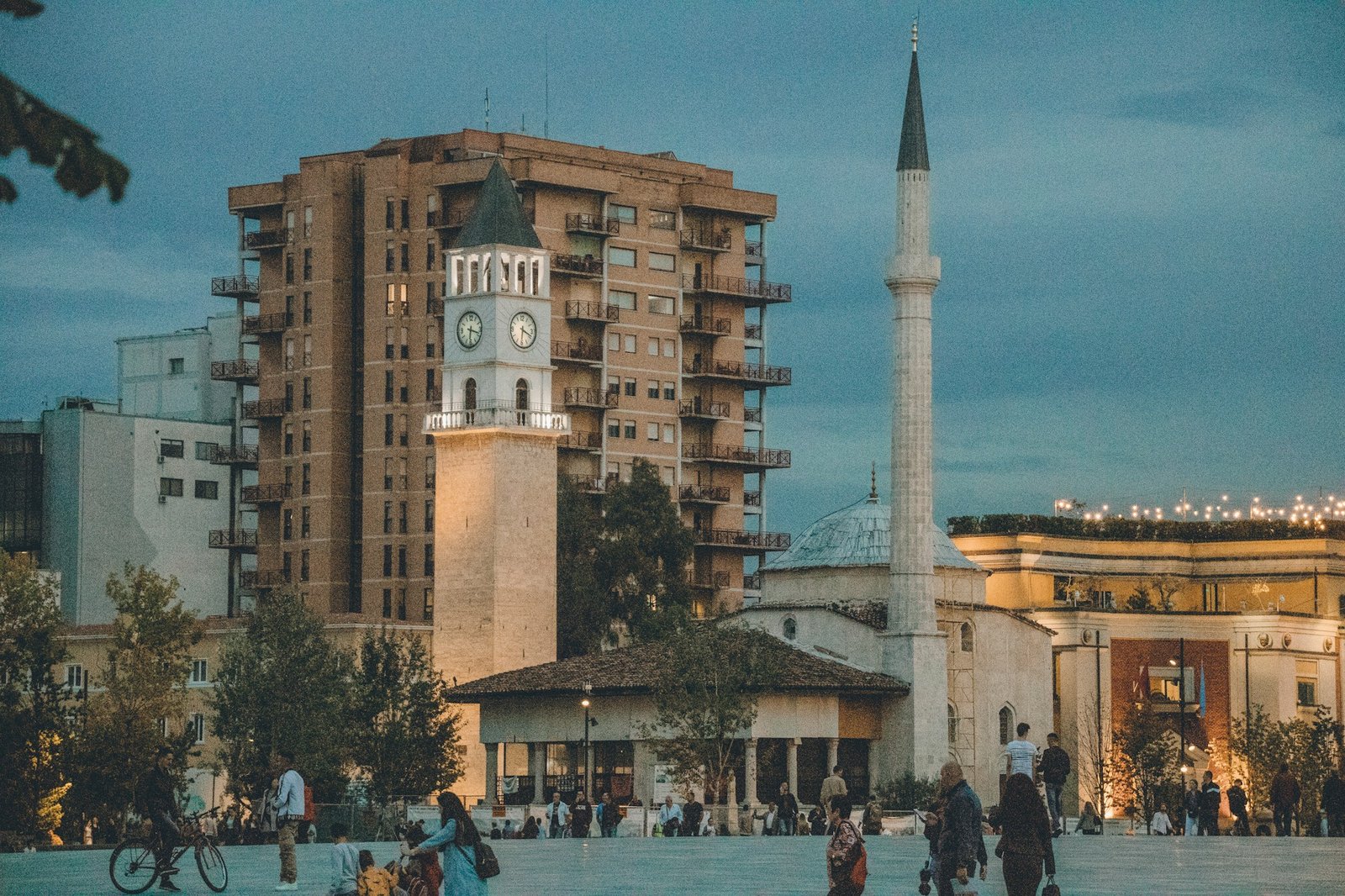
€30-55/day, 450km of pristine coastline, accessible by ferry from Italy
Albania is one of the destinations least affected by the jet fuel crisis in 2026: accessible by car from France via Italy then the overnight ferry Ancona-Durrës (18h, ~€60-90), no plane needed. It offers 450km of coastline, much of it still pristine, spectacular mountains (Albanian Alps), and one of the most underrated culinary scenes in the Balkans.
Saranda, Himara, UNESCO towns of Berat and Gjirokastër — each stop holds surprises at a remarkably low price. The Albanian Riviera (between Himara and Saranda) has translucent pebble beaches entirely untouched by commercial development, accessible only on foot. The contrast with crowded Greek beaches is striking.
Albania in practice
- No visa for EU citizens — euro accepted everywhere
- Accommodation: €15-25/night in family guesthouses, €25-50/night in boutique hotels
- Tirana → Berat → Himara → Saranda: classic 8-day circuit from Durrës arrival
- Always pay in Albanian lek (ALL) to avoid unfavourable exchange rates
10. Anti-Crisis Destination #5: Portugal by Train

Lisbon-Porto: from €89 by overnight train vs €150-300 by plane
Portugal combines all the advantages of the 2026 crisis: accessible by train from Paris via Bordeaux and the Renfe line (from €89 overnight, versus €150-300 by plane with jet fuel surcharges), euro currency, magnificent Atlantic coast, exceptional Iberian gastronomy, and underappreciated historical richness. Porto, with its port wine cellars and cobbled alleys, is one of the cheapest and most authentic cities in Western Europe.
The Alentejo interior (1.5h from Lisbon) offers olive-grove plains and medieval castle landscapes that 99% of tourists never see. From Porto, travel up the Douro Valley by train (Alfa Pendular, 3h, €15 one-way): an anthology journey through port wine vineyards.
Portugal: Western Europe’s best value for money
- Lisbon: azulejos, tram 28, Alfama and its fados — a living postcard
- Porto: Vila Nova de Gaia port wine cellars, UNESCO Ribeira, Lello Bookshop
- Algarve: limestone cliffs and beaches of Sagres accessible by bus from Faro
- May: Festas de Santo António in Lisbon (June 13) — unmissable national celebration
11. The « Tehran Toll »: The Strait Reopened… At What Price?
April 7-8 ceasefire: a fragile truce under Iranian conditions
The US president announced a ceasefire with Iran overnight on April 7-8, with strikes to cease for two weeks and a partial reopening of the strait. On April 8, Brent dropped 15% in a single session. But the following day, the strait remained « effectively closed, with Iran limiting the number of vessels allowed to cross and imposing tolls of over one million dollars per ship, » according to Wikipedia.
During the war, Iran had proposed a $2 million per vessel tax. Bloomberg estimates this toll could generate $64 billion per year. It is the first time in history that Iran has attempted to formally monetize transit through an international strait, in direct violation of maritime law (UNCLOS). Each million dollars of toll per oil tanker mechanically feeds through into the barrel price, and therefore into your flight ticket prices.
Three scenarios for summer 2026
- Optimistic scenario: full reopening before end of May → flight prices only 10-15% more expensive than 2025
- Intermediate scenario (most likely): persistent tensions → summer 2026 between 20 and 40% more expensive than 2025
- Pessimistic scenario: re-escalation → ticket prices +50-80%, jet fuel rationing extended across Europe
Practical info for smart travel in 2026
Stay connected everywhere without swapping SIM cards. Instant activation, coverage in 200+ countries. Essential in times of unpredictable travel.
From €4.50In times of geopolitical crisis and cascading cancellations, insurance covering cancellation + repatriation is essential. SafetyWing covers conflict-related incidents. 10% off via our link.
From $56 / 4 weeksFrequently Asked Questions
What is the Strait of Hormuz and why is it so critical for travel prices?
The Strait of Hormuz is a 34km-wide maritime corridor between Iran and Oman, connecting the Persian Gulf to the Indian Ocean. In 2024, it transported an average of 20 million barrels of oil per day — around 20% of global petroleum product consumption. It also carries 40% of the world’s aviation fuel and 20% of LNG. Its closure mechanically pushes up jet fuel prices, and therefore flight tickets and pump prices. According to the EIA, very few alternatives exist to route this volume of energy.
How much will my flight tickets increase in 2026 because of the crisis?
The increase depends on how the situation evolves. In the most likely scenario (persistent tensions without major escalation), summer 2026 flight tickets will cost between 20 and 40% more than in 2025. On a Paris-Barcelona route, that represents €40–80 more. On a long-haul flight (Paris-Bangkok, Paris-New York), jet fuel surcharges can reach €200–319 per trip according to Ulysse. In an optimistic scenario (strait reopens before end of May), the increase would be limited to 10-15%.
Which airlines are most reliable for summer 2026?
Prioritise airlines that hedged their fuel purchases well in advance: Air France-KLM (87% coverage for H1 2026), easyJet (84% for H1) and Ryanair (80%). These carriers don’t need to pass on the full cost increase immediately to passengers. By contrast, SAS has cancelled over 1,000 flights since early March, and Lufthansa Group has suspended flights to the Middle East. Also avoid Asian carriers that normally refuel in the Gulf.
Will food prices really rise because of the Hormuz crisis?
Yes, with a 3–6 month lag. The Strait of Hormuz carries about one third of internationally traded fertilizers. Natural gas (cut off by the closure) determines 70–90% of the production cost of nitrogen fertilizers. In the US, some fertilizers have already risen over 40% in a single month. Russia suspended ammonium nitrate exports; China blocked phosphate exports. According to Fortune and the IFPRI, food price increases in Europe are estimated at 8–15% by autumn 2026.
Which modes of transport should I choose for summer 2026 holidays?
Train and ferry have become the most cost-effective alternatives given the jet fuel surge. Concrete examples: TGV Paris-Barcelona from €39 (vs €120-220 by plane), European Sleeper Paris-Berlin from €29.99 in a couchette, overnight train Paris-Lisbon from €89. By train, you save the fuel surcharge AND often a hotel night (couchette). The Interrail Global Pass (€212 for under-28s) pays for itself in 2–3 trips this summer. For destinations outside Europe, choose well-hedged carriers and avoid Gulf hubs for connections.
Should I cancel my summer 2026 holiday because of the crisis?
No — but adapt your strategy. The golden rule: never cancel yourself if the airline is the one cancelling — you lose your rights. If the airline cancels, you are entitled to a full refund + EU 261 compensation (up to €600). If you need to book, prioritise destinations reachable by train or ferry (Corsica, Barcelona, Berlin, Portugal, Albania), well-hedged carriers (Air France, easyJet, Ryanair), and take out cancellation insurance. The situation is volatile — monitor weekly updates on the strait’s status.
When will flight ticket prices come back down?
In the optimistic scenario, a full reopening of the strait before end of May would allow a gradual price return by July. In the intermediate scenario (most likely per analysts), summer 2026 remains 20–40% more expensive than 2025. IATA estimates jet fuel supply normalization at a minimum of 8–10 weeks after effective reopening — May-June at the earliest. In the short term, the Iranian truce remains fragile, with Iran still imposing tolls on maritime traffic according to France Info.
Which destinations outside Europe are still affordable in 2026?
Georgia (Tbilisi, Kakheti, Svaneti) via Turkish Airlines remains accessible at €400-650 return, with an on-the-ground budget of €35-60/day. Laos is reachable via Bangkok + the China-Laos train (€8) for €25-50/day — one of Southeast Asia’s most authentic destinations. Morocco is still accessible from Paris by direct flight at competitive prices (despite a 20-30% rise). Guadeloupe and Martinique remain accessible without a visa from mainland France, with a moderate fuel surcharge (+~€60 per ticket). In all cases, avoid connections via Gulf hubs (Dubai, Doha, Abu Dhabi).
Is the Strait of Hormuz crisis still affecting travel prices?
Yes. Even after a partial reopening, jet fuel supply needs at least 8 to 10 weeks to normalize, and food price increases lag the oil shock by 3 to 6 months. Expect flights and supermarket prices to stay elevated well into autumn and winter 2026, so book early and compare train and ferry alternatives.
Sources
- Wikipedia — 2026 Strait of Hormuz crisis
- UNCTAD — Hormuz Disruption: Global Economic Impacts
- EIA — Strait of Hormuz: World Oil Transit Chokepoint
- Ulysse — Flight Price Surge: +30% Due to Jet Fuel
- France Info — Flight Prices: Is Oil Really to Blame?
- Euronews — ACI Europe: Risk of Systemic Jet Fuel Shortage
- Fortune — Global Food Emergency: Hormuz Risks for Food Supply
- IFPRI — Iran War: Potential Food Security Impacts
- Bloomberg — Iran War: Oil Shock from Hormuz Closure
- Dallas Fed — Global Economic Analysis: Strait of Hormuz Closure
- The Conversation — Hormuz Blockage: Risk of Industrial Shock for Europe
- Hormuz Crisis Tracker — Real-time crisis monitoring
Plan your trip without nasty surprises
Discover thousands of itineraries created by the Pixidia community — reachable by train destinations, practical guides and inspiration for smarter travel in 2026.
Explore destinations