
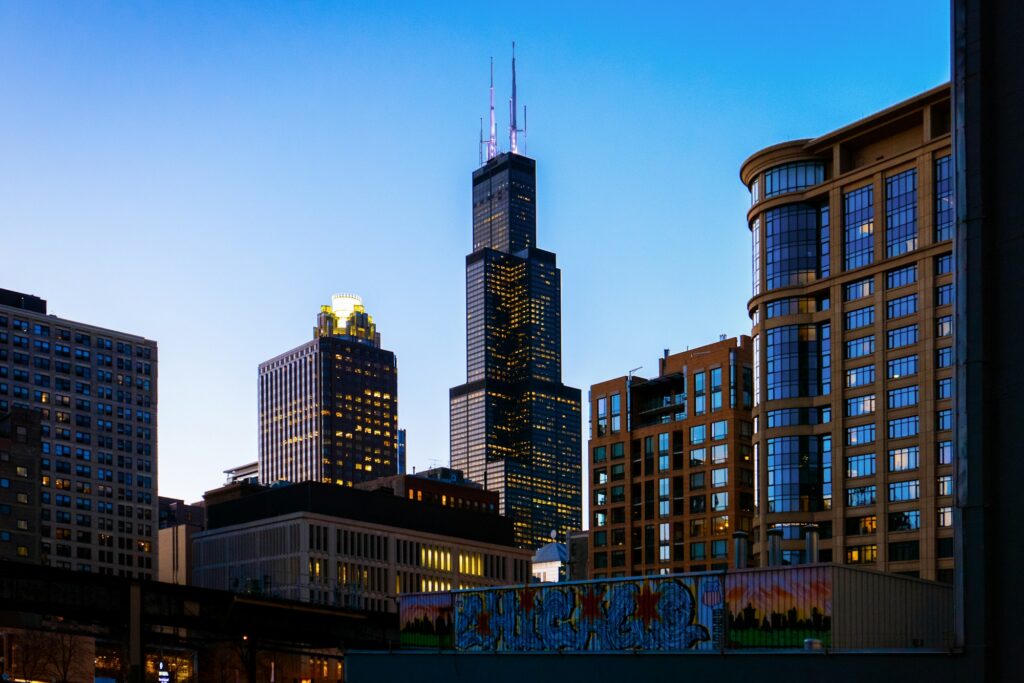
July 30, 2026 — Grant Park wakes up in the summer heat of Chicago, and 170 artists are about to shake eight stages for four days. Welcome to Lollapalooza, the festival that transformed America’s musical landscape since 1991. But here’s the secret few festival-goers know: surrounding Chicago stretches a territory of extraordinary proportions — beaches that look like the Caribbean, vineyards that rival Napa, dunes as tall as buildings, a culinary scene decorated with James Beard Awards. This guide gives you everything you need to experience Lollapalooza 2026 from start to finish and follow it up with a 10- to 14-day road trip around the Great Lakes — from Wisconsin all the way to the wild reaches of Michigan.
1. Lollapalooza 2026: everything you need to know before you go
The festival that reinvented American music culture
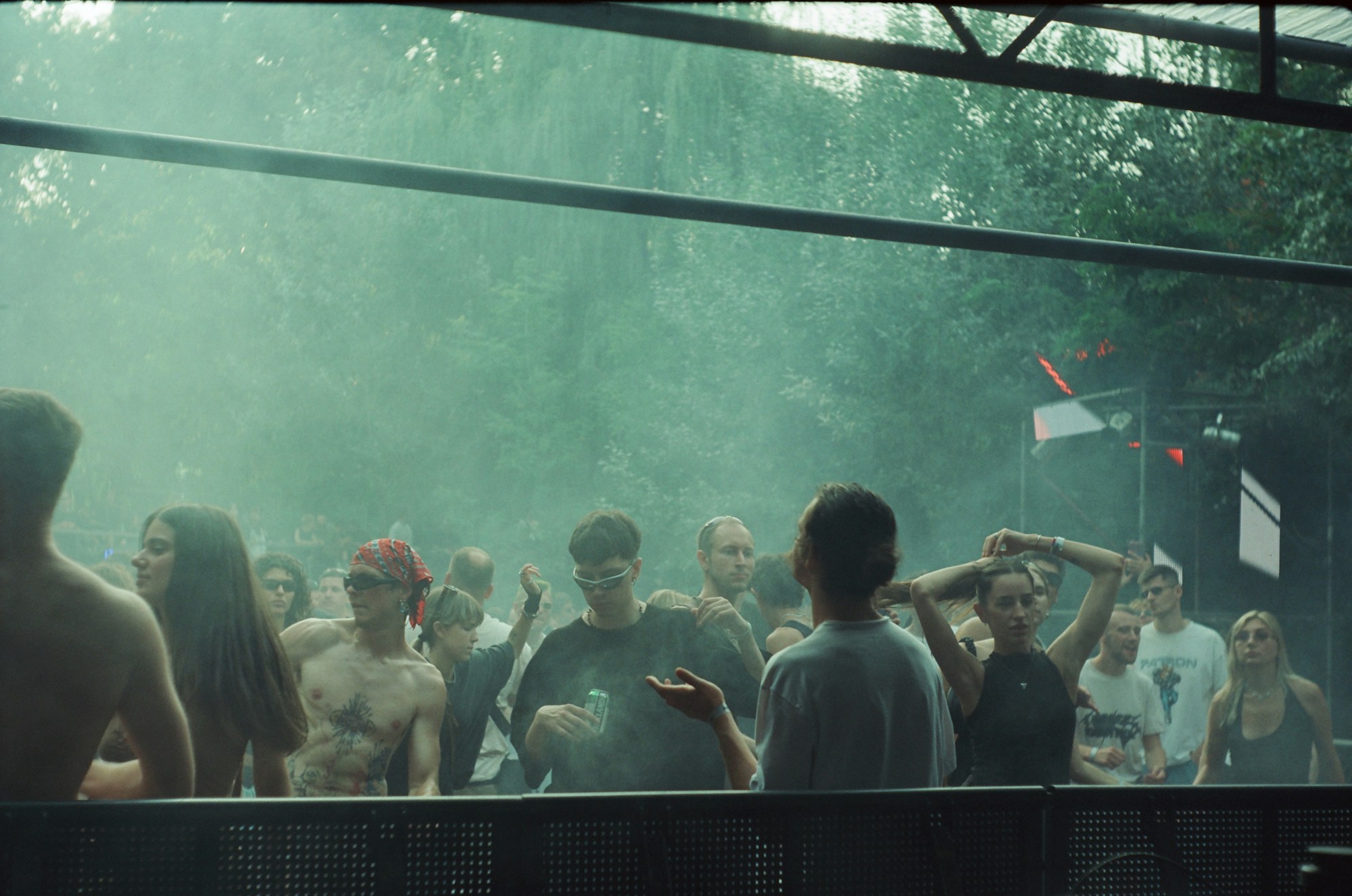
Lollapalooza 2026 runs from July 30 to August 2 in Grant Park, with more than 170 artists spread across eight stages. Founded in 1991 by Perry Farrell, lead singer of Jane’s Addiction, Lollapalooza has grown into a global brand with editions in Berlin, Paris, São Paulo, and Buenos Aires — but its roots remain firmly planted in Chicago, where it has been held every year since 2005. According to lollapaloozachicago.org, Chicago’s skyline and the shimmering shores of Lake Michigan serve as the backdrop for this one-of-a-kind musical experience.
2026 Tickets & Prices
- 4-day GA ticket: ~$395–450 (check lollapalooza.com for availability — waitlist currently active)
- 1-day GA ticket: ~$130–165
- 4-day GA+ ticket: ~$480–550 (premium zone access, exclusive bars)
- Children 8 and under: free admission with a ticket-holding adult (Kidzapalooza access included)
Logistics & practical tips
The T-Mobile Stage (south end) and the Bud Light Stage (north end) are the two main headliner stages. The best CTA stop is Jackson (Red/Blue Line), closest to the main entrance. According to Little Chicago Guide, clear bags are mandatory, with airport-style security at all entrances. Bring an empty reusable water bottle — free refill stations are available inside. Cell service is unreliable inside the festival: download maps and the festival layout in offline mode before you enter.
Aftershows — extending the party across the city
Each evening of the festival, a full lineup of official Lollapalooza aftershows takes over Chicago’s concert venues. These shows feature indie acts and headliners at iconic spots like Metro, The Vic, House of Blues, Lincoln Hall, and Schubas, according to Choose Chicago. Book your tickets in advance on Ticketweb or Ticketmaster.
2. Chow Town and Chicago’s food scene: eating like a true Chicagoan
From Chow Town to the Fulton Market District
Lollapalooza’s Chow Town features around 80 food vendors that feed the crowd while showcasing Chicago’s remarkable culinary diversity. The festival’s food selection goes well beyond typical festival fare and includes some of the city’s most iconic establishments. Chow Town is split into several sections: sweet treats at Dessert Island, vegetarian options at Plant Base, and Instagram-worthy bites at Vibe Village, according to Choose Chicago.
Beyond the festival, Chicago’s food scene is one of the most complete in America: technically ambitious tasting menus coexist with charcoal-grilled hot dogs dating back to before Prohibition. In 2025–2026, Kasama earned Two Michelin Stars, Feld received its first star and a Green Star, and Indienne (River North) took home Restaurant of the Year at the 2026 Banchet Awards, according to Crain’s Chicago Business.
Must-visit spots by neighborhood
- West Loop/Fulton Market: Alinea (multi-sensory experience, ~$300/person), Big Star in Wicker Park (al carnitas tacos at $4–5, margaritas, honky-tonk vibes). Total budget: ~$35/person
- Pilsen (South Side): authentic Mexican neighborhood, giant murals, National Museum of Mexican Art (free), street tacos $3–5. Access: Pink Line, 18th Street stop
- 4-course tasting menu at $60 at Sifr: called « Chicago’s greatest dining bargain » by Resy
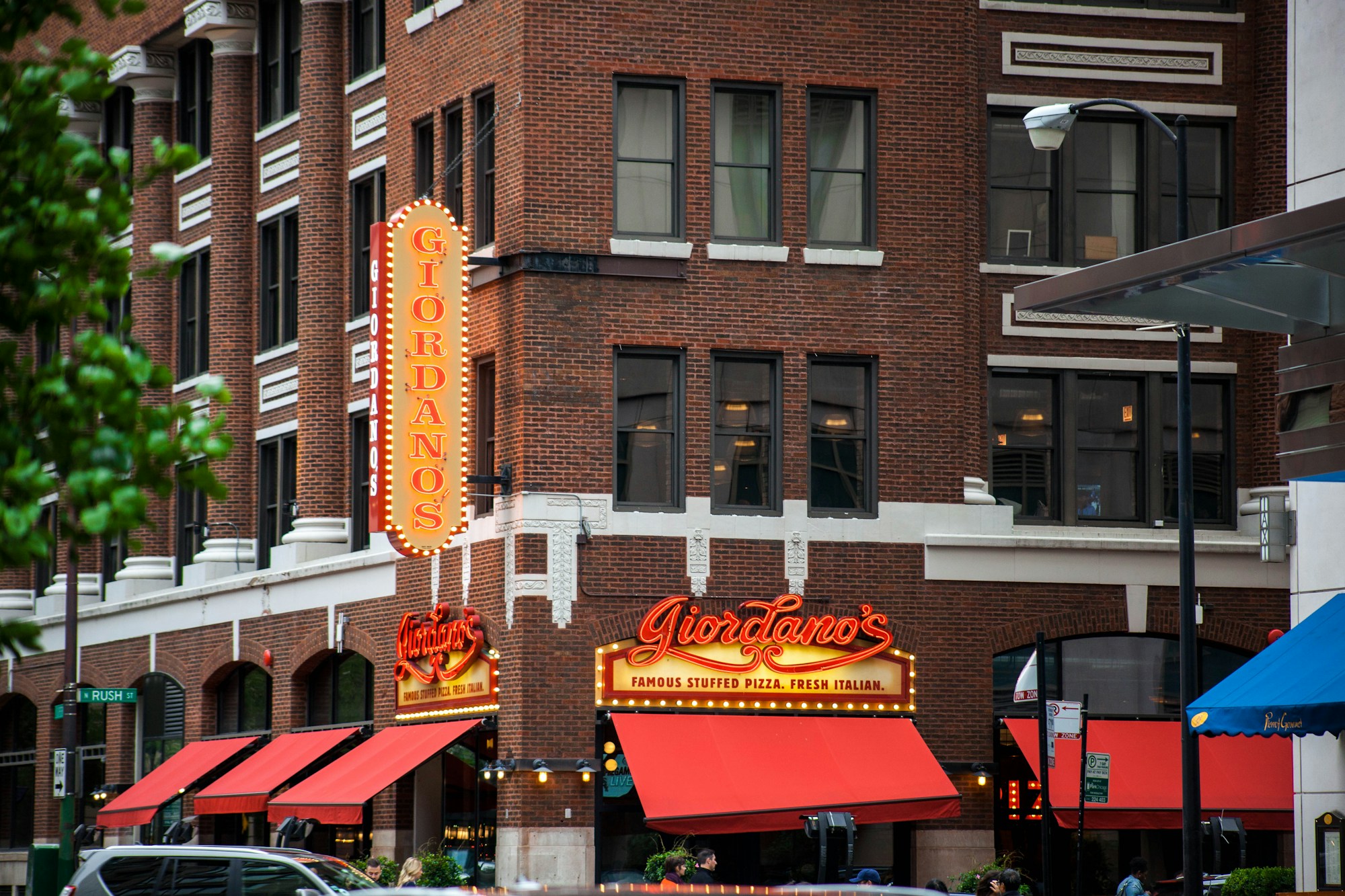
- Deep-dish pizza: Lou Malnati’s, Giordano’s — the two institutions. Budget $25–35/person
3. Chicago: exploring the city between shows
Chicago’s must-sees in 4 days
Grant Park, where Lollapalooza takes place, is itself a destination in its own right. Millennium Park, just to the north, is home to Cloud Gate (the « Bean »), Crown Fountain, and the Jay Pritzker Pavilion — Illinois’s most photographed architecture. Nearby, the Art Institute of Chicago holds one of the largest collections of Impressionist painting outside of Paris.
Not to miss
- Architecture Boat Tour on the Chicago River: America’s most iconic boat ride, with guides explaining every building. Duration: 90 min. Book in advance
- Skydeck Willis Tower: 360° views from the 103rd floor, glass-bottom ledge extending over the street. Admission: ~$38
- Navy Pier: Ferris wheel, lakefront restaurants, fireworks shows on Wednesday and Saturday evenings in July
- Lincoln Park Zoo: free admission, ideal for a relaxed morning between two festival evenings
4. Milwaukee: « Brew City » in full revival
Milwaukee — the perfect transition from festival to open air
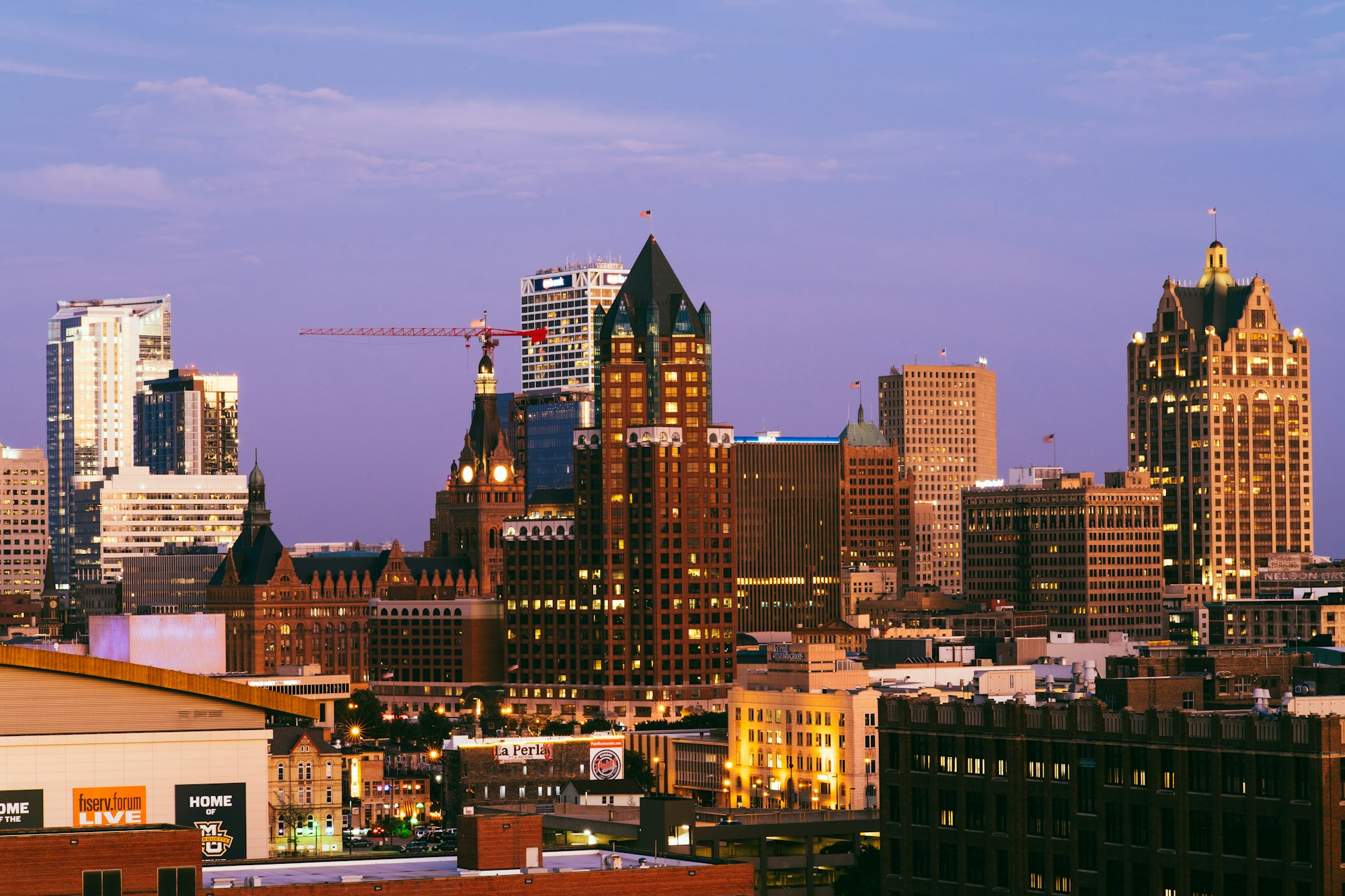
Milwaukee, reachable from Chicago via I-94 in 90 minutes, is the ideal transition stop. The city still brews great beer, but it has diversified its appeal and evolved into a hub for arts, music, and festivals. Milwaukee is entering its « flavor era » with a wave of bold ideas and exciting restaurants popping up across the city, according to Visit Milwaukee.
In 2026, Milwaukee County’s Traveling Beer Gardens turn eleven parks into temporary beer gardens from May through September. Restored fire trucks converted into mobile beer wagons cruise the city — a unique collaboration between Milwaukee County Parks and Sprecher Brewery, according to Fox6 News.
Things to do in Milwaukee
- Milwaukee Art Museum: white wings that open like a bird, Georgia O’Keeffe and Claude Monet collections, panoramic views over the lake. Admission: ~$22/adult
- Milwaukee Public Market: indoor market with local producers, Wisconsin cheeses, sausages, craft beers. Eat on-site $15–25
- Brewery tour: Lakefront Brewery, Sprecher Brewing, Third Space Brewing. Tasting $25–40/person
- Lakefront walk: marina, landscaped parks, views over Lake Michigan — similar to Chicago but without the crowds
5. Door County, Wisconsin: « The Cape Cod of the Midwest »
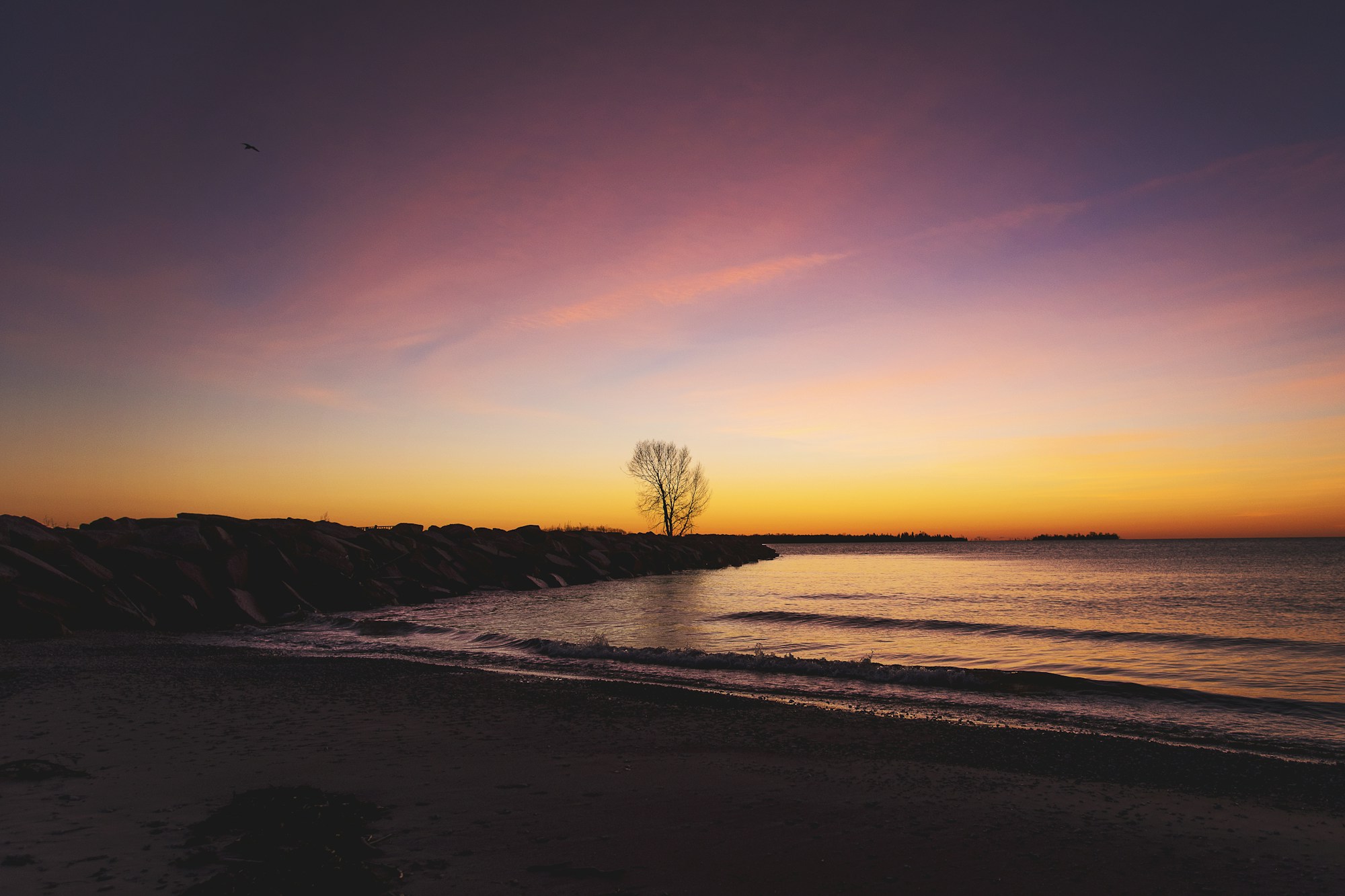
Door County — 310 miles of shoreline and well-kept secrets
Door County, Wisconsin, is one of those destinations that surprises everyone who discovers it — the kind of place where stunned travelers wonder how they’d never heard of it before. The « Cape Cod of the Midwest » offers far more than legendary beaches on Lake Michigan. The peninsula is dotted with charming small towns, historic lighthouses, and unique attractions, according to National Geographic.
The must-try culinary experience is the fish boil — a tradition brought over from Scandinavia. At Waterfront Mary’s, the event unfolds in a festive atmosphere with live music and an outdoor open flame cooking freshly caught whitefish. Don’t leave without trying the local cheese curds: Renards Cheese in Sturgeon Bay is probably the most famous, with a wide selection on offer.
Door County highlights
- Cave Point County Park: spectacular underwater caves, limestone cliffs against crystal-clear water — « arguably Wisconsin’s most beautiful sunrise »
- Newport State Park: Dark Sky zone, Wisconsin’s only designated wilderness park, exceptional summer stargazing
- Washington Island + Rock Island: two successive ferry rides to reach one of America’s rarest solitudes, home to the Midwest’s largest lavender farm
- Kayak tour: explore the cliffs and caves from the water. ~$45–75/person
6. Michigan: Sleeping Bear Dunes and Traverse City, the heart of the journey
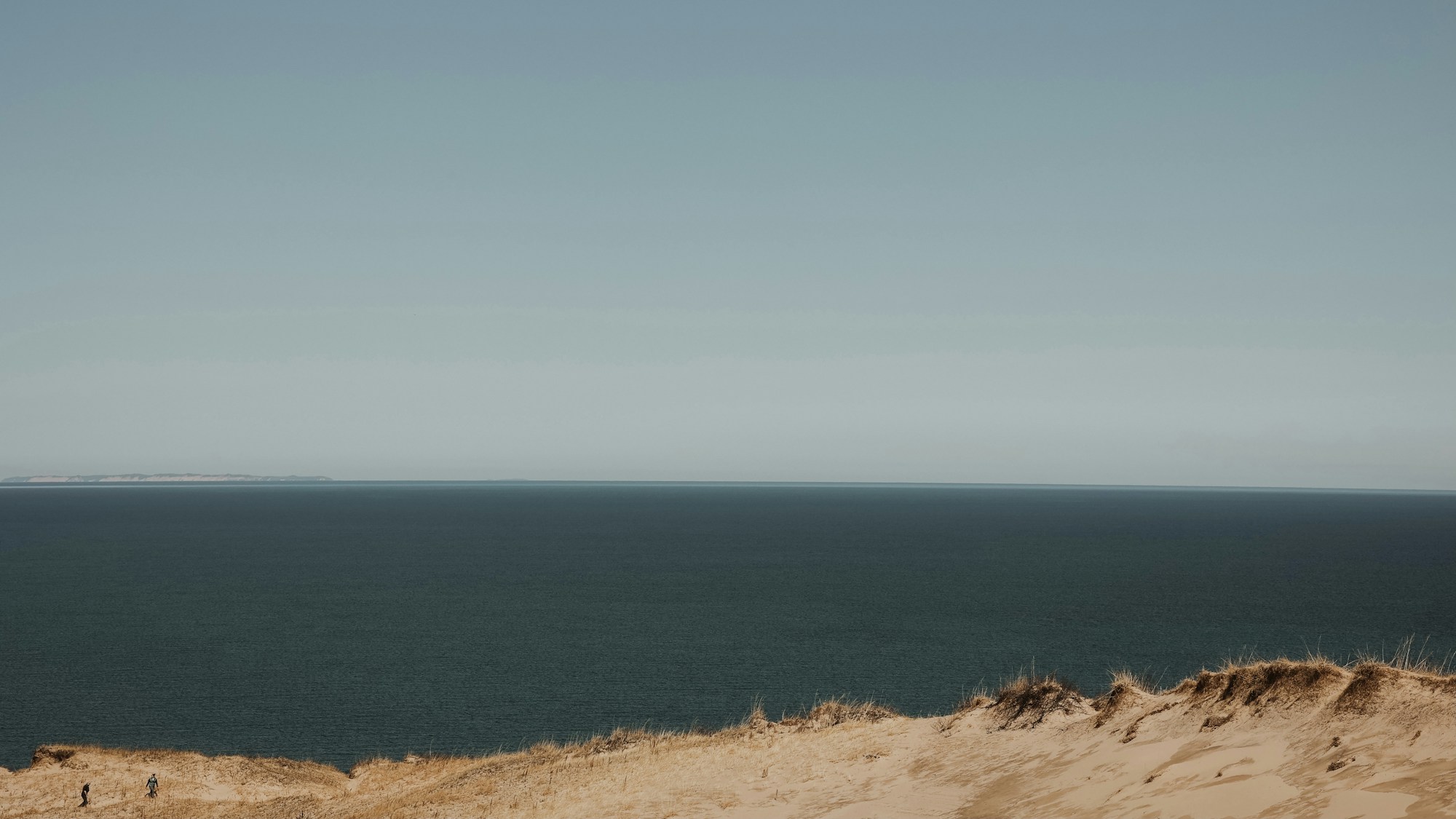
Sleeping Bear Dunes — Caribbean-clear waters in the heart of the Midwest
Sleeping Bear Dunes National Lakeshore features miles of sandy beaches, majestic cliffs overlooking Lake Michigan, lush forests, and inland lakes so crystal-clear you’d swear you were in the Caribbean. Heading up the Leelanau Peninsula along route M-22 beside Lake Michigan leads you to this exceptional park, according to Upgraded Points.
The Dune Climb is the signature activity: a 10-minute climb up to a vast plateau with panoramic views over Lake Michigan. For something quieter, the Kettles Trail, Windy Moraine Trail, and Shauger Hill Trail offer a welcome sense of solitude.
Traverse City — vineyards and cherries
Just 25 km east of the park, Traverse City is the cherry capital of the world and the center of a wine region that can hold its own against Napa Valley. According to Angie Away, 60% of Michigan’s wine grapes come from this region. The two rival peninsulas — Leelanau and Old Mission — each offer their own distinct wine trail.
- Brys Winery (Old Mission Peninsula): 155-acre estate, 500 international medals, tasting $20–35/person
- National Cherry Festival (July, Traverse City): parades, concerts, family activities celebrating local cherries
- Village at Grand Traverse Commons: an 1885 asylum converted into shops, galleries, and wine cellars — a fascinating stop
- Pyramid Point (Sleeping Bear Dunes): the insider’s favorite hike — short but steep, with endless views over Lake Michigan. Follow the loop back through the meadows — do not descend through the dunes!
7. The M-22 route and Mackinac Island: two bonus Michigan gems
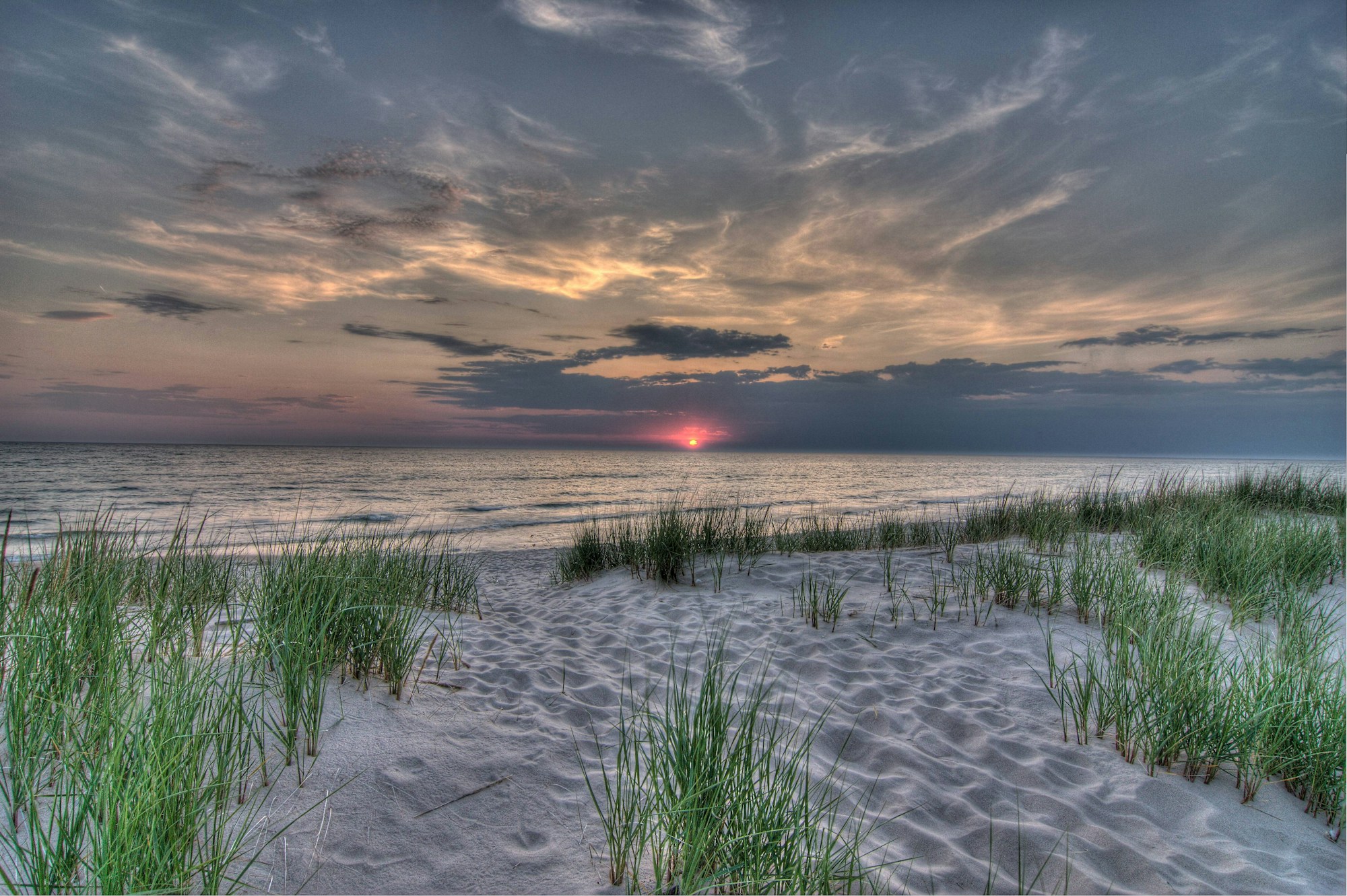
M-22 — the slow road philosophy
M-22 is more than a road — it’s a travel philosophy. This scenic drive hugs Lake Michigan from Traverse City to Sleeping Bear Dunes, winding through the Leelanau Peninsula. The « M22 » sticker has become a regional symbol, plastered on thousands of bumpers as a badge of kinship among those in the know. Along the way, wineries, artisan ice cream shops, and cherry stands line the route, according to Mighty Travels.
Mackinac Island — the car-free Victorian island
At the junction of Lakes Michigan and Huron, Mackinac Island is one of the only car-free islands in America. You reach it by ferry from Mackinaw City or St. Ignace. Once on the island, there are no engines — just bicycles and horse-drawn carriages on Victorian-era streets, according to Visit USA Parks. The Grand Hotel (opened in 1887) boasts the longest wooden porch in the world and enforces a dress code after 6 PM — a refreshingly unexpected detail in a post-festival world.
- Bike around the island: 8 miles, flat and scenic. Rental $10–20/day
- Mackinac fudge: a tradition since 1887 — buy inside the island for prices 50% cheaper
- Fort Mackinac: historic 1780 fort with panoramic views over the strait, costumed military reenactments
- Stay the night: B&B $120–220/night — book at least 2 weeks in advance in peak season
Practical info for your Lollapalooza + Great Lakes trip
Stay connected from the moment you land at O’Hare. Data for festival apps, offline GPS, and road trip navigation. Instant activation.
From $4.50Nomad Insurance: global coverage for your 10-14 day US road trip. Medical emergencies, cancellation, baggage. 10% off via our link.
From $56 / 4 weeksEstimated budget for 2 people (14 days)
Typical 14-day itinerary
- Days 1–4 Chicago: Lollapalooza + food scene + architecture
- Day 5 Milwaukee: breweries, Milwaukee Art Museum, lakefront
- Days 6–7 Door County: fish boil, Cave Point, Washington Island
- Day 8 Bayfield + Apostle Islands: kayaking, lighthouses, Lake Superior
- Days 9–10 Traverse City + Mackinac Island: vineyards, ferry, car-free island
- Days 11–12 Sleeping Bear Dunes + M-22: dunes, tastings, sunsets
- Days 13–14 Ludington → Chicago: beaches, return via I-94 (3h30)
Frequently asked questions
Are Lollapalooza 2026 tickets still available?
4-day tickets are mostly on the waitlist. Single-day tickets sometimes still come available. Keep an eye on the official site lollapalooza.com/tickets for ticket drops and official resales. Platforms like StubHub and SeatGeek carry resale tickets, often at 2 to 3 times face value.
What’s the best neighborhood to stay in during Lollapalooza?
The best areas are the Loop (walking distance from Grant Park entrances), the South Loop, and River North. These neighborhoods put you 5 to 15 minutes on foot from the festival, according to Little Chicago Guide. To save 30–40%, look at Airbnb options in Wicker Park, Logan Square, or Pilsen, with easy CTA access.
Do I need to rent a car for this trip?
Not for the festival (Chicago’s CTA is excellent), but yes for the Great Lakes road trip. Door County, Sleeping Bear Dunes, the M-22, and Mackinac Island are virtually inaccessible without a car. Rent your vehicle before arriving in Chicago — rental prices skyrocket during Lollapalooza. Airports in Milwaukee or Green Bay may offer better rates if you’re starting the road trip straight away.
Do I need an entrance pass to visit Sleeping Bear Dunes?
Yes. All visitors must display an entrance pass on their vehicle. Passes cost $25 (valid 7 days) or $45 (valid 1 year), according to the National Park Service. The America the Beautiful Annual Pass ($80) is accepted and a great deal if you’re visiting multiple national parks. Buy your pass online to save time at the entrance.
What’s the weather like during Lollapalooza in July–August in Chicago?
Chicago in July–August is hot and humid (77–95°F), but conditions can change quickly. In the event of severe weather (lightning, tornado warnings), the festival has emergency evacuation shelters in the Millennium Garages beneath Grant Park, according to Little Chicago Guide. Bring sunscreen, a reusable water bottle, and a light rain jacket. Lightweight clothing is the way to go, but check the forecast daily through the Lollapalooza app.
Is it worth stopping in Milwaukee or should I head straight to Michigan?
Milwaukee is a must-stop and serves as a natural bridge between the urban energy of Chicago and the wide-open Great Lakes. In 2026, Milwaukee is entering its « flavor era » with beer gardens in eleven parks and a reinvigorated food scene, according to Visit Milwaukee. Plan for at least 1 night (ideally 2) to enjoy the Milwaukee Public Market, craft breweries, and the Milwaukee Art Museum.
How do I organize this road trip if I only have 7 days?
For a 7-day format: Days 1–4 Chicago (Lollapalooza + food scene), Day 5 Milwaukee, Day 6 Door County (one night, fish boil, Cave Point), Day 7 return to Chicago via Sheboygan. If you prefer Michigan, swap Door County for: Day 5 Milwaukee, Day 6 head to Traverse City via Manitowoc ferry (4h), Day 7 Sleeping Bear Dunes + M-22. Either way, book your rental car and accommodations at least 6 months in advance.
Sources
- Lollapalooza.com (official) — 2026 festival tickets and information
- LollapaloozaChicago.org — Complete Chicago + Lollapalooza 2026 guide
- Little Chicago Guide — Practical Lollapalooza 2026 tips
- Choose Chicago — Official Chicago tourism guide
- Michelin Guide Chicago 2025 — Michelin Stars in Chicago
- Crain’s Chicago Business — Banchet Awards 2026
- Resy Blog — The 10 restaurants that defined Chicago in 2025
- Visit Milwaukee — What’s new in Milwaukee for 2026
- Fox6 News — Milwaukee Beer Gardens 2026
- National Geographic — Door County, the Cape Cod of the Midwest
- Angie Away — Traverse City, Michigan guide
- The Travel Magazine — Traverse City and the wine region guide
- Upgraded Points — Complete Sleeping Bear Dunes guide
- National Park Service — Sleeping Bear Dunes — Official information
- Mighty Travels — Underrated Great Lakes road trip routes
- Lonely Planet — Great Lakes road trip
- Visit USA Parks — Great Lakes Highlights Loop
- IndeCampers — Accommodation guide for Lollapalooza Chicago
Research conducted on April 13, 2026
Ready to plan your Lollapalooza + Great Lakes adventure?
Hundreds of customizable itineraries are waiting for you on Pixidia — build your perfect Great Lakes road trip in just a few minutes.
Explore all itineraries