
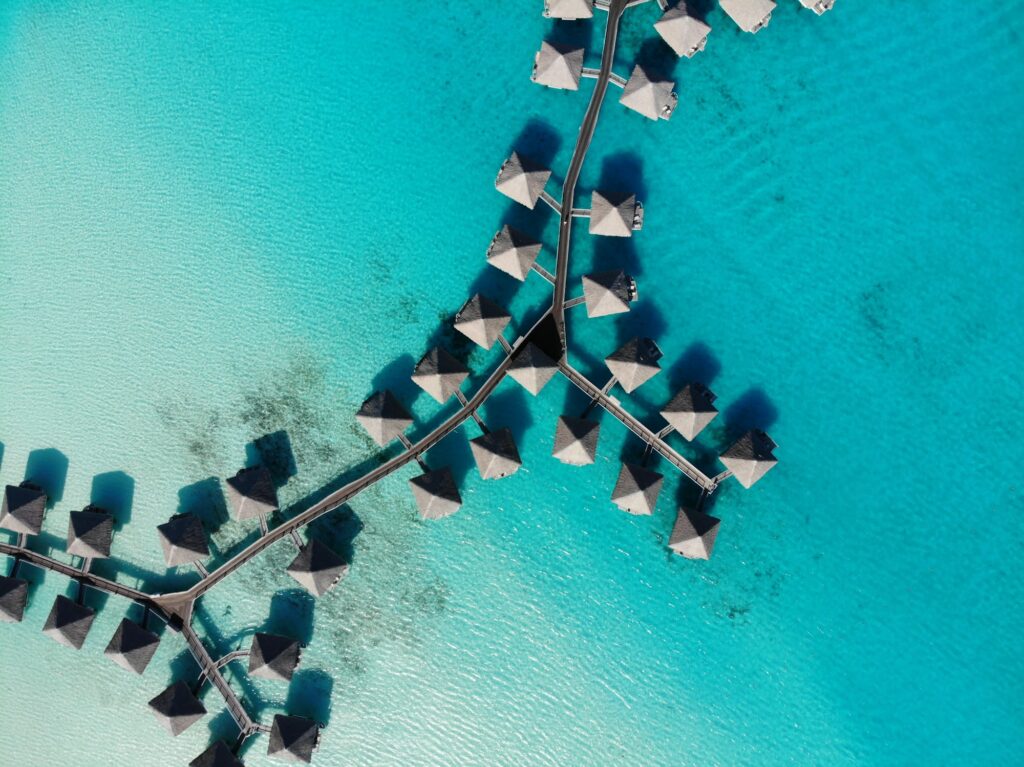
Bora Bora, Maldives, Seychelles, Palawan… in 2026, these names resonate like travel dreams within reach. But which island to choose — and more importantly, how to choose wisely? According to the Condé Nast Traveller Readers’ Choice Awards 2025 — compiled from nearly 500,000 traveller reviews — and the Travel + Leisure World’s Best Awards 2025 with over 657,000 votes, the world’s most beautiful islands span every ocean, from the Pacific to the Caribbean via the Indian Ocean and the Mediterranean. This guide compiles the 10 most beautiful islands in the world, with real 2026 budgets, best times to visit and insider tips — to travel better, not just further.
1. Bora Bora, French Polynesia — Paradise Defined
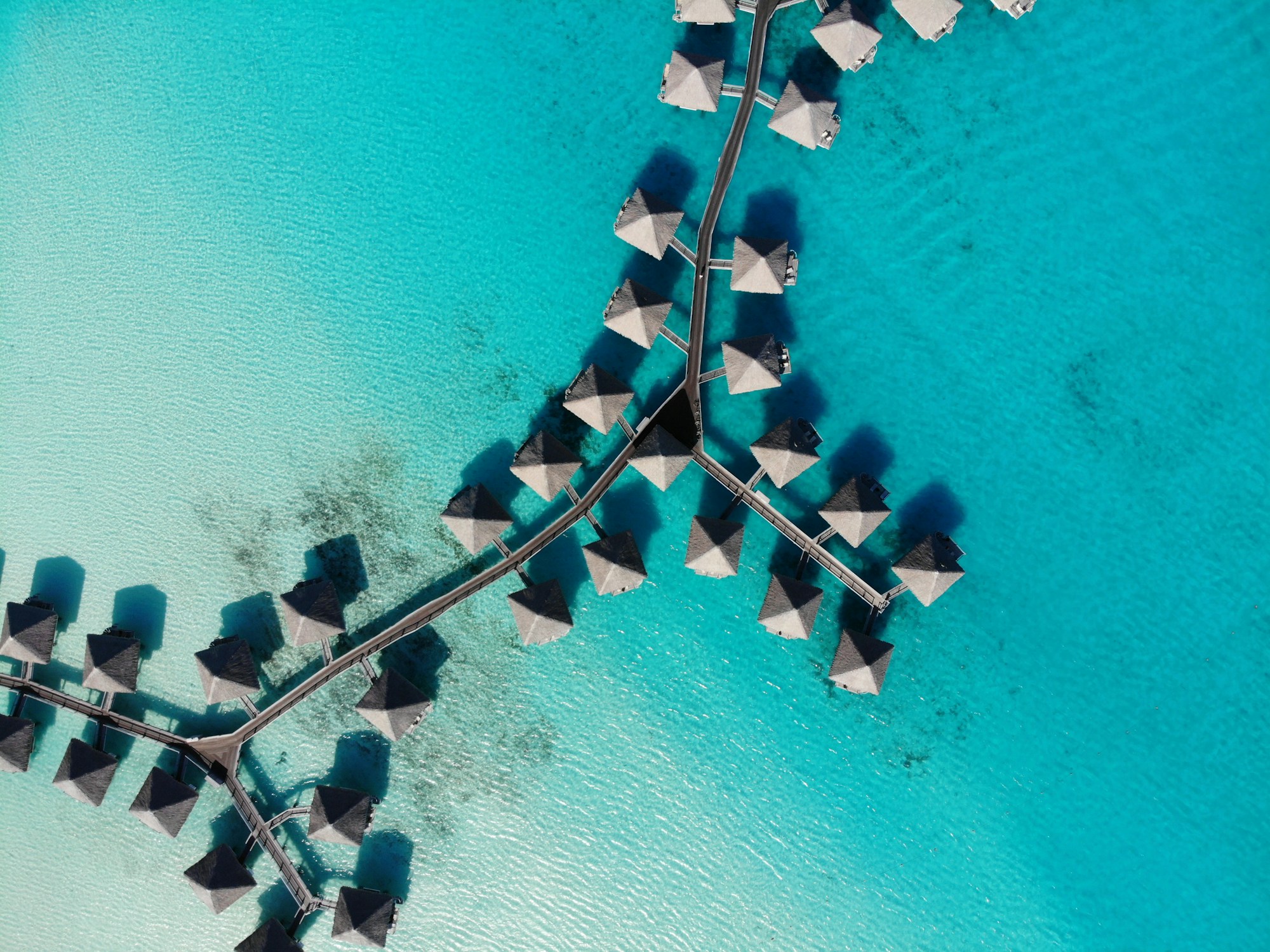
Bora Bora, South Pacific
Bora Bora remains the archetypal dream island: a turquoise lagoon of rare photographic intensity, a thriving coral reef and panoramas that seem tailor-made for honeymoons. According to the Condé Nast Traveller ranking, it scores 97.86 out of 100, positioning it among the best islands in the Pacific. Mount Otemanu, a volcanic peak towering over the deep-green lagoon, offers one of the most photographed panoramas in the world. Beyond the postcard, the island holds unexpected treasures: deserted motu reachable by boat, dives with lemon sharks and manta rays, and the authenticity of the fishing villages of Vaitape.
In 2026, a trip to Bora Bora costs between $3,500 and $5,000 per person for a budget experience, and up to $20,000+ for a luxury stay — flight, accommodation, food and activities included for one week. Return flights from Europe to Tahiti start around €1,000 and can reach €2,000 in high season.
What makes it unique
- Lagoon ranked among the world’s most beautiful, with uniquely intense blue-green waters
- Humpback whale season July–November — a rare spectacle in the Pacific
- Snorkelling experiences with harmless lemon sharks and manta rays
- Deserted motu accessible by boat excursion from Vaitape village
2. Palawan, Philippines — Asia’s Crown Jewel
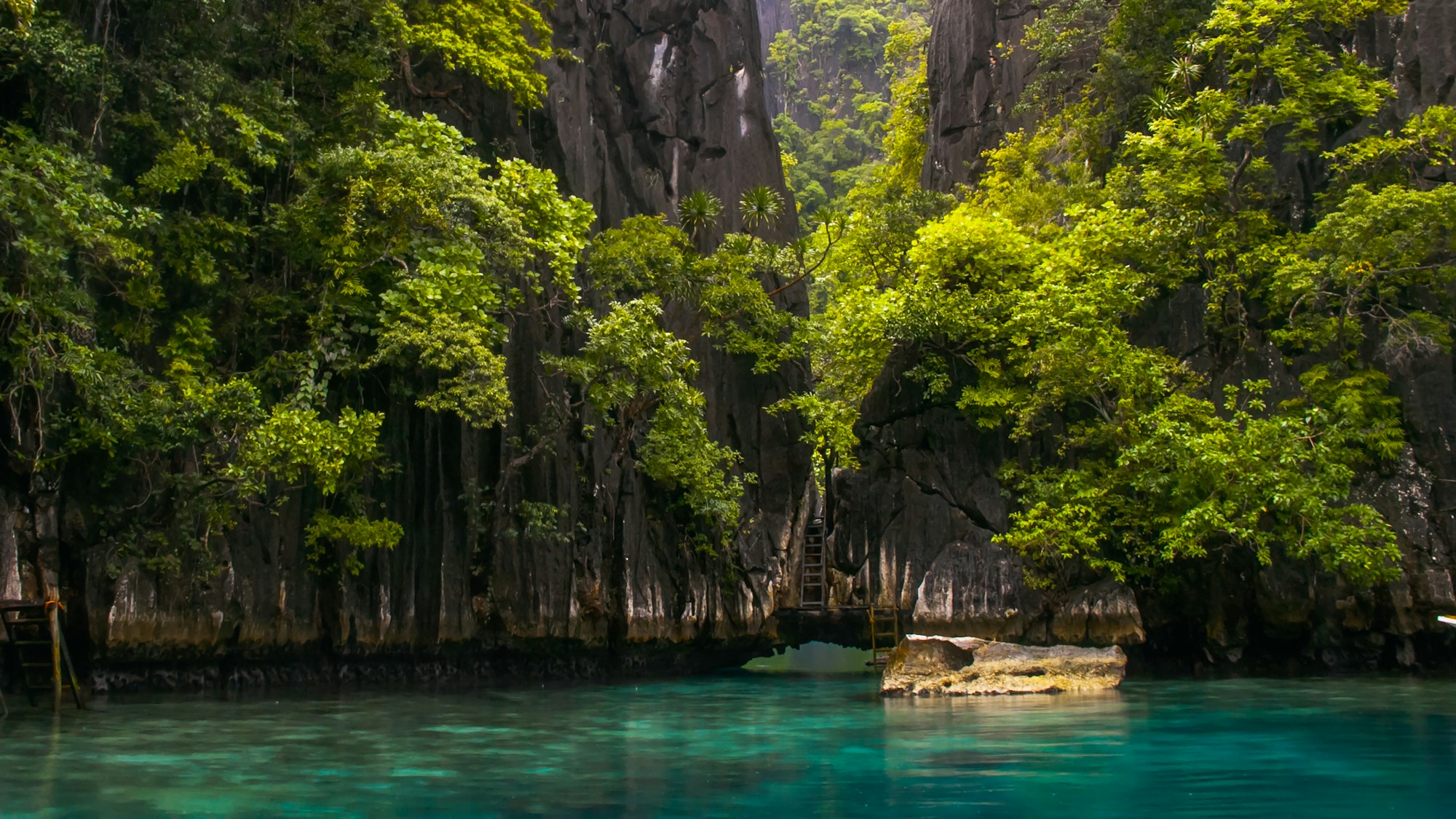
Palawan, Sulu Sea, Southeast Asia
Palawan ranks second in the Travel + Leisure world ranking, famed for its spectacular limestone cliffs, crystal-clear lagoons and the Puerto Princesa Subterranean River National Park, a UNESCO World Heritage Site. This island province — the largest in the Philippines — is often called the country’s « crown jewel ». Compared to other parts of Southeast Asia, development remains limited, which is precisely its appeal.
A trip to El Nido and Palawan costs around $41/day on a budget, $207/day mid-range, and $1,410/day luxury — including accommodation, food, transport and activities. A 7-day stay costs approximately $289 (budget) or $1,451 (mid-range) per person, excluding flights.
What makes it unique
- Puerto Princesa Underground River — UNESCO World Heritage Site navigable by boat
- El Nido island-hopping between secret lagoons and limestone cliffs
- Nocturnal bioluminescence in mangrove forests
- Outstanding value for money among the world’s top destinations
3. The Maldives — The Olympus of Diving
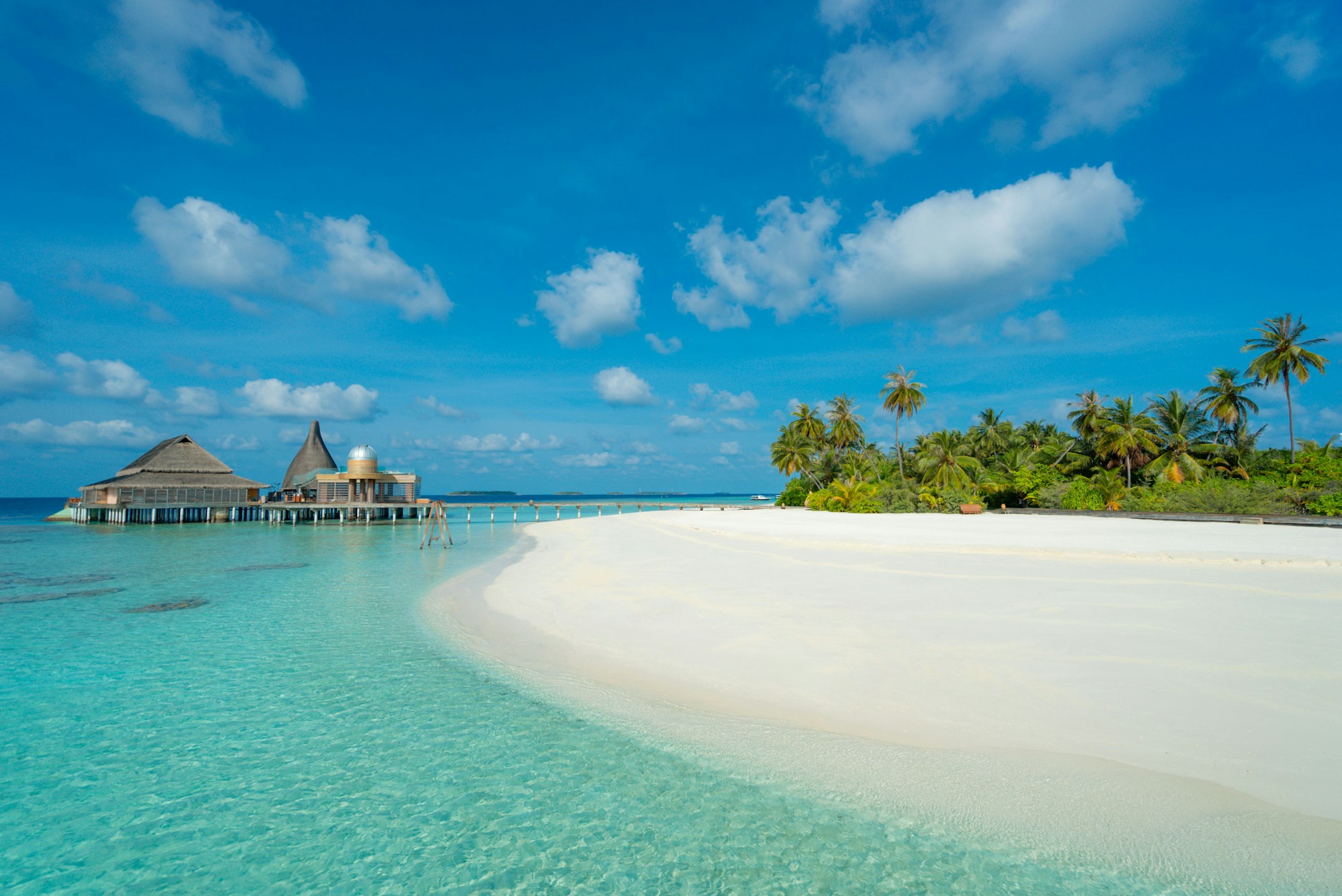
Maldives, Indian Ocean
The Maldives remain unmatched for luxury island travel: overwater villas, white sandy beaches and calm shallow lagoons where snorkelling reveals dazzling marine life. This archipelago of 1,192 islands across 26 atolls targets 2.4 million tourists in 2026. The real recent revolution? Since 2009, locals have been allowed to open guesthouses on inhabited islands, creating opportunities for budget travellers to experience authentic island life.
2026 budget: $1,200 to $2,500 per week for affordable guesthouses, $3,000 to $4,500 for mid-range resorts, and $5,000 to $10,000+ for overwater bungalows with private dinners. Few other destinations let you observe stingrays, reef sharks, turtles and moray eels simply by snorkelling from a beach.
What makes it unique
- Coral reefs just metres from the beach — snorkelling without paid excursions
- « Split stay » option: resort villa + local island to control costs
- Public ferry network (under $5 per crossing) unknown to most visitors
- 40–60% discounts in shoulder season (June–October)
4. The Seychelles — The Indian Ocean Utopia
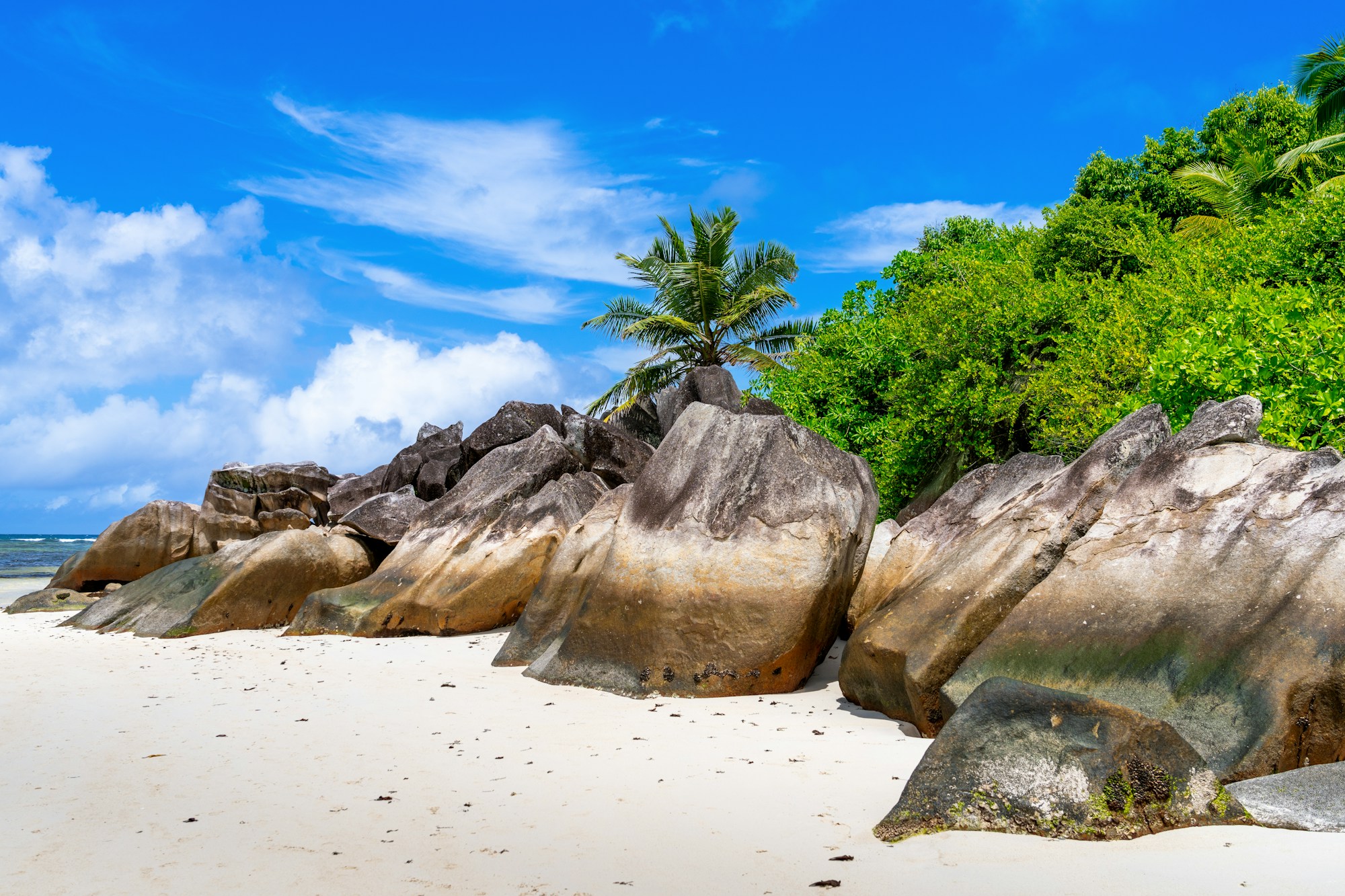
Seychelles, Indian Ocean Archipelago
The Seychelles are among the world’s elite island destinations: 115 granite islands in the Indian Ocean, popular with celebrities and discerning travellers, yet more accessible than commonly believed. Mauritius offers buzz and the Maldives offer seclusion, but the Seychelles offer a bit of both. Each island has its own character: Mahé for a culture-rich experience, La Digue for a return to nature, Praslin for beach discovery, and Silhouette for sensational diving.
2026 budget: $100–120/day for budget travellers, $180–250/day mid-range, $600+/day luxury. Return flights to Mahé International Airport average €600–900 from Europe. In the Seychelles, you’ll share beaches with the 100-year-old Aldabra giant tortoise and spot protected bird species like the rare Seychelles black parrot.
What makes it unique
- La Digue: car-free island, travel by bicycle or ox cart
- Free-roaming Aldabra giant tortoises — an experience impossible elsewhere
- Praslin’s Vallée de Mai — UNESCO-listed primeval forest
- 20-minute ferry between Praslin and La Digue
5. Zanzibar, Tanzania — The Spice Island of the Indian Ocean
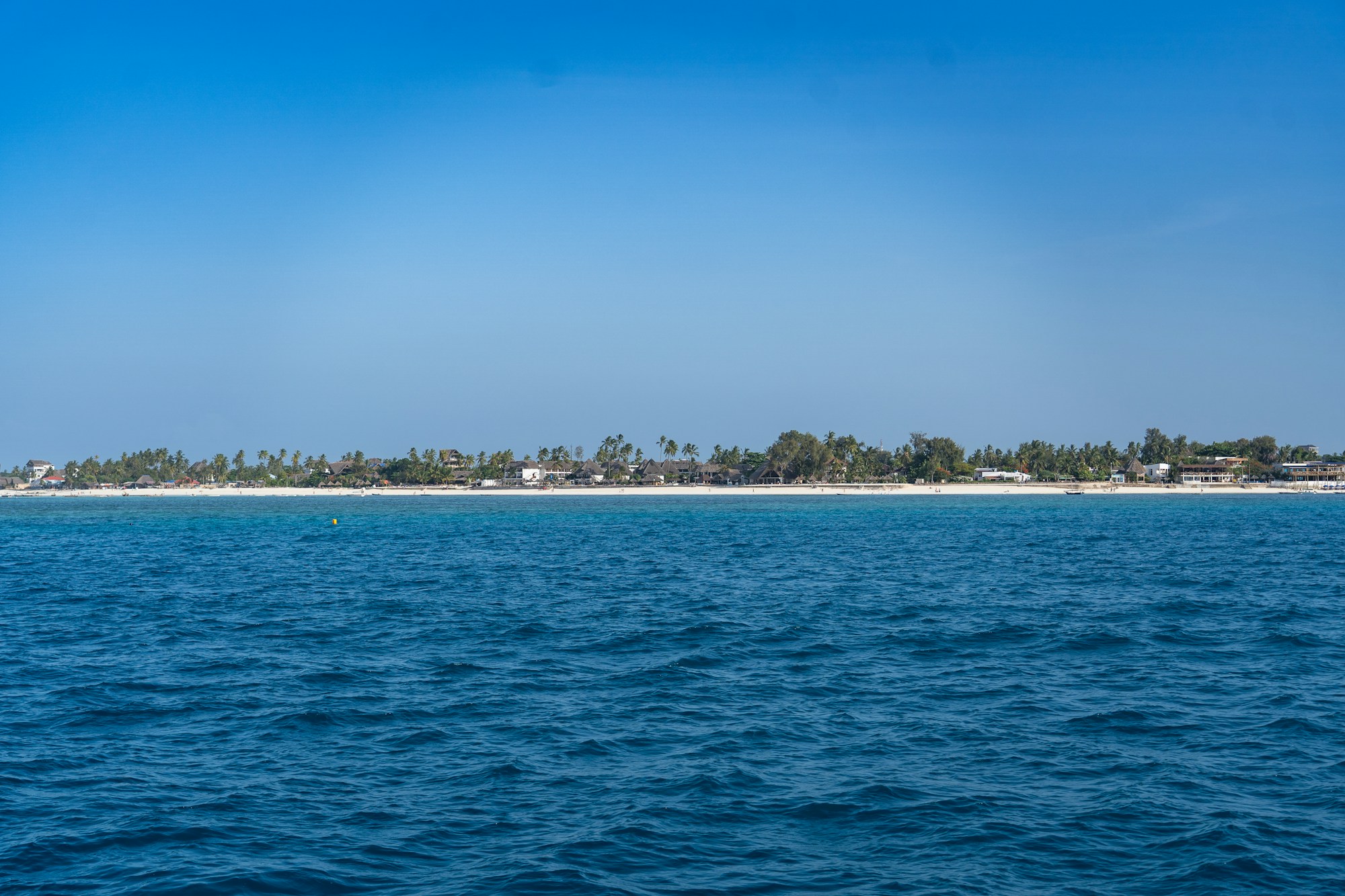
Zanzibar, Indian Ocean, East African Coast
Zanzibar offers a unique blend of African, Arab and European influences, evident in its architecture, traditions and cuisine. Its white sandy beaches lined with palm trees and warm waters make it ideal for relaxation, while Stone Town — a UNESCO World Heritage Site — reveals the island’s fascinating history as the Spice Island. Zanzibar is a symphony of tropical bliss, coral reefs, mangrove forests filled with monkeys and exceptional cultural richness.
Budget: travellers staying in guesthouses and eating local can manage on $50–70 per day. Mid-range travellers using boutique hotels and booking a few excursions should expect $150–250/day. Luxury all-inclusive resorts start at $400+. The best time is July (clear skies, 25–29°C), which coincides with the peak of the Great Migration on mainland Tanzania.
What makes it unique
- Stone Town and its medieval alleyways — spice market and carved doors
- Mnemba Atoll: diving with dolphins, turtles and spectacular corals
- Jozani Forest — red colobus monkeys in Zanzibar’s only national park
- Traditional dhow sunset cruise on sandbanks
6. Dominica — National Geographic’s Caribbean Revelation for 2026
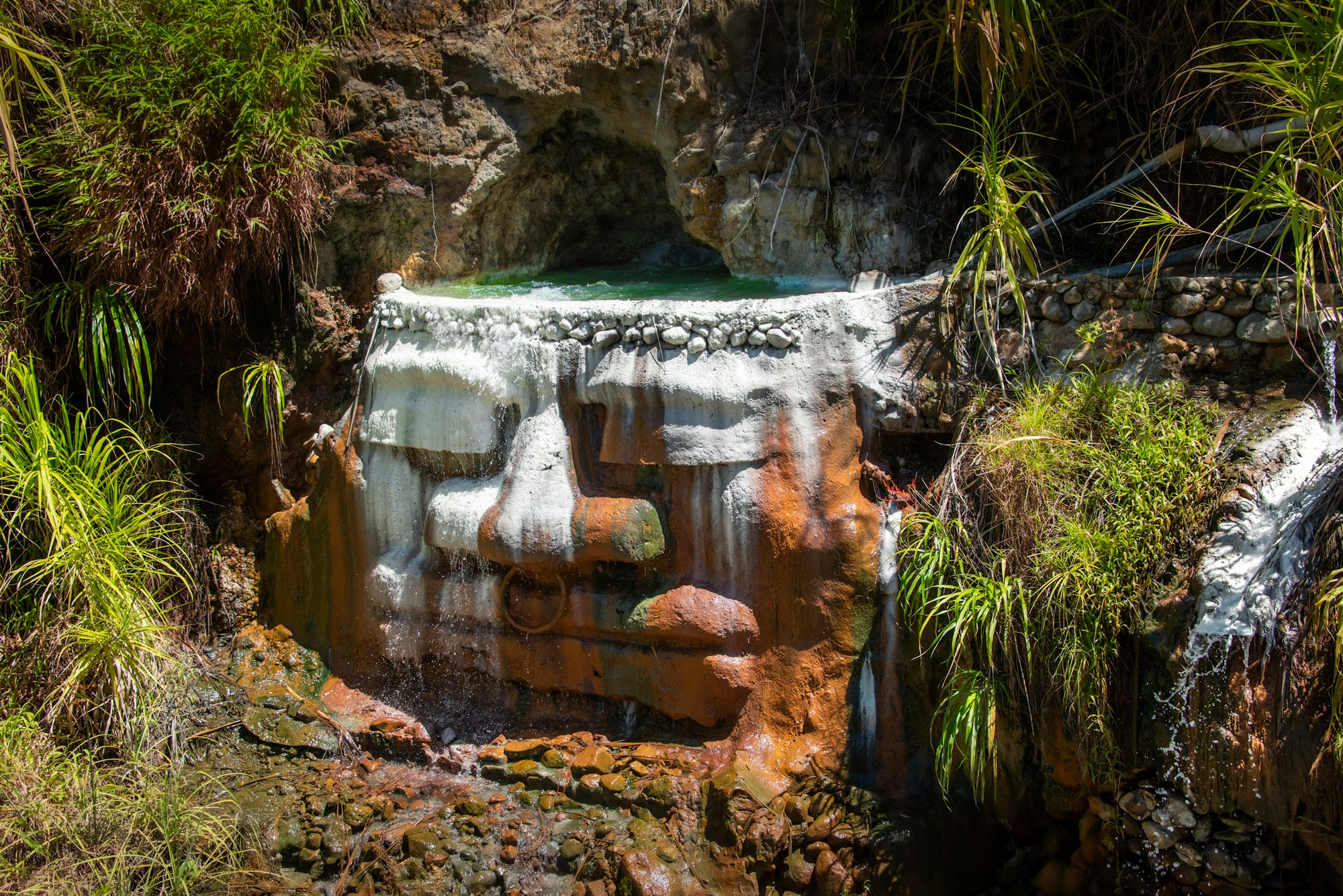
Dominica, Lesser Antilles, Eastern Caribbean
Dominica is home to the world’s largest population of sperm whales, and will open its first whale sanctuary in 2026, reinforcing its commitment to marine conservation, according to National Geographic which selected it among the best destinations of 2026. The « Nature Island » of the Caribbean boasts majestic rainforests, spectacular volcanic peaks and pristine waterfalls. Annual rainfall of over 400 inches feeds 365 rivers — one for every day of the year. Sixty per cent of the island is UNESCO-protected.
Dominica is relatively protected from overtourism, with a focus on ecotourism, low-cost outdoor activities, affordable accommodation and authentic cultural events. A weekly pass at $12 gives access to the island’s most popular national parks and wilderness areas. Dominica recorded 13.3% growth in visitor numbers in 2025–2026.
What makes it unique
- First Caribbean whale sanctuary (opening 2026) — sperm whale watching
- Titou Gorge — canyoning in a black volcanic rock canyon
- Kalinago Territory — the only preserved indigenous Caribbean people
- Morne Diablotins (1,447m) — highest peak in the Lesser Antilles
7. Naoshima, Japan — The Art Island Revolutionising the Concept of Islands
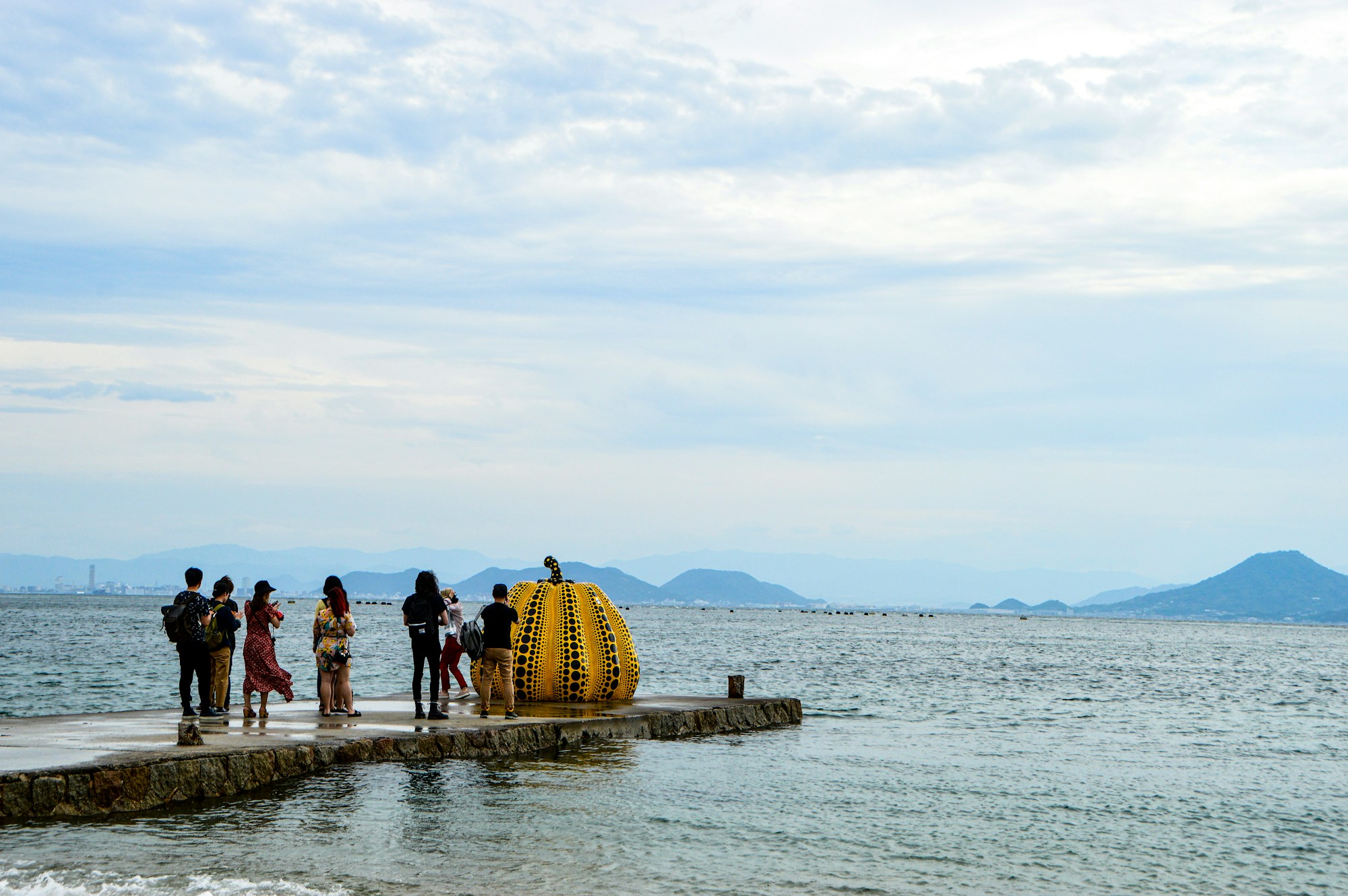
Naoshima, Seto Inland Sea, Pacific
Naoshima is Condé Nast‘s pick for 2026: a unique Japanese art island that offers something entirely different from anywhere else in the world. Nestled in the Seto Inland Sea near Okayama, this island of just 5.5 square miles has been transformed from a handful of fishing villages into an island-wide art exhibition. In 2025, the opening of the Naoshima New Museum of Art — an impressive semi-underground architectural marvel — cemented its place as a global cultural hub.
Budget Japan: access by ferry from Okayama or Takamatsu (around ¥2,000 / €12). Accommodation in a minshuku (traditional guesthouse) starts at ¥8,000 / €50 per night including meals. Benesse Art Site passes cost around ¥2,500 (€16). Daily budget: €80–180 excluding flights.
What makes it unique
- Chichu Art Museum — Monet in a museum with no artificial light (Tadao Ando)
- Honmura Art Houses — century-old houses transformed into contemporary installations
- Yayoi Kusama pumpkins — global icons of contemporary art
- New museum opened in 2025 — still largely undiscovered by Western visitors
8. Saint Vincent and the Grenadines — The Antidote to Caribbean Overtourism
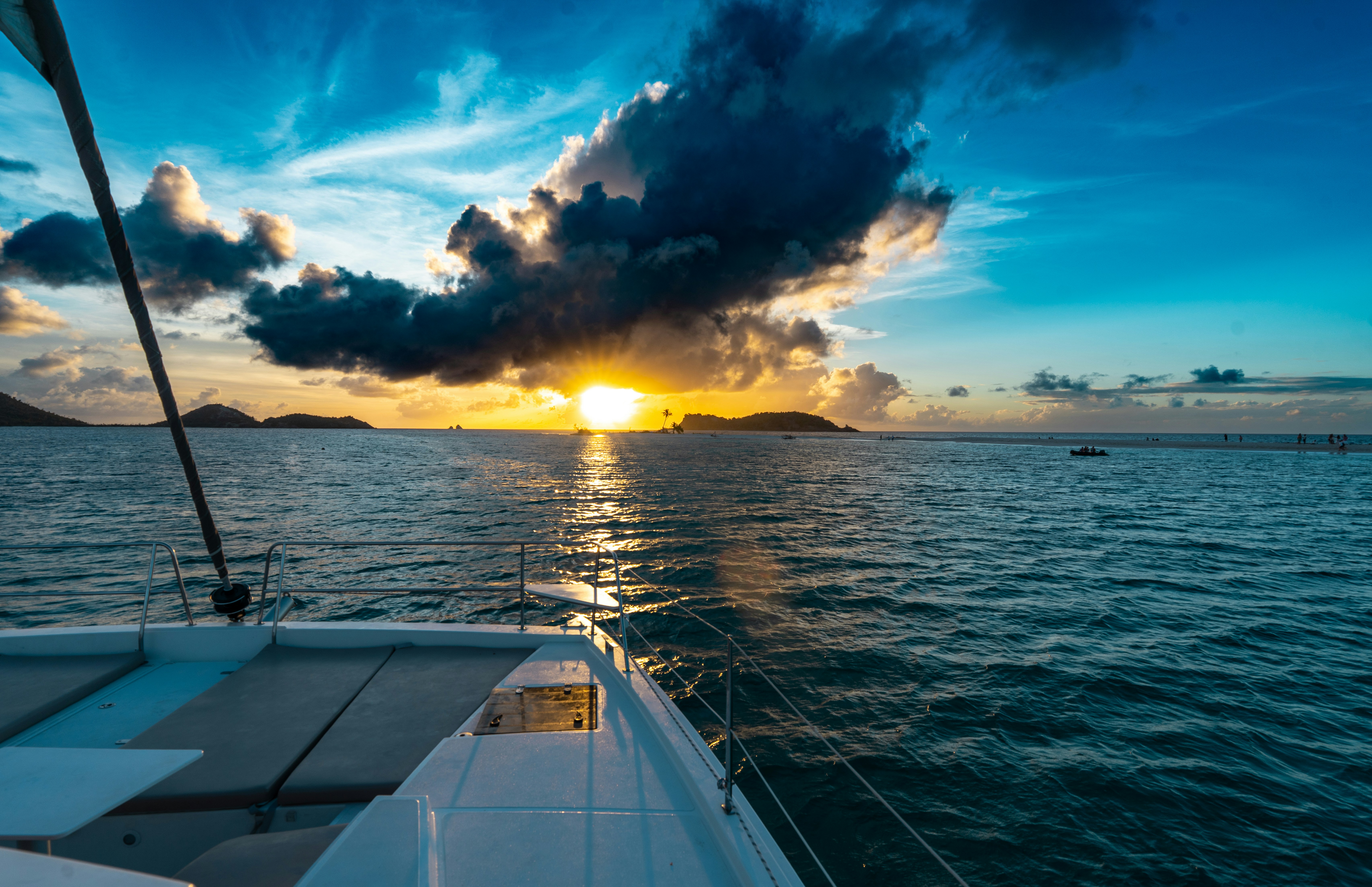
Saint Vincent and the Grenadines, Eastern Caribbean
Saint Vincent and the Grenadines scores 98.57 in the Condé Nast ranking, placing it among the top 5 islands in the world. This archipelago of 32 islands and cays, almost unknown outside sailing circles, is the perfect antidote to Caribbean overtourism. This is the ideal place to forget the world — feet in warm sand, eyes lost in indescribably blue waters. The main island, Saint Vincent, offers nature immersion with rainforest hikes and even the ascent of the active Soufrière volcano. Smaller islands like Bequia and Mustique are perfect for intimate, tranquil moments.
Mustique is known as the secret retreat of rock stars and royalty since the 1970s. The Tobago Cays, accessible by sailboat from Union Island, are one of the last preserved marine sanctuaries in the Caribbean. Daily budget: $120–300 depending on your style.
What makes it unique
- Tobago Cays — preserved Caribbean marine sanctuary, accessible by sailboat
- Black volcanic sand beaches alongside turquoise lagoons — unique in the Caribbean
- Mustique — legendary private island for celebrities, open to day visitors
- Soufrière volcano ascent (1,234m) — one of the few active volcanoes in the Caribbean
9. Turks and Caicos — The World’s Most Beautiful Beach
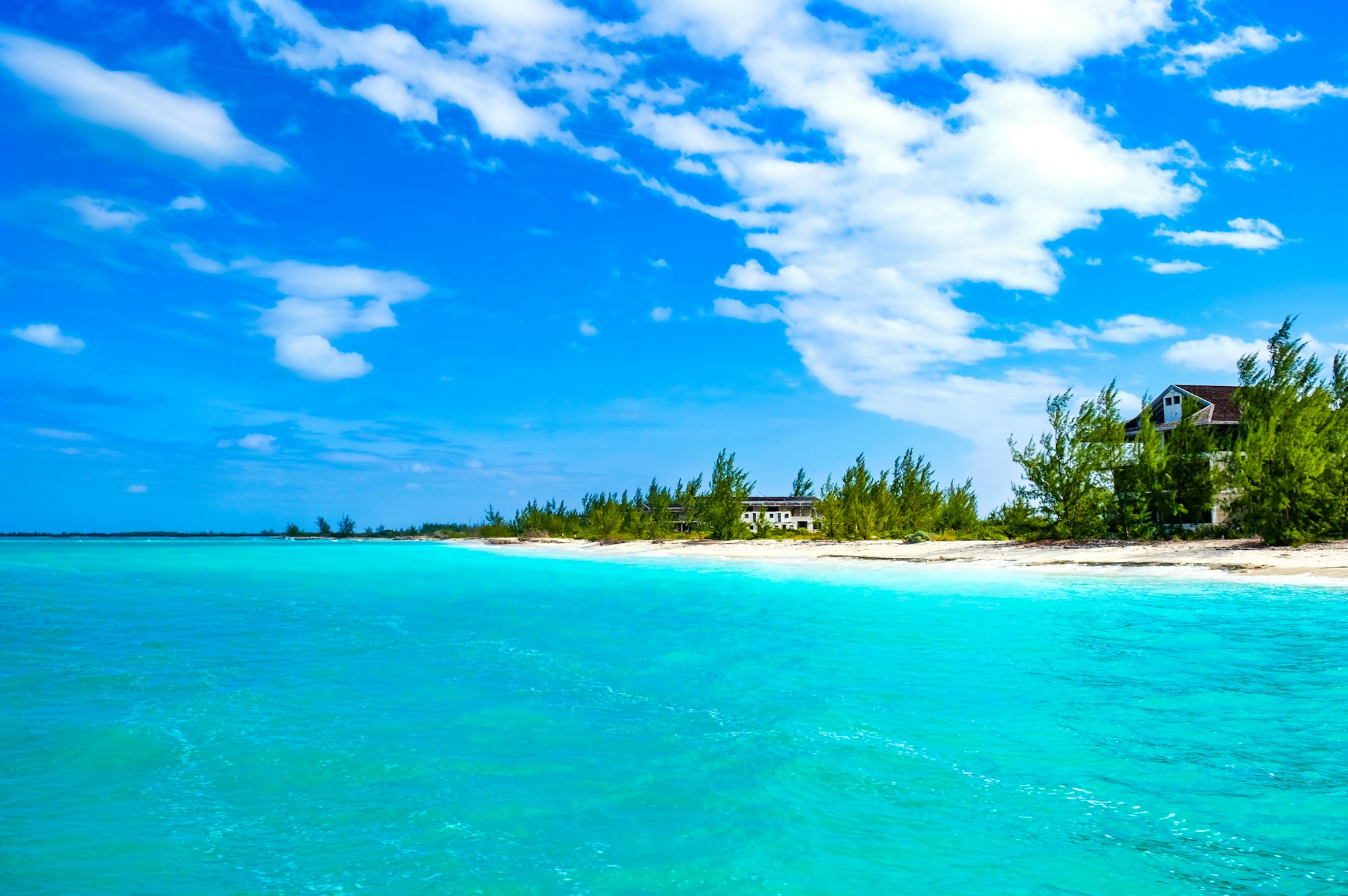
Turks and Caicos, Caribbean, North Atlantic
An extraordinary 98.91% of people who visited Turks and Caicos declared their stay ideal, according to Condé Nast Traveller — making this archipelago the best island in the world by that ranking. Home to one of the world’s largest coral reef systems, Turks and Caicos is a diver’s paradise. Visit Bight Reef to see hundreds of colourful fish close to shore, or Smith’s Reef to swim with stingrays and turtles.
Grace Bay Beach is regularly voted the world’s most beautiful beach by TripAdvisor and Condé Nast readers. Its transparency and turquoise hue are rarely matched in the Caribbean. The archipelago lies outside the hurricane belt, making it a relatively safe year-round destination. Daily budget: $250–600 depending on hotel standard.
What makes it unique
- Grace Bay Beach — regularly voted #1 in the world by TripAdvisor and Condé Nast
- Third-largest coral reef system in the world
- North and Middle Caicos (ferry) — the hidden, almost deserted side of the archipelago
- Outside the hurricane belt — a safe destination all year round
10. Paros, Greece — The Great Cyclades Surprise
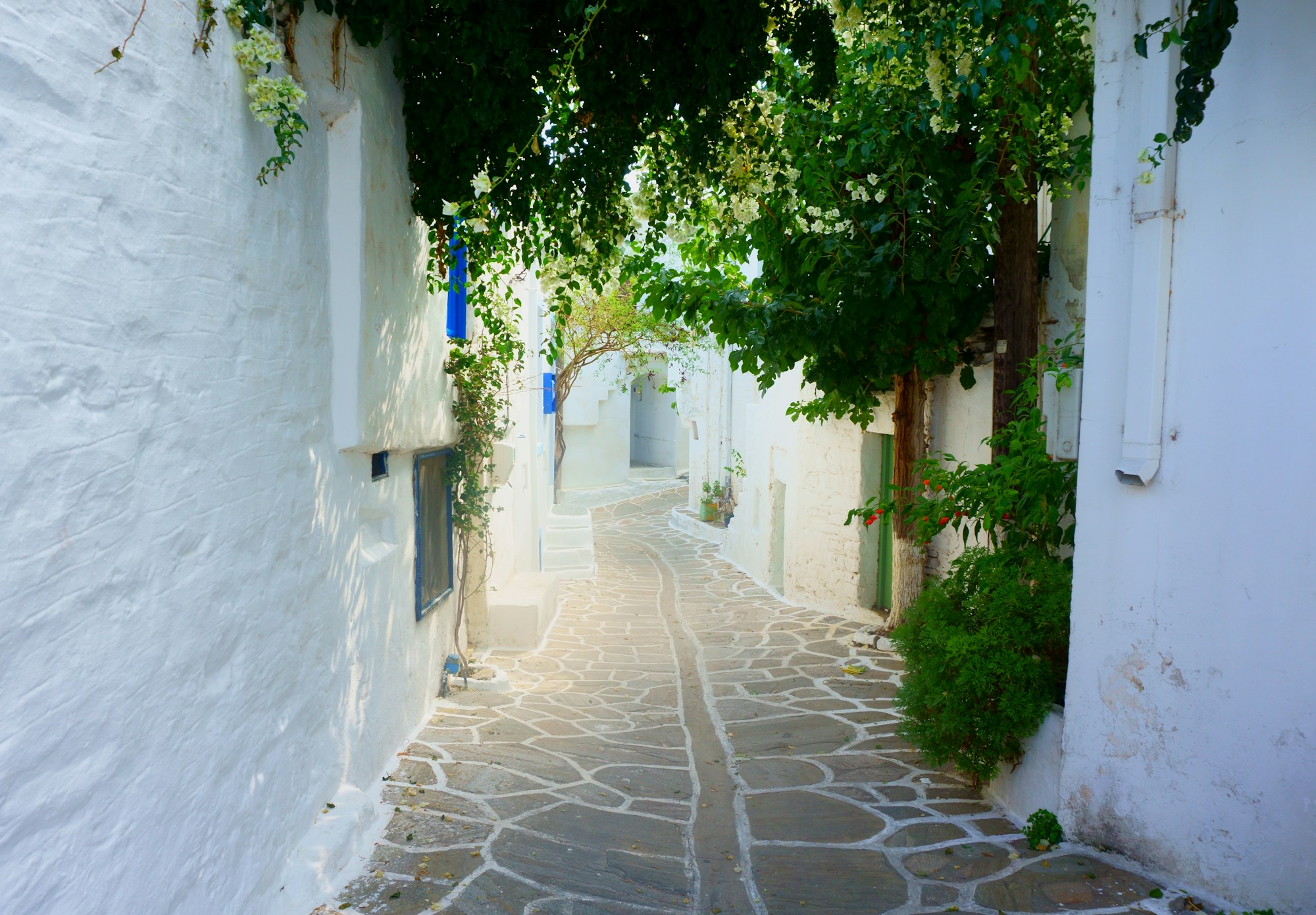
Paros, Aegean Sea, Mediterranean
At the top of the Travel + Leisure World’s Best Islands 2025 ranking sits Paros — a charming Greek island that offers a far more relaxed alternative to its overcrowded neighbours Santorini and Mykonos. The world’s best island has picturesque blue-and-white villages, crystal-clear water and dramatic coastal scenery. Paros has retained what Santorini and Mykonos lost: a local soul. You can still sit beside Greek families in a harbour taverna, attend a village festival in summer, and wander lanes where neighbourhood grocery shops outnumber souvenir stalls.
Budget guide at Paros: €60–150/day including accommodation in studios or local hotels, meals in tavernas and getting around by local bus or scooter. Flights Paris–Athens–Paros: €150–350 return. Seven of the world’s top 25 islands are located in the Mediterranean.
What makes it unique
- Panagia Ekatontapyliani — 4th-century cathedral, gem of Byzantine architecture
- Naoussa — fishing village with trendy bars, without Mykonos crowds
- Antiparos — secret island 10 minutes away, almost untouched by tourism
- Lefkes — hilltop village 10km from the coast, ignored by tourist circuits
Practical information for your trip
Nomad Insurance: global coverage from $56/4 weeks. 10% off via our link. Perfect for multi-destination island trips.
From $56 / 4 weeksStay connected from landing in 190+ countries. Instant activation, no physical SIM card needed.
From €4.50Frequently asked questions about the world’s most beautiful islands in 2026
Which is the most beautiful island in the world in 2026 according to major rankings?
According to the Condé Nast Traveller Readers’ Choice Awards 2025, the world’s best island is Turks and Caicos, with 98.91% of visitors declaring their stay ideal. Meanwhile, Travel + Leisure crowns Paros (Greece) as the best island of 2025. These two rankings reflect different criteria: Condé Nast prioritises overall traveller satisfaction, while T+L gives more weight to nature, gastronomy and local culture.
How can I save money on a trip to the Maldives or Bora Bora?
For Bora Bora, travelling in low season (January–March) can yield 40–50% discounts at some resorts. Staying in a family guesthouse and eating at the roulottes (food trucks) cuts accommodation and food costs by two-thirds. For the Maldives, local island guesthouses (available since 2009) let you experience the destination for $100–150/day instead of $500+. The public ferry network (under $5 per crossing) replaces seaplanes at $300+.
Which island is better for a first tropical holiday: Maldives or Seychelles?
The Maldives are unmatched for diving and overwater villa experiences, but offer limited cultural diversity and land activities. The Seychelles offer more variety: rainforests, hiking, wild beaches and Creole cultural life. For a first tropical couple’s trip, Maldives for luxury and diving; Seychelles for exploration and diversity. For a family with children, the Seychelles are clearly better thanks to their land activities and easy island-hopping.
Which islands offer the best value for money in 2026?
For a small budget: Dominica (Caribbean, $80–150/day), Paros (€60–120/day), Zanzibar ($50–100/day in low season). For an exceptional mid-range: Palawan in the Philippines ($40–200/day depending on style) remains one of the world’s best options for island travel with some of the planet’s most spectacular scenery. For accessible luxury: Seychelles and Maldives in low season (40–60% discounts).
Which island is best for a honeymoon in 2026?
The three references for a 2026 honeymoon are Bora Bora (overwater bungalows, lagoon, Polynesian luxury), the Maldives (absolute seclusion, overwater villas, spectacular sunsets) and the Seychelles (Creole charm, granite beaches, crowd-free intimacy). For a more authentic and affordable romantic trip, Paros offers the soul of the Cyclades without Santorini’s crowds, with waterside tavernas and magical sunsets for half the price.
Are there off-the-beaten-track islands worth choosing to avoid overtourism?
Several destinations remain authentic and unspoilt in 2026. Dominica is relatively protected from overtourism, with 60% of its territory UNESCO-protected. Naoshima in Japan remains largely undiscovered by Western visitors. Saint Vincent and the Grenadines, almost absent from mainstream circuits, offers an authentic Caribbean experience. And Paros in the Cyclades retains the local soul that Santorini and Mykonos lost long ago. Also worth watching: the islands of North and Middle Caicos, accessible by ferry from Providenciales, almost deserted even in high season.
What health precautions should I take before travelling to a tropical island?
Always check your government’s official travel advisories before any trip. For Zanzibar and East African destinations: hepatitis A, typhoid, yellow fever (depending on origin) and antimalarial prophylaxis recommended. For Southeast Asia (Palawan): hepatitis A and typhoid. For Caribbean (Dominica, Turks and Caicos): no specific vaccinations, but check dengue and Zika alerts. Always take out travel insurance with medical coverage (minimum €150,000 cover) and repatriation.
How do I choose the perfect island from this top 10?
The perfect island trip is not necessarily the most distant — it’s the one that matches your pace, season and budget. Start by asking yourself these four questions: (1) What is your daily budget excluding flights? (2) What type of traveller are you — beach-luxury, adventure-nature, culture-discovery or sailing? (3) When are you travelling (this eliminates some destinations during rainy season)? (4) Solo, couple or family? A quick guide: Bora Bora and Maldives for luxury/couples; Palawan and Dominica for adventure/budget; Seychelles and Zanzibar for any profile; Paros and Naoshima for culture/authenticity.
Sources
- Condé Nast Traveller Readers’ Choice Awards 2025 (Timeout)
- Travel + Leisure World’s Best Islands 2025 (TravelPirates)
- U.S. News Best Islands in the World 2026
- National Geographic — Dominica, Best of the World 2026
- Maldives Magazine — Tourism Trends 2026
- Islands.com — 10 Best Places to Travel in 2026
- El Nido & Palawan Cost Guide 2026 (Gotripzi)
- Best Zanzibar Itinerary 2026 (Discover Over There)
- World Island Rankings 2026 (Ulysse.com)
Plan your dream island getaway
Found your ideal island from this top 10? Discover thousands of itineraries created by passionate travellers on Pixidia — real experiences, practical advice and inspiration for every island destination.
Explore island itineraries