
Some places on Earth change you forever. Landscapes that defy imagination, cities suspended between history and modernity, natural sanctuaries where humanity seems not yet to have left its mark. The list of « 100 most beautiful places in the world to visit before you die » is not a fixed list — it reinvents itself each year with new discoveries, cultural events, and destinations bursting onto the world stage. For 2026, we’ve selected the most remarkable destinations, the most urgent ones to discover, blending unmissable heritage sites with emerging gems that will define the trip of your lifetime. According to National Geographic and Time Out, 2026 marks a turning point in the way we travel: authenticity, positive impact, and wonder guided by curiosity rather than algorithms.
1. Akagera National Park, Rwanda — The Comeback of a Sanctuary
The Second-Chance Safari
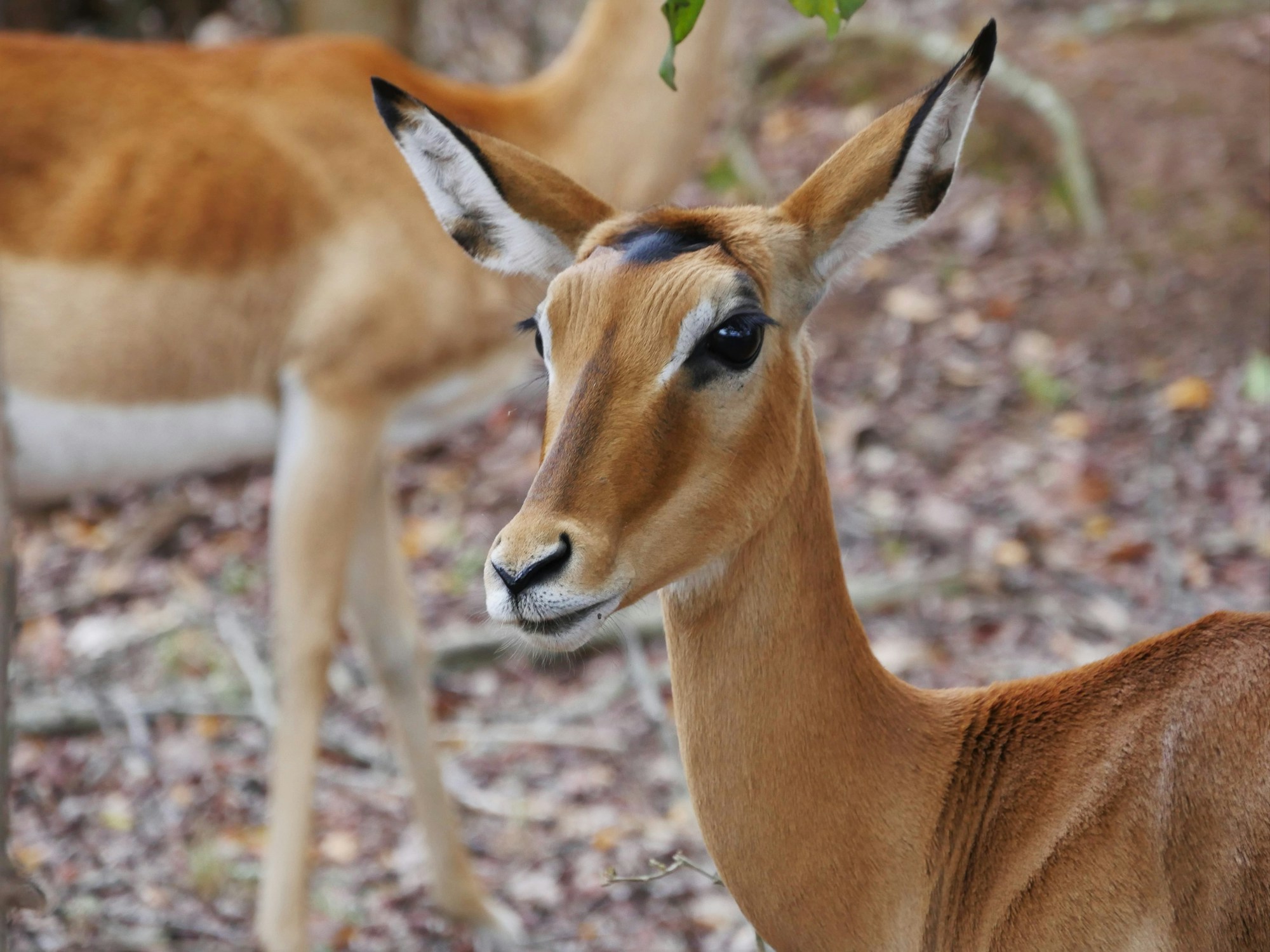
Established in 1934, Akagera National Park was nearly destroyed by Rwanda’s civil conflicts in the 1990s. A transformative partnership between NGO African Parks and the Rwanda Development Board in 2010 gave it a second chance. In less than 15 years, ecosystems and animal populations didn’t just recover — they thrived. According to National Geographic, in June 2025, 70 additional white rhinos were relocated from South Africa to Akagera, bringing the total to over 100 individuals.
Akagera is now the largest protected wetland in Central Africa. Giraffes, elephants, lions, hippos and the Big Five roam its plains once again. Unlike the Serengeti or Masai Mara, you won’t share your safari with dozens of other vehicles.
What makes it unique
- Rwanda’s only savanna park, offering the Big Five
- 100+ white rhinos reintroduced between 2021 and 2025
- Rhino tracking program open to visitors
- Walking safaris guided by elite rangers
2. Naoshima Island, Japan — The Island That Turned Art Into an Island
A Fishing Village Turned World Museum
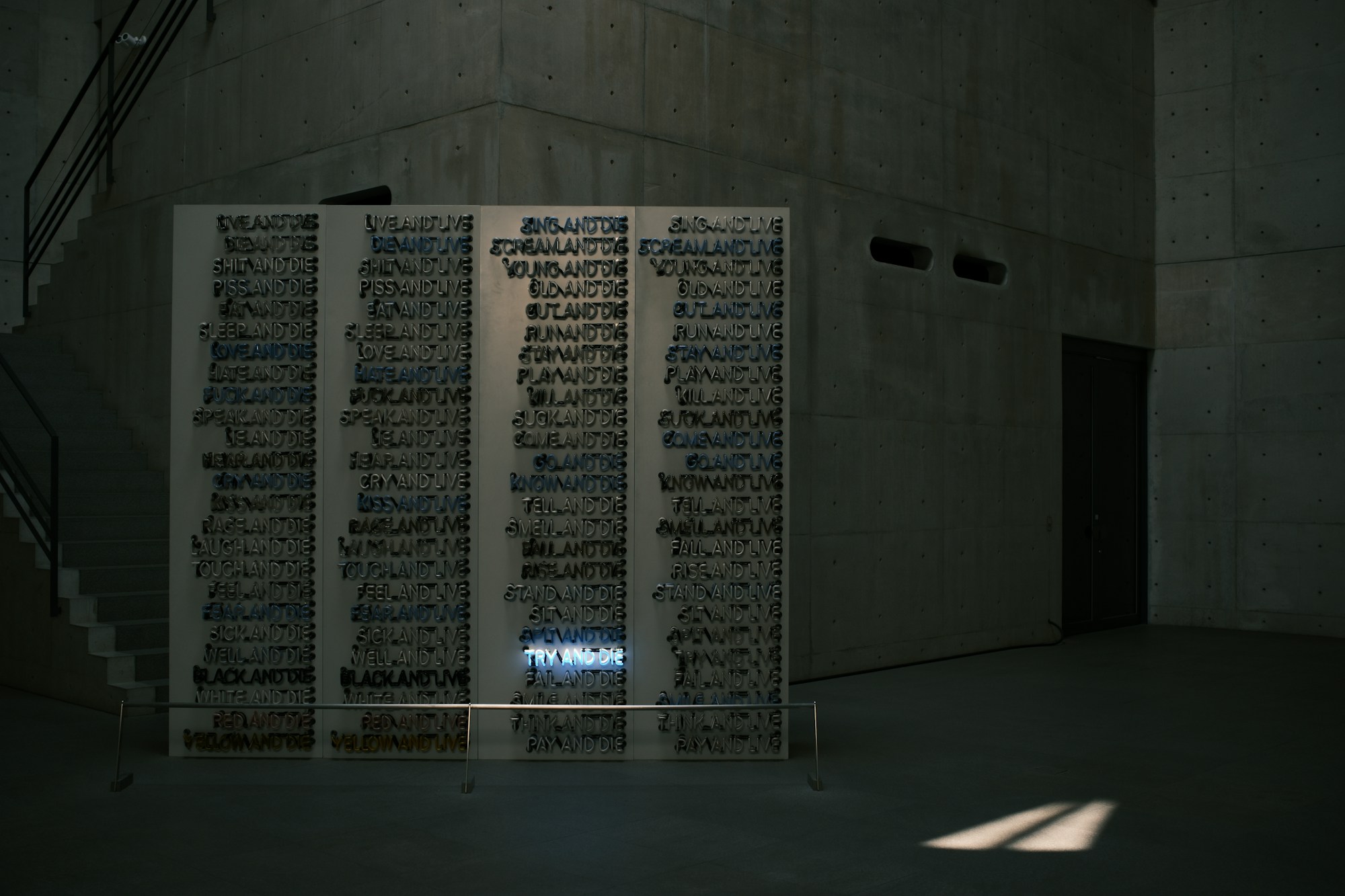
Naoshima, 9 km² in the Seto Inland Sea, has transformed over a few decades from a fishing village into one of the most innovative art destinations on the planet. The Chichu Art Museum — entirely underground and designed by Tadao Ando — displays Monet’s Water Lilies in a room lit only by natural light. In May 2025, a brand-new Tadao Ando museum opened its doors — there’s never been a better time to visit the island.
Highlights
- Chichu Art Museum: Monet, Turrell, Walter De Maria underground
- Art House Project: traditional homes converted into artworks
- New Tadao Ando museum opened in 2025
- Accessible from Osaka or Hiroshima in 2–3 hours
3. Kyrgyzstan — The World Nomad Games 2026
The Nomadic Olympics on the Shores of a Mythical Lake
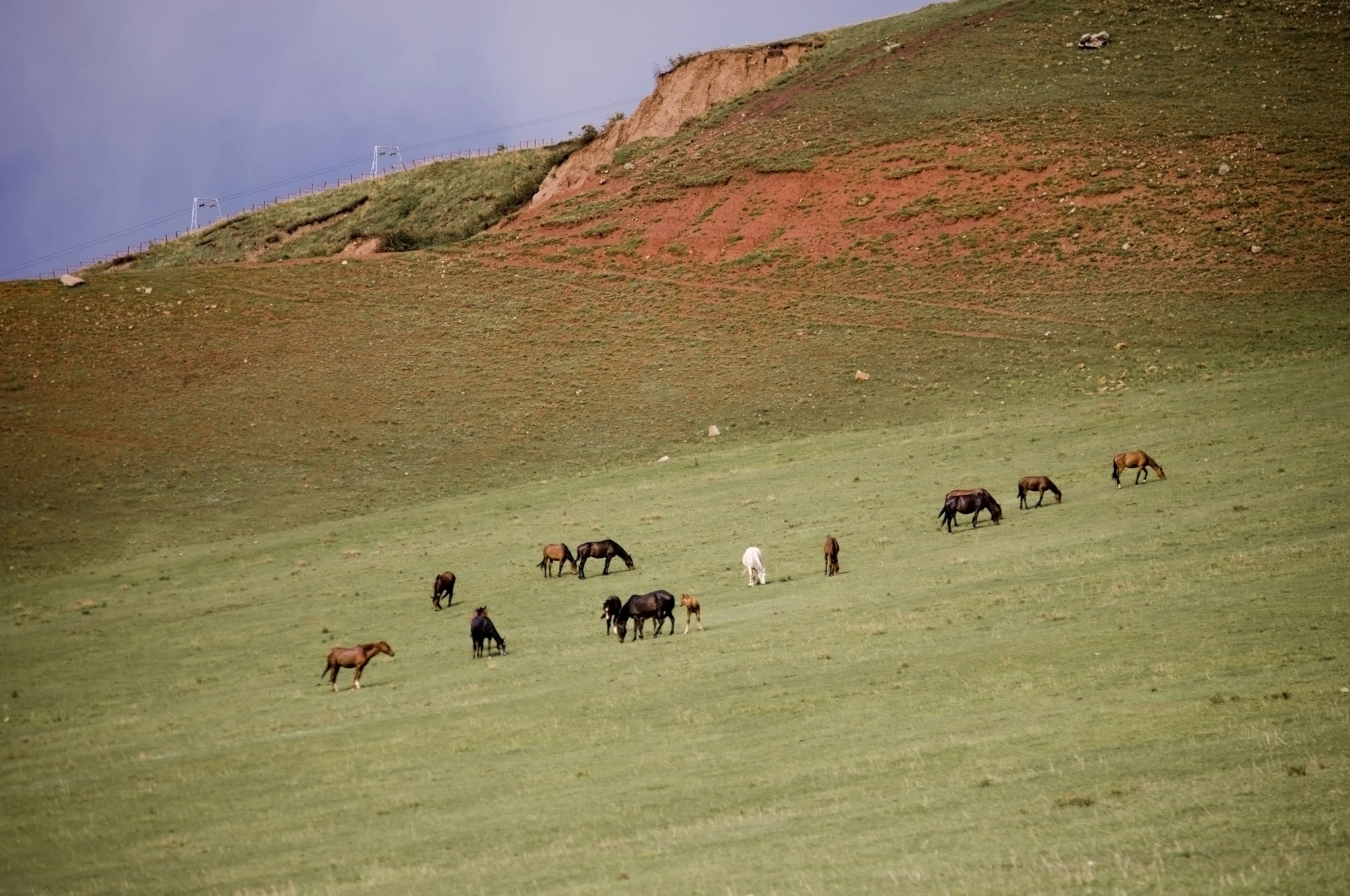
The 6th World Nomad Games opened on August 31, 2026 in Bishkek and ran until September 6, 2026. — nicknamed the « Nomadic Olympics. » Bishkek and Lake Issyk-Kul will welcome delegations from 89 countries for competitions that have no equivalent elsewhere: horse wrestling, eagle hunting, nomadic strategy games, horse races across breathtaking steppes. According to Journal of Nomads, the new Bishkek Arena will inaugurate during the opening ceremony. European citizens can enter without a visa but stay only 30 days within a 60-day period, under rules in force since December 31, 2025.
Highlights
- 89 nations at the Nomad Games — Aug 31 to Sept 6, 2026
- Lake Issyk-Kul: 180 km long, beaches and snow-capped mountains
- Yurt accommodation: €10–25/night
- No visa required for Europeans: 30 days within a 60-day period
4. Puerto Escondido, Mexico — World-Class Surf and Avant-Garde Design
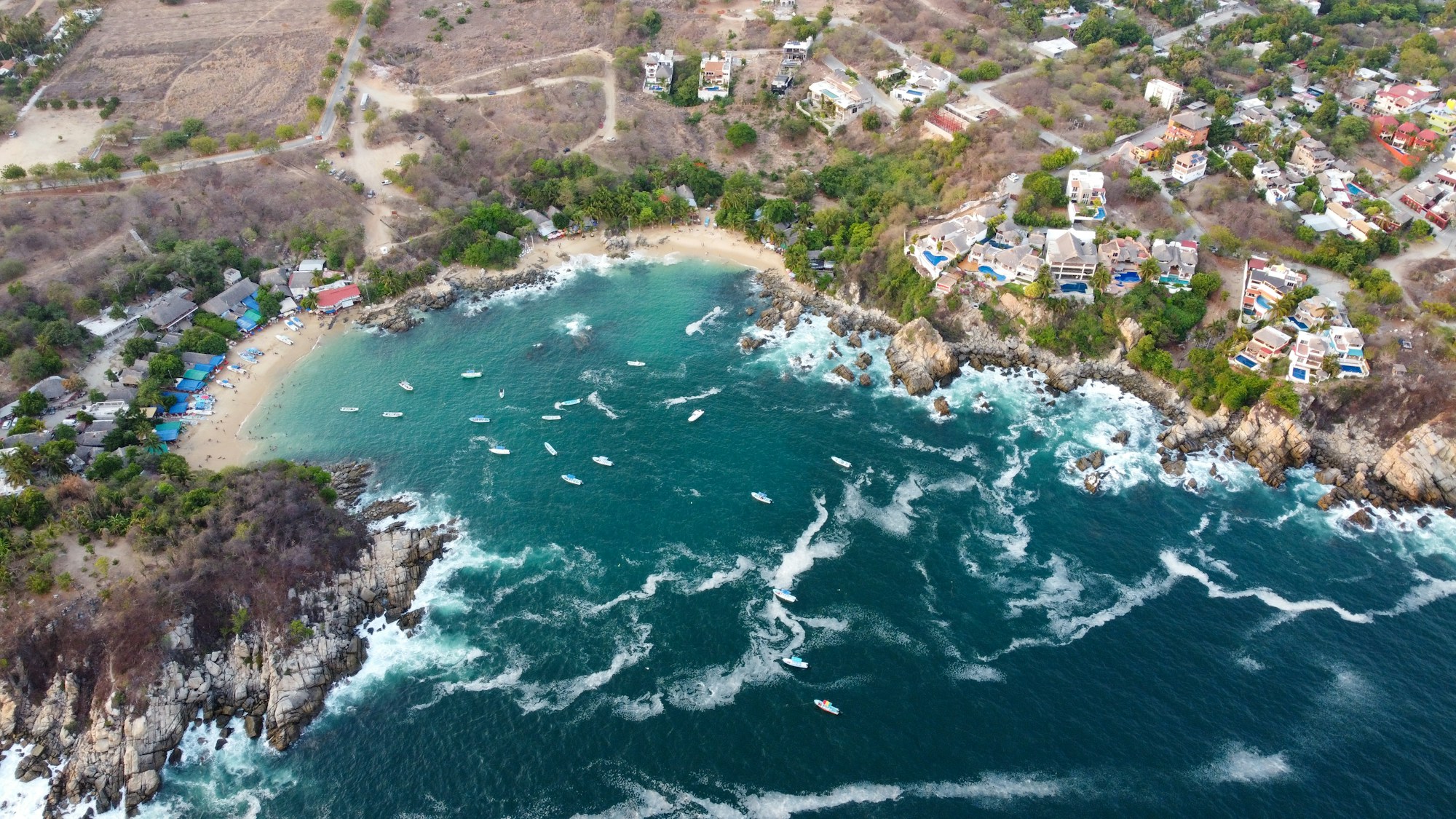
Where the Mexican Pipeline Meets Michelin Architecture
Puerto Escondido is a study in contradictions. On one side is Playa Zicatela — the « Mexican Pipeline, » one of the world’s most powerful and dangerous beach breaks. On the other, it’s now one of 14 World Surfing Reserves and an increasingly acclaimed architectural and gastronomic scene. The Casa Wabi art complex, designed by Tadao Ando, and two Michelin Key hotels neighbor guesthouses at $40/night.
Highlights
- Playa Zicatela: waves up to 26 feet, for expert surfers
- Bioluminescent lagoon at Manialtepec — unforgettable night excursion
- Oaxacan cuisine: tlayudas, artisanal mezcal, fresh seafood
- Zipolite (LGBTQ+ friendly nudist beach) 37 miles away
5. Guimarães, Portugal — The Birthplace of a Nation
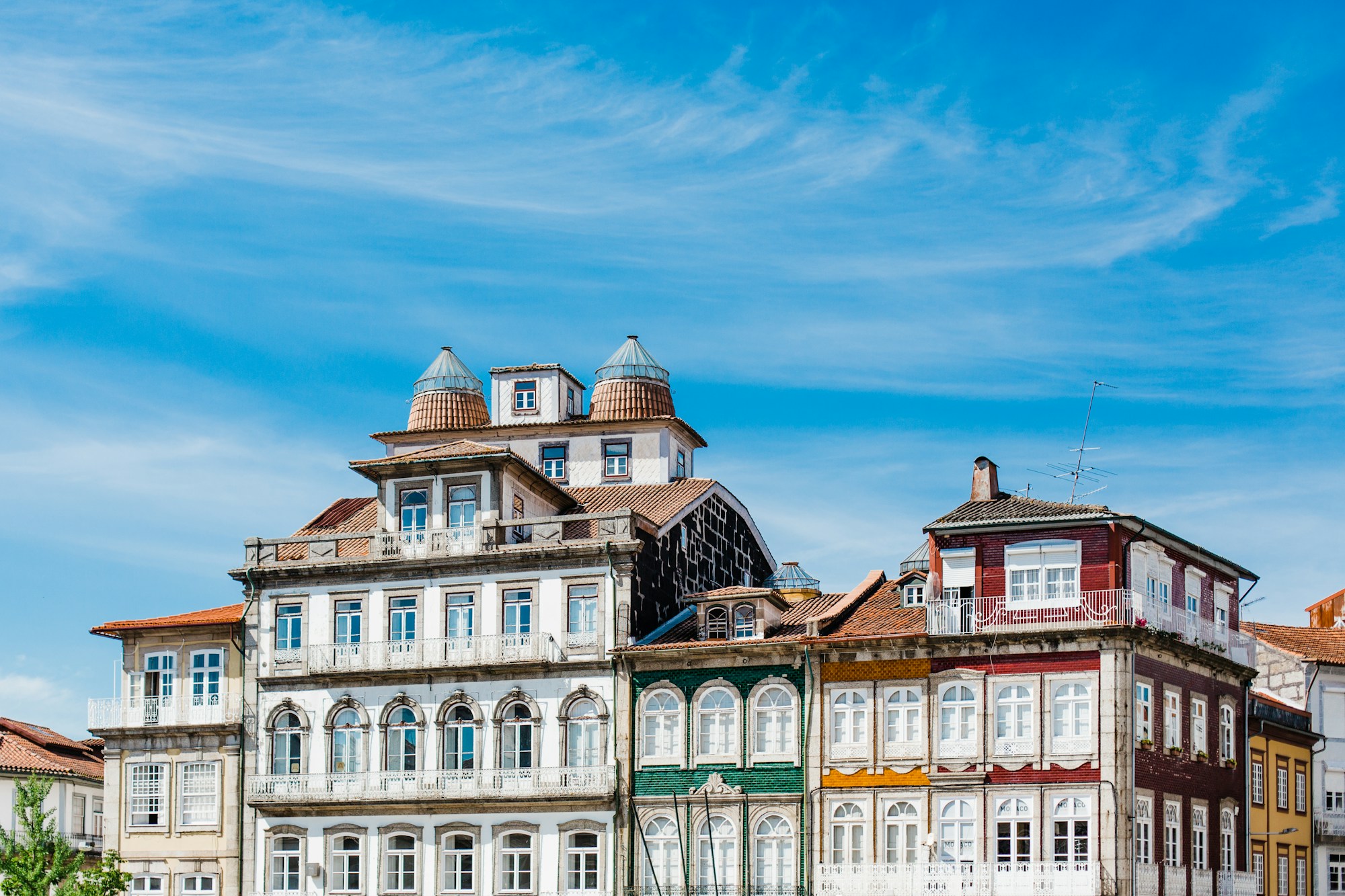
The Medieval Alternative to Lisbon and Porto
Guimarães is Portugal’s birthplace — it’s here that Afonso Henriques, first King of Portugal, was born in the 12th century, and from here he launched the military campaigns that founded the kingdom. A UNESCO World Heritage site, the city offers a historic center of rare architectural coherence: cobblestone lanes, flower-balconied homes, café-filled squares — all 30 miles from Porto, without the queues. Travelers who know Guimarães stop talking about Lisbon.
Highlights
- 10th-century castle and Palace of the Dukes of Braganza
- Day trip from Porto by train: €7 return
- Free entry to monuments on the first Sunday of each month
- Zero overtourism — authentic experience guaranteed
6. Oulu, Finland — European Capital of Culture 2026
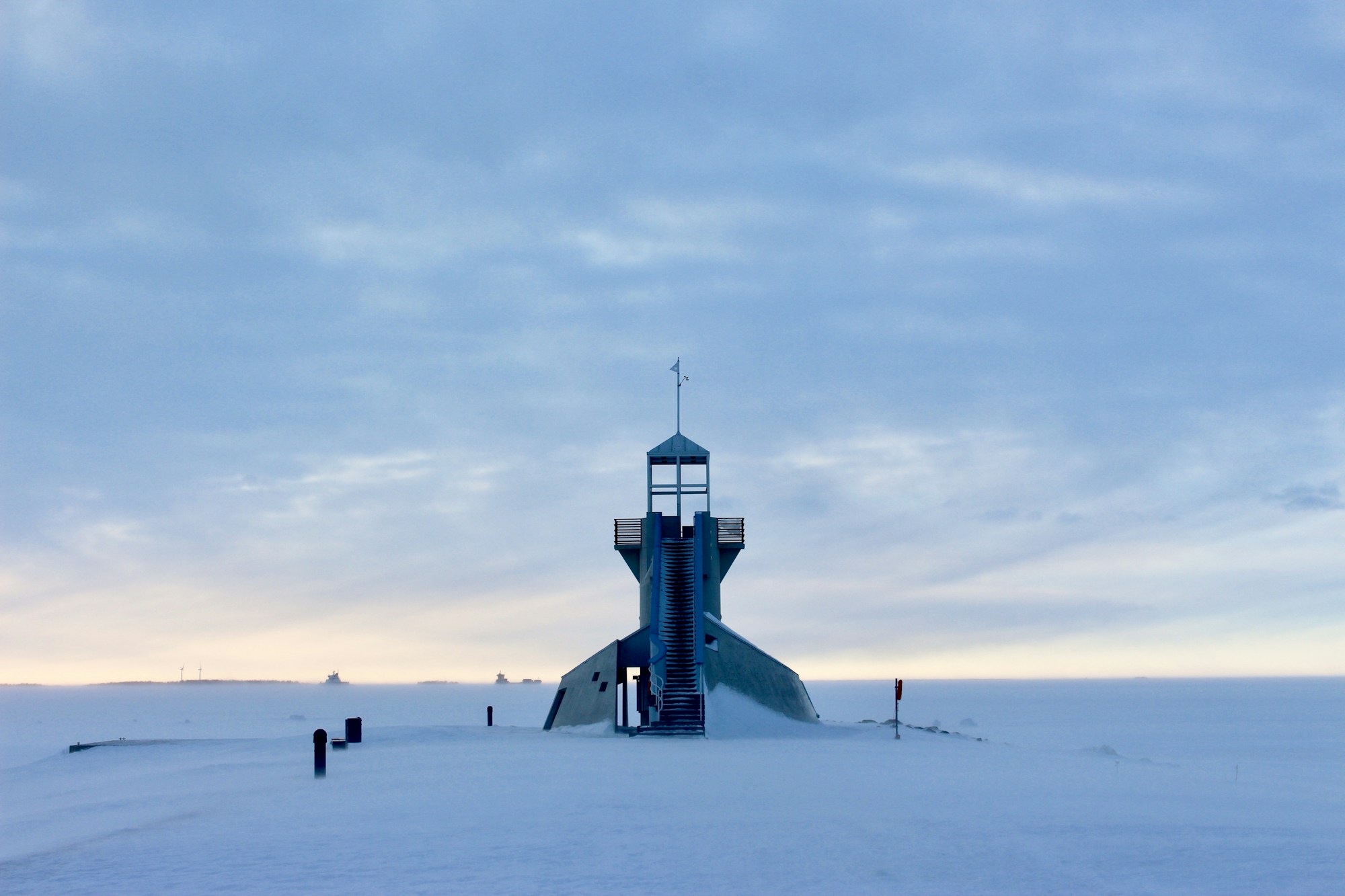
1,000 Events Where Culture Meets the Arctic Circle
Oulu, a city of 200,000 at the edge of the Arctic Circle in northern Finland, becomes the European Capital of Culture for all of 2026 — and with it, 39 partner municipalities organize more than 1,000 cultural events. From Sámi opera on frozen seas to Air Guitar World Championships, from raft saunas on ice to kilometer-long open-air dinner tables, Oulu 2026 redefines what a European cultural capital is. The central theme: « Cultural Climate Change. »
Highlights
- 1,000+ cultural events throughout 2026
- Sámi opera, electronic music on ice, world championships
- Sauna on a raft + ice dancing: world-unique experiences
- Hotel prices -43% in January, perfect for opening events
7. Ho Chi Minh City, Vietnam — The Creative City Reinventing Saigon
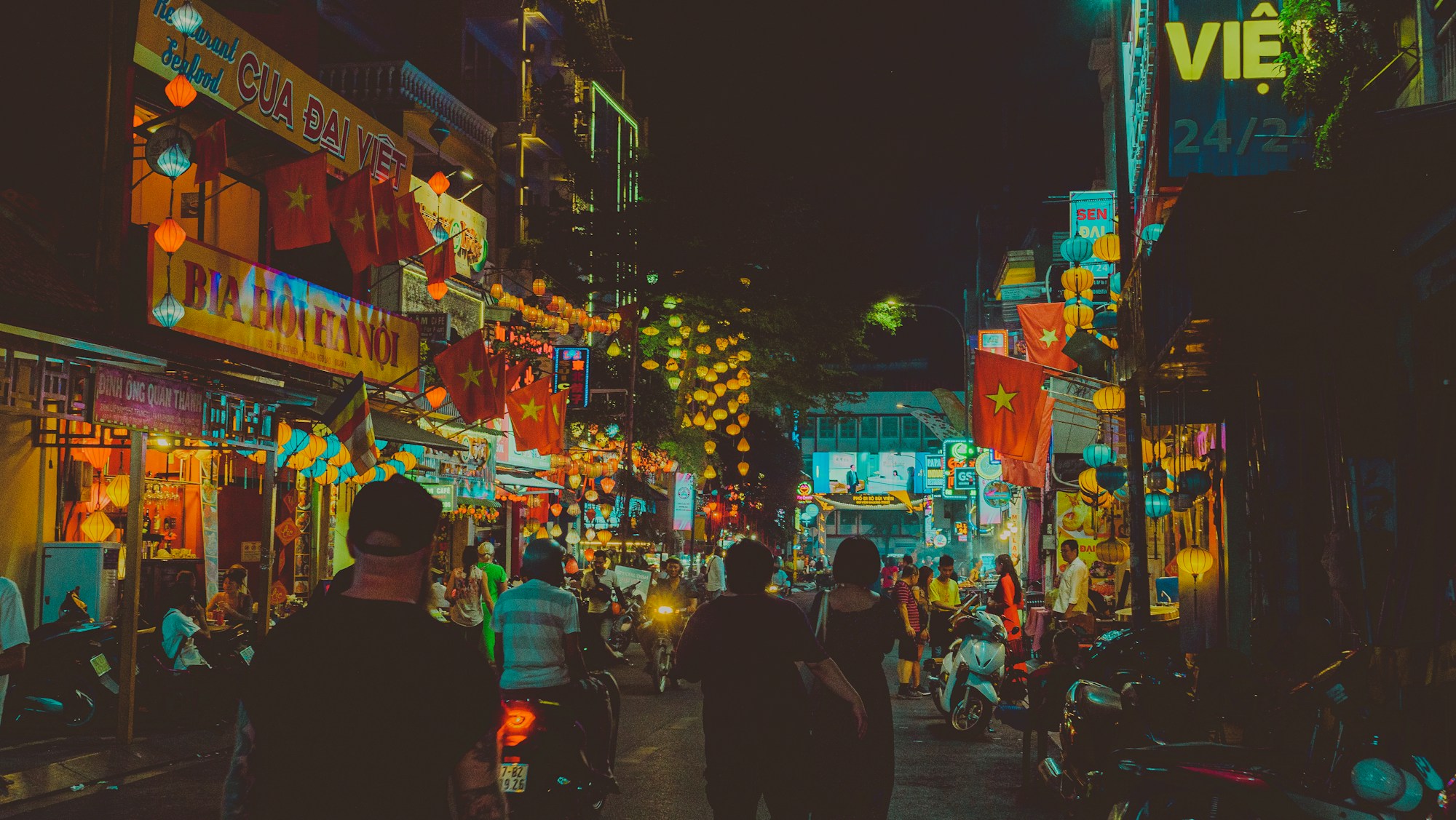
Among Southeast Asia’s First UNESCO Creative Cities of Film
In late 2025, UNESCO designated Ho Chi Minh City as a Creative City of Film — one of the first in Southeast Asia. In 2026, the HCMC International Film Festival returns after an inaugural edition that attracted 280,000 visitors. In kitchens across the city, a new generation of Vietnamese chefs is reinventing national gastronomy without betraying it: restaurant CieL, in Thảo Điền, earned its Michelin star in its first year. According to Time Out, HCMC is one of the world’s 50 best cities for 2026.
Highlights
- Among the first Creative Cities of Film in Southeast Asia (UNESCO 2025)
- International Film Festival 2026 (280,000 visitors in 2025)
- Street food among the world’s richest: $1–5 per meal
- Two new Michelin-starred restaurants opened in 2025
8. Samarkand & Bukhara, Uzbekistan — The Silk Road at Its Peak
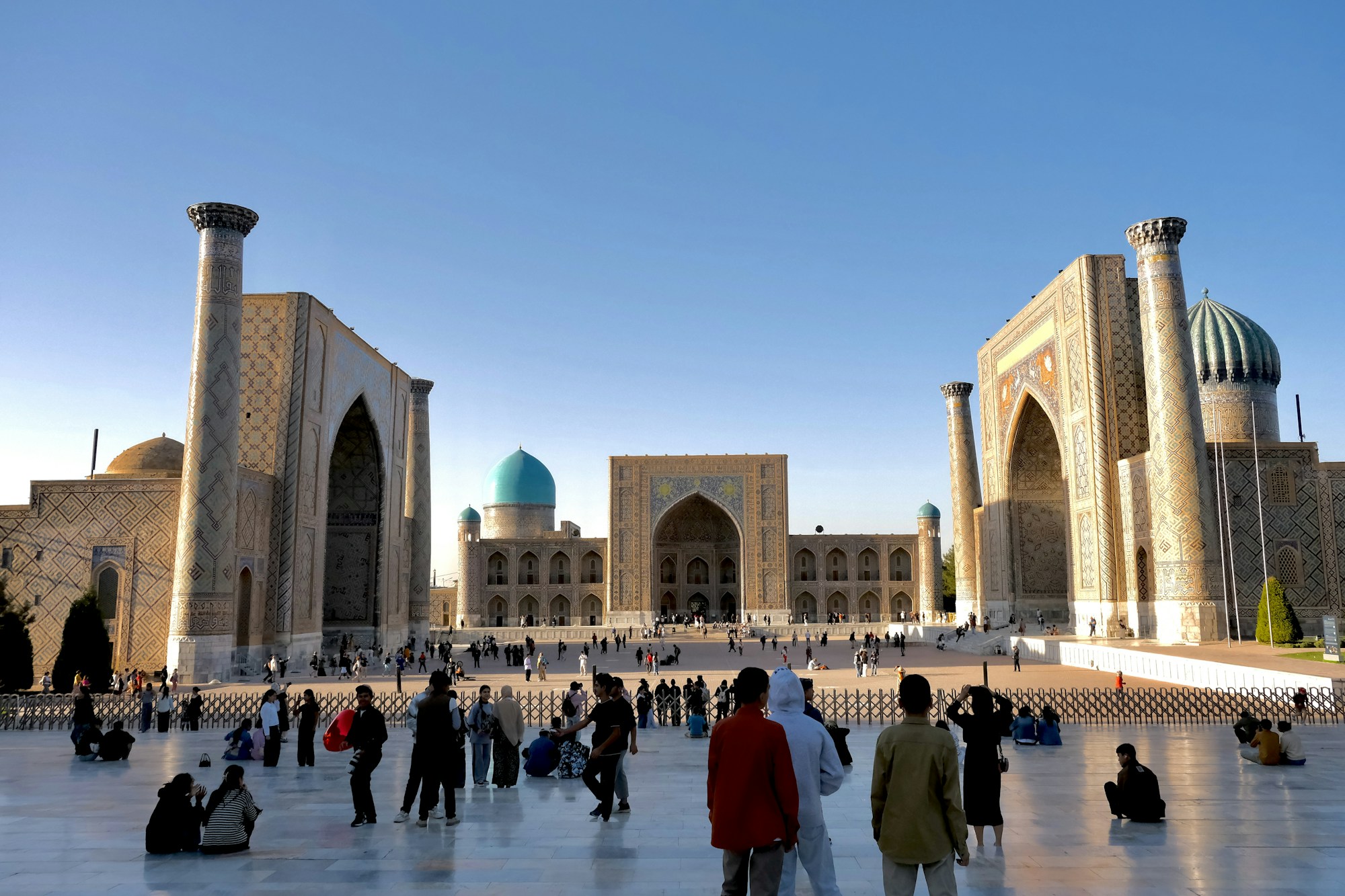
Two Open-Air Museum Cities on the Silk Road
Uzbekistan is not a destination — it’s a revelation. Samarkand and Bukhara, both UNESCO World Heritage Sites, dazzle with their azure domes, sparkling mosaics and monumental madrassas. The Registan in Samarkand is one of the world’s most spectacular squares: three 15th–17th century madrassas line a paved esplanade under a deep blue sky. Bukhara, an ancient Silk Road caravanserai city, keeps its 12th-century Kalyan minaret almost as it was 800 years ago. And all of this for an unbeatable budget: €25–35/day covers accommodation, meals and sightseeing.
Highlights
- The Registan in Samarkand: one of the world’s 10 most beautiful squares
- Bukhara: 12th-century Kalyan minaret, Samanid mausoleum
- Khiva: medieval walled city, almost intact
- Online e-visa in 3 days — under $30
9. The Dolomites, Italy — Magic Peaks at the 2026 Winter Olympics
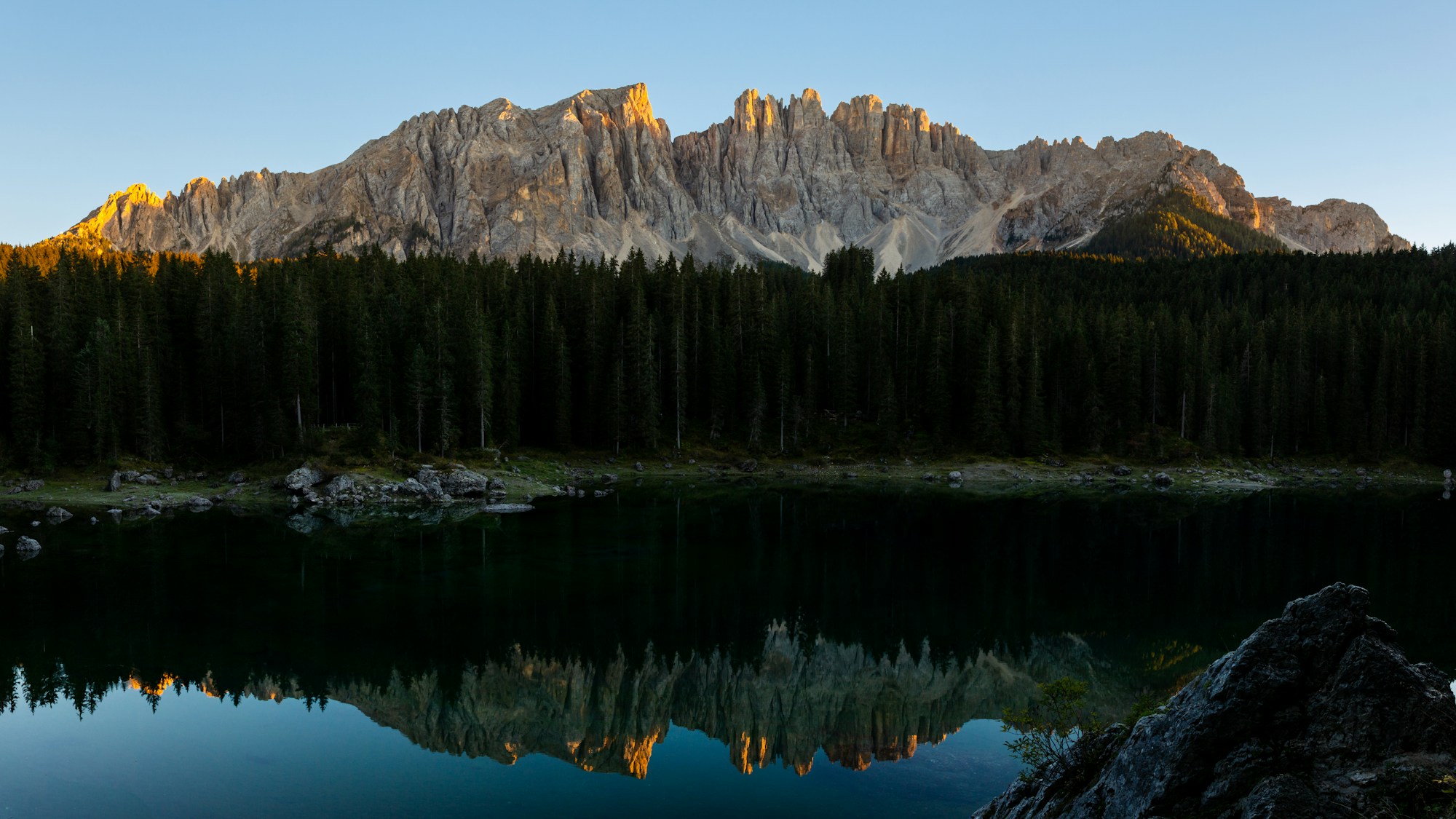
Landscapes With No Equal on Earth
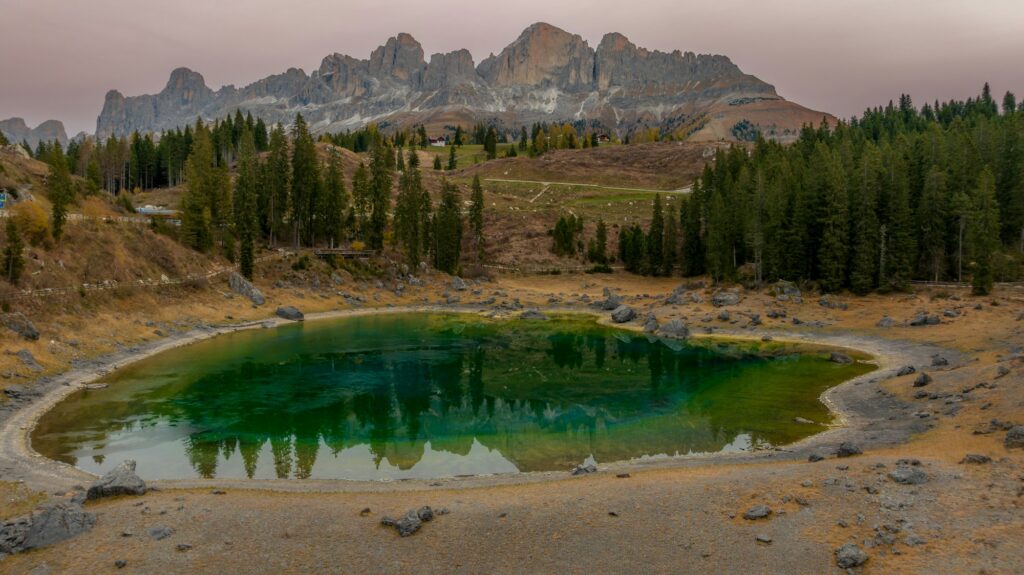
In February 2026, the Italian Dolomites hosted Winter Olympics events, making this region one of the most spotlighted on the planet. And for good reason: listed as a UNESCO World Heritage Site, the Dolomites offer a unique combination of vertical cliffs in pink-gold hues at sunset, emerald lakes, altitude rifugi and Tyrolean villages. Lago di Braies, Val di Funes, and the Tre Cime di Lavaredo have no equivalent in Europe. National Geographic lists them as a must-visit destination for 2026.
Highlights
- Lago di Braies: high-altitude lake of unreal turquoise
- Tre Cime di Lavaredo: the three iconic Dolomite peaks
- Altitude rifugio nights at €70 half-board — with a view of the stars
- -30 to -40% on prices in shoulder season (May–June, Sept.–Oct.)
10. The Grand Egyptian Museum, Cairo — The Greatest Archaeological Revelation of the Century
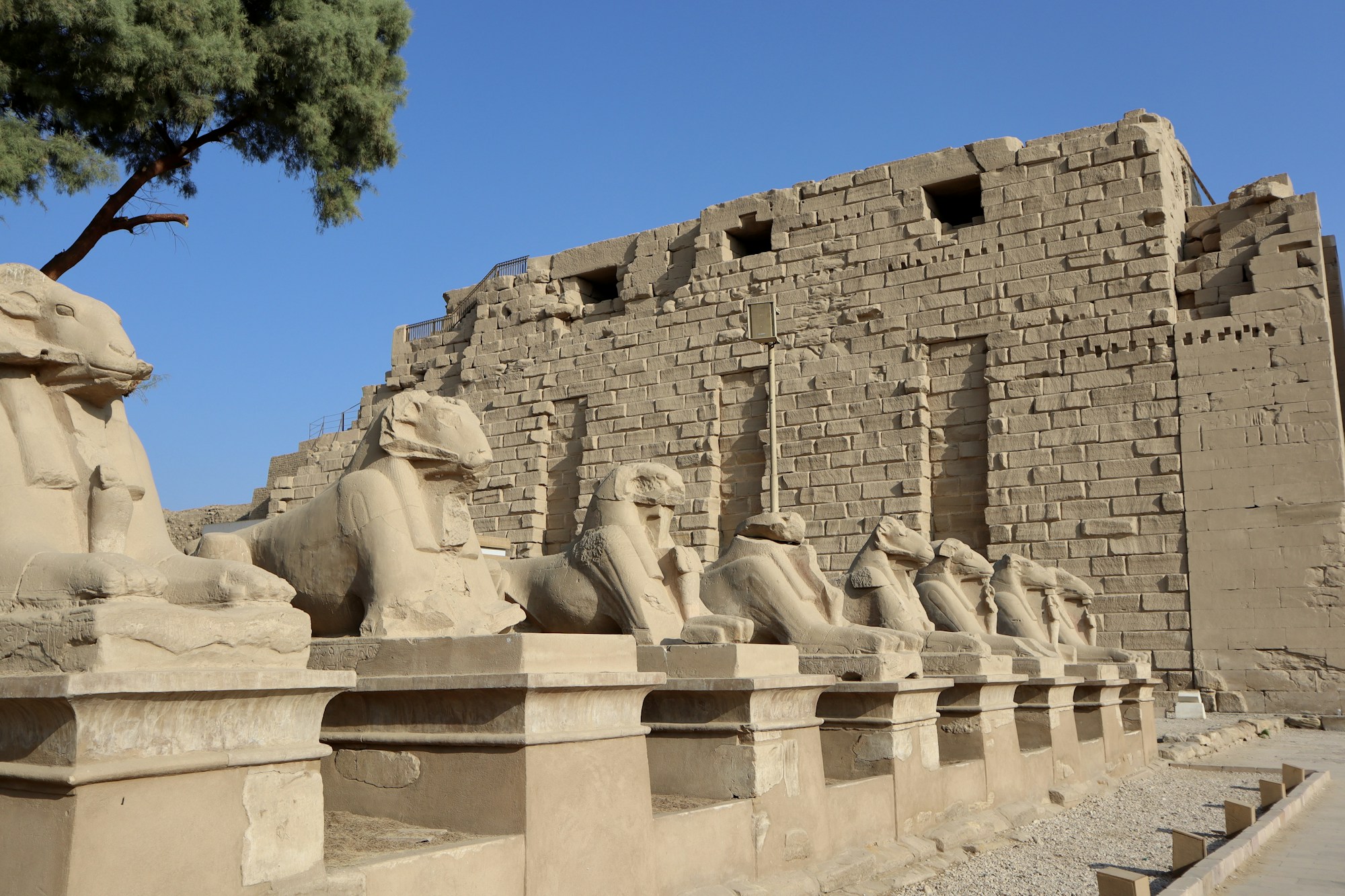
45,000 m² of exhibition space and over 100,000 Artifacts — The World’s Largest Archaeological Museum
After more than 20 years of design and repeated delays, the Grand Egyptian Museum finally opened in November 2025. It’s the largest archaeological museum infrastructure ever built in the Arab world: 45,000 m² of exhibition space, over 100,000 artifacts, including Tutankhamun’s golden death mask and the Ramesses II statue. Situated at the foot of the Giza pyramids, the museum traces Egypt’s history from prehistory to the Roman era. It is literally impossible to see everything in one day.
Highlights
- 45,000 m² — impossible to visit in a single day
- Tutankhamun’s golden mask + Ramesses II statue
- Views of the Giza pyramids from inside the galleries
- Admission $25–40 USD depending on areas visited
11. Tsum Valley, Nepal — The Hidden Valley of the Last Buddhist Nomads
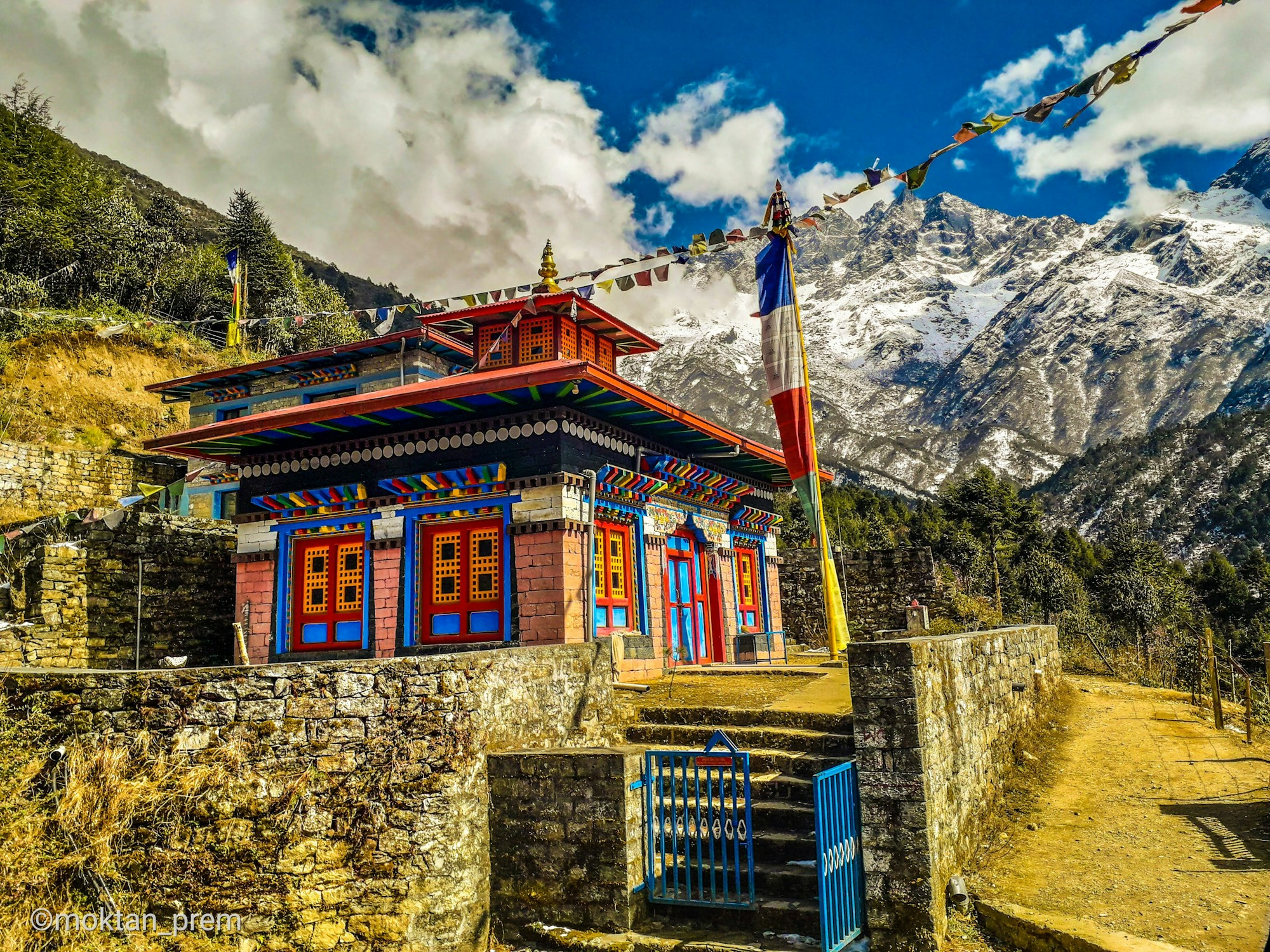
Fewer Than 3,000 Visitors a Year in a Valley Frozen in Time
Nestled between Tibet and the Manaslu massif, Tsum Valley is one of the last authentic Buddhist valleys in the Himalayas. Accessible only by trekking trails from Soti Khola, it houses centuries-old monasteries, prayer wheels spinning in glacial winds, and a Tibeto-Nepali culture of almost pristine purity. Fewer than 3,000 visitors traverse it each year — against hundreds of thousands on the Everest routes. It’s one of the most urgent destinations to visit before tourist flows discover it.
Highlights
- Fewer than 3,000 visitors/year — guaranteed Himalayan solitude
- Intact Tibeto-Buddhist culture, centuries-old monasteries
- Circuit combinable with Manaslu circuit (14 days)
- Restricted permit: controlled access, preserved experience
12. Georgia — The Caucasus, Crossroads of Civilizations
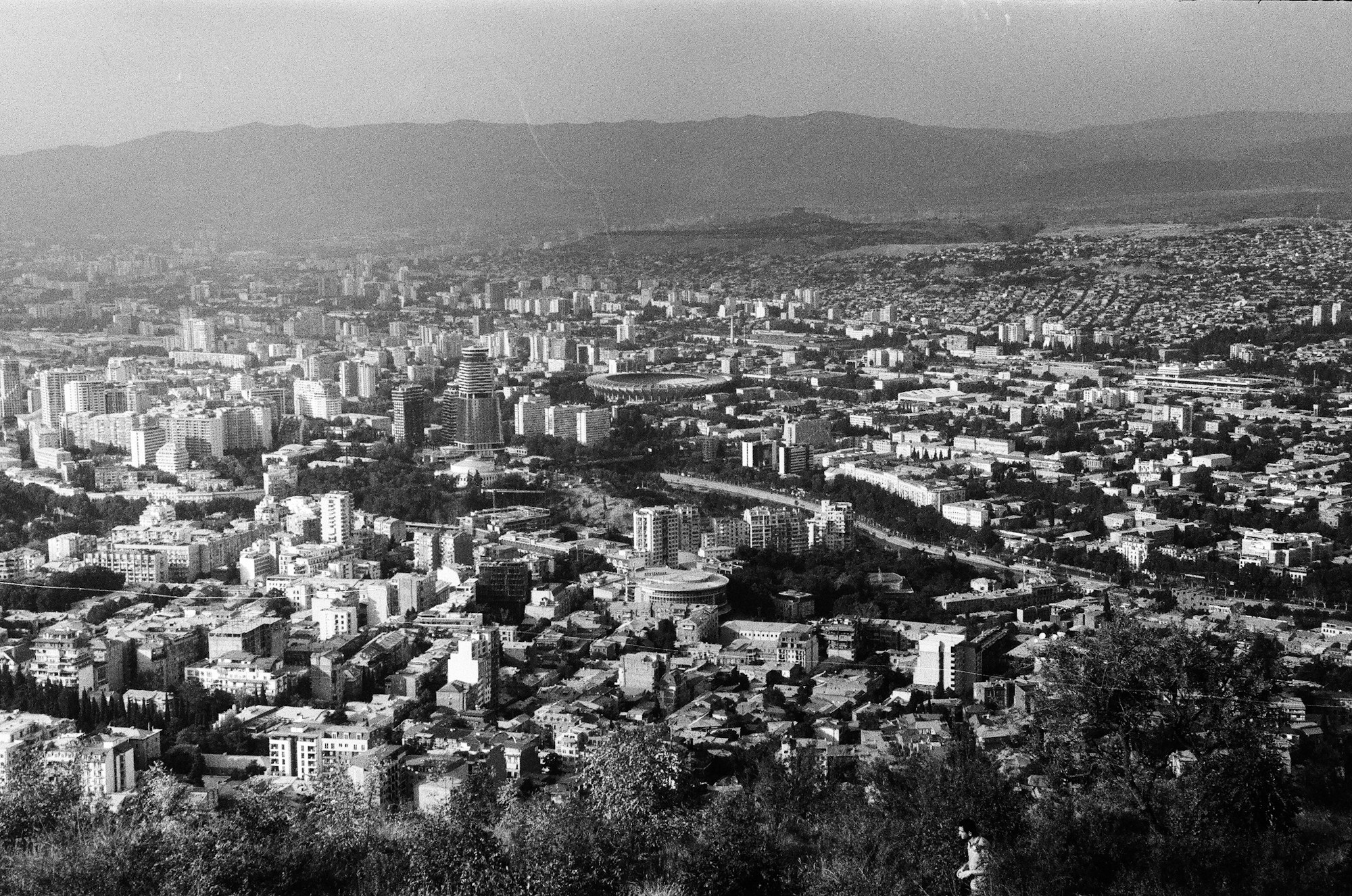
Tbilisi and Kazbegi: The Switzerland of the 1960s in the Heart of the Caucasus
Georgia stands out in 2026 as one of the most fascinating alternative destinations in Eurasia. Tbilisi is simultaneously an improbable art nouveau city (with millennia-old sulfuric baths at the heart of its streets), a renowned underground electronic scene (club Bassiani is known throughout Europe), and a gastronomic laboratory (khinkali, khachapuri, 8,000-year-old qvevri wines). Nos Voyages Heureux ranks it in the Top 5 off-the-beaten-path destinations for 2026.
Highlights
- Tbilisi: sulfuric baths + art nouveau + club Bassiani
- Kazbegi: Gergeti church at 7,119 ft, medieval towers
- Qvevri wine — 8,000 years of winemaking history
- Among the lowest budgets in Europe: $30–60/day all-inclusive
13. Murujuga, Australia — Humanity’s Oldest Museum
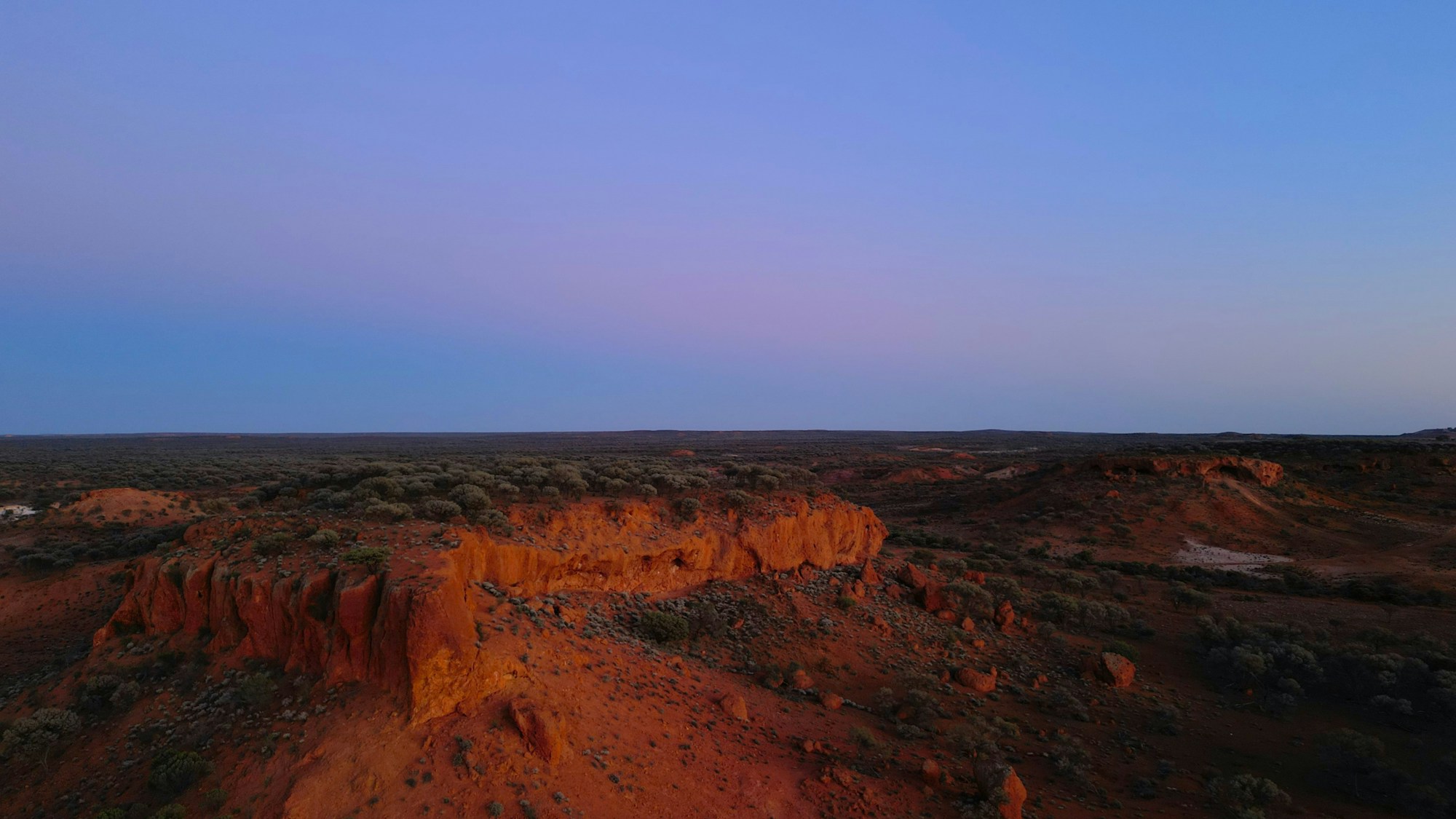
Over One Million Petroglyphs Spanning 50,000 Years of History
In 2025, the Murujuga Cultural Landscape on Australia’s northwest coast (Pilbara) was awarded UNESCO World Heritage status. It contains the world’s largest known collection of rock art: over one million engravings, some dating back 50,000 years — predating Stonehenge and the Giza pyramids combined. Time Out ranks it among the greatest places to visit in 2026. The Ngarluma and Yaburara, descendants of those who created these works, welcome visitors in small groups in a spirit of respect and transmission.
Highlights
- One million+ petroglyphs — older than Stonehenge
- New UNESCO World Heritage Site 2025
- Tours with traditional Aboriginal custodians
- Accessible from Karratha (Perth → 1.5h domestic flight)
Practical travel information
Nomad Insurance: global coverage from $56/4 weeks. 10% off via our link.
From $56 / 4 weeksStay connected in 200+ countries, from the moment you land. Instant activation, no physical SIM needed.
From €4.50Frequently asked questions about the world’s most beautiful places
What is the most affordable destination from this list?
Uzbekistan and Kyrgyzstan are the budget champions. A budget of €25–35/day covers accommodation, meals and sightseeing in Uzbekistan, despite its exceptional heritage wealth. Georgia is also very affordable ($30–60/day), offering one of the best value-for-money ratios in Europe and Central Asia. Tsum Valley in Nepal is affordable in itself ($50–80/day), but trekking permits and equipment add to the overall budget. According to several travel guides, Uzbekistan remains the most underrated budget-to-experience destination in the world.
Which destination do you recommend as a priority for 2026?
For 2026, three destinations are particularly urgent: Kyrgyzstan (for the World Nomad Games, a unique event that won’t take place anywhere else for years), the Grand Egyptian Museum in Cairo (just opened in November 2025, before the crowds rush in), and Oulu in Finland (European Capital of Culture 2026 with 1,000 events throughout the year). For a transformative journey, Georgia or Uzbekistan remain the most versatile choices: security, affordable budget, exceptional hospitality and preserved millennia-old culture.
Can you combine multiple destinations in one trip?
Absolutely. Several circuits chain together naturally: Silk Road (Uzbekistan + Kyrgyzstan, 2–3 weeks): Tashkent → Samarkand → Bukhara → Bishkek → Lake Issyk-Kul. Western Japan (Naoshima + Hiroshima + Osaka, 10–14 days). Portugal (Guimarães + Porto + Douro, 7–10 days). East Africa (Rwanda Akagera + mountain gorillas + Uganda, 10–14 days). Himalayas (Tsum Valley + Manaslu circuit, 28 days). These combinations let you maximize your investment in time and money while discovering very different facets of the same region.
What is the environmental impact of these trips and how to reduce it?
When a flight is unavoidable, opt for longer stays (minimum 2 weeks) to amortize the flight’s impact over more days on the ground. Choose certified responsible local operators. In Africa, partnerships like African Parks-Rwanda show that tourism can directly fund conservation: in 15 years, Akagera Park went from near nothing to over 100 rhinos. Tourist dollars directly funded this renaissance. Murujuga in Australia and Tsum Valley in Nepal both practice limited-access tourism that guarantees long-term preservation.
Sources
- National Geographic — Best of the World 2026
- National Geographic — Akagera National Park Rwanda 2026
- Time Out — 50 Best Cities 2026
- Tokyo Becky — Complete Naoshima Guide 2026
- Journal of Nomads — World Nomad Games 2026
- Oulu 2026 — Official European Capital of Culture site
- Porto North Portugal — Guimarães Guide 2026
- Dan Round the World — Best Places 2026
Plan your next adventure
Discover hundreds of itineraries created by passionate travelers on Pixidia — organize your custom trip and collaborate with other explorers.
Explore itineraries