
Guaranteed sunshine, family-friendly beaches, activities for every age — the perfect family vacation really does exist. You just need to know where to look. In 2026, families have more choice than ever for combining discovery, safety and shared enjoyment, whether it’s two hours from home or on the other side of the world.
This guide brings together 20 carefully selected destinations — 10 in Europe and 10 around the world — for a sunny holiday with children aged 0 to 15. Each destination is assessed on its kid-friendly credentials: beach quality, family infrastructure, fun and educational activities, safety and value for money.
Whether you’re working with a tight budget (the Canary Islands from around €1,500 per family) or aiming for an unforgettable experience (a Kenyan safari or Japan’s ancient temples), you’ll find your ideal destination for a 2026 family holiday right here. Happy reading, and happy travels!
Part 1 — Sunny Europe
Reachable in under 4 hours from major European airports, these destinations combine near-guaranteed sunshine, excellent family infrastructure and easy logistics — perfect for a family’s first big adventure.
1. The Canary Islands, Spain
Tenerife, Fuerteventura, Gran Canaria, Lanzarote
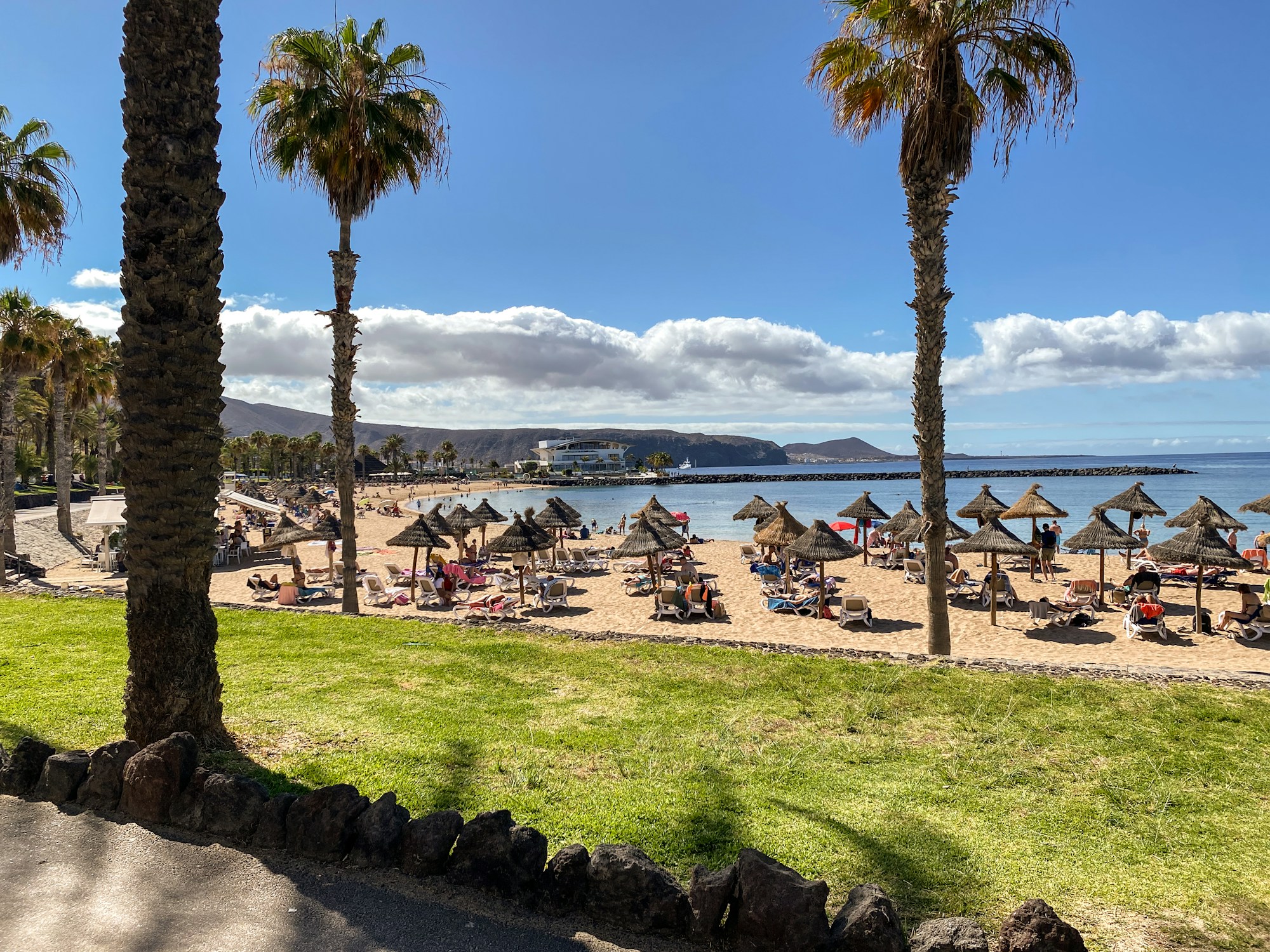
The ultimate classic for families. Sitting off the African coast, the Canary Islands offer near-guaranteed sunshine at any time of year — a decisive argument when planning a holiday with children. Tenerife captivates the little ones with Loro Parque (a legendary zoo featuring orcas and penguins) and Siam Park, voted the world’s best water park by TripAdvisor for ten consecutive years. Fuerteventura wins hearts with its long stretches of golden sand, ideal for sandcastles and calm sea swimming.
Family highlights
- Stable 22–26°C climate even in winter — ideal for Christmas or Easter holidays
- Calm-water beaches (Los Cristianos bay in Tenerife) perfect for babies and toddlers
- Snorkelling with sea turtles and dolphin-watching boat trips
- Well-developed family all-inclusive hotel market for predictable budgeting
2. The Algarve, Portugal
Lagos, Albufeira, Portimão, Faro
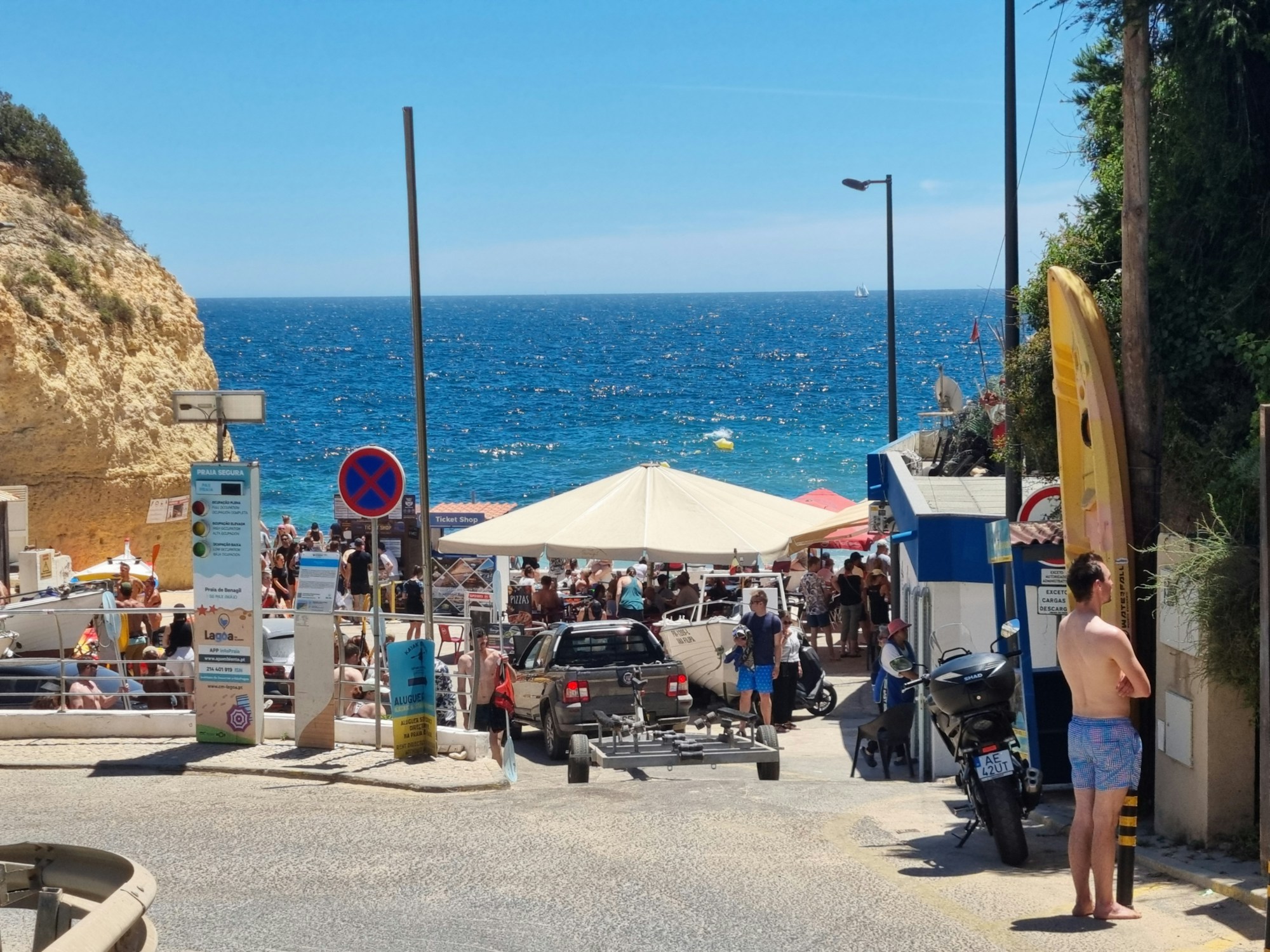
The Algarve consistently ranks among Europe’s top family destinations. Portugal is a country that welcomes children with genuine cultural warmth: restaurant staff spontaneously bring out colouring sheets, hotel teams remember children’s names. It’s an intangible quality that makes a real difference. The golden ochre cliffs, sea caves accessible by kayak (including the famous Benagil Cave) and the sheltered beaches of the Ria Formosa lagoon make it a visually spectacular destination. According to Algarve-tourist.com, the region has one of the lowest crime rates in Western Europe.
Family highlights
- Ria Formosa beaches (calm, shallow water) perfect for ages 0–5
- Family-friendly restaurants with children’s menus under €8 — dining out is far cheaper than in most of northern Europe
- Kayaking, beginner surf, snorkelling in sea caves (from age 6)
- Mature tourist infrastructure: accessible medical centres, easy car rental
3. Croatia — Dalmatia & Istria
Hvar, Brač, Korčula, Split, Dubrovnik
Croatia is one of the safest and most kid-friendly countries in the Mediterranean. Its crystal-clear Adriatic waters, hidden coves accessible only by boat and national parks (Plitvice, Krka) offer a programme that delights parents and children in equal measure. According to En Croatie, the sun shines for more than 250 days a year — an unbeatable argument for a summer holiday. The 2026 trend is slow travel: better to focus on one region (Istria OR Dalmatia) rather than spend your holiday on the road.
Family highlights
- Crystal-clear shallow coves, ideal for snorkelling from age 5
- Rent a small boat without a licence (up to 15hp) to explore the islands as a family
- Plitvice Lakes National Park: wooden boardwalks over waterfalls, pushchair-accessible
- Very affordable private apartment rentals (studios from €80/night for 4)
4. Sardinia, Italy
East Coast, West Coast, South — Cagliari, Alghero, Olbia
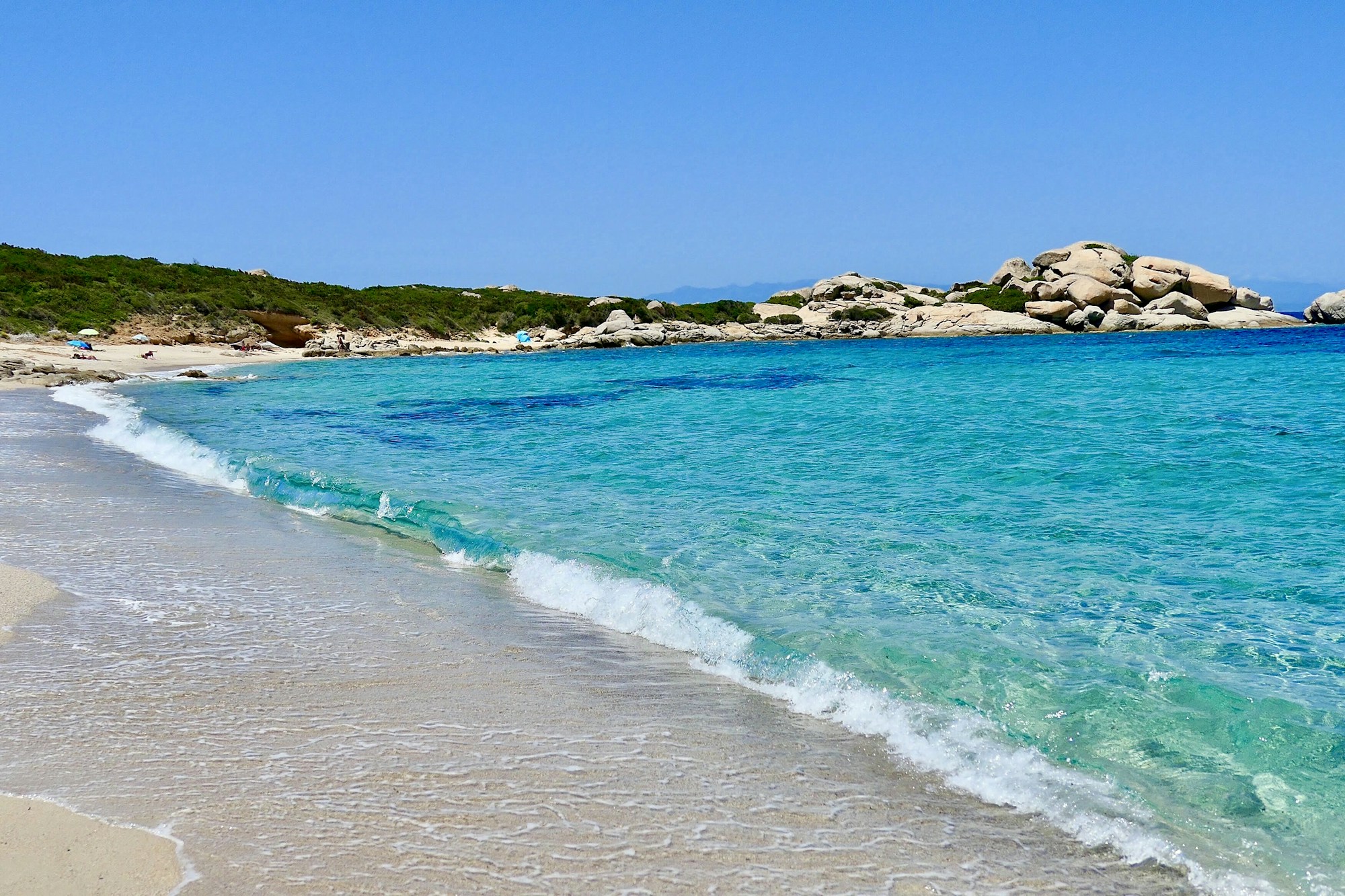
Sardinia guarantees paradise beaches perfectly suited to the youngest visitors — turquoise lagoon-like water, fine white sand, shallow and transparent seas. Less glitzy than Tuscany but infinitely more authentic, the Mediterranean’s second-largest island holds real treasures for families willing to explore beyond the beaten track. According to Voyages Pirates, budget around €80–120 per person per day in a self-catering setup (excluding accommodation) — reasonable for a Mediterranean destination of this calibre.
Family highlights
- Shallow turquoise beaches (Cala Brandinchi, Is Arutas) perfect for ages 0–6
- Asinara National Park: 4×4 safari with albino donkeys, horses and wild boar
- Accessible snorkelling in pristine coves without professional equipment
- The undiscovered west coast: wild cliffs, colourful villages, zero mass tourism
5. Crete, Greece
Chania, Rethymno, Heraklion, Lasithi
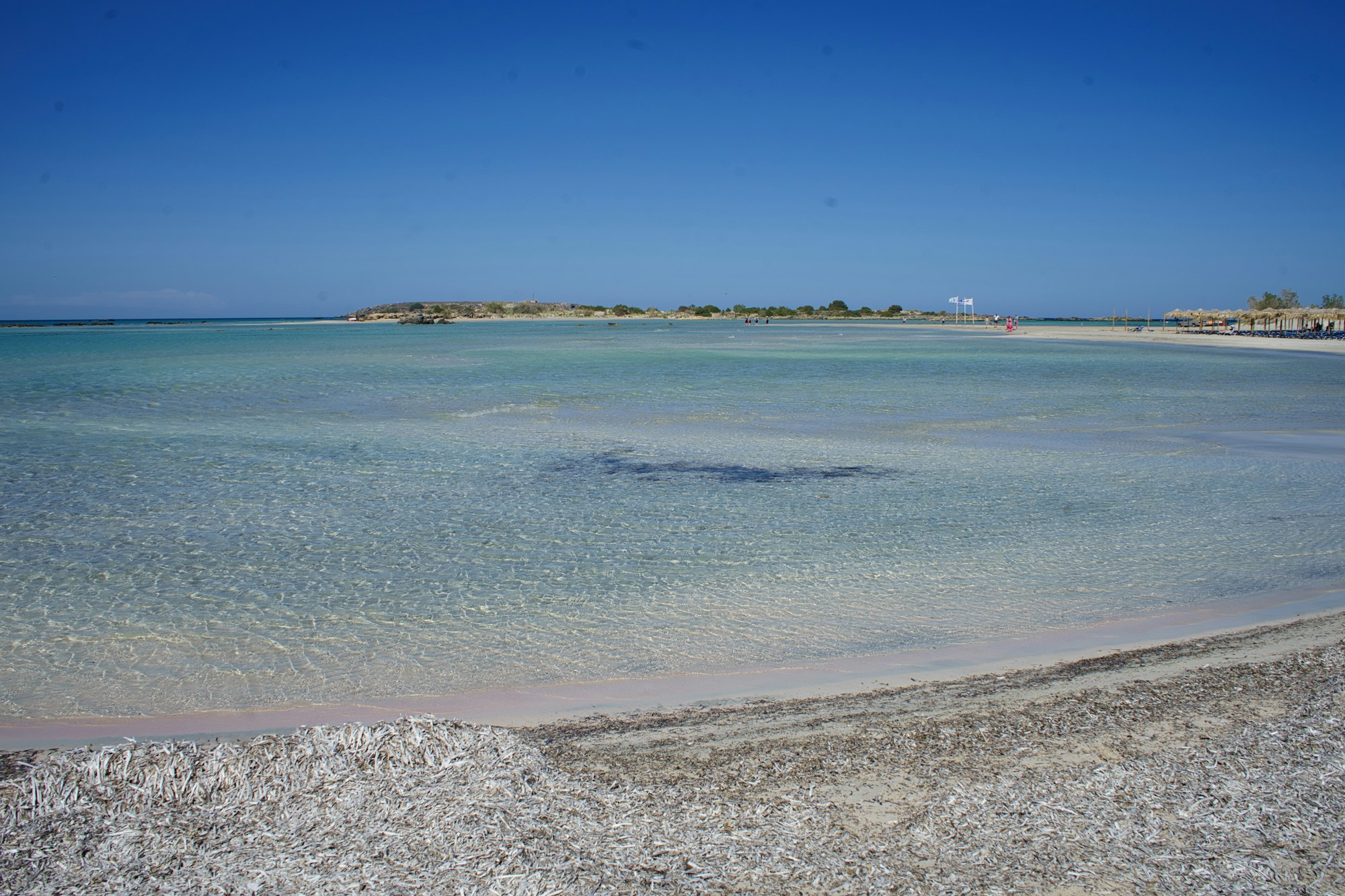
Crete is far more than an island with beaches. It is a world unto itself: pink-sand beaches, vertiginous gorges (the Samaria Gorge, the longest in Europe), 4,000-year-old Minoan palaces, timeless mountain villages and a cuisine considered among the healthiest in the world. Families who love variety can combine two zones (north for historic sites, south for unspoiled beaches) for total immersion. According to Voyage-Enfants, a meal at a taverna costs between €8 and €12 per dish — often with complimentary fruit or raki for the grown-ups, a testament to Cretan hospitality.
Family highlights
- Elafonissi lagoon: pink sand, warm shallow water — paradise for ages 0–5
- Child-friendly archaeological sites (Knossos in 2 hours, less exhausting than Rome)
- Exceptional autumn: 25–28°C, warm sea, empty beaches, prices down 30%
- Family villas with pools considerably cheaper than in Spain or France
6. Madeira, Portugal
Funchal, Porto Moniz, Santana, Ponta de São Lourenço
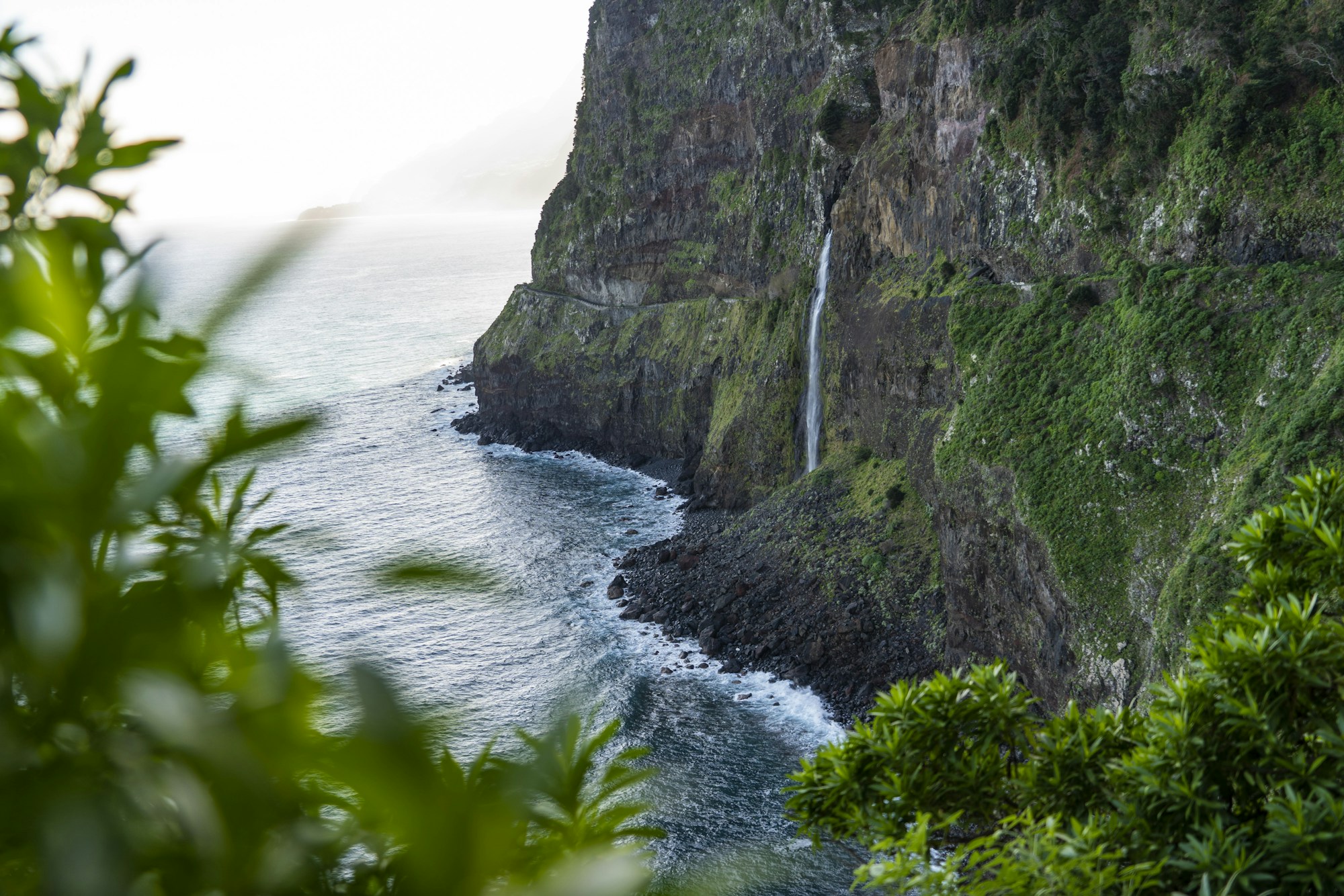
Madeira is the surprise destination in this guide. This Portuguese Atlantic island, just one flight from the Canary Islands, offers absolutely spectacular nature without sending you to the other side of the world. The « levadas » — centuries-old irrigation channels carved into cliff faces — provide easy yet breathtaking hikes accessible to children aged 6 and over. The north coast, almost unknown to tourists, is home to the natural pools of Porto Moniz, carved out of volcanic lava. According to Travel For You, the island enjoys a near-permanent climate of 18–25°C, never the stifling heat of the Mediterranean summer.
Family highlights
- Porto Moniz volcanic rock pools — entry under €2 per person
- Funchal Botanical Garden and parrot park (Parque Ornithológico) for children
- Accessible levada walks (Levada do Caldeirao Verde: flat path through laurel forest)
- Compact island: no long drives, everything within 1.5 hours of Funchal
7. Sicily, Italy
Palermo, Catania, Taormina, Syracuse, Agrigento
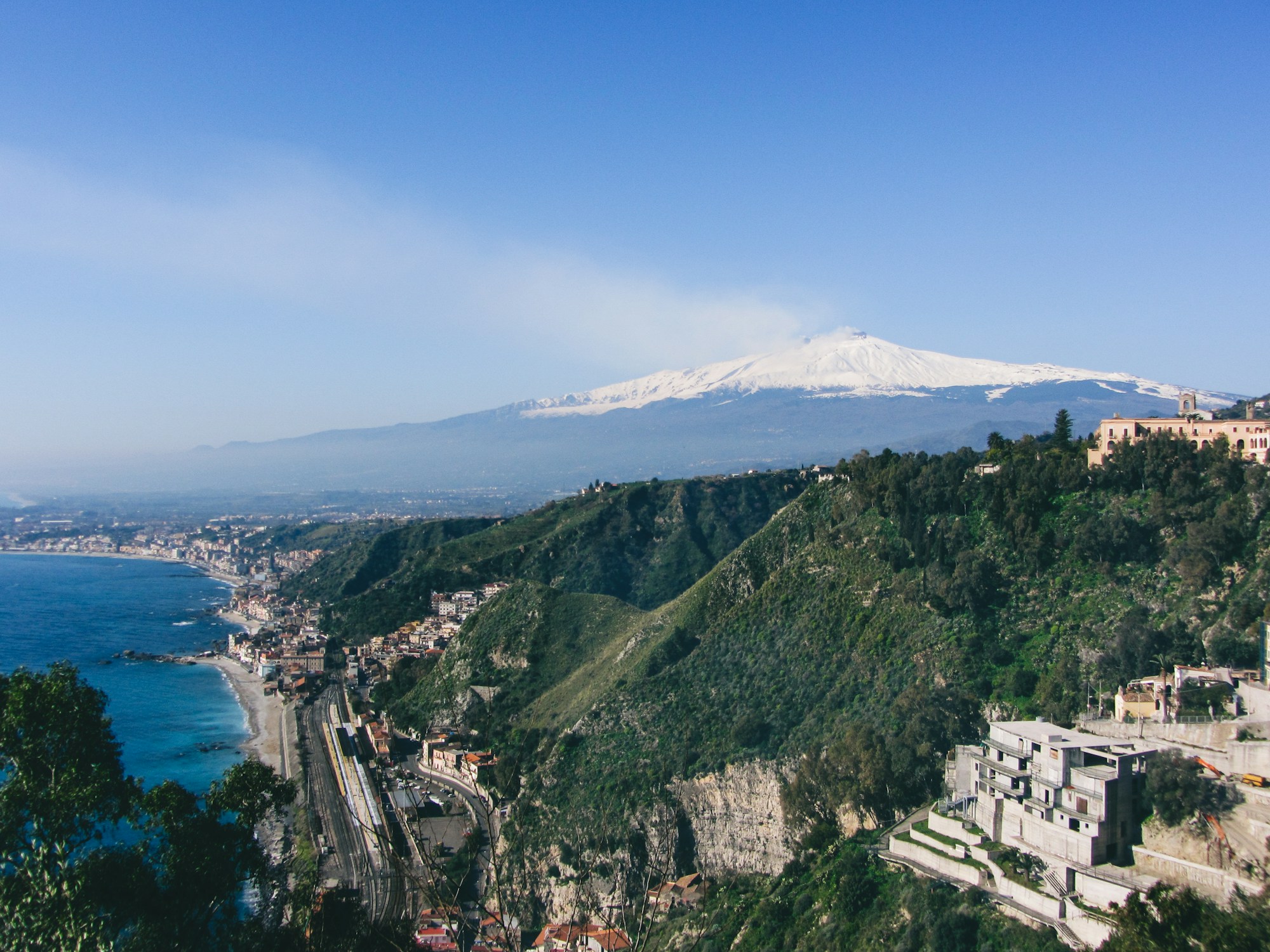
The Mediterranean’s largest island is a living history lesson for children. Between the traditional Pupi Siciliani puppet theatre, the spice-scented colourful markets of Palermo, the lava flows of Mount Etna (at 3,345m, Europe’s highest active volcano) and the 2,500-year-old Greek temples of Agrigento, Sicily is a destination that leaves a lasting impression at every age. The east coast (Giardini Naxos) offers sheltered sandy beaches perfect for young children. Prices in Sicily remain among the lowest in Italy.
Family highlights
- Guided hike on Mount Etna (from age 10) — unforgettable volcanic experience
- Zingaro Nature Reserve: coastal paths with dream coves unreachable by car
- Sicilian street food adventure for curious children: arancini, granita, cannoli
- Scala dei Turchi (white clay cliffs) — the must-have family photo of the trip
8. Naxos, Cyclades, Greece
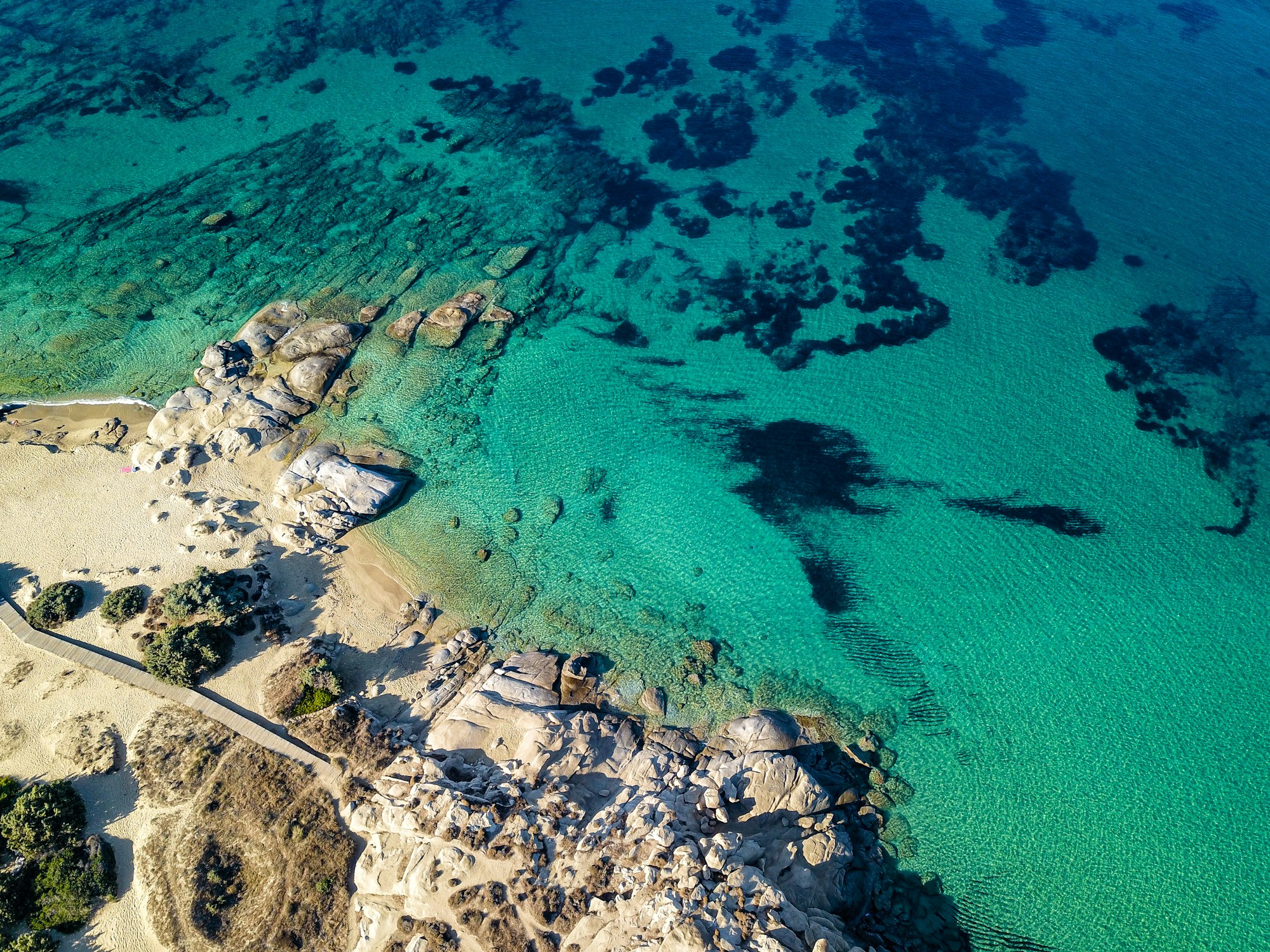
Naxos Town (Chora), Plaka, Apollonas, Filoti
The largest of the Cyclades is the most family-friendly of the group. Unlike Santorini (spectacular but expensive and impractical with children) or Mykonos (very party-oriented), Naxos offers endless stretches of sandy beach, a relaxed atmosphere and remarkable variety: it is also a fertile farming island, producing acclaimed local cheeses (graviera), mountain villages and artisan lemongrass lemonade. According to Vivre à Athènes, Greeks adore children — it’s common to see small children playing in village squares well past 11pm in a festive family atmosphere.
Family highlights
- Plaka beach: 8km of fine sand, rarely crowded even in August, shallow water
- Naxos Town: Venetian castle, cobbled lanes — a perfect stroll with children
- Inland mountain villages (Apeiranthos): frescoes, museums, discovering the farming island
- Affordable local tavernas: main course €8–12, dessert often complimentary
9. Majorca, Spain
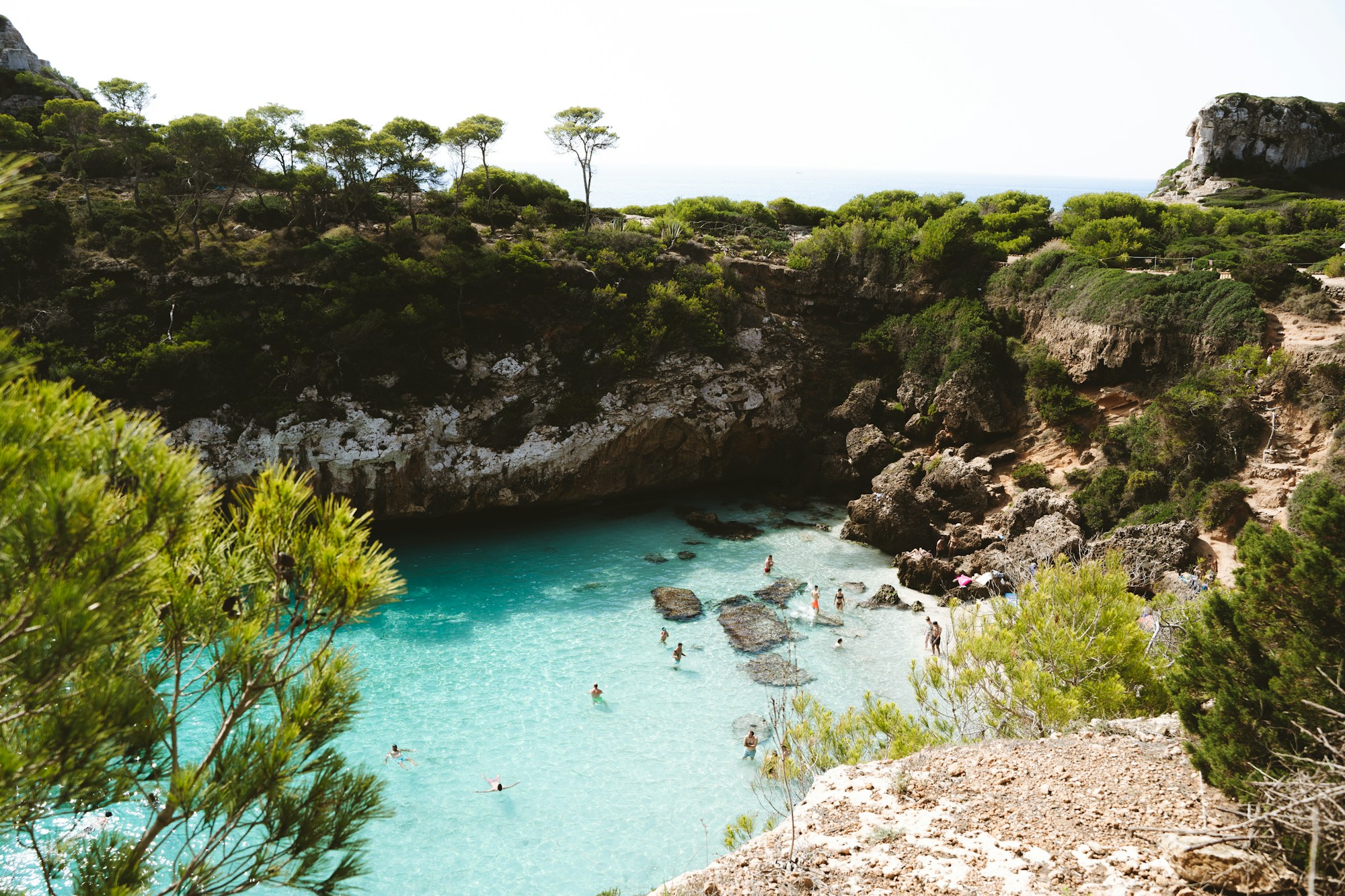
Palma, Alcúdia, Cala Millor, Sóller, Serra de Tramuntana
Majorca is far more than the crowded beaches of Magaluf. The island offers extraordinary geographical variety for adventurous families: the Serra de Tramuntana (UNESCO World Heritage) with its gentle hiking trails, the Dragon Caves and their underground lakes (a magical son-et-lumière show for children), the vintage Sóller train that winds through orange groves from Palma in an hour, and the village markets of Inca (Thursday) or Sineu (Wednesday) for a taste of authentic Majorca. Avoid Magaluf and Playa de Palma — very party-oriented — and head instead for the north-east coast (Alcúdia, Cala Millor) for a calm family atmosphere.
Family highlights
- Dragon Caves and Hams Caves: underground lakes with classical music concert by boat
- Vintage Sóller train (1912) from Palma: children love the old-world atmosphere
- Alcúdia beach: 8km of fine sand, calm waters, family entertainment and aqua gym
- Boat-access-only coves (Caló des Moro) — guaranteed adventure
10. Tunisia — Djerba & Hammamet
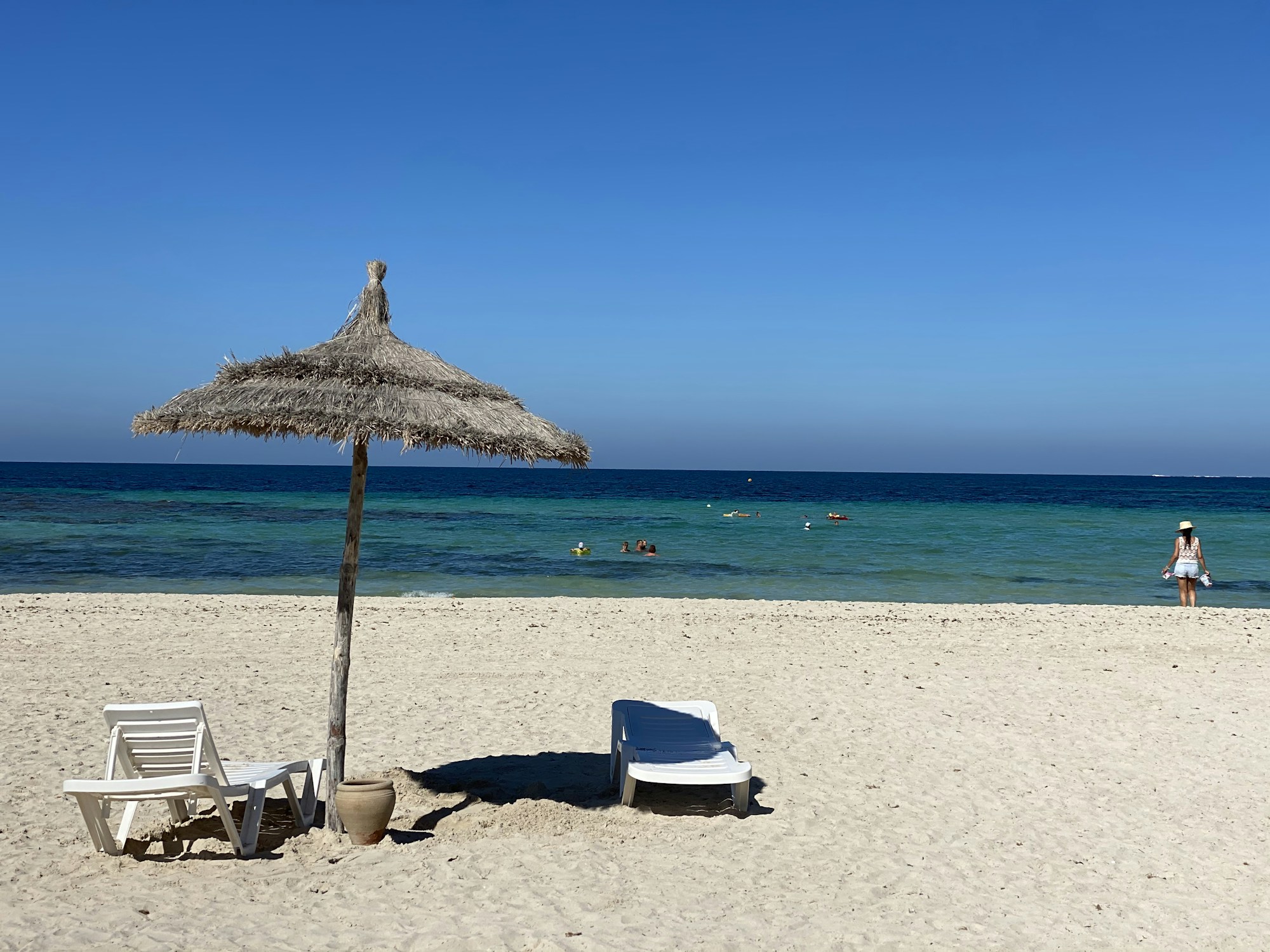
Djerba, Hammamet, Sousse, Monastir
Tunisia remains the most accessible sunny destination for budget-conscious families. Just over two hours from major European cities, the all-inclusive resorts of Hammamet and Djerba offer comprehensive children’s entertainment, supervised beaches and a rich cuisine (tagines, brik, couscous) to introduce little travellers to the flavours of North Africa. Adding a Sahara desert excursion (reachable from Djerba in a day) transforms a classic beach holiday into an unforgettable adventure. According to Allemagne Voyage, flight prices to Tunisia dropped by 16% in 2026.
Family highlights
- Overnight Sahara excursion from Djerba — a life-changing experience for children
- El Jem amphitheatre (better preserved than the Colosseum) — accessible educational visit
- All-inclusive resorts with kids’ clubs, water parks and cultural evening entertainment
- Houmt Souk market (Djerba): colourful and safe, perfect for introducing children to exotic travel
Part 2 — Kid-Friendly World
For families ready to venture further afield, these 10 destinations outside Europe offer truly unique experiences — safaris, tropical rainforests, ancient temples and dream beaches — within reach of children of all ages.
11. Costa Rica — Pura Familia!
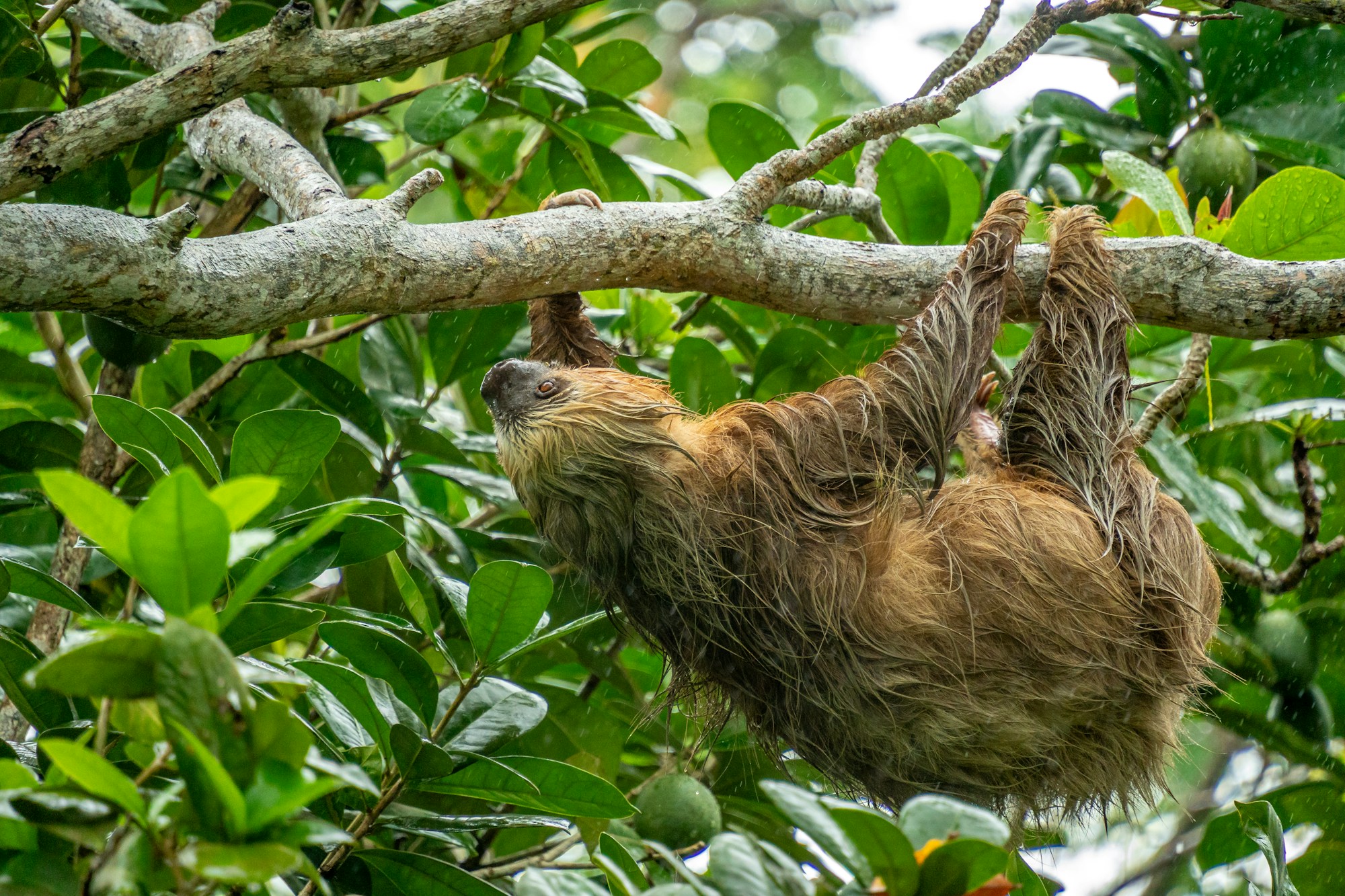
Arenal, Monteverde, Guanacaste, Manuel Antonio, Cahuita
Costa Rica is often described as the happiest country in the world — and children prove it in their own way: here, a third of the territory is protected national parkland, making it the most exceptional open-air zoo on the planet. Howler monkeys swinging overhead, two-toed sloths dozing in the trees, giant turtles nesting on the beach before your eyes, red-and-blue poison dart frogs — Costa Rica’s wildlife captivates children in a way no documentary ever could. According to Avec-mes-enfants.fr, Cahuita on the Caribbean side is particularly magical for spotting sloths that descend from the trees in complete freedom.
Family highlights
- Natural hot springs at the Arenal volcano (family bathing in 38°C water)
- Monteverde suspension bridges: canopy walk above the cloud forest
- Guanacaste beaches: warm water, white sand, beginner surf from age 8
- Very safe and welcoming country, developed healthcare system, mature tourist infrastructure
12. Thailand — The Land of Smiles
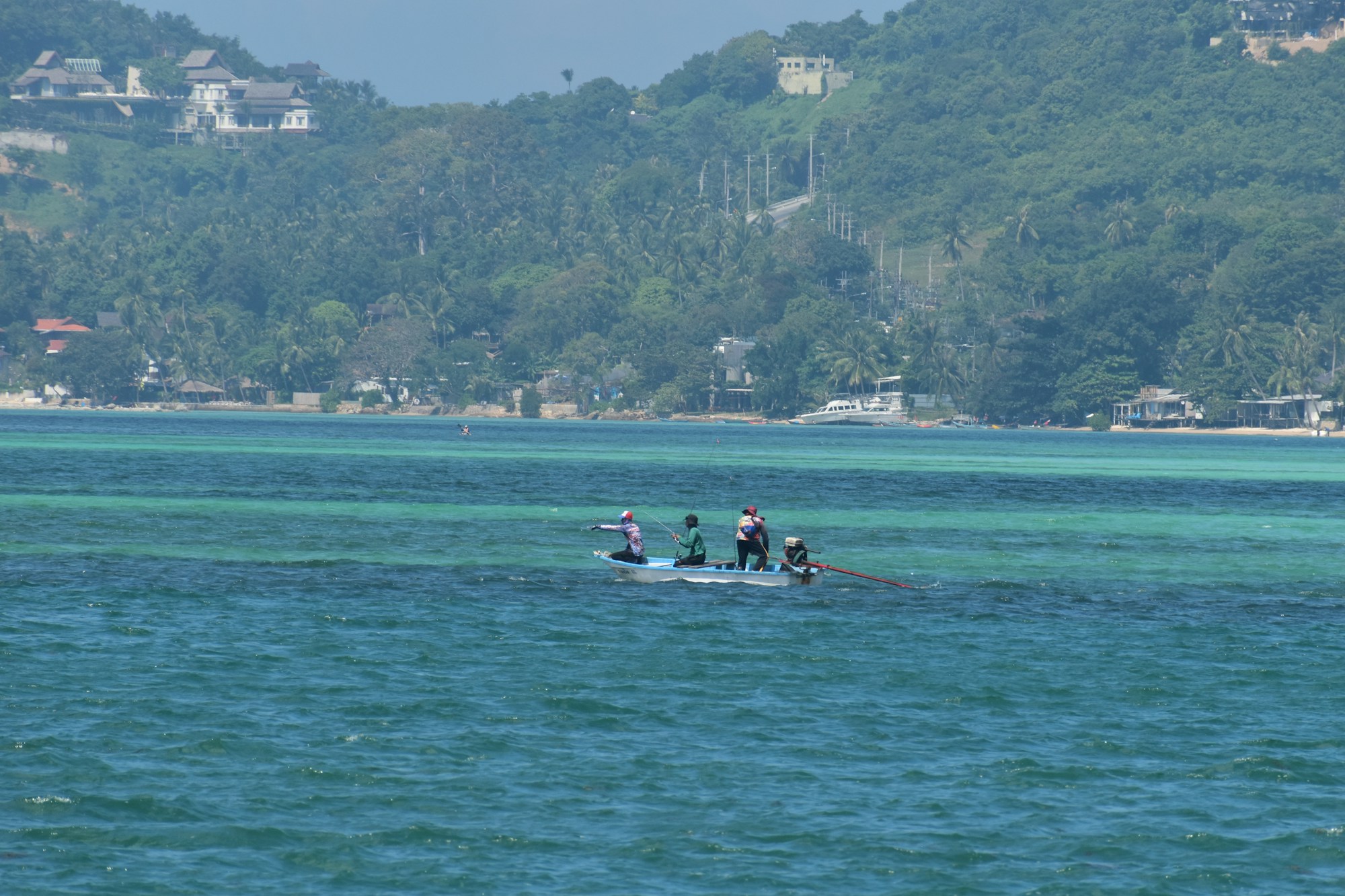
Bangkok, Chiang Mai, Koh Samui, Koh Lanta, Phuket
Thailand has become the reference Asian destination for Western families. Legendary Thai hospitality, gilded temples, dizzying night markets and postcard beaches combine to create an experience that awakens children’s curiosity at an unparalleled level. Bangkok captivates with its giant aquarium (Sea Life Bangkok), accessible temples (Wat Pho, Wat Arun) and safe, delicious street food. Koh Lanta, a peaceful island less touristy than Koh Samui, offers private-pool villas at prices unimaginable in Europe. According to Famille France Trotteuse, a family villa with a private pool comes to €80–120/night — very accessible on a reasonable budget.
Family highlights
- Ethical elephant sanctuaries in Chiang Mai (Elephant Nature Park) — a unique experience in the world
- Private-pool villas on Koh Lanta: impossible prices in Europe, maximum experience
- Family Thai cooking classes (Chiang Mai, Bangkok, Koh Samui) — popular from age 8
- Night markets (Chiang Mai Night Bazaar): magical for children in the evening
13. Guadeloupe — The French Caribbean
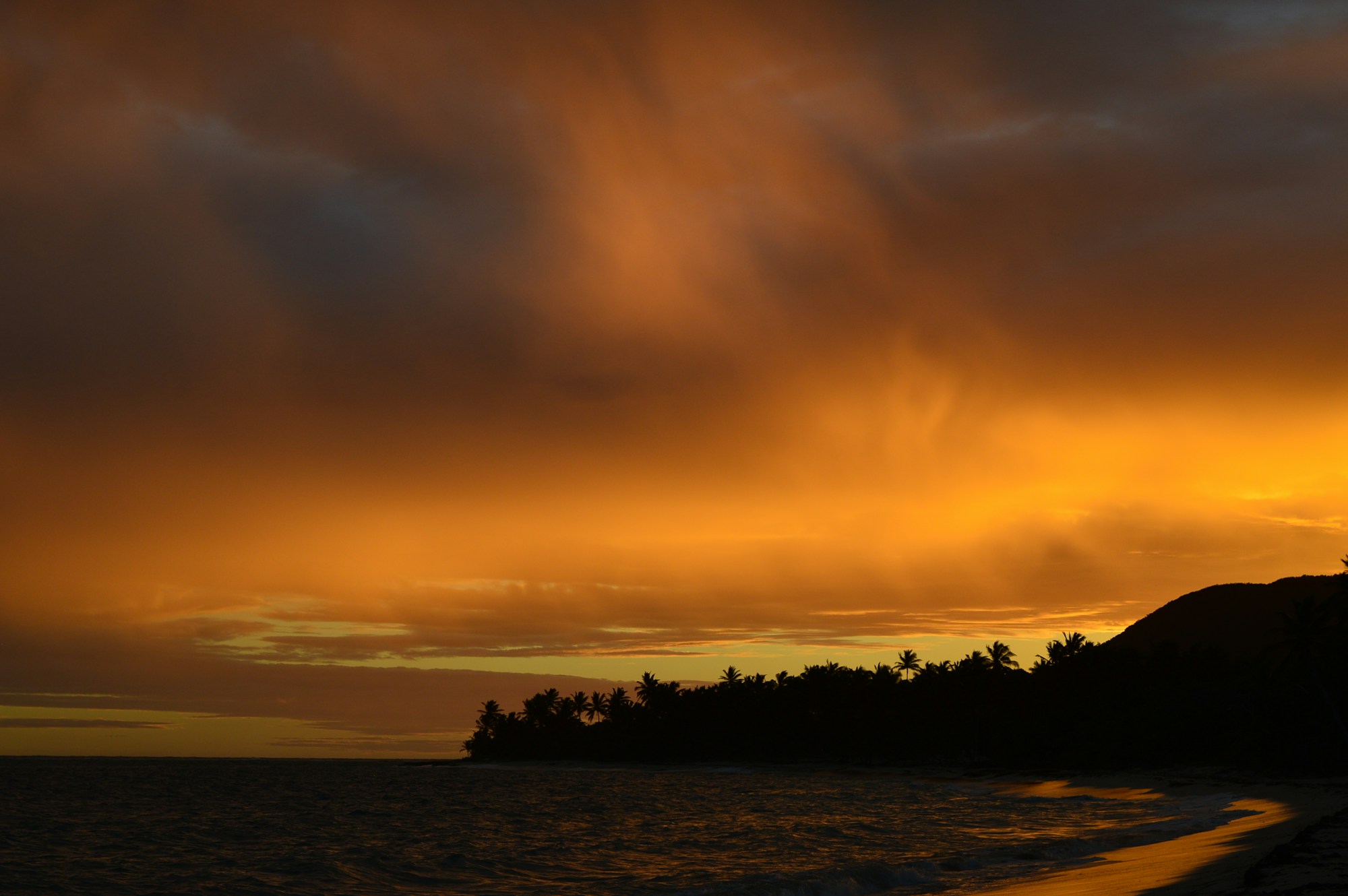
Pointe-à-Pitre, Grande-Terre, Basse-Terre, Les Saintes, Marie-Galante
Guadeloupe is Caribbean paradise without the complications: for EU/French citizens, no visa, same currency, French healthcare system and emergency numbers. For French families, it’s the ideal introduction to the Caribbean. Grande-Terre offers long white-sand beaches and a turquoise lagoon, while Basse-Terre holds tropical rainforest, the La Soufrière volcano and the Carbet waterfall cascade. According to Voyageurs du Monde, children love sailing by catamaran, diving among corals and hiking on a volcano — experiences simply impossible in mainland Europe.
Family highlights
- Humpback whale watching (Jan–Mar) from Terre-de-Haut, Les Saintes
- Hike up La Soufrière volcano: marked trail accessible to children from age 8, panoramic views
- Marie-Galante: near-deserted white sand beaches, authentic feel of a forgotten island
- Night diving with stingrays in the shallow lagoon
14. Réunion Island — The Intense Isle
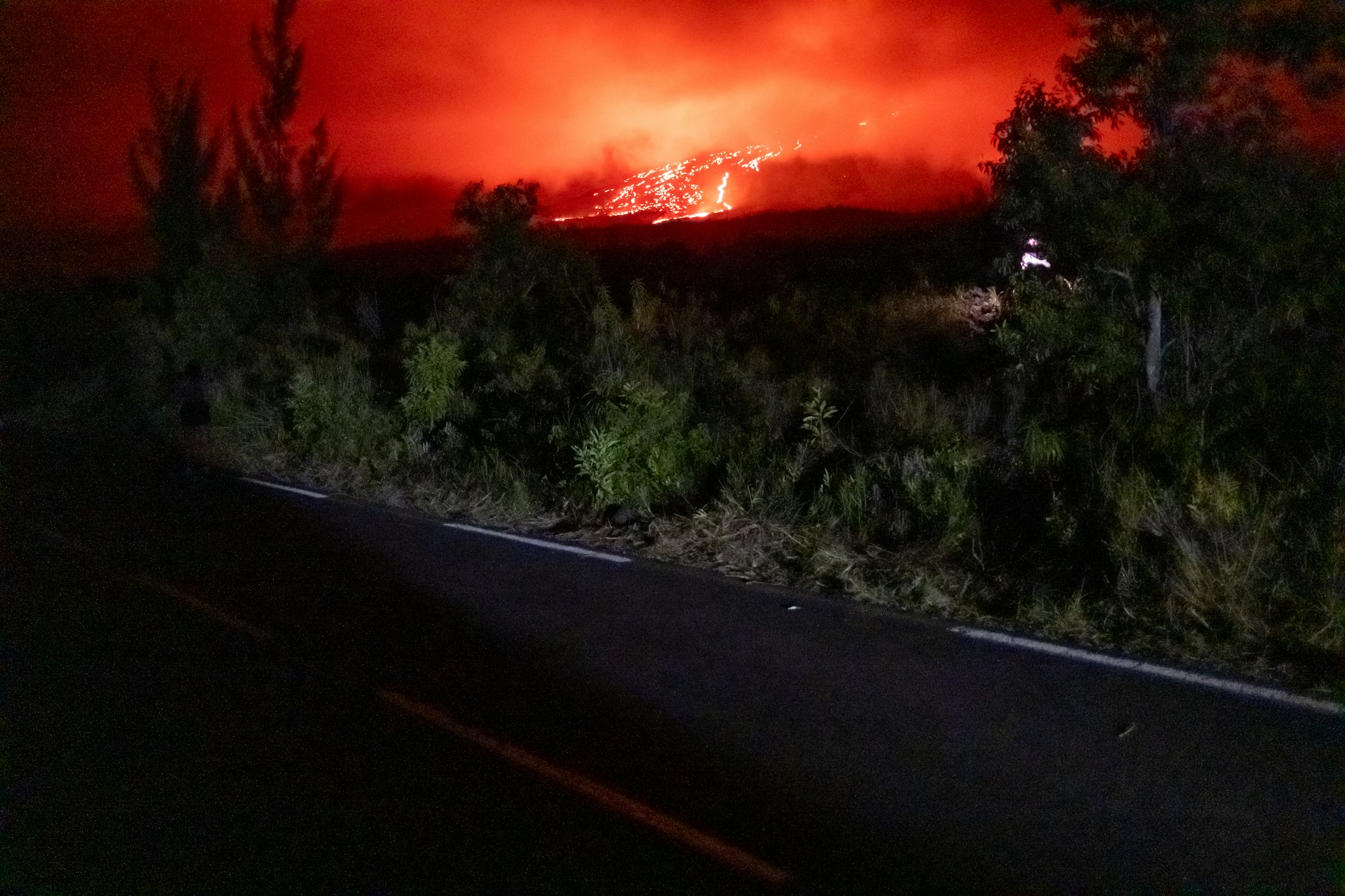
Saint-Denis, Saint-Gilles-les-Bains, Cilaos, Mafate, Piton de la Fournaise
Réunion is France’s most extreme destination: active volcanoes (Piton de la Fournaise erupts several times a year), geological cirques inaccessible by car, 100-metre waterfalls and a turquoise lagoon protected by a coral reef. A French overseas department — same healthcare, same emergency services, same currency — but guaranteed exoticism 11 hours from Paris. According to Liligo, June is ideal for active families: 25°C temperatures, West coast beaches protected by the lagoon and accessible hikes through the cirques. The Mafate cirque, reachable only on foot or by helicopter, is an extraordinary experience for sporty families (from ages 8–10).
Family highlights
- Surfing and snorkelling in Saint-Gilles protected lagoon (calm water, shark-free)
- Helicopter flight over Piton de la Fournaise — unforgettable from age 5
- Tree-top adventure in the Cilaos tropical forest — routes adapted from age 4
- French healthcare and safety standards — no health concerns travelling with children
15. Japan — The 2026 Surprise Destination
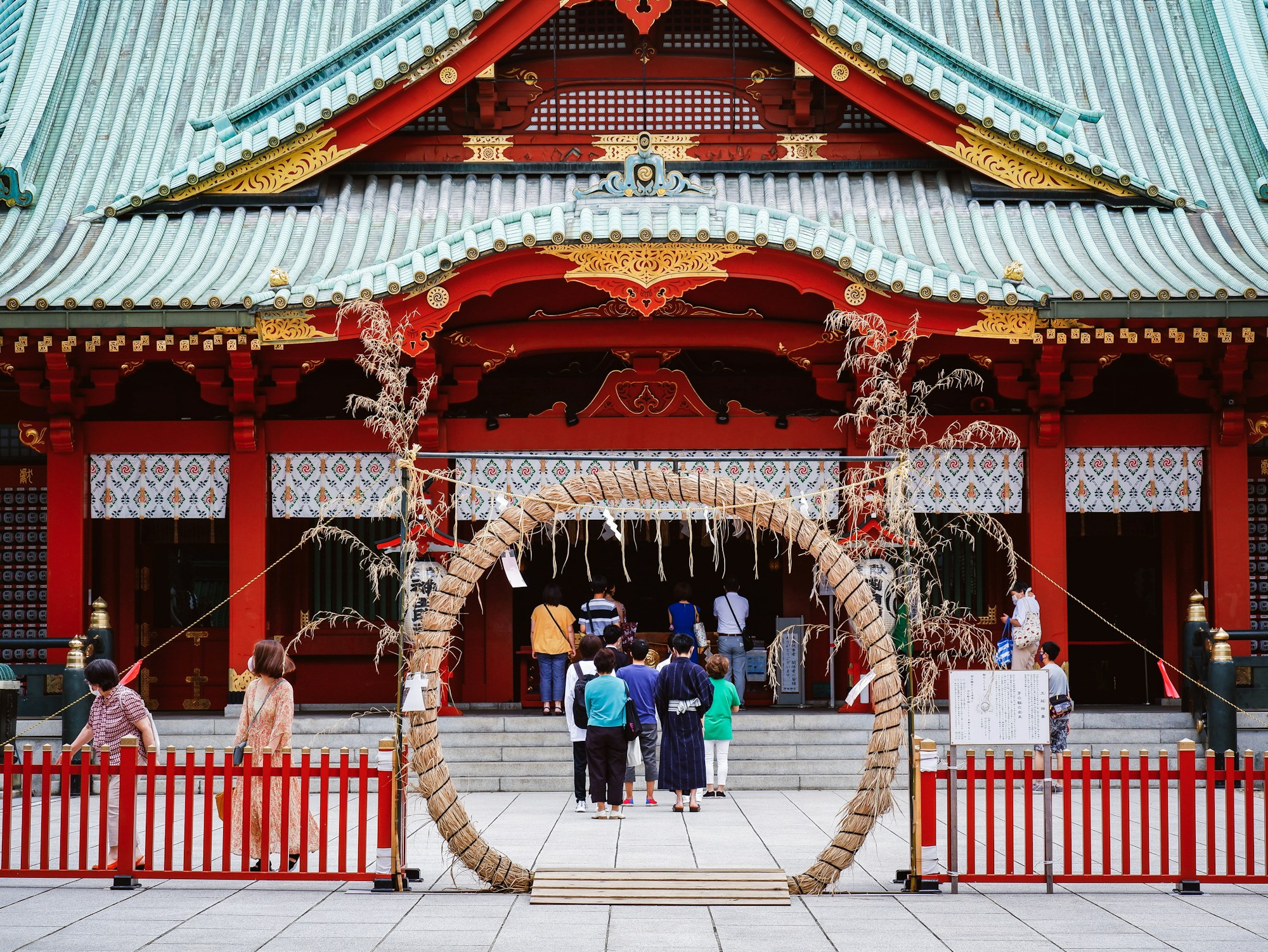
Tokyo, Kyoto, Osaka, Hakone, Hiroshima
Japan too expensive for families? Not anymore. The continued depreciation of the yen in 2025–2026 has made this destination more affordable than it has been in twenty years. And above all: no destination in the world offers such safety for travelling with children. Japanese crime statistics are close to zero, children travel alone on the subway from age 6, and the facilities (baby-changing tables everywhere, wide aisles, nursing rooms in stations) are strikingly excellent. According to La P’tite Famille Baroudeuse, Tokyo Disneyland and Universal Studios Japan in Osaka remain must-do highlights for children, but the Akihabara district and game arcades fascinate all ages.
Family highlights
- Absolute safety: the world’s safest country for travelling with children
- JR Family Pass: unlimited travel for children at half price on Shinkansen and regional lines
- Tokyo Disneyland + Fuji-Q Highland (roller coasters) + TeamLab Planets (immersive digital art)
- Super-healthy child-friendly food: ramen, onigiri, conveyor-belt sushi
16. Morocco — Agadir & Marrakech
Agadir, Marrakech, Essaouira, Merzouga
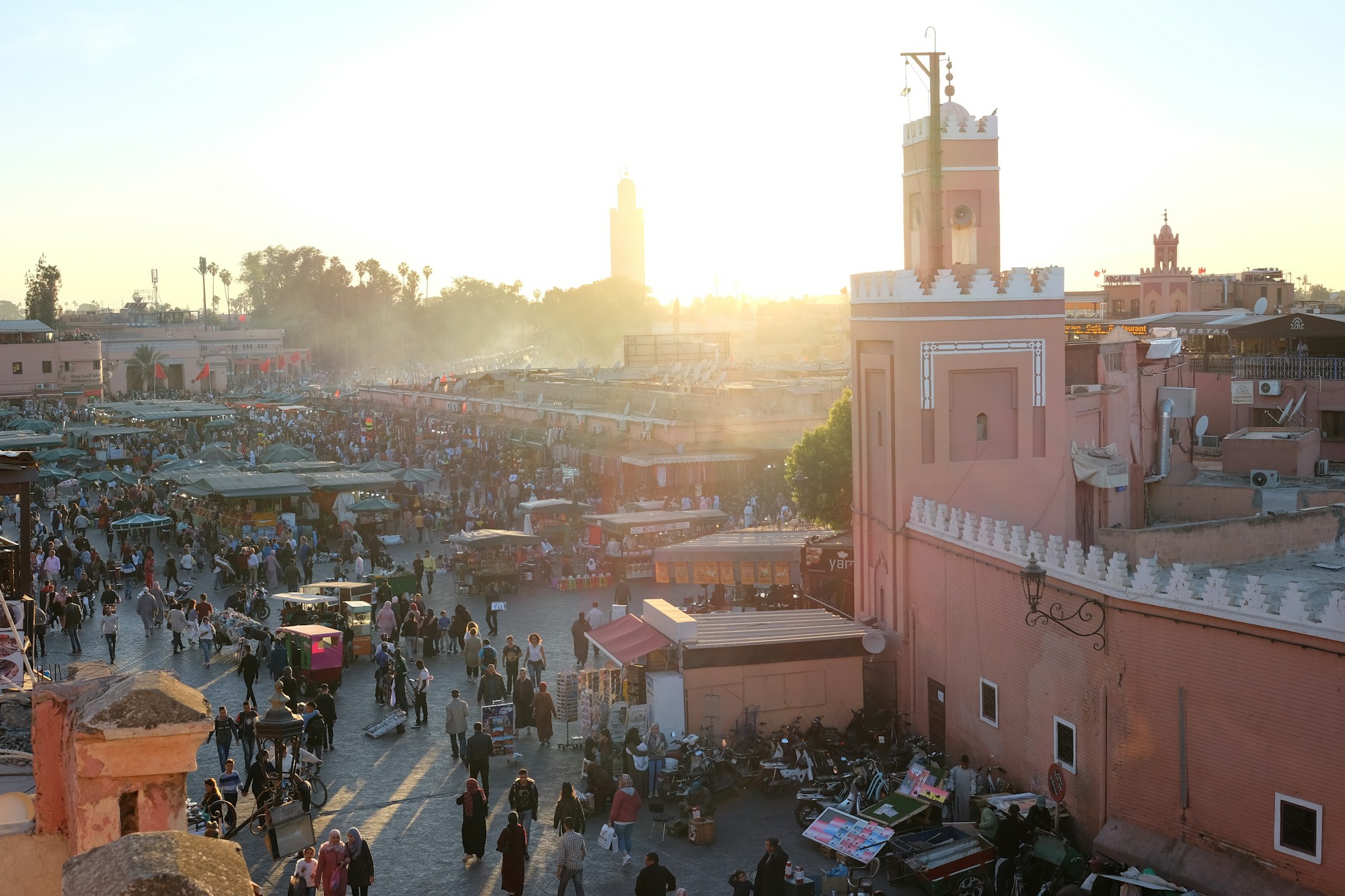
Just three hours from Paris, Morocco offers total immersion in another world — with no time difference and at an unbeatable price. In Marrakech, children find wonder at every turn: fresh orange juice for 50 cents, snake charmers on Djemaa el-Fna square, the explosively colourful Majorelle Garden, horse-drawn carriages through the medina. Agadir, by contrast, is a well-organised modern beach resort with supervised beaches and a Crocoparc that children love. The combination of 3 nights in Marrakech plus 4 nights in Agadir/Essaouira is the ideal formula: culture and wonder on one side, beach and relaxation on the other.
Family highlights
- Camel trekking in the Agafay desert or the Erg Chebbi dunes (Merzouga)
- Majorelle Garden (Marrakech): fountains, giant cacti, fascinating Berber museum
- Moroccan family cooking class (tagine, couscous) — a kid-friendly activity
- Night under the stars in a luxury desert camp — a life-changing experience
17. Bali — The Island of the Gods
Ubud, Canggu, Seminyak, Nusa Dua, Sidemen
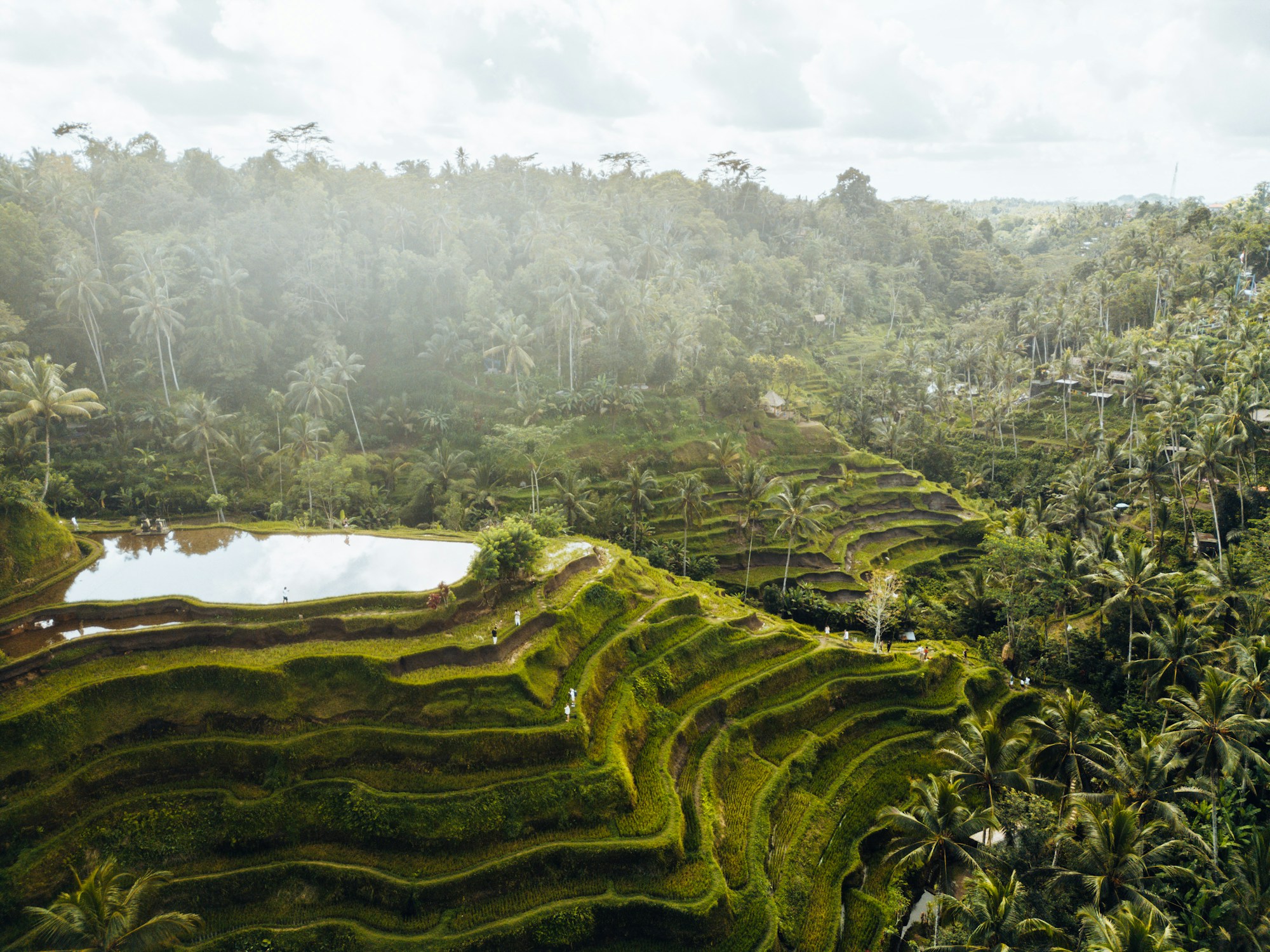
Bali has become the favourite Asian destination for Western families in 2025–2026. The primary reason is its exceptional value for money: a family villa with a private pool costs €80–150/night, five to ten times less than in Europe. Combined with rich cultural life (daily Hindu processions, traditional dances, moss-covered lava temples), Bali offers a deep cultural immersion in a thoroughly safe environment. Ubud, in the island’s interior, is worlds away from the crowded Kuta beaches: terraced rice fields, artisan markets, woodworking school and batik workshops for children.
Family highlights
- Tegalalang rice terraces (Ubud): a walk through a landscape of exceptional beauty
- Tanah Lot and Uluwatu temples: magical sunsets with Kecak fire dance in the evening
- Very calm waters at Nusa Dua (reef-protected lagoon) — perfect for ages 0–6
- Balinese cooking class with sunrise market visit — a must-do family activity
18. Mexico — Yucatán & Riviera Maya
Playa del Carmen, Tulum, Akumal, Chichén Itzá, Cenotes
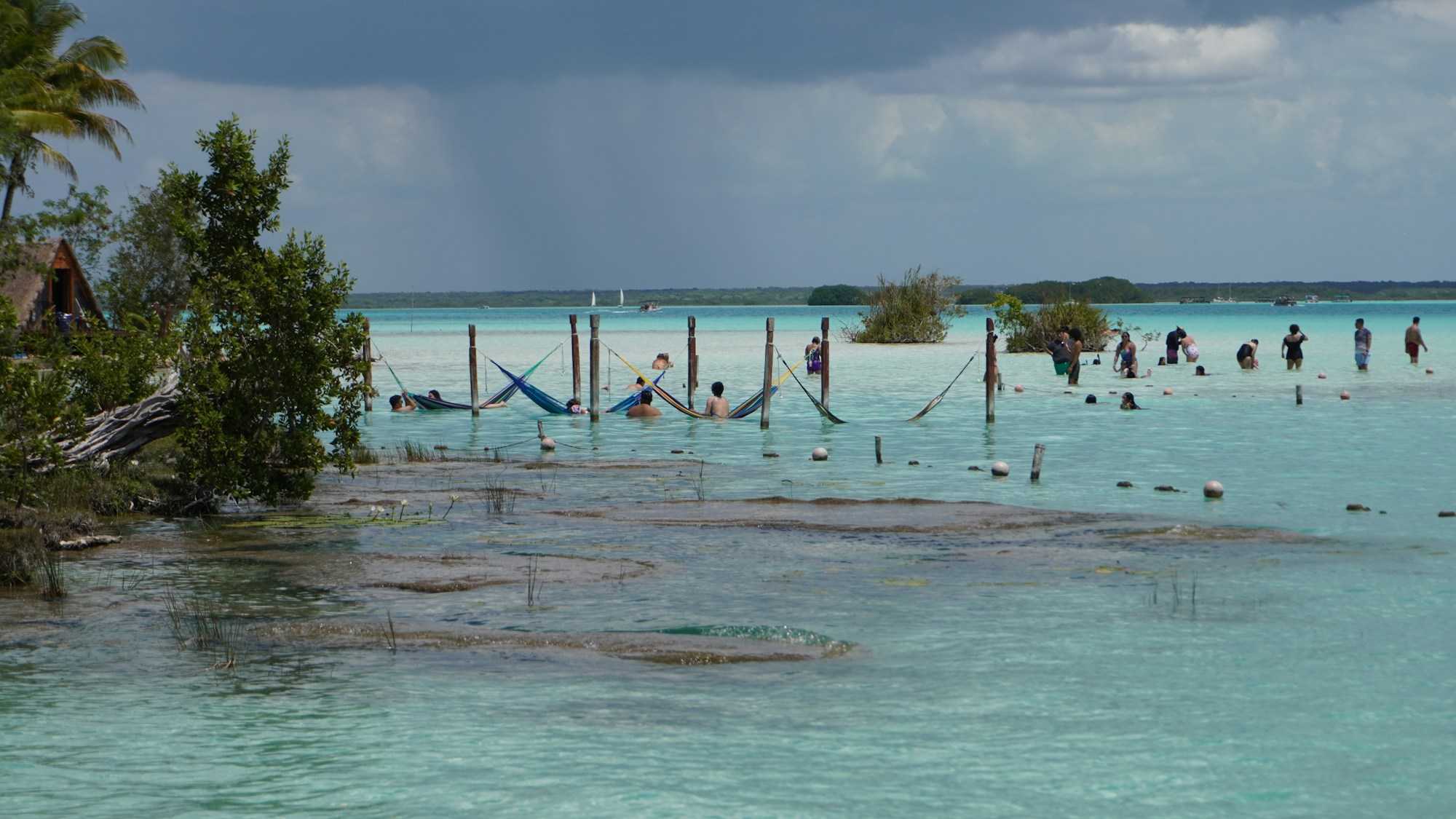
The Yucatán Peninsula is an exceptional destination for families who want to combine Caribbean paradise beaches with world-class cultural heritage. Playa del Carmen is the ideal base: 45 minutes from Chichén Itzá (one of the New Seven Wonders of the World), 30 minutes from the cenotes (sacred Maya freshwater sinkholes carved into the limestone) and 15 minutes from Akumal (the free-roaming sea turtle beach). According to Family Can Travel, all-inclusive packages on the Riviera Maya let you manage your budget perfectly while offering daily varied activities for children.
Family highlights
- Cenotes (Maya underground water caves): diving into crystal-clear waters amid stalactites
- Akumal: swim freely with adult sea turtles in their natural habitat (no captivity)
- Chichén Itzá: UNESCO Maya site, 1 hour from Playa del Carmen
- Xcaret and Xel-Há eco-parks: immersive Maya cultural experiences for children
19. Turkey — Antalya & the Aegean Coast
Antalya, Bodrum, Marmaris, Cappadocia, Pamukkale
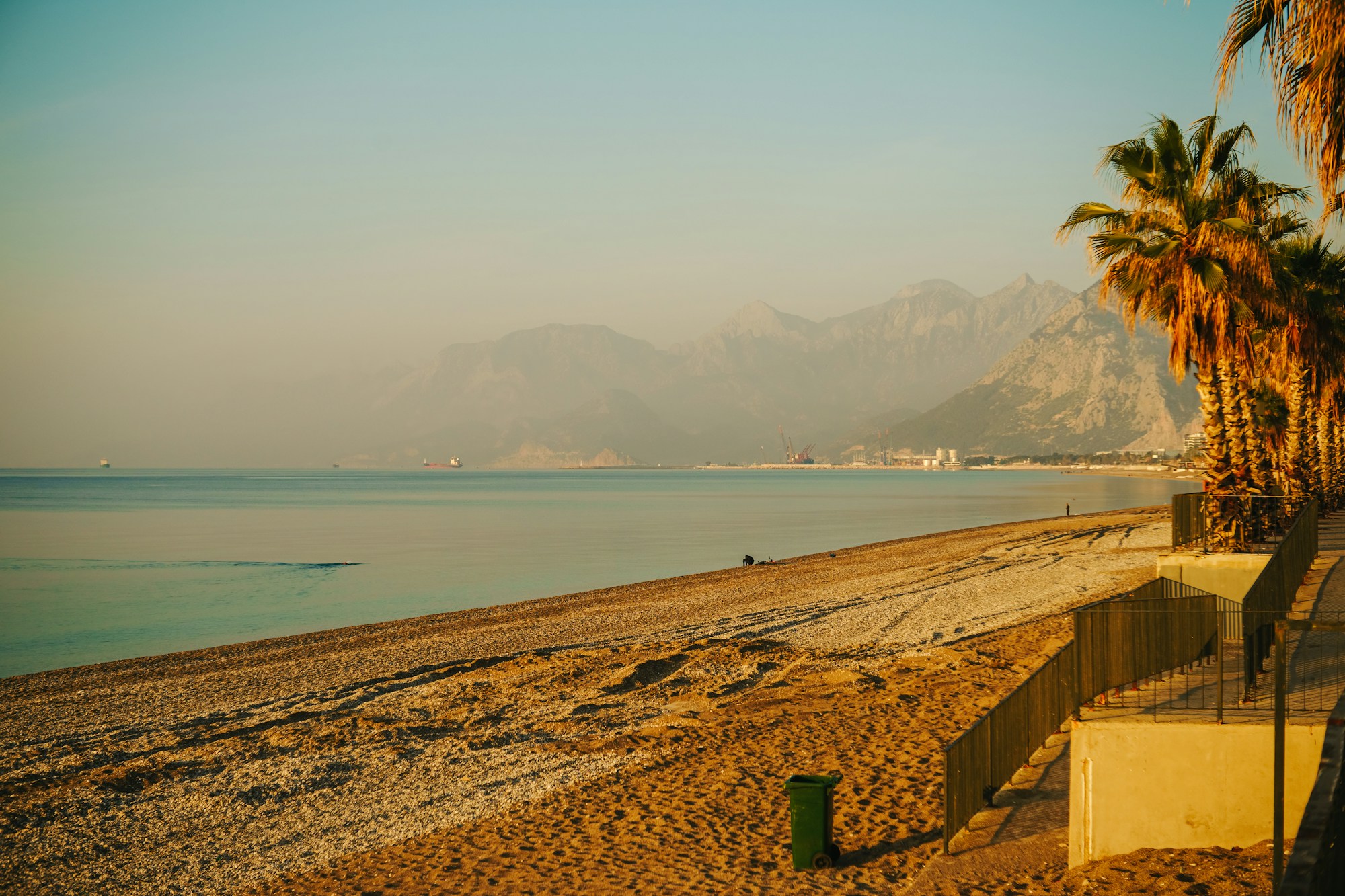
Turkey is the destination offering the best value for money for families in 2026. Just 3.5 hours from European capitals, Antalya’s resorts offer internationally standard kids’ clubs, integrated water parks and all-inclusive buffets that eliminate every mealtime stress when travelling with fussy eaters. But Turkey also means Pamukkale and its white travertine terraces (« cotton castle ») — a naturally unique spectacle that children and parents alike simply marvel at. And the Cappadocian hot-air balloon ride at sunrise remains a magical experience for families.
Family highlights
- Antalya all-inclusive: everything included from €1,800/week for 4 — unbeatable
- Pamukkale (« cotton castle »): white travertine terraces and natural thermal pools
- Cappadocia hot-air balloon at sunrise — accessible to children from age 5
- Aegean coast (Bodrum, Marmaris): turquoise coves by sailboat, more authentic than Antalya
20. Kenya — Family Safari
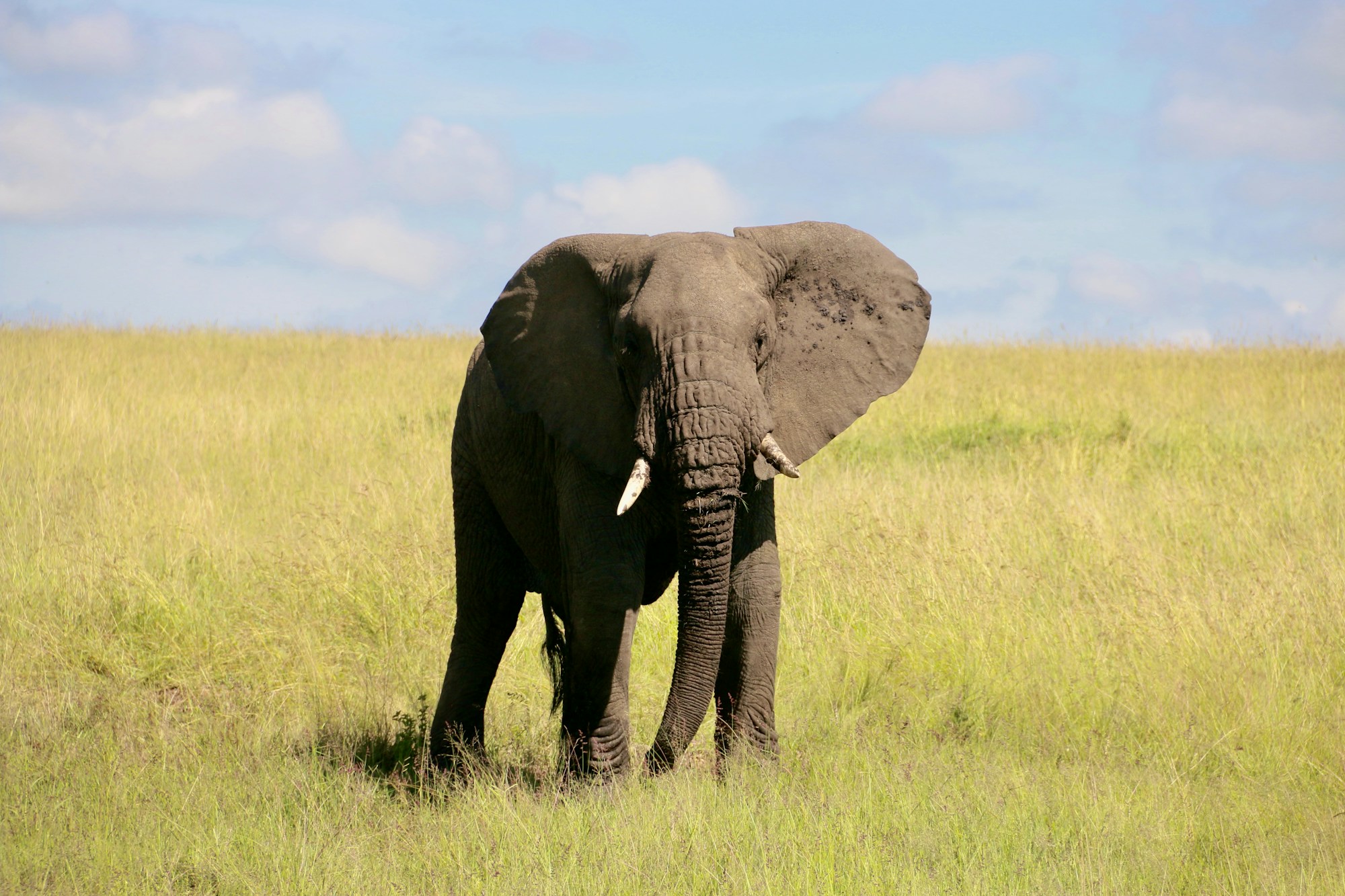
Nairobi, Masai Mara, Amboseli, Diani Beach, Malindi
Kenya is the bucket-list destination in this guide — the one you dream of doing at least once with your children. Watching a lion hunt at dawn on the Masai Mara plains, seeing a giraffe drink from the Mara River, witnessing the Great Wildebeest Migration (July–October) or simply hand-feeding giraffes from the rooftop platform of Nairobi’s Giraffe Centre — these experiences shape children in a profound and lasting way. According to Journeys Inc., the « bush school experiences » offered by some Kenyan lodges transform the safari into an immersive educational adventure where children learn to read animal tracks and understand conservation.
Family highlights
- Great Wildebeest Migration (Jul–Oct) in the Masai Mara: a natural phenomenon unique to the world
- Nairobi Giraffe Centre: hand-feed giraffes from a wooden platform
- Diani Beach: white sand and snorkelling in calm coral reefs
- Family lodges with « bush school »: children learn about wildlife in its natural environment
Practical information for your family trip
Stay connected from the moment you land, whatever your destination. Data plans available for all destinations in this guide (Europe, Asia, Americas, Africa). Instant activation from the app.
From €4.50Complete coverage for the whole family: medical assistance, repatriation, cancellation. Essential for non-European destinations (Costa Rica, Thailand, Kenya, Mexico, Bali, Japan).
From $56 / 4 weeksFrequently Asked Questions — Family holidays in the sun
What is the best sunny family destination for a first big trip?
For a family’s first big trip, the Canary Islands (Tenerife, Fuerteventura) are the absolute safe bet: guaranteed sunshine at 22–24°C even in March, baby-friendly beaches, well-developed all-inclusive options and direct flights from across Europe. At a similar price point, the Algarve in Portugal is slightly more cultural and authentic, with safe beaches and food that children love. For a first trip outside Europe, Guadeloupe is the ideal stepping stone: French safety standards, the euro, the same healthcare system as home — but guaranteed Caribbean exoticism with tropical forest and the La Soufrière volcano.
From what age can you take children on a long-haul sunny holiday?
There is no official minimum age, but several practical factors come into play. For ages 0–2, European destinations (Canary Islands, Algarve, Crete) are far better suited: no time difference, short flights (2–4 hours), easy access to healthcare. For ages 2–4, Guadeloupe or Réunion (French overseas territories) make excellent first long-haul trips: maximum exoticism with French safety standards. From age 4, almost all destinations in this guide become accessible. Costa Rica is renowned for its safety and developed healthcare system — ideal for a first American continent experience. Thailand (from ages 5–6) fascinates curious children with its temples, markets and exotic wildlife.
How can you save money on a family holiday without sacrificing quality?
Several strategies can significantly reduce a family travel budget: (1) Travel in the shoulder season (May–June or September) rather than July–August — savings of 30–50% on flights and accommodation for the same or better weather. (2) Choose aparthotels or villas with a kitchen: preparing breakfasts and 2–3 meals a week cuts the food budget in half. (3) Book flights at least 6 months in advance, ideally 9–12 months for popular destinations (Kenya, Costa Rica, Japan). (4) Avoid peak school holiday periods if your children are not yet school age. According to La P’tite Famille Baroudeuse, families with young children have a considerable advantage in optimising their travel outside peak periods.
What travel documents do you need for a family trip abroad?
Administrative preparation is essential, especially with children. Here are the key points: Valid passport or ID for every family member (children have needed their own document since 2010). Visa where required: Japan, Thailand and Costa Rica are visa-free for EU nationals, but Kenya, Mexico and Bali may require an online application (e-visa). Solo parent travel authorisation: required in some countries if a child travels with only one parent — check your own country’s specific requirements. Vaccination records: check your government’s official travel advice for each destination, particularly for Kenya and Costa Rica. Travel insurance: essential outside Europe — repatriation cover is a vital safety net for destinations such as Kenya, Thailand or Bali.
How do you choose a beach suitable for very young children (ages 0–4)?
A family beach suitable for young children should meet several criteria according to Fun Shores Ahead: calm water with no waves (lagoons, sheltered bays or leeward beaches), fine clean sand, shallow for 10–20 metres, lifeguard presence, natural shade or parasol hire, and nearby amenities (toilets, snack bar, first aid). The best beaches in this guide for ages 0–4: the Ria Formosa in the Algarve (calm, shallow lagoon), the Elafonissi lagoon in Crete (30cm depth, pink sand), Nusa Dua in Bali (reef-protected lagoon), the white sand beaches of Alcúdia in Majorca, and Los Cristianos beach in Tenerife (sheltered bay, waveless). Avoid beaches with rocky bottoms, any currents (even weak ones) and unlifeguarded beaches with young children.
Should you choose all-inclusive or independent travel for a family holiday?
Both formats have their merits depending on your family profile. All-inclusive is ideal for families with young children (ages 0–6) who want maximum peace of mind: meals included (no stress finding a restaurant that welcomes children), kids’ clubs with qualified entertainers, water activities included, budget controlled to the penny. It’s the recommended format for Turkey, Tunisia and Mexico (Riviera Maya). Independent travel suits families with older children (aged 7+) who want authentic cultural immersion, the flexibility to explore and discover local restaurants. It’s the recommended format for Japan, Croatia, Sardinia, Madeira and Costa Rica. According to Algarve Tourist, with over 200 restaurants offering diverse cuisines at competitive prices, independent travel in the Algarve can even prove more economical than all-inclusive.
How do you manage jet lag with young children?
Jet lag is one of the main challenges of long-haul travel with young children. A few tried-and-tested strategies: before departure, gradually shift meal and sleep times by 30 minutes per day for 4–5 days in the direction of your destination. During the flight, align meals and hydration with local time at your destination from the moment you take off. On arrival, immediately expose children to natural daylight to reset their biological clock and avoid naps of more than one hour on the first day. For destinations with a 5–7 hour time difference (Caribbean, Réunion), children typically recover in 2–3 days. For destinations 10–12 hours away (Thailand, Japan, Bali), allow 4–5 days. The good news: children almost always adapt faster than adults.
Sources
- La P’tite Famille Baroudeuse — Kids-friendly destinations for family travel in 2026
- Travel For You — Where to go with the family in Europe in summer 2026
- Allemagne Voyage — Best sunny family destinations 2026
- Ulysse.com — Family March 2026 holidays: 8 sunny destinations
- Algarve Tourist — The Algarve for a family holiday 2026
- Avec mes enfants — The Algarve with children in Portugal
- En Croatie — Travelling to Croatia in 2026: the ultimate guide
- Voyages Pirates — Family holidays in Sardinia 2026
- Wikids Travel — Sardinia west coast with the family
- Ame-Bohème — Complete Crete guide
- Voyage-Enfants.fr — Family trip to Crete
- Vivre à Athènes — Family travel in Greece 2026
- Medreset — Holidays in Greece with children
- Avec mes enfants — Costa Rica with the family
- Costa Rica Découverte — Costa Rica with the family
- Famille France Trotteuse — Family Thailand travel budget 2026
- Lonely Planet — Family travel in Thailand: the practical guide
- Voyageurs du Monde — Where to go in February in the sun
- Journeys Inc. — Top 10 Family Vacation Destinations for 2026
- Family Can Travel — 31 Amazing Beach Destinations for Families
- Fun Shores Ahead — Best Family Beach Destinations for 2026
- GWA Travel Collective — Best Family Vacation Spots for 2026
- Amplitudes — Costa Rica with children
Research conducted in April 2026. Budgets are average estimates subject to variation depending on the period, provider and market conditions.
Ready to plan your family vacation?
Discover complete itineraries created by travelling families for every destination in this guide. From kid-friendly accommodation to age-appropriate activities, Pixidia guides you every step of the way.
Explore all family itineraries