
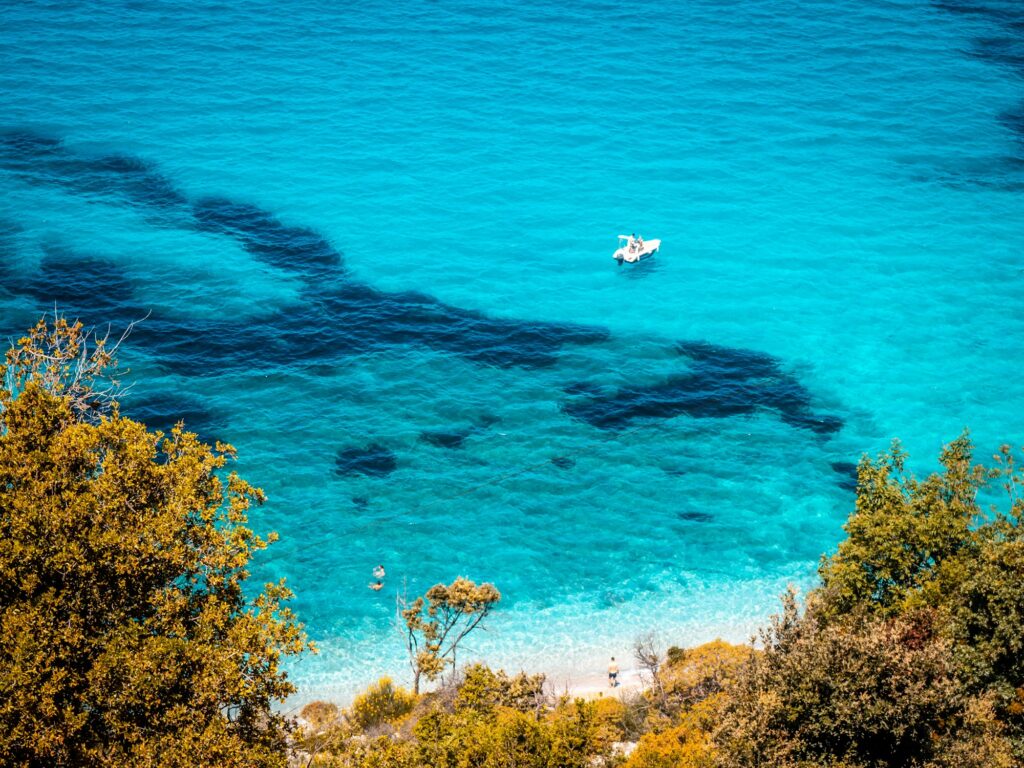
Taking a holiday for under €500, flights and accommodation included: it’s entirely possible in 2026. Studies show that 64% of travellers cite budget as their main reason for not travelling — yet dozens of destinations across Europe and the Mediterranean allow you to holiday for a full week under that threshold, if you know the right strategies. In this guide, we share tested tips for finding cheap flights, proven methods for cutting accommodation costs, and a selection of 8 destinations under €500 all-inclusive — with per-day budgets for each.
1. Finding Cheap Flights in 2026: The Complete Method
In 2026, price comparison tools are no longer simple search engines — they are genuine analytical tools capable of spotting fare valleys. Mastering these tools is already a way to save dozens of euros on your ticket.
The Right Tools
Skyscanner and Google Flights complement each other: Skyscanner covers more low-cost airlines and displays a wider range of sellers, while Google Flights excels at visualising the price calendar over a full month. Use Skyscanner’s « Everywhere » feature if you’re flexible on your destination — that’s often where the best surprises come from. According to travel experts at Aux Descales, shifting your departure or return date by just 1–3 days can save 30–50% on certain routes.
Timing Is Everything
- Short-haul (Europe): book 4–8 weeks before departure.
- Medium-haul (Maghreb, Turkey): aim for 6–10 weeks in advance.
- Long-haul (Asia, Americas): 8–16 weeks is the sweet spot.
- Best day to book: Tuesday or Wednesday, between midnight and 6am — airlines adjust prices after the weekend.
Absolutely avoid travelling in August (+25%), July (+20%) or December (+17%) if your budget is tight. January (-11%) and March, on the other hand, offer excellent fare opportunities, according to data from Gylbag.
Last-Minute: Myth or Reality?
All-inclusive last-minute deals offer discounts of 20–40% off the original price. A Greece holiday listed at €600 can drop to €350 in the 15 days before departure — the best deals appear between D-15 and D-3. But last-minute travel means accepting whatever dates and destinations are available. It’s a risky strategy if you have work or family constraints.
2. Smart Accommodation: Saving Without Sacrificing Comfort
Accommodation typically accounts for 30–40% of a travel budget. Here’s how to cut costs without compromising on your experience.
- Modern hostels: the new generation of hostels offers 4–6-bed dorms with lockers, air conditioning and breakfast from €12–20/night — far removed from the dated clichés.
- Airbnb apartments outside the centre: 20 minutes from the tourist hub, prices drop 30–50%, with a kitchen as a bonus.
- Compare at least 3 platforms: the price for the same stay varies by 35% depending on the platform. Booking, Hostelworld and local sites rarely show the same rates.
- Half-board or self-catering: savings of up to 30% on food costs.
- Family guesthouses and local B&Bs: often more authentic and cheaper than large hotel chains.
3. The 8 Best Destinations Under €500 All-Inclusive in 2026
Our curated selection, based on real price data (April 2026), for a 7-night stay per person including return flights from Paris.
3.1 Tunisia — The All-Inclusive Value Champion
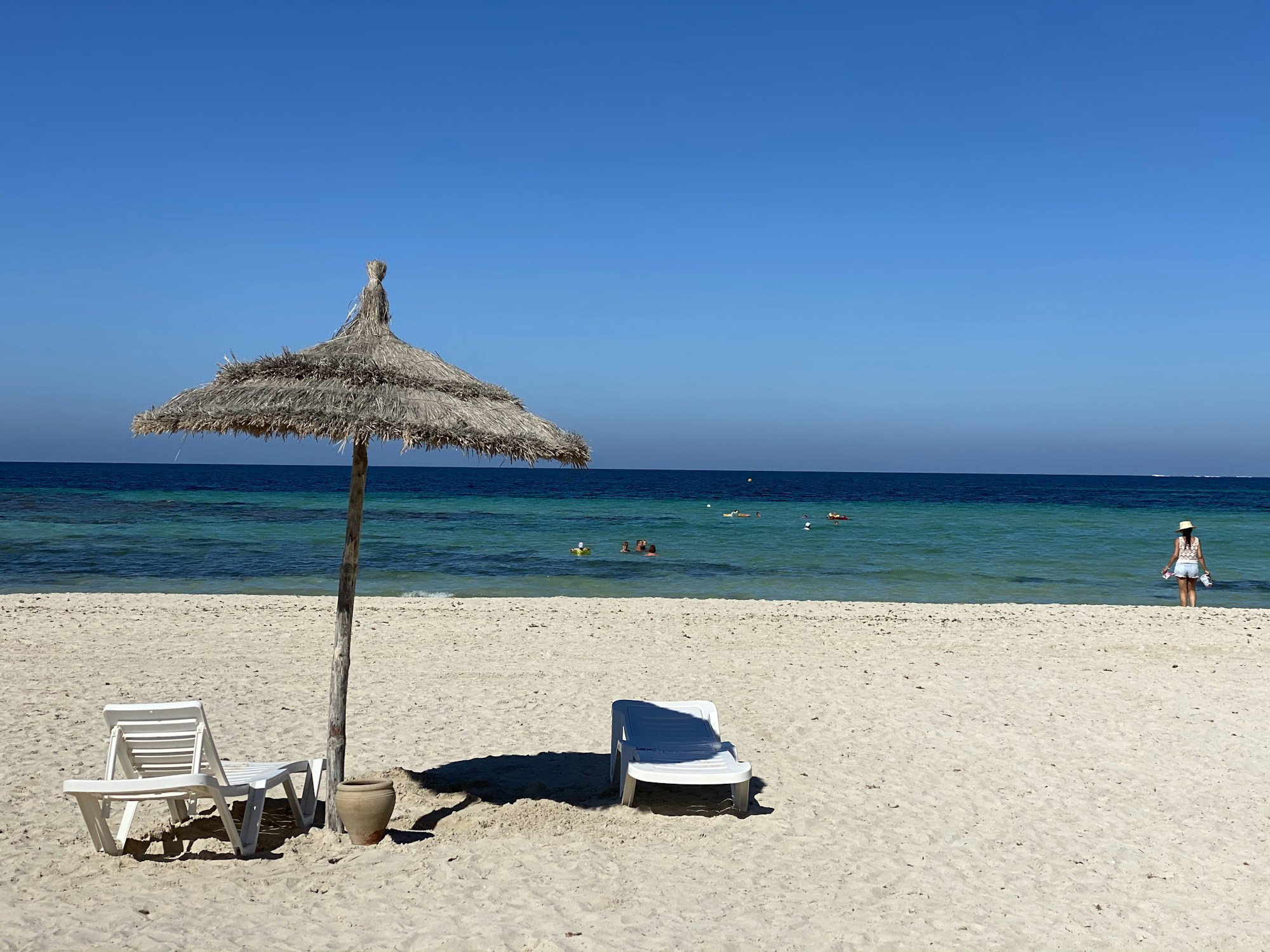
Hammamet & Djerba — Unbeatable Value
Tunisia is the undisputed champion of budget all-inclusive stays. In Hammamet or Djerba, you’ll find 4-star sea-view hotels at prices that defy any European logic. According to OnlyWay, one-week 4★ all-inclusive stays start from just €250 per person in September–October — 30–40% cheaper than Greece for a comparable standard.
Beyond the beach, Tunisia hides remarkable cultural gems: the Roman ruins of Carthage, the UNESCO-listed medina of Tunis, the troglodyte villages of Matmata (Star Wars filming location), and Sahara oasis day trips from Djerba.
Highlights
- 4★ all-inclusive hotels from €250 / week
- Only 2h30 from Paris
- Regular deals via major tour operators
- Cultural excursions (Carthage, Sahara) available at reasonable cost
3.2 Albania — The Mediterranean Revelation of 2026
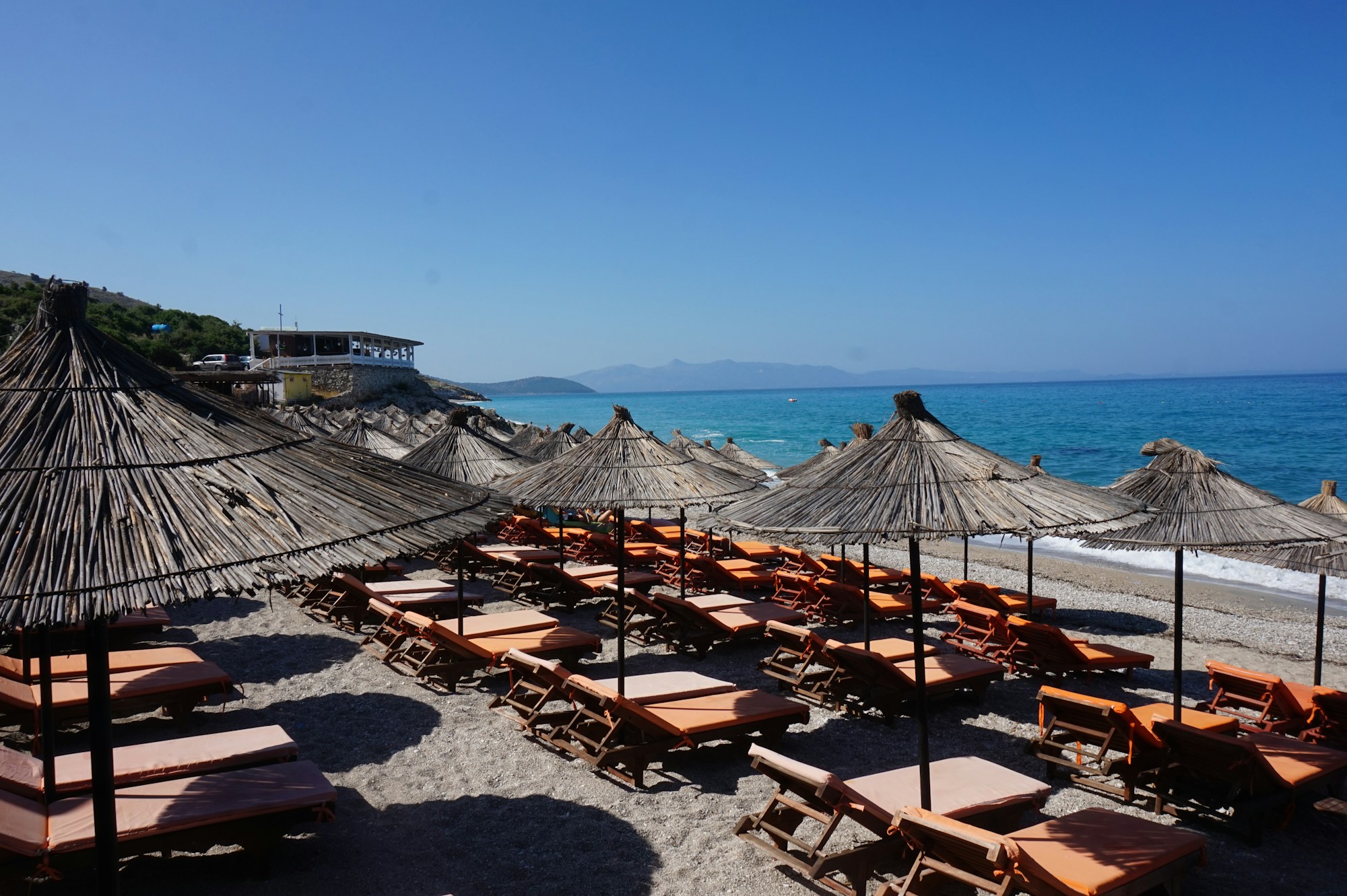
Albanian Riviera (Ksamil, Saranda, Lukova)
Albania is the 2026 revelation for budget travellers. Caribbean-quality turquoise beaches, two UNESCO-listed cities, generous cuisine… and a cost of living 25% lower than France. Ksamil, nicknamed « the Albanian Maldives », captivates with four islets accessible on foot and impossibly turquoise water. According to Ulysse, the daily budget is €22 in backpacker mode and €45 in comfort — versus €80–120/day in Greece.
Highlights
- 30–50% cheaper than Greece or Croatia
- Greek-island quality beaches at a fraction of the cost
- Restaurant meal: €8–10 for a full dish
- Cappuccino: €1.50 — 3★ hotel: €40/night
3.3 Georgia — The Caucasus on a Budget
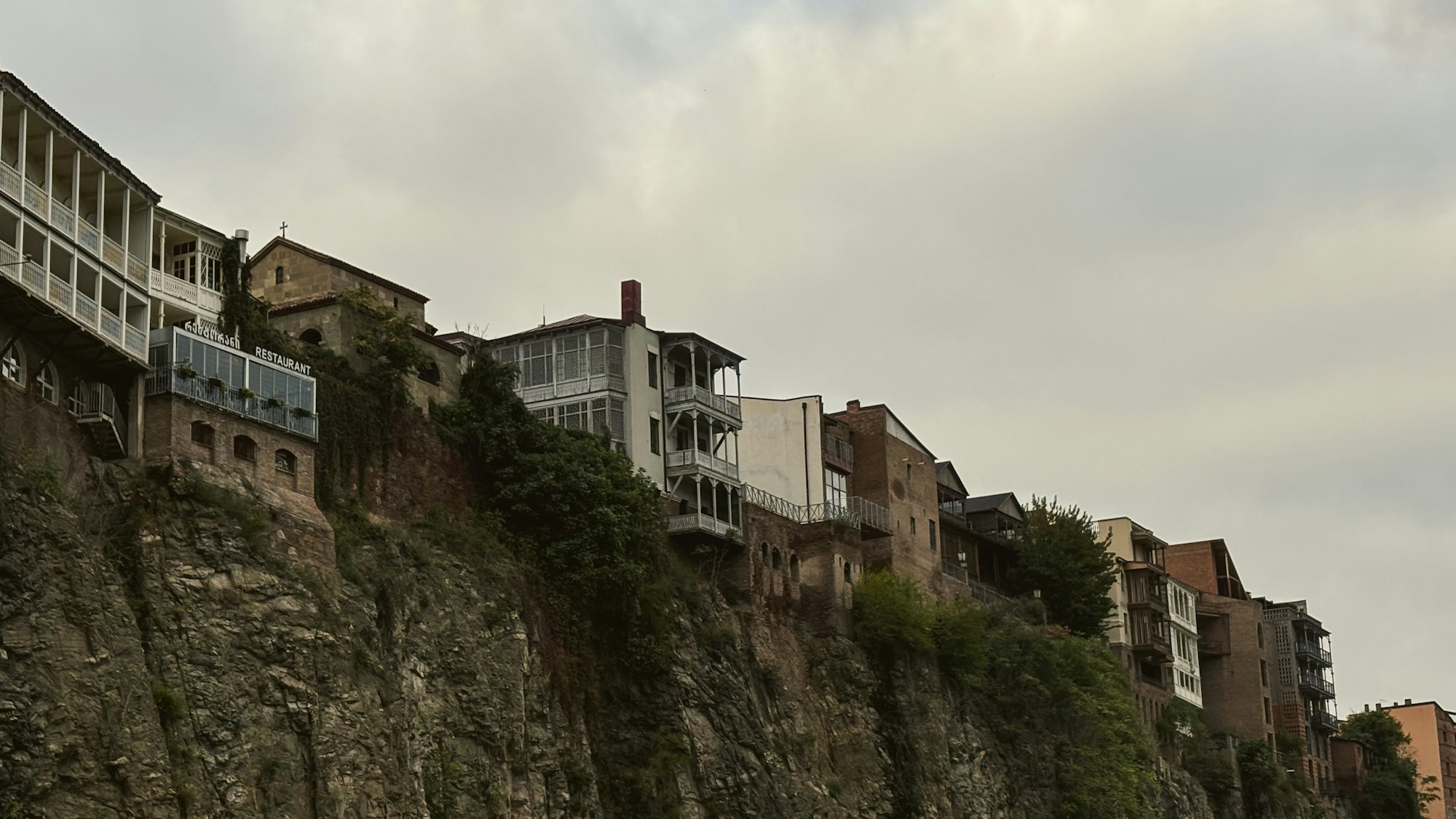
Tbilisi, Kakheti & Kazbegi
Georgia offers affordable travel with a cost of living 44% lower than France. Return flights Paris–Tbilisi start from €190, for a total budget of €450–500 over 7 days. A restaurant lunch costs around €8, a three-course dinner €16 per person. Tbilisi’s metro costs €0.30. Marshrutkas (minibuses) between cities cost €4–8, according to Ulysse.
Highlights
- Khachapuri (cheese bread) from €1.50 at local bakeries
- Millennial Georgian wine at €2/glass
- UNESCO-listed Tbilisi old town
- EU citizens: 365-day visa-free stay
3.4 North Macedonia — The Hidden Gem of the Balkans

Ohrid — The Mediterranean Without the Sea (or the Crowds)
A UNESCO World Heritage Site, Ohrid is called the « Pearl of the Balkans » and the cradle of Slavic Christianity. Its lake, considered one of the clearest in the world, is home to unique endemic wildlife. According to Atlas Trotter, a daily budget of around €85 for two is easily achievable — making it one of Europe’s most economical destinations. Return flights (via Skopje) from €100–150 + accommodation at €20–35/night = a week for €300–420.
Highlights
- 365 Byzantine churches in and around the city
- Tsar Samuel’s Fortress overlooking the lake
- Lake beach at 750m altitude, virtually empty outside July–August
- Easy day trip to Berat (Albania) — 30 min by road
3.5 Portugal — Algarve and Alentejo, Off-Season and Off-Price
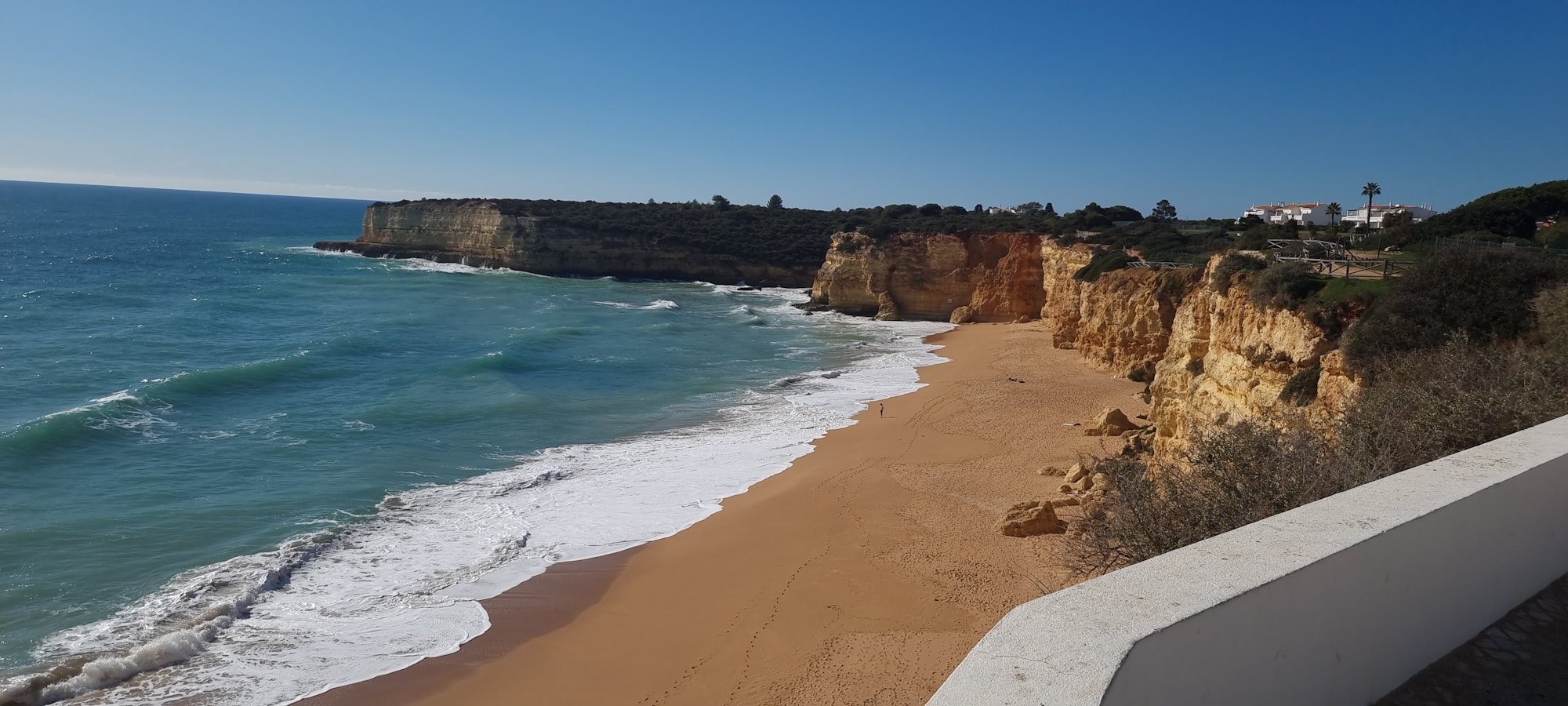
Alentejo & Algarve — Affordable Portugal
While Lisbon and Porto have become expensive cities, the rest of Portugal still offers exceptional budget opportunities. The Alentejo region — with its wine estates, medieval white villages (Évora, Monsaraz, Marvão) and absolute tranquillity — remains very affordable. The Algarve in May–June or September returns to off-season rates while keeping its sunshine — all-inclusive packages with flights start from just €400 in May and June, according to OnlyWay.
Highlights
- Alentejo: one of the most authentic regions in Western Europe
- Rural guesthouses (Casa rural): room + homemade breakfast ~€40/night
- Cuisine: black pork, Alentejo wines, petiscos at €2
- Low-cost flights from multiple UK airports
3.6 Poland — Kraków, Wrocław, Gdańsk for Under €420
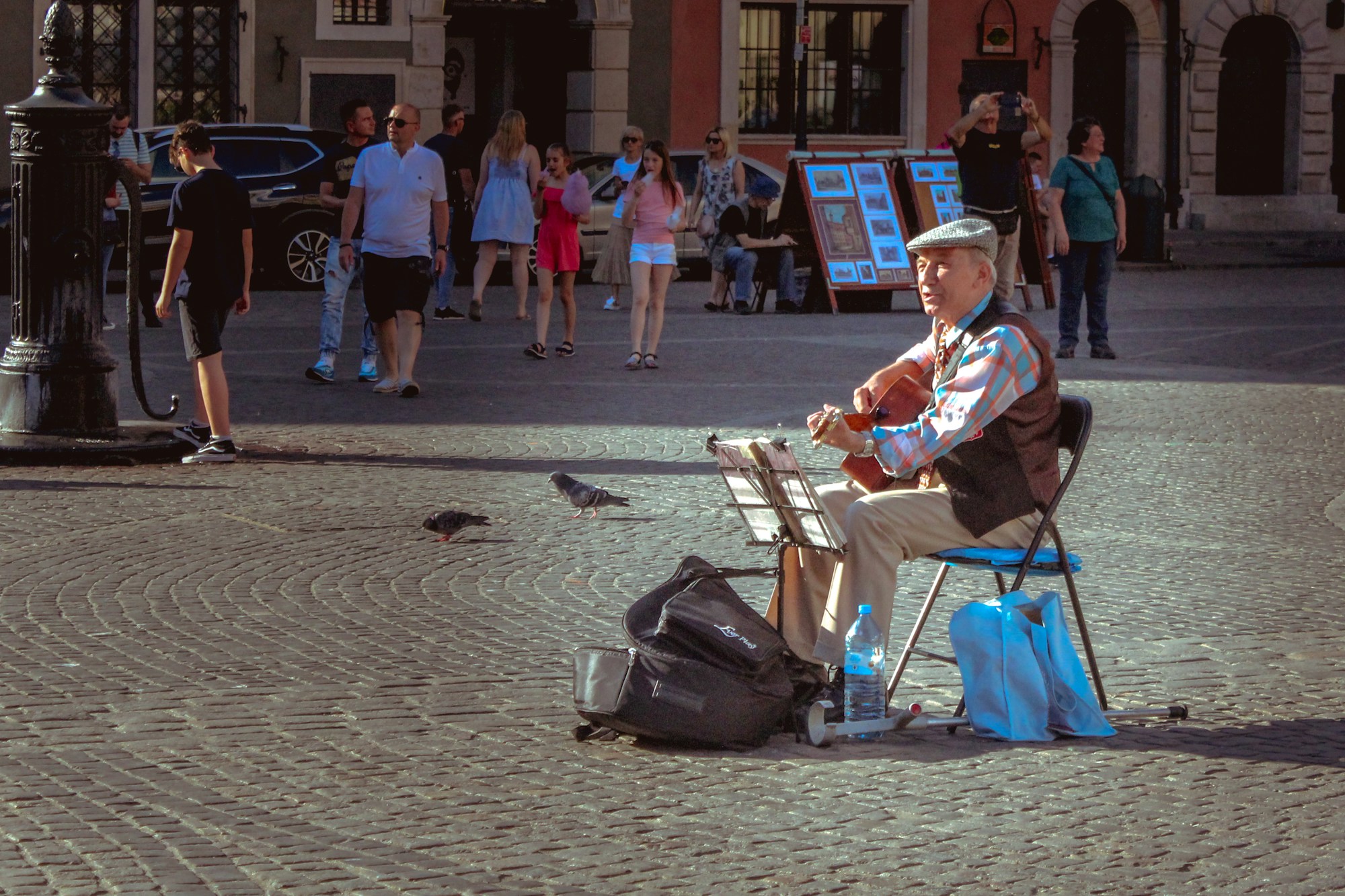
Kraków, Wrocław & Gdańsk — Three Cultural Capitals for the Price of One
Poland combines extraordinary historical and cultural richness with some of the lowest prices in Europe. Kraków has a magnificent UNESCO-listed old town, a vibrant food scene and a renowned nightlife. A daily budget of €40–60 per person easily covers accommodation, meals and activities, according to Guidly. Return flights from €50–80 + accommodation at €20–40/night = a week for €290–420.
Highlights
- Bar mleczny (milk bars): hearty meals for €3–5
- Museum entry: €5–8 (often free on Sundays)
- Wrocław: 300 bronze dwarfs hidden around the city
- Public transport: €0.50–1 per journey
3.7 Riga, Latvia — Europe’s Most Affordable Capital
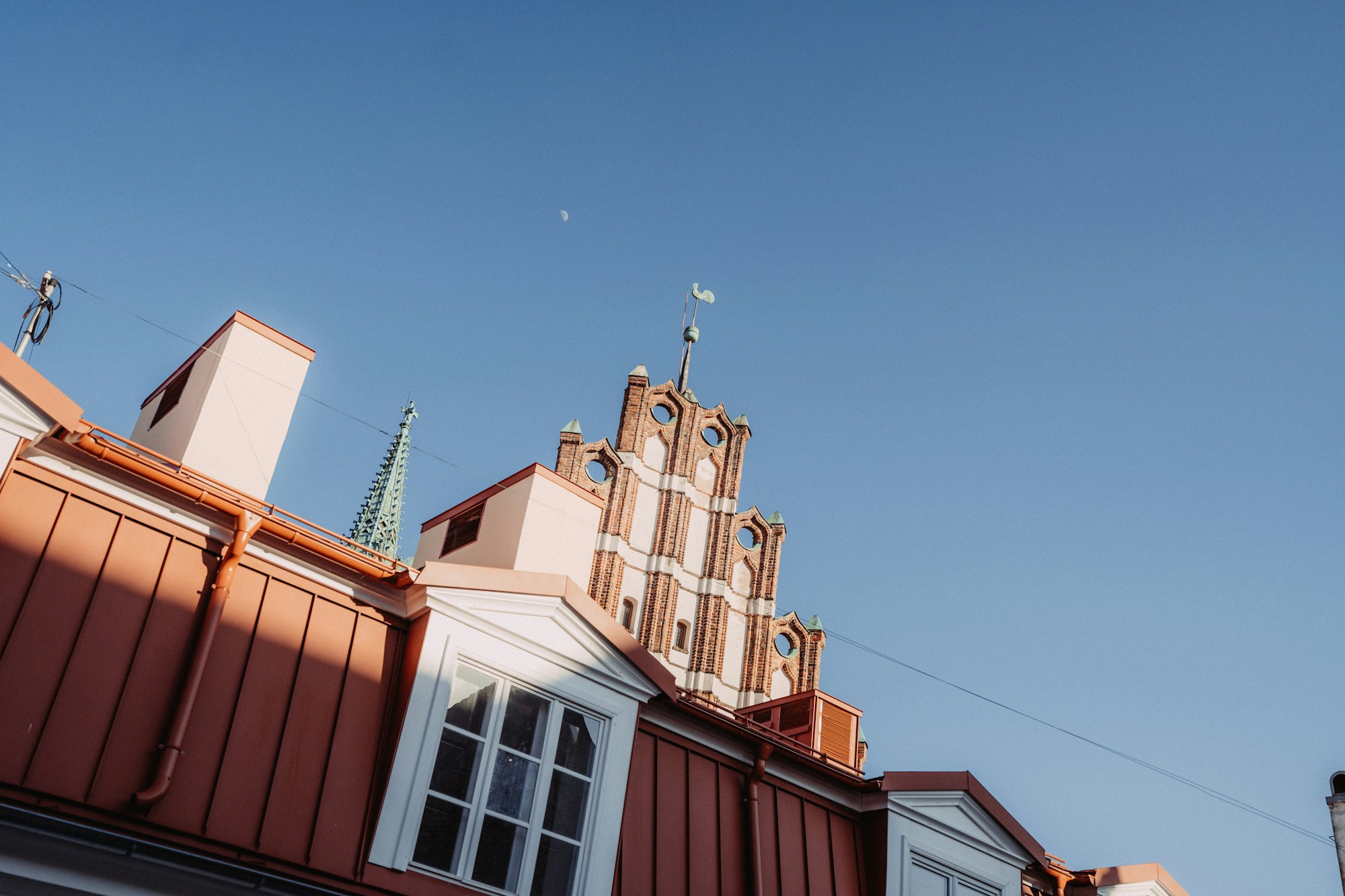
Riga — Art Nouveau, Markets & Endless Evenings
The City Costs Barometer 2025 places Riga at the top of Europe’s most affordable cities, with a total cost of around €291 for two nights including accommodation, meals, drinks and transport, according to Ton-Voyage. The Art Nouveau old town — the world’s largest concentration of 1900s architecture — is a delight for architecture lovers. The central market, housed in former Zeppelin hangars, is one of Europe’s largest. Return flights from €40–80 + hotel at €30–50/night = a week for €280–380.
Highlights
- World’s largest concentration of Art Nouveau architecture
- Central market in former Zeppelin hangars
- Baltic cuisine: rye bread, smoked fish, craft beers
- White nights in summer (sunset after 10:30pm)
3.8 Mainland Greece — Santorini Views Without the Santorini Price Tag
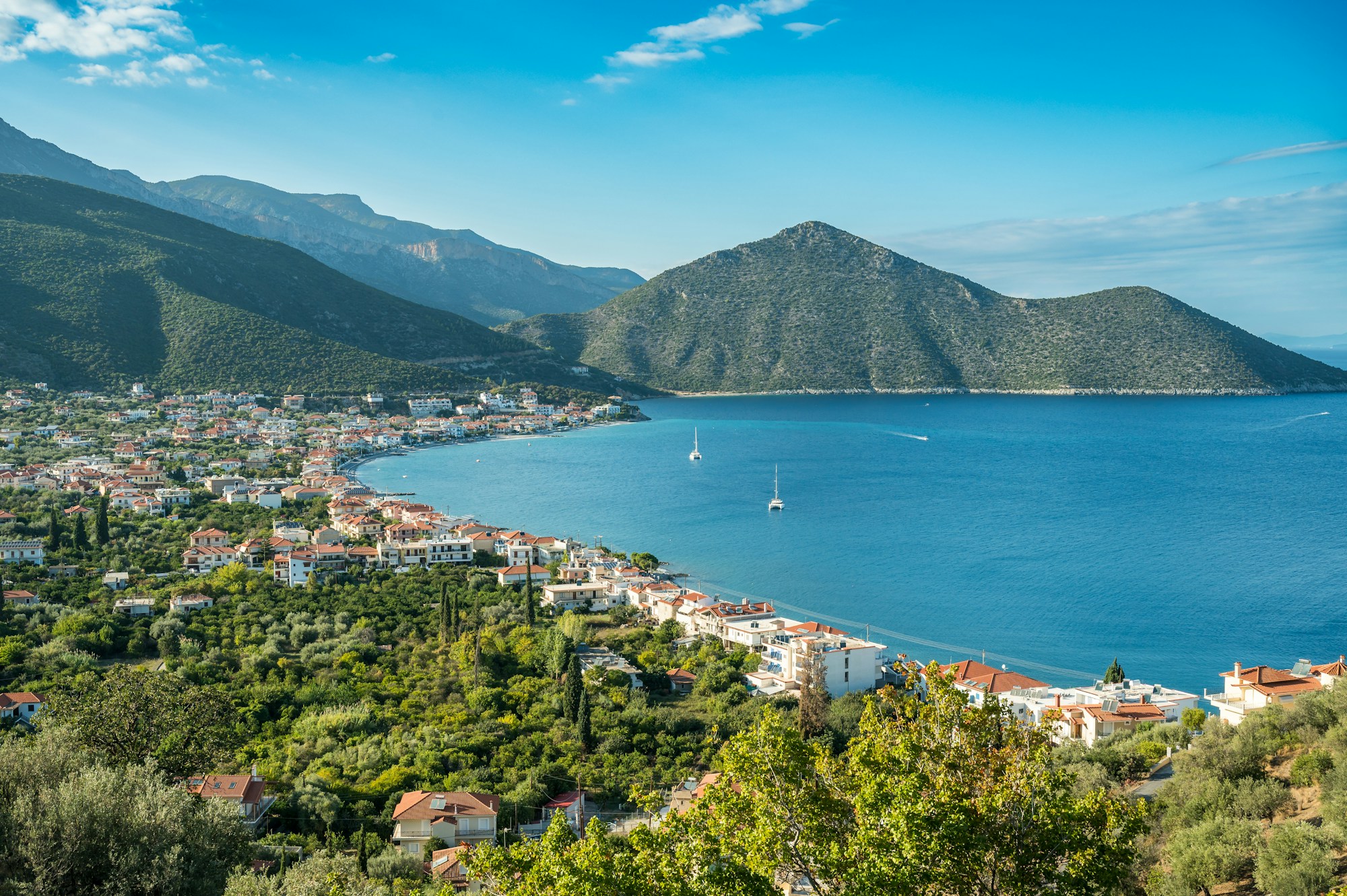
Peloponnese & Meteora — Ancient Greece Without the Crowds
Forget Santorini and Mykonos with their sky-high prices. The Peloponnese, Meteora and lesser-known islands offer tight-budget travel while still delivering some of Europe’s most extraordinary archaeological sites. Ancient Mycenae, Olympia and Epidaurus are accessible for €6–12, with no queues outside peak season. Accommodation from €35–60/night; traditional tavernas offer generous menus at €10–15. A last-minute Crete or Rhodes deal can drop from €600 to €350 in the 15 days before departure.
Highlights
- Ancient sites at €6–12 (Mycenae, Olympia, Epidaurus)
- Nafplio or Kalamata: 30–40% cheaper than Athens
- Meteora: cliff-top monasteries among Europe’s most dramatic landscapes
- Shared car hire: economical way to connect sites
4. 2026 Budget Comparison Table
All budgets are per person, for 7 nights, in economy or moderate-comfort mode, including return flights from Paris.
| Destination | Return Flight | Accommodation/night | Food/day | Total Budget 7 nights |
|---|---|---|---|---|
| 🇹🇳 Tunisia (all-in) | Included | Included | Included | €250–400 |
| 🇲🇰 North Macedonia | €100–150 | €20–30 | €5–10 | €300–380 |
| 🇱🇻 Riga (Latvia) | €40–80 | €30–50 | €10–15 | €280–380 |
| 🇦🇱 Albania | €150–200 | €25–40 | €10–15 | €300–430 |
| 🇵🇱 Poland | €50–80 | €25–40 | €10–15 | €290–420 |
| 🇵🇹 Portugal (Algarve) | €50–100 | €30–50 | €12–18 | €350–450 |
| 🇬🇷 Mainland Greece | €60–150 | €35–60 | €12–18 | €350–450 |
| 🇬🇪 Georgia | €190–280 | €20–35 | €10–16 | €450–500 |
5. Practical Information for Your Trip
Nomad Insurance: global coverage from $56/4 weeks. Mandatory for Georgia (30,000 GEL minimum required). 10% off via our link.
From $56 / 4 weeksStay connected from the moment you land. Essential for Albania, Georgia and North Macedonia (outside EU). Instant activation.
From €3.50Frequently Asked Questions — Holidays Under €500
Is it really possible to holiday for 7 nights all-inclusive for under €500 in 2026?
Yes, absolutely. An all-inclusive holiday at €500 per person, flights included, is achievable on several destinations in 2026. Tunisia, Greece, the Canaries and Morocco are the leading all-inclusive value markets. With independent booking (flight + accommodation), destinations like Poland, the Baltic States or Albania are even cheaper — starting from €280 for a full week.
When should you book to get the best flight prices?
For European flights (short-haul), book 4–8 weeks before departure. Booking too early (6 months ahead) for short-haul doesn’t pay — promotional fares haven’t launched yet. For medium-haul destinations (Maghreb, Turkey, Georgia), aim for 6–10 weeks in advance. Tuesday and Wednesday remain the best days to find low fares.
Is it better to book a package holiday or organise it yourself?
Both options have their merits depending on the destination. For Tunisia, Morocco or Greece in all-inclusive format, a tour operator package is often unbeatable (from €250). For destinations like Albania, Poland or the Baltics, DIY booking (low-cost flight + hostel) is generally 20–30% cheaper. Comparing at least 3 platforms before booking saves an average of 15–20% on the final price.
Does the last-minute strategy really work?
Yes, with caveats. Last-minute all-inclusive deals offer 20–40% off the original price. The best deals appear between D-15 and D-3 — hotels and tour operators prefer selling at a reduced price over leaving rooms empty. The most affected destinations: Tunisia, Morocco, Canaries and Balearics. The constraint? You must accept whatever dates and destinations are available.
Which months are cheapest for travel?
January (-11.3% below the annual average) and March are among the cheapest months to travel. August (+25%), July (+20%) and December (+17%) should absolutely be avoided on a tight budget. Outside of Asia and North Africa, May–June and September remain the ideal months: reasonable prices, good weather, and moderate tourist crowds.
Do you need travel insurance for these destinations?
For destinations outside the European Union (Albania, Georgia, North Macedonia, Morocco, Tunisia), travel insurance is strongly recommended and sometimes mandatory. Georgia requires health coverage of at least 30,000 GEL from January 2026. For EU destinations (Portugal, Poland, Latvia, Greece), the European Health Insurance Card (EHIC) covers emergency medical care — but supplementary insurance remains advisable for repatriation and cancellation.
Sources
- OnlyWay — Budget all-inclusive travel 2026 — Price data and destinations (April 2026)
- Ulysse — Albania budget travel 2026 — Daily costs and practical data (January 2026)
- Ulysse — Georgia budget travel 2026 — Prices and 7-day itinerary (March 2026)
- Atlas Trotter — One week in North Macedonia — Itinerary and budget (Nov 2025)
- Ton-Voyage — Cheapest European destinations 2026 — Top 20 with budgets (April 2026)
- Aux Descales — How to find cheap flights — Tips and timing (March 2026)
- Guidly — Europe 2026: where to travel on a budget — Daily budget by destination (April 2026)
Research conducted on 16 April 2026
Ready to Plan Your Budget Holiday?
Discover thousands of itineraries created by travellers like you — organised by budget, destination and duration. Your next holiday for under €500 starts here.
Explore itineraries